



If you've ever tried watching your favorite show on a modern flat-screen TV and found yourself constantly adjusting the volume or asking "what did they say?", you're not alone. Today's TVs, despite their stunning visuals, often have terrible built-in speakers. They're simply too thin to house decent audio drivers, leaving you with tinny, quiet sound that gets lost the moment someone walks into the kitchen.
That's where soundbars come in. These sleek audio solutions sit below your TV and dramatically improve your listening experience. But here's the thing – not all soundbars are created equal, and the differences between budget and premium options can be pretty significant.
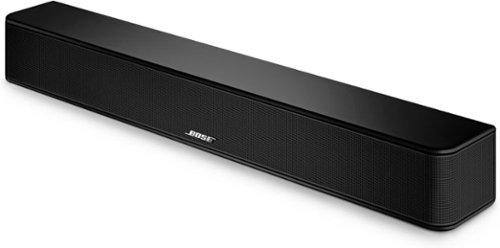
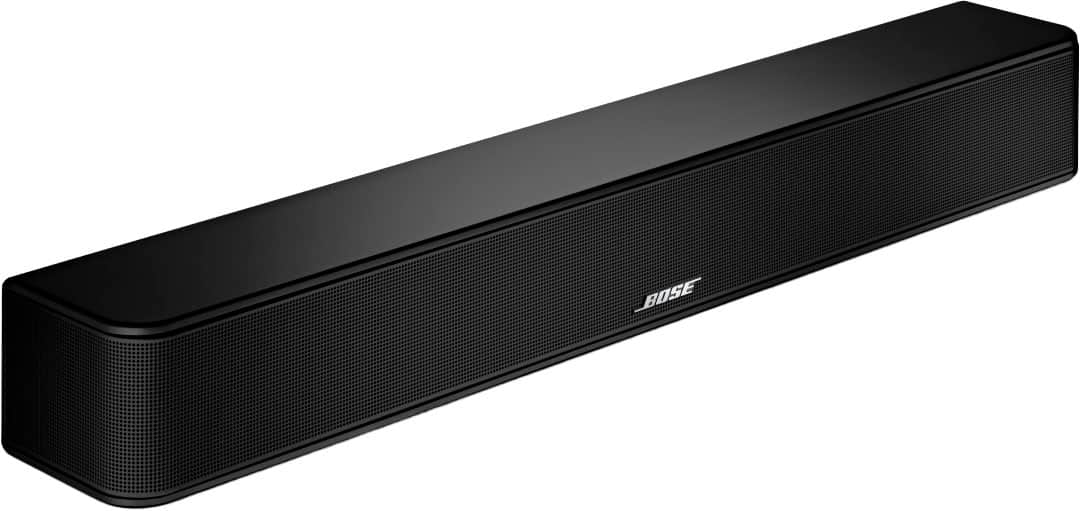
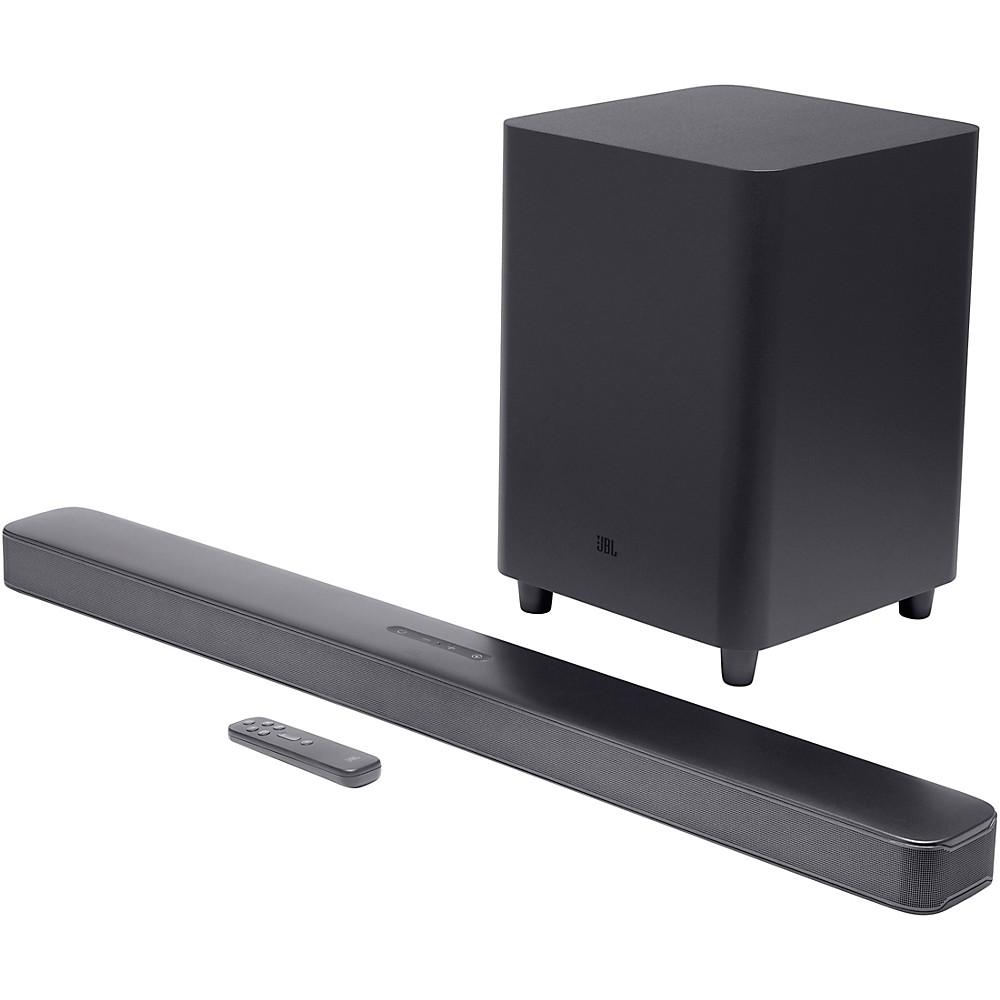
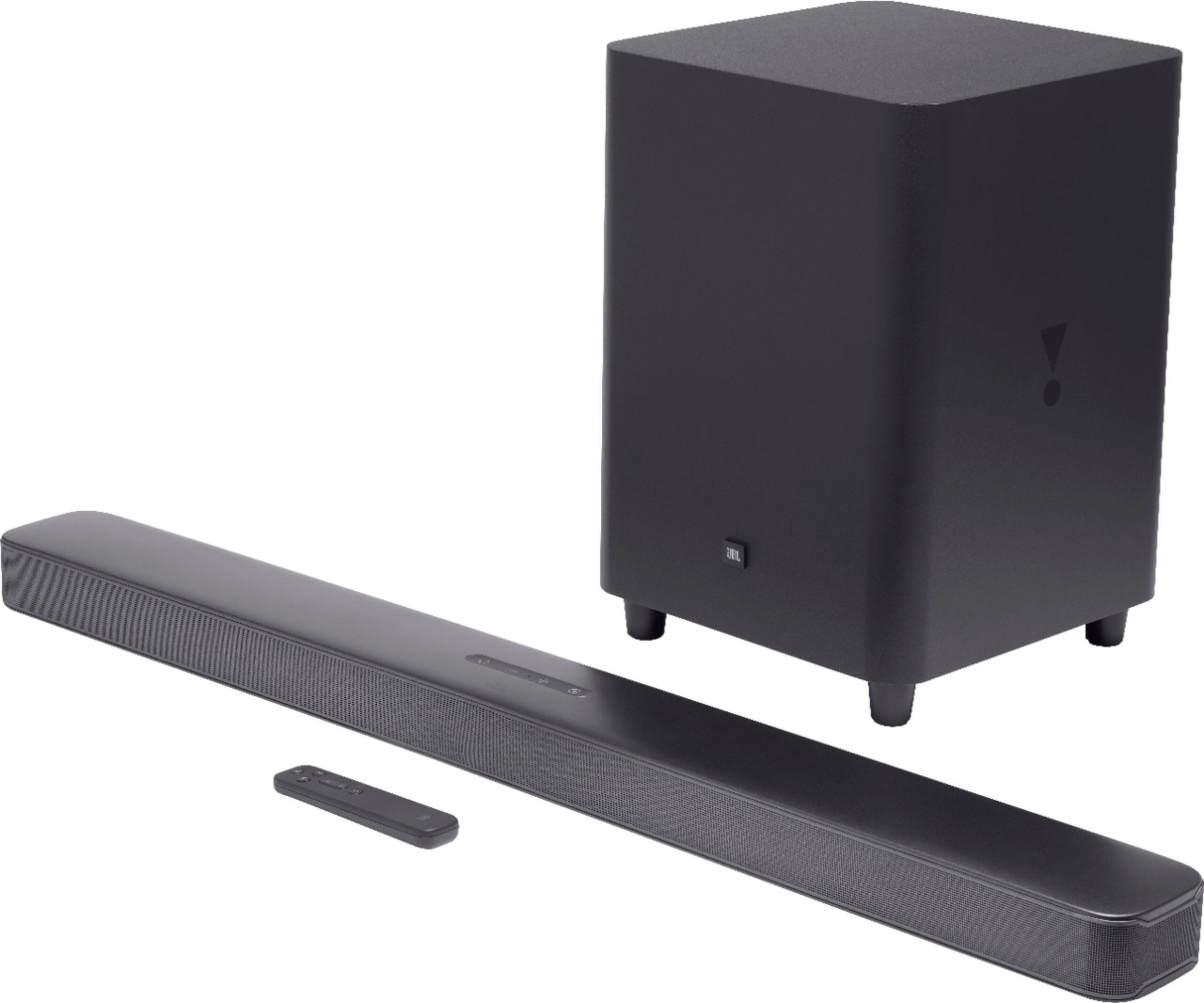
Today, I'm comparing two very different approaches to TV audio: the Bose Solo Soundbar Series 2 ($199) and the JBL Bar 5.1 Surround Soundbar ($600). These represent opposite ends of the philosophy spectrum – one prioritizes simplicity and dialogue clarity, while the other delivers full cinematic immersion.
Before diving into specifics, let's talk about what makes a good soundbar. The most important factors are audio channels (how many separate speakers and directions sound comes from), connectivity options, room compatibility, and of course, your budget.
Audio channels are described with numbers like "2.0" or "5.1." The first number tells you how many main speakers there are, while the second indicates subwoofers. So a 2.0 system has left and right speakers but no dedicated bass driver, while a 5.1 system has five speakers plus a subwoofer for deep bass. More channels generally mean better sound separation and a more immersive experience.
Connectivity matters because different inputs support different audio quality levels. An optical connection (that thin cable with light coming out) can handle standard TV audio well, but HDMI eARC (enhanced Audio Return Channel) can pass through higher-quality formats like Dolby Atmos from streaming services.
The room size consideration is huge but often overlooked. A small soundbar that sounds great in a bedroom might get completely lost in a large living room, while a powerful system could overwhelm a small space.
Released in 2024, the Bose Solo Soundbar Series 2 represents Bose's latest take on affordable TV audio enhancement. It's the successor to their popular original Solo series, with improvements to dialogue processing and build quality.
This is fundamentally a 2.0 stereo soundbar – meaning it has left and right channels but no dedicated subwoofer or rear speakers. At 21.6 inches wide and weighing just over 3 pounds, it's designed to slip under most TVs without dominating your entertainment center.
The key innovation here is Bose's psychoacoustic processing, which enhances vocal frequencies between 85Hz and 255Hz. This is the range where human speech lives, and by boosting these frequencies while carefully managing others, Bose makes dialogue pop out of the mix. It's particularly effective for news, sitcoms, and dialogue-heavy dramas where understanding every word matters.
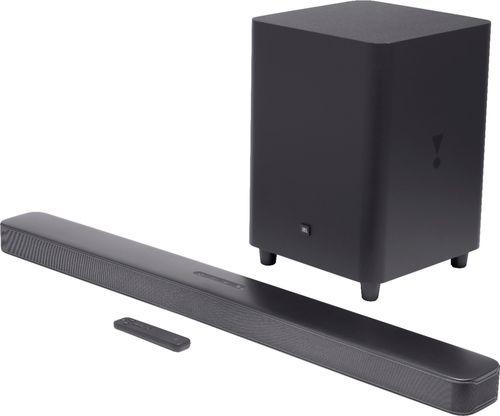
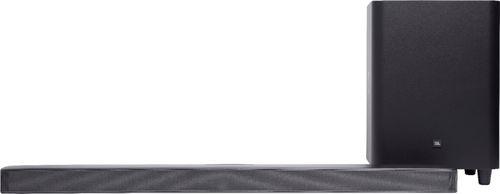
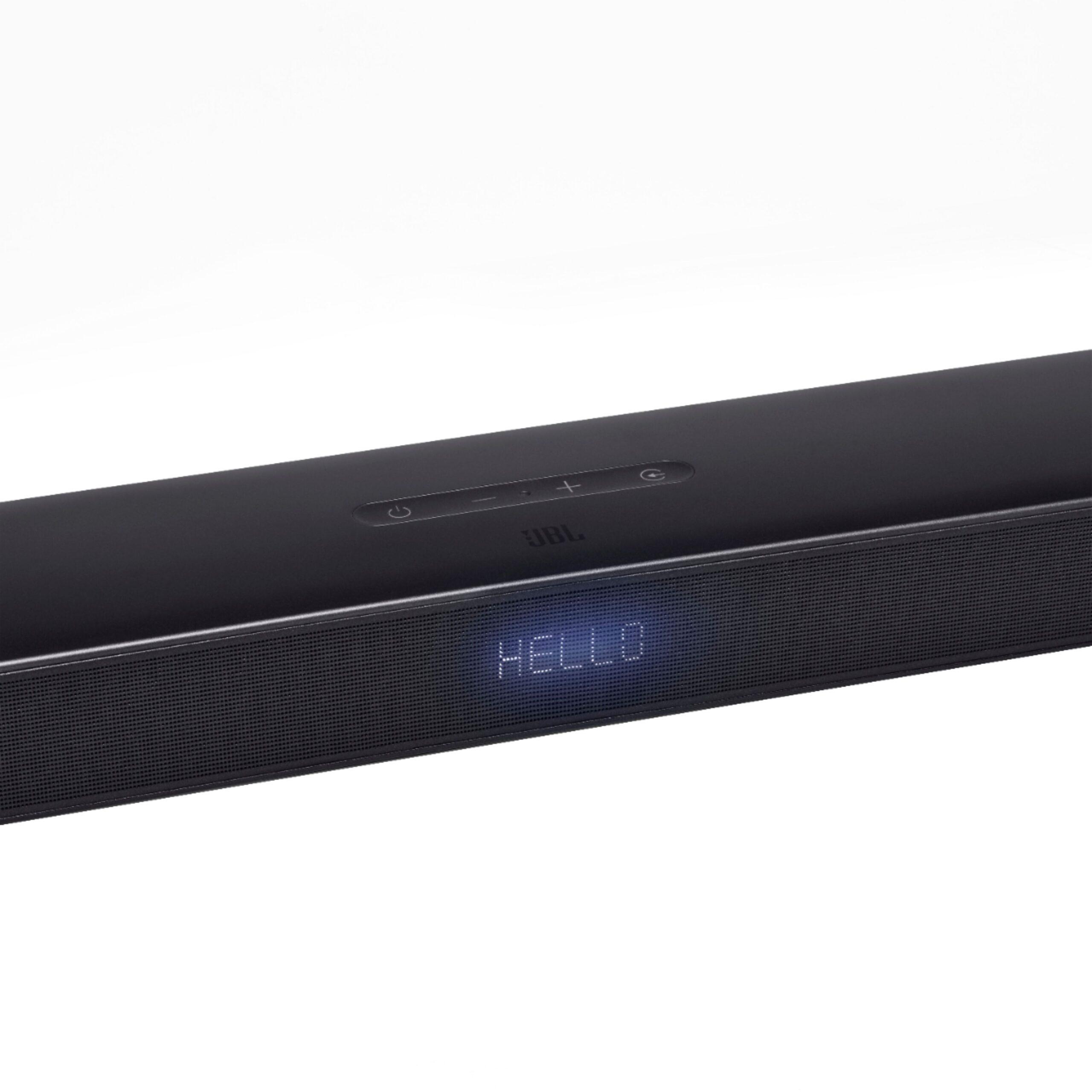
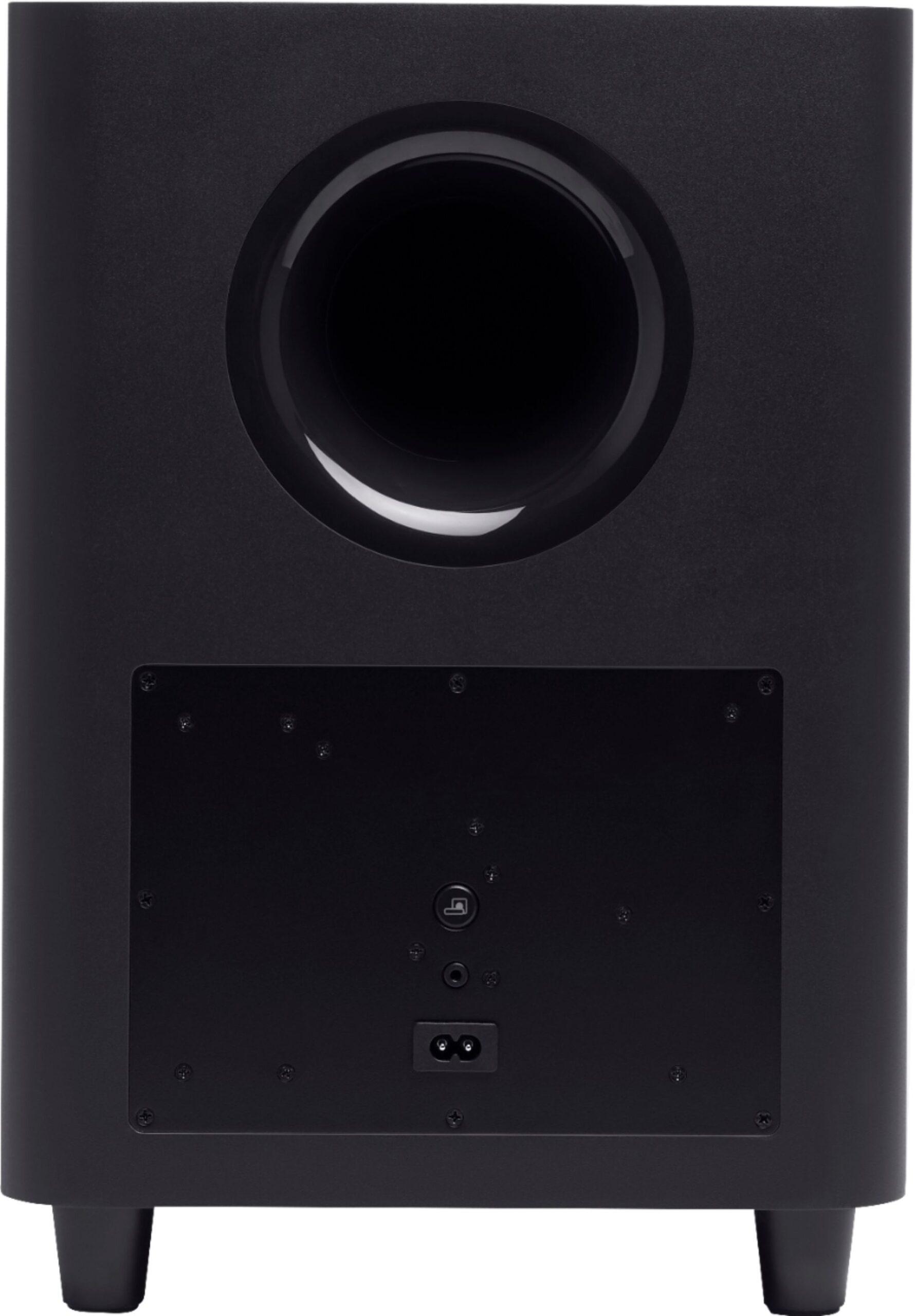
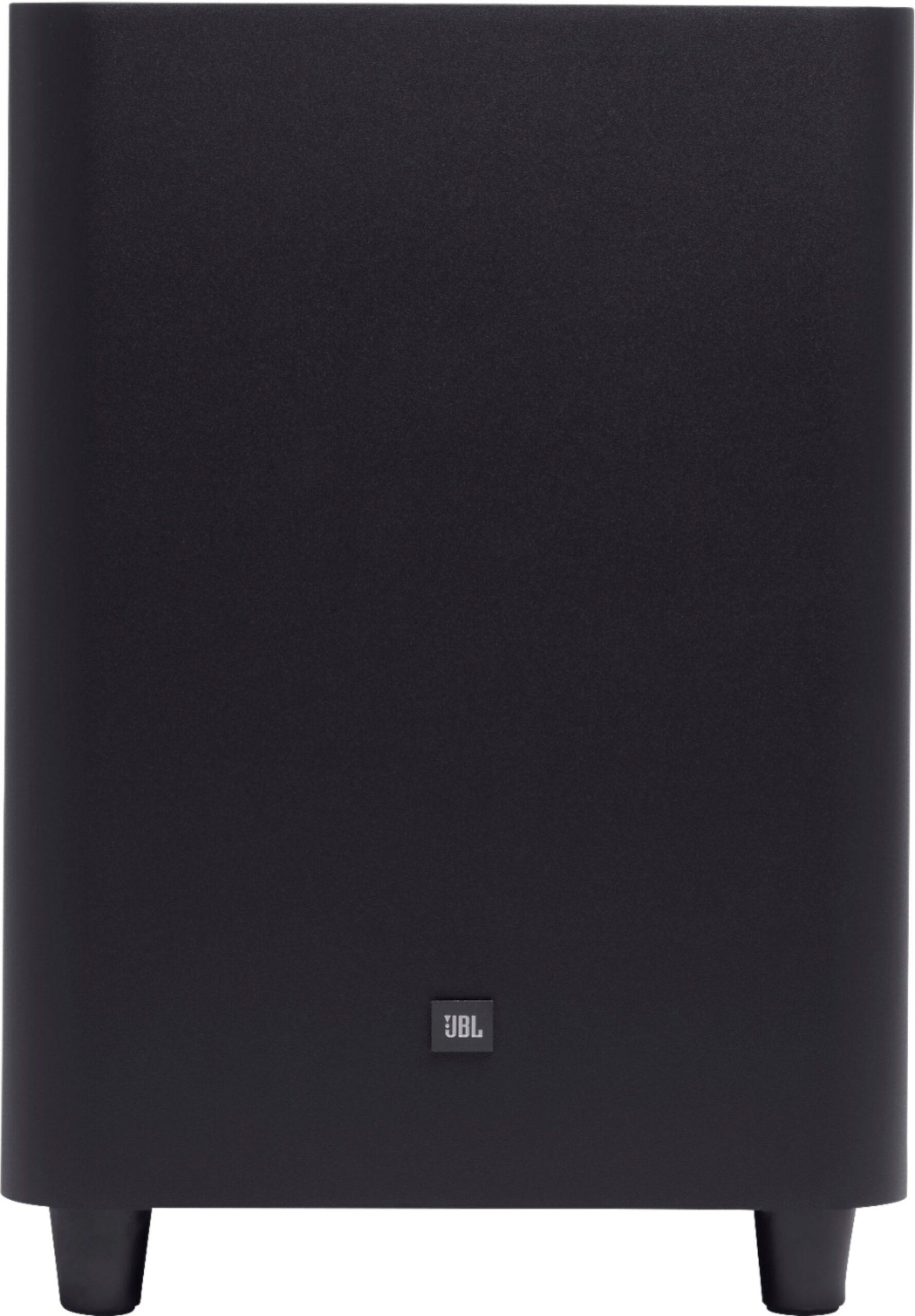
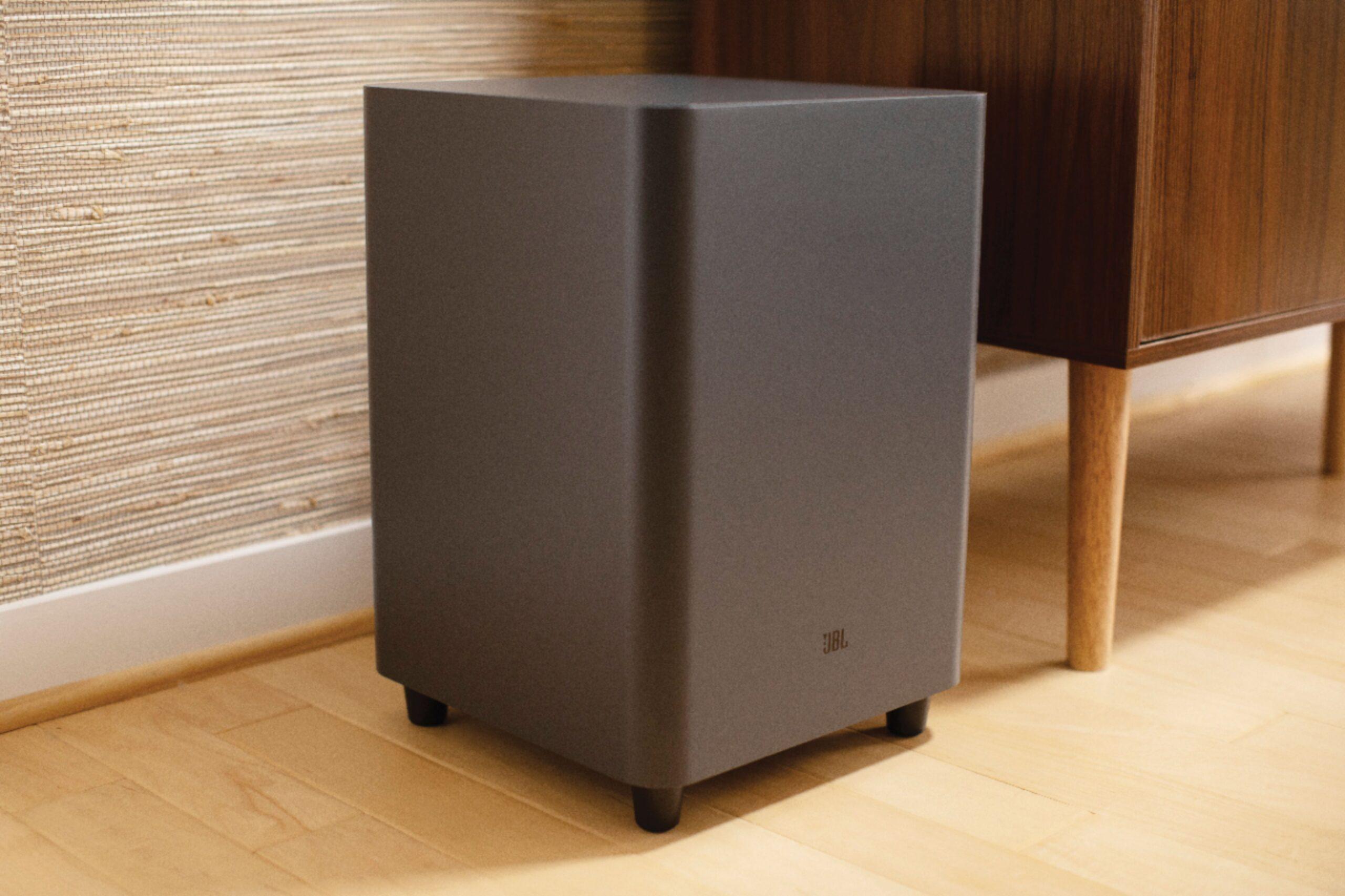
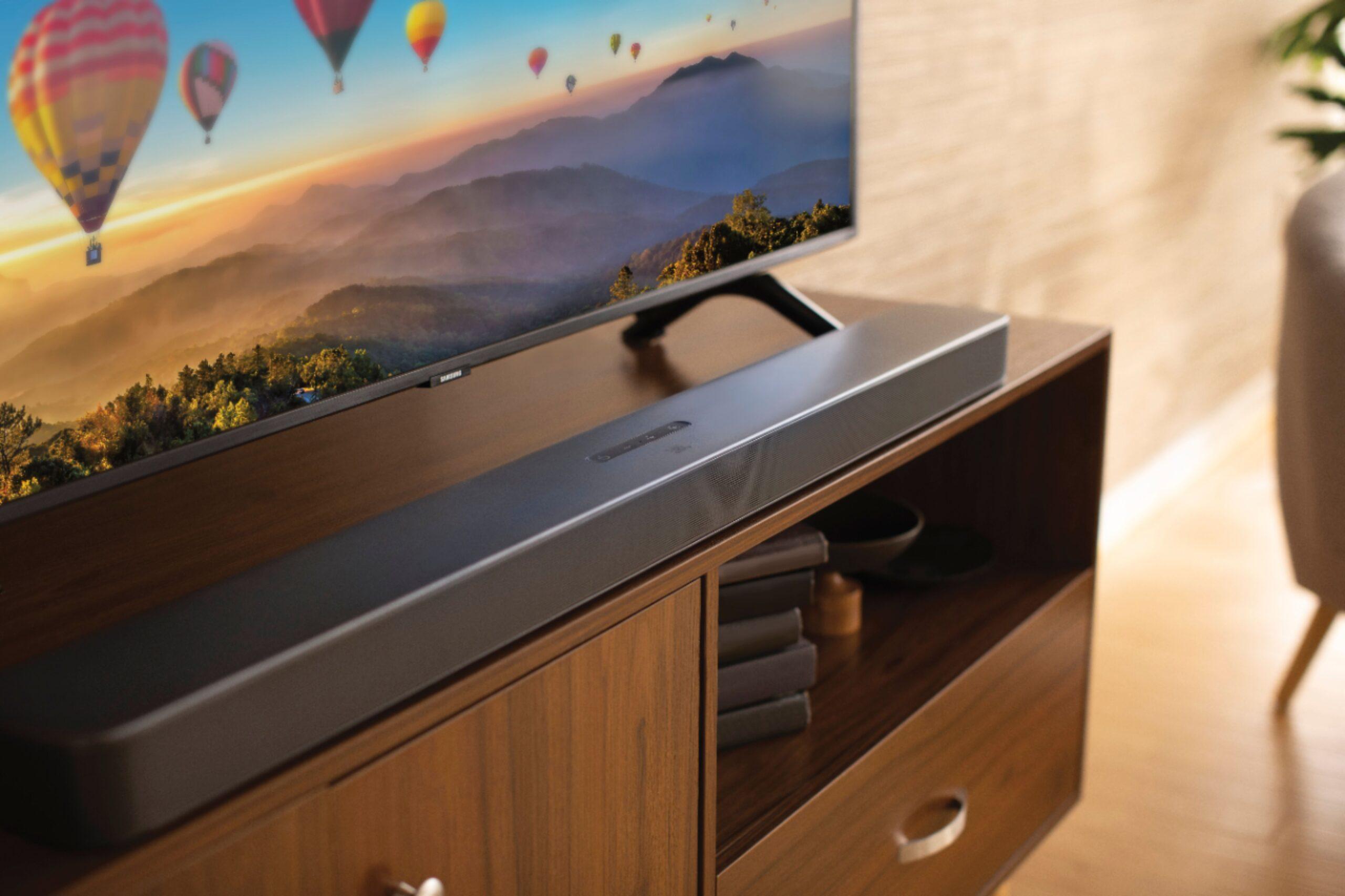
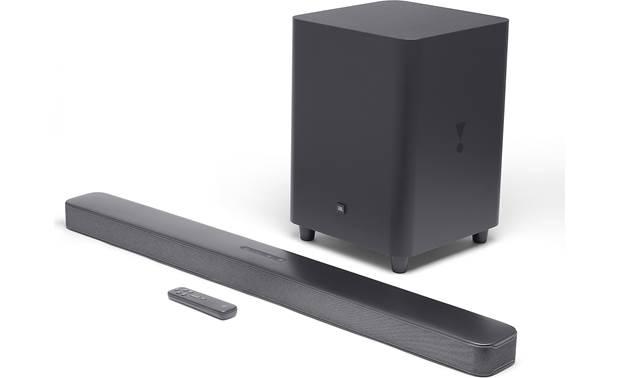
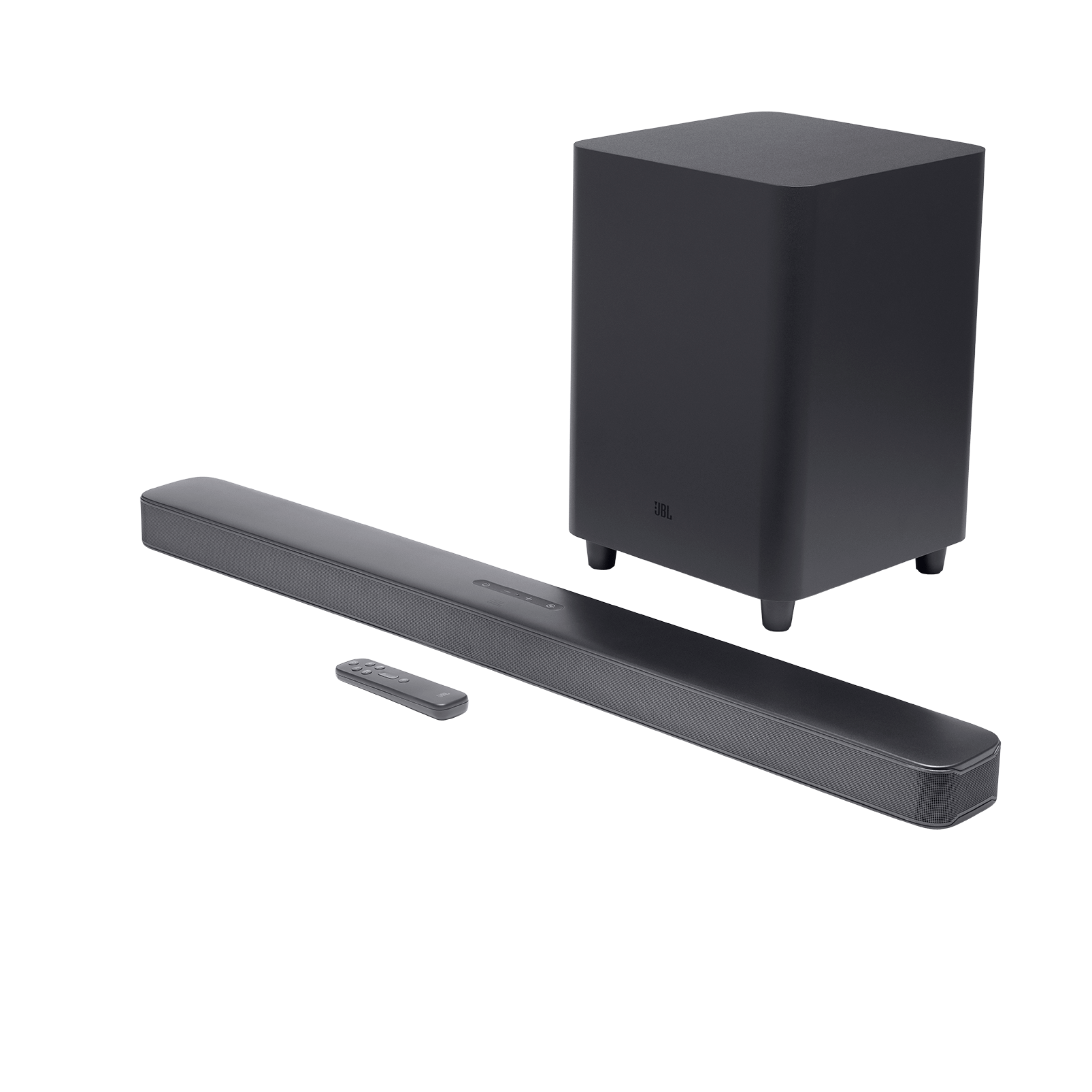
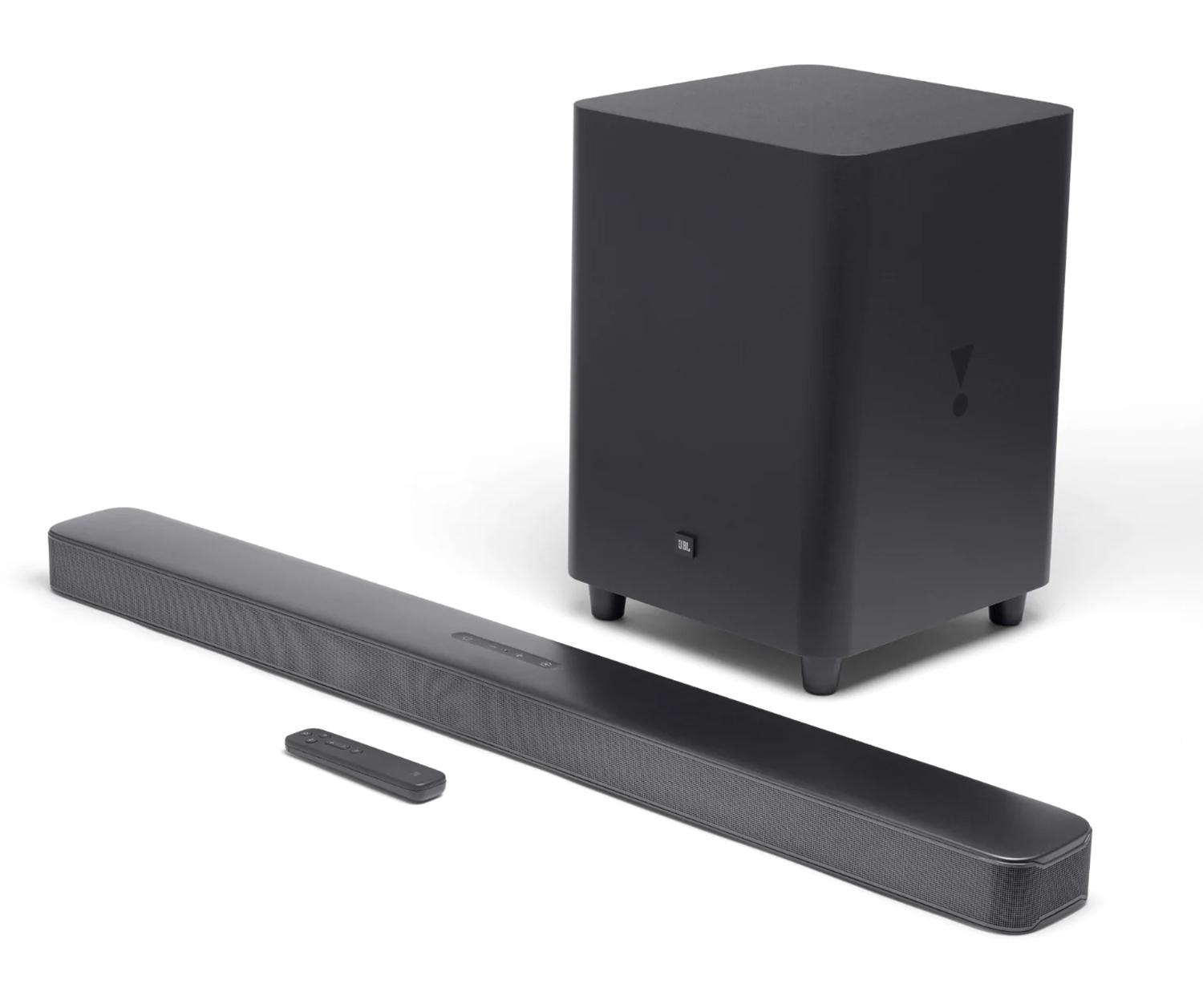
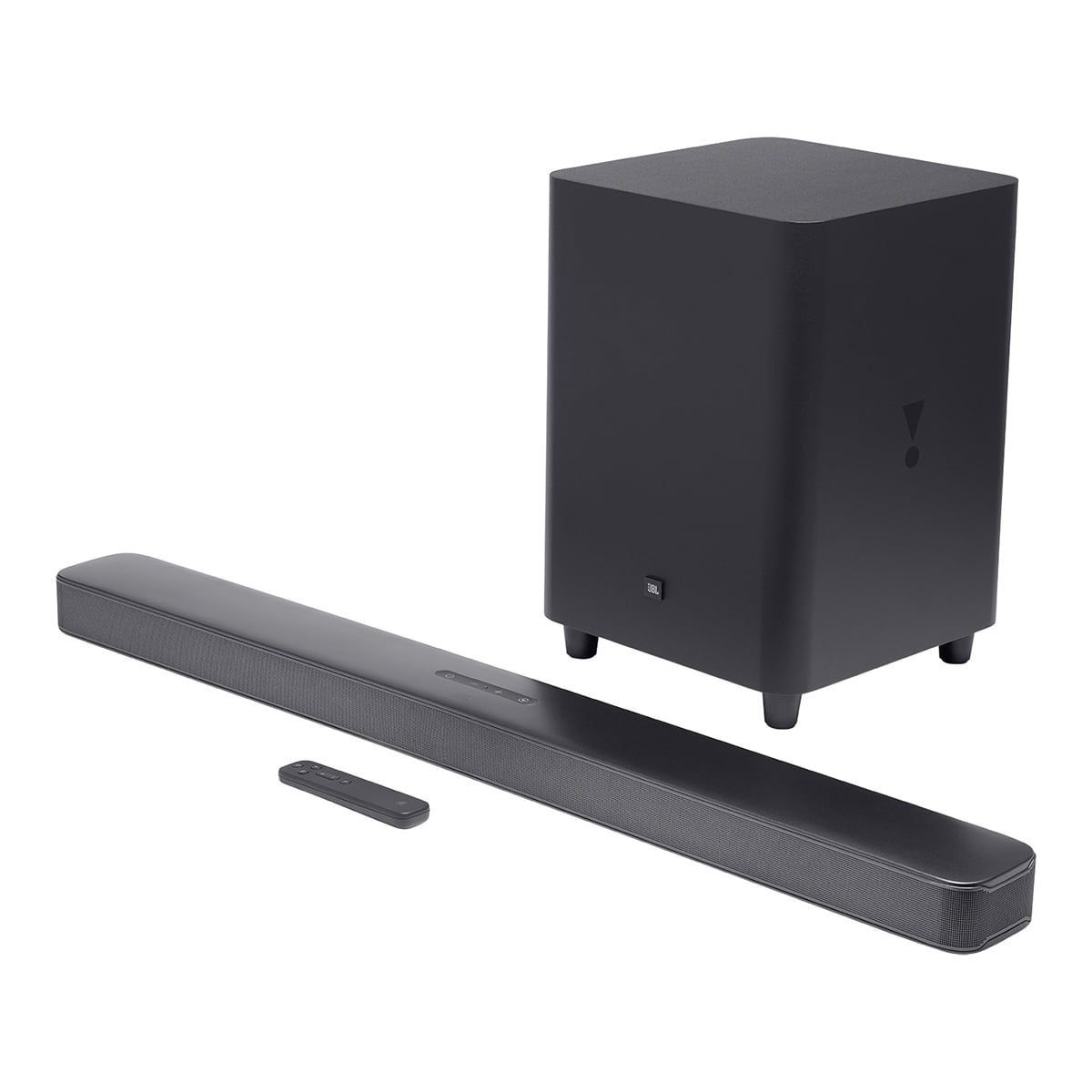
The JBL Bar 5.1 Surround, originally launched in 2021, takes a completely different approach. This is a true 5.1 surround system that includes a 10-inch wireless subwoofer and two detachable rear speakers that can run on battery power for up to 10 hours.
At 42.5 inches wide, it's built for larger rooms and more serious home theater setups. The total system power of 510 watts dwarfs the Bose's estimated 100 watts, and it supports advanced audio formats like Dolby Digital and DTS that can deliver genuine surround effects.
What makes this system unique is those detachable rear speakers. During regular TV watching, they dock into the main soundbar for a clean look. But when movie night rolls around, you can place them behind your seating area for authentic surround sound. It's like having a removable home theater system.
Here's where the Bose Solo Series 2 really shines. I've tested dozens of soundbars, and few match Bose's ability to make dialogue crystal clear. The company's decades of research into psychoacoustics – basically how our brains process sound – pays off here.
The Solo Series 2 includes a dedicated dialogue mode that further enhances vocal clarity. When watching news or talk shows, voices seem to float clearly above any background music or sound effects. This isn't just EQ boosting; it's sophisticated processing that makes the human voice more intelligible without making it sound artificial.
However, this focus on dialogue comes with trade-offs. Music playback feels somewhat thin, lacking the fullness you'd get from a system with a dedicated subwoofer. Action movies can feel flat because there's no real bass impact when explosions happen or cars crash.
The JBL Bar 5.1 takes a different approach. While dialogue is clear, it's not specifically enhanced like the Bose. Instead, it relies on having a dedicated center channel (the middle speaker in the main bar) to anchor voices. In a proper 5.1 mix, this center channel carries most dialogue, keeping it separate from music and effects.
This is where the systems diverge dramatically. The Bose Solo Series 2 simply cannot produce deep bass. Physics is against it – those small drivers in the compact enclosure can't move enough air to create the low frequencies that make explosions rumble or music feel full.
The JBL's 10-inch wireless subwoofer changes everything. Bass extends down to 40Hz, which covers most of the low-end you'll encounter in movies and music. When Thor throws his hammer in an Avengers movie, you feel that whoosh through the room. When listening to music with deep bass lines, the subwoofer fills in what the main speakers can't produce.
That subwoofer is wireless, which is both convenient and potentially problematic. Convenient because you can place it anywhere in the room for optimal bass response – corners often work well because they reinforce low frequencies. Potentially problematic because wireless connections can sometimes introduce latency (delay) between the bass and the main speakers, though JBL has generally solved this issue in recent models.
The Bose uses virtual surround processing to create a sense of width beyond its physical speakers. This psychoacoustic trickery can be surprisingly effective, making dialogue and effects seem to come from a wider soundstage than the bar itself. But it's still fundamentally a stereo experience.
The JBL Bar 5.1 offers true surround sound when you deploy those rear speakers. I've set this up in multiple rooms, and the difference is immediately noticeable in properly mixed content. Sound effects pan around the room, creating genuine immersion that virtual processing simply cannot match.
Those detachable rear speakers are clever engineering. They charge when docked to the main bar, and their 10-hour battery life means you can place them behind your couch for movie night without running cables across the room. The wireless connection is stable in my experience, with no noticeable delay or dropouts.
The Bose Solo Series 2 keeps things simple with optical and Bluetooth connectivity. The optical input handles standard Dolby Digital from your TV, while Bluetooth lets you stream music from your phone. It's straightforward but limited.
The optical connection uses light to transmit digital audio signals, which eliminates electrical interference. However, optical has bandwidth limitations – it can't carry the highest-quality audio formats that streaming services now offer.
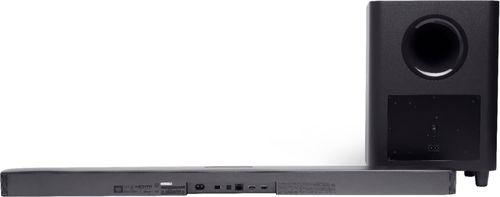
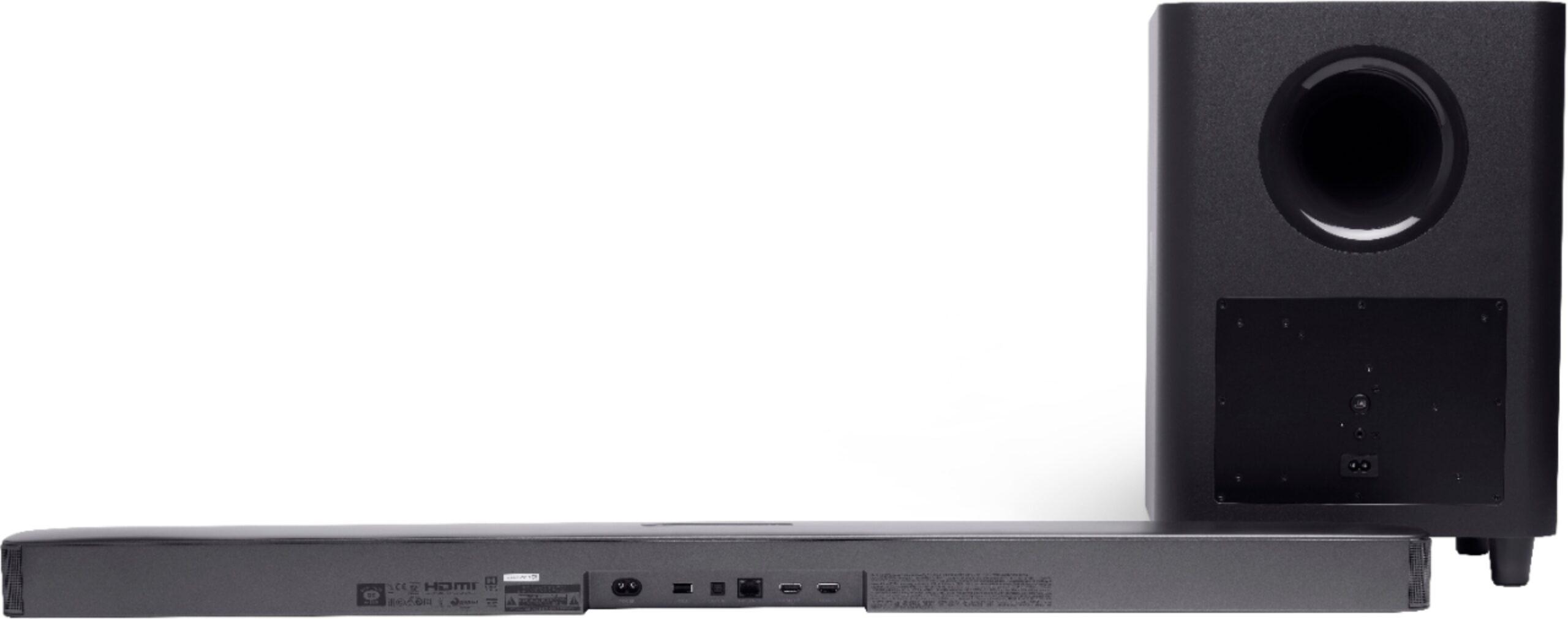
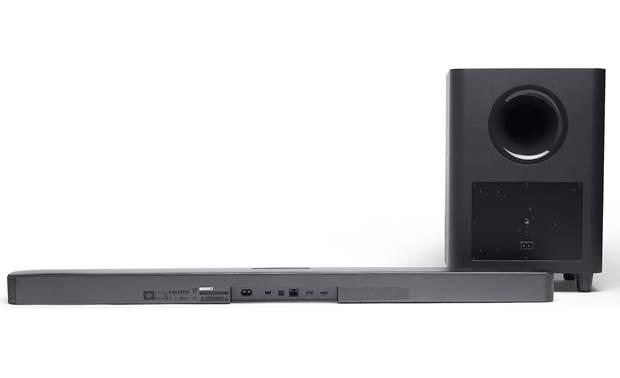
The JBL Bar 5.1 includes HDMI eARC, which is increasingly important. eARC (enhanced Audio Return Channel) allows your TV to send high-quality audio back to the soundbar, including formats like Dolby Atmos from Netflix or Disney+. It also supports CEC (Consumer Electronics Control), meaning the soundbar can turn on and off with your TV and respond to your TV remote.
The JBL also includes multiple HDMI inputs, essentially acting as a hub for your devices. You can connect your game console, streaming device, and cable box directly to the soundbar, then send video to your TV through a single HDMI cable. This reduces cable clutter and can improve audio quality since the soundbar receives the audio signal directly rather than through the TV.
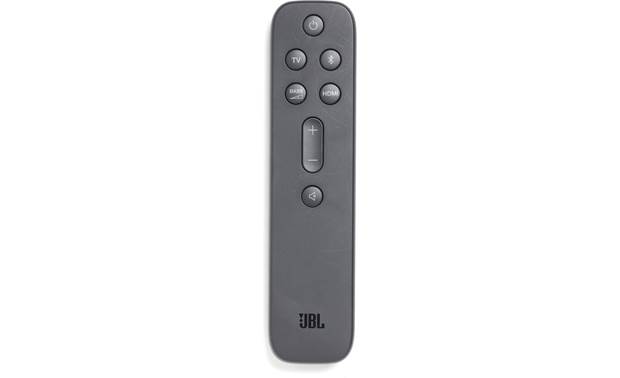
Bose keeps it simple with basic remote control functionality. There's a dialogue enhancement mode and bass adjustment, but that's about it. No app, no room correction, no advanced settings. For many users, this simplicity is actually a feature.
JBL includes their One app, which offers EQ customization, firmware updates, and multi-room audio if you have other JBL speakers. The app also provides different sound modes optimized for music, movies, or sports. While not essential, these features add flexibility for users who want to fine-tune their experience.
For everyday viewing – news, sitcoms, casual shows – the Bose Solo Series 2 excels. Setup is genuinely plug-and-play: connect the optical cable, plug in power, and you're done. The dialogue enhancement makes everything more intelligible without any fiddling with settings.
I've used similar Bose soundbars in bedrooms and smaller living spaces, and they consistently deliver on their core promise. Voices are clear, the sound is balanced, and there's no complexity to manage. For older viewers or anyone who struggles with dialogue clarity, the improvement over TV speakers is dramatic.
This is where the JBL Bar 5.1 justifies its higher price. Setting up those rear speakers transforms your living room into a mini theater. The surround effects in movies like "Mad Max: Fury Road" or "A Quiet Place" become visceral experiences rather than just background noise.
Gaming benefits significantly from true surround sound. In competitive games, being able to hear exactly where footsteps or gunfire is coming from provides a real advantage. The low latency of the HDMI connection ensures audio stays perfectly synced with fast-paced action.
The subwoofer adds impact that you feel as much as hear. Explosions have weight, music has fullness, and the overall experience feels more cinematic. However, apartment dwellers should consider their neighbors – that 10-inch subwoofer can transmit bass through floors and walls.
Neither system is designed primarily for music, but there are differences worth noting. The Bose Solo Series 2 provides adequate music playback for casual listening, though the lack of deep bass makes it unsuitable for bass-heavy genres.
The JBL's subwoofer and wider soundstage make it more capable for music, though dedicated speakers would still be preferable for serious listening. The ability to stream via Bluetooth from your phone makes it convenient for background music during parties or cleaning.
If your goal is building a proper home theater experience, the JBL Bar 5.1 is clearly the better choice. The true surround sound, powerful subwoofer, and modern connectivity features create an experience that approaches dedicated component systems at a fraction of the cost and complexity.
The detachable rear speakers are particularly clever for home theater use. You can set them up for movie night but dock them back to the main bar for daily TV watching, keeping your living room looking clean. The 10-hour battery life means you won't be interrupted by dead speakers mid-movie.
Room size matters significantly here. In rooms smaller than 300 square feet, the JBL might actually be overkill, while the Bose could sound perfect. In larger spaces, the Bose simply won't have enough power or bass extension to fill the room effectively.
The Bose Solo Series 2 at $199 represents excellent value for its intended use case. If dialogue clarity is your primary concern and you want simple, reliable performance, the price-to-performance ratio is hard to beat. There's also something to be said for products that do one thing exceptionally well.
However, the lack of upgradeability means you might outgrow it. If your needs change – you move to a larger room, develop an interest in movies, or want better music playback – you'll likely need to replace the entire system.
The JBL Bar 5.1 at $600 requires a larger upfront investment but offers more long-term flexibility. The modern connectivity ensures compatibility with future devices and audio formats. The modular design means you can use it as a simple soundbar or deploy the full surround system as needed.
From a pure cost-per-feature analysis, the JBL provides tremendous value. You're getting a complete 5.1 system with wireless subwoofer and rear speakers for what many companies charge for just a soundbar and subwoofer combination.
Choose the Bose Solo Series 2 if dialogue clarity is your top priority, you have limited space, want simple setup, or primarily watch news and TV shows. It's also the better choice for bedrooms, apartments, or secondary rooms where a full surround system would be overkill.
Choose the JBL Bar 5.1 if you want cinematic immersion, have a medium to large living room, regularly watch movies or play games, or want a system that will grow with your needs. The higher price is justified by the complete surround experience and future-proof connectivity.
The decision ultimately comes down to your priorities and usage patterns. Both systems excel in their intended roles – the Bose as a dialogue-focused TV enhancement, the JBL as a complete home theater solution. Understanding what you value most in your TV audio experience will guide you to the right choice.
| Bose Solo Soundbar Series 2 ($199) | JBL Bar 5.1 Surround Soundbar ($600) |
|---|---|
| Audio Channels - Determines surround sound capability and immersion | |
| 2.0 stereo (virtual surround only) | True 5.1 surround with detachable rear speakers |
| Subwoofer - Essential for bass impact in movies and music | |
| None included (limited bass below 80Hz) | 10" wireless subwoofer (extends to 40Hz) |
| Total Power Output - Affects volume and room-filling capability | |
| ~100W (estimated, ideal for small-medium rooms) | 510W (powerful enough for large living rooms) |
| Connectivity Options - Determines audio quality and device compatibility | |
| Optical input, Bluetooth 4.0 | HDMI eARC, multiple HDMI inputs, optical, Bluetooth 5.1 |
| Setup Complexity - Important for less tech-savvy users | |
| Plug-and-play (5 minutes, single cable) | Moderate setup (subwoofer pairing, rear speaker placement) |
| Dialogue Enhancement - Critical for speech clarity | |
| Dedicated dialogue mode with psychoacoustic processing | Standard center channel dialogue (no special enhancement) |
| Physical Size - Matters for TV stand compatibility and room aesthetics | |
| Compact: 21.6" W x 2.8" H (fits most setups) | Large: 42.5" W main bar + subwoofer + rear speakers |
| Smart Features - Adds convenience and customization | |
| Basic remote control only | JBL One app with EQ, sound modes, firmware updates |
| Audio Format Support - Affects streaming service compatibility | |
| Dolby Digital (downmixed to stereo) | Dolby Digital, DTS, supports modern streaming formats |
| Best Use Case - Helps determine which matches your needs | |
| Daily TV, news, dialogue-heavy content | Movies, gaming, music, full home theater experience |
The Bose Solo Soundbar Series 2 ($199) is significantly better for dialogue clarity. It features dedicated dialogue enhancement mode and psychoacoustic processing that makes voices stand out clearly from background music and effects. This makes it ideal for news, sitcoms, and any content where understanding speech is important.
If you watch movies, play games, or listen to music, yes. The JBL Bar 5.1 ($600) includes a 10-inch wireless subwoofer that provides deep bass down to 40Hz, making explosions feel impactful and music sound full. The Bose Solo Series 2 has no subwoofer, so bass is limited and action scenes lack punch.
The Bose Solo Soundbar Series 2 is much easier to set up. It's truly plug-and-play with just one optical cable connection and takes about 5 minutes. The JBL Bar 5.1 requires positioning the subwoofer, potentially setting up rear speakers, and configuring multiple connections, making setup more complex.
The Bose Solo Series 2 is a 2.0 system with left and right speakers only, creating virtual surround effects. The JBL Bar 5.1 is true 5.1 surround with five speakers plus a subwoofer, including detachable rear speakers that create authentic surround sound where you hear effects moving around the room.
The Bose Solo Soundbar Series 2 is better for apartments. It's compact at 21.6 inches wide, has no subwoofer to disturb neighbors, and provides excellent dialogue clarity at moderate volumes. The JBL Bar 5.1 is larger and the powerful subwoofer can transmit bass through walls and floors.
The JBL Bar 5.1 Surround is much better for music thanks to its subwoofer providing full bass response and wider soundstage. The Bose Solo Series 2 works for casual music listening but sounds thin with bass-heavy genres due to its lack of low-end extension.
For basic TV enhancement, the Bose Solo Series 2 ($199) offers excellent value with superior dialogue clarity at half the price. For home theater use, the JBL Bar 5.1 ($600) provides tremendous value as a complete surround system with subwoofer and rear speakers included.
Both work with older TVs through optical connections. The Bose Solo Soundbar Series 2 only has optical and Bluetooth, making it compatible with virtually any TV. The JBL Bar 5.1 includes optical for older TVs but also offers HDMI eARC for newer TVs with better audio quality.
The JBL Bar 5.1 Surround Soundbar is far superior for movies. Its true 5.1 surround sound, powerful subwoofer, and support for Dolby Digital create an immersive cinematic experience. The Bose Solo Series 2 focuses on dialogue clarity but lacks the bass and surround effects that make movies exciting.
The Bose Solo Series 2 works best in small to medium rooms up to 300 square feet, like bedrooms or small living rooms. The JBL Bar 5.1 is designed for medium to large rooms over 300 square feet and has enough power to fill open-concept spaces effectively.
The Bose Solo Soundbar Series 2 can be programmed to work with most TV remotes for basic volume control. The JBL Bar 5.1 supports HDMI CEC, allowing it to automatically turn on/off with your TV and respond to your TV remote for volume and power functions.
The JBL Bar 5.1 Surround is more future-proof with HDMI eARC supporting newer audio formats from streaming services and the JBL One app providing firmware updates. The Bose Solo Series 2 is simpler but may become outdated as streaming audio quality improves, though it will continue working reliably for basic TV audio enhancement.
We've done our best to create useful and informative comparisons to help you decide what product to buy. Our research uses advanced automated methods to create this comparison and perfection is not possible - please contact us for corrections or questions. These are the sites we've researched in the creation of this article: rtings.com - bose.com - bose.com - assets.bose.com - bestbuy.com - youtube.com - pistonheads.com - costco.com - googlenestcommunity.com - youtube.com - discussions.apple.com - jbl.com - jbl.com - jbl.com - tomsguide.com - jbl.com - bestbuy.com - bestbuy.com - jbl.com - jbl.com - worldwidestereo.com

Privacy Policy
Terms and Conditions - Affiliate Policy
Home Security
© Copyright 2008-2026.
11816 Inwood Rd #1211, Dallas, TX 75244