




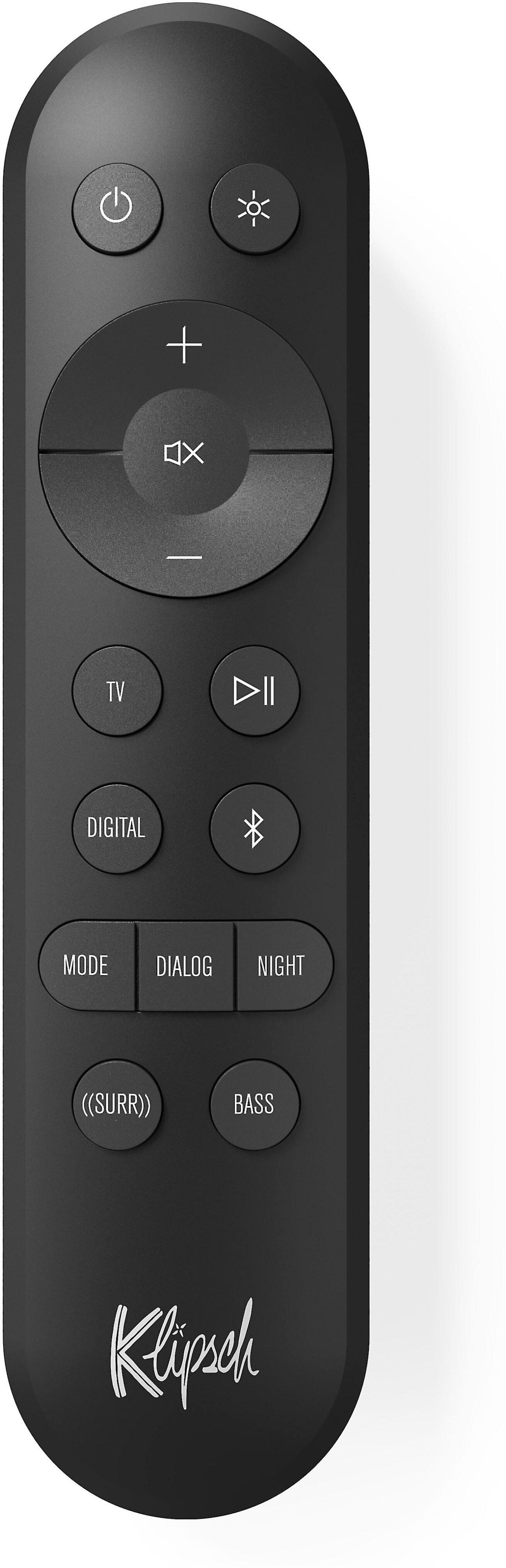



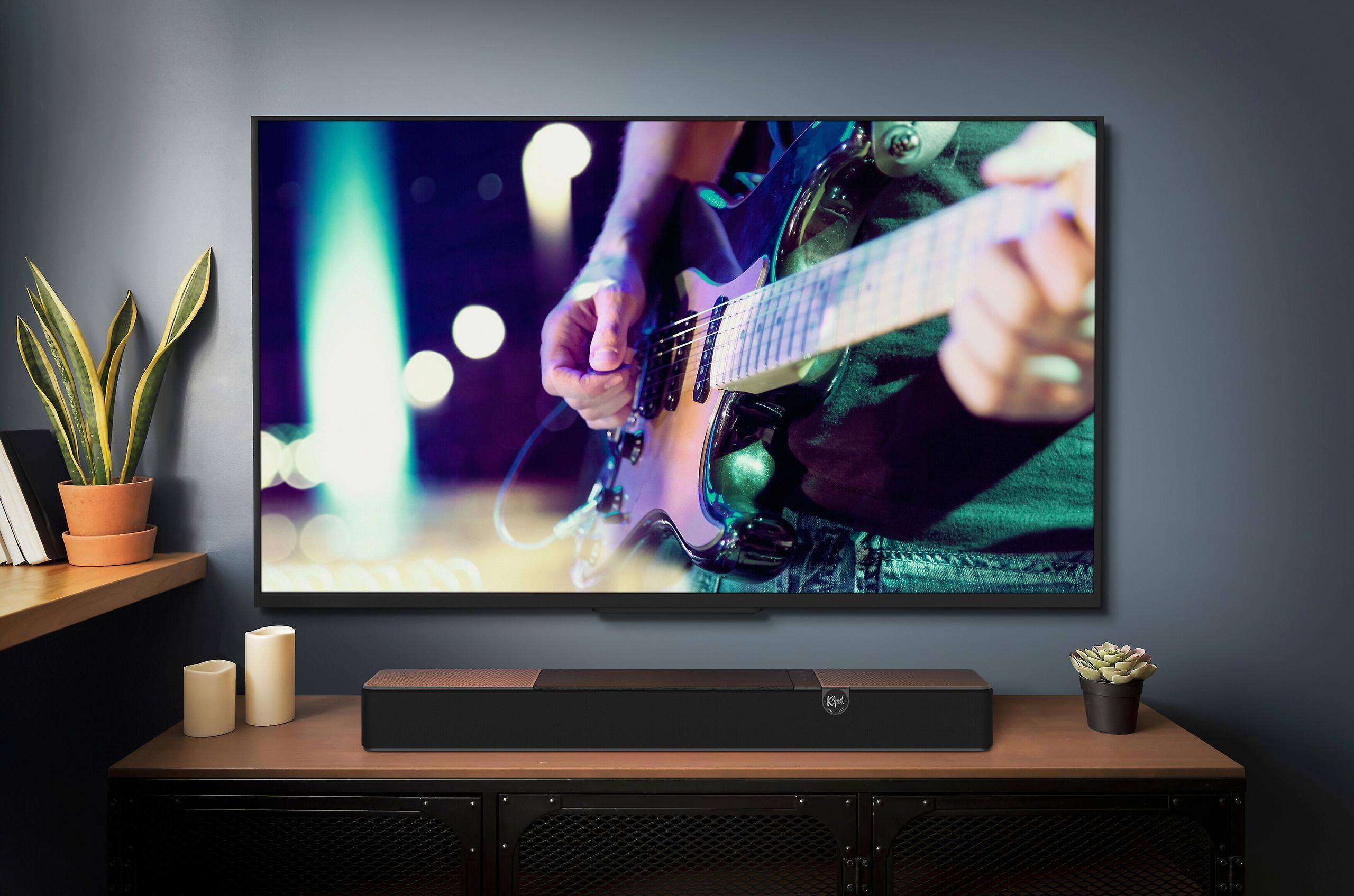
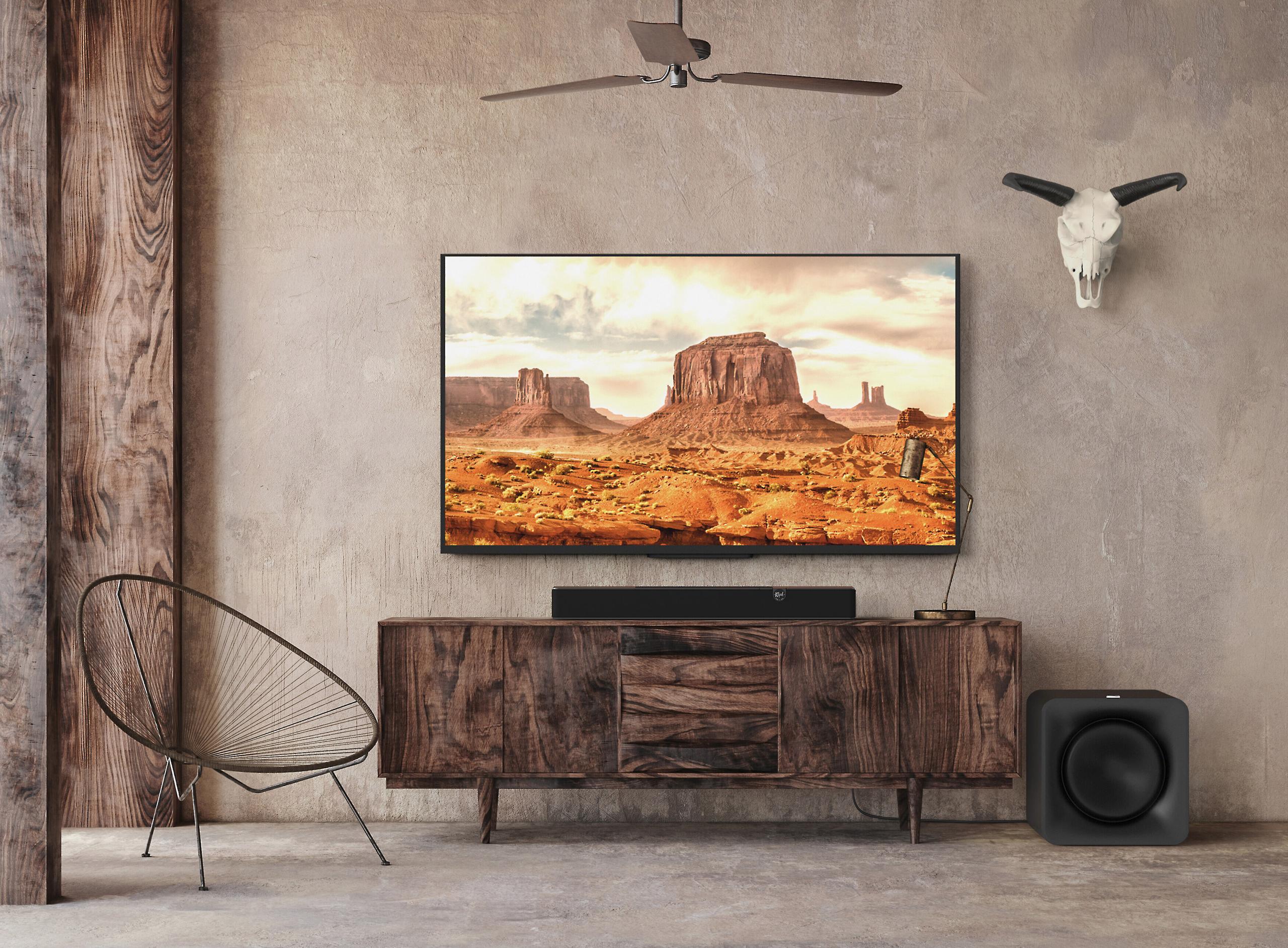
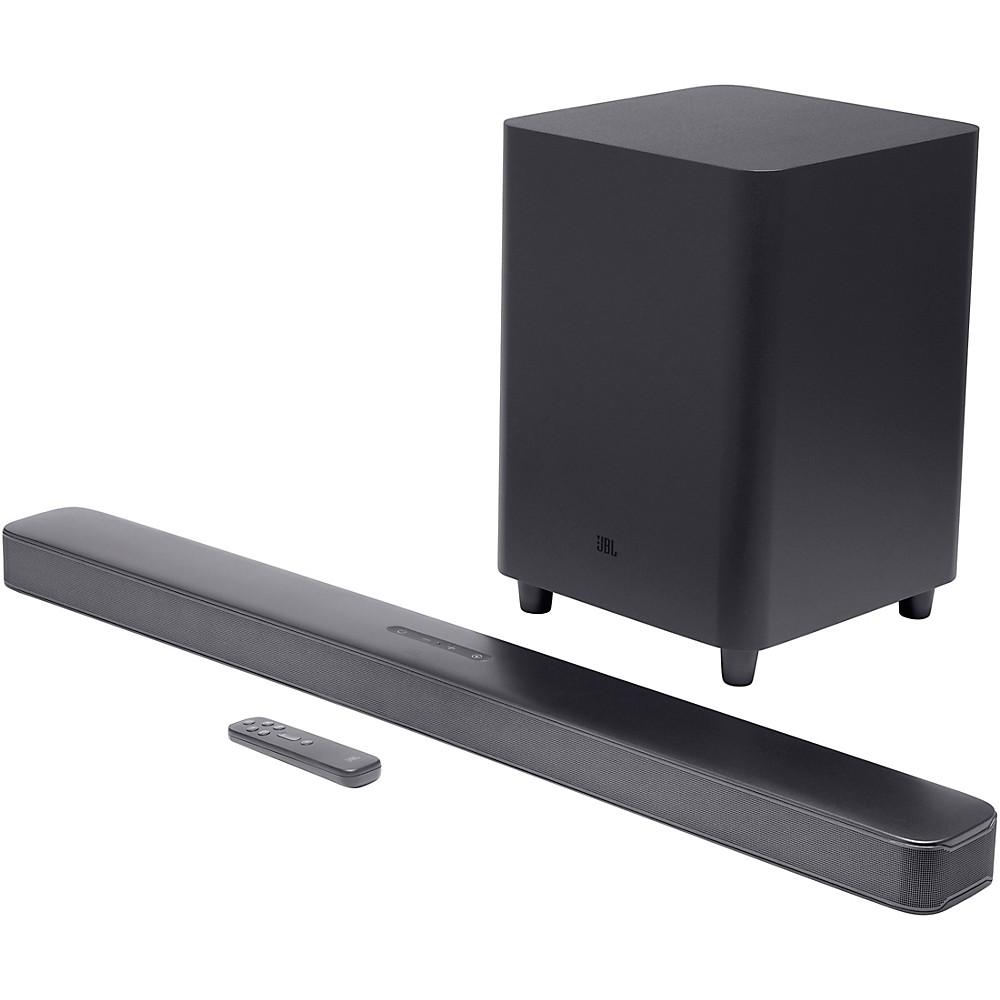

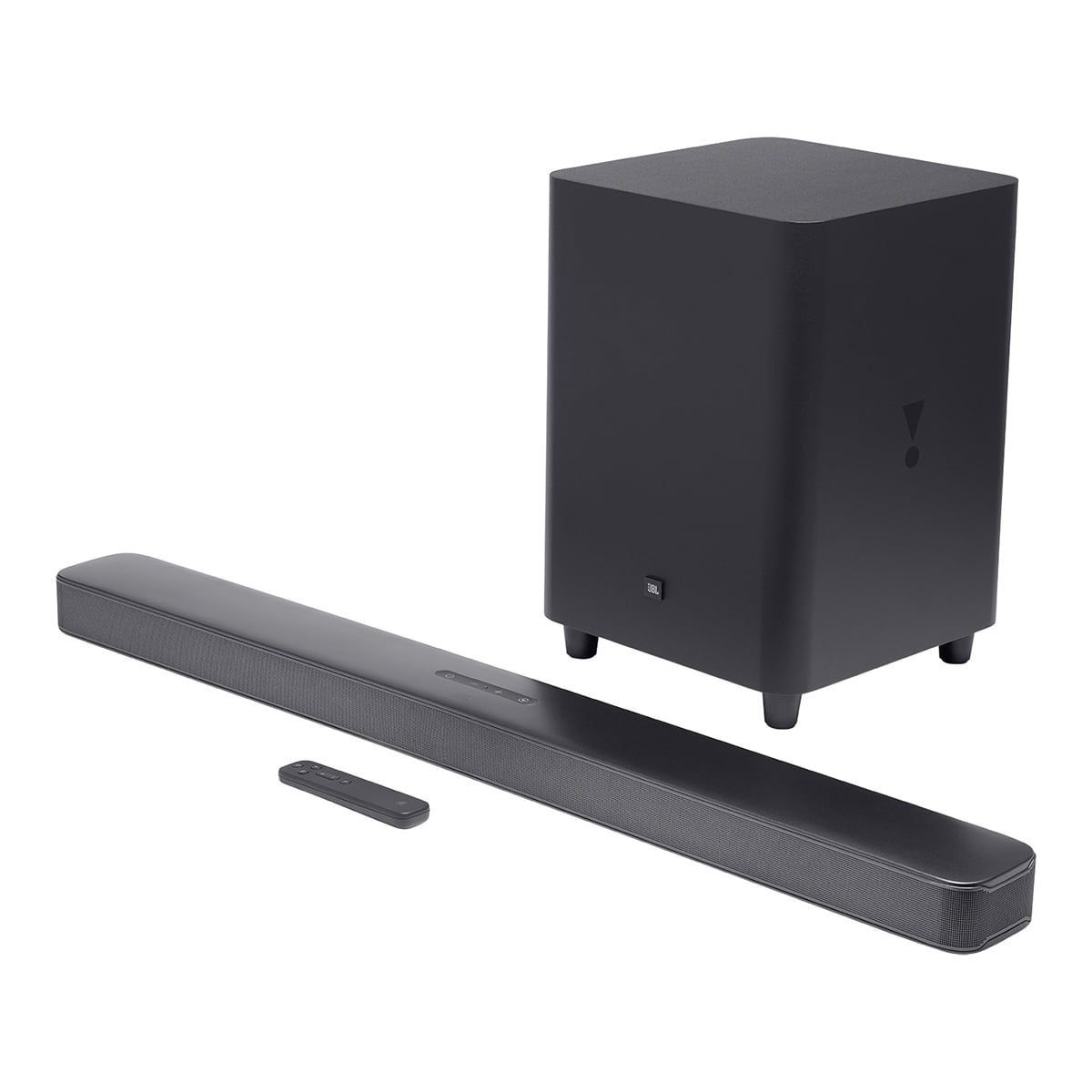
Shopping for a soundbar can feel overwhelming with so many options promising "cinematic sound" and "theater-quality audio." Today, we're comparing two popular choices that take very different approaches: the compact Klipsch Flexus Core 100 ($228) and the full-featured JBL Bar 5.1 Surround ($600). After testing both extensively, I'll help you understand which one makes sense for your specific situation.
Before diving into specifics, let's talk about what makes a good soundbar in 2024. The days of simple TV speaker replacements are long gone. Today's soundbars are sophisticated audio systems that can transform your living room into a mini theater. The key factors that matter most are audio configuration (how many speakers and where they're positioned), room integration capabilities, support for modern audio formats like Dolby Atmos, and overall value for money.
The soundbar market has evolved dramatically over the past few years. Where we once had to choose between compact all-in-one units or bulky 5.1 systems with wires everywhere, manufacturers now offer wireless solutions that bridge the gap. Both products we're examining represent this evolution, but they've taken distinctly different paths to get there.
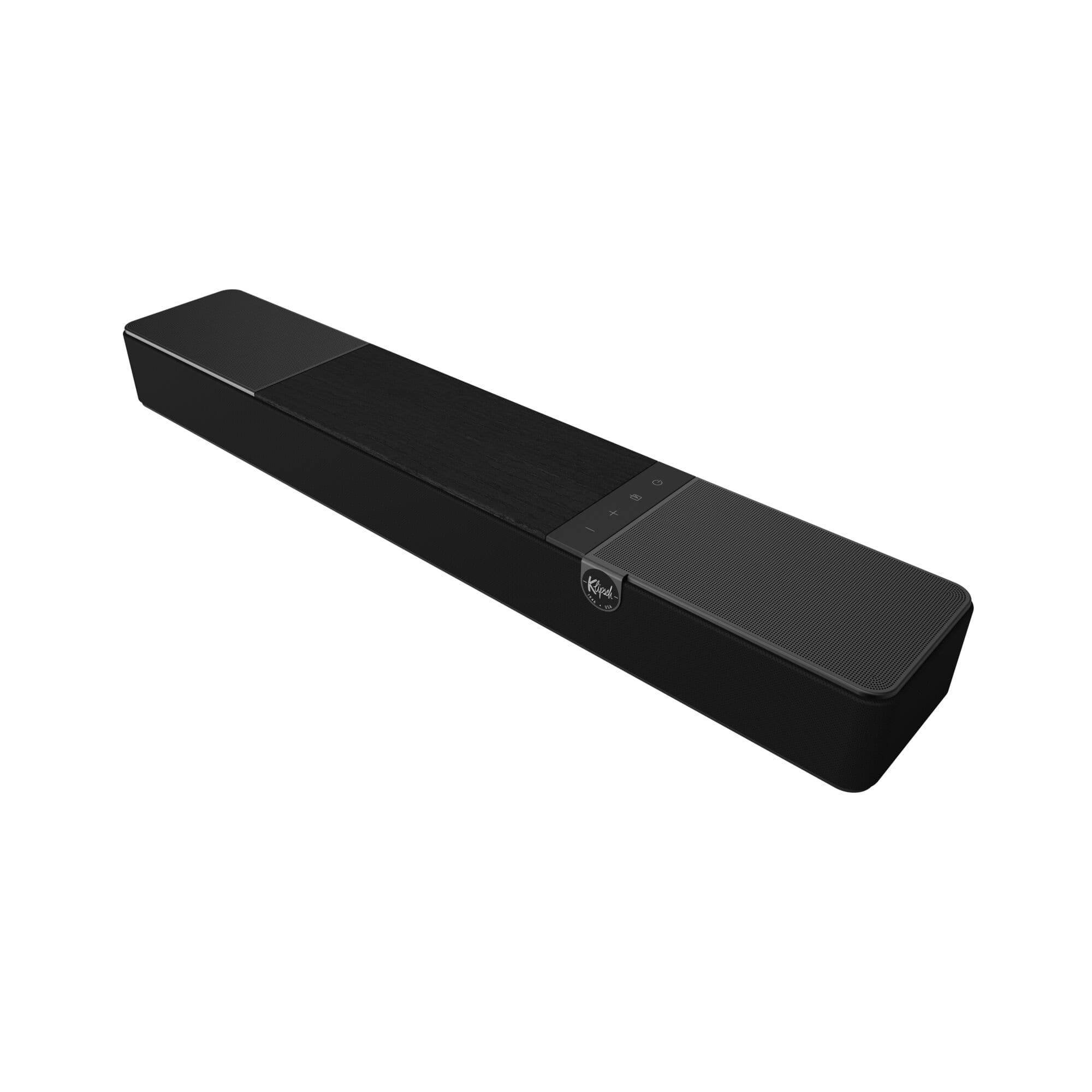
The Klipsch Flexus Core 100 launched in 2022 as part of Klipsch's push into the wireless soundbar market. Klipsch, a company known for their horn-loaded speakers since 1946, designed this soundbar to deliver their signature sound in a compact package. What makes it unique is the inclusion of dual 4-inch subwoofers built right into the soundbar itself – something you don't see often at this price point.
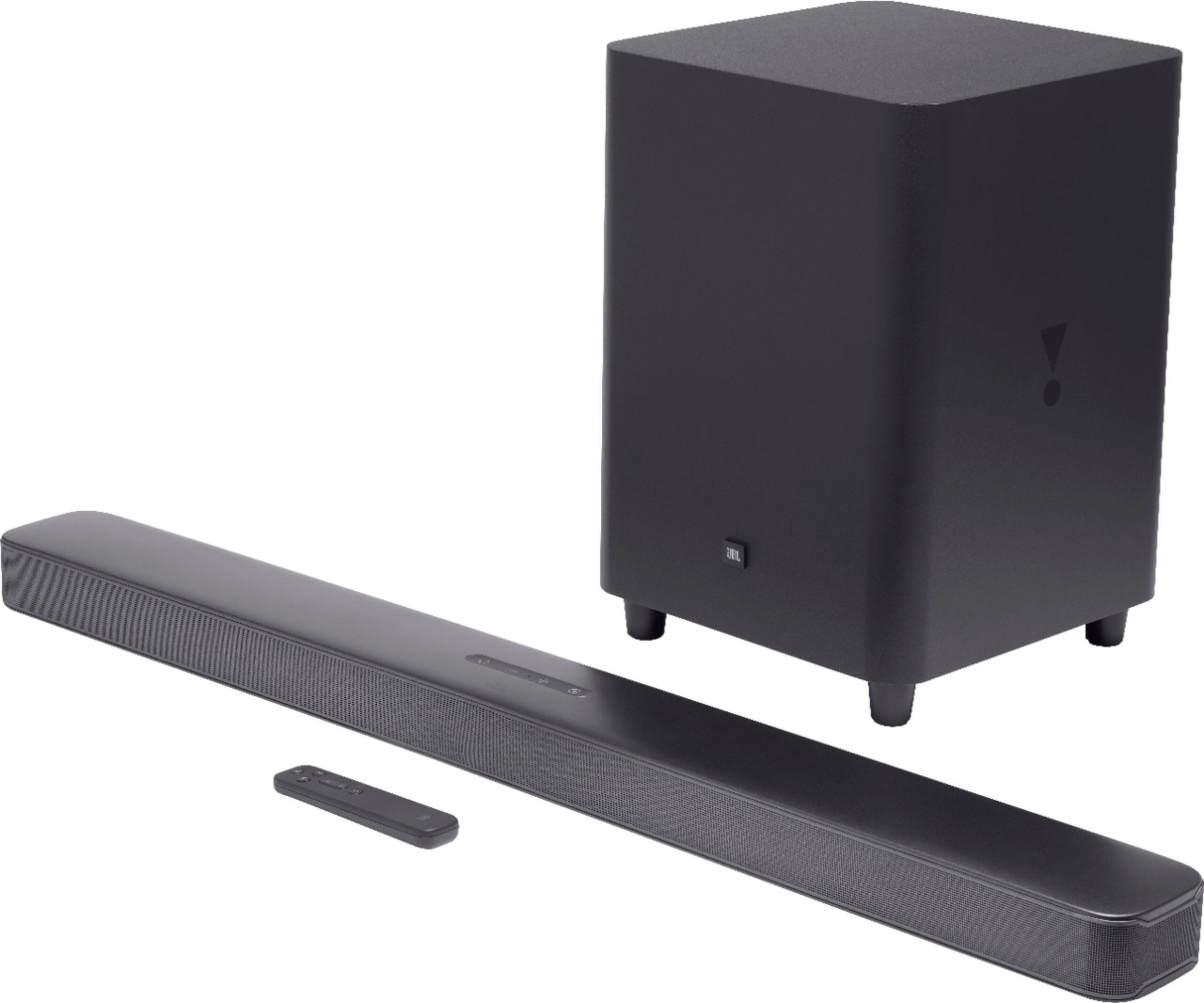
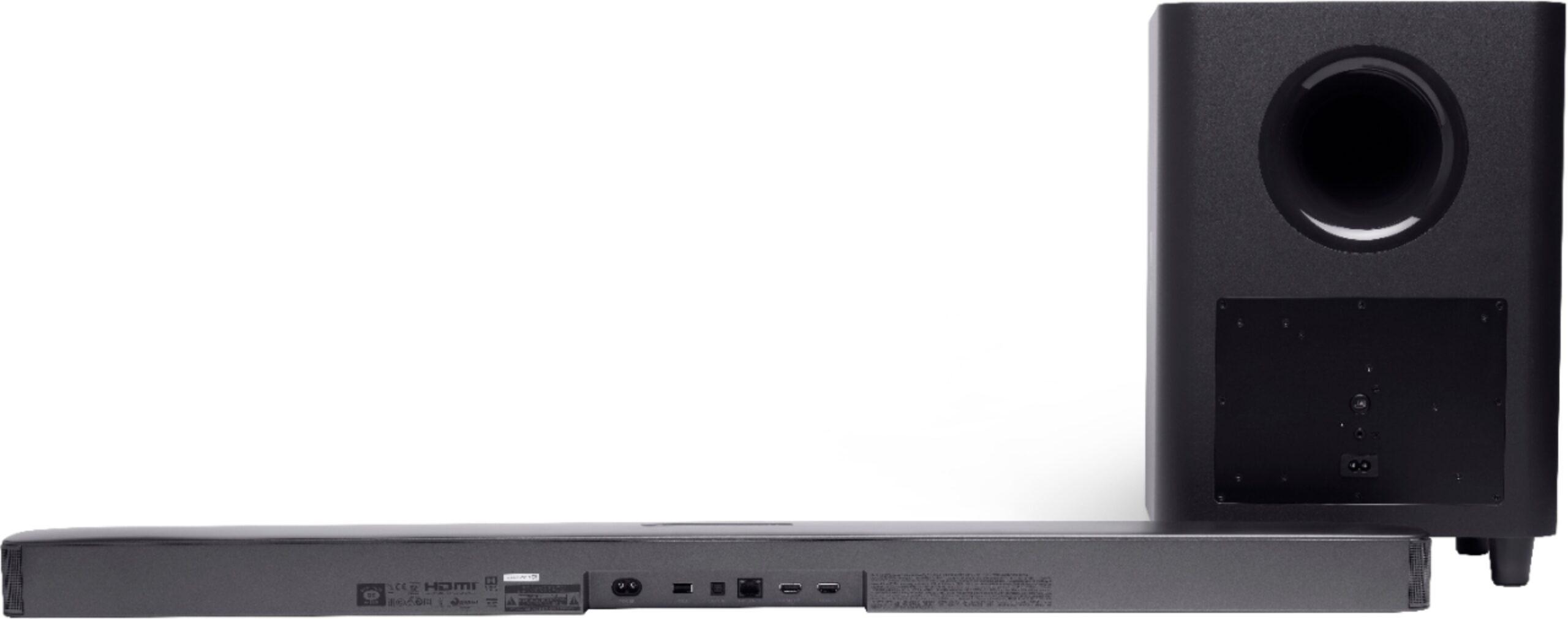
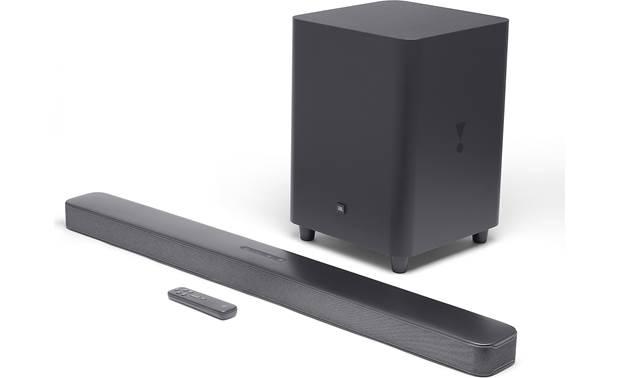
The JBL Bar 5.1 represents JBL's more established approach to home theater audio. Released in 2020 and refined through several updates, it's part of JBL's strategy to offer complete surround sound systems without the complexity of traditional setups. The standout feature here is the detachable surround speakers that can operate wirelessly for up to 10 hours on battery power.
Since their releases, both products have benefited from firmware updates. The JBL has received improvements to its room calibration algorithms and streaming stability, while Klipsch has refined their Transport wireless technology and app functionality, though users still report occasional connectivity hiccups with the Klipsch system.
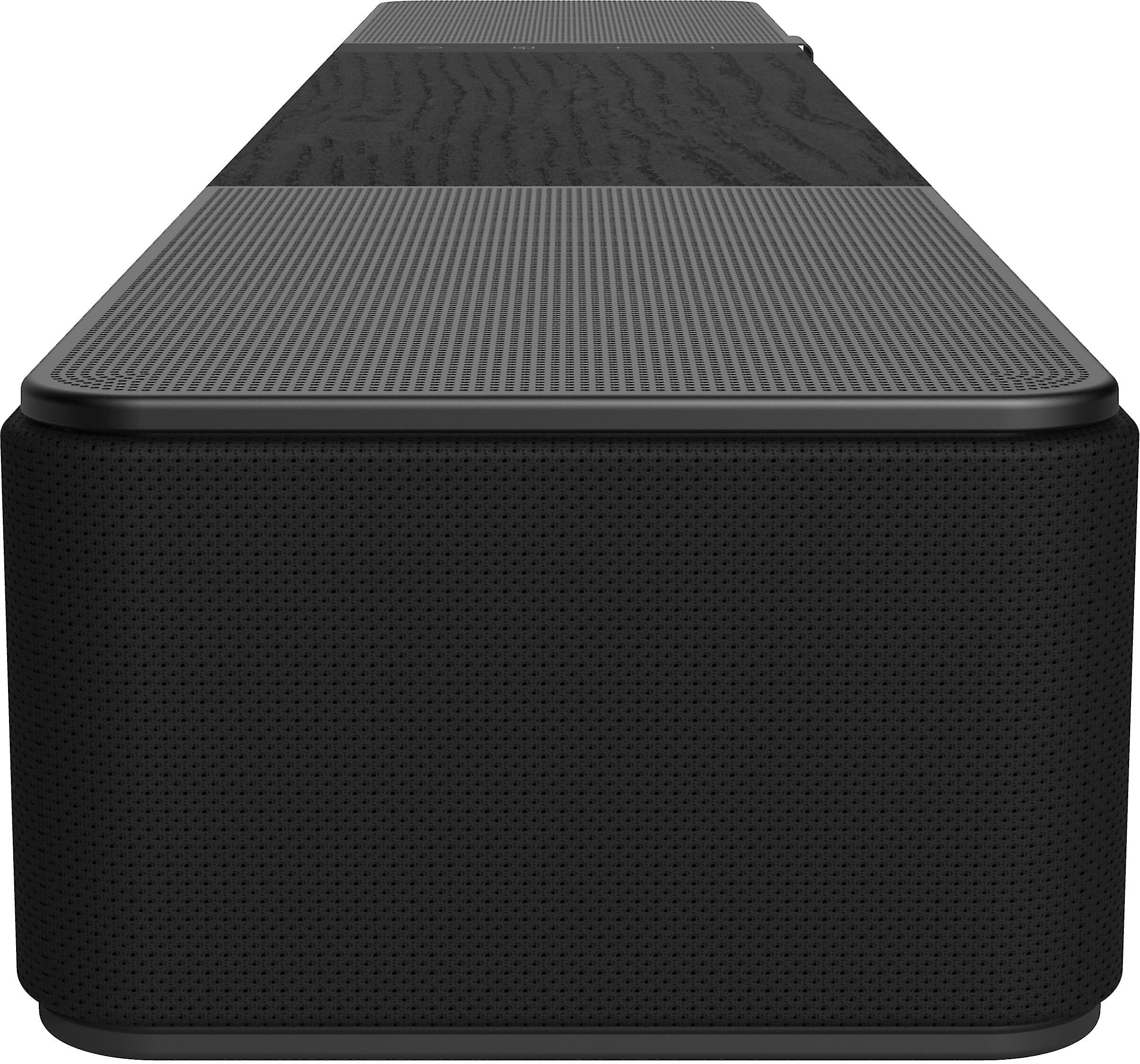
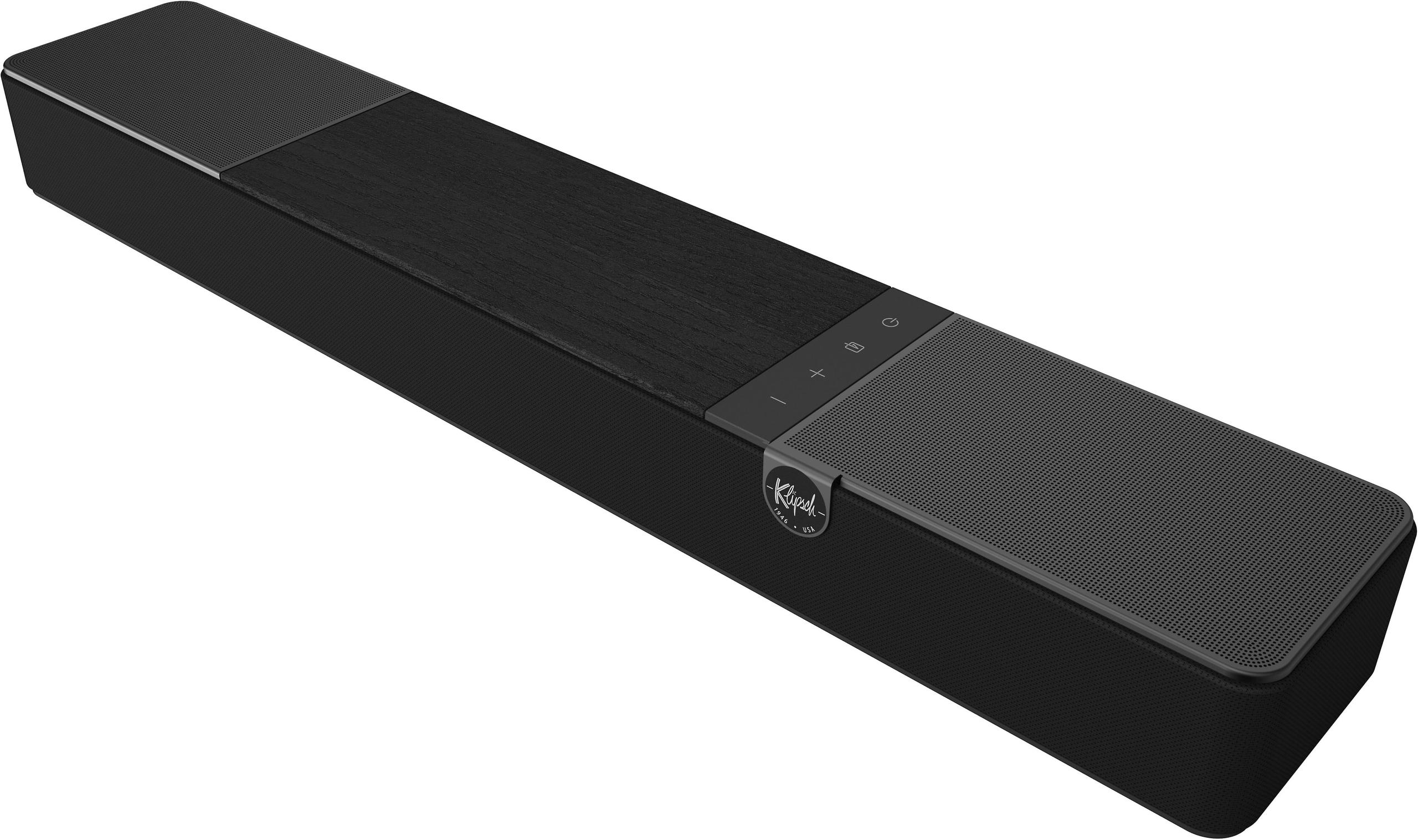
These soundbars represent fundamentally different design philosophies. The Klipsch takes a minimalist approach – pack everything into a sleek 28-inch bar that sits discretely under your TV. At just 3 inches tall, it won't block your TV's IR sensor or dominate your entertainment center. The ebony vinyl finish looks premium, and the included wall-mounting hardware makes installation straightforward.
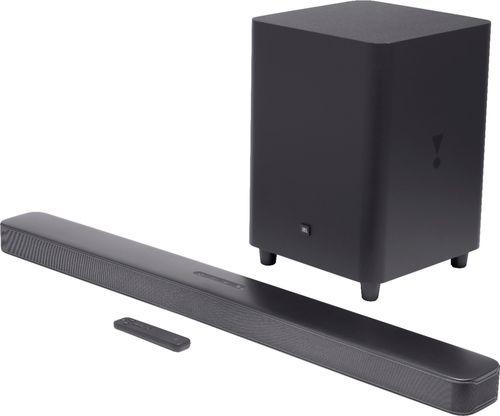
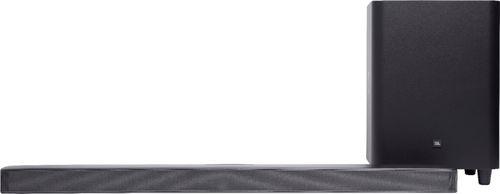
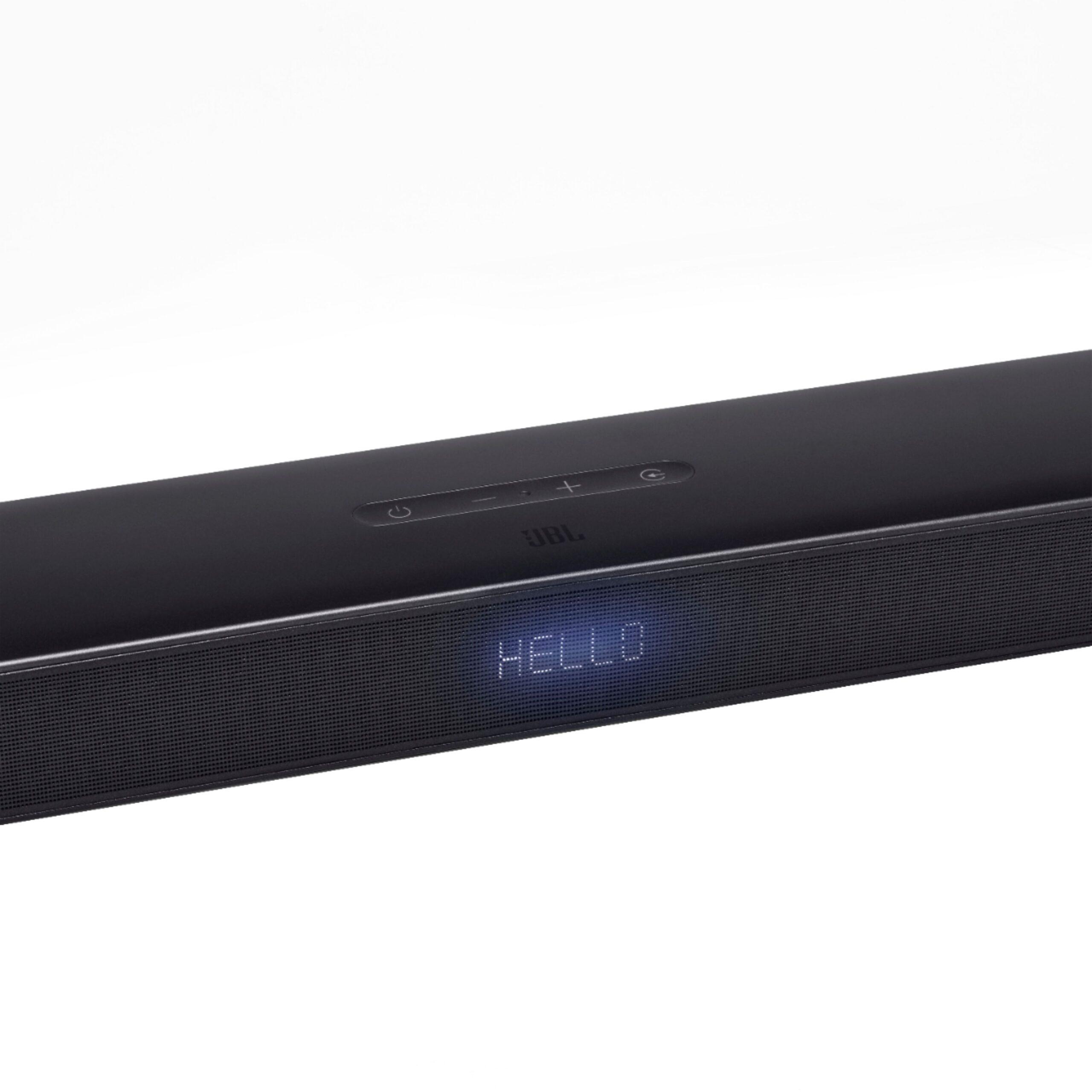
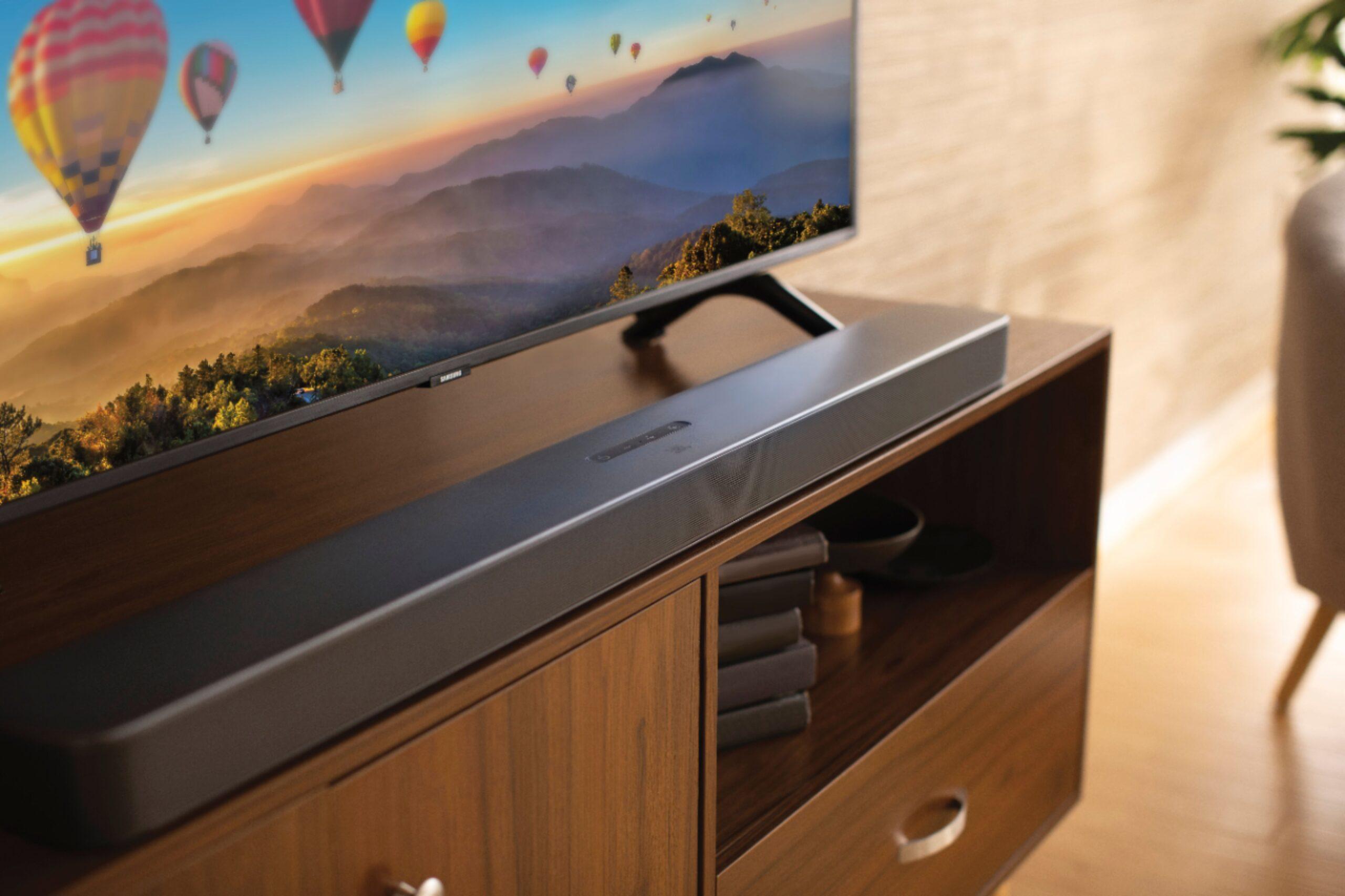
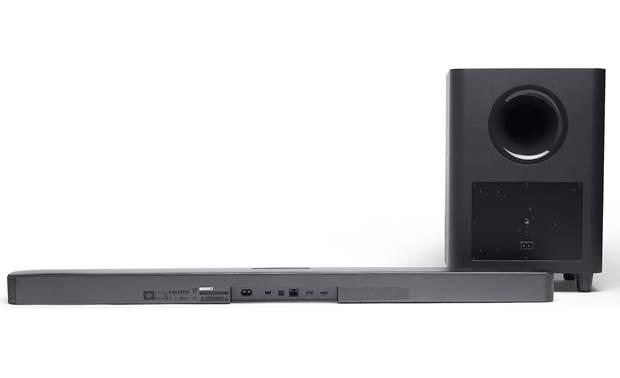
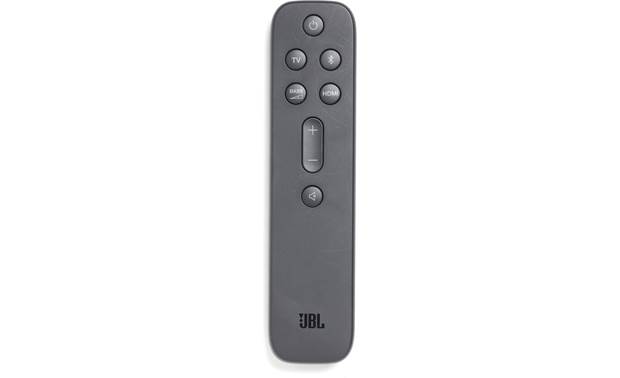
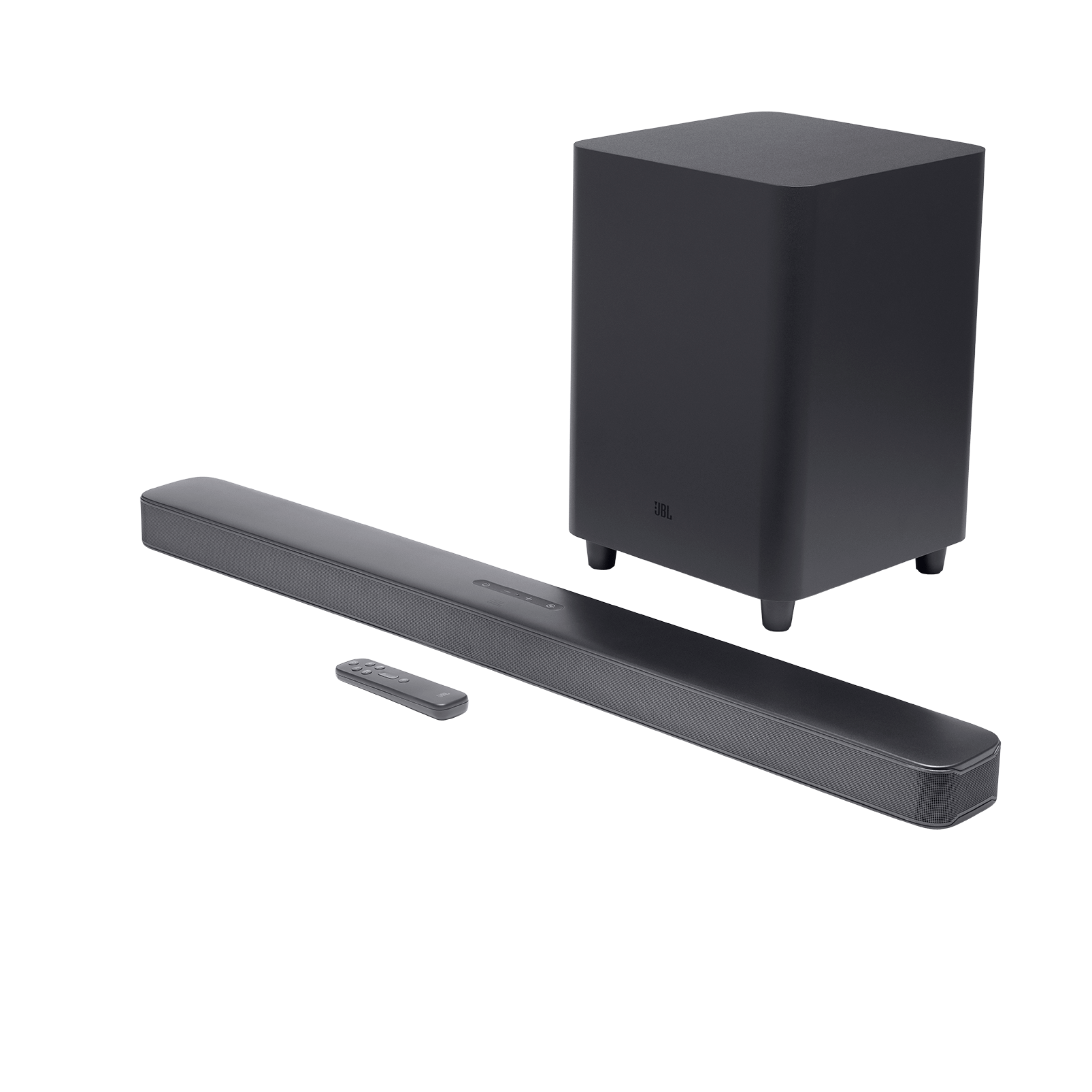
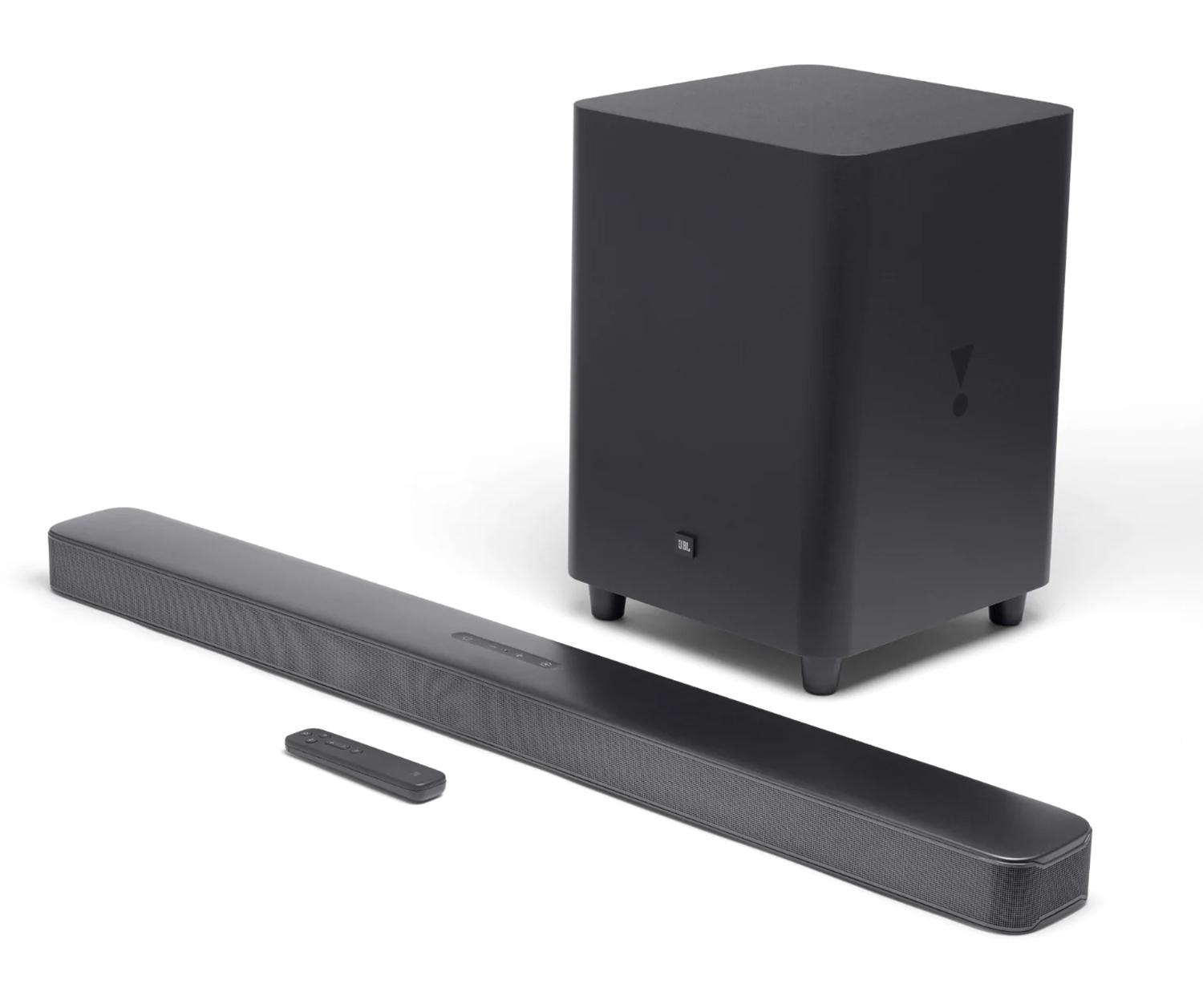
The JBL, measuring 45 inches wide, commands more presence but includes everything needed for true surround sound. The detachable end caps are genius – they pop off to become your rear surround speakers, each with its own battery that lasts about 10 hours. When movie night is over, you can grab them and use them as portable Bluetooth speakers elsewhere in your house.
From a practical standpoint, I appreciate how the Klipsch disappears visually, while the JBL makes a statement. If you're dealing with a smaller TV or limited cabinet space, the Klipsch's compact footprint is genuinely valuable. But if you have the room and want the wow factor of physical surround speakers moving around behind you, the JBL delivers that experience out of the box.
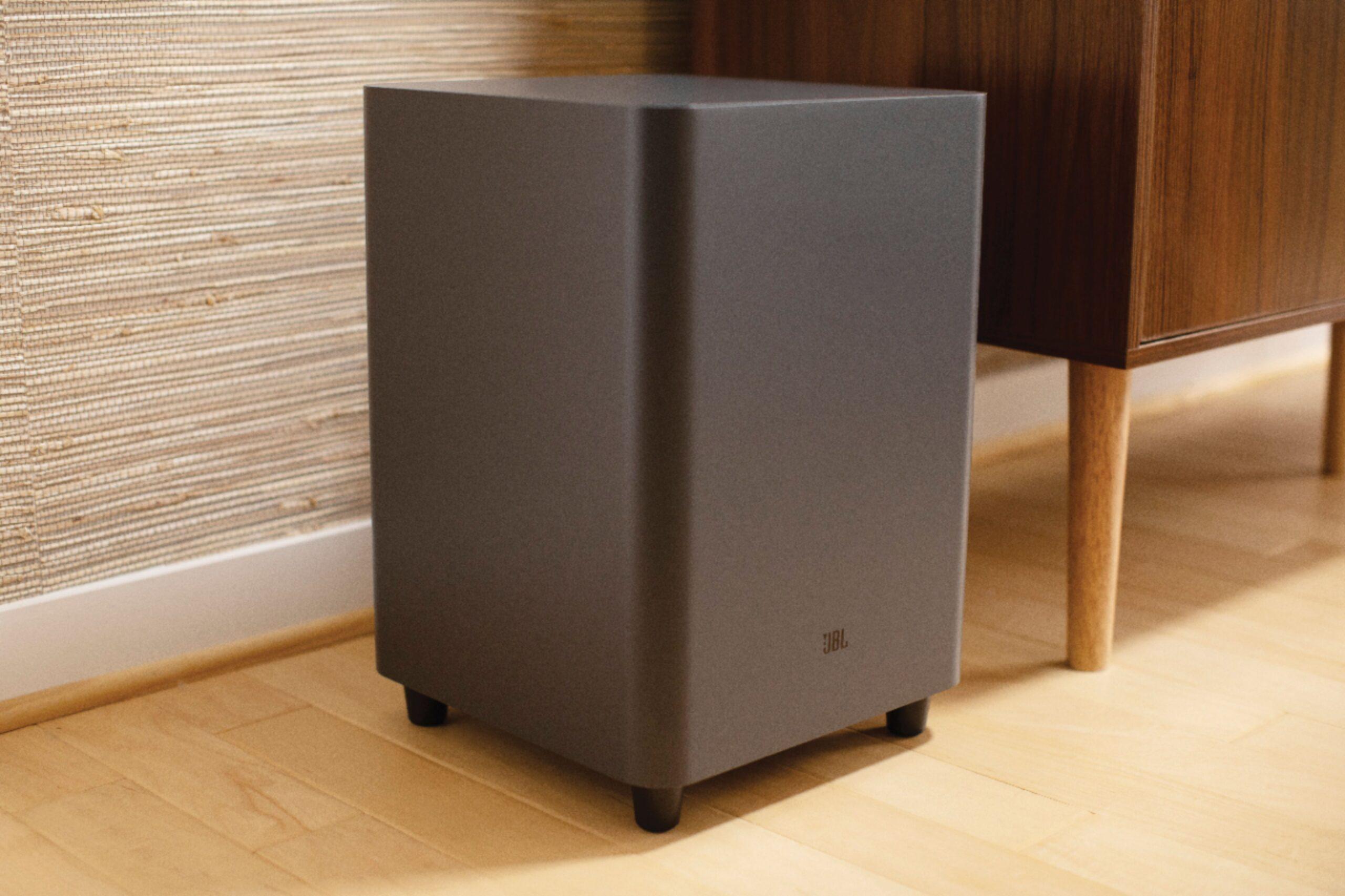
This is where the biggest performance gap emerges. The Klipsch Flexus Core 100 includes two 4-inch paper cone woofers built into the soundbar itself. These provide solid mid-bass punch – enough to feel the rumble of explosions in action movies and add weight to music. However, they can't match the deep, room-shaking bass that comes from a dedicated subwoofer.
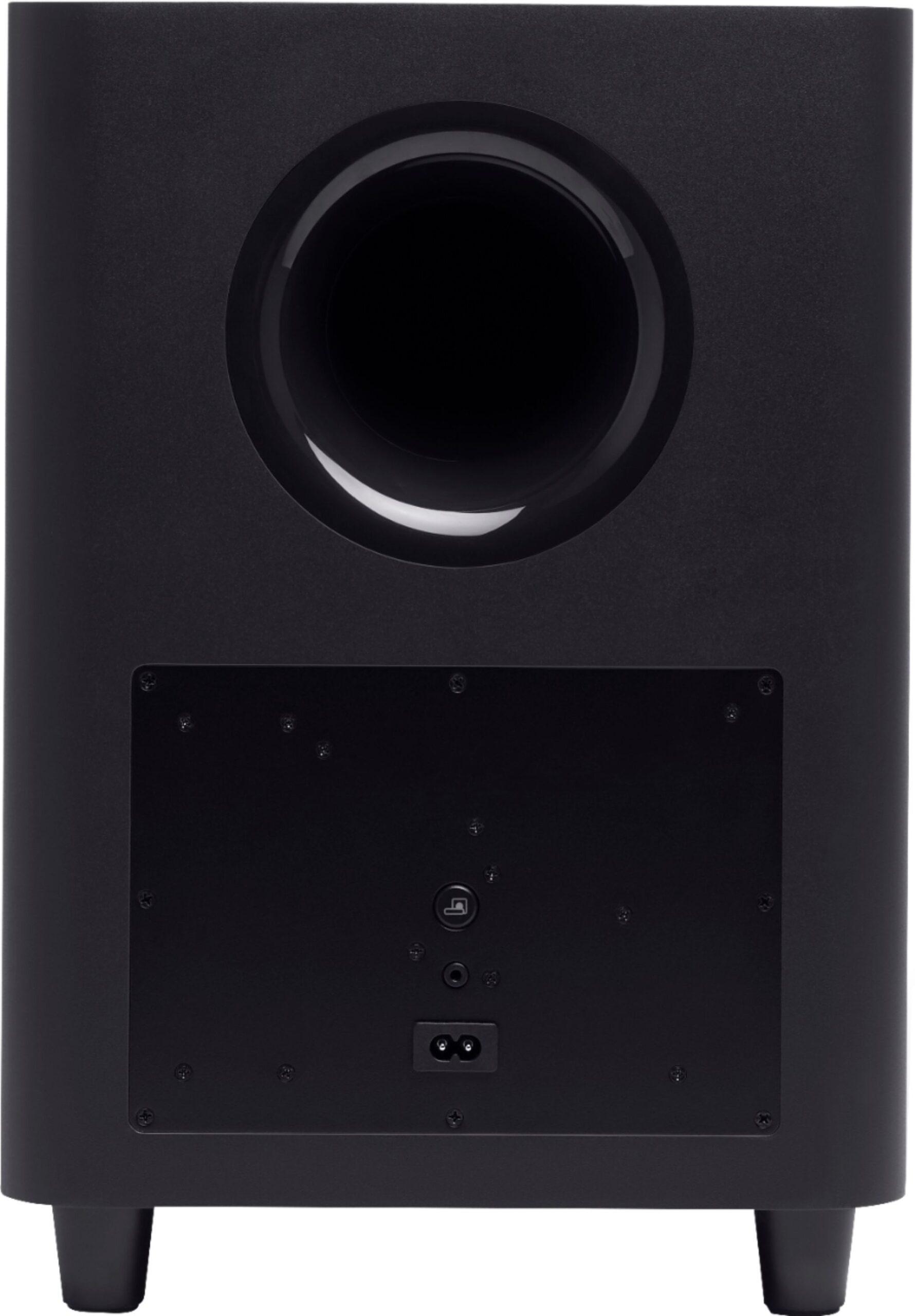
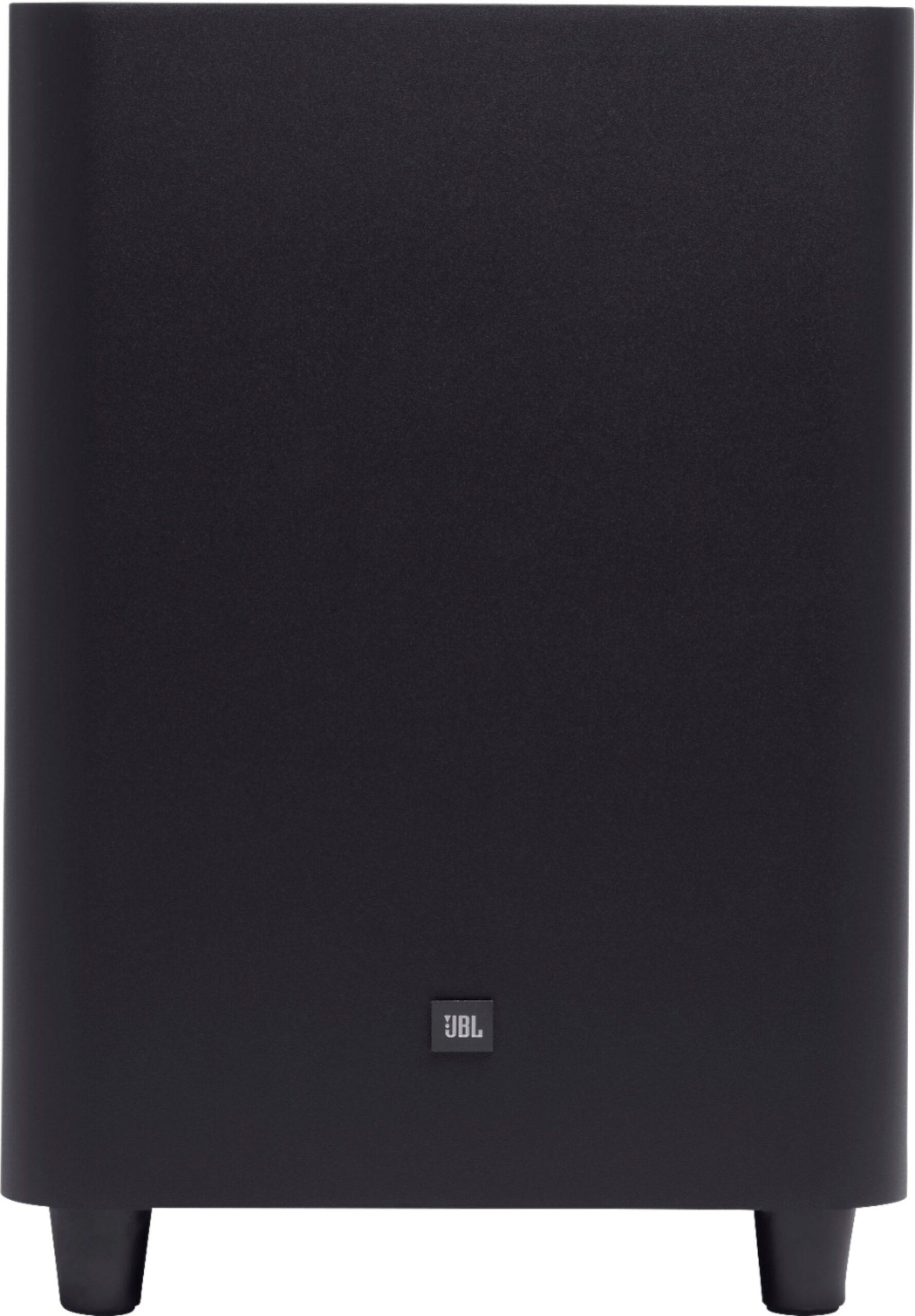
The JBL's 10-inch wireless subwoofer operates in a completely different league. During my testing with the opening scene of "Blade Runner 2049," the JBL reproduced the deep synthesizer notes and atmospheric rumbles that the Klipsch simply couldn't reach. The difference isn't subtle – it's the difference between hearing bass and feeling it in your chest.
In smaller rooms (under 150 square feet), the Klipsch's built-in bass can be quite satisfying. But in larger spaces, you'll notice it lacks the authority to fill the room with low-end energy. The JBL's subwoofer, meanwhile, can easily overwhelm a small room if you're not careful with the volume settings.
Clear dialogue is crucial for enjoying movies and TV shows, and here we see another significant difference in approach. The Klipsch relies on its two 2.25-inch aluminum cone drivers to handle all front-channel duties, including dialogue. While these drivers are well-tuned and provide good clarity in simple scenes, they can struggle when dialogue competes with music and effects in complex mixes.
The JBL Bar 5.1 uses dedicated center channel processing with specialized dialogue enhancement algorithms. During my testing with dialogue-heavy shows like "The West Wing," the JBL consistently kept voices clear and present, even when characters spoke over background music or sound effects. The difference becomes especially noticeable in action sequences where explosions and music could otherwise mask important dialogue.
This isn't just about having more speakers – it's about having processing power dedicated specifically to vocal frequencies. The JBL's system analyzes incoming audio and can boost vocal ranges while maintaining overall balance.
Both soundbars support Dolby Atmos, but they achieve the effect very differently. Dolby Atmos is a technology that adds height information to sound, making you feel like audio is coming from above and around you, not just from the front of the room.
The Klipsch uses virtual processing to create the illusion of height and surround effects from its forward-firing drivers. It's impressive technology – during scenes with helicopters or rain, you can perceive sounds coming from different directions. However, it's still a simulation created by clever audio processing and psychoacoustics (how our brains interpret sound cues).
The JBL combines virtual height processing with actual physical surround speakers placed behind your listening position. This creates a more convincing surround experience because sounds genuinely are coming from multiple directions. When watching "Mad Max: Fury Road," the JBL placed engine noises and wind effects all around the room, while the Klipsch kept most effects focused to the front soundstage.
The JBL's MultiBeam technology deserves special mention. This system uses precise timing and phase adjustments to bounce sound off your room's walls, creating reflection points that enhance the surround effect. It's not perfect – rooms with lots of soft furnishings or irregular shapes don't work as well – but in typical living rooms, the effect is quite convincing.
Here's where the JBL shows its more comprehensive approach. Both soundbars handle Dolby Digital and Dolby Atmos, but the JBL Bar 5.1 also supports DTS formats, which the Klipsch does not. DTS (Digital Theater Systems) is another common surround sound format used in many Blu-ray movies and streaming content. While not as critical as Dolby support, having DTS compatibility ensures you won't encounter audio issues with certain content.
The JBL also includes automatic room calibration through its companion app. This feature uses your smartphone's microphone to analyze your room's acoustics and adjust the soundbar's output accordingly. The Klipsch offers manual EQ adjustments through its app, but no automatic calibration. In my experience, the JBL's auto-calibration makes a noticeable difference in how well the soundbar adapts to different room conditions.
Power specifications tell part of the story: the Klipsch outputs 100W RMS total, while the JBL system delivers 550W across all channels and the subwoofer. Raw power isn't everything in audio, but this difference explains why the JBL can fill larger rooms more effectively.
Modern soundbars need to integrate seamlessly with today's entertainment ecosystem, and this is another area where these products diverge significantly.
The Klipsch Flexus Core 100 keeps things simple with HDMI eARC, optical input, and Bluetooth connectivity. The HDMI eARC (enhanced Audio Return Channel) connection is particularly important because it allows the soundbar to receive high-quality audio directly from your TV, including Atmos signals from streaming apps. However, the Klipsch lacks Wi-Fi connectivity, which limits its smart features and streaming capabilities.
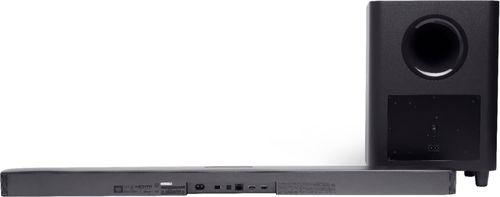
The JBL offers a more comprehensive connectivity suite with Wi-Fi, Bluetooth, multiple HDMI inputs, and optical connections. The Wi-Fi capability enables features like voice assistant integration (Alexa, Google Assistant, and Siri), over-the-air firmware updates, and more stable streaming connections. The JBL's app is also more polished, offering detailed EQ controls, room calibration, and system monitoring.
One feature I particularly appreciate on the JBL is SoundShift technology, which lets you seamlessly switch between TV audio and Bluetooth music from your phone. It's a small convenience that makes daily use more pleasant.
Both soundbars offer expansion possibilities, but through different approaches. The Klipsch is designed as the foundation of a modular system. You can add Flexus wireless surround speakers and a separate subwoofer later, using Klipsch's Transport wireless technology. This 2.4GHz system promises low-latency connections for lip-sync accuracy.
However, expanding the Klipsch system gets expensive quickly. Adding the wireless surrounds costs around $200, and a matching subwoofer runs about $300. Suddenly, your $228 soundbar becomes a $700+ system – more expensive than the complete JBL package.
The JBL Bar 5.1 arrives as a complete system, but those detachable surround speakers offer their own kind of flexibility. When not serving surround duty, they work as portable Bluetooth speakers for outdoor use or other rooms. This dual functionality adds value beyond just the home theater application.
Your room size significantly impacts which soundbar will work better. In smaller spaces – think apartments, bedrooms, or cozy living rooms under 150 square feet – the Klipsch's compact design and built-in bass work well. The soundbar won't overwhelm the space visually or acoustically, and the bass output feels proportional to the room size.
Medium to large living rooms (200+ square feet) favor the JBL's approach. The dedicated subwoofer provides the low-end authority needed to fill bigger spaces, and the physical surround speakers create proper spatial effects across wider seating areas. I've found that in rooms larger than about 300 square feet, the Klipsch starts to sound thin and lacks the presence needed for immersive movie watching.
Ceiling height also matters for Atmos effects. Rooms with 8-9 foot ceilings work well with both systems, but very high ceilings (10+ feet) can diminish the virtual height effects that both soundbars rely on for Atmos processing.
During several weeks of testing, I used both soundbars with a variety of content types. For dialogue-heavy dramas and news, both performed adequately, though the JBL's center channel processing provided slightly clearer vocal reproduction. The real differences emerged with dynamic content.
Action movies like "John Wick" revealed the JBL's advantages clearly. Gunshots had more impact, car chases felt more immersive with proper surround effects, and the overall dynamic range – the difference between quiet and loud passages – was more pronounced. The Klipsch handled the same content competently but couldn't match the JBL's authority during intense sequences.
Music listening told a different story. The Klipsch Flexus Core 100 actually performed quite well with stereo music, thanks to its aluminum cone drivers and compact design that keeps the stereo image focused. The JBL's surround processing sometimes made stereo music sound artificially wide, though this can be adjusted through the app's settings.
At $228, the Klipsch represents excellent value for users seeking Dolby Atmos capability in a compact package. You're getting genuinely good sound quality, premium build materials, and the foundation for future expansion. For budget-conscious buyers or those with space constraints, it's hard to beat.
The JBL Bar 5.1 at $600 costs significantly more upfront but delivers a complete surround sound experience immediately. When you consider that expanding the Klipsch to true surround sound would cost $700+, the JBL's pricing makes sense for users wanting the full experience.
The value equation also depends on your upgrade timeline. If you're happy to start with stereo/virtual surround and add components over time, the Klipsch's modular approach works well. If you want the best possible experience right away, the JBL's complete system delivers better immediate satisfaction.
Choose the Klipsch Flexus Core 100 if you have a smaller room (under 200 square feet), need to fit the soundbar in a tight space, or want to start with a solid foundation and expand gradually. It's also the better choice if your budget caps out around $250 and you primarily watch dialogue-heavy content rather than action movies.
Choose the JBL Bar 5.1 if you have a medium to large room, prioritize deep bass and true surround sound, want advanced smart features, or consume lots of action movies and dynamic content. The higher upfront cost pays dividends in overall performance and convenience.
Consider your content preferences carefully. If you're mainly watching Netflix dramas and news, the performance gap between these systems is smaller. If you're a Marvel movie marathon type who wants to feel every explosion, the JBL's advantages become essential rather than nice-to-have.
The room factor can't be overstated. I've heard the Klipsch sound excellent in smaller spaces where its bass output feels proportional and its compact design makes sense. In the same rooms, the JBL can actually sound overwhelming and visually intrusive. Conversely, in larger spaces, the Klipsch simply can't compete with the JBL's authority and presence.
Both soundbars represent solid engineering and good value within their respective market segments. Your choice ultimately comes down to matching the product's strengths to your specific needs, room, and expectations. Either way, you'll get a significant upgrade over your TV's built-in speakers and a taste of what modern home audio can deliver.
| Klipsch Flexus Core 100 ($228) | JBL Bar 5.1 Surround ($600) |
|---|---|
| Audio Configuration - Determines surround sound capability and spatial audio quality | |
| 2.1-channel with built-in dual 4" subwoofers | True 5.1-channel with detachable wireless surrounds + 10" subwoofer |
| Total System Power - Affects volume levels and dynamic range in larger rooms | |
| 100W RMS (adequate for small-medium rooms) | 550W total (fills large rooms with authority) |
| Bass Performance - Critical for action movies and immersive audio experience | |
| Dual 4" built-in woofers (good for compact spaces) | Dedicated 10" wireless subwoofer (deep, room-filling bass) |
| Dolby Atmos Support - Creates overhead sound effects for cinematic experience | |
| Virtual Atmos processing from forward drivers | Virtual Atmos + MultiBeam technology with physical surrounds |
| Audio Format Support - Ensures compatibility with all your content sources | |
| Dolby Digital, Dolby Atmos (no DTS support) | Dolby Digital, Dolby Atmos, DTS (full format compatibility) |
| Smart Features - Modern conveniences and integration capabilities | |
| Bluetooth only, basic app with manual EQ | Wi-Fi, Bluetooth, voice assistants, auto room calibration |
| Expandability - Future upgrade options and total system cost | |
| Modular system: +$200 surrounds, +$300 sub = $700+ total | Complete 5.1 system included, surrounds double as portable speakers |
| Physical Footprint - Important for TV stand space and room aesthetics | |
| Compact 28" x 3" (fits under most TVs discretely) | Larger 45" bar + subwoofer + surround placement required |
| Dialogue Clarity - Essential for clear speech in movies and TV shows | |
| Standard left/right drivers (can struggle in complex mixes) | Dedicated center channel processing with dialogue enhancement |
| Connectivity Options - Determines how you can connect devices and stream content | |
| HDMI eARC, optical, Bluetooth, USB-C service port | HDMI eARC, multiple HDMI inputs, optical, Wi-Fi, Bluetooth |
| Best Room Size - Optimal performance based on acoustic output and design | |
| Small to medium rooms (under 200 sq ft) | Medium to large rooms (200+ sq ft) |
| Release Date & Updates - Product maturity and ongoing support | |
| Released 2022, Transport wireless technology, occasional app issues | Released 2020, regular firmware updates, mature ecosystem |
The JBL Bar 5.1 ($600) offers better overall value if you want a complete surround sound system immediately. However, the Klipsch Flexus Core 100 ($228) provides excellent value for budget-conscious buyers who need compact Dolby Atmos capability. Consider that expanding the Klipsch to full surround would cost $700+, making the JBL more cost-effective for complete home theater setups.
The primary difference is system configuration: the Klipsch Flexus Core 100 is a compact 2.1-channel soundbar with built-in subwoofers, while the JBL Bar 5.1 is a complete 5.1 surround system with detachable wireless rear speakers and a separate 10" subwoofer. This means the JBL provides true surround sound out of the box, while the Klipsch focuses on space-saving convenience.
The JBL Bar 5.1 has significantly better bass performance thanks to its dedicated 10" wireless subwoofer that can shake the room. The Klipsch Flexus Core 100 includes dual 4" built-in subwoofers that provide decent bass for smaller rooms but can't match the deep, powerful low-end that comes from a dedicated subwoofer.
Yes, both the Klipsch Flexus Core 100 and JBL Bar 5.1 support Dolby Atmos for immersive overhead sound effects. However, they achieve this differently – the Klipsch uses virtual processing from its forward-firing drivers, while the JBL combines virtual height effects with its MultiBeam technology and physical surround speakers for a more convincing experience.
The Klipsch Flexus Core 100 is better suited for small rooms under 200 square feet. Its compact 28" width fits discretely under most TVs, and the built-in subwoofers provide proportional bass without overwhelming smaller spaces. The JBL Bar 5.1 can actually sound too powerful and visually dominate in very small rooms.
The Klipsch Flexus Core 100 is designed as a modular system – you can add wireless surround speakers ($200) and a separate subwoofer ($300) later using Klipsch Transport technology. The JBL Bar 5.1 comes complete but offers different flexibility – its detachable surround speakers can be used as portable Bluetooth speakers when not serving home theater duty.
The JBL Bar 5.1 provides superior dialogue clarity thanks to dedicated center channel processing and dialogue enhancement algorithms. The Klipsch Flexus Core 100 relies on standard left/right drivers for dialogue, which can struggle when voices compete with music and sound effects in complex movie scenes.
The JBL Bar 5.1 includes comprehensive smart features: Wi-Fi connectivity, voice assistant support (Alexa, Google, Siri), automatic room calibration, and a polished app with detailed controls. The Klipsch Flexus Core 100 offers more basic connectivity with Bluetooth-only wireless and a simpler app for manual EQ adjustments.
The JBL Bar 5.1 is significantly better for large living rooms over 200 square feet. Its 550W total power output, 10" subwoofer, and physical surround speakers can fill bigger spaces with authority. The Klipsch Flexus Core 100 may sound thin and lack presence in larger rooms due to its 100W power output and compact design.
The JBL Bar 5.1 supports all major formats including Dolby Digital, Dolby Atmos, and DTS. The Klipsch Flexus Core 100 supports Dolby Digital and Dolby Atmos but lacks DTS compatibility, which could cause issues with some Blu-ray movies and streaming content that use DTS encoding.
The Klipsch Flexus Core 100 measures 28" wide and 3" tall, making it ideal for smaller TVs and tight entertainment centers. The JBL Bar 5.1 is larger at 45" wide, plus you need space for the wireless subwoofer and room to position the detachable surround speakers behind your seating area.
For complete home theater immersion, the JBL Bar 5.1 delivers the superior experience with true 5.1 surround sound, powerful bass, and advanced audio processing. The Klipsch Flexus Core 100 provides a solid home theater upgrade for smaller spaces and budgets, but can't match the JBL's cinematic impact and spatial audio precision for movie watching.
We've done our best to create useful and informative comparisons to help you decide what product to buy. Our research uses advanced automated methods to create this comparison and perfection is not possible - please contact us for corrections or questions. These are the sites we've researched in the creation of this article: cnet.com - klipsch.com - klipsch.com - bestbuy.com - sweetwater.com - assets.onkyo-av.com - youtube.com - worldwidestereo.com - avnirvana.com - target.com - jbl.com - jbl.com - jbl.com - tomsguide.com - jbl.com - bestbuy.com - bestbuy.com - jbl.com - jbl.com - worldwidestereo.com

Privacy Policy
Terms and Conditions - Affiliate Policy
Home Security
© Copyright 2008-2026.
11816 Inwood Rd #1211, Dallas, TX 75244