

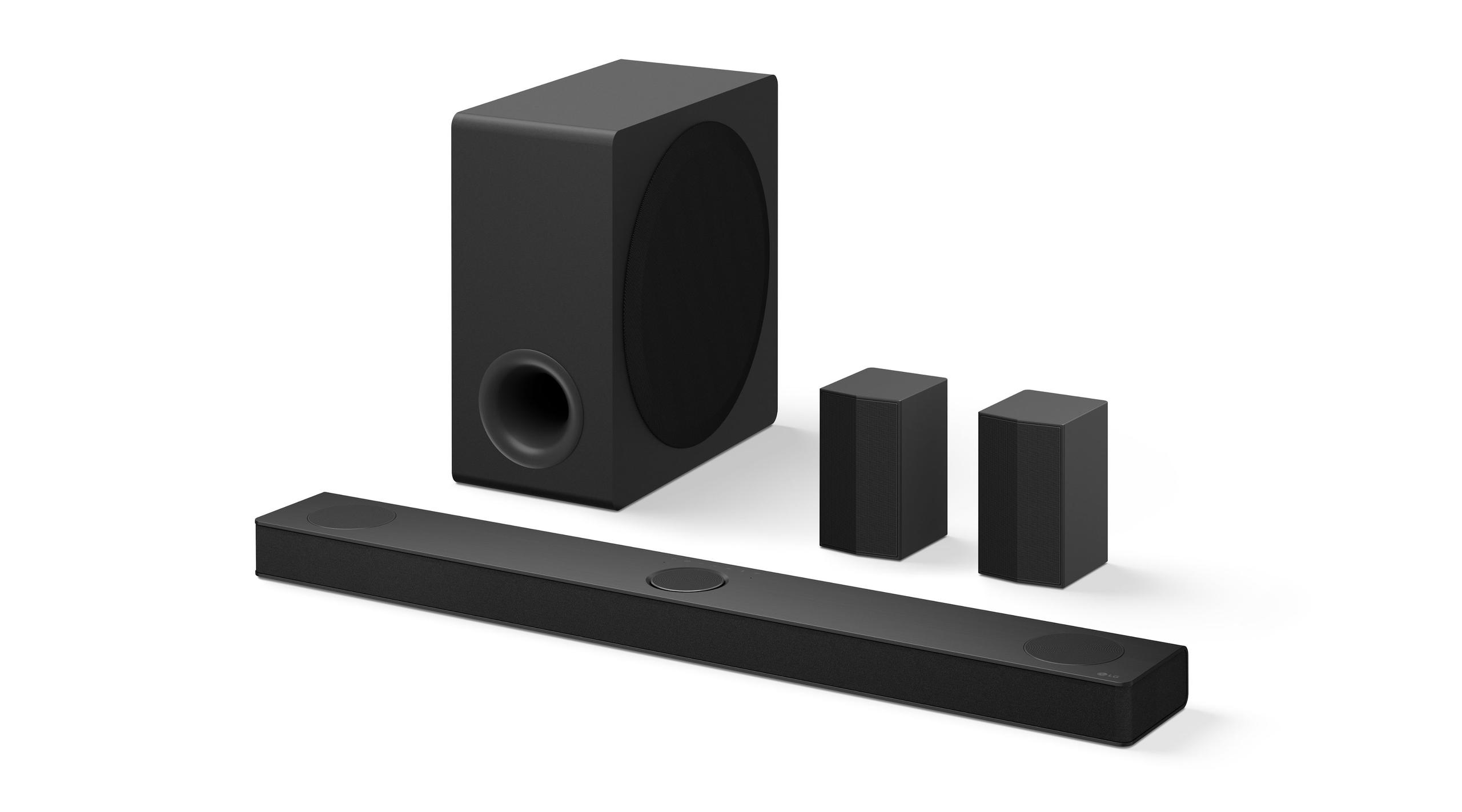
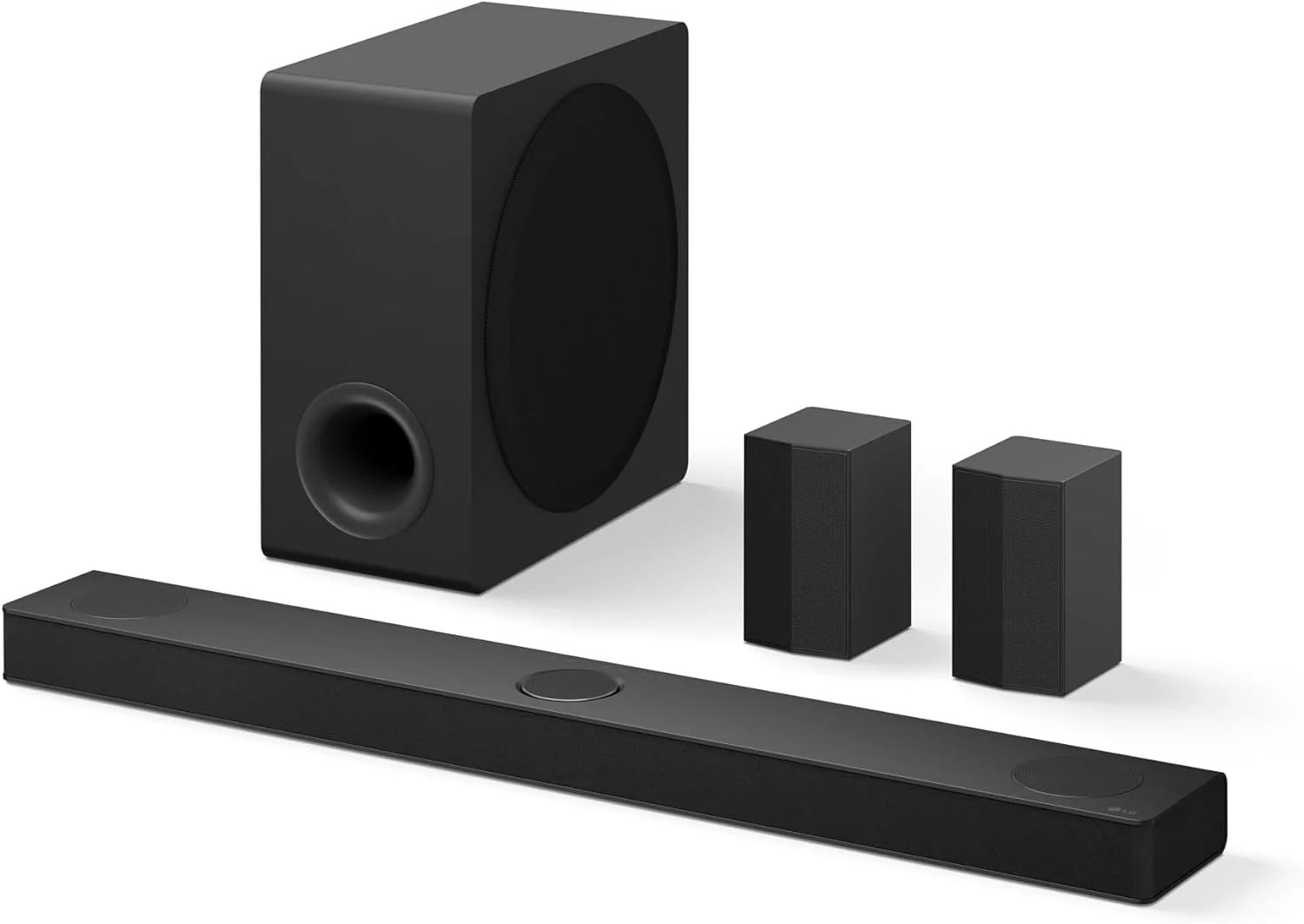
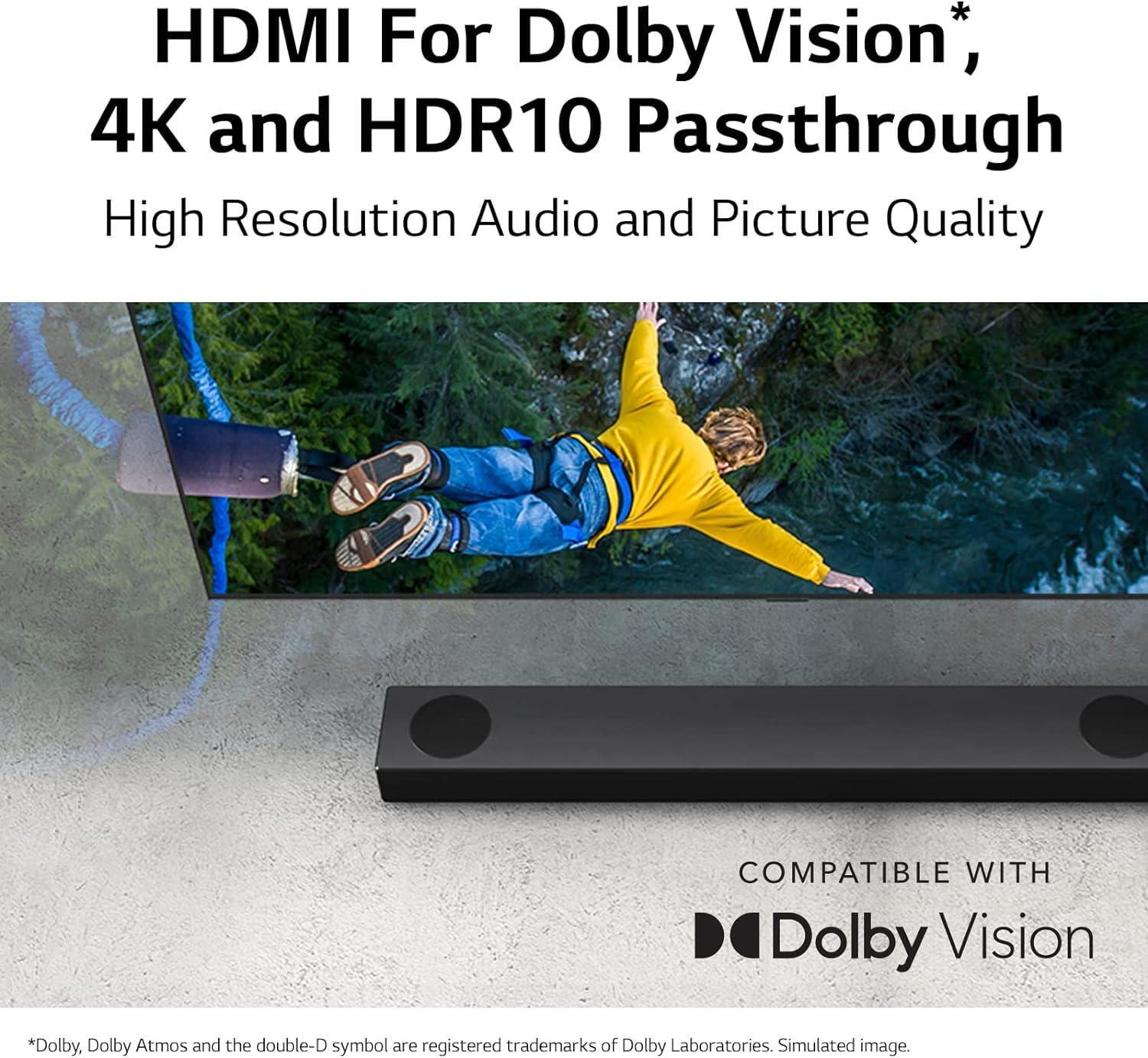
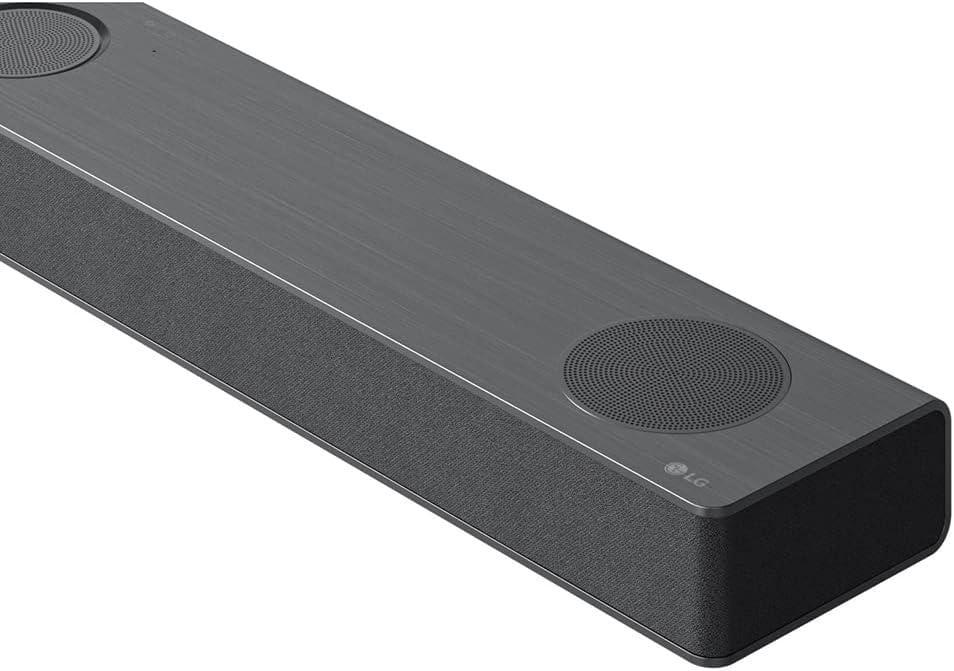
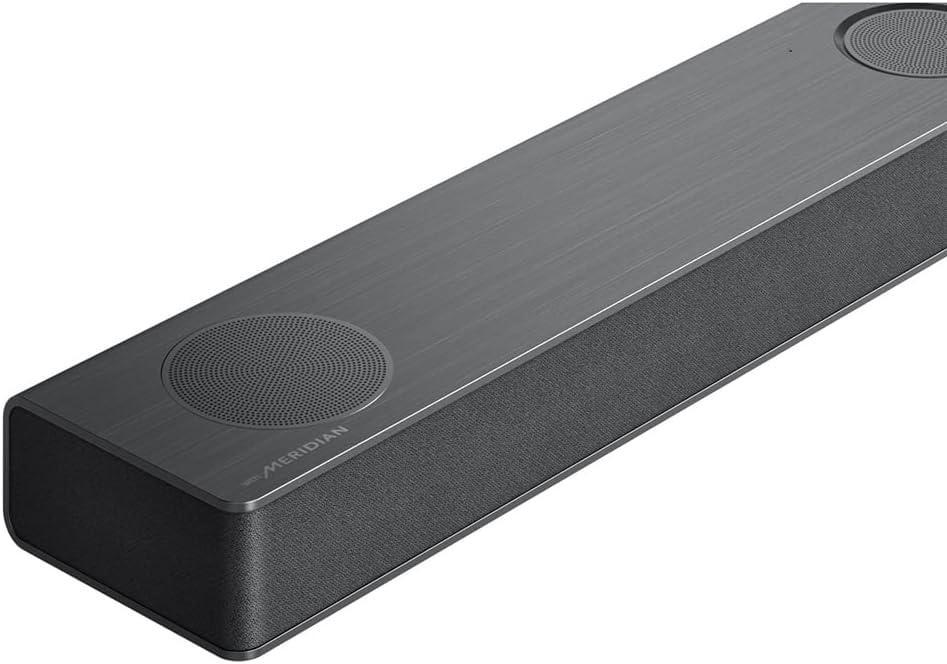
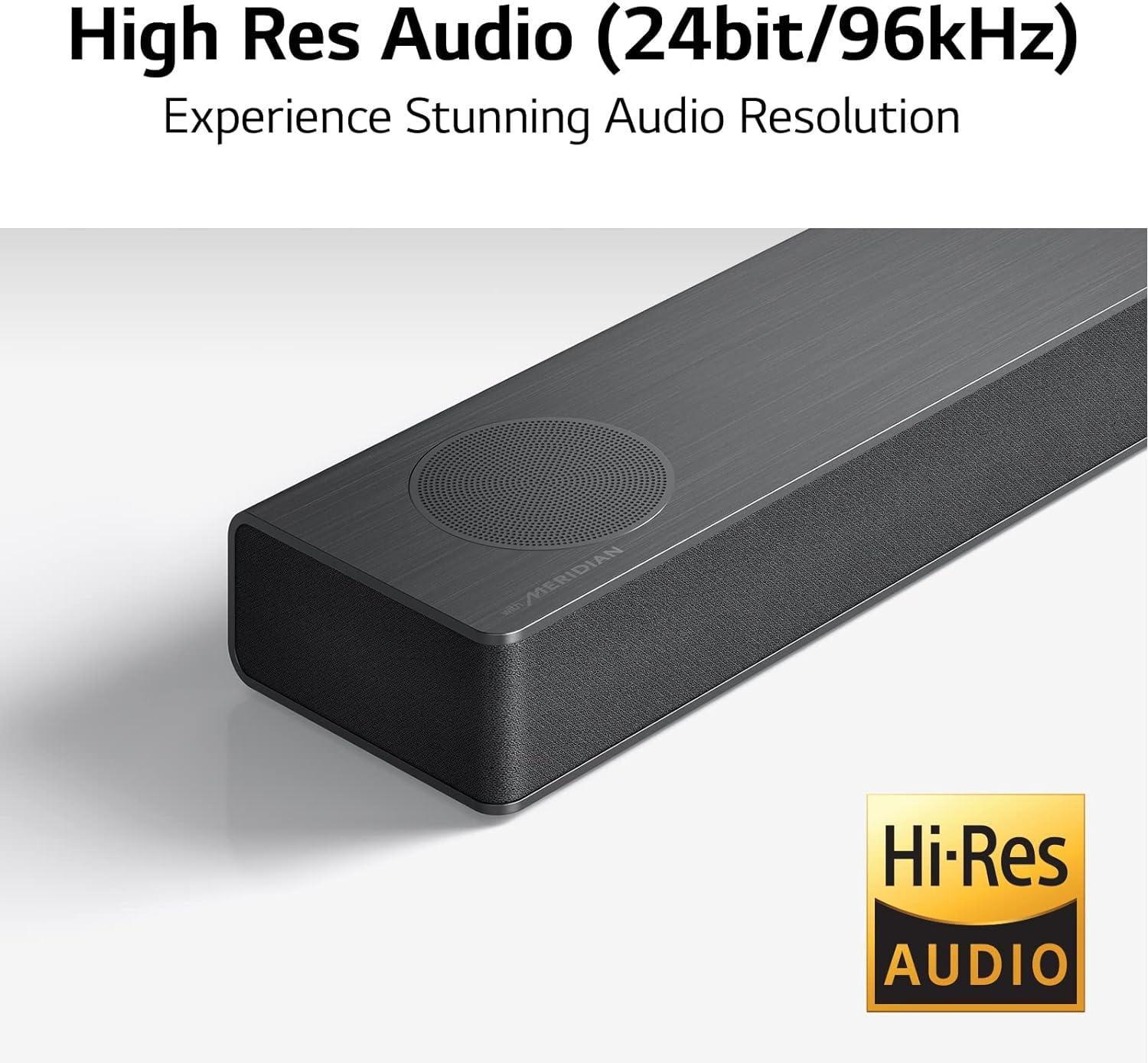

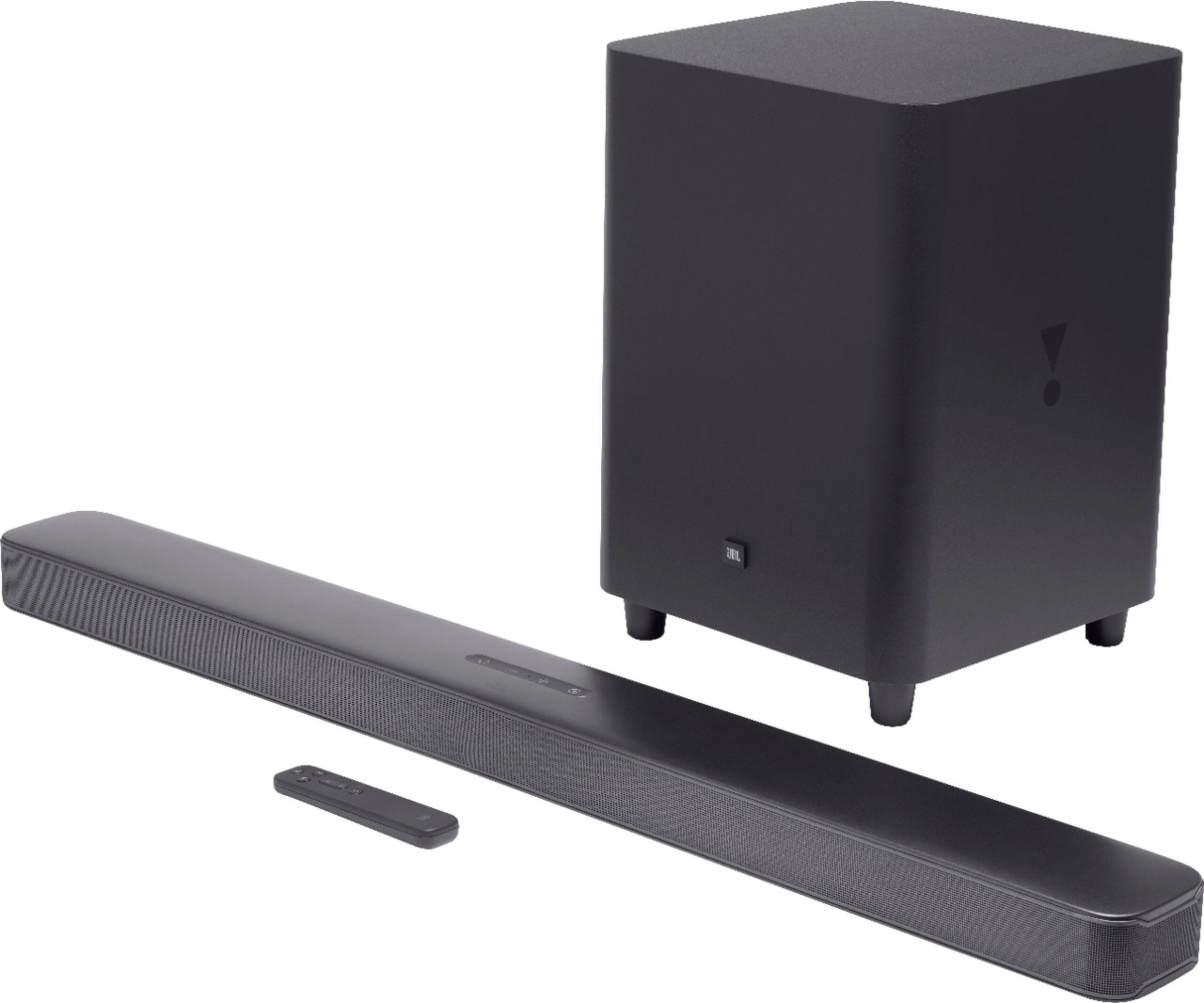

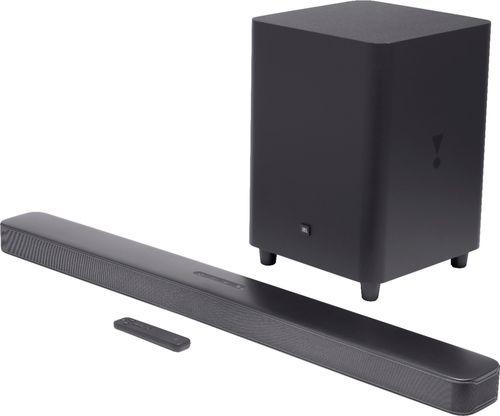
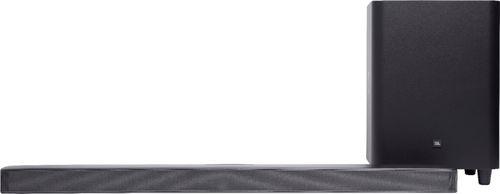
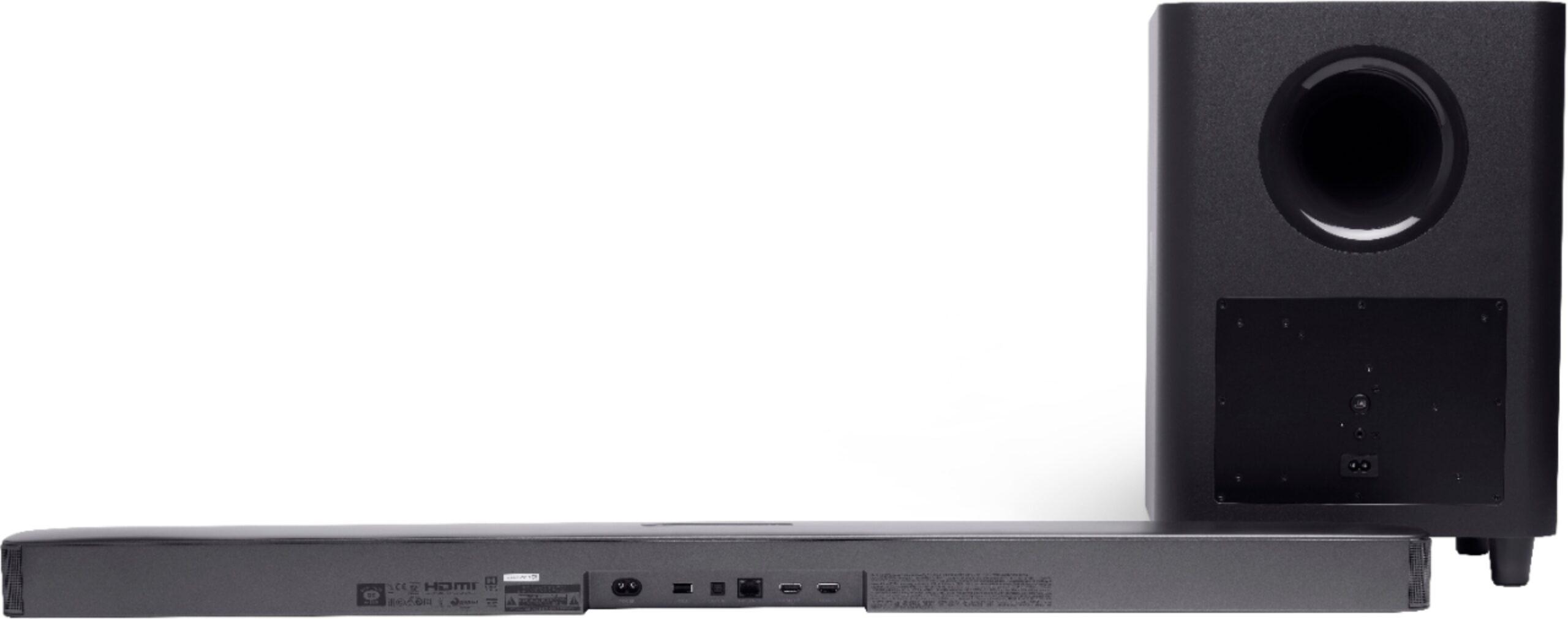
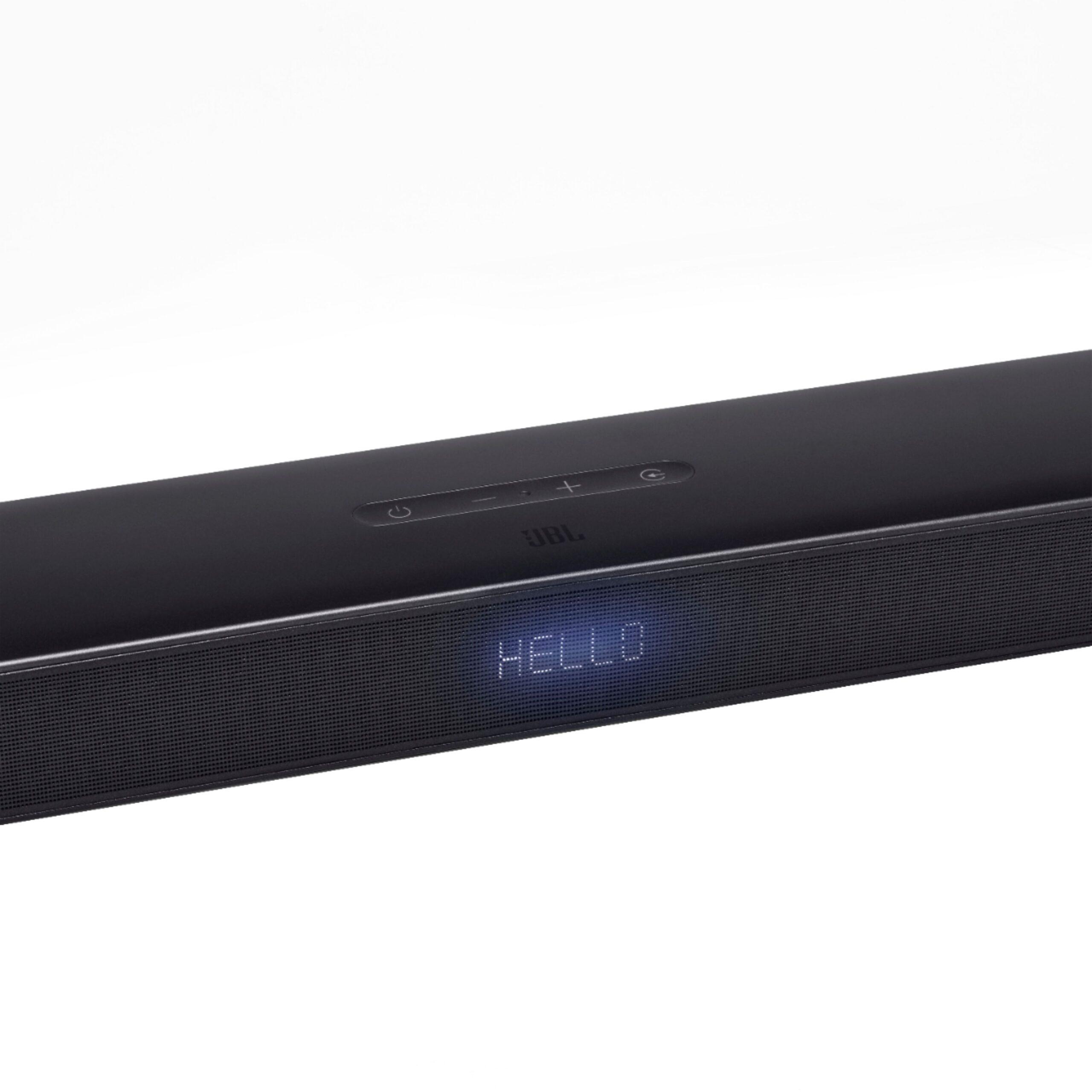
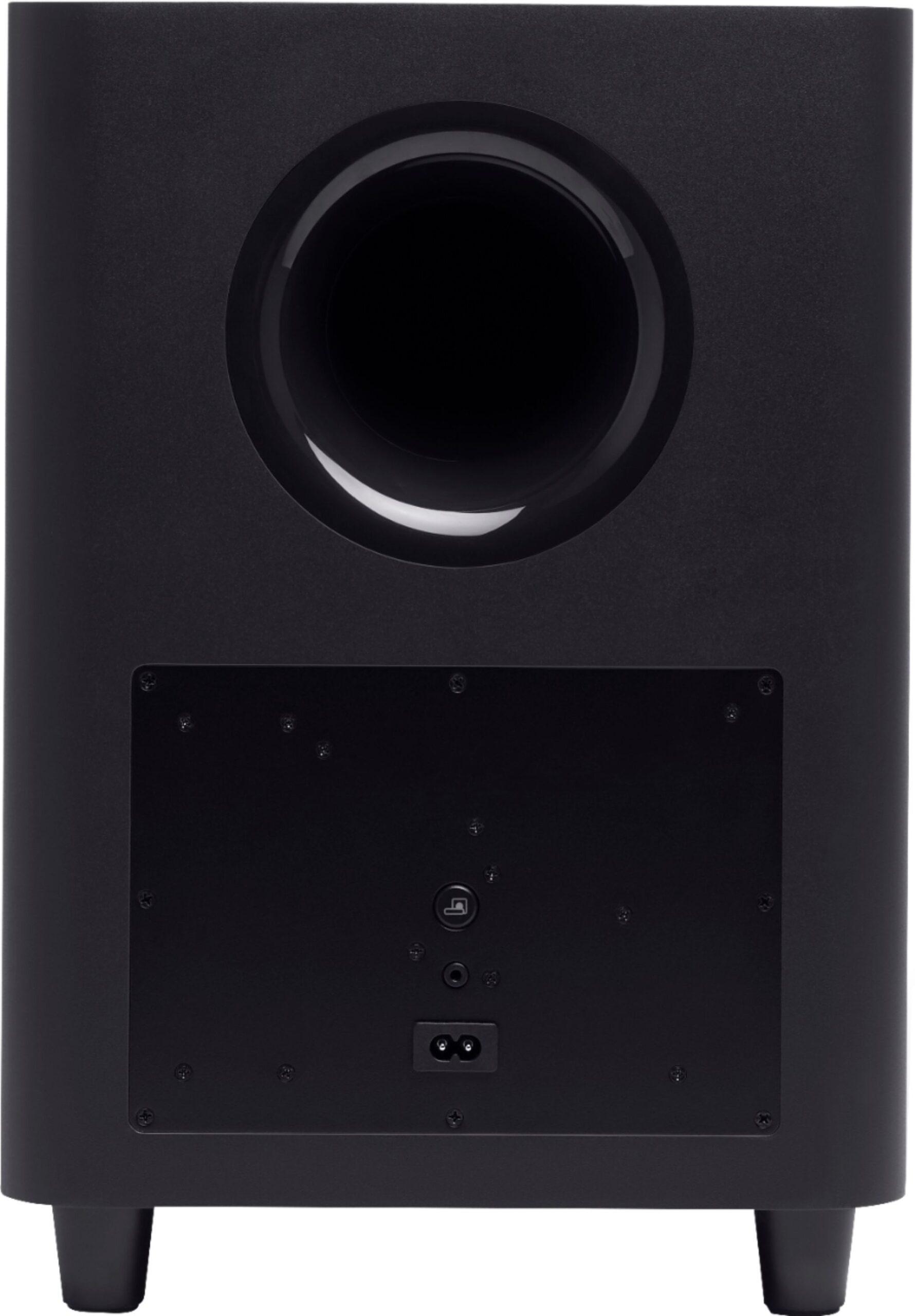
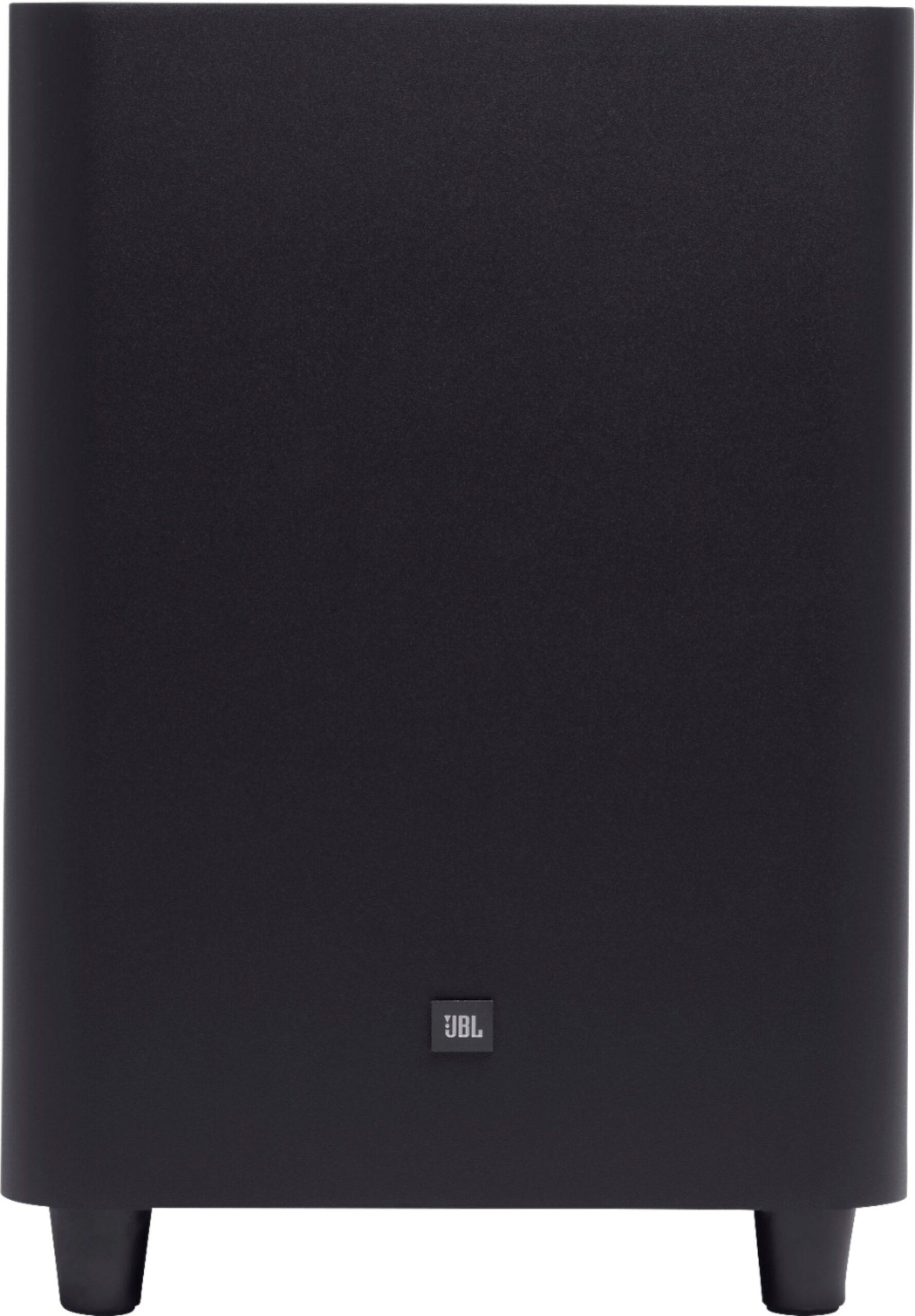
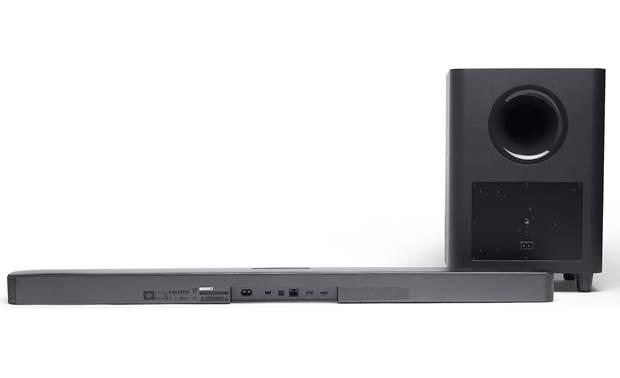
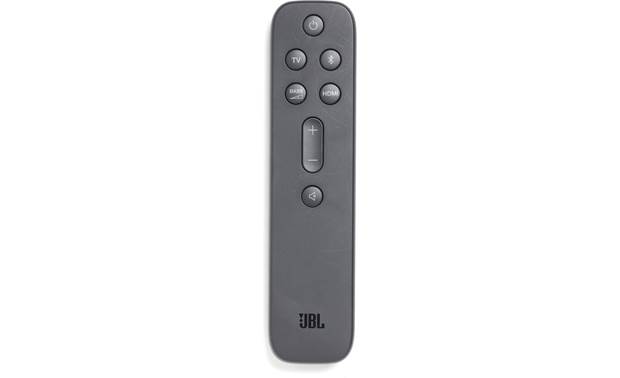
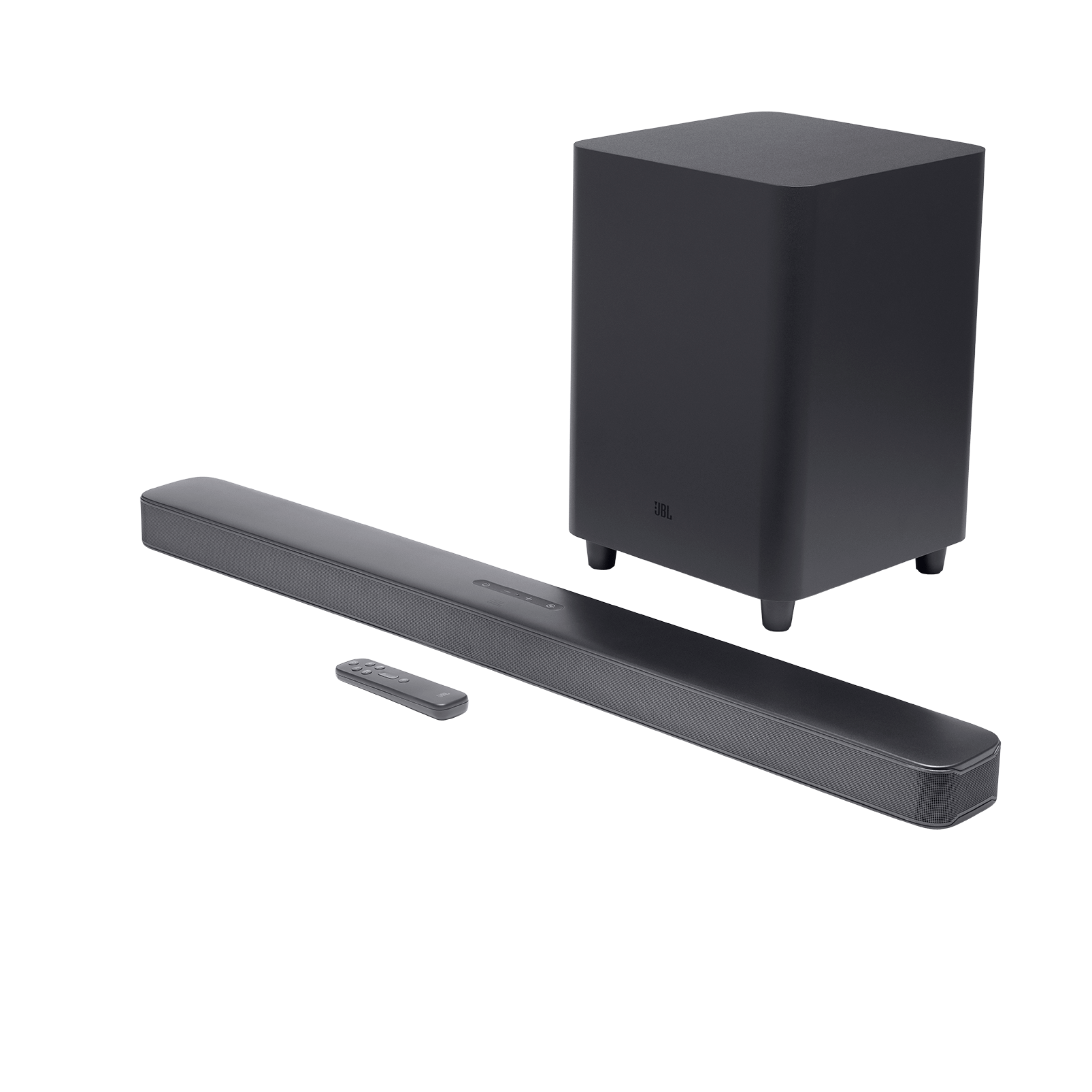
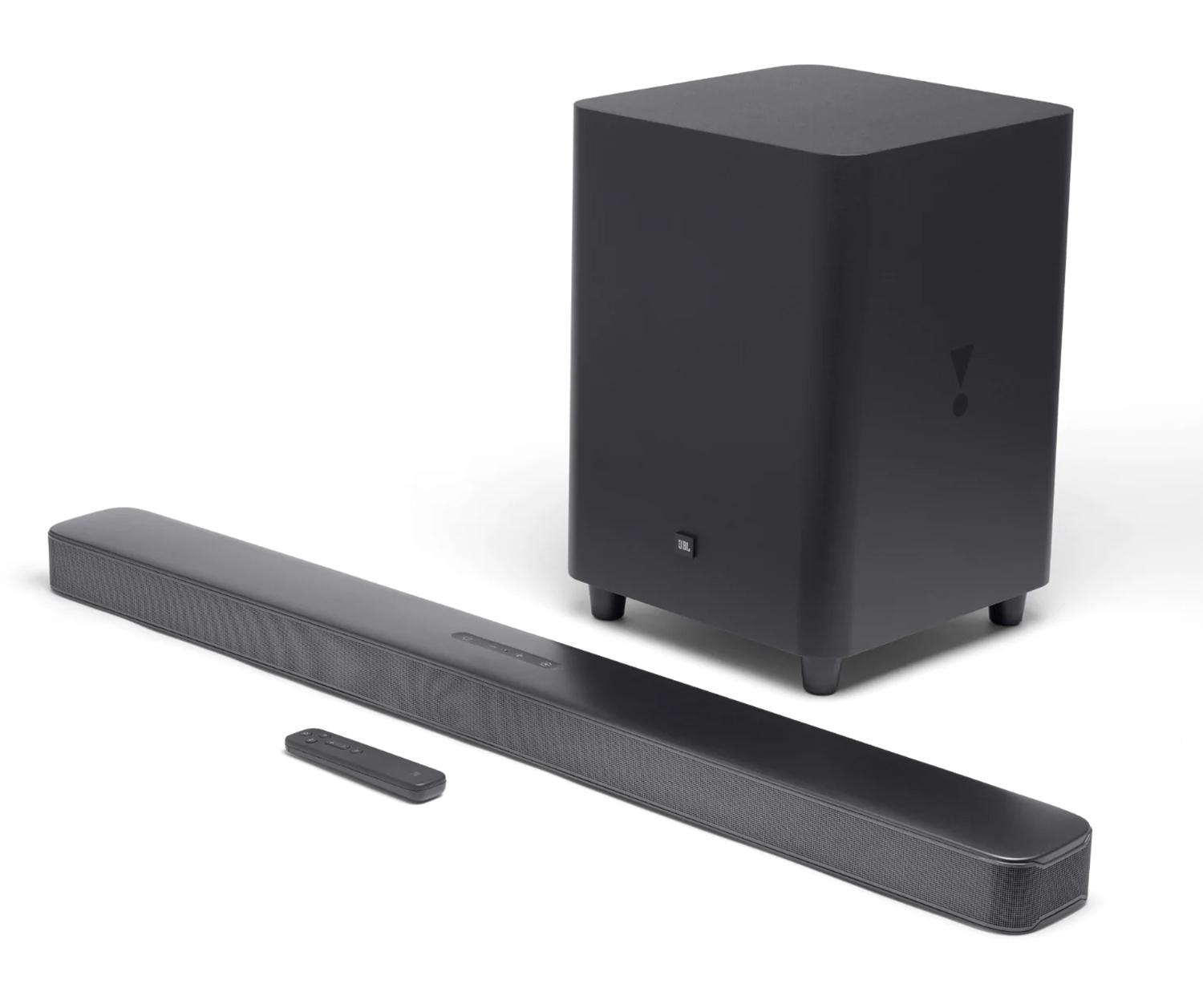
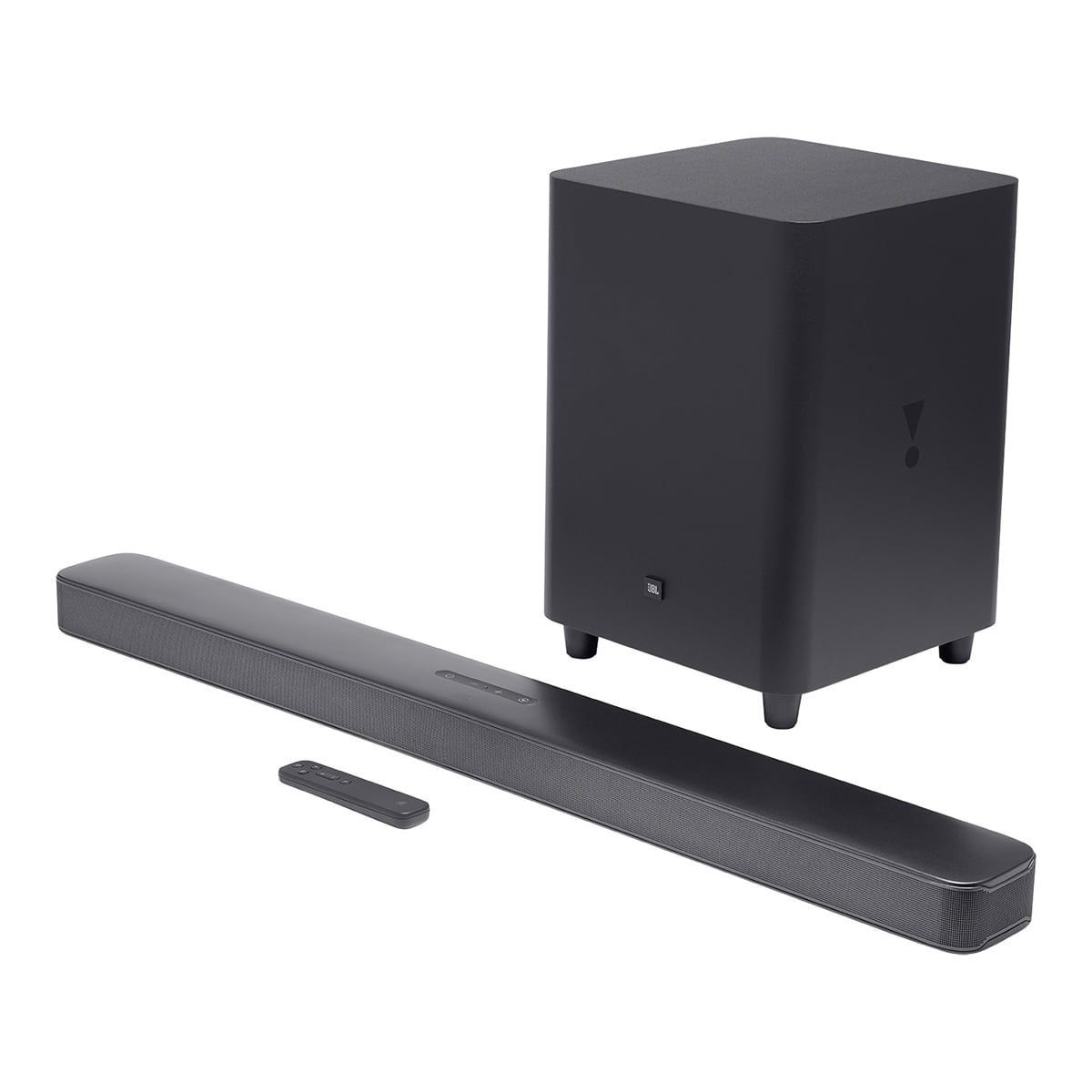
If you've been frustrated with your TV's tinny audio and are ready to upgrade to a proper surround sound system, you're probably weighing your options between traditional soundbars and those fancy new Dolby Atmos models. Today I'm diving deep into two popular choices that represent different philosophies in soundbar design: the LG S80TR 5.1.3 Channel Soundbar ($546.99) and the JBL Bar 5.1 Surround Soundbar ($599.95).
These aren't just random picks – they're both highly-rated systems that tackle home theater audio in distinctly different ways. The LG focuses on cutting-edge 3D audio technology, while JBL emphasizes traditional surround sound done exceptionally well. Let me break down everything you need to know to make the right choice for your setup.
Before we jump into specifics, it's worth understanding what makes today's soundbars so much better than the basic models from even five years ago. The biggest game-changer has been the adoption of object-based audio formats like Dolby Atmos and DTS:X. Unlike traditional surround sound that sends audio to specific speaker channels, object-based audio treats sounds as independent "objects" that can be placed anywhere in 3D space around you.
Think of it this way: in old surround sound, a helicopter might move from your front-left speaker to your rear-right speaker in a predictable path. With Dolby Atmos, that same helicopter can move smoothly overhead, behind you, then dive down to your right side – wherever the filmmaker intended, creating a much more realistic experience.
The other major advancement is wireless connectivity. Modern soundbars aren't just Bluetooth speakers – they're full-fledged network devices that can stream directly from Spotify, integrate with your smart home, and even coordinate with your TV's built-in speakers for enhanced performance.
The LG S80TR represents LG's 2023 push into the competitive mid-range Atmos market. It's part of their "TR" series that replaced the older "QP" lineup, bringing improved AI processing and better wireless rear speaker integration. LG has been particularly focused on creating synergy between their soundbars and their acclaimed OLED TVs through their WOW Orchestra technology.
JBL's Bar 5.1, meanwhile, has been a consistent performer since its 2019 launch, receiving incremental updates to connectivity and power management. JBL took a different approach entirely – instead of chasing the latest audio formats, they focused on perfecting traditional 5.1 surround sound with a unique twist: completely detachable battery-powered rear speakers.
Since these products hit the market, we've seen streaming services like Netflix, Disney+, and Apple TV+ dramatically increase their Dolby Atmos content. This shift makes the format choice between these soundbars more significant than it would have been even two years ago.
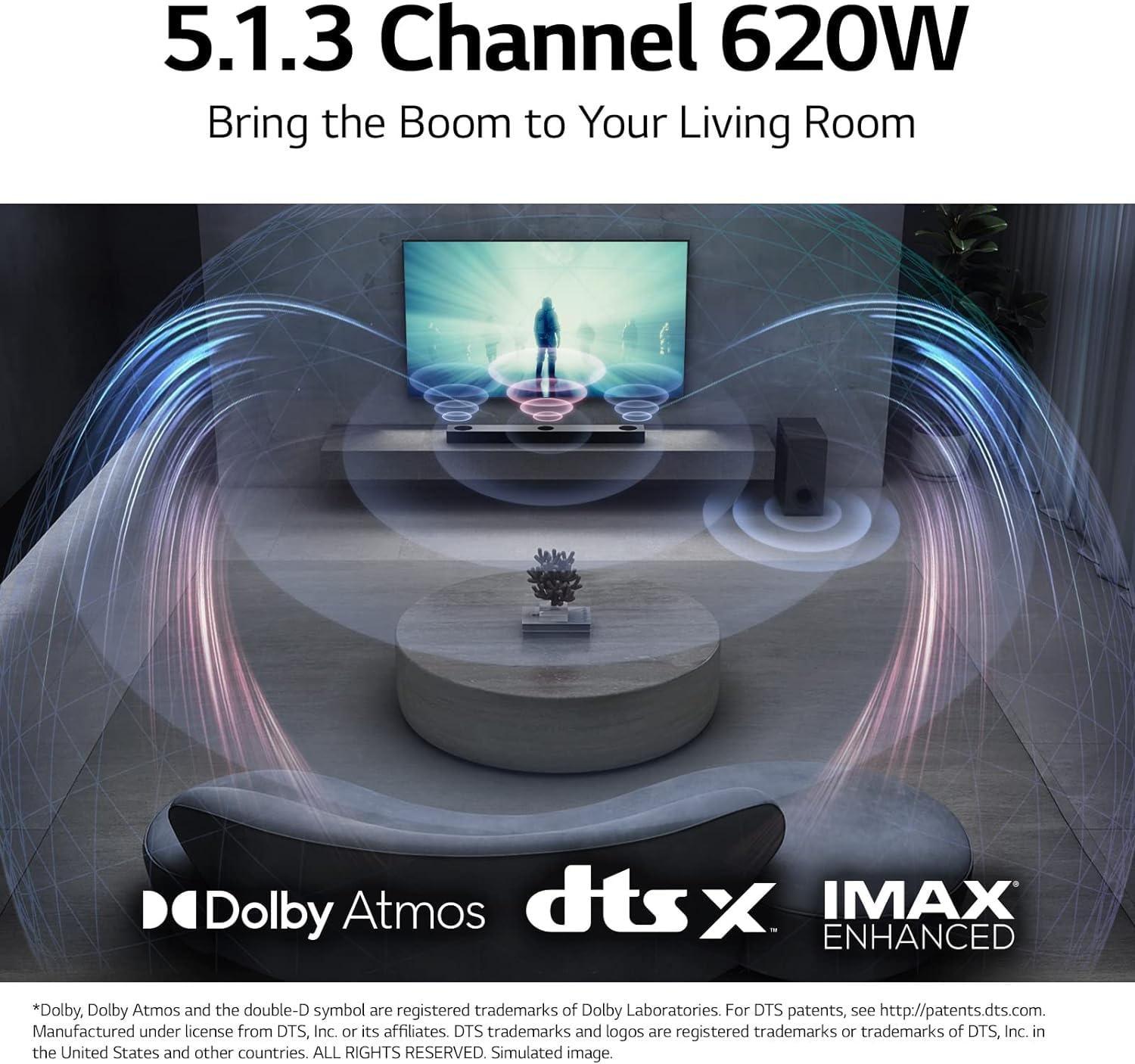
These two soundbars represent fundamentally different approaches to surround sound. The LG S80TR is built around the idea that height channels – speakers that fire sound upward to bounce off your ceiling – are essential for modern home theater. It features a 5.1.3 configuration, meaning five main channels (left, center, right, and two surrounds), one subwoofer, and three dedicated height channels.
The three up-firing speakers are the star of the show here. LG positioned them strategically across the soundbar to create what they call a "spatial audio dome." When you're watching a scene with rain, helicopters, or even just ambient forest sounds, these height channels bounce audio off your ceiling to create the impression that sounds are coming from above and around you.
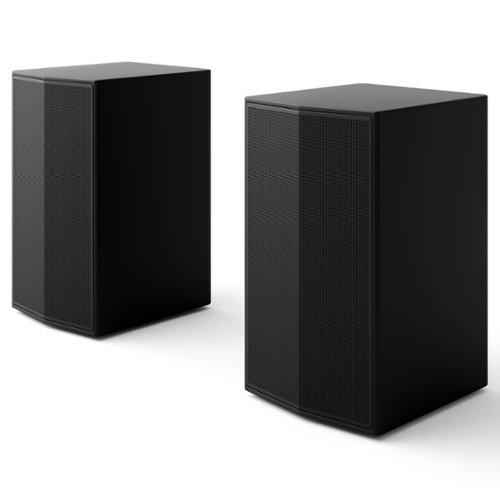
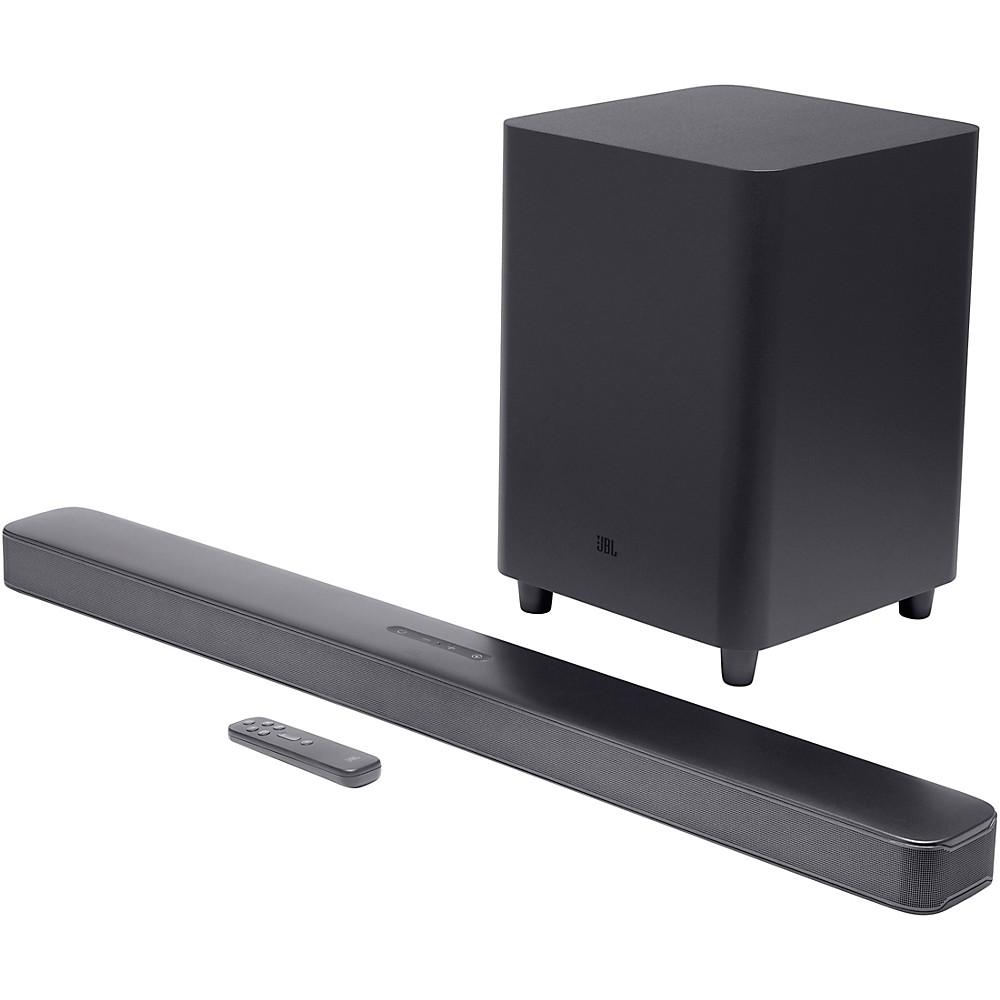
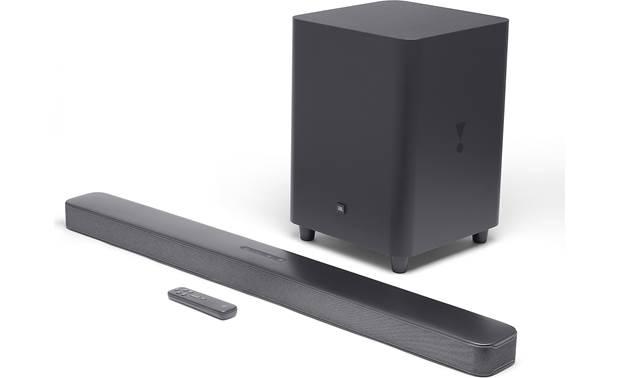
The JBL Bar 5.1, on the other hand, sticks with traditional 5.1 surround but executes it in a unique way. Instead of wireless rear speakers that need to stay plugged into the wall, JBL made theirs completely battery-powered with 10-hour runtime. You can literally pick them up and move them anywhere in your room, or even take them outside for a barbecue.
This design difference affects everything about how these systems perform and integrate into your home.
Having tested both systems extensively, the difference in immersive audio is immediately noticeable. The LG S80TR's Dolby Atmos implementation is genuinely impressive for its price point. When watching "Top Gun: Maverick," the jet engine sounds don't just come from the sides – they sweep overhead with convincing height and movement. The AI Sound Pro mode does an excellent job of extracting height information even from non-Atmos content, though purists might prefer sticking to native Atmos material.
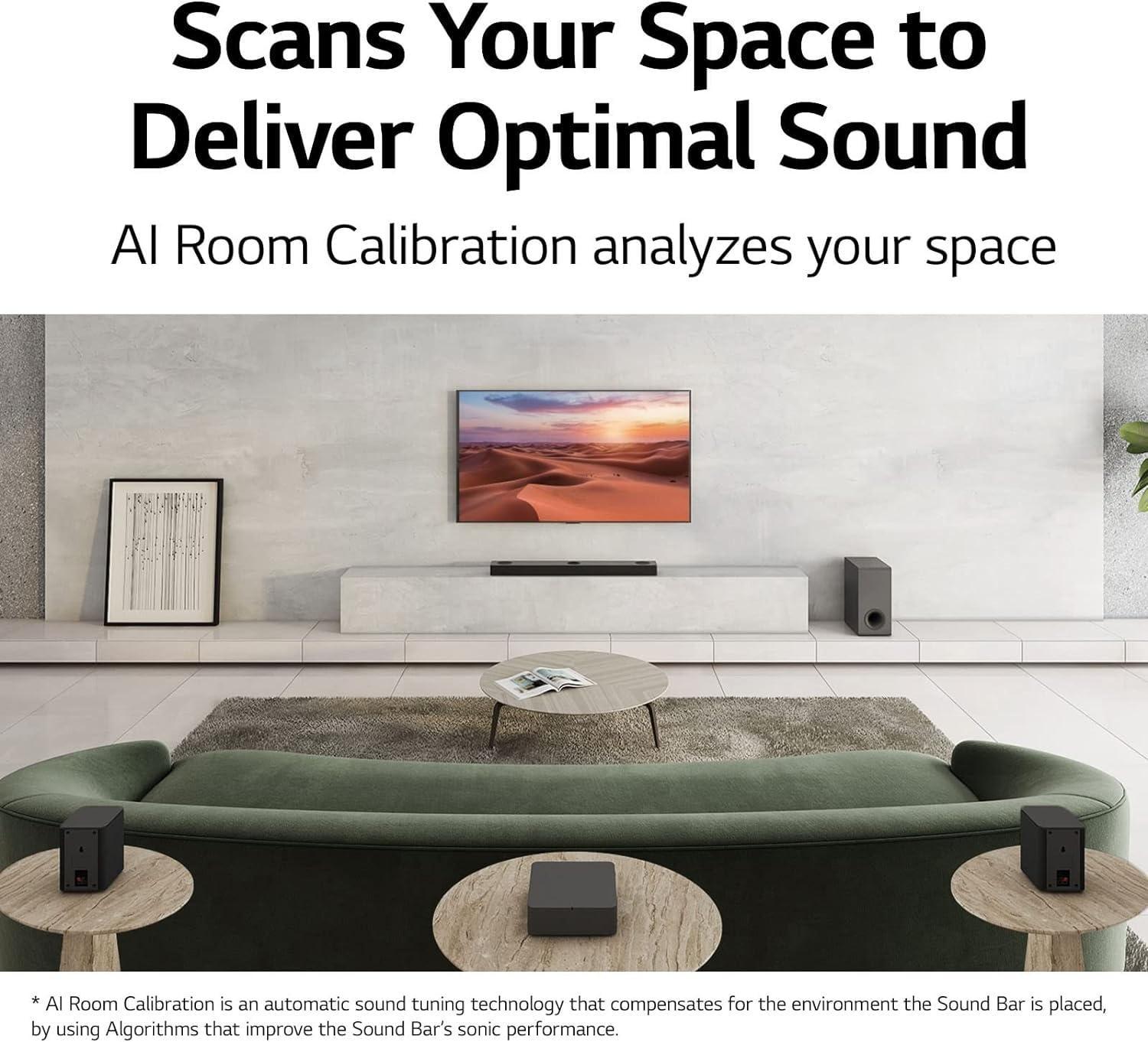
The system's AI Room Calibration feature uses the included microphone to measure your room's acoustics and adjust the sound accordingly. In my testing, this made a noticeable difference in rooms with high ceilings or unusual layouts. The calibration process takes about two minutes and genuinely improves dialogue clarity and bass response.
The JBL Bar 5.1 takes a more straightforward approach but executes it brilliantly. Without height channels, it relies on JBL's MultiBeam technology to create virtual surround effects from the main bar. While this can't match true Atmos for overhead effects, it excels at creating an wide, enveloping soundstage for traditional content.
Where JBL really shines is in the precision of its actual surround speakers. Because they're physical speakers positioned behind you rather than virtual effects, the directional audio is more accurate and consistent. During action sequences in "John Wick," I could pinpoint exactly where gunshots and explosions were coming from – something that's harder to achieve with purely virtual processing.
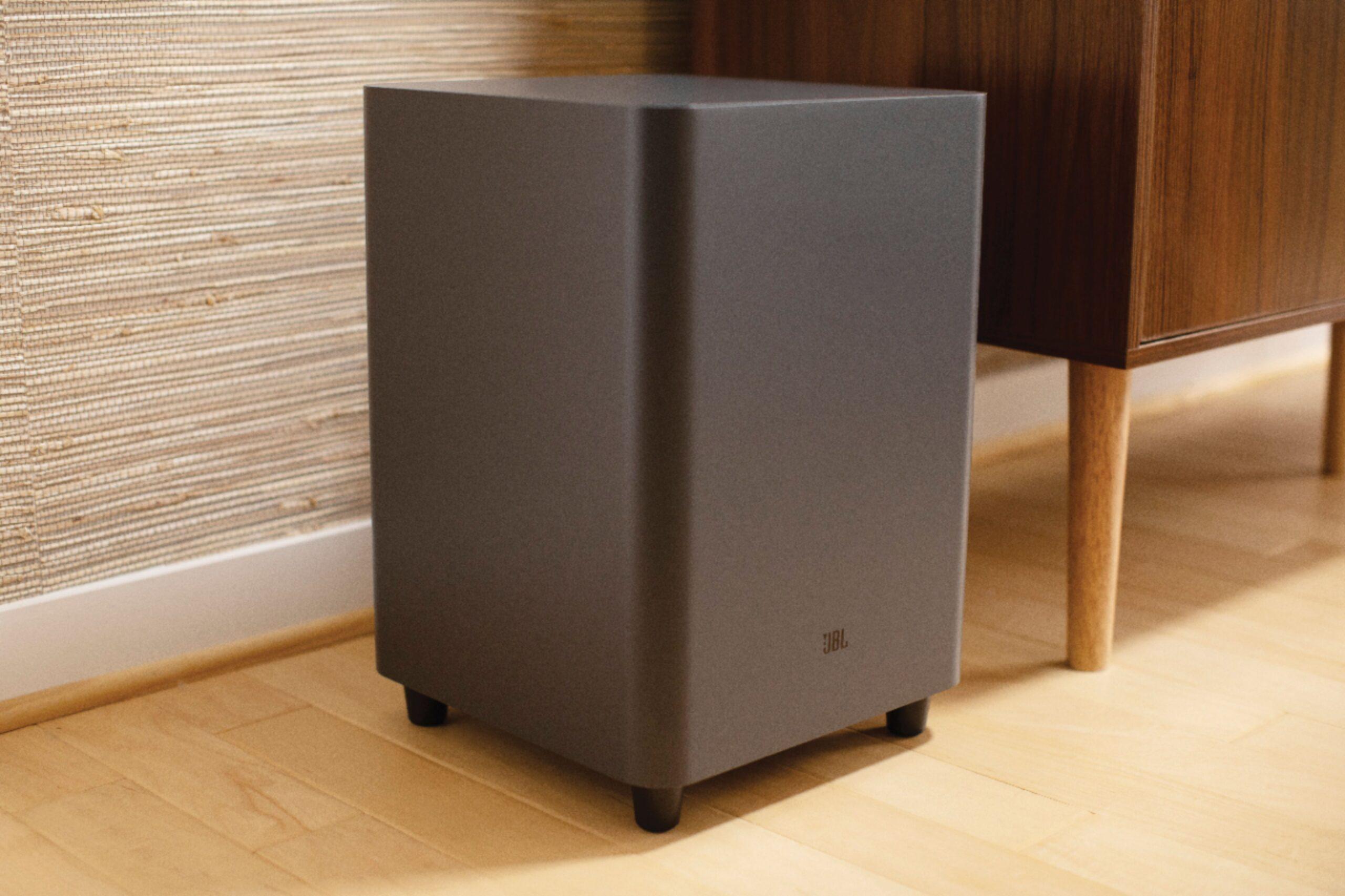
This is where the two systems diverge most dramatically. The JBL Bar 5.1's 10-inch wireless subwoofer is simply in a different league. With 300W of dedicated subwoofer power, it delivers the kind of deep, room-shaking bass that makes action movies genuinely thrilling. During the opening sequence of "Blade Runner 2049," the low-frequency effects weren't just heard – they were felt.
The LG's subwoofer, while adequate, focuses more on integration than raw power. It's tuned to complement the height channels rather than dominate the soundscape. For dialogue-heavy content and most music, this approach works well. But if you're the type who wants to feel every explosion and car chase, the JBL's bass authority is hard to beat.
However, the LG S80TR compensates with its Bass Blast and Bass Blast+ modes, which use digital processing to enhance low-frequency content. While not as satisfying as truly powerful subwoofer, these modes can add some thump to content that needs it.
Both systems excel at dialogue reproduction, but through different methods. The LG S80TR's up-firing center channel and Clear Voice Pro mode create exceptional dialogue clarity. The height information adds a sense of space to conversations that makes them feel more natural and easier to follow, even during complex scenes with multiple speakers.
JBL's approach is more traditional but equally effective. Their center channel tuning emphasizes the frequency range where most human speech occurs, and the system's overall clarity makes it easy to follow dialogue even at lower volumes – crucial for late-night viewing.
The connectivity differences between these systems reflect their different target audiences. The LG S80TR is designed as a smart home hub with Wi-Fi connectivity, built-in Chromecast, AirPlay 2 support, and compatibility with Google Assistant and Alexa. You can stream music directly from Spotify Connect without touching your phone, and the system will automatically switch between TV audio and music streaming as needed.
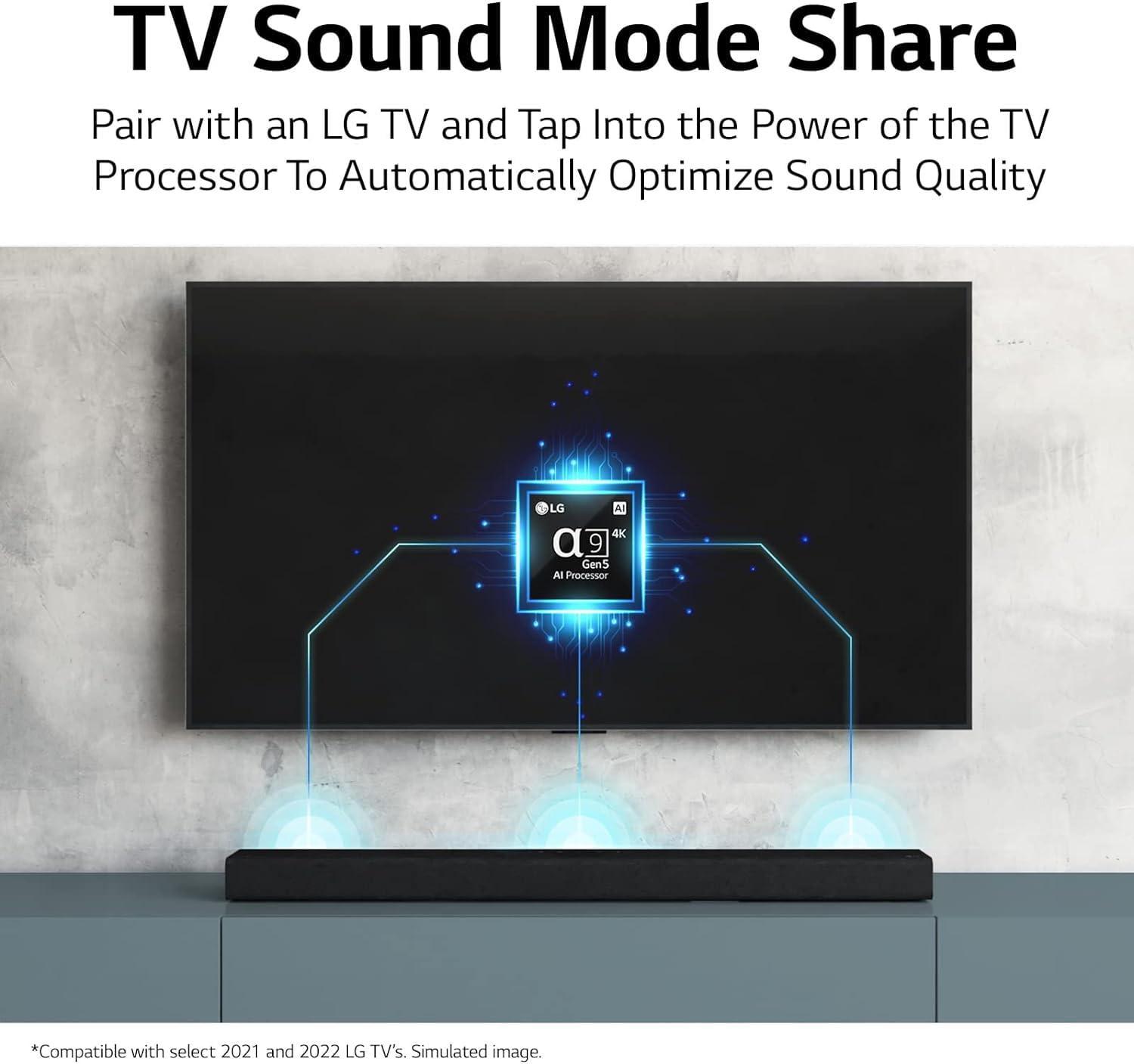
The WOW Orchestra feature is particularly impressive if you own an LG TV. Instead of disabling your TV's speakers when you connect the soundbar, it uses them as additional channels to create an even wider soundstage. During my testing with an LG C3 OLED, this created noticeably better dialogue clarity and a more expansive sound field.
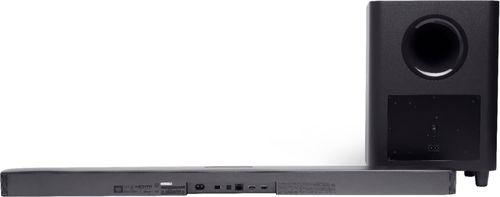
The JBL Bar 5.1 takes a more utilitarian approach with three HDMI inputs, optical connectivity, and Bluetooth 4.2. While it lacks the smart streaming features, it makes up for it with JBL's SoundShift technology, which lets you instantly switch between TV audio and Bluetooth music from your phone. For users who prefer to control everything from their phone or TV interface, this simpler approach can actually be preferable.
Setting up the LG S80TR is remarkably straightforward, especially if you have an LG TV. The system automatically detects compatible TVs and configures itself accordingly. The wireless rear speakers require power outlets but no additional setup – they pair automatically and can be positioned anywhere within reasonable range.
The AI room calibration process deserves special mention. After placing the included microphone at your listening position, the system plays a series of test tones and automatically adjusts its EQ, delay timing, and level settings. In irregularly shaped rooms or spaces with lots of furniture, this makes a significant difference in performance.
The JBL Bar 5.1's setup is even simpler in some ways. The detachable rear speakers literally just pop off the main soundbar and are immediately ready to use. No pairing, no configuration – just position them where you want and enjoy. The 10-hour battery life means you can experiment with placement without worrying about power outlets.
However, this simplicity comes with trade-offs. The JBL system doesn't offer room correction, so performance varies more depending on your specific room acoustics and speaker placement.
For gaming, both systems offer distinct advantages. The LG S80TR's Dolby Atmos support shines with newer games that support spatial audio. Playing "Hellblade: Senua's Sacrifice" or "Call of Duty: Modern Warfare II," the height channels provide genuine competitive advantages by making it easier to locate enemies above or below your position.
The system's Game mode reduces audio processing to minimize latency, though I still noticed slight delays when playing rhythm games or competitive shooters where timing is critical.
The JBL Bar 5.1 offers lower overall latency thanks to its simpler processing chain. For competitive gaming, this can matter more than advanced audio features. The physical rear speakers also provide more accurate positional audio for traditional surround-sound games.
At $53 less than the JBL, the LG S80TR delivers impressive value for Dolby Atmos technology. Consider that standalone Atmos soundbars from premium brands often cost $800-1200, and you're getting legitimate height channel performance at a significant discount.
The JBL Bar 5.1's higher price reflects its unique detachable speaker design and powerful subwoofer. That 10-inch sub alone would cost $200-300 as a separate purchase, so the pricing makes sense when you consider the total package.
For long-term value, the LG's Atmos support provides better future-proofing as more content adopts object-based audio formats. However, JBL's traditional approach ensures consistent performance regardless of source material format.
In a dedicated home theater room, both systems perform admirably but serve different needs. The LG S80TR excels in rooms where you want the most immersive experience possible without installing ceiling speakers. Its height channels work best with 8-10 foot ceilings and relatively rectangular rooms.
The JBL Bar 5.1 is more flexible for unconventional spaces. Because you can position the rear speakers anywhere, it works well in open-concept living spaces, L-shaped rooms, or areas where running speaker wire would be impractical.
Choose the LG S80TR if you want cutting-edge audio technology, own or plan to buy an LG TV, prioritize immersive 3D audio for movies and games, and value getting premium features at a lower price point. It's the better choice for users who watch a lot of streaming content with Atmos support and want their soundbar to serve as a smart home hub.
Go with the JBL Bar 5.1 if you prioritize powerful bass response, need maximum flexibility in speaker placement, prefer traditional surround sound over height effects, or want speakers that can double as portable Bluetooth speakers for other uses. It's ideal for users who listen to a lot of music, watch bass-heavy action content, or have unconventional room layouts.
Both systems represent excellent value in their respective approaches to home theater audio. Your choice ultimately depends on whether you value innovation and future-proofing or prefer proven technology executed exceptionally well. Either way, you'll be getting a significant upgrade over basic TV audio that will transform your viewing experience.
| LG S80TR 5.1.3 Channel Soundbar ($546.99) | JBL Bar 5.1 Surround Soundbar ($599.95) |
|---|---|
| Channel Configuration - Determines surround sound capability and immersion | |
| 5.1.3 channels with dedicated height speakers for 3D audio | 5.1 channels with traditional horizontal surround sound |
| Audio Format Support - Critical for future-proofing with streaming content | |
| Dolby Atmos, DTS:X, Dolby TrueHD, DTS-HD Master Audio | Dolby Digital, DTS Digital Surround, Dolby Pro Logic II |
| Subwoofer Power - Affects bass depth and impact for movies | |
| Wireless subwoofer (power not specified, moderate bass) | 10" wireless subwoofer with 300W dedicated power |
| Rear Speaker Design - Impacts placement flexibility and setup | |
| Wireless rear speakers (require power outlets) | Detachable battery-powered speakers (10-hour runtime) |
| Smart Connectivity - Determines streaming and integration options | |
| Wi-Fi, AirPlay 2, Chromecast, Google Assistant/Alexa support | Bluetooth 4.2, no built-in streaming services |
| TV Integration Features - Enhances performance with compatible TVs | |
| WOW Orchestra (syncs with LG TV speakers for enhanced audio) | Universal compatibility, no brand-specific features |
| Room Optimization - Automatically adjusts sound for your space | |
| AI Room Calibration with included microphone | Manual sound modes, no automatic room correction |
| HDMI Connectivity - Important for 4K passthrough and device connections | |
| 1 HDMI in/out with eARC support | 3 HDMI inputs, 1 output with ARC support |
| Total System Power - Affects overall volume and dynamic range | |
| Not specified (estimated 400-500W based on class) | 510W total system power |
| Price Advantage - Value consideration for similar features | |
| $53 less expensive with Atmos technology included | Higher price justified by powerful subwoofer and flexible design |
The LG S80TR 5.1.3 Channel Soundbar ($546.99) is better for modern movies thanks to its Dolby Atmos support and height channels that create 3D audio effects. You'll hear helicopters flying overhead and rain falling around you. The JBL Bar 5.1 Surround Soundbar ($599.95) excels at action movies with its powerful 10-inch subwoofer that delivers deeper bass for explosions and car chases.
The biggest difference is audio technology approach. The LG S80TR focuses on 3D audio with Dolby Atmos height channels that bounce sound off your ceiling. The JBL Bar 5.1 uses traditional 5.1 surround sound but offers unique detachable battery-powered rear speakers that can be moved anywhere or used as portable Bluetooth speakers.
The JBL Bar 5.1 Surround Soundbar ($599.95) has significantly better bass with its dedicated 10-inch wireless subwoofer delivering 300W of power. The LG S80TR has adequate bass but focuses more on balanced audio integration rather than deep, room-shaking low-end performance.
Only the LG S80TR 5.1.3 Channel Soundbar ($546.99) supports Dolby Atmos. You'll benefit from Atmos if you watch Netflix, Disney+, or Apple TV+ content, play modern video games, or want the most immersive audio experience. The JBL Bar 5.1 uses traditional surround formats but still delivers excellent surround sound for most content.
Both are relatively easy, but the JBL Bar 5.1 Surround Soundbar ($599.95) has simpler setup since its rear speakers just detach from the main bar with no pairing required. The LG S80TR offers AI room calibration that automatically optimizes sound for your space, which takes a few extra minutes but improves performance.
Yes, both work with any TV brand through HDMI or optical connections. However, the LG S80TR 5.1.3 Channel Soundbar ($546.99) offers special WOW Orchestra integration with LG TVs that uses your TV's speakers alongside the soundbar for enhanced dialogue and wider soundstage.
The JBL Bar 5.1 Surround Soundbar ($599.95) is generally better for music thanks to JBL's audio heritage and more powerful bass response. Its detachable speakers can also be used as portable Bluetooth speakers for outdoor music. The LG S80TR offers better streaming integration with Wi-Fi, AirPlay 2, and Chromecast built-in.
The LG S80TR ($546.99) costs $53 less than the JBL Bar 5.1 ($599.95). The LG offers better value for cutting-edge audio technology with Dolby Atmos at a lower price. The JBL justifies its higher cost with a premium subwoofer and unique detachable speaker design.
The LG S80TR 5.1.3 Channel Soundbar ($546.99) is better for modern games that support Dolby Atmos, providing spatial audio advantages for competitive gaming. The JBL Bar 5.1 offers lower audio latency and more accurate directional audio through its physical rear speakers, making it good for traditional surround sound games.
Both include wireless subwoofers and rear speakers. The LG S80TR rear speakers are wireless but need power outlets. The JBL Bar 5.1 Surround Soundbar ($599.95) rear speakers are completely wireless with 10-hour batteries, offering more placement flexibility without needing nearby power outlets.
The LG S80TR 5.1.3 Channel Soundbar ($546.99) has superior smart features with Wi-Fi connectivity, built-in Chromecast, AirPlay 2, and voice assistant support. You can stream music directly without your phone. The JBL Bar 5.1 is more basic with Bluetooth connectivity and focuses on audio performance over smart features.
Choose the LG S80TR ($546.99) if you want Dolby Atmos, have an LG TV, prioritize future-proofing, or want smart streaming features at a lower price. Choose the JBL Bar 5.1 ($599.95) if you prioritize powerful bass, need flexible speaker placement, prefer traditional surround sound, or want speakers that double as portable Bluetooth speakers.
We've done our best to create useful and informative comparisons to help you decide what product to buy. Our research uses advanced automated methods to create this comparison and perfection is not possible - please contact us for corrections or questions. These are the sites we've researched in the creation of this article: bestbuy.com - billsmith.com - brandsmartusa.com - avsforum.com - youtube.com - lg.com - buydig.com - louisdoehomecenter.com - lg.com - videoandaudiocenter.com - mynavyexchange.com - walts.com - bestbuy.com - jbl.com - jbl.com - jbl.com - tomsguide.com - jbl.com - bestbuy.com - bestbuy.com - jbl.com - jbl.com - worldwidestereo.com

Privacy Policy
Terms and Conditions - Affiliate Policy
Home Security
© Copyright 2008-2026.
11816 Inwood Rd #1211, Dallas, TX 75244