




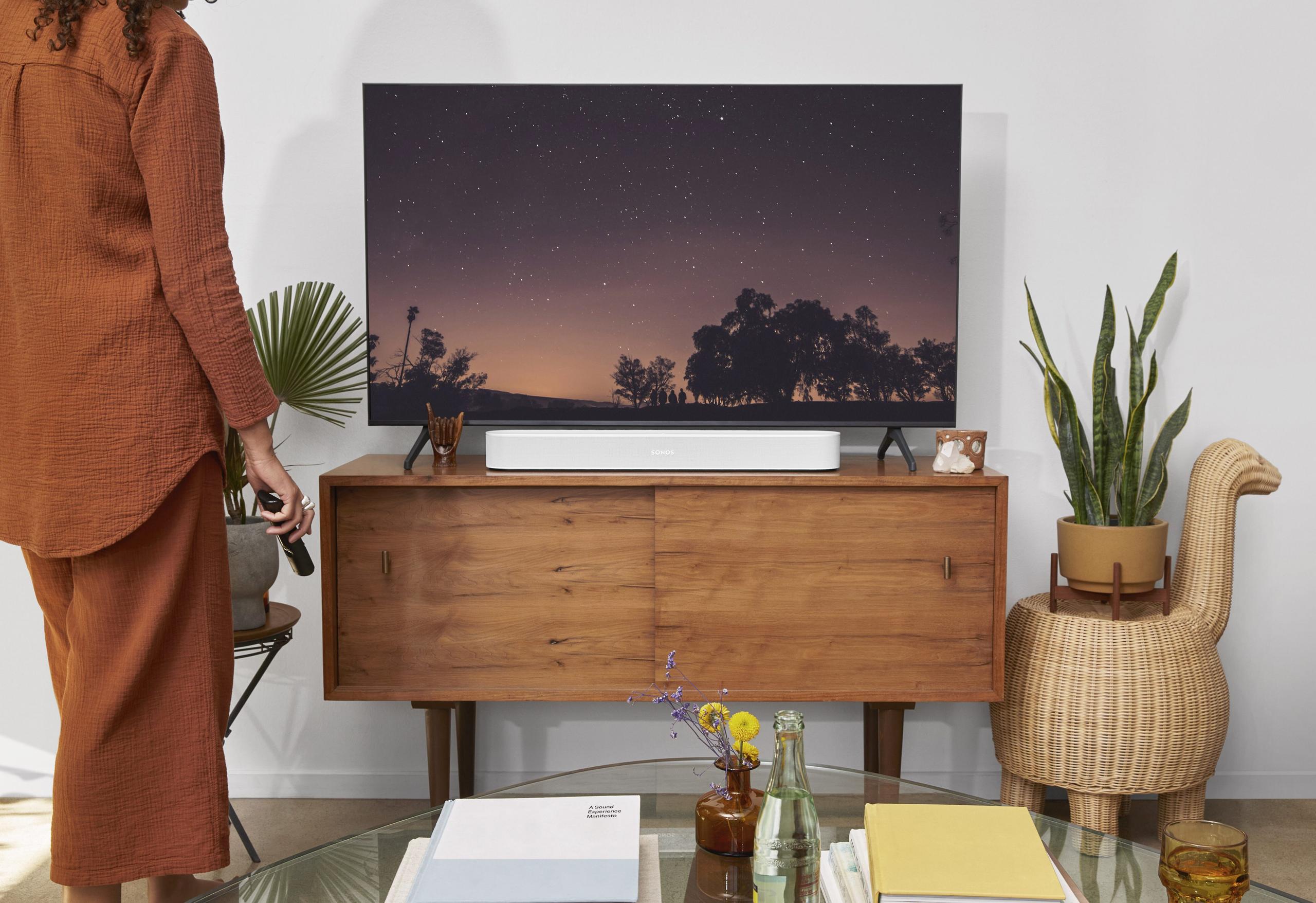
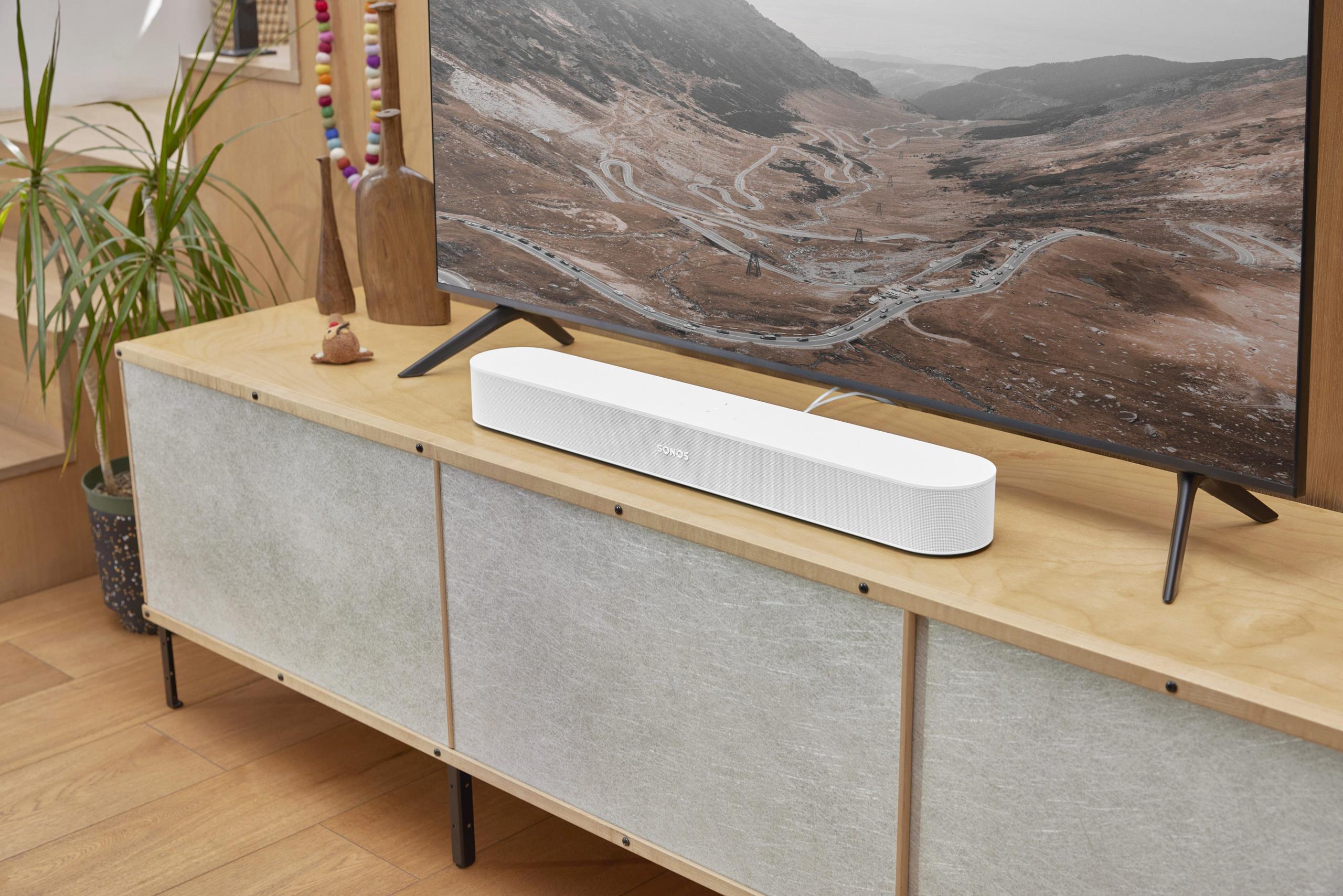
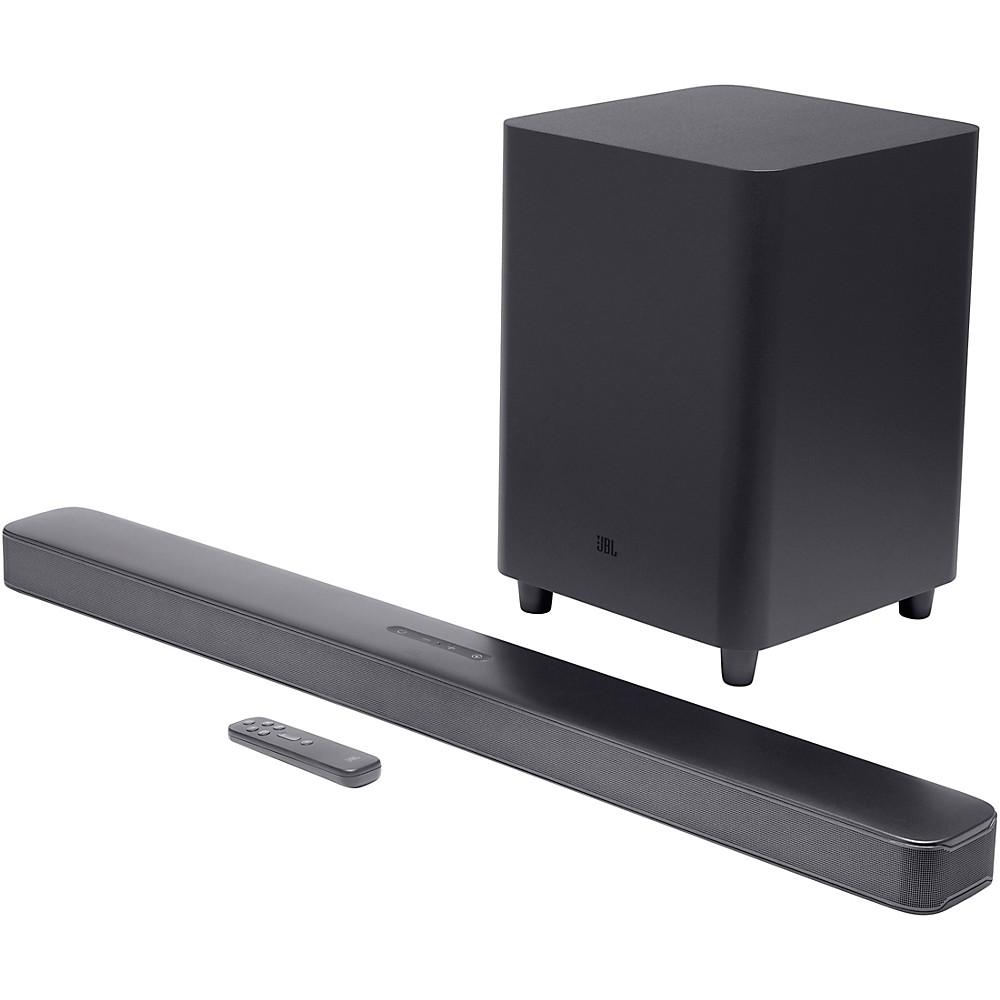
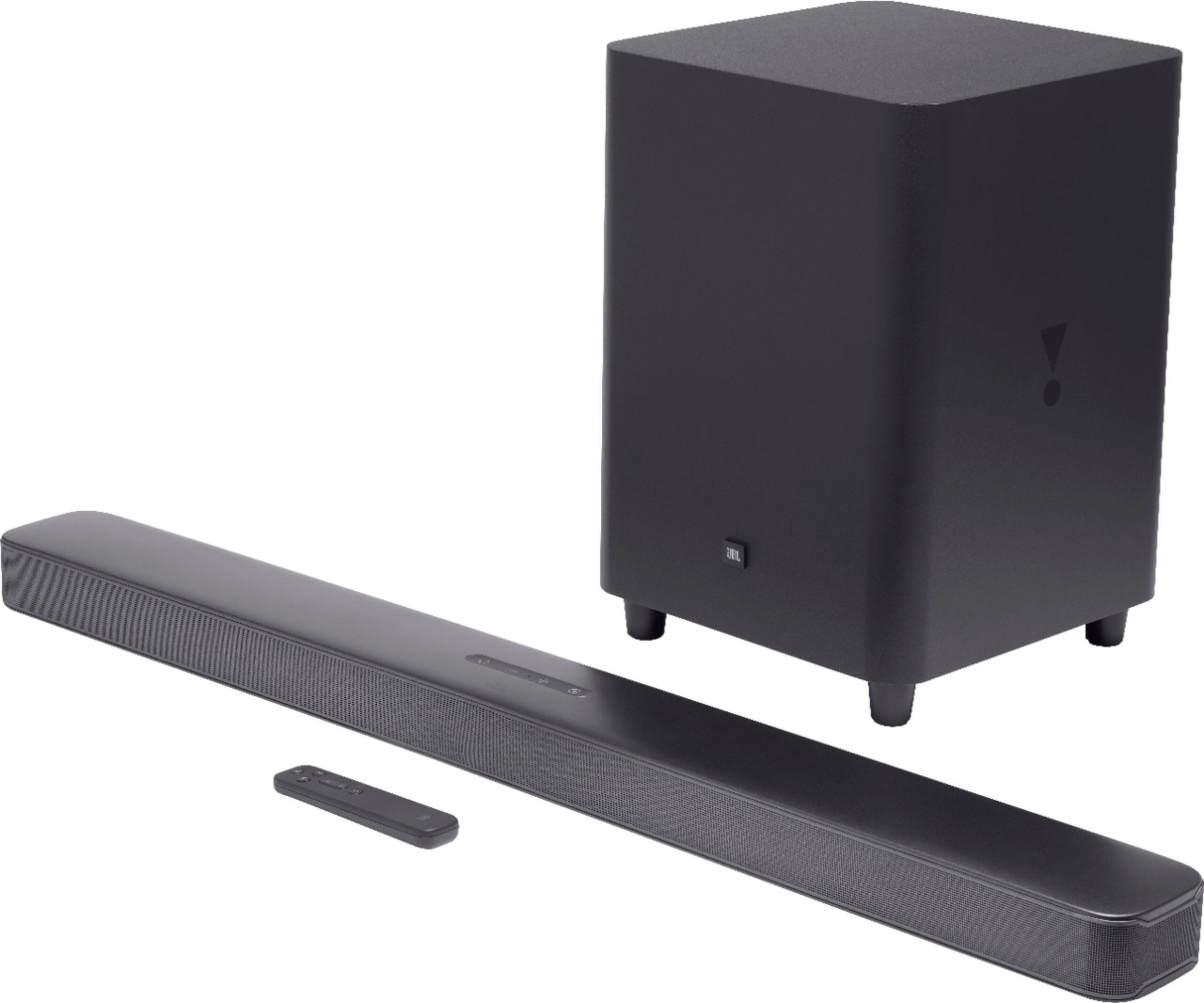


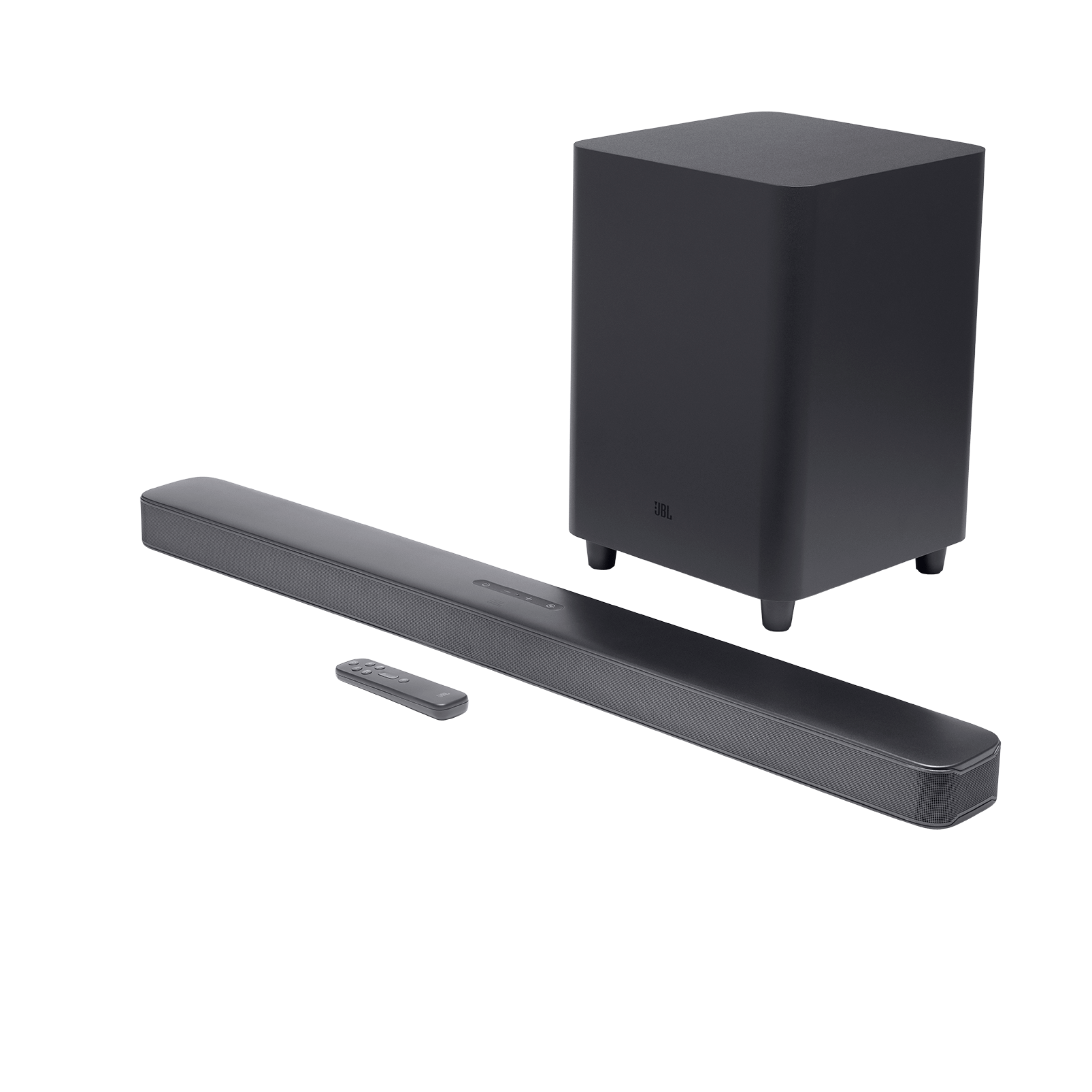
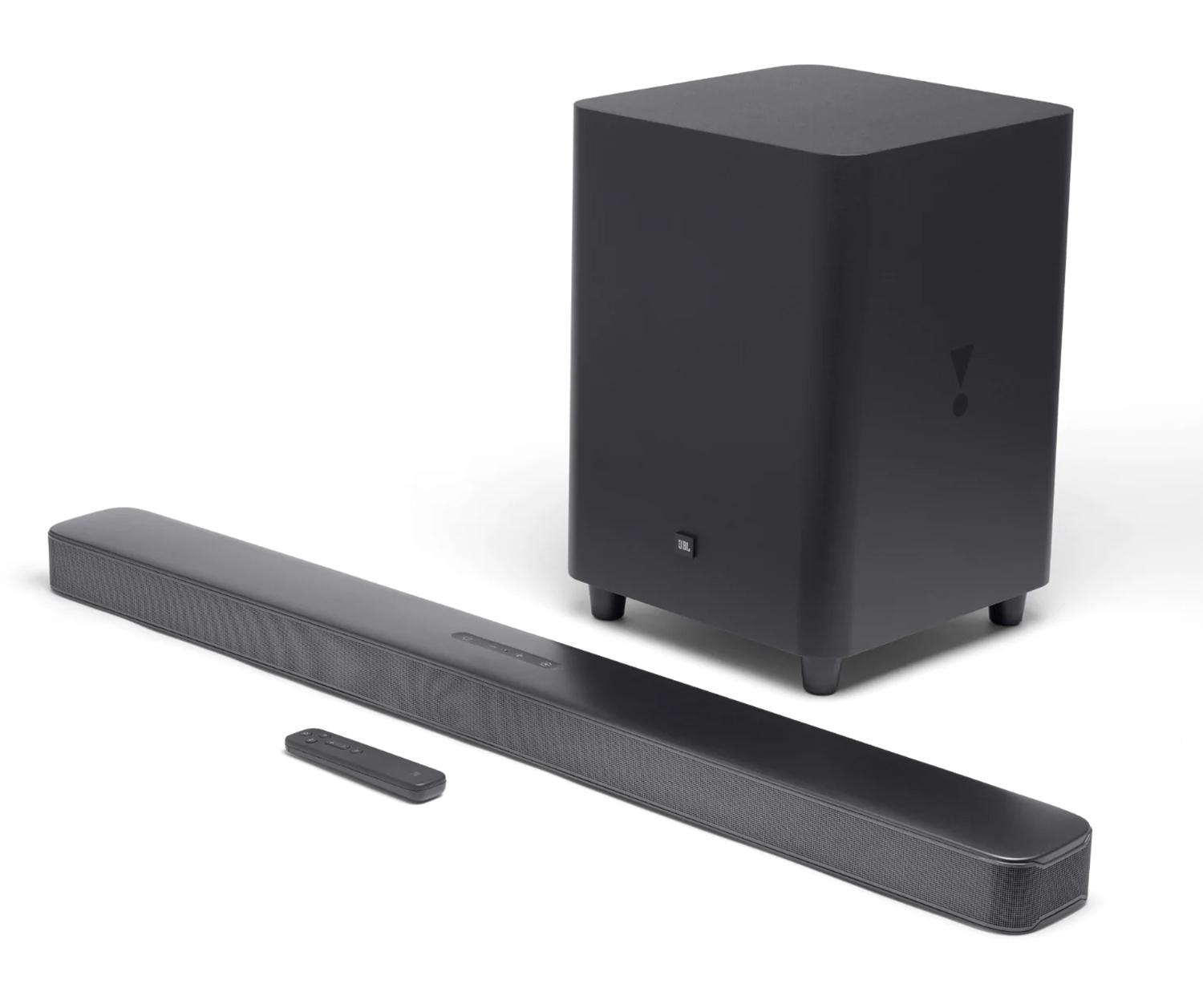
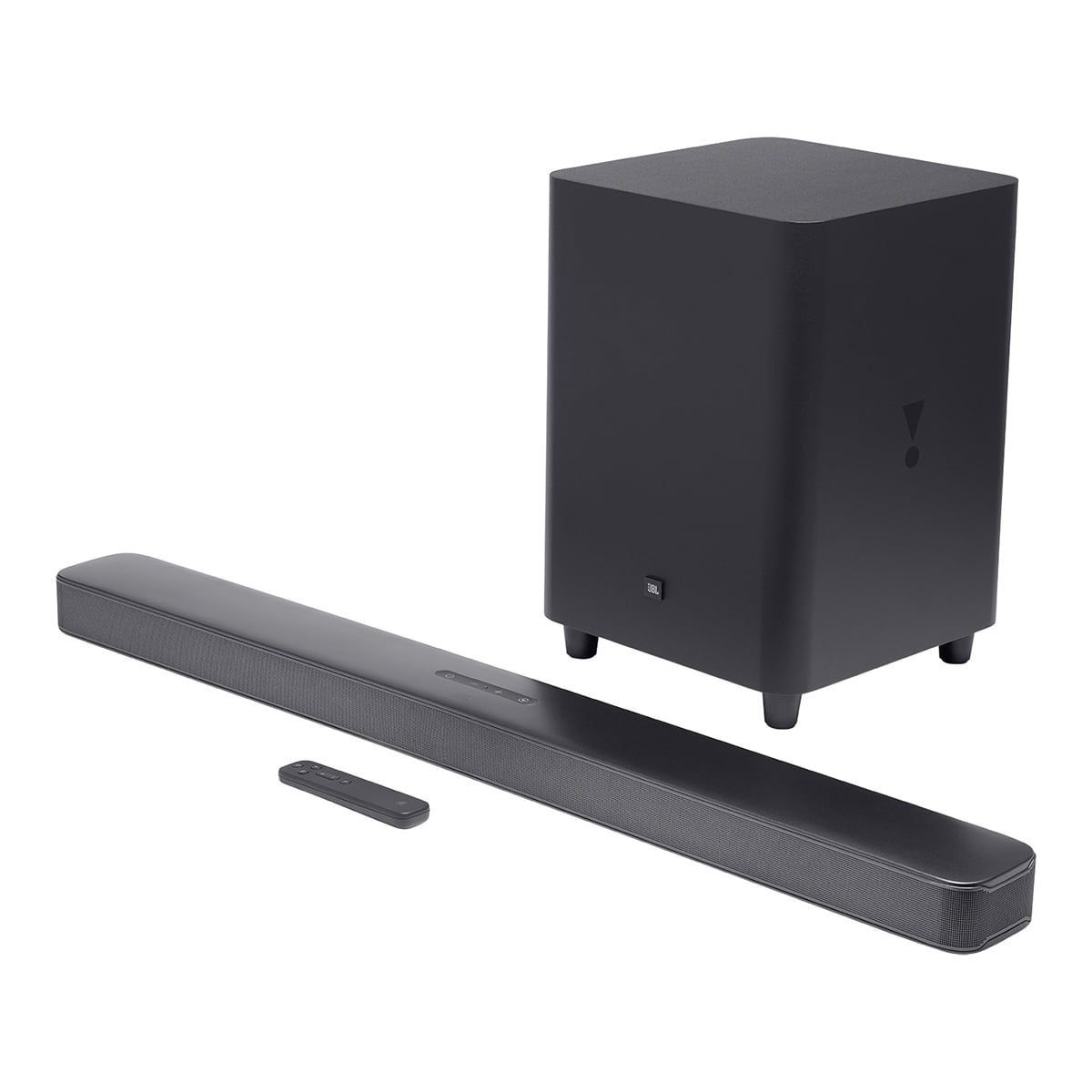
Shopping for a soundbar can feel overwhelming when you're trying to understand the difference between virtual surround sound and "true" 5.1 systems. After spending time with both the Sonos Beam Gen 2 ($449) and the JBL Bar 5.1 Surround ($600), I can tell you they represent two completely different approaches to upgrading your TV's audio - and both have compelling reasons to consider them.
Let me break down everything you need to know to make the right choice for your home theater setup.
The soundbar market has evolved dramatically over the past few years. What used to be simple speaker bars that just made dialogue louder have become sophisticated audio systems that can fill your room with immersive sound. The key split in today's market is between compact all-in-one units that use clever processing tricks and multi-component systems that physically place speakers around your room.
Think of it this way: one approach is like a really talented ventriloquist who can make their voice seem to come from different directions, while the other actually places performers in different spots around the theater. Both can create an engaging experience, but they work in fundamentally different ways.
When shopping for soundbars, you'll encounter several key considerations: room size matters more than most people realize, your content preferences (dialogue-heavy shows versus explosion-filled action movies) will influence which features matter most, and whether you want to set up everything at once or build a system over time affects which path makes sense.
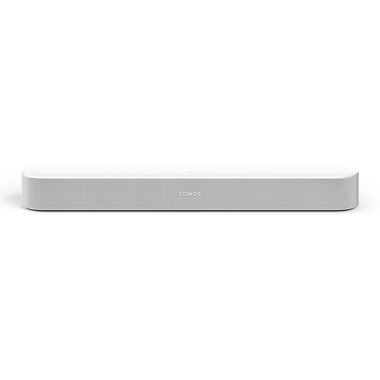
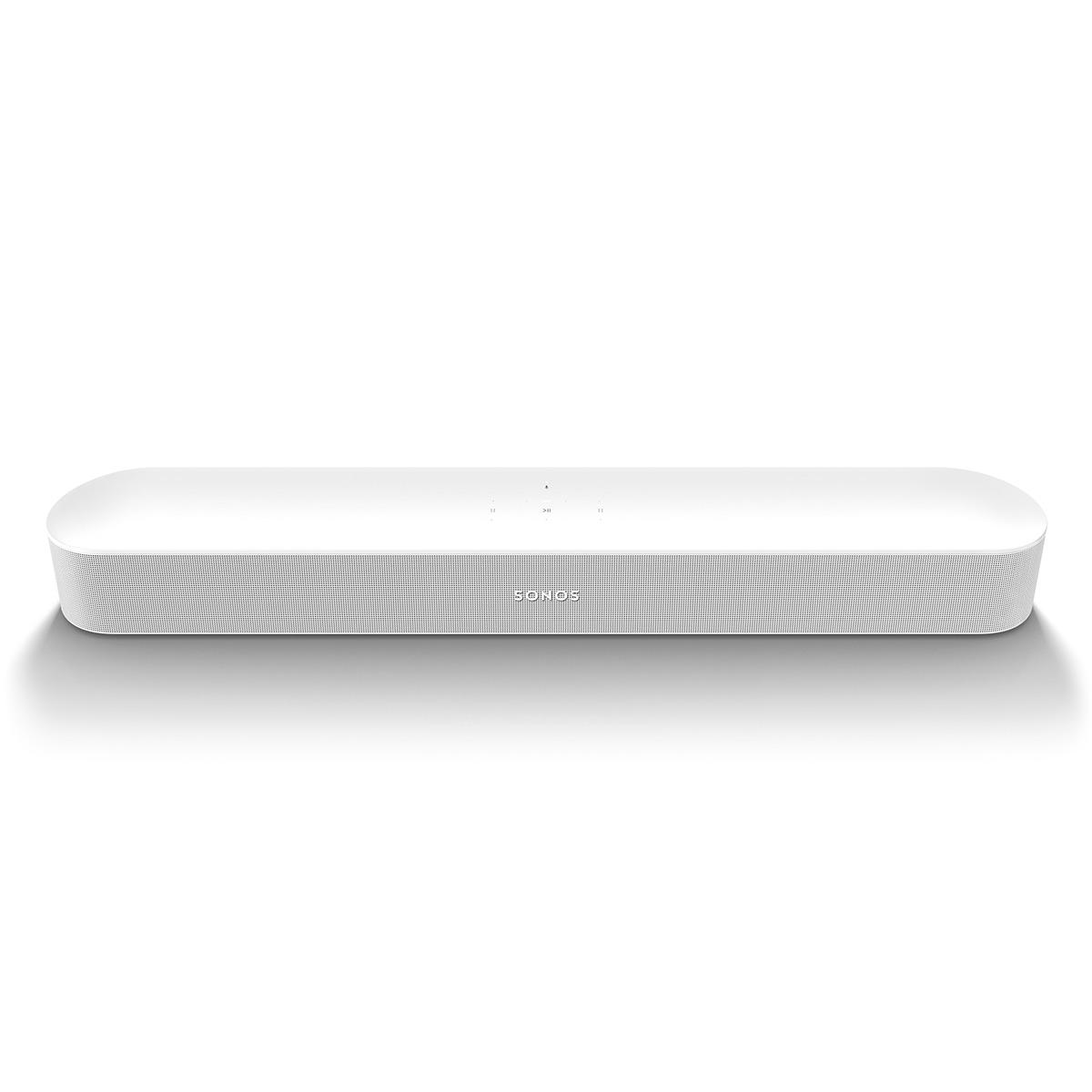
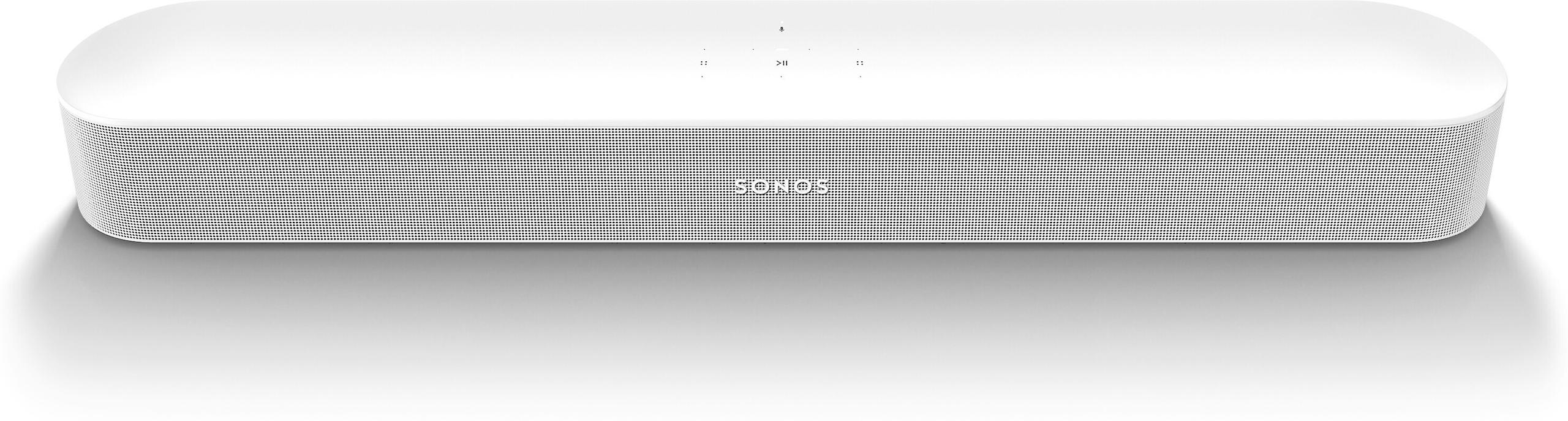
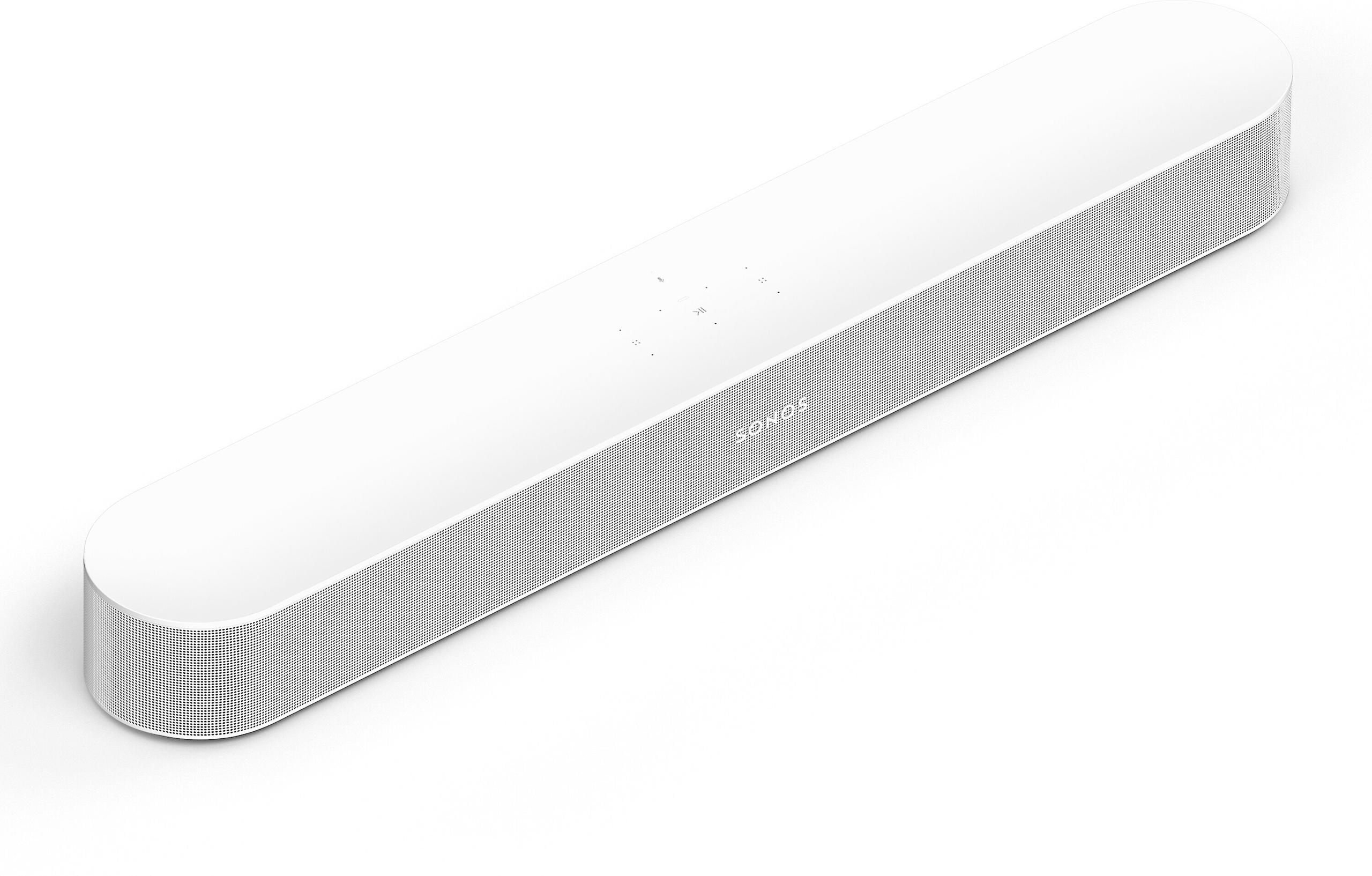
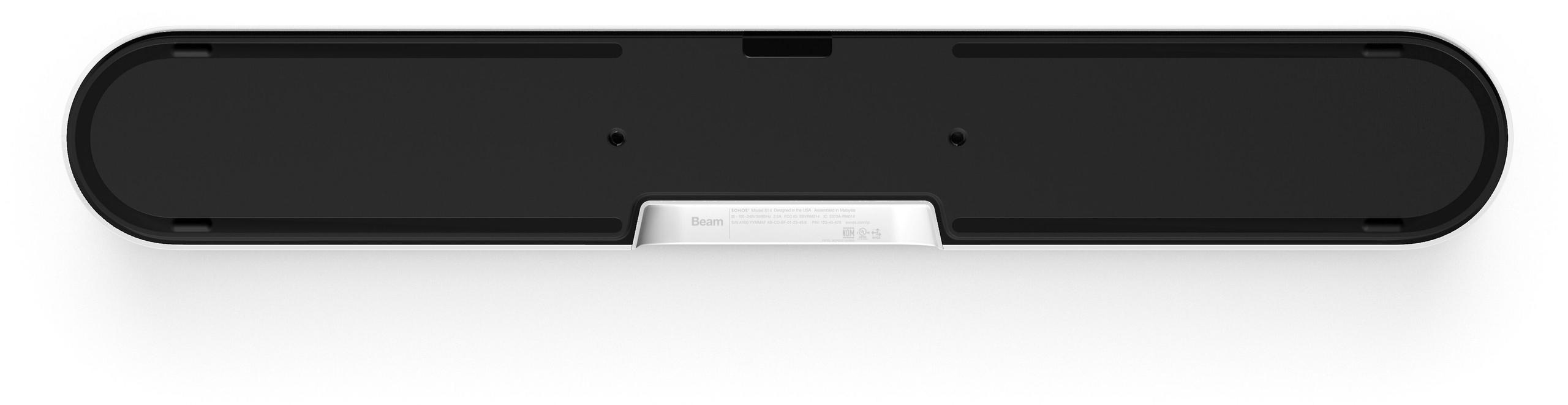
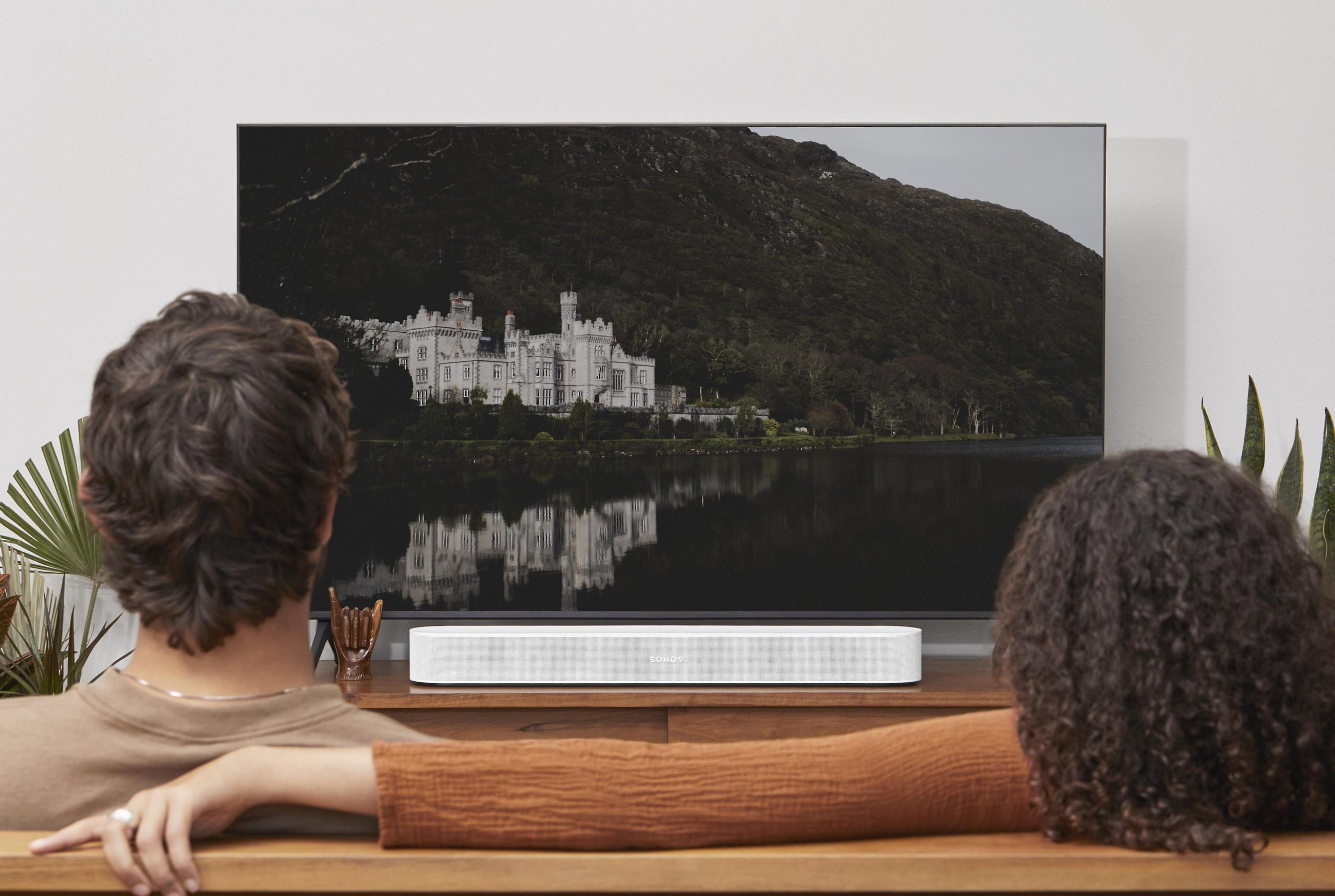
The Sonos Beam Gen 2, released in October 2021, represents the evolution of compact soundbar design. Sonos took their original Beam (launched in 2018) and packed in more processing power, added Dolby Atmos support, and upgraded to HDMI eARC connectivity. The result is a soundbar that's just 25.6 inches wide but uses five internal speakers and sophisticated algorithms to create a surprisingly wide and engaging soundstage.
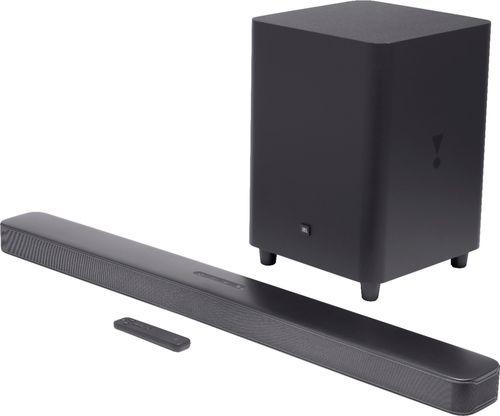
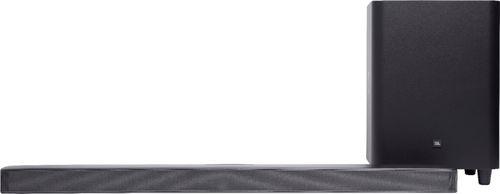
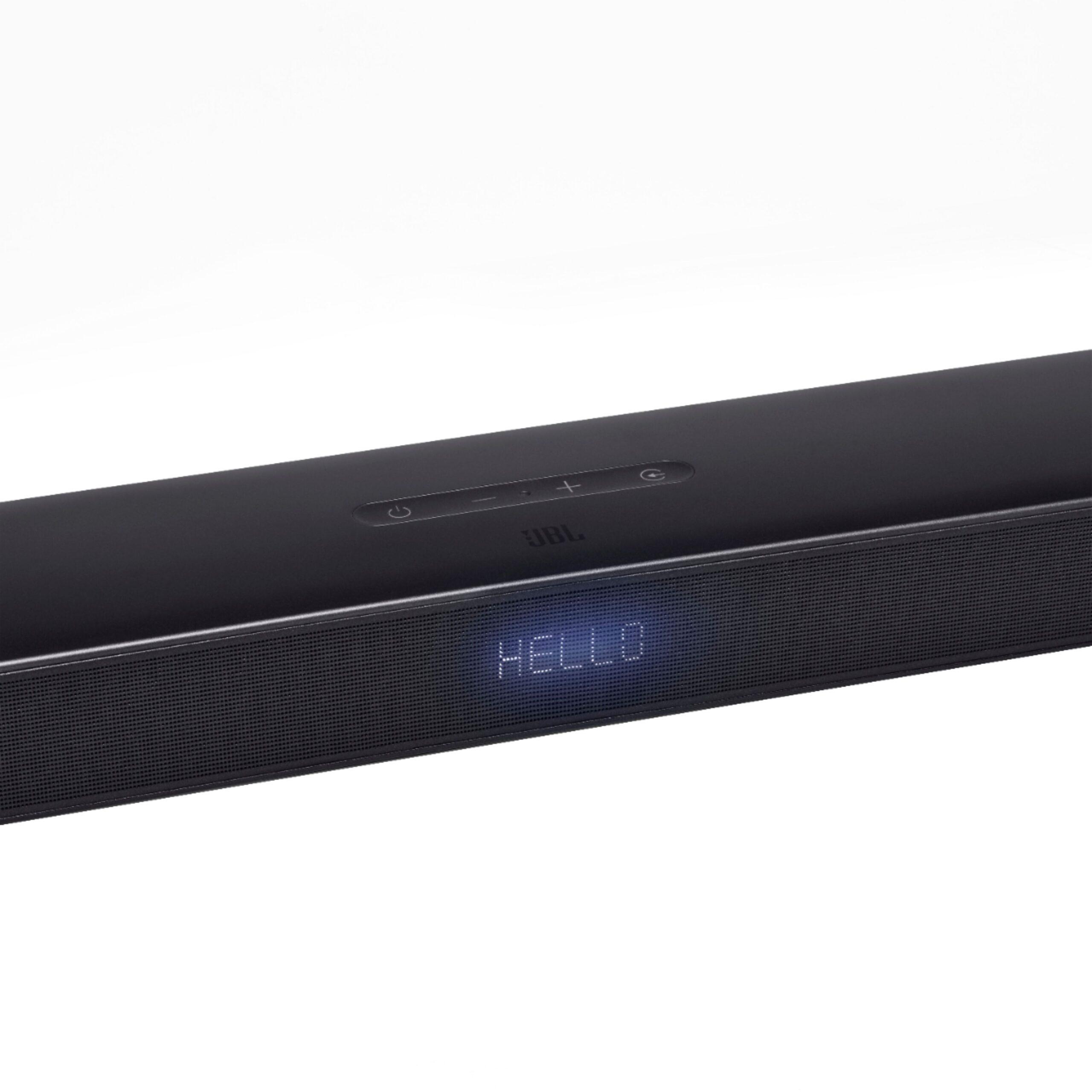
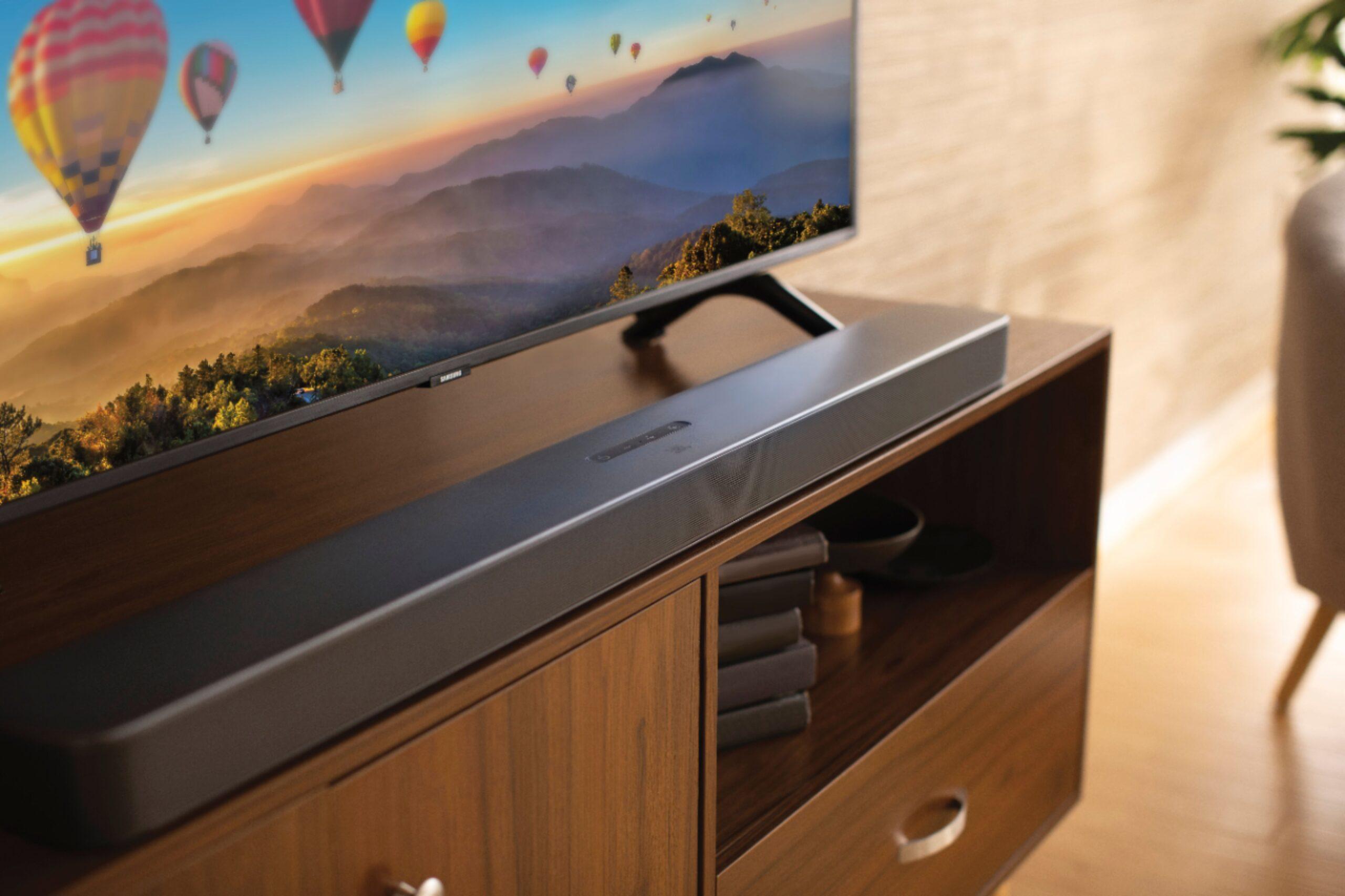
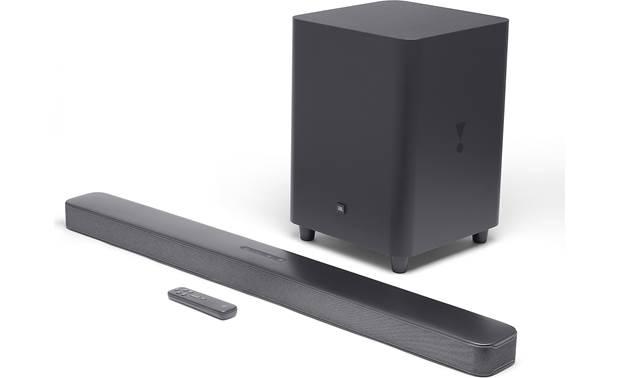
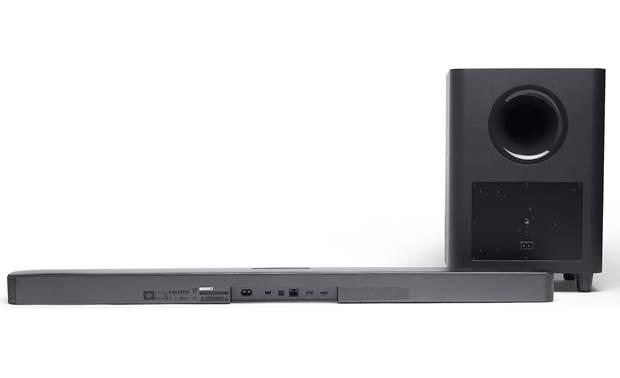
The JBL Bar 5.1, which has been refined since its initial 2019 launch, takes the opposite approach. Rather than trying to do everything with processing tricks, JBL gives you actual physical separation with detachable rear speakers and a substantial 10-inch wireless subwoofer. It's what audio engineers call a "true 5.1" system because it has five main speakers plus a dedicated subwoofer (.1 refers to the low-frequency effects channel that the subwoofer handles).
Here's where things get really interesting from a technical standpoint. The Sonos Beam Gen 2 uses what's called psychoacoustic processing - basically, it exploits how your brain interprets sound reflections and timing differences to create the illusion that audio is coming from behind and above you. The soundbar fires audio at specific angles so it bounces off your walls and ceiling, reaching your ears at slightly different times to simulate surround speakers.
This virtual Dolby Atmos implementation works surprisingly well, especially in smaller rooms where the wall reflections are more predictable. During my testing with action scenes from Marvel movies, I could clearly hear effects moving from left to right across the front soundstage, and there was a convincing sense of height when helicopters flew overhead. However, the "behind you" effect is more subtle - you get a sense of spaciousness rather than distinct rear channel audio.
The JBL Bar 5.1's approach is more straightforward but requires more setup complexity. Those detachable rear speakers (which JBL calls "surround speakers") are actual independent units with their own amplifiers and batteries. They magnetically attach to the main soundbar for charging but can be placed anywhere within about 30 feet for wireless audio transmission. When properly positioned behind your seating area, they create genuine directional effects that virtual processing simply can't match.
I noticed this difference most clearly during the Wakanda battle scene in Avengers: Infinity War. With the JBL system, I could distinctly hear warriors shouting behind me and the whoosh of Thor's Stormbreaker axe as it traveled from the rear speakers to the front soundstage. The Sonos created an engaging, room-filling experience, but the directional effects were more about creating atmosphere than precise localization.
This is where the systems diverge most dramatically. The Sonos Beam Gen 2 relies on four internal mid-woofer drivers and three passive radiators (these are like speakers without magnets that vibrate sympathetically to reinforce bass frequencies). For a compact soundbar, it produces surprisingly full sound, but it's clearly optimized for dialogue clarity and music balance rather than earth-shaking explosions.
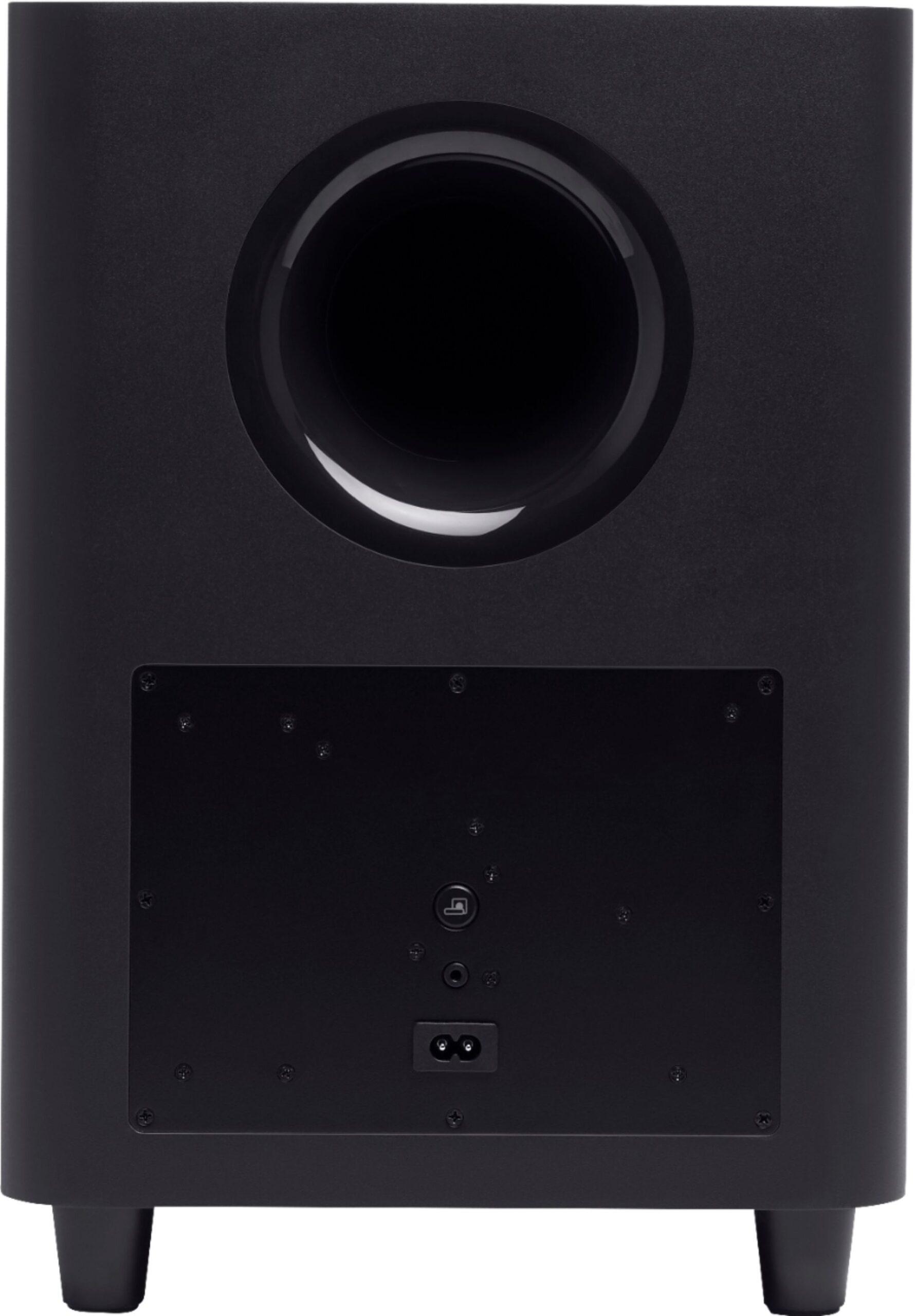
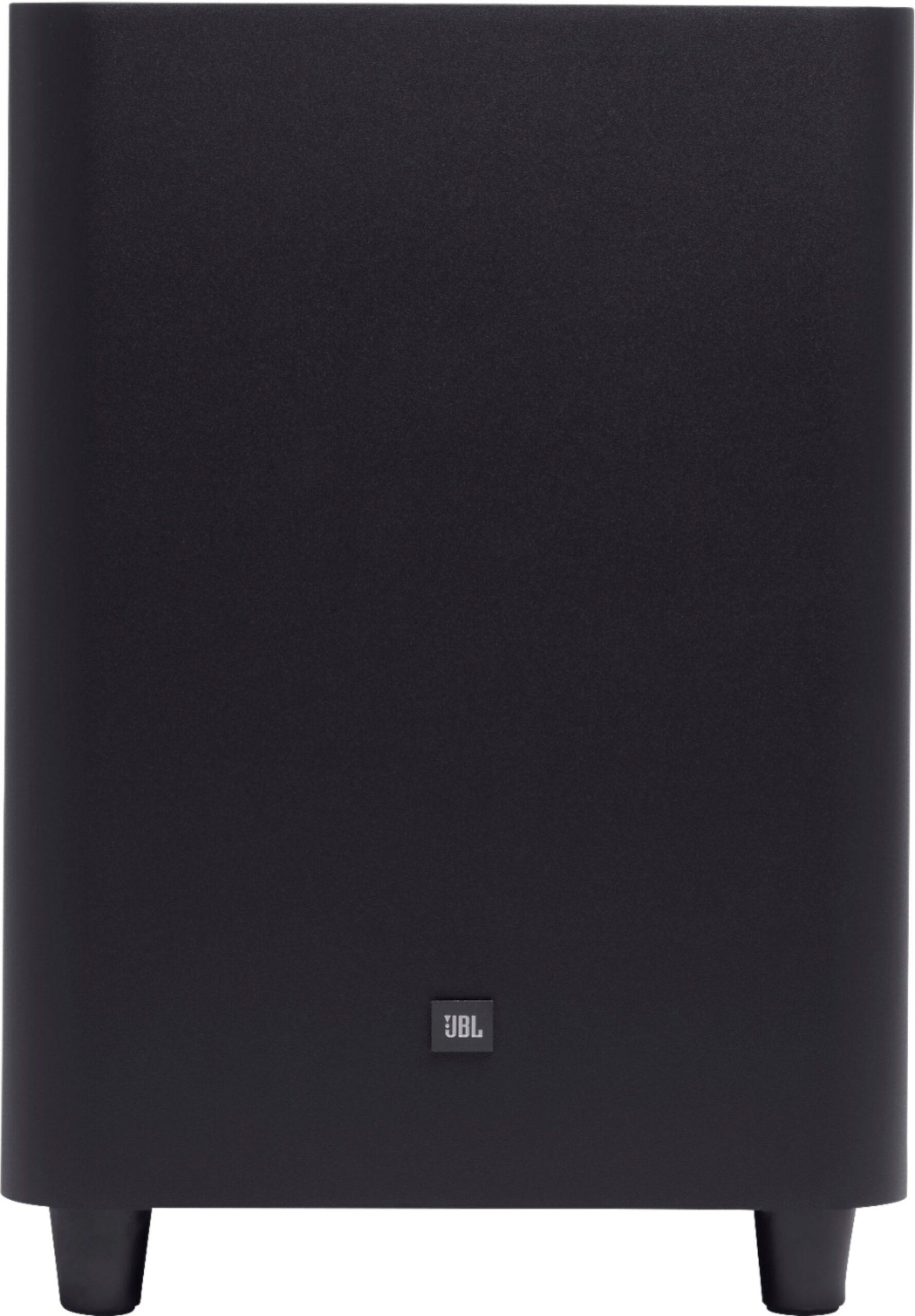
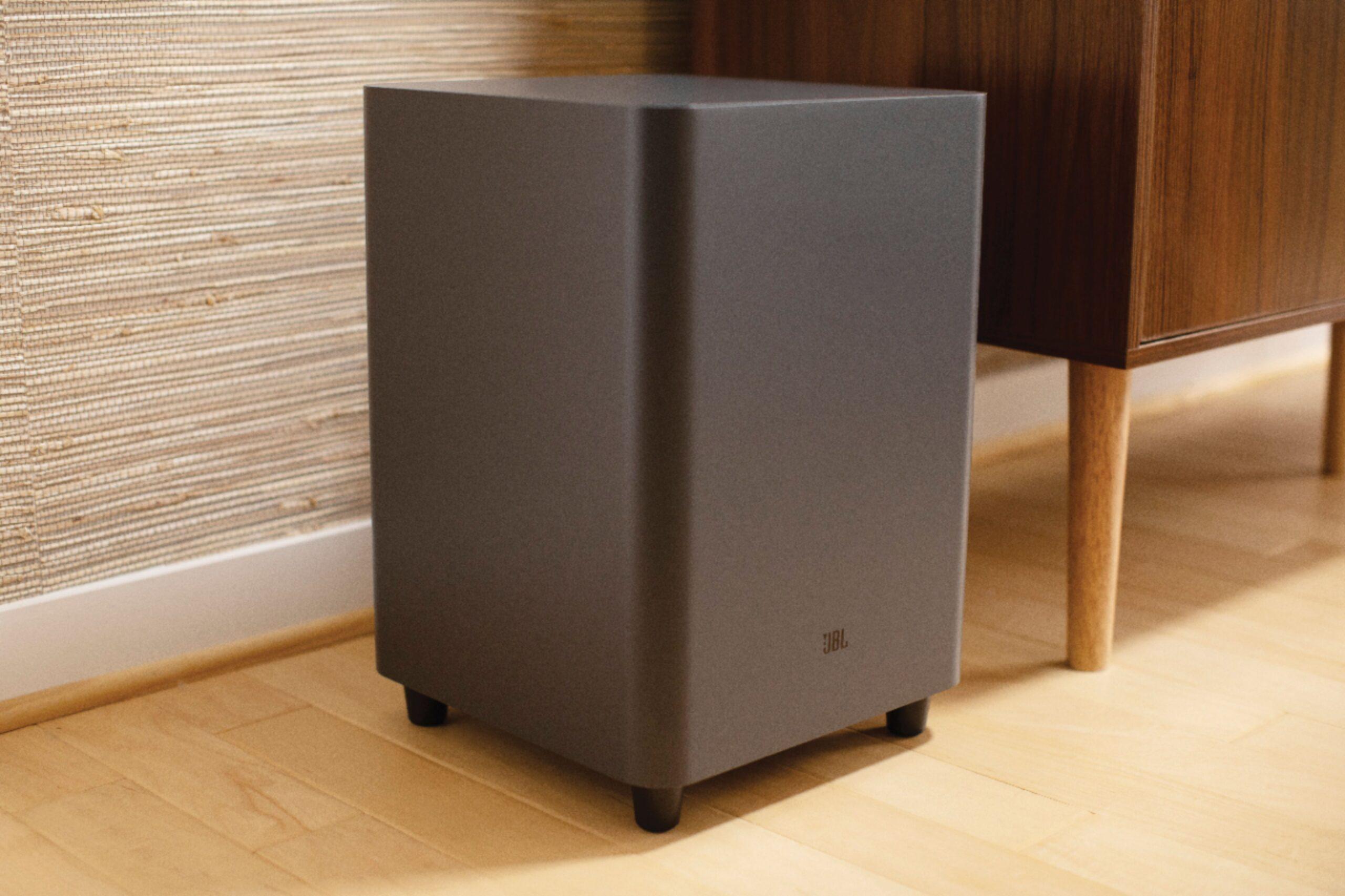
The JBL's 10-inch wireless subwoofer is a completely different beast. Positioned on the floor and wirelessly connected to the main soundbar, it can produce the kind of low-frequency energy that you feel in your chest during action sequences. The subwoofer uses a front-firing design, which means it pushes air directly toward you rather than relying on room reflections like some competitors.
During my testing with bass-heavy scenes like the T-Rex escape in Jurassic Park, the difference was immediately apparent. The JBL system delivered that rumbling, visceral impact that makes you instinctively grip your armchair, while the Sonos provided clear, controlled bass that supported the action without overwhelming the dialogue or music.
However, this power difference comes with trade-offs for music listening. The JBL's bass can dominate musical content unless you adjust the settings, while the Sonos maintains better tonal balance across different genres without manual tweaking.
Both systems excel at dialogue clarity, but they achieve it through different methods. The Sonos Beam Gen 2 includes a dedicated Speech Enhancement mode that boosts vocal frequencies and uses dynamic range compression to keep dialogue audible during loud action sequences. Combined with its center-focused driver arrangement, this makes it exceptionally good for following conversations in complex movie soundtracks or TV shows with heavy accents.
The JBL Bar 5.1 takes a more traditional approach with dedicated center channel processing through the main soundbar. While it doesn't have the same sophisticated speech processing algorithms, the physical separation of the center channel from the left and right speakers provides excellent dialogue clarity. During my testing with dialogue-heavy content like The West Wing, both systems made conversations easy to follow, though the Sonos had a slight edge in maintaining speech intelligibility when I turned the volume lower for late-night viewing.
The technology improvements since each product's initial release have been significant, particularly for the Sonos. The Beam Gen 2 benefits from Sonos's continuous software updates, which have added new streaming service integrations, improved voice recognition, and enhanced the Dolby Atmos processing algorithms. The system works with both Amazon Alexa and Google Assistant, and I found the voice recognition surprisingly reliable even during loud movie scenes.
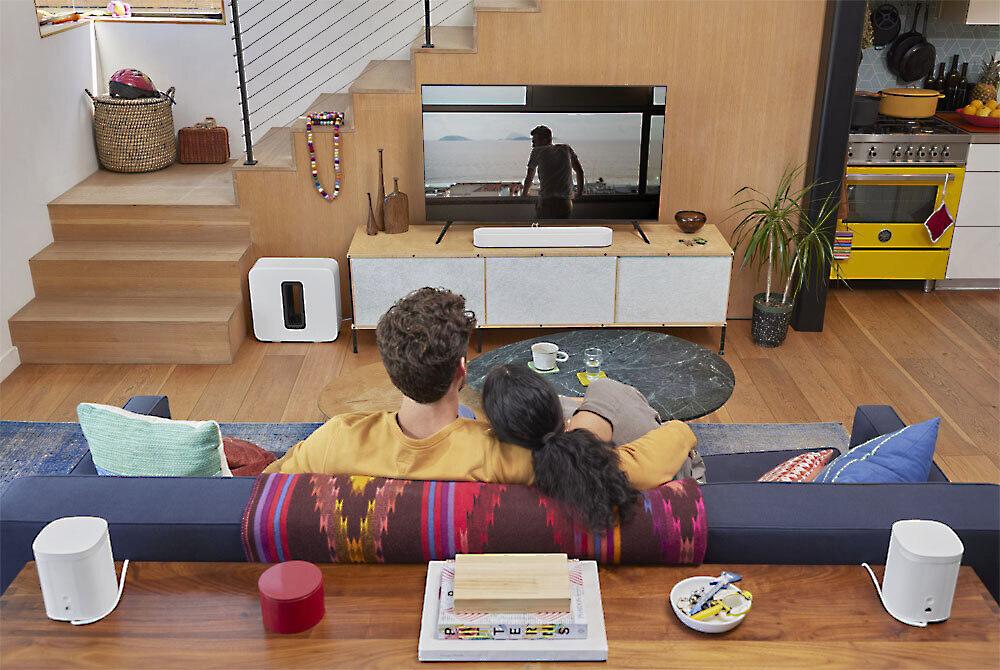
More importantly, the Sonos integrates into the company's multi-room ecosystem. This means you can start with just the Beam Gen 2 and later add Sonos speakers in other rooms for whole-home audio, or expand the Beam itself with the company's Sub and rear speakers. This modularity is genuinely useful - I've seen many users start with just the Beam and gradually build a more comprehensive system as their needs and budgets allow.
The JBL Bar 5.1 offers more basic smart features but covers the essentials well. It includes Bluetooth 4.2 for music streaming from phones and tablets, plus JBL's SoundShift technology that lets you instantly switch between TV audio and Bluetooth sources. While it doesn't integrate into a broader ecosystem, it does support Chromecast and AirPlay for wireless streaming from mobile devices.
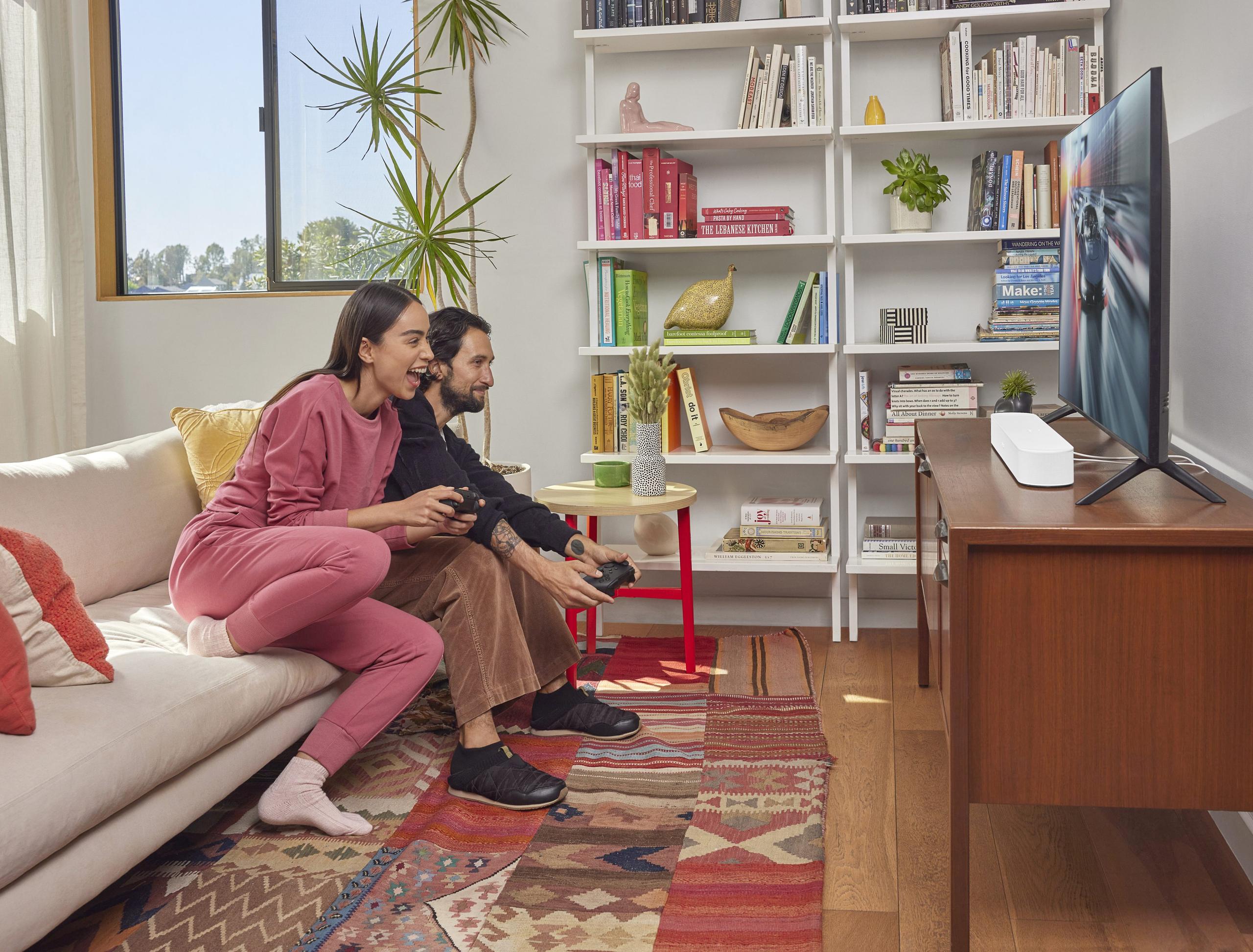
Your room size significantly impacts which system will work better. The Sonos Beam Gen 2 is optimized for small to medium-sized rooms, roughly up to 200 square feet. In these spaces, the virtual surround processing works most effectively because the wall reflections are more predictable and consistent. The compact size also makes it ideal for apartment living or bedrooms where a large subwoofer might be impractical.
The JBL Bar 5.1 really shines in medium to large rooms where its 510-watt total power output can stretch its legs. The wireless subwoofer gives you placement flexibility - you can position it wherever it sounds best in your room rather than being locked into the TV stand area. Those detachable rear speakers are genuinely useful for larger seating arrangements where people might be spread across multiple rows or a wide sectional sofa.
I should mention the practical realities of the JBL system: those rear speakers need to be recharged every 8-10 hours of use, and they're not small - each weighs about 1.3 pounds. While the magnetic charging system is clever, it does require ongoing maintenance that the single-unit Sonos avoids entirely.
Here's where the math gets interesting. The Sonos Beam Gen 2 at $449 is the less expensive entry point, but if you eventually want true surround sound, you'll need to add the Sonos Sub ($749) and a pair of Era 100 speakers ($449) for the rear channels. That brings the total to over $1,600 for a complete surround system.
The JBL Bar 5.1 at $600 gives you everything immediately - true 5.1 surround, powerful subwoofer, and room-filling audio with no additional purchases required. However, there's no expansion path. What you buy is what you get, which can be limiting if your needs change or if you want to add speakers in other rooms later.
This represents two fundamentally different approaches to audio investment. The Sonos path lets you start smaller and build over time, spreading the cost and ensuring each addition provides meaningful improvement. The JBL approach front-loads the investment but delivers immediate, comprehensive performance.
The Sonos Beam Gen 2's most impressive technical achievement is its Trueplay room calibration system. Using the microphones in an iOS device, it maps your room's acoustic characteristics and adjusts the sound processing accordingly. This isn't just simple EQ adjustment - it's analyzing how sound bounces around your specific space and optimizing the virtual surround algorithms for maximum effectiveness.
The processing power required for this real-time audio manipulation is substantial. Sonos upgraded the internal chipset significantly from the original Beam, enabling more sophisticated Dolby Atmos processing and faster response to voice commands. The HDMI eARC (Enhanced Audio Return Channel) support means it can handle higher-quality audio formats and communicate better with modern TVs for seamless control integration.
The JBL Bar 5.1's technical highlight is its wireless rear speaker implementation. These aren't just Bluetooth speakers - they use a proprietary wireless transmission system that maintains synchronization with the main soundbar while providing 10 hours of battery life. The magnetic charging system is genuinely elegant: the speakers click into place on the back of the soundbar and charge automatically when not in use.
The system's power distribution is also noteworthy: 300 watts dedicated to the subwoofer alone, with 50 watts each for the five main channels. This kind of power allocation ensures the subwoofer can keep up with the main speakers even at high volumes, preventing the common problem where bass gets muddy during complex audio passages.
After extensive testing with both systems, here's what I've learned about their real-world performance. For home theater enthusiasts who prioritize movie immersion, the JBL Bar 5.1 provides a more convincing cinematic experience. The physical rear speakers create genuine surround effects that virtual processing can't fully replicate, and the powerful subwoofer delivers the kind of tactile bass that makes action sequences genuinely exciting.
However, the Sonos Beam Gen 2 shouldn't be underestimated for home theater use. Its dialogue clarity is exceptional, and the virtual Atmos processing creates a surprisingly engaging experience, especially for the price point. Where it really excels is in mixed-use scenarios - it's equally at home playing music throughout the day and switching to movie mode in the evening.
The setup complexity difference is worth emphasizing. The Sonos requires a single HDMI cable and about five minutes of setup. The JBL system requires positioning the subwoofer, placing and charging the rear speakers, and managing the wireless connections between all components. Neither is difficult, but one is definitely more involved.
Choose the Sonos Beam Gen 2 if you value simplicity, live in a smaller space, prioritize music listening alongside TV audio, or want the flexibility to build a larger system over time. It's particularly compelling if you're already using other Sonos products or if you frequently listen to dialogue-heavy content like news, podcasts, or TV dramas.
Choose the JBL Bar 5.1 if you want immediate, powerful home theater performance, have a larger room to fill, prioritize movie and gaming audio over music, or prefer to make a single purchase that covers all your surround sound needs. It's the better choice for dedicated home theater spaces and households that regularly watch action movies or play immersive video games.
Both represent excellent value in their respective approaches, but they're solving different problems. The Sonos prioritizes refinement, simplicity, and long-term flexibility, while the JBL delivers immediate, powerful performance with everything included. Understanding which philosophy aligns with your needs, space, and listening preferences will guide you toward the right choice for your home theater setup.
| Sonos Beam Gen 2 ($449) | JBL Bar 5.1 Surround ($600) |
|---|---|
| System Type - Determines setup complexity and authentic surround experience | |
| Virtual 5.0 surround (single soundbar unit) | True 5.1 surround (soundbar + subwoofer + detachable rears) |
| Dolby Atmos Support - Creates overhead sound effects for movies | |
| Virtual Atmos processing (simulated height effects) | Not supported (no height channel processing) |
| Bass Performance - Critical for action movies and music impact | |
| Integrated drivers only (adequate but limited) | Dedicated 10" wireless subwoofer (powerful, room-filling) |
| Total System Power - Affects maximum volume and room coverage | |
| Not disclosed (optimized for efficiency in small rooms) | 510W total (300W sub + 5x50W channels for large rooms) |
| Physical Footprint - Important for space-constrained setups | |
| Single 25.6" soundbar (2.7" height, minimal space) | Large: 34.8" soundbar + subwoofer + 2 rear speakers |
| Smart Features - Voice control and streaming capabilities | |
| Sonos ecosystem, Alexa/Google Assistant, multi-room audio | Basic: Bluetooth, Chromecast, AirPlay (no voice control) |
| Setup Complexity - Time and effort required for installation | |
| Plug-and-play (single HDMI cable, 5 minutes) | Multi-component (subwoofer placement + rear speaker charging) |
| Room Size Optimization - Where each performs best | |
| Small to medium rooms (up to 200 sq ft) | Medium to large rooms (200-500 sq ft) |
| Expandability - Future upgrade options | |
| Add Sonos Sub ($749) and rear speakers later | Fixed system (no expansion possible) |
| Dialogue Clarity - Essential for TV shows and movies | |
| Speech Enhancement mode with center-focused processing | Traditional center channel (good but no special processing) |
| Music Performance - Sound quality for streaming and playback | |
| Balanced, audiophile tuning (excellent for mixed content) | Bass-heavy (may overpower music without adjustment) |
| Connectivity Options - How devices connect to the system | |
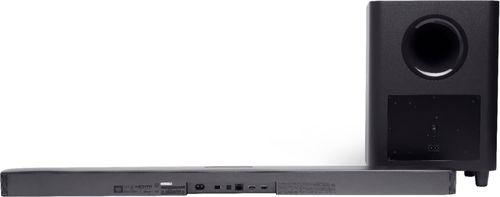
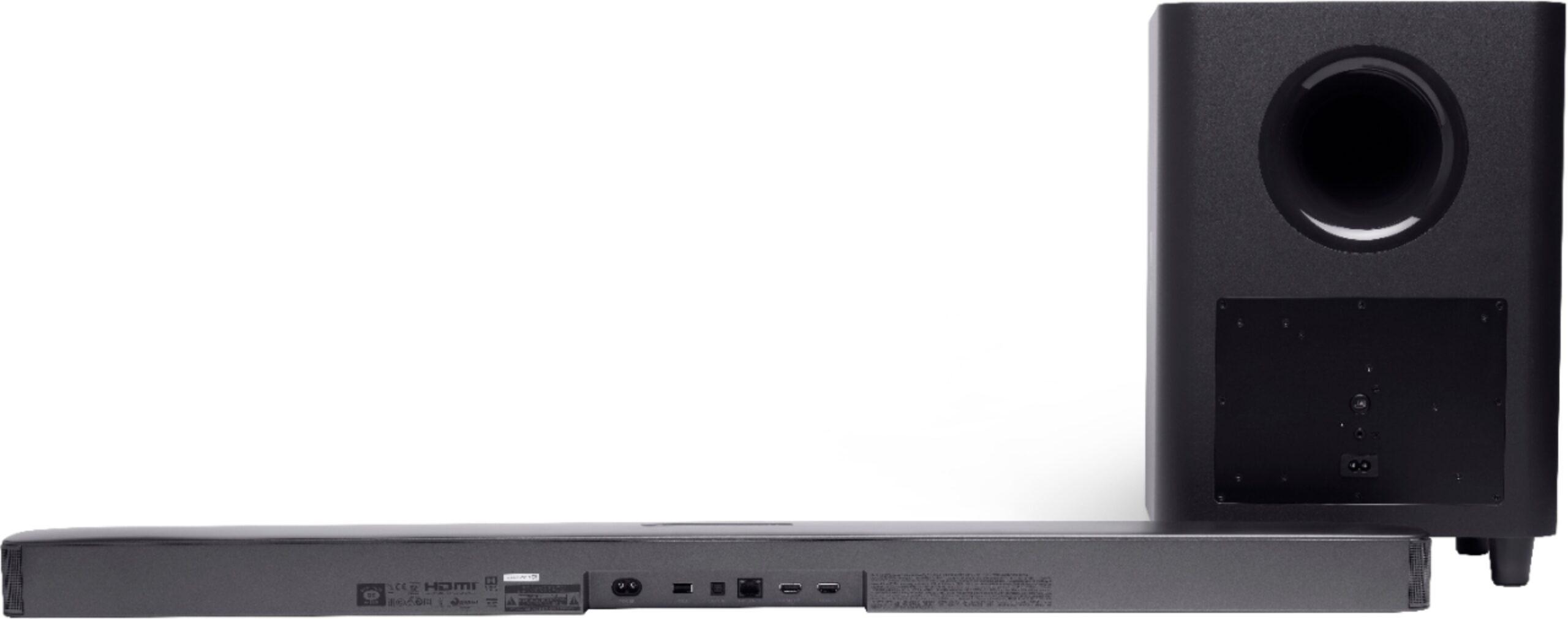
| HDMI eARC, Wi-Fi, optical (no Bluetooth) | HDMI eARC, Wi-Fi, Bluetooth 4.2, optical, USB |
The Sonos Beam Gen 2 ($449) is ideal for small apartments due to its compact 25.6-inch design and single-unit setup. It delivers excellent sound quality without requiring space for a subwoofer or rear speakers, making it perfect for limited living spaces.
The JBL Bar 5.1 ($600) provides more powerful, cinematic sound with true surround speakers and a dedicated subwoofer. However, the Sonos Beam Gen 2 offers superior dialogue clarity and more balanced audio. "Better" depends on whether you prioritize bass impact or refined sound quality.
The JBL Bar 5.1 includes a 10-inch wireless subwoofer that delivers significantly more bass than the Sonos Beam Gen 2's built-in drivers. The Sonos would require adding their separate Sub ($749) to match the JBL's low-end performance.
The Sonos Beam Gen 2 uses virtual surround processing to simulate directional effects from a single soundbar. The JBL Bar 5.1 provides true 5.1 surround with physical rear speakers that create authentic behind-you audio effects, especially noticeable during action movies.
The Sonos Beam Gen 2 is much simpler to set up, requiring only a single HDMI cable connection. The JBL Bar 5.1 involves positioning multiple components, managing wireless connections, and regularly charging the detachable rear speakers.
The Sonos Beam Gen 2 can be expanded with additional Sonos speakers, a subwoofer, and rear channels as your needs grow. The JBL Bar 5.1 is a complete, fixed system with no expansion options available.
For dialogue-heavy content like TV dramas, the Sonos Beam Gen 2 excels with superior speech clarity. For action movies and cinematic experiences, the JBL Bar 5.1 provides more immersive surround effects and powerful bass that enhances explosions and sound effects.
The Sonos Beam Gen 2 ($449) costs $150 less initially, but expanding to full surround sound costs over $1,600 total. The JBL Bar 5.1 ($600) provides complete 5.1 surround sound upfront, making it better value for immediate full-system performance.
The Sonos Beam Gen 2 offers more balanced, audiophile-quality sound for music with better tonal accuracy across genres. The JBL Bar 5.1 can sound bass-heavy for music unless you adjust the settings manually.
Only the Sonos Beam Gen 2 supports Dolby Atmos, using virtual processing to create simulated height effects. The JBL Bar 5.1 does not support Dolby Atmos but provides true multichannel surround sound instead.
The JBL Bar 5.1 with its 510W total power output is designed for medium to large rooms (200-500 sq ft). The Sonos Beam Gen 2 works best in smaller spaces up to 200 square feet and may struggle to fill larger rooms adequately.
The Sonos Beam Gen 2 includes built-in Amazon Alexa and Google Assistant for hands-free voice control. The JBL Bar 5.1 does not have voice assistant integration and relies on remote control or mobile app operation.
We've done our best to create useful and informative comparisons to help you decide what product to buy. Our research uses advanced automated methods to create this comparison and perfection is not possible - please contact us for corrections or questions. These are the sites we've researched in the creation of this article: whathifi.com - en.community.sonos.com - techradar.com - youtube.com - consumerreports.org - bestbuy.com - youtube.com - sonos.com - wave-electronics.com - en.community.sonos.com - epicsystems.tech - tomsguide.com - bestbuy.com - jbl.com - jbl.com - jbl.com - tomsguide.com - jbl.com - bestbuy.com - bestbuy.com - jbl.com - jbl.com - worldwidestereo.com

Privacy Policy
Terms and Conditions - Affiliate Policy
Home Security
© Copyright 2008-2026.
11816 Inwood Rd #1211, Dallas, TX 75244