

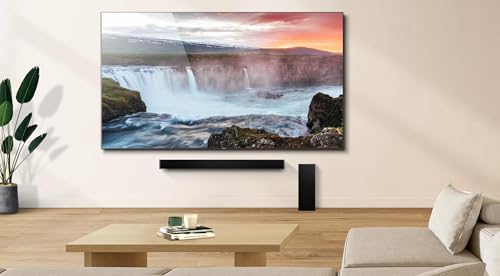
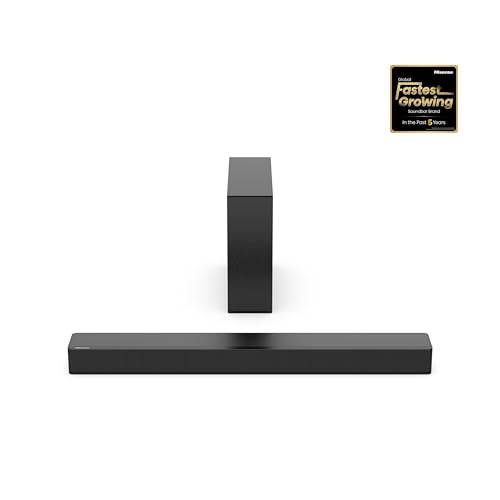


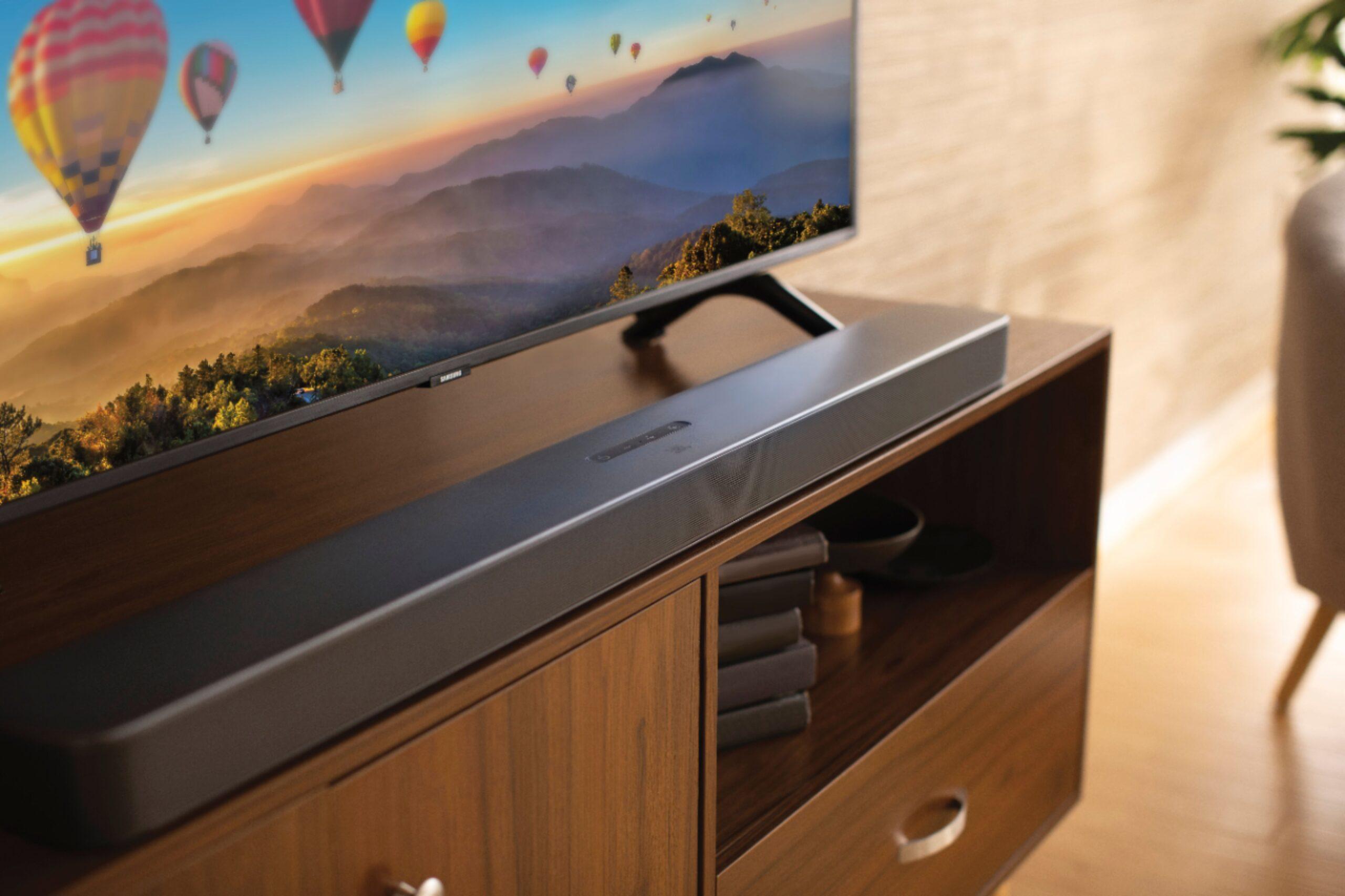
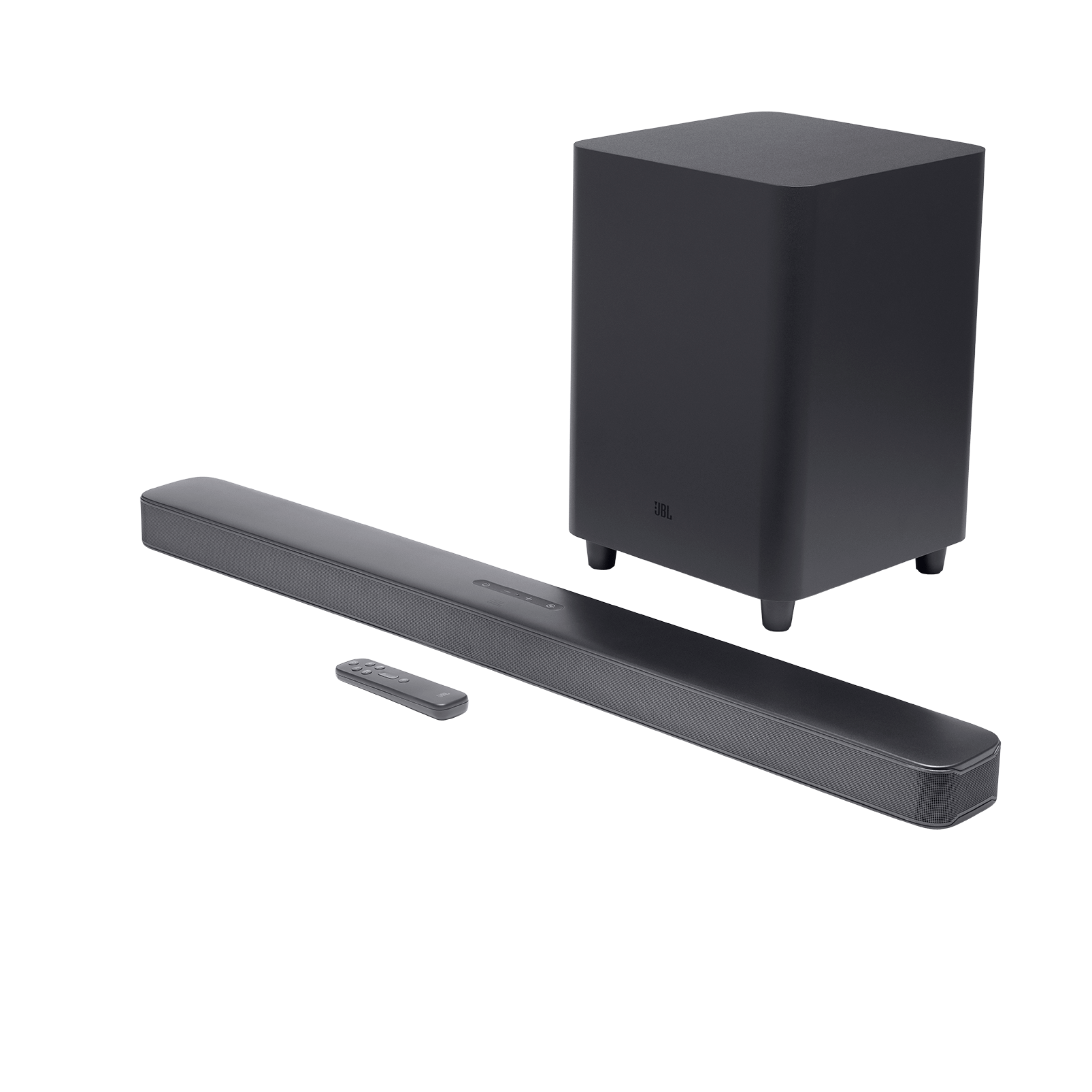
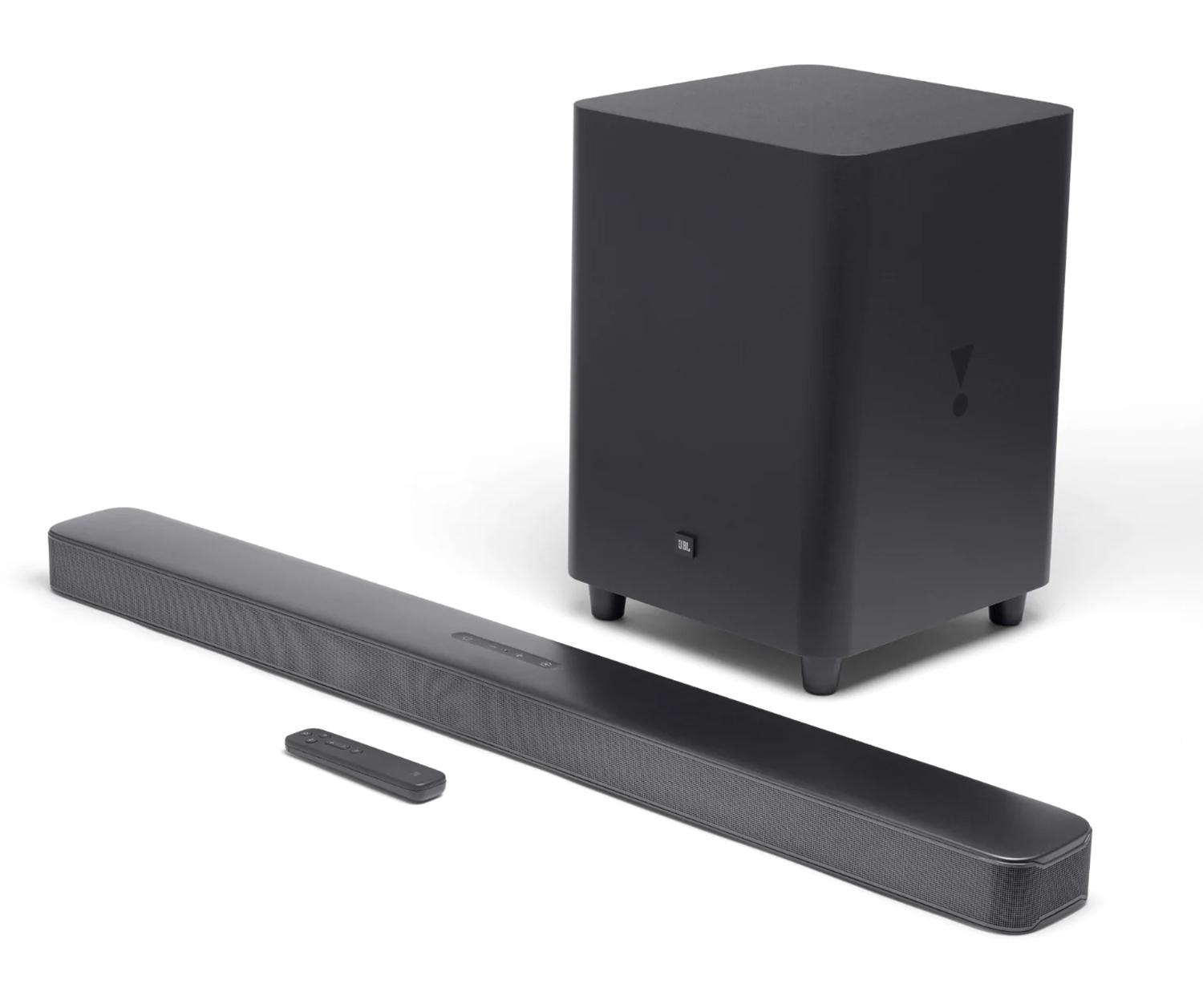
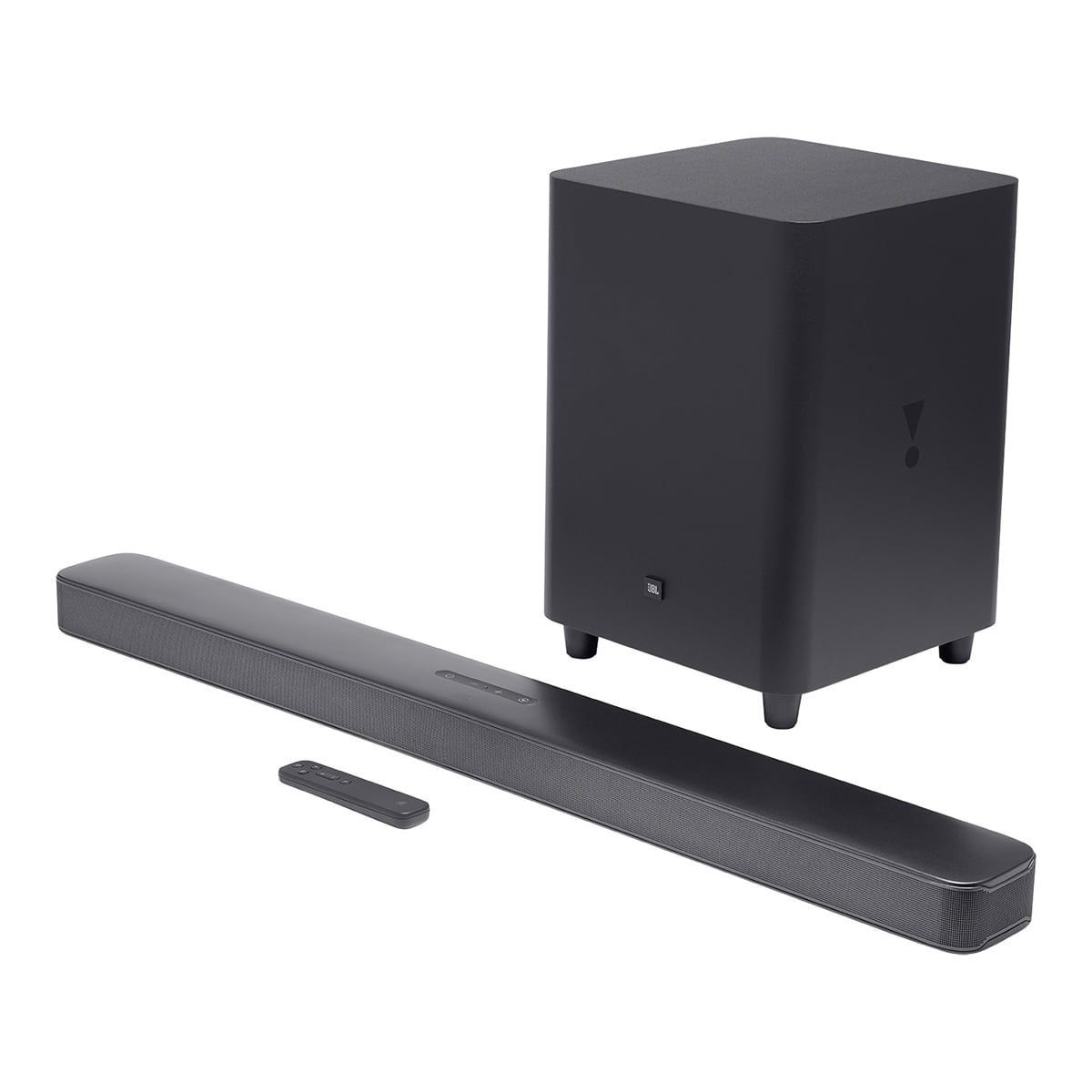
If you've ever tried watching a movie with your TV's built-in speakers, you know the struggle. Dialogue gets buried under explosions, bass is practically non-existent, and the whole experience feels flat. That's where soundbars come in—they're the most popular way to upgrade your TV's audio without turning your living room into a maze of wires and speakers.
Today we're comparing two very different approaches to better TV sound: the Hisense HS2100 2.1 channel system and the JBL Bar 5.1 Surround. These products represent fundamentally different philosophies—one prioritizes affordability and simplicity, while the other delivers genuine surround sound immersion. Understanding which approach fits your needs will save you from buyer's remorse down the road.
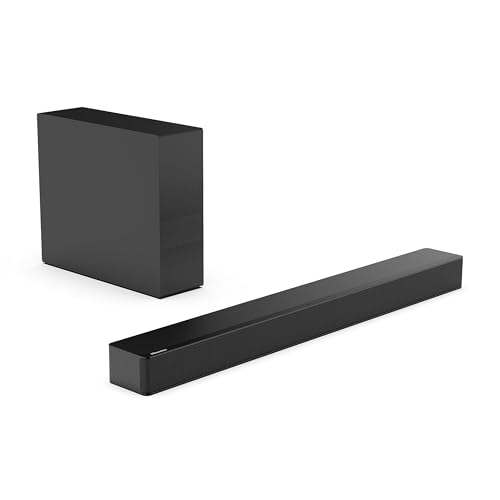
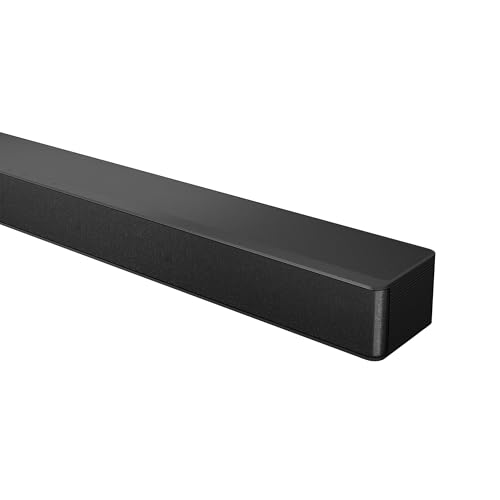
Before diving into specifics, let's clarify what these numbers and terms actually mean. A "2.1 channel" system like the Hisense HS2100 has two main speakers (left and right) plus one subwoofer (the ".1" refers to the dedicated bass speaker). This setup improves dialogue clarity and adds bass compared to TV speakers, but it's essentially enhanced stereo sound.
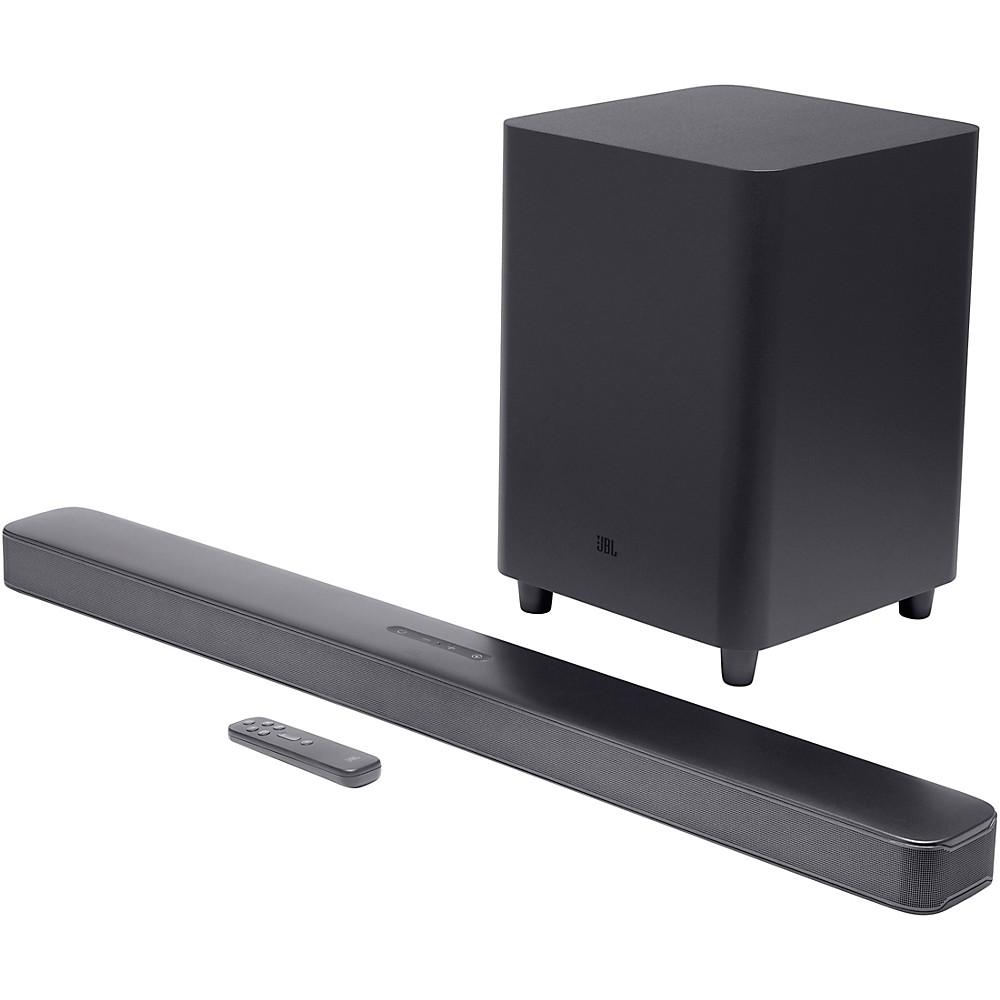
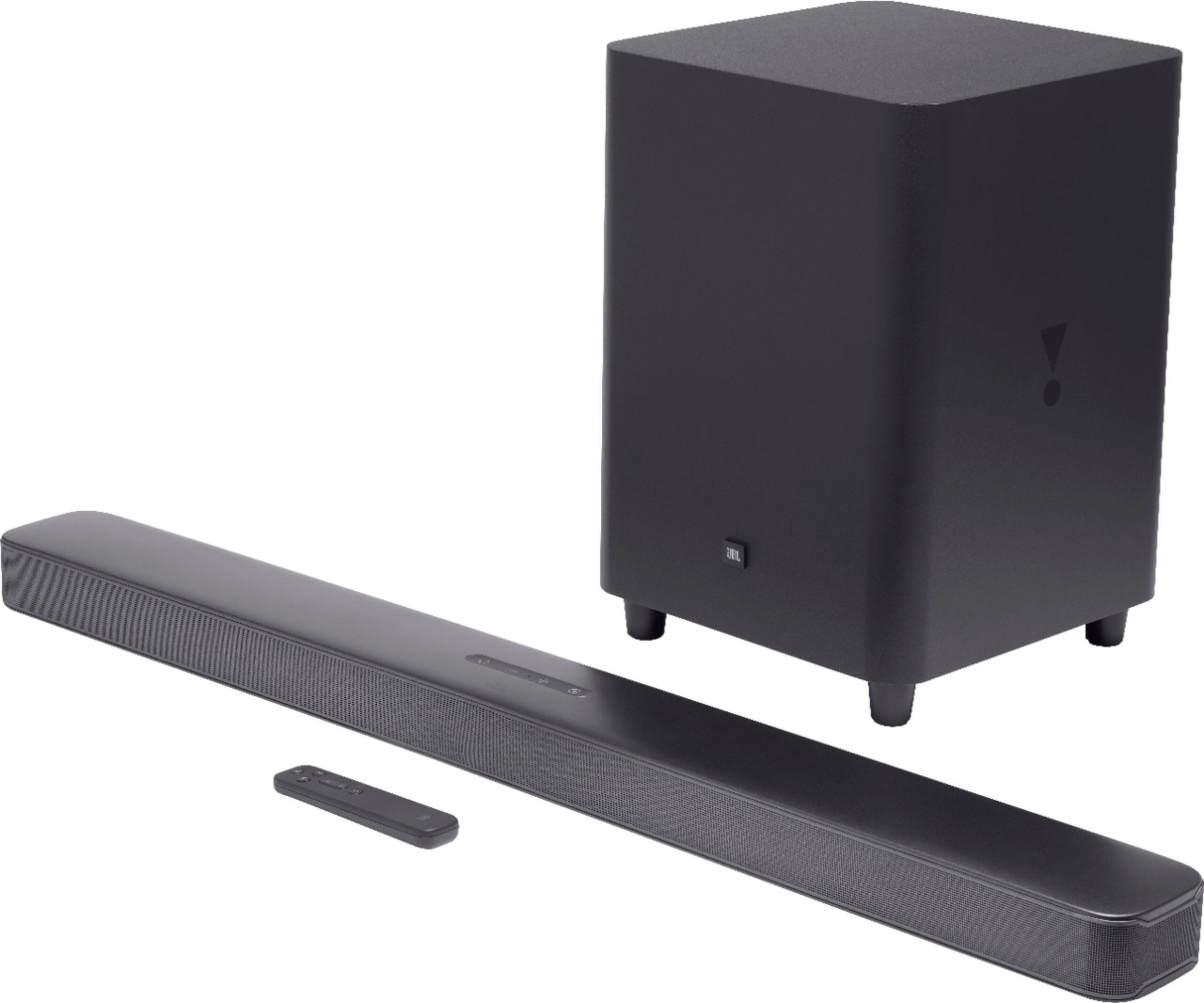
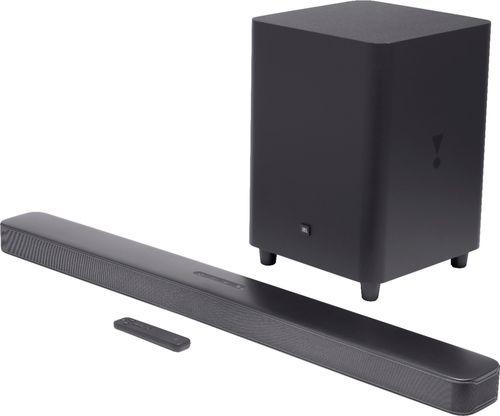
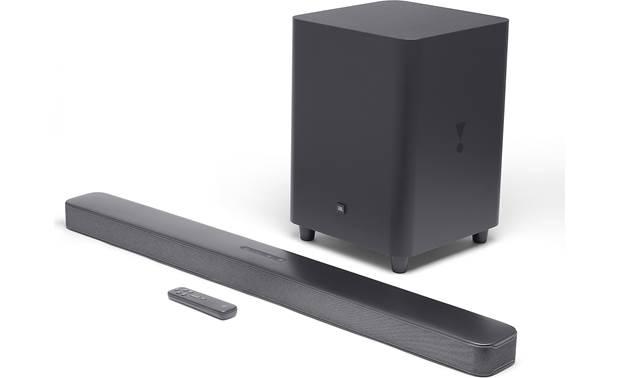
A "5.1 channel" system like the JBL Bar 5.1 includes five main speakers—left, center, right, plus two surround speakers—along with a subwoofer. The center channel handles dialogue specifically, while surround speakers create that "you're in the movie" feeling where sounds move around the room. This matters because most movies and TV shows are mixed with discrete audio tracks for each channel, so more channels typically mean more accurate sound reproduction.
When evaluating soundbars, the most critical performance factors are dialogue clarity (can you understand what people are saying without subtitles?), bass response (does it have enough low-end punch for movies?), soundstage width (how spread out does the audio feel?), and maximum volume without distortion. Power output, measured in watts, gives you a rough idea of how loud a system can get, but driver quality and efficiency matter just as much as raw numbers.
The Hisense HS2100 launched in 2023 as part of Hisense's push into affordable home audio. At the time of writing, it typically sells for well under $150, making it one of the most budget-friendly options that includes a dedicated wireless subwoofer. This pricing strategy reflects Hisense's broader approach—deliver solid performance at prices that undercut established audio brands.
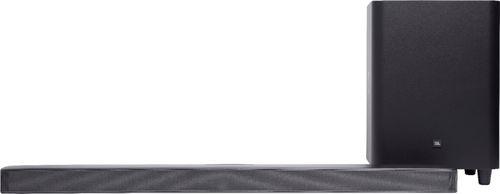
The JBL Bar 5.1 Surround represents JBL's mid-tier home theater offering, having been available since around 2019. What makes this system unique is its detachable surround speakers—they pop off the main soundbar to become wireless rear speakers, powered by built-in batteries that last about 10 hours. At the time of writing, it typically costs around double what you'd pay for the Hisense HS2100, but includes genuine 5.1 surround capability.
The technology landscape has shifted significantly since the JBL Bar 5.1 first appeared. Dolby Atmos (which creates height effects by bouncing sound off your ceiling) has become much more common, and most streaming services now offer content mixed in these advanced formats. The Hisense HS2100 doesn't support Atmos, while the JBL Bar 5.1 does, though its implementation is fairly basic compared to newer models with dedicated height channels.
Based on our research into professional reviews and user feedback, these systems deliver notably different listening experiences. The Hisense HS2100 produces what most reviewers describe as a "warm" sound signature—this means slightly boosted bass and smooth midrange frequencies that make dialogue sound natural and pleasant. Professional measurements show it handles the crucial 200Hz to 2kHz range (where most human speech occurs) quite well, making TV shows and news broadcasts much clearer than built-in TV speakers.
However, the 2.1 configuration creates inherent limitations. When you're watching a movie with 5.1 surround sound mixing, the Hisense HS2100 must "downmix" all that spatial audio information into just two channels plus a subwoofer. This means you lose the precise positioning of sound effects and the sense of being surrounded by audio. Professional reviewers consistently note that while the Hisense HS2100 makes everything louder and clearer than TV speakers, it doesn't create the immersive experience you get from discrete surround channels.
The JBL Bar 5.1 takes a completely different approach. Its five discrete speakers can reproduce surround sound content exactly as filmmakers intended, without any downmixing. The dedicated center channel—a speaker specifically designed for dialogue—ensures voices remain clear even during explosive action sequences. Professional testing shows this makes a substantial difference in complex movie scenes where multiple sound elements compete for your attention.
The detachable surround speakers are particularly clever. During our research, we found that most users initially try them attached to the main bar (for a wide soundstage), then later experiment with placing them around the room for true surround effects. The battery power means you're not limited by outlet locations, though you do need to remember to charge them periodically.
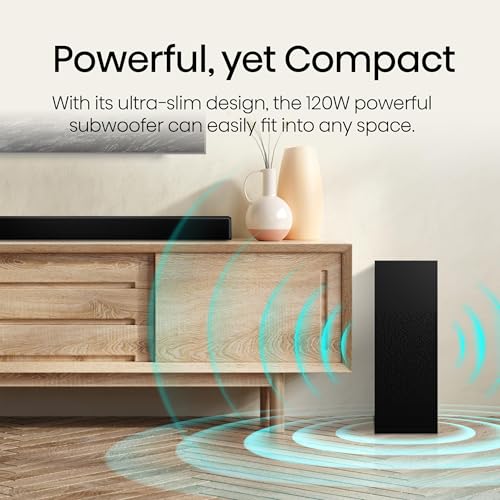
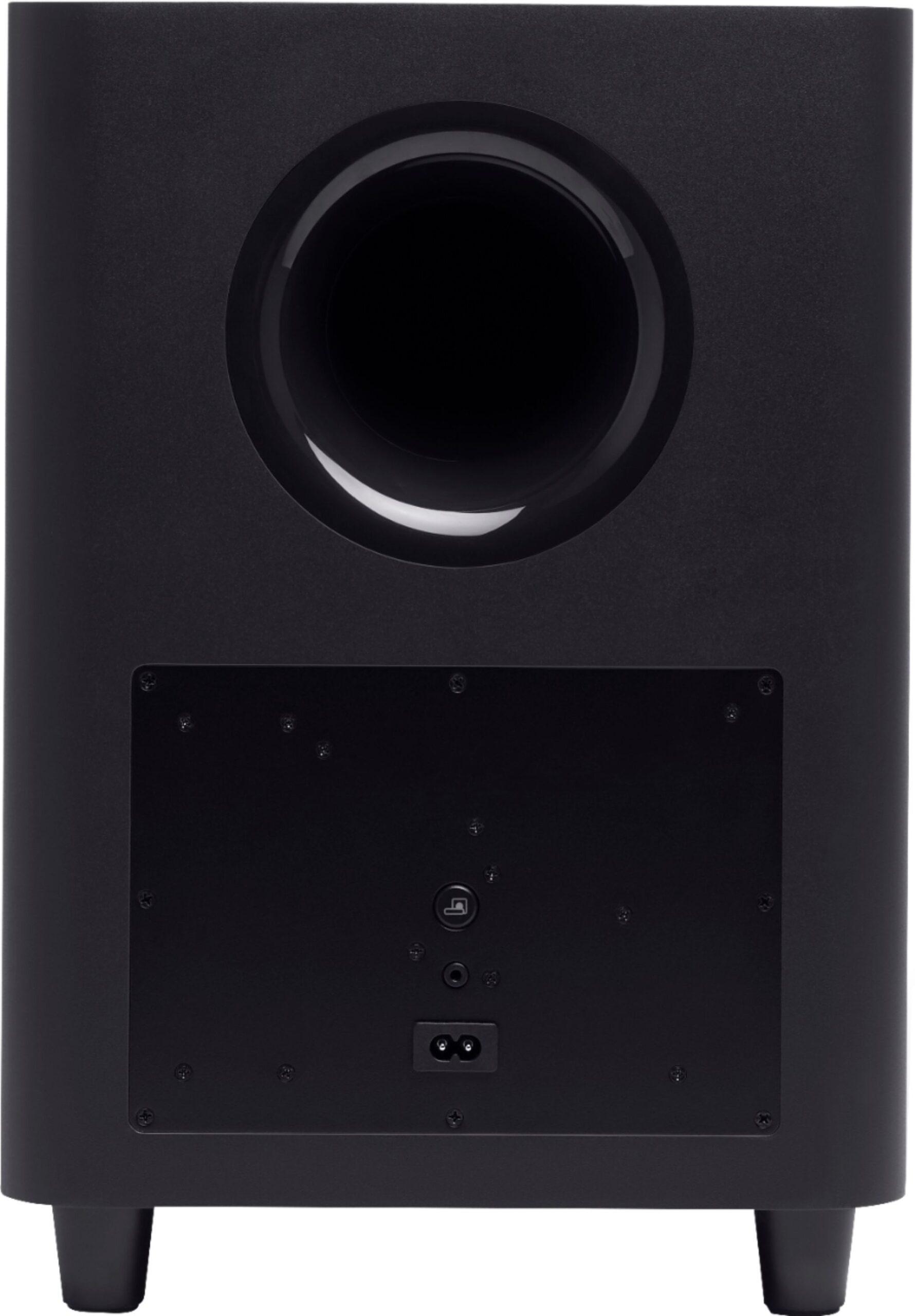
This is where the specs tell an interesting story. The Hisense HS2100 includes a wireless subwoofer with 120 watts of power driving what appears to be roughly a 4.3-inch driver. Professional measurements show it reaches down to about 45Hz, which covers most movie bass content adequately. However, reviewers consistently describe the bass as somewhat "boomy"—it has impact but lacks the tight control needed for rapid bass sequences in action films.
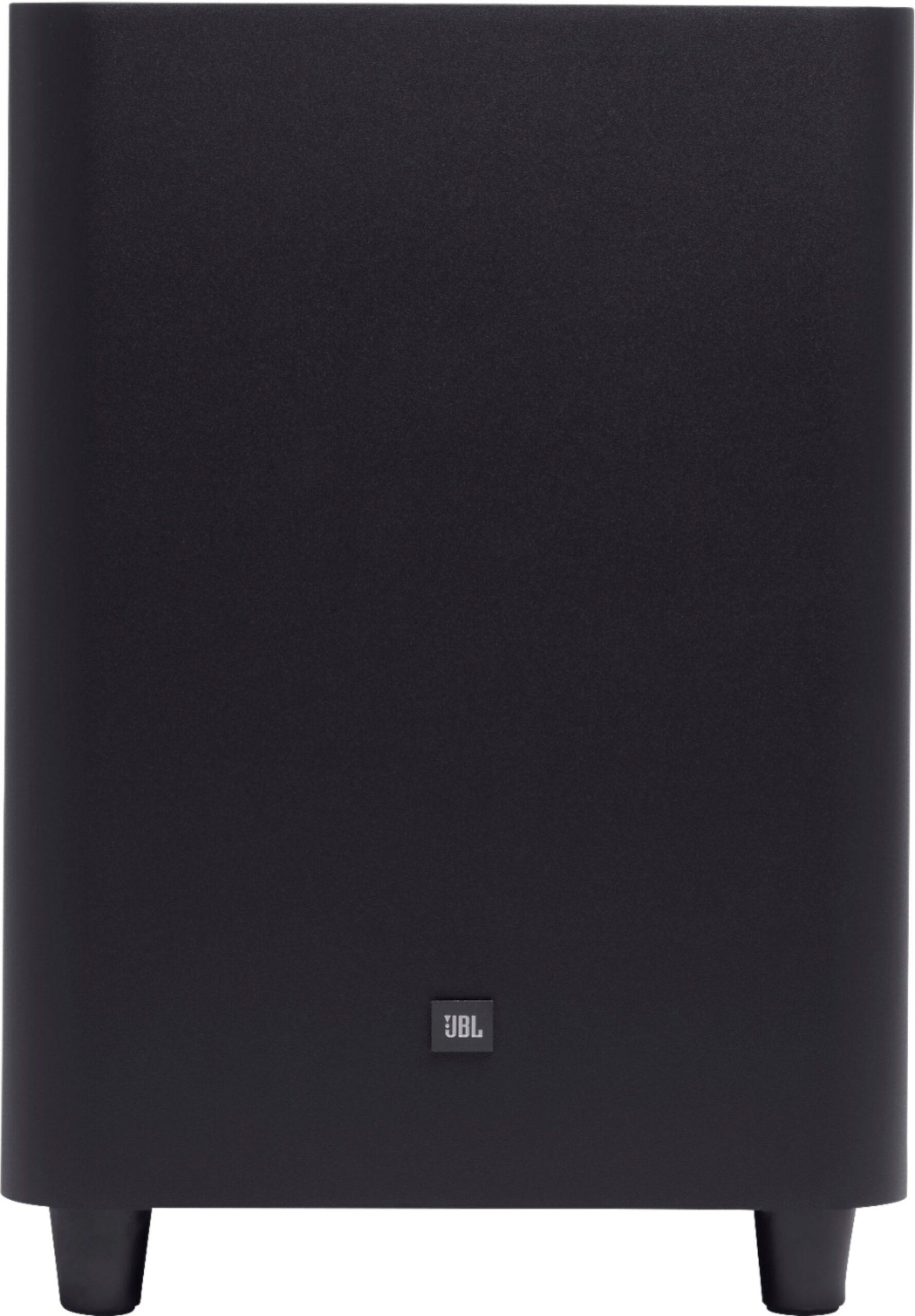
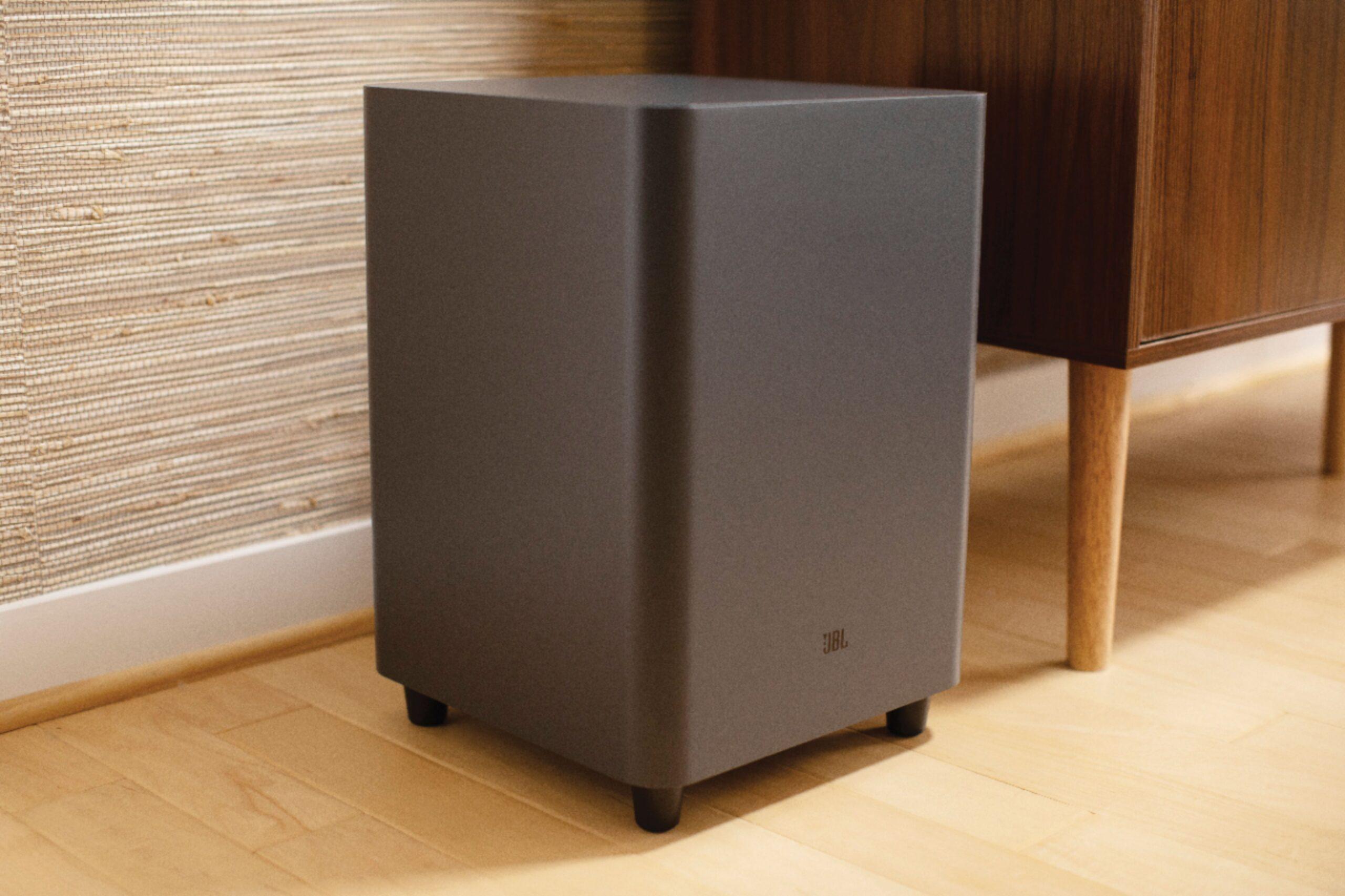
The JBL Bar 5.1 ups the ante considerably with a 10-inch subwoofer powered by 300 watts. This isn't just about getting louder—the larger driver and higher power handling allow for much better control and extension. Professional reviews indicate it reaches down to around 40Hz with better dynamics, meaning it can reproduce both the deep rumble of explosions and the rapid-fire bass in electronic music without muddying together.
In practical terms, this difference becomes obvious when watching bass-heavy content. The Hisense HS2100 will definitely add punch to your movies compared to TV speakers, but the JBL Bar 5.1 delivers the kind of visceral bass that makes you feel like you're in a commercial cinema. If you primarily watch dialogue-driven TV shows, this difference matters less, but for action movies and gaming, it's substantial.
Here's where these systems differ most dramatically. The Hisense HS2100 uses DTS Virtual:X processing to simulate surround effects from just two speakers plus a subwoofer. This technology uses psychoacoustic tricks—manipulating phase relationships and frequency response—to fool your brain into perceiving sounds coming from locations where there are no speakers.
Based on professional testing, Virtual:X does create a wider soundstage than plain stereo, but it's fundamentally limited. The effect works best when you're seated directly in front of the soundbar, and it becomes less convincing as you move around the room. Most reviewers describe it as an improvement over basic stereo, but not remotely close to discrete surround speakers.
The JBL Bar 5.1 delivers actual surround sound because it has actual surround speakers. When a helicopter flies from left to right in a movie, you hear it move through discrete speakers rather than through processing tricks. The detachable design means you can experiment with speaker placement—try them attached for a wider front soundstage, or place them behind your couch for genuine rear effects.
Professional reviewers consistently rate this as a significant upgrade over virtual processing. The sense of immersion is particularly noticeable in action movies and video games where directional audio cues matter. However, it does require more setup effort and consideration of your room layout.
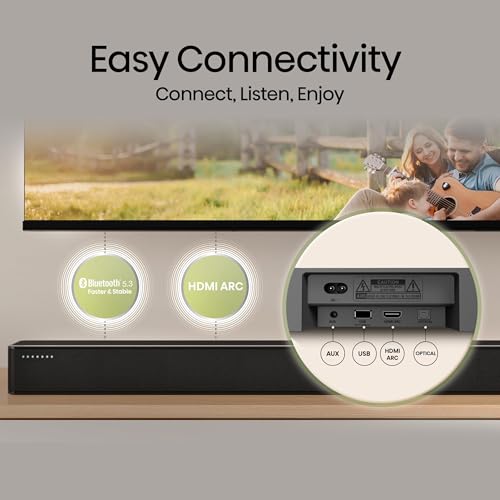
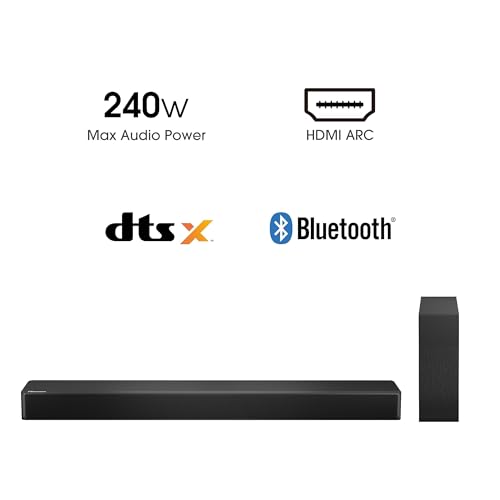
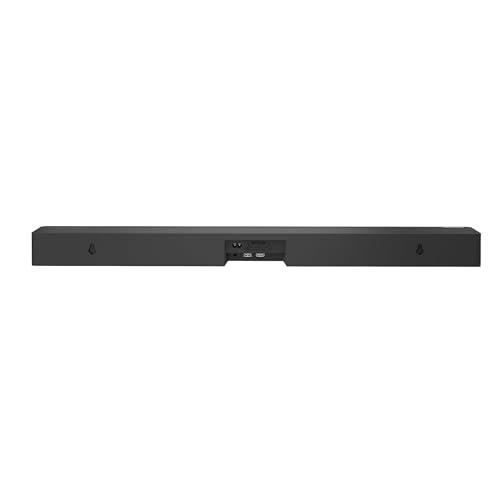
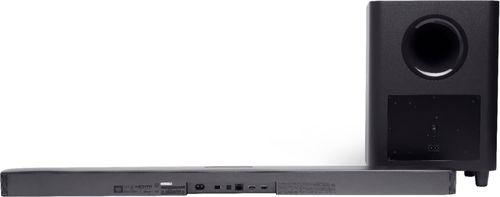
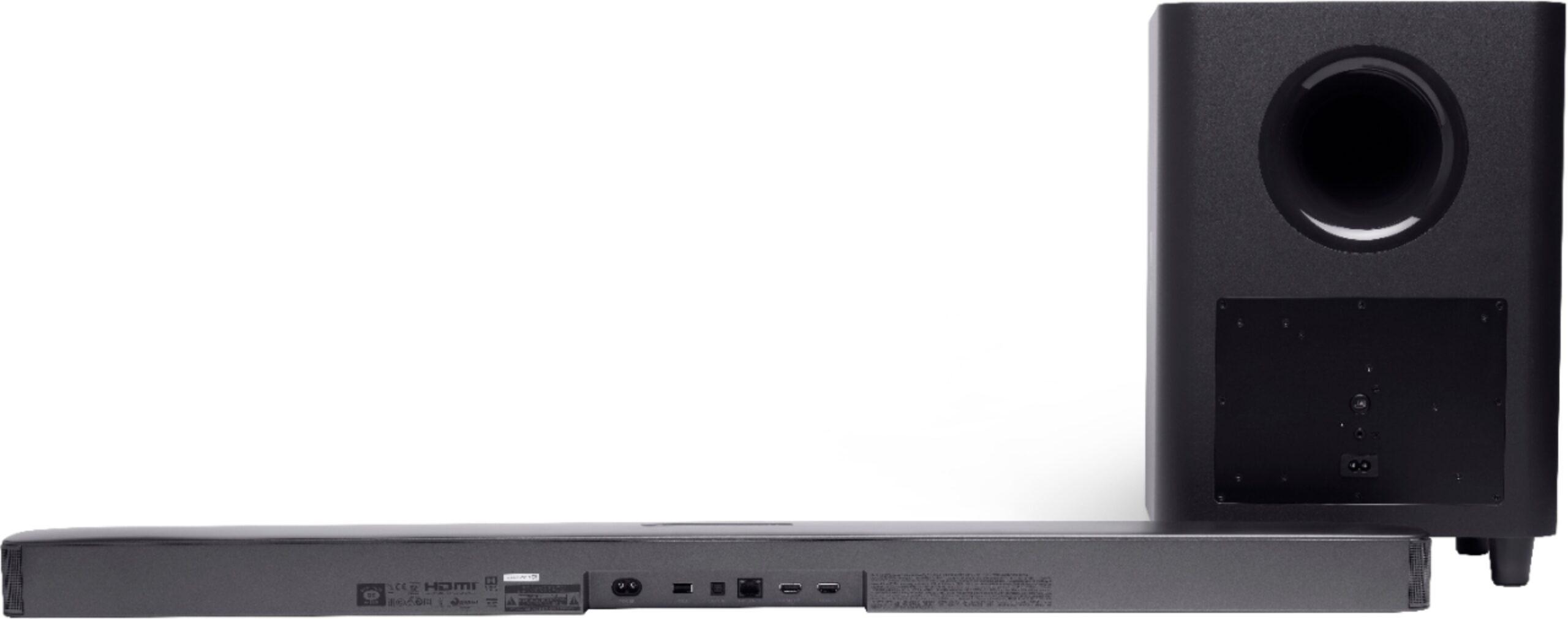
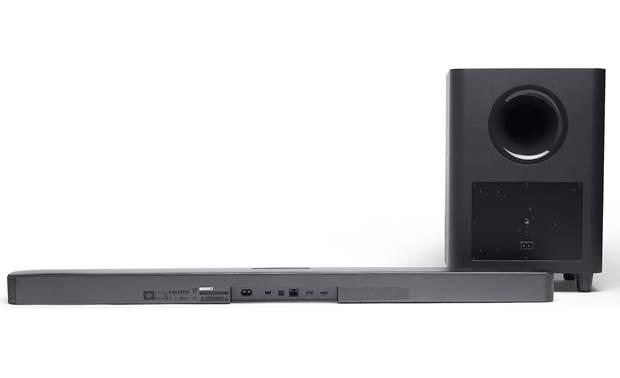
Both systems include the connectivity basics—HDMI ARC (which carries audio from your TV back to the soundbar through the same cable that sends video to the TV), optical audio input, and Bluetooth for music streaming. However, the JBL Bar 5.1 includes several more advanced features that matter for future-proofing.
The JBL Bar 5.1 supports 4K video pass-through with HDR10 and Dolby Vision, meaning you can connect devices directly to the soundbar and it will pass high-quality video to your TV while extracting the audio. This simplifies cable management and ensures you don't lose video quality. It also includes multiple HDMI inputs, so you can connect several devices without constantly swapping cables.
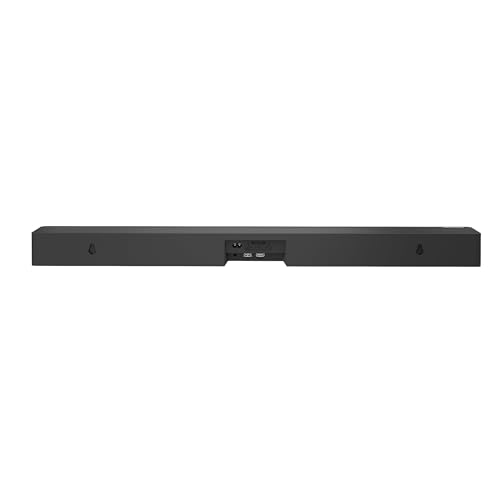
The Hisense HS2100 keeps things simpler with just HDMI ARC, meaning you'll connect all your devices to your TV and let it send audio to the soundbar. This works fine for most setups, but it means you're dependent on your TV's audio processing capabilities, which can sometimes introduce delays or compatibility issues with newer audio formats.
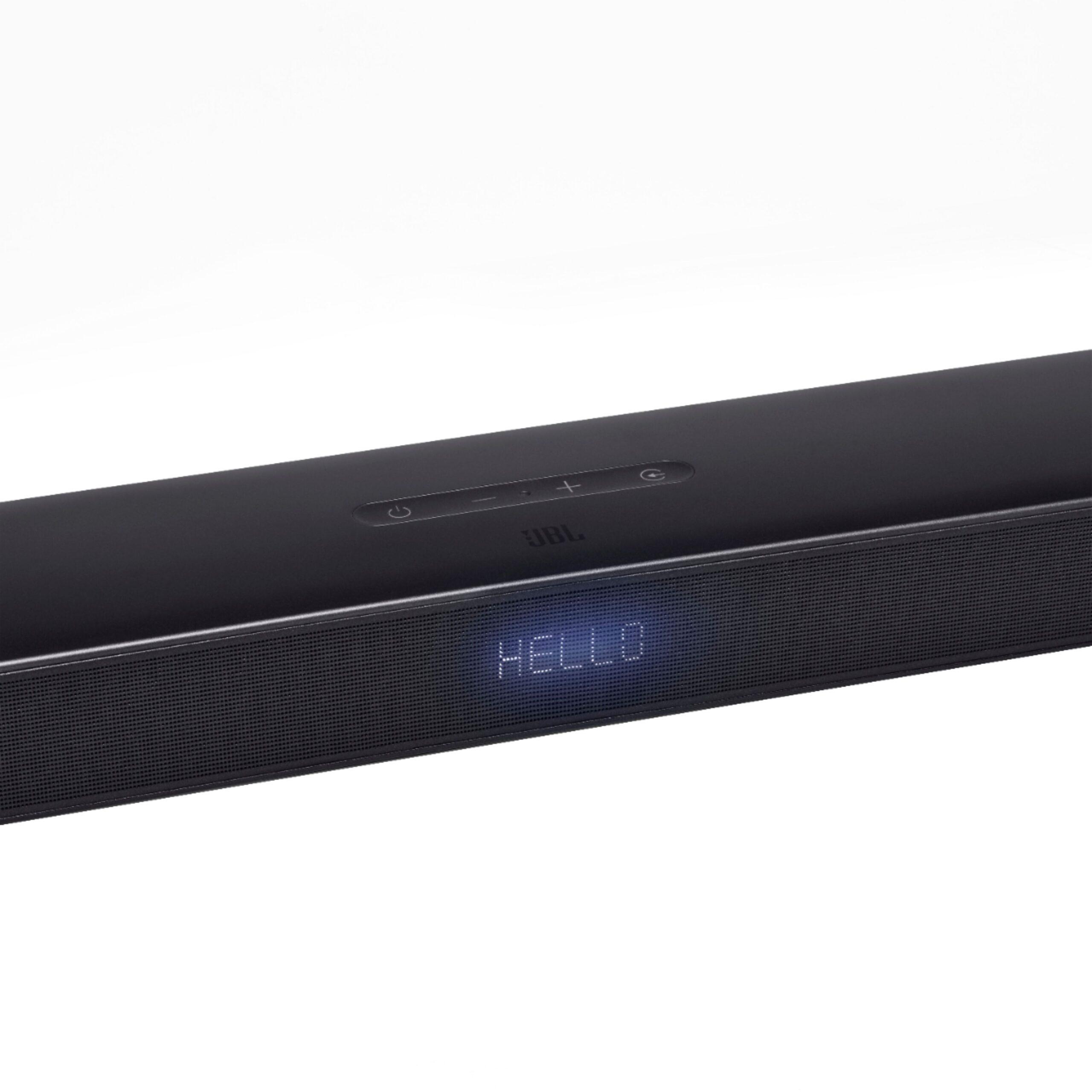
Both systems include various sound modes optimized for different content types. The Hisense HS2100 offers six presets (Movie, Music, News, Sport, Night, and Game) plus manual bass and treble adjustment. The JBL Bar 5.1 relies more on its MultiBeam processing and automatic mode switching based on content detection.
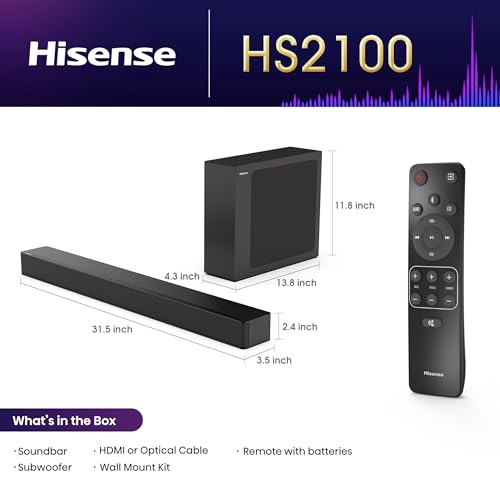
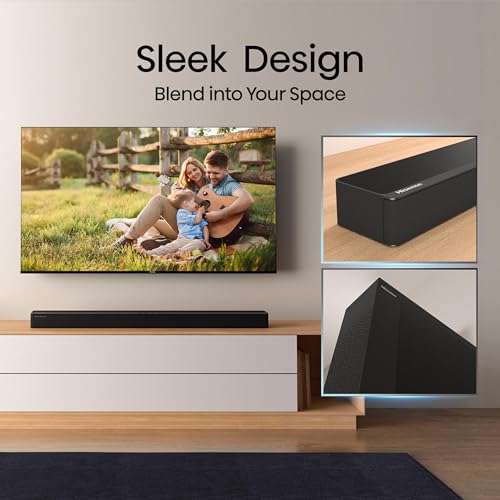
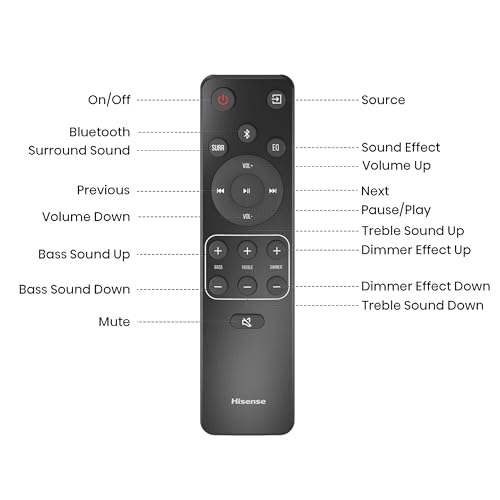
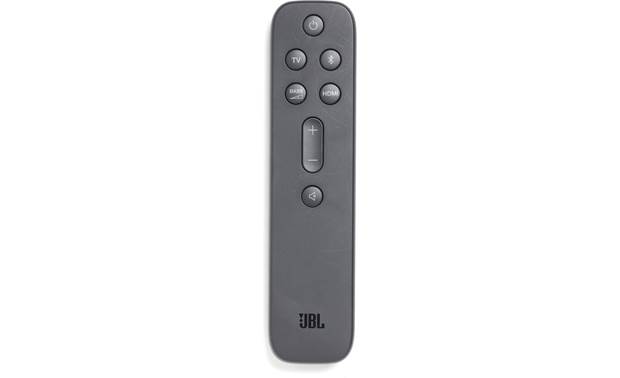
The Hisense HS2100 wins on simplicity. You'll have it working in under 10 minutes—connect the HDMI cable to your TV, plug in the soundbar and subwoofer, and the wireless sub pairs automatically. The remote is straightforward, and most functions are accessible through simple button presses. The compact size means it fits under virtually any TV without blocking the screen or looking oversized.
The JBL Bar 5.1 requires more consideration. While the initial setup isn't complicated, you need to think about where you'll place the detachable surround speakers, how you'll charge them, and whether your room layout allows for optimal positioning. The larger subwoofer also requires more floor space. However, once configured properly, many users find the immersive audio experience worth the extra effort.
One practical consideration often overlooked: the Hisense HS2100 includes a Night mode that compresses dynamic range (reduces the difference between loud and quiet sounds), making it apartment-friendly for late-night viewing. The JBL Bar 5.1 can get significantly louder—up to 103dB according to specifications—which is great for large rooms but potentially problematic in shared living situations.
At the time of writing, the price difference between these systems is substantial—typically around $170. This premium for the JBL Bar 5.1 represents more than just additional features; it's a fundamental upgrade in audio capability from enhanced stereo to genuine surround sound.
The Hisense HS2100 delivers exceptional value for budget-conscious buyers. It transforms TV audio from tinny and flat to warm and engaging, with real bass impact that makes movies more enjoyable. For many people upgrading from TV speakers, this improvement is dramatic enough to satisfy their needs completely. The low price point also makes it an excellent "starter" soundbar that lets you experience better TV audio without a major financial commitment.
The JBL Bar 5.1 costs significantly more but delivers capabilities that justify the premium for the right user. True 5.1 surround sound, higher power output, and better future-proofing with 4K pass-through and advanced audio format support make it a more comprehensive solution. The detachable surround speakers add versatility that most competing soundbars can't match at any price.
From a longevity perspective, both systems should serve their intended purposes for years. However, the JBL Bar 5.1 is more likely to remain satisfying as your expectations grow and as more content becomes available in advanced audio formats.
The Hisense HS2100 makes perfect sense if you primarily watch TV shows, news, and dialogue-heavy content in a small to medium-sized room. It's ideal for first-time soundbar buyers who want to experience better TV audio without complexity or major expense. The warm sound signature and clear dialogue reproduction work particularly well for streaming content and broadcast television. If your main frustration with TV speakers is that you can't understand what people are saying, the Hisense HS2100 solves that problem effectively and affordably.
The JBL Bar 5.1 is the better choice for movie enthusiasts, gamers, and anyone who wants to create a genuine home theater experience. The true surround sound makes action movies dramatically more engaging, and the higher power output means it can fill larger rooms with authority. If you frequently watch blockbuster movies, play video games with surround audio, or have a living room over 200 square feet, the additional immersion and power are worth the investment.
Consider room size carefully in your decision. The Hisense HS2100 works well in smaller spaces where its 240 watts of total power can adequately fill the room. The JBL Bar 5.1 really shines in larger rooms where its 550-watt output and true surround capabilities can create an enveloping experience that wouldn't be possible with a 2.1 system.
Both soundbars successfully solve the fundamental problem of poor TV audio, but they target different users and use cases. The Hisense HS2100 represents the sweet spot for budget-conscious buyers who want meaningful audio improvement without complexity or major expense. The JBL Bar 5.1 delivers a more comprehensive solution that transforms your living room into a genuine home theater.
The decision ultimately comes down to your priorities: immediate improvement at minimal cost versus long-term satisfaction with premium capabilities. Either choice will dramatically improve your TV watching experience compared to built-in speakers, but only the JBL Bar 5.1 delivers the immersive audio that makes you forget you're watching TV at home rather than in a cinema.
| Hisense HS2100 2.1 Channel 240W Soundbar System | JBL Bar 5.1 Surround Soundbar with Wireless Subwoofer |
|---|---|
| Channel Configuration - Determines surround sound capability and immersion level | |
| 2.1 channels (stereo + subwoofer, must downmix surround content) | True 5.1 channels (discrete surround speakers for genuine spatial audio) |
| Total Power Output - Affects maximum volume and dynamic range | |
| 240W total (soundbar: 120W, subwoofer: 120W) | 550W total (soundbar: 250W, subwoofer: 300W) |
| Subwoofer Specifications - Critical for bass impact and movie immersion | |
| Wireless, 120W power, ~4.3" driver, frequency response to 45Hz | Wireless, 300W power, 10" driver, frequency response to 40Hz |
| Surround Speaker Setup - Determines placement flexibility and true surround capability | |
| None (virtual surround processing only via DTS Virtual:X) | Detachable wireless speakers with 10-hour battery life |
| Audio Format Support - Important for streaming and Blu-ray compatibility | |
| Dolby Digital, DTS, PCM (no Dolby Atmos support) | Dolby Atmos, Dolby Digital, DTS, PCM with full format support |
| HDMI and Video Features - Affects device connectivity and future-proofing | |
| HDMI ARC only (no 4K pass-through or additional inputs) | HDMI ARC + input with 4K pass-through and Dolby Vision support |
| Physical Dimensions - Important for TV stand compatibility and room aesthetics | |
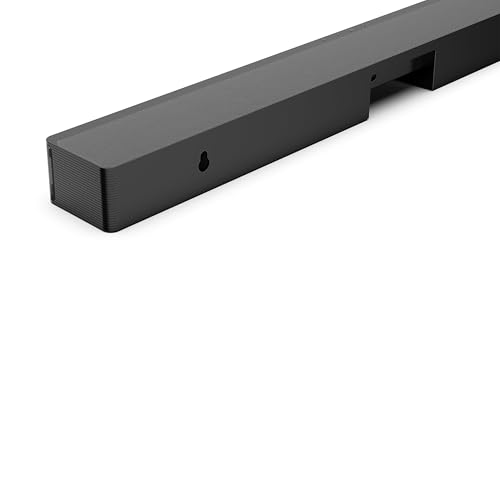
| Soundbar: 31.5" × 2.4" × 3.5", ultra-compact design | Soundbar: 40" × 2.3" × 3.9", larger footprint requires more space |
| Connectivity Options - Determines device compatibility and streaming capabilities | |
| HDMI ARC, Optical, 3.5mm AUX, Bluetooth 5.3, USB playback | HDMI, Optical, Bluetooth 4.2, Wi-Fi, Chromecast, AirPlay 2 |
| Sound Customization - Affects ability to tune audio to your preferences | |
| 6 EQ presets, manual bass/treble controls, Night mode | JBL Bar 5.1 MultiBeam technology, automatic content optimization |
| Maximum SPL - Indicates how loud the system can get without distortion | |
| Not specified (estimated ~90dB based on power rating) | 103dB (suitable for large rooms and reference-level playback) |
| Wireless Streaming Integration - Important for music playback from phones/tablets | |
| Bluetooth 5.3 only (basic wireless audio streaming) | Wi-Fi with Chromecast, AirPlay 2, and Alexa Multi-Room Music |
| Setup Complexity - Affects installation time and user experience | |
| Simple plug-and-play with automatic subwoofer pairing | More complex with surround speaker positioning and charging management |
| Value Positioning - Price-to-performance ratio at time of writing | |
| Exceptional budget value under $150 with wireless subwoofer included | Premium mid-tier option around $290 with true surround capabilities |
The biggest difference is channel configuration: the Hisense HS2100 is a 2.1 system with stereo speakers plus a subwoofer, while the JBL Bar 5.1 offers true 5.1 surround sound with detachable wireless rear speakers. This means the JBL Bar 5.1 creates genuine surround effects, while the Hisense HS2100 relies on virtual processing to simulate surround sound.
The JBL Bar 5.1 is significantly better for movies and home theater use. Its true 5.1 configuration with discrete surround speakers creates immersive audio where you can hear effects moving around the room. The Hisense HS2100 improves movie audio compared to TV speakers but can't match the cinematic experience of real surround sound.
The Hisense HS2100 offers exceptional value for budget-conscious buyers, providing a significant audio upgrade with wireless subwoofer at an entry-level price. However, the JBL Bar 5.1 delivers substantially more features and performance for the price premium, making it better value for serious home theater enthusiasts who want genuine surround sound.
The JBL Bar 5.1 produces 550W total power compared to the Hisense HS2100's 240W. More importantly, the JBL Bar 5.1 features a 300W, 10-inch subwoofer versus the Hisense HS2100's 120W subwoofer with smaller driver, resulting in deeper, more controlled bass and higher maximum volume capabilities.
The Hisense HS2100 is much easier to set up with simple plug-and-play installation and automatic subwoofer pairing. The JBL Bar 5.1 requires more consideration for surround speaker placement, charging management for the wireless rear speakers, and optimal room positioning, though the improved audio experience often justifies the extra setup effort.
No, the Hisense HS2100 does not support Dolby Atmos, while the JBL Bar 5.1 does include Dolby Atmos support. However, neither system has dedicated height speakers, so Atmos effects are processed through existing drivers rather than creating true overhead sound positioning.
Both soundbars handle music well, but they offer different experiences. The Hisense HS2100 provides balanced stereo music reproduction with warm tonality. The JBL Bar 5.1 offers wider soundstage and better instrument separation due to its multiple speakers, making it more engaging for critical music listening and larger rooms.
The Hisense HS2100 includes HDMI ARC, optical input, 3.5mm AUX, Bluetooth 5.3, and USB playback. The JBL Bar 5.1 offers more advanced connectivity with HDMI input/output, 4K pass-through, optical input, Bluetooth, Wi-Fi, Chromecast, and AirPlay 2 support for broader device compatibility and streaming options.
The Hisense HS2100 is ideal for smaller spaces due to its compact design, lower power output that won't overwhelm small rooms, and Night mode for apartment-friendly late-night viewing. The JBL Bar 5.1 is better suited for larger rooms where its higher power and surround speakers can deliver their full potential.
The JBL Bar 5.1 has a significantly more powerful subwoofer with 300W power and a 10-inch driver compared to the Hisense HS2100's 120W subwoofer with smaller driver. This translates to deeper, more controlled bass response and better performance for action movies and bass-heavy music on the JBL Bar 5.1.
Both soundbars improve dialogue clarity significantly over TV speakers. The Hisense HS2100 offers good vocal reproduction with its balanced midrange and dedicated News mode. However, the JBL Bar 5.1 has a slight advantage due to its dedicated center channel speaker that's specifically designed for dialogue, ensuring voices remain clear even during complex action scenes.
The Hisense HS2100's main limitation is its 2.1 configuration that must downmix surround content to stereo, reducing immersion for movies. The JBL Bar 5.1 requires more setup complexity, regular charging of surround speakers, and costs significantly more, though these trade-offs are worthwhile for users seeking genuine home theater experience.
We've done our best to create useful and informative comparisons to help you decide what product to buy. Our research uses advanced automated methods to create this comparison and perfection is not possible - please contact us for corrections or questions. These are the sites we've researched in the creation of this article: rtings.com - shop.hisense-usa.com - bestbuy.com - content.syndigo.com - bestbuy.com - hisensedealers.co.ke - stuff.co.za - dtc-aus-api.hisense.com - youtube.com - manuals.plus - youtube.com - bestbuy.com - youtube.com - gallifurniture.com - hisense-usa.com - manuals.plus - uk.hisense.com - device.report - youtube.com - costco.ca - elmcreekwsa.com - gallifurniture.com - jbl.com - jbl.com - jbl.com - tomsguide.com - jbl.com - bestbuy.com - bestbuy.com - jbl.com - jbl.com - worldwidestereo.com

Privacy Policy
Terms and Conditions - Affiliate Policy
Home Security
© Copyright 2008-2026.
11816 Inwood Rd #1211, Dallas, TX 75244