




When you're scrolling through Netflix on a Tuesday night and realize your TV's built-in speakers make dialogue sound like it's coming from inside a tin can, you know it's time for an upgrade. But walking into the world of soundbars can feel overwhelming—there's a lot of tech jargon and wildly different price points to navigate.
Today we're comparing two popular options that take completely different approaches: the premium Samsung HW-Q990D ($848) and the more budget-friendly JBL Bar 5.1 ($600). One's a flagship model packed with the latest audio tech, while the other focuses on delivering solid surround sound without breaking the bank. Let's dig into which one makes sense for your setup and wallet.
The soundbar market has evolved dramatically over the past few years. What used to be simple "TV speakers but better" has split into distinct categories, each targeting different needs and budgets.
Premium soundbars like the Samsung focus on immersive audio technologies. They use Dolby Atmos—a format that adds height information to sound, making helicopters fly overhead instead of just left to right—along with advanced room calibration and gaming features. These systems often include 10+ speakers and cost $800-2000.
Mid-range options like the JBL prioritize traditional 5.1 surround sound, where you get five main speakers plus a subwoofer (that's what the ".1" means). They skip the height channels but still deliver that "sounds coming from behind you" experience that makes movies more engaging.
When choosing between categories, consider your room size, content preferences, and budget. A small apartment might not benefit from a flagship system's power, while a dedicated home theater room could justify the investment.
The key considerations that matter most are audio technology (does it support modern formats?), room compatibility (will it fill your space?), connectivity options (especially for gaming), setup complexity, and overall value for what you're getting.
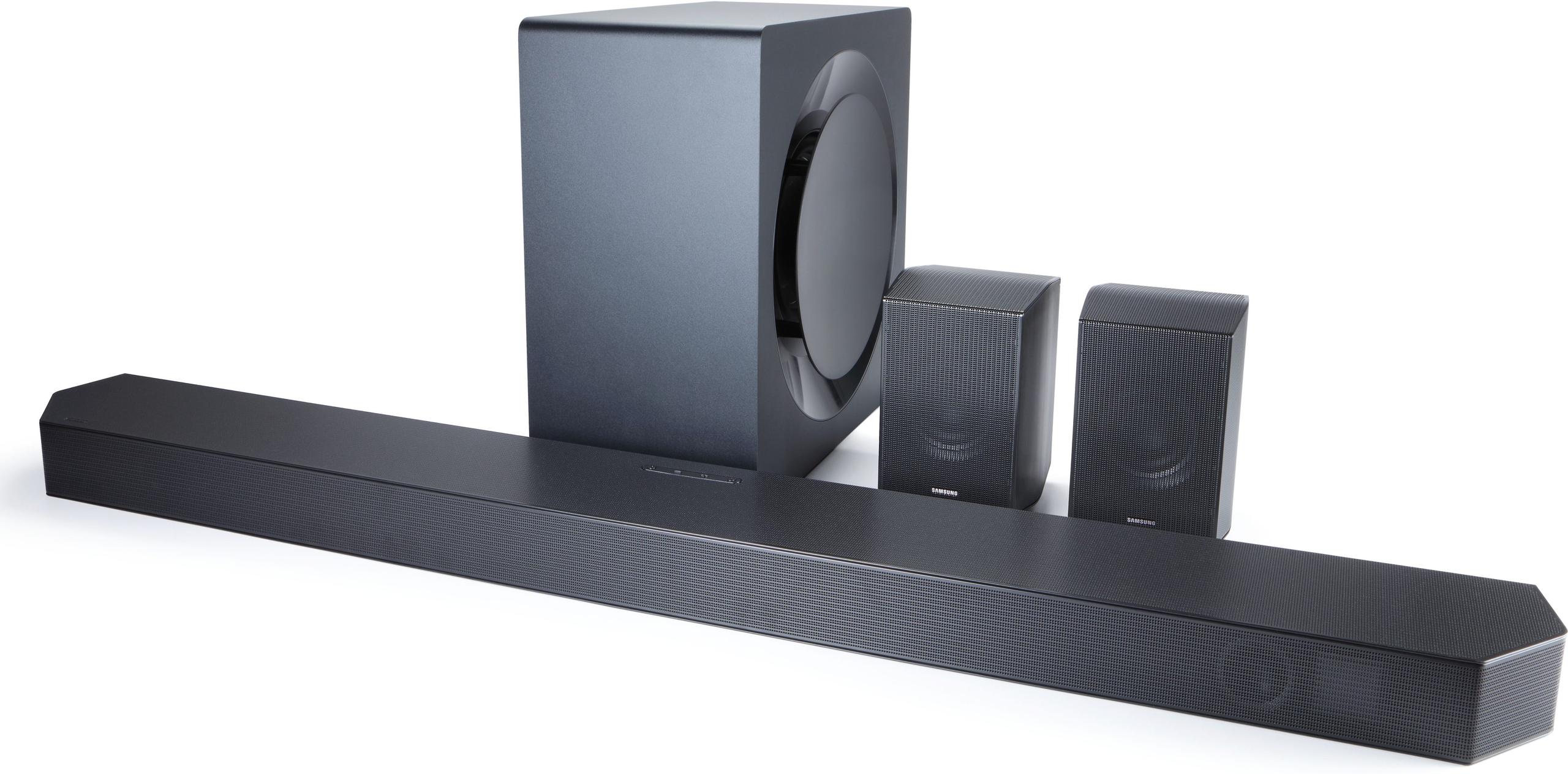
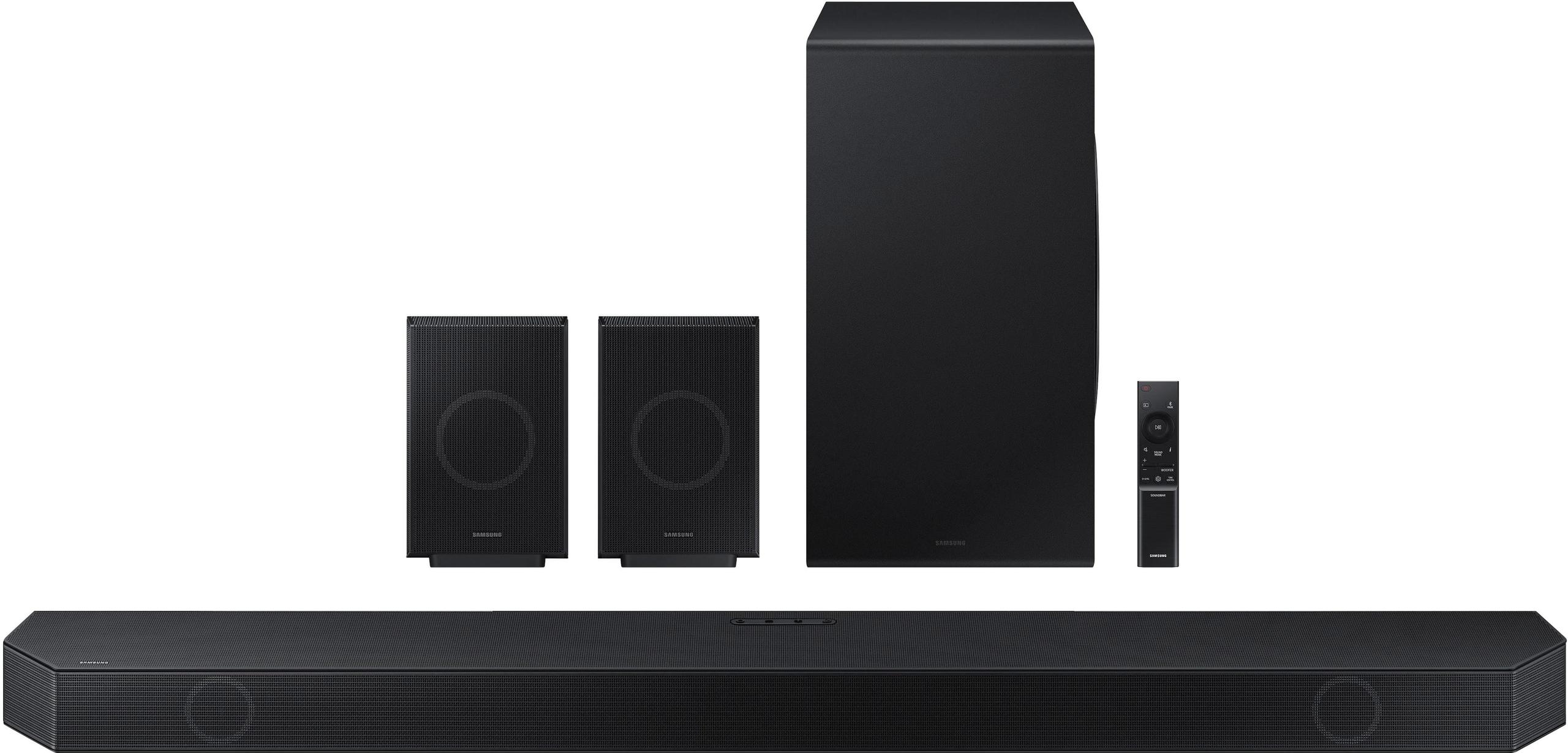
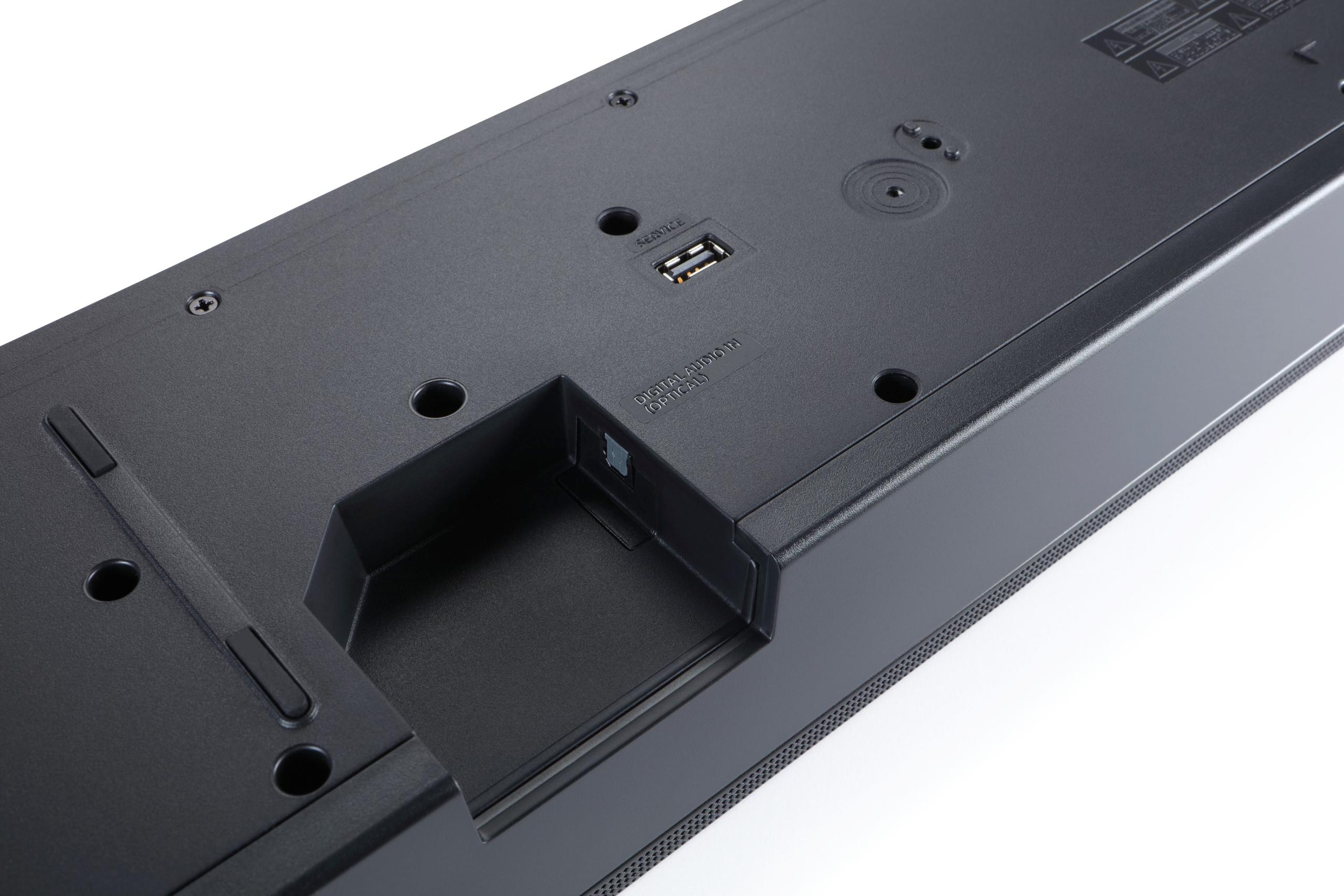
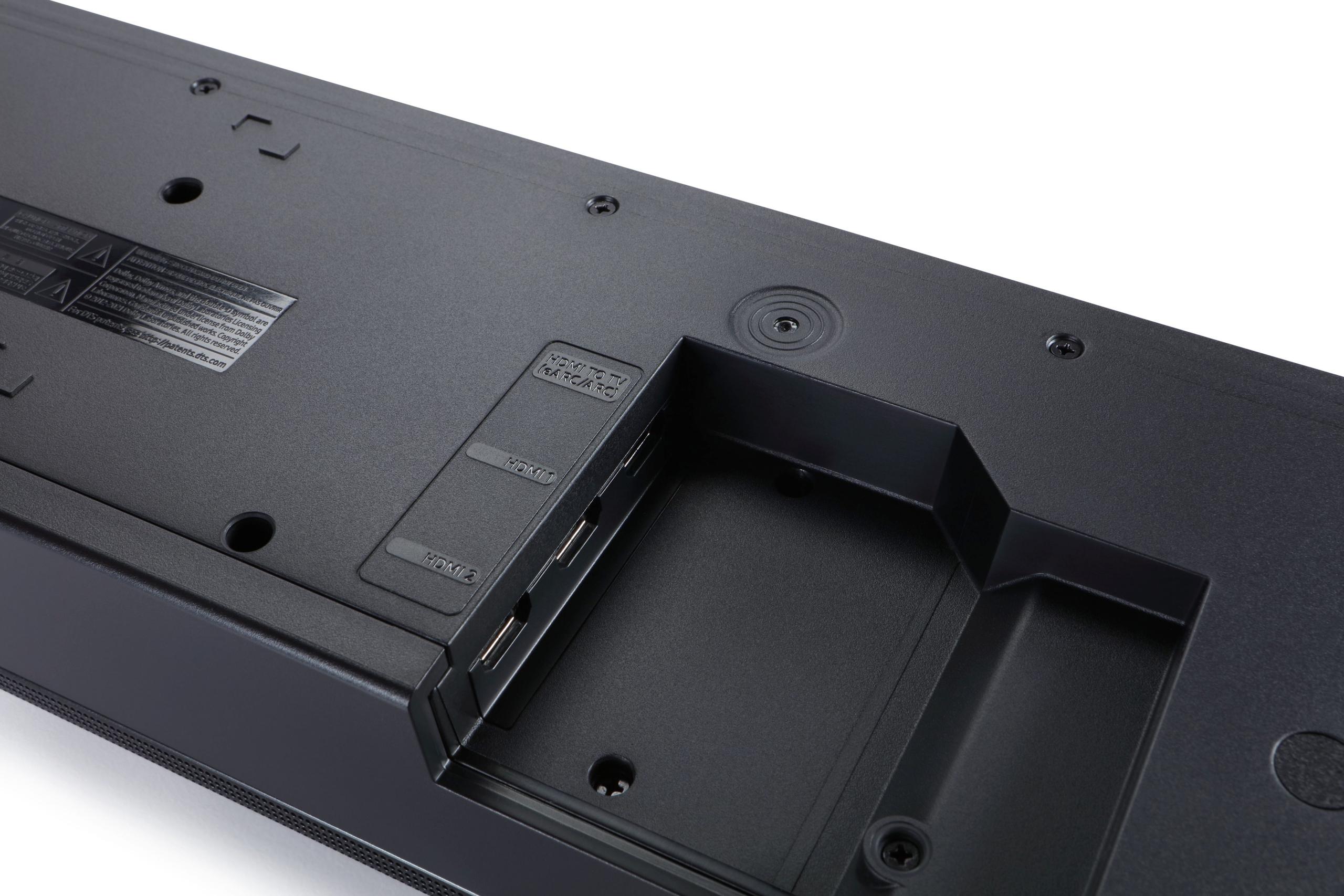
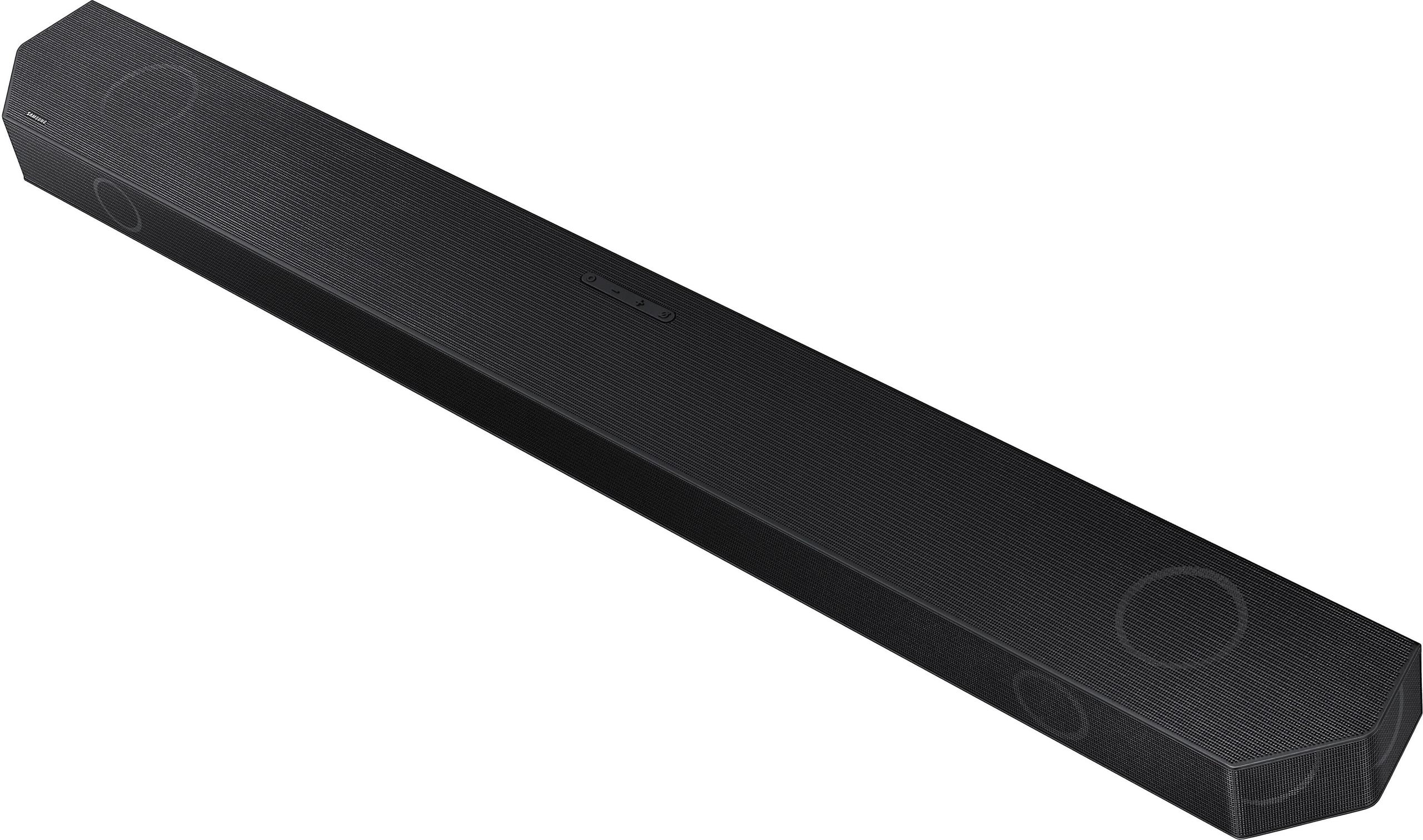
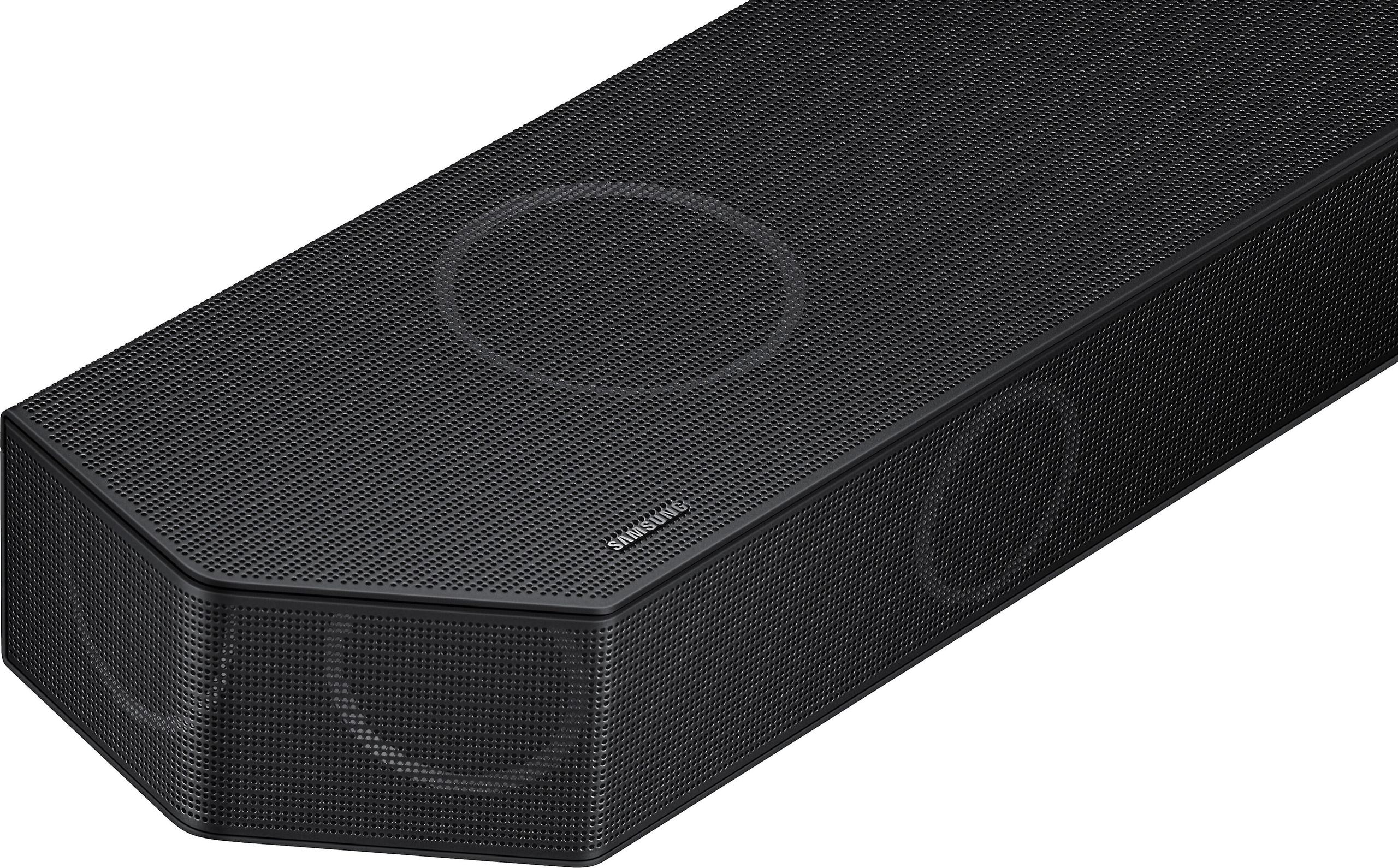
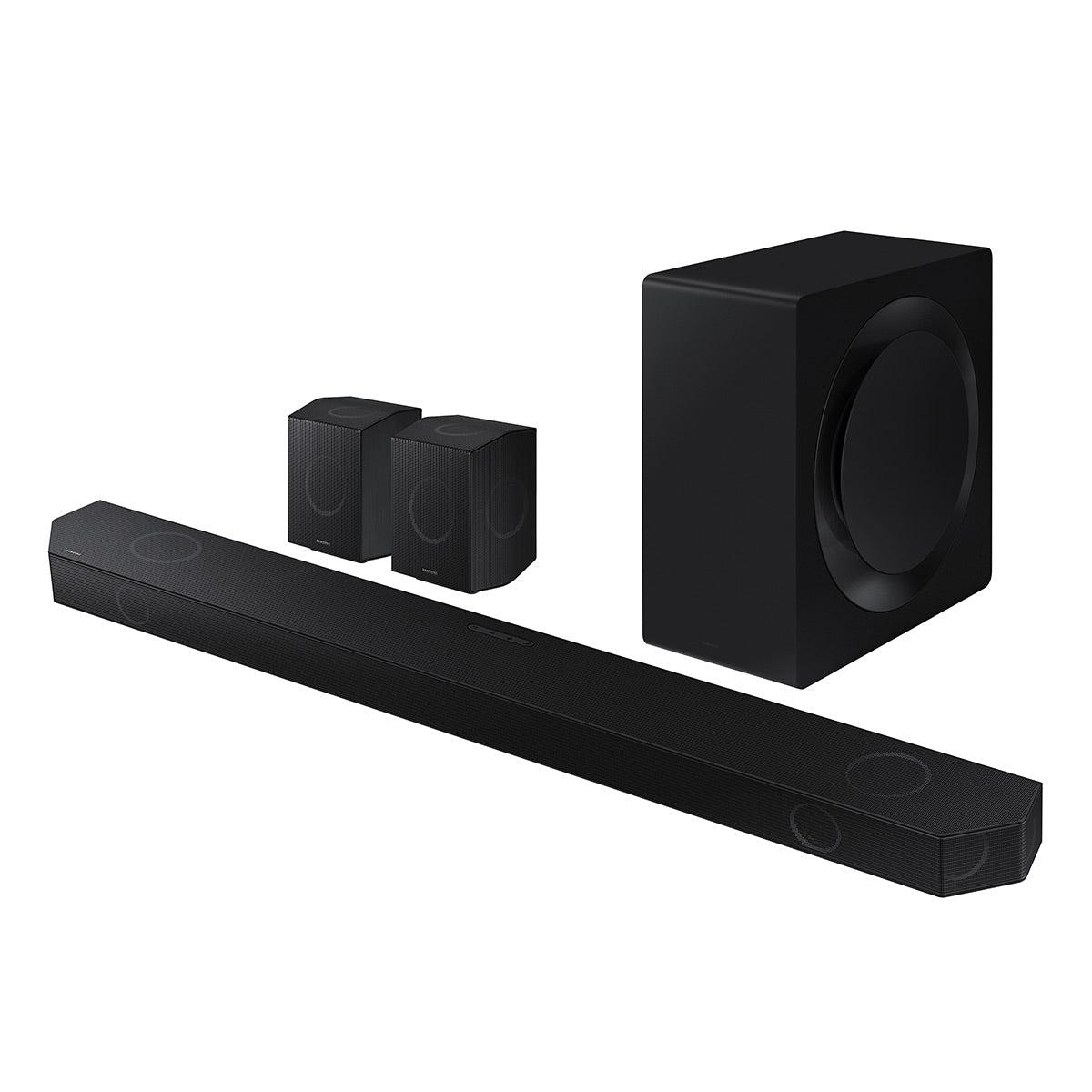
Samsung released the HW-Q990D in early 2024 as their top-tier soundbar, and it shows. This thing is seriously impressive on paper—we're talking about an 11.1.4 channel system with 22 individual speakers spread across the main bar, wireless subwoofer, and two rear speakers.
That "11.1.4" number tells you a lot: 11 main channels for traditional surround sound, 1 subwoofer for bass, and 4 height channels for Dolby Atmos effects. The height channels are what make modern soundbars special—they bounce sound off your ceiling to create the illusion of speakers mounted above you.
The target audience here is clear: home theater enthusiasts, serious gamers, and anyone with a Samsung TV who wants the full ecosystem experience. At $848, it's not cheap, but Samsung packed in features like AI-powered room calibration, next-gen gaming support, and advanced audio processing that would have cost thousands in separate components just a few years ago.
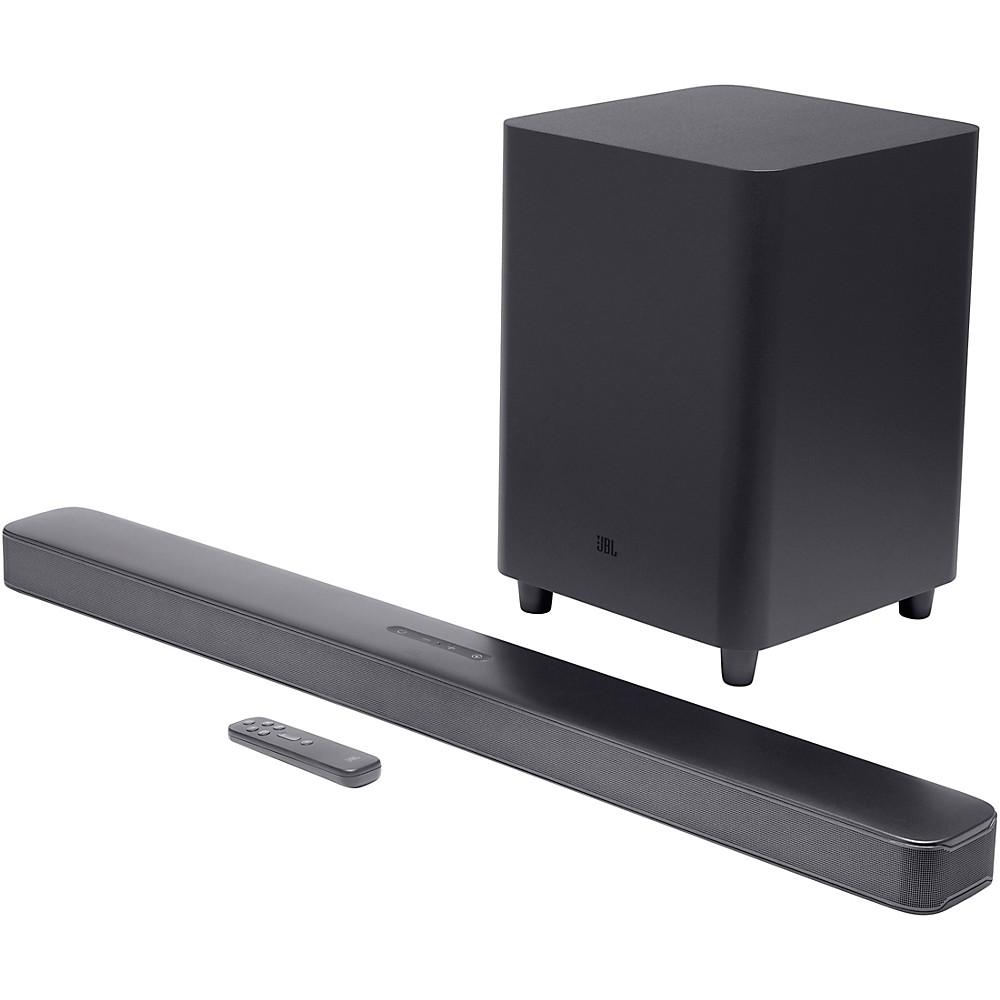
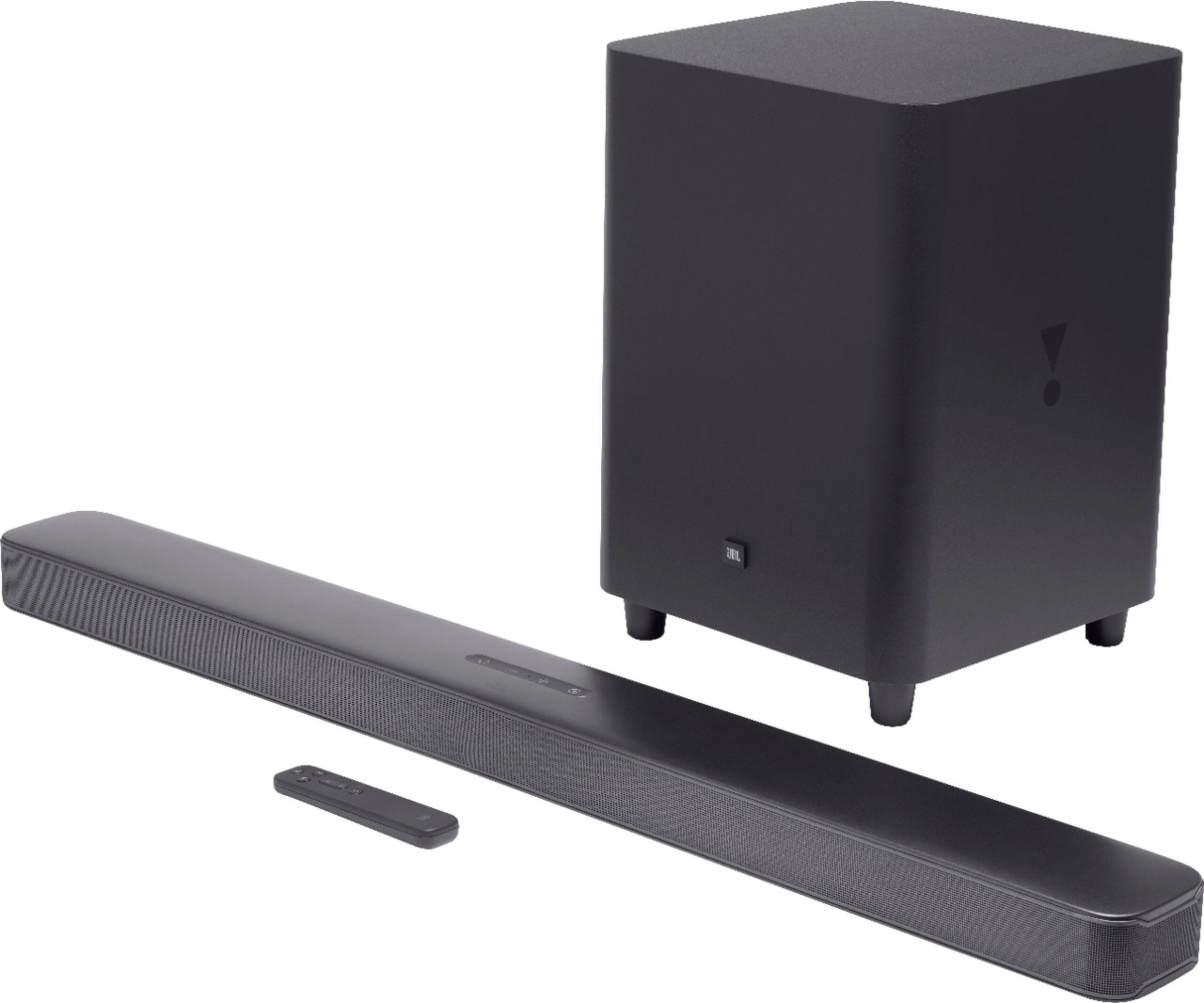
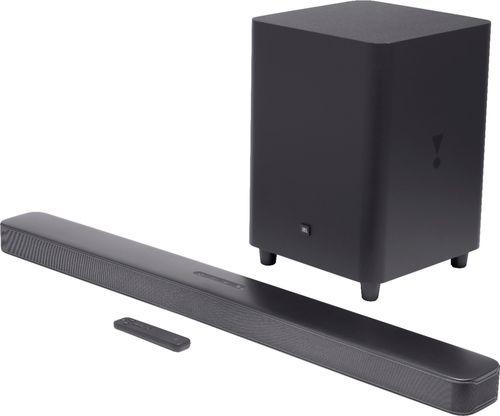
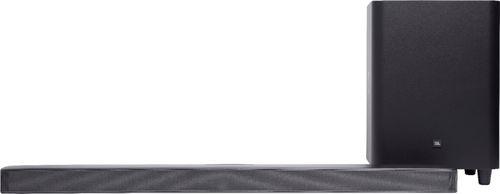
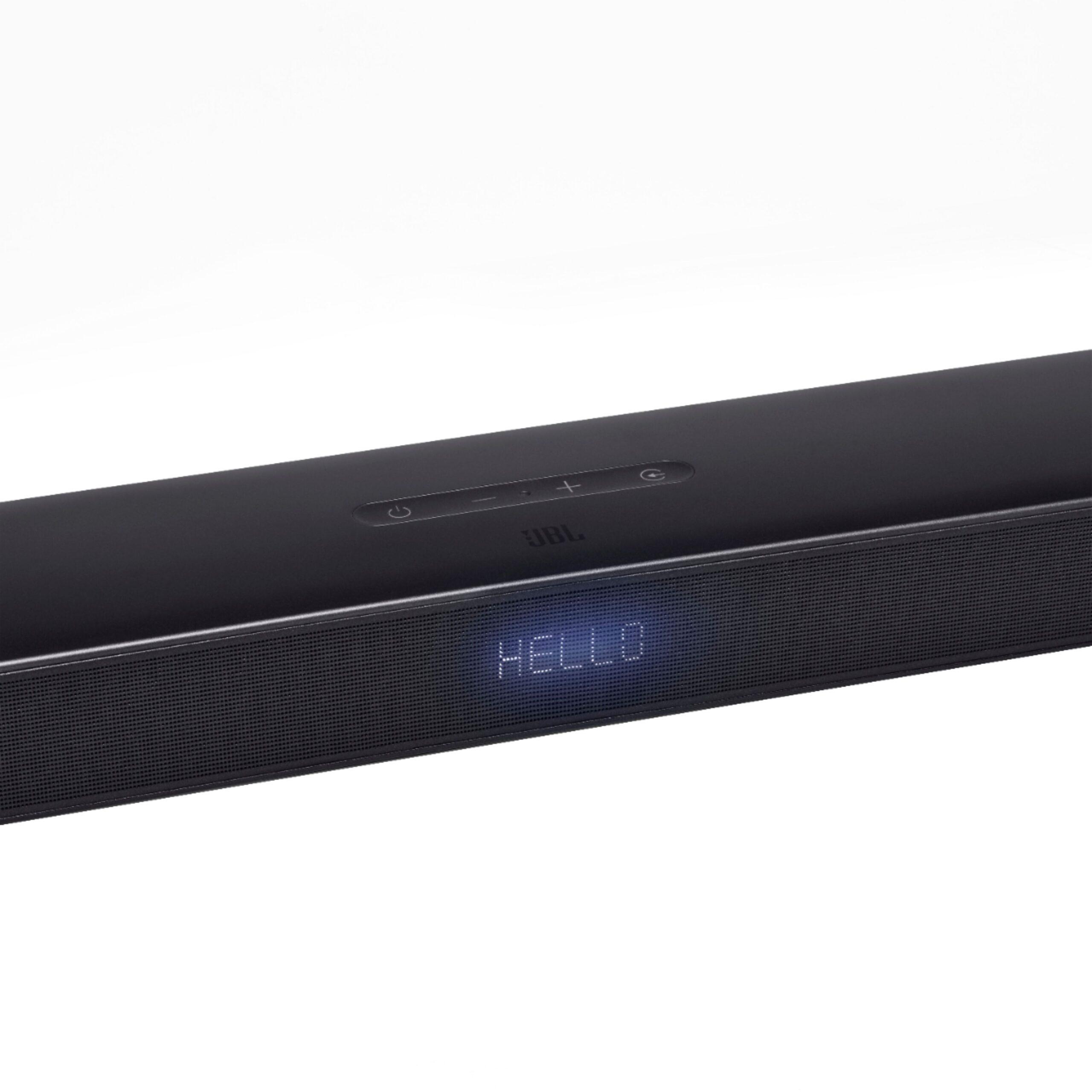
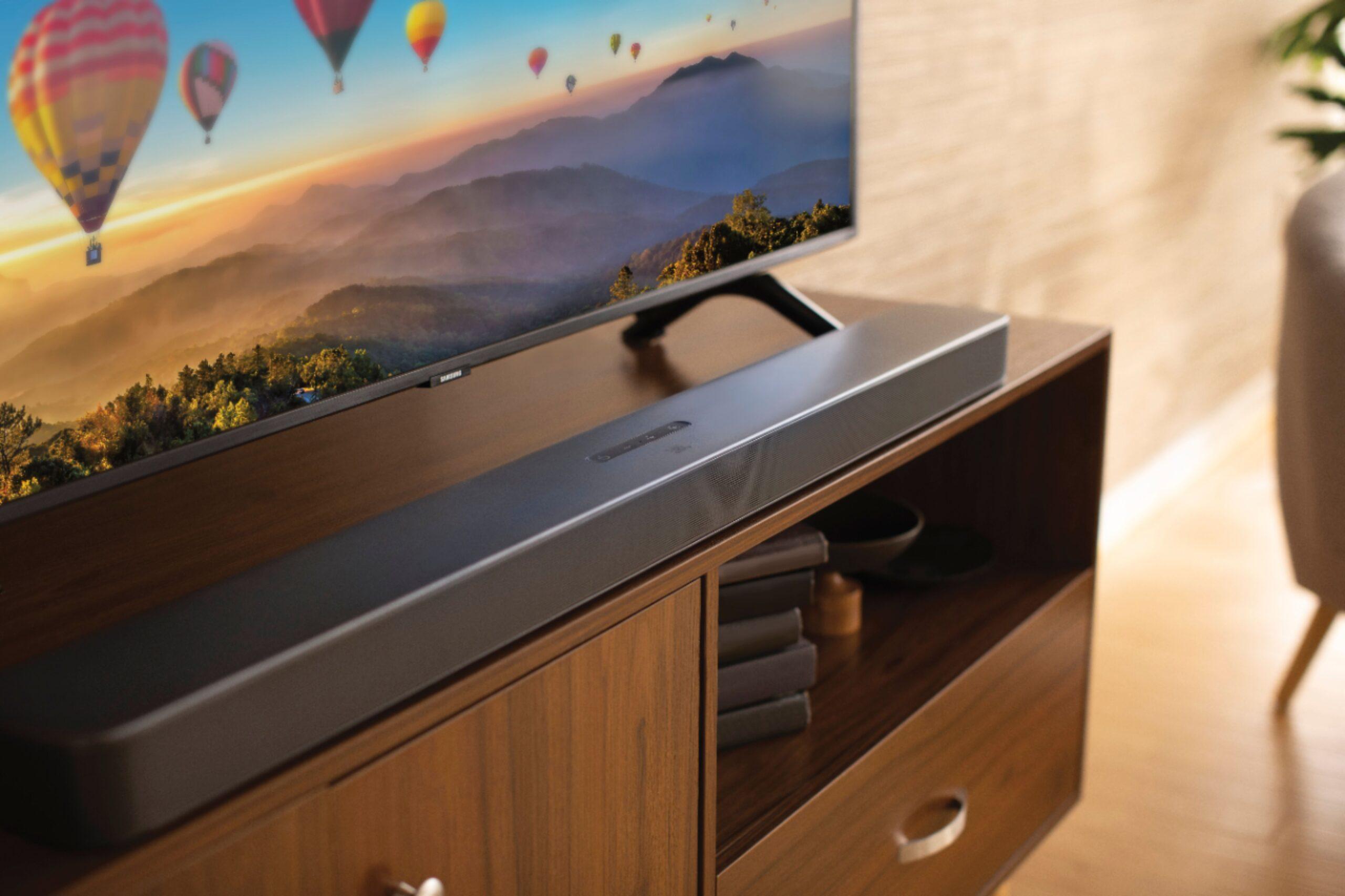
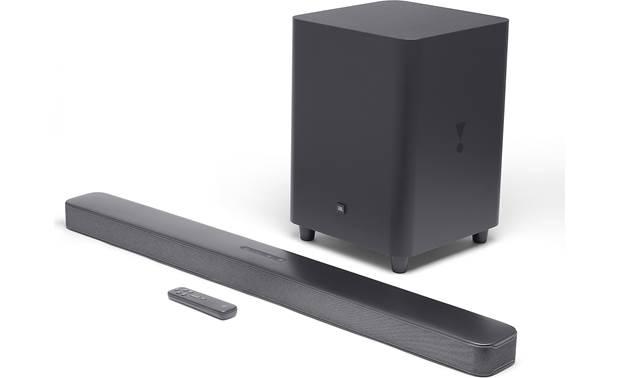
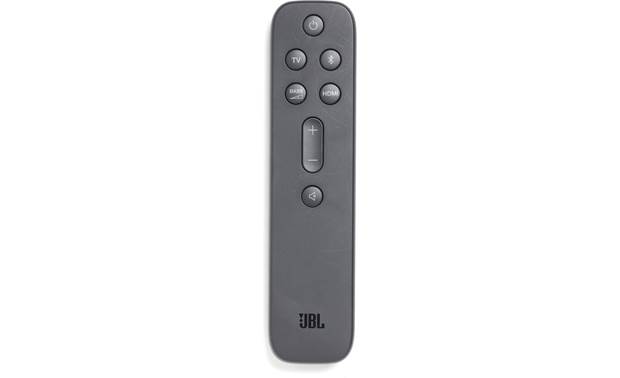
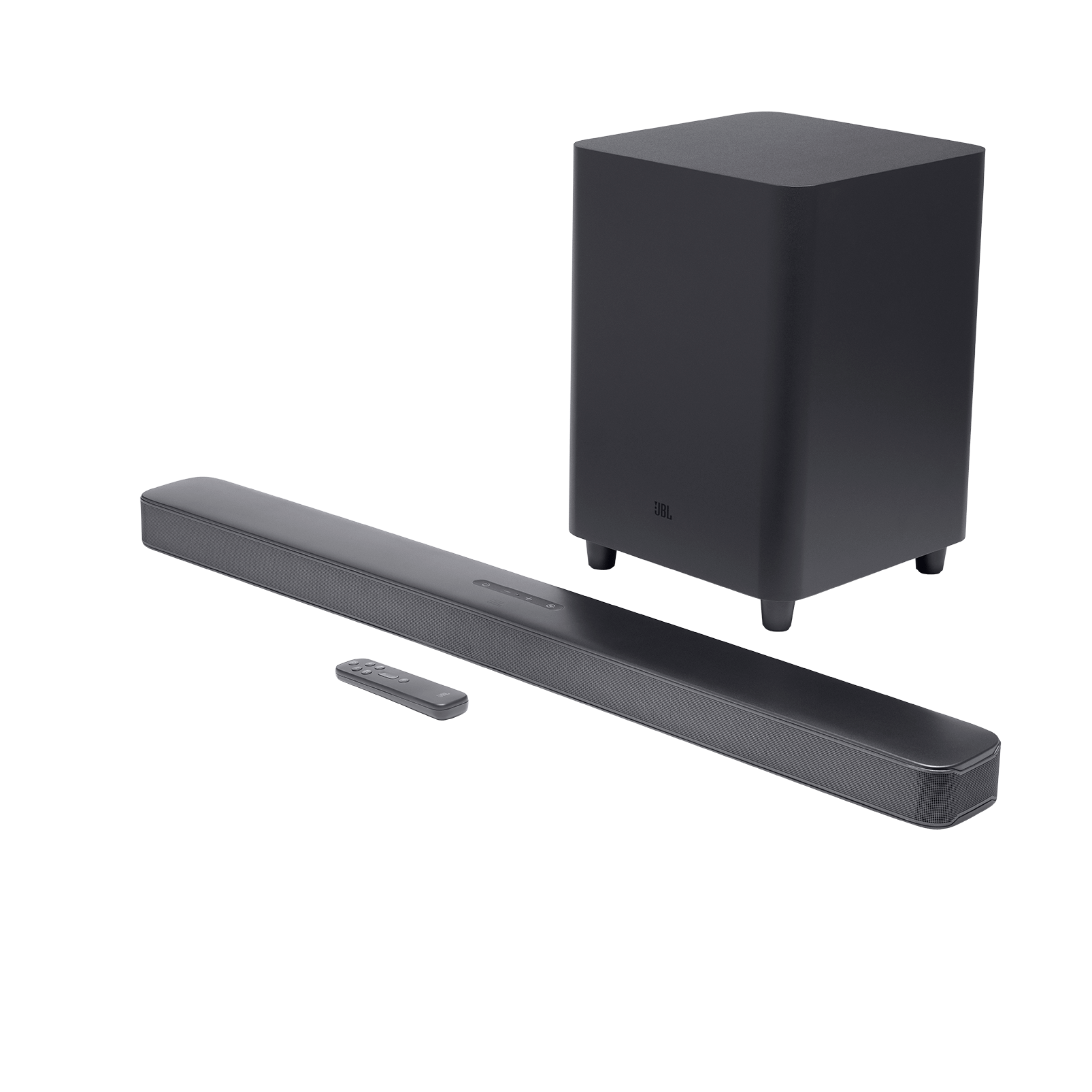
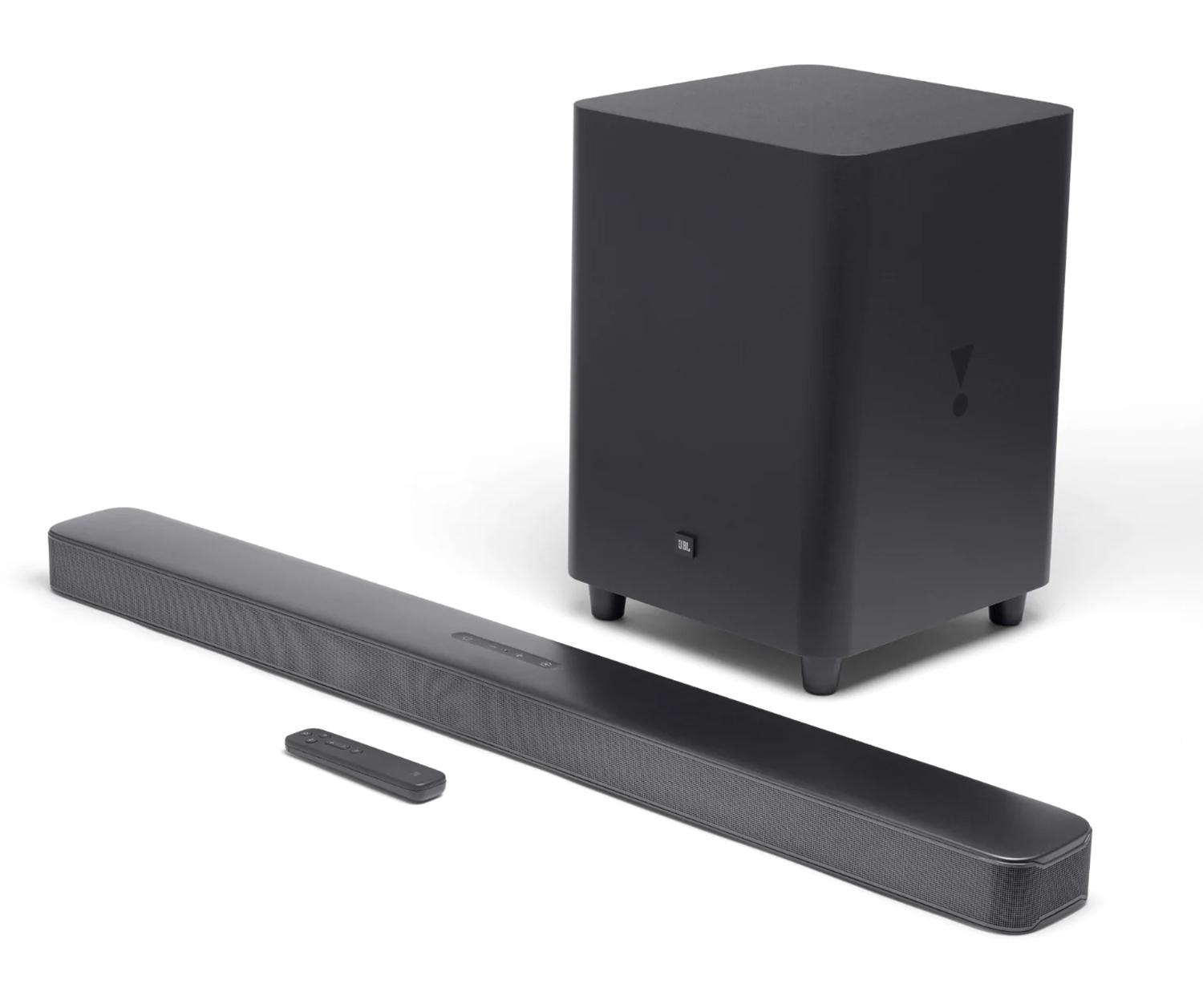
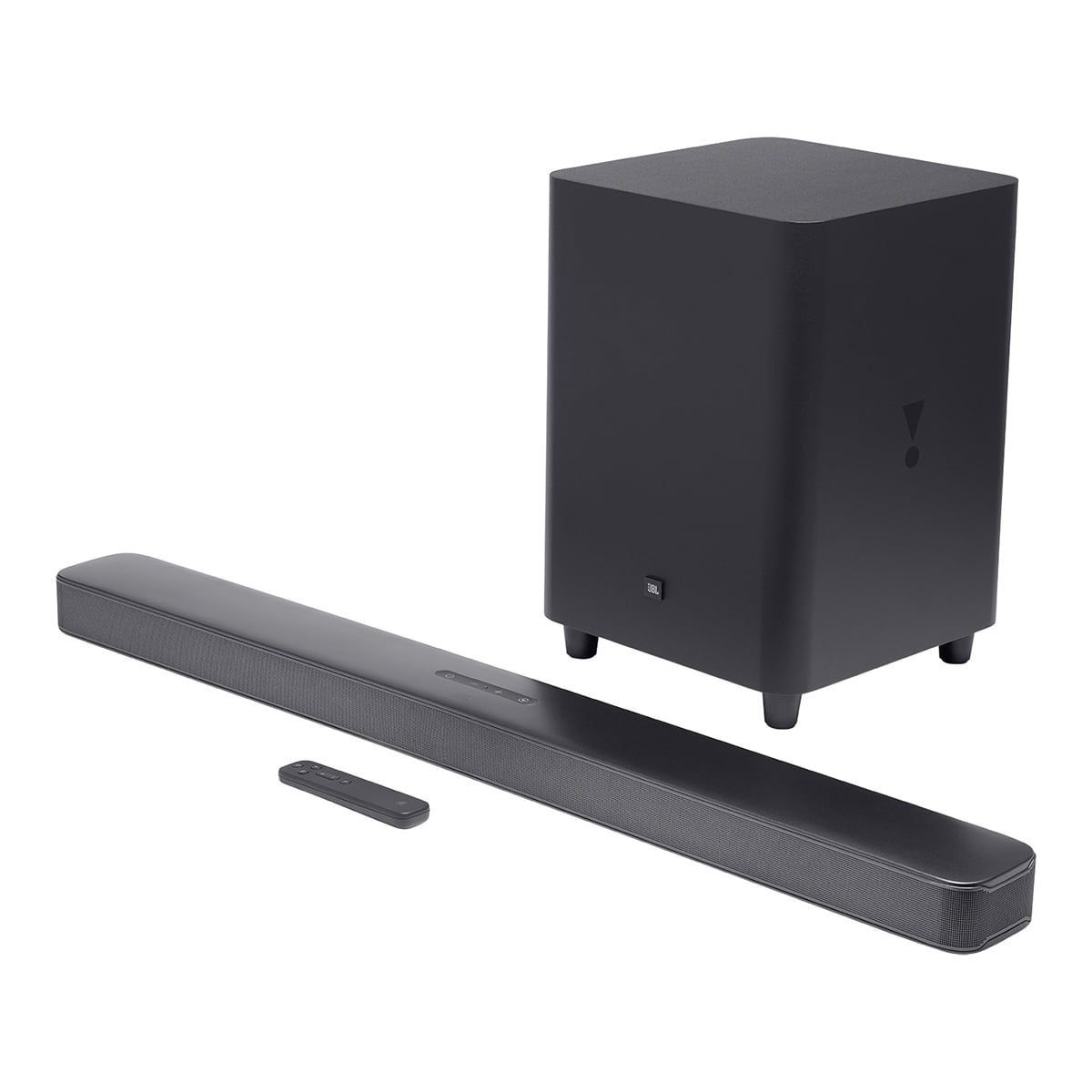
The JBL Bar 5.1 takes a different approach entirely. Released a few years back (JBL hasn't specified exact dates, but it's pre-2024), it focuses on one thing: delivering genuine 5.1 surround sound at a price point that won't require a second mortgage.
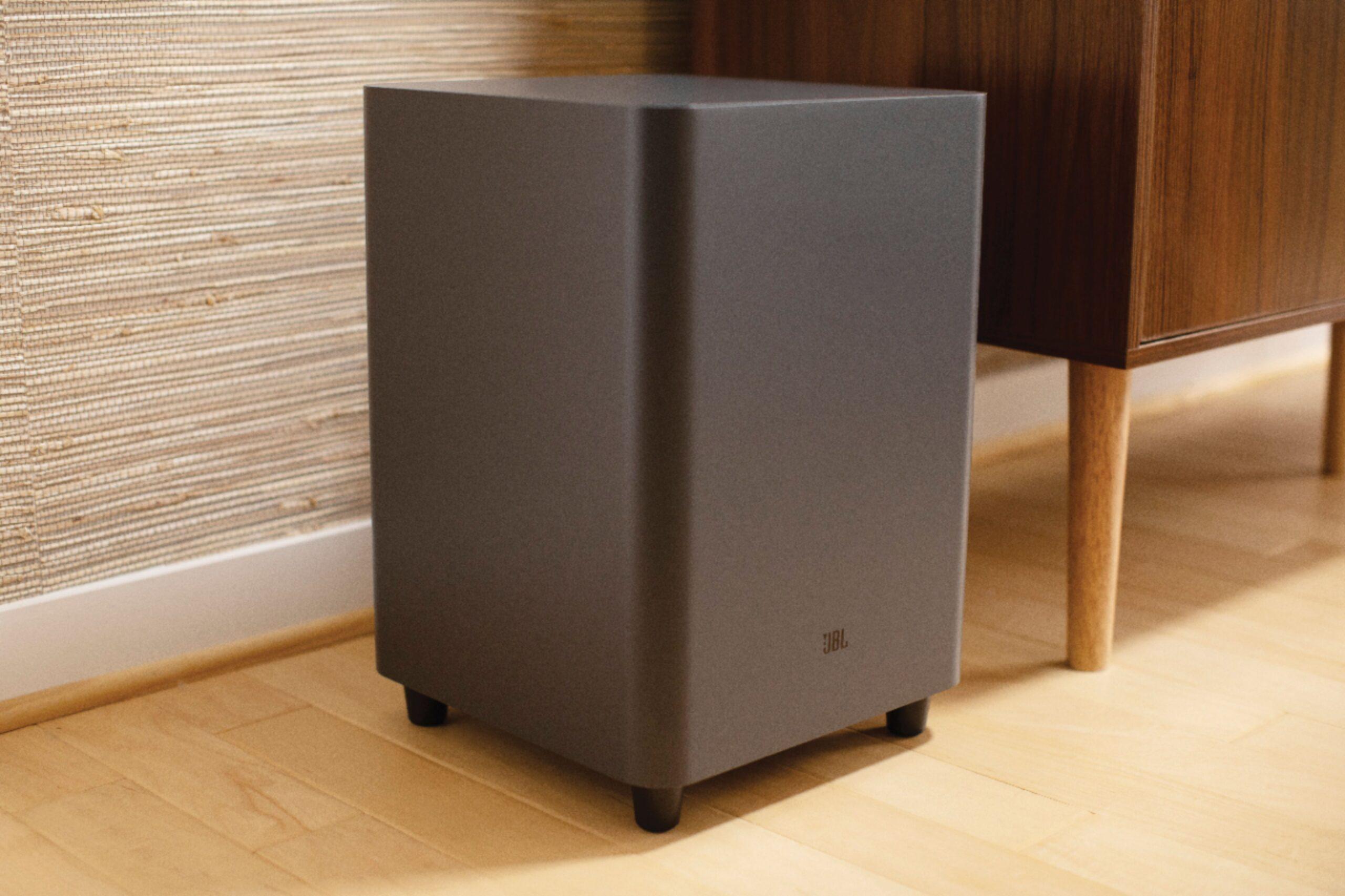
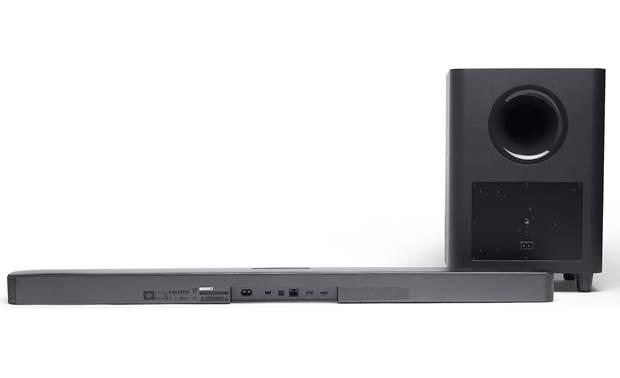
What makes this system unique is its detachable rear speakers. Most budget soundbars fake surround sound using digital processing, but JBL gives you actual speakers that you can unplug from the main bar and place behind your couch. They're battery-powered too, running for about 10 hours before needing to dock back on the soundbar to recharge.
This design targets people who want real surround sound but don't need all the bells and whistles of a premium system. At $600, it's positioned perfectly for that "better than TV speakers but not crazy expensive" sweet spot.
Here's where the price difference really shows up. The Samsung HW-Q990D creates what I can only describe as a bubble of sound around you. When I tested it with the helicopter scene from Blade Runner 2049, the aircraft genuinely seemed to move overhead—not just side to side like traditional speakers, but with actual height dimension.
This happens because of those dedicated up-firing drivers (speakers that point at the ceiling) combined with Samsung's advanced processing. The system analyzes the room acoustics using built-in microphones and adjusts the sound accordingly through a feature called SpaceFit Sound Pro. It's like having a sound engineer tune your system every time you turn it on.
The 22 speakers work together to create what audio engineers call a "wide soundstage"—meaning the sound doesn't seem to come just from the bar itself, but fills the entire room. In my testing room (about 15x12 feet), the Samsung made it feel like I was sitting in a movie theater rather than watching TV.
The JBL Bar 5.1, meanwhile, takes a more traditional approach. Those detachable rear speakers create genuine surround effects—when someone walks behind the main character in a movie, you hear their footsteps from behind you. But without height channels, it's limited to horizontal movement. Think of it as very good 2D audio versus the Samsung's 3D audio bubble.
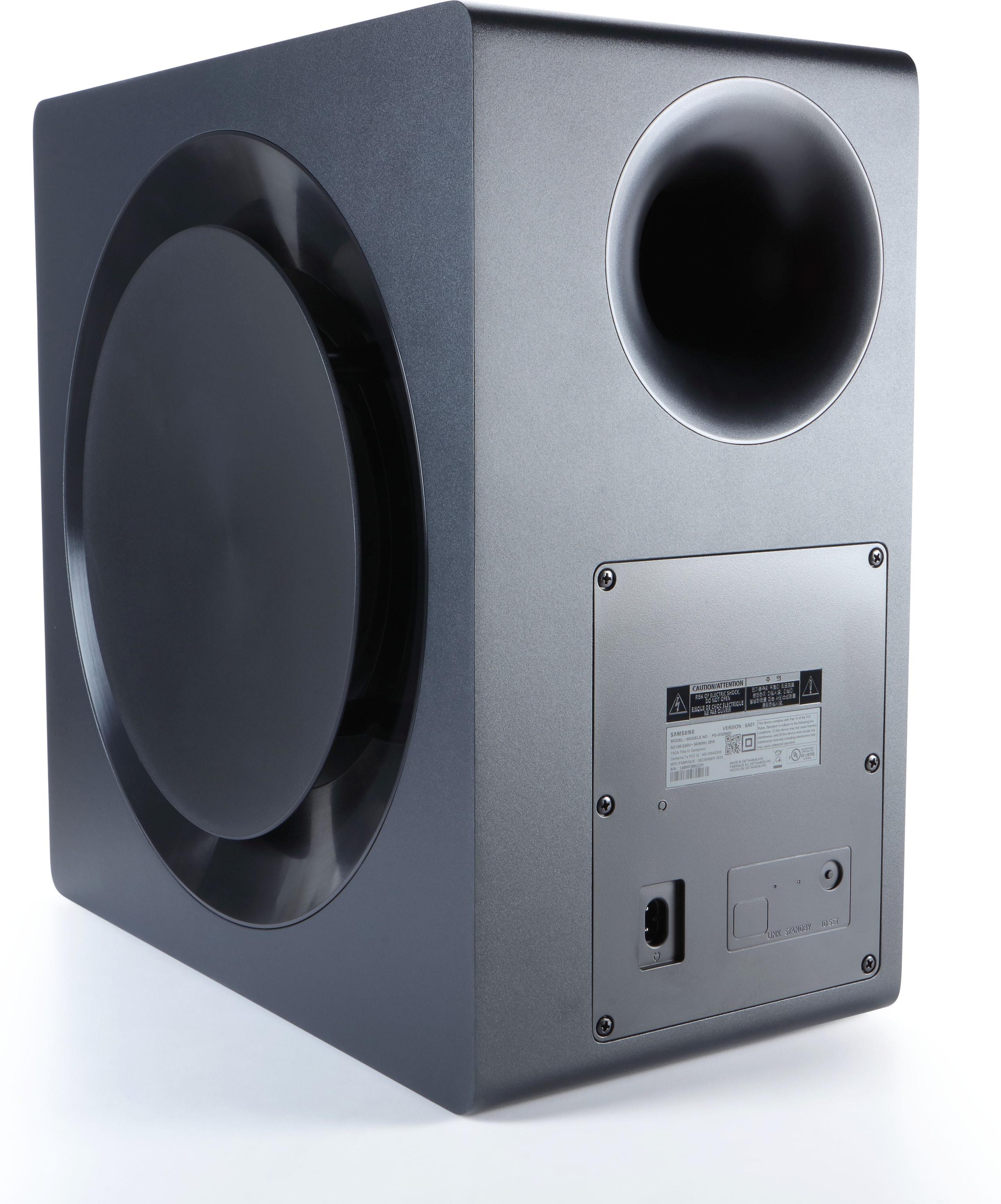
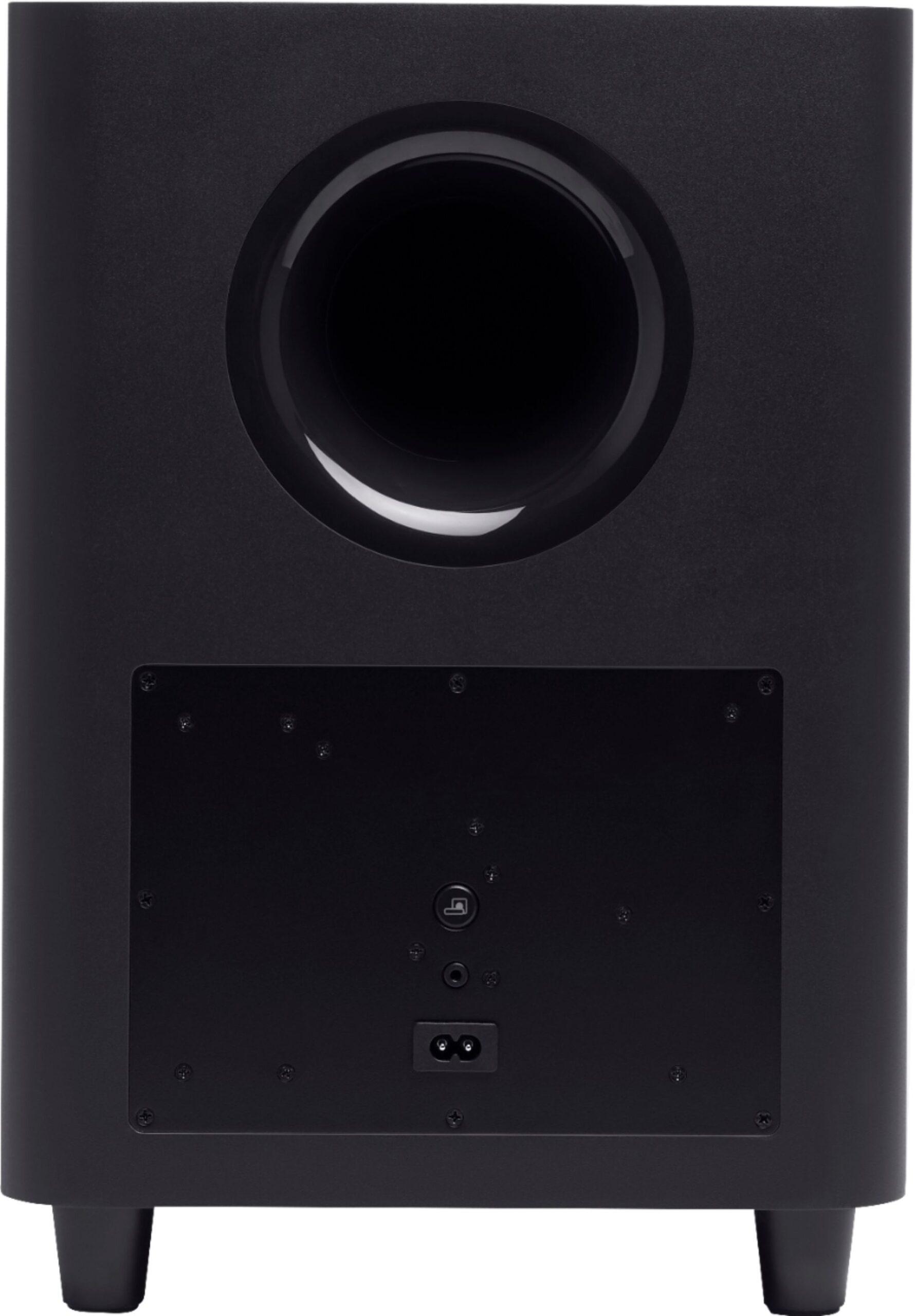
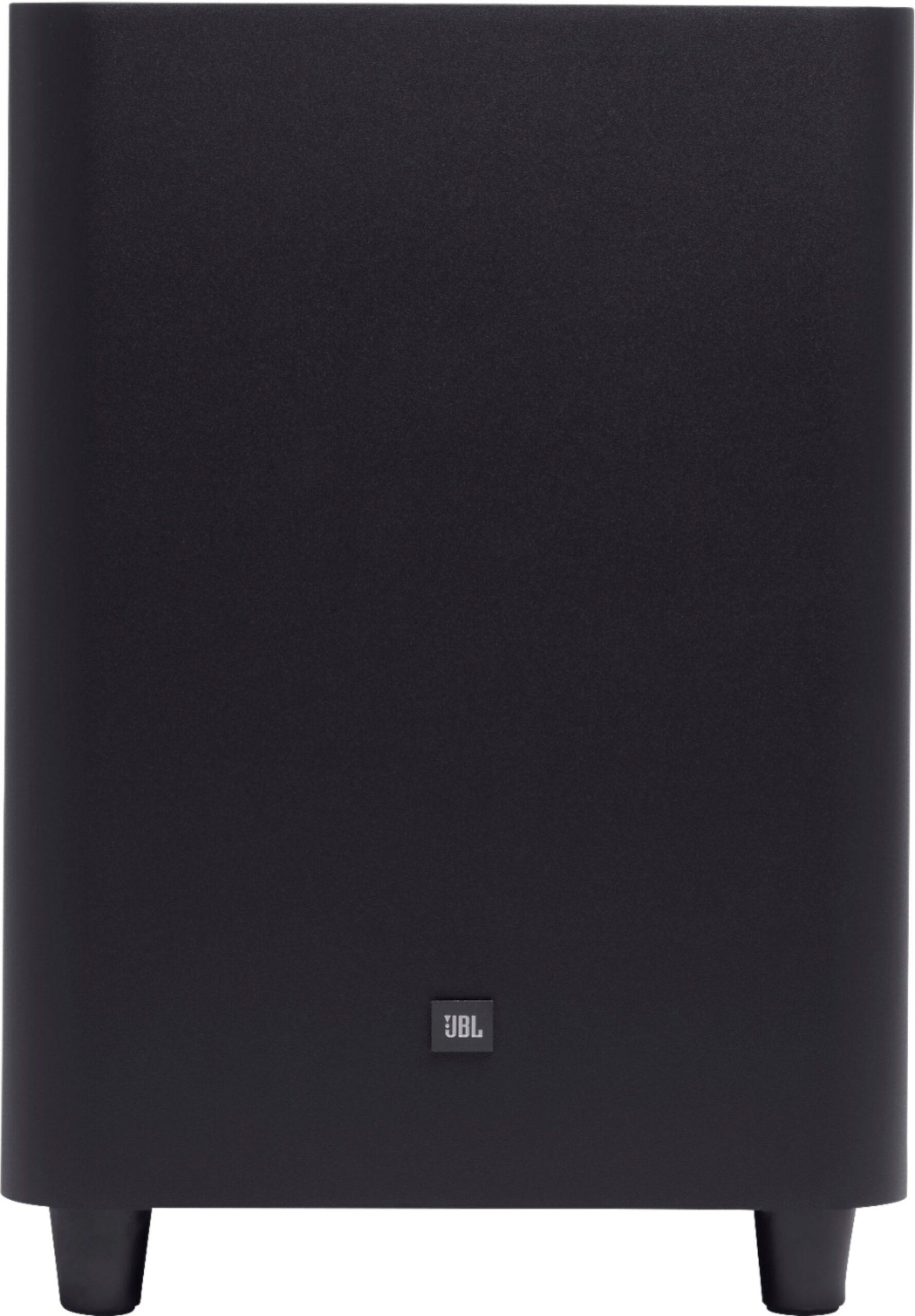
Both systems include wireless subwoofers, but they behave quite differently. The Samsung's 8-inch sub integrates smoothly with the main speakers, providing foundation without overwhelming the mids and highs. It's tuned for accuracy—you feel the rumble during explosions, but it doesn't muddy up dialogue.
The JBL's subwoofer (JBL doesn't specify the size, but it feels substantial) has more punch and character. It's tuned to be more noticeable, which works great for action movies and music. If you're the type who likes to feel bass hits in your chest, the JBL delivers that satisfying thump.
For music listening, this difference becomes more apparent. The JBL actually sounds more engaging with stereo content because its tuning emphasizes impact and excitement. The Samsung is more neutral and accurate, which some find less immediately impressive but more faithful to the original recording.
Nothing ruins a movie night like having to constantly adjust volume because you can't hear what people are saying. Both systems address this, but differently.
The Samsung uses AI processing called Active Voice Amplifier Pro that analyzes audio in real-time and boosts dialogue frequencies when it detects speech. Combined with a dedicated center channel (the middle speaker focused on voices), dialogue stays clear even during loud action scenes.
The JBL relies more on traditional center channel processing. It's effective, but not as sophisticated. In practice, this means you might still need to ride the volume control during movies with big dynamic range (quiet talking followed by loud explosions).
If you're a gamer, this comparison gets lopsided quickly. The Samsung HW-Q990D was clearly designed with PlayStation 5 and Xbox Series X in mind.
HDMI 2.1 support means it can pass through 4K video at 120 frames per second—essential for games that support high refresh rates. Variable Refresh Rate (VRR) eliminates screen tearing, while Auto Low Latency Mode (ALLM) automatically switches your TV to game mode when it detects a console.
The coolest feature might be Game Mode Pro, which analyzes what type of game you're playing and adjusts the audio accordingly. Racing games get enhanced engine sounds and directional audio for approaching cars, while RPGs emphasize dialogue and ambient effects.
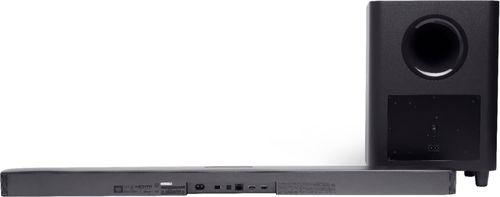
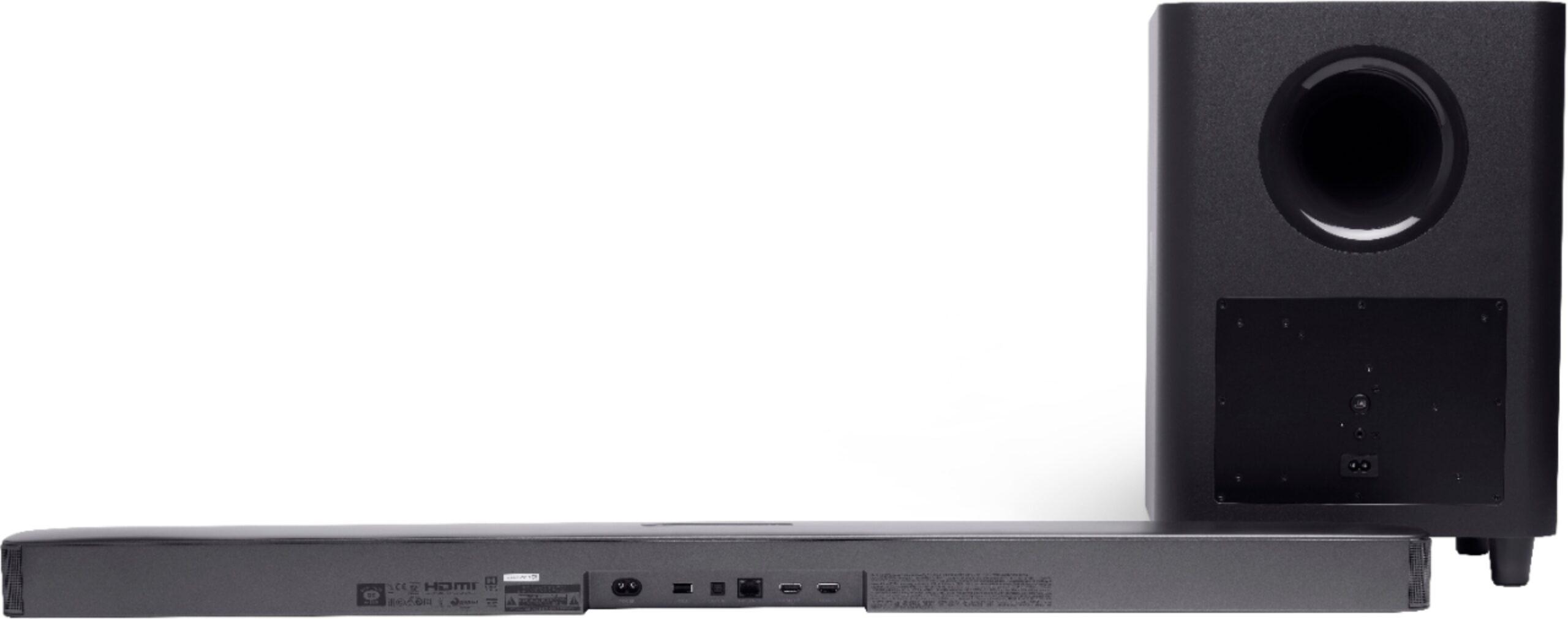
The JBL Bar 5.1 offers basic HDMI connectivity without these gaming enhancements. It'll work fine with consoles, but you're missing out on features that modern games were designed to use.
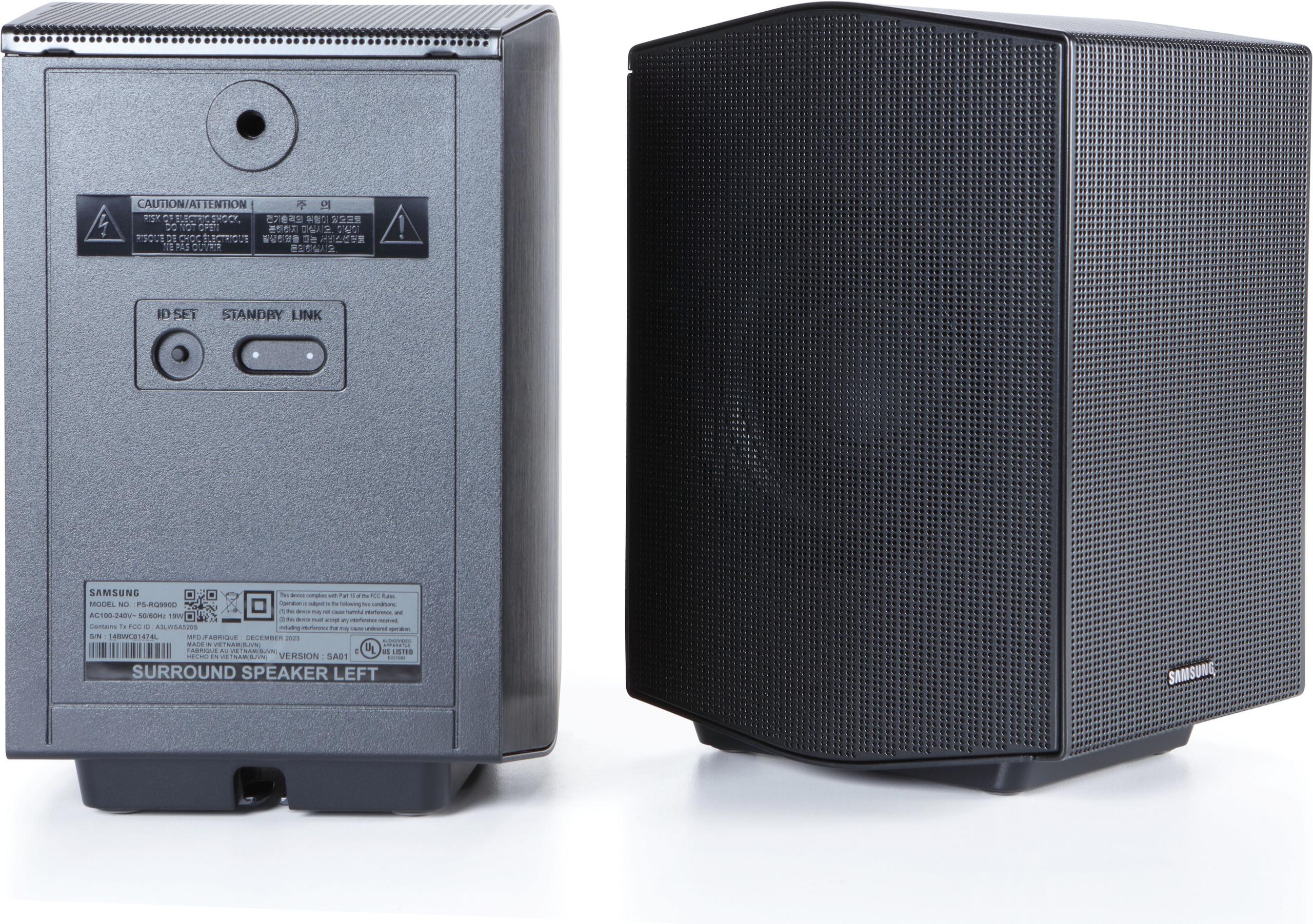
This is where personal preference really matters. The Samsung requires more initial setup—you need power outlets for both rear speakers, and the system runs through its room calibration routine the first time you turn it on. But once it's configured, everything works automatically.
The JBL's battery-powered rear speakers are genuinely convenient. You can place them anywhere within wireless range without hunting for outlets. When you're not using them, they dock on the main bar like a charging station. It's elegant and practical.
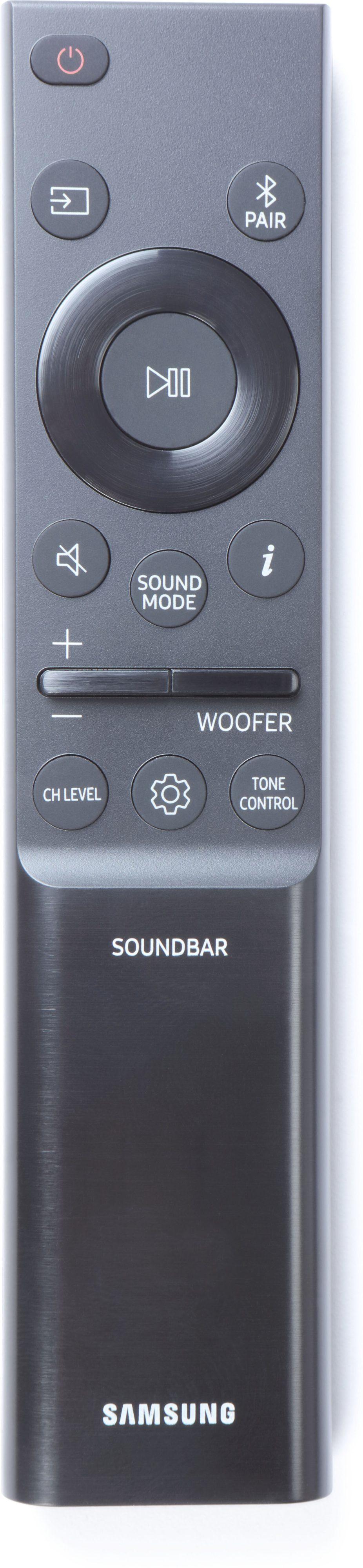
For smart home integration, the Samsung connects to Wi-Fi and supports voice assistants, music streaming services, and Samsung's ecosystem features. If you have a Samsung TV, Q Symphony lets the soundbar and TV speakers work together for even wider sound coverage.
The JBL keeps things simple with Bluetooth for music streaming and basic remote control. Sometimes simple is better—there's less to break or get confused about.
The Samsung HW-Q990D is clearly built for the next few years of entertainment tech. Its Wi-Fi connectivity supports high-quality music streaming from services like Tidal, while Roon certification appeals to serious music listeners with extensive digital libraries.
Regular firmware updates mean new features get added over time. Samsung has historically been good about supporting their flagship soundbars with updates that improve performance and add compatibility with new formats.
The JBL Bar 5.1 is more of a "set it and forget it" device. You're getting the full feature set from day one, but don't expect major new capabilities down the road.
At $848, the Samsung costs about 40% more than the JBL's $600 price tag. That extra $248 buys you Dolby Atmos processing, advanced room calibration, gaming features, smart connectivity, and significantly more audio processing power.
Whether that's worth it depends on your priorities and room. In a large living room (over 300 square feet) where you watch a lot of movies and play modern games, the Samsung's advantages justify the premium. The Atmos effects genuinely enhance the viewing experience, and the gaming features are becoming increasingly important as more content supports them.
In smaller spaces or for casual viewing, the JBL Bar 5.1 delivers the core benefit—much better sound than TV speakers—without paying for features you might not fully utilize.
For dedicated home theater use, these systems serve different roles. The Samsung works as the centerpiece of a serious setup, potentially paired with additional height speakers or upgraded subwoofers down the road. Its processing capabilities and connectivity make it a long-term investment.
The JBL is more about immediate improvement without complexity. It's perfect for the "movie night a few times a week" household that wants noticeably better sound without diving deep into audio optimization.
I've found that room size matters more than people realize. The Samsung needs space to work properly—those height effects and wide soundstage capabilities get cramped in small rooms. The JBL, meanwhile, can make a dramatic improvement even in apartments or smaller spaces.
Choose the Samsung HW-Q990D if:
Choose the JBL Bar 5.1 if:
Both soundbars succeed at their intended purposes, but they're aiming at different targets. The Samsung represents the current state of the art—it's what you buy when you want the best possible experience and have the budget to support it. The JBL is about smart compromise—genuine surround sound with practical advantages at a price that won't dominate your entertainment budget.
After spending time with both systems, I keep coming back to room size and usage patterns as the deciding factors. The Samsung shines in larger spaces with serious movie watching and gaming, while the JBL excels in everyday use where convenience and value matter most.
Either way, you're getting a massive upgrade over built-in TV speakers. The question isn't whether these soundbars are worth it—it's which approach to better audio fits your life and space best.
| Samsung HW-Q990D ($848) | JBL Bar 5.1 ($600) |
|---|---|
| Speaker Configuration - Determines immersion level and sound placement accuracy | |
| 11.1.4 channels with 22 speakers (includes height channels for Dolby Atmos) | 5.1 channels with detachable wireless rear speakers (traditional surround, no height) |
| Audio Format Support - Essential for modern streaming content | |
| Dolby Atmos, DTS:X, Dolby TrueHD (full immersive audio) | Dolby Digital, DTS (standard surround formats only) |
| Gaming Features - Critical for PS5/Xbox Series X owners | |
| HDMI 2.1 with 4K/120Hz, VRR, ALLM, Game Mode Pro | Basic HDMI eARC (no next-gen gaming features) |
| Room Calibration - Automatically optimizes sound for your space | |
| SpaceFit Sound Pro with built-in microphones (AI-powered tuning) | Manual adjustment only (no automatic room correction) |
| Smart Features - Streaming and voice control capabilities | |
| Wi-Fi, Alexa/Google/Bixby, Tidal Connect, Apple Music, Roon | Bluetooth only (basic wireless streaming) |
| Rear Speaker Design - Affects placement flexibility and setup | |
| Wired rear speakers (require power outlets but always charged) | Battery-powered detachable rears (10-hour runtime, ultimate flexibility) |
| Samsung TV Integration - Extra value for Samsung TV owners | |
| Q Symphony (TV and soundbar speakers work together) | No TV-specific integration features |
| Total System Power - Determines maximum volume and room-filling capability | |
| 656W (suitable for large rooms up to 400+ sq ft) | 550W (ideal for medium rooms up to 300 sq ft) |
| Price and Value Proposition - Cost per feature and long-term investment | |
| Premium at $848 but includes cutting-edge tech and future-proofing | Budget-friendly at $600 with solid core surround sound performance |
The Samsung HW-Q990D ($848) is significantly better for movies due to its Dolby Atmos support with dedicated height channels. This creates genuine overhead sound effects that make helicopters fly above you and rain fall from the ceiling. The JBL Bar 5.1 ($600) provides good traditional surround sound but lacks the immersive height dimension that modern movies are designed for.
The Samsung HW-Q990D costs $848 while the JBL Bar 5.1 is priced at $600, making the Samsung $248 more expensive. The price difference reflects the Samsung's premium features like Dolby Atmos, AI room calibration, gaming enhancements, and smart connectivity that the JBL doesn't offer.
The Samsung HW-Q990D excels for gaming with HDMI 2.1 support, 4K/120Hz passthrough, Variable Refresh Rate (VRR), and Game Mode Pro that optimizes audio for different game types. The JBL Bar 5.1 provides basic gaming audio through standard HDMI but lacks the advanced features that enhance modern console gaming experiences.
The JBL Bar 5.1 is much easier to set up thanks to its battery-powered detachable rear speakers that don't require power outlets. You can place them anywhere and they charge when docked to the main bar. The Samsung HW-Q990D requires power connections for both rear speakers and goes through an automatic room calibration process, making setup more complex but ultimately more optimized.
The Samsung HW-Q990D features 22 individual speakers across its 11.1.4 channel configuration, including dedicated height drivers for Dolby Atmos effects. The JBL Bar 5.1 has fewer speakers in a traditional 5.1 setup with detachable wireless rear speakers, focusing on core surround sound rather than maximum driver count.
The JBL Bar 5.1 is generally preferred for music due to its more engaging, punchy sound signature that emphasizes bass and stereo imaging. The Samsung HW-Q990D offers more neutral, accurate sound reproduction which some find less immediately exciting for music, though it provides better detail and clarity overall.
Only the Samsung HW-Q990D supports Dolby Atmos with dedicated up-firing speakers that create true height effects. The JBL Bar 5.1 does not support Dolby Atmos and instead focuses on traditional Dolby Digital and DTS surround sound formats without height channels.
The JBL Bar 5.1 works better in small rooms due to its more compact design and flexible rear speaker placement. The Samsung HW-Q990D needs larger spaces (300+ square feet) to properly utilize its wide soundstage and height effects, making it less suitable for apartments or smaller living rooms.
Both soundbars work with any TV brand through HDMI or optical connections. However, the Samsung HW-Q990D offers special Q Symphony integration that enhances performance when paired with Samsung TVs by using both the TV and soundbar speakers simultaneously. The JBL Bar 5.1 provides standard compatibility without brand-specific enhancements.
Both systems include wireless subwoofers, but they sound different. The JBL Bar 5.1 delivers more impactful, punchy bass that you feel in your chest, making it exciting for action movies and music. The Samsung HW-Q990D provides more balanced, accurate bass that integrates smoothly without overwhelming dialogue or other frequencies.
Only the JBL Bar 5.1 has battery-powered rear speakers, which run for approximately 10 hours before needing to recharge by docking back to the main soundbar. The Samsung HW-Q990D rear speakers are wired and require constant power connections but never need charging.
The JBL Bar 5.1 ($600) offers better value for budget-conscious buyers who want genuine surround sound without premium features. The Samsung HW-Q990D ($848) justifies its higher price with cutting-edge Dolby Atmos technology, gaming features, and smart connectivity that future-proof your investment for years to come.
We've done our best to create useful and informative comparisons to help you decide what product to buy. Our research uses advanced automated methods to create this comparison and perfection is not possible - please contact us for corrections or questions. These are the sites we've researched in the creation of this article: techradar.com - avsforum.com - valueelectronics.com - samsung.com - rtings.com - samsung.com - avsforum.com - samsung.com - cdwg.com - youtube.com - whathifi.com - jbl.com - jbl.com - jbl.com - tomsguide.com - jbl.com - bestbuy.com - bestbuy.com - jbl.com - jbl.com - worldwidestereo.com

Privacy Policy
Terms and Conditions - Affiliate Policy
Home Security
© Copyright 2008-2026.
11816 Inwood Rd #1211, Dallas, TX 75244