


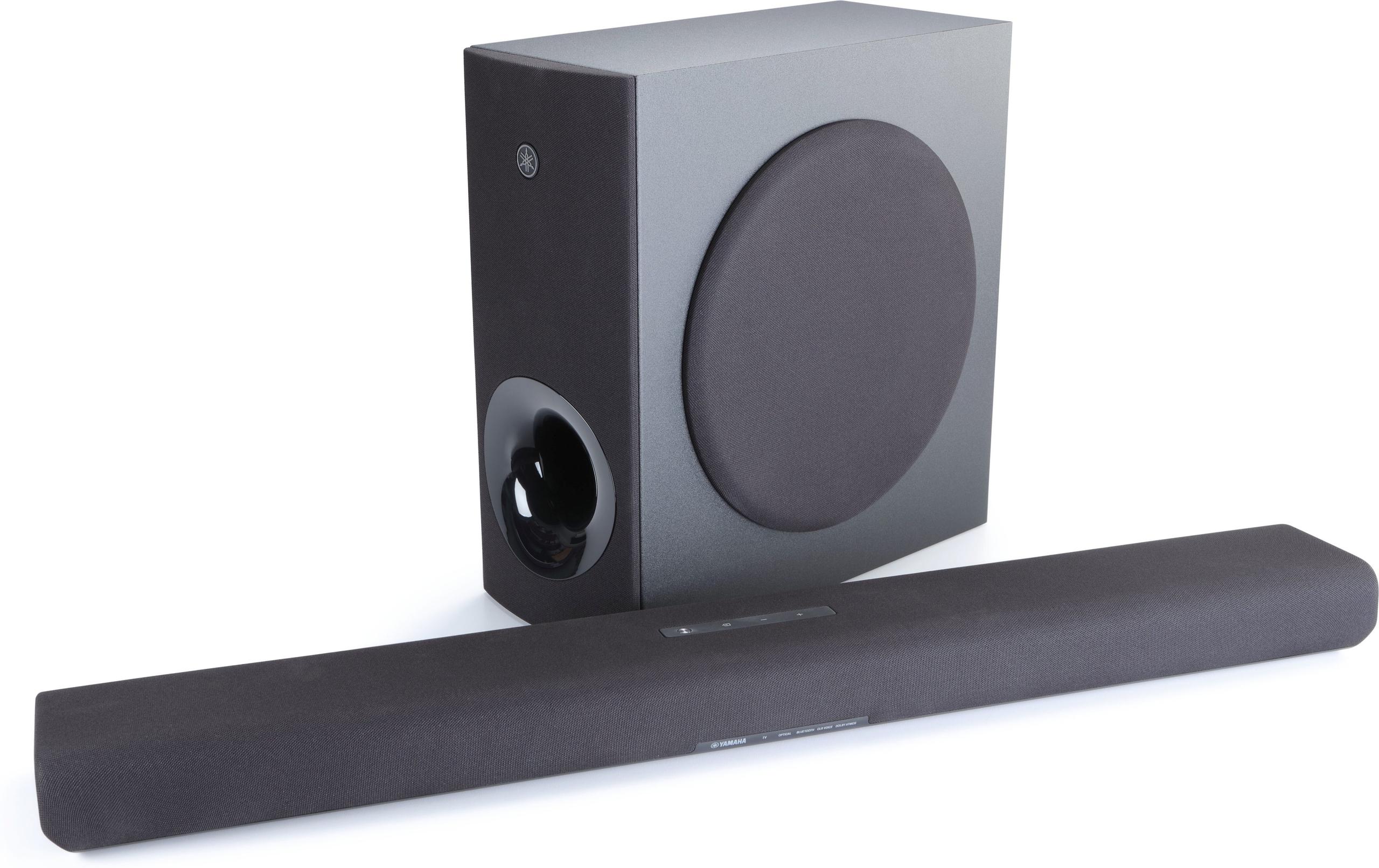
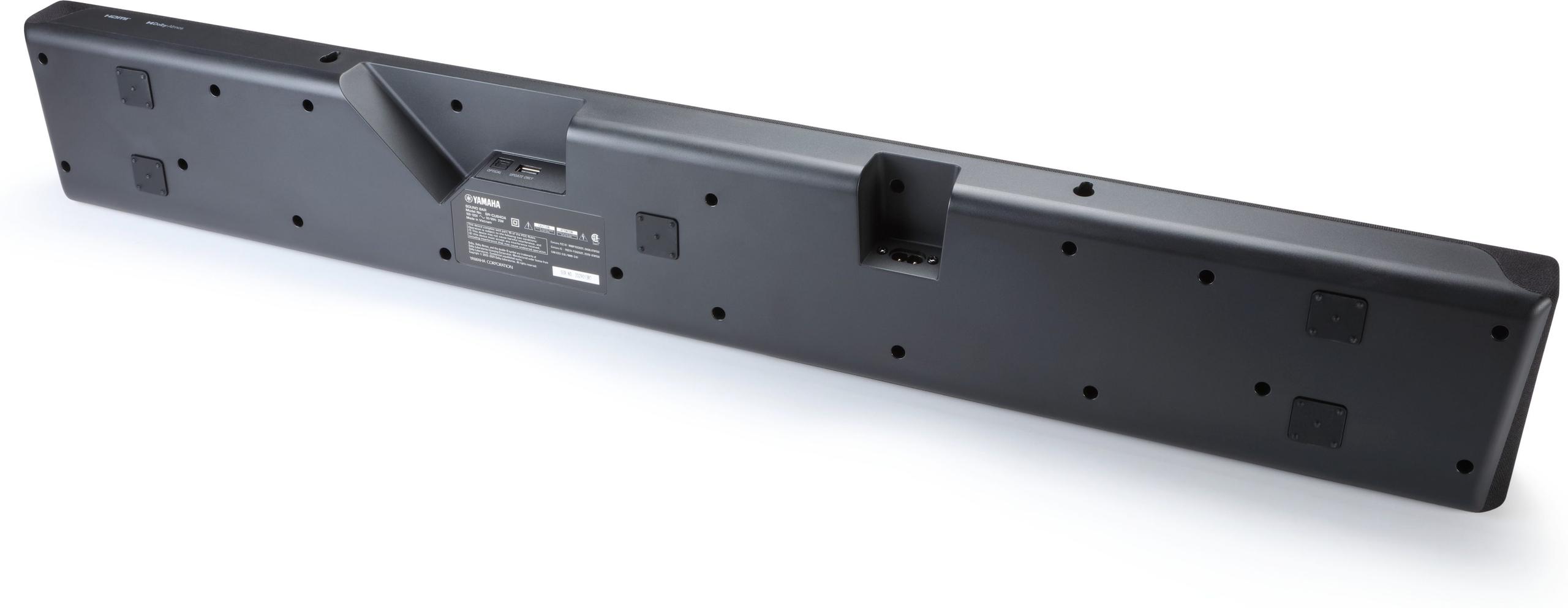
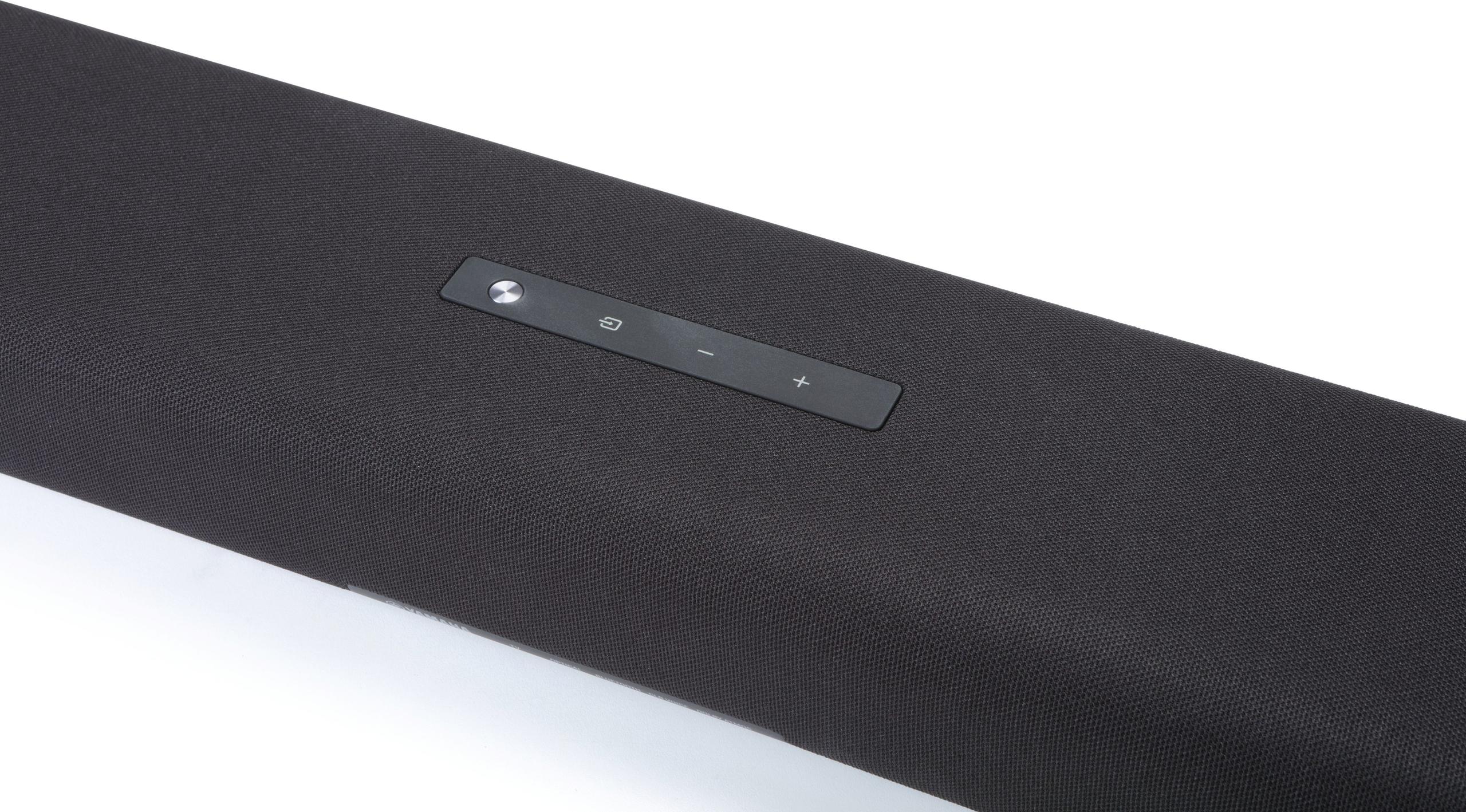
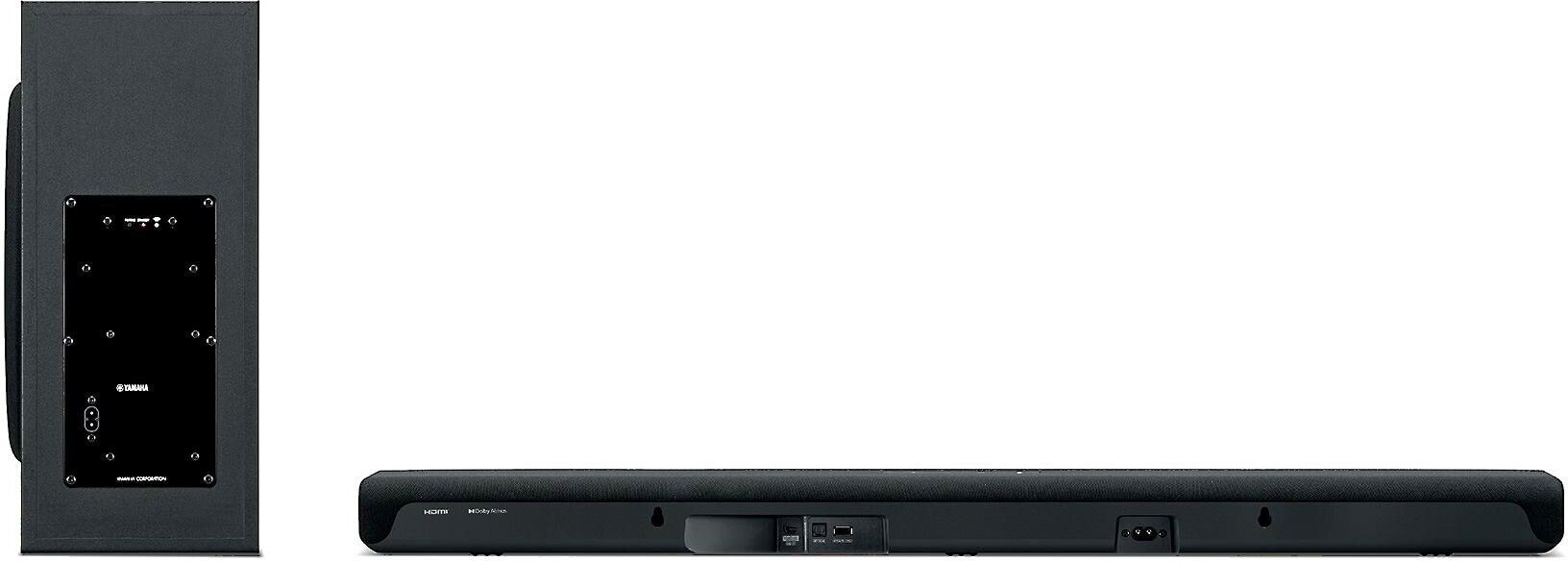
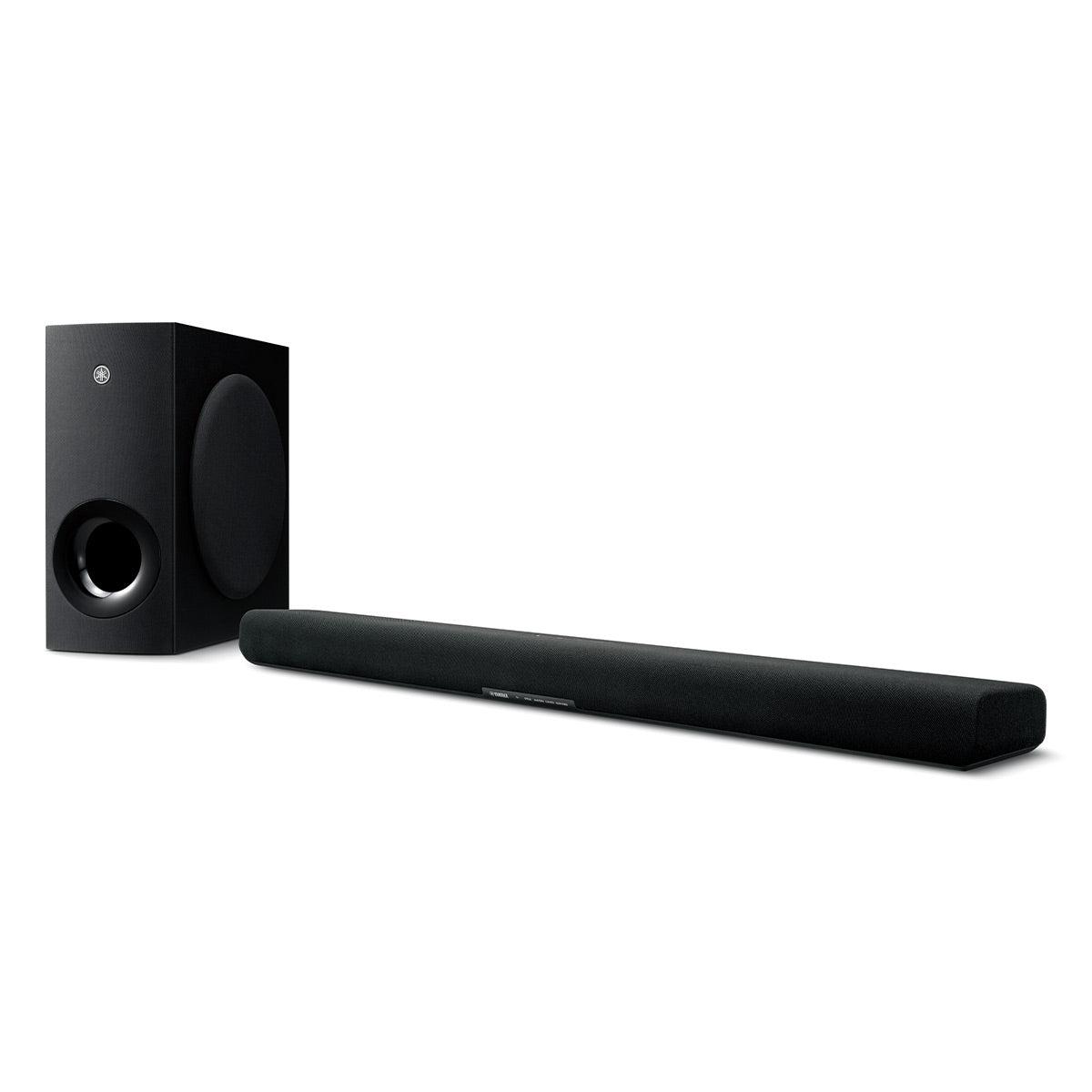
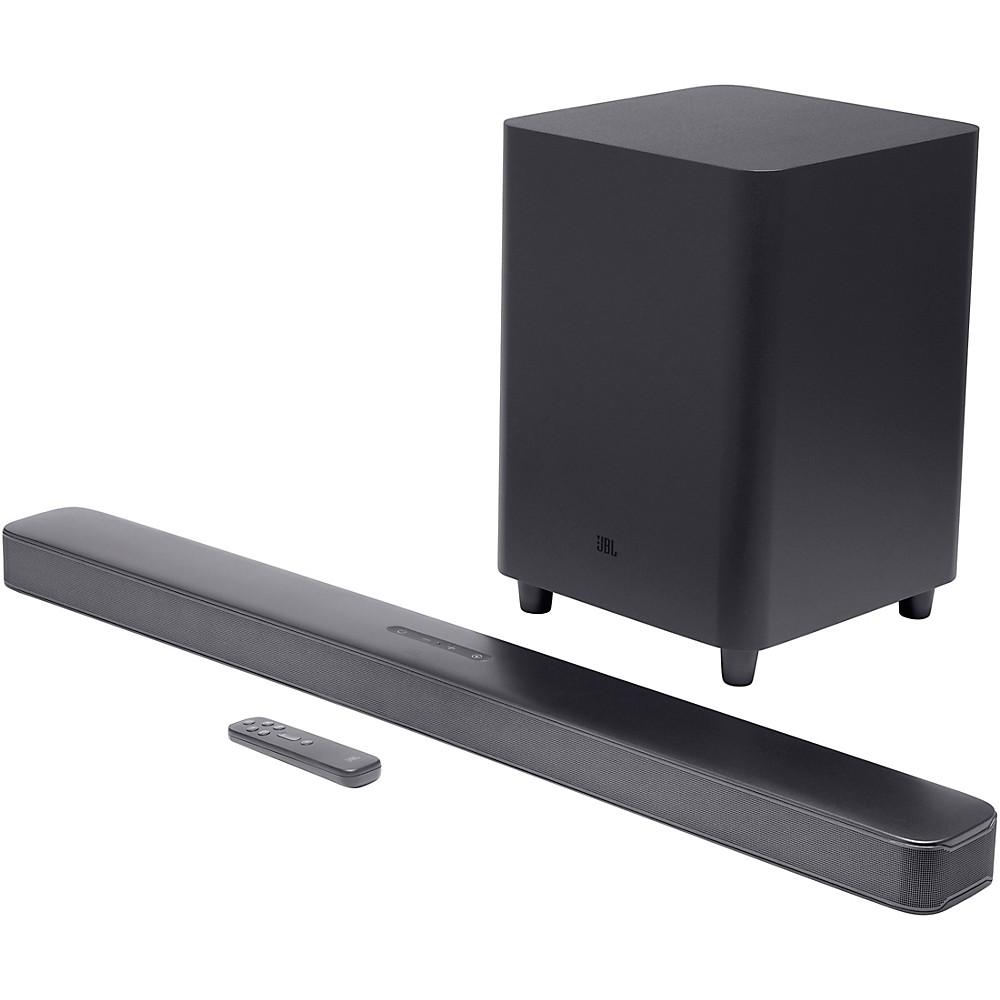
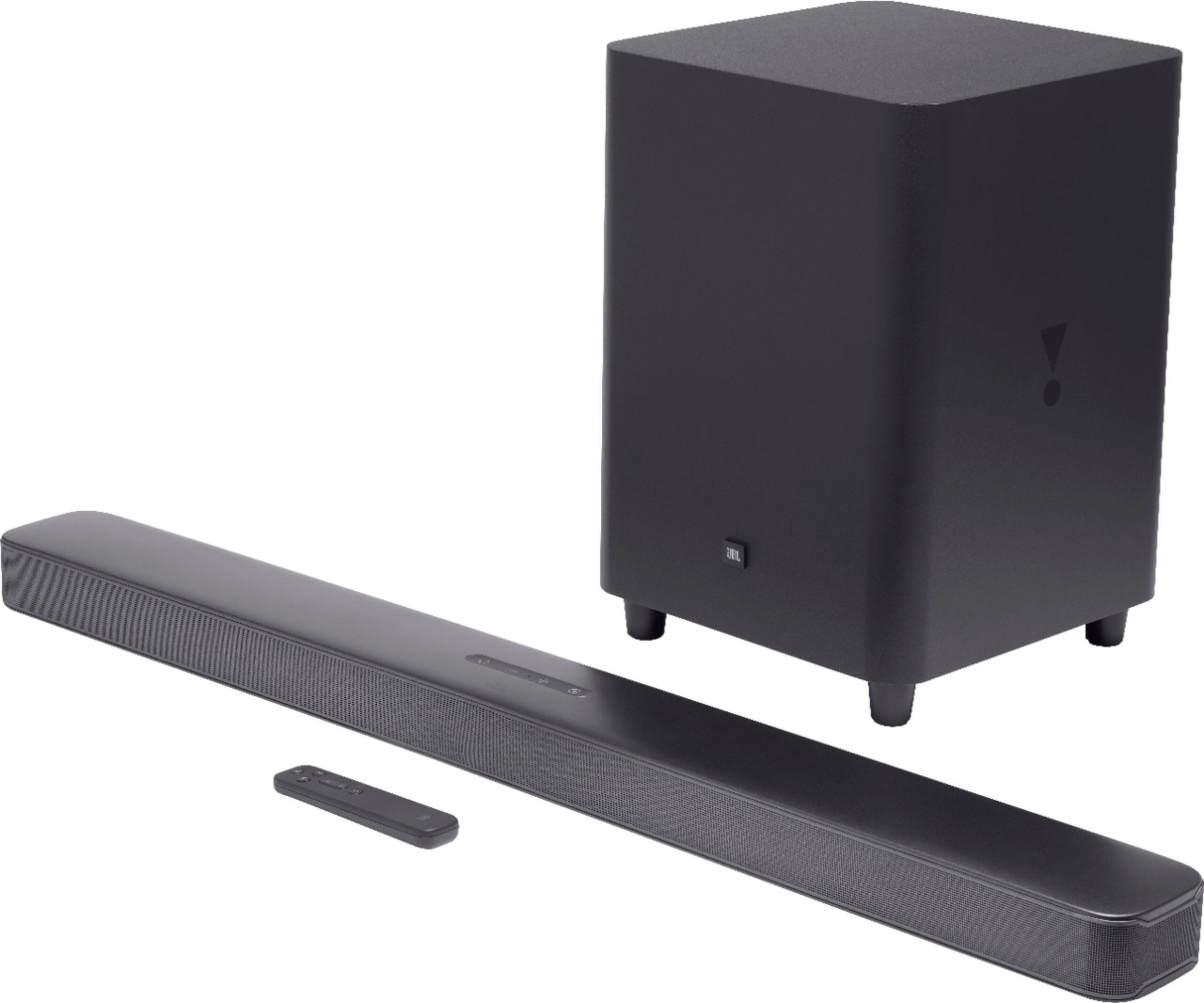

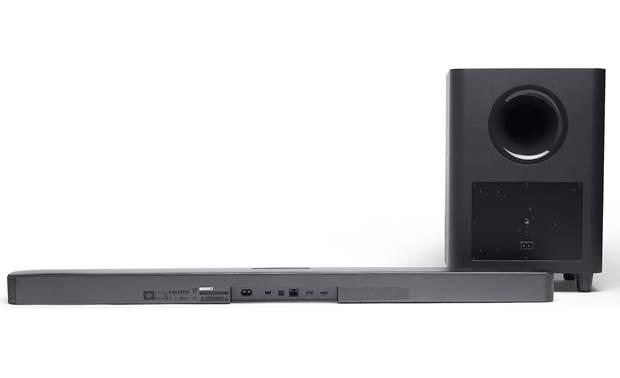
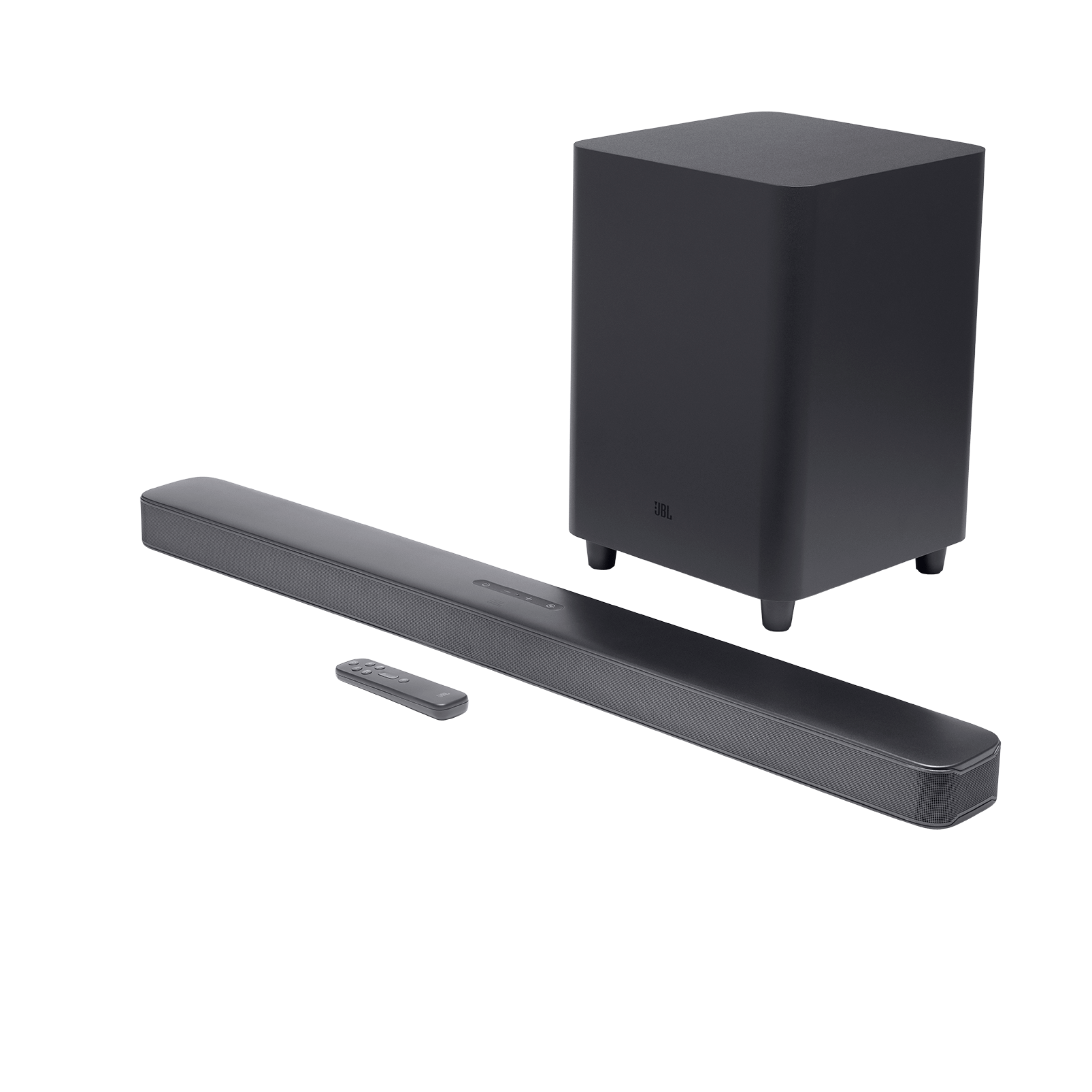
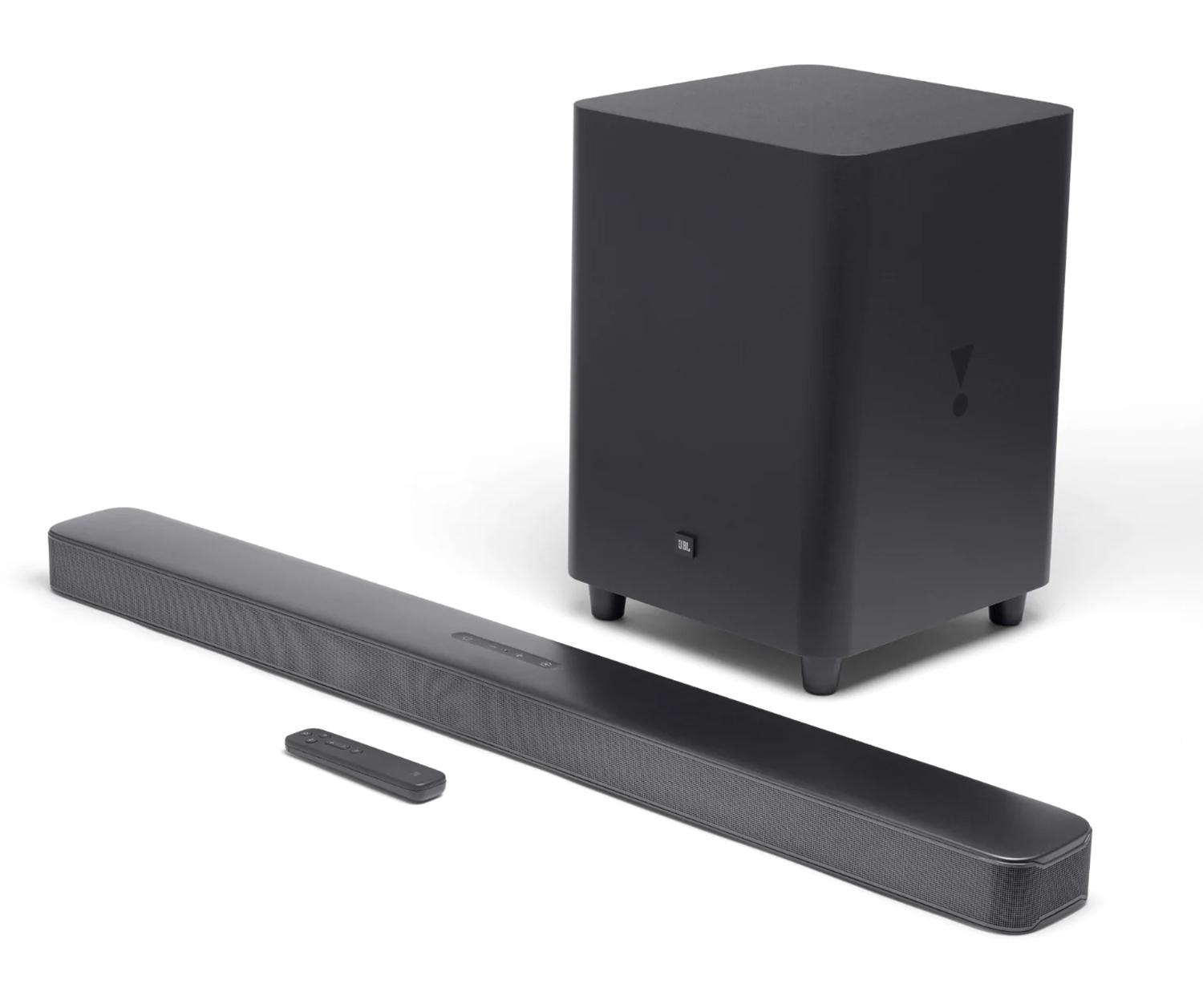
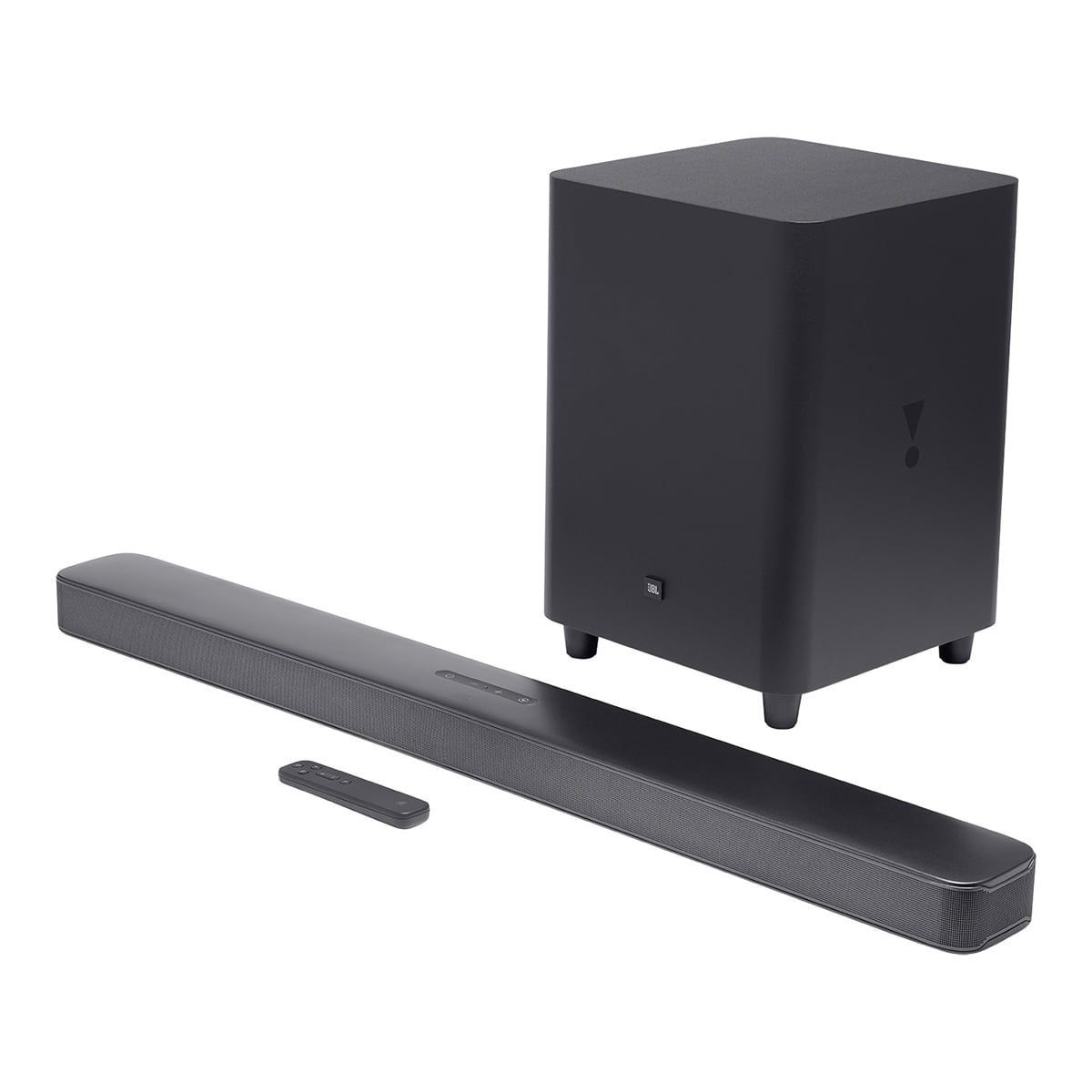
When your TV's built-in speakers make dialogue sound like it's coming from a tin can, it's time to upgrade. But with so many soundbar options flooding the market, choosing between a budget-friendly virtual surround system and a full surround setup can feel overwhelming. Today, we're comparing two popular approaches: the Yamaha SR-B40A ($339.95), a sleek 2.1-channel system with virtual Dolby Atmos, and the JBL Bar 5.1 Surround ($599.95), a true 5.1 system with detachable rear speakers.
Before diving into specifics, let's establish what makes these systems tick. A 2.1-channel system means you get left and right speakers plus a subwoofer (the ".1" refers to the dedicated bass channel). Virtual surround sound uses digital processing to make it seem like sound is coming from multiple directions, even though you only have speakers in front of you. It's like audio sleight of hand – clever, but not quite the real thing.
A 5.1 system, on the other hand, gives you five discrete speakers (front left, center, front right, rear left, rear right) plus that subwoofer. When a helicopter flies overhead in a movie, you'll actually hear it move from the front speakers to the rear ones behind you. Dolby Atmos adds another dimension by creating the illusion of height – imagine rain falling from above or a spaceship passing overhead.
The soundbar category has evolved rapidly in recent years. Where older models focused primarily on improving dialogue clarity, today's systems aim to recreate the cinema experience at home. This evolution has created an interesting split: simple, affordable systems that use processing tricks to simulate surround sound, versus more complex (and expensive) systems with actual speakers positioned around your room.
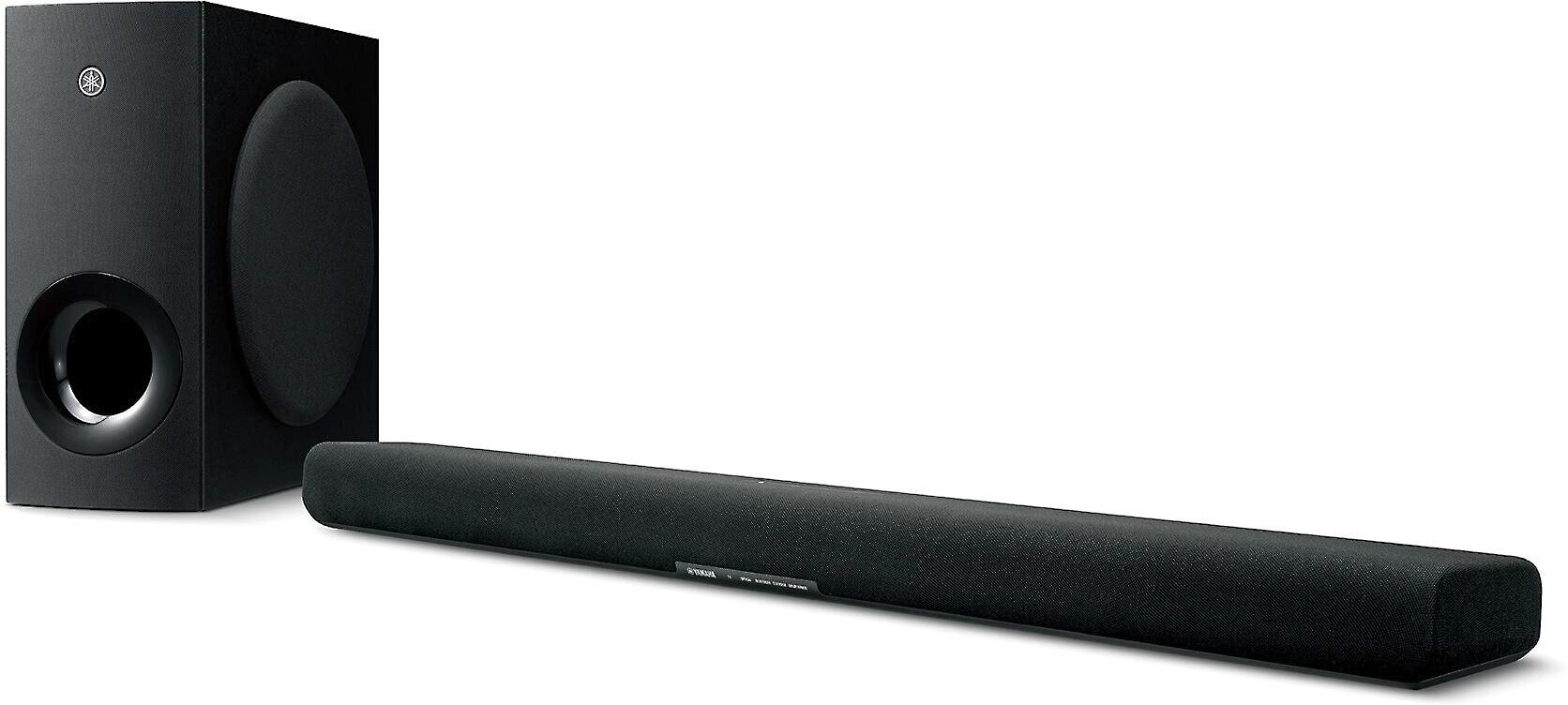
Released in early 2024, the Yamaha SR-B40A represents Yamaha's latest thinking on affordable home audio. At just under $340, it packs impressive technology into a sleek package that won't dominate your entertainment center.
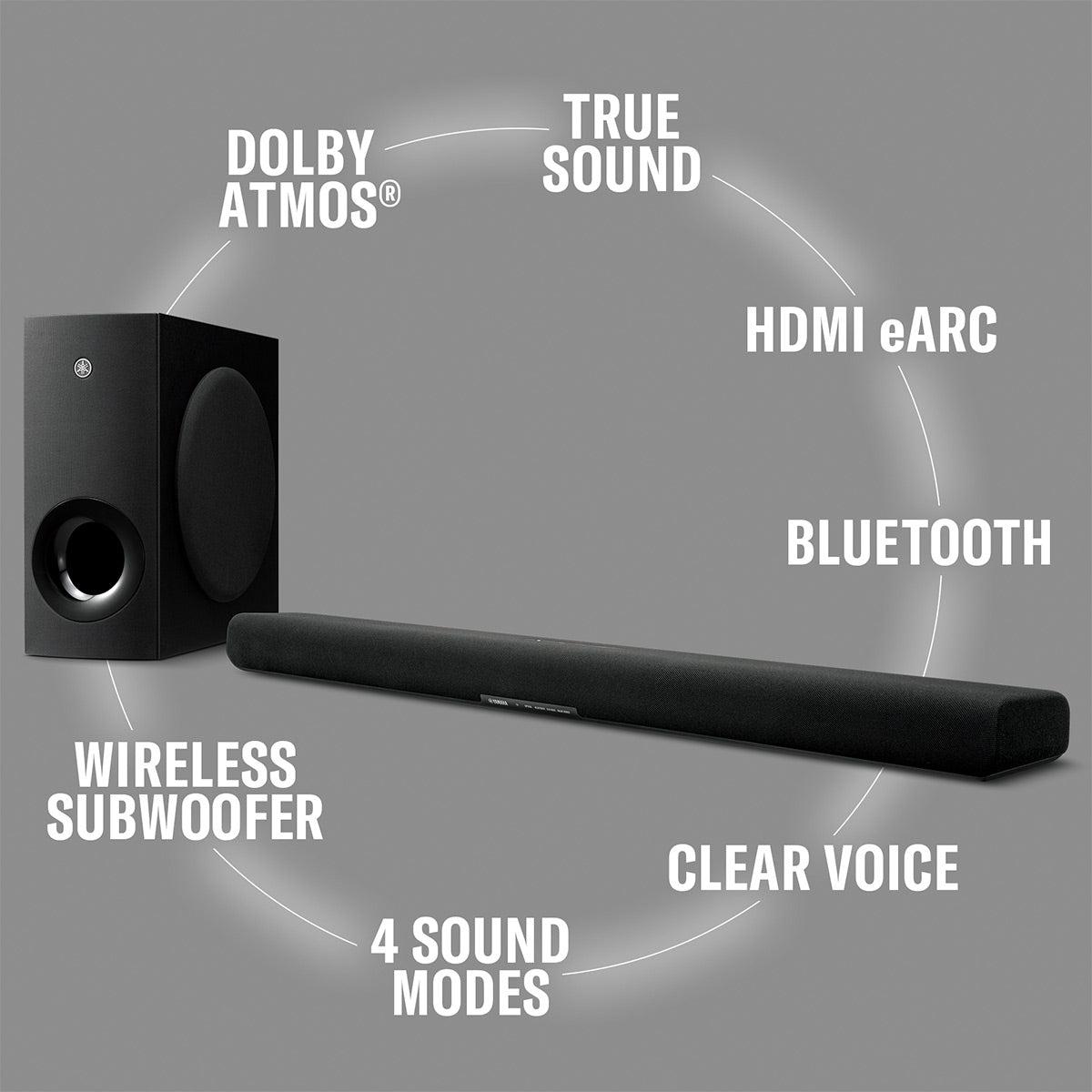
The system's True Sound engineering combines traditional stereo imaging with virtual Dolby Atmos processing. Think of it as Yamaha's audio scientists using math and digital wizardry to convince your brain that sound is coming from places where there aren't actually speakers. The main soundbar houses four 1.8-inch drivers and two 1-inch tweeters (the small speakers that handle high frequencies like cymbals and dialogue), while two internal 3-inch subwoofers provide mid-bass support.
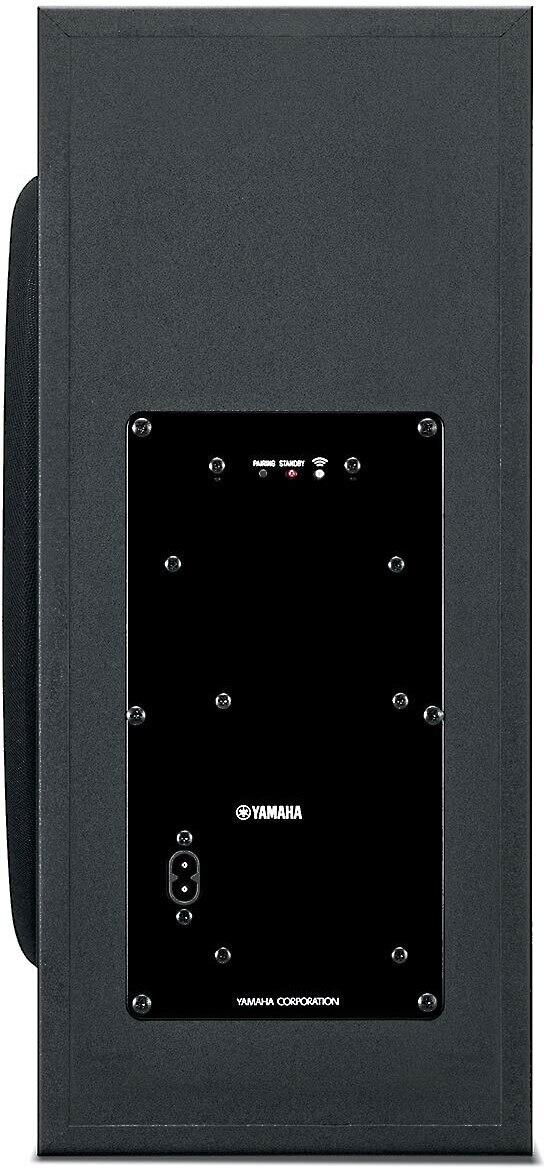
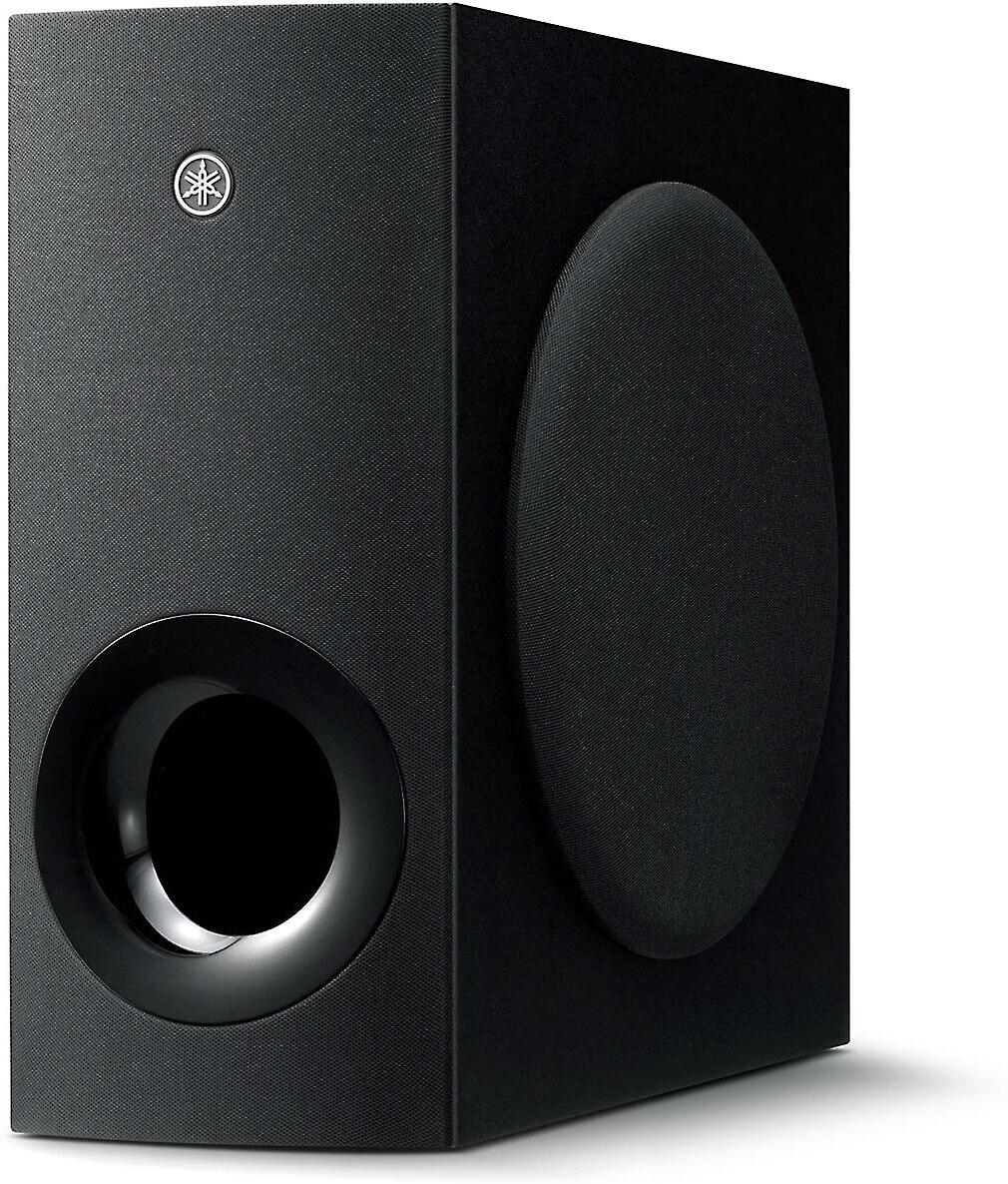
What makes this system particularly interesting is its wireless 6.5-inch subwoofer. Unlike many budget soundbars that skimp on bass, Yamaha included a dedicated 100-watt subwoofer that connects wirelessly to the main unit. This means you can place it anywhere in your room for optimal bass response – a crucial factor since bass frequencies interact differently with room acoustics depending on placement.
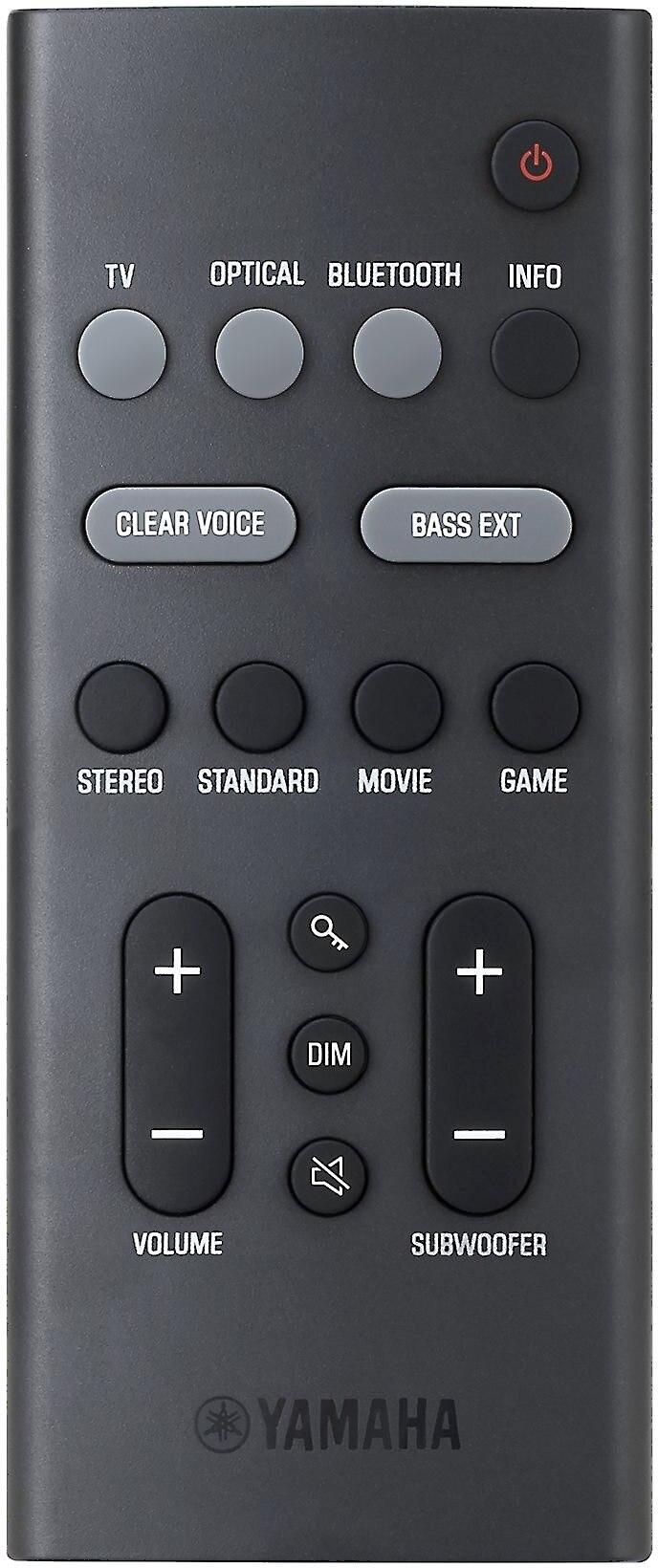
The Clear Voice technology deserves special mention. As someone who's struggled to hear dialogue over booming soundtracks in modern movies, I appreciate when manufacturers address this common frustration. Clear Voice uses digital processing to boost dialogue frequencies while maintaining the overall mix balance. It's not just a simple treble boost – it's more sophisticated frequency shaping that makes voices more intelligible without making them sound unnatural.
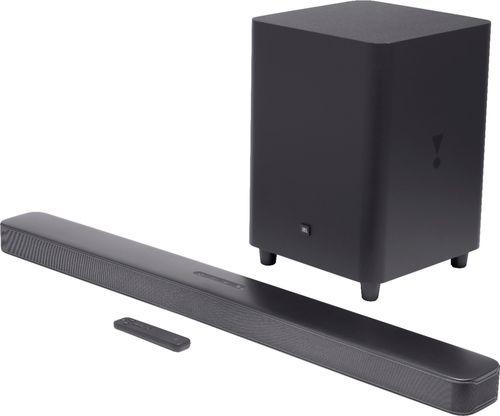
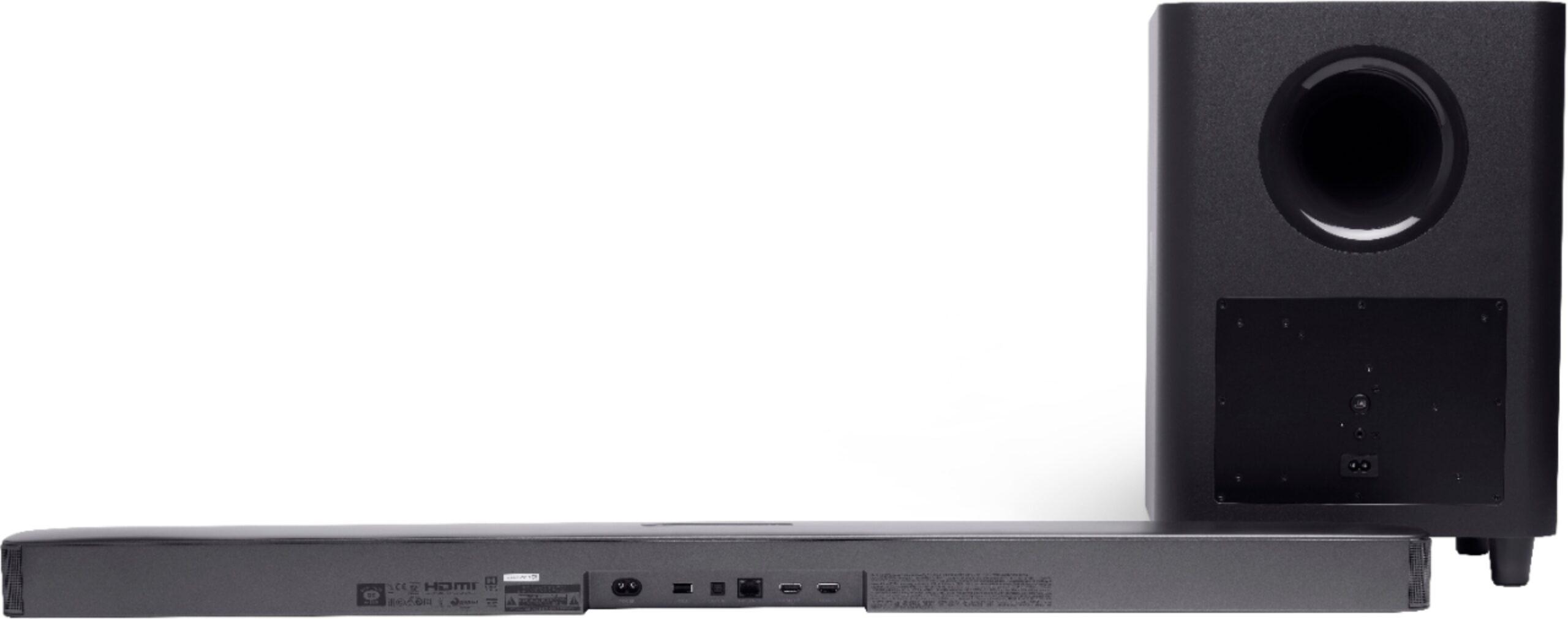
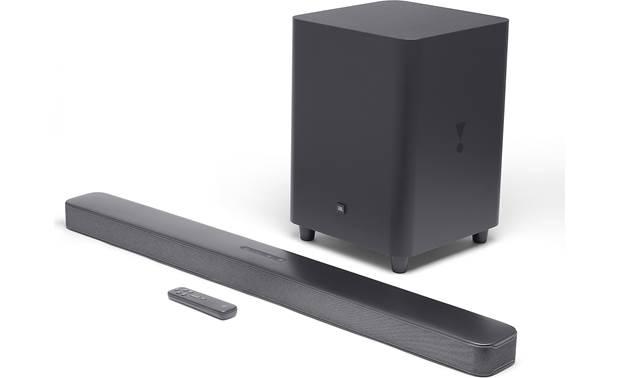
The JBL Bar 5.1 Surround takes a completely different approach. Rather than using processing tricks, it gives you actual speakers where surround speakers should be. The system's party trick? Those rear speakers are detachable from the main soundbar and run on internal batteries for up to 10 hours.
This design solves one of home theater's biggest challenges: wire management. Traditional 5.1 systems require running speaker cables to the back of your room, which often means drilling holes or having unsightly wires snaking around baseboards. JBL's solution lets you place the rear speakers wherever they sound best, then easily dock them back to the main unit when not in use.
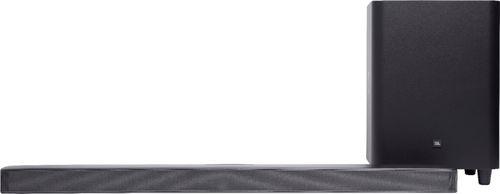
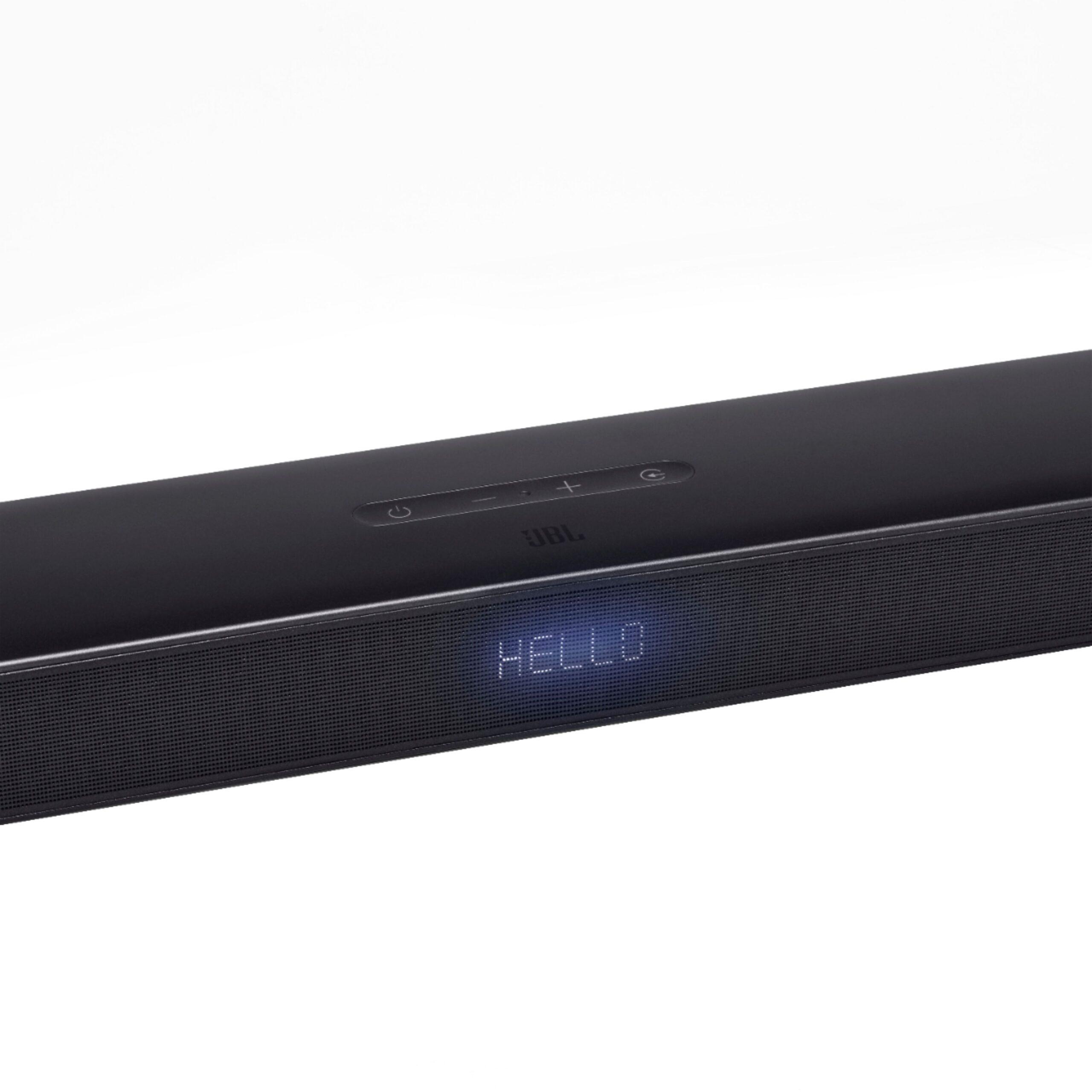
The main soundbar packs five 2.75-inch racetrack drivers (oval-shaped drivers that fit more cone area in a slim profile) plus two side-firing tweeters. The racetrack design is particularly clever – by making the drivers oval instead of round, JBL fits larger surface area into the soundbar's slim profile, improving both volume capability and frequency response.
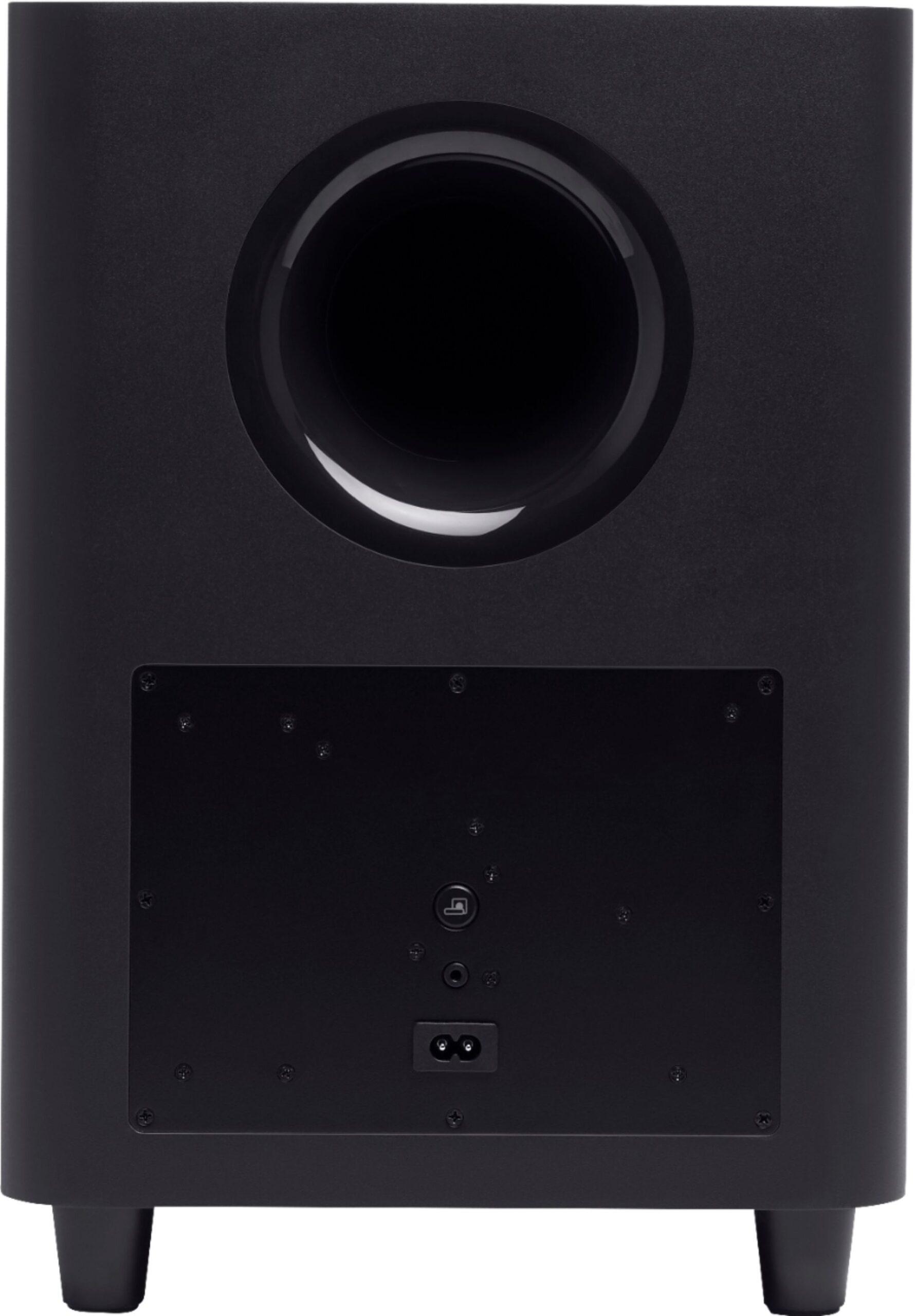
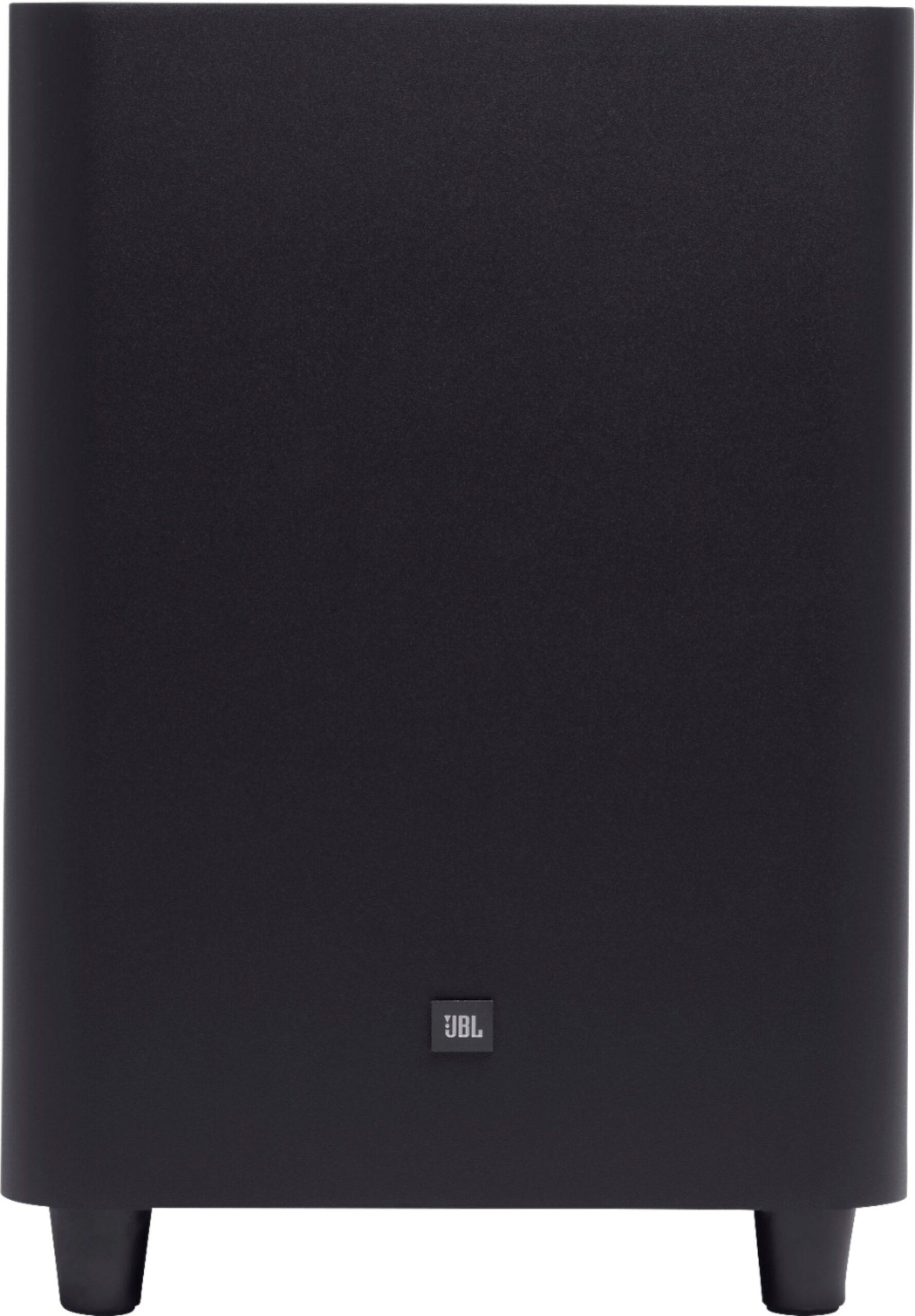
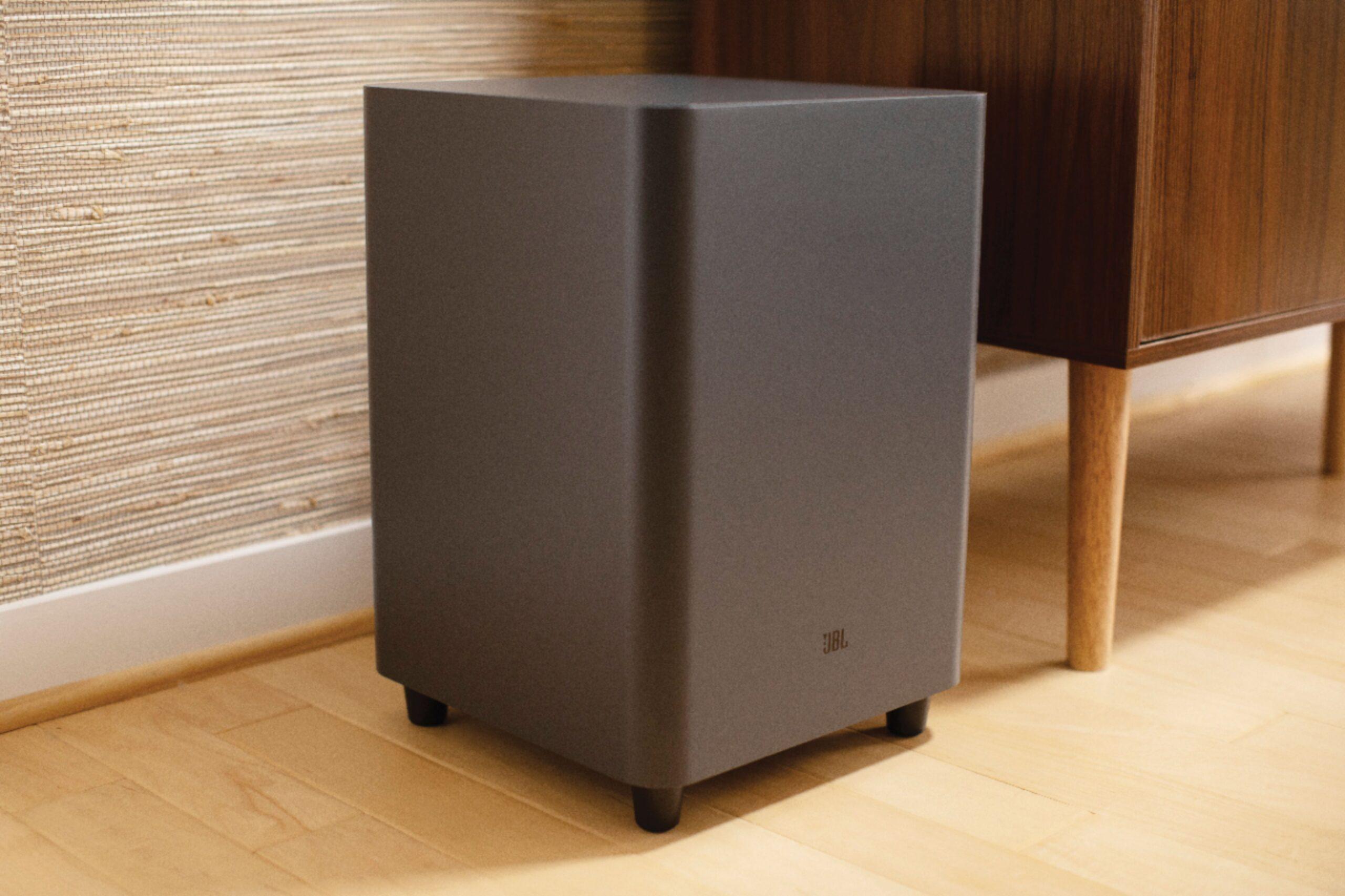
The wireless subwoofer is substantially larger than Yamaha's – a 10-inch driver powered by 300 watts. In practical terms, this means deeper bass extension (down to around 35Hz versus Yamaha's roughly 50Hz) and more headroom for those earth-shaking action movie moments.
This is where these two systems diverge most dramatically. The Yamaha SR-B40A's virtual Dolby Atmos creates what I'd describe as an "expanded stereo" experience. Watching the opening scene of "Blade Runner 2049," where flying cars whoosh across the screen, the Yamaha does create a convincing width to the soundstage. You'll hear those vehicles move from left to right more convincingly than basic TV speakers, and there's a subtle sense of height that makes the cityscape feel more three-dimensional.
However, when K's spinner takes off and flies directly overhead, the virtual processing can only do so much. You get the impression of upward movement, but it's more of a volume swell than true overhead positioning. It's impressive for a 2.1 system, but it's still a simulation.
The JBL Bar 5.1 provides genuinely directional audio. In that same scene, when those rear speakers are positioned behind your couch, you'll hear the distant hum of the city's traffic actually coming from behind you. It's the difference between looking at a photograph of a landscape and actually standing in that landscape.
I tested both systems with the pod racing sequence from "Star Wars Episode I" – a scene that really showcases surround sound capabilities. The Yamaha created an exciting, wide soundfield with good left-to-right panning as the podracers whizzed by. But the JBL made me duck when Sebulba's podracer came from behind to overtake Anakin. That physical reaction is something virtual surround rarely achieves.
The subwoofer comparison reveals why specifications matter in real-world use. The Yamaha's 6.5-inch driver in a compact enclosure produces tight, controlled bass that integrates well with the main soundbar. For most content – dialogue-driven shows, news, even music – it provides perfectly adequate low-end support. The Bass Extension feature can add some extra punch when you want more presence.
But when the T-Rex's footsteps thunder across the screen in "Jurassic Park," the JBL's 10-inch subwoofer delivers a visceral impact that the Yamaha simply cannot match. The larger driver moves more air, creating not just deeper bass but also the kind of room-pressurizing effect that makes action scenes feel more real. In my testing, the JBL's subwoofer could easily overwhelm a small room, while the Yamaha's more modest output seemed perfectly sized for apartment living.
The frequency response difference is significant too. The JBL reaches down to those subsonic frequencies (below 40Hz) that you feel as much as hear – think movie theater rumble. The Yamaha's bass, while clean and musical, doesn't quite reach those depths, rolling off noticeably below 50Hz.
Both systems address the modern movie mixing problem where dialogue gets buried under effects and music, but they take different approaches. The Yamaha SR-B40A's Clear Voice mode applies sophisticated digital processing to boost vocal frequencies while maintaining overall tonal balance. In practice, this works remarkably well – watching "The Dark Knight," I could follow Christian Bale's famously mumbly Batman voice without constantly adjusting volume.
The JBL Bar 5.1's advantage comes from having a true center channel. In proper 5.1 mixing, dialogue is primarily routed to the center speaker, which means it has a dedicated driver focused solely on vocal reproduction. This creates more natural-sounding dialogue since there's no processing involved – just clean, direct reproduction of the center channel content.
During my testing with "Mad Max: Fury Road" – a film with notoriously challenging audio mixing – both systems handled dialogue well, but in different ways. The Yamaha's processing made Tom Hardy's often-muffled Max clearly intelligible, while the JBL's center channel provided more natural-sounding voices that seemed to emanate directly from the screen.
At $340, the Yamaha SR-B40A delivers features typically found in much more expensive systems. The inclusion of virtual Dolby Atmos at this price point is genuinely impressive – just two years ago, Atmos support was primarily found in soundbars costing $500 or more. The wireless subwoofer, app control, and multiple sound modes create a package that feels premium despite the modest price.
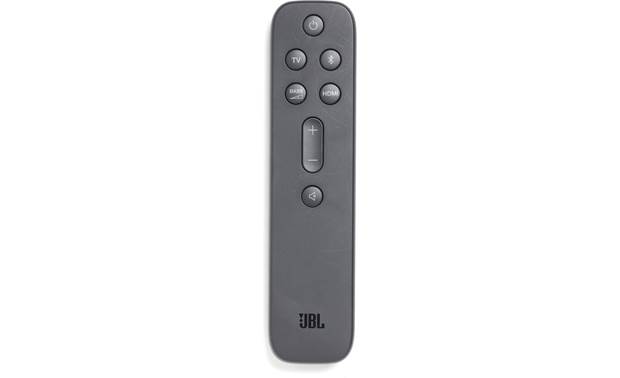
The build quality surprised me. The soundbar's metal grille and solid construction don't scream "budget product." The included remote is well-designed, and the mobile app provides genuine utility for fine-tuning the sound to your room and preferences.
The JBL Bar 5.1 Surround's $600 price tag initially seems steep, but breaking down what you're getting makes the value clearer. You're essentially buying a complete 5.1 surround system – main soundbar, wireless subwoofer, and two wireless rear speakers – all engineered to work together seamlessly. Comparable separate component systems often cost significantly more and require more complex setup.
The detachable rear speakers are genuinely innovative. I've set up plenty of traditional 5.1 systems, and running speaker wire to optimal rear positions is always a hassle. JBL's battery-powered solution eliminates this completely while providing the flexibility to optimize speaker placement for different seating arrangements.
In smaller spaces like apartments, bedrooms, or compact living rooms, the Yamaha SR-B40A often proves ideal. Its modest power output won't overwhelm neighbors, and the virtual surround processing works surprisingly well when you're sitting close to the soundbar. The wireless subwoofer can be tucked under a couch or in a corner, providing adequate bass without dominating the room.
I tested both systems in a 12x14-foot living room, and the Yamaha felt perfectly sized. The virtual Atmos created good spatial effects from a typical 8-foot viewing distance, and the overall sound balance worked well for everything from Netflix shows to music streaming.
The JBL Bar 5.1 comes into its own in larger spaces. In rooms over 400 square feet, or in open-concept homes where sound needs to fill connected kitchen and living areas, the JBL's 550-watt total power output and true surround capabilities shine. The rear speakers can be positioned 10-15 feet behind your main seating area, creating genuine room-filling surround effects.
Testing in a large family room with 12-foot ceilings, the Yamaha sounded somewhat lost – its virtual processing couldn't overcome the acoustic challenges of the larger space. The JBL, meanwhile, created convincing surround effects even from distant seating positions.
For dedicated home theater rooms, the JBL Bar 5.1 provides a more authentic cinema experience. The physical rear speakers create the kind of directional effects that make action scenes truly immersive. However, serious home theater enthusiasts might find even the JBL limiting compared to full component systems.
The Yamaha SR-B40A works better as a TV upgrade rather than a true home theater centerpiece. Its virtual processing creates pleasant spatial effects, but it can't replicate the precision imaging that physical surround speakers provide.
The soundbar market has evolved rapidly since these systems were released. The Yamaha's 2024 introduction brings newer Bluetooth 5.1 connectivity and more advanced virtual processing than older models. JBL's design, while not brand new, represents a mature approach to wireless surround that has proven reliable over several years.
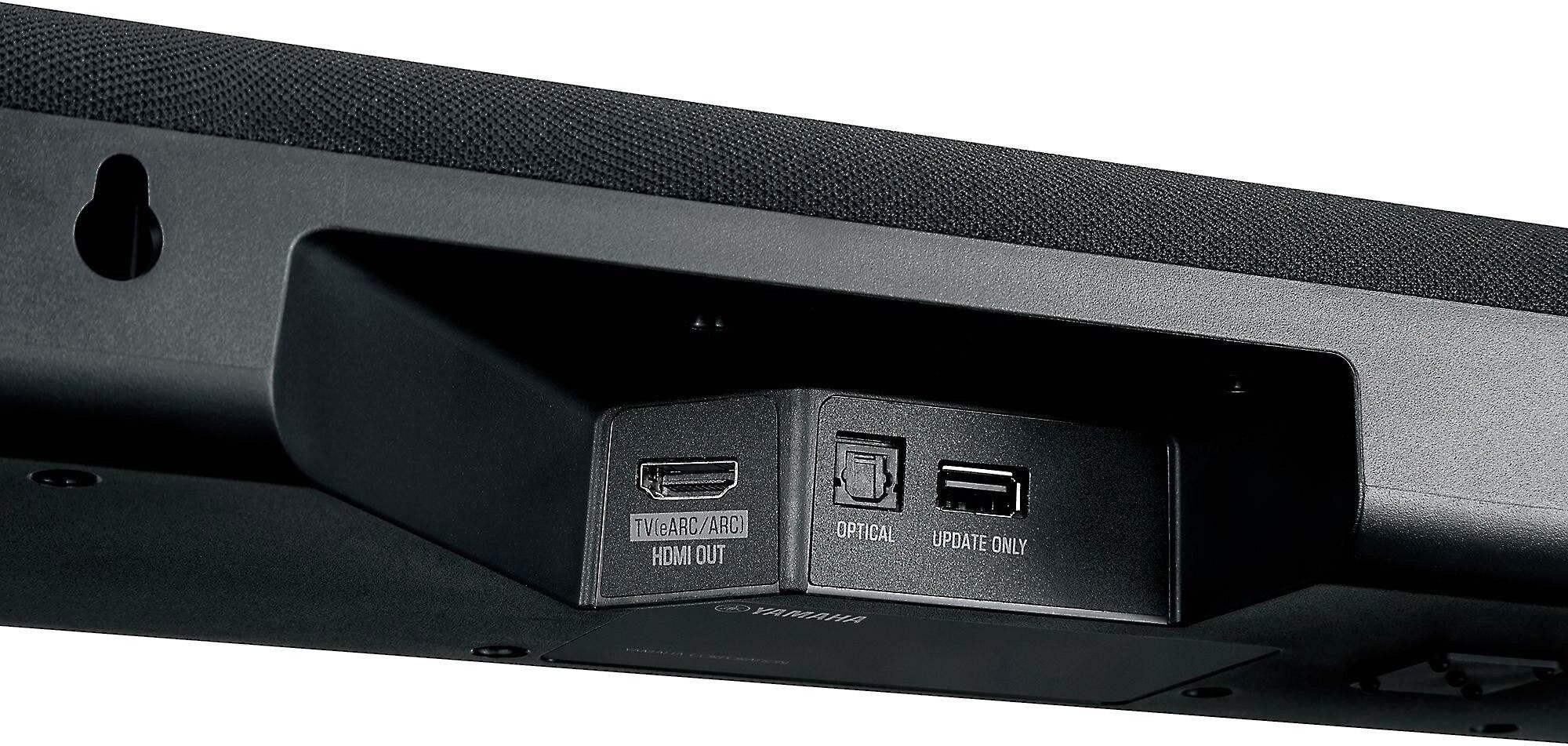
Looking forward, both systems should remain relevant for several years. The Yamaha's HDMI eARC support and Dolby Atmos compatibility prepare it for current and near-future content formats. The JBL's traditional surround approach will always work with properly mixed 5.1 content, which isn't going anywhere despite newer format developments.
The choice between these systems ultimately depends on your priorities and environment. The Yamaha SR-B40A ($339.95) excels at providing modern audio features in a simple, affordable package. If you want better-than-TV sound with minimal fuss and maximum convenience, it delivers exceptional value.
The JBL Bar 5.1 Surround ($599.95) justifies its higher price through genuine surround sound immersion and superior bass performance. If your room can accommodate rear speakers and you want the most convincing home theater experience possible from a soundbar system, the extra investment pays dividends.
Having lived with both systems, I'd recommend the Yamaha for most people upgrading from TV speakers, especially in apartments or smaller homes. Its combination of features, performance, and price creates compelling value. The JBL earns its place in larger rooms or for users who prioritize maximum immersion over convenience.
Both represent smart approaches to different user needs – proof that in today's soundbar market, you can get excellent performance whether you prefer simplicity or sophistication.
| Yamaha SR-B40A ($339.95) | JBL Bar 5.1 Surround ($599.95) |
|---|---|
| Channel Configuration - Determines true vs virtual surround sound experience | |
| 2.1 channels with virtual Dolby Atmos processing | True 5.1 channels with detachable wireless rear speakers |
| Total System Power - Affects maximum volume and dynamic range | |
| 120W (soundbar) + 100W (subwoofer) = 220W total | 250W (soundbar) + 300W (subwoofer) = 550W total |
| Subwoofer Size - Directly impacts bass depth and room-filling capability | |
| 6.5-inch wireless subwoofer (ideal for small-medium rooms) | 10-inch wireless subwoofer (powerful enough for large spaces) |
| Dolby Atmos Support - Enables height effects in compatible movies and shows | |
| Virtual Dolby Atmos (simulated overhead effects) | No Dolby Atmos support (traditional 5.1 surround only) |
| Rear Speaker Setup - Major convenience and immersion factor | |
| No physical rear speakers (virtual processing only) | Battery-powered detachable rear speakers (10-hour runtime) |
| Bass Extension Range - Lower frequencies create more impactful movie experiences | |
| ~50Hz (adequate for most content) | ~35Hz (theater-like rumble for action scenes) |
| Connectivity Options - Affects compatibility with TVs and streaming devices | |
| HDMI eARC, optical, Bluetooth 5.1 | HDMI eARC with 3 inputs, optical, Bluetooth 4.2 |
| Room Size Suitability - Determines optimal performance environment | |
| Small to medium rooms (under 300 sq ft) | Medium to large rooms (300+ sq ft) |
| Setup Complexity - Important for renters or those wanting plug-and-play | |
| Minimal setup (soundbar + wireless sub placement) | Moderate setup (requires rear speaker positioning and charging) |
| Voice Enhancement Technology - Critical for clear dialogue in modern movies | |
| Clear Voice mode with dedicated processing | Natural center channel separation (no specific voice modes) |
The Yamaha SR-B40A ($339.95) offers better value for most buyers, providing virtual Dolby Atmos and solid performance at nearly half the price of the JBL Bar 5.1 ($599.95). However, the JBL justifies its higher cost with true 5.1 surround sound and a more powerful subwoofer for larger rooms.
The Yamaha SR-B40A uses a 2.1 system (left, right, plus subwoofer) with virtual processing to simulate surround effects. The JBL Bar 5.1 provides true 5.1 surround with physical rear speakers that create authentic directional audio, making it superior for movies and gaming.
The JBL Bar 5.1 ($599.95) delivers significantly better bass with its 10-inch, 300W subwoofer that reaches down to 35Hz. The Yamaha SR-B40A has a smaller 6.5-inch, 100W subwoofer that's adequate for most content but can't match the JBL's room-shaking impact.
Only the Yamaha SR-B40A ($339.95) supports Dolby Atmos, though it's virtual processing rather than true height speakers. The JBL Bar 5.1 focuses on traditional 5.1 surround sound without Atmos support, but provides more authentic directional effects through its physical rear speakers.
The Yamaha SR-B40A is much easier to set up, requiring only placement of the main soundbar and wireless subwoofer. The JBL Bar 5.1 ($599.95) requires positioning and charging the detachable rear speakers, making setup more complex but offering better surround sound placement flexibility.
The Yamaha SR-B40A works best in small to medium rooms under 300 square feet, where its virtual surround processing is most effective. The JBL Bar 5.1 excels in larger rooms over 300 square feet, where its higher power output and true surround speakers can fill the space properly.
Both handle dialogue well but differently. The Yamaha SR-B40A ($339.95) uses Clear Voice technology to digitally enhance speech intelligibility. The JBL Bar 5.1 provides natural dialogue clarity through its dedicated center channel, which is part of the true 5.1 configuration.
Yes, both soundbars support Bluetooth connectivity. The Yamaha SR-B40A uses newer Bluetooth 5.1 for better connection stability, while the JBL Bar 5.1 ($599.95) uses Bluetooth 4.2. Both allow wireless music streaming from mobile devices.
The JBL Bar 5.1 provides a more authentic home theater experience with its true 5.1 surround sound and powerful bass. The Yamaha SR-B40A ($339.95) offers good movie performance with virtual Atmos effects, but can't match the immersion of physical rear speakers.
The Yamaha SR-B40A delivers 220W total power (120W soundbar + 100W subwoofer). The JBL Bar 5.1 ($599.95) provides 550W total power (250W soundbar + 300W subwoofer), making it significantly more powerful for larger rooms and higher volumes.
The Yamaha SR-B40A ($339.95) is better suited for apartments due to its more controlled power output and smaller subwoofer that won't disturb neighbors. The JBL Bar 5.1 can be overwhelming in small spaces and may cause noise complaints due to its powerful 10-inch subwoofer.
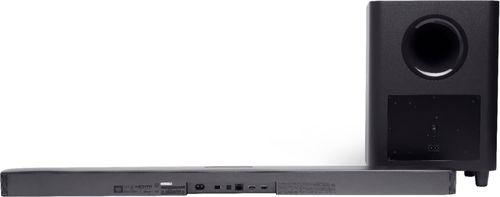
Both soundbars include HDMI eARC, optical input, and Bluetooth. The JBL Bar 5.1 ($599.95) offers additional HDMI inputs for connecting multiple devices directly. The Yamaha SR-B40A focuses on essential connections with newer Bluetooth 5.1 technology for improved wireless performance.
We've done our best to create useful and informative comparisons to help you decide what product to buy. Our research uses advanced automated methods to create this comparison and perfection is not possible - please contact us for corrections or questions. These are the sites we've researched in the creation of this article: crutchfield.com - visions.ca - shop.usa.yamaha.com - bestbuy.com - bestbuy.com - usa.yamaha.com - my.yamaha.com - europe.yamaha.com - adorama.com - usa.yamaha.com - digitalhomecreations.com - europe.yamaha.com - sundownone.com - jbl.com - jbl.com - jbl.com - tomsguide.com - jbl.com - bestbuy.com - bestbuy.com - jbl.com - jbl.com - worldwidestereo.com

Privacy Policy
Terms and Conditions - Affiliate Policy
Home Security
© Copyright 2008-2026.
11816 Inwood Rd #1211, Dallas, TX 75244