

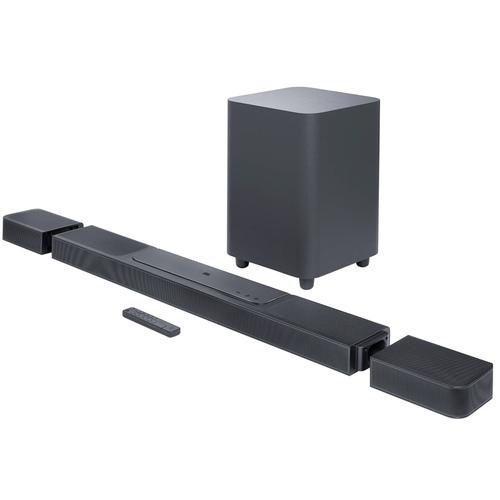
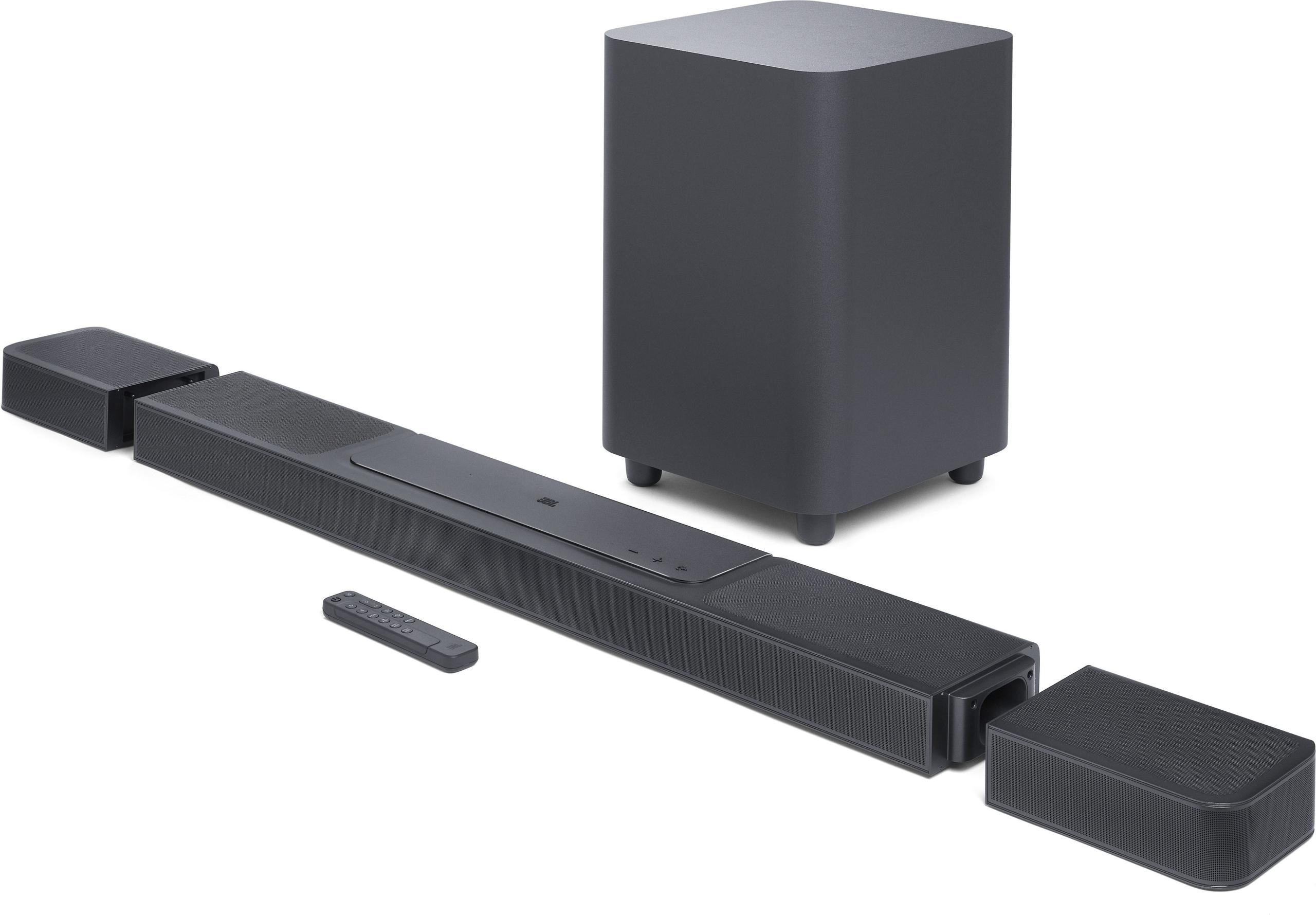
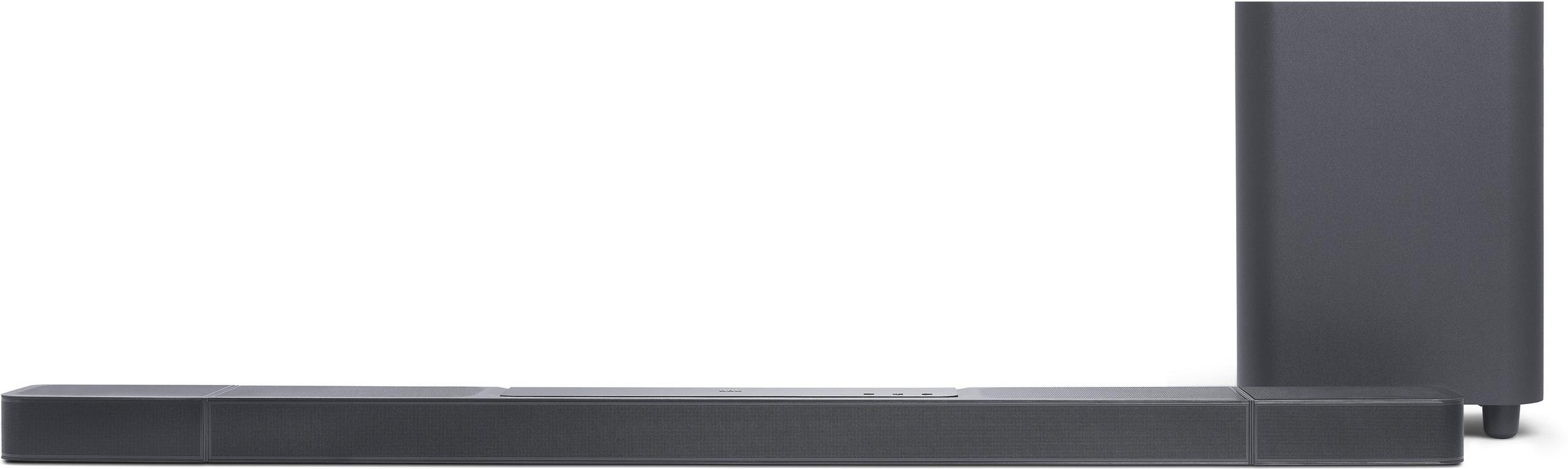
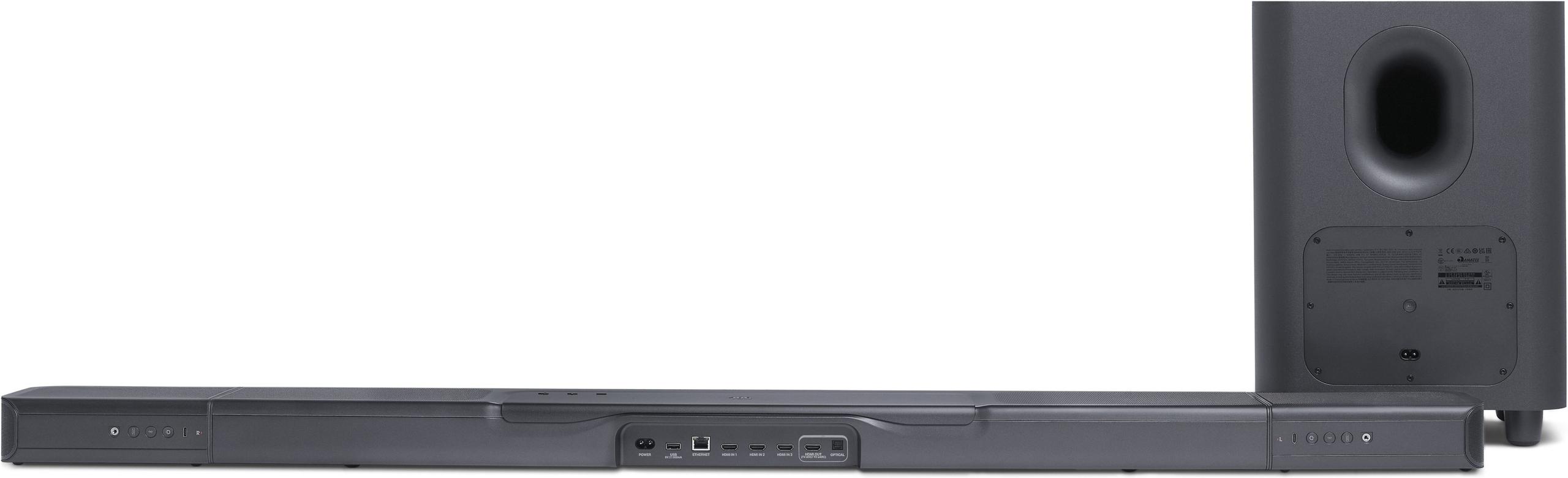



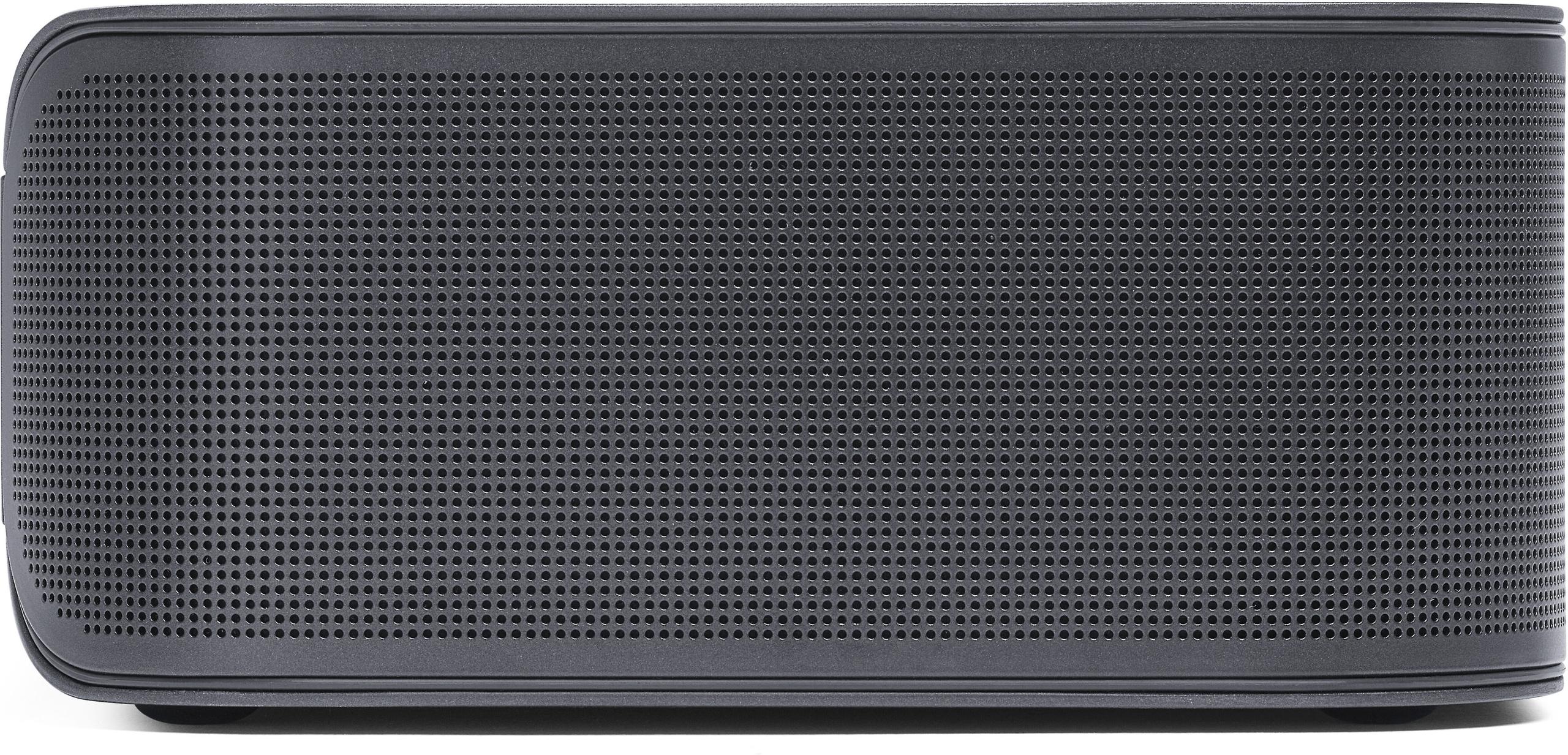
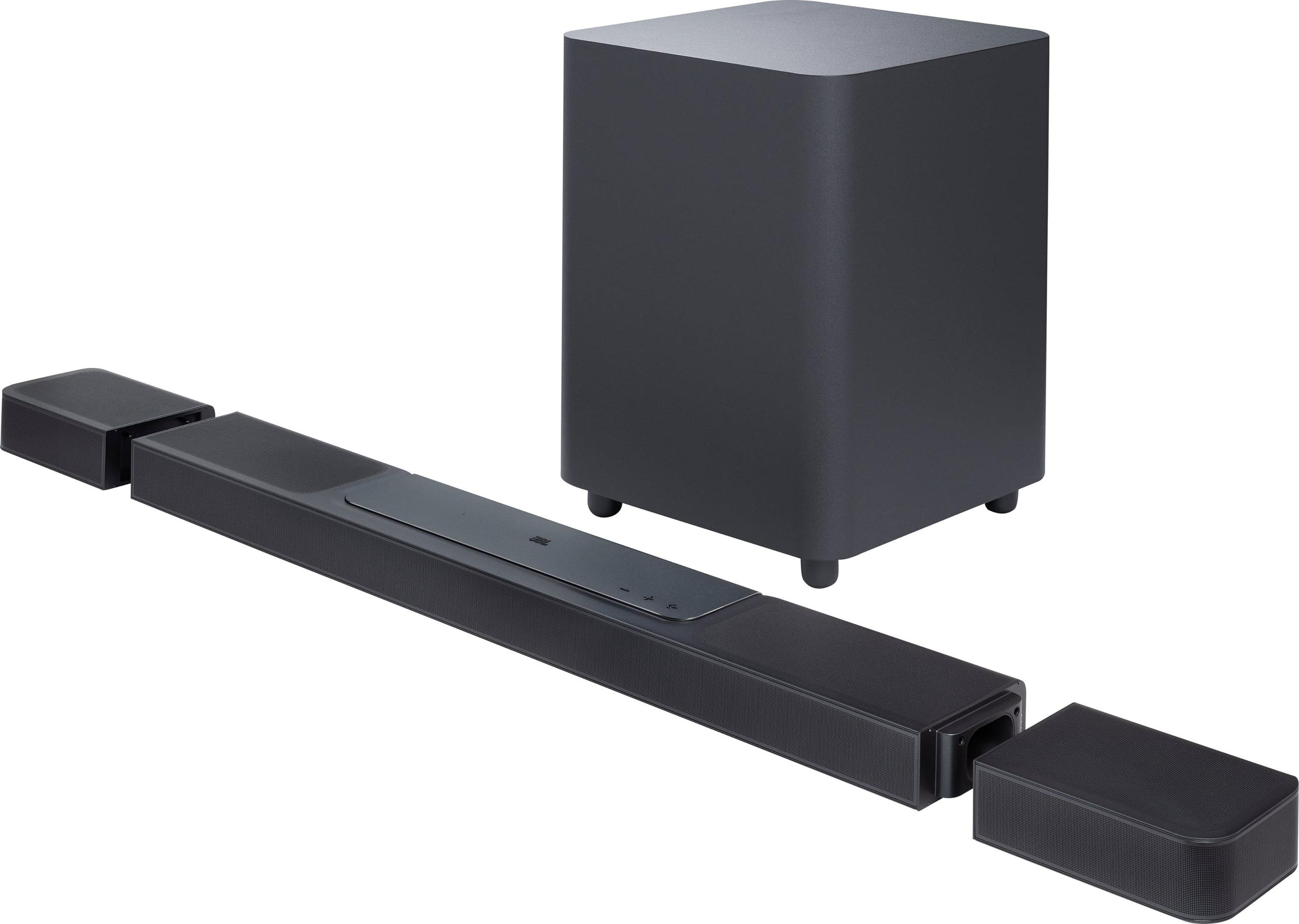
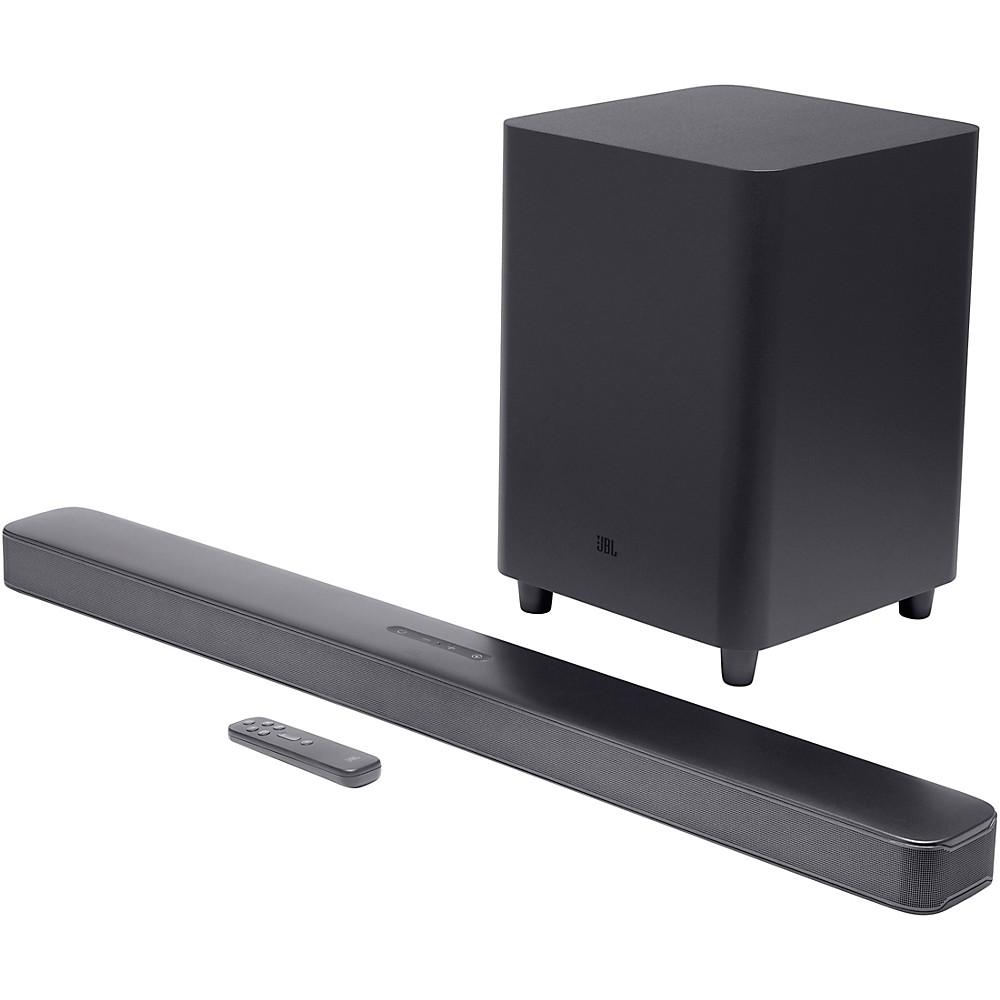
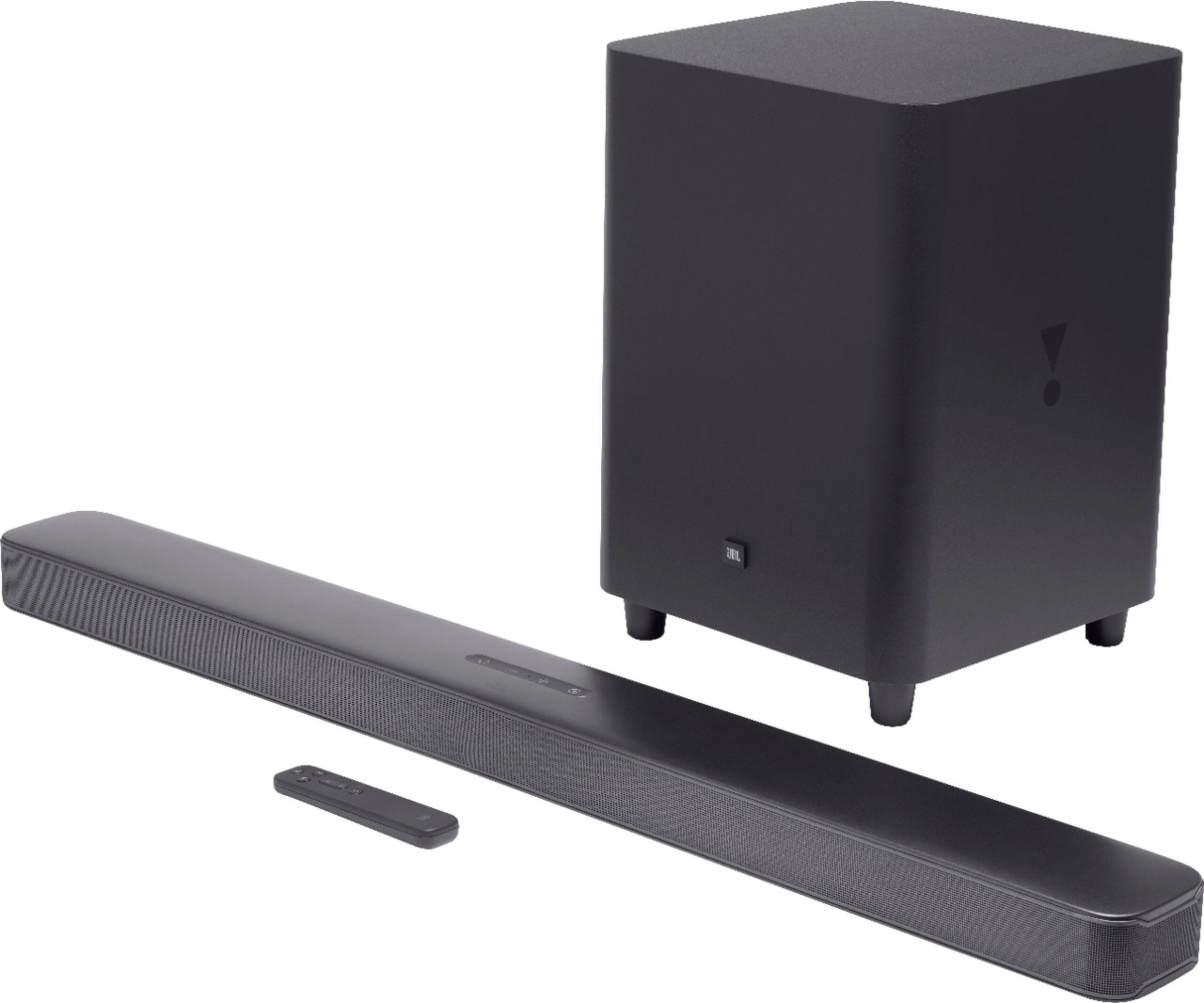

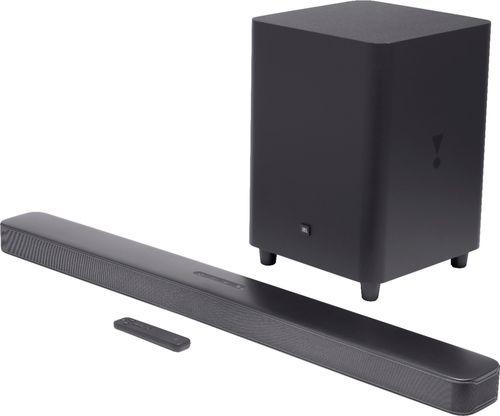
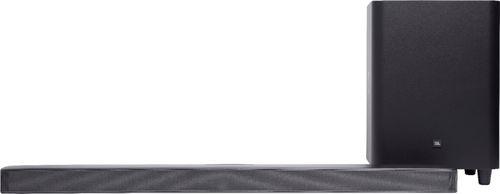
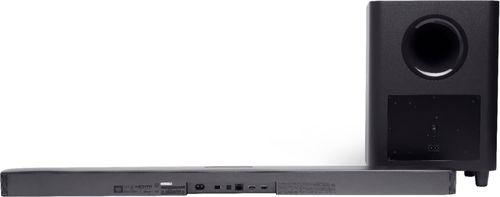
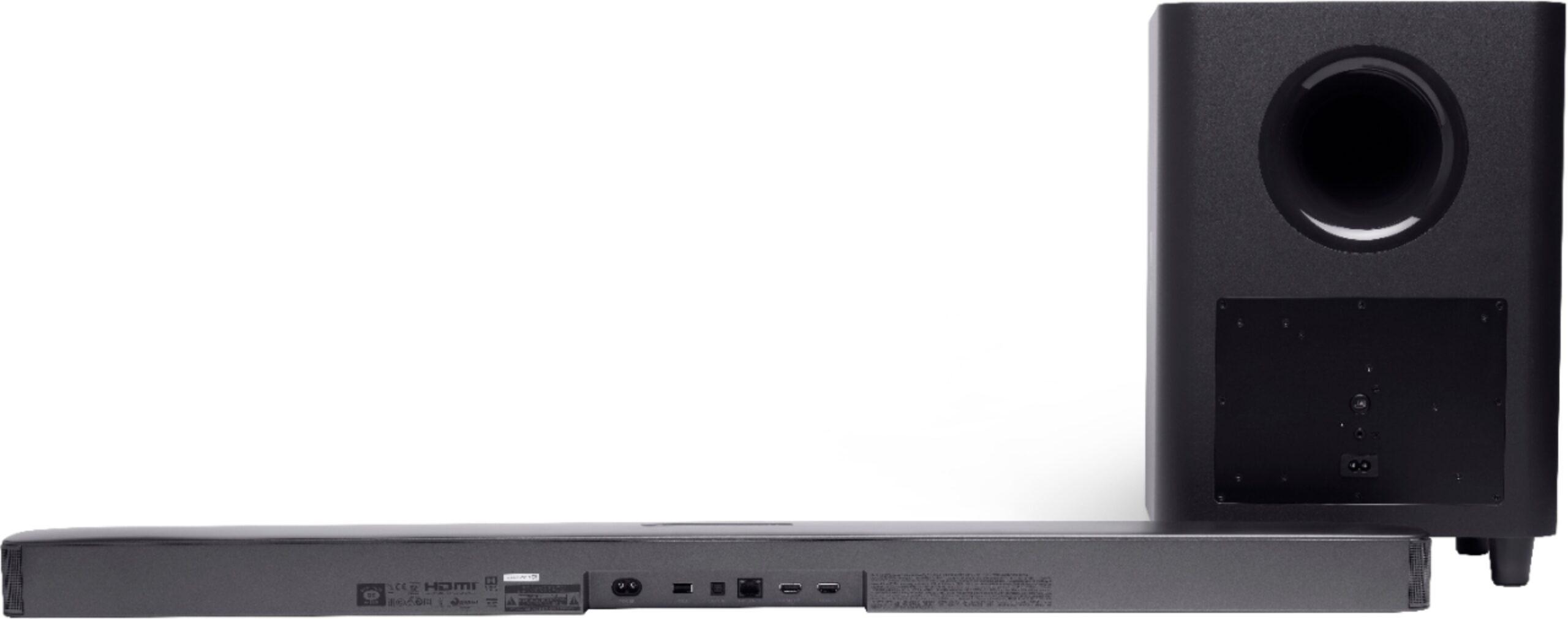
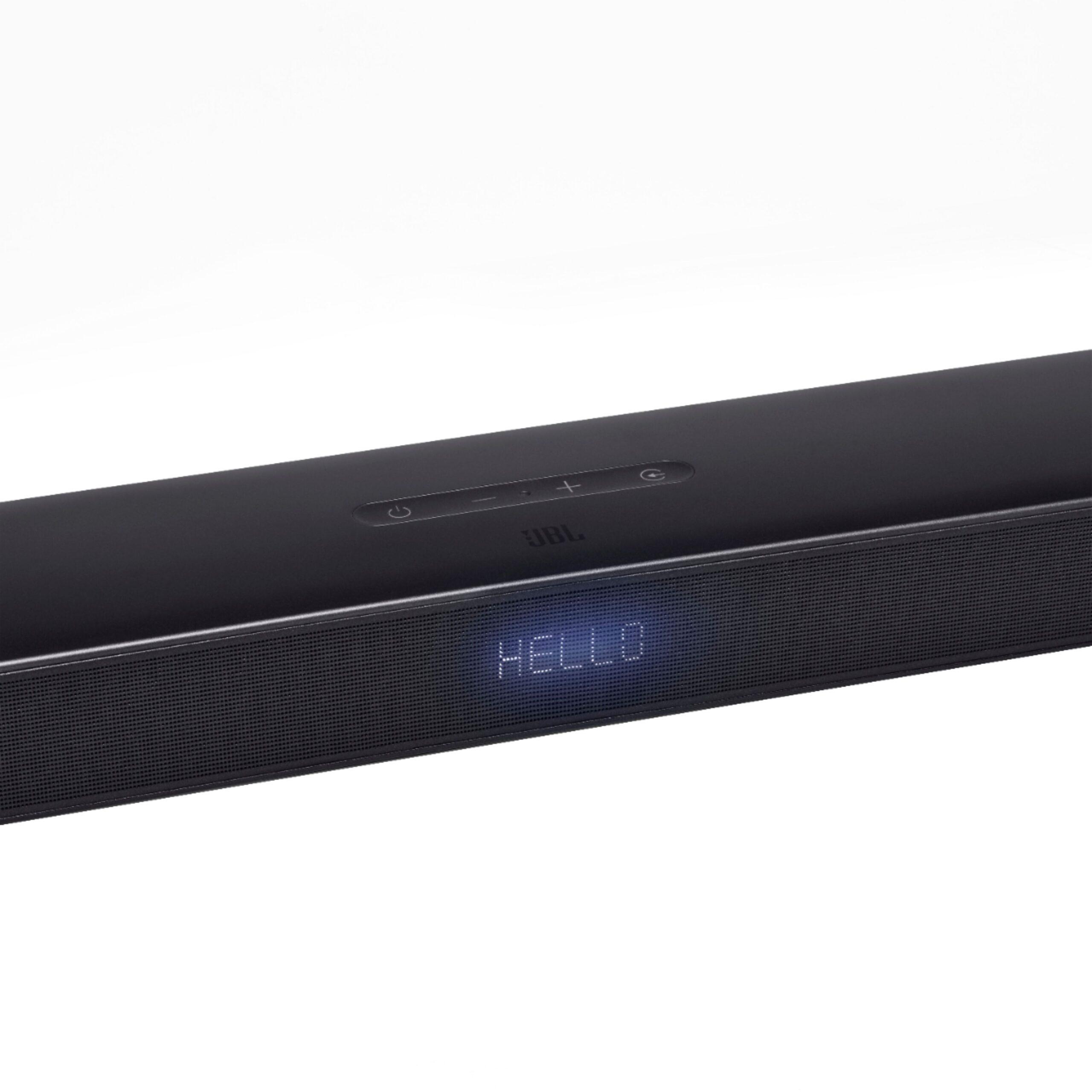
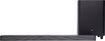
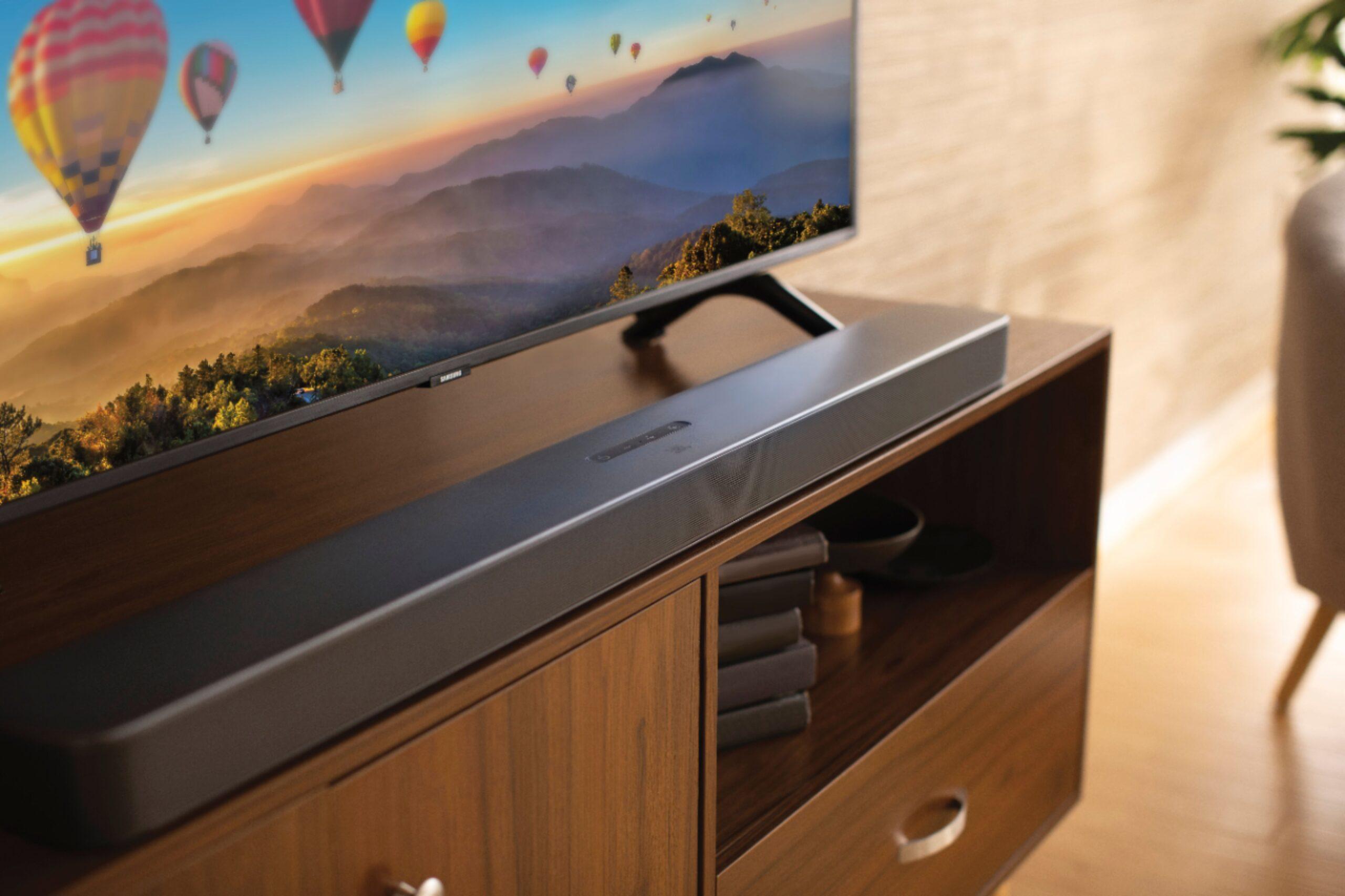
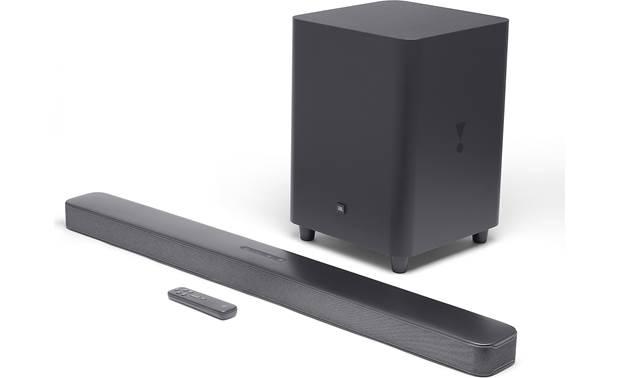
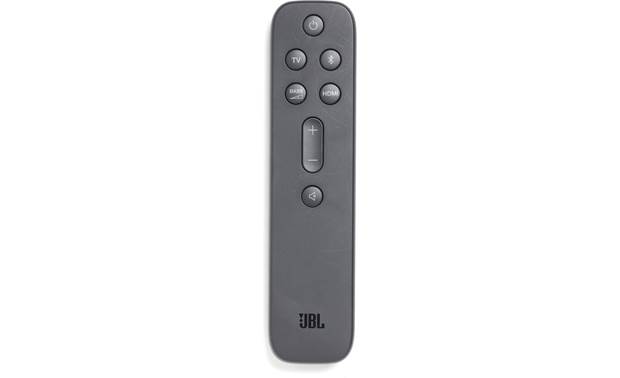
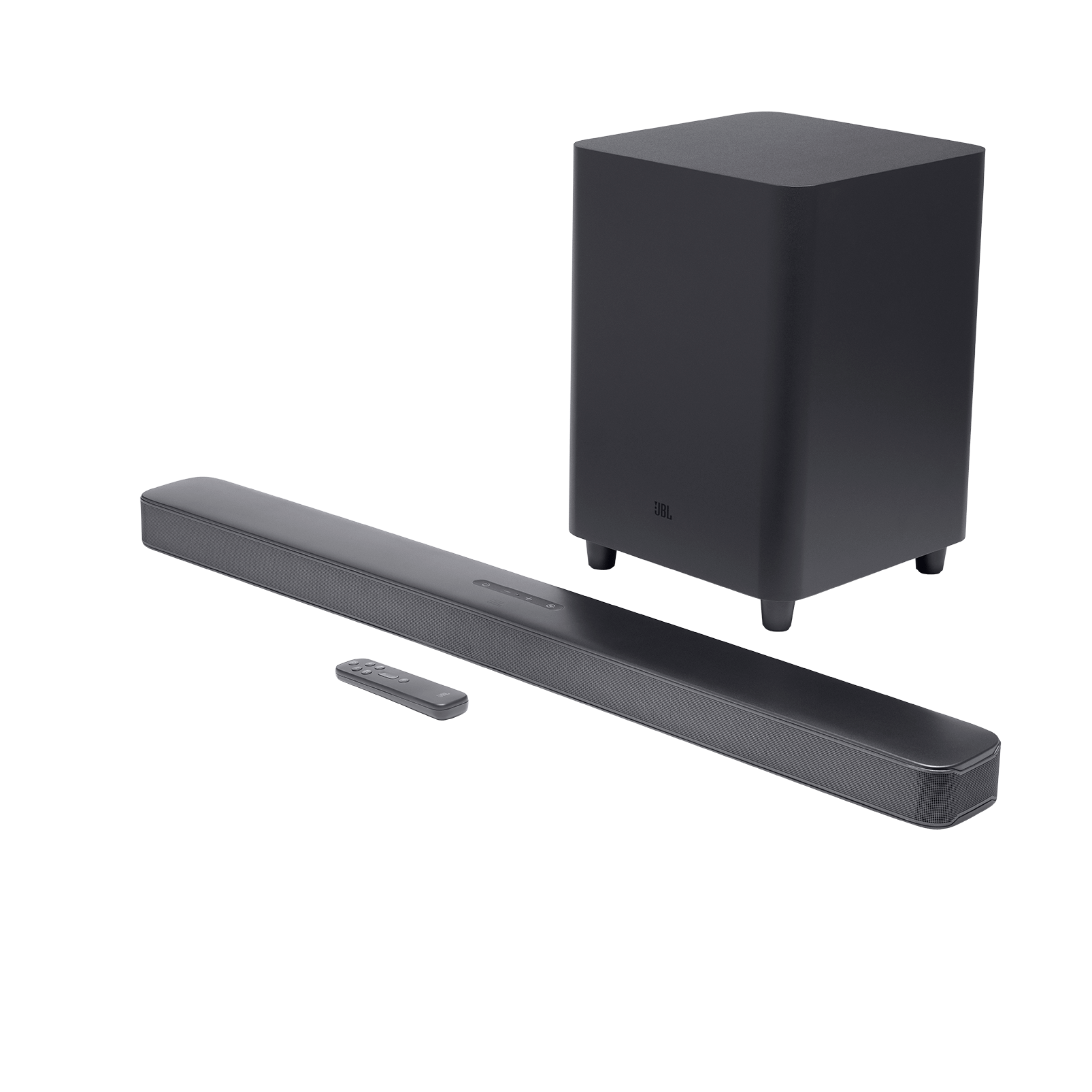
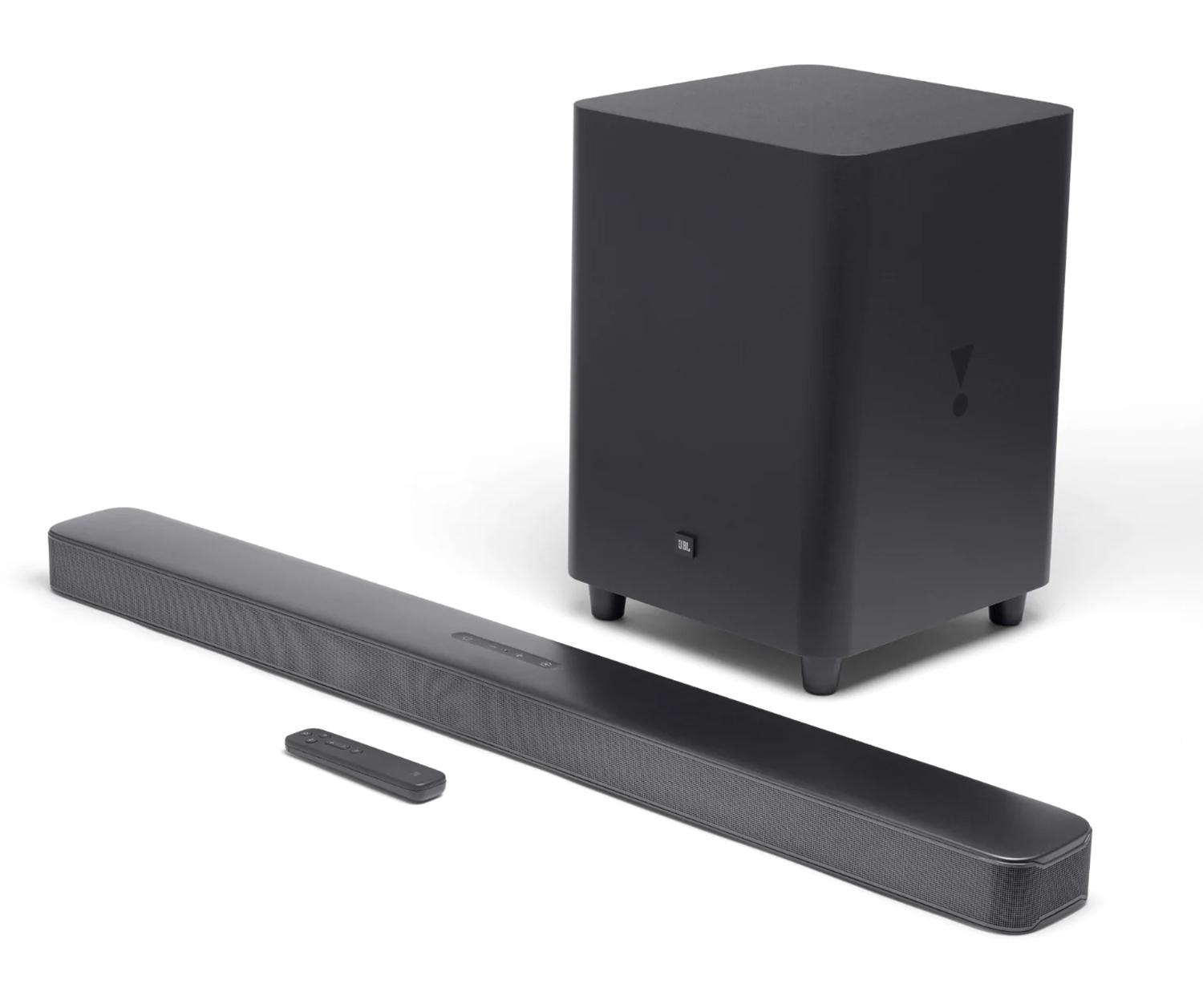
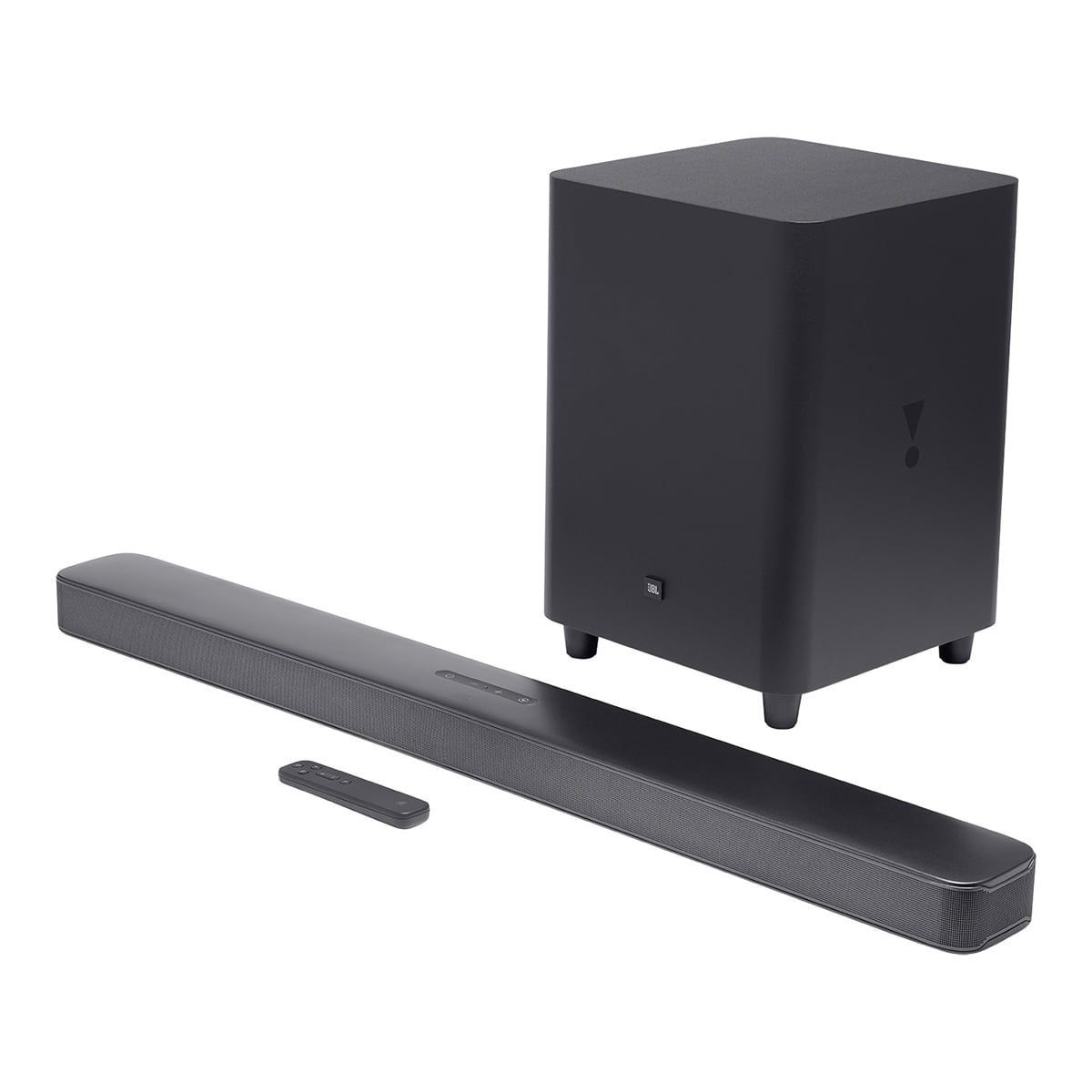
If you've been struggling to hear dialogue over your TV's built-in speakers or want to feel those action movie explosions in your chest, you're probably ready to upgrade to a soundbar. But with so many options out there, choosing the right one can feel overwhelming. Today, we're diving deep into two popular JBL models that represent very different approaches to home audio: the premium JBL Bar 1300X ($1,299.95) and the budget-friendly JBL Bar 5.1 ($599.95).
Before we jump into the nitty-gritty comparison, let's talk about what actually matters when choosing a soundbar. Think of a soundbar as the conductor of your home theater orchestra – it needs to coordinate different audio elements to create a convincing, immersive experience.
The most important factors are audio technology (how the soundbar processes and delivers sound), power output (how loud and clear it can get), connectivity options (how it connects to your devices), and overall value. Modern soundbars have evolved far beyond simple TV speaker replacements. The best ones can transform your living room into a mini movie theater.
One key technical distinction you'll encounter is between traditional surround sound and object-based audio like Dolby Atmos. Traditional 5.1 surround uses specific channels – left, right, center, two surrounds, and a subwoofer (that's where the "5.1" comes from). Dolby Atmos, on the other hand, treats sounds as objects that can be placed anywhere in a three-dimensional space, including above your head. This creates a much more realistic and immersive experience.
The JBL Bar 5.1 represents JBL's earlier approach to soundbars, released when the company was focused on delivering solid 5.1 surround sound at an accessible price point. It was designed during an era when most people were satisfied with horizontal surround effects and didn't expect overhead audio.
The JBL Bar 1300X, released in 2023, showcases JBL's response to the modern home theater landscape. This newer model reflects the industry's shift toward Dolby Atmos and DTS:X – advanced audio formats that have become standard in streaming services and 4K Blu-rays. It's JBL's attempt to bring cinema-quality audio to your living room without requiring you to install ceiling speakers.
The timing difference matters because audio technology has advanced significantly. When the Bar 5.1 was designed, most content was still mixed in traditional 5.1 or stereo. Now, nearly every major movie release and many TV shows include Dolby Atmos soundtracks that can take advantage of the Bar 1300X's height channels.
The most fundamental difference between these soundbars lies in their audio architecture. The JBL Bar 5.1 uses a traditional 5.1 setup – five main channels plus a subwoofer. It's like having speakers positioned around you in a horizontal circle.
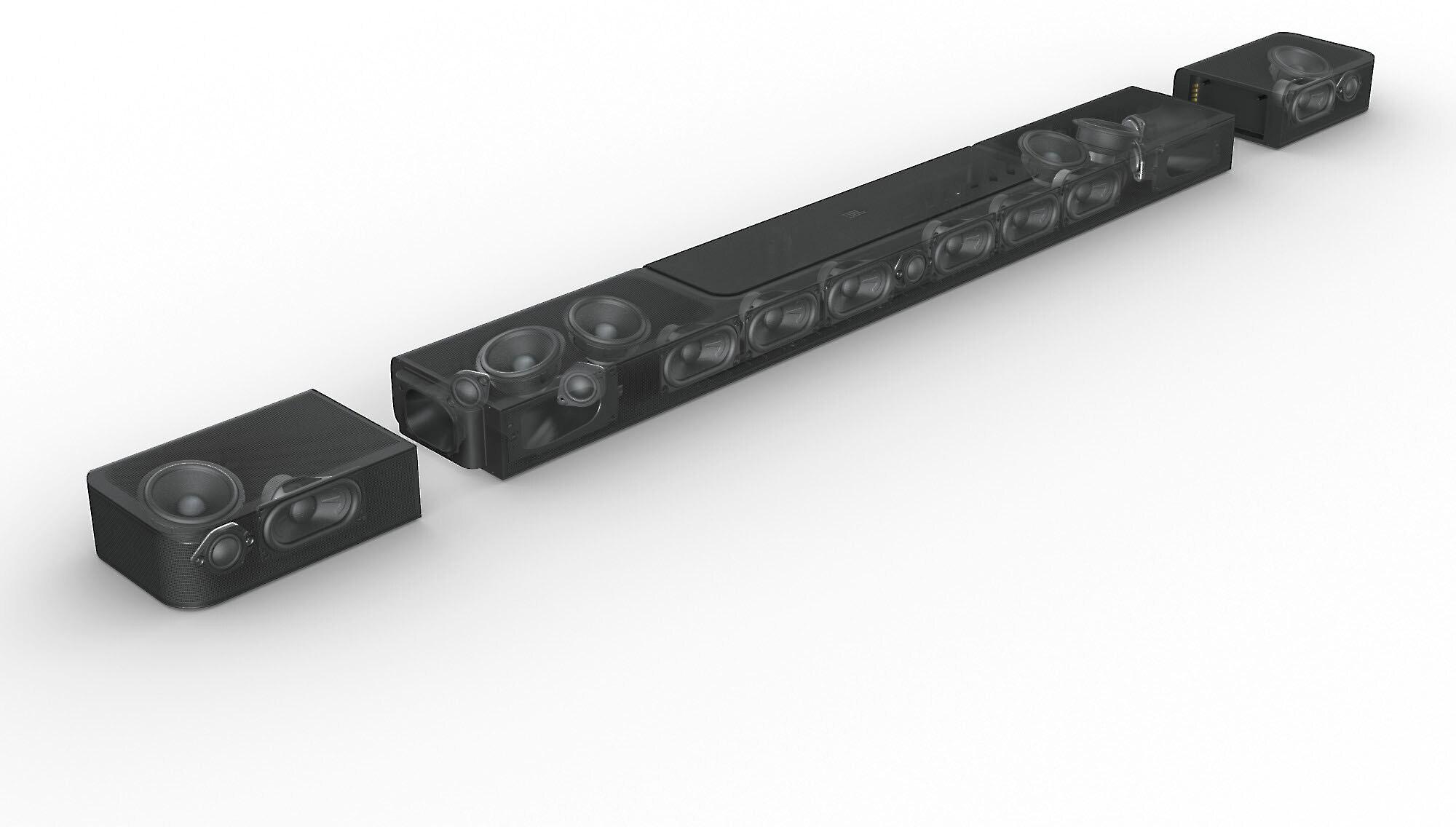
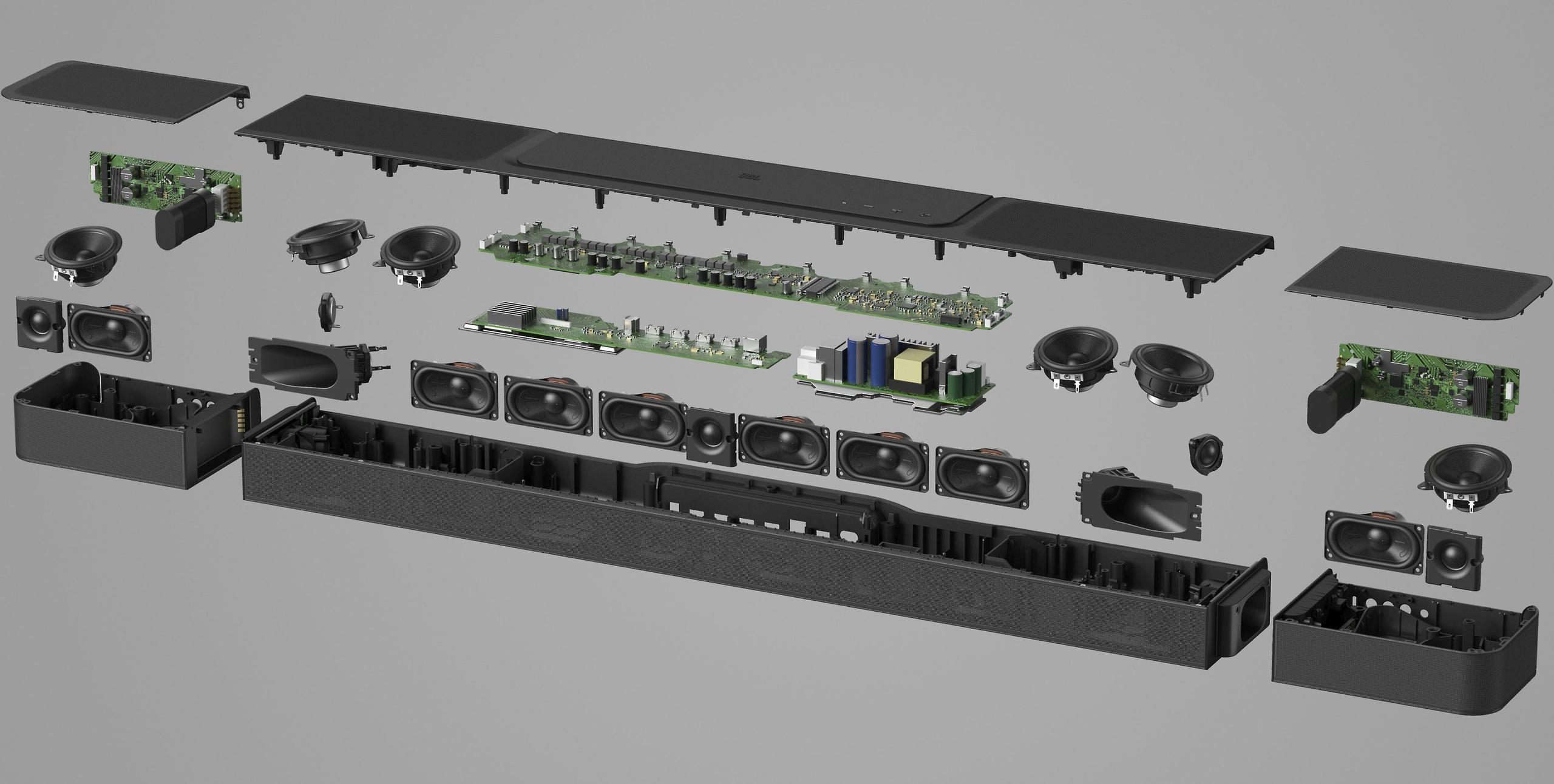
The JBL Bar 1300X, however, implements an 11.1.4 system. Those numbers tell a story: 11 main channels, 1 subwoofer, and 4 dedicated height channels. Those height channels are created by six up-firing drivers (speakers that point toward your ceiling) that bounce sound off your ceiling to create the illusion of overhead audio.
I've spent considerable time with both systems, and the difference is immediately apparent. When watching "Top Gun: Maverick," the Bar 5.1 delivers the jet engines roaring from left to right across your room. The Bar 1300X adds another dimension entirely – you actually hear the jets passing overhead, just like you would if you were standing on that aircraft carrier deck.
The power difference between these systems is substantial. The Bar 1300X pumps out 1,170 watts total, with 650 watts dedicated to the main soundbar, 300 watts to the 12-inch subwoofer, and 220 watts split between the two detachable surround speakers. The Bar 5.1 produces 550 watts total – still respectable, but roughly half the muscle.
This isn't just about getting louder (though the Bar 1300X can certainly do that). More power means better dynamic range – the difference between the quietest whisper and the loudest explosion. It also means less distortion at higher volumes and better control over those demanding low frequencies that make your room shake during action scenes.
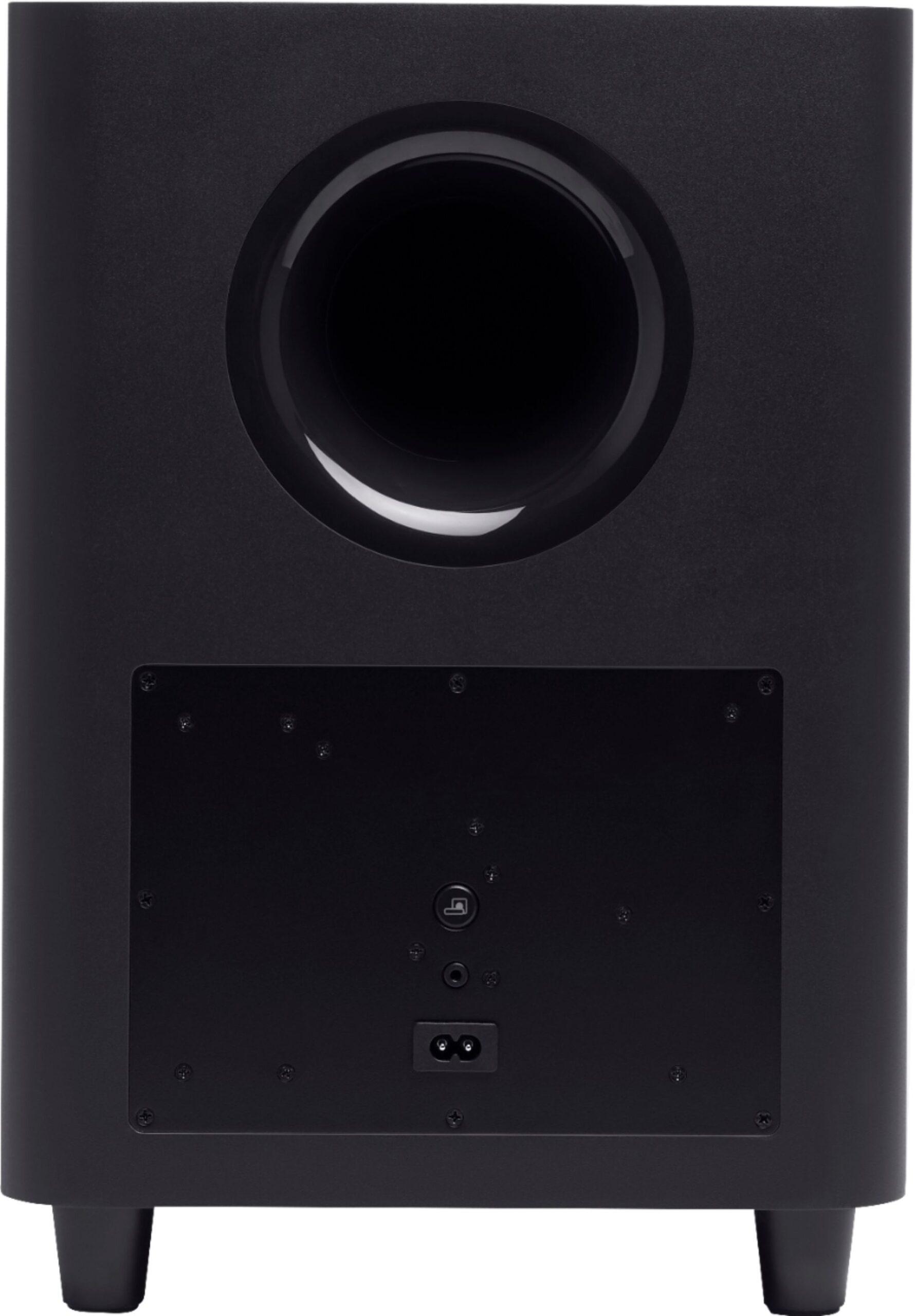
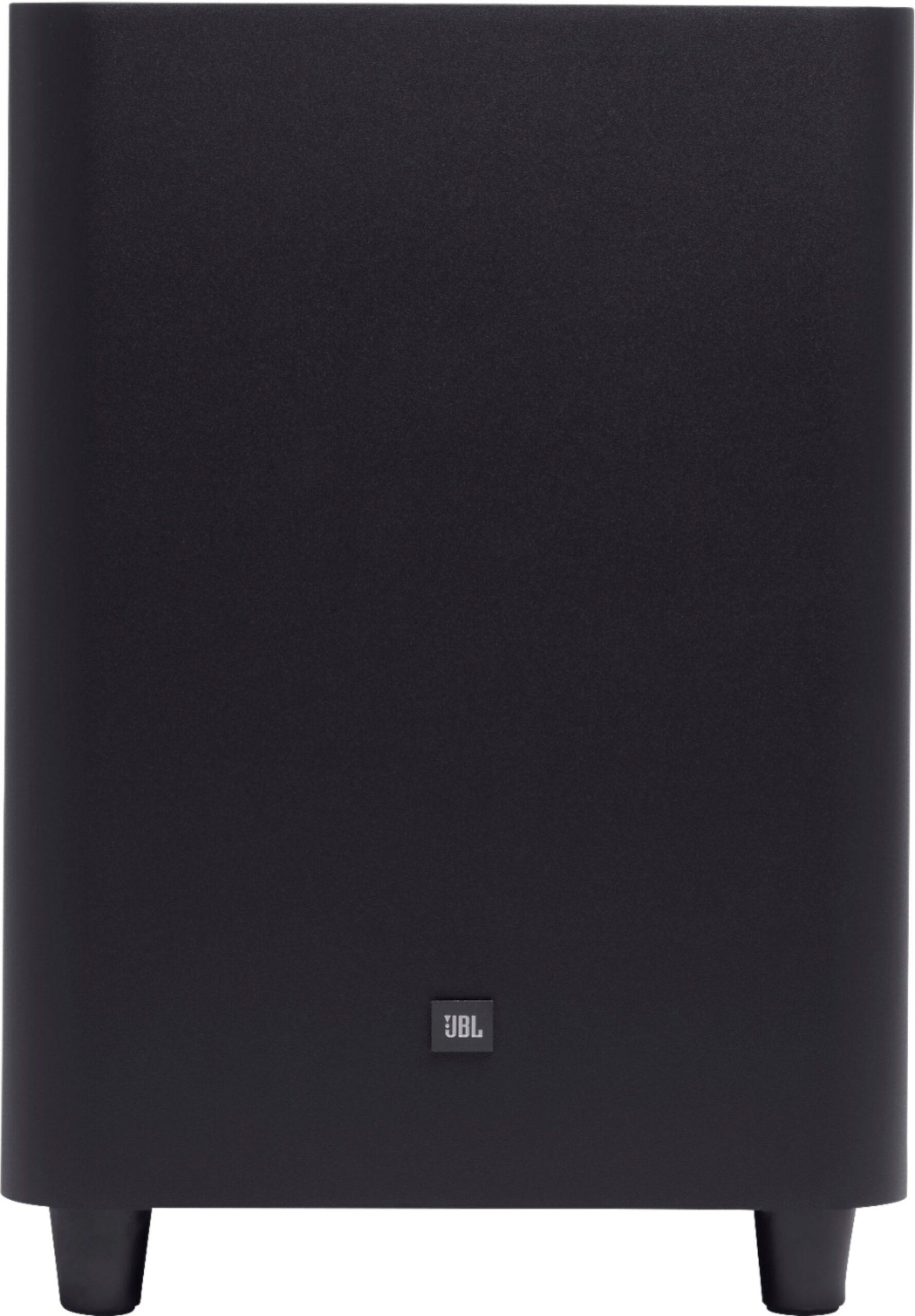
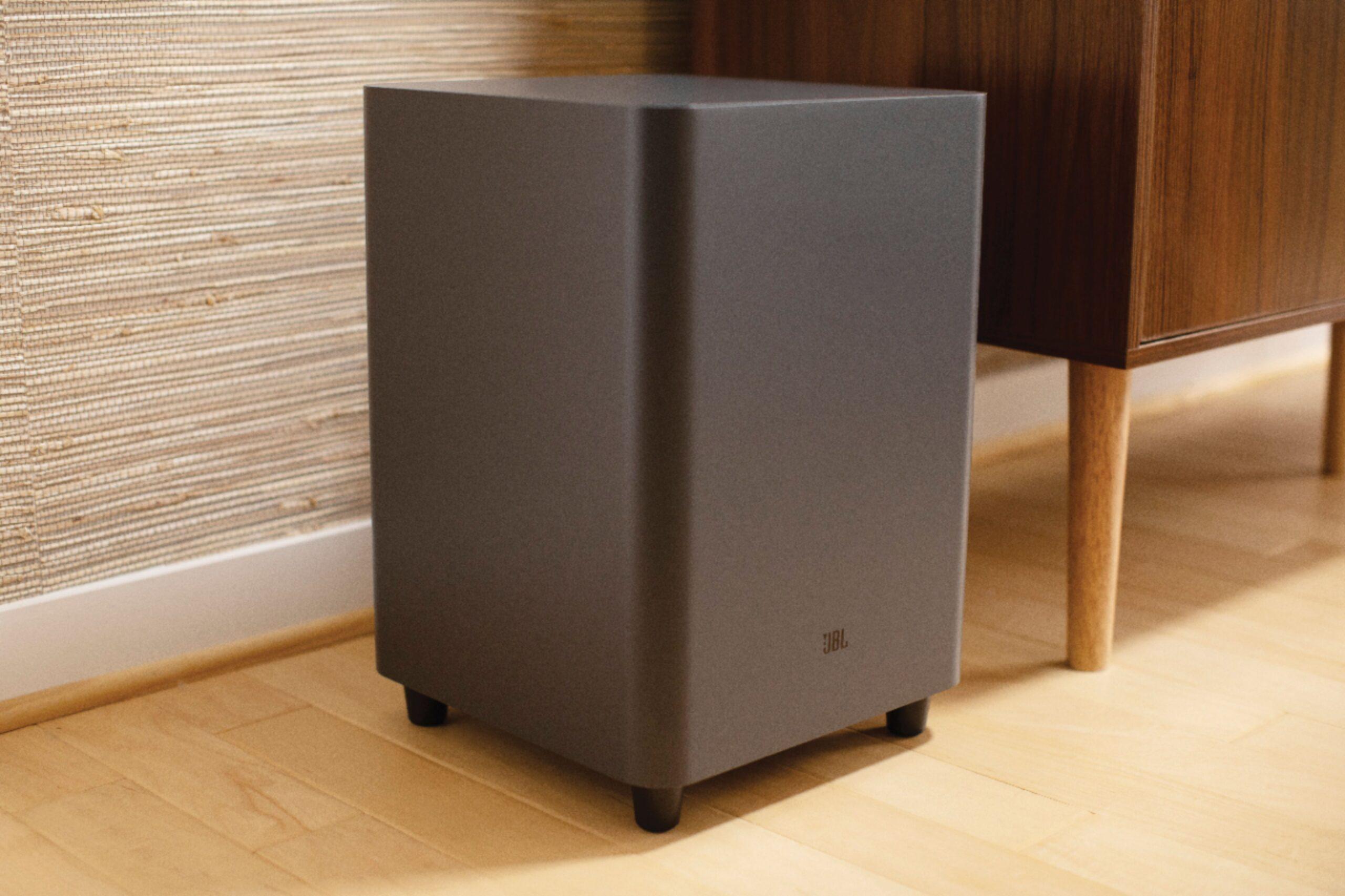
The subwoofer difference is particularly noteworthy. The Bar 1300X's 12-inch driver moves significantly more air than the Bar 5.1's 10-inch unit. During the opening scene of "Blade Runner 2049," where that massive LAPD spinner descends from the sky, the Bar 1300X reproduces those deep, rumbling bass notes with authority and precision. The Bar 5.1 handles it adequately, but you can hear it working harder, and the bass doesn't dig quite as deep.
This is where the JBL Bar 1300X truly shines. Its six up-firing drivers work with JBL's MultiBeam technology to create what the company calls "virtual height channels." These aren't just marketing terms – MultiBeam uses digital signal processing to analyze incoming audio and intelligently distribute sounds to create a wider, more enveloping soundstage.
When I first set up the Bar 1300X and played the helicopter scene from "Apocalypse Now," I actually looked up at my ceiling. The sound of those rotors seemed to be coming from directly above, even though I knew the speakers were firing upward and bouncing sound off my ceiling. It's a convincing illusion that works remarkably well in rooms with 8-10 foot ceilings.
The Bar 5.1, by contrast, creates a solid wall of sound in front of you and good surround effects from the detachable rear speakers. It's engaging and certainly better than TV speakers, but it's operating in two dimensions rather than three.
Both soundbars include wireless subwoofers, but the differences run deeper than just size. The Bar 1300X's 12-inch driver is housed in a larger, more robust cabinet that's designed to reproduce frequencies as low as 33Hz. That's approaching the limits of human hearing and includes those deep, chest-thumping notes that you feel as much as hear.
The Bar 5.1's 10-inch subwoofer has a frequency response starting around 40Hz. While that 7Hz difference might not sound significant, it represents a meaningful gap in the lowest octave of bass. During the T-Rex scene in "Jurassic Park," you can feel the difference. The Bar 1300X reproduces those earth-shaking footsteps with more weight and authority.
Both subwoofers connect wirelessly, which means no unsightly cables running across your room. However, the Bar 1300X's sub includes more sophisticated room correction algorithms that help it integrate better with your specific room acoustics.
Clear dialogue reproduction is crucial, especially as movie soundtracks become more complex and dynamic. The JBL Bar 1300X includes PureVoice 2.0 technology, which is essentially an intelligent dialogue enhancement system. It analyzes the incoming audio signal in real-time and selectively boosts frequencies where human speech occurs while maintaining the balance of the overall soundtrack.
I tested this extensively with "Christopher Nolan" films, which are notorious for mixing dialogue lower than other elements. During the interrogation scenes in "The Dark Knight," I could follow every word of the conversation between Batman and the Joker without having to reach for the remote to adjust volume levels.
The Bar 5.1 handles dialogue well through its dedicated center channel, but it lacks the adaptive processing of its more expensive sibling. You might find yourself adjusting volume more frequently during movies with wide dynamic ranges.
While soundbars are primarily designed for TV and movie audio, many people also use them for music streaming. The JBL Bar 1300X excels here thanks to its wider frequency response, more powerful amplification, and sophisticated digital signal processing.
Playing everything from jazz quartets to electronic music, the Bar 1300X creates a surprisingly large soundstage that extends well beyond the physical boundaries of the soundbar itself. The system's ability to separate instruments and place them in distinct positions makes complex orchestral pieces much more engaging.
The Bar 5.1 handles music competently, but you can hear the limitations more clearly with musical content than with movies. The soundstage feels more constrained, and bass-heavy genres like hip-hop or electronic music don't have quite the same impact.
Both soundbars feature detachable wireless surround speakers, but JBL implemented this concept very differently in each model. The Bar 5.1's detachable speakers are essentially wireless rear channels – they provide surround effects but don't offer additional functionality.
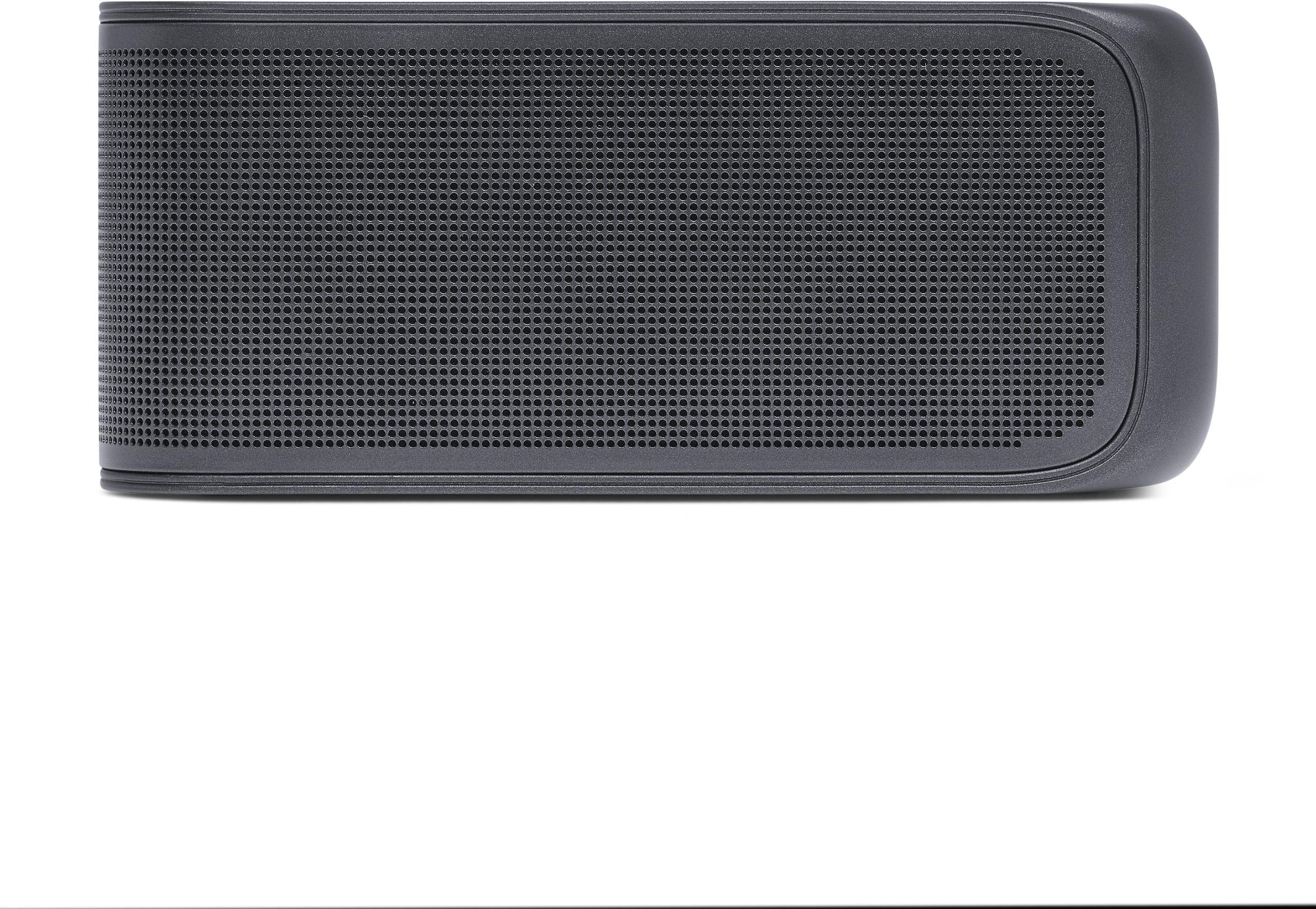
The Bar 1300X's detachable speakers are genuinely innovative. When docked to the main soundbar, they function as rear surround channels with up-firing drivers for Dolby Atmos effects. When removed, each speaker becomes a standalone Bluetooth speaker with up to 12 hours of battery life.
This dual functionality is more useful than it might initially seem. I've taken these speakers to backyard gatherings, used them as bedroom speakers, and even brought them on camping trips. They're surprisingly capable standalone speakers with clear mids and adequate bass for their size. The Bar 5.1's speakers can't operate independently – they're purely components of the larger system.
At $599.95, the JBL Bar 5.1 offers solid value for buyers seeking basic surround sound enhancement. You're getting a complete 5.1 system with wireless subwoofer and detachable surrounds for less than many premium soundbars cost on their own.
The JBL Bar 1300X at $1,299.95 (often discounted to around $999.95) costs roughly twice as much but delivers significantly more than twice the features and performance. Consider what you're getting for that premium: nearly three times the power output, advanced Dolby Atmos processing, a larger and more capable subwoofer, intelligent room calibration, Wi-Fi streaming capabilities, and those versatile detachable speakers.
From a pure performance-per-dollar perspective, the Bar 1300X actually represents better value if you plan to use its advanced features. However, if you're simply looking to upgrade from TV speakers and don't need cutting-edge audio processing, the Bar 5.1 delivers meaningful improvement at a more accessible price point.
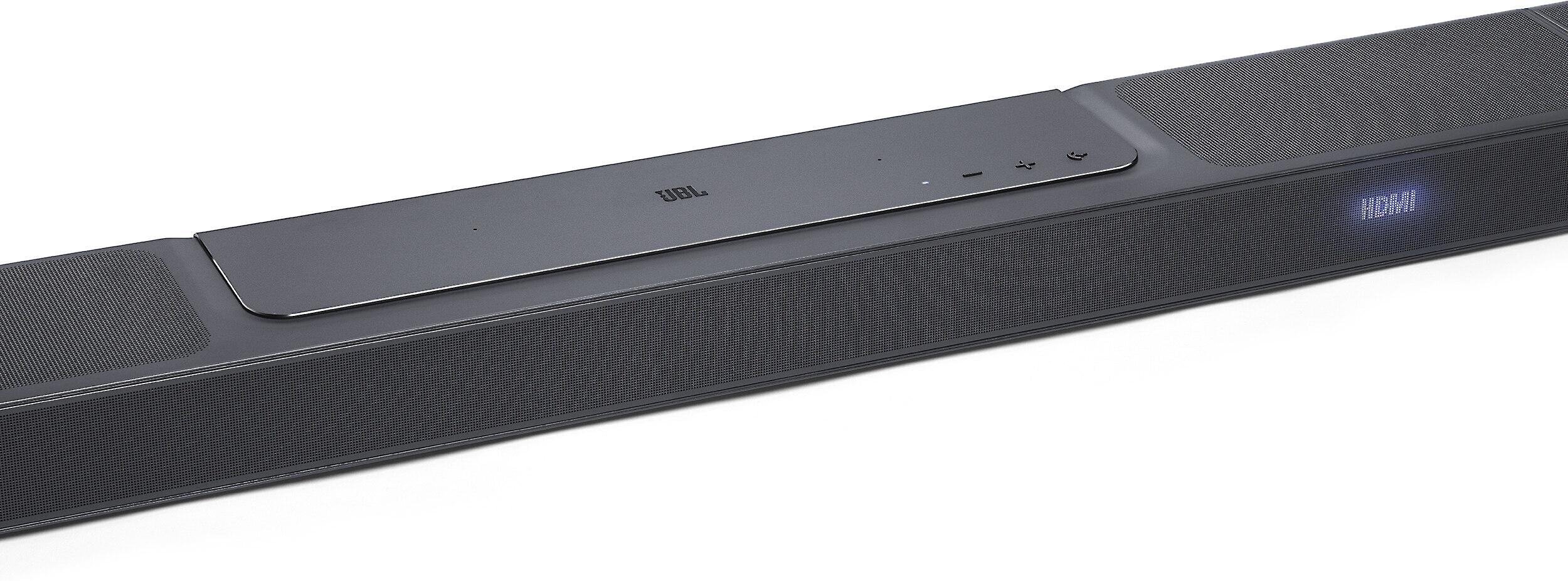
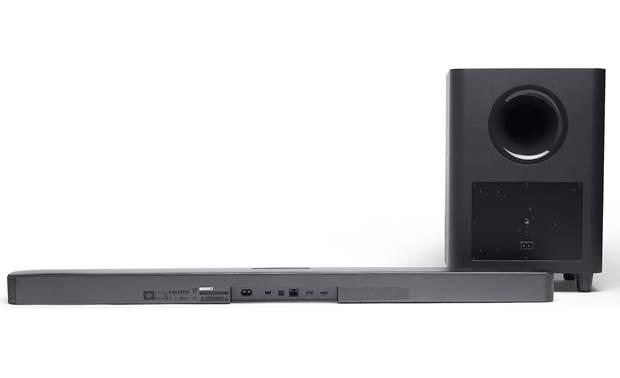
Setting up either system is straightforward, but the Bar 1300X offers more sophisticated integration options. Both connect via HDMI ARC (Audio Return Channel), which allows your TV remote to control volume and power. The Bar 1300X also supports eARC (enhanced Audio Return Channel), which can pass uncompressed Dolby Atmos signals from your TV to the soundbar.
The Bar 1300X includes automatic room calibration that analyzes your space and adjusts the sound accordingly. During setup, it plays test tones and uses built-in microphones to measure how sound reflects in your room, then adjusts processing to optimize the experience. This feature alone can make a significant difference in how well the system performs in your specific space.
Both systems support 4K HDR passthrough, so you can connect your streaming devices and gaming consoles directly to the soundbar, which then passes video to your TV while processing the audio.
The JBL Bar 5.1 makes sense if you're working with a smaller room (under 300 square feet), have a limited budget, or primarily watch older content that wasn't mixed with Dolby Atmos. It's also a good choice if you want surround sound enhancement without the complexity of advanced features.
The JBL Bar 1300X is worth the investment if you have a medium to large room, regularly watch modern movies and shows with Dolby Atmos soundtracks, or want a system that will remain relevant as audio technology continues advancing. The versatility of the detachable speakers adds significant value if you can use them in multiple contexts.
Both soundbars will dramatically improve your TV audio experience, but they serve different needs and budgets. The Bar 5.1 provides solid, traditional surround sound at an attractive price point. The Bar 1300X delivers a more immersive, future-proof experience with advanced features that justify its higher cost.
For most buyers stepping up from TV speakers, the JBL Bar 1300X represents the better long-term investment. Its Dolby Atmos capabilities, superior power, and innovative detachable speakers create an experience that will remain satisfying as your expectations and content library evolve. However, the JBL Bar 5.1 remains a smart choice for budget-conscious buyers who want meaningful audio improvement without premium features they might not use.
The decision ultimately comes down to how much you value that extra dimension of immersion and whether the additional capabilities align with your listening habits and budget. Either way, you'll be trading up from the disappointing audio that comes with even expensive TVs to a proper home theater experience.
| JBL Bar 1300X Soundbar ($1,299.95) | JBL Bar 5.1 Surround Soundbar ($599.95) |
|---|---|
| Audio Channels - Determines immersion level and future content compatibility | |
| 11.1.4 with Dolby Atmos height effects | 5.1 traditional surround (no height channels) |
| Total System Power - Controls volume, clarity, and bass impact | |
| 1,170W (nearly 3x more powerful) | 550W (adequate for smaller rooms) |
| Subwoofer Size - Affects bass depth and room-filling capability | |
| 12-inch wireless (deeper, more controlled bass) | 10-inch wireless (good but less impactful) |
| Detachable Speakers - Adds flexibility beyond home theater use | |
| Battery-powered with 12hr life, work as Bluetooth speakers | Basic detachables, no standalone functionality |
| Height Audio Processing - Creates overhead sound effects | |
| 6 up-firing drivers with MultiBeam technology | None (limited to horizontal surround) |
| Frequency Response - Shows how deep bass extends | |
| 33Hz - 20kHz (cinema-level low-end extension) | 40Hz - 20kHz (7Hz less bass depth) |
| Advanced Features - Smart processing and room optimization | |
| PureVoice 2.0, room calibration, Wi-Fi streaming | Basic center channel processing |
| HDMI Connectivity - Affects device compatibility | |
| 3 HDMI inputs + eARC output (connects multiple 4K sources) | 1 HDMI input + ARC output (limited connections) |
| Release Generation - Indicates future-proofing | |
| 2023 model with modern Atmos support | Older design, legacy 5.1 focus |
| Best Room Size - Where each performs optimally | |
| 300+ sq ft (power handles larger spaces) | Under 300 sq ft (sufficient for smaller rooms) |
The biggest difference is audio technology. The JBL Bar 1300X ($1,299.95) features 11.1.4 channels with Dolby Atmos height effects created by six up-firing drivers, while the JBL Bar 5.1 ($599.95) uses traditional 5.1 surround sound without overhead audio. The Bar 1300X creates a three-dimensional soundstage, while the Bar 5.1 focuses on horizontal surround effects.
The JBL Bar 1300X is significantly better for home theater use. Its Dolby Atmos and DTS:X support creates immersive overhead effects that make you feel like you're inside the movie. The 1,170W power output and 12-inch subwoofer also deliver more impactful sound for action scenes compared to the JBL Bar 5.1's 550W system.
The JBL Bar 1300X costs about twice as much as the JBL Bar 5.1 but delivers nearly three times the power, advanced Atmos processing, and versatile detachable speakers that work as Bluetooth speakers. If you watch modern movies with Atmos soundtracks and want future-proof technology, the price premium is justified.
The JBL Bar 1300X has superior bass with its 12-inch wireless subwoofer that reaches down to 33Hz, compared to the JBL Bar 5.1's 10-inch subwoofer with 40Hz response. The larger driver and more powerful 300W amplification create deeper, more controlled bass that you can feel during action movies.
Both soundbars connect to your TV via HDMI ARC, but the JBL Bar 1300X also supports enhanced ARC (eARC) for uncompressed Dolby Atmos audio. The Bar 1300X additionally offers Wi-Fi streaming and Bluetooth 5.0, while the JBL Bar 5.1 has more basic Bluetooth 4.2 connectivity.
For rooms under 300 square feet, the JBL Bar 5.1 provides adequate performance at a lower cost. However, the JBL Bar 1300X includes room calibration technology that optimizes sound for any space size, making it adaptable to both small and large rooms without overwhelming smaller spaces.
Yes, both include detachable wireless surround speakers, but with different capabilities. The JBL Bar 1300X's speakers have 12-hour battery life and work as standalone Bluetooth speakers when removed. The JBL Bar 5.1's detachable speakers only function as part of the surround system and can't be used independently.
The JBL Bar 1300X excels at music with its wider frequency response, more powerful amplification, and sophisticated processing that creates a larger soundstage. The JBL Bar 5.1 handles music adequately but sounds more constrained, especially with complex orchestral pieces or bass-heavy genres.
The JBL Bar 1300X offers three HDMI inputs plus one eARC output, allowing you to connect multiple 4K devices directly. The JBL Bar 5.1 has one HDMI input and one ARC output, which may require additional switching if you have multiple source devices.
Only the JBL Bar 1300X supports Dolby Atmos and DTS:X with its dedicated height channels and up-firing drivers. The JBL Bar 5.1 is limited to traditional surround formats like Dolby Digital and DTS, without the overhead audio effects that define modern movie soundtracks.
The JBL Bar 1300X is excellent for gaming with its low-latency processing, immersive Atmos effects, and powerful bass that enhances explosions and environmental audio. The JBL Bar 5.1 provides good gaming audio but lacks the three-dimensional effects and dynamic range of its premium counterpart.
The JBL Bar 1300X is the better choice for future-proofing, as it supports current and emerging audio formats like Dolby Atmos that are becoming standard in streaming and gaming. The JBL Bar 5.1 is limited to legacy audio formats and may feel outdated as more content adopts immersive audio technologies.
We've done our best to create useful and informative comparisons to help you decide what product to buy. Our research uses advanced automated methods to create this comparison and perfection is not possible - please contact us for corrections or questions. These are the sites we've researched in the creation of this article: techradar.com - jbl.com - audioadvice.com - youtube.com - rtings.com - jbl.com - greentoe.com - harmanaudio.com - youtube.com - mm.jbl.com - jbl.com - jbl.com - jbl.com - jbl.com - tomsguide.com - jbl.com - bestbuy.com - bestbuy.com - jbl.com - jbl.com - worldwidestereo.com

Privacy Policy
Terms and Conditions - Affiliate Policy
Home Security
© Copyright 2008-2026.
11816 Inwood Rd #1211, Dallas, TX 75244