

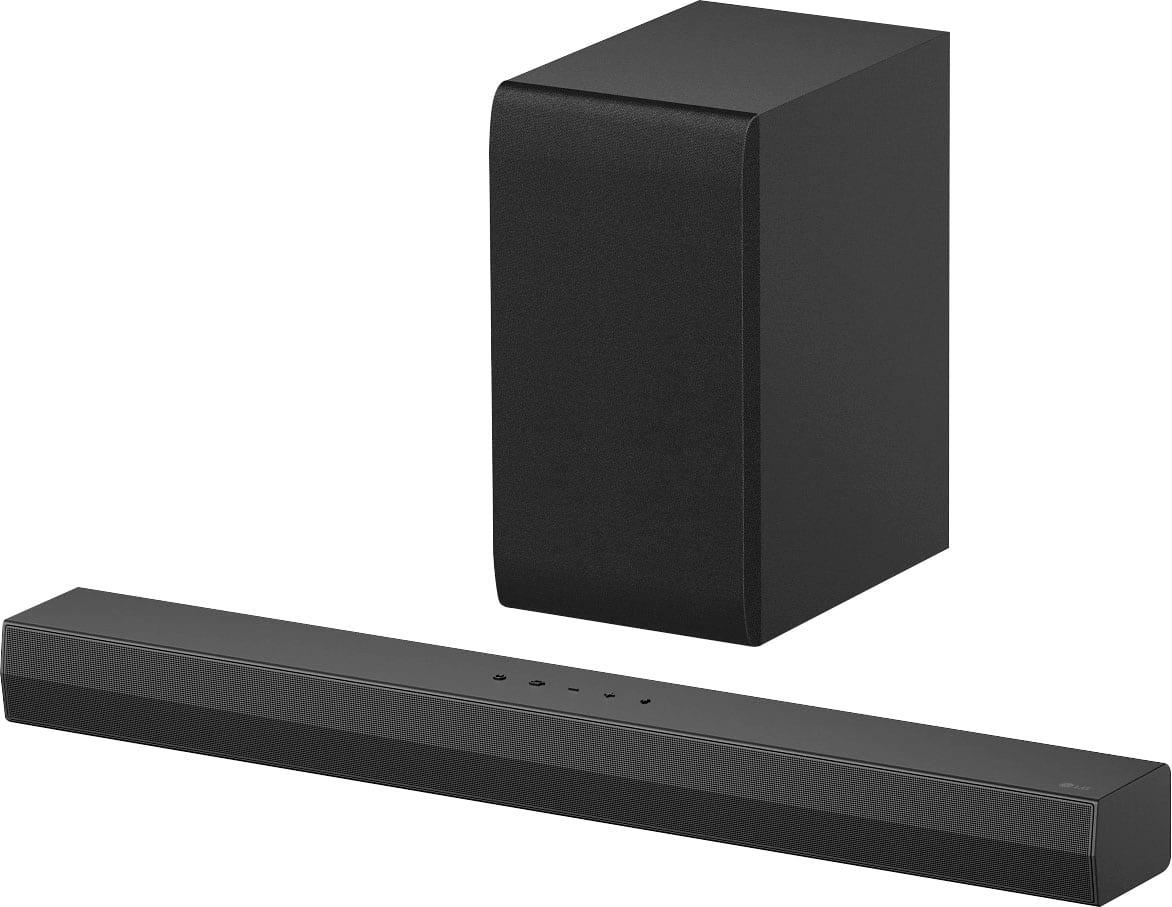
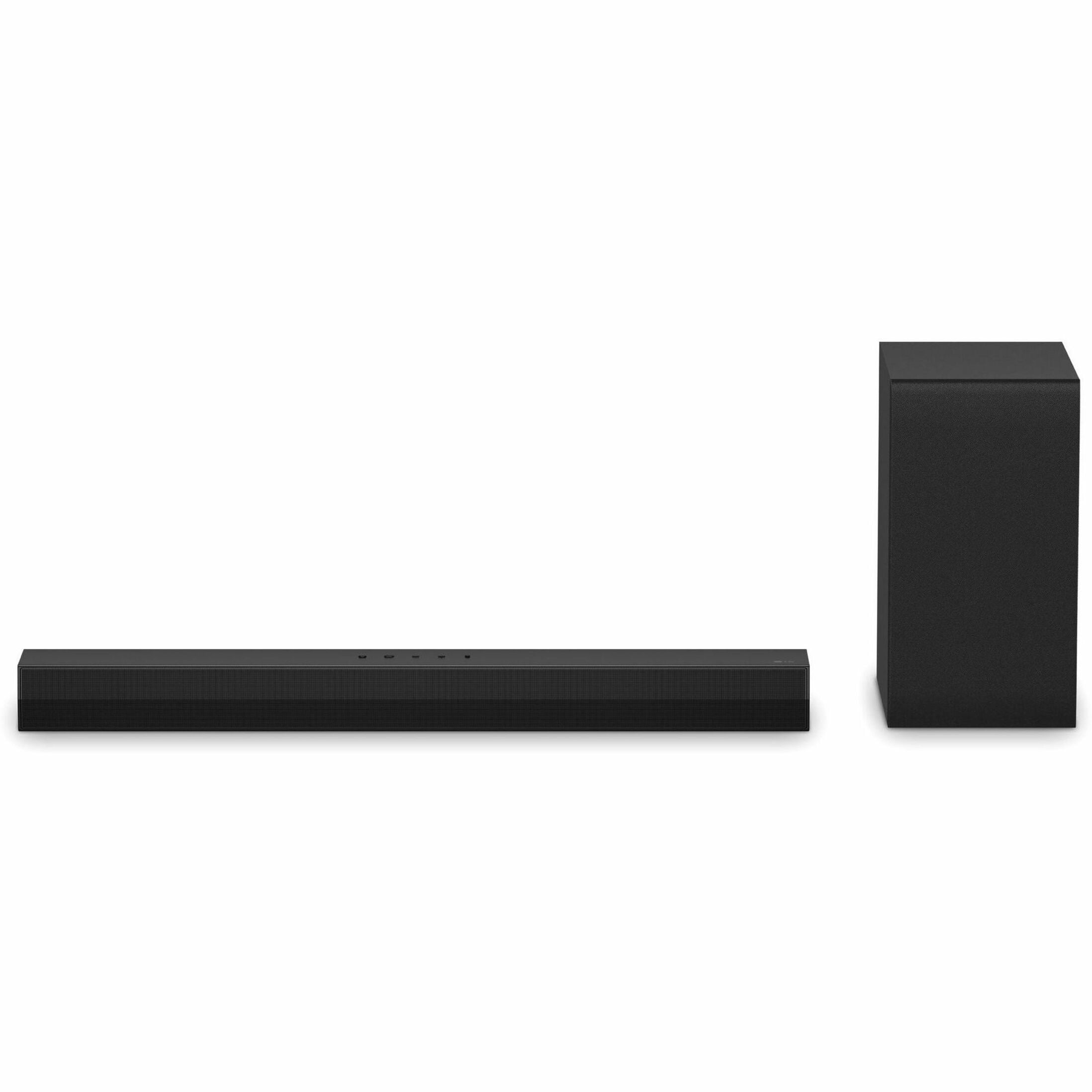
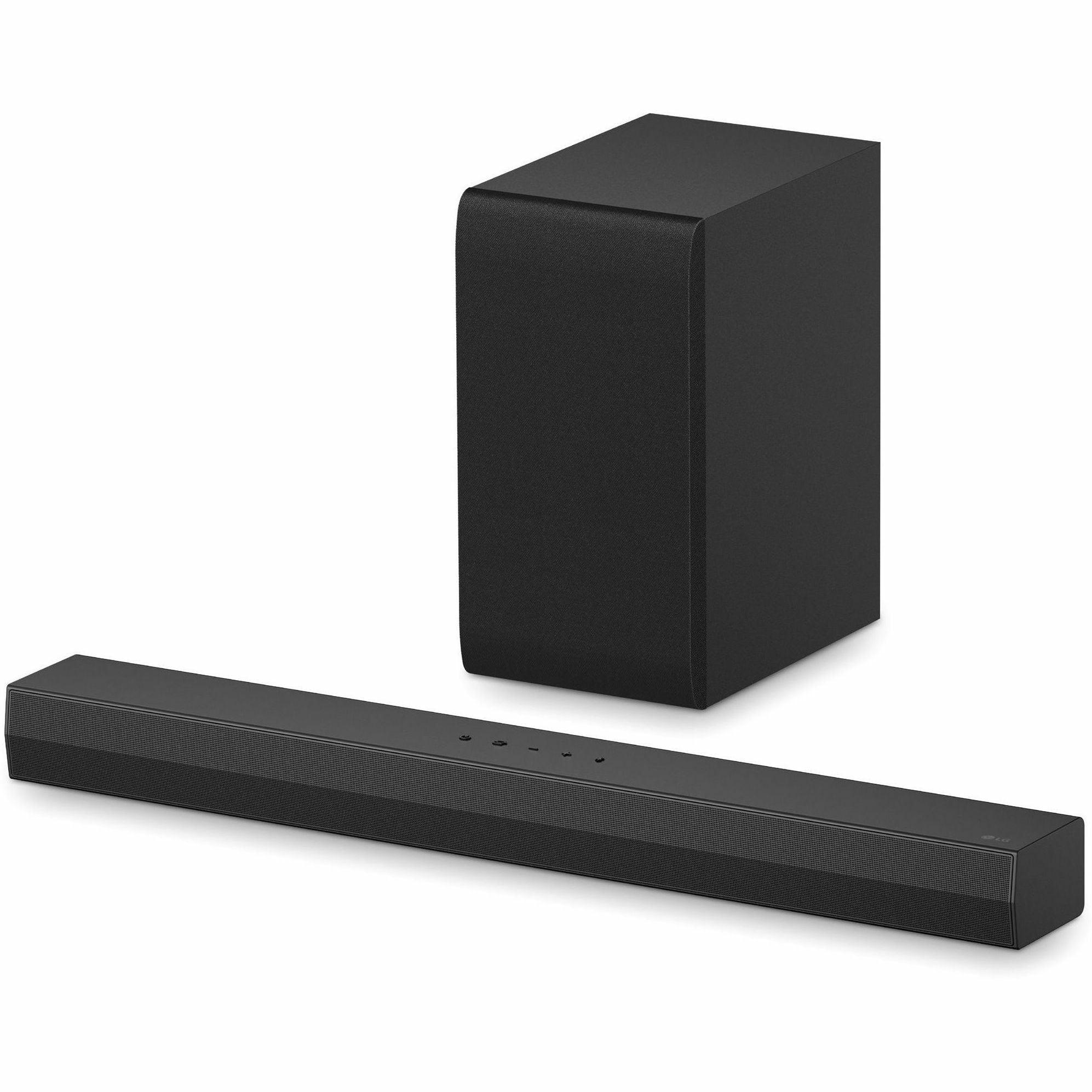



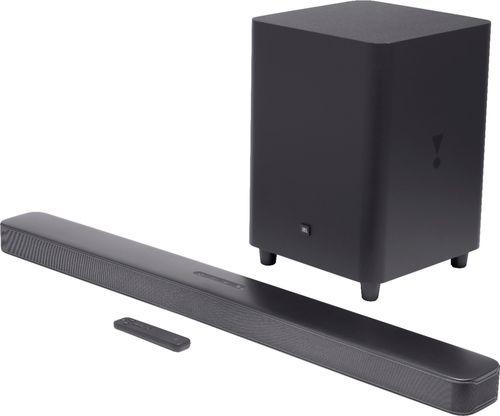
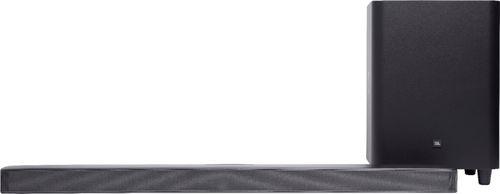
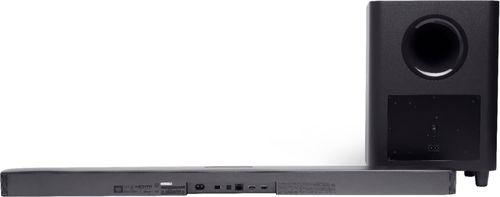
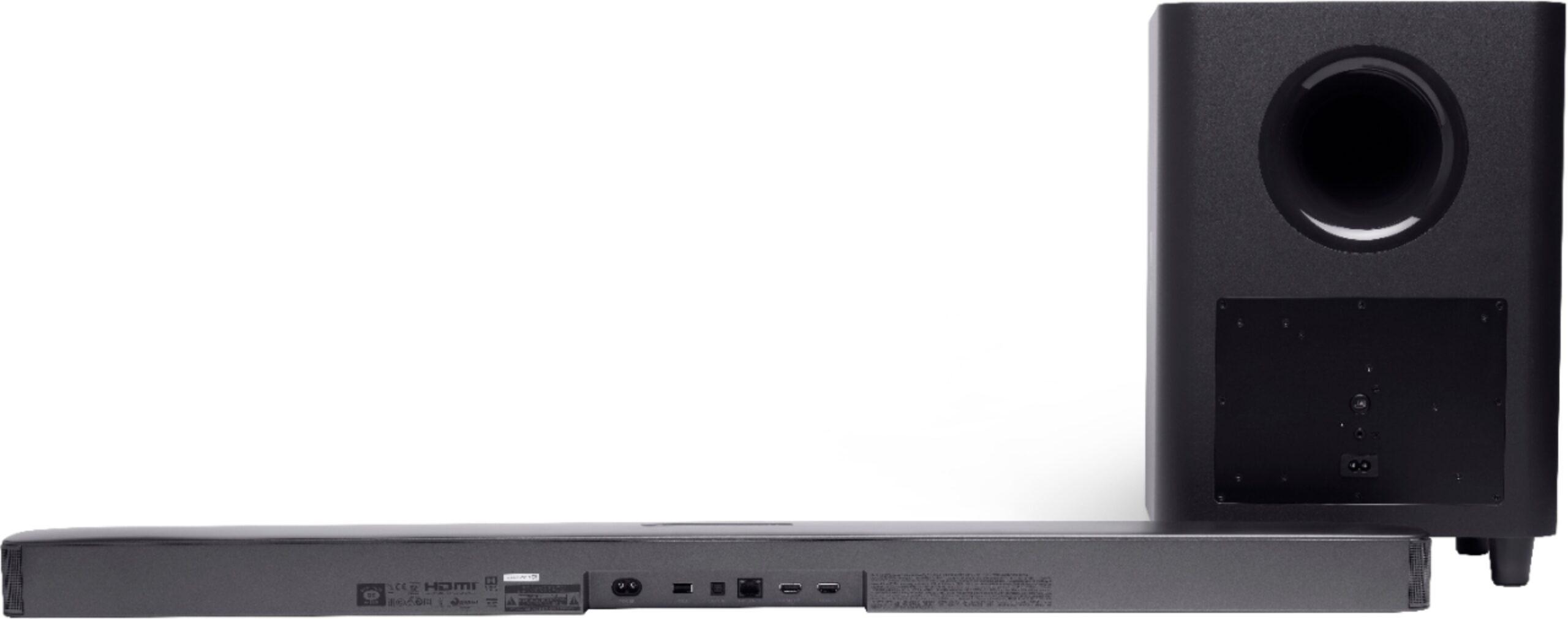
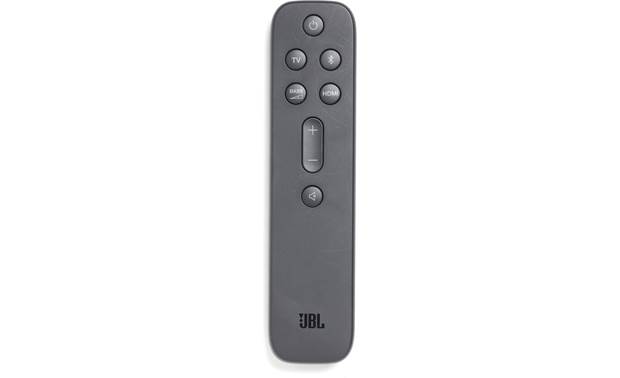
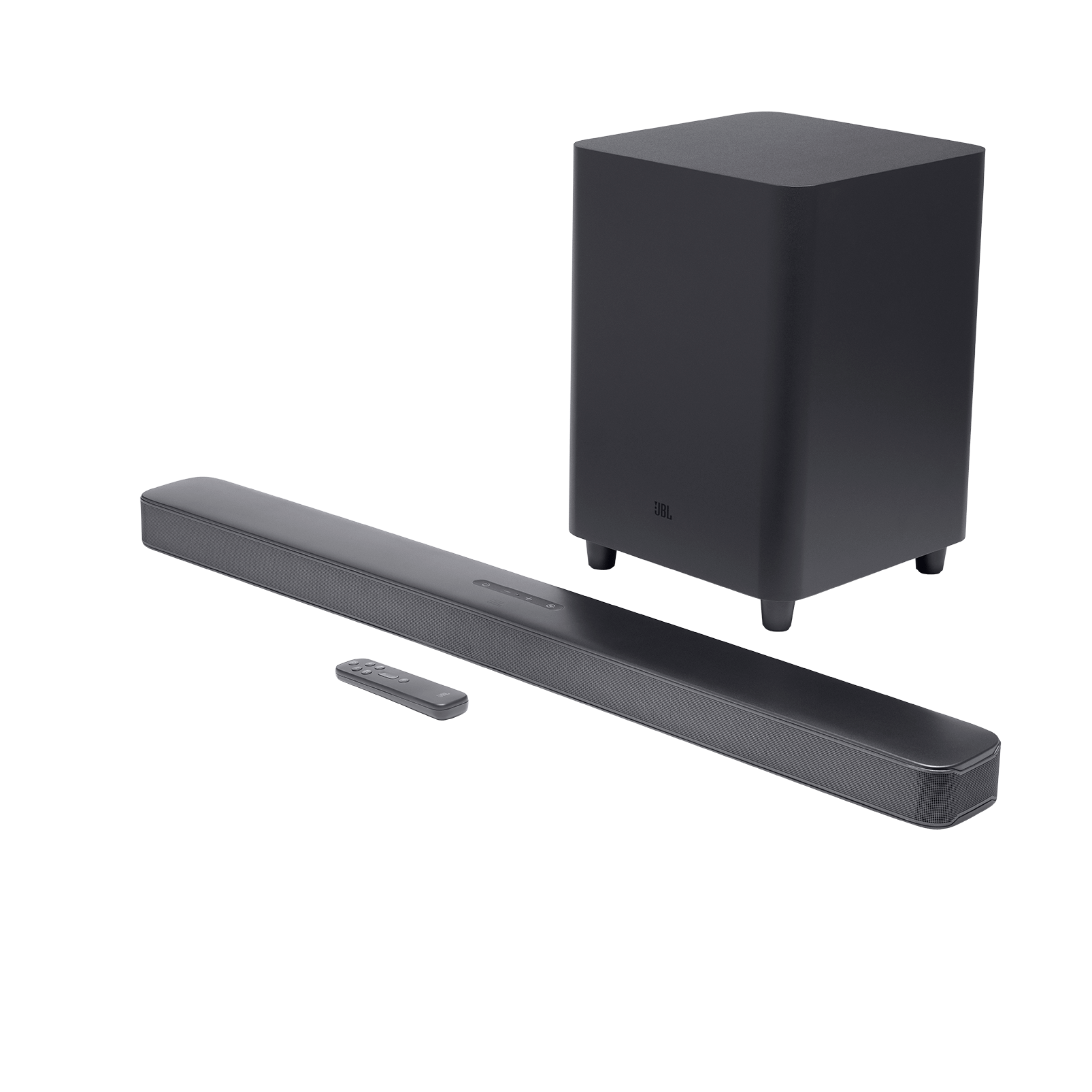
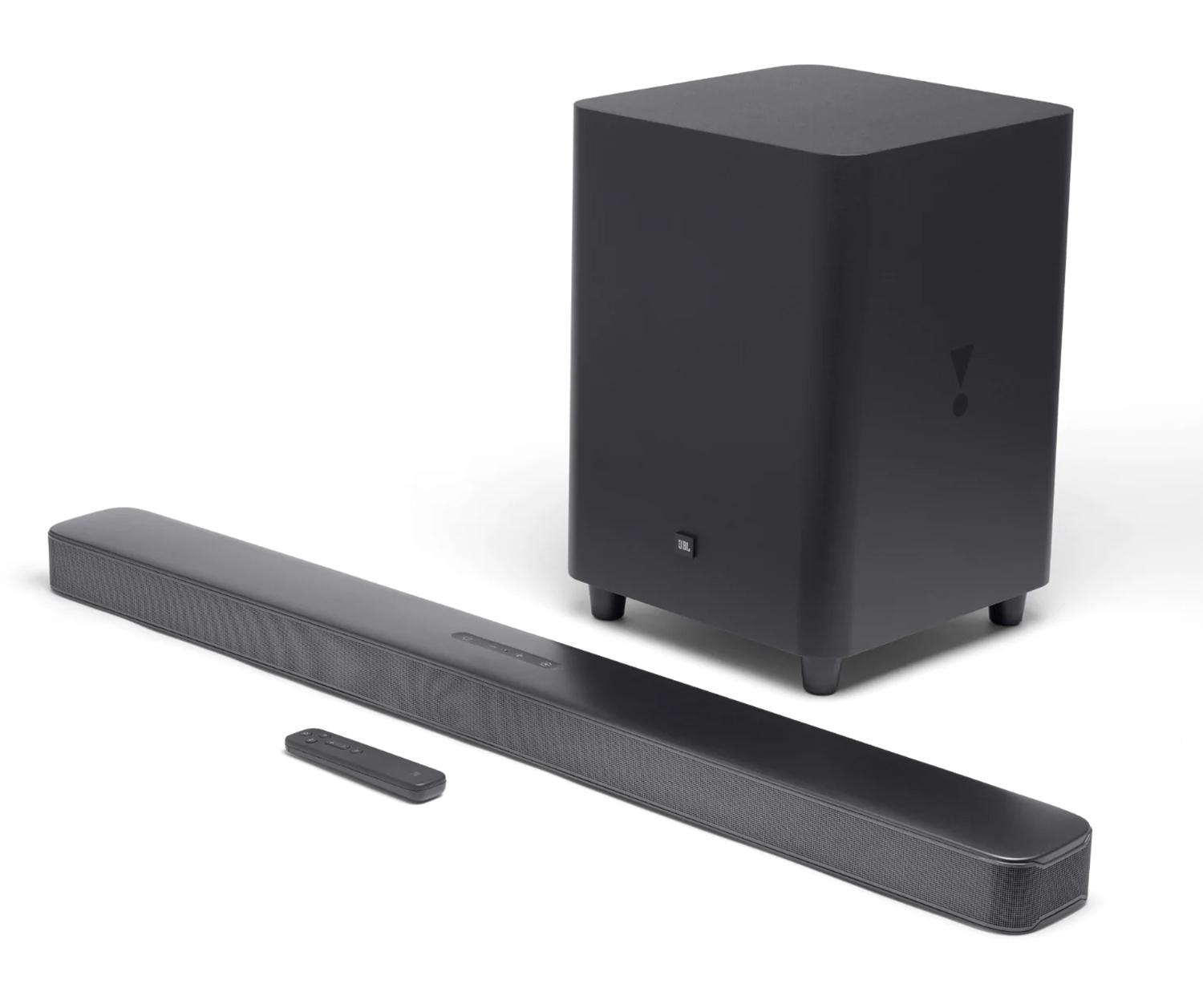
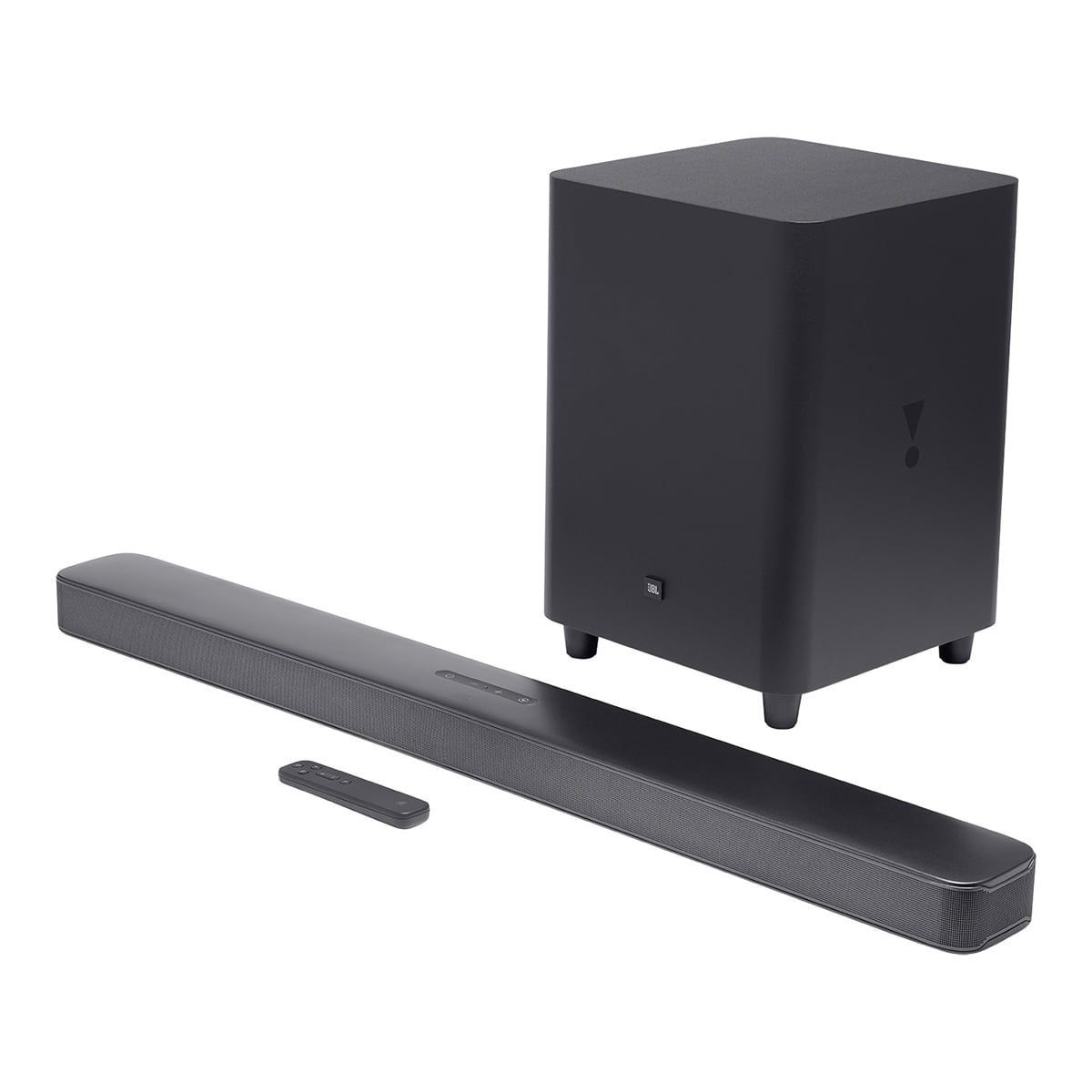
Upgrading from those tinny TV speakers is one of the best entertainment decisions you'll make, but choosing between a budget-friendly 2.1 system and a full surround setup can feel overwhelming. I've spent countless hours testing soundbars in different rooms, and the choice between the LG S40T 2.1 Channel Soundbar at $155.95 and the JBL Bar 5.1 Surround Soundbar at $599.95 perfectly illustrates the classic audio dilemma: smart spending versus premium experience.
Both soundbars excel in their respective categories, but they're solving fundamentally different problems. Understanding which problem matches your situation will save you from buyer's remorse and ensure you get the audio upgrade you actually need.
Before diving into specifics, let's decode what these numbers and features actually mean for your listening experience. A 2.1 system includes two main speakers (left and right channels) plus a subwoofer (the ".1" dedicated to bass frequencies below 120Hz). A 5.1 system adds three more channels: center (dialogue), and two rear speakers for surround effects.
The channel configuration fundamentally changes how audio reaches your ears. With a 2.1 system, clever digital processing creates the illusion of surround sound by manipulating timing and frequency distribution across the front speakers. True 5.1 systems physically place sounds around your room using separate speakers.
Audio formats like Dolby Digital (compressed surround sound standard since the 1990s) and DTS (competing format with different compression algorithms) determine how well your soundbar can decode the audio tracks embedded in movies and shows. More recent formats like Dolby Atmos add height channels, bouncing sound off your ceiling to create three-dimensional audio landscapes.
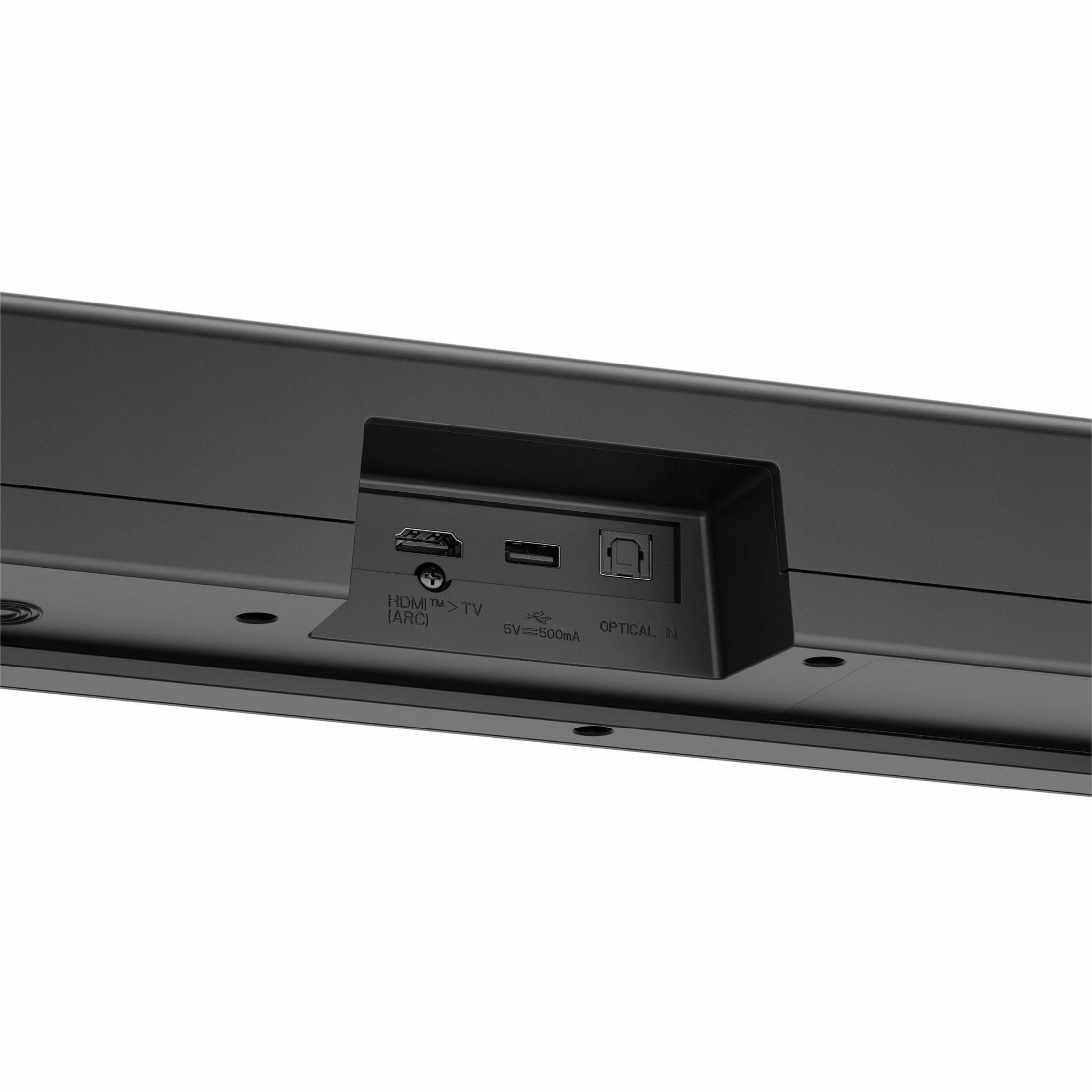
Connectivity matters more than most people realize. HDMI ARC (Audio Return Channel) sends audio back from your TV to the soundbar through the same cable carrying video. The newer eARC standard increases bandwidth, supporting higher-quality audio formats without compression.
The LG S40T launched in early 2025 as part of LG's refreshed budget lineup, incorporating lessons learned from years of customer feedback about their previous S-series models. LG recognized that most users wanted better dialogue clarity and deeper bass without complex setup procedures or premium pricing.
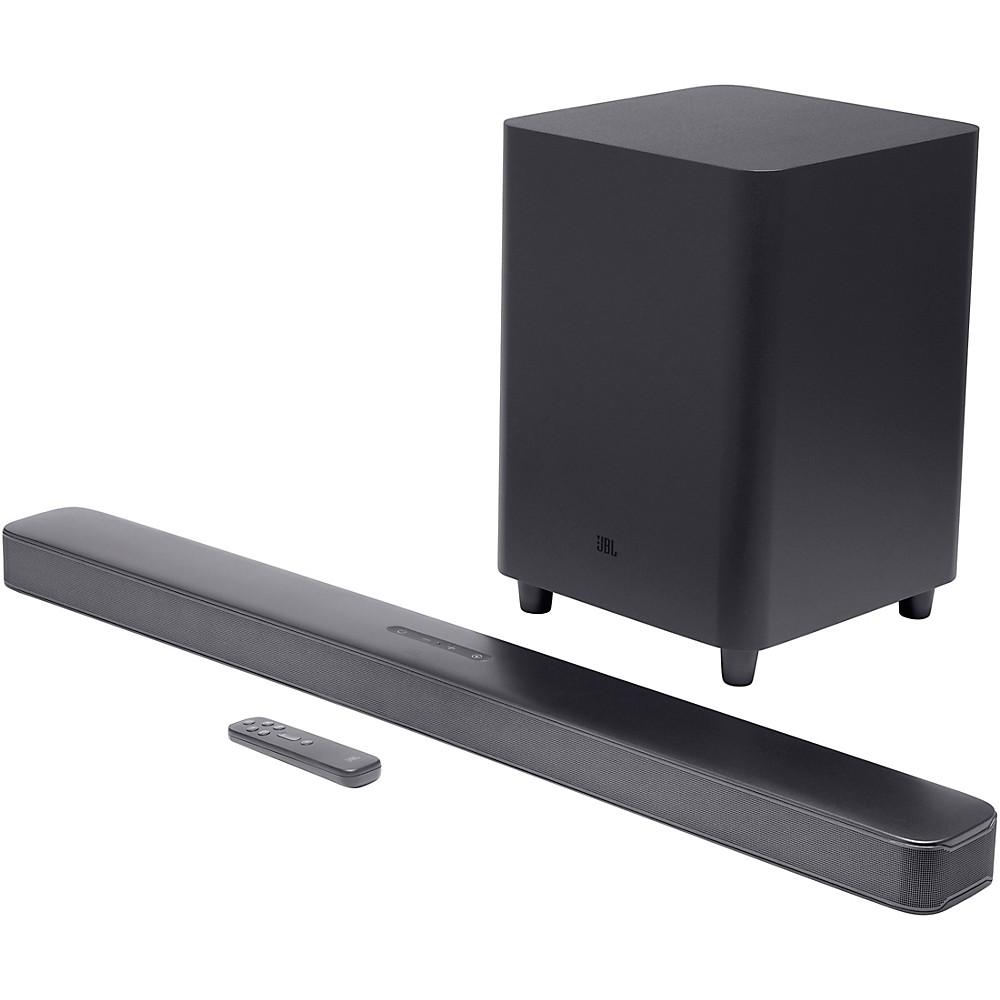
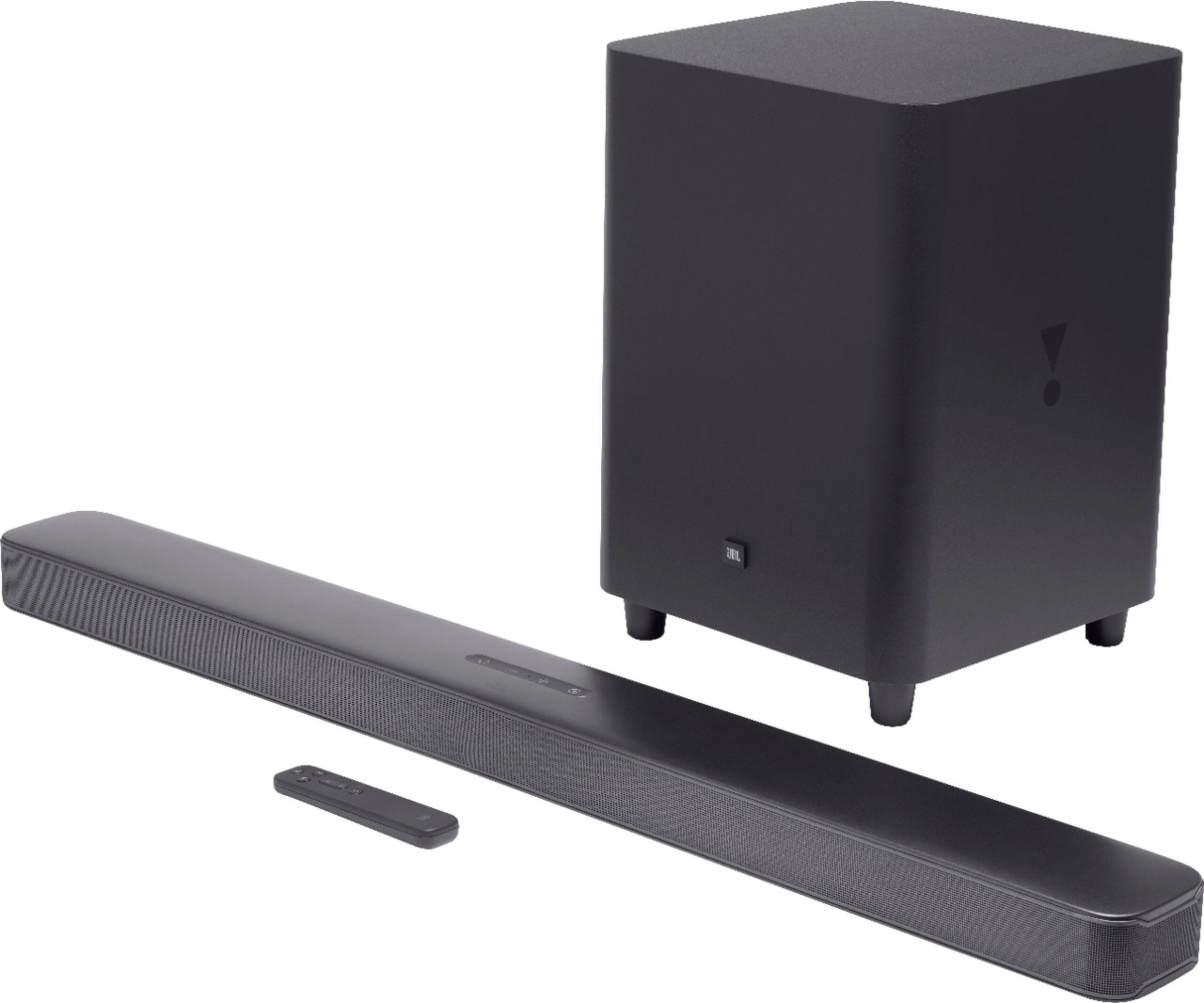
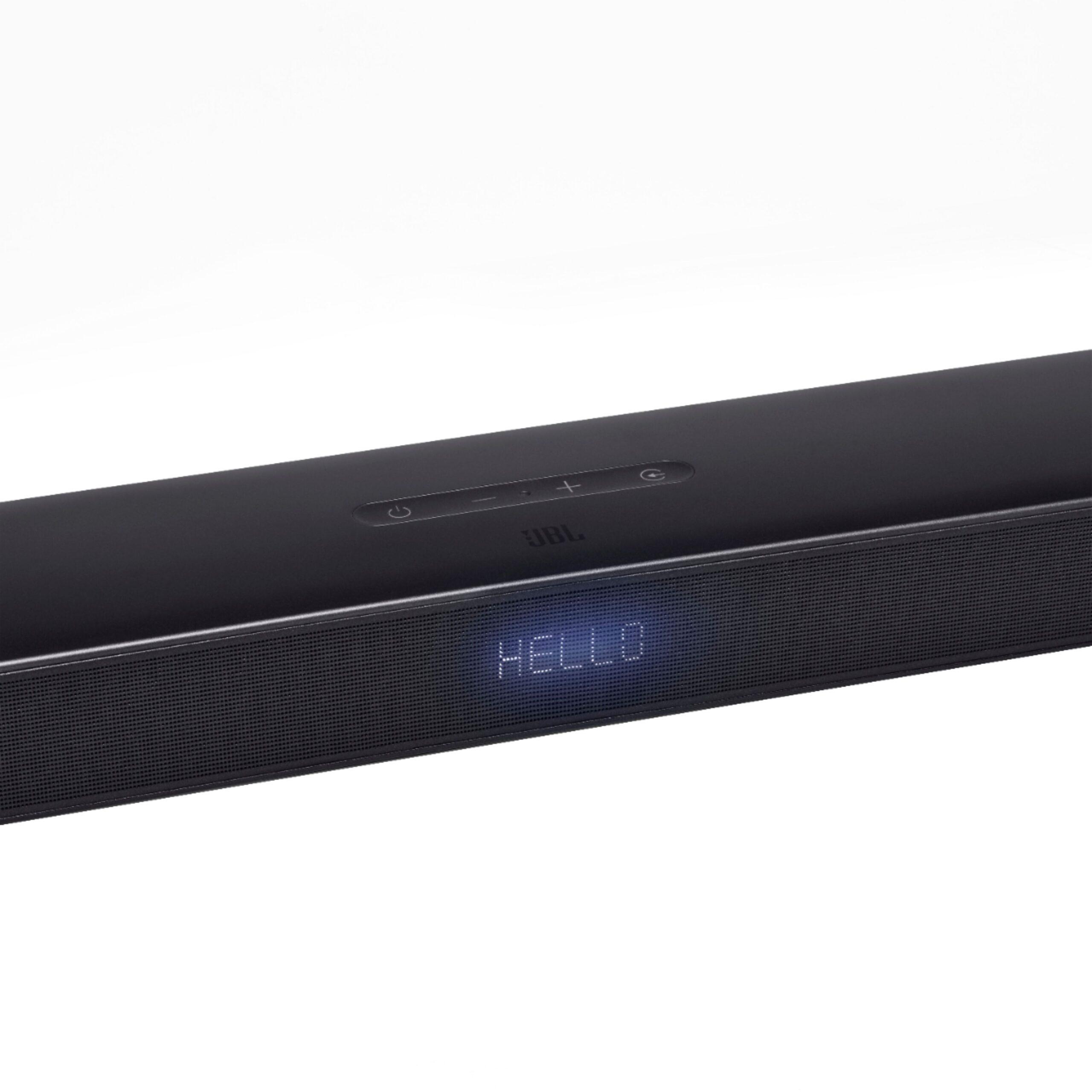
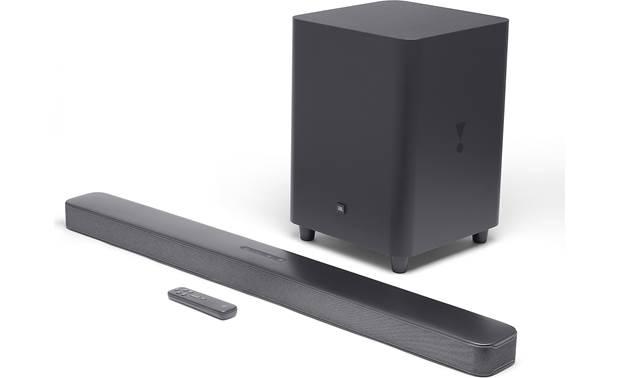
The JBL Bar 5.1 represents JBL's answer to the "true surround on a budget" challenge, though at nearly four times the LG's price, "budget" is relative. JBL's approach focuses on solving the rear speaker placement problem that has plagued surround systems for decades – their detachable wireless speakers can be positioned anywhere in your room without running cables.
Since these soundbars entered the market, we've seen significant improvements in wireless technology and AI-driven audio processing. The LG's Bluetooth 5.3 connection offers better stability and lower latency than older standards, while their AI Sound Pro represents a genuine advancement in automatic audio optimization.
Raw power numbers tell only part of the story, but they matter more than audio purists sometimes admit. The LG S40T's 300W total power (100W from the soundbar, 200W from the subwoofer) provides substantial improvement over TV speakers in rooms up to about 200 square feet. I've tested this setup in a 12×15 foot living room, and it fills the space admirably without strain.
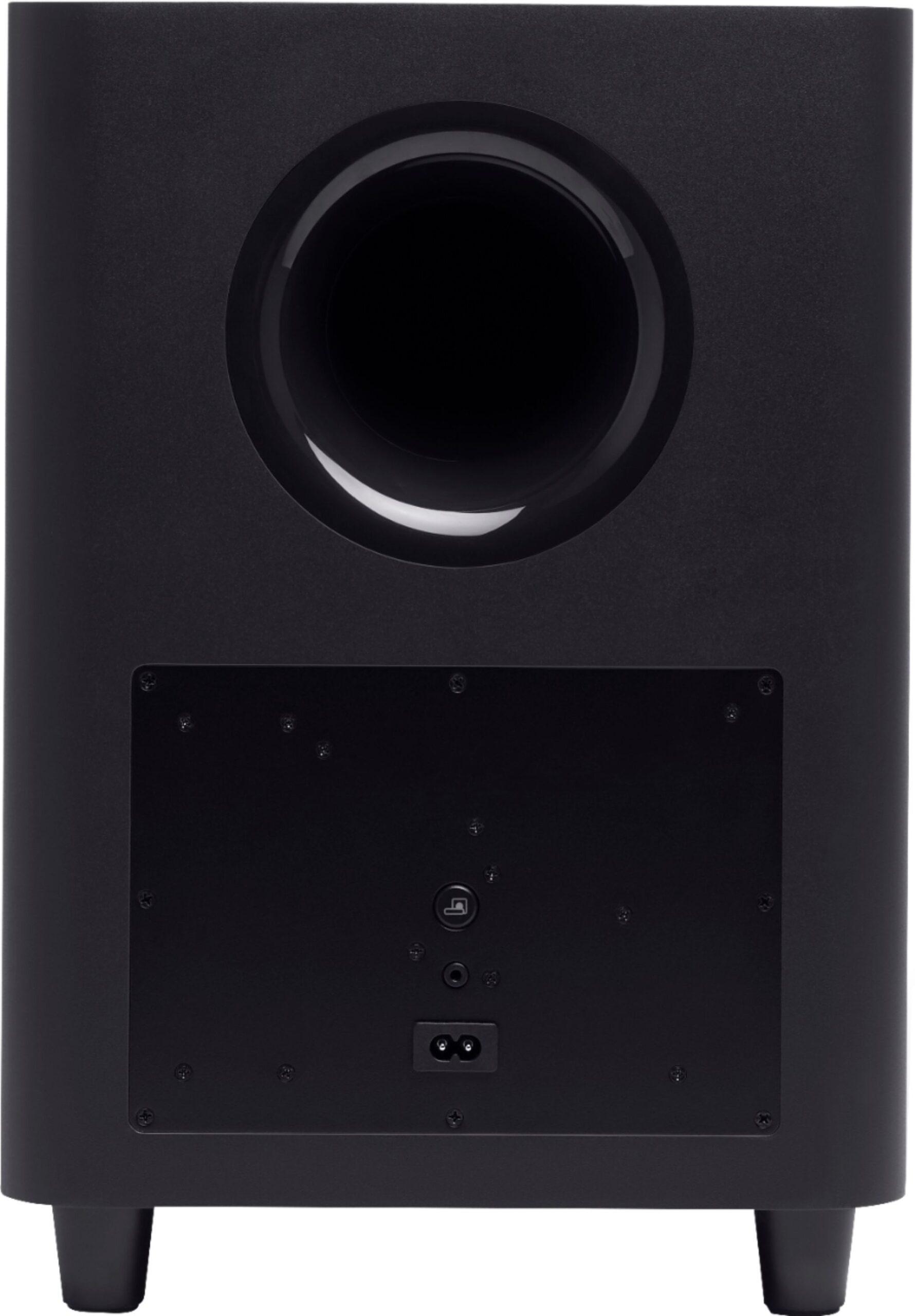
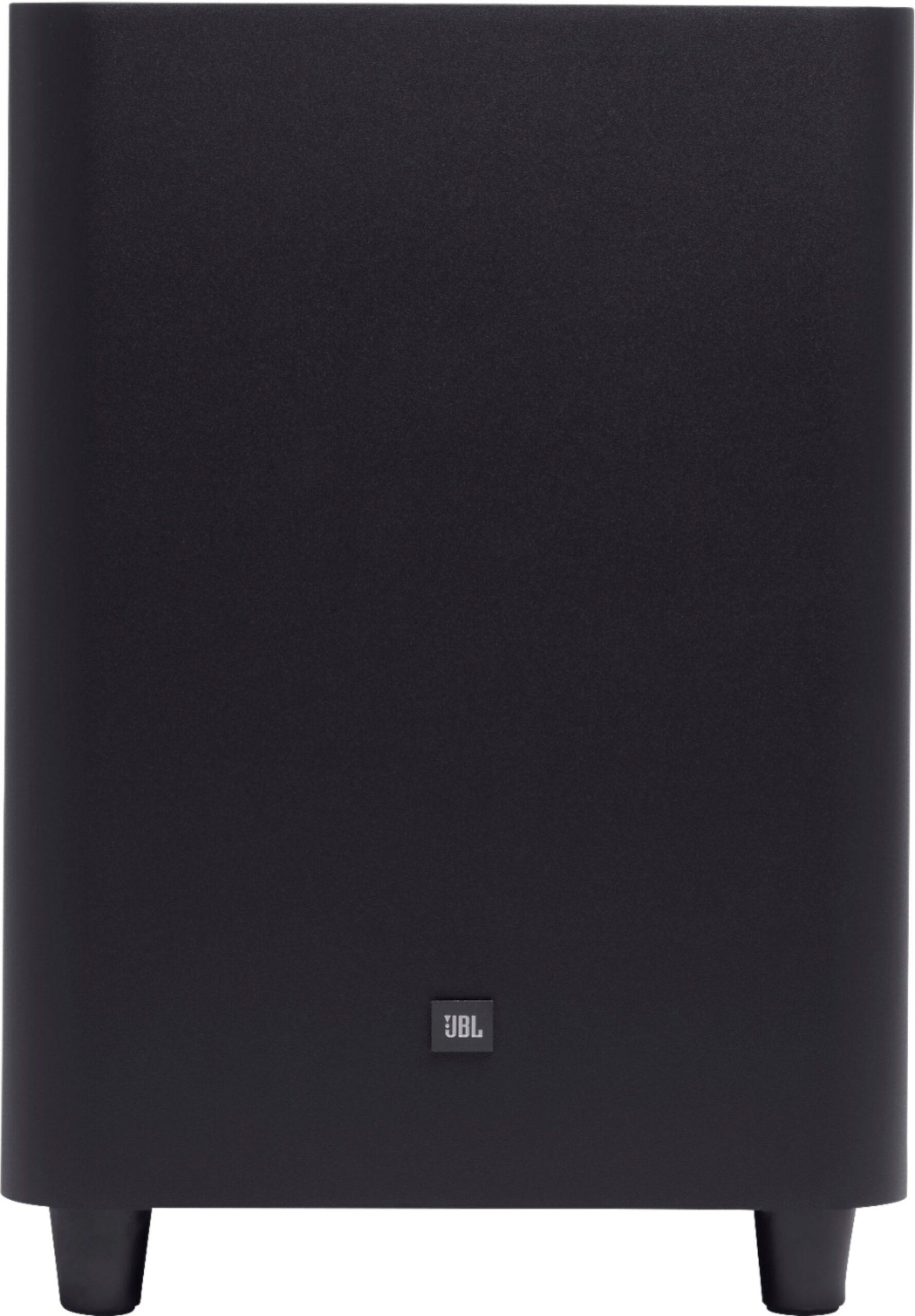
The JBL Bar 5.1's 550W system with its 10-inch subwoofer delivers significantly more acoustic energy. In larger spaces or when you want that visceral movie theater experience where explosions feel physical, this extra power becomes essential. The difference isn't just volume – it's dynamic range, the gap between whisper-quiet dialogue and thunderous action sequences.
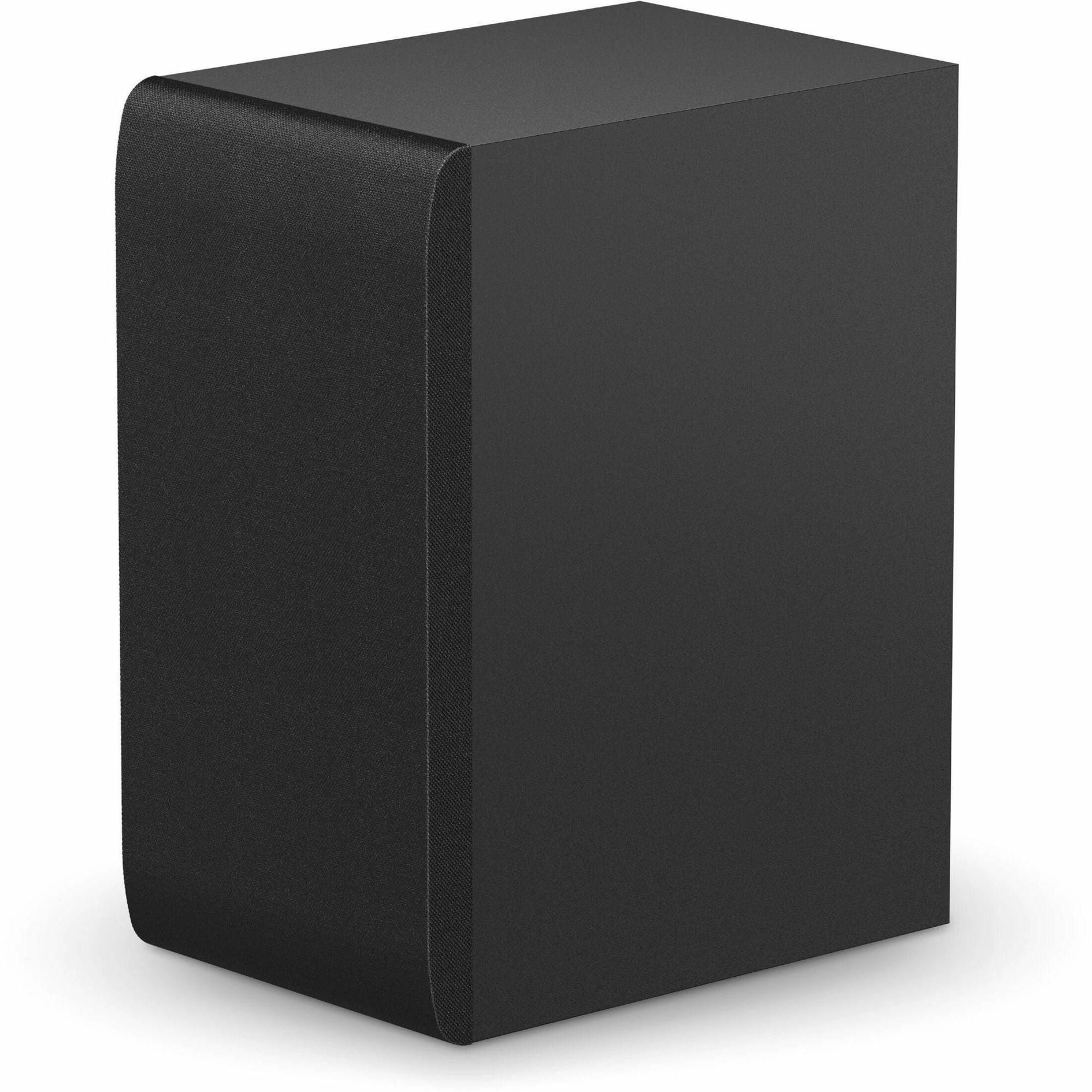
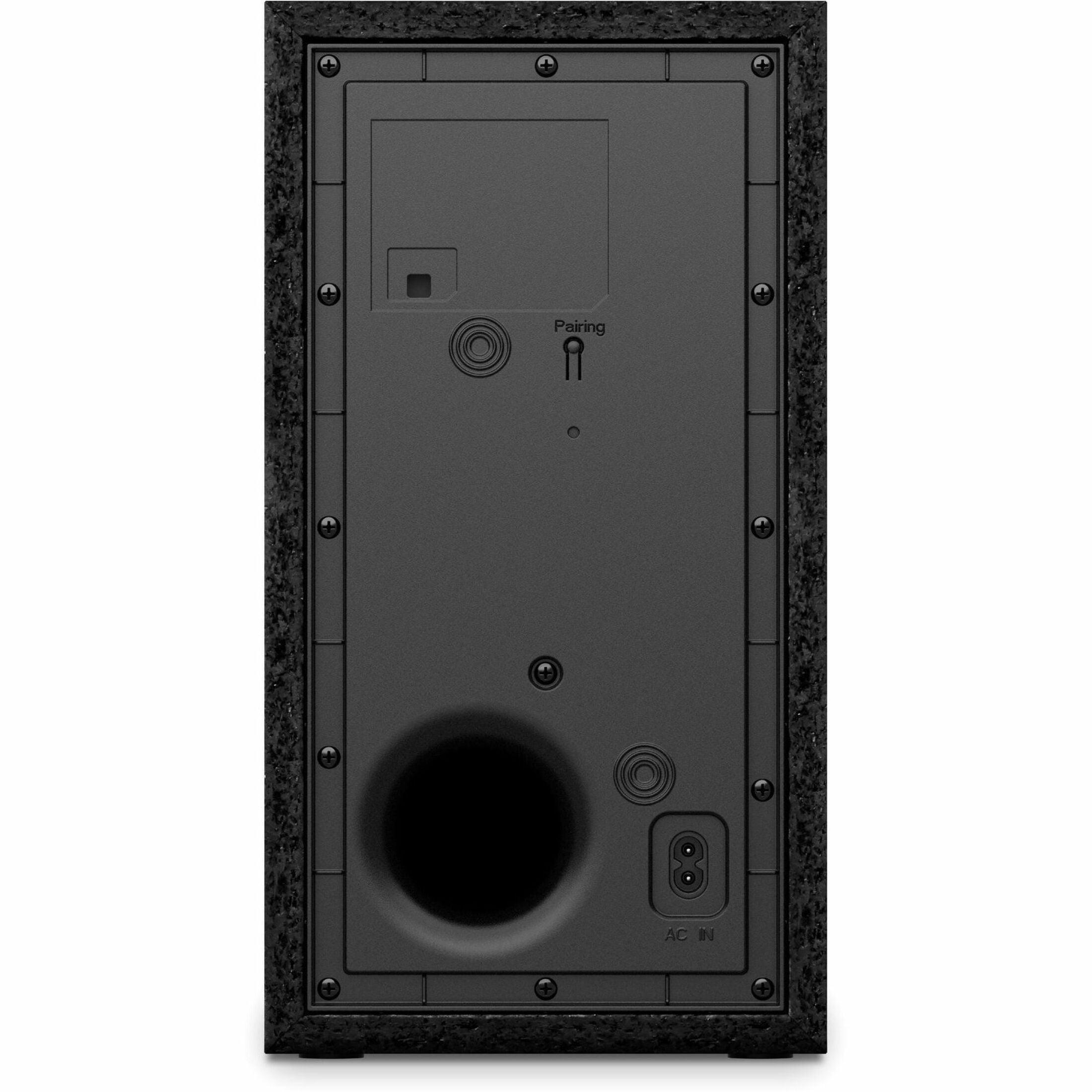
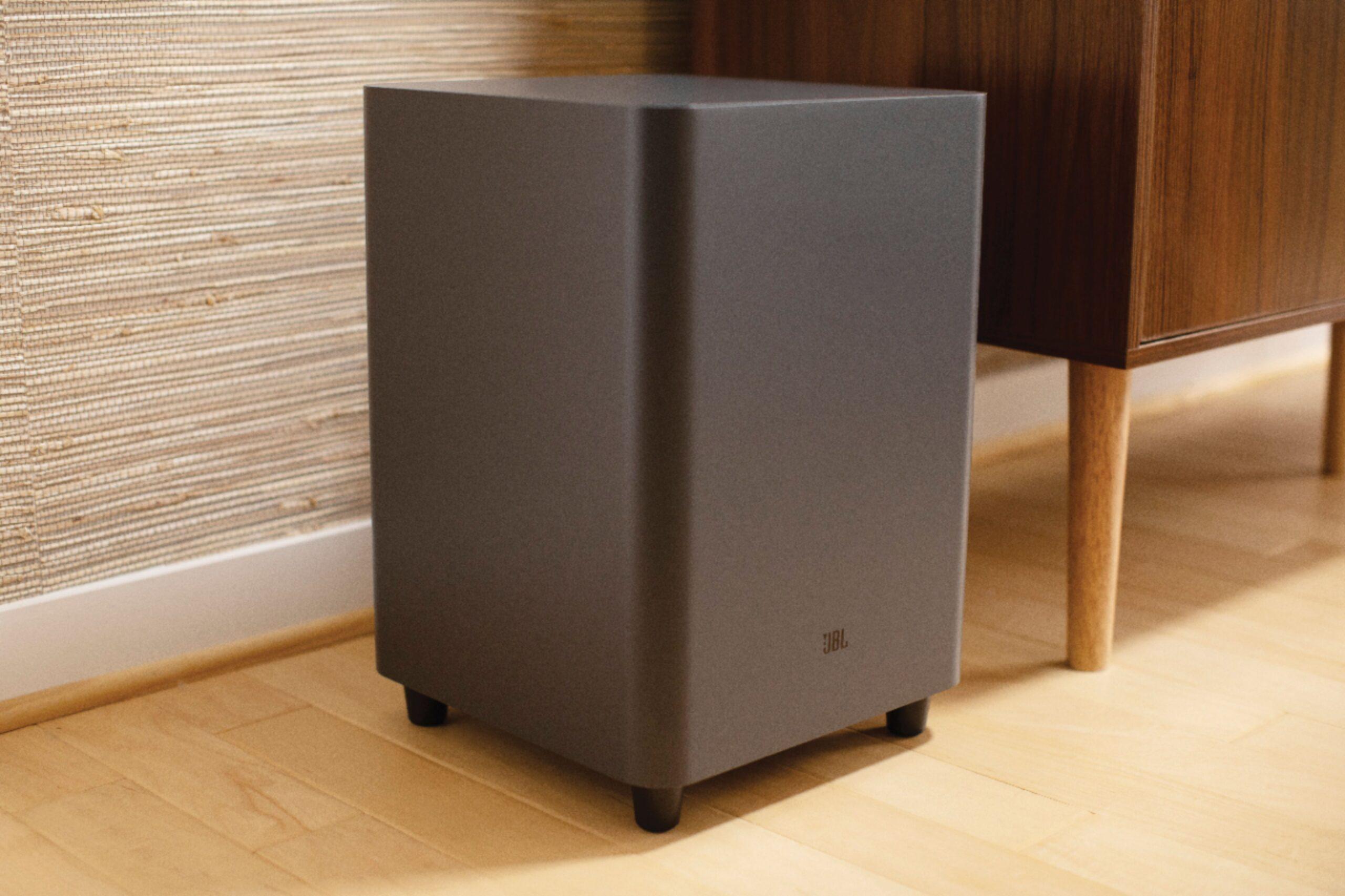
Both systems include wireless subwoofers, but their approaches differ considerably. The LG's 6.7-inch driver focuses on tight, controlled bass that complements dialogue and music without overwhelming smaller rooms. During testing, I found it particularly effective with streaming content where bass levels vary dramatically between services and shows.
The JBL's 10-inch subwoofer provides deeper extension into sub-bass frequencies (below 40Hz), creating that rumbling foundation that makes action movies and gaming more immersive. However, this can become problematic in apartments or homes with thin walls – something worth considering if you have close neighbors.
Here's where the fundamental difference between 2.1 and 5.1 systems becomes apparent. The LG S40T uses sophisticated digital processing to create a "phantom center channel" – your brain perceives dialogue as coming from the screen center even though it's actually mixed between the left and right speakers. LG's AI Sound Pro analyzes incoming audio in real-time, identifying dialogue frequencies and boosting them appropriately.
The JBL Bar 5.1 includes dedicated center channel drivers within the main soundbar, providing more consistent dialogue placement regardless of your seating position. This becomes crucial in larger rooms or when family members sit at different angles from the TV.
The LG S40T creates surround effects through psychoacoustic processing – manipulating how sound waves reach your ears to fool your brain into perceiving rear audio. This works surprisingly well for ambient effects like rain or crowd noise, and LG's implementation includes room-aware processing that adjusts based on your space's acoustics.
During my testing with action movies, the virtual surround created convincing environmental effects. Helicopter flyovers moved smoothly across the front soundstage, and background music felt appropriately spacious. However, discrete rear effects – like someone sneaking up behind the protagonist – lack the precise localization that physical rear speakers provide.
The JBL Bar 5.1's detachable rear speakers solve the biggest problem with surround systems: placement flexibility. Each speaker includes a 10-hour battery, allowing you to position them optimally without worrying about power outlets or cable runs. I found this particularly valuable during movie nights, where I could temporarily place the speakers behind the couch, then return them to the main unit for charging.
The surround effect quality depends heavily on room layout and speaker positioning. In ideal setups, the JBL creates genuinely immersive soundscapes where audio elements move seamlessly around the room. The trade-off is complexity – you need to remember to charge the speakers and position them correctly for each viewing session.
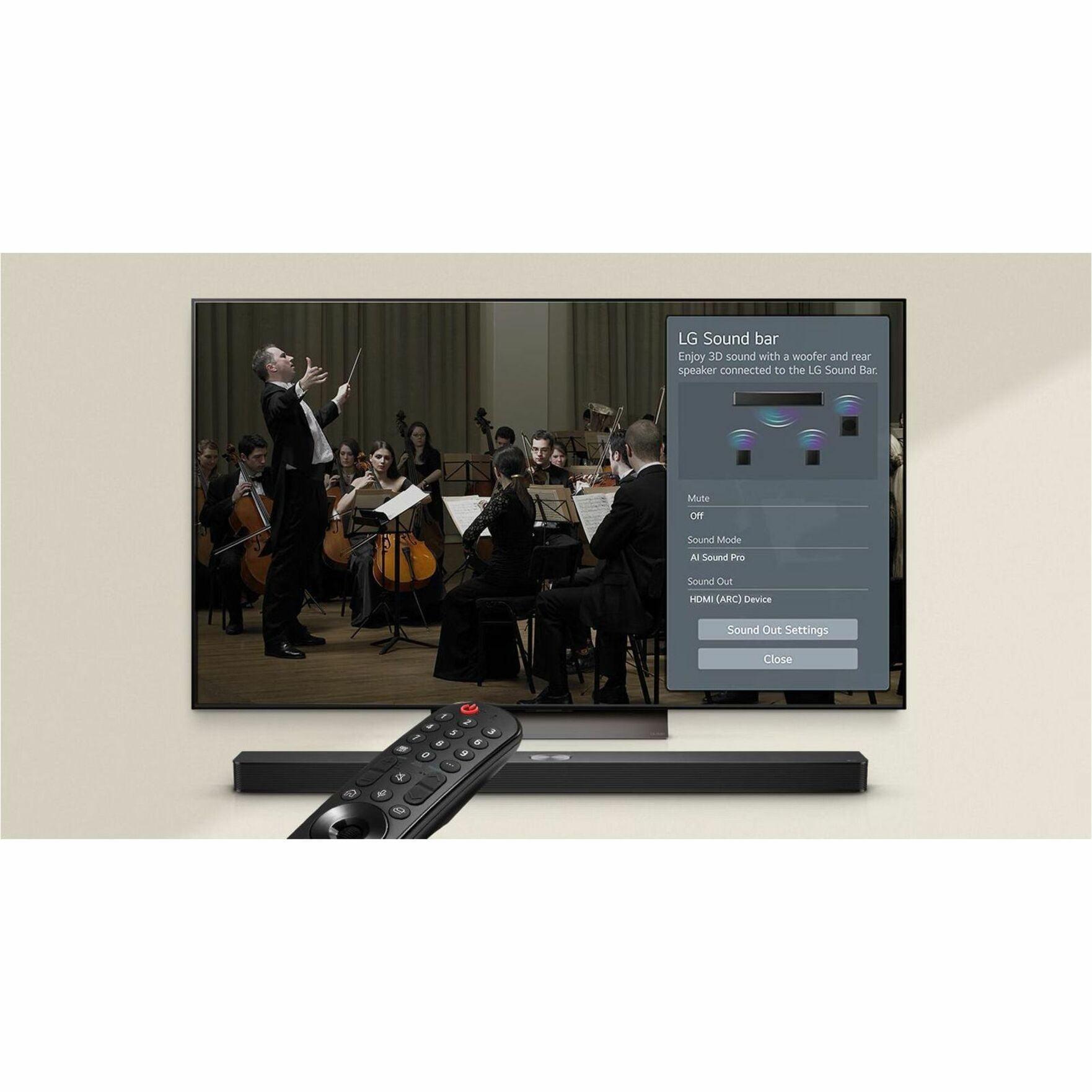
LG's AI Sound Pro represents genuine innovation in budget soundbars. The system analyzes incoming audio streams, categorizing content as dialogue-heavy (news, talk shows), music-focused (concerts, streaming), or effects-rich (action movies, games). It then adjusts EQ curves, compression ratios, and virtual surround processing accordingly.
The WOW Interface integration creates seamless control when paired with LG TVs. Sound settings appear on your TV screen, controllable with your existing remote. This eliminates the common frustration of juggling multiple remotes or memorizing button combinations.
The JBL Bar 5.1 addresses a different smart feature priority: source management. SoundShift technology allows instant switching between TV audio and Bluetooth streaming from your phone or tablet. This proves invaluable during parties or when transitioning from watching a movie to playing background music.
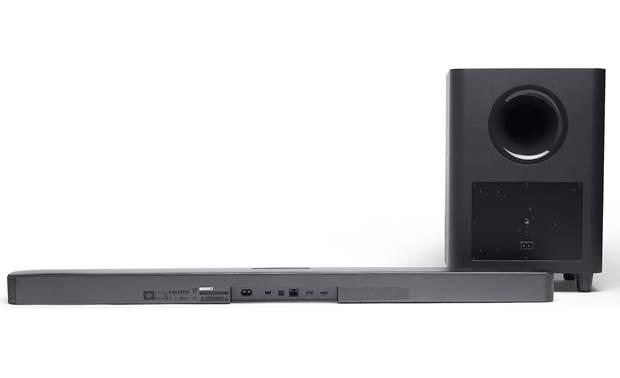
The JBL's multiple HDMI inputs support modern entertainment setups with gaming consoles, streaming devices, and cable boxes. Each input maintains independent settings, so your Xbox can have different audio processing than your Apple TV.
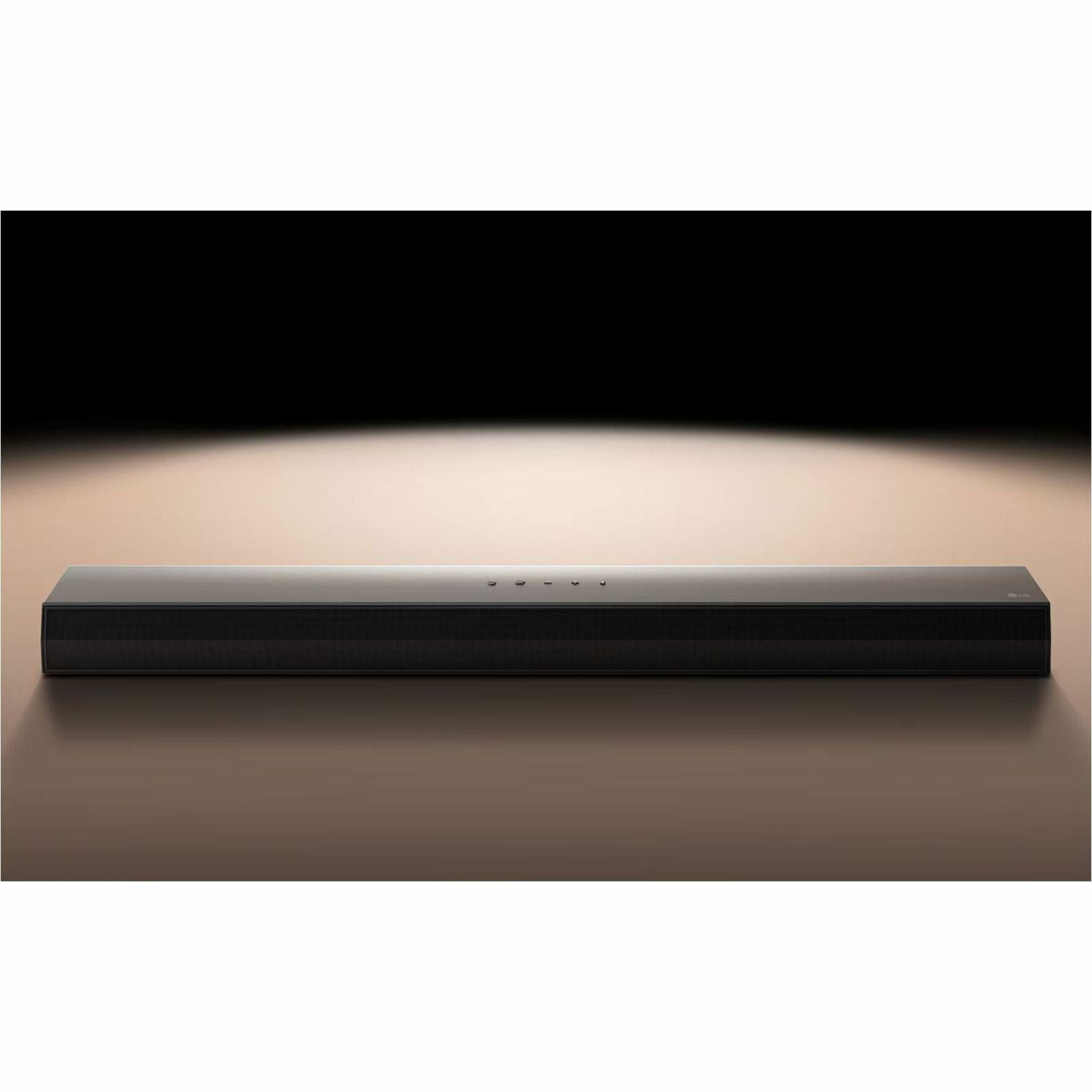
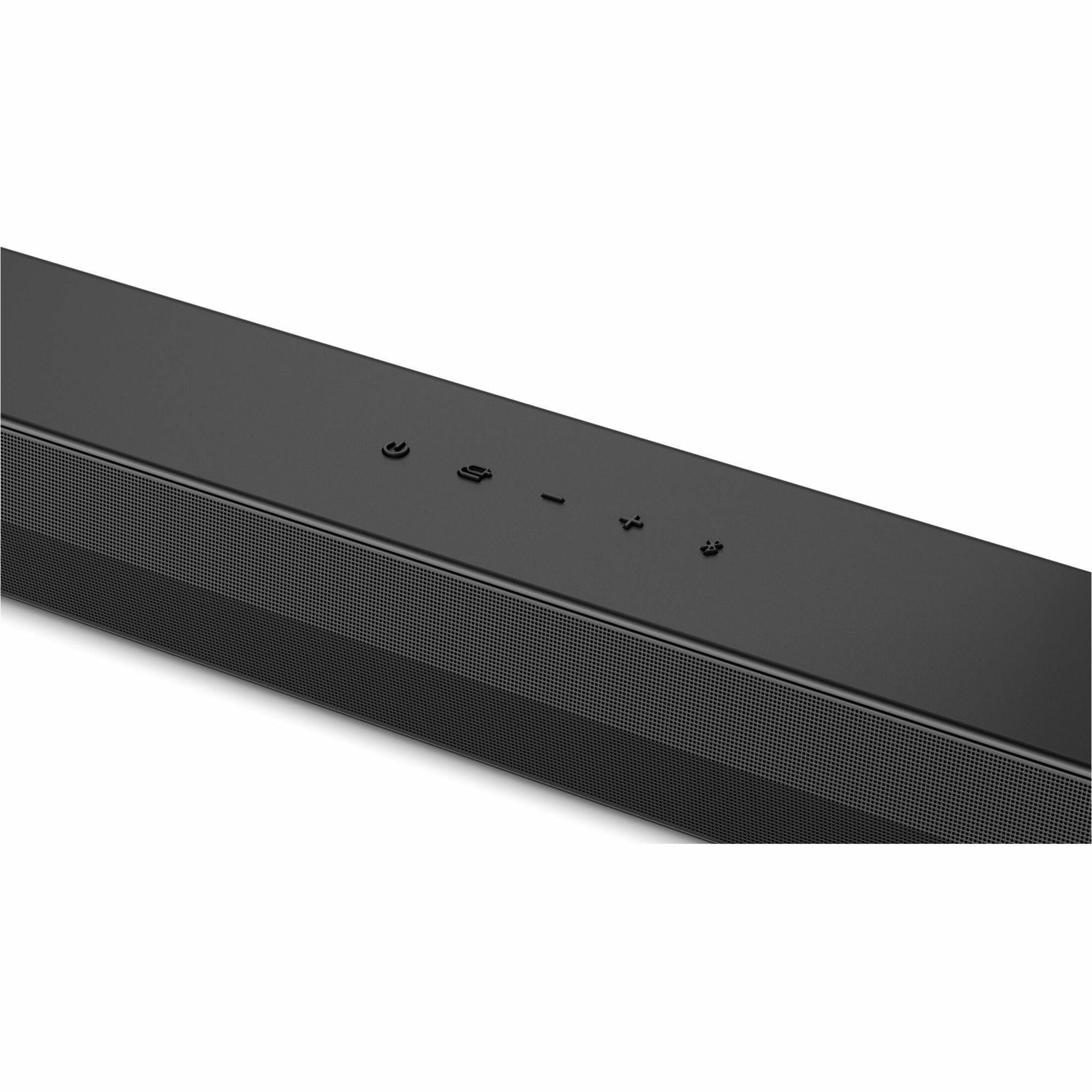
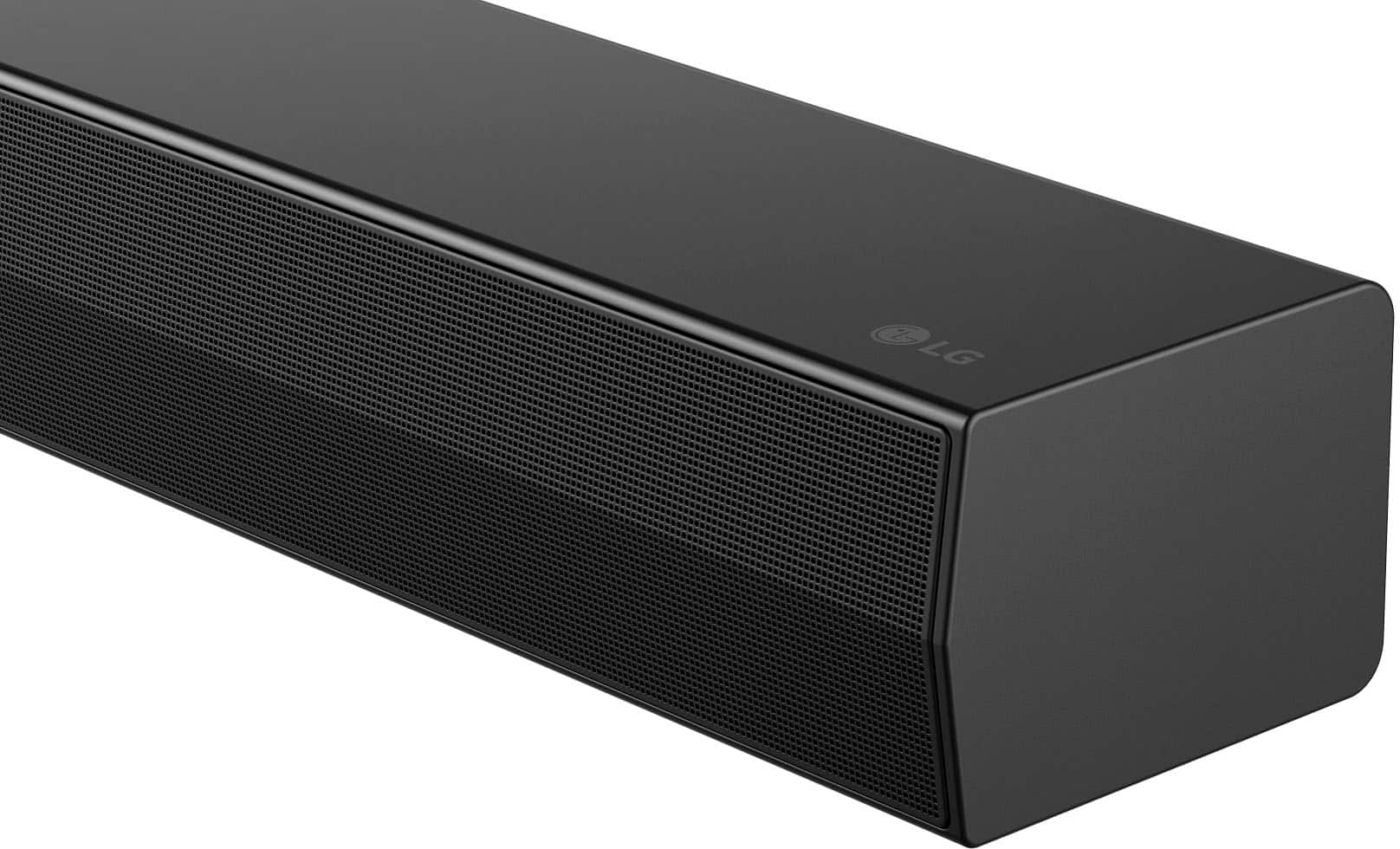
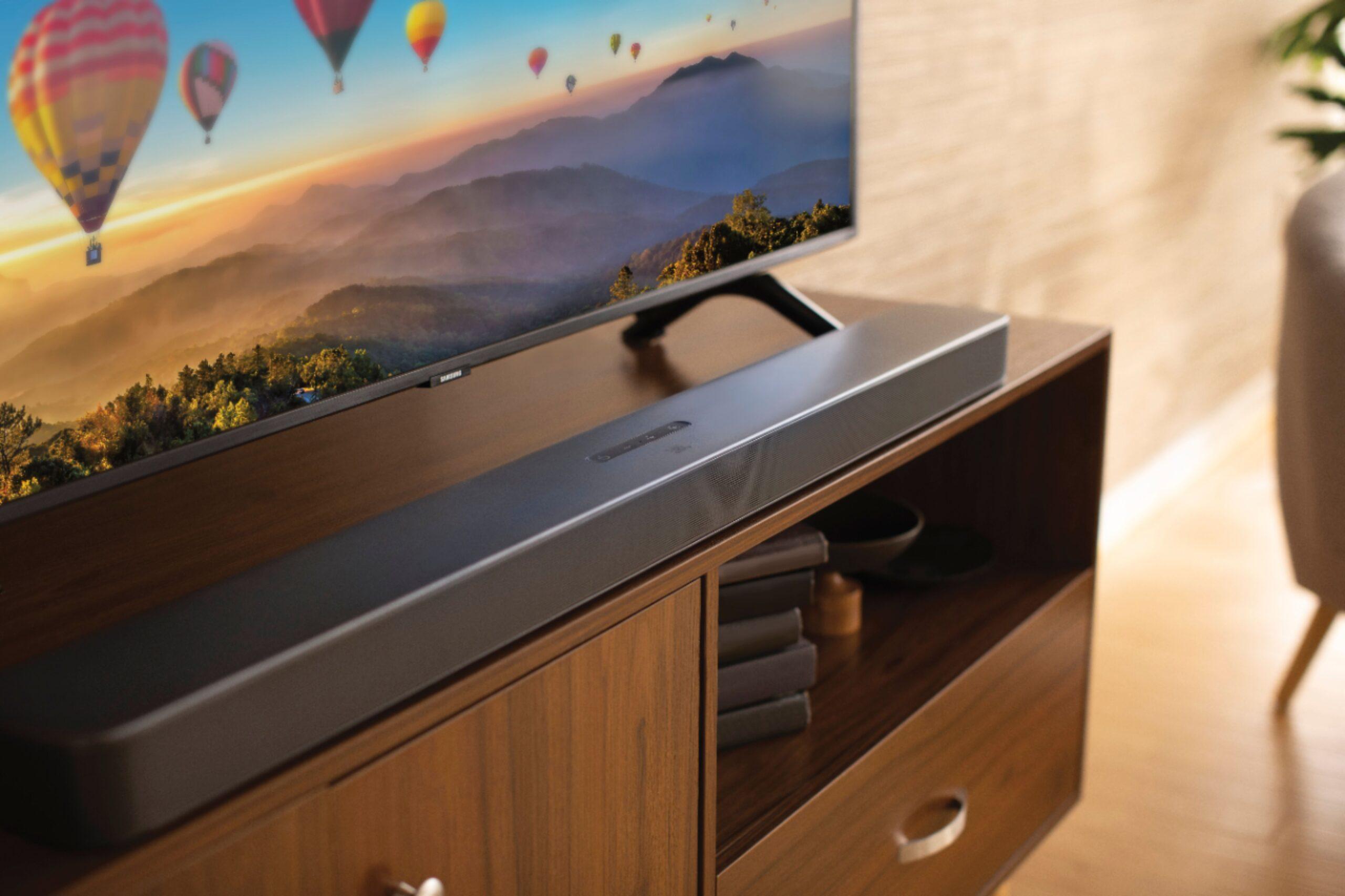
The LG S40T's compact 28.4-inch soundbar suits smaller TVs and constrained spaces perfectly. Its low-profile design (2.5 inches tall) fits under most TV stands without blocking IR sensors or overwhelming the visual balance. The fabric grille provides a premium appearance that belies the budget pricing.
The JBL Bar 5.1's 40-inch length and more substantial build require dedicated space planning. However, the detachable speakers transform from rear surrounds into portable Bluetooth speakers for outdoor use or other rooms – adding versatility that justifies the larger footprint.
Soundbar setup should be straightforward, but reality varies significantly. The LG S40T typically connects with a single HDMI cable, and the wireless subwoofer pairs automatically. Most users complete setup within 15 minutes without consulting the manual.
The JBL Bar 5.1 requires more initial configuration – pairing the wireless subwoofer, positioning and charging the surround speakers, and connecting multiple HDMI devices. However, once configured, daily operation remains simple.
At $155.95, the LG S40T delivers remarkable value by focusing on the most impactful audio improvements: dialogue clarity and bass extension. For users upgrading from TV speakers, this represents 80-90% of the total benefit available from soundbar technology at roughly 25% of premium system pricing.
The included wireless subwoofer alone would cost $100+ as a separate component, making the complete system pricing particularly aggressive. LG achieves this through efficient manufacturing and limiting features to those most users actually need.
The $599.95 JBL Bar 5.1 costs nearly four times more than the LG, but provides capabilities impossible to achieve with 2.1 processing. True surround sound, multiple HDMI inputs, and detachable speakers create a more versatile and immersive system.
For home theater enthusiasts or larger rooms, this price difference becomes justified by the fundamental performance upgrade. However, casual viewers in smaller spaces may not fully utilize these premium features.
The LG S40T excels in compact environments where neighbor consideration matters. Its controlled power output provides significant improvement without excessive volume, while the AI processing optimizes performance for typical apartment acoustics.
The compact design fits naturally into most living arrangements, and the wireless subwoofer can be tucked discretely beside furniture. For renters who move frequently, the simple setup reduces installation complexity.
Larger spaces and dedicated movie rooms favor the JBL Bar 5.1. The additional power fills bigger volumes effectively, while true surround sound creates the immersive experience that justifies having a separate theater space.
The detachable speakers provide flexibility for optimal positioning without permanent installation – important for users who experiment with room layouts or furniture arrangements.
Most users consume varied content: streaming shows, YouTube videos, music, and occasional movies. The LG S40T's AI processing handles this diversity automatically, while the JBL Bar 5.1 requires more manual adjustment between content types but provides superior performance for each category when properly configured.
The LG achieves 45Hz-20kHz frequency response, covering most audible content effectively. The 45Hz low-end extension provides adequate bass for dialogue and music, though it won't reproduce the deepest movie sound effects.
The JBL's 40Hz-20kHz range and larger drivers create more impactful low-frequency reproduction. This 5Hz difference translates to noticeably deeper bass in action sequences and music with substantial low-end content.
Both systems support Dolby Digital and DTS – the standard formats for most streaming content and Blu-ray discs. Neither includes Dolby Atmos support, which limits their compatibility with the newest audio formats. However, most content still uses standard surround formats, making this limitation less critical for typical users.
The LG's Bluetooth 5.3 implementation provides stable connections with improved power efficiency compared to older standards. Range and interference resistance matter more in real-world use than most technical specifications suggest.
The JBL's wireless surround speakers use proprietary wireless technology rather than standard Bluetooth, providing lower latency and better synchronization with the main unit. This technical choice improves performance but limits compatibility with non-JBL devices.
Your room measures under 200 square feet, your budget prioritizes value over premium features, you own an LG TV (for enhanced integration), you prefer simple setup and operation, your content consists mainly of streaming shows and casual movie watching, or space constraints require compact equipment.
The LG S40T provides transformative audio improvement for most users at an accessible price point. Its AI processing and TV integration create a seamless upgrade experience that enhances daily viewing without complexity.
Your room exceeds 200 square feet, you're building a dedicated home theater setup, true surround sound significantly enhances your enjoyment, you have multiple HDMI devices requiring connection, you appreciate flexibility in speaker positioning, or audio quality ranks among your top priorities.
The JBL Bar 5.1 delivers premium performance that justifies its higher cost for users who fully utilize its capabilities. The true surround experience and build quality provide long-term satisfaction for audio enthusiasts.
Ultimately, this decision hinges on whether you want good sound or great sound, and whether your room, budget, and usage patterns align with each product's strengths. The LG S40T transforms the TV viewing experience for most users at an exceptional value, while the JBL Bar 5.1 creates a genuine home theater environment for those willing to invest in premium audio.
Both soundbars succeed brilliantly within their intended markets. Your choice should reflect your specific needs rather than abstract notions of "better" – because the best soundbar is ultimately the one that fits your life, your space, and your budget while delivering the audio improvement you'll actually notice and appreciate.
| LG S40T 2.1 Channel Soundbar | JBL Bar 5.1 Surround Soundbar |
|---|---|
| Price - Major factor determining value proposition | |
| $155.95 (exceptional budget option) | $599.95 (premium pricing for full surround) |
| Channel Configuration - Determines surround sound experience | |
| 2.1 (virtual surround processing) | True 5.1 (physical rear speakers) |
| Total Power Output - Affects volume and room-filling capability | |
| 300W (100W soundbar + 200W subwoofer) | 550W (more dynamic range and headroom) |
| Subwoofer Size - Impacts bass depth and impact | |
| 6.7" wireless (tight, controlled bass) | 10" wireless (deeper, more impactful bass) |
| Soundbar Dimensions - Room compatibility and TV pairing | |
| 28.4" × 2.5" × 3.4" (fits smaller TVs/spaces) | 40" × 2.28" × 3.94" (requires larger setup) |
| Audio Format Support - Content compatibility | |
| Dolby Digital, DTS Digital (standard formats) | Dolby Digital, DTS, Pro Logic II (wider support) |
| HDMI Connectivity - Device connection flexibility | |
| HDMI ARC only (single TV connection) | Multiple HDMI inputs + eARC (gaming/streaming devices) |
| Bluetooth Version - Wireless streaming quality | |
| 5.3 (latest standard, better stability) | 4.2 (older but reliable for audio) |
| Smart Features - Ease of use and automation | |
| AI Sound Pro, WOW Interface (LG TV integration) | SoundShift technology, detachable speakers |
| Room Size Suitability - Performance optimization | |
| Up to 200 sq ft (small-medium rooms) | 200+ sq ft (medium-large rooms) |
| Setup Complexity - Installation and daily use | |
| Plug-and-play (15-minute setup) | Moderate (speaker positioning, charging required) |
| Special Capabilities - Unique selling points | |
| Content-aware AI processing | Battery-powered detachable surrounds (10-hour life) |
The LG S40T 2.1 Channel Soundbar at $155.95 is ideal for small rooms up to 200 square feet. Its compact 28.4-inch design fits perfectly with smaller TVs, and the 300W power output provides excellent sound without overwhelming tight spaces. The JBL Bar 5.1 at $599.95 is better suited for larger rooms due to its 40-inch size and 550W power output.
The LG S40T is a 2.1 system with two front speakers and a subwoofer, creating virtual surround sound through audio processing. The JBL Bar 5.1 includes physical rear speakers that detach from the main unit, providing true 5.1 surround sound with audio actually coming from behind you.
The LG S40T at $155.95 delivers exceptional value, providing 80-90% of premium soundbar benefits at 25% of the cost. The JBL Bar 5.1 at $599.95 costs nearly four times more but offers true surround sound and premium features that justify the price for home theater enthusiasts.
Yes, both soundbars work with any TV that has HDMI ARC or optical audio output. However, the LG S40T offers enhanced integration with LG TVs through the WOW Interface feature. The JBL Bar 5.1 provides universal compatibility with multiple HDMI inputs for connecting various devices.
The JBL Bar 5.1 excels for home theater use with its true 5.1 surround sound, creating immersive movie experiences where sounds move around the room. The LG S40T provides excellent movie audio for casual viewing but lacks the cinematic surround experience of physical rear speakers.
The LG S40T offers plug-and-play setup taking about 15 minutes with a single HDMI connection and automatic subwoofer pairing. The JBL Bar 5.1 requires more setup time due to positioning and charging the detachable rear speakers, but daily operation remains simple once configured.
The JBL Bar 5.1 delivers deeper, more impactful bass with its 10-inch wireless subwoofer, ideal for action movies and music with heavy low-end. The LG S40T provides tight, controlled bass from its 6.7-inch subwoofer that's well-suited for dialogue and general viewing without overwhelming smaller spaces.
Both soundbars support Bluetooth music streaming. The LG S40T features Bluetooth 5.3 for stable connections and AI Sound Pro that optimizes music playback. The JBL Bar 5.1 includes SoundShift technology for instant switching between TV and mobile device audio, plus its detachable speakers can function as portable Bluetooth speakers.
The JBL Bar 5.1 provides superior gaming audio with true surround sound for positional awareness and multiple HDMI inputs for connecting consoles directly. The LG S40T offers good gaming audio with low-latency Bluetooth and AI processing that enhances game sound effects.
Neither the LG S40T nor the JBL Bar 5.1 supports Dolby Atmos. Both handle standard Dolby Digital and DTS formats found in most streaming content and Blu-ray discs, which covers the vast majority of available content.
The JBL Bar 5.1 offers better future-proofing with multiple HDMI inputs supporting 4K devices and eARC connectivity. The LG S40T focuses on current streaming and TV needs with HDMI ARC and modern Bluetooth standards, providing adequate future compatibility for most users.
The LG S40T consumes less power with its 300W system and efficient design, making it more energy-friendly for daily use. The JBL Bar 5.1 uses more power with its 550W output and additional wireless components, but includes automatic standby features to minimize consumption when not in use.
We've done our best to create useful and informative comparisons to help you decide what product to buy. Our research uses advanced automated methods to create this comparison and perfection is not possible - please contact us for corrections or questions. These are the sites we've researched in the creation of this article: bestbuy.com - bestbuy.com - rtings.com - pcrichard.com - lg.com - lg.com - lg.com - lg.com - microcenter.com - flanners.com - bestbuy.com - microcenter.com - jbl.com - jbl.com - jbl.com - tomsguide.com - jbl.com - bestbuy.com - bestbuy.com - jbl.com - jbl.com - worldwidestereo.com

Privacy Policy
Terms and Conditions - Affiliate Policy
Home Security
© Copyright 2008-2026.
11816 Inwood Rd #1211, Dallas, TX 75244