




Shopping for a Dolby Atmos soundbar in 2025 means navigating a landscape that's dramatically different from just a few years ago. What once required massive, expensive speaker systems can now be achieved with sleek soundbars that fit under your TV. But with options ranging from budget-friendly to premium, how do you choose between something like the Ultimea Skywave F40 and the Polk Audio MagniFi Max AX?
I've spent considerable time with both systems, and the choice isn't as straightforward as you might think. While they're both Dolby Atmos soundbars, they represent very different philosophies about how to deliver great home theater sound.
The soundbar market has exploded since 2020, driven partly by people upgrading their home entertainment during the pandemic. What's fascinating is how much technology has been packed into these relatively compact systems. Modern soundbars like these two can create the illusion of sound coming from all around you—even from above—using clever speaker placement and digital processing.
The key breakthrough is Dolby Atmos technology, which adds height channels to traditional surround sound. Instead of just having sound come from your left, right, and behind you, Atmos adds overhead effects. Imagine hearing a helicopter fly over your head in a movie, or raindrops falling from above in a nature documentary. That's what these systems are designed to deliver.
When evaluating any soundbar system, I focus on several critical factors: how convincingly it creates that immersive bubble of sound, how clear dialogue comes through (crucial for movies and TV), the quality and depth of bass response, and whether the system is actually practical to live with day-to-day.
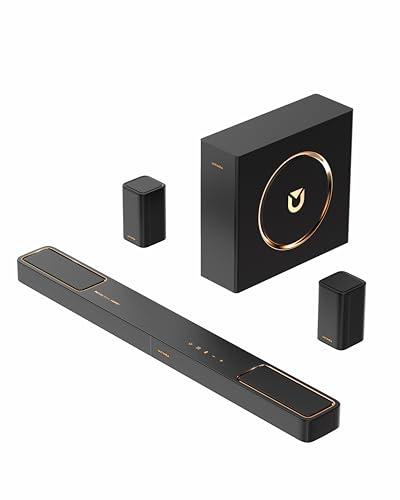
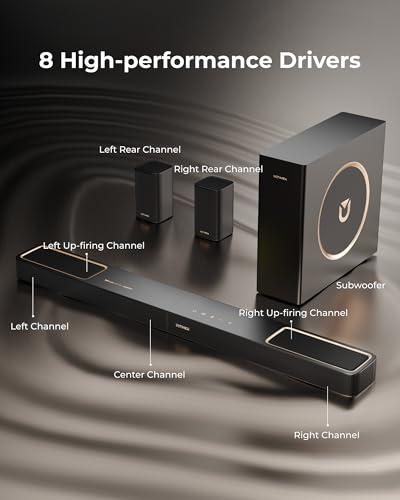
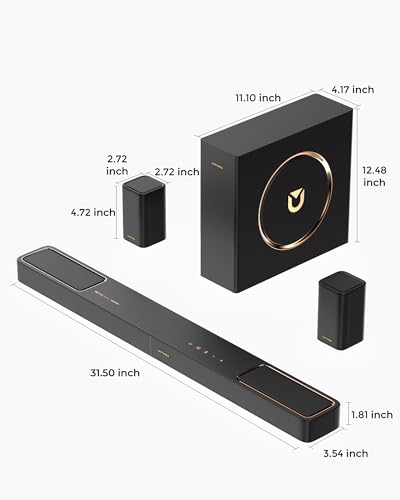
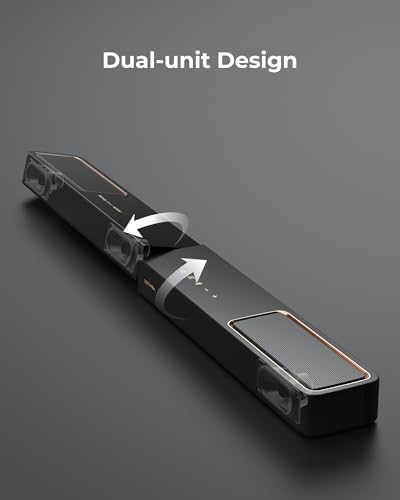
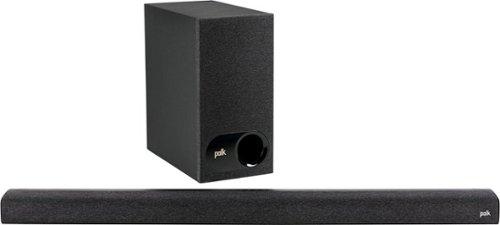
The Ultimea Skywave F40, released in 2024, takes what I'd call a "complete system" approach. At roughly one-third the cost of premium alternatives at the time of writing, it includes everything you need for true 5.1.2 surround sound: a main soundbar that splits into two pieces for shipping, physical rear surround speakers, and a dedicated subwoofer.
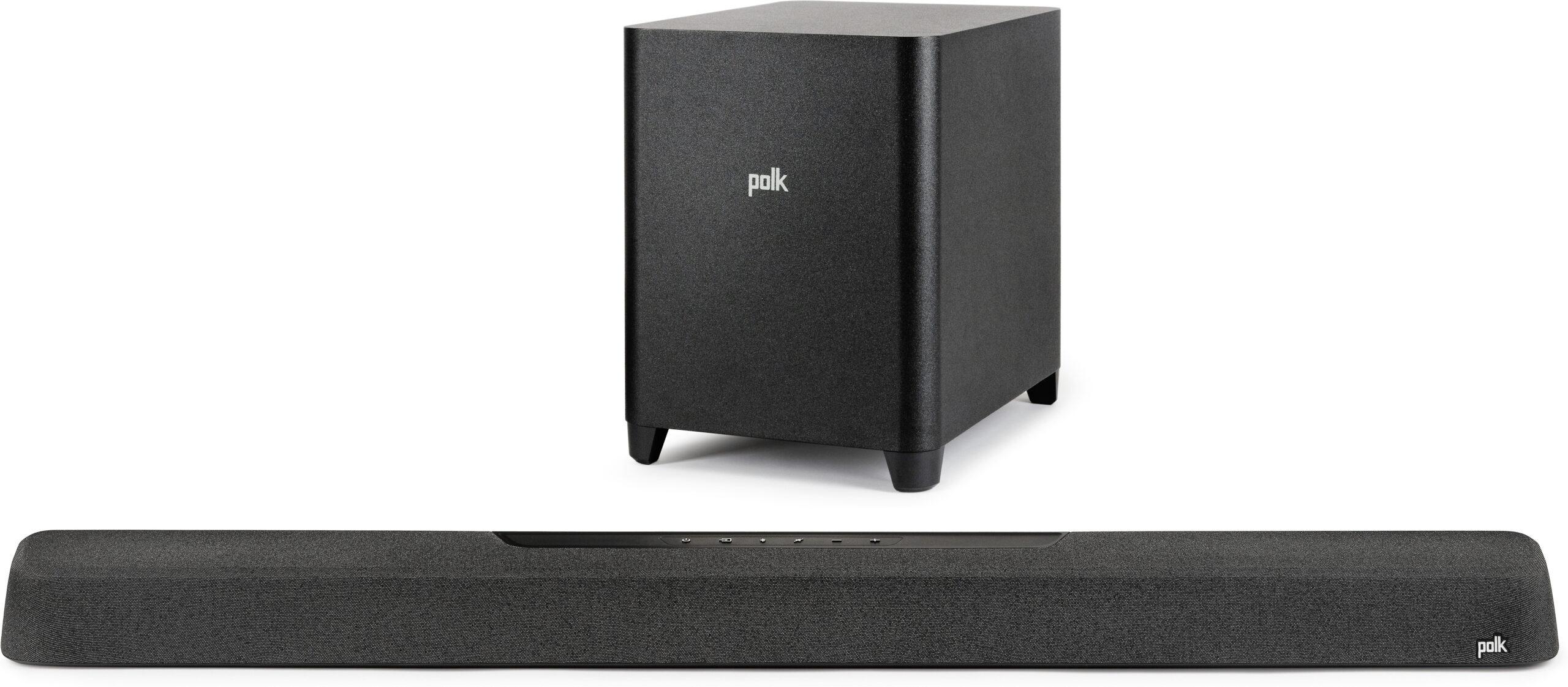
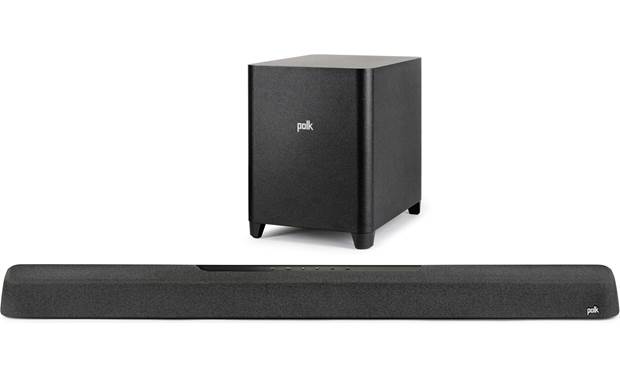
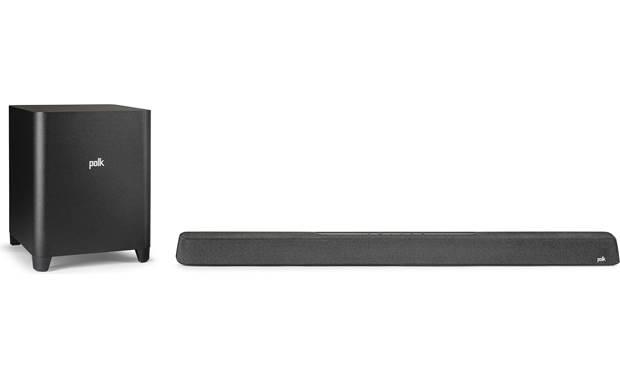
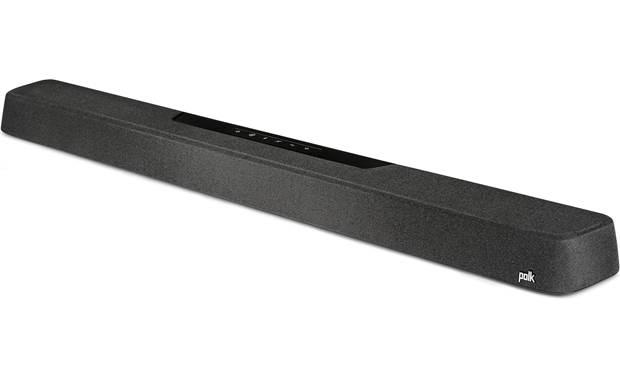
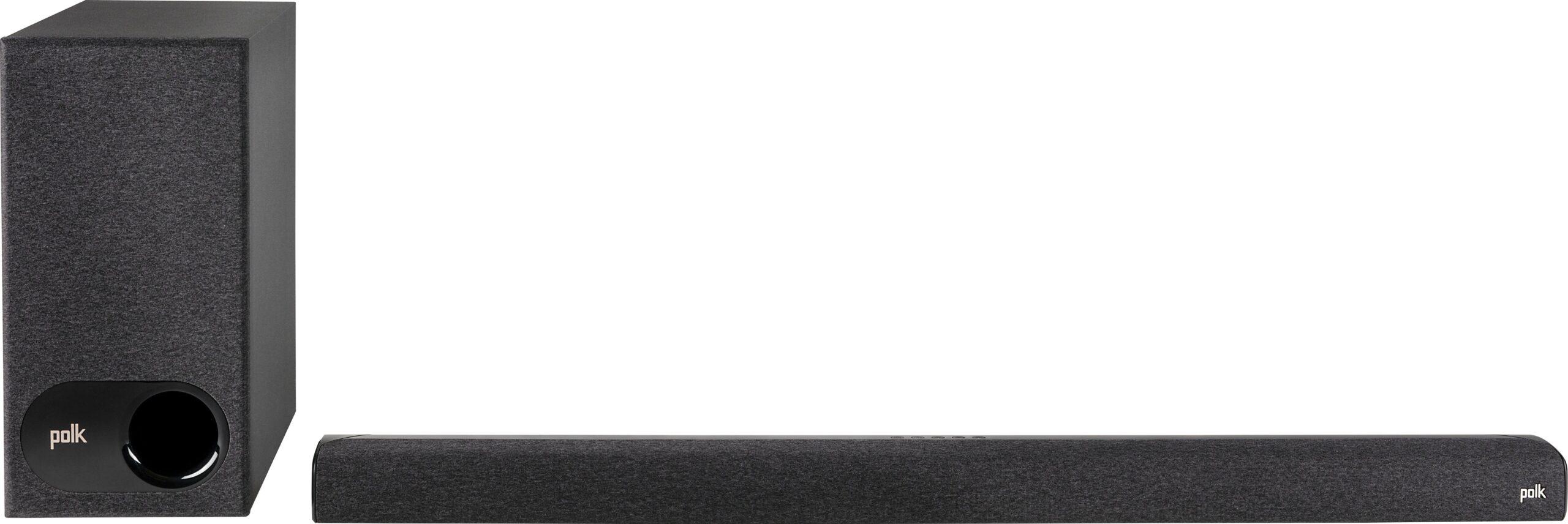
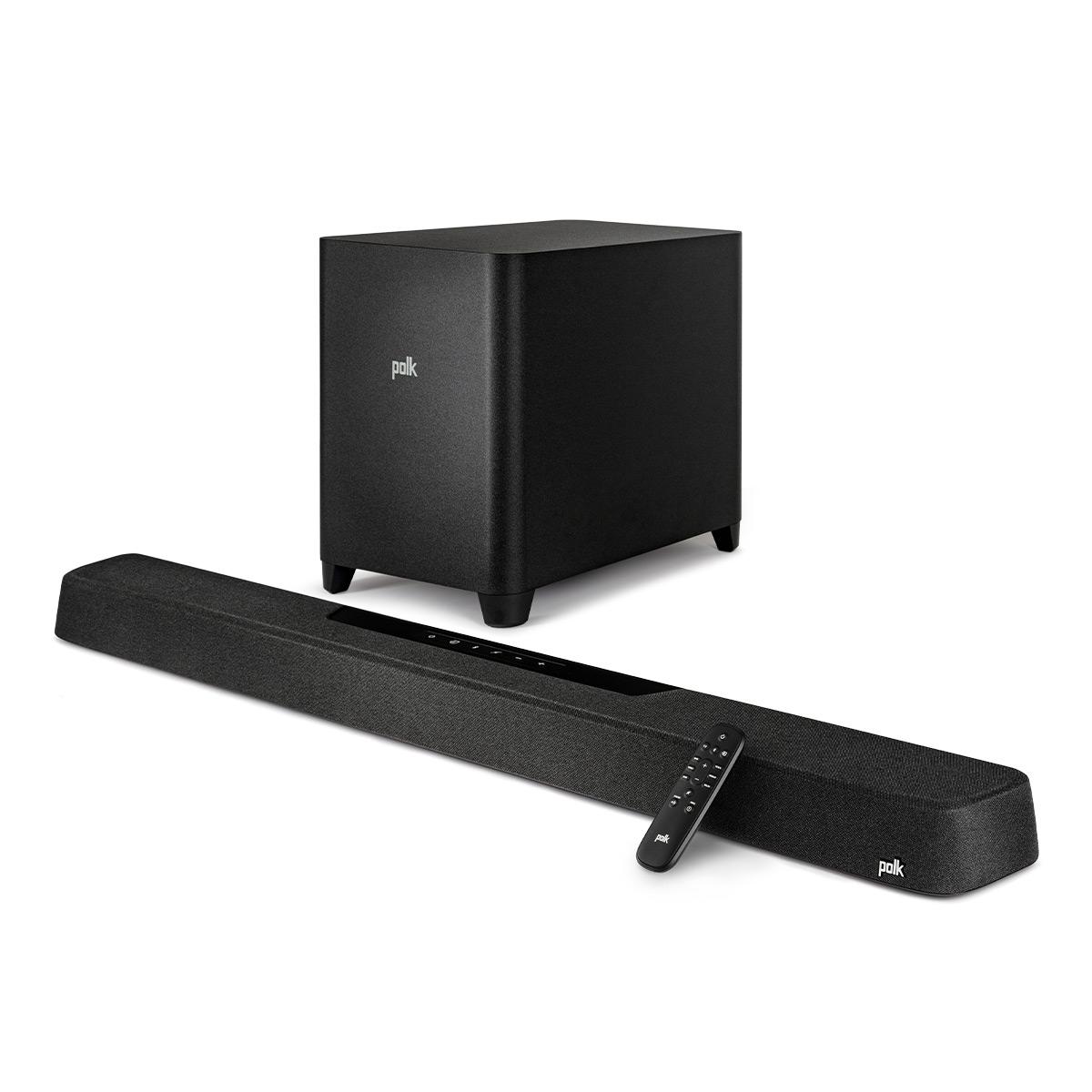
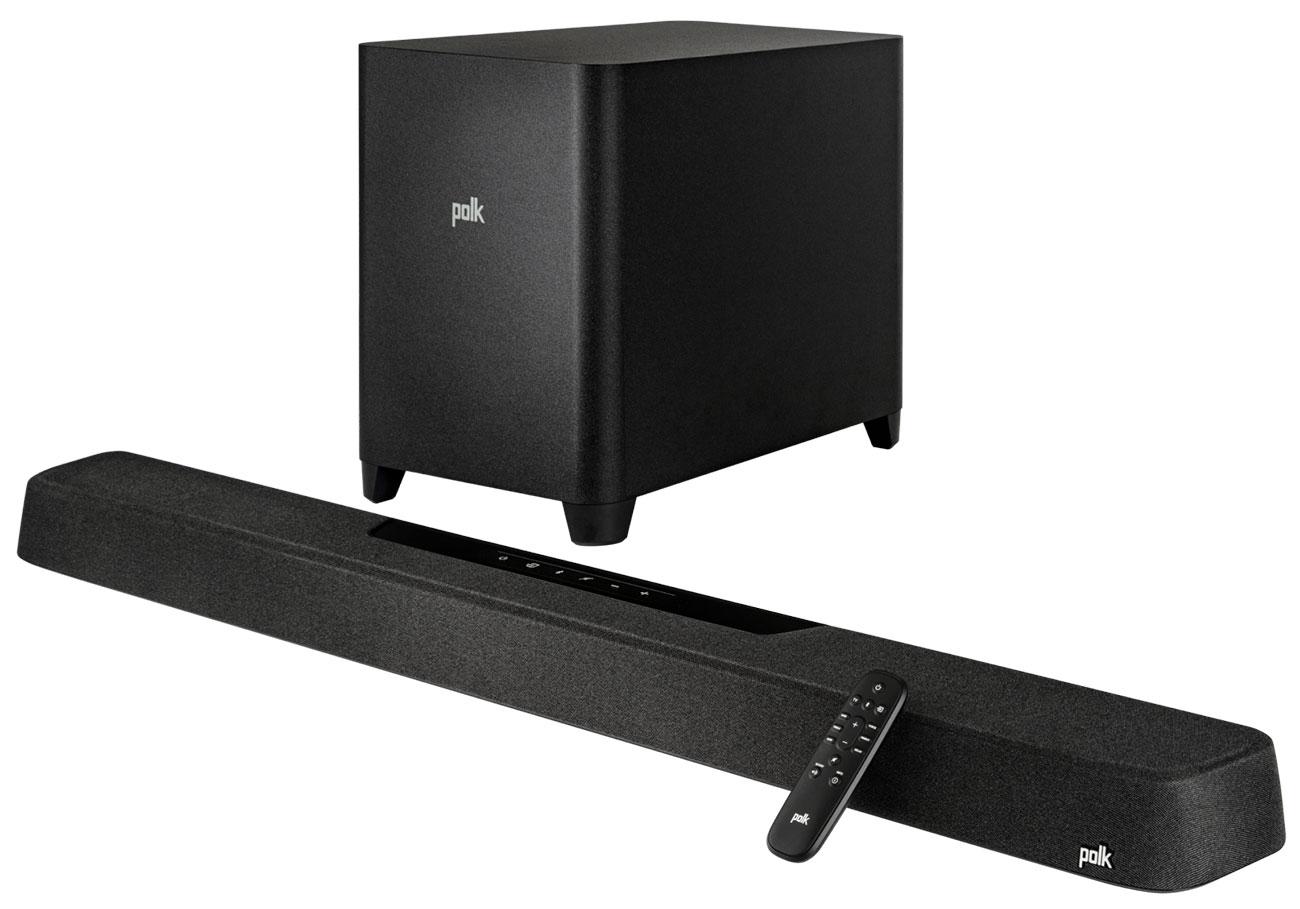
The Polk Audio MagniFi Max AX, also from the 2024-2025 generation, represents the "premium all-in-one" philosophy. It packs 11 speakers into a single, substantial soundbar, relying on advanced processing and a powerful wireless subwoofer to create its surround effects.
Having tested both extensively, I can tell you they sound remarkably different, despite both claiming to deliver the same Dolby Atmos experience.
This is where things get really interesting, and where the fundamental differences between these systems become apparent.
The Ultimea Skywave F40 delivers what I consider "honest" surround sound. Those rear speakers aren't just for show—they create genuine surround effects because sound is actually coming from behind you. The up-firing drivers in the main soundbar bounce audio off your ceiling to create height effects, and when everything works together, you get a convincing 360-degree sound bubble.
I remember watching "Top Gun: Maverick" with the Ultimea system, and during the canyon flight sequence, I could distinctly hear jet engines passing from front to back through the physical rear speakers. It's that kind of precise directional audio that makes action scenes feel more immersive than what you'd get from your TV's built-in speakers.
The system uses what Ultimea calls SurroundX technology—essentially coordination between all the speakers to create seamless audio transitions as sounds move around the room. Combined with their Xupmix feature (powered by Dolby processing), even non-Atmos content gets enhanced with surround effects.
The Polk MagniFi Max AX, meanwhile, takes a more sophisticated but different approach. Its 11-speaker array includes Polk's proprietary Stereo Dimensional Array (SDA) technology, which has been a Polk signature for decades. SDA works by carefully controlling how audio reaches each of your ears, creating a wider, more spacious soundstage than you'd typically get from a single soundbar.
What's impressive about the Polk system is how it creates the illusion of surround sound without physical rear speakers. The wider 45-inch soundbar, combined with advanced processing, does a remarkable job of making sounds appear to come from beside and slightly behind you. It supports both Dolby Atmos and DTS:X (another surround format), giving it broader compatibility with different types of content.
In my experience, the Ultimea provides more obvious directionality—you can clearly tell where sounds are coming from. The Polk creates a more enveloping, ambient experience that some people prefer, especially for music listening.
Here's something I've learned from years of testing soundbars: if dialogue isn't clear, nothing else matters. You can have the most impressive bass and flashy surround effects, but if you're constantly reaching for the remote to adjust volume during conversations, the system fails its primary job.
Both systems handle dialogue well, but they do it differently. The Ultimea Skywave F40 maintains clarity through careful frequency tuning and the ability to customize EQ settings via their smartphone app. The system includes 121 preset EQ matrices—basically pre-programmed sound profiles for different types of content. There's also a dedicated voice mode that emphasizes the frequency ranges where dialogue lives.
What I particularly appreciate about the Ultimea is how it maintains dialogue clarity even at lower volumes. This is crucial for apartment living or late-night viewing when you don't want to disturb others.
The Polk MagniFi Max AX employs what they call VoiceAdjust technology, which is more sophisticated. This feature works with the soundbar's dedicated center channel—the speaker specifically responsible for dialogue in movies and TV shows—to make voices more prominent without affecting other parts of the soundtrack.
The Polk system also includes a Night Mode that automatically reduces bass levels while boosting dialogue. I've found this particularly useful when watching dialogue-heavy content like dramas or documentaries in the evening.
In direct comparison, I'd give the edge to the Polk for dialogue clarity, especially in challenging content where voices compete with music and sound effects. The VoiceAdjust technology is genuinely helpful, and the larger center channel driver makes a noticeable difference.
Bass is where the price difference between these systems becomes most apparent, and it's probably the single biggest performance differentiator.
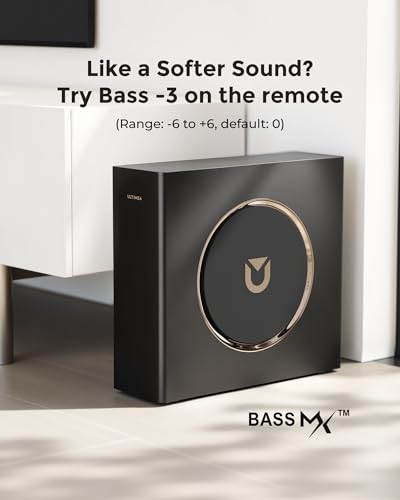
The Ultimea Skywave F40 includes a 6.5-inch wired subwoofer with what they call BassMX technology—essentially optimized tuning for deeper, more impactful low frequencies. The frequency response extends down to around 40-45Hz, which covers most of what you'll encounter in movies and music.
I've been pleasantly surprised by how much punch this relatively compact subwoofer delivers. During the opening scene of "Dune," where the massive spaceships arrive, you definitely feel the rumble. It's not going to rattle your windows like a dedicated home theater system, but it adds genuine weight to explosions, thunder, and music with deep bass lines.
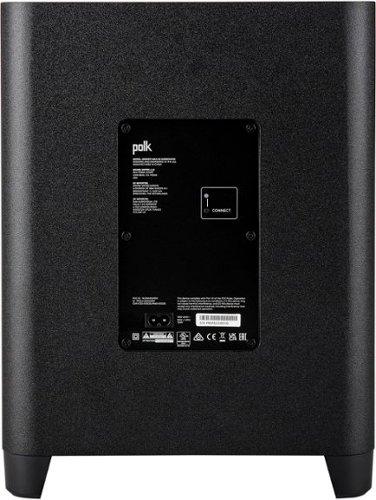
The Polk MagniFi Max AX steps up significantly with a 10-inch wireless subwoofer. The larger driver and more powerful amplification create noticeably deeper, more authoritative bass. This isn't just about volume—it's about the quality and extension of low frequencies.
During my testing, the Polk system consistently delivered more visceral impact during action scenes. The larger subwoofer reproduces those ultra-low frequencies that you feel as much as hear. It's the difference between hearing an explosion in a movie and feeling like you're in the same room as that explosion.
The wireless design of the Polk's subwoofer also offers more placement flexibility. You can tuck it behind furniture or in a corner where it sounds best, rather than being limited by cable length.
For music listening, the Polk's bass advantage becomes even more apparent. Bass lines in jazz, rock, and electronic music have more weight and definition. If you listen to a lot of music through your soundbar, this difference is significant.
Both systems offer the connectivity you'd expect from modern soundbars, but with some important differences in implementation and additional features.
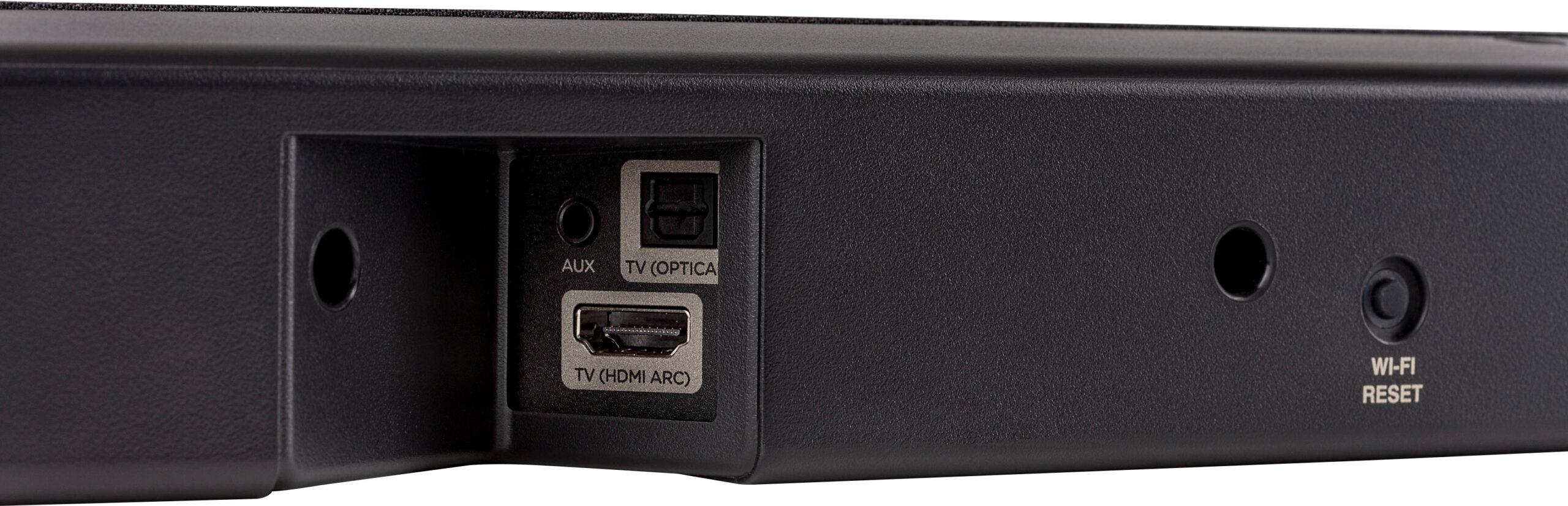
The Ultimea Skywave F40 covers all the basics: HDMI eARC for high-quality audio from your TV, optical input for older TVs, USB for direct playback, and Bluetooth 5.4 for wireless streaming from phones and tablets. The upgraded Bluetooth 5.4 standard offers better range and stability compared to older versions—I've noticed more reliable connections and less audio dropout when streaming from mobile devices.
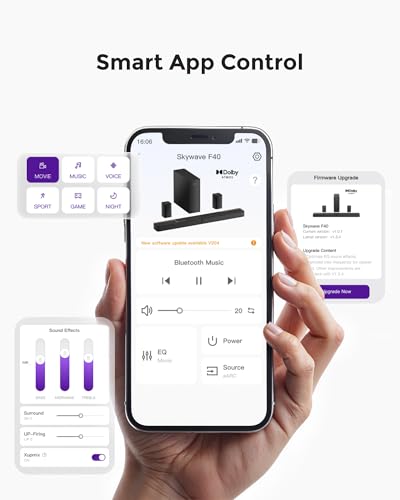
What sets the Ultimea system apart is its smartphone app, which provides access to detailed EQ controls and sound customization. You can adjust individual frequency bands, select from those 121 preset profiles, and even control which speakers are active. It's unusually comprehensive for a soundbar in this price range.
The Polk MagniFi Max AX takes connectivity several steps further. Beyond the standard connections, it adds Wi-Fi, Apple AirPlay 2, Chromecast built-in, Spotify Connect, and Amazon Alexa integration. This means you can stream directly from music services, control the soundbar with voice commands, and integrate it into a larger smart home system.
The Polk also includes multiple HDMI inputs that support 4K and HDR at 60Hz, essentially letting the soundbar act as an HDMI switcher for multiple devices. This can be particularly useful if your TV doesn't have enough HDMI ports.
For someone with a complex home theater setup or who uses multiple streaming devices, the Polk's connectivity advantages are substantial. If you mainly watch TV and occasionally stream music from your phone, the Ultimea's simpler approach might actually be preferable.
Real-world usability often determines whether you'll actually enjoy a product long-term, regardless of how good it sounds.
The Ultimea Skywave F40 gets high marks for simplicity. The main soundbar ships in two pieces that connect with a secure twist-lock mechanism—clever packaging that prevents shipping damage while maintaining structural integrity. All necessary cables come in the box, and the setup process is genuinely plug-and-play.
The main limitation is that the rear speakers connect to the subwoofer via wire, which may limit placement options in some rooms. However, the single cable connection between rear speakers reduces wiring complexity, and most users find the setup quite manageable.
At 31.5 inches wide, the Ultimea fits under most TVs without looking oversized. The compact rear speakers can sit on shelves or be wall-mounted without dominating the room.
The Polk MagniFi Max AX requires more planning due to its substantial 45-inch width—you'll need to ensure your TV stand can accommodate it, or be prepared for wall mounting. The benefit is a wider soundstage, but the size consideration is real.
The wireless subwoofer offers more flexibility than the Ultimea's wired unit, but you'll need to find an appropriate location with power access. The lack of physical rear speakers makes the Polk cleaner from a wiring perspective, but you miss out on true surround sound positioning.
At the time of writing, these systems occupy very different price tiers, with the Polk costing roughly 2.5 times more than the Ultimea. This isn't just a price difference—it represents different approaches to value and different target customers.
The Ultimea Skywave F40 delivers what I'd call "overachieving value." For significantly less money than most Dolby Atmos systems, you get genuine 5.1.2 surround sound with physical rear speakers, effective height effects, and solid build quality. It's the kind of system that makes expensive home theater setups seem unnecessary for most people.
The Polk MagniFi Max AX justifies its premium pricing with superior components, more sophisticated processing, extensive smart features, and that significantly more powerful subwoofer. It's positioned for users who want the convenience of a soundbar system but aren't willing to compromise on audio quality.
Both systems represent good value within their respective price ranges, but they serve different needs and expectations.
For dedicated home theater use, both systems excel, but in different ways.
The Ultimea system's true strength lies in movies and TV shows with complex soundtracks. The physical rear speakers create convincing surround effects during action scenes, and the height channels add that Atmos dimensionality during appropriate content. For someone building their first serious home theater setup, it provides a legitimate surround sound experience at an accessible price point.
The Polk system offers more sophisticated processing that works well across different types of content. Its wider soundstage benefits larger rooms, and the more powerful subwoofer provides the kind of deep bass that makes action movies truly exciting. The multiple HDMI inputs and smart features also make it a better choice for complex setups with gaming consoles, streaming devices, and other components.
After extensive testing, here's how I'd recommend choosing between these systems:
Choose the Ultimea Skywave F40 if you want genuine surround sound at a breakthrough price point. It's perfect for medium-sized rooms, ideal for first-time home theater enthusiasts, and excellent for anyone who prioritizes authentic Dolby Atmos effects over premium features. The real rear speakers make a difference you can actually hear, and the value proposition is genuinely impressive.
Choose the Polk MagniFi Max AX if you can invest in premium performance and want a more sophisticated system. It's better for larger rooms, superior for music listening, and ideal if you value extensive connectivity and smart home integration. The more powerful bass and advanced processing justify the higher price for users who won't compromise on audio quality.
Both systems represent significant improvements over TV audio and basic soundbars, but they achieve their goals through different philosophies. The Ultimea proves that excellent surround sound doesn't have to be expensive, while the Polk demonstrates that premium soundbars can compete with more complex audio systems.
Your choice ultimately depends on your budget, room size, and how important features like wireless subwoofers and smart home integration are to your daily use. Either way, you'll be getting a substantial upgrade over standard TV audio and a genuine Dolby Atmos experience that brings movies and music to life in ways that seemed impossible just a few years ago.
| Ultimea Skywave F40 | Polk Audio MagniFi Max AX |
|---|---|
| Channel Configuration - Determines surround sound authenticity | |
| 5.1.2 with physical rear speakers (true surround) | 5.1.2 with virtual rear effects (11-speaker array) |
| Subwoofer Size - Biggest factor in bass impact and room-filling low end | |
| 6.5" wired subwoofer with BassMX technology | 10" wireless down-firing subwoofer |
| Soundbar Width - Affects soundstage width and TV compatibility | |
| 31.5 inches (fits most TV stands easily) | 45 inches (requires larger TV stand, wider soundstage) |
| Up-Firing Drivers - Critical for Dolby Atmos height effects | |
| 2 dedicated up-firing speakers with neodymium magnets | 2 up-firing drivers in 11-speaker array |
| Rear Speaker Setup - Determines true vs. virtual surround experience | |
| Wireless rear speakers (wired to subwoofer) | No physical rear speakers (virtual processing) |
| Audio Format Support - Content compatibility for movies and streaming | |
| Dolby Atmos only | Dolby Atmos + DTS:X (broader format support) |
| Smart Features - Modern connectivity and control options | |
| HDMI eARC, Bluetooth 5.4, USB, dedicated app with 10-band EQ | HDMI eARC + multiple inputs, Wi-Fi, AirPlay 2, Chromecast, Alexa |
| Power Output - Determines maximum volume and dynamic range | |
| 460W total system power | 400W total system power |
| Frequency Response - Shows bass extension and treble clarity | |
| 40-45Hz to 20kHz (good low-end extension) | Not specified (likely deeper with 10" sub) |
| Voice Enhancement - Critical for dialogue clarity in movies/TV | |
| Voice mode + EQ customization via app | VoiceAdjust technology + dedicated center channel |
| Setup Complexity - Affects installation time and wire management | |
| Simple plug-and-play, all cables included | Wireless subwoofer but requires more space planning |
| Release Year - Indicates current technology generation | |
| 2024 (latest Dolby processing) | 2024-2025 (current generation with latest features) |
The Ultimea Skywave F40 provides exceptional value by including physical rear speakers and a complete 5.1.2 Dolby Atmos system at a budget-friendly price point. The Polk Audio MagniFi Max AX costs significantly more but justifies the premium with an 11-speaker array, 10-inch wireless subwoofer, and advanced smart features. For most buyers seeking genuine surround sound, the Ultimea delivers outstanding performance per dollar.
Yes, both the Ultimea Skywave F40 and Polk Audio MagniFi Max AX feature dedicated up-firing speakers that create authentic Dolby Atmos height effects by bouncing sound off your ceiling. The Ultimea system uses neodymium magnet drivers specifically designed for precise overhead audio placement, while the Polk integrates up-firing drivers into its comprehensive 11-speaker configuration.
The Polk Audio MagniFi Max AX delivers superior bass with its larger 10-inch wireless subwoofer, providing deeper extension and more impactful low-frequency response. The Ultimea Skywave F40 includes a capable 6.5-inch wired subwoofer with BassMX technology that handles most content well, but the Polk's larger driver creates more room-filling bass for action movies and music.
The Ultimea Skywave F40 includes actual wireless rear speakers that create genuine surround sound by physically placing audio behind you. The Polk Audio MagniFi Max AX uses advanced processing and its wide 45-inch soundbar to simulate surround effects without physical rear speakers. True rear speakers like those in the Ultimea system provide more precise directional audio, especially noticeable during action scenes.
Both systems offer relatively simple setup, but the Ultimea Skywave F40 gets the edge for plug-and-play simplicity with all necessary cables included and straightforward connections. The Polk Audio MagniFi Max AX requires more planning due to its 45-inch width and wireless subwoofer placement considerations. However, the Polk's wireless subwoofer eliminates one cable run that the Ultimea requires.
Yes, both excel at music playback but with different strengths. The Polk Audio MagniFi Max AX offers superior music performance thanks to its larger subwoofer, wider soundstage, and Stereo Dimensional Array technology that creates spacious stereo imaging. The Ultimea Skywave F40 handles music well with customizable EQ settings and dedicated music modes, making it excellent for the price point.
The Polk Audio MagniFi Max AX provides more comprehensive smart features with Wi-Fi, AirPlay 2, Chromecast, Spotify Connect, and Alexa integration, plus multiple HDMI inputs for device switching. The Ultimea Skywave F40 covers the essentials with HDMI eARC, Bluetooth 5.4, and a dedicated smartphone app for detailed control. For basic TV use, the Ultimea is sufficient; for smart home integration, choose the Polk.
Both systems handle dialogue well, but the Polk Audio MagniFi Max AX has a slight advantage with its VoiceAdjust technology and dedicated center channel speaker. The Ultimea Skywave F40 maintains clear dialogue through voice mode optimization and customizable EQ settings. Both offer night modes for late-night viewing, with the Polk system providing more sophisticated automatic voice enhancement.
The Ultimea Skywave F40 is ideal for small to medium rooms (up to 269 sq ft) with its compact 31.5-inch width and efficient speaker placement. The Polk Audio MagniFi Max AX better suits larger rooms thanks to its 45-inch width creating a wider soundstage and more powerful 10-inch subwoofer filling bigger spaces. Room size significantly impacts which system will perform optimally.
Yes, both the Ultimea Skywave F40 and Polk Audio MagniFi Max AX work well for gaming through HDMI eARC connections with minimal latency. The Ultimea system includes a dedicated game mode for optimized gaming audio, while the Polk offers multiple HDMI inputs for connecting gaming consoles directly. Both support Bluetooth with low-latency performance for wireless gaming audio.
The Ultimea Skywave F40 has a more compact 31.5-inch footprint but requires wire runs to rear speakers (though they connect through the subwoofer). The Polk Audio MagniFi Max AX needs 45 inches of width but eliminates rear speaker wiring entirely with its single-bar design and wireless subwoofer. For tight spaces, choose the Ultimea; for clean wireless setup, the Polk wins.
The Ultimea Skywave F40 focuses on Dolby Atmos support with excellent processing for height effects and surround sound. The Polk Audio MagniFi Max AX supports both Dolby Atmos and DTS:X formats, providing broader compatibility with different movie and streaming content. Both handle standard PCM, Dolby Digital, and other common formats, but the Polk system offers more comprehensive format support for enthusiasts.
We've done our best to create useful and informative comparisons to help you decide what product to buy. Our research uses advanced automated methods to create this comparison and perfection is not possible - please contact us for corrections or questions. These are the sites we've researched in the creation of this article: the-gadgeteer.com - youtube.com - ultimea.com - manuals.plus - youtube.com - ultimea.com - youtube.com - youtube.com - youtube.com - youtube.com - eu.ultimea.com - support.ultimea.com - youtube.com - avsforum.com - rtings.com - rtings.com - bestbuy.com - walts.com - hometechnologyreview.com - polkaudio.com - pcrichard.com

Privacy Policy
Terms and Conditions - Affiliate Policy
Home Security
© Copyright 2008-2026.
11816 Inwood Rd #1211, Dallas, TX 75244