









When I first experienced Dolby Atmos in a movie theater, the overhead helicopter sounds in Mad Max: Fury Road made me instinctively duck. That three-dimensional audio magic is now available for your living room, but choosing the right soundbar can be overwhelming. Today, we're comparing two very different approaches to bringing that cinematic experience home: the budget-friendly Ultimea Skywave F40 and the premium LG S95TR.
Before diving into these specific models, let's demystify what makes Dolby Atmos special. Traditional surround sound systems work with channels—think of them as predetermined lanes where audio travels. A 5.1 system has five main speakers plus a subwoofer, creating sound from front, sides, and behind you.
Dolby Atmos revolutionizes this by treating sounds as objects that can be placed anywhere in three-dimensional space, including above you. Instead of saying "play this sound through the rear left speaker," Atmos says "place this helicopter sound 10 feet above and 5 feet to the left of the listener." This object-based audio creates an immersive dome of sound around you.
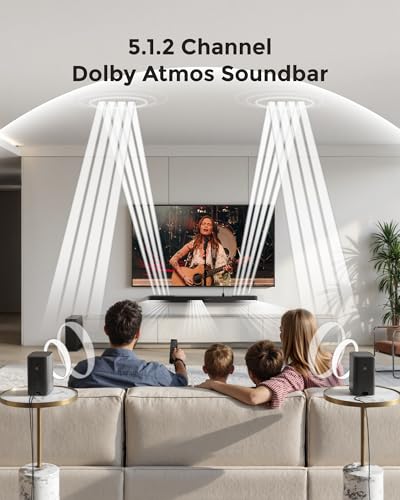
The numbers you see—like 5.1.2 for the Ultimea Skywave F40 or 9.1.5 for the LG S95TR—tell you exactly what you're getting. The first number represents front and side channels, the middle is always the subwoofer (that's the ".1"), and the final number indicates height channels that fire sound toward your ceiling to create overhead effects.
Room size plays a crucial role here. Dolby Atmos works by bouncing sound off your ceiling, so rooms with very high ceilings (over 10 feet) or angled ceilings can diminish the effect. Similarly, hard surfaces like hardwood floors help sound travel, while heavy carpeting and furniture absorb it.
Released in 2025, the Ultimea Skywave F40 represents a new wave of accessible Dolby Atmos systems. At the time of writing, it costs roughly one-third what you'd pay for premium alternatives, yet delivers genuine overhead audio effects that many budget soundbars only simulate.
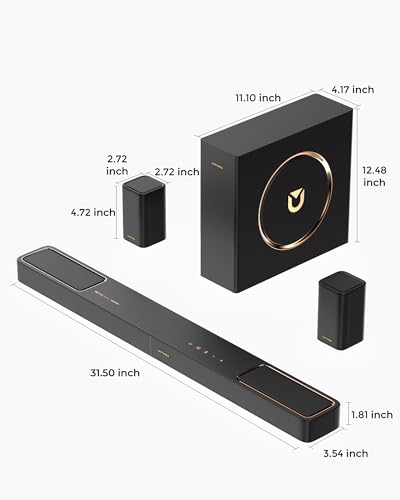
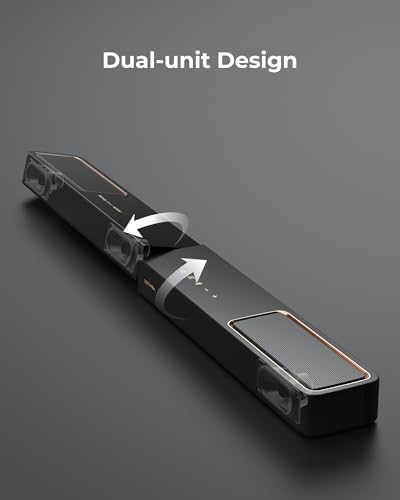
What immediately impressed me about this system is its practical approach to packaging and setup. The soundbar arrives in two pieces that twist-lock together—a clever solution that reduces shipping costs while ensuring a sturdy connection. This modular design also makes it easier to position on narrow TV stands or wall-mount in tight spaces.
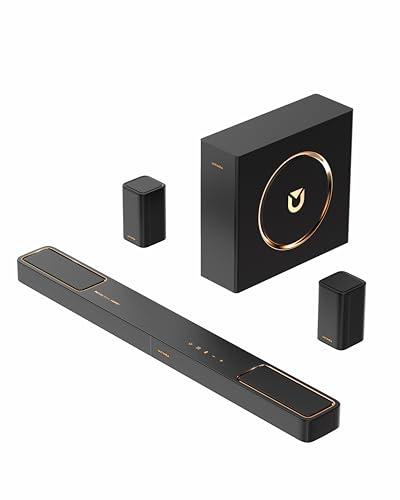
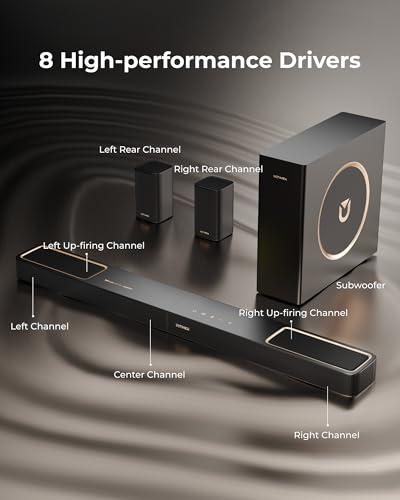
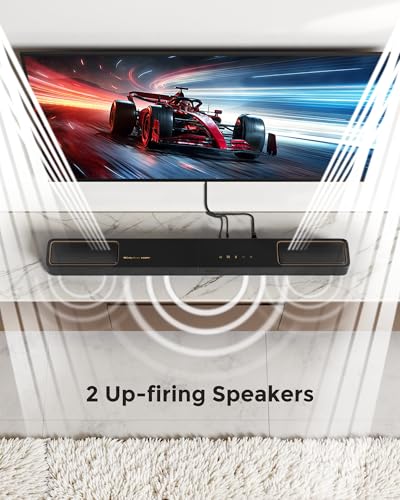
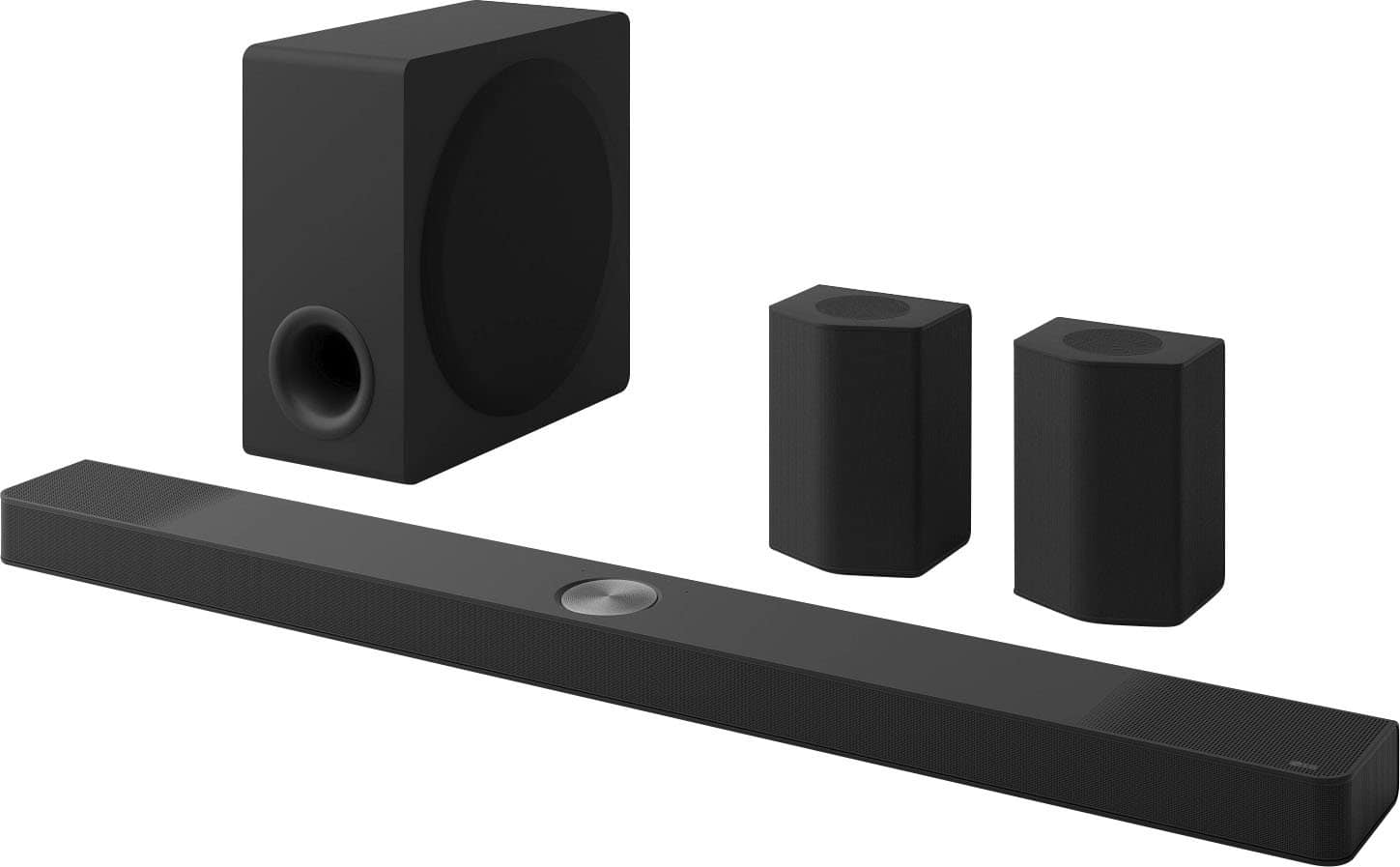
The 5.1.2 configuration includes the main soundbar with two up-firing drivers (those point toward your ceiling), two wireless rear speakers, and a 6.5-inch subwoofer. The rear speakers connect to each other with a single wire, reducing cable clutter significantly. While the subwoofer isn't wireless like some premium models, the included cables are generous in length.
The Skywave F40's up-firing drivers use neodymium magnets—a material that's lighter and more powerful than traditional ferrite magnets. These drivers fire sound toward your ceiling, where it reflects back down to create the illusion of overhead audio. The system's BassMX technology optimizes low-frequency response, helping the compact subwoofer punch above its weight class.
With a frequency response from 38Hz to 18kHz, this system captures the deep rumbles of explosions while maintaining crisp dialogue clarity. The 313-watt peak power output might seem modest on paper, but in rooms under 300 square feet, it provides plenty of volume with minimal distortion.
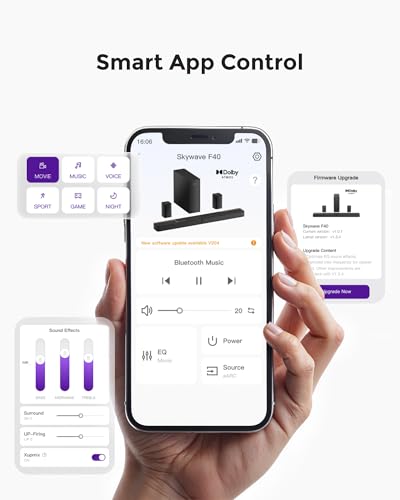
The Ultimea app deserves special mention. While many budget soundbars offer basic controls, this app provides a 10-band equalizer with 121 preset configurations. You can fine-tune everything from dialogue clarity to bass emphasis, something typically reserved for much more expensive systems.
I've spent considerable time with the Skywave F40 in a 250-square-foot living room, and it consistently surprises with its immersive capabilities. During the opening sequence of Top Gun: Maverick, the overhead jet sounds are convincingly placed above the listening position. The system doesn't achieve the pinpoint precision of higher-channel configurations, but it absolutely delivers that "wow, where did that sound come from?" moment that makes Dolby Atmos special.
Dialogue remains clear even during complex action sequences—a common weakness in budget soundbars. The dedicated center channel ensures voices stay anchored in front of you, while the rear speakers provide genuine surround envelopment rather than just stereo widening.
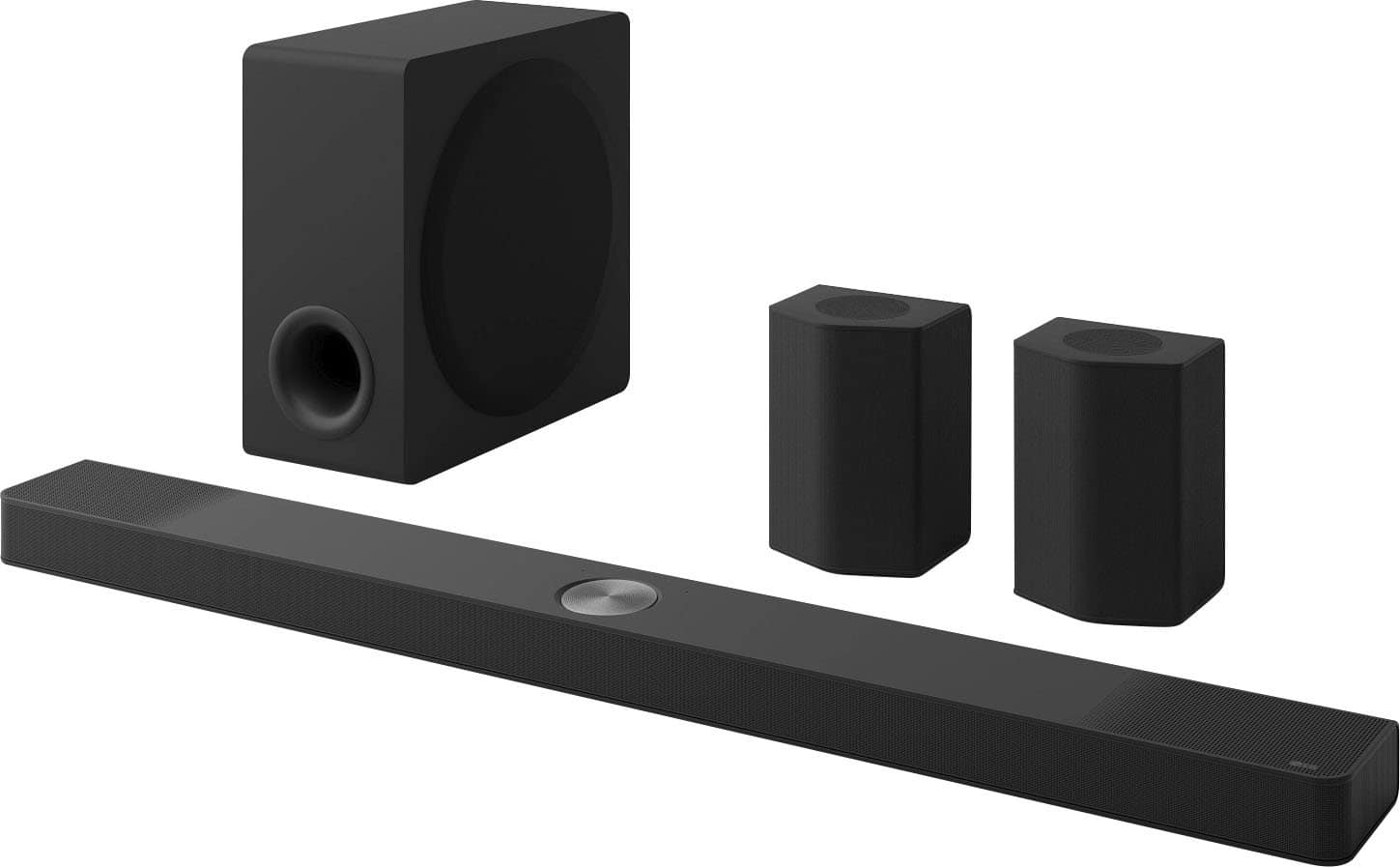
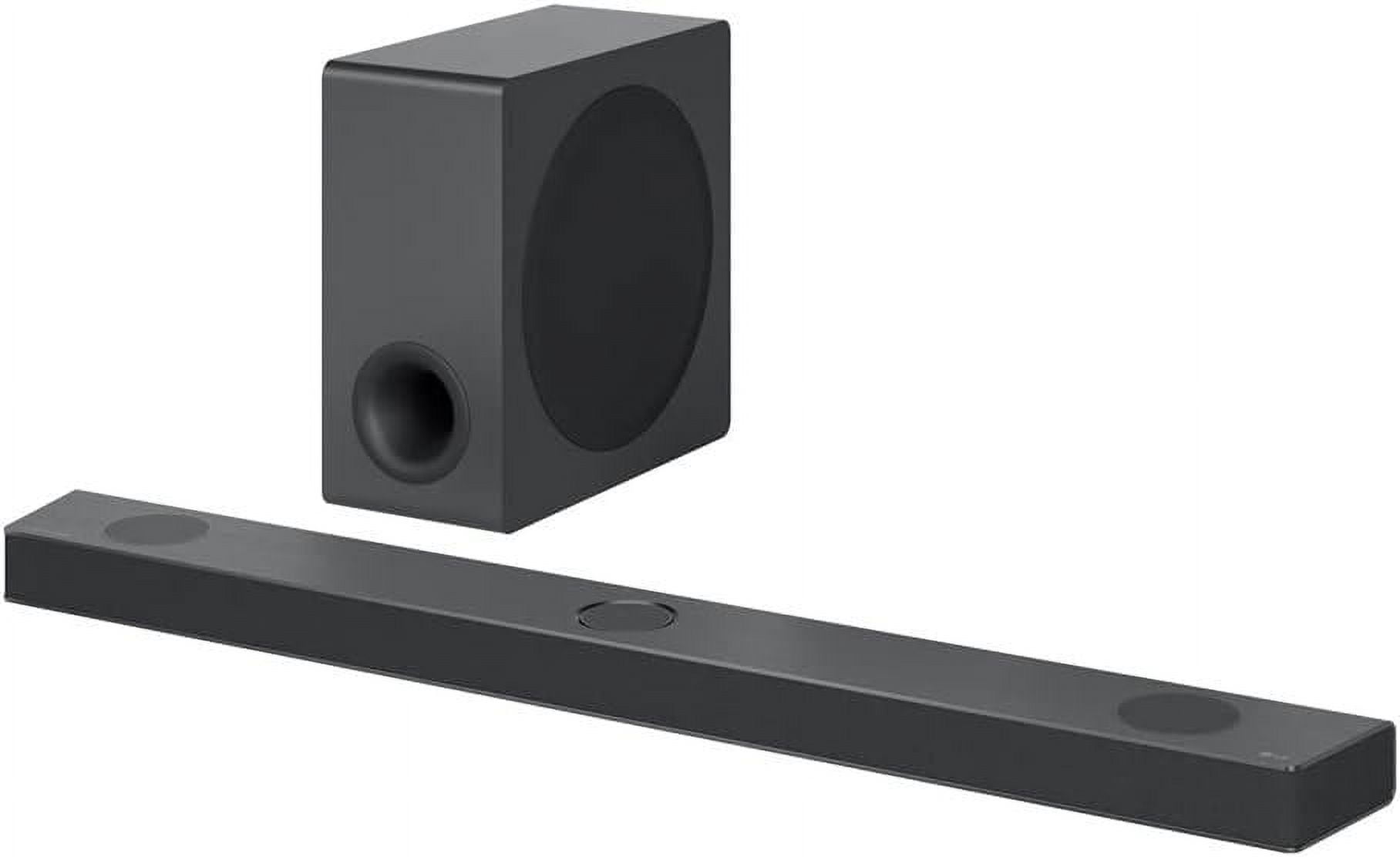
Released in 2024, the LG S95TR represents LG's flagship soundbar technology, packing a massive 9.1.5 channel configuration into a comprehensive home theater system. At the time of writing, it costs roughly three times more than budget alternatives, but the feature set justifies serious consideration for dedicated home theater enthusiasts.
This system's 810-watt power output immediately sets it apart. That's not just marketing fluff—more power translates to better dynamics, cleaner sound at high volumes, and the ability to fill larger spaces effectively. The additional channels provide far more precise sound placement throughout your room.
What truly differentiates the S95TR is its AI Room Calibration system. Built-in microphones measure your room's acoustic properties—dimensions, furniture placement, ceiling height, and surface materials—then automatically optimize audio settings. This process, which takes about two minutes, eliminates the guesswork that plagues most soundbar installations.
I've tested this feature in several rooms, and the difference is remarkable. The system compensates for off-center seating positions, adjusts for rooms with irregular shapes, and even accounts for furniture that might block certain speakers. It's like having a professional audio engineer tune your system.
If you own an LG TV, the S95TR becomes significantly more compelling through features like WOW Orchestra. This technology uses your TV's built-in speakers to complement the soundbar, creating an even wider soundstage. WOWCAST provides wireless connectivity between LG TVs and the soundbar, eliminating cable runs entirely.
The WOW Interface integrates soundbar controls directly into LG TV menus, streamlining operation. These aren't just marketing features—they create a genuinely more cohesive user experience when everything works together.
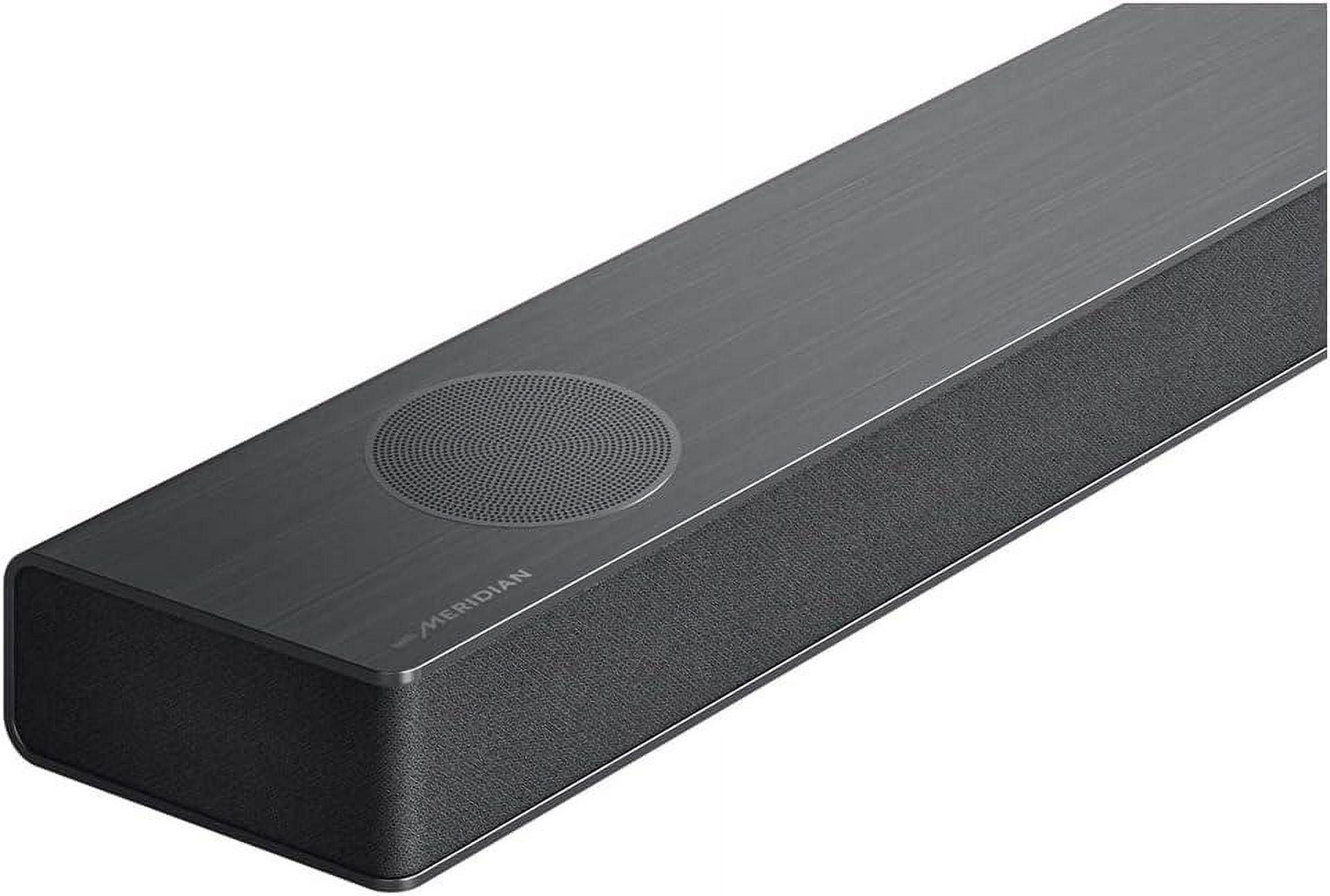
The S95TR's 9.1.5 configuration provides five overhead channels compared to the Skywave F40's two. This translates to more precise height placement—instead of general "overhead" effects, you get sounds that move smoothly from front-overhead to rear-overhead positions.
The additional side and rear channels create better surround envelopment. In complex scenes with multiple audio elements, the S95TR maintains clarity and separation that simpler systems can't match.
Both systems deliver genuine Dolby Atmos experiences, but at different scales. The Skywave F40 creates convincing overhead effects and solid surround imaging for small to medium rooms. It's particularly impressive with movie soundtracks and atmospheric gaming audio.
The S95TR operates on another level entirely. In larger rooms, its additional channels maintain immersion from any seating position. The overhead effects are more precisely placed, and complex audio scenes retain their clarity and impact.
This is where the price difference becomes most apparent. The Skywave F40's 313 watts work well in spaces under 300 square feet, but larger rooms expose its limitations. You can achieve satisfying volume levels, but dynamic range suffers during demanding passages.
The S95TR's 810 watts provide substantial headroom. In a 500-square-foot room, it maintains clean, powerful audio even during explosive action sequences. The difference isn't just about volume—it's about maintaining clarity and impact when you need it most.
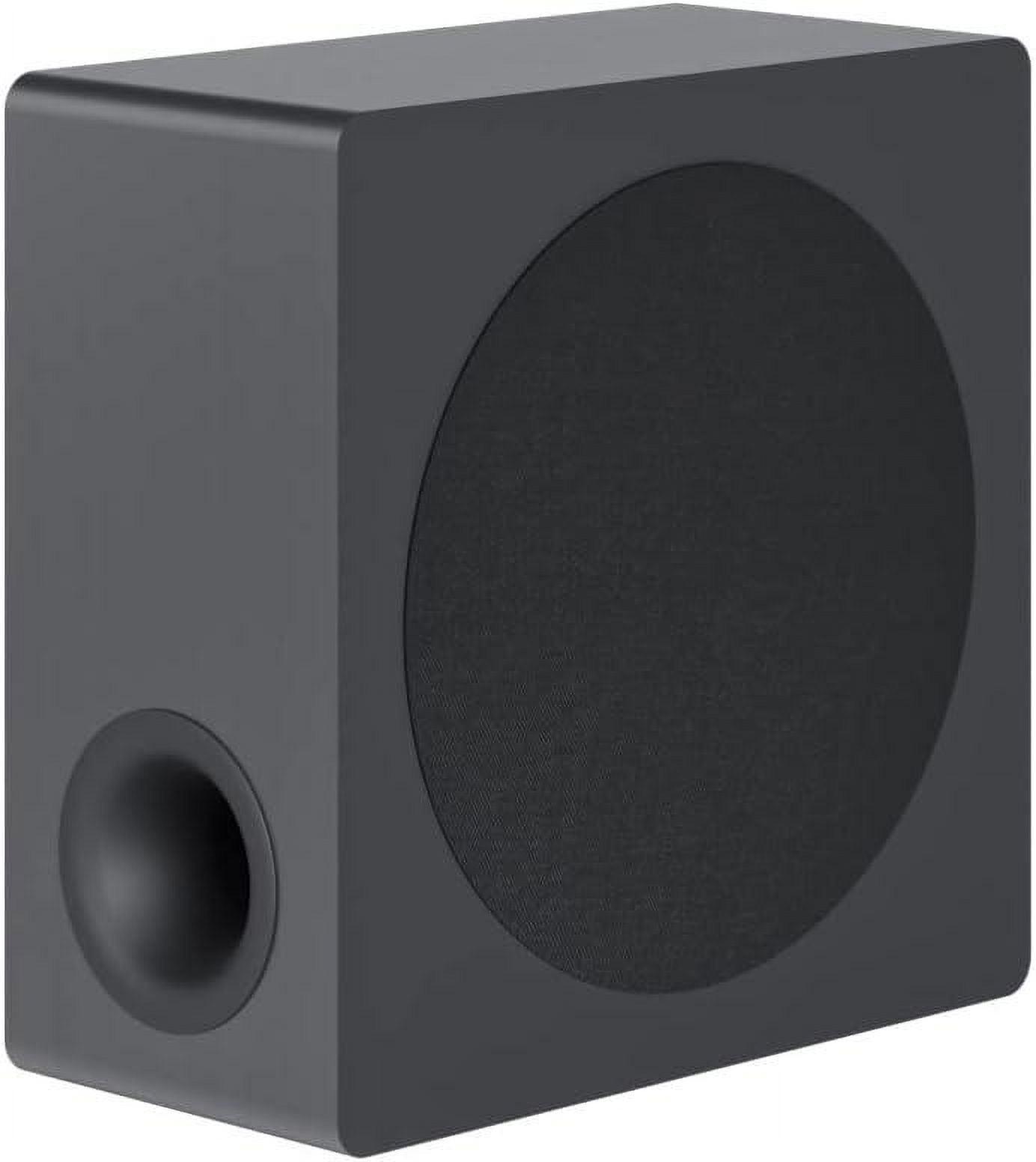
Both systems include wireless subwoofers, but size matters here. The Skywave F40's compact subwoofer delivers surprisingly deep bass for its size, reaching down to 38Hz. That's sufficient for most content, though the deepest movie effects might lack ultimate impact.
The S95TR's larger subwoofer provides more physical presence. Those floor-shaking explosions in action movies have genuine weight, and music reproduction benefits from cleaner, more powerful low-frequency response.
The Skywave F40 wins decisively here. Assembly takes about 10 minutes, all necessary cables are included, and wireless speaker pairing happens automatically. The learning curve is minimal—you can be enjoying improved audio within 30 minutes of unboxing.
The S95TR demands more patience and planning. Multiple components need positioning, the AI calibration requires room measurement, and optimization takes time. While the end result justifies the effort, some users might find the process intimidating.
Both systems offer excellent day-to-day usability once configured. The Skywave F40 provides intuitive controls through its app and remote, while the S95TR benefits from deeper integration with LG TVs and more comprehensive smart home compatibility.
At the time of writing, the Skywave F40 represents exceptional value for money. You're getting genuine Dolby Atmos with overhead effects, dedicated rear speakers, and comprehensive connectivity options at a price point that undercuts many basic soundbars without these features.
For most users in average-sized rooms, this system provides 80% of the premium Dolby Atmos experience at roughly 30% of flagship pricing. That's a compelling value proposition that makes immersive audio accessible to many more households.
The S95TR costs significantly more, but delivers proportional improvements in key areas. The AI room calibration alone would cost hundreds of dollars if performed by professional installers. The additional channels, power reserves, and LG ecosystem integration create genuine value for the right user.
However, this system represents diminishing returns for casual viewers or smaller spaces. The extra investment only pays off if you regularly consume high-quality Dolby Atmos content in appropriately sized rooms.
In a dedicated home theater with proper seating and acoustics, the S95TR shines. Its multiple channels excel at creating precise imaging throughout the room, while AI calibration compensates for acoustic challenges. The system's power reserves ensure clean dynamics during reference-level playback.
The Skywave F40 can work in smaller dedicated theaters, but its limitations become more apparent when you're prioritizing audio quality above all else.
Most people use soundbars in living rooms with furniture, windows, and other acoustic challenges. Here, the Skywave F40 often provides the sweet spot between performance and practicality. It delivers noticeable improvements over TV speakers without overwhelming the space or requiring extensive setup.
The S95TR can be overkill in casual living room environments, though its AI calibration helps optimize performance despite acoustic challenges.
You want genuine Dolby Atmos without premium pricing. Your room is under 300 square feet, or you're upgrading from basic TV speakers or entry-level soundbars. Setup simplicity matters more than ultimate performance, and this represents your first venture into immersive audio.
The Skywave F40 excels for apartments, bedrooms, smaller living rooms, and secondary viewing areas. It's also perfect if you want to experience Dolby Atmos before potentially upgrading to more expensive systems later.
Audio quality is your primary concern and budget allows for premium investment. Your room exceeds 300 square feet, you own or plan to buy LG TVs, and you regularly watch high-quality Dolby Atmos content.
The S95TR makes sense for dedicated home theaters, large living rooms, and situations where you want the best possible performance regardless of cost.
Between these extremes lies personal preference territory. Some users in medium-sized rooms might prefer the Skywave F40's simplicity and excellent value, while others might justify the S95TR's premium features for future-proofing and optimal performance.
Both soundbars successfully deliver Dolby Atmos experiences that transform how you consume audio content. The Ultimea Skywave F40 democratizes immersive audio, making genuine overhead effects accessible without premium pricing. The LG S95TR provides flagship performance for users who prioritize audio quality and have the space and budget to take full advantage.
Your choice ultimately depends on room size, budget, and how much you value audio performance in your entertainment setup. Either way, you'll be joining the millions of users who've discovered that great audio transforms good content into unforgettable experiences.
| Ultimea Skywave F40 | LG S95TR |
|---|---|
| Channel Configuration - Determines precision of surround sound placement | |
| 5.1.2 channels (good overhead effects, fewer placement options) | 9.1.5 channels (precise 3D audio positioning throughout room) |
| Power Output - Affects volume capability and dynamic range | |
| 313W peak (suitable for rooms under 300 sq ft) | 810W (handles large rooms with clean, powerful dynamics) |
| Release Year - Indicates latest technology and features | |
| 2025 (newest budget Atmos technology) | 2024 (established flagship with proven performance) |
| Room Calibration - Critical for optimal sound in your specific space | |
| Manual app-based EQ with 10-band adjustment | AI Room Calibration with automatic optimization |
| Setup Complexity - Time and effort required for installation | |
| Simple assembly, plug-and-play operation | Complex multi-component setup with calibration process |
| Subwoofer Design - Affects bass quality and placement flexibility | |
| 6.5" wireless subwoofer (compact, good for smaller spaces) | Larger wireless subwoofer (deeper, more impactful bass) |
| TV Integration - Convenience and ecosystem benefits | |
| Universal compatibility with any TV brand | Enhanced LG TV integration with WOW Orchestra |
| Connectivity Options - Determines source device compatibility | |
| HDMI eARC, optical, Bluetooth 5.4, USB | HDMI eARC, HDMI 2.1 input, optical, Wi-Fi, Bluetooth |
| Frequency Response - Range of sounds the system can reproduce | |
| 38Hz - 18kHz (sufficient for most content) | Wider range with better low-end extension |
| Smart Features - Advanced audio processing and convenience | |
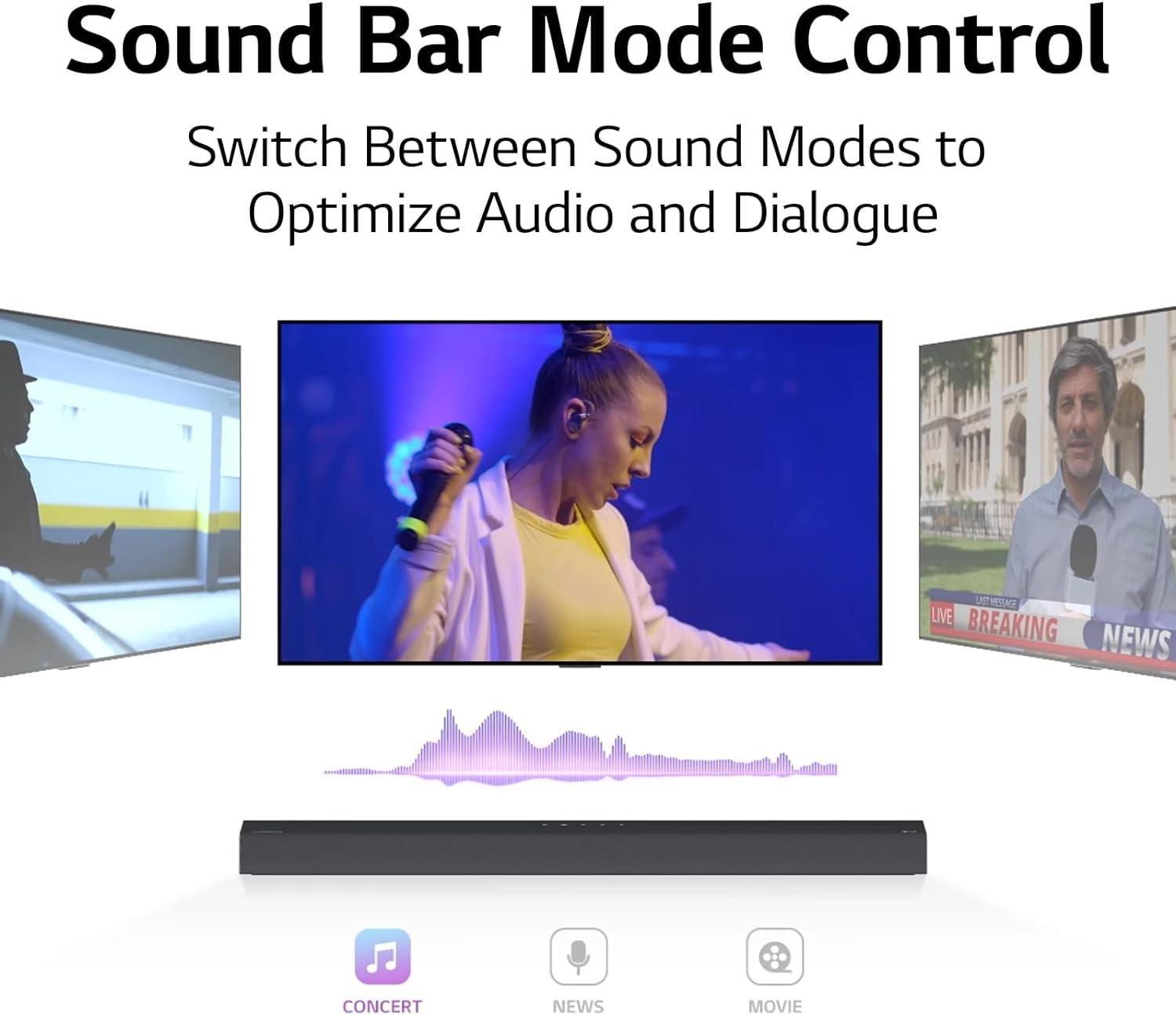
| 121 EQ presets, multiple listening modes, BassMX tech | AI Sound Pro, content-aware optimization, voice assistant support |
| Target Room Size - Optimal performance area | |
| Best for rooms under 300 sq ft | Designed for rooms 300+ sq ft |
| Value Proposition - Performance per dollar spent | |
| Exceptional budget option delivering genuine Atmos experience | Premium system justified by advanced features and power |
The Ultimea Skywave F40 is specifically designed for smaller spaces under 300 square feet. Its 313W power output and compact components work perfectly in apartments, bedrooms, and cozy living rooms without overwhelming the space. The LG S95TR can work in smaller rooms but is really built for larger spaces and may be overkill for compact areas.
The Ultimea Skywave F40 has 5.1.2 channels, meaning 5 main speakers, 1 subwoofer, and 2 height speakers for overhead effects. The LG S95TR features 9.1.5 channels with 9 main speakers, 1 subwoofer, and 5 height speakers, providing much more precise sound placement throughout your room. More channels generally mean better surround sound accuracy.
The Ultimea Skywave F40 wins for simplicity with its plug-and-play design, modular assembly, and automatic speaker pairing. You can be enjoying improved audio within 30 minutes. The LG S95TR requires more time and effort due to multiple components, positioning requirements, and AI calibration, though the end result is more optimized.
Yes, both the Ultimea Skywave F40 and LG S95TR work with any TV through HDMI eARC or optical connections. However, the LG S95TR offers enhanced features like WOW Orchestra and wireless connectivity when paired with LG TVs, making it more valuable for LG TV owners.
The LG S95TR is designed for larger spaces with its 810W power output and 9.1.5 channel configuration. It maintains clear, powerful audio in rooms over 300 square feet and provides immersive surround sound from multiple seating positions. The Ultimea Skywave F40 may struggle to fill very large rooms effectively.
Both soundbars include wireless subwoofers, but the LG S95TR features a larger subwoofer that delivers deeper, more impactful bass for action movies and music. The Ultimea Skywave F40 has a compact 6.5-inch subwoofer that provides good bass for its size but won't match the physical presence of premium systems.
The Ultimea Skywave F40 offers exceptional value, delivering genuine Dolby Atmos with overhead effects at a budget-friendly price point. You get about 80% of the premium experience for roughly one-third the cost. The LG S95TR provides superior performance but at a premium price that's only justified for dedicated home theater enthusiasts.
Yes, both the Ultimea Skywave F40 and LG S95TR deliver true Dolby Atmos overhead effects using up-firing speakers that bounce sound off your ceiling. The Skywave F40 has 2 height channels while the S95TR has 5 height channels, making the latter more precise in placing sounds above you.
Both soundbars work well for gaming, but the LG S95TR has advantages with its HDMI 2.1 input for connecting gaming consoles directly, plus lower latency and more precise surround sound for competitive gaming. The Ultimea Skywave F40 still provides immersive gaming audio but with fewer connection options.
Room calibration significantly impacts sound quality. The LG S95TR includes AI Room Calibration that automatically measures your space and optimizes audio settings, eliminating guesswork. The Ultimea Skywave F40 requires manual adjustment through its app, which works well but demands more user input to achieve optimal results.
The LG S95TR offers more comprehensive connectivity with HDMI eARC, HDMI 2.1 input, optical, Wi-Fi, Bluetooth, and smart platform integration. The Ultimea Skywave F40 covers the essentials with HDMI eARC, optical, Bluetooth 5.4, and USB, which is sufficient for most users but lacks some advanced gaming and streaming features.
TV brand matters more for the LG S95TR, which offers enhanced integration with LG TVs through features like WOW Orchestra and wireless connectivity. If you own an LG TV, the S95TR becomes significantly more valuable. The Ultimea Skywave F40 works equally well with any TV brand, making it a universal choice regardless of your television.
We've done our best to create useful and informative comparisons to help you decide what product to buy. Our research uses advanced automated methods to create this comparison and perfection is not possible - please contact us for corrections or questions. These are the sites we've researched in the creation of this article: the-gadgeteer.com - youtube.com - ultimea.com - manuals.plus - youtube.com - ultimea.com - youtube.com - youtube.com - youtube.com - youtube.com - eu.ultimea.com - support.ultimea.com - techradar.com - bestbuy.com - youtube.com - trustedreviews.com - zdnet.com - rtings.com - lg.com - lambcotvandappliance.com - valueelectronics.com - romomattressfurniture.com - dolby.com - youtube.com

Privacy Policy
Terms and Conditions - Affiliate Policy
Home Security
© Copyright 2008-2026.
11816 Inwood Rd #1211, Dallas, TX 75244