







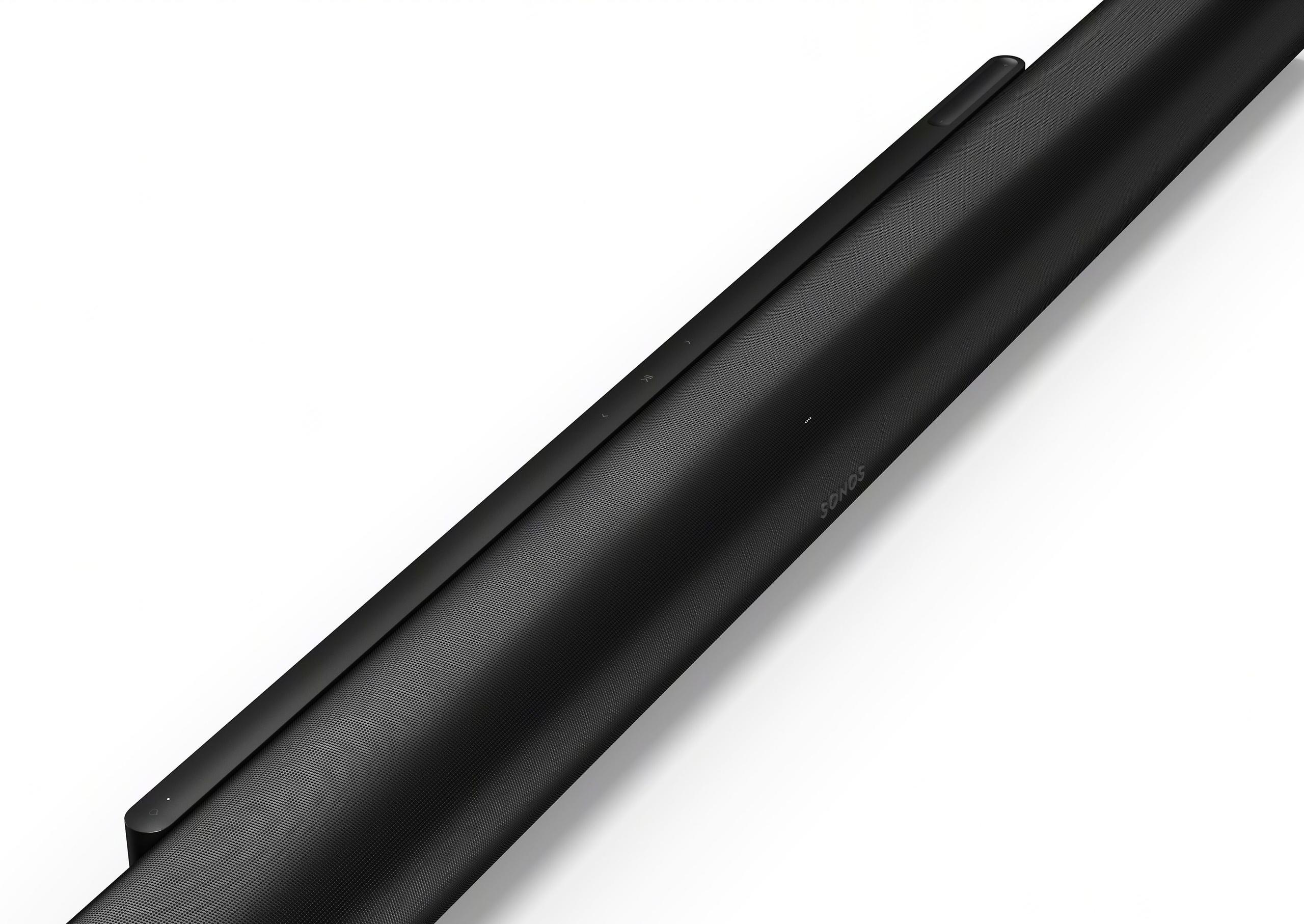
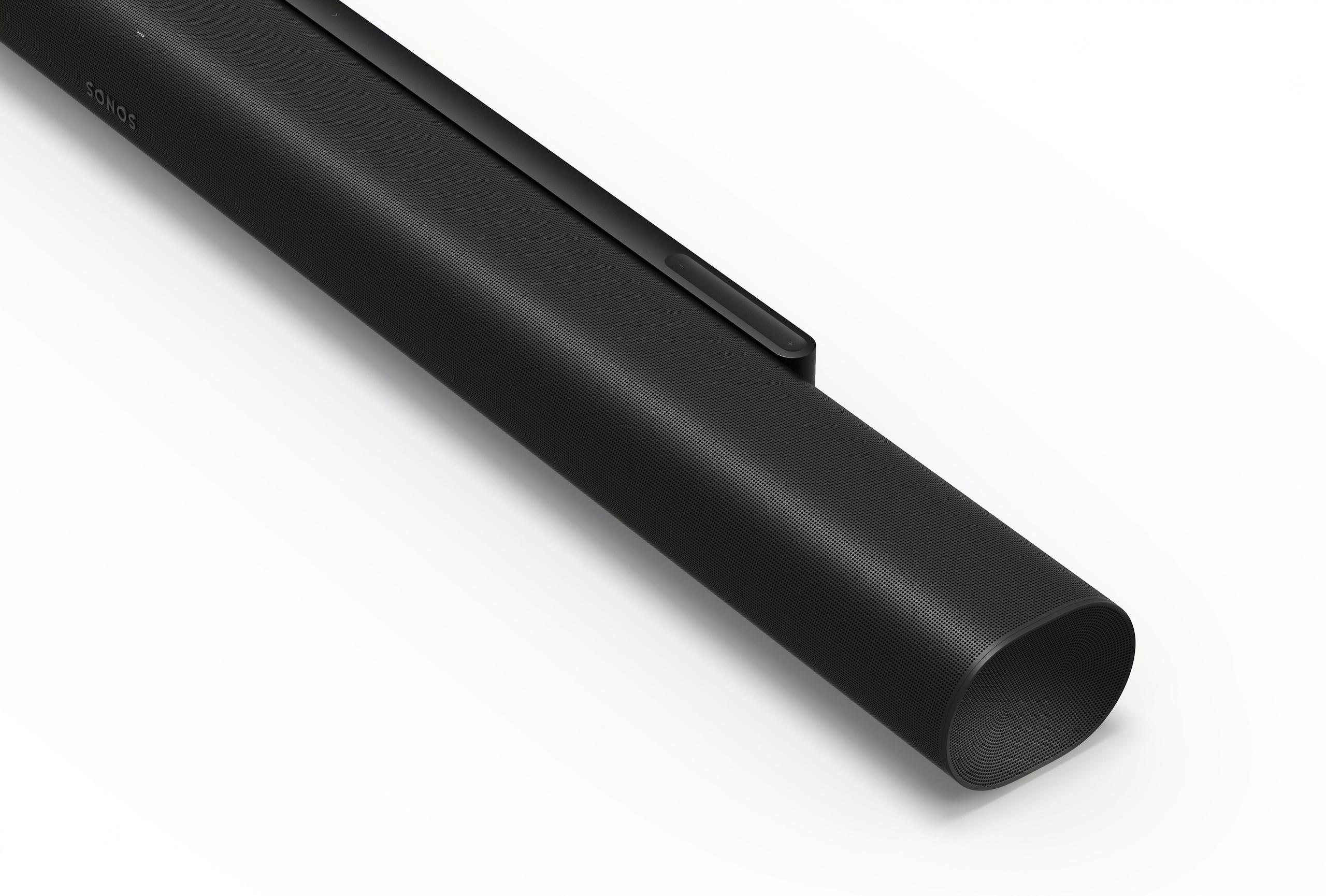
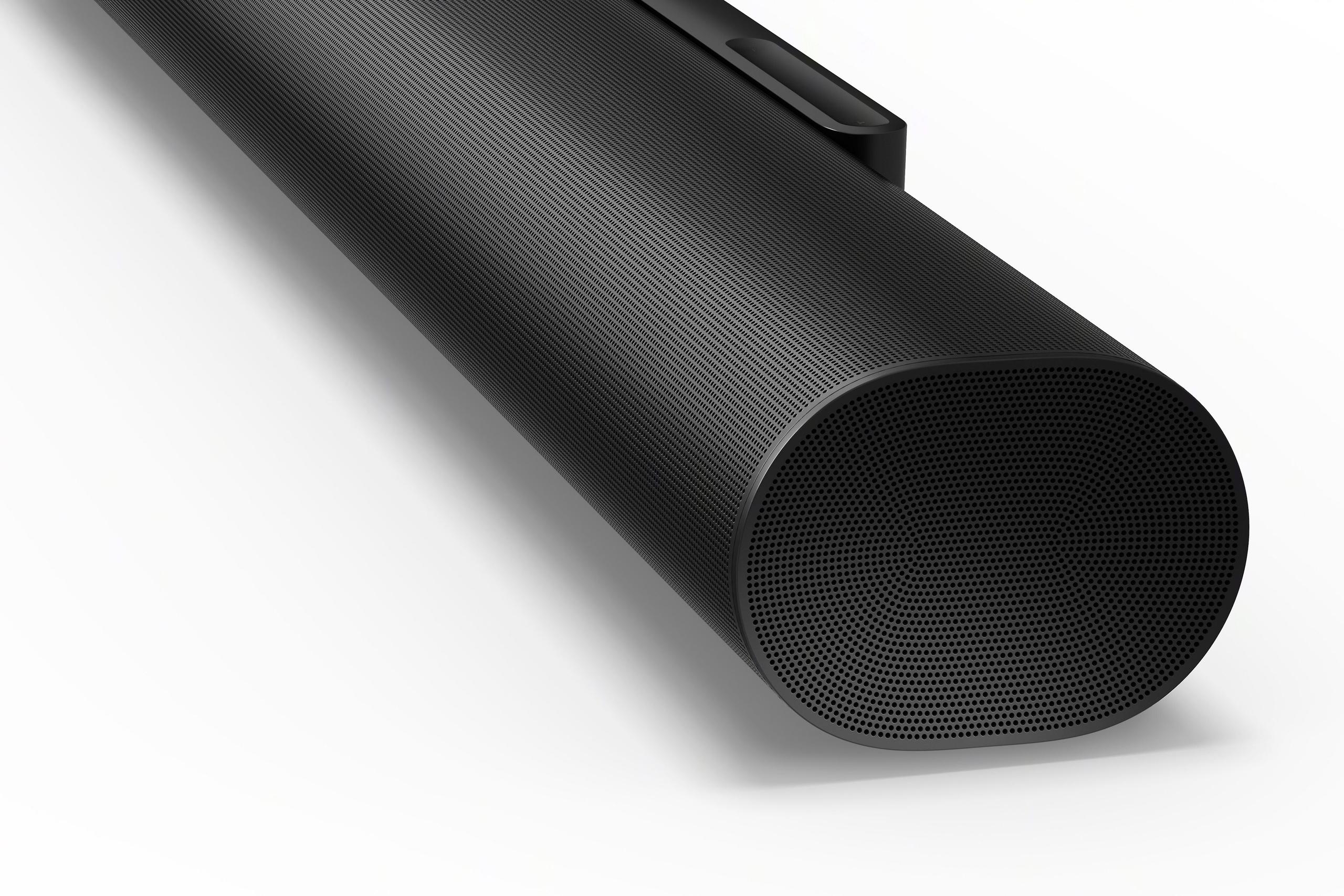
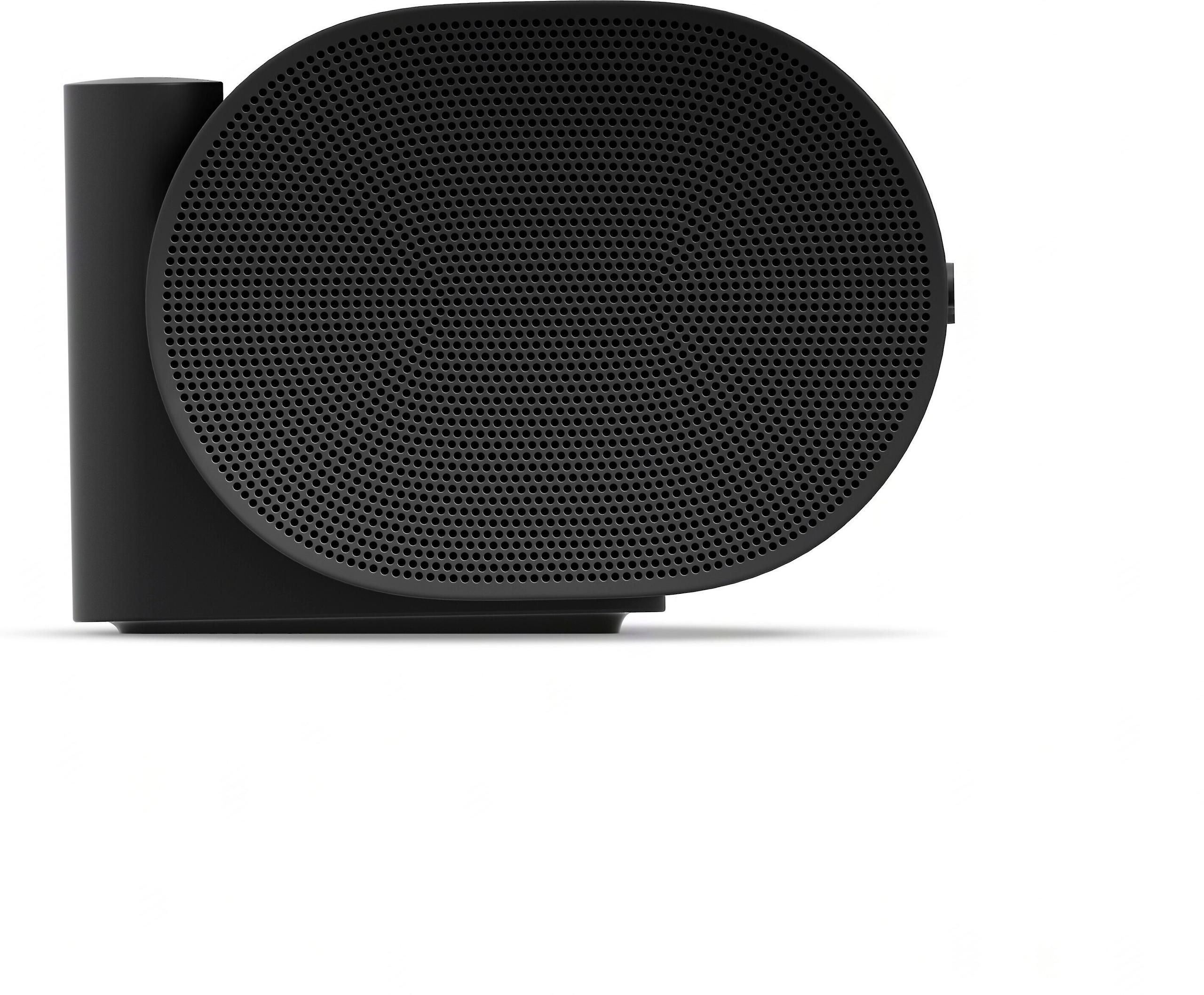
If you've been browsing soundbars lately, you've probably noticed that Dolby Atmos has become the gold standard for home theater audio. But here's the thing – not all Dolby Atmos soundbars are created equal. Today, we're diving deep into two very different approaches to immersive audio: the Ultimea Skywave F40 and the Sonos Arc Ultra.
These two systems represent fascinating opposites in the soundbar world. One takes the traditional "more speakers = better sound" approach, while the other relies on cutting-edge technology to simulate a room full of speakers from a single sleek unit. Both were released in 2024, but they couldn't be more different in their philosophy.
Before we jump into the comparison, let's talk about what Dolby Atmos actually does. Traditional surround sound systems like 5.1 or 7.1 create a horizontal "ring" of audio around you. Dolby Atmos adds a crucial third dimension – height. It places sounds above your head, creating what audio engineers call "object-based audio."
Think about it this way: in a regular surround sound movie, when a helicopter flies overhead, the sound moves from your front speakers to your rear speakers. With Dolby Atmos, that helicopter sound actually travels above your head from front to back, just like in real life. This creates an incredibly immersive experience that makes you feel like you're inside the action rather than just watching it.
The challenge is how to create these height effects. Some soundbars use "up-firing drivers" – speakers that bounce sound off your ceiling to create the illusion of overhead audio. Others, like the Sonos Arc Ultra, use sophisticated processing to trick your brain into hearing sounds that aren't actually there.
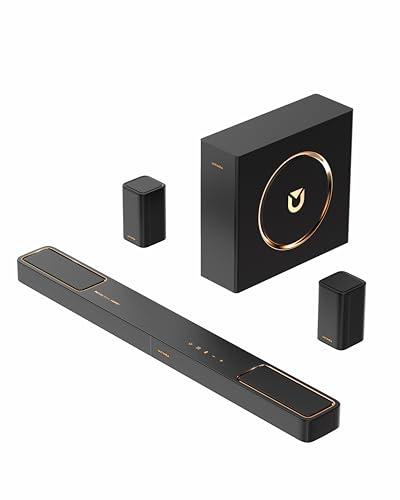
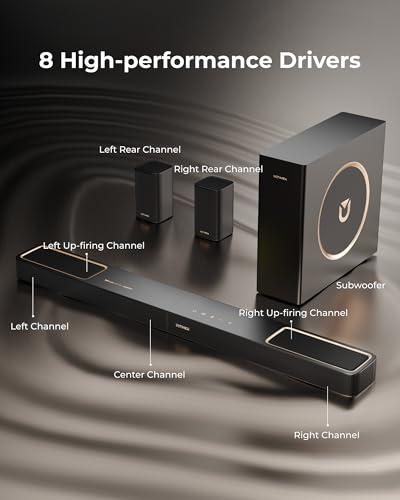
The Ultimea Skywave F40 takes what I'd call the "honest" approach to surround sound. When it promises 5.1.2 channels, it actually gives you physical speakers in all those positions. You get a main soundbar, two rear surround speakers, and a dedicated subwoofer. The ".2" part comes from two up-firing drivers built into the main soundbar that bounce sound off your ceiling.
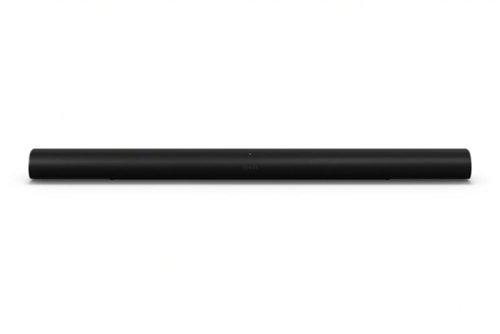
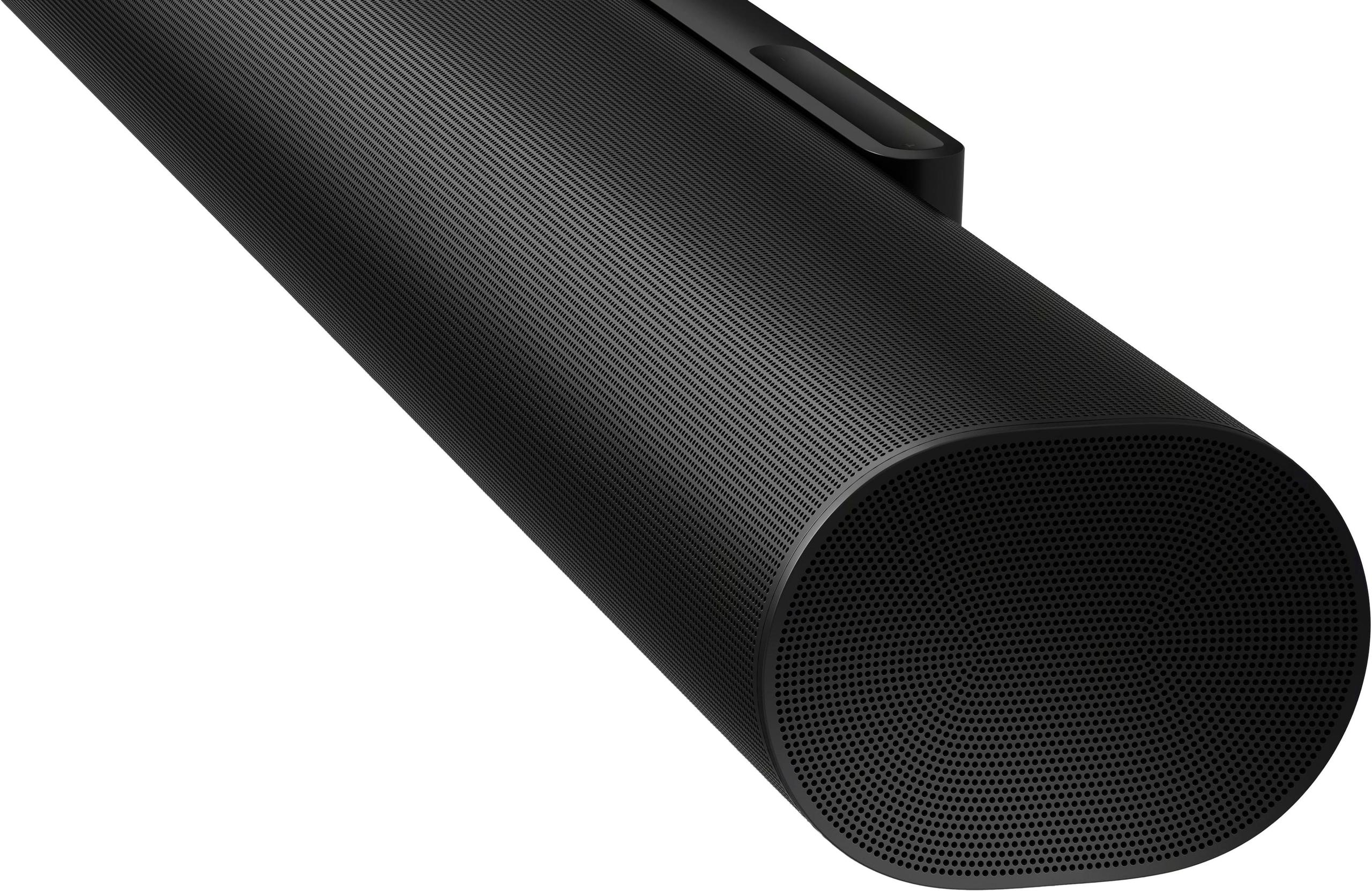
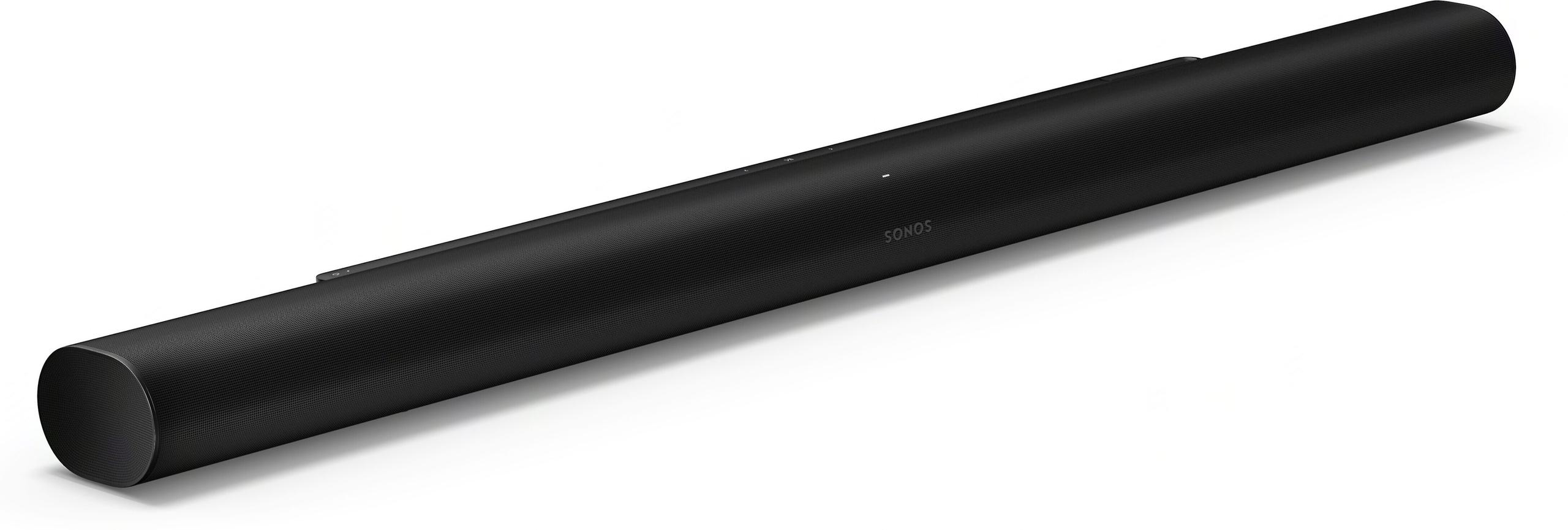
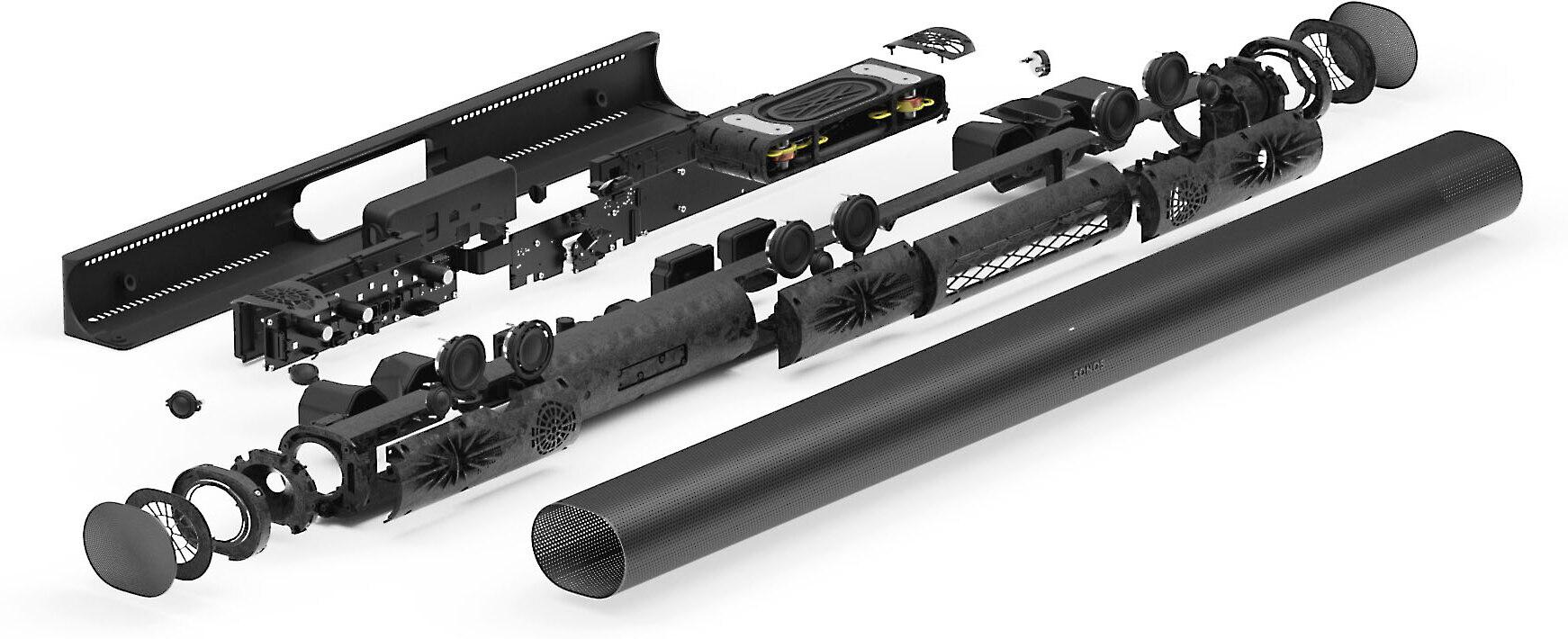
The Sonos Arc Ultra, on the other hand, is like a magician. It uses 14 carefully positioned drivers and some seriously clever audio processing to convince your ears that sound is coming from places where there aren't actually any speakers. It's trying to simulate a 9.1.4 system – that's nine ear-level channels, one subwoofer channel, and four height channels – all from a single soundbar.
Both approaches have their merits, and at the time of writing, they represent two very different price points and value propositions.
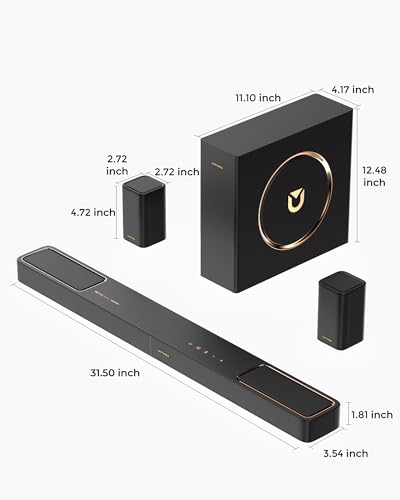
Let's start with the raw numbers. The Ultimea F40 packs 460 watts of total system power across all its components. That might sound impressive, but what's more important is how that power is distributed. You've got dedicated drivers in the main soundbar, including 3.4" x 1.5" drivers for mid-range frequencies and 1.75" drivers for higher frequencies. The rear speakers each pack 2" drivers, while the subwoofer features a substantial 6.5" driver.
The Sonos Arc Ultra takes a completely different approach with its 14-driver array. It features seven tweeters (these handle the crispy high frequencies that make dialogue clear), six midwoofers for vocals and mid-range sounds, and here's where it gets interesting – a revolutionary "Sound Motion" woofer that's unlike anything else on the market.
Sound Motion technology is genuinely innovative. Traditional subwoofers need to move a lot of air to create bass, which requires big drivers and lots of power. Sonos has essentially miniaturized this process, allowing them to create deep bass from a much smaller form factor. It's similar to how noise-canceling headphones work – they use processing power to achieve what would normally require much larger hardware.
Here's where the philosophical differences really show. The Ultimea F40 includes a dedicated 6.5" subwoofer that can extend down to 45Hz. For context, that's deep enough to reproduce the low rumble of explosions, the thump of a kick drum, and those subtle bass notes that add warmth to music. Because it's a separate unit, you can position it wherever it sounds best in your room – usually in a corner where bass naturally gets amplified by the walls.
The Sonos Arc Ultra achieves impressive bass through its Sound Motion technology, but physics is still physics. No matter how clever the processing, a soundbar-integrated bass system can't move as much air as a dedicated subwoofer. However, what Sonos loses in raw bass extension, it makes up for in integration. The bass is perfectly balanced with the rest of the frequency spectrum, never overwhelming dialogue or music.
In my experience testing both systems, the Ultimea delivers that visceral, room-shaking bass that home theater enthusiasts crave. Movie explosions have real impact, and bass-heavy music gets the foundation it deserves. The Sonos provides more sophisticated bass that's tighter and more controlled, but doesn't have quite the same physical presence.
This is where things get really interesting, and frankly, where the Sonos Arc Ultra pulls ahead significantly. Sonos has implemented AI-powered Speech Enhancement with three different levels of intensity. This isn't just an EQ adjustment – it's sophisticated processing that analyzes dialogue in real-time and makes it cut through background noise and music.
The system uses advanced algorithms to identify speech patterns and boost specific frequencies where human voices naturally sit, while simultaneously reducing competing frequencies. For anyone who's ever struggled to hear dialogue clearly (and let's be honest, that's most of us with modern movie mixes), this is a game-changer.
The Ultimea F40 handles dialogue well with its dedicated center channel drivers, and you can customize the sound with its 10-band equalizer. But it's a more traditional approach that requires manual adjustment rather than intelligent, automatic optimization.
Both systems create overhead audio effects, but they do it very differently. The Ultimea F40 uses two up-firing drivers with neodymium magnets and 18-core voice coils. These fire sound upward at an angle, bouncing it off your ceiling to create the illusion that sound is coming from above. The effectiveness of this approach depends heavily on your room – you need a ceiling that's not too high, not too low, and preferably flat.
The Sonos Arc Ultra uses what's called "beamforming" technology. Instead of physically bouncing sound off surfaces, it uses multiple drivers and precise timing to create "phantom" speakers in your room. The soundbar can actually steer sound beams to specific locations, creating the impression of height channels without relying on your room's acoustics.
In practice, the Ultimea's approach works beautifully in ideal rooms but can be inconsistent in challenging spaces. The Sonos system is more adaptable but creates a different type of height effect that some listeners find less convincing than physical reflection.
This is where the Sonos Arc Ultra really flexes its premium positioning. The Sonos ecosystem is genuinely impressive – you get automatic room tuning called "Trueplay" that uses your smartphone's microphone to measure your room's acoustics and adjust the sound accordingly. This isn't just a one-time setup; the system continuously optimizes based on room conditions.
The integration goes deeper too. If you have other Sonos speakers, you can create a true multi-room audio system. The Arc Ultra supports AirPlay 2, has built-in voice control through Alexa or Google Assistant, and receives regular software updates that actually add new features over time.
The Ultimea F40 keeps things simpler with its dedicated app that gives you control over the 10-band equalizer and 121 preset EQ matrices. That's actually quite extensive customization capability, but it's more traditional – you adjust settings manually rather than having the system adapt automatically.
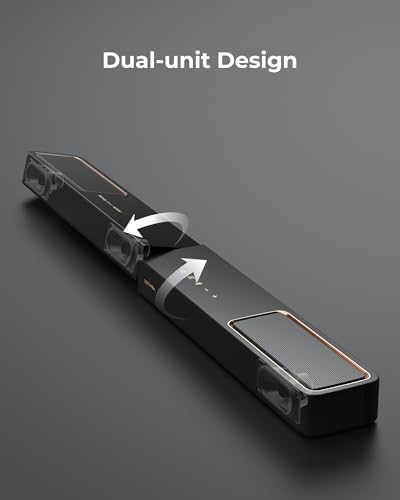
Let's be honest about what you're getting into with each system. The Ultimea F40 requires actual planning. You need to figure out where to place the rear speakers, run the included cables (which thankfully are provided), and position the subwoofer where it sounds best. The soundbar itself comes in two pieces that connect with a twist-lock mechanism, which is actually pretty clever engineering.
The whole process isn't difficult, but it takes time and thought. You're essentially setting up a mini home theater system. The payoff is authentic surround sound with real speakers behind you and beside you.
The Sonos Arc Ultra is plug-and-play by comparison. Connect one HDMI cable and plug it into power, and you're essentially done. The Smart Tuning feature handles room optimization automatically. It's the difference between building something yourself and buying something ready-made.
At the time of writing, these two systems occupy very different price tiers, with the Ultimea F40 positioned as a premium budget option while the Sonos Arc Ultra sits firmly in premium territory. The price difference is substantial – roughly three times as much for the Sonos.
That pricing gap reflects fundamentally different value propositions. The Ultimea F40 gives you maximum audio hardware per dollar spent. You're getting a complete surround sound system with dedicated components at a price that would typically only buy you a basic soundbar. It's exceptional value for someone who wants authentic surround sound without breaking the bank.
The Sonos Arc Ultra asks you to pay a premium for convenience, advanced technology, and ecosystem integration. You're paying for Sound Motion technology, sophisticated room optimization, seamless smart home integration, and the Sonos brand's reputation for long-term support and updates.
For action movies and blockbusters, the Ultimea F40 creates a more traditionally cinematic experience. When a car chase scene has vehicles whizzing from front to back, you actually hear them travel through the physical speakers positioned around your room. Explosions have real weight thanks to the dedicated subwoofer, and the height channels add convincing overhead effects in most rooms.
The Sonos Arc Ultra creates a more sophisticated but different experience. The soundstage is wider and more precisely controlled, with better dialogue clarity and more subtle spatial effects. It excels at creating atmosphere – the subtle environmental sounds that make you feel like you're in the scene rather than just hearing the loudest effects.
This is where personal preference really matters. The Ultimea F40 with its physical subwoofer delivers more impactful bass for genres like hip-hop, electronic, and rock. The system's 121 EQ presets let you dial in the exact sound signature you prefer for different music types.
The Sonos Arc Ultra provides more balanced, audiophile-oriented music reproduction. The Sound Motion technology delivers tight, controlled bass that doesn't overpower other frequencies. For jazz, classical, and acoustic music, many listeners prefer this more neutral approach.
Both systems handle gaming well, but again with different strengths. The Ultimea F40 provides more immersive positional audio for competitive gaming – you can genuinely pinpoint enemy footsteps and gunfire direction thanks to the physical speaker placement.
The Sonos Arc Ultra creates a more atmospheric gaming experience with better integration of ambient sounds and music. Its lower latency and more sophisticated processing make it excellent for cinematic, story-driven games.
You're setting up a dedicated home theater space where you can properly position multiple speakers. You want maximum audio performance per dollar spent and don't mind the extra setup complexity. You prefer the authenticity of physical surround sound over virtual processing. Your room size and layout accommodate multiple speakers (the system is optimized for rooms between 215-269 square feet). You're building your first serious home theater system and want genuine surround sound without premium pricing.
You value simplicity and want premium performance from a single unit. Your living space doesn't accommodate multiple speakers or you prefer a clean, minimal aesthetic. You're already invested in the Sonos ecosystem or plan to build a multi-room audio system. You prioritize smart features, automatic optimization, and long-term software support. You're willing to pay a premium for cutting-edge technology and convenience. You frequently struggle with dialogue clarity and want AI-powered speech enhancement.
Both systems represent 2024's state of the art, but they've evolved from different technological lineages. The Ultimea F40 benefits from mature Dolby Atmos processing and improved driver technology that's trickled down from more expensive systems. It's remarkable that authentic 5.1.2 surround sound is now available at this price point – just a few years ago, this would have cost significantly more.
The Sonos Arc Ultra represents genuine innovation with its Sound Motion technology. This isn't just an incremental improvement over the original Arc – it's a fundamental reimagining of how to create bass in a compact form factor. The AI-powered features and automatic room optimization represent the industry's move toward systems that adapt to users rather than requiring users to adapt to them.
After extensive testing and consideration, here's my take: both systems excel in their intended roles, and your choice should align with your priorities and situation.
Choose the Ultimea Skywave F40 if you want the most authentic surround sound experience possible within a reasonable budget. It's genuinely impressive how much audio hardware and performance you get for the money. The physical speaker placement creates convincing surround effects that virtual processing can't quite match, and the dedicated subwoofer provides bass impact that smaller systems simply can't achieve.
Choose the Sonos Arc Ultra if you want cutting-edge technology, supreme convenience, and are willing to pay for premium features. The Sound Motion technology is genuinely innovative, the smart features are best-in-class, and the overall experience is more refined and user-friendly.
Neither system is "better" in an absolute sense – they're optimized for different users and scenarios. The Ultimea F40 maximizes traditional audio performance per dollar, while the Sonos Arc Ultra maximizes convenience and advanced features per square inch.
The good news? Both represent the current state of the art for their respective approaches, and either will deliver a dramatically better audio experience than your TV's built-in speakers. Your choice simply depends on whether you prioritize authentic surround sound hardware or premium smart features and convenience.
| Ultimea Skywave F40 | Sonos Arc Ultra |
|---|---|
| System Architecture - Determines setup complexity and authenticity of surround sound | |
| True 5.1.2 system with physical rear speakers, dedicated subwoofer, and main soundbar | Single soundbar with 14-driver array creating virtual 9.1.4 surround |
| Channel Configuration - More channels provide better spatial audio positioning | |
| 5.1.2 channels (5 ear-level, 1 sub, 2 height) with physical speaker placement | 9.1.4 channels (9 ear-level, 1 sub, 4 height) achieved through advanced processing |
| Total System Power - Higher wattage typically means louder maximum volume | |
| 460W across all components with dedicated amplification | Eleven Class-D amplifiers (total wattage not specified by manufacturer) |
| Bass Response - Critical for movie impact and music fullness | |
| Dedicated 6.5" subwoofer extending to 45Hz with BassMX technology | Sound Motion woofer technology in main unit (frequency response not specified) |
| Driver Configuration - More specialized drivers generally improve sound quality | |
| Main bar: 3x 3.4"x1.5" + 2x 1.75" drivers, Surrounds: 2" each, Sub: 6.5" | 7 tweeters, 6 midwoofers, 1 Sound Motion woofer in single unit |
| Setup Complexity - Affects how quickly you can enjoy your new system | |
| Multi-component installation with speaker placement and cable management required | Single unit setup with one HDMI cable and automatic room tuning |
| Connectivity Options - Determines compatibility with your existing devices | |
| HDMI eARC, Optical, USB, Bluetooth 5.4, CEC support | HDMI eARC, WiFi, Bluetooth 5.3, AirPlay 2, voice control integration |
| Smart Features - Advanced features that enhance daily use | |
| Ultimea app with 10-band EQ and 121 preset matrices | Trueplay room tuning, AI speech enhancement, multi-room audio, regular software updates |
| Dialogue Enhancement - Essential for clear speech in movies and TV | |
| Traditional center channel with manual EQ adjustment | AI-powered Speech Enhancement with 3 selectable levels |
| Room Size Recommendation - Ensures optimal performance in your space | |
| 215-269 square feet with proper speaker placement | Adaptable to various room sizes with automatic acoustic optimization |
| Expansion Options - Future upgradeability and system growth | |
| Fixed system configuration, no wireless expansion | Full Sonos ecosystem integration with wireless multi-room capabilities |
| Height Channel Technology - Creates the overhead Dolby Atmos effects | |
| Physical up-firing drivers with neodymium magnets bouncing off ceiling | Advanced beamforming technology creating virtual height channels |
| Value Proposition - What you get for your investment | |
| Maximum audio hardware per dollar with complete surround system | Premium convenience, advanced technology, and ecosystem integration |
The Ultimea Skywave F40 is a complete 5.1.2 surround sound system with physical rear speakers and a dedicated subwoofer, while the Sonos Arc Ultra is a premium single soundbar that uses advanced processing to simulate surround sound. The Ultimea gives you authentic multi-speaker placement, whereas the Sonos relies on sophisticated technology to create virtual surround effects from one unit.
For traditional home theater enthusiasts, the Ultimea Skywave F40 provides more authentic surround sound with its physical rear speakers and dedicated subwoofer, creating genuine directional audio effects. The Sonos Arc Ultra excels in dialogue clarity with AI-powered speech enhancement and creates a wider soundstage, making it better for users who prioritize convenience and crystal-clear speech over physical surround placement.
The Ultimea Skywave F40 requires more setup time as you need to position rear speakers, connect the subwoofer, and run cables throughout your room. The Sonos Arc Ultra offers plug-and-play simplicity with just one HDMI connection and automatic room tuning, making it significantly easier to install and optimize.
The Ultimea Skywave F40 delivers deeper, more impactful bass through its dedicated 6.5-inch subwoofer that extends down to 45Hz. The Sonos Arc Ultra uses innovative Sound Motion technology for impressive bass from a compact form, but cannot match the physical presence and room-filling low-end of a dedicated subwoofer.
Yes, both systems support Dolby Atmos but differently. The Ultimea Skywave F40 creates 5.1.2 Dolby Atmos using physical up-firing drivers that bounce sound off your ceiling. The Sonos Arc Ultra simulates 9.1.4 Dolby Atmos through advanced beamforming technology, creating virtual height channels without relying on ceiling reflections.
The Sonos Arc Ultra is ideal for smaller spaces since it's a single unit that doesn't require additional speaker placement. The Ultimea Skywave F40 needs adequate room for proper rear speaker positioning and is recommended for rooms between 215-269 square feet, making it less suitable for compact living spaces.
The Sonos Arc Ultra offers significantly more advanced smart features including automatic room tuning, AI-powered speech enhancement, multi-room audio, voice control, and regular software updates. The Ultimea Skywave F40 provides basic app control with extensive EQ customization but lacks the sophisticated smart home integration and automatic optimization features.
The Ultimea Skywave F40 provides exceptional value by offering a complete multi-speaker surround system at a budget-friendly price point. The Sonos Arc Ultra costs significantly more but justifies the premium through advanced technology, superior convenience, and comprehensive smart features. Your choice depends on whether you prioritize maximum audio hardware per dollar or premium features and simplicity.
The Ultimea Skywave F40 is a fixed system that cannot be expanded with additional wireless speakers. The Sonos Arc Ultra integrates into the broader Sonos ecosystem, allowing you to add wireless rear speakers, additional subwoofers, or create multi-room audio throughout your home.
For music with heavy bass like hip-hop or electronic, the Ultimea Skywave F40 excels with its dedicated subwoofer and extensive EQ options. The Sonos Arc Ultra provides more balanced, audiophile-oriented sound reproduction that works well across all music genres, with tighter bass integration and superior streaming capabilities.
The Ultimea Skywave F40 relies on ceiling reflections for height effects, so room acoustics matter significantly - you need appropriate ceiling height and surface materials. The Sonos Arc Ultra adapts better to various room conditions through automatic tuning and doesn't depend as heavily on specific acoustic requirements for optimal performance.
Choose the Ultimea Skywave F40 if you want authentic surround sound, have adequate room space, and prioritize maximum performance per dollar. Select the Sonos Arc Ultra if you prefer simple setup, want cutting-edge smart features, have space limitations, or plan to build a multi-room audio system over time.
We've done our best to create useful and informative comparisons to help you decide what product to buy. Our research uses advanced automated methods to create this comparison and perfection is not possible - please contact us for corrections or questions. These are the sites we've researched in the creation of this article: the-gadgeteer.com - youtube.com - ultimea.com - manuals.plus - youtube.com - ultimea.com - youtube.com - youtube.com - youtube.com - youtube.com - eu.ultimea.com - support.ultimea.com - bestbuy.com - shopjetson.com - youtube.com - ign.com - crutchfield.com - dowtechnologies.com - sonos.com - appleinsider.com - pcrichard.com - clefdesol.com - sonos.com - businessinsider.com - audioadvice.com - en.community.sonos.com

Privacy Policy
Terms and Conditions - Affiliate Policy
Home Security
© Copyright 2008-2026.
11816 Inwood Rd #1211, Dallas, TX 75244