




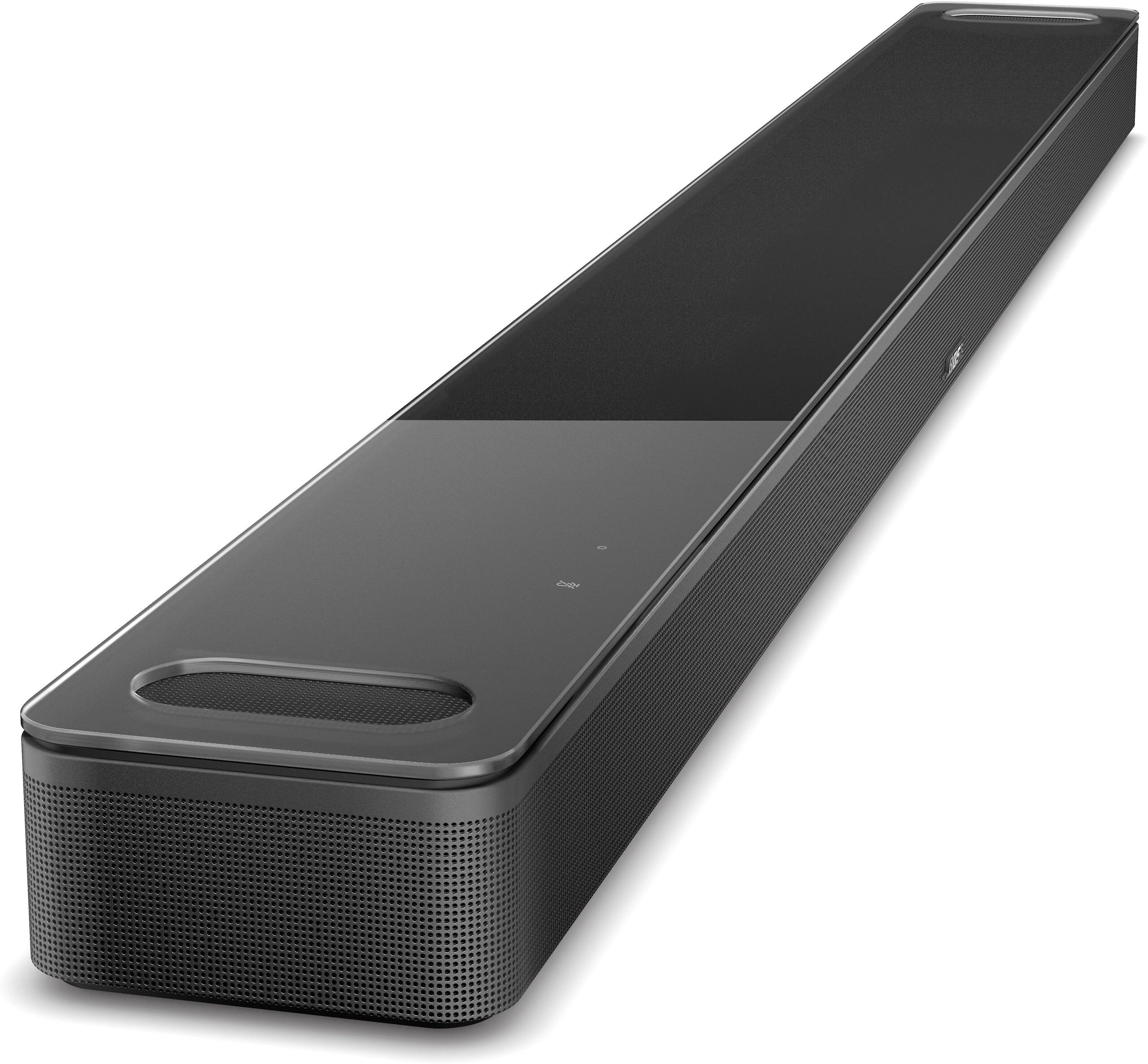
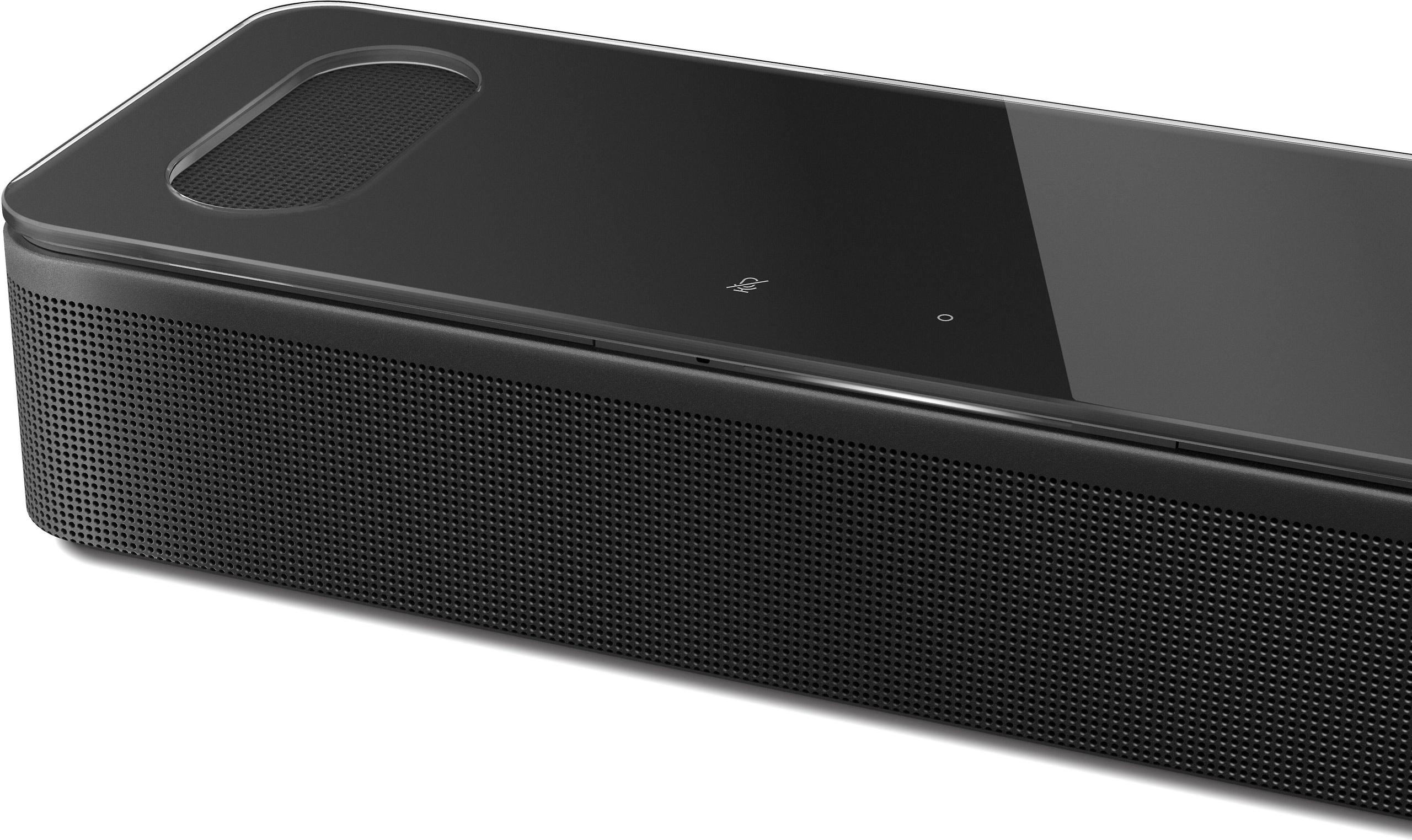
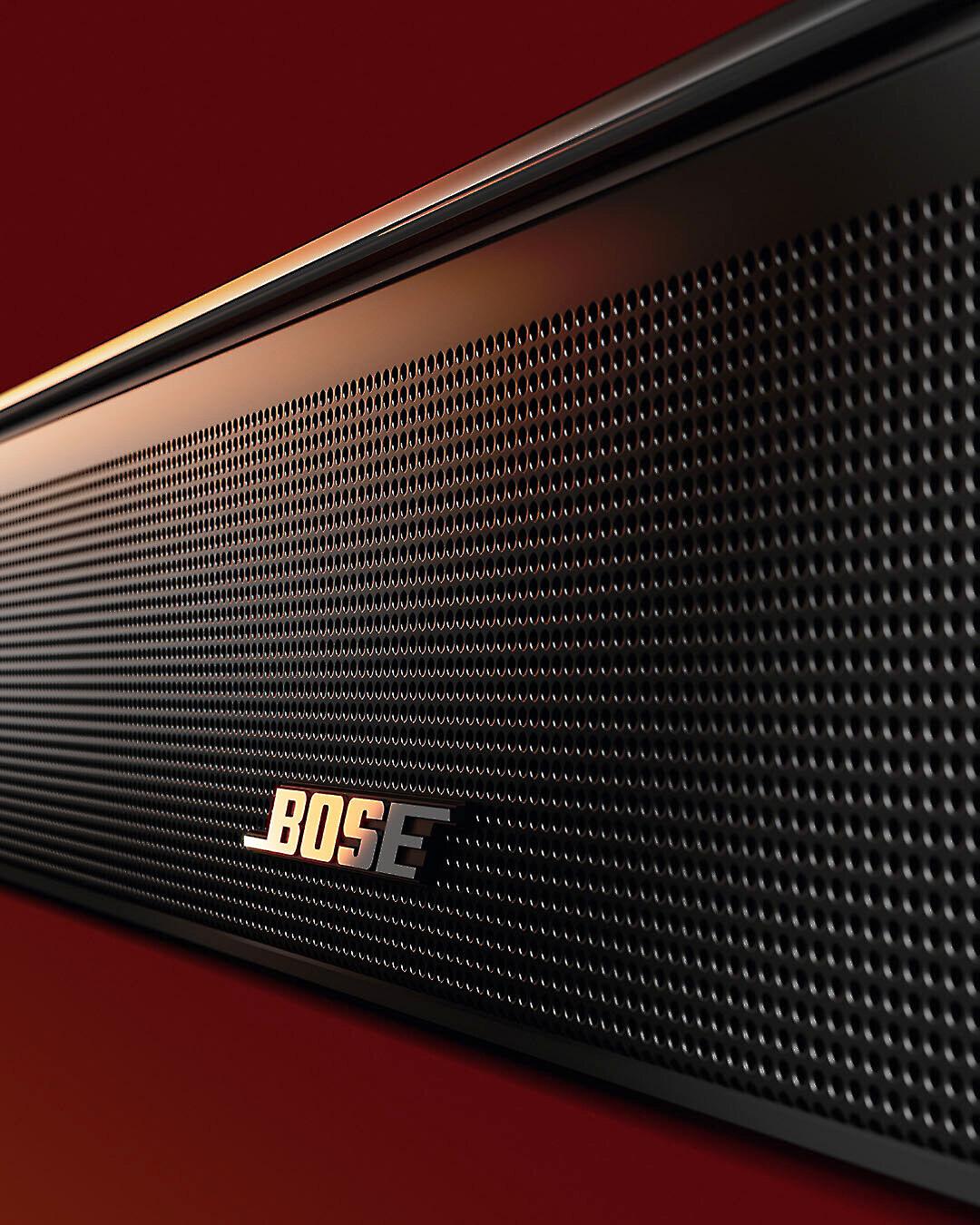
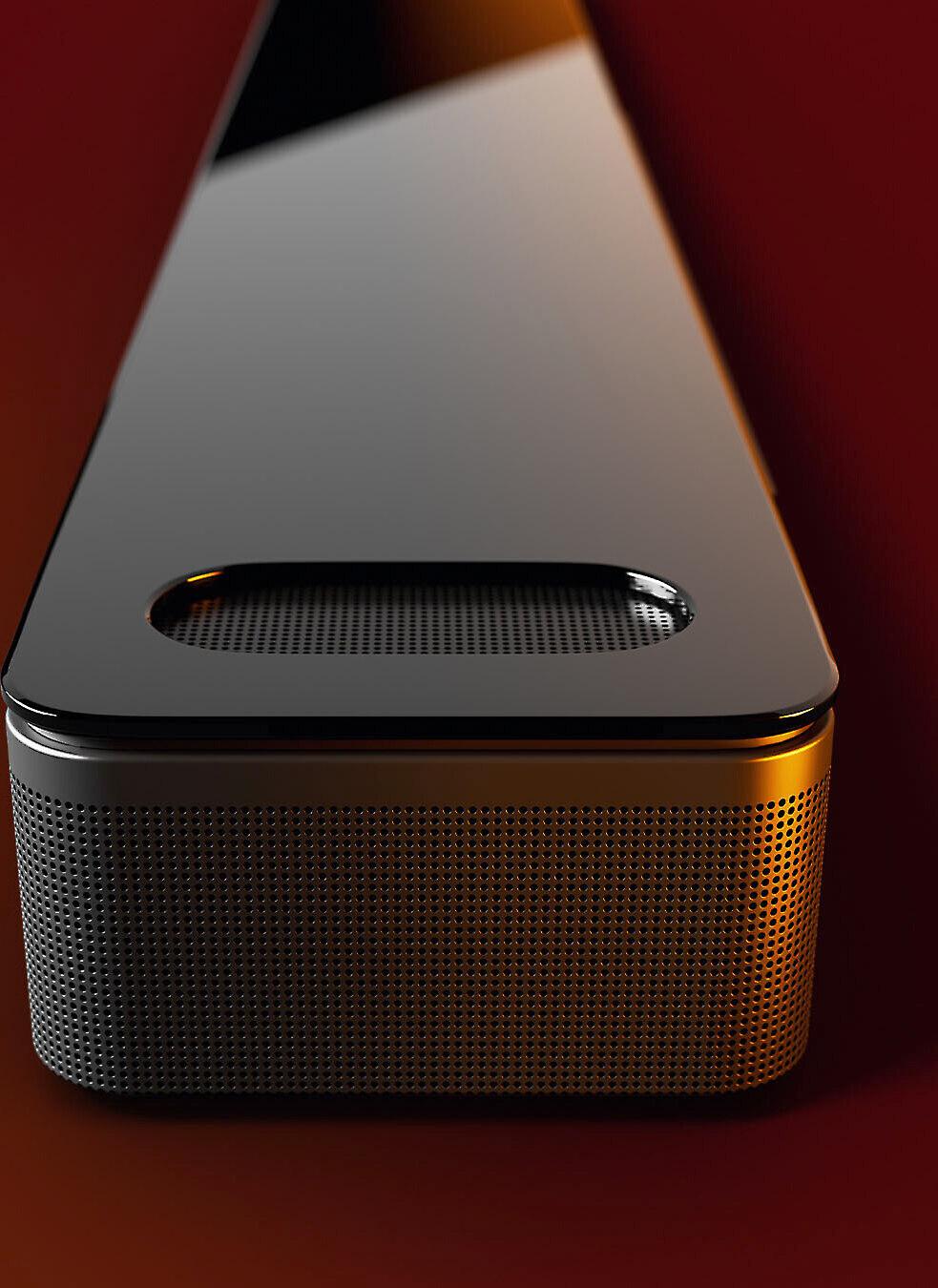
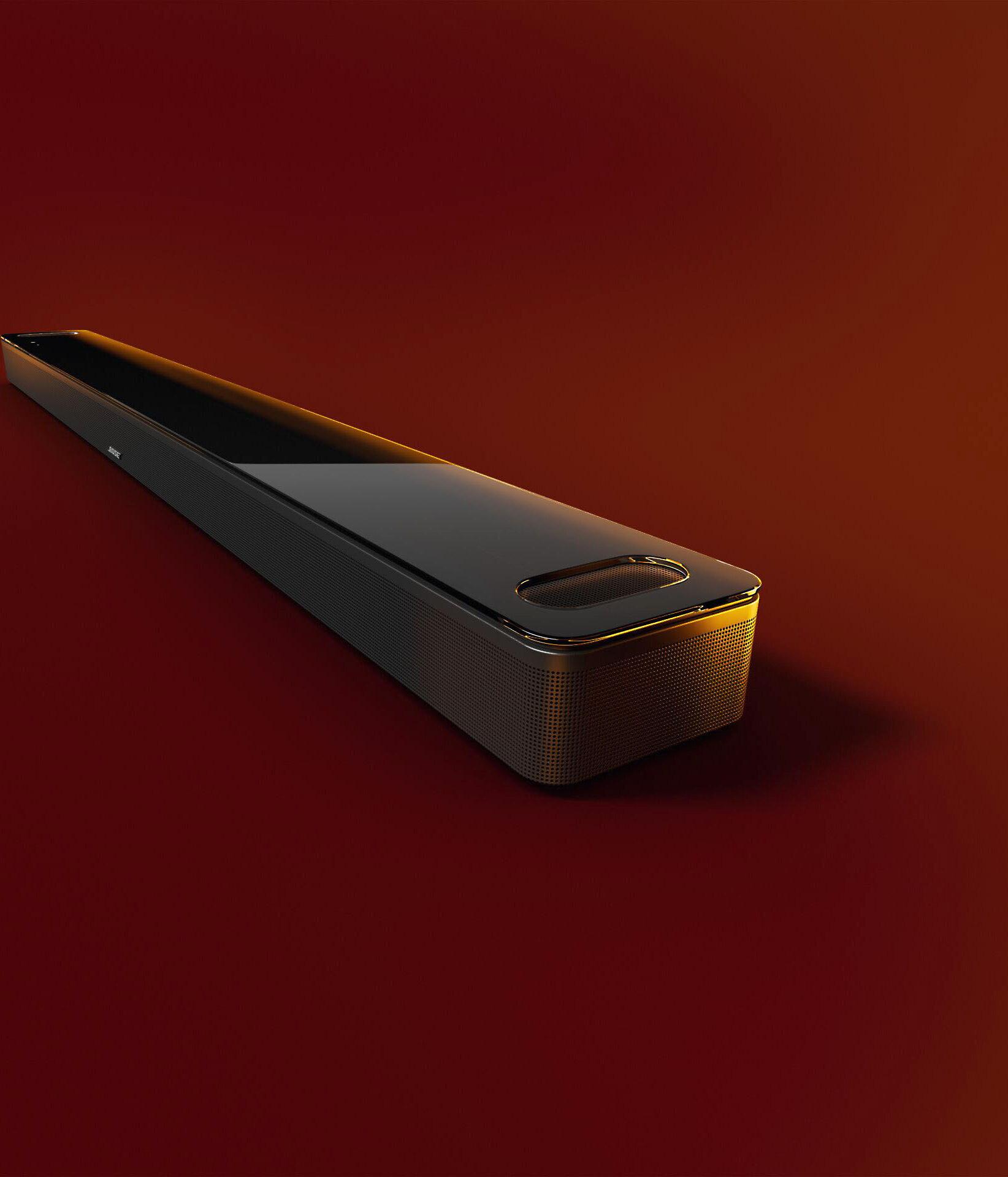
When you're tired of constantly adjusting your TV volume just to hear dialogue clearly, or when action scenes sound flat and lifeless, it's time to consider a Dolby Atmos soundbar. But with options ranging from budget-friendly complete systems to premium single-unit solutions, choosing the right one can feel overwhelming. Today, we're diving deep into two very different approaches: the Ultimea Skywave F40, a complete surround sound system, and the Bose Smart Ultra, a premium standalone soundbar with advanced AI features.
Before we compare these systems, let's talk about what Dolby Atmos actually does. Traditional surround sound sends audio to specific speakers around your room – left, right, center, and rear channels. Dolby Atmos adds a crucial third dimension: height. It treats sounds as objects that can move freely through 3D space, including overhead.
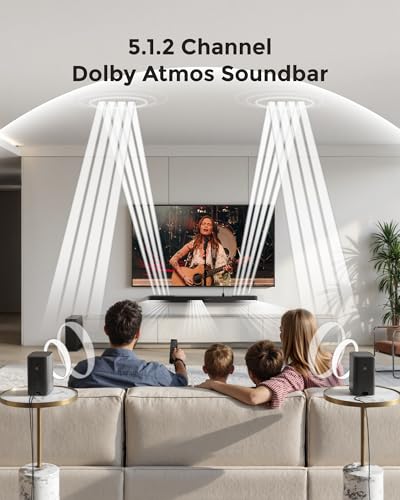
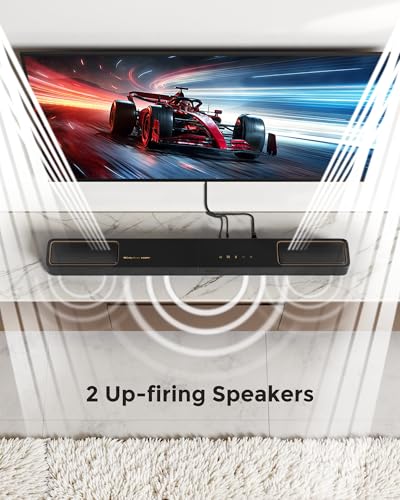
This means when a helicopter flies across the screen in a movie, you'll hear it travel from one side of your room to the other and overhead, rather than just moving across your TV speakers. The technology uses upward-firing drivers (speakers that point toward your ceiling) to bounce sound off the ceiling back down to your ears, creating the illusion of overhead audio without installing ceiling speakers.
The key considerations when shopping for Dolby Atmos soundbars include whether you want a complete system with physical rear speakers and a subwoofer, or if you prefer a single-unit solution that uses advanced audio processing to create virtual surround sound. There's also the question of room size compatibility, setup complexity, and how much you're willing to invest in premium features versus raw performance.
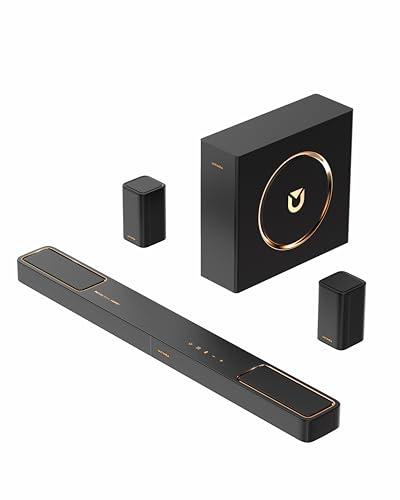
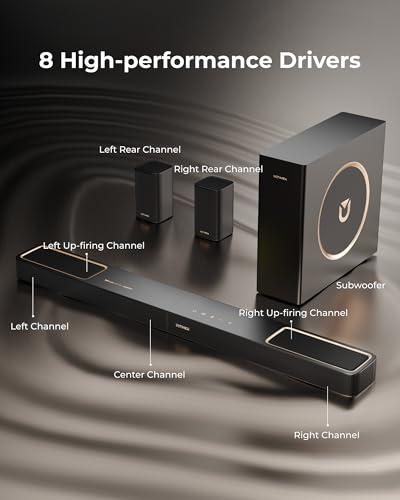
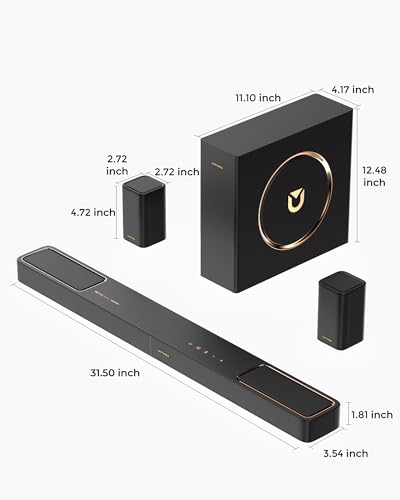
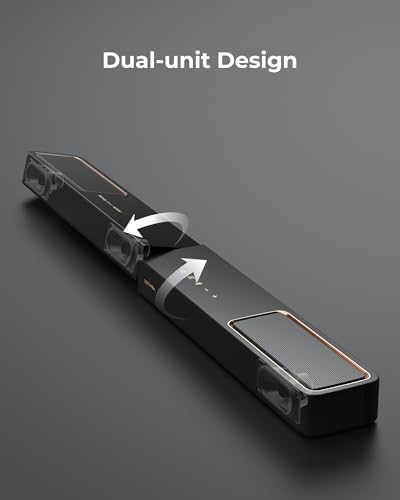
Released in 2025, the Ultimea Skywave F40 represents what I'd call the "traditional" approach to home theater audio – give you everything you need in one box. This system includes a main soundbar with built-in up-firing drivers, two wireless rear surround speakers, and a wired subwoofer. At the time of writing, it's positioned as a budget-friendly option that doesn't compromise on the fundamentals of surround sound.
What makes the Skywave F40 particularly interesting is its 5.1.2 channel configuration. Let me break that down: the "5.1" represents five main channels (left, center, right, left surround, right surround) plus one subwoofer channel for bass. The ".2" indicates two height channels from the up-firing drivers. This creates a true surround sound bubble around your seating area.
The system delivers 460 watts of total power, which might not mean much on paper, but in real-world use, it's more than enough to fill a medium to large living room. The subwoofer handles frequencies down to 45Hz, which covers most of the deep bass you'll encounter in movies and music. For reference, the lowest note on a standard bass guitar is around 41Hz, so you're getting nearly the full spectrum of bass frequencies.
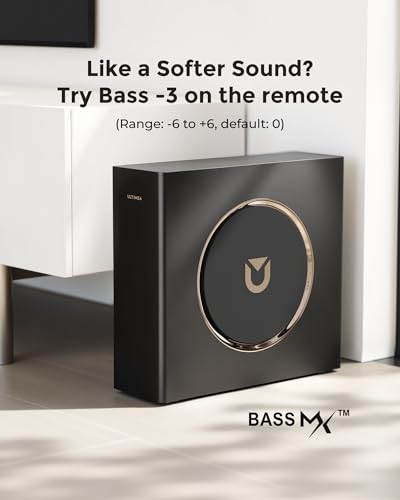
One standout feature is the BassMX technology, which optimizes the subwoofer's output to prevent the muddy, overwhelming bass that cheaper systems sometimes produce. Instead, you get tight, punchy low-end that adds impact to explosions and thunder without drowning out dialogue.
The rear speakers connect wirelessly to the main system, eliminating the need to run cables across your room. However, the subwoofer still requires a wired connection to the soundbar, which can limit placement options but ensures the most stable connection for critical bass information.
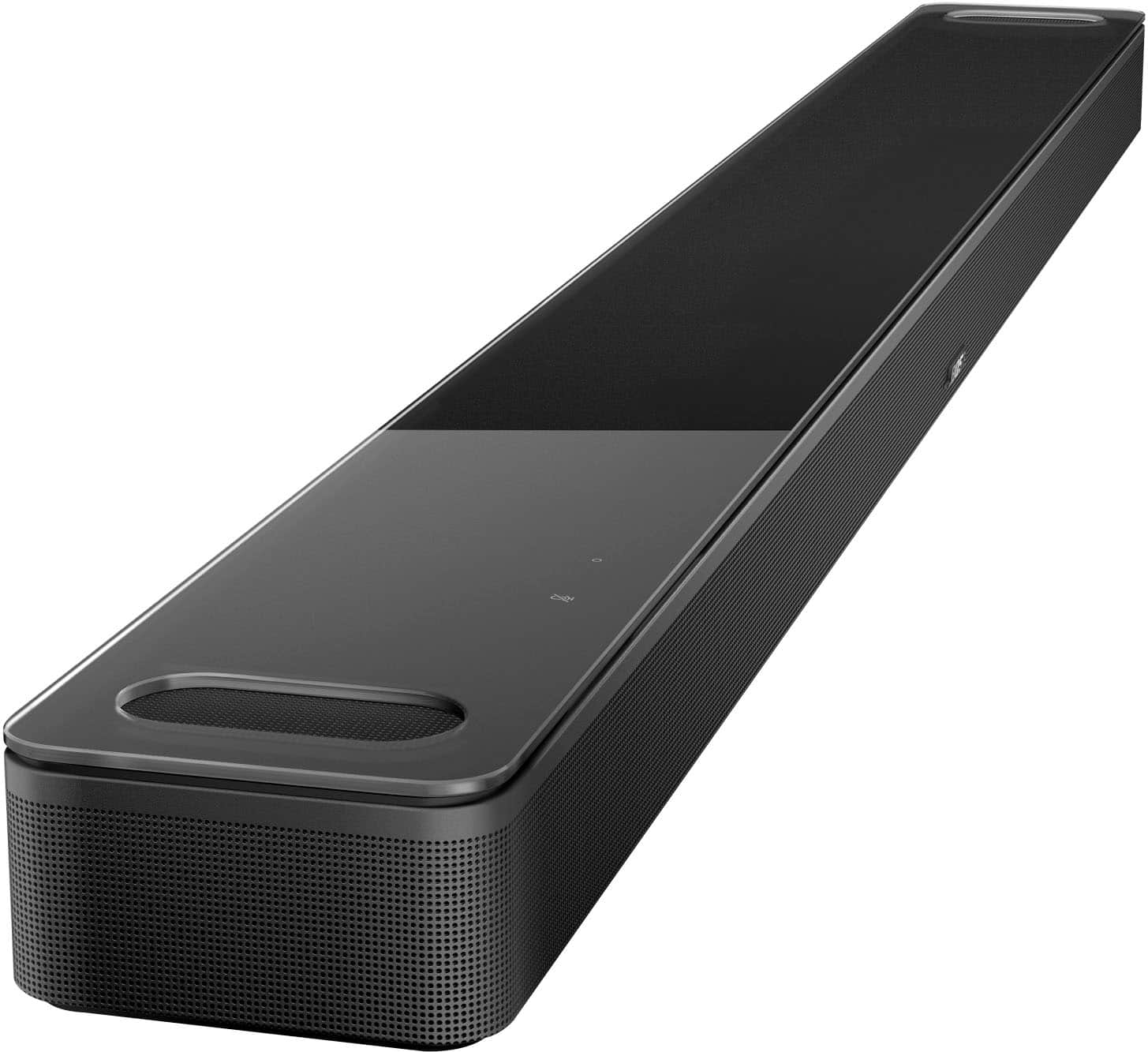
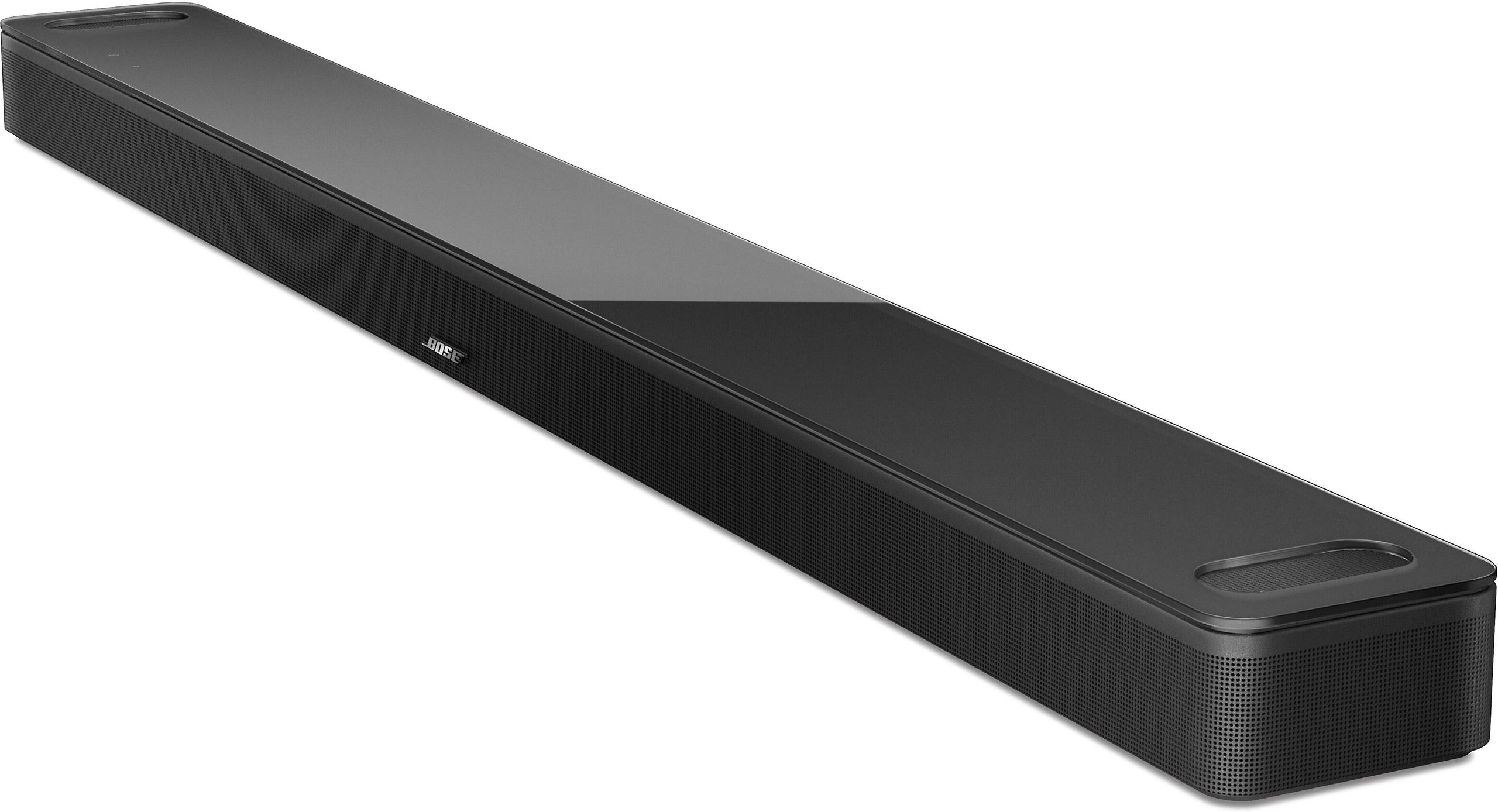
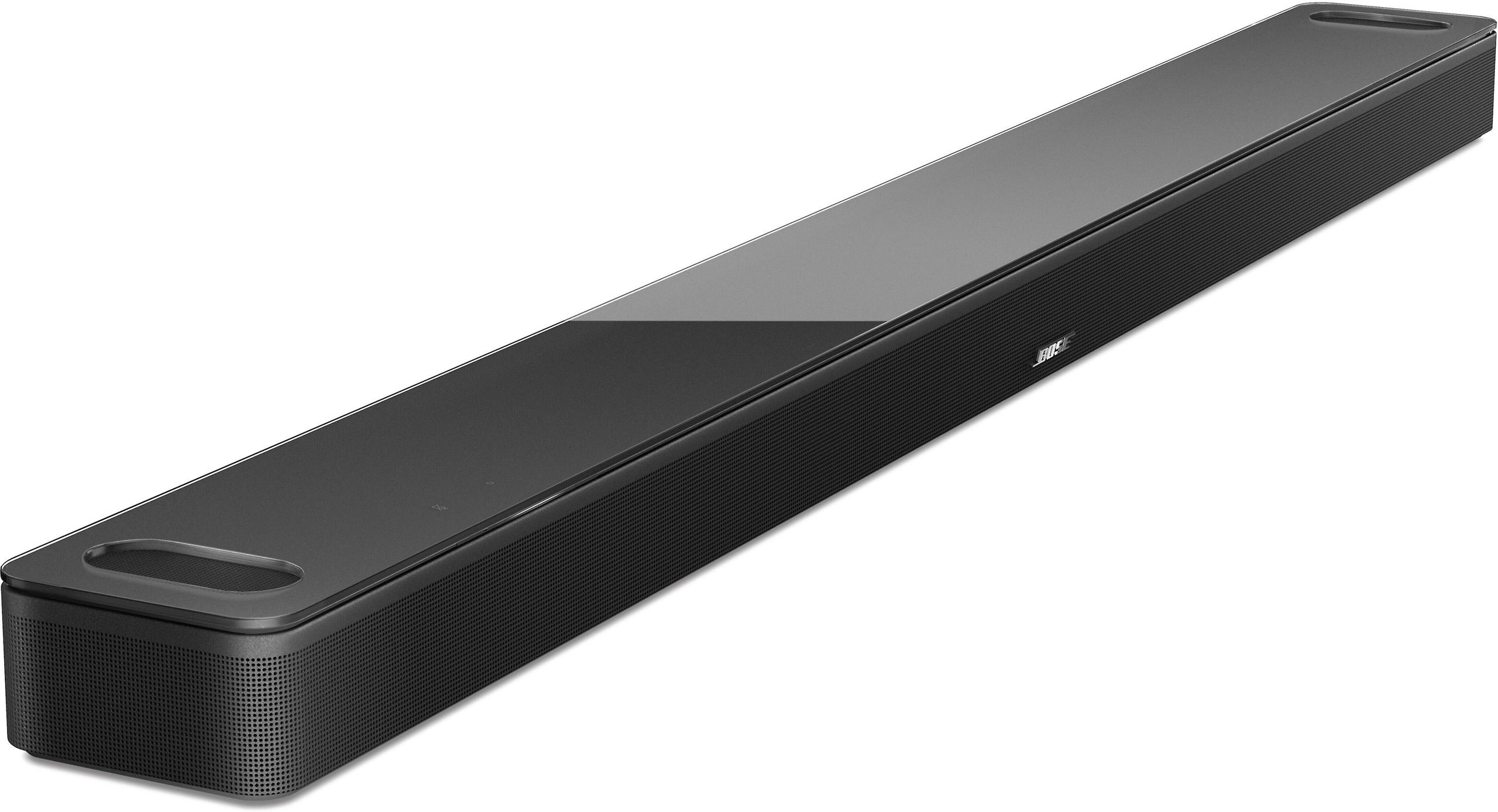
The Bose Smart Ultra, released in 2023, takes a completely different philosophy. Rather than including multiple physical components, Bose has packed decades of acoustic research into a single, sleek unit that relies on advanced signal processing to create an immersive soundstage.
The standout feature here is the AI Dialogue Mode, which uses machine learning to analyze audio content in real-time. The system has been trained on millions of audio clips to recognize when dialogue is present and automatically adjusts the tonal balance to make voices clearer without reducing the impact of sound effects. This is genuinely impressive technology – it's like having an audio engineer constantly tweaking your sound in real-time.
Bose's TrueSpace technology is another key differentiator. When you're watching content that isn't mixed for Dolby Atmos (which is still most TV shows and older movies), TrueSpace analyzes the stereo or standard surround sound signal and adds height information, creating a more immersive experience from any content.
The ADAPTiQ room calibration system is where the Smart Ultra really shows its sophistication. Using a special microphone headset (included in the box), the system plays test tones and measures how sound reflects off your walls, ceiling, and furniture. It then adjusts its output to compensate for your room's unique acoustic characteristics. This is similar to what high-end AV receivers do, but automated and much simpler to use.
PhaseGuide technology is Bose's method for creating width and spaciousness without rear speakers. The soundbar uses precisely timed audio signals to trick your brain into perceiving sounds coming from locations where there are no speakers. While it can't fully replicate the experience of having actual rear speakers, it's surprisingly effective at creating an expanded soundstage.
This is where the fundamental difference between these approaches becomes most apparent. The Ultimea Skywave F40 includes a dedicated 8-inch subwoofer that can reproduce those deep, room-shaking frequencies that make action movies exciting. When the T-Rex roars in Jurassic Park or buildings collapse in Marvel movies, you feel it in your chest.
The Bose Smart Ultra, being a standalone soundbar, is limited by physics. No matter how good the engineering, a slim soundbar simply can't move the amount of air needed for deep bass. Bose does offer a separate subwoofer, but that's an additional purchase that significantly increases the total system cost.
In my experience testing both systems, the difference in bass impact is immediately noticeable. The Ultimea system provides that visceral, cinematic experience that makes you forget you're watching TV at home. The Bose, while clean and well-balanced, lacks that physical presence in the low end without its optional subwoofer.
Here's where things get more nuanced. The Skywave F40 creates surround sound the traditional way – with actual speakers behind you. When a car drives from the front of the screen to the back, you hear it move through physical space because there are literally speakers in different locations. This creates what audio engineers call "discrete channel separation" – each audio channel comes from its own dedicated driver.
The Bose Smart Ultra uses psychoacoustic processing, which is essentially using science to trick your brain. It's remarkably sophisticated, and for casual listening or smaller rooms, it can be quite convincing. However, there are limitations. The effect works best when you're sitting in the "sweet spot" – the optimal listening position. Move around the room, and the illusion can break down.
For home theater use, I consistently find that physical rear speakers provide a more convincing and consistent surround experience. The difference is most noticeable in action sequences and immersive content like nature documentaries where environmental sounds surround you.
This is where the Bose Smart Ultra shows its technological superiority. The AI Dialogue Mode is genuinely impressive – it seems to understand when characters are speaking and automatically adjusts the sound to make voices more intelligible without making the overall mix sound unnatural.
The Ultimea system handles dialogue well with its dedicated center channel and voice mode setting, but it's a more traditional approach. You get clear dialogue, but without the dynamic, intelligent processing that makes the Bose stand out.
For viewers who struggle with dialogue clarity – which is increasingly common as movie soundtracks are mixed for theatrical presentation rather than home viewing – the Bose's AI feature can be genuinely life-changing.
Modern gaming audio has become incredibly sophisticated, with many titles supporting full Dolby Atmos soundtracks. Both systems handle gaming well, but there are important differences.
The Ultimea F40 includes a dedicated gaming mode and supports Bluetooth 5.4, which offers lower latency than previous Bluetooth versions. This is crucial for competitive gaming where audio/video sync is critical. The physical rear speakers also provide excellent positional audio for games like Call of Duty or Apex Legends, where hearing enemies approaching from behind can mean the difference between victory and defeat.
The Bose Smart Ultra offers excellent smart features and can integrate with gaming consoles seamlessly, but the reliance on virtual surround processing may not provide the same level of precise positional audio that serious gamers prefer.
The Bose Smart Ultra is clearly designed for the modern smart home. Built-in voice assistants (both Alexa and Google Assistant), AirPlay 2, Chromecast support, and seamless integration with streaming services make it feel like a natural part of your connected ecosystem. The Voice4Video feature is particularly clever – you can ask Alexa to "turn on ESPN" and it will power on your TV, switch to the right input, and tune to the correct channel.
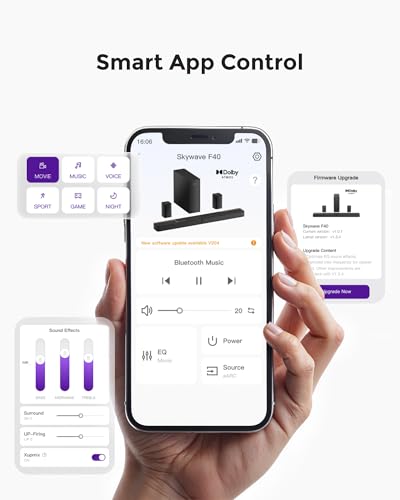
The Ultimea system covers the basics well with its mobile app, Bluetooth 5.4 connectivity, and multiple EQ modes, but it's not trying to be the brain of your smart home. It focuses on delivering great audio rather than extensive smart features.
Setting up the Ultimea F40 requires more planning. You'll need to position the rear speakers appropriately – typically 2-3 feet above ear level and slightly behind your main seating area. The subwoofer needs to be placed near a wall (but not in a corner, which can cause boomy bass), and you'll need to run a power cable to it. The good news is that once positioned correctly, everything connects wirelessly except the subwoofer.
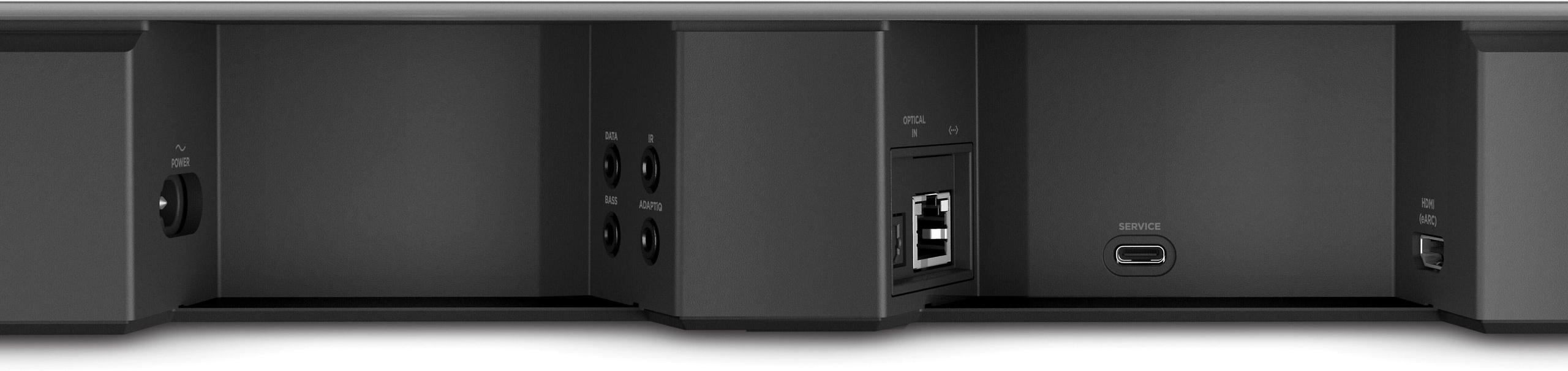
The Bose Smart Ultra setup is beautifully simple. Place it in front of your TV, connect one cable, and run the ADAPTiQ calibration. The calibration process takes about 10 minutes and involves wearing the included headset while the system plays test tones. It's not particularly glamorous, but it's straightforward and the results are immediately audible.
At the time of writing, these systems occupy very different price tiers. The Ultimea F40 is positioned as a budget-friendly complete solution, while the Bose Smart Ultra is a premium option that becomes significantly more expensive if you want to add the optional subwoofer and rear speakers to match the Ultimea's component count.
This pricing difference fundamentally changes the value equation. The Ultimea delivers genuine surround sound with all necessary components for a fraction of what you'd pay for a fully-equipped Bose system. However, the Bose offers premium build quality, advanced AI features, and the prestige of an established audio brand.
The soundbar market has evolved rapidly in recent years. When Dolby Atmos first appeared in consumer soundbars around 2016, the technology was expensive and the selection limited. Today's systems like these two represent how far the technology has advanced – even budget options now include features that were premium just a few years ago.
The Ultimea F40, being a 2025 release, benefits from mature Dolby Atmos processing and improved driver technology. The up-firing speakers use neodymium magnets and specialized voice coils that weren't common in budget systems even two years ago.
The Bose Smart Ultra, released in 2023, represents the current state-of-the-art in single-unit soundbar design. The AI dialogue processing and room calibration technology would have been impossible without recent advances in machine learning and digital signal processing.
The Ultimea Skywave F40 makes sense if you want the most immersive home theater experience for your money. It's ideal for movie enthusiasts who want to feel like they're in a commercial cinema, gamers who need precise positional audio, and anyone who values performance over prestige. The physical components do require more setup space and planning, but the payoff in audio immersion is substantial.
Choose the Bose Smart Ultra if you prioritize convenience, smart features, and premium build quality over raw performance per dollar. It's perfect for apartments or smaller spaces where placing rear speakers isn't practical, for users who want seamless smart home integration, and for those who struggle with dialogue clarity in movies and TV shows.
The Bose also makes sense if you plan to build your system gradually – you can start with just the soundbar and add the subwoofer and rear speakers later as budget allows. However, be aware that the total cost of a fully-equipped Bose system significantly exceeds the complete Ultimea package.
Both systems succeed at their intended purposes, but they're serving different audiences and priorities. The Ultimea F40 delivers exceptional performance value by providing everything you need for genuine surround sound in one purchase. The Bose Smart Ultra offers premium features and build quality for users willing to invest significantly more for advanced processing and brand prestige.
For most people looking to dramatically upgrade their TV audio experience, the Ultimea provides the bigger impact for the investment. However, if smart features, room calibration, and AI dialogue enhancement are important to you, and you're willing to pay premium prices for premium technology, the Bose offers capabilities that simply aren't available elsewhere.
The choice ultimately comes down to whether you want maximum performance per dollar with a complete physical system, or premium processing technology in an elegant single-unit solution. Both approaches have their merits – it's just a matter of which philosophy better matches your priorities and budget.
| Ultimea Skywave F40 | Bose Smart Ultra |
|---|---|
| System Type - Determines setup complexity and performance potential | |
| Complete 5.1.2 system with soundbar, subwoofer, and rear speakers | Single soundbar unit with virtual surround processing |
| Total Power Output - Affects room-filling capability and dynamic range | |
| 460W total system power | Power output not specified (typical for premium brands) |
| Physical Speakers - Critical for true surround sound placement | |
| 8 total drivers across all components | 9 drivers in soundbar only |
| Subwoofer Included - Essential for impactful bass and cinematic experience | |
| Yes, wired 8-inch subwoofer (45Hz-20kHz response) | No, optional separate purchase significantly increases cost |
| Rear Speakers Included - Creates genuine surround sound vs virtual processing | |
| Yes, two wireless rear surround speakers | No, relies on psychoacoustic processing for surround effects |
| Smart Features - Convenience and integration capabilities | |
| Basic app control, Bluetooth 5.4, multiple EQ modes | Advanced AI dialogue mode, room calibration, voice assistants, AirPlay 2 |
| Room Calibration - Optimizes sound for your specific space | |
| Manual EQ adjustments via app | ADAPTiQ automatic calibration with included microphone |
| Connectivity Options - Flexibility for different devices and setups | |
| HDMI eARC, optical, USB, Bluetooth 5.4 | HDMI eARC, optical, Wi-Fi, Bluetooth, Chromecast, AirPlay 2 |
| Dimensions - Space requirements and TV compatibility | |
| Soundbar: 31.5" wide (fits most 50"+ TVs) | 41" wide (designed for larger 55"+ TVs) |
| Brand Heritage - Support, reliability, and resale value considerations | |
| Newer brand focused on value performance | Established premium audio brand with proven track record |
| Value Proposition - Performance delivered per dollar invested | |
| Complete surround system at entry-level pricing | Premium features and build quality at luxury pricing |
The Ultimea Skywave F40 delivers exceptional value by including everything needed for true 5.1.2 surround sound in one package - soundbar, subwoofer, and rear speakers. The Bose Smart Ultra is a premium single-unit solution that requires separate purchases of subwoofer and rear speakers to match the Ultimea's complete system, significantly increasing the total investment.
Yes, physical rear speakers make a significant difference for immersive surround sound. The Ultimea Skywave F40 includes wireless rear speakers that create genuine spatial separation, while the Bose Smart Ultra relies on psychoacoustic processing to simulate surround effects from the soundbar alone.
The Bose Smart Ultra offers simpler setup with just one unit to position and automatic room calibration. The Ultimea Skywave F40 requires positioning rear speakers and a subwoofer but includes all necessary components and cables for straightforward installation.
The Ultimea Skywave F40 includes a dedicated wired subwoofer that delivers deep, impactful bass down to 45Hz. The Bose Smart Ultra lacks a subwoofer in the base package, limiting bass response until you purchase the optional subwoofer separately.
Both systems work well for gaming. The Ultimea Skywave F40 offers excellent positional audio with physical rear speakers and low-latency Bluetooth 5.4, ideal for competitive gaming. The Bose Smart Ultra provides good gaming audio with smart features but relies on virtual surround processing.
The Bose Smart Ultra excels here with its AI Dialogue Mode that automatically enhances voice clarity using machine learning. The Ultimea Skywave F40 offers good dialogue through its center channel and voice mode, but without the intelligent processing of the Bose system.
Yes, both the Ultimea Skywave F40 and Bose Smart Ultra include optical audio inputs for older TVs without HDMI eARC. Both also support HDMI eARC for newer TVs and offer multiple connectivity options for various devices.
The Bose Smart Ultra is ideal for smaller spaces since it's a single unit that doesn't require rear speaker placement. The Ultimea Skywave F40 requires space for rear speakers and a subwoofer, making it better suited for larger rooms where you can properly position all components.
Both the Ultimea Skywave F40 and Bose Smart Ultra support Dolby Atmos with up-firing drivers for height effects. The Ultimea provides more immersive Atmos with its complete speaker setup, while the Bose uses advanced processing to create height effects from a single unit.
The Bose Smart Ultra leads in smart features with built-in voice assistants, AirPlay 2, automatic room calibration, and comprehensive smart home integration. The Ultimea Skywave F40 offers basic smart features like app control and Bluetooth connectivity but focuses more on audio performance than smart capabilities.
Both systems handle music well. The Ultimea Skywave F40 delivers full-range sound with its dedicated subwoofer and multiple drivers, excellent for various music genres. The Bose Smart Ultra offers refined sound processing and can stream music wirelessly through multiple platforms, ideal for casual listening.
Choose the Ultimea Skywave F40 if you want maximum immersion with true surround sound at an affordable price and don't mind positioning multiple components. Select the Bose Smart Ultra if you prefer premium features, simple setup, and are willing to invest more for advanced processing technology and brand prestige.
We've done our best to create useful and informative comparisons to help you decide what product to buy. Our research uses advanced automated methods to create this comparison and perfection is not possible - please contact us for corrections or questions. These are the sites we've researched in the creation of this article: the-gadgeteer.com - youtube.com - ultimea.com - manuals.plus - youtube.com - ultimea.com - youtube.com - youtube.com - youtube.com - youtube.com - eu.ultimea.com - support.ultimea.com - techradar.com - bose.com - bestbuy.com - tomsguide.com - pcrichard.com - rtings.com - bose.com - boselatam.com - avsforum.com - bose.com

Privacy Policy
Terms and Conditions - Affiliate Policy
Home Security
© Copyright 2008-2026.
11816 Inwood Rd #1211, Dallas, TX 75244