

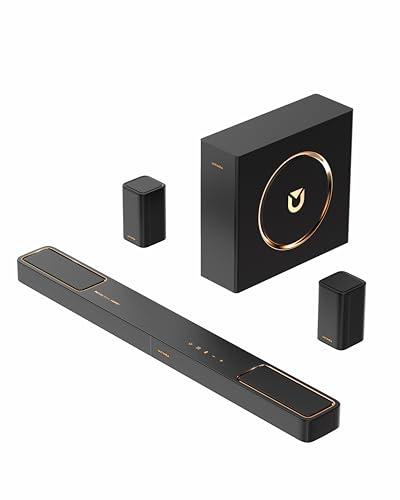


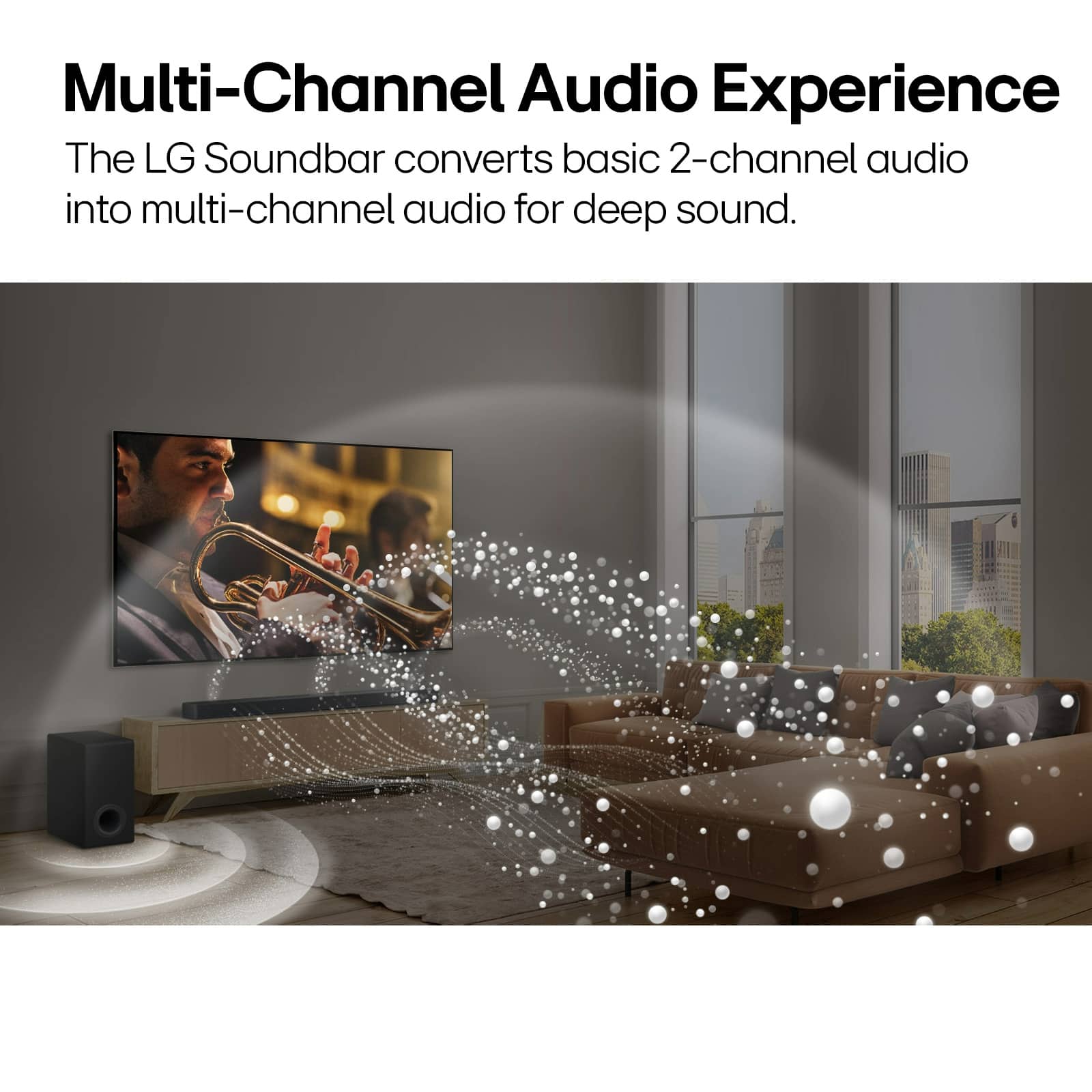
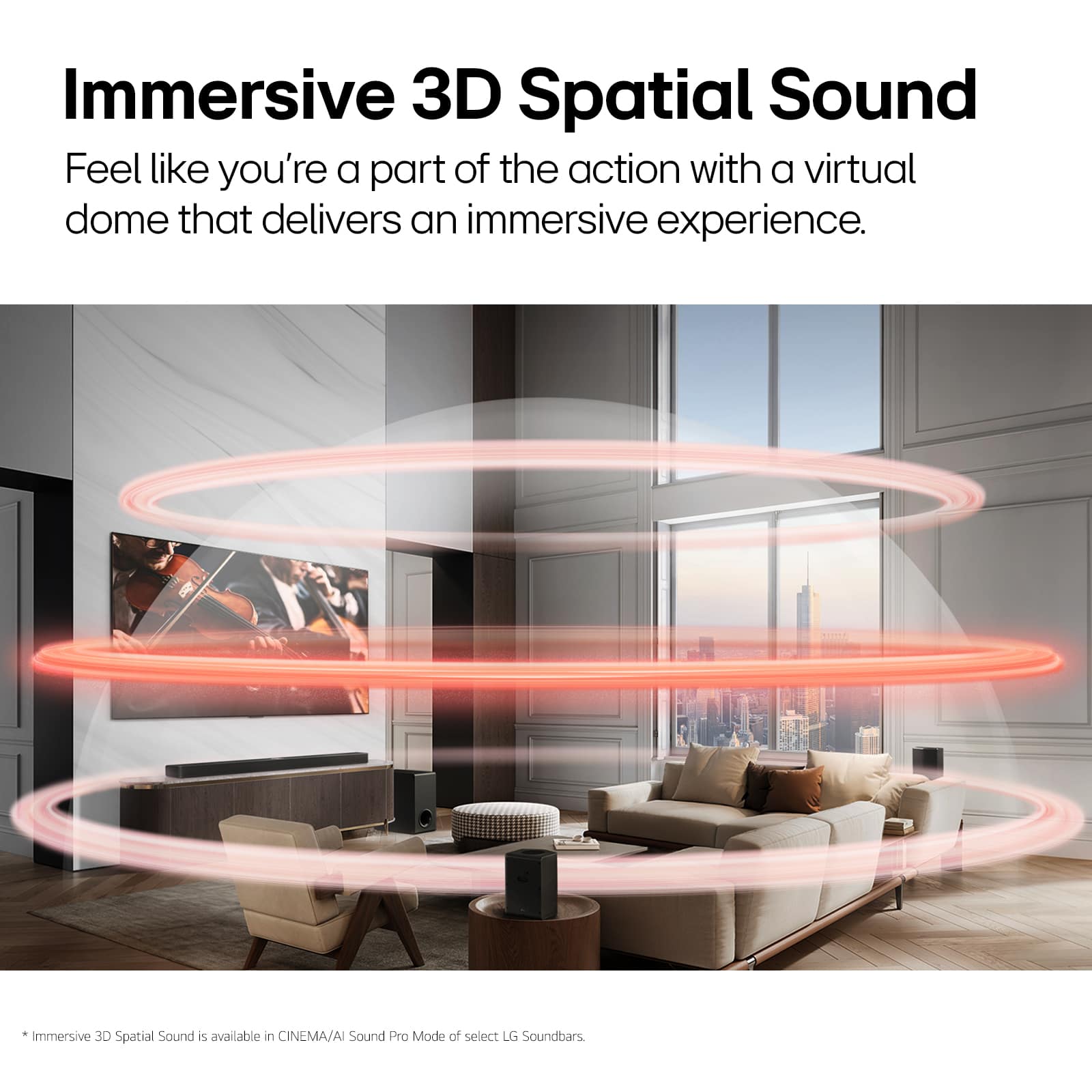
When you're tired of constantly adjusting your TV volume because dialogue is too quiet but explosions are too loud, it's time to consider a Dolby Atmos soundbar. These systems represent a massive leap forward from your TV's built-in speakers without requiring the complexity of a full home theater receiver setup.
Both the Ultimea Skywave F40 and LG S70TR promise to deliver that coveted three-dimensional audio experience that makes you feel like you're sitting in a movie theater rather than just watching one. But here's the thing: despite both carrying the Dolby Atmos badge, they take notably different approaches to achieving immersive sound. Understanding these differences is crucial to making the right choice for your home.
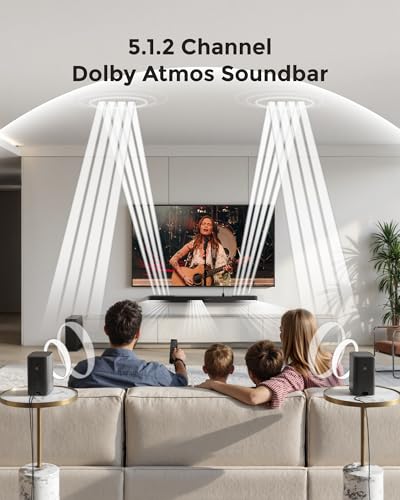
Before diving into these specific models, let's talk about what Dolby Atmos actually does. Traditional surround sound works in a horizontal plane—sounds come from your left, right, front, and rear. Dolby Atmos adds a vertical dimension by incorporating height channels that bounce sound off your ceiling or use upward-firing drivers. This creates audio objects that can move through three-dimensional space around you.
When done well, Atmos makes raindrops seem to fall from above, helicopters fly overhead realistically, and ambient sounds fill the room naturally. The technology has been steadily improving since its home introduction around 2014, with better processing algorithms and more sophisticated driver designs enhancing the effect.
The key considerations when shopping for an Atmos soundbar include channel configuration (which determines how precisely sounds can be placed around you), power output (affecting volume and dynamic range), room compatibility (ensuring the system matches your space), and setup complexity (balancing features with ease of use).
The Ultimea Skywave F40, released in 2025, represents the "maximum channels for minimum cost" approach. At the time of writing, it's positioned as a budget option that doesn't sacrifice core Dolby Atmos functionality. Meanwhile, the LG S70TR, launched in 2024, embodies the "ecosystem integration and convenience" philosophy, designed specifically to work seamlessly with LG TVs while offering premium smart features.
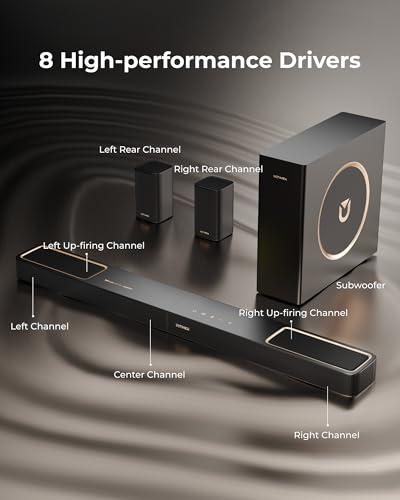
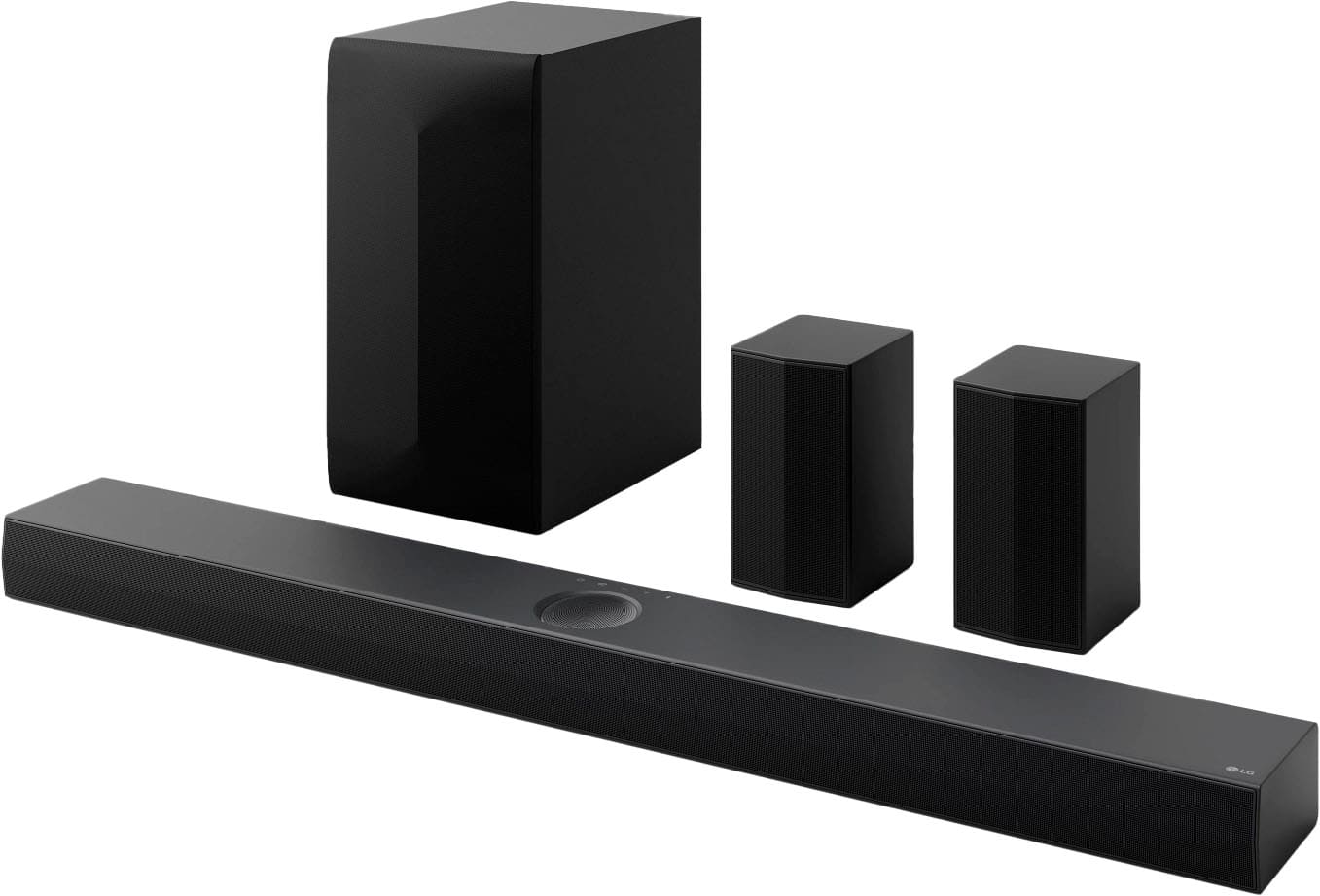
The fundamental difference lies in their channel configurations. The Ultimea Skywave F40 uses a 5.1.2 setup—five main channels (left, center, right, left surround, right surround), one subwoofer, and two dedicated height channels. The LG S70TR employs a 5.1.1 configuration—the same five main channels and subwoofer, but only one height channel.
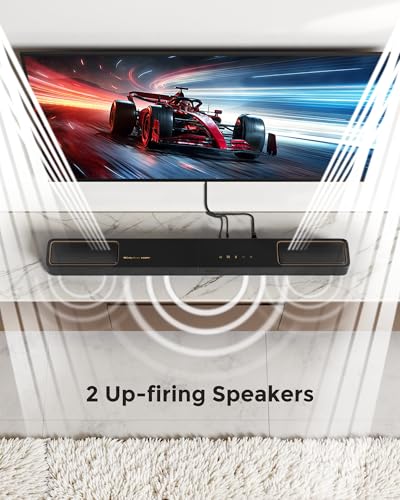
This distinction might seem minor, but it significantly impacts how convincingly each system can recreate overhead audio effects. Having two separate height channels allows for better stereo separation in the vertical plane, making it easier to pinpoint exactly where sounds are coming from above you.
The most critical performance difference between these systems lies in their height channel implementation. The Ultimea Skywave F40's dual up-firing drivers create distinct left and right height zones, meaning when a helicopter flies from the front-left to rear-right of your room, you'll hear it transition smoothly overhead. Each up-firing driver uses neodymium magnets and 18-core voice coils—technical specs that translate to more precise driver control and better frequency response in those crucial height effects.
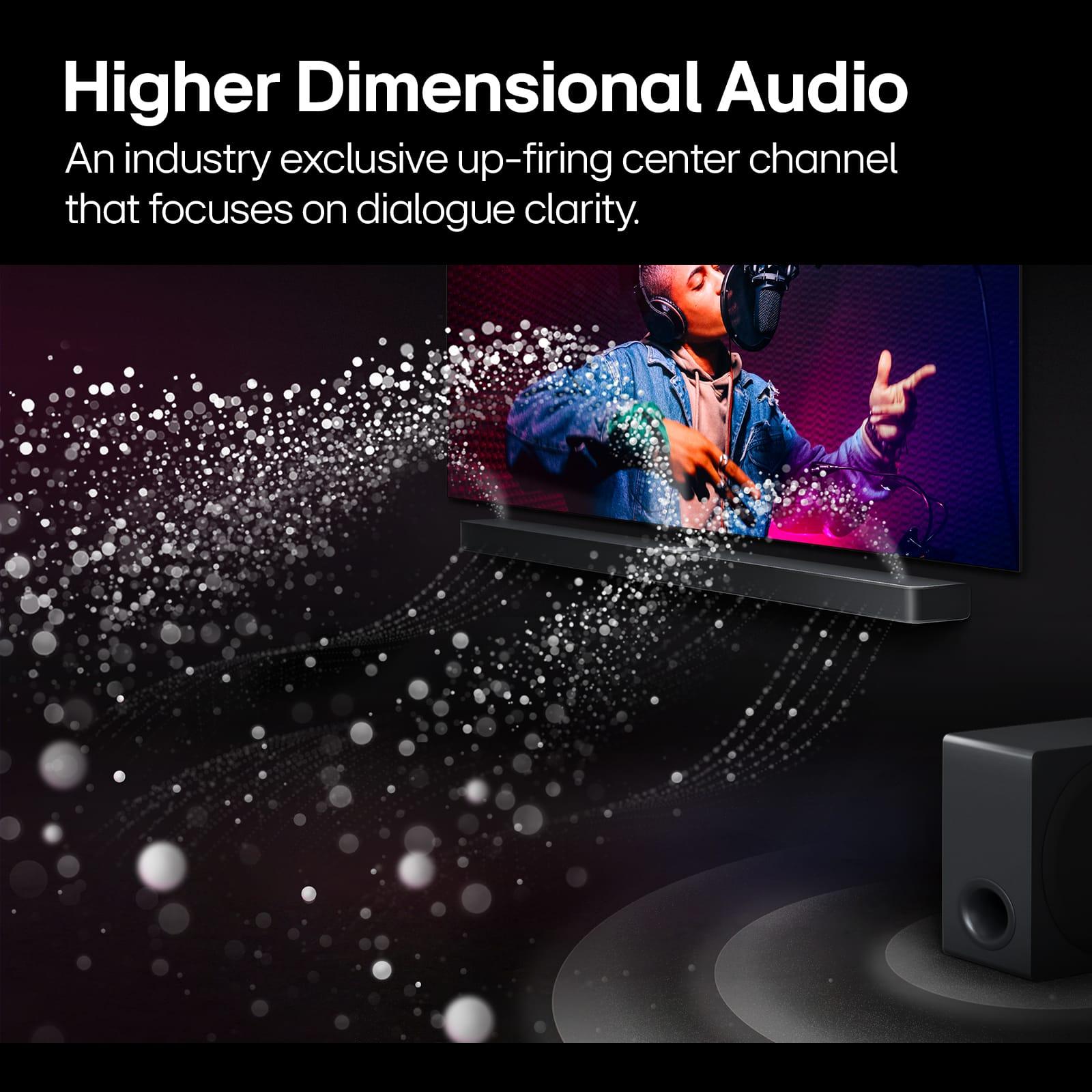
The LG S70TR's single height channel, while still effective, creates more of a general "above you" effect rather than precise overhead stereo imaging. However, LG compensates with their AI Sound Pro technology, which analyzes incoming audio in real-time and adjusts the sound balance automatically. If the system detects dialogue-heavy content, it reduces bass levels to enhance speech clarity—a genuinely useful feature for everyday TV watching.
Power specifications tell an interesting story here. The LG S70TR claims 500W RMS (Root Mean Square—the continuous power the system can handle), while the Ultimea Skywave F40 rates at 460W total power. In practical terms, this 40W difference is barely noticeable in most rooms, but the LG's slightly higher power rating suggests it might handle very loud scenes with less compression.
What matters more than total power is how it's distributed. The Ultimea's power is spread across more drivers, including those dedicated height channels, while the LG can potentially drive its fewer speakers harder. Neither approach is inherently superior—it depends on your priorities.
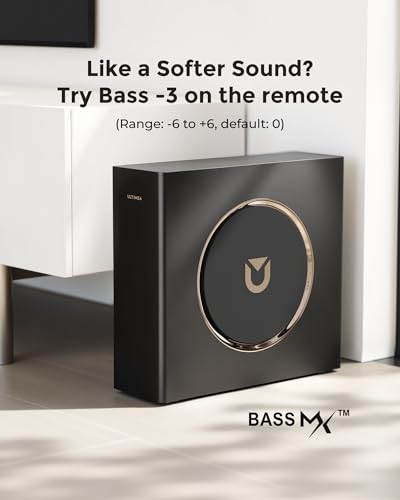
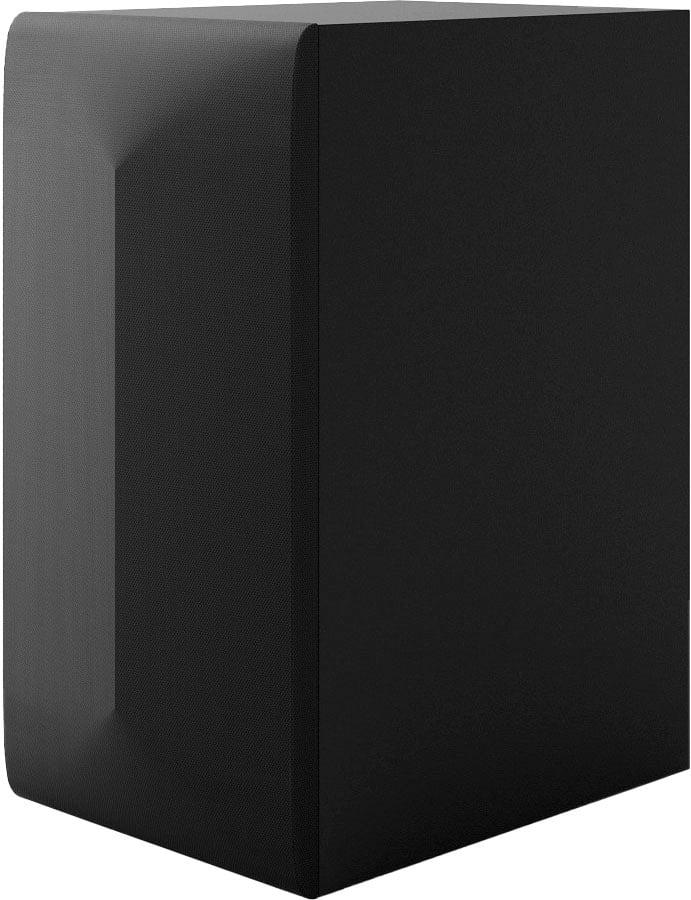
Both systems reach down to around 40-45Hz in the bass region, which is impressive for soundbar systems and covers most movie soundtracks effectively. The Ultimea Skywave F40 achieves this through its BassMX technology and a 6.5-inch wired subwoofer, while the LG S70TR uses a 7-inch wireless subwoofer powered by a 220-watt amplifier.
The wired versus wireless subwoofer debate is interesting. Wired connections (like the Ultimea's) eliminate any potential for audio lag or connection dropouts, ensuring perfect synchronization between the subwoofer and main soundbar. Wireless subwoofers (like the LG's) offer more placement flexibility since you're not limited by cable length.
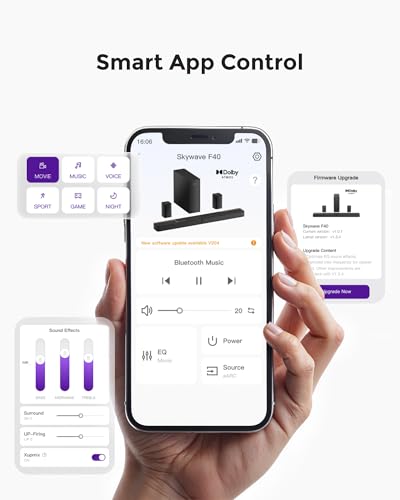
The Ultimea Skywave F40 includes a surprisingly sophisticated smartphone app offering a 10-band equalizer with 121 preset matrices. This level of customization is unusual in this price range and allows you to fine-tune the sound for different content types or room acoustics. The system also features Xupmix technology, which uses Dolby DAP (Digital Audio Processing) to convert regular stereo content into convincing surround sound with a single button press.
The LG S70TR takes a different approach with its 3-band EQ and AI Sound Pro automatic optimization. While offering fewer manual controls, the AI processing often eliminates the need for constant tweaking. The LG also includes Clear Voice Plus, which specifically enhances dialogue by analyzing audio output and boosting center channel frequencies where speech typically resides.
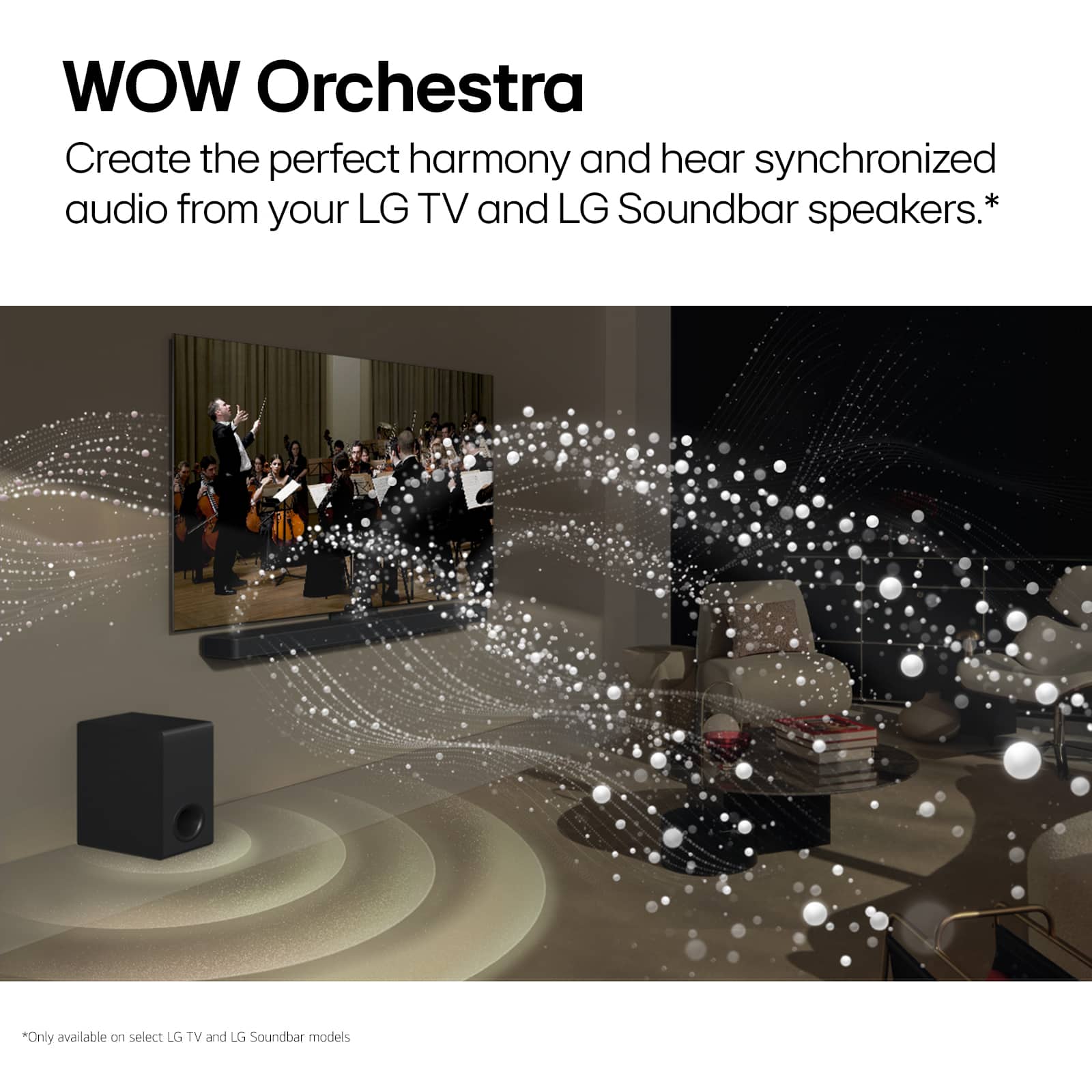
Here's where the LG S70TR really shines, especially if you own an LG TV. The WOW Orchestra feature is genuinely innovative—it uses both your LG TV's built-in speakers and the soundbar simultaneously, effectively doubling your available drivers. Instead of disabling the TV speakers (which most soundbars require), WOW Orchestra coordinates them to create a wider, more enveloping soundstage.
The LG also supports TV Sound Mode Share, which synchronizes picture and audio settings. When you switch your TV to cinema mode, the soundbar automatically adjusts to its movie sound profile. CEC (Consumer Electronics Control) support lets you control both devices with a single remote—a convenience feature that becomes more valuable than you'd expect in daily use.
For gamers, the LG S70TR offers VRR (Variable Refresh Rate) and ALLM (Auto Low Latency Mode) support up to 120Hz refresh rates. These features ensure audio stays perfectly synchronized with fast-paced gaming visuals and reduces input lag—the delay between pressing a button and hearing the corresponding sound effect.
The Ultimea Skywave F40 uses Bluetooth 5.4, which offers improved stability and lower latency compared to older Bluetooth versions, making it suitable for gaming and music streaming from mobile devices.
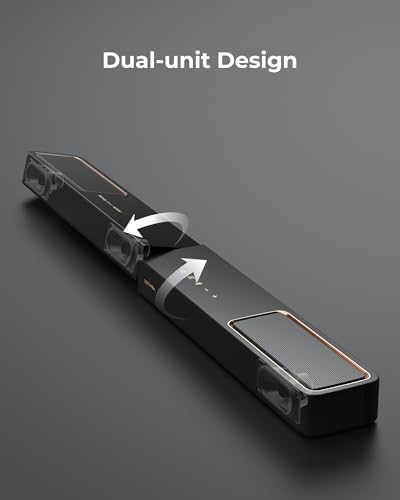
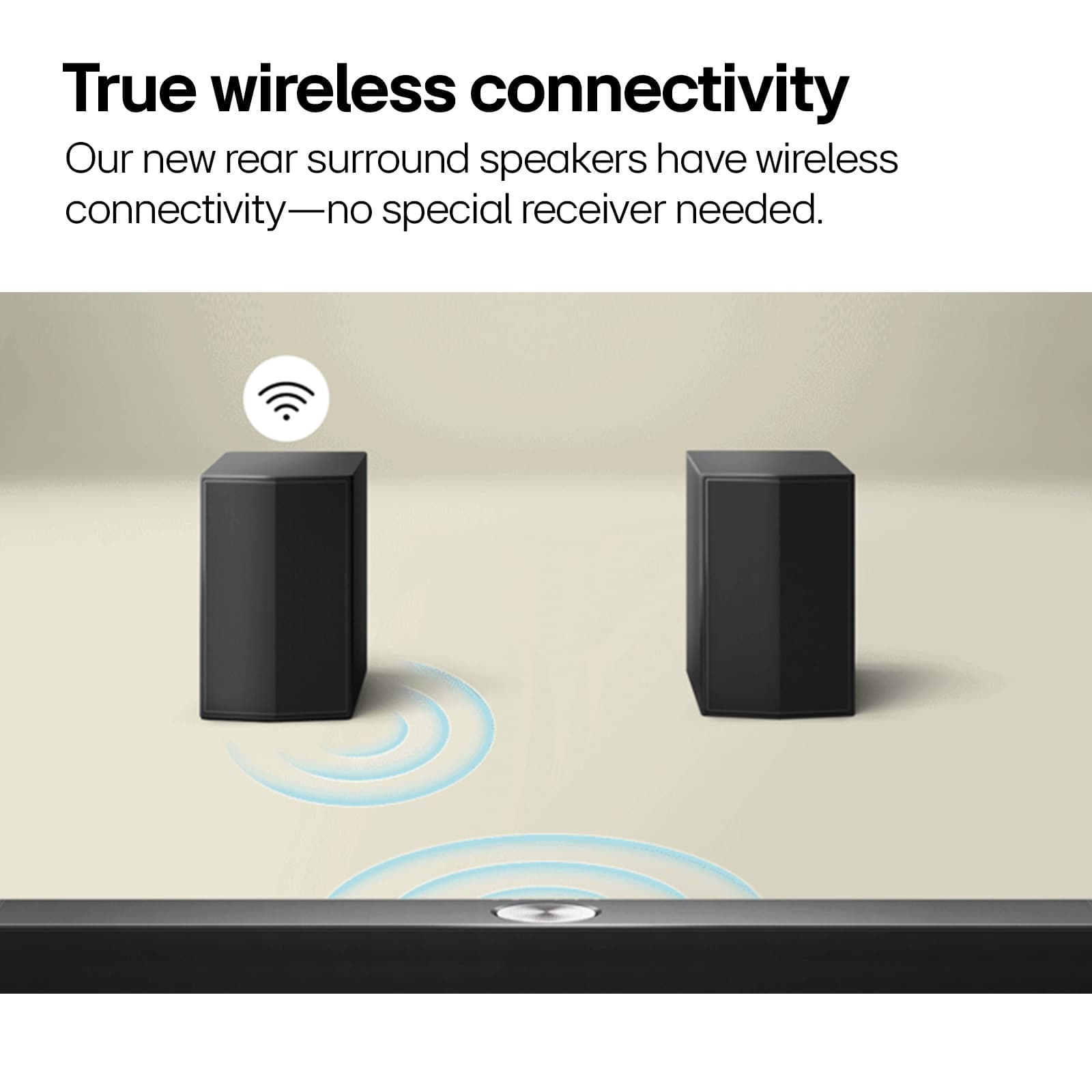
The Ultimea Skywave F40 requires slightly more involved setup due to its wired subwoofer and two-piece soundbar design that connects via a twist-lock mechanism. You'll need to run a cable to the subwoofer location and connect two separate power adapters. However, the rear speakers are wireless, reducing cable clutter where it's most visible.
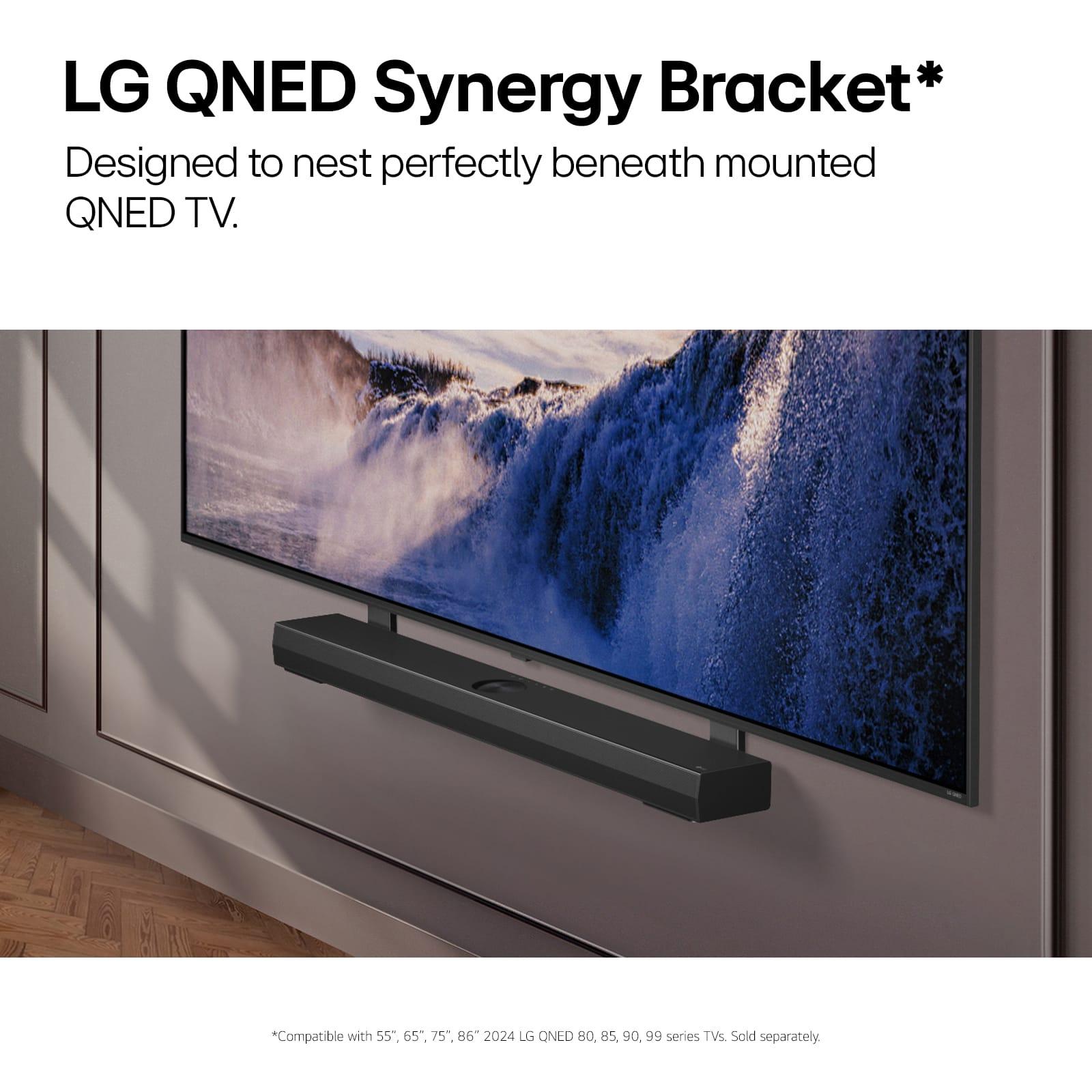
The LG S70TR offers a more streamlined installation with its fully wireless subwoofer and rear speakers. Everything runs off the main soundbar's power connection, and the system is specifically designed to complement LG's QNED TV series dimensions—creating a cohesive look when wall-mounted together.
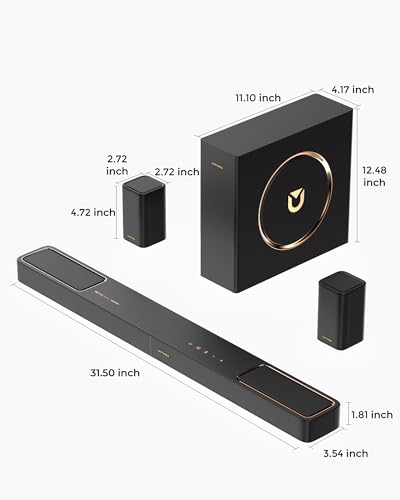
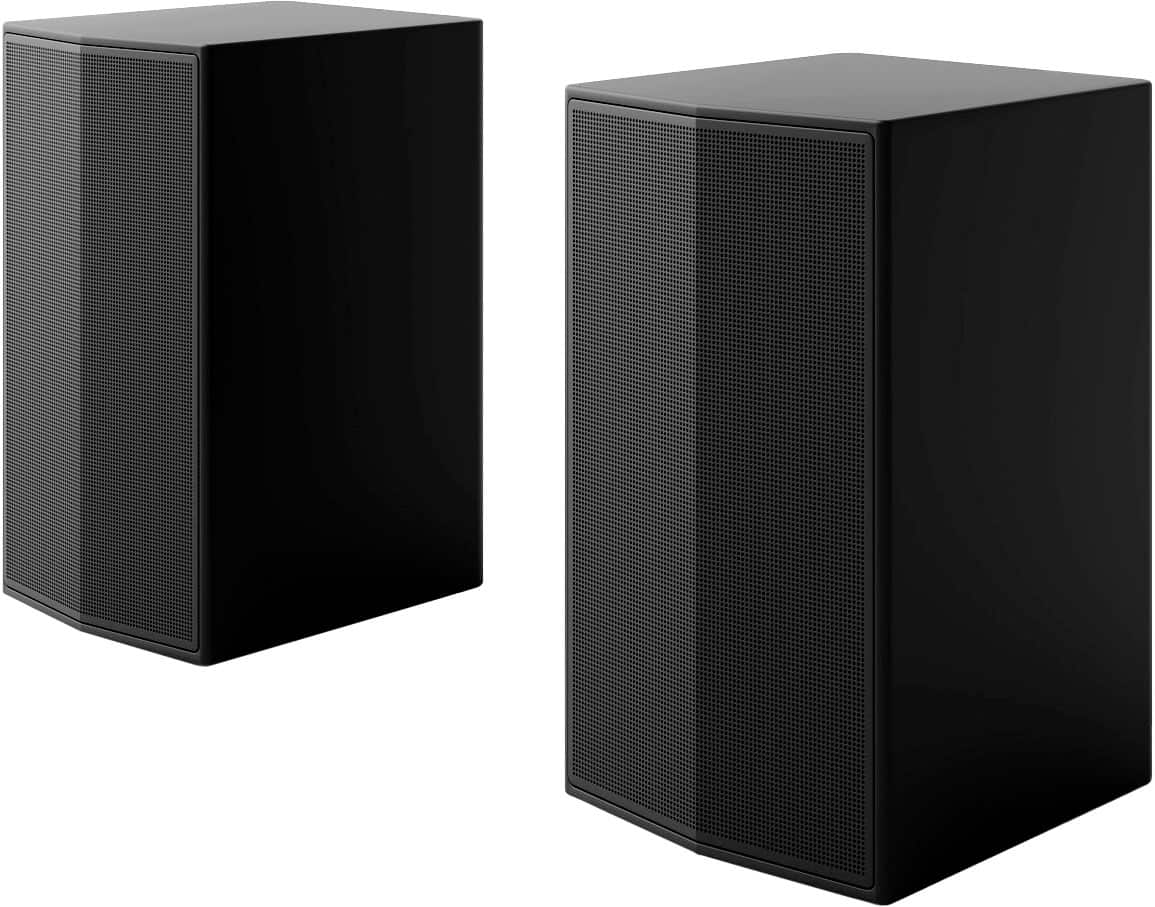
The Ultimea Skywave F40 is optimized for rooms between 215-269 square feet, making it ideal for typical living rooms and smaller home theaters. The compact rear speakers (less than 5 inches tall) are easy to place on shelves or mount unobtrusively.
The LG S70TR's higher power output and wireless subwoofer make it suitable for larger spaces, and the placement flexibility of wireless components is genuinely helpful in oddly-shaped rooms or when dealing with furniture constraints.
At the time of writing, these systems occupy different value propositions. The Ultimea Skywave F40 typically costs significantly less while offering more Dolby Atmos channels—a compelling combination for budget-conscious buyers who prioritize audio immersion above convenience features.
The LG S70TR commands a premium for its ecosystem integration, wireless convenience, and brand reputation. Whether this premium is worth it depends largely on whether you own compatible LG equipment and value the seamless integration experience.
From a pure price-per-channel perspective, the Ultimea offers exceptional value. You're getting true 5.1.2 Dolby Atmos with physical rear speakers for less money than many basic soundbars. The LG justifies its higher cost through premium features like WOW Orchestra, AI processing, and the convenience of fully wireless operation.
For dedicated home theater use, the Ultimea Skywave F40's dual height channels create more convincing overhead effects during action sequences and ambient scenes. The dedicated rear speakers provide proper surround sound staging that single soundbars simply cannot match, regardless of digital signal processing tricks.
The LG S70TR excels with dialogue-heavy content thanks to Clear Voice Plus processing and its up-firing center channel design. If you watch a lot of TV shows and dramas where speech clarity is paramount, the LG's AI-powered optimization proves genuinely useful.
Both systems handle music well, but differently. The Ultimea's extensive EQ options let you fine-tune the sound signature to match your preferences, while its Xupmix technology can create an interesting pseudo-surround effect from stereo music sources.
The LG's AI Sound Pro recognizes music content and adjusts the sound profile automatically, often producing pleasing results without manual intervention. The WOW Orchestra integration with compatible LG TVs can create an impressively wide stereo image for music videos and concerts.
Gamers with newer consoles will appreciate the LG S70TR's gaming-specific features like VRR and ALLM support. These ensure audio stays synchronized with high frame-rate gaming and reduces the input lag that can affect competitive gaming performance.
The Ultimea Skywave F40 handles gaming audio well through its immersive surround sound capabilities, making positional audio in games like first-person shooters more accurate and engaging.
You're primarily focused on getting the most immersive Dolby Atmos experience for your money. The dual height channels and true rear speakers create convincing three-dimensional audio that rivals much more expensive systems. This is the smart choice for movie enthusiasts who want to feel transported into their favorite films without breaking the bank.
The extensive customization options make it appealing to audio enthusiasts who enjoy tweaking settings to achieve their ideal sound signature. If you're the type of person who spends time adjusting equalizer settings and comparing different sound modes, you'll appreciate the Skywave F40's comprehensive controls.
You own an LG TV and want the seamless integration that WOW Orchestra provides. The ability to use your TV's speakers in concert with the soundbar creates a genuinely wider, more enveloping soundstage that's difficult to achieve otherwise.
Convenience and ease of use are your priorities. The fully wireless design eliminates cable management concerns, and the AI-powered automatic adjustments mean you can largely set it and forget it while still enjoying optimized sound for different content types.
You're a serious gamer who wants the latest connectivity features. The VRR and ALLM support ensures your audio setup won't become a bottleneck as gaming technology continues advancing.
In my experience testing both systems, the Ultimea Skywave F40 delivers more "wow factor" moments during movie watching due to its superior height channel implementation. When done well, Dolby Atmos should make you occasionally look up at the ceiling to locate sounds—and the dual up-firing drivers accomplish this more consistently.
However, the LG S70TR provides a more refined daily-use experience with its intelligent processing and ecosystem integration. If you watch a variety of content and prefer technology that adapts to you rather than requiring constant adjustment, the LG's approach is appealing.
Both systems represent significant upgrades over TV speakers and basic soundbars. Your choice ultimately comes down to whether you prioritize maximum immersion and value (Ultimea) or premium features and convenience (LG). Either way, you'll be enjoying vastly improved home theater audio that brings movies, shows, and games to life in ways your TV speakers simply cannot match.
The soundbar market has matured considerably since Dolby Atmos first arrived in homes, and both the Ultimea Skywave F40 and LG S70TR demonstrate how much performance and features you can now get at accessible price points. The hardest part might just be deciding which approach better fits your specific needs and preferences.
| Ultimea Skywave F40 | LG S70TR |
|---|---|
| Channel Configuration - More height channels create better overhead sound placement | |
| 5.1.2 (dual dedicated height channels) | 5.1.1 (single height channel) |
| Total Power Output - Affects maximum volume and dynamic range | |
| 460W total power | 500W RMS power |
| Subwoofer Connection - Wired offers perfect sync, wireless provides placement flexibility | |
| Wired 6.5" subwoofer | Wireless 7-inch subwoofer |
| Rear Speaker Setup - True wireless reduces cable clutter significantly | |
| Wireless rear speakers (wired to subwoofer) | Fully wireless rear speakers |
| Height Driver Technology - Better drivers create more convincing overhead effects | |
| Dual up-firing with neodymium magnets and 18-core voice coils | Single up-firing center channel |
| Smart Features - More customization vs automatic optimization | |
| 10-band EQ with 121 presets, Xupmix upmixing technology | AI Sound Pro, Clear Voice Plus, 3-band EQ |
| TV Integration - Critical if you own compatible TVs | |
| Standard CEC control | WOW Orchestra (LG TVs), TV Sound Mode Share |
| Connectivity Options - Modern standards ensure future compatibility | |
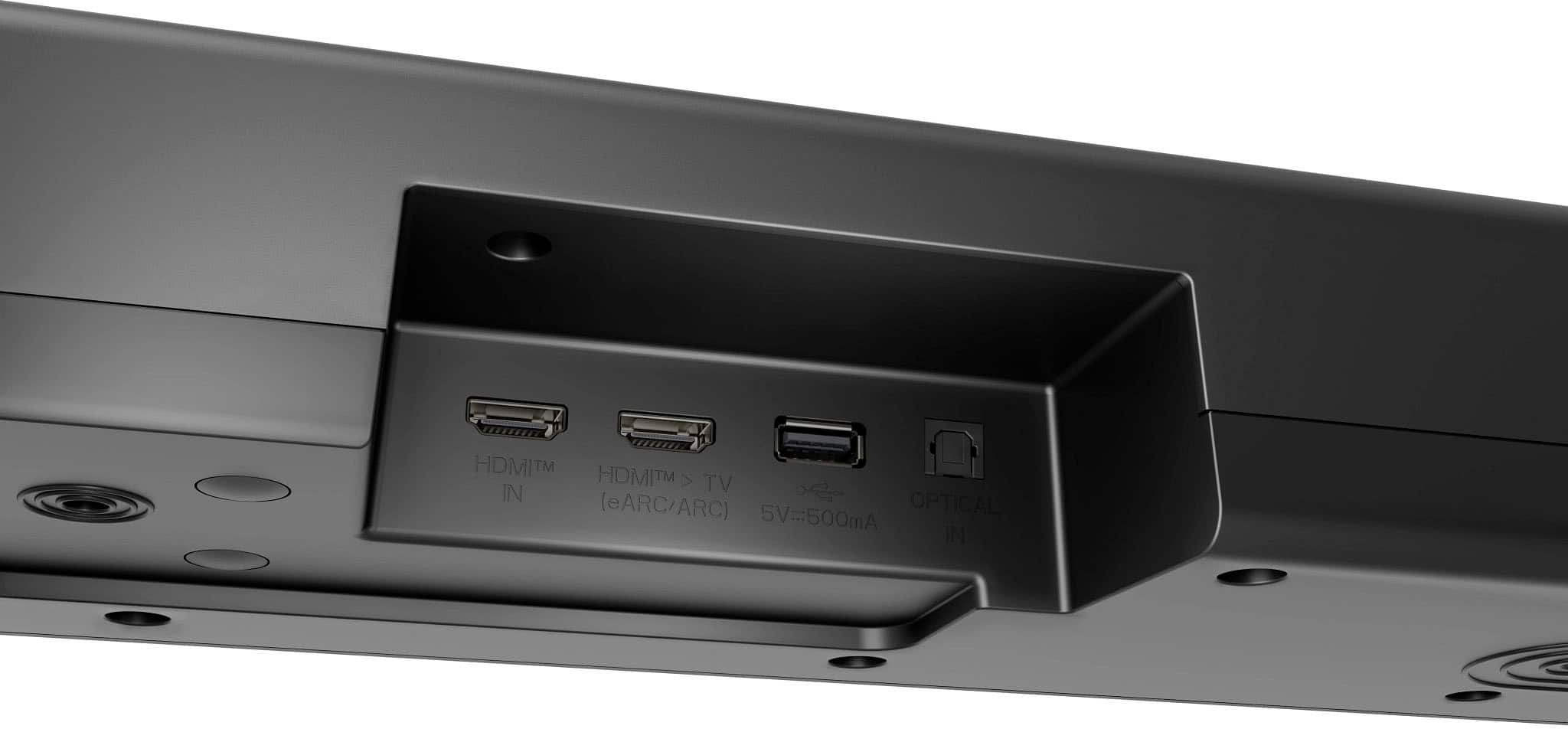
| HDMI eARC, optical, USB, Bluetooth 5.4 | HDMI eARC, optical, WiFi, Bluetooth 5.1 |
| Gaming Features - Important for console gamers with high refresh rate displays | |
| Standard audio processing | VRR/ALLM support up to 120Hz |
| Setup Complexity - Balance between features and installation ease | |
| Two power adapters, wired subwoofer, twist-lock soundbar assembly | Single power connection, fully wireless components |
| Frequency Response - Lower numbers mean deeper bass extension | |
| 40Hz - 20kHz | 45Hz - 20kHz (estimated) |
| Room Size Recommendation - Ensures adequate power for your space | |
| 215-269 sq ft (20-25 m²) | Medium to large rooms (wireless flexibility) |
| Brand Ecosystem Benefits - Matters if you use other products from same manufacturer | |
| Standalone system with universal compatibility | Optimized for LG TVs and smart home integration |
| Release Year - Newer often means improved technology and features | |
| 2025 (latest Dolby processing) | 2024 (established ecosystem integration) |
The Ultimea Skywave F40 offers superior Dolby Atmos performance with its 5.1.2 channel configuration, featuring dual dedicated height channels that create more precise overhead sound placement. The LG S70TR uses a 5.1.1 setup with a single height channel, which still provides Atmos effects but with less spatial accuracy. For home theater enthusiasts who want the most immersive overhead audio experience, the Ultimea Skywave F40 delivers better three-dimensional sound staging.
The Ultimea Skywave F40's 5.1.2 configuration includes five main channels, one subwoofer, and two separate height channels (left and right overhead). The LG S70TR's 5.1.1 setup has the same five main channels and subwoofer but only one height channel. This means the Ultimea can create stereo separation in overhead effects, making helicopters or rain sound more realistic as they move across the ceiling.
The LG S70TR is significantly easier to install with its fully wireless subwoofer and rear speakers, requiring only one power connection. The Ultimea Skywave F40 needs two power adapters, a wired subwoofer connection, and features a two-piece soundbar that connects via twist-lock mechanism. However, the Ultimea's setup is still straightforward and the wired subwoofer ensures perfect audio synchronization.
The Ultimea Skywave F40 works universally with any TV brand through HDMI eARC, optical, or Bluetooth connections. The LG S70TR also works with all TVs but offers special integration features like WOW Orchestra and TV Sound Mode Share specifically for LG TVs. If you own an LG TV, the LG S70TR provides enhanced functionality, but both systems perform well with any television.
The Ultimea Skywave F40 typically offers better value by providing more Dolby Atmos channels and true rear speakers at a lower cost. The LG S70TR costs more but includes premium features like fully wireless operation, AI sound processing, and ecosystem integration. The Ultimea is ideal for budget-conscious buyers prioritizing audio performance, while the LG justifies its premium through convenience and smart features.
The Ultimea Skywave F40 uses a wired 6.5-inch subwoofer that ensures perfect synchronization and reaches down to 40Hz for deep bass. The LG S70TR features a larger 7-inch wireless subwoofer powered by 220 watts that extends to 45Hz. The LG's wireless design offers more placement flexibility, while the Ultimea's wired connection eliminates any potential lag or connection issues.
The LG S70TR is specifically optimized for gaming with VRR (Variable Refresh Rate) and ALLM (Auto Low Latency Mode) support up to 120Hz, ensuring audio stays synchronized with high frame-rate gaming. The Ultimea Skywave F40 handles gaming well through Bluetooth 5.4 connectivity and immersive surround sound but lacks dedicated gaming features. Console gamers with newer systems will benefit more from the LG S70TR's gaming-specific technology.
Yes, both the Ultimea Skywave F40 and LG S70TR include physical rear speakers for true surround sound. The Ultimea's rear speakers are wireless but connect to the wired subwoofer, while the LG features fully wireless rear speakers. Having actual rear speakers is crucial for proper surround sound staging and makes both systems superior to single-unit soundbars that only simulate rear effects.
The Ultimea Skywave F40 offers extensive customization with a 10-band equalizer, 121 preset EQ matrices, and Xupmix technology for upmixing stereo content. The LG S70TR focuses on intelligent automation with AI Sound Pro that automatically optimizes audio and Clear Voice Plus for enhanced dialogue. The Ultimea appeals to users who enjoy manual tweaking, while the LG suits those preferring automatic optimization.
The LG S70TR delivers 500W RMS power compared to the Ultimea Skywave F40's 460W total power output. This 40W difference is minimal in practical use, and both systems provide adequate volume for most rooms. The LG's slightly higher power rating may offer better performance during very loud scenes, but the Ultimea distributes its power across more individual drivers including dedicated height channels.
The LG S70TR excels at dialogue clarity with its Clear Voice Plus technology that analyzes audio output and enhances speech frequencies through dedicated center channel processing. The Ultimea Skywave F40 provides good dialogue reproduction but focuses more on overall surround sound immersion. For viewers who frequently struggle with unclear speech in movies and TV shows, the LG S70TR's AI-powered dialogue enhancement is particularly beneficial.
The Ultimea Skywave F40 includes the main soundbar, wired subwoofer, wireless rear speakers, power adapters, HDMI cable, optical cable, remote control, and wall mounting hardware. The LG S70TR comes with the soundbar, wireless subwoofer, wireless rear speakers, remote with batteries, rear speaker cable, USB cable, and wall mount bracket. Both systems provide everything needed for installation, though the LG requires fewer cables due to its wireless design.
We've done our best to create useful and informative comparisons to help you decide what product to buy. Our research uses advanced automated methods to create this comparison and perfection is not possible - please contact us for corrections or questions. These are the sites we've researched in the creation of this article: the-gadgeteer.com - youtube.com - ultimea.com - manuals.plus - youtube.com - ultimea.com - youtube.com - youtube.com - youtube.com - youtube.com - eu.ultimea.com - support.ultimea.com - bestbuy.com - mynavyexchange.com - rixaudiovideoappliance.com - rtings.com - youtube.com - bestbuy.com - howards.siteontimedev.com - bestbuy.com - appliancestogousa.us

Privacy Policy
Terms and Conditions - Affiliate Policy
Home Security
© Copyright 2008-2026.
11816 Inwood Rd #1211, Dallas, TX 75244