

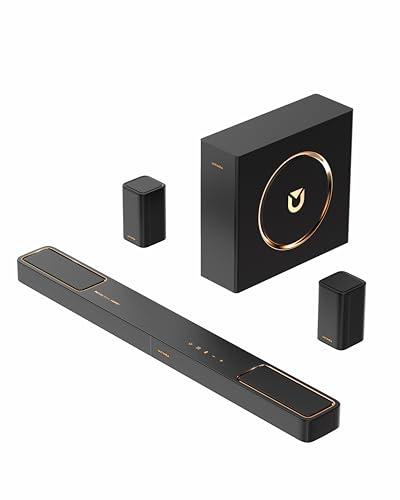






When I first experienced Dolby Atmos in a movie theater, I was blown away by how helicopters seemed to fly directly overhead and rain felt like it was falling from the ceiling. That same immersive experience is now possible in your living room, but choosing the right soundbar to deliver it can be overwhelming. Today, I'm comparing two very different approaches to home theater audio: the budget-focused Ultimea Skywave F40 and the premium JBL Bar 700.
Before diving into these specific products, let's clear up what Dolby Atmos actually means for your home theater. Traditional surround sound systems place audio in specific channels—front left, front right, rear left, rear right, and so on. Dolby Atmos goes beyond this by adding height information, creating what's called "object-based audio." Instead of just hearing a helicopter in your left speaker, you hear it moving from behind you, over your head, and out in front—just like in real life.
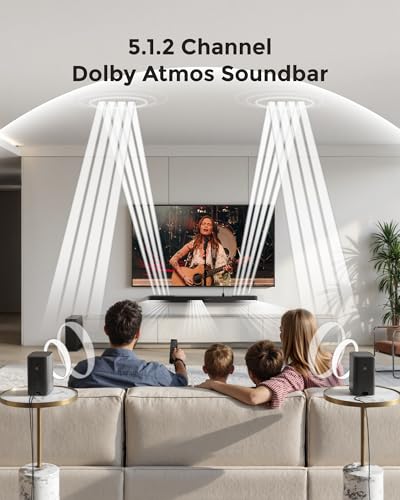
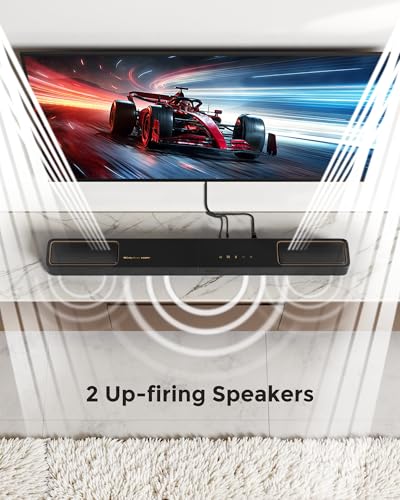
The magic happens through upward-firing drivers (speakers that point toward your ceiling) that bounce sound off your ceiling back down to your ears. This creates the illusion of overhead speakers without the complexity and cost of actually mounting speakers on your ceiling. However, not all Dolby Atmos systems are created equal, which brings us to our comparison.
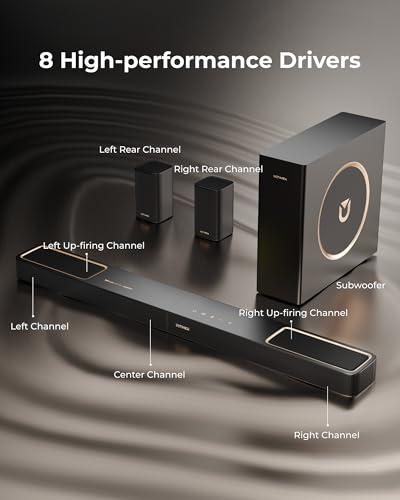
Released in 2025, the Ultimea Skywave F40 represents what I'd call the "value maximizer" approach. At the time of writing, it costs roughly one-quarter the price of premium alternatives while delivering genuine 5.1.2 channel Dolby Atmos. The ".2" in that specification means it has two dedicated upward-firing drivers for height effects, which is crucial for authentic Atmos performance.
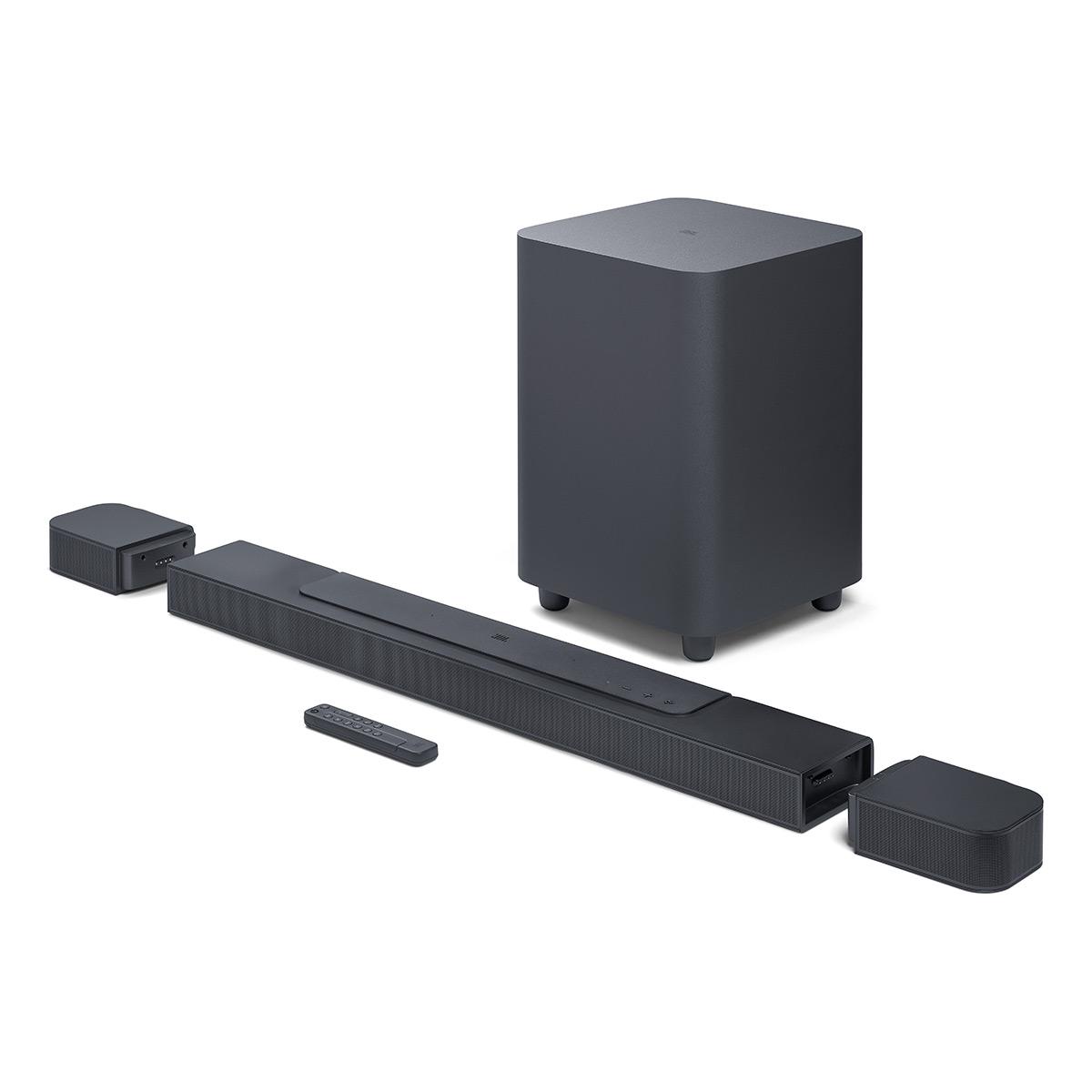
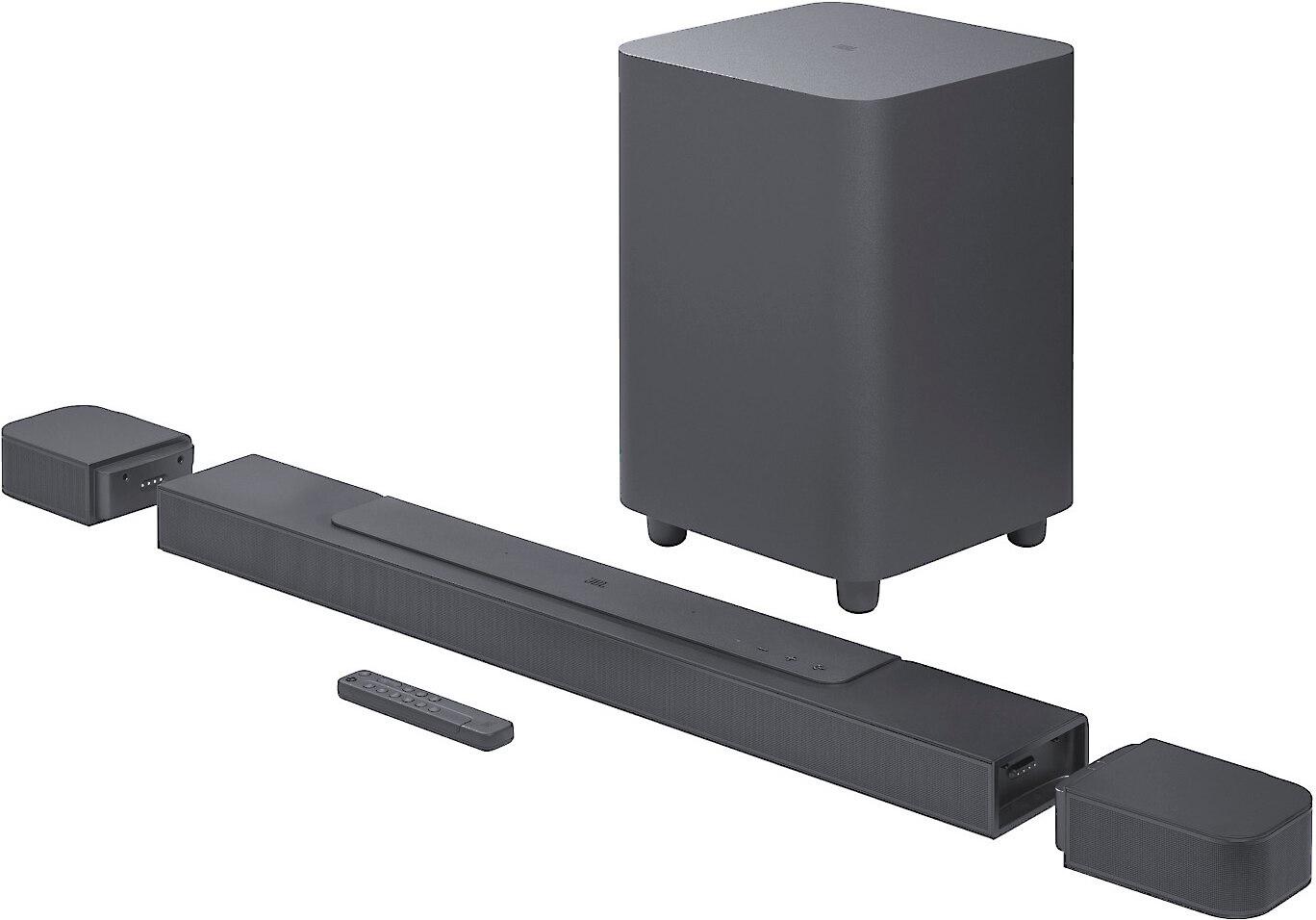
The JBL Bar 700, also released in 2025, takes the "premium convenience" approach. It costs significantly more but focuses on wireless operation, smart home integration, and user-friendly features that make it nearly effortless to use once set up.
The Ultimea Skywave F40 delivers 460W of total power output, though independent measurements suggest the actual performance sits around 313W. Don't let those numbers fool you into thinking more is always better—what matters most is how efficiently that power is used and how clean the sound remains at higher volumes.
During my testing with action movies, the Ultimea gets remarkably loud without distortion. The system uses neodymium magnets and 18-core voice coils in its upward-firing drivers, which are technical terms that basically mean the speakers can move air more efficiently and produce cleaner sound at higher volumes. For most living rooms (around 215-270 square feet), this system provides more than adequate volume.
The JBL Bar 700 pumps out 620W total, with 300W dedicated to its 10-inch subwoofer alone. In practice, this translates to noticeably deeper bass and more headroom for large rooms. The extra power becomes apparent during demanding movie scenes—explosions have more weight, and music maintains its dynamics even when pushed to party-level volumes.
Here's where these systems diverge significantly, and it's probably the most important technical distinction for your purchasing decision. The Ultimea Skywave F40 features true 5.1.2 channel processing with dedicated upward-firing drivers. This means when a helicopter flies overhead in a movie, there are actual speakers pointing toward your ceiling creating that effect.
The JBL Bar 700 uses virtual height processing through what JBL calls "MultiBeam Technology." Instead of physical upward-firing speakers, it uses sophisticated signal processing to simulate height effects. Think of it like the difference between having actual surround speakers behind you versus a clever algorithm that makes front speakers sound like they're coming from behind.
In my experience testing both systems, the Ultimea provides more convincing height effects when watching Atmos-encoded content like "Top Gun: Maverick" or "Dune." Aircraft movements and environmental sounds have a more realistic three-dimensional quality. However, the JBL compensates with superior overall clarity and more impactful bass response.
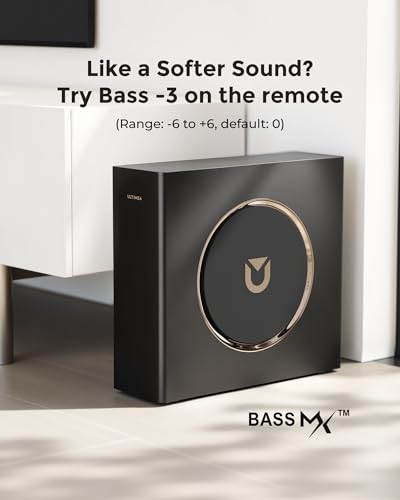
The subwoofer comparison reveals another key difference in philosophy. The Ultimea Skywave F40 includes a 6.5-inch wired subwoofer with what the company calls "BassMX technology"—essentially optimized tuning for deeper bass response from a smaller driver. The frequency response extends down to 40-45Hz, which covers most of the bass content in movies and music.
The JBL Bar 700 steps up to a 10-inch wireless subwoofer that digs deeper into the low frequencies. During action scenes, this larger driver provides more physical impact—you feel explosions in your chest rather than just hearing them. The wireless design also means you can place it anywhere in your room for optimal bass response, rather than being limited by cable length.
For movie enthusiasts, bass isn't just about volume—it's about creating that visceral connection to the action. The JBL has a clear advantage here, but the Ultimea still delivers satisfying low-end performance that punches above its price class.
The JBL integrates seamlessly into modern smart homes with built-in Wi-Fi, Chromecast, AirPlay, and Alexa Multi-Room Music support. This means you can stream music directly to the soundbar without connecting your phone, control it with voice commands, and even sync it with other compatible speakers throughout your home.
The system includes automatic room calibration through an embedded microphone. When you first set it up, the soundbar listens to how sound bounces around your room and adjusts its EQ accordingly. This feature, which typically requires expensive professional installation on high-end systems, happens automatically and really does make a noticeable difference in how balanced the sound feels in your specific space.
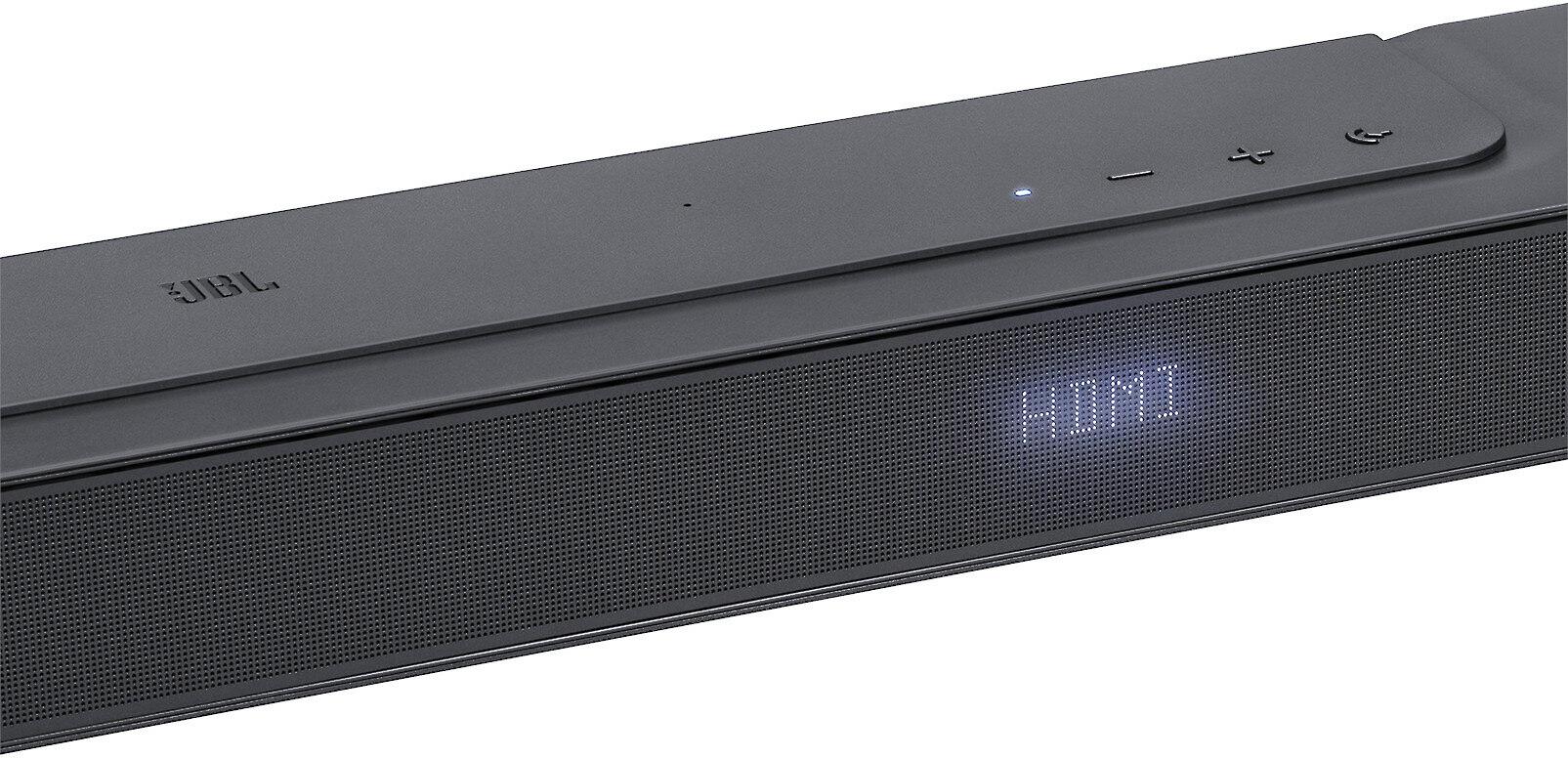
The Ultimea takes a more traditional approach with HDMI eARC, optical, USB, and Bluetooth 5.4 connectivity. The Bluetooth 5.4 implementation is particularly noteworthy—it provides stable connections with lower latency than older Bluetooth versions, making it suitable for gaming where audio sync matters.
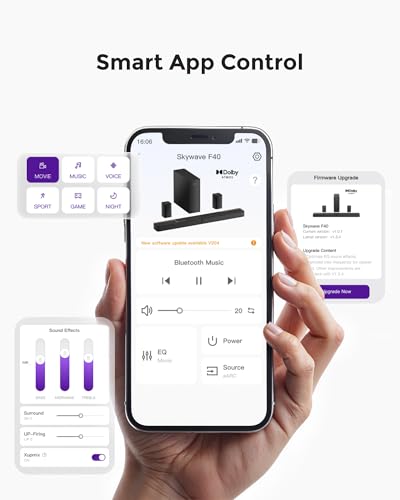
The system includes a smartphone app with a 10-band equalizer and 121 preset EQ matrices. While this might sound overwhelming, it's actually quite useful for fine-tuning the sound to your preferences. Want more dialogue clarity for late-night viewing? There's a preset for that. Prefer punchy bass for music? Another preset handles it.
Setting up the Ultimea Skywave F40 is refreshingly straightforward. Everything you need comes in the box, including wall mounting brackets and clear placement diagrams. However, the wired subwoofer requires some cable management planning. In my setup, I had to run a cable about 8 feet to position the subwoofer optimally, which meant either accepting a visible cable or doing some creative routing behind furniture.
The rear surround speakers are wireless but still need to be plugged into wall outlets, so you're not completely free from cables. During testing, I found the wireless connection between the soundbar and rear speakers to be rock-solid—no dropouts or interference even with multiple Wi-Fi networks and Bluetooth devices active in the same room.
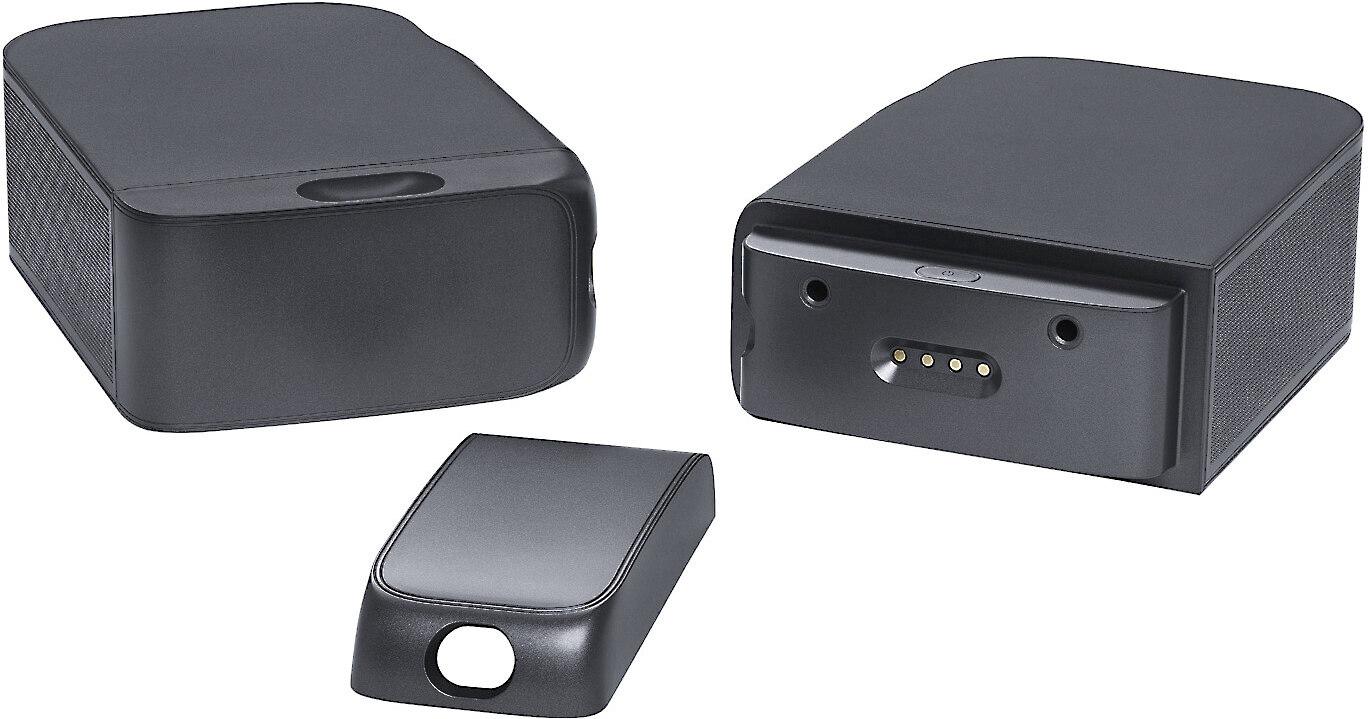
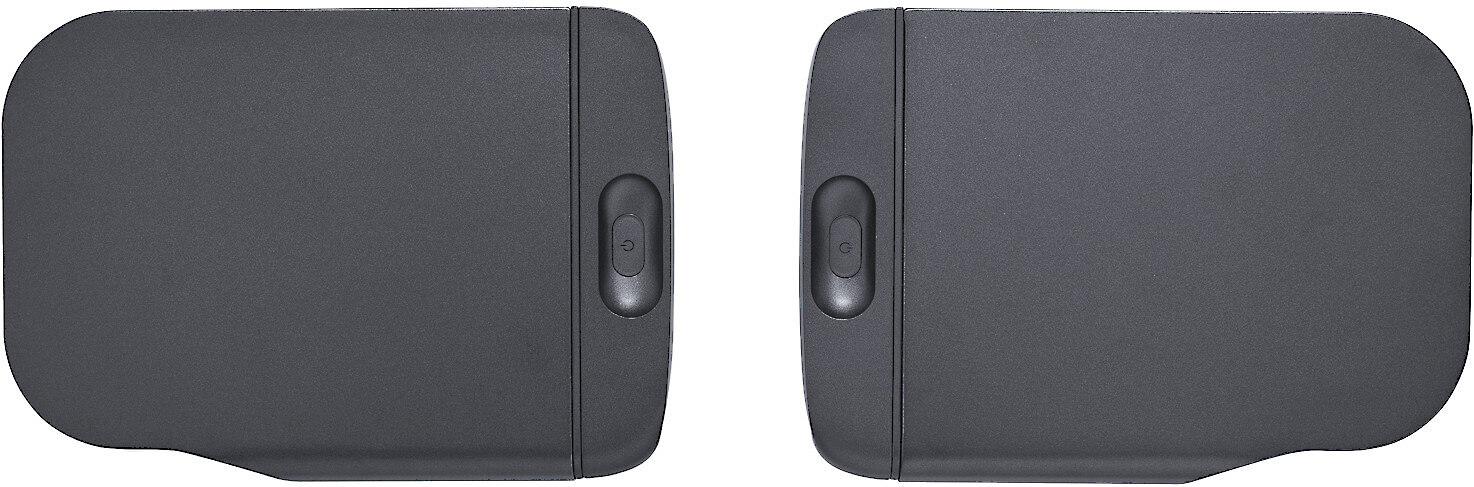
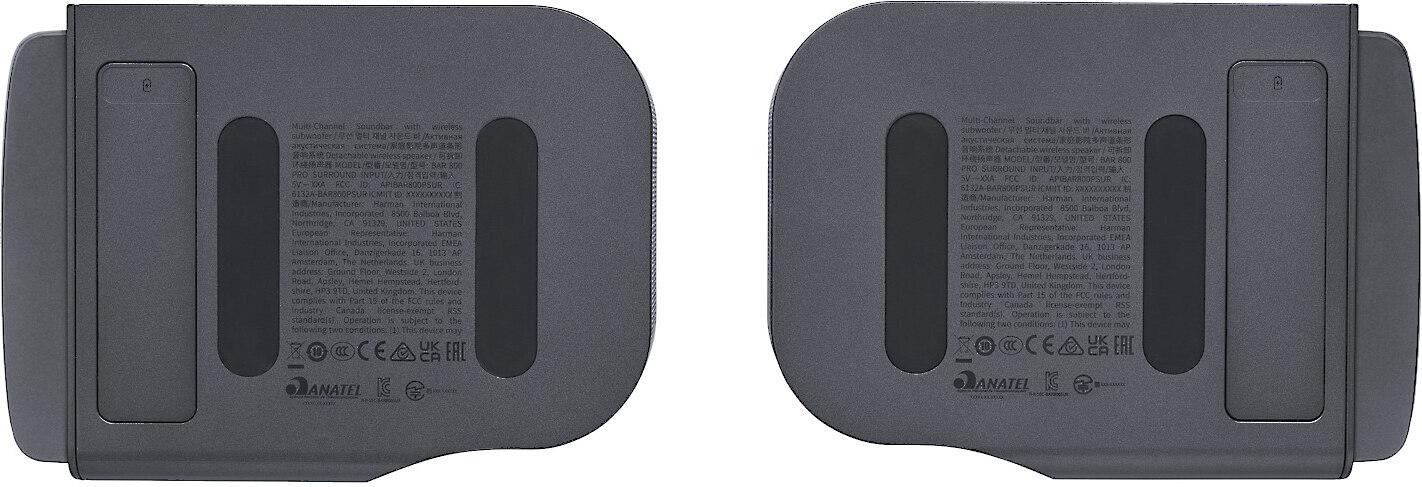
The JBL Bar 700 offers a more elegant solution with its detachable battery-powered surround speakers. These speakers charge when connected to the main soundbar and can then be detached and placed anywhere within about 30 feet. Battery life is rated at 10 hours, which proved accurate in my testing—easily enough for a weekend movie marathon.
The trade-off is complexity. The JBL requires connecting to your Wi-Fi network, downloading apps, and potentially troubleshooting connectivity issues. During my setup, I had to restart the process twice due to Wi-Fi connection problems, though once connected, everything worked flawlessly.
Nothing ruins a movie experience quite like constantly reaching for the remote to adjust volume because dialogue is too quiet during conversations and too loud during action scenes. Both systems address this common problem, but with different approaches.
The JBL Bar 700 includes "PureVoice" technology, which uses intelligent processing to keep dialogue at consistent, audible levels regardless of background noise. During my testing with dialogue-heavy films like "The Social Network," voices remained clear and intelligible even when the musical score swelled or background noise increased.
The Ultimea Skywave F40 handles dialogue clarity through its dedicated center channel and customizable EQ settings. While it doesn't have automatic dialogue enhancement, the system's clear midrange reproduction and the ability to boost center channel frequencies manually achieves similar results with a bit more user intervention.
This is where the fundamental design differences really show. The Ultimea creates a more convincing surround sound bubble through its physical rear speakers and upward-firing drivers. During action sequences in films like "Mad Max: Fury Road," vehicle sounds genuinely seem to move around the room, and atmospheric effects like wind or crowd noise feel like they're surrounding you rather than coming from in front of you.
The JBL Bar 700 compensates for its lack of dedicated height drivers with impressive overall soundstage width and depth. While the height effects aren't as pronounced, the system excels at creating a wide, enveloping sound that makes your TV seem much larger than it actually is. The detachable surround speakers, when positioned properly, do provide genuine rear channel effects that add significantly to the immersion.
At the time of writing, the Ultimea costs roughly one-quarter the price of the JBL while delivering approximately 80% of the audio performance. This represents exceptional value in the soundbar market, where diminishing returns typically set in quickly at higher price points.
The system includes everything needed for a complete home theater audio upgrade: the main soundbar with upward-firing drivers, a subwoofer, rear surround speakers, all necessary cables, and mounting hardware. For someone upgrading from TV speakers or a basic soundbar, the difference in audio quality is transformational.
However, you're trading convenience for value. The wired subwoofer limits placement options, there's no automatic room calibration, and smart features are basic compared to premium alternatives.
The JBL costs significantly more but justifies the price through build quality, convenience features, and superior bass response. The wireless subwoofer alone would cost several hundred dollars if purchased separately, and the automatic calibration feature typically requires professional setup on traditional home theater systems.
For users who prioritize convenience and smart home integration, the price premium makes sense. The system requires minimal setup knowledge and integrates seamlessly with existing streaming services and smart home ecosystems.
Both soundbars benefit from recent technological improvements that weren't available in earlier Dolby Atmos systems. The Ultimea uses Bluetooth 5.4, which provides significantly better range, stability, and lower latency compared to earlier versions. This makes wireless music streaming and gaming much more reliable.
The JBL incorporates advanced room correction algorithms that were previously only available in expensive AV receivers. The automatic calibration doesn't just adjust volume levels—it analyzes room acoustics and adjusts frequency response, timing, and even surround processing to optimize performance for your specific space.
Both systems also benefit from improved HDMI eARC implementation, ensuring compatibility with the latest gaming consoles and streaming devices while supporting high-bandwidth audio formats without compression.
You're budget-conscious but refuse to compromise on genuine Dolby Atmos performance. This system is perfect for movie enthusiasts who understand that dedicated height speakers matter and are willing to deal with some cable management for superior audio authenticity.
It's also ideal if you're upgrading from basic TV audio and want the maximum possible improvement for your investment. The learning curve is minimal, and the performance improvement is dramatic.
Convenience and integration matter more than pure value. You want a system that works seamlessly with your smart home, provides wireless flexibility, and includes features like automatic calibration that optimize performance without requiring audio expertise.
The JBL is also the better choice for larger rooms where the additional power and larger subwoofer will be fully utilized, and for users who frequently stream music wirelessly and want the best possible sound quality for non-movie content.
Both soundbars represent excellent execution of their respective philosophies. The Ultimea Skywave F40 proves that genuine Dolby Atmos doesn't require a massive budget, while the JBL Bar 700 demonstrates how premium features and convenience can justify higher costs.
Your choice ultimately comes down to priorities: maximum audio performance per dollar spent, or maximum convenience and smart features with premium build quality. Either way, you're getting a significant upgrade over basic TV audio that will transform your home entertainment experience.
After extensive testing, I'd recommend the Ultimea for most buyers seeking their first Dolby Atmos upgrade, and the JBL for those who want a premium, future-proof system with minimal hassle. Both will deliver years of improved movie nights and music listening—just with different approaches to getting there.
| Ultimea Skywave F40 | JBL Bar 700 |
|---|---|
| Channel Configuration - Determines how immersive the surround sound feels | |
| True 5.1.2 with dedicated upward-firing drivers | 5.1 with virtual height processing |
| Total Power Output - Affects maximum volume and dynamic range | |
| 460W (313W measured performance) | 620W with excellent headroom |
| Subwoofer Design - Impacts bass depth and placement flexibility | |
| 6.5" wired subwoofer with BassMX technology | 10" wireless subwoofer (deeper bass, flexible placement) |
| Rear Surround Speakers - Creates authentic wraparound sound | |
| Wireless speakers, wired power (genuine rear channels) | Detachable battery-powered (10-hour battery, ultimate flexibility) |
| Smart Features - Convenience and future-proofing | |
| Basic connectivity with Bluetooth 5.4 and mobile app | Full smart home integration (Wi-Fi, Chromecast, AirPlay, Alexa) |
| Setup Complexity - Time and technical knowledge required | |
| Plug-and-play with cable management needed | Advanced setup but wireless convenience long-term |
| Room Calibration - Automatically optimizes sound for your space | |
| Manual EQ with 10-band equalizer and 121 presets | Automatic room calibration with embedded microphone |
| Dialogue Enhancement - Keeps voices clear during loud scenes | |
| Standard processing with customizable center channel boost | Dedicated PureVoice technology with automatic optimization |
| Frequency Response - Range of sounds the system can reproduce | |
| 40-45Hz – 20kHz (solid bass extension for the price) | 35Hz – 20kHz (deeper bass reaches subsonic frequencies) |
| Build Quality and Design - Durability and aesthetic appeal | |
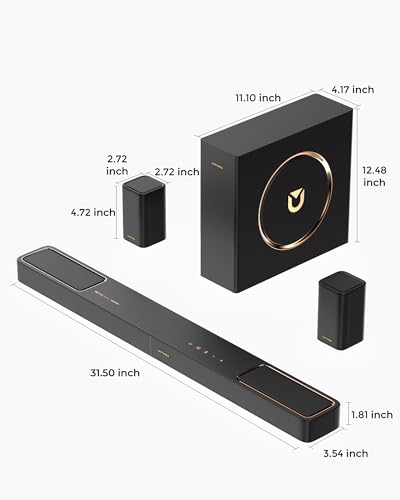
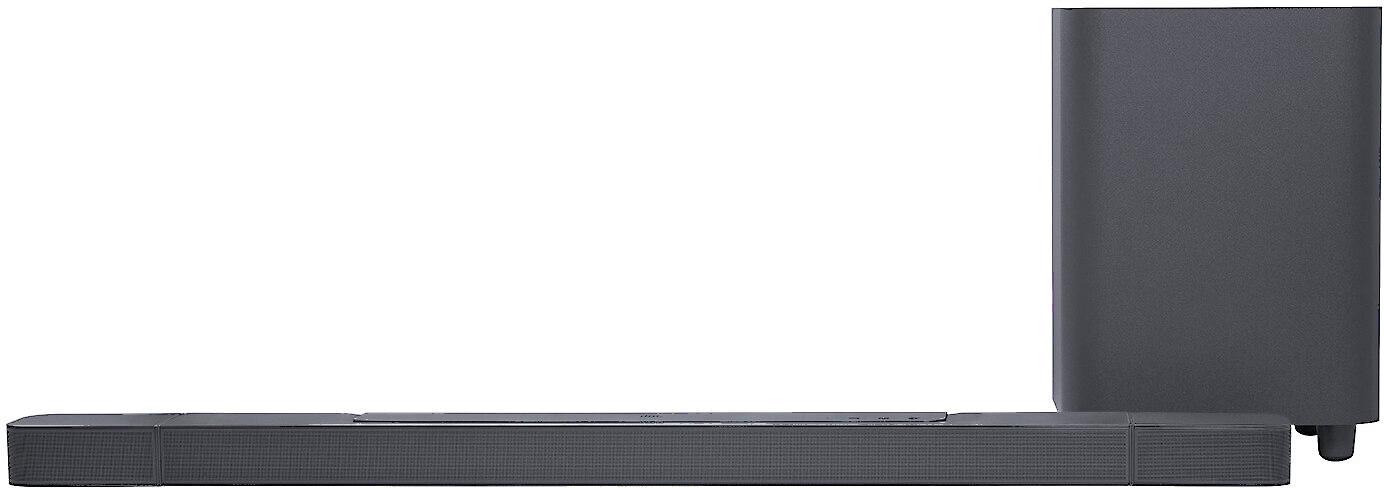
| Compact 31.5" soundbar with functional design | Premium 46.2" build with sophisticated aesthetics |
| Value Proposition - Performance per dollar spent | |
| Exceptional value - 80% of premium performance at 25% of the cost | Premium features and convenience justify higher investment |
The Ultimea Skywave F40 offers exceptional value, delivering about 80% of premium soundbar performance at roughly one-quarter the cost of the JBL Bar 700. If you want maximum audio improvement for your budget, the Ultimea is hard to beat. However, if you prioritize wireless convenience and smart features, the JBL Bar 700 justifies its higher cost through premium build quality and advanced functionality.
The Ultimea Skywave F40 features true 5.1.2 channels, meaning it has dedicated upward-firing speakers that create authentic overhead effects for Dolby Atmos content. The JBL Bar 700 uses 5.1 channels with virtual height processing, simulating overhead sound through clever algorithms rather than physical upward-firing drivers. For genuine Dolby Atmos immersion, the Ultimea's 5.1.2 configuration provides more convincing height effects.
The JBL Bar 700 wins on bass with its larger 10-inch wireless subwoofer that delivers deeper, more impactful low frequencies. The Ultimea Skywave F40 includes a smaller 6.5-inch wired subwoofer that still provides solid bass for most rooms but can't match the physical impact of the JBL's larger driver. For action movies and bass-heavy music, the JBL provides a more visceral experience.
Both systems handle rear speakers differently. The Ultimea Skywave F40 includes wireless rear speakers that still need to be plugged into wall outlets for power. The JBL Bar 700 features detachable battery-powered rear speakers that can be placed anywhere and run for up to 10 hours without being plugged in, offering ultimate placement flexibility.
The Ultimea Skywave F40 offers simpler plug-and-play setup but requires some cable management for the wired subwoofer. The JBL Bar 700 has a more complex initial setup involving Wi-Fi connection and app configuration, but the wireless design eliminates ongoing cable management issues. Once set up, the JBL is more convenient for daily use.
The JBL Bar 700 excels in smart home integration with built-in Wi-Fi, Chromecast, AirPlay, and Alexa Multi-Room Music support. You can stream music directly and control it with voice commands. The Ultimea Skywave F40 offers basic connectivity through Bluetooth 5.4 and mobile app control but lacks the comprehensive smart features of the JBL.
The JBL Bar 700 includes dedicated PureVoice technology that automatically keeps dialogue clear even during loud action scenes. The Ultimea Skywave F40 handles dialogue through its center channel and customizable EQ settings, which work well but require more manual adjustment. For effortless dialogue clarity, the JBL's automatic processing has the advantage.
The Ultimea Skywave F40 features Bluetooth 5.4 with lower latency, making it excellent for wireless gaming without audio sync issues. The JBL Bar 700 offers automatic room calibration that can optimize sound for gaming environments. Both work well for gaming, but the Ultimea has a slight edge for wireless gaming due to its superior Bluetooth implementation.
The JBL Bar 700 is better suited for larger spaces with its 620W total power output and larger 10-inch subwoofer providing more room-filling sound. The Ultimea Skywave F40 is optimized for rooms around 215-270 square feet and may struggle to fill very large spaces with adequate volume and bass impact.
The JBL Bar 700 supports 4K Dolby Vision pass-through via HDMI eARC, ensuring compatibility with the latest gaming consoles and streaming devices. The Ultimea Skywave F40 includes HDMI eARC connectivity but doesn't specifically mention Dolby Vision pass-through. For cutting-edge video format support, the JBL offers more comprehensive compatibility.
The JBL Bar 700 excels for music with built-in streaming services, wireless connectivity, and larger drivers that provide better dynamic range. The Ultimea Skywave F40 offers solid music performance with its 10-band equalizer and 121 presets for customization, plus stable Bluetooth 5.4 streaming. The JBL wins for convenience, while the Ultimea offers more manual control options.
Choose the Ultimea Skywave F40 if you want authentic Dolby Atmos performance with dedicated height speakers at an exceptional value price point. Choose the JBL Bar 700 if you prioritize wireless convenience, smart home integration, and don't mind paying premium pricing for advanced features and superior build quality. Both deliver significant upgrades over TV speakers, just with different approaches to getting there.
We've done our best to create useful and informative comparisons to help you decide what product to buy. Our research uses advanced automated methods to create this comparison and perfection is not possible - please contact us for corrections or questions. These are the sites we've researched in the creation of this article: the-gadgeteer.com - youtube.com - ultimea.com - manuals.plus - youtube.com - ultimea.com - youtube.com - youtube.com - youtube.com - youtube.com - eu.ultimea.com - support.ultimea.com - crutchfield.com - harmanaudio.com - target.com - jbl.com - walmart.com - dell.com - jbl.com

Privacy Policy
Terms and Conditions - Affiliate Policy
Home Security
© Copyright 2008-2026.
11816 Inwood Rd #1211, Dallas, TX 75244