

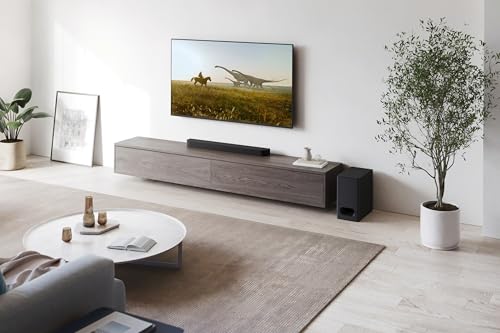
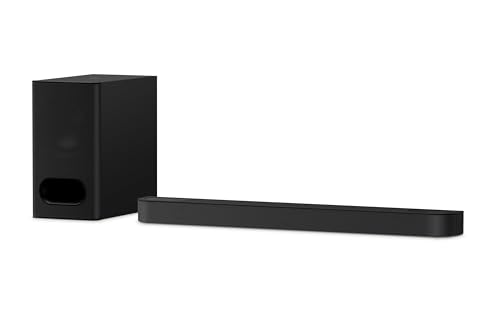






When your TV's built-in speakers just aren't cutting it anymore, a Dolby Atmos soundbar can transform your living room into a mini movie theater. But with so many options available, choosing between different approaches can feel overwhelming. Today, we're comparing two very different takes on immersive audio: the Sony BRAVIA Theater Bar 6 and the Ultimea Skywave F40.
These soundbars represent fundamentally different philosophies in home theater design. The Sony BRAVIA Theater Bar 6, released in 2024, focuses on premium integration and streamlined simplicity. Meanwhile, the Ultimea Skywave F40, also hitting the market in 2024, takes a budget-friendly approach that doesn't compromise on the core surround sound experience. At the time of writing, there's a significant price gap between them, with the Sony commanding a premium while the Ultimea offers impressive value for money.
Before diving into specifics, let's clarify what we're dealing with. Dolby Atmos isn't just marketing buzzwords—it's a genuine leap forward in audio technology. Traditional surround sound places audio in specific channels around you, but Atmos treats sounds as individual objects that can move freely through three-dimensional space. This means helicopters can whoosh overhead, rain can fall from above, and explosions can surround you from every direction.
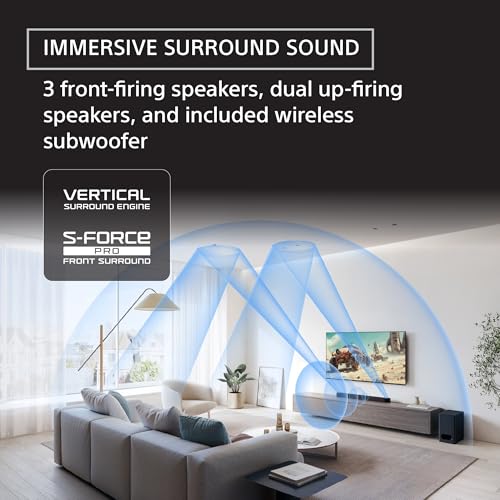
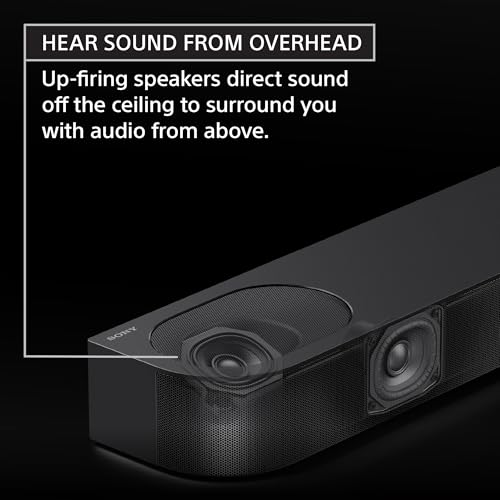
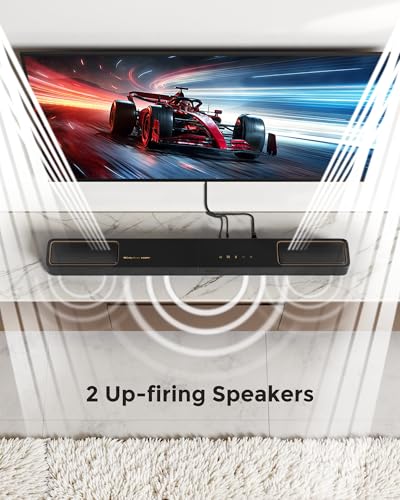
The key to Atmos is height channels—speakers that fire upward to bounce sound off your ceiling, creating the illusion of overhead effects. Both the Sony BRAVIA Theater Bar 6 and Ultimea Skywave F40 include these up-firing drivers, but they implement them quite differently.
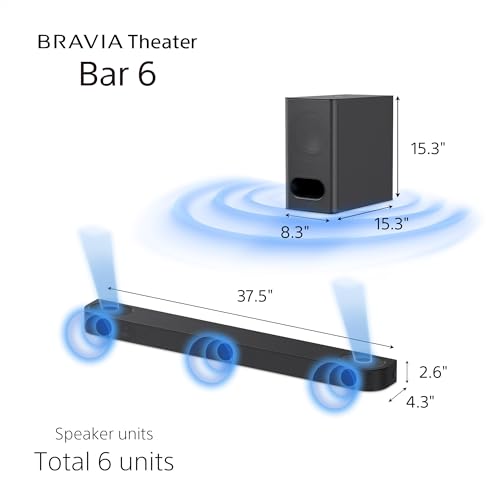
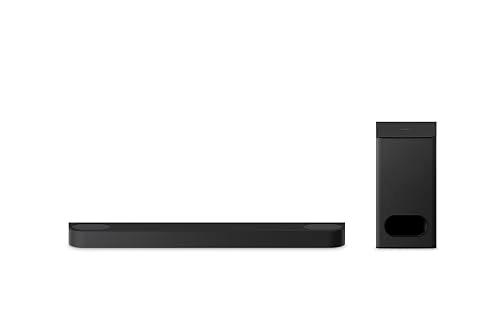
Here's where things get interesting. The Sony BRAVIA Theater Bar 6 uses what's called a 3.1.2 channel configuration. That technical string of numbers tells us everything: three front-facing speakers (left, center, right), one subwoofer (the ".1"), and two height channels (the ".2"). All the main speakers live inside the soundbar itself, with only a wireless subwoofer sitting separately in your room.
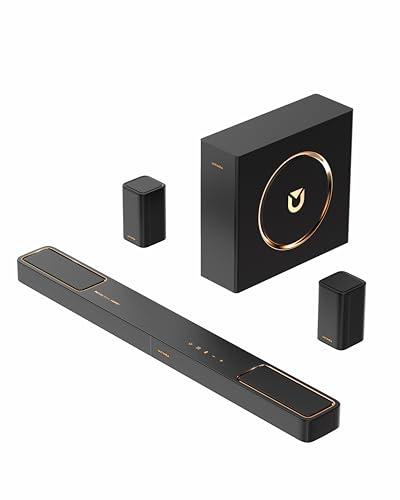
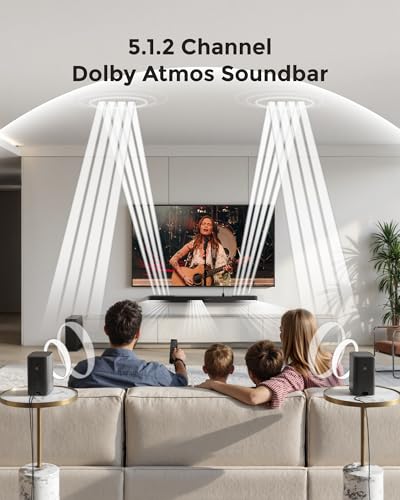
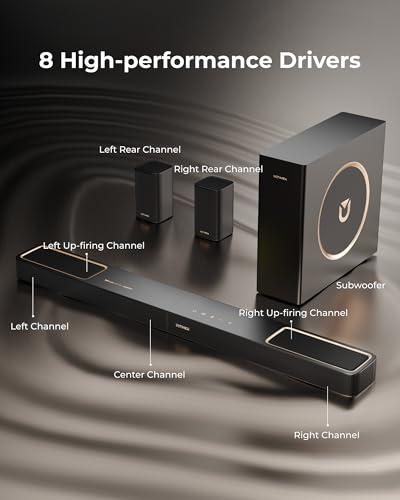
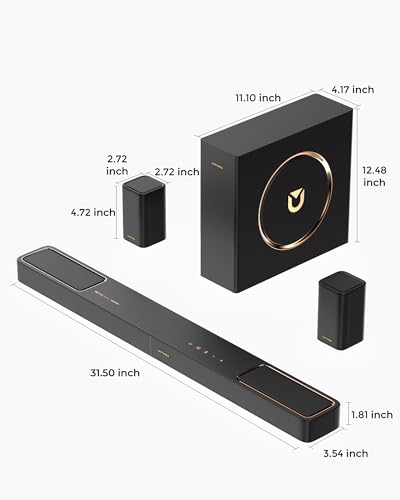
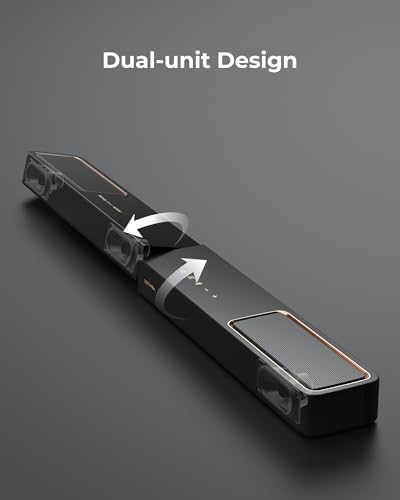
The Ultimea Skywave F40, on the other hand, implements a true 5.1.2 system. Those extra two channels represent dedicated rear surround speakers that you actually place behind your seating area. This means you're getting eight total speakers spread around your room instead of just five concentrated in the front.
This fundamental difference shapes everything else about these products. The Sony prioritizes convenience—everything important happens in one sleek bar under your TV. The Ultimea prioritizes authentic surround sound by physically placing speakers where surround effects should come from.
When it comes to creating that enveloping surround experience, the Ultimea Skywave F40 has a clear advantage thanks to its discrete rear speakers. There's simply no substitute for having actual speakers behind you when a spaceship flies overhead or bullets whiz past your ears in an action movie.
The Sony BRAVIA Theater Bar 6 attempts to solve this challenge through sophisticated digital processing called S-Force PRO Front Surround. This technology uses psychoacoustics—basically tricks your brain uses to locate sounds—to create the illusion that audio is coming from behind you. Sony's implementation is among the better ones I've experienced, but it's still fighting physics. Virtual surround can create a wider soundstage than you'd expect from a single bar, but it can't replicate the precise positioning that discrete speakers provide.
In practice, this means the Ultimea creates more convincing fly-over effects, better left-to-right panning, and a more immersive experience during complex action sequences. The Sony, while impressive for its size constraints, relies on your brain filling in the gaps.
Here's where the Sony BRAVIA Theater Bar 6 fights back with its dedicated center channel speaker. Most soundbars, even expensive ones, use digital processing to create a "phantom center" channel. Sony includes an actual physical speaker specifically for dialogue, and the difference is immediately noticeable.
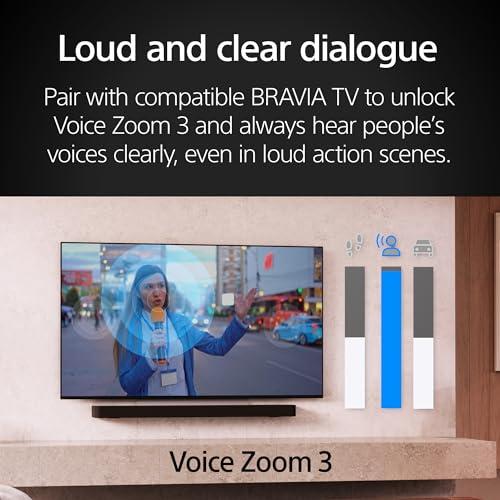
The center channel gets enhanced by Sony's Clear Voice algorithms, which analyze incoming audio and boost speech frequencies while reducing competing background noise. For Sony BRAVIA TV owners, there's an additional feature called Voice Zoom 3.0 that coordinates the soundbar's center channel with the TV's built-in speakers to further enhance dialogue clarity.
The Ultimea Skywave F40 handles dialogue well enough for most content, but it doesn't have the specialized voice processing that Sony has refined over years of soundbar development. If you're someone who frequently struggles to understand movie dialogue or finds yourself constantly adjusting volume between whispered conversations and explosive action scenes, Sony's approach offers a real advantage.
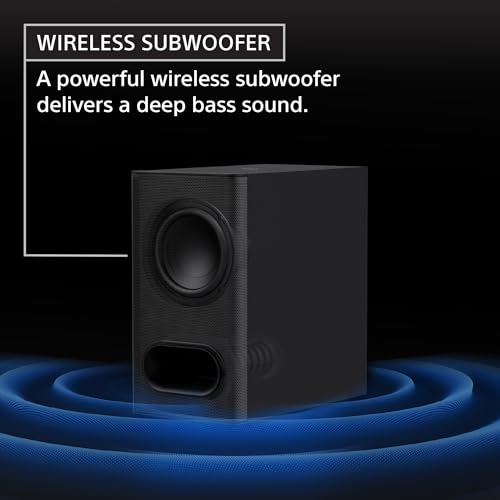
Both systems include dedicated subwoofers, but they take different approaches to low-frequency reproduction. The Ultimea Skywave F40 delivers significantly more raw power—we're talking about 460 watts peak output compared to the Sony's 350 watts. In practical terms, this translates to more room-shaking bass during action movies and deeper, more physical low-end extension for music.
The Ultimea's BassMX technology actively enhances bass response, making explosions feel more impactful and music sound fuller. However, more powerful doesn't always mean better controlled. The Sony BRAVIA Theater Bar 6 offers more refined bass management, though many users find the default subwoofer level overpowering and need to dial it back a few notches.
From a home theater perspective, both approaches have merit. The Ultimea satisfies that visceral need for earth-shaking effects, while the Sony provides more balanced integration across different content types. Your preference will largely depend on whether you prioritize impact or subtlety.
Both soundbars include up-firing drivers for Dolby Atmos height effects, but their effectiveness depends heavily on your room's acoustics. The Sony BRAVIA Theater Bar 6 uses proprietary X-Balanced drivers—rectangular instead of traditional circular speakers—to maximize surface area and improve sound dispersion. The Vertical Surround Engine processing helps create the illusion of height even in less-than-ideal rooms.
The Ultimea Skywave F40 counters with neodymium magnets and larger voice coils in its up-firing channels, potentially offering more precise vertical sound projection. More importantly, its SurroundX technology coordinates the height channels with the rear surround speakers to create a more cohesive three-dimensional sound field.
In real-world testing, both systems produce noticeable height effects when your ceiling cooperates—meaning it's relatively low, flat, and reflective. The Ultimea's integration of height channels with discrete surrounds creates a more convincing overall bubble of sound, while the Sony's height effects feel somewhat disconnected from the mainly front-focused soundstage.
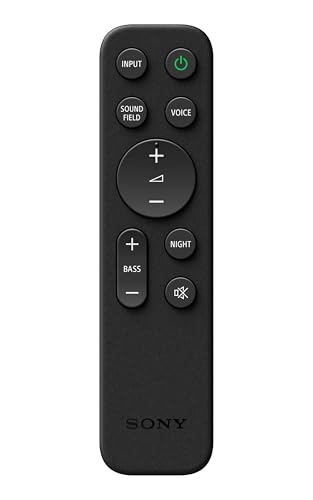
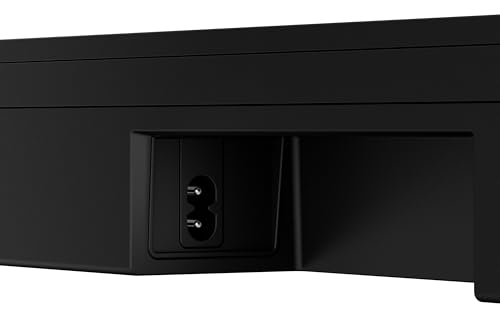
The installation experience reveals another fundamental difference in philosophy. The Sony BRAVIA Theater Bar 6 epitomizes plug-and-play simplicity. You place the soundbar under your TV, position the wireless subwoofer somewhere in the room, connect a single HDMI cable, and you're essentially done. The BRAVIA Connect app handles wireless subwoofer pairing automatically, and if you own a Sony TV, BRAVIA SYNC lets you control everything with your existing TV remote.
Setting up the Ultimea Skywave F40 requires more planning and effort. You'll need to position the rear speakers behind your seating area and run cables to connect them to the system. While the speakers themselves are compact and the included mounting hardware is comprehensive, you're still dealing with cable management and speaker placement considerations that the Sony completely avoids.
This setup complexity isn't necessarily a negative—it's the price of authentic surround sound. But it does mean the Ultimea isn't suitable for every living situation. Renters who can't run cables, minimalists who prefer clean aesthetics, or anyone who gets intimidated by multi-component audio systems might find the Sony's approach more appealing.
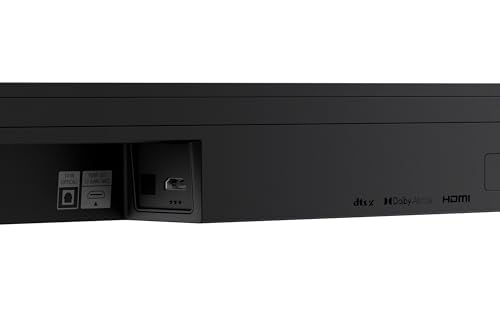
Both soundbars support the essential connections—HDMI eARC for high-quality audio from your TV, optical digital input for older TVs, and Bluetooth for wireless music streaming. However, they differ in their smart features and integration capabilities.
The Sony BRAVIA Theater Bar 6 shines in TV ecosystem integration, especially if you're already invested in Sony's BRAVIA lineup. The BRAVIA Connect app provides comprehensive control over sound settings, room calibration, and various listening modes. The manual room correction feature, while not as sophisticated as automatic systems in premium soundbars, still helps optimize performance for your specific space.
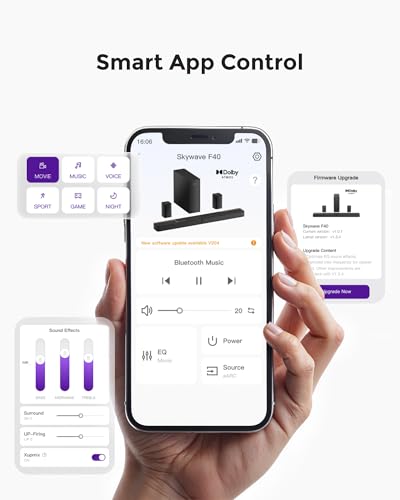
The Ultimea Skywave F40 takes a more democratized approach with its 10-band equalizer and 121 preset EQ matrices. This extensive customization capability appeals to audio enthusiasts who want to fine-tune their sound, though it might overwhelm casual users. The system also includes six specialized listening modes optimized for different content types—Movie, Music, Voice, Sport, Game, and Night modes.
From a connectivity standpoint, the Ultimea includes Bluetooth 5.4, which offers improved stability and lower latency compared to older Bluetooth versions. This makes it particularly well-suited for gaming or mobile device streaming where audio delay can be problematic.
Your room size significantly impacts which system will perform better. In smaller spaces—think studio apartments or compact bedrooms—the Sony BRAVIA Theater Bar 6 often makes more sense. Its compact design won't overwhelm the space, and virtual surround processing can create adequate immersion when you're sitting relatively close to the soundbar.
Medium-sized living rooms represent the sweet spot for the Ultimea Skywave F40. These spaces provide enough distance for discrete surround positioning to become apparent while still maintaining acoustic cohesion between the various speakers. The higher power output also has room to breathe without becoming overwhelming.
In larger rooms or open-concept spaces, the Ultimea's discrete channels and higher power output become essential. Virtual surround processing struggles to fill large spaces convincingly, and the Sony's more modest power output might leave you wanting more impact during dynamic scenes.
At the time of writing, these soundbars occupy different price tiers, which significantly impacts their value propositions. The Sony BRAVIA Theater Bar 6 commands a premium that reflects its refined processing, TV integration features, and Sony's brand reputation. You're paying for convenience, polish, and ecosystem benefits.
The Ultimea Skywave F40 delivers remarkable performance for significantly less money. When you consider that you're getting true 5.1.2 discrete surround sound with dedicated rear speakers at this price point, it represents exceptional value in the current market. However, that value comes with trade-offs in build quality, brand support, and integration features.
For budget-conscious buyers who prioritize audio performance above all else, the Ultimea offers compelling arguments. For users who value refinement, simplicity, and long-term support, the Sony's premium feels justified.
In dedicated home theater environments, the Ultimea Skywave F40 generally provides better immersion thanks to its discrete surround implementation. Movie nights become more engaging when effects truly surround you, and the higher power output ensures dynamic scenes maintain their impact.
For mixed-use living spaces where the TV pulls double duty for everything from morning news to Netflix binges, the Sony BRAVIA Theater Bar 6 offers more balanced performance across diverse content types. Its superior dialogue processing makes everyday TV watching more enjoyable, while the streamlined design integrates better into multipurpose rooms.
After extensive consideration, here's how I'd recommend approaching this decision:
Choose the Sony BRAVIA Theater Bar 6 if you own a Sony BRAVIA TV and want seamless integration, prioritize dialogue clarity for everyday content, prefer minimal setup complexity, or have space constraints that make rear speaker placement impractical. The premium price reflects genuine engineering refinement and convenience features that many users will appreciate.
Choose the Ultimea Skywave F40 if authentic surround immersion is your priority, you're working with a tighter budget but still want serious performance, you don't mind managing a multi-component setup, or your room size can accommodate discrete speakers effectively. The value proposition here is genuinely impressive for what you're getting.
Neither choice is wrong—they're just optimized for different priorities and situations. The Sony excels at making great sound effortless, while the Ultimea maximizes performance per dollar spent. Understanding which of these approaches better matches your needs, space, and budget will lead you to the right decision for your home theater setup.
| Sony BRAVIA Theater Bar 6 | Ultimea Skywave F40 |
|---|---|
| Channel Configuration - Determines surround sound authenticity | |
| 3.1.2 channels (5 speakers total, virtualized surround) | 5.1.2 channels (8 speakers total, discrete rear surrounds) |
| Total Power Output - Affects volume and bass impact | |
| 350W (adequate for most rooms) | 460W peak (more impactful for large spaces) |
| Surround Speaker Setup - Major convenience vs performance trade-off | |
| Virtual surround from soundbar only | Physical rear speakers require placement and wiring |
| Subwoofer Connection - Impacts installation flexibility | |
| Wireless 6-inch subwoofer | Wired 6.5-inch subwoofer with deeper bass extension |
| Dialogue Enhancement - Critical for clear speech | |
| Dedicated center channel + Clear Voice algorithms + Voice Zoom 3.0 | Standard center processing without specialized voice tech |
| Height Effects Implementation - Creates overhead Atmos experience | |
| 2 up-firing drivers with X-Balanced rectangular design | 2 up-firing drivers with neodymium magnets, integrated with rear channels |
| TV Integration Features - Convenience for daily use | |
| BRAVIA SYNC, BRAVIA Connect app, optimized for Sony TVs | Basic CEC support, ULTIMEA app with 10-band EQ |
| Connectivity Options - Determines source compatibility | |
| HDMI eARC, optical, Bluetooth (no Wi-Fi) | HDMI eARC, optical, USB, Bluetooth 5.4 |
| Room Size Recommendation - Matching power to space | |
| Small to medium rooms (under 300 sq ft) | Medium to large rooms (200-400+ sq ft) |
| Setup Complexity - Time investment vs audio quality | |
| Plug-and-play with wireless subwoofer | Multi-component setup with cable management required |
| Primary Strength - What each does best | |
| Seamless integration and refined dialogue clarity | Authentic surround immersion at exceptional value |
For dedicated home theater use, the Ultimea Skywave F40 provides superior immersion with its true 5.1.2 discrete surround sound system. The physical rear speakers create authentic surround effects that the Sony BRAVIA Theater Bar 6 can't match with its virtualized approach. However, if you prioritize dialogue clarity for movies and TV shows, the Sony BRAVIA Theater Bar 6 excels with its dedicated center channel and advanced voice processing.
The Sony BRAVIA Theater Bar 6 uses a 3.1.2 configuration with all main speakers in the soundbar itself, relying on virtual processing for surround effects. The Ultimea Skywave F40 features true 5.1.2 channels with physical rear speakers that you place behind your seating area, delivering more authentic surround sound positioning and immersion.
The Ultimea Skywave F40 delivers more powerful bass with 460W peak output and BassMX technology for room-shaking low-end impact. The Sony BRAVIA Theater Bar 6 offers 350W with more controlled, balanced bass response, though many users find the default subwoofer level needs adjustment for optimal performance.
While not absolutely necessary, the Ultimea Skywave F40's discrete rear speakers provide significantly better surround immersion than the Sony BRAVIA Theater Bar 6's virtual surround processing. If you want the most authentic Dolby Atmos experience and don't mind the setup complexity, physical rear speakers make a noticeable difference in spatial audio positioning.
The Sony BRAVIA Theater Bar 6 offers plug-and-play simplicity with just a soundbar and wireless subwoofer to position. The Ultimea Skywave F40 requires more complex installation with rear speaker placement and cable routing, but includes comprehensive mounting hardware to help with the setup process.
Both soundbars work well with any TV brand through HDMI eARC or optical connections. However, the Sony BRAVIA Theater Bar 6 offers enhanced integration features specifically for Sony BRAVIA TVs, while the Ultimea Skywave F40 provides universal compatibility without brand-specific advantages.
The Sony BRAVIA Theater Bar 6 performs well in small to medium rooms where its compact design won't overwhelm the space. The Ultimea Skywave F40 shines in medium to large rooms where discrete surround positioning becomes more apparent and the higher power output can fill the space effectively.
The Sony BRAVIA Theater Bar 6 excels at dialogue reproduction with its dedicated center channel speaker and Clear Voice algorithms. Sony TV owners also benefit from Voice Zoom 3.0 technology. While the Ultimea Skywave F40 handles dialogue adequately, it lacks the specialized voice processing technologies found in the Sony system.
The Sony BRAVIA Theater Bar 6 supports optional wireless rear surround speakers sold separately for true surround expansion. The Ultimea Skywave F40 already includes rear surround speakers in the package, providing a complete surround system out of the box without requiring additional purchases.
The Ultimea Skywave F40 offers exceptional value by delivering true 5.1.2 discrete surround sound at a budget-friendly price point. The Sony BRAVIA Theater Bar 6 commands a premium for its refined processing, TV integration features, and brand reputation, making it better value for users who prioritize convenience and polish over raw performance.
The Ultimea Skywave F40 features newer Bluetooth 5.4 for improved stability and lower latency, making it better for gaming and mobile streaming. The Sony BRAVIA Theater Bar 6 uses standard Bluetooth but focuses more on HDMI eARC integration and wireless subwoofer connectivity for seamless TV audio.
For beginners prioritizing simplicity, the Sony BRAVIA Theater Bar 6 offers easier setup and more refined default sound settings. If you want maximum audio performance and don't mind a more complex installation, the Ultimea Skywave F40 delivers superior surround immersion that will provide a more dramatic upgrade from basic TV speakers.
We've done our best to create useful and informative comparisons to help you decide what product to buy. Our research uses advanced automated methods to create this comparison and perfection is not possible - please contact us for corrections or questions. These are the sites we've researched in the creation of this article: rtings.com - bestbuy.com - whathifi.com - youtube.com - youtube.com - sony.com - galaxus.at - helpguide.sony.net - audioadvice.com - electronics.sony.com - youtube.com - youtube.com - electronics.sony.com - helpguide.sony.net - whatgear.net - consumerreports.org - the-gadgeteer.com - youtube.com - ultimea.com - manuals.plus - youtube.com - ultimea.com - youtube.com - youtube.com - youtube.com - youtube.com - eu.ultimea.com - support.ultimea.com

Privacy Policy
Terms and Conditions - Affiliate Policy
Home Security
© Copyright 2008-2026.
11816 Inwood Rd #1211, Dallas, TX 75244