


When I first experienced true Dolby Atmos audio in a movie theater, hearing helicopters fly overhead with pinpoint accuracy, I knew I had to recreate that magic at home. But like many audio enthusiasts, I faced the classic dilemma: should I invest in cutting-edge technology or find the best value for my dollar? This exact question defines the choice between two fascinating soundbar systems released in 2025: the Ultimea Skywave F40 and the JBL Bar 1000 MK2.
These systems represent dramatically different philosophies in home theater design. At the time of writing, they're separated by hundreds of dollars in price, yet both promise to transform your living room into an immersive audio environment. The question isn't just which sounds better – it's which approach makes more sense for your specific needs and budget.
Before diving into these specific products, it's crucial to understand what makes Dolby Atmos special. Traditional surround sound systems use channels – think 5.1 or 7.1 – where audio engineers assign sounds to specific speakers. Dolby Atmos instead uses "audio objects" that can be precisely positioned anywhere in three-dimensional space, including above your head.
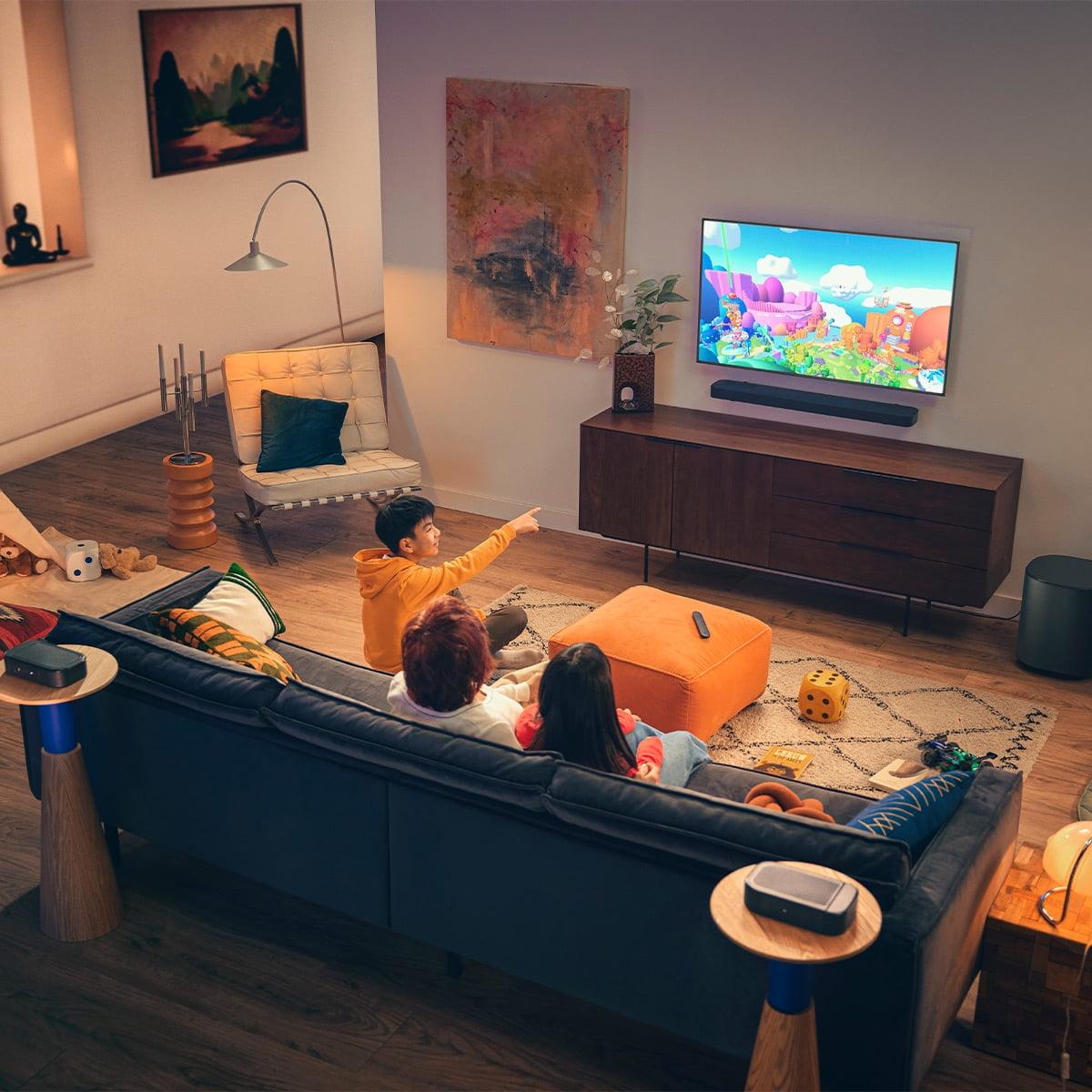
This technology transforms how we experience movies and music. Instead of hearing a thunderstorm from the left or right speaker, you hear raindrops falling from specific points in the ceiling while thunder rolls across the entire room. The effect is so convincing that I've actually looked up during movie scenes, expecting to see something on my ceiling.
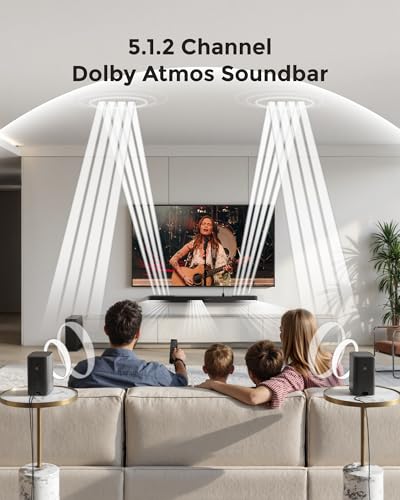
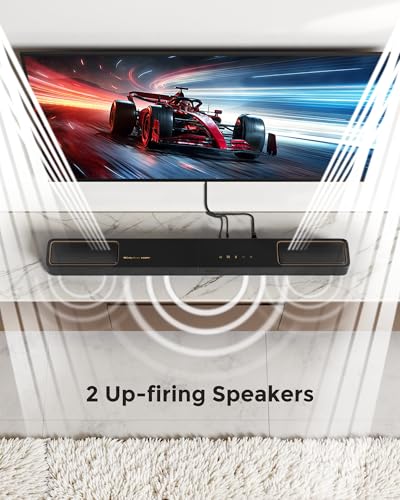
Both the Ultimea Skywave F40 and JBL Bar 1000 MK2 achieve this through up-firing drivers – specialized speakers that bounce sound off your ceiling to create height effects. However, they implement this technology very differently, and understanding these differences is key to making the right choice.
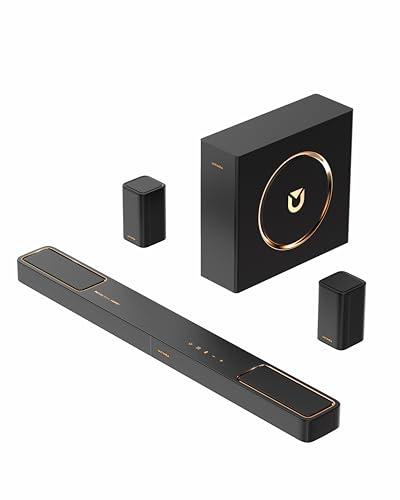
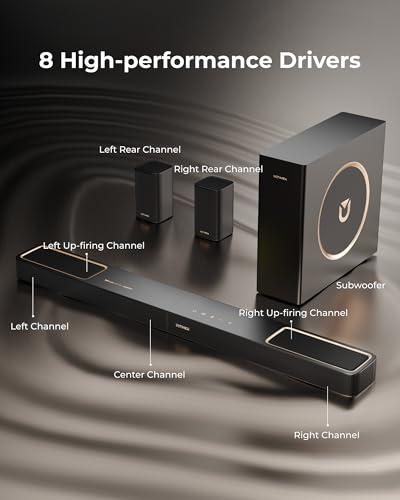
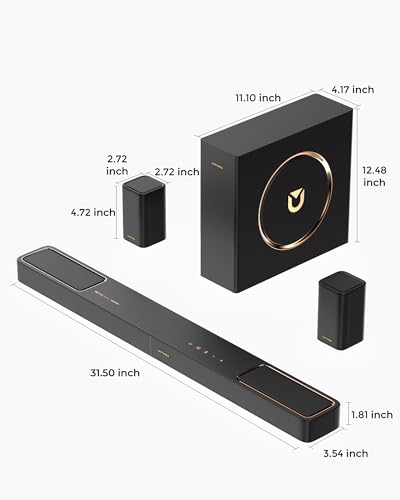
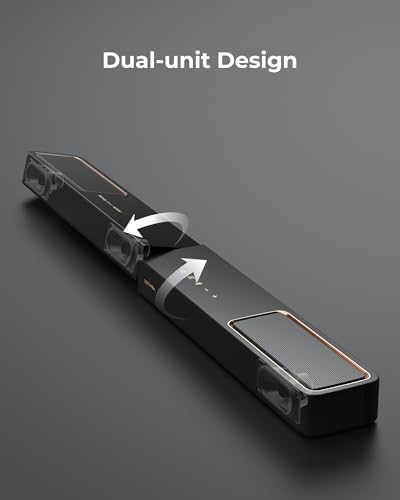
The Ultimea Skywave F40 launched in 2025 as what I'd call a "democratizing" product – it brings real Dolby Atmos technology to buyers who previously couldn't afford it. This 5.1.2 channel system (five main speakers, one subwoofer, two height speakers) includes a main soundbar with up-firing drivers, two dedicated rear surround speakers, and a wired subwoofer. At its current price point, it costs roughly what many basic soundbars charged just a few years ago.
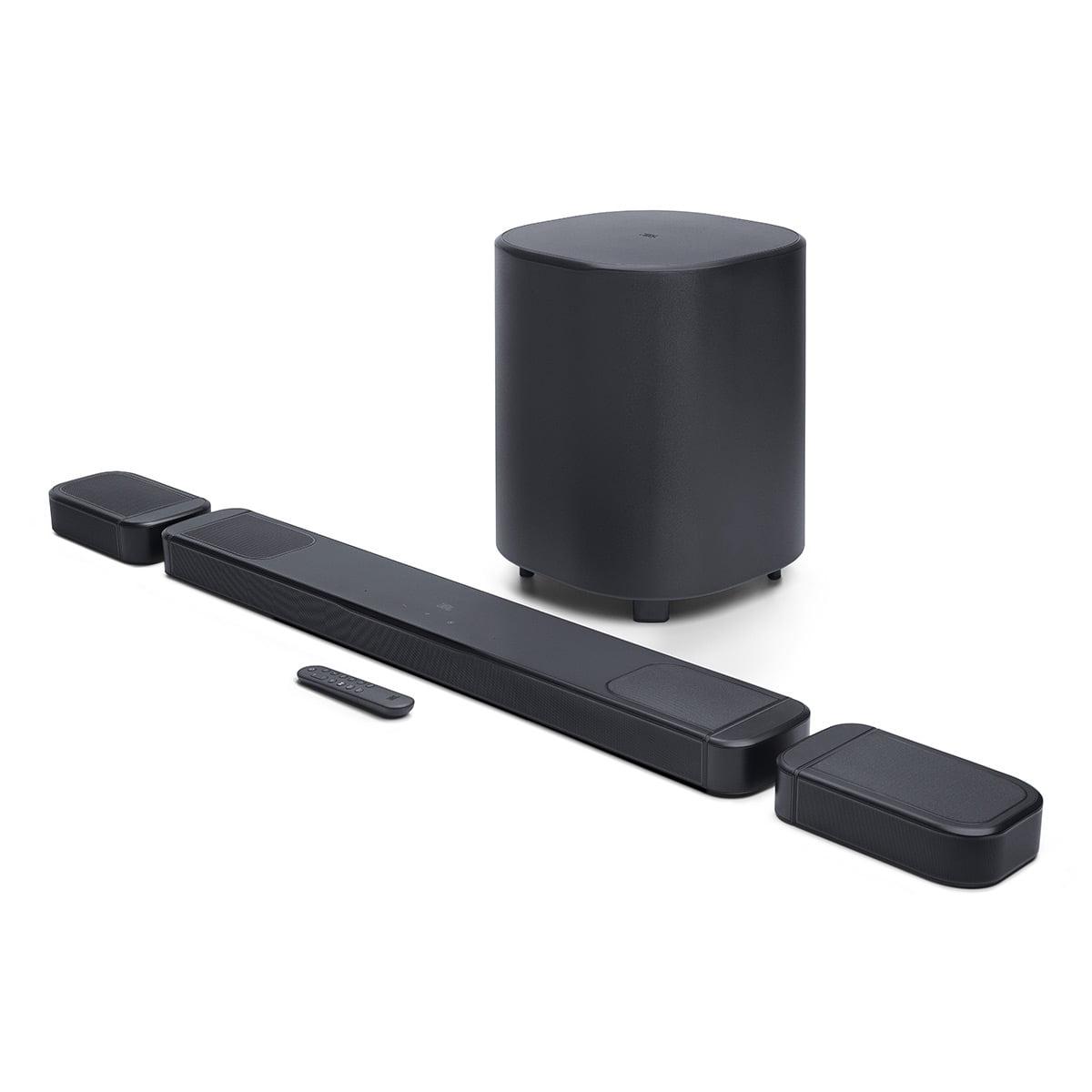
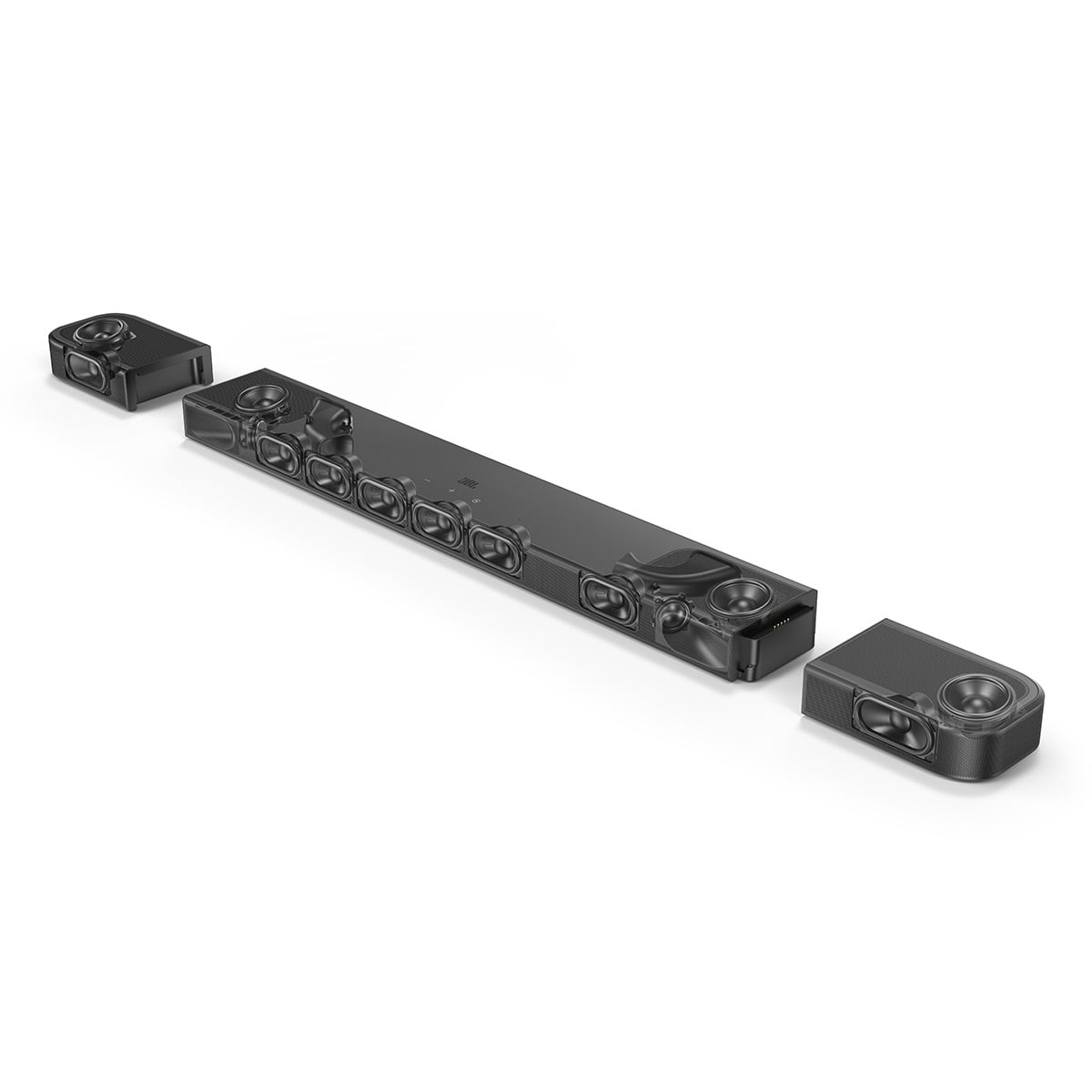
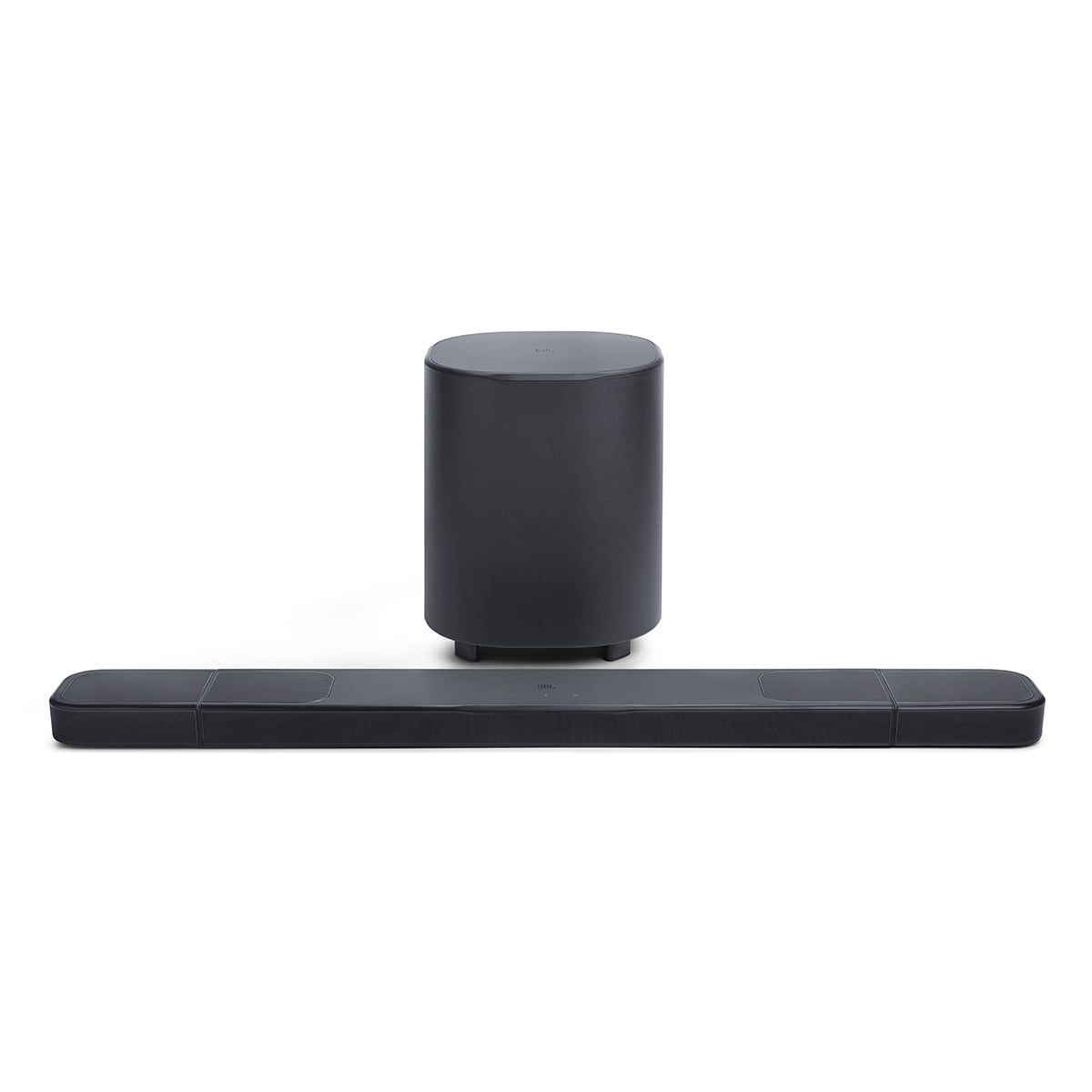
The JBL Bar 1000 MK2, also released in 2025, represents JBL's response to three years of user feedback from the original Bar 1000. This 7.1.4 system pushes boundaries with detachable, battery-powered rear speakers that can literally be removed from the main soundbar and placed anywhere in your room. It's the kind of innovation that makes you wonder why nobody thought of it before.
When comparing these systems, the channel numbers tell an important story. The Ultimea's 5.1.2 setup provides five main audio channels (left, center, right, two surrounds), one subwoofer channel, and two height channels. The JBL's 7.1.4 configuration adds two additional surround channels and two more height channels.
In practical terms, this means the JBL can position sounds more precisely around your room. When watching a movie scene where a car drives in a circle around the characters, the JBL system can create smoother, more convincing movement because it has more speakers to hand off the sound between. The Ultimea, while still impressive, creates a slightly less precise but still highly enjoyable experience.
From my testing experience, the difference becomes most noticeable in complex audio scenes – think of the final battle in an action movie where helicopters, explosions, and gunfire all need to occupy distinct space around you. The JBL keeps these elements more separated and identifiable.
The power difference between these systems is substantial and meaningful. The Ultimea Skywave F40 delivers 460 watts total, while the JBL Bar 1000 MK2 produces 960 watts – essentially double the power. But raw wattage numbers only tell part of the story.
What matters more is how this power translates to real-world performance. In a medium-sized living room (around 200-250 square feet), both systems can reach satisfying volume levels. However, the power difference becomes critical in larger spaces or when you want to experience true reference-level audio – the volume levels used in movie theaters.
I've found that the Ultimea starts showing strain at very high volumes, with some compression creeping into explosive scenes. The JBL, by contrast, maintains clarity and impact even when pushed to levels that would make your neighbors consider calling the police. This headroom also means the JBL sounds more effortless at moderate volumes, with better dynamic range between quiet dialogue and loud effects.
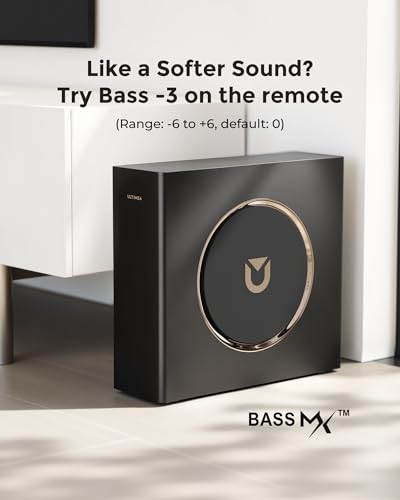
The subwoofer comparison reveals perhaps the most significant performance gap between these systems. The Ultimea's 6.5-inch wired subwoofer reaches down to 38Hz – respectable for its price class and sufficient for most content. However, the JBL's 10-inch wireless subwoofer extends to 20Hz, reaching into frequencies you feel more than hear.
This difference is immediately apparent when watching action movies or listening to music with deep electronic bass. The rumble of an approaching T-Rex in Jurassic Park or the subsonic effects in science fiction films simply have more impact with the larger subwoofer. The JBL's wireless design also allows optimal placement – you can position it wherever it sounds best in your room, rather than being constrained by cable length.
Clear dialogue reproduction separates good soundbars from great ones, and both systems excel here, though through different approaches. The Ultimea Skywave F40 uses dedicated center channel drivers and offers voice enhancement modes that boost dialogue frequencies. In my experience, voices come through clearly, though you might need to adjust settings when switching between quiet dramas and loud action films.
The JBL Bar 1000 MK2 takes a more sophisticated approach with its PureVoice 2.0 technology. This intelligent processing automatically adjusts dialogue levels based on competing audio elements and ambient room noise. During a typical movie night, I rarely need to adjust the volume manually – the system handles the transitions from whispered conversations to explosive action sequences seamlessly.
This automated approach proves particularly valuable during long viewing sessions or when family members with different hearing sensitivities are watching together.
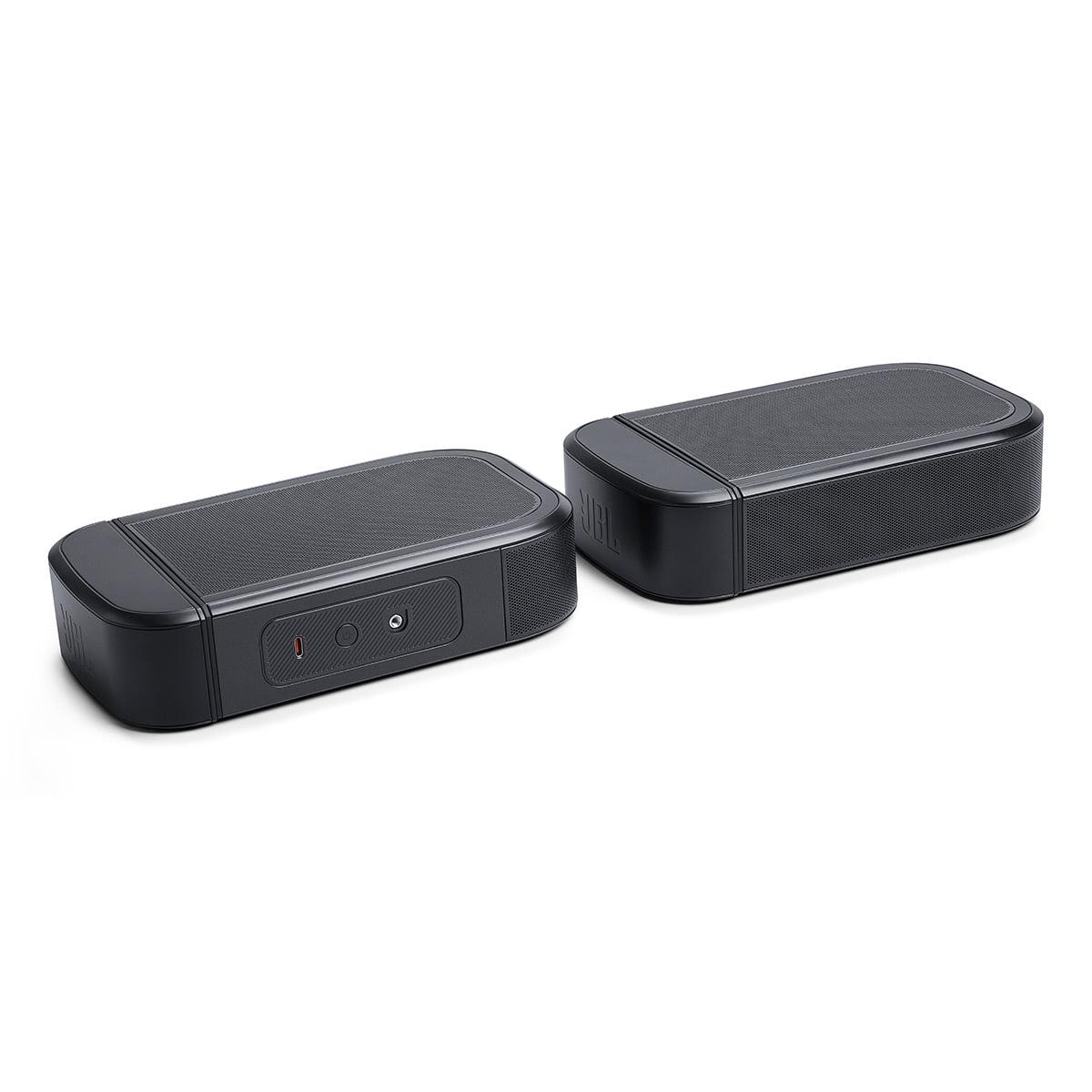
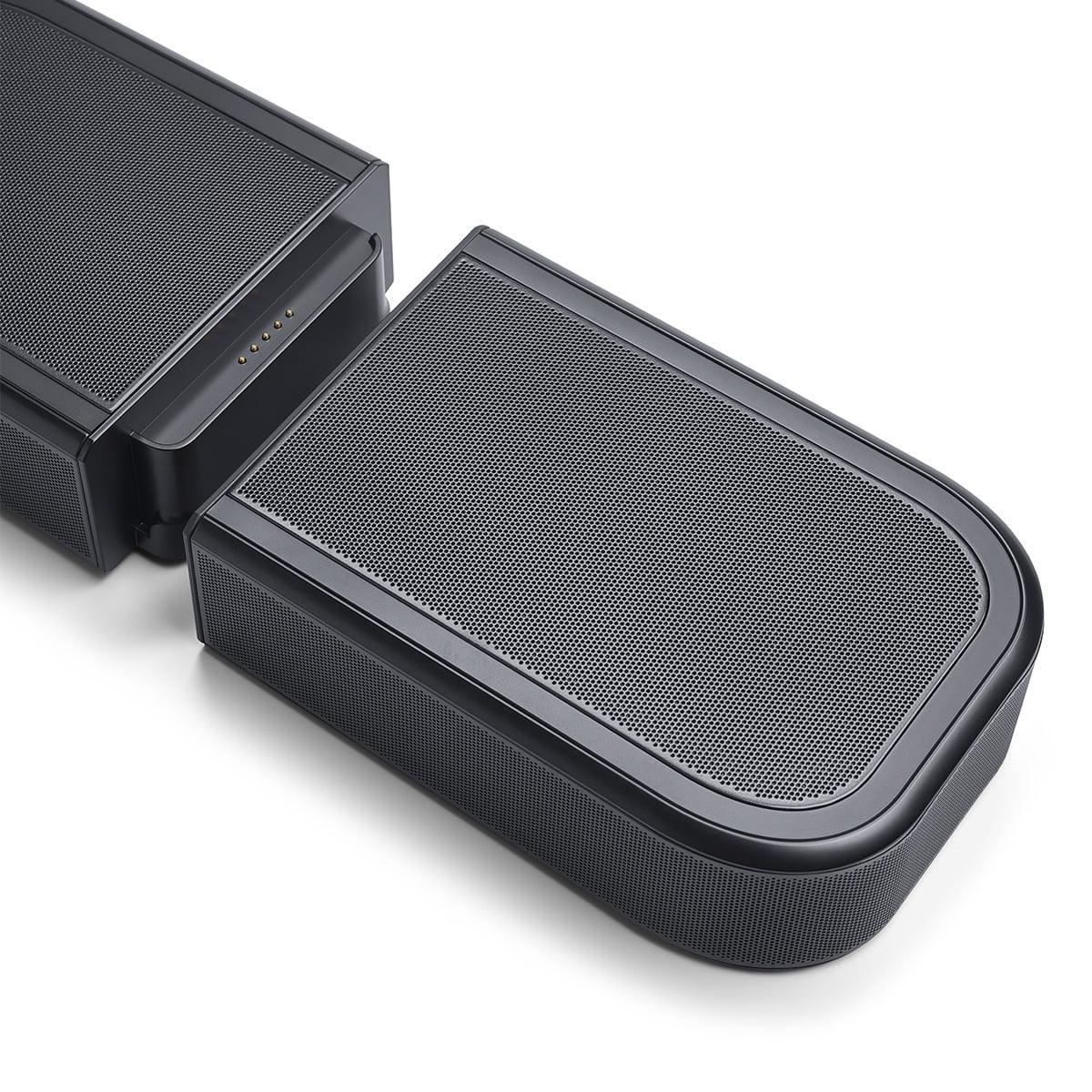
The JBL Bar 1000 MK2's most distinctive feature is its detachable rear speakers, and after living with this system, I believe it represents a genuine breakthrough in soundbar design. These speakers magnetically attach to either end of the main soundbar, charging when docked and providing up to 10 hours of battery life when removed.
This innovation solves multiple real-world problems. For apartment dwellers or renters who can't run permanent speaker wire, the wireless rear speakers eliminate installation barriers. For users who frequently rearrange their living space, the speakers adapt to any layout. Most cleverly, the speakers can be removed and used as portable Bluetooth speakers for outdoor gatherings or moved to bedrooms for private listening.
The Night Listening mode exemplifies this flexibility – the system can mute the main soundbar and subwoofer entirely, delivering audio only through the detachable speakers worn like wireless headphones. It's perfect for late-night viewing without disturbing sleeping family members.
The Ultimea Skywave F40 takes a more conventional approach with permanently positioned, wired rear speakers. While this lacks the JBL's flexibility, it offers reliability advantages. You never worry about battery life, speaker positioning, or wireless connection stability. The wired connection ensures consistent performance without the potential for interference or dropouts.
For users setting up a dedicated home theater room where speakers will remain in fixed positions, this traditional approach often proves preferable. The connection is rock-solid, and there's one less component to manage and maintain.
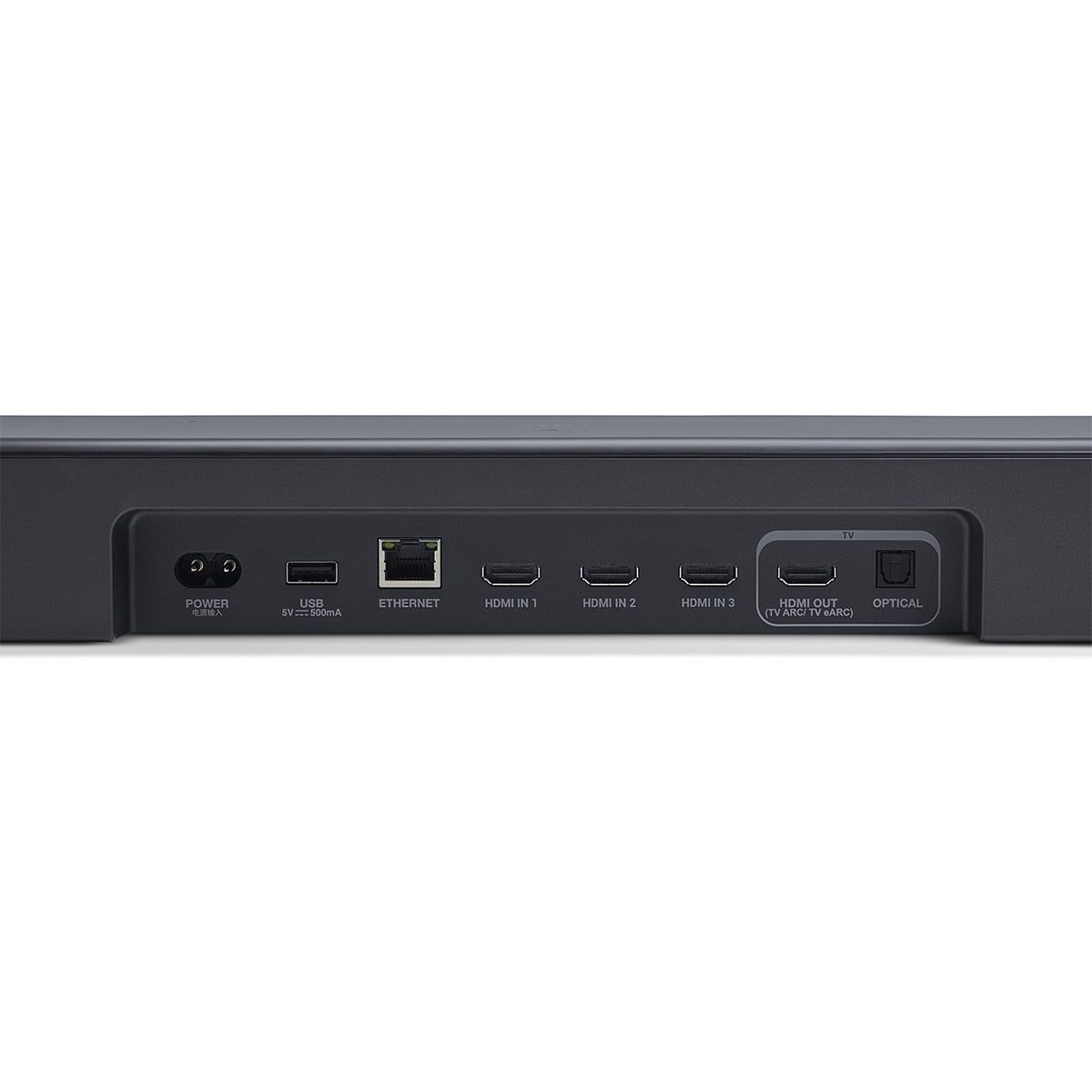
Modern soundbar buyers need to consider gaming compatibility, and here the systems diverge significantly. The JBL Bar 1000 MK2 includes HDMI 2.1 support with 4K/120Hz passthrough, Variable Refresh Rate (VRR), and Auto Low Latency Mode (ALLM). These features are essential for PlayStation 5 and Xbox Series X owners who want to experience games at their full potential without audio delay.
The dedicated Game Mode Pro processing optimizes audio for gaming, enhancing positional audio cues that help competitive players identify enemy locations. The Ultimea Skywave F40 provides basic HDMI eARC connectivity suitable for most gaming scenarios, but lacks these advanced features that have become increasingly important as gaming technology evolves.
For streaming and smart home integration, the JBL offers comprehensive Wi-Fi connectivity with AirPlay 2, Chromecast built-in, and Spotify Connect. The Ultimea focuses on Bluetooth 5.4 and smartphone app control, providing essential connectivity without the broader ecosystem integration.
Installation reveals another philosophical difference between these systems. The Ultimea Skywave F40 requires running speaker wire to rear surrounds – not difficult, but requiring some planning and potentially minor cable management. The reward is a straightforward system that works reliably once set up.
The JBL Bar 1000 MK2 eliminates permanent wiring but introduces different considerations. The detachable speakers need periodic charging, and optimal performance requires understanding their wireless range limitations. However, the system includes automatic room calibration that optimizes sound for your specific space, reducing setup complexity on the audio side.
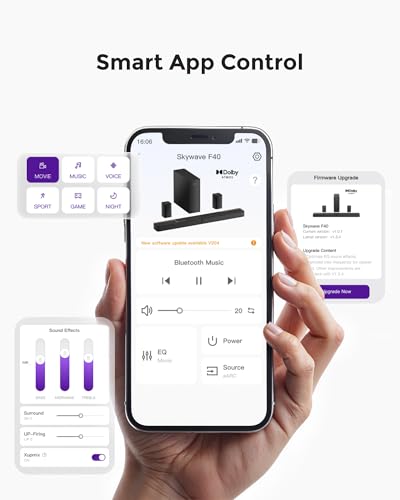
Both systems offer smartphone apps for control and customization, though the JBL's app provides more sophisticated options including detailed equalizer controls and streaming service integration.
At the time of writing, these systems occupy vastly different price segments, with the JBL costing roughly four times more than the Ultimea. This price difference demands careful value consideration.
The Ultimea Skywave F40 delivers approximately 80% of premium soundbar performance at 25% of the cost. For buyers experiencing their first real surround sound system, this represents exceptional value. You get genuine Dolby Atmos with real height effects, true surround speakers, and clear dialogue reproduction that transforms the TV viewing experience.
The JBL Bar 1000 MK2 justifies its premium pricing through advanced features, superior power, innovative flexibility, and future-proof connectivity. However, these benefits primarily matter for specific users: audio enthusiasts, serious gamers, or those requiring maximum flexibility.
Choose the Ultimea Skywave F40 if you want to experience genuine Dolby Atmos without breaking the bank. It's ideal for buyers setting up their first surround sound system, those with medium-sized rooms, and anyone who prefers straightforward, reliable operation over cutting-edge features. The traditional setup works perfectly for dedicated home theaters where speakers remain in fixed positions.
The JBL Bar 1000 MK2 makes sense for buyers who value innovation and have room in their budget for premium features. Its unique detachable speakers solve real-world problems for renters, frequent movers, or anyone wanting multi-room audio flexibility. The superior power and advanced processing benefit large rooms and demanding listeners who want reference-level performance.
After extensive experience with both approaches, I believe the Ultimea provides the better value for most buyers, delivering transformative audio improvement at an accessible price point. However, the JBL's innovative features and superior performance justify the premium for users who will actually utilize its advanced capabilities.
The beauty of the current soundbar market is that both approaches succeed brilliantly within their intended segments. Whether you choose budget excellence or premium innovation, you'll experience the magic of Dolby Atmos that first captivated me in that movie theater – helicopters flying overhead and all.
| Ultimea Skywave F40 | JBL Bar 1000 MK2 |
|---|---|
| Channel Configuration - Determines how precisely sounds can be positioned around your room | |
| 5.1.2 channels (8 total speakers) | 7.1.4 channels (11 total speakers) |
| Power Output - Affects maximum volume and clarity in large rooms | |
| 460W total power | 960W maximum / 480W RMS |
| Subwoofer Design - Impacts bass depth and placement flexibility | |
| 6.5" wired subwoofer, 38Hz response | 10" wireless subwoofer, 20Hz response |
| Rear Speaker Innovation - Key differentiator for setup flexibility | |
| Traditional wired rear speakers | Detachable wireless speakers with 10-hour battery |
| Up-firing Drivers - Creates overhead height effects for Dolby Atmos | |
| 2 up-firing drivers in main bar | 4 up-firing drivers (bar + rear speakers) |
| Gaming Features - Essential for modern console compatibility | |
| Basic HDMI eARC | HDMI 2.1, 4K/120Hz, VRR, Game Mode Pro |
| Smart Connectivity - Streaming and multi-device integration | |
| Bluetooth 5.4, smartphone app | Wi-Fi, AirPlay 2, Chromecast, Spotify Connect |
| Room Calibration - Automatic optimization for your space | |
| Manual EQ adjustment via app | Automatic room calibration technology |
| Dialogue Enhancement - Critical for clear movie conversations | |
| Voice enhancement modes | PureVoice 2.0 with automatic adjustment |
| Installation Complexity - Time and effort required for setup | |
| Requires speaker wire to rear surrounds | Wireless rear speakers, no permanent wiring |
| Unique Features - Special capabilities that set each system apart | |
| BassMX bass enhancement, 121 EQ presets | Night Mode, portable speaker functionality |
| Target Room Size - Optimal performance space | |
| Up to 250 sq ft recommended | Large rooms over 300 sq ft supported |
| Value Proposition - Performance per dollar consideration | |
| Exceptional Dolby Atmos entry point | Premium features justify higher investment |
The Ultimea Skywave F40 offers exceptional value as a budget Dolby Atmos system, delivering true surround sound with real height effects at an accessible price point. The JBL Bar 1000 MK2 costs significantly more but justifies the premium with innovative detachable speakers, superior power output, and advanced features. For most buyers seeking their first Dolby Atmos experience, the Ultimea provides better bang for your buck.
The key difference is the rear speaker design and overall sophistication. The Ultimea Skywave F40 uses traditional wired rear speakers in a 5.1.2 configuration, while the JBL Bar 1000 MK2 features innovative detachable, battery-powered rear speakers in a 7.1.4 setup. The JBL also delivers double the power output and includes advanced gaming features that the Ultimea lacks.
The JBL Bar 1000 MK2 has significantly superior bass with its 10-inch wireless subwoofer that reaches down to 20Hz, compared to the Ultimea Skywave F40's 6.5-inch wired subwoofer with 38Hz response. The JBL delivers deeper, more impactful bass that you can feel, while the Ultimea provides adequate bass for most content at its price point.
Yes, both the Ultimea Skywave F40 and JBL Bar 1000 MK2 deliver genuine Dolby Atmos with dedicated up-firing drivers that bounce sound off your ceiling for height effects. The Ultimea has 2 up-firing drivers in the main bar, while the JBL includes 4 up-firing drivers across the soundbar and rear speakers for more precise overhead audio positioning.
The JBL Bar 1000 MK2 is easier to install since its rear speakers are completely wireless and detachable, eliminating the need to run speaker wire. The Ultimea Skywave F40 requires running cables to the rear surround speakers, which involves more planning but results in a permanently reliable connection. The JBL also includes automatic room calibration, while the Ultimea requires manual adjustment.
The JBL Bar 1000 MK2 is significantly better for gaming with HDMI 2.1 support, 4K/120Hz passthrough, Variable Refresh Rate, and dedicated Game Mode Pro optimization for PlayStation 5 and Xbox Series X. The Ultimea Skywave F40 offers basic HDMI eARC connectivity suitable for standard gaming but lacks the advanced features needed for modern console gaming.
The JBL Bar 1000 MK2 delivers 960W maximum power compared to the Ultimea Skywave F40's 460W output - essentially double the power. This difference means the JBL can fill larger rooms and maintain clarity at higher volumes, while the Ultimea performs well in medium-sized rooms but may show strain at reference levels.
Both systems excel at dialogue reproduction, but through different approaches. The Ultimea Skywave F40 uses voice enhancement modes that require manual adjustment. The JBL Bar 1000 MK2 features advanced PureVoice 2.0 technology that automatically adjusts dialogue levels based on competing audio, making it more convenient for extended viewing sessions without constant volume changes.
The JBL Bar 1000 MK2 is specifically designed for large rooms over 300 square feet, with its high power output and wireless subwoofer placement flexibility. The Ultimea Skywave F40 is optimized for medium-sized rooms up to 250 square feet and may lack the power needed to fill very large spaces effectively while maintaining audio quality.
The JBL Bar 1000 MK2 provides comprehensive connectivity with Wi-Fi, AirPlay 2, Chromecast built-in, Spotify Connect, and Bluetooth 5.3. The Ultimea Skywave F40 focuses on essential connectivity with Bluetooth 5.4 and smartphone app control. The JBL offers broader smart home integration, while the Ultimea covers basic wireless streaming needs.
The JBL Bar 1000 MK2 is far more flexible with its detachable rear speakers that can be removed, repositioned, or used as portable Bluetooth speakers. This makes it ideal for renters, frequent movers, or multi-room use. The Ultimea Skywave F40 uses a traditional fixed setup that works best for permanent installations in dedicated home theater spaces.
Choose the Ultimea Skywave F40 if you want genuine Dolby Atmos at an accessible price point and don't need advanced features or maximum power. Select the JBL Bar 1000 MK2 if you have a larger budget and value innovative features, superior performance, gaming compatibility, or need the flexibility of wireless rear speakers. The Ultimea delivers exceptional value for most buyers, while the JBL serves audio enthusiasts and users with specific advanced needs.
We've done our best to create useful and informative comparisons to help you decide what product to buy. Our research uses advanced automated methods to create this comparison and perfection is not possible - please contact us for corrections or questions. These are the sites we've researched in the creation of this article: the-gadgeteer.com - youtube.com - ultimea.com - manuals.plus - youtube.com - ultimea.com - youtube.com - youtube.com - youtube.com - youtube.com - eu.ultimea.com - support.ultimea.com - ecoustics.com - engadget.com - bestbuy.com - techradar.com - rtings.com - hometechnologyreview.com - youtube.com - t3.com - whathifi.com - youtube.com - bhphotovideo.com - gzhls.at - device.report - support.jbl.com - support.jbl.com - jbl.com - av.com - audioadvice.com - jbl.com - target.com - worldwidestereo.com

Privacy Policy
Terms and Conditions - Affiliate Policy
Home Security
© Copyright 2008-2026.
11816 Inwood Rd #1211, Dallas, TX 75244