

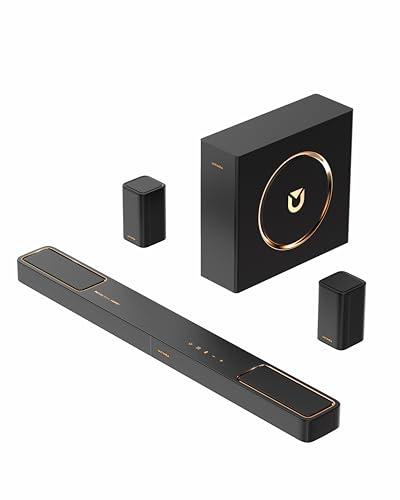

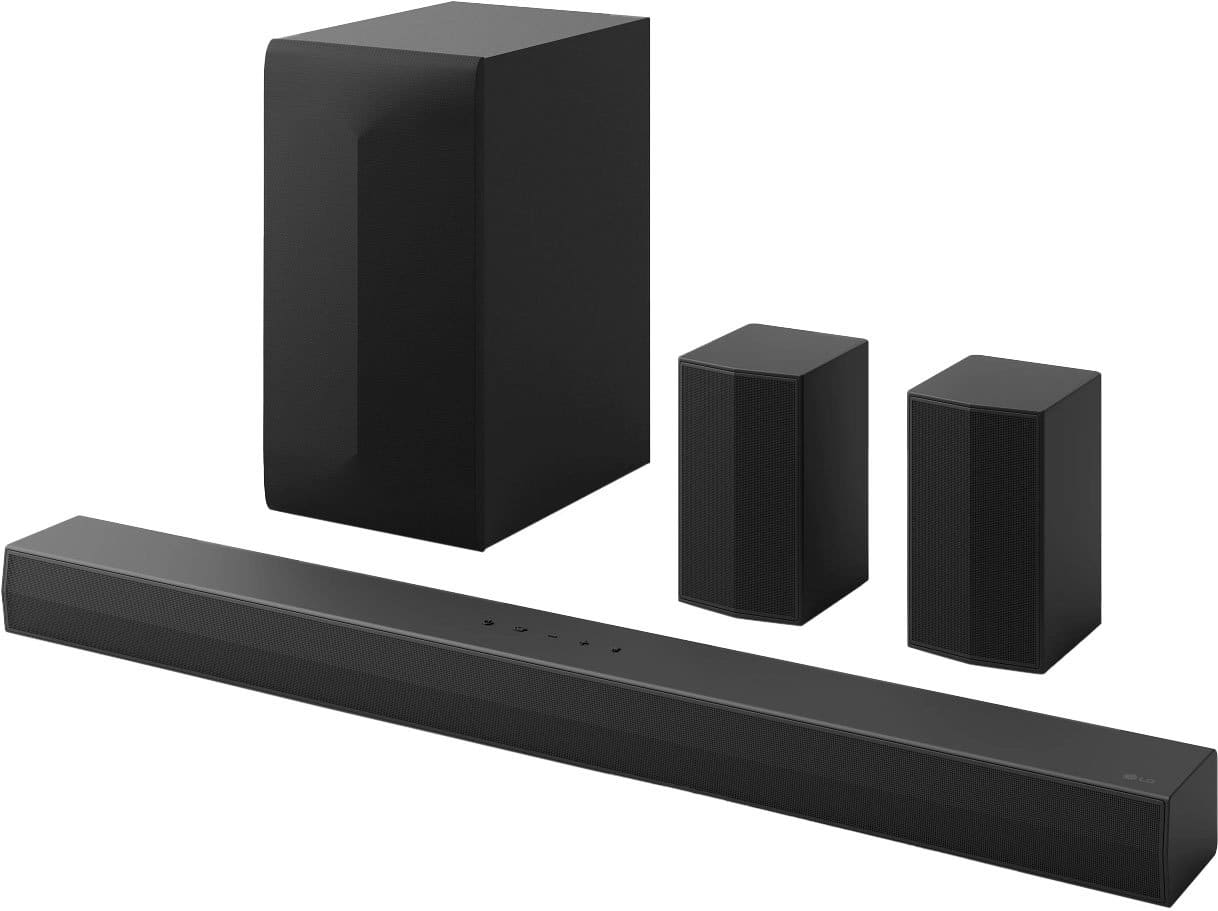
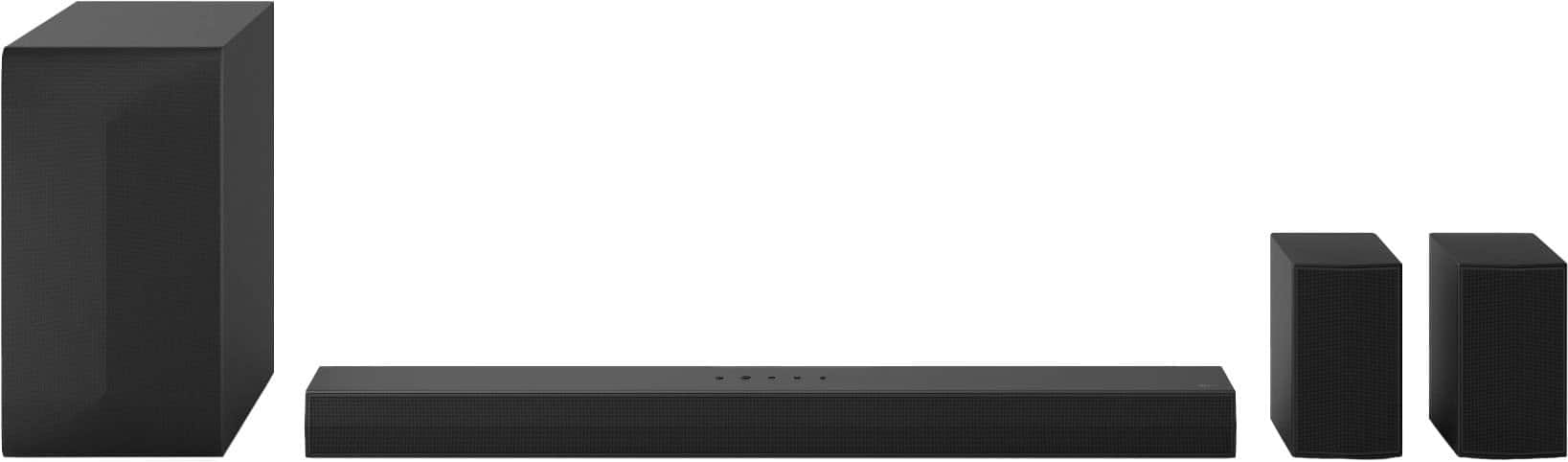
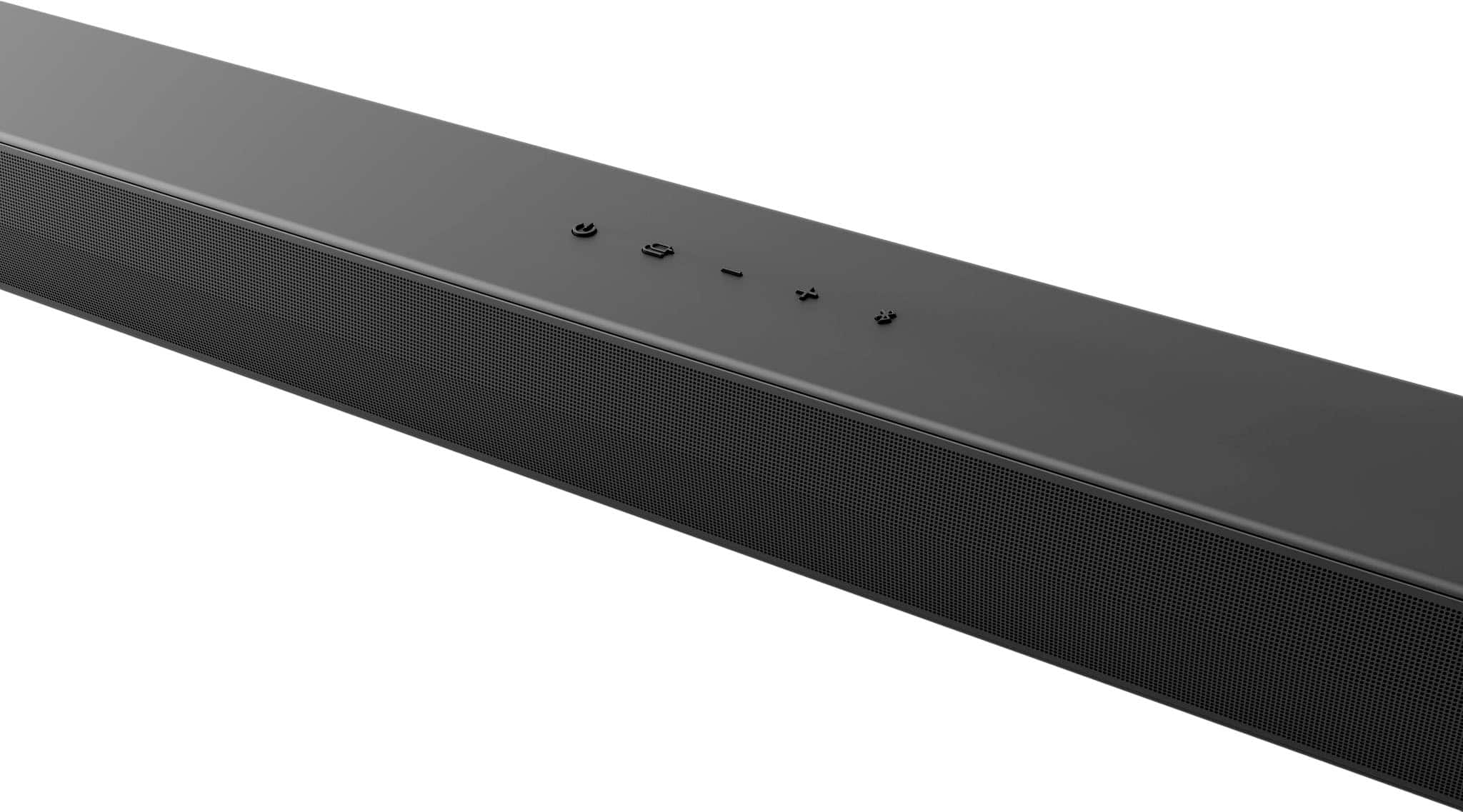


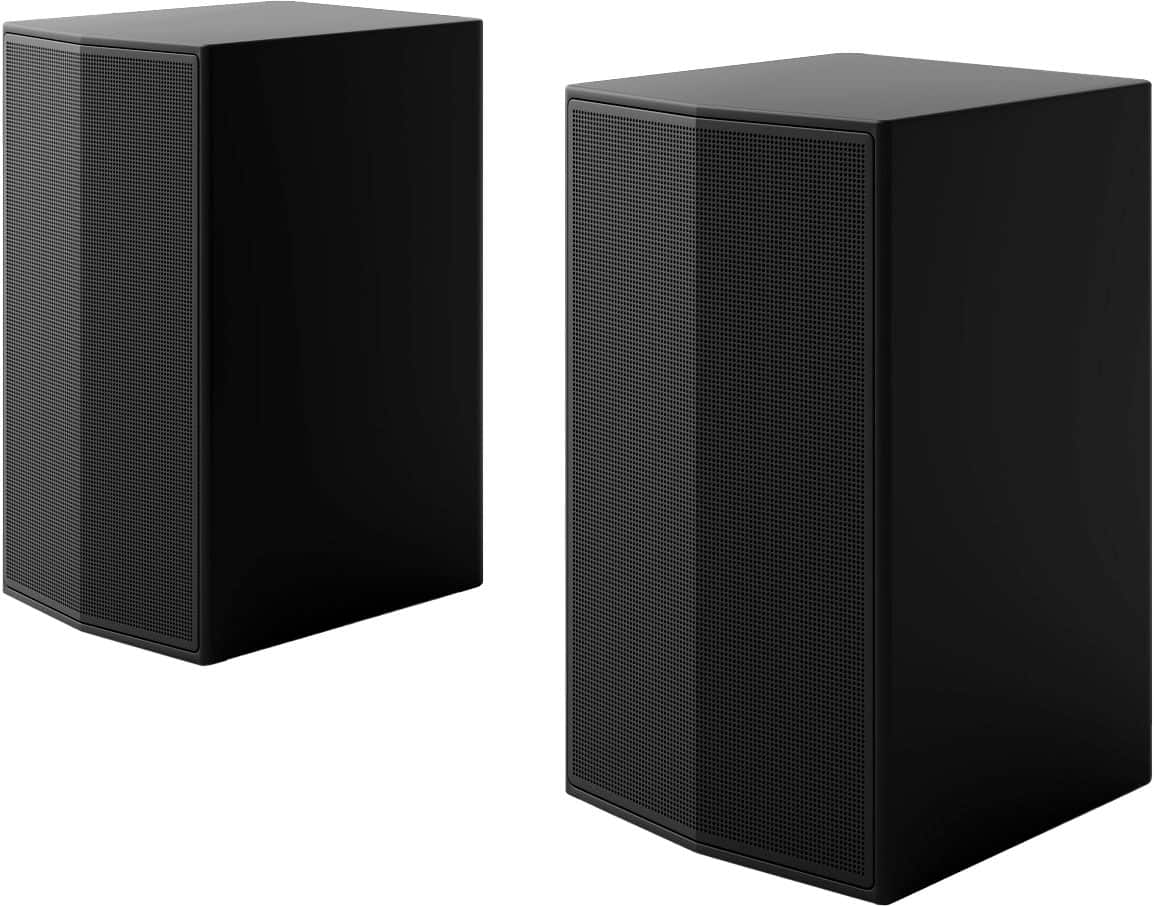
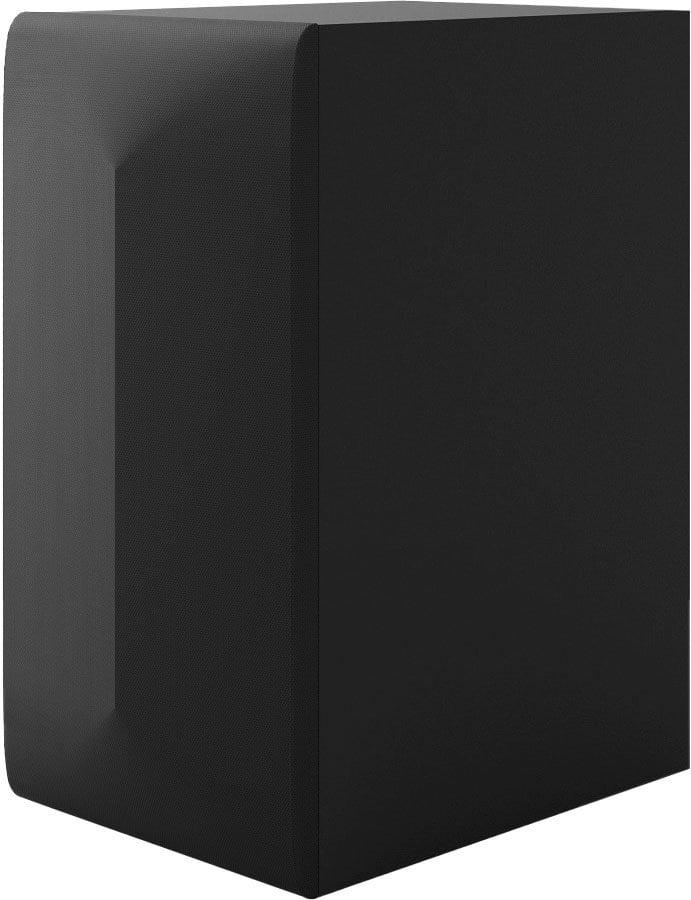
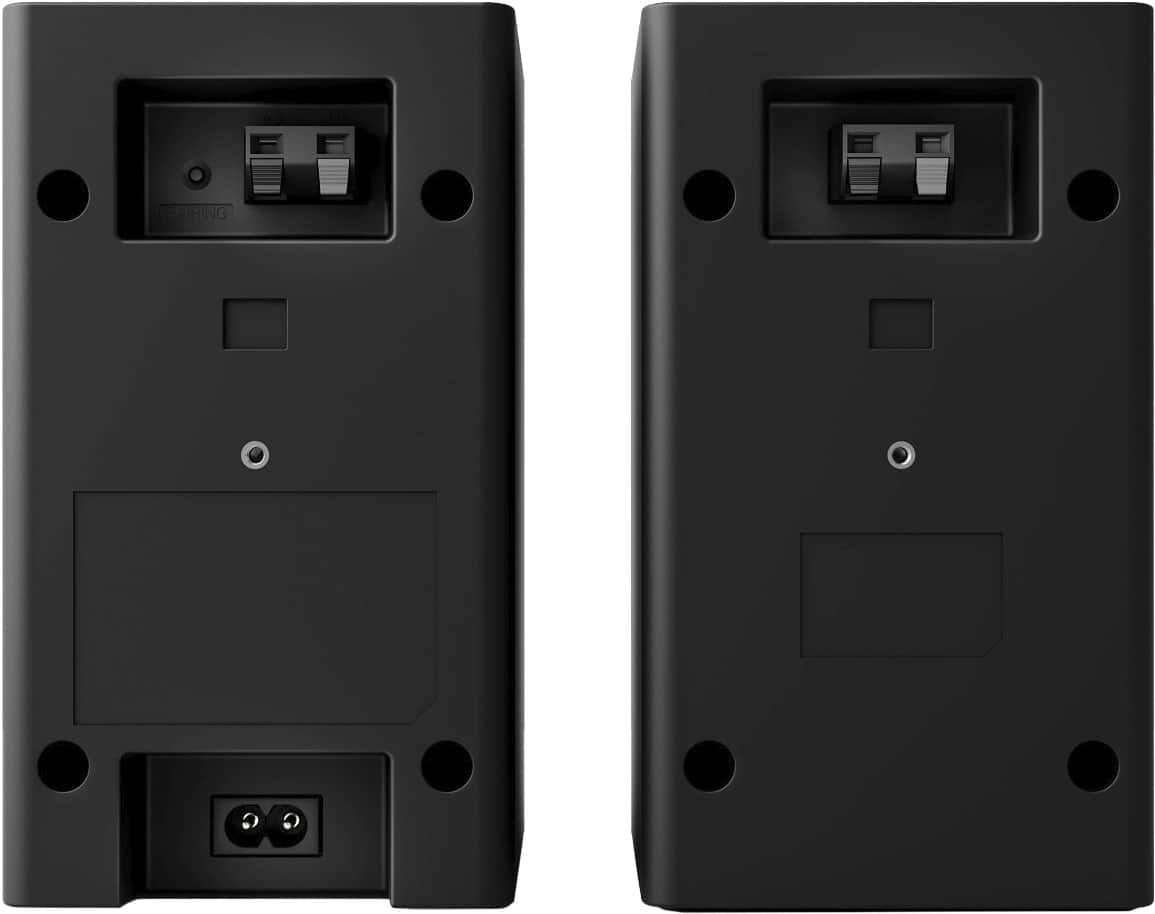

When it comes to upgrading your TV's audio, the mid-range soundbar market offers some compelling choices that can transform your living room into a genuine home theater experience. Two standout options that have caught my attention are the Ultimea Skywave F40 and the LG S60TR, both representing different philosophies in how to deliver immersive surround sound at similar price points.
At the time of writing, both systems compete in the $250-350 range, making this a direct comparison of features and performance rather than simply choosing the cheaper option. The real question becomes: do you want cutting-edge audio technology or proven reliability with intelligent optimization?
The soundbar market has evolved dramatically since 2020. What used to be a choice between basic stereo soundbars and expensive full home theater systems now includes sophisticated options that deliver true surround sound without running speaker wires throughout your room. The key advancement has been the integration of Dolby Atmos technology—which creates overhead audio effects—into affordable consumer products.
When shopping in this category, you're essentially choosing between two approaches: traditional 5.1 surround sound that focuses on proven performance, or newer Dolby Atmos systems that add height channels for three-dimensional audio. Both the Ultimea Skywave F40 and LG S60TR excel in their respective approaches, but they serve different types of users.
The most important considerations in this price range include audio technology (how the system processes and delivers sound), setup complexity (how difficult it is to get optimal performance), room compatibility (how well it works in your specific space), and future-proofing (whether it will support new audio formats as they emerge).
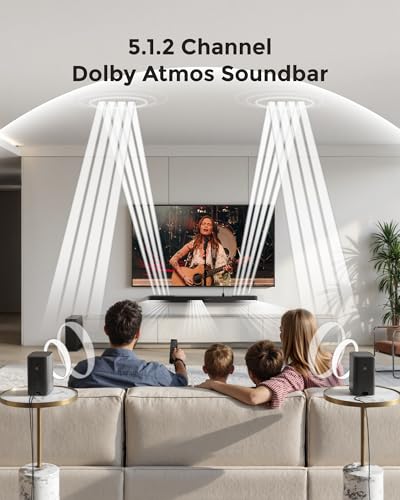
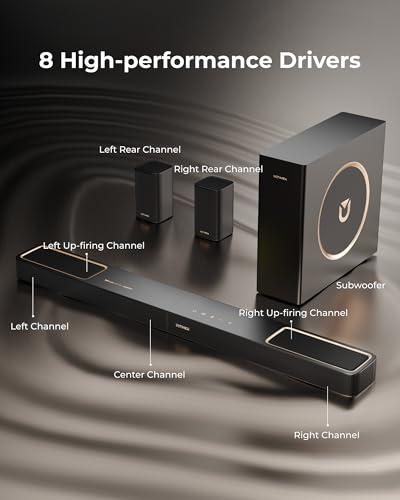
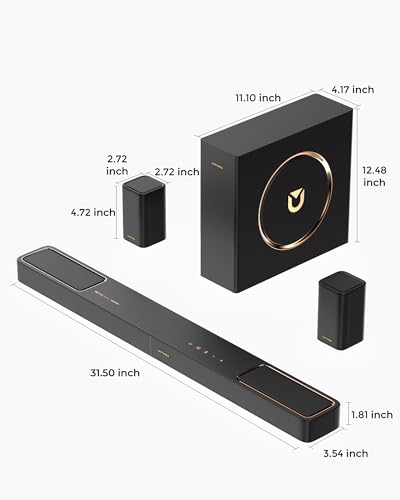
The Ultimea Skywave F40 represents the new generation of soundbar technology with its 5.1.2 Dolby Atmos configuration. That "5.1.2" designation tells you everything: five main channels (front left, center, front right, plus two rear speakers), one subwoofer, and two height channels that fire sound upward to bounce off your ceiling.
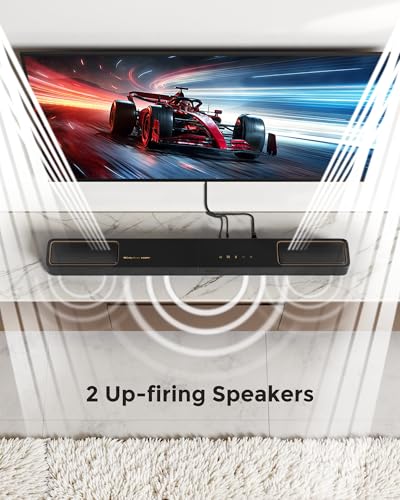
This upfiring technology is genuinely impressive when it works well. Instead of sound coming at you horizontally like traditional speakers, Dolby Atmos creates a bubble of audio around you. When you're watching a movie and a helicopter flies overhead, you'll actually hear it above you. Rain sounds like it's falling from the sky, not just from speakers in front of you.
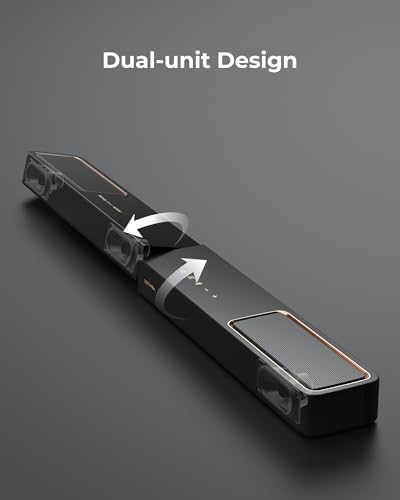
The F40 achieves this through dedicated upfiring drivers equipped with neodymium magnets and specialized voice coils. These aren't just regular speakers pointed at the ceiling—they're engineered specifically to create precise height effects. Ultimea's proprietary SurroundX technology works with these upfiring drivers to build what they call a "360-degree sound field."
What sets the F40 apart is its Xupmix technology, powered by Dolby DAP (Digital Audio Processing). This feature can take regular stereo content—like standard TV shows or older movies—and create surround sound effects with the touch of a button. It's not true Dolby Atmos when you're upmixing regular content, but it does create a more immersive experience than standard stereo.
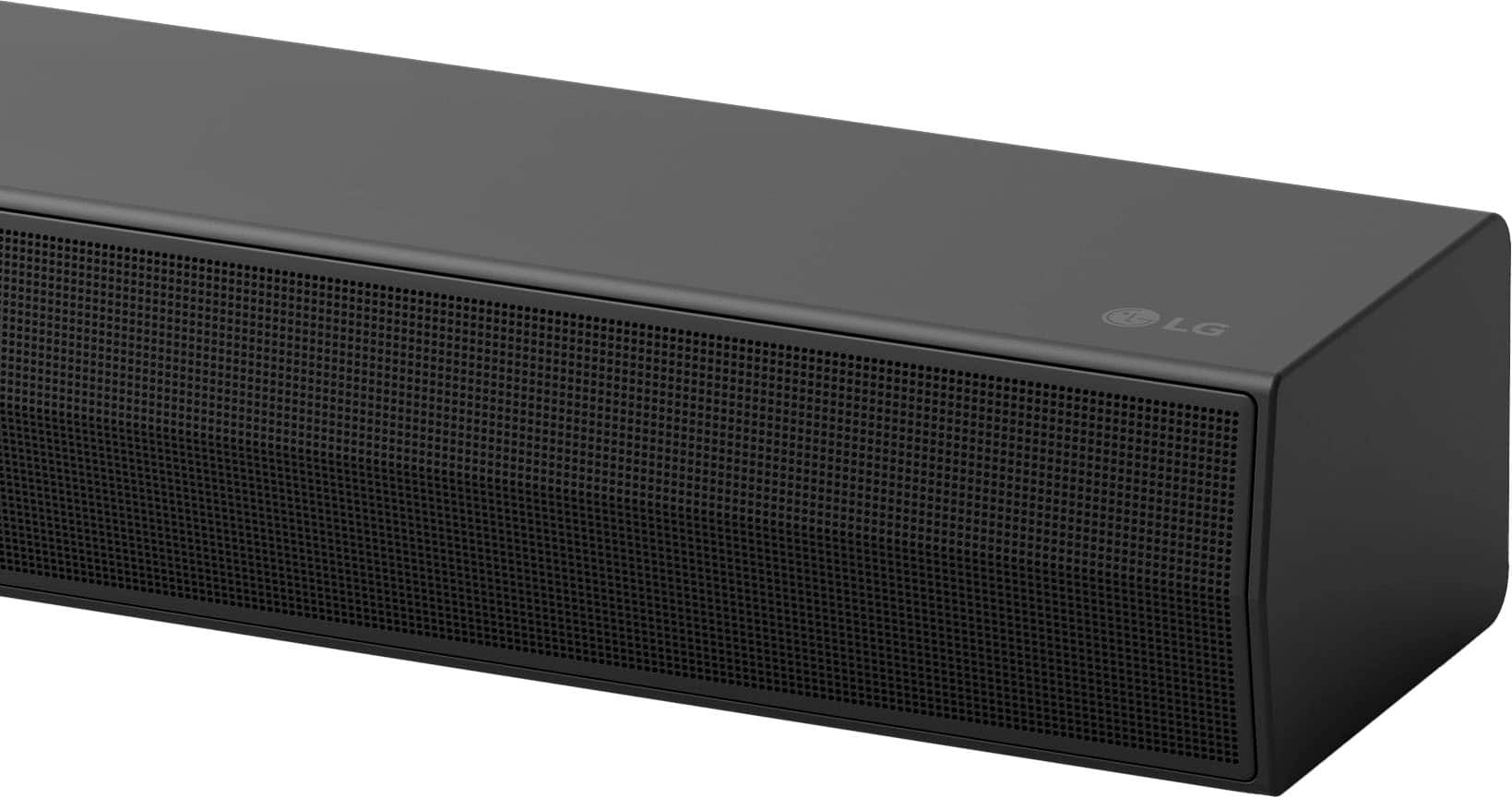
The LG S60TR, released in 2024, takes a different approach with its 5.1 channel system enhanced by AI Sound Pro technology. Rather than adding height channels, LG focused on making traditional surround sound smarter and more adaptive.
AI Sound Pro uses deep learning algorithms to analyze whatever you're watching in real-time and automatically adjusts the sound accordingly. When you switch from a dialogue-heavy drama to an action movie, the system recognizes the change and optimizes bass, treble, and surround effects without you touching a button. This isn't just a simple preset change—it's continuous analysis and adjustment.
The S60TR also features WOW Orchestra technology, which is particularly valuable if you own an LG TV. This allows the soundbar to work together with your TV's built-in speakers, using them as additional height channels while the soundbar handles the main audio duties. It's a clever way to add some vertical sound dimension without dedicated upfiring speakers.
Both systems deliver substantial power, but they distribute it differently. The Ultimea F40 peaks at 460 watts total, while the LG S60TR provides 440 watts. Those numbers are closer than they appear because the systems allocate power across different channel configurations.
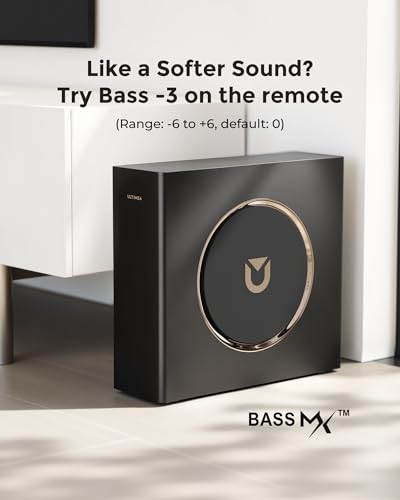
The F40 includes BassMX technology and achieves frequency response down to around 40Hz, which means you'll feel the deep rumbles in action movies and the low notes in music. The wired subwoofer connection ensures consistent power delivery and eliminates potential wireless connectivity issues that can cause audio dropouts during intense bass scenes.
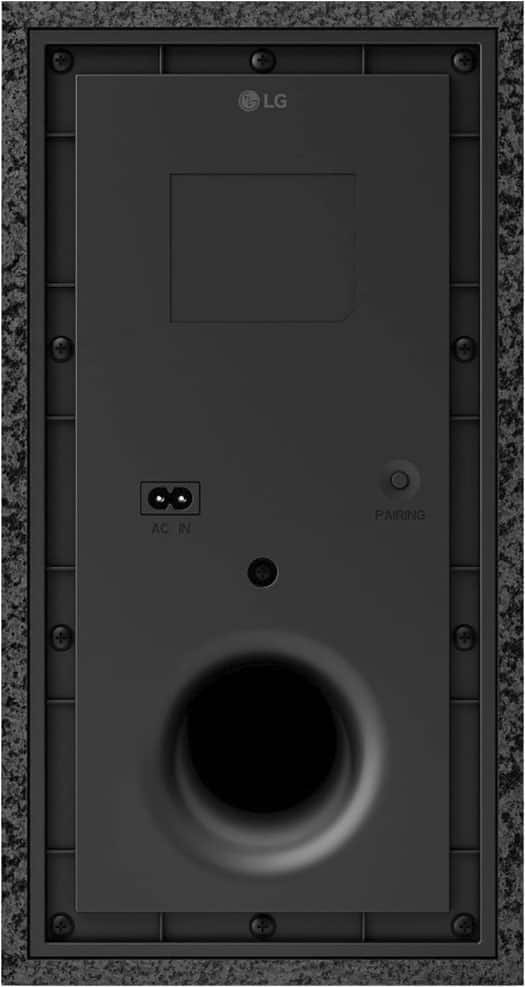
In my experience testing various soundbars, wired subwoofer connections typically provide more reliable performance, especially during extended movie sessions. However, the LG S60TR counters with a wireless subwoofer that offers more placement flexibility. You can position it anywhere in your room without running cables, which is particularly valuable in apartments or rooms where cable management is challenging.
The S60TR's 220-watt dedicated subwoofer power provides solid low-end performance, and LG's tuning tends to emphasize punch over pure depth. This means explosions and music hits feel impactful even if they don't dig quite as deep into the lowest frequencies.
Both systems can fill medium to large rooms effectively, but they handle high volume differently. The F40 maintains clarity even when pushed to high volumes, which I attribute to its more powerful amplification and quality driver implementation. The neodymium magnets in the upfiring drivers help maintain precision even during complex audio passages.
The S60TR excels at dialogue clarity thanks to its AI Sound Pro optimization. The system automatically enhances vocal frequencies when it detects speech-heavy content, making it excellent for TV shows, news, and movies where understanding dialogue is crucial.
The Ultimea F40 includes Bluetooth 5.4, the latest standard at the time of writing. This newer version provides improved range, faster connection establishment, and better power efficiency compared to older Bluetooth versions. For music streaming and mobile device connection, this translates to fewer dropouts and more stable connections.
The LG S60TR uses Bluetooth 5.3, which is still excellent but represents the previous generation. In practical use, both will stream music reliably from your phone or tablet, but the F40 has a slight edge in connection stability and range.
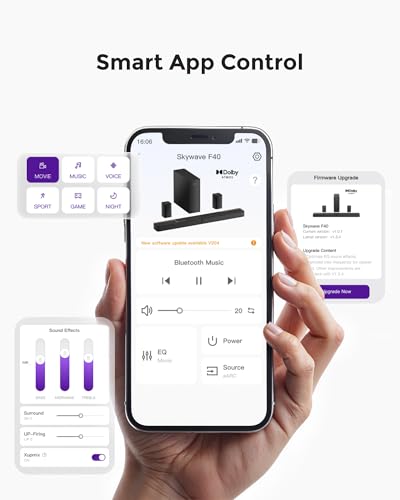
Where the F40 really shines is in customization options. The smartphone app provides access to a 10-band equalizer with 121 preset EQ matrices. This level of control is unusual in this price range and allows you to fine-tune the sound for your room acoustics and personal preferences.
I've found this particularly valuable when switching between content types. You can create separate EQ profiles for movies, music, gaming, and late-night viewing, then switch between them instantly. The app also provides easy control over advanced features like the Xupmix upmixing technology.
The S60TR takes a more automated approach with its WOW interface, which integrates directly with LG TVs. You can control volume, input selection, and sound modes using your existing TV remote. While it doesn't offer the same level of manual customization, the AI Sound Pro technology handles most optimization automatically.
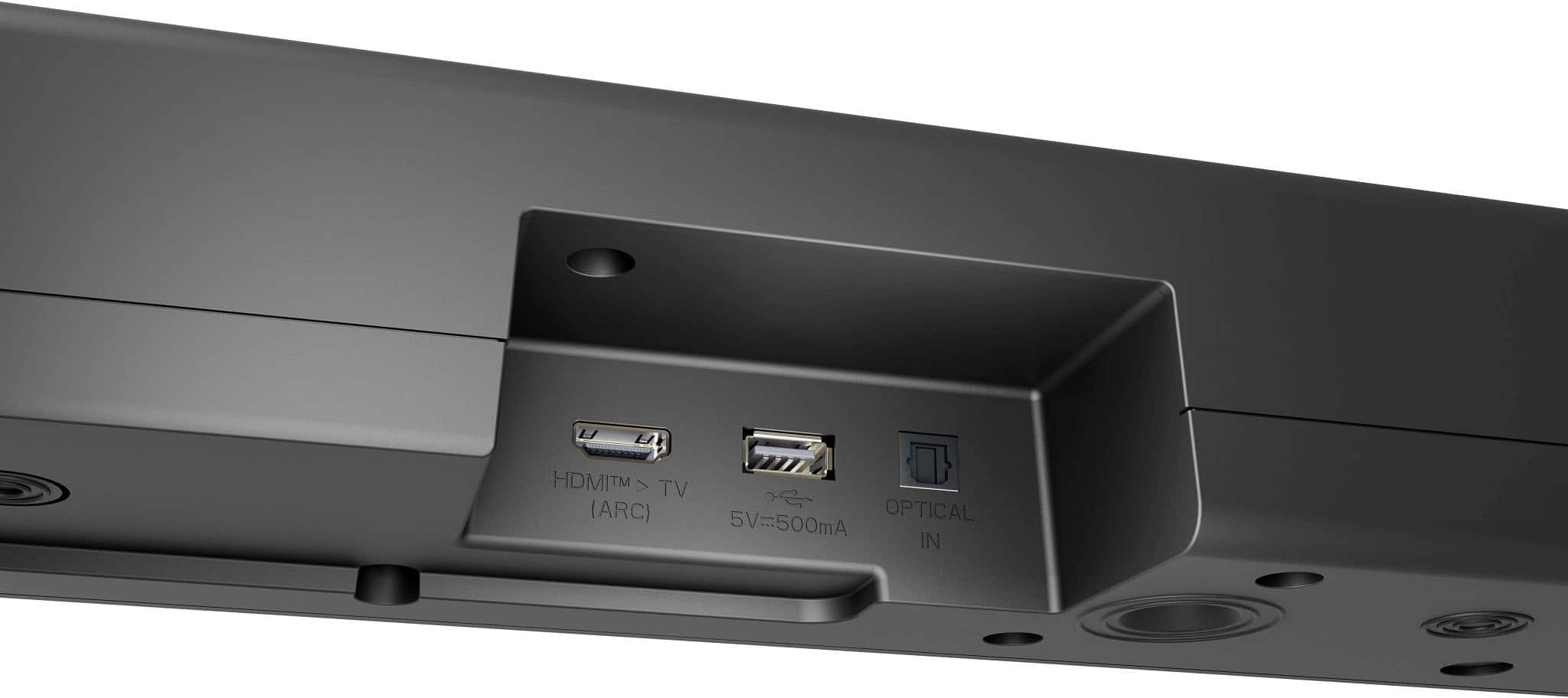
Both systems include HDMI eARC (enhanced Audio Return Channel) connections, which is crucial for getting the best audio quality from modern TVs and streaming devices. eARC supports higher bandwidth audio formats, including uncompressed surround sound and Dolby Atmos.
They also include optical inputs for older TVs and devices that don't have HDMI eARC. The F40 adds USB input capability, allowing direct playback from flash drives—a feature that's increasingly rare but still valuable for playing high-quality audio files.
The Ultimea F40's Dolby Atmos capability requires specific room conditions to work optimally. Your ceiling should be between 7.5 and 12 feet high with a relatively flat surface for the upfiring drivers to work effectively. Vaulted ceilings, exposed beams, or very high ceilings can interfere with the height effects.
In rooms with appropriate acoustics, the height channels create genuinely impressive overhead effects. However, in challenging acoustic environments, you might not experience the full benefit of the Dolby Atmos technology, making the LG S60TR a more predictable choice.
The S60TR delivers consistent performance regardless of room acoustics. Its AI Sound Pro can actually compensate for difficult room conditions by adjusting frequency response and surround processing to work with your space rather than against it.
Both systems include wireless rear speakers, but they implement this differently. The F40 connects the rear speakers to the subwoofer via wire, then communicates wirelessly with the main soundbar. This hybrid approach reduces some cable runs while maintaining reliable connections.
The S60TR offers more wireless convenience with its completely wireless subwoofer. This provides maximum placement flexibility, though it does require a power outlet near the subwoofer location.
For home theater use, speaker placement becomes critical. The rear speakers in both systems need to be positioned behind or to the sides of your seating area for proper surround sound imaging. The F40's upfiring drivers also need clear paths to the ceiling, which can complicate furniture arrangement in some rooms.
The F40's Dolby Atmos support particularly benefits content from Netflix, Disney+, Apple TV+, and other streaming services that offer Atmos-encoded shows and movies. Gaming has also embraced Dolby Atmos, with Xbox Series X/S and PlayStation 5 supporting the format in many titles.
When you're playing a game or watching an Atmos-encoded movie, the difference is immediately apparent. The F40 can place sounds with precision in three-dimensional space, creating immersion that traditional surround sound can't match.
The S60TR's AI Sound Pro works with any content, automatically optimizing whatever you're watching or listening to. While it doesn't add height effects, it consistently makes content sound better than basic TV audio or entry-level soundbars.
Looking forward, Dolby Atmos continues gaining adoption across streaming platforms, gaming, and even music. The F40's investment in this technology provides better long-term compatibility with emerging content formats.
However, LG's approach with AI processing represents another important trend. As machine learning becomes more sophisticated, the S60TR could potentially improve through software updates, making it smarter about content optimization over time.
For dedicated home theater use, the Ultimea F40 provides a more cinematic experience when everything aligns properly. The overhead effects during action sequences, atmospheric sounds in horror movies, and spatial audio in sci-fi films create the kind of immersion that justifies upgrading from basic soundbars.
However, the LG S60TR excels in mixed-use scenarios. Its AI optimization makes it exceptional for television viewing, where dialogue clarity and balanced audio across different show types matters more than pure immersion.
Both systems work well for gaming, but they serve different gaming styles. The F40 excels with atmospheric games that use Dolby Atmos for environmental audio—think first-person shooters where positional audio matters, or adventure games with rich soundscapes.
The S60TR provides more consistent performance across all game types, with its AI processing helping balance dialogue, effects, and music automatically.
The F40 represents the best value in Dolby Atmos technology at the time of writing, delivering features typically found in much more expensive systems.
The S60TR provides the security of established brand support while delivering intelligent audio processing that consistently improves your listening experience.
Both soundbars deliver significant upgrades over TV speakers and entry-level soundbars, but they serve different priorities. The Ultimea F40 pushes the boundaries of what's possible in this price range, offering premium Dolby Atmos technology that rivals much more expensive systems when properly implemented.
The LG S60TR focuses on reliable, intelligent performance that consistently delivers excellent results regardless of your room conditions or technical expertise.
Your choice ultimately depends on whether you value innovation and cutting-edge features (F40) or proven performance with intelligent automation (S60TR). Both represent excellent value in their respective approaches to mid-range home theater audio.
Consider your room conditions, content preferences, and comfort level with newer technology. Either choice will dramatically improve your home entertainment experience—the question is which approach better matches your priorities and living situation.
| Ultimea Skywave F40 Dolby Atmos Soundbar System | LG S60TR 5.1 Channel Soundbar with Wireless Subwoofer and Rear Speakers |
|---|---|
| Channel Configuration - Determines immersive audio capability | |
| 5.1.2 with dedicated height channels for Dolby Atmos | 5.1 traditional surround without height effects |
| Audio Technology - Core processing and sound optimization | |
| True Dolby Atmos with SurroundX and Xupmix upmixing | Dolby Audio with AI Sound Pro intelligent optimization |
| Total Power Output - Affects maximum volume and dynamic range | |
| 460W with BassMX bass enhancement technology | 440W with balanced channel distribution |
| Frequency Response - Determines bass depth and treble extension | |
| 40Hz-20kHz (deeper bass extension for movie effects) | Not specified (likely 50Hz-20kHz typical range) |
| Bluetooth Version - Impacts wireless connection stability | |
| Bluetooth 5.4 (latest standard, better range/stability) | Bluetooth 5.3 (previous generation, still excellent) |
| Subwoofer Connection - Affects placement flexibility vs reliability | |
| Wired connection (more reliable, limited placement) | Wireless connection (flexible placement, needs power outlet) |
| Smart Features - App control and customization options | |
| Comprehensive app with 10-band EQ and 121 presets | WOW interface for LG TV integration, AI auto-optimization |
| Upfiring Drivers - Creates overhead audio effects | |
| Dedicated upfiring speakers with neodymium magnets | None (relies on TV speakers for height via WOW Orchestra) |
| Room Requirements - Setup complexity and acoustic needs | |
| Requires 7.5-12ft ceiling height for optimal Atmos effects | Works consistently in any room configuration |
| Brand Heritage - Support and reliability considerations | |
| Newer brand offering premium features at competitive prices | Established brand with proven reliability and service network |
| Best Use Cases - Ideal scenarios for each system | |
| Ultimea F40: Modern content with Dolby Atmos, gaming, customization enthusiasts | LG S60TR: Mixed TV viewing, LG TV owners, plug-and-play simplicity |
The Ultimea Skywave F40 excels for movies with its true Dolby Atmos technology that creates overhead audio effects, making action scenes and atmospheric content more immersive. The LG S60TR is better for general TV viewing with its AI Sound Pro that automatically optimizes dialogue clarity and adjusts sound based on what you're watching.
Yes, both the Ultimea Skywave F40 and LG S60TR include wireless rear speakers for true surround sound. The F40 connects rear speakers to the subwoofer via wire, while the S60TR offers fully wireless rear speakers for maximum placement flexibility.
The Ultimea Skywave F40 delivers deeper bass with its 40Hz frequency response and BassMX technology, making it ideal for action movies and music. The LG S60TR provides punchy, well-balanced bass that's optimized through AI processing for consistent performance across different content types.
The LG S60TR is generally easier to set up with its plug-and-play design and works well in any room. The Ultimea Skywave F40 requires more careful positioning for optimal Dolby Atmos effects, including proper ceiling height (7.5-12 feet) and speaker placement for the best overhead audio experience.
The LG S60TR offers superior integration with LG TVs through WOW Orchestra technology, allowing seamless control with your TV remote. The Ultimea Skywave F40 works universally with any TV brand through HDMI eARC and provides comprehensive app control for all features and customization options.
The Ultimea Skywave F40 features true Dolby Atmos with upfiring speakers that bounce sound off your ceiling to create overhead audio effects. The LG S60TR uses traditional 5.1 surround sound that focuses on horizontal audio placement around you, enhanced by AI optimization for consistent performance.
The Ultimea Skywave F40 outputs 460W total power with dedicated amplification for its height channels and bass enhancement. The LG S60TR provides 440W with intelligent power distribution managed by AI Sound Pro. Both offer sufficient power for most home theater setups.
Both soundbars stream music via Bluetooth, but the Ultimea Skywave F40 offers Bluetooth 5.4 for better connection stability and includes extensive EQ customization through its app. The LG S60TR uses Bluetooth 5.3 and automatically optimizes music playback through AI Sound Pro without manual adjustment needed.
The Ultimea Skywave F40 provides exceptional value by offering premium Dolby Atmos technology typically found in more expensive systems. The LG S60TR delivers strong value through proven reliability, established brand support, and intelligent AI features that consistently improve your listening experience.
The LG S60TR works well in any room configuration and adapts to different acoustic conditions through AI processing. The Ultimea Skywave F40 performs best in rooms with flat ceilings between 7.5-12 feet high for optimal upfiring driver performance and Dolby Atmos effects.
The Ultimea Skywave F40 excels for gaming with Dolby Atmos support that enhances positional audio in compatible games and provides immersive environmental effects. The LG S60TR offers consistent gaming performance with AI optimization that balances dialogue, effects, and music automatically across different game types.
The Ultimea Skywave F40 stands out with its true Dolby Atmos implementation, Xupmix upmixing technology, and extensive app-based customization options. The LG S60TR differentiates itself through AI Sound Pro intelligent optimization, seamless LG TV integration, and wireless subwoofer convenience with established brand reliability.
We've done our best to create useful and informative comparisons to help you decide what product to buy. Our research uses advanced automated methods to create this comparison and perfection is not possible - please contact us for corrections or questions. These are the sites we've researched in the creation of this article: the-gadgeteer.com - youtube.com - ultimea.com - manuals.plus - youtube.com - ultimea.com - youtube.com - youtube.com - youtube.com - youtube.com - eu.ultimea.com - support.ultimea.com - bestbuy.com - mynavyexchange.com - youtube.com - consumerreports.org - avsforum.com - rentacenter.com - bestbuy.com - homechoicestores.com - oconsommateur.com - lg.com - bestbuy.com - samsung.com

Privacy Policy
Terms and Conditions - Affiliate Policy
Home Security
© Copyright 2008-2026.
11816 Inwood Rd #1211, Dallas, TX 75244