





When your TV's built-in speakers make dialogue sound like it's coming through a tin can, it's time to consider a soundbar. But not all soundbars are created equal, and the choice between a complete surround system and an all-in-one unit can dramatically impact your entertainment experience.
Today we're comparing two very different approaches to better TV audio: the Ultimea Skywave F40 Dolby Atmos Soundbar System and the Yamaha SR-B30A Sound Bar with Built-In Subwoofers. These products represent opposite ends of the soundbar philosophy spectrum, making this comparison particularly valuable for anyone trying to decide between convenience and performance.
The soundbar market has evolved significantly over the past decade. What started as simple speaker bars designed to improve TV dialogue has blossomed into sophisticated audio systems capable of creating immersive, theater-like experiences in your living room.
At the heart of modern soundbar technology lies the concept of channels – essentially separate audio streams that create the illusion of sound coming from different directions. Traditional stereo uses two channels (left and right), but today's advanced systems can handle 5.1, 7.1, or even 5.1.2 configurations. The numbers tell a story: the first digit represents main speakers around you, the second indicates subwoofers for bass, and the optional third number shows height channels for overhead effects.
Dolby Atmos, which debuted in cinemas in 2012 and reached home systems around 2014, represents the current pinnacle of consumer audio technology. Unlike traditional surround sound that moves audio horizontally around you, Atmos adds a vertical dimension. This creates a "sound dome" where helicopters can fly overhead, rain can fall from above, and explosions can seem to happen all around you in three-dimensional space.
The challenge for soundbar manufacturers is recreating this immersive experience without requiring dozens of speakers mounted throughout your room. This is where the fundamental difference between our two products becomes clear.
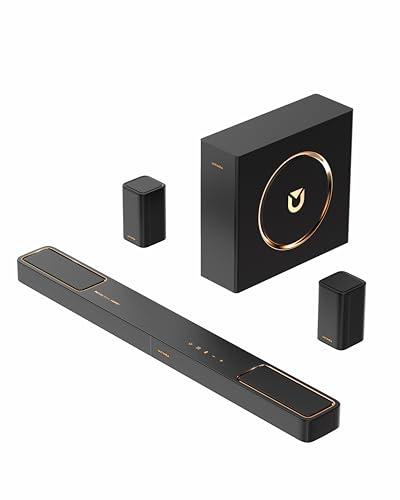
Released in 2025, the Ultimea Skywave F40 represents the latest thinking in affordable Dolby Atmos technology. This system takes the "no compromises" approach to surround sound, providing actual physical speakers where they need to be for proper audio positioning.
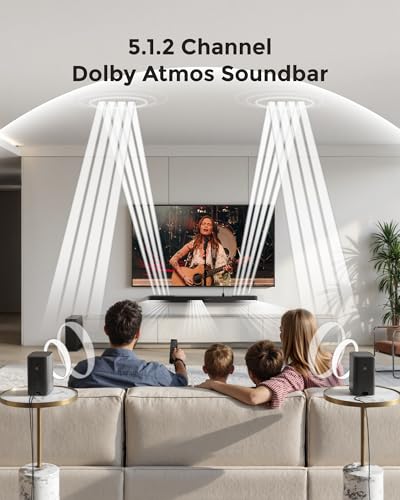
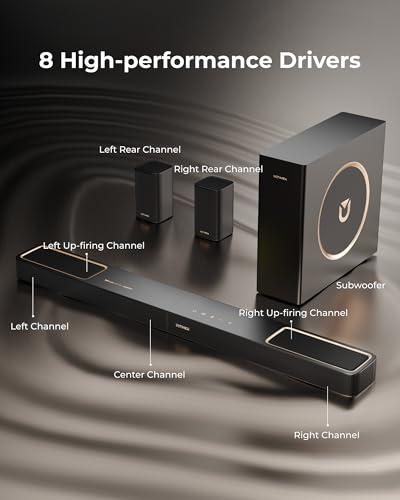
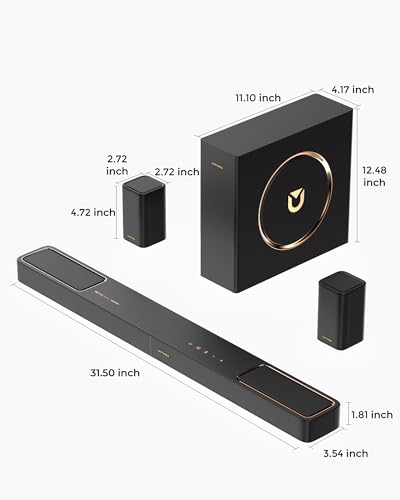
The F40's 5.1.2 configuration means you get five main speakers (left, center, right, and two surrounds), one subwoofer for deep bass, and two height channels for overhead effects. What makes this particularly impressive is that you're getting eight discrete speakers total – far more than most soundbars in this price range even attempt.
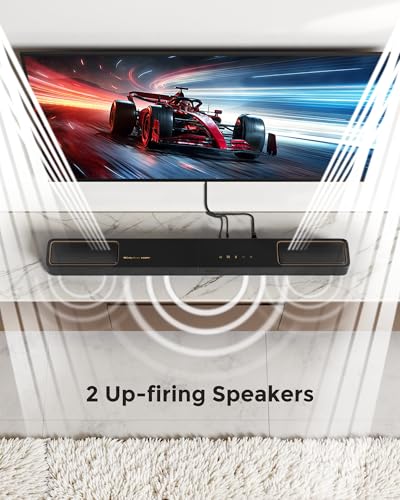
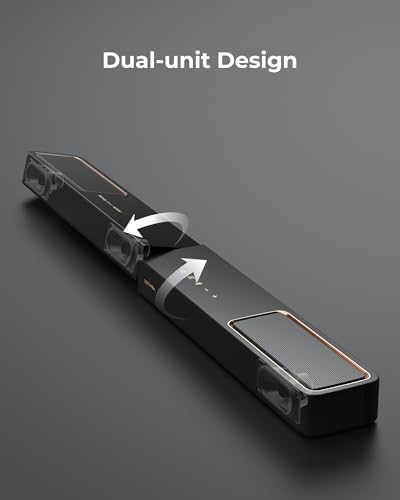
The engineering behind the height effects is particularly clever. The main soundbar houses two upfiring drivers equipped with neodymium magnets and specially designed voice coils. These speakers fire sound upward toward your ceiling, where it reflects back down to create the illusion of overhead audio. It's like having speakers in your ceiling without the installation hassle.
But the real magic happens with Ultimea's SurroundX technology, which coordinates all eight speakers to create what they call a "360° sound field." When a plane flies across the screen in a movie, you'll hear it move from your front left speaker, across the center, to the right, then to the rear right surround, and finally fade as it passes behind you. It's genuinely immersive in a way that single-unit soundbars simply cannot match.
The Skywave F40 also introduces something called Xupmix technology, powered by Dolby Digital Audio Processing. This feature can take regular stereo audio – like from YouTube videos or older TV shows – and intelligently expand it to use all your speakers. It's like having an audio wizard that makes everything sound more spacious and engaging, even content that wasn't originally mixed for surround sound.
Power-wise, this system doesn't mess around. With 460 watts total output distributed across all those speakers, it can fill medium to large rooms without breaking a sweat. The frequency response extends down to around 38Hz, which means you'll feel the rumble of explosions and the deep thrum of movie soundtracks in a way that smaller systems simply can't deliver.
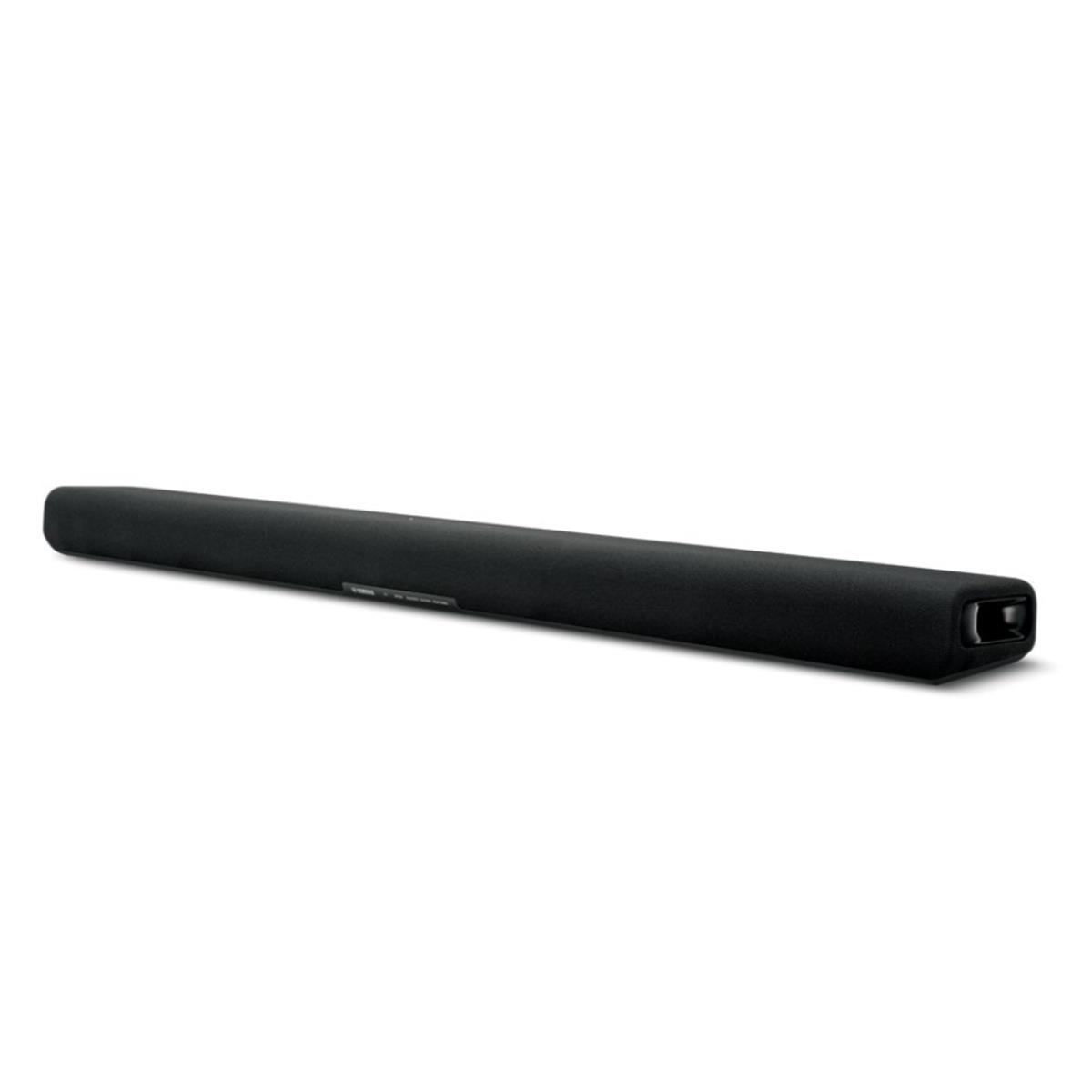
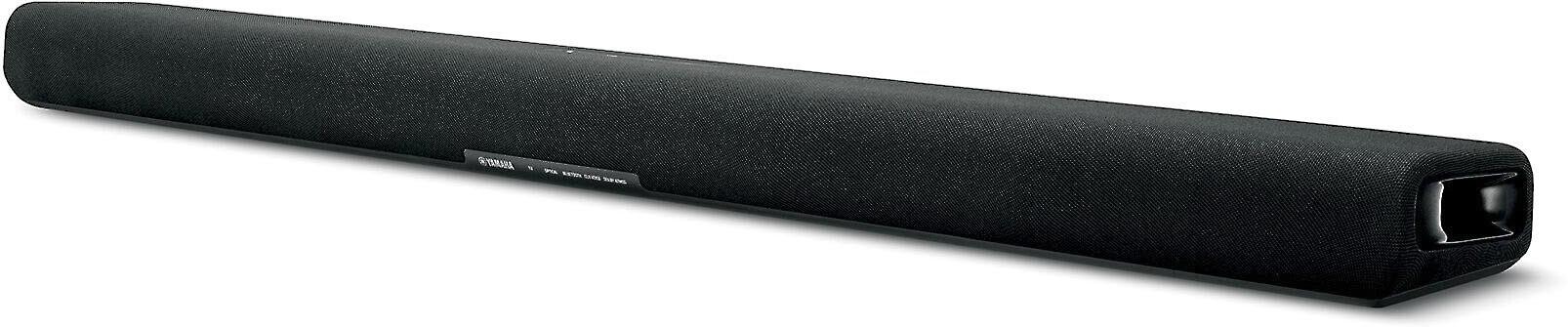
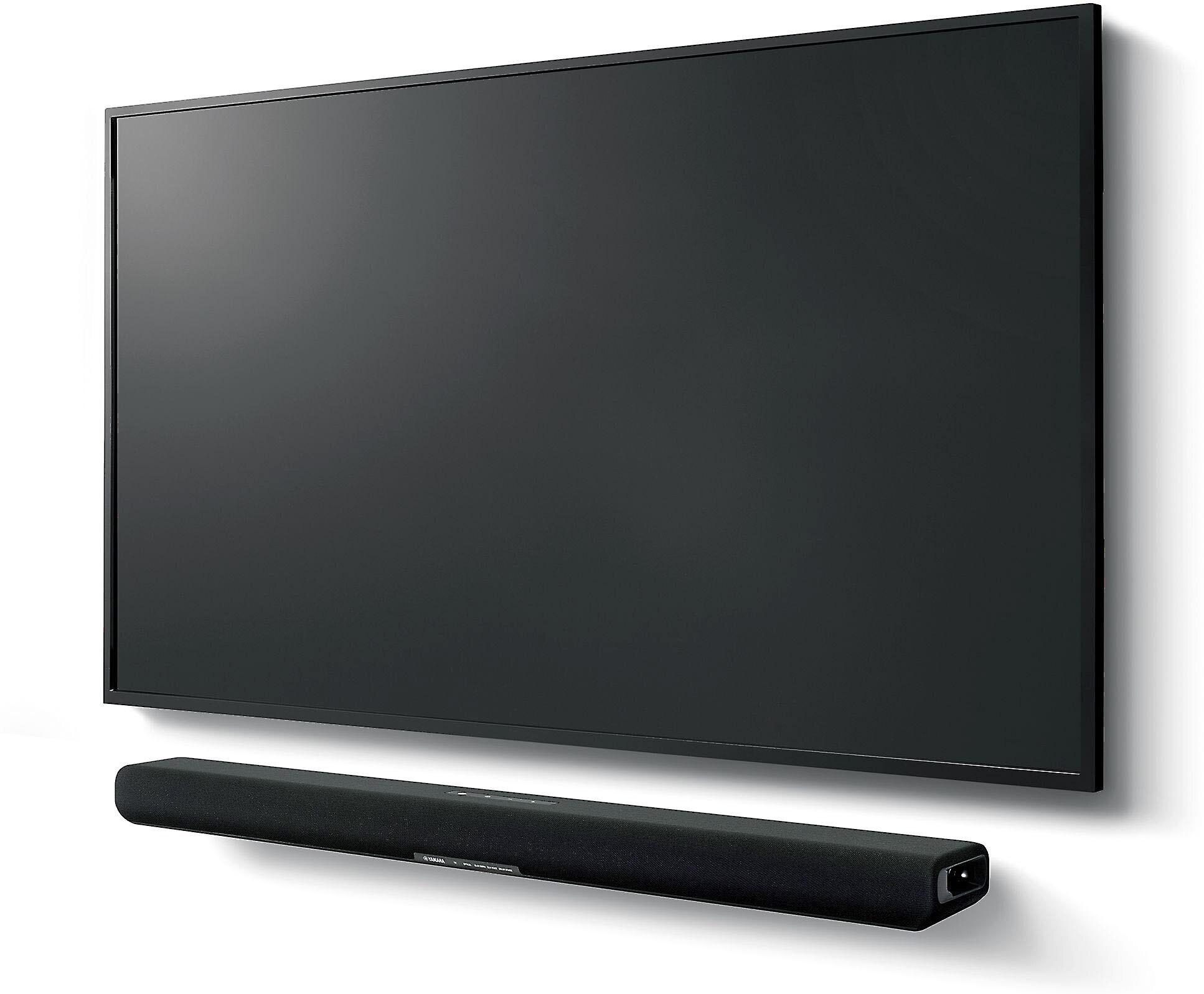
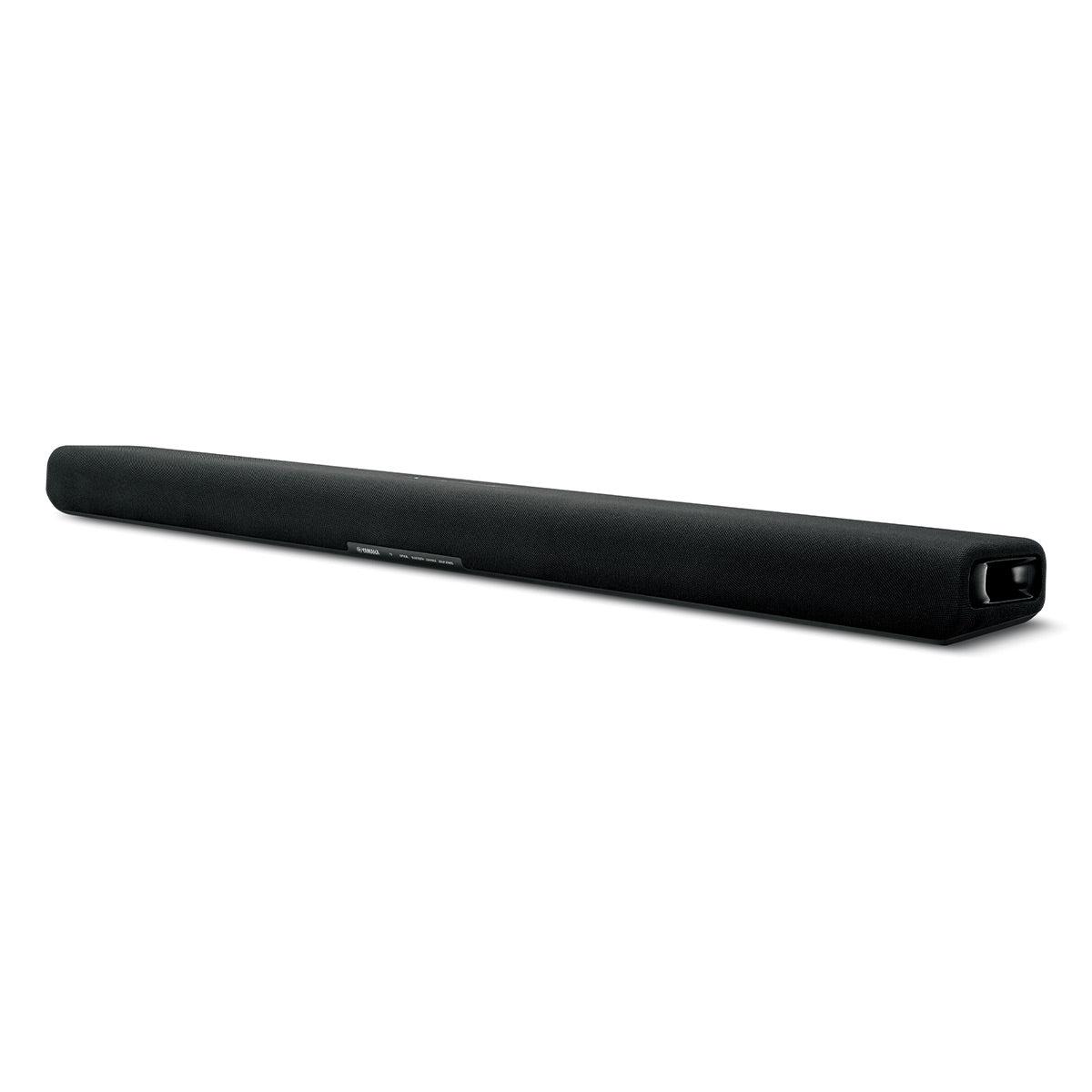
The Yamaha SR-B30A takes a completely different approach to solving the TV audio problem. Rather than spreading speakers around your room, Yamaha has engineered everything into a single, elegant unit that sits below your TV.
This soundbar features dual built-in subwoofers – essentially bass speakers integrated directly into the main unit. While this might seem like a compromise, Yamaha's decades of audio engineering experience shine through in the implementation. The company has been making audio equipment since 1887 and has learned a thing or two about making speakers sound good in confined spaces.
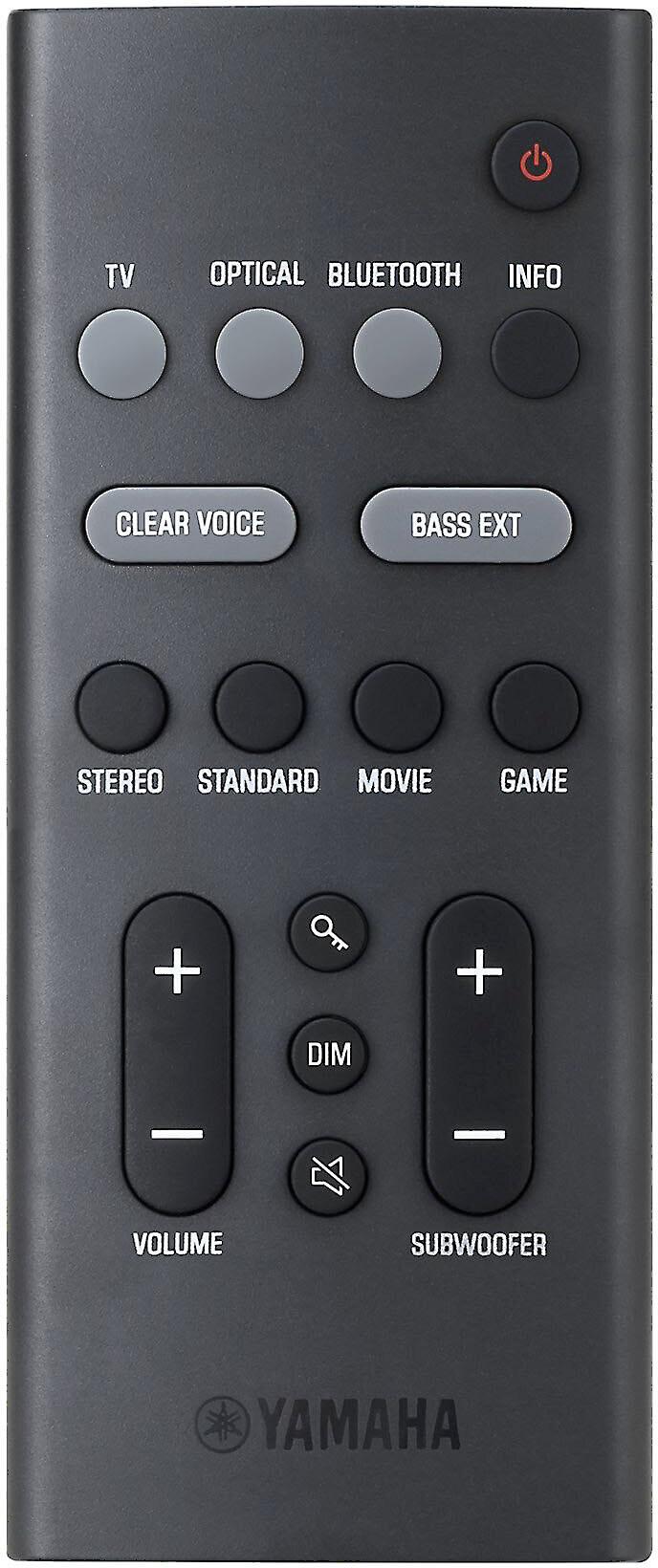
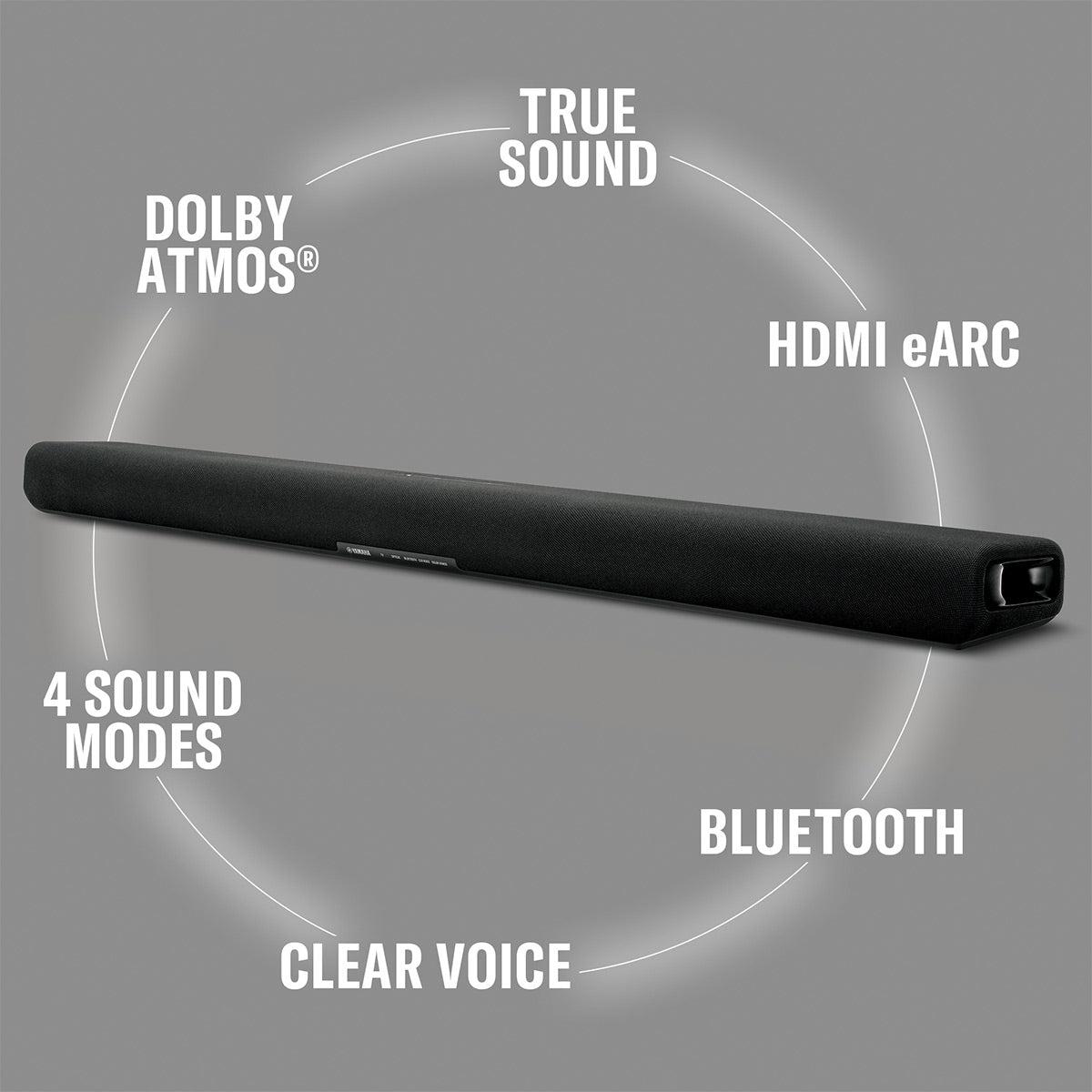
The SR-B30A employs what Yamaha calls Clear Voice technology, which specifically targets the frequency range where human speech occurs. This is particularly valuable because dialogue clarity is often the main complaint people have with TV audio. Background music and sound effects can overpower voices, but Clear Voice intelligently boosts speech frequencies while maintaining overall audio balance.
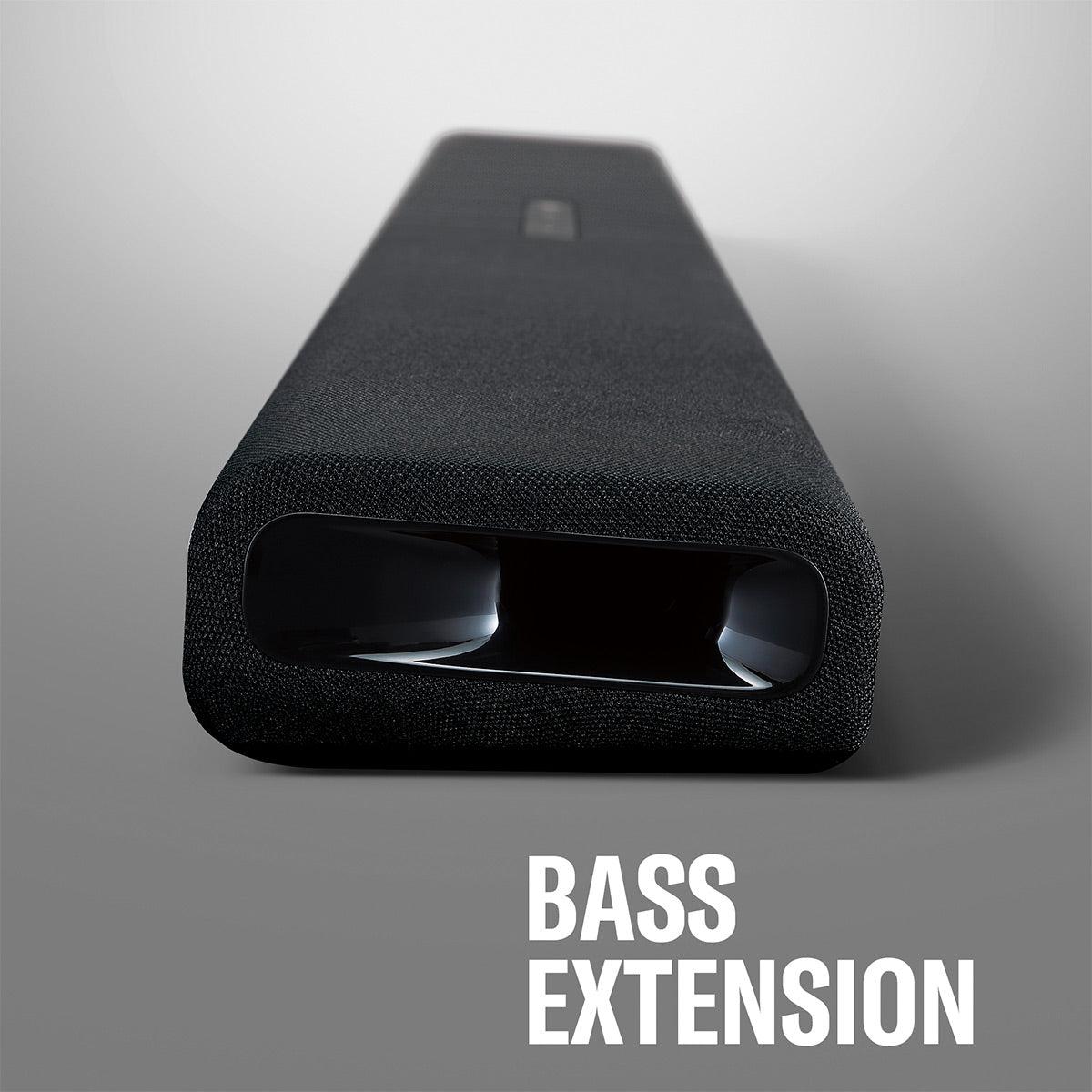
What's particularly impressive about this approach is the bass-reflex design. Inside the soundbar, Yamaha has created carefully tuned ports that allow air to move in and out as the subwoofer drivers work. This technique, borrowed from much larger speaker systems, helps extend the bass response beyond what you'd expect from such a compact unit.
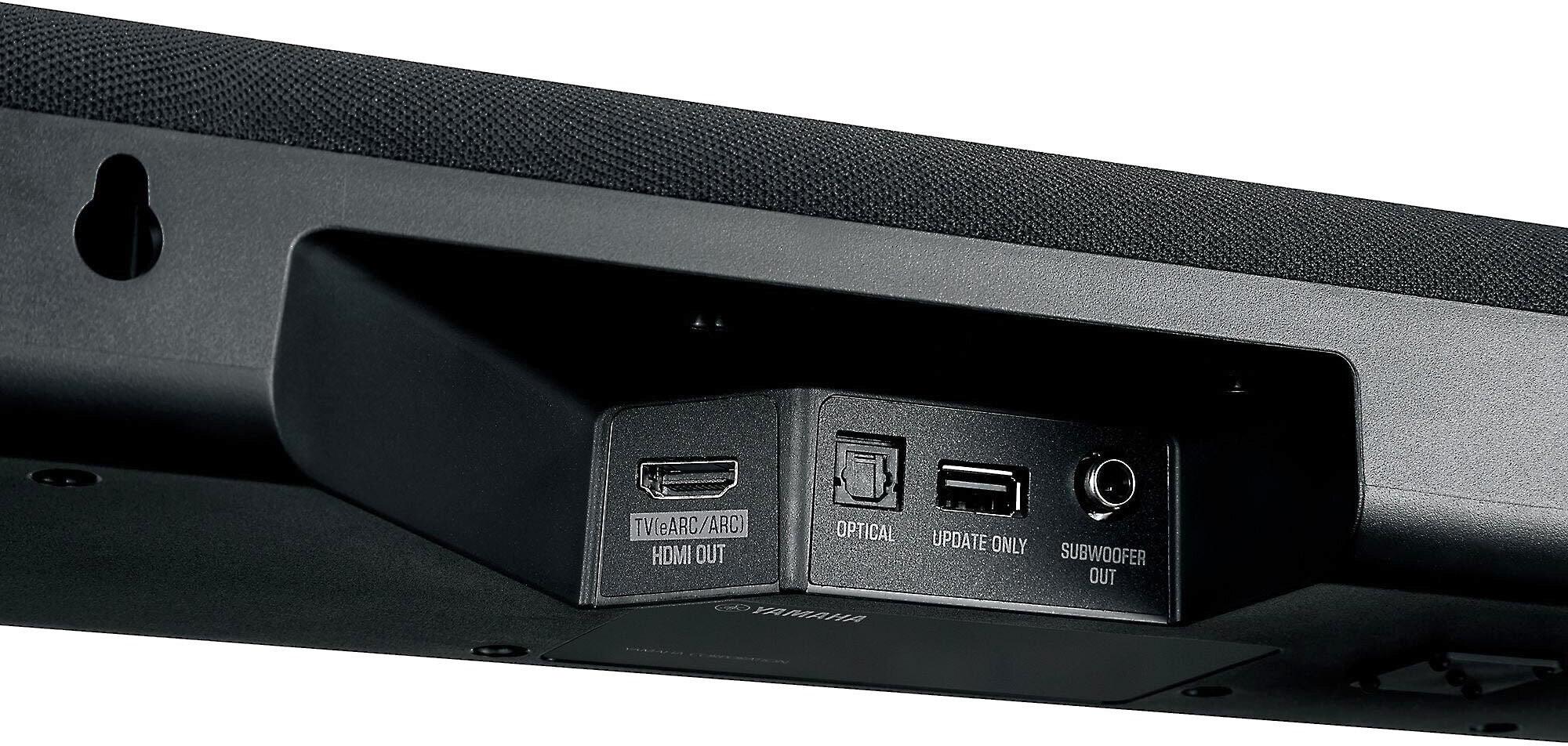
The single-unit design brings genuine advantages beyond just simplicity. There's only one power cable to manage, only one device to control, and the entire system can be wall-mounted with built-in keyholes. For many users, especially those in apartments or smaller homes, this convenience factor is worth more than the ultimate in audio performance.
When it comes to actual listening experience, these two systems couldn't be more different. I've spent considerable time with both approaches, and the differences are immediately apparent.
The Ultimea Skywave F40 creates what audio enthusiasts call a "soundstage" – the perceived three-dimensional space where sounds appear to originate. When watching movies, you'll notice sounds coming from specific locations rather than just "somewhere in front of you." A helicopter in a war movie doesn't just get louder and softer; it actually moves through space around you.
This is possible because of those physical rear speakers. When a director wants a sound to come from behind you, the F40 can actually play it from speakers behind you. The height channels add another dimension – rain in a movie scene doesn't just sound like rain; it sounds like rain falling from above.
The Yamaha SR-B30A, constrained by its single-unit design, uses psychoacoustic tricks to create a sense of width and space. While it can't match the precise positioning of the F40, it does create a notably wider soundstage than your TV speakers, and Yamaha's processing does a respectable job of making stereo content feel more spacious.
This is where the fundamental design differences really matter. The Skywave F40's external subwoofer can move a lot of air, creating the kind of deep, physical bass that you feel in your chest during action scenes. The dedicated subwoofer driver is larger and can be positioned optimally in your room for the best bass response.
The SR-B30A's built-in subwoofers are impressive for their size, but physics is physics. Smaller drivers in a compact enclosure simply cannot move as much air or reach as deep into the bass frequencies. However, for most TV content and music, they provide perfectly adequate low-end punch without overwhelming smaller rooms.
Interestingly, both systems excel here, but for different reasons. The F40 benefits from having a dedicated center channel speaker, which is traditionally where dialogue lives in movie soundtracks. This means voices have their own speaker, separate from music and effects.
The SR-B30A takes a more active approach with its Clear Voice technology, which analyzes the audio signal in real-time and boosts dialogue frequencies when needed. In practice, both systems deliver clear, intelligible speech, but the Yamaha might have a slight edge for users who primarily watch TV shows and news.
Dynamic range refers to the difference between the quietest and loudest sounds a system can reproduce. The Ultimea F40, with its 460-watt power output and multiple speakers, can play both whisper-quiet dialogue and explosive action sequences without compression or distortion. This makes for a more cinematic experience where quiet moments are truly quiet, and loud moments have real impact.
The SR-B30A, with 120 watts of power, is more suited to moderate listening levels. It won't rattle the windows during action scenes, but it also won't disturb neighbors in apartment living situations.
The installation experience differs dramatically between these systems. The Yamaha SR-B30A is genuinely plug-and-play. Connect one HDMI cable to your TV, plug in the power, and you're done. The whole process takes maybe five minutes, and there are no speakers to position or wires to hide.
The Ultimea Skywave F40 requires more thought and effort. You'll need to position the rear speakers somewhere behind your seating area and run the included speaker wire to connect them. The subwoofer needs its own power outlet and a connection to the main soundbar. While not difficult, it does require planning and some basic cable management.
However, this extra effort pays dividends in flexibility. The F40's modular design means you can optimize speaker placement for your specific room. If you later rearrange your furniture or move to a new home, you can adjust the system accordingly. The SR-B30A is what it is – a single unit that needs to work from one position.
Both systems embrace modern connectivity standards, but with different emphases. The Skywave F40 features Bluetooth 5.4, the latest version that provides more stable connections and lower latency for wireless audio streaming. This is particularly beneficial if you frequently stream music from your phone or use the soundbar for gaming.
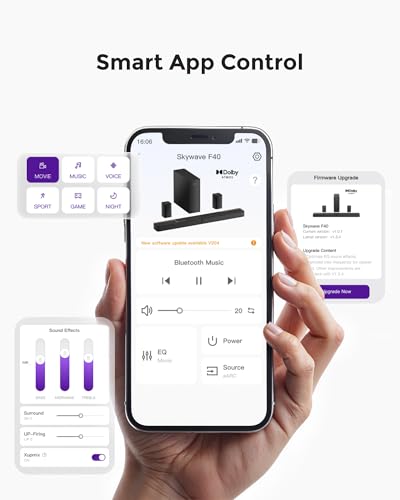
The F40 also includes USB input for direct media playback and offers extensive customization through its smartphone app. The 10-band equalizer with 121 preset matrices sounds complex, but it essentially means you can fine-tune the sound for different types of content or compensate for room acoustics.
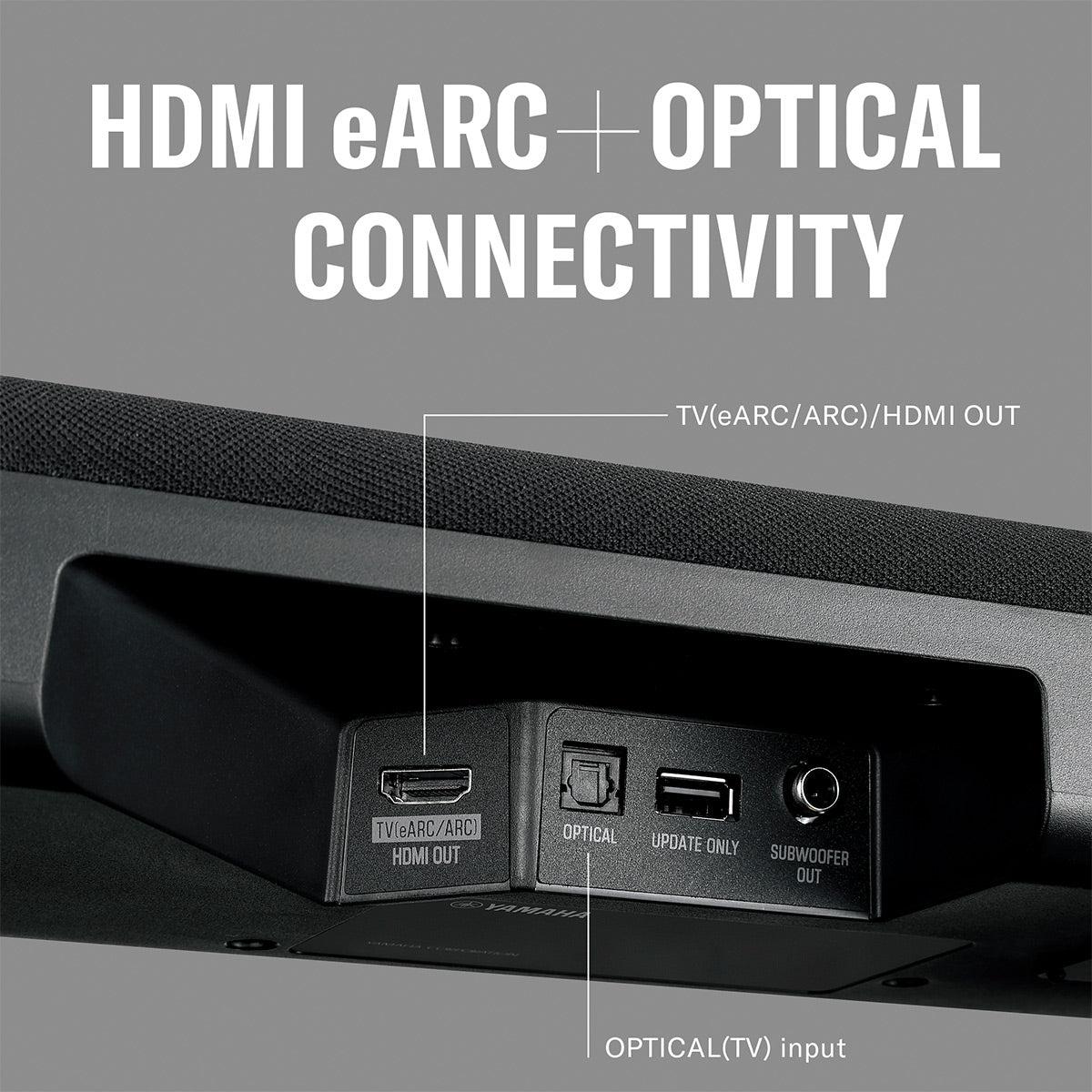
The Yamaha SR-B30A focuses on essential connectivity done well. HDMI eARC support means it can receive high-quality audio directly from your TV, and Bluetooth streaming handles wireless music duties. The Yamaha Sound Bar Remote app provides basic control and some customization options, though not to the extent of the Ultimea system.
Both systems support CEC (Consumer Electronics Control), which allows your TV remote to control basic soundbar functions. This seemingly small feature eliminates the need to juggle multiple remotes for everyday use.
At the time of writing, these products occupy different price tiers, with the Ultimea F40 commanding a premium over the SR-B30A. However, when you consider what you're getting, the value equations are more complex than they first appear.
The Skywave F40 provides genuine 5.1.2 surround sound with eight discrete speakers. Comparable systems from major brands typically cost significantly more, making the F40 something of a value breakthrough in the Dolby Atmos category. You're essentially getting a complete home theater speaker system at soundbar pricing.
The Yamaha SR-B30A offers the reliability and audio engineering expertise of an established brand in a convenient, space-efficient package. While it doesn't attempt to compete with true surround systems, it delivers quality stereo sound with enhanced bass at a reasonable price point.
For dedicated home theater use, the Ultimea F40 is the clear choice. The system's ability to properly decode and reproduce Dolby Atmos soundtracks means you'll experience movies as directors intended. The height channels add genuine atmosphere to content that supports it, while the rear speakers create the surround effects that make action sequences come alive.
The multiple listening modes – Movie, Music, Voice, Sport, Game, and Night – optimize the system for different content types. Movie mode enhances dynamic range and surround effects, while Night mode compresses the audio to prevent loud explosions from waking the family.
The SR-B30A can certainly serve home theater duties, particularly in smaller rooms or for users who primarily watch television rather than movies. Its Clear Voice technology actually provides advantages for dialogue-heavy content, and the built-in bass ensures you won't miss the impact of action scenes entirely.
After extensive experience with both approaches, I can confidently recommend the Ultimea Skywave F40 for anyone serious about their entertainment audio experience. If you regularly watch movies, play games, or want to feel truly immersed in your content, the performance advantages justify the additional complexity and cost.
The F40 is particularly compelling for:
The Yamaha SR-B30A makes sense for specific use cases where its strengths align with user priorities:
The soundbar market offers something for everyone, and these two products exemplify the different philosophies at play. The Ultimea Skywave F40 proves that you don't need to spend thousands to get genuine surround sound immersion, while the Yamaha SR-B30A demonstrates that sometimes the best solution is the simplest one.
For most users, especially those investing in their primary TV audio solution, the F40's combination of performance and value is compelling. The difference in immersion between true surround sound and processed stereo is substantial enough to justify the extra setup effort and cost.
However, the SR-B30A remains an excellent choice for users who value simplicity, have space constraints, or don't need the full surround experience. Yamaha's audio expertise ensures you're getting quality sound in a reliable, user-friendly package.
The key is understanding your priorities and choosing accordingly. Both systems will dramatically improve your TV audio experience compared to built-in speakers – it's just a matter of how far down the audio rabbit hole you want to go.
| Ultimea Skywave F40 Dolby Atmos Soundbar System | Yamaha SR-B30A Sound Bar with Built-In Subwoofers |
|---|---|
| Channel Configuration - Determines surround sound capability and immersion level | |
| True 5.1.2 Dolby Atmos with 8 discrete speakers | Single-unit stereo design with built-in subwoofers |
| Physical Components - Affects setup complexity and audio positioning | |
| Main soundbar + wireless rear speakers + wired subwoofer | All-in-one soundbar with integrated bass drivers |
| Total Power Output - Impacts maximum volume and dynamic range | |
| 460W across all speakers (fills large rooms easily) | 120W optimized for single-unit design |
| Height Channel Support - Creates overhead audio effects for movies | |
| Dedicated upfiring drivers with neodymium magnets | No height channels (standard stereo presentation) |
| Bass Extension - How deep the low frequencies reach | |
| 38Hz with external 6.5" subwoofer (deep, room-filling bass) | Built-in dual subwoofers (adequate bass without extra components) |
| Connectivity Options - Determines how you can connect devices | |
| HDMI eARC, Optical, USB, Bluetooth 5.4 | HDMI eARC, Optical, Bluetooth 5.1 |
| Audio Processing Features - Special technologies for sound enhancement | |
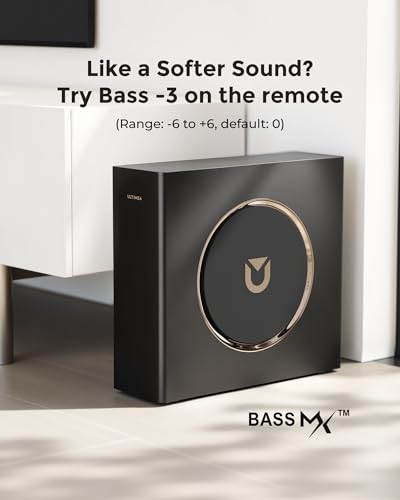
| SurroundX, BassMX, Xupmix with 10-band EQ | Clear Voice technology for dialogue enhancement |
| Installation Requirements - Setup complexity and space needs | |
| Requires rear speaker placement and multiple power outlets | Single power cable, wall-mountable with built-in keyholes |
| Room Size Recommendation - Optimal performance area | |
| 215-269 sq ft medium to large rooms | Small to medium rooms, bedrooms, apartments |
| Release Year - Indicates technology generation | |
| 2025 (latest Dolby Atmos processing) | Not specified (established Yamaha design) |
| Best Use Cases - Where each system excels | |
| Movies, gaming, immersive entertainment | TV shows, dialogue-heavy content, simple setup needs |
The Ultimea Skywave F40 is significantly better for movies due to its true 5.1.2 Dolby Atmos surround sound with dedicated rear speakers and height channels. This creates immersive audio where sounds move around you in three-dimensional space. The Yamaha SR-B30A excels at TV shows and dialogue-heavy content with its Clear Voice technology, but cannot match the cinematic experience of the F40's multi-speaker setup.
The key difference is system design: the Ultimea Skywave F40 is a complete 5.1.2 surround sound system with separate rear speakers and a subwoofer, while the Yamaha SR-B30A is an all-in-one unit with built-in subwoofers. This means the F40 provides true surround sound immersion, while the SR-B30A prioritizes simplicity and space efficiency.
The Yamaha SR-B30A is much easier to install - just connect one HDMI cable and plug it in. The Ultimea Skywave F40 requires positioning rear speakers behind your seating area, running speaker wire, and connecting multiple components with separate power adapters. However, the F40's setup complexity pays off with superior audio performance.
The Ultimea Skywave F40 includes a dedicated external subwoofer that delivers deep bass down to 38Hz. The Yamaha SR-B30A has dual subwoofers built into the main unit, so no separate subwoofer is needed. While convenient, the SR-B30A's built-in bass cannot match the depth and impact of the F40's larger external subwoofer.
Both work well in small spaces, but for different reasons. The Yamaha SR-B30A is ideal for apartments and bedrooms due to its compact single-unit design and moderate power output that won't disturb neighbors. The Ultimea Skywave F40 may be overpowered for very small rooms but still provides better immersion if you have space for rear speakers.
Both the Ultimea Skywave F40 and Yamaha SR-B30A connect to your TV via HDMI or optical cable for the main audio signal. However, both offer Bluetooth connectivity for wireless music streaming from phones and tablets. The F40 uses newer Bluetooth 5.4 for more stable wireless connections.
The Ultimea Skywave F40 delivers superior bass performance with its dedicated 6.5-inch external subwoofer that can be positioned optimally in your room. The Yamaha SR-B30A has respectable bass from its built-in dual subwoofers, but physics limits how deep and powerful bass can be from a compact all-in-one design.
Only the Ultimea Skywave F40 supports true Dolby Atmos with dedicated upfiring speakers that reflect sound off your ceiling for height effects. The Yamaha SR-B30A does not have Dolby Atmos capability and focuses on enhanced stereo sound with dialogue clarity instead.
Yamaha has decades of audio engineering experience and established brand reputation, making the SR-B30A a safe choice for reliability. Ultimea is a newer brand, but the Skywave F40 represents their 2025 flagship model with current-generation technology. Both offer good build quality, but Yamaha has the longer track record.
Yes, both the Ultimea Skywave F40 and Yamaha SR-B30A support CEC (Consumer Electronics Control), allowing your TV remote to control basic functions like volume and power. Both also include dedicated remotes and smartphone apps for advanced settings and customization.
The Ultimea Skywave F40 provides exceptional value by delivering true 5.1.2 surround sound typically found in much more expensive systems. You get eight discrete speakers and complete Dolby Atmos capability. The Yamaha SR-B30A offers good value for users prioritizing simplicity and brand reliability over maximum performance.
For dedicated home theater use, choose the Ultimea Skywave F40 without question. Its true surround sound, height channels, and powerful bass create the cinematic experience that makes movies come alive. The Yamaha SR-B30A is better suited for general TV watching, small spaces, or users who value simplicity over immersive audio performance.
We've done our best to create useful and informative comparisons to help you decide what product to buy. Our research uses advanced automated methods to create this comparison and perfection is not possible - please contact us for corrections or questions. These are the sites we've researched in the creation of this article: the-gadgeteer.com - youtube.com - ultimea.com - manuals.plus - youtube.com - ultimea.com - youtube.com - youtube.com - youtube.com - youtube.com - eu.ultimea.com - support.ultimea.com - usa.yamaha.com - worldwidestereo.com - audiolab.com - shop.sg.yamaha.com - consumerreports.org - usa.yamaha.com - vinylsound.ca - bestbuy.com - modernappliancewoodward.com - bluestardist.com - target.com - my.yamaha.com

Privacy Policy
Terms and Conditions - Affiliate Policy
Home Security
© Copyright 2008-2026.
11816 Inwood Rd #1211, Dallas, TX 75244