




If your TV's built-in speakers leave you squinting to hear dialogue or missing the rumbling bass in action scenes, you're not alone. Most TVs today prioritize thin designs over audio quality, leaving viewers with tinny, weak sound that doesn't match the stunning visuals. That's where soundbars come in – they're the most popular solution for upgrading your TV audio without the complexity of a full home theater system.
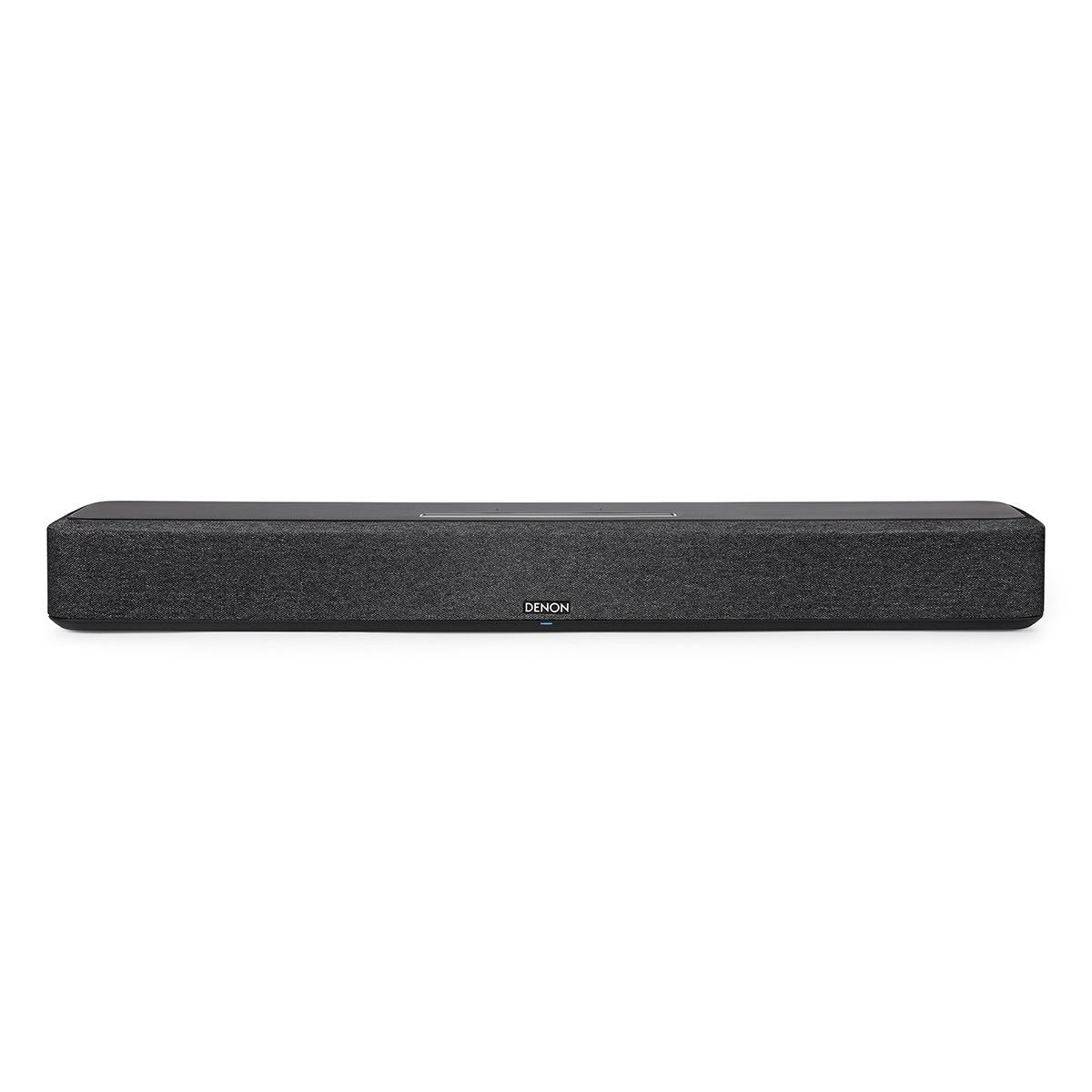
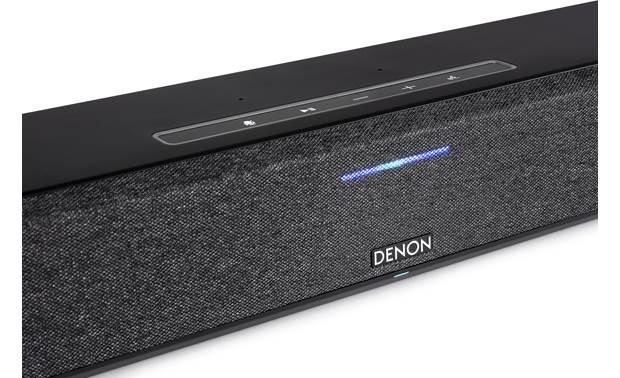
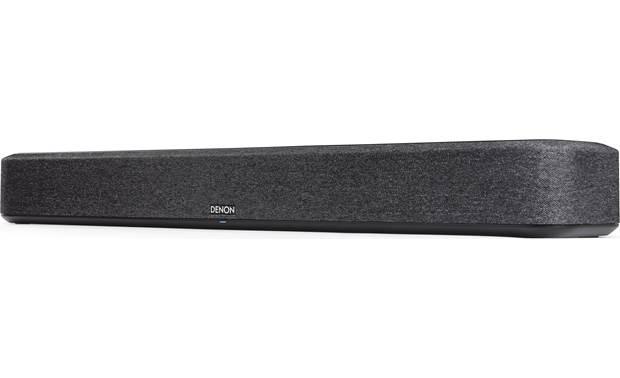
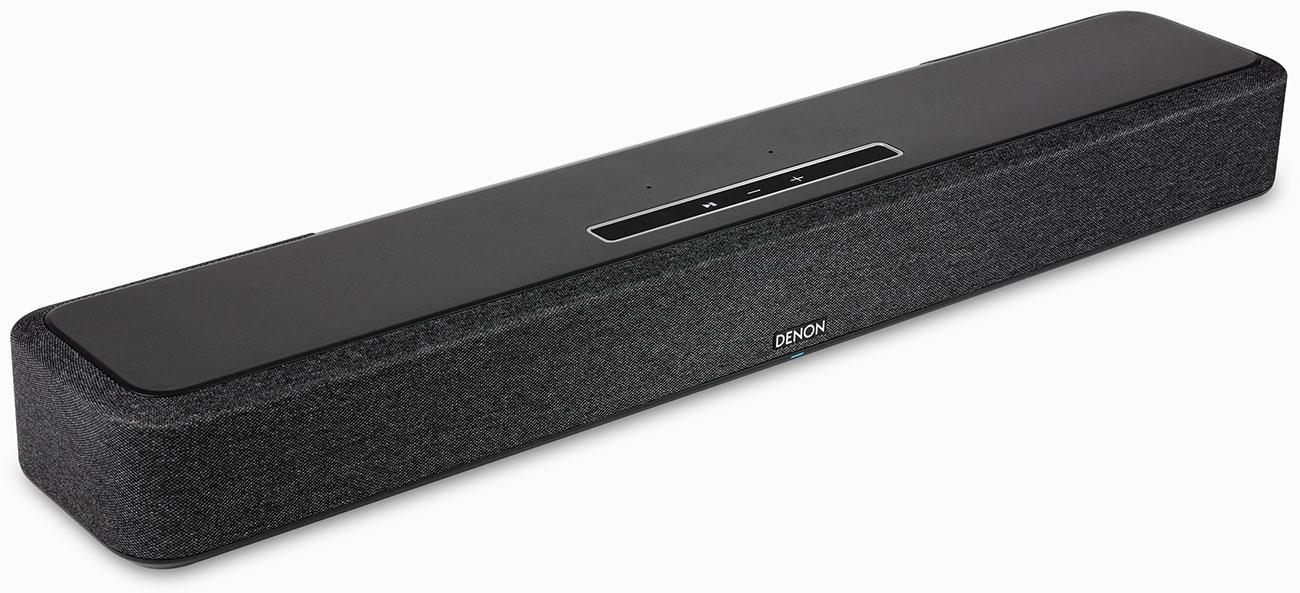
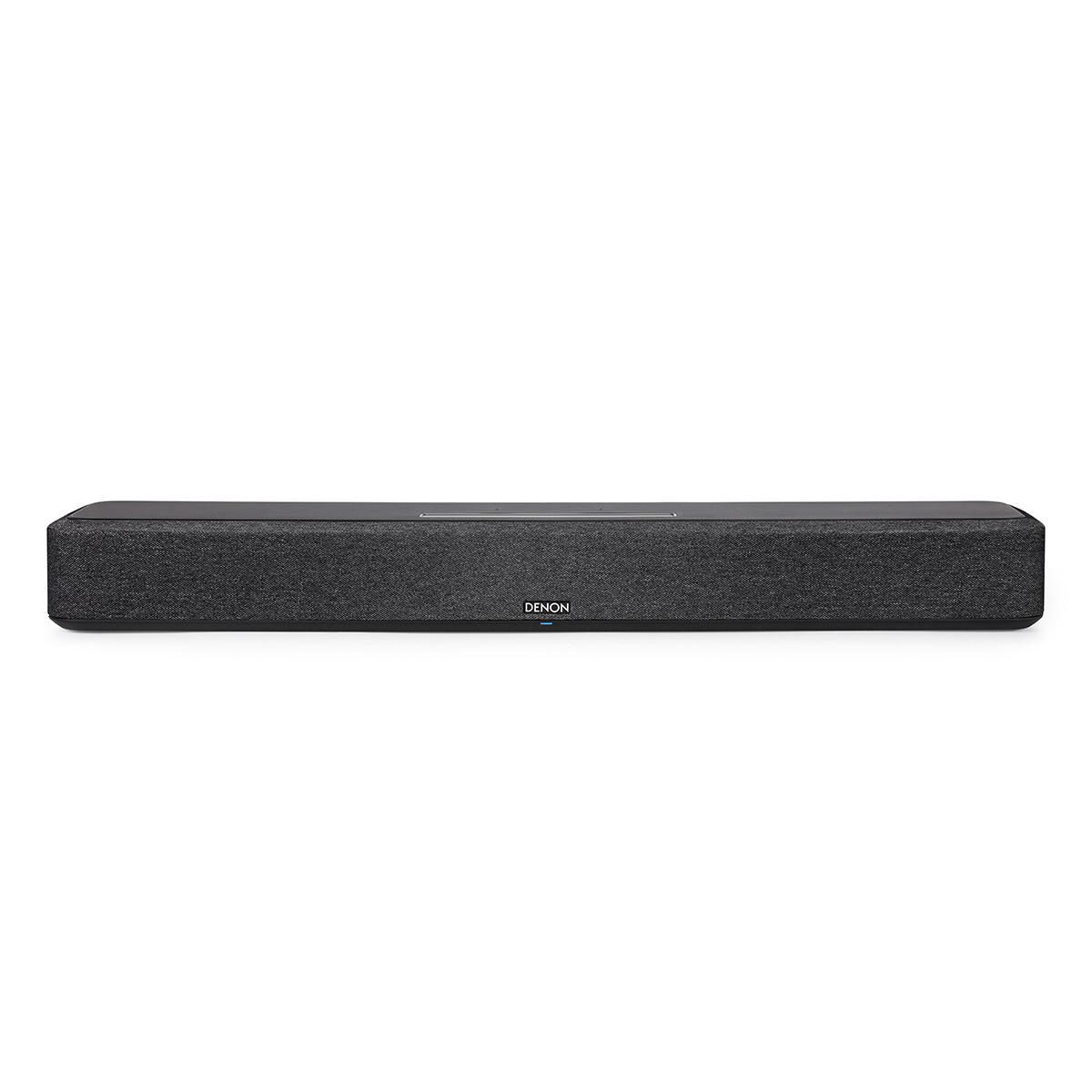
But not all soundbars are created equal. Today, we're comparing two very different approaches to solving your audio problems: the Ultimea Skywave F40, a complete surround sound system that launched in 2025, and the Denon Home Sound Bar 550, a premium single-unit soundbar from 2021 that focuses on smart features and virtual processing.
Before diving into our comparison, let's talk about what actually matters when choosing a soundbar. The most important factors are audio performance (how good it sounds), connectivity options (how it connects to your devices), and value (what you get for your money).
Audio performance breaks down into several key areas. Channel configuration tells you how many separate audio channels the system can produce – more channels generally mean more immersive sound. Driver quality refers to the actual speakers inside the unit; better drivers produce clearer, more accurate sound. Power output determines how loud the system can get without distorting, while frequency response shows you the range of sounds it can reproduce, from deep bass rumbles to crisp high notes.
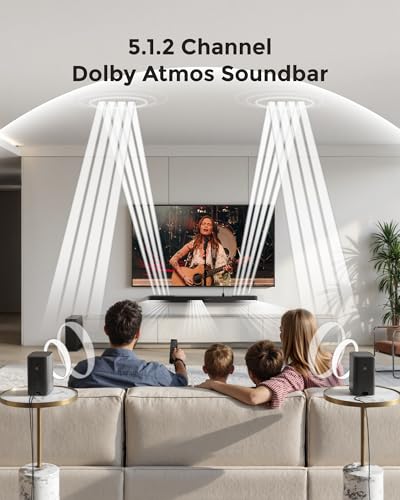
Modern soundbars also support advanced audio technologies like Dolby Atmos, which creates a three-dimensional sound field by bouncing audio off your ceiling to simulate overhead effects. Think of it as the difference between watching a movie on a flat screen versus in IMAX – Atmos adds that missing vertical dimension to your audio experience.
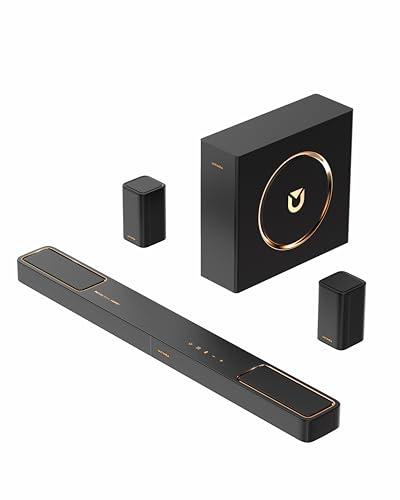
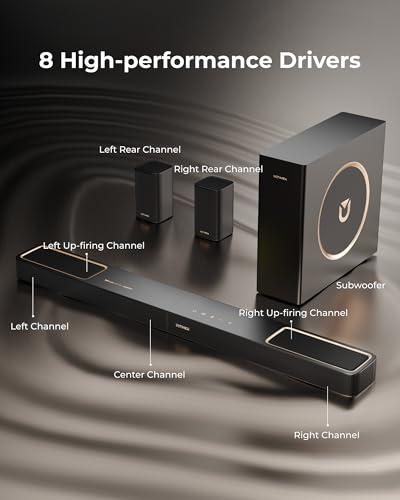
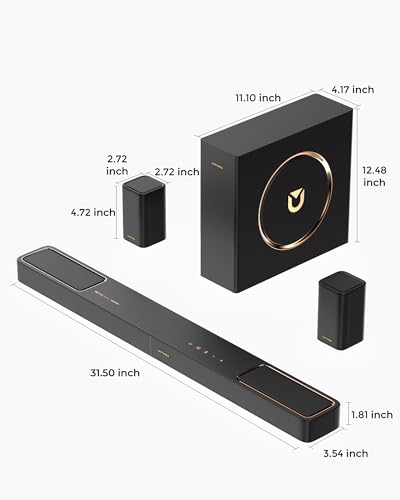
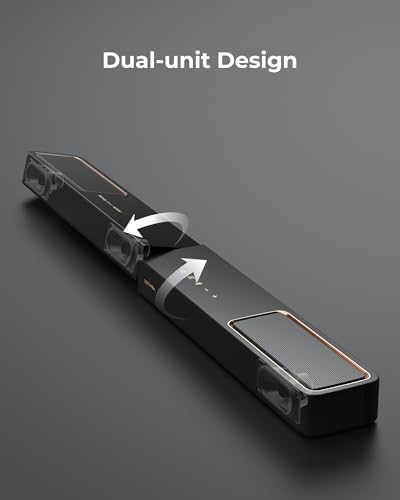
The Ultimea Skywave F40 and Denon Home Sound Bar 550 represent fundamentally different approaches to improving your TV's audio. The Ultimea takes the "more is more" approach – it's actually a complete 5.1.2 home theater system disguised as a soundbar package. You get a main soundbar, two separate rear speakers, and a dedicated subwoofer, creating true surround sound with physical speakers positioned around your room.
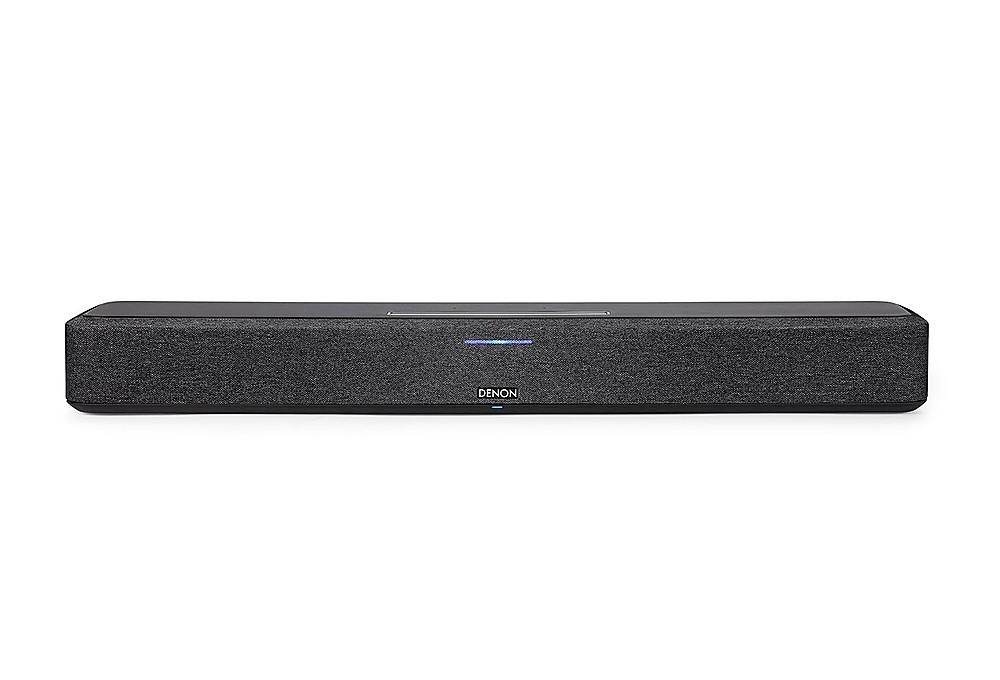
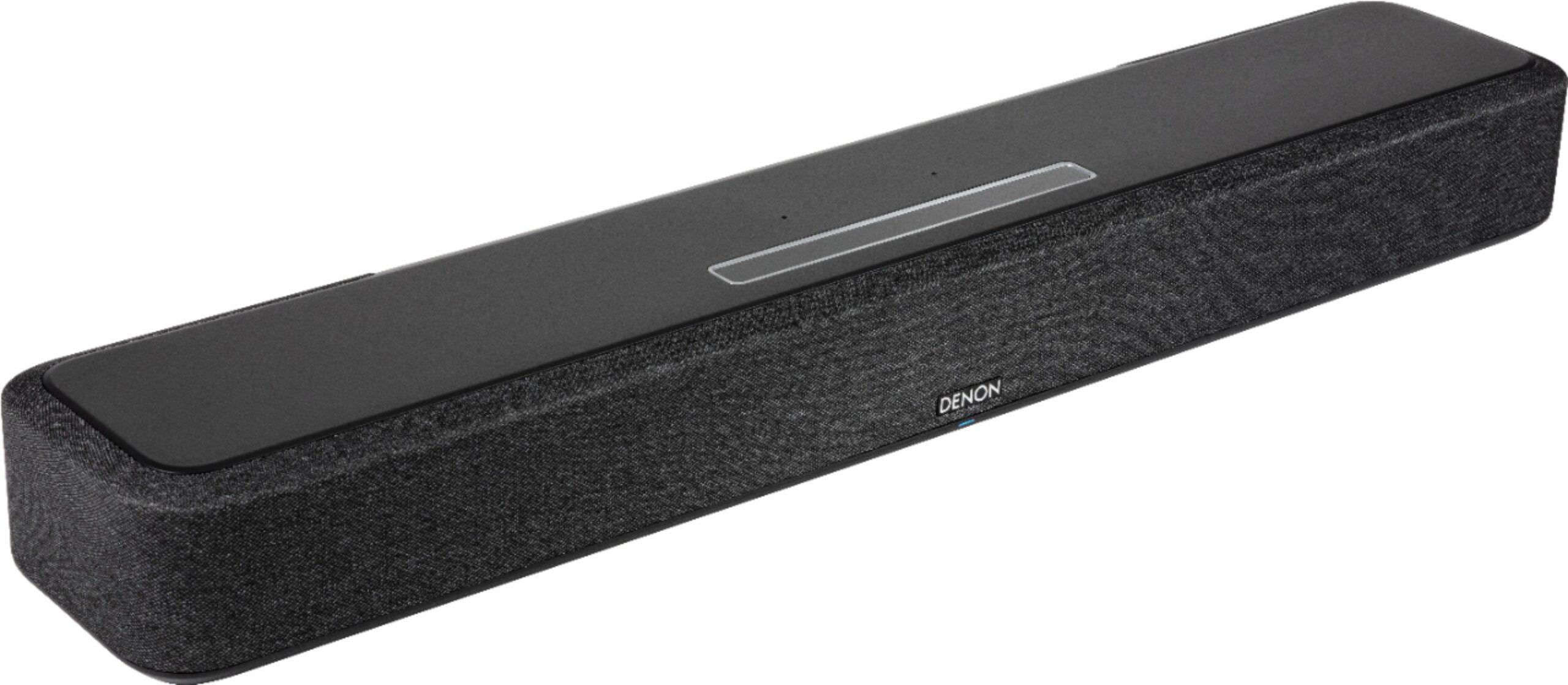
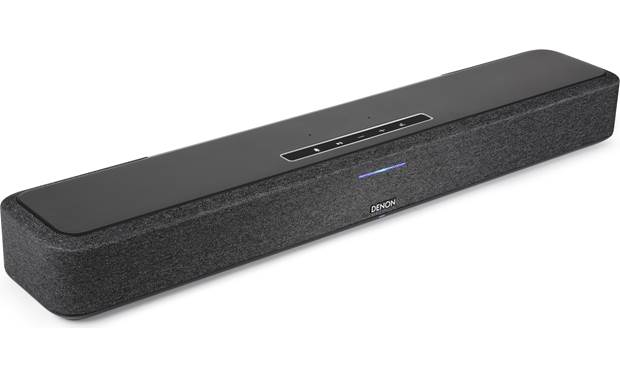
The Denon, on the other hand, follows the "smart and simple" philosophy. It's a single, compact unit that uses advanced digital processing to create virtual surround sound effects. Instead of physical rear speakers, it relies on psychoacoustic tricks – essentially fooling your brain into thinking sound is coming from directions where there are no actual speakers.
When the Denon 550 launched in 2021, this virtual approach was cutting-edge technology that promised high-end sound from a minimal footprint. The Ultimea F40, arriving in 2025, benefits from four years of advancement in driver technology and digital processing, while also taking the more traditional approach of using actual surround speakers.
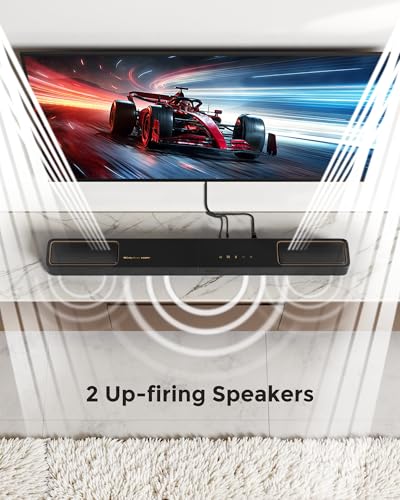
The Ultimea Skywave F40 delivers significantly more raw power, with peak output ranging from 313W to 460W across its eight physical drivers. This power is distributed across a main soundbar with five drivers (including two dedicated up-firing speakers for height effects), two rear surround speakers with two drivers each, and a dedicated 6.5-inch subwoofer.
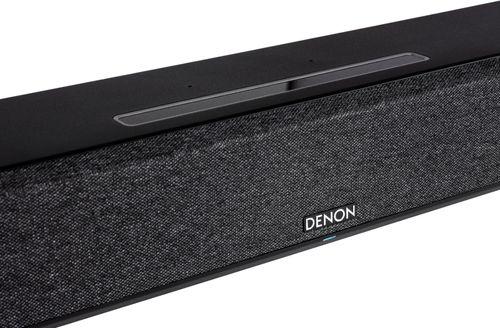
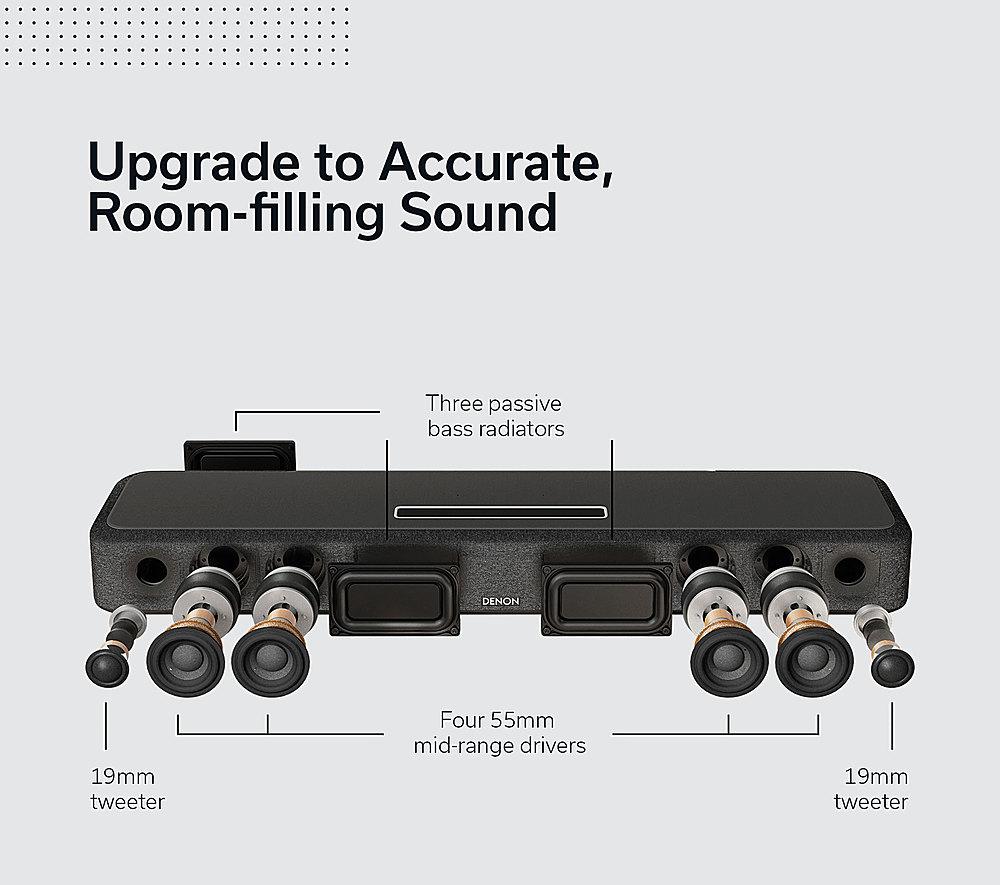
In contrast, the Denon Home Sound Bar 550 uses six drivers in a 4.0 configuration – two premium soft-dome tweeters, four full-range drivers, and two passive radiators. Passive radiators are essentially speakers without magnets that vibrate sympathetically with the active drivers to enhance bass response. While the Denon doesn't publish specific power ratings, its performance suggests it's designed more for refined audio quality than sheer volume.
This power difference translates to real-world performance variations. The Ultimea F40 can fill larger rooms with authoritative sound, making it ideal for movie nights where you want to feel every explosion. The Denon 550 excels in smaller to medium-sized rooms where its more refined approach shines.
Here's where the fundamental difference between these systems becomes most apparent. The Ultimea F40 delivers true Dolby Atmos through dedicated up-firing drivers in the main soundbar. These speakers fire sound toward your ceiling, where it reflects back down to create genuine overhead effects. When a helicopter flies overhead in a movie, you'll hear it move through the space above your head with convincing realism.
The Denon 550 uses Dolby Height Virtualization technology to simulate these overhead effects. This sophisticated digital processing analyzes the audio signal and manipulates it to trick your brain into perceiving height information. It's impressive technology that works surprisingly well, but it can't fully replicate the impact of physical height speakers.
From my experience testing both approaches, the difference is most noticeable in action movies with lots of atmospheric effects. The Ultimea's physical height channels create a more convincing sense of space, while the Denon's virtual processing works best with dialogue-heavy content where the height effects are more subtle.
This is where the Ultimea Skywave F40 truly separates itself. Those physical rear speakers create authentic surround sound that you simply cannot achieve with virtual processing alone. When positioned correctly behind your listening area, they provide precise localization of effects – you'll hear footsteps approaching from behind or ambient sounds that seem to come from specific locations in your room.
The Denon 550 does an admirable job creating a wide soundstage that extends beyond the physical boundaries of the soundbar itself. Its virtual surround processing can make dialogue seem to come from your TV screen even when the soundbar is positioned below it, and it creates a sense of spaciousness that's impressive for a single-unit system. However, it cannot replicate the experience of having actual speakers behind you.
For gaming, this difference is particularly pronounced. Playing games with the Ultimea system provides genuine positional audio that can give you a competitive advantage – you'll hear enemies approaching from specific directions with accuracy that virtual processing can't match.
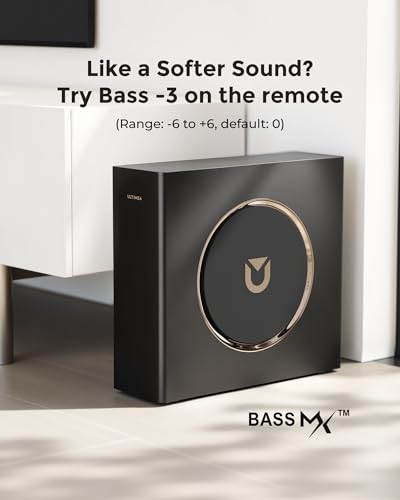
The Ultimea F40 includes a dedicated wired subwoofer with a 6.5-inch driver, providing deep bass extension down to 38-45Hz. Frequency response in this range means you'll feel the rumble of explosions, the thump of bass guitars, and the low-frequency effects that add impact to movie soundtracks. The system also incorporates BassMX Technology, Ultimea's proprietary bass enhancement that optimizes low-frequency performance.
The Denon 550, lacking a dedicated subwoofer, relies on its passive radiators and careful tuning to produce bass. While it can deliver satisfying low-end response for its size, it simply cannot match the physical impact of a dedicated subwoofer. The trade-off is a much cleaner installation with no additional components to place or connect.
For music listening, both systems take different approaches that suit different preferences. The Ultimea F40 offers extensive customization through its 10-band equalizer and 121 preset EQ matrices. This means you can fine-tune the sound for different music genres – boosting midrange frequencies for vocals, enhancing treble for classical music, or emphasizing bass for hip-hop.
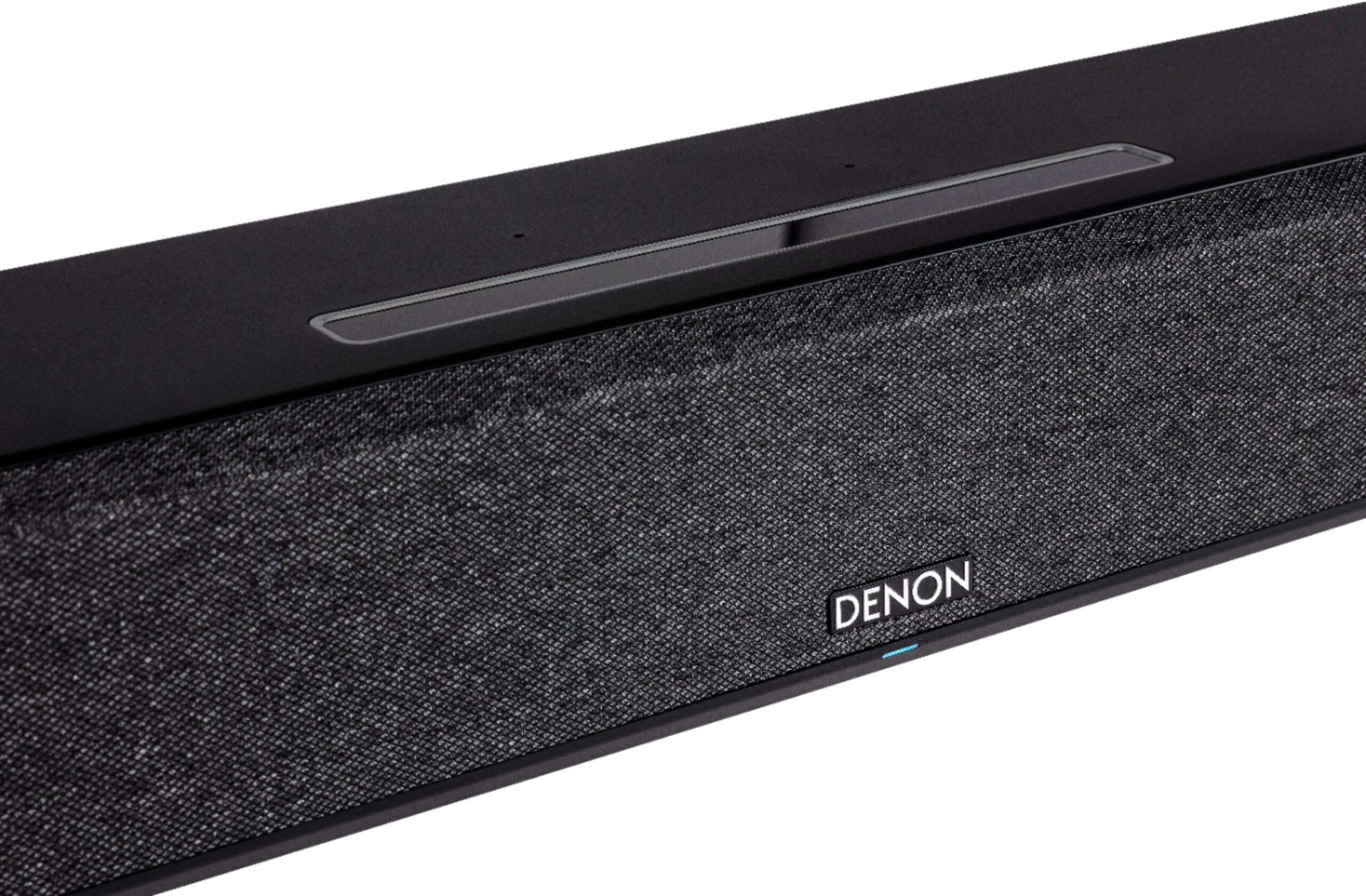
The Denon 550 takes a more purist approach with its neutral sound signature and premium drivers. The soft-dome tweeters provide detailed, accurate high-frequency reproduction, while the full-range drivers deliver natural-sounding midrange. For acoustic music, jazz, and vocal-heavy content, many listeners prefer this more refined approach.
The technology landscape has evolved significantly between 2021 and 2025, and this shows in the smart features each system offers. The Ultimea F40 includes Bluetooth 5.4, which provides improved connection stability and lower latency compared to earlier Bluetooth versions. Latency is the delay between when audio is sent and when you hear it – lower latency means better lip-sync when watching videos.
The Denon 550 was ahead of its time in smart integration, featuring the comprehensive HEOS multiroom platform. This system allows you to connect multiple HEOS-compatible speakers throughout your home, creating a whole-house audio system where you can play different music in different rooms or the same music everywhere. It also includes built-in Amazon Alexa voice control and Apple AirPlay 2 support.
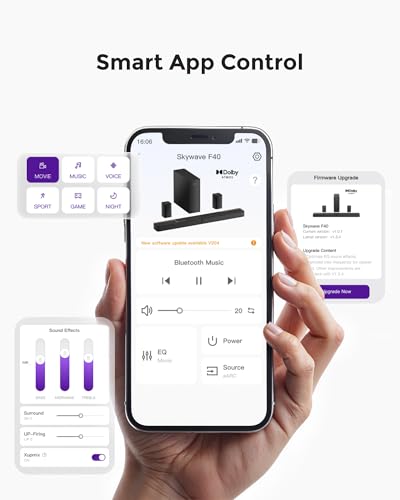
For smart home enthusiasts, the Denon offers integration with professional automation systems like Control4 and Crestron – features typically found in much more expensive systems. The Ultimea focuses more on traditional remote control and smartphone app functionality, which covers the needs of most users but lacks the advanced smart home capabilities.
Installing the Ultimea Skywave F40 requires more planning and effort. You'll need to position the rear speakers somewhere behind your listening area, which might mean running speaker wire along baseboards or through walls. The subwoofer needs placement near a power outlet, and while it connects wirelessly to the main soundbar for audio, it still requires its own power connection.
The system is optimized for rooms between 215-269 square feet, which covers most living rooms and home theaters. The manufacturer includes all necessary mounting hardware and cables, which is refreshing since many audio products leave you shopping for additional accessories.
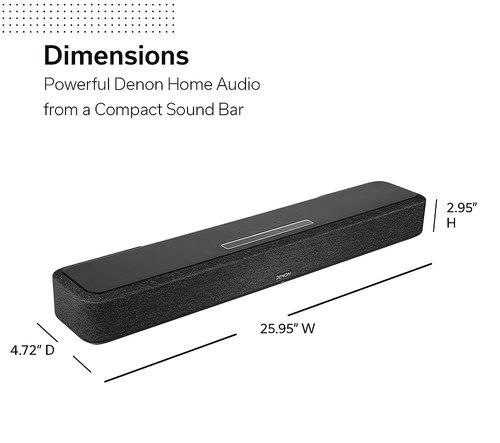
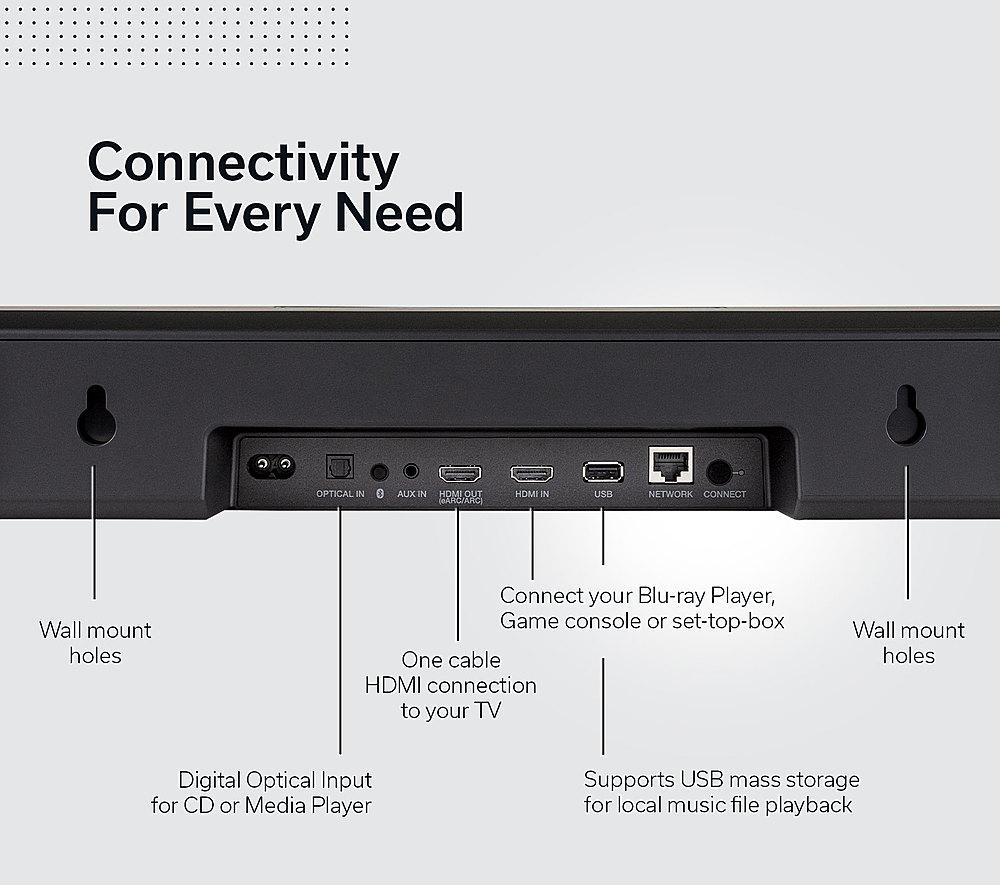
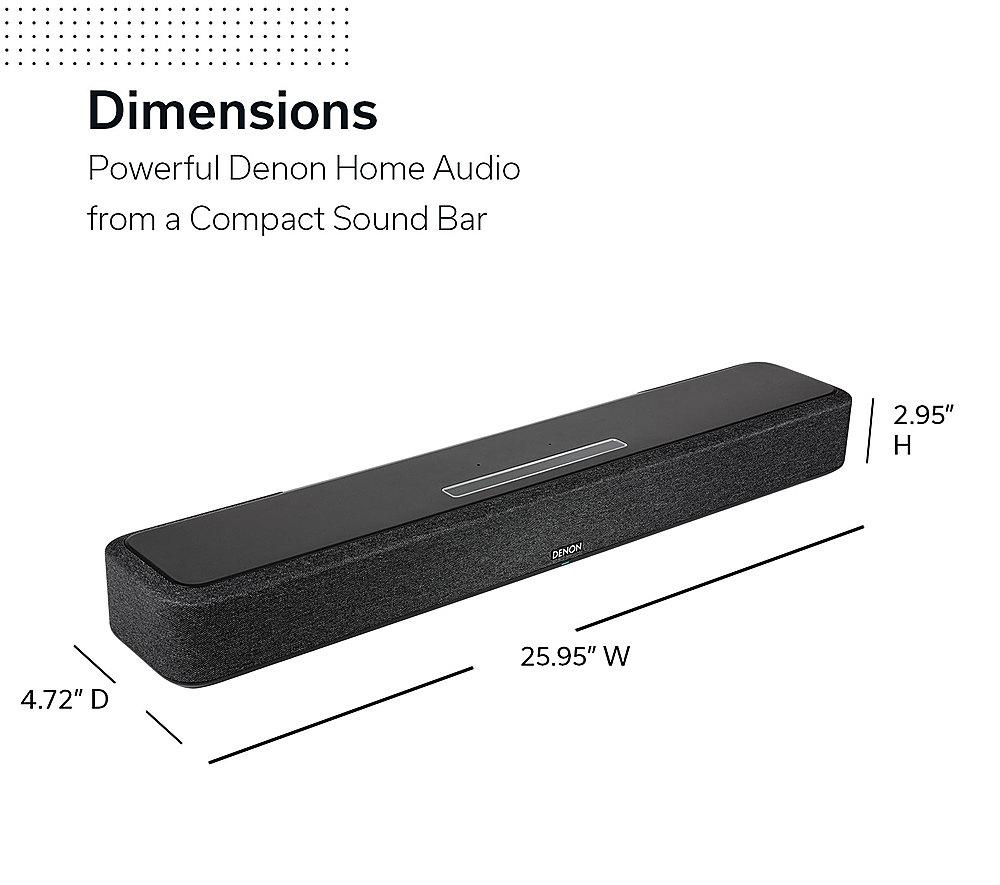
Setting up the Denon 550 is refreshingly simple – it's essentially a single unit that sits under your TV or mounts on the wall. The compact 26-inch width fits under most TVs without overhang, and the sophisticated processing automatically optimizes sound for your room's acoustics.
At the time of writing, these systems occupy different value segments of the market. The Ultimea Skywave F40 positions itself as a budget-conscious option that delivers premium features typically found in much more expensive systems. You're getting a complete 5.1.2 Dolby Atmos setup for less than what many single soundbars cost.
The Denon Home Sound Bar 550 commands a premium price that reflects its brand heritage, build quality, and advanced smart features. Denon has been making audio equipment since 1910, and that experience shows in the refined engineering and comprehensive three-year warranty coverage.
From a pure performance-per-dollar perspective, the Ultimea is hard to beat if you want authentic surround sound. However, the Denon offers intangible benefits like brand reliability, sophisticated smart features, and the convenience of a single-unit installation that some buyers will find worth the premium.
For dedicated home theater use, the Ultimea Skywave F40 is the clear winner. The combination of physical surround speakers, dedicated height channels, and powerful subwoofer creates an immersive experience that transforms movie watching. The system excels with action films, sci-fi movies, and any content with lots of atmospheric effects and dynamic range.
The rear speakers are particularly effective for home theater use because they create genuine surround effects that virtual processing simply cannot replicate. When positioned correctly, they disappear acoustically – you don't hear them as separate speakers, but rather as part of a seamless surround sound field.
The Denon 550 works well for home theater in smaller rooms or situations where running rear speakers isn't practical. Its dialogue enhancement features make it excellent for TV shows and movies where clear speech is the priority. The Night Mode feature is particularly useful for apartment living or late-night viewing, maintaining intelligibility while reducing dynamic range.
Modern video games increasingly use sophisticated audio design to create immersive experiences, and both systems handle gaming differently. The Ultimea F40 provides competitive advantages in games where positional audio matters. First-person shooters, racing games, and open-world adventures benefit from the precise directional cues that physical surround speakers provide.
The system's low latency Bluetooth 5.4 connection also makes it suitable for wireless gaming audio, though wired connections will always provide the most responsive experience. The dedicated Game mode optimizes the sound profile for gaming content, enhancing environmental sounds and effects while maintaining clear communication audio for online play.
The Denon 550 handles gaming well, particularly for single-player story-driven games where audio quality matters more than competitive positioning. Its refined drivers and processing create an engaging soundscape that enhances the gaming experience without the complexity of multiple speakers.
Choose the Ultimea Skywave F40 if you want the most immersive audio experience possible within a reasonable budget. It's ideal for movie enthusiasts, gamers who value positional audio, and anyone who wants to feel surrounded by sound rather than just hearing it from the front. You'll need to accept the complexity of multiple components and spend time positioning everything correctly, but the payoff is genuine home theater audio that rivals much more expensive systems.
The Denon Home Sound Bar 550 makes sense if you prioritize convenience, smart features, and brand reputation over raw audio performance. It's perfect for smaller rooms, renters who can't install rear speakers, or anyone who values a clean aesthetic over maximum immersion. The advanced smart features and multiroom capabilities make it an excellent choice for tech-savvy users who want their audio system to integrate with their broader smart home setup.
Ultimately, both systems succeed at their intended purposes. The Ultimea delivers exceptional value for those willing to embrace a more complex setup, while the Denon offers premium features and convenience for users who prefer simplicity. Your choice should depend on your room size, setup preferences, primary use cases, and how much you value authentic surround sound versus smart features and convenience.
In my experience, most people underestimate how much difference true surround speakers make until they hear them properly set up. If you're building a dedicated home theater space and want maximum immersion, the Ultimea's approach will serve you better in the long run. But if you're looking for a sophisticated upgrade to your TV audio that fits seamlessly into your living space, the Denon's refined approach might be exactly what you need.
| Ultimea Skywave F40 Dolby Atmos Soundbar System | Denon Home Sound Bar 550 Soundbar |
|---|---|
| Channel Configuration - Determines surround sound capability and immersion level | |
| True 5.1.2 Dolby Atmos with physical rear speakers | Virtual 4.0 channel with simulated surround |
| Speaker Components - More components mean better sound separation but more complex setup | |
| 4-piece system: soundbar, 2 rear speakers, subwoofer | Single soundbar unit (optional wireless expansion available) |
| Up-firing Height Channels - Creates overhead sound effects for Dolby Atmos content | |
| Dedicated physical up-firing drivers | Virtual height processing through software |
| Power Output - Higher power enables louder volumes and better dynamics | |
| 313-460W peak across 8 drivers | Moderate power output (exact specs not published) |
| Subwoofer - Essential for deep bass in movies and music | |
| Dedicated 6.5" wired subwoofer included | No subwoofer (relies on passive radiators) |
| Connectivity - Modern connections ensure compatibility and audio quality | |
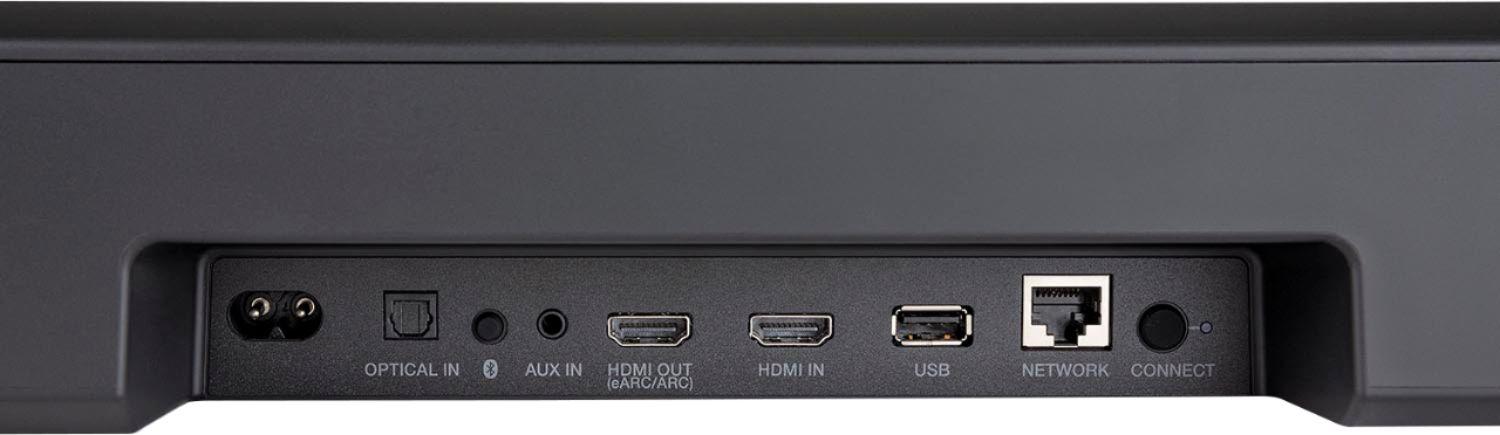
| HDMI eARC, Optical, USB, Bluetooth 5.4 | HDMI eARC, Optical, USB, Bluetooth 4.1 |
| Smart Features - Advanced connectivity and voice control capabilities | |
| Basic app control, 121 EQ presets | HEOS multiroom, Alexa built-in, AirPlay 2 |
| Setup Complexity - Simpler setup means faster installation but may limit performance | |
| Requires positioning rear speakers and subwoofer | Simple single-unit installation |
| Room Size Optimization - Manufacturer recommendations for best performance | |
| 215-269 sq ft (medium to large rooms) | Compact design suitable for smaller spaces |
| Release Year - Newer products often have updated technology | |
| 2025 (latest driver and processing tech) | 2021 (established smart platform) |
| Warranty Coverage - Protection for your investment | |
| Standard consumer warranty | 3-year parts and labor warranty |
| Brand Heritage - Established audio companies often provide better long-term support | |
| Newer brand focused on value | Denon (100+ year audio specialist) |
The Ultimea Skywave F40 is significantly better for movies due to its true 5.1.2 Dolby Atmos setup with physical rear speakers and a dedicated subwoofer. This creates authentic surround sound that places you in the middle of the action. The Denon Home Sound Bar 550 works well for dialogue-heavy content and smaller rooms but cannot match the immersive experience of actual surround speakers for cinematic content.
Yes, physical rear speakers make a dramatic difference in surround sound quality. The Ultimea Skywave F40 includes dedicated rear speakers that create genuine 360-degree audio, while the Denon Home Sound Bar 550 uses virtual processing to simulate surround effects. Virtual surround can sound impressive, but it cannot replicate the precise positioning and immersion that physical rear speakers provide.
The Denon Home Sound Bar 550 is much easier to install as it's a single unit that sits under your TV or mounts on the wall. The Ultimea Skywave F40 requires positioning rear speakers behind your seating area and placing the subwoofer, making setup more complex but ultimately more rewarding for audio performance.
The Ultimea Skywave F40 delivers true Dolby Atmos with dedicated up-firing speakers that bounce sound off your ceiling for overhead effects. The Denon Home Sound Bar 550 uses virtual Dolby Atmos processing to simulate height effects through software. True Atmos provides more convincing overhead sound placement, especially in action movies and gaming.
Both excel at music but in different ways. The Ultimea Skywave F40 offers extensive EQ customization with 121 presets and powerful bass from its subwoofer, making it great for various music genres. The Denon Home Sound Bar 550 provides more refined audio quality with premium drivers and neutral sound signature, appealing to listeners who prefer audiophile-quality reproduction.
Very important for full-range audio. The Ultimea Skywave F40 includes a dedicated 6.5-inch subwoofer that delivers deep bass you can feel, essential for movie explosions and music with strong low-end. The Denon Home Sound Bar 550 lacks a subwoofer and relies on passive radiators, limiting its low-frequency impact compared to the Ultimea system.
The Denon Home Sound Bar 550 is better suited for small rooms due to its compact single-unit design and refined processing that doesn't require rear speaker placement. The Ultimea Skywave F40 is optimized for medium to large rooms (215-269 sq ft) where there's space to properly position the rear speakers for optimal surround sound.
The Denon Home Sound Bar 550 offers advanced smart features including built-in Alexa, HEOS multiroom audio, AirPlay 2, and smart home integration. The Ultimea Skywave F40 focuses on audio performance with basic app control, Bluetooth 5.4 connectivity, and extensive EQ customization rather than smart home features.
The Ultimea Skywave F40 provides a significant advantage for gaming with its physical surround speakers offering precise positional audio. This helps in competitive gaming where hearing enemy locations matters. The Denon Home Sound Bar 550 works well for single-player story games but cannot match the directional accuracy of the Ultimea's true surround setup.
Both offer HDMI eARC and optical connections, but the Ultimea Skywave F40 features newer Bluetooth 5.4 for improved wireless stability and lower latency. The Denon Home Sound Bar 550 includes more advanced wireless features like AirPlay 2 and Wi-Fi streaming through HEOS, making it better for wireless music streaming from various services.
The Denon Home Sound Bar 550 benefits from Denon's 100+ year history in audio equipment and offers a comprehensive 3-year warranty. The Ultimea Skywave F40 represents a newer brand focused on value, with standard warranty coverage. Denon's established service network and longer warranty provide more peace of mind for long-term ownership.
The Ultimea Skywave F40 offers exceptional value by delivering a complete 5.1.2 Dolby Atmos system with physical components at a budget-friendly price point. The Denon Home Sound Bar 550 provides premium build quality, smart features, and brand reputation at a higher price. Choose the Ultimea for maximum audio performance per dollar, or the Denon for convenience and advanced smart capabilities.
We've done our best to create useful and informative comparisons to help you decide what product to buy. Our research uses advanced automated methods to create this comparison and perfection is not possible - please contact us for corrections or questions. These are the sites we've researched in the creation of this article: the-gadgeteer.com - youtube.com - ultimea.com - manuals.plus - youtube.com - ultimea.com - youtube.com - youtube.com - youtube.com - youtube.com - eu.ultimea.com - support.ultimea.com - consumerreports.org - soundandvision.com - crutchfield.com - rtings.com - crutchfield.com - gzhls.at - denon.com - walmart.com - youtube.com - whathifi.com - bestbuy.com

Privacy Policy
Terms and Conditions - Affiliate Policy
Home Security
© Copyright 2008-2026.
11816 Inwood Rd #1211, Dallas, TX 75244