

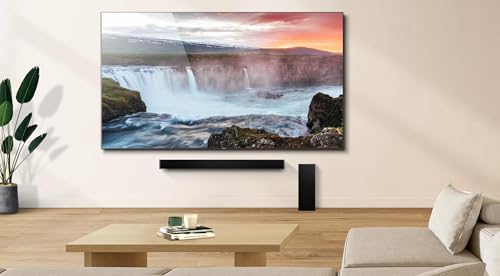


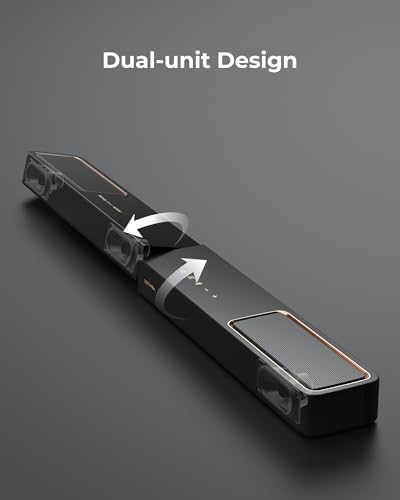
If you've ever found yourself turning up the TV volume just to hear dialogue clearly, or felt like action movies lack that cinematic punch, you're dealing with the universal problem of terrible built-in TV speakers. Modern flat-panel TVs prioritize slim designs over audio quality, leaving viewers with tinny, underpowered sound that does justice to neither blockbuster movies nor evening news programs.
The soundbar market has evolved dramatically to address this issue, but choosing the right one means understanding some fundamental differences in how these systems approach audio enhancement. Today we're comparing two distinct philosophies: the Hisense HS2100's straightforward 2.1 channel approach versus the Ultimea Skywave F40's comprehensive surround sound system.
Before diving into specifics, it's worth understanding what separates different types of soundbars. The numbers you see—like 2.1 or 5.1.2—aren't just marketing jargon. They describe exactly how many speakers and channels the system uses to create sound.
A 2.1 system means two main channels (left and right speakers) plus one subwoofer channel for bass. Think of it as enhanced stereo sound with added low-end punch. A 5.1.2 system is far more complex: five main channels (front left, center, front right, rear left, rear right), one subwoofer channel, and two height channels that bounce sound off your ceiling. This creates what audio engineers call a "sound field"—where audio seems to come from all around you, including above.
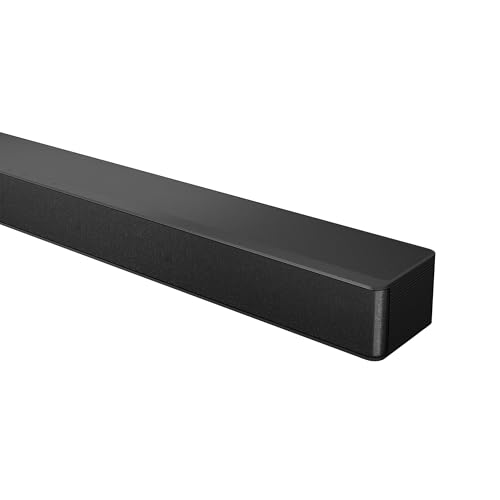
The Hisense HS2100, released in 2023, represents the refined end of budget 2.1 systems. It focuses on doing stereo sound really well while adding virtual surround processing—software that tries to simulate surround effects from just two speakers. The Ultimea Skywave F40, also from 2023, takes the opposite approach with physical speakers placed around your room to create genuine surround sound.
Since their release, both systems have benefited from improved Bluetooth connectivity and better virtual processing algorithms, but the fundamental difference in their approach remains the key decision point for buyers.
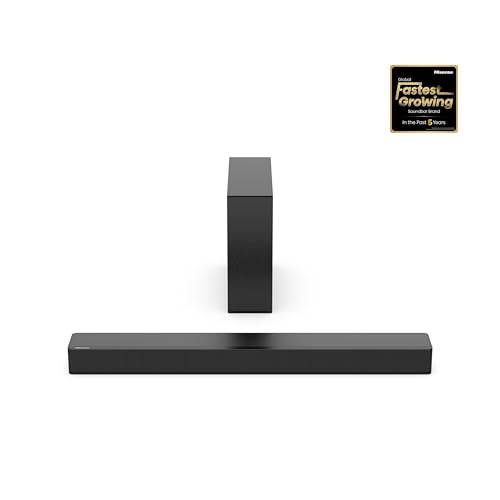
The Hisense HS2100 embodies the "keep it simple" philosophy that appeals to many buyers. At its core, this system takes everything your TV tries to do with audio and does it much better through dedicated speakers and a proper subwoofer.
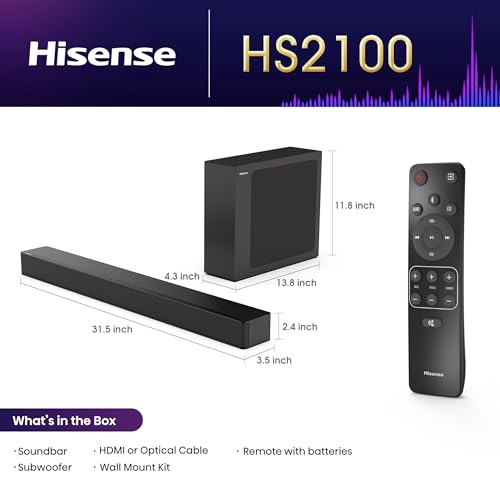
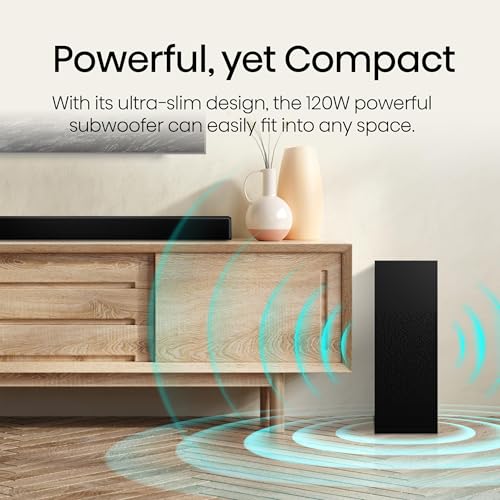
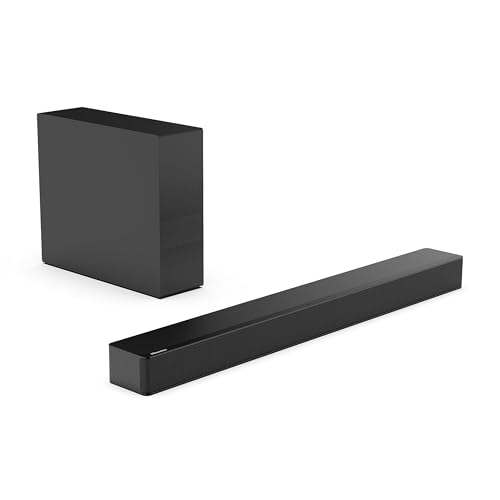
The soundbar itself houses two full-range drivers that handle everything from dialogue to music, while a separate wireless subwoofer tackles the low frequencies that create bass impact. This separation is crucial because bass requires moving a lot of air, which needs either large speakers or dedicated subwoofers. By offloading bass duties to a separate 5.25-inch subwoofer, the main soundbar can focus on clarity and detail in the mid and high frequencies where dialogue lives.
What makes this system particularly appealing is its wireless subwoofer design. Unlike many budget systems where every component needs a wire, you can place the subwoofer anywhere in your room that provides good bass response—often corners or along walls where bass naturally reinforces. This flexibility matters more than you might expect, especially in smaller living spaces where cable management becomes a real concern.
The HS2100 includes DTS Virtual:X processing, which is essentially sophisticated software that analyzes stereo or surround audio and tries to create a wider soundstage than the physical speakers can naturally produce. While this doesn't match true surround sound, it does make movies and shows feel more expansive than traditional stereo playback.
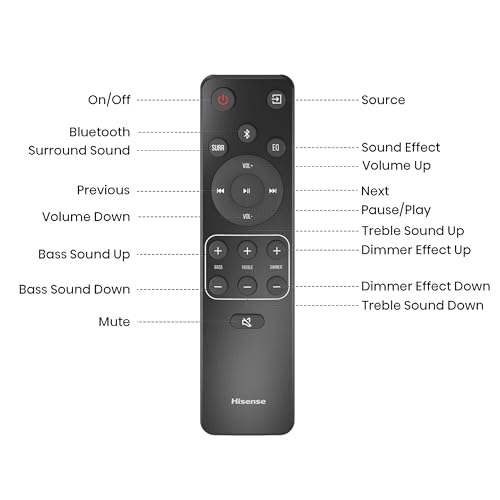
Six preset sound modes handle different content types automatically. Movie mode emphasizes surround effects and bass response, Music mode balances frequencies for better instrumental separation, and News mode focuses on dialogue clarity—crucial for understanding talking heads or narration in documentaries. These presets eliminate the need to manually adjust audio settings every time you switch from watching the news to streaming an action movie.
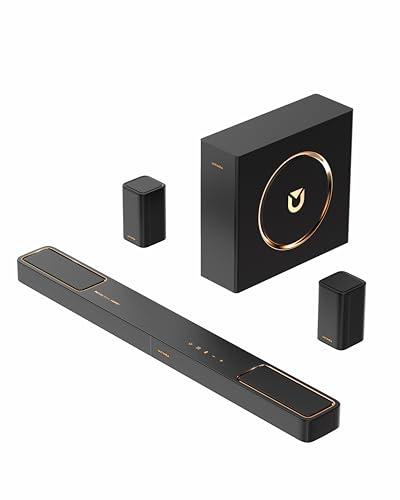
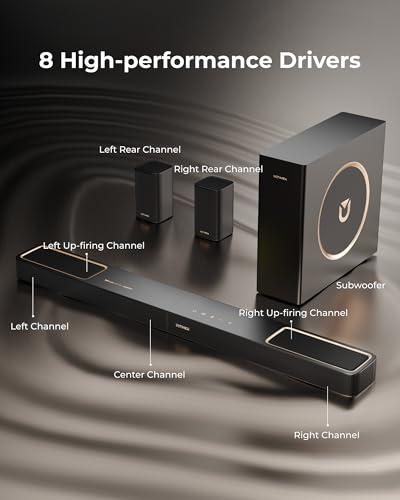
The Ultimea Skywave F40 represents a fundamentally different approach to home audio. Rather than enhancing stereo sound, it creates a genuine multichannel audio environment using eight separate speakers strategically placed around your room.
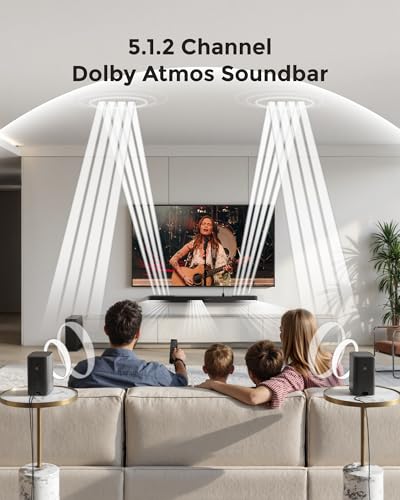
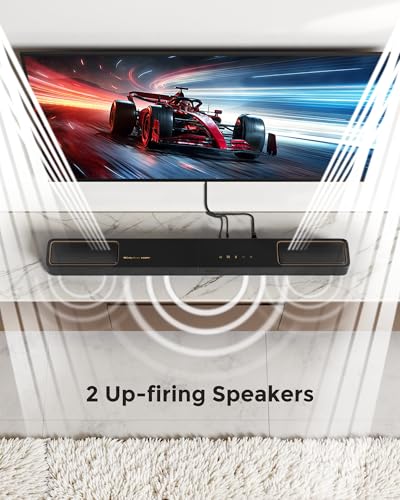
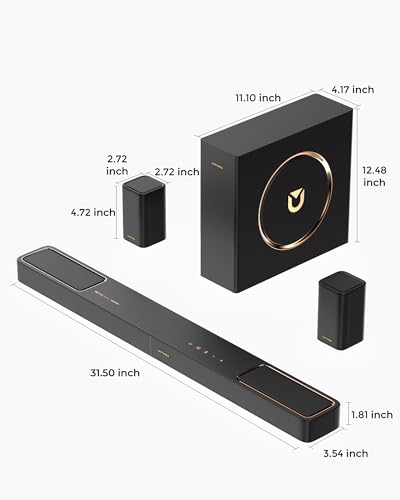
The system's 5.1.2 configuration means you get five main speakers (built into the soundbar), two rear surround speakers that you place behind your seating area, one subwoofer for bass, and two upward-firing speakers that bounce sound off your ceiling to create height effects. This isn't marketing hyperbole—you're literally surrounded by speakers, each handling specific audio channels that movie and game soundtracks are mixed to utilize.
The Dolby Atmos support deserves special attention because it represents a significant leap in home audio technology. Traditional surround sound creates a circle of sound around you, but Atmos adds a third dimension by placing audio objects in 3D space. When a helicopter flies overhead in a movie, you hear it above you. When rain falls, it seems to come from the sky rather than just the front speakers. This effect requires those upward-firing drivers that bounce sound off your ceiling back down to your listening position.
The Skywave F40's Xupmix technology, powered by Dolby's own processing algorithms, intelligently converts regular stereo content into multichannel surround sound in real-time. This means even older TV shows or music videos get enhanced with spatial effects and improved dialogue clarity. It's like having a smart audio engineer constantly optimizing whatever you're watching.
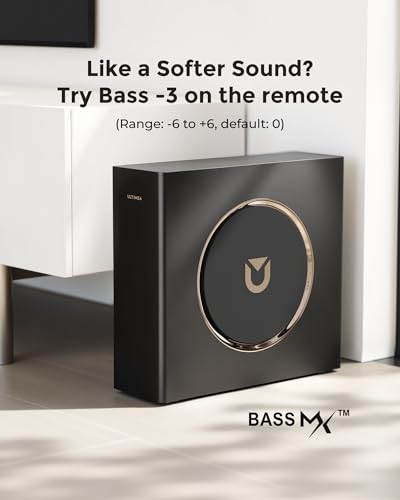
BassMX technology optimizes the subwoofer's performance using advanced digital signal processing. Rather than just playing bass frequencies, the system analyzes the content and adjusts bass response for different types of audio—dialogue gets different treatment than explosion effects or musical bass lines.
Both systems dramatically improve dialogue clarity compared to TV speakers, but they achieve this differently. The Hisense HS2100 uses a dedicated center channel virtualization that ensures voices stay focused in the center of the soundstage, making conversations easier to follow even when other audio elements compete for attention.
The Ultimea Skywave F40 includes a true center channel speaker within its soundbar design, which provides even better dialogue separation. Center channels are specifically designed for human voices, and having a dedicated physical speaker rather than virtual processing makes a noticeable difference in busy audio scenes.
From our research into user experiences, dialogue clarity represents the most immediately noticeable improvement both systems provide. Users consistently report being able to lower overall volume while still understanding conversations clearly—a significant quality of life improvement for evening viewing or when others are sleeping nearby.
Bass performance reveals one of the clearest differences between these systems. The HS2100's wireless subwoofer uses a 5.25-inch driver that provides adequate bass punch for most content but lacks the extension needed for truly deep cinematic effects. Its frequency response bottoms out around 45Hz, which means you'll feel bass drums and explosions but miss the deepest rumble that creates that chest-thumping movie theater experience.
The Skywave F40's larger 6.5-inch subwoofer reaches down to 40Hz with better control and impact. That extra 5Hz of extension and larger driver surface area translates to noticeably deeper bass that you feel as much as hear. The BassMX processing also means the subwoofer responds more intelligently to different content types rather than just amplifying all low frequencies equally.
Based on expert measurements and user feedback, the bass difference becomes most apparent in action movies and music with significant low-end content. The Skywave F40 provides the kind of bass response that makes explosions feel visceral rather than just loud.
This is where the fundamental difference in approach creates dramatically different experiences. The HS2100's DTS Virtual:X processing creates a convincingly wider stereo image than basic soundbars, making audio feel like it extends beyond the physical boundaries of the soundbar itself. However, this remains fundamentally a front-focused experience—sound comes from in front of you, even if it feels wider and more enveloping.
The Skywave F40 creates a genuine 360-degree sound field. Rear speakers provide actual audio from behind you, while the upward-firing drivers create overhead effects that change how you perceive the entire audio environment. When properly set up with adequate ceiling height (ideally 8-10 feet), the system creates convincing height effects that make audio feel three-dimensional rather than just wide.
User reviews consistently highlight this spatial difference as the most significant upgrade the Skywave F40 provides over traditional soundbars. The experience of hearing audio move around and above you fundamentally changes how immersive movies and games feel.
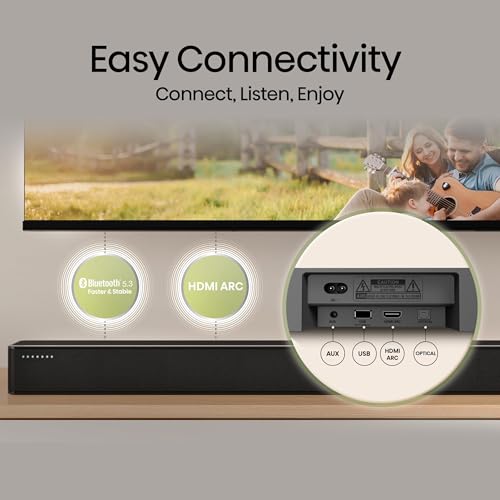
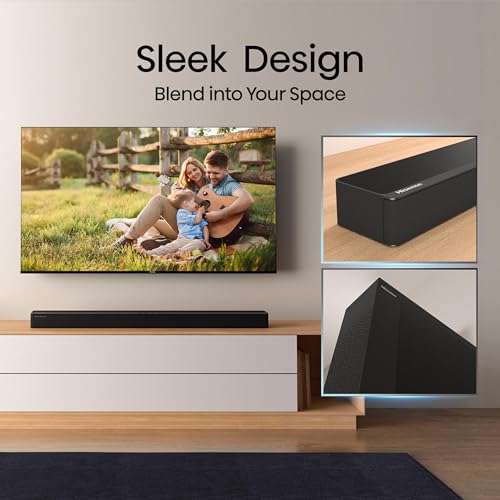
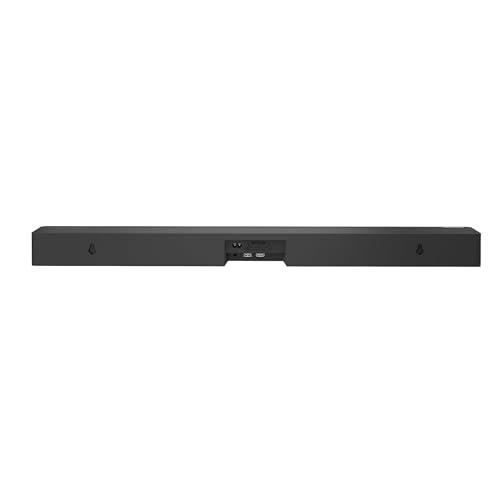
The Hisense HS2100 excels in simplicity. Setup involves connecting one cable to your TV (usually HDMI ARC), plugging in the soundbar and subwoofer, and letting them pair automatically. The wireless subwoofer eliminates the need to run cables across your room, and the compact design fits virtually any entertainment center setup.
The Ultimea Skywave F40 requires more thoughtful planning. You need to position rear speakers behind your seating area and run speaker wire to connect them (though they only require one wire between the two rear speakers, which simplifies installation somewhat). The system works best in rooms with appropriate ceiling height and adequate space for proper speaker placement.
Based on user experiences, the Skywave F40 rewards proper setup with dramatically better performance, while the HS2100 provides immediate gratification with minimal effort. The difference in complexity isn't just about initial setup—the surround system requires ongoing consideration of speaker placement when rearranging furniture or changing room layouts.
Both systems benefit from modern Bluetooth implementations—5.3 in the HS2100 and 5.4 in the Skywave F40—that provide stable, low-latency connections for music streaming. The newer 5.4 standard in the Skywave F40 offers slightly better range and connectivity, though both perform well for typical living room distances.
The Skywave F40's Dolby Atmos support represents a significant future-proofing advantage. Streaming services increasingly offer Atmos content, and gaming platforms are beginning to support spatial audio that takes advantage of height channels. The HS2100's DTS Virtual:X processing, while competent, cannot match the immersion of content specifically mixed for Atmos playback.
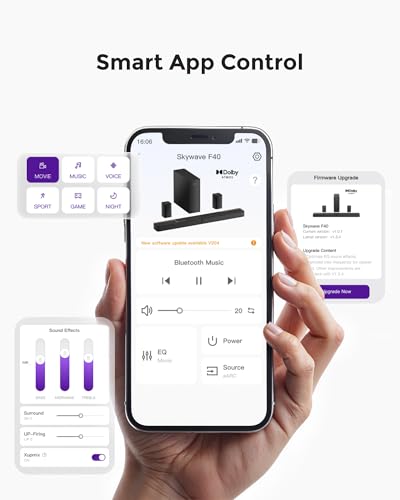
App-based control in the Skywave F40 allows for regular software updates and expanded functionality over time, while the HS2100's simpler remote-based interface limits future enhancement possibilities.
At the time of writing, the Hisense HS2100 positions itself as an excellent entry point into quality soundbar audio at roughly the $120 price range. For this investment, you get a complete system that dramatically improves TV audio without complexity or space requirements. The value proposition centers on immediate, noticeable improvement over TV speakers with minimal hassle.
The Ultimea Skywave F40, priced around $200, represents exceptional value within the Dolby Atmos category. Comparable systems from established brands often cost $400-600, making the Skywave F40 unusually affordable for genuine surround sound capability. The value equation here depends on whether the additional immersion and bass performance justify the increased complexity and cost.
The decision between these systems ultimately depends on your priorities, space, and content consumption habits.
Choose the Hisense HS2100 if you want immediate audio improvement with minimal fuss. It's perfect for apartment dwellers, anyone with space constraints, or users who primarily watch dialogue-heavy content like news and sitcoms. The wireless subwoofer and simple setup make it ideal for secondary rooms or situations where you want better audio without the complexity of multiple speakers.
The Skywave F40 makes sense when you have appropriate space and want a genuinely immersive audio experience. If you regularly watch movies, play games with spatial audio, or consume content where sound design matters, the comprehensive surround sound capabilities justify the additional setup requirements. It's particularly compelling for dedicated media rooms or when you want a system that will remain relevant as streaming content continues evolving toward spatial audio formats.
Consider your viewing habits honestly. If you primarily watch TV casually while doing other activities, the HS2100's enhanced dialogue clarity and bass punch provide most of the benefit you'll notice. If you sit down for dedicated movie nights or gaming sessions where audio immersion enhances the experience, the Skywave F40's true surround capabilities become genuinely valuable rather than just technically impressive.
Both systems represent smart choices within their respective categories, but they serve different users with different priorities. The HS2100 perfects the simple approach to better TV audio, while the Skywave F40 delivers genuine home theater experience at an unusually accessible price point.
| Hisense HS2100 | Ultimea Skywave F40 |
|---|---|
| Channel Configuration - Determines surround sound capability and immersion level | |
| 2.1 channels (stereo + subwoofer) | 5.1.2 channels (true surround + height effects) |
| Total Power Output - Affects maximum volume and dynamic range | |
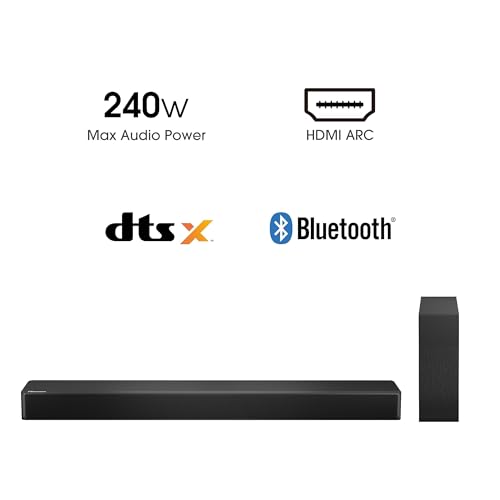
| 240W (60W x 2 soundbar, 120W subwoofer) | 460W across 8 speakers |
| Dolby Atmos Support - Critical for modern movie and streaming content | |
| No (DTS Virtual:X simulation only) | Yes (dedicated up-firing drivers) |
| Physical Speakers Included - More speakers mean better sound positioning | |
| 2 (soundbar + wireless subwoofer) | 4 components (soundbar + 2 rear speakers + subwoofer) |
| Bass Extension - Lower frequencies create more impactful movie effects | |
| 45Hz (adequate punch, limited deep bass) | 40Hz (deeper, more cinematic bass response) |
| Setup Complexity - Affects installation time and placement flexibility | |
| Simple (wireless subwoofer, single connection) | Complex (requires rear speaker placement and wiring) |
| Connectivity Options - Determines device compatibility and audio quality | |
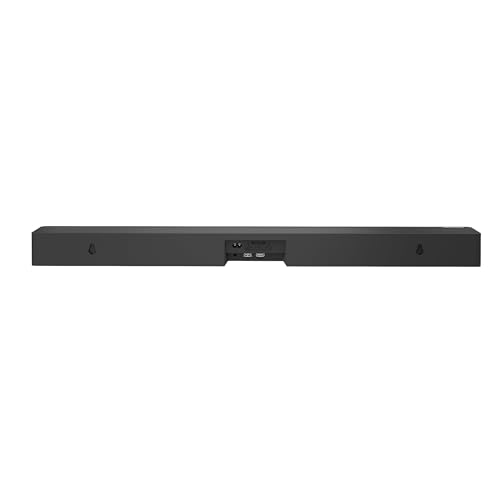
| HDMI ARC, Optical, AUX, USB, Bluetooth 5.3 | HDMI eARC, Optical, USB, Bluetooth 5.4 |
| Smart Features - Advanced control and customization options | |
| 6 preset modes, basic bass/treble adjustment | Smart app control, 10-band EQ, 121 presets |
| Room Size Recommendation - Optimal performance area | |
| Small to medium rooms, any ceiling height | Medium rooms with 8-10 foot ceilings for best Atmos effects |
| Subwoofer Design - Affects placement flexibility | |
| Wireless (can place anywhere for optimal bass) | Wired (less flexible placement, no wireless interference) |
| Content Optimization - How well it handles different audio sources | |
| Virtual surround processing for all content | Ultimea Skywave F40 Xupmix upmixes stereo to surround |
| Future-Proofing - Relevance as streaming audio evolves | |
| Limited (no Atmos support as content expands) | Strong (native Atmos ready for growing content library) |
The Hisense HS2100 is a 2.1 channel system with a soundbar and wireless subwoofer that enhances stereo sound, while the Ultimea Skywave F40 is a complete 5.1.2 surround sound system with rear speakers and Dolby Atmos support for true 360-degree audio immersion.
The Ultimea Skywave F40 is significantly better for movies due to its Dolby Atmos support, dedicated rear surround speakers, and up-firing drivers that create overhead sound effects. The Hisense HS2100 provides enhanced stereo audio but cannot deliver the immersive surround experience that modern movies are designed for.
No, only the Ultimea Skywave F40 supports true Dolby Atmos with dedicated height channels. The Hisense HS2100 uses DTS Virtual:X processing to simulate surround effects but cannot process actual Atmos content.
The Hisense HS2100 is much easier to set up with just a soundbar and wireless subwoofer requiring minimal wiring. The Ultimea Skywave F40 requires positioning and connecting rear surround speakers, making installation more complex but delivering superior audio performance.
The Ultimea Skywave F40 has deeper, more powerful bass extending down to 40Hz with a larger 6.5-inch subwoofer, while the Hisense HS2100 provides adequate bass to 45Hz with its 5.25-inch wireless subwoofer. The difference is noticeable in action movies and music with heavy bass content.
Both offer excellent value in their categories. The Hisense HS2100 provides great value for basic TV audio enhancement with minimal complexity, while the Ultimea Skywave F40 offers exceptional value for true surround sound typically found in much more expensive systems.
Yes, both work well for music. The Hisense HS2100 offers balanced stereo sound with decent bass, while the Ultimea Skywave F40 provides more immersive music listening with spatial effects and deeper bass response, especially for genres that benefit from surround processing.
The Hisense HS2100 works in any room size and layout due to its simple design. The Ultimea Skywave F40 is optimized for medium-sized rooms (215-269 sq ft) with 8-10 foot ceilings for the up-firing Atmos speakers to work effectively.
The Ultimea Skywave F40 has more advanced connectivity with HDMI eARC, Bluetooth 5.4, and smart app control offering extensive customization. The Hisense HS2100 provides standard connections including HDMI ARC, Bluetooth 5.3, and is Roku TV Ready for simplified control.
The Ultimea Skywave F40 delivers 460W across its eight speakers, while the Hisense HS2100 provides 240W total power. The higher power in the Skywave F40 supports its larger speaker array and creates more dynamic, room-filling sound.
The Ultimea Skywave F40 is superior for gaming due to its low-latency Bluetooth 5.4, true surround sound for positional audio cues, and Dolby Atmos support for games that feature spatial audio. The Hisense HS2100 works adequately for gaming but lacks the immersive directional audio benefits.
The Hisense HS2100's wireless subwoofer offers more placement flexibility and easier setup, while the Ultimea Skywave F40's wired subwoofer eliminates potential wireless interference and provides more reliable bass performance. Choose based on your priority between convenience and consistent performance.
We've done our best to create useful and informative comparisons to help you decide what product to buy. Our research uses advanced automated methods to create this comparison and perfection is not possible - please contact us for corrections or questions. These are the sites we've researched in the creation of this article: rtings.com - shop.hisense-usa.com - bestbuy.com - content.syndigo.com - bestbuy.com - hisensedealers.co.ke - stuff.co.za - dtc-aus-api.hisense.com - youtube.com - manuals.plus - youtube.com - bestbuy.com - youtube.com - gallifurniture.com - hisense-usa.com - manuals.plus - uk.hisense.com - device.report - youtube.com - costco.ca - elmcreekwsa.com - gallifurniture.com - the-gadgeteer.com - youtube.com - ultimea.com - manuals.plus - youtube.com - ultimea.com - youtube.com - youtube.com - youtube.com - youtube.com - eu.ultimea.com - support.ultimea.com

Privacy Policy
Terms and Conditions - Affiliate Policy
Home Security
© Copyright 2008-2026.
11816 Inwood Rd #1211, Dallas, TX 75244