





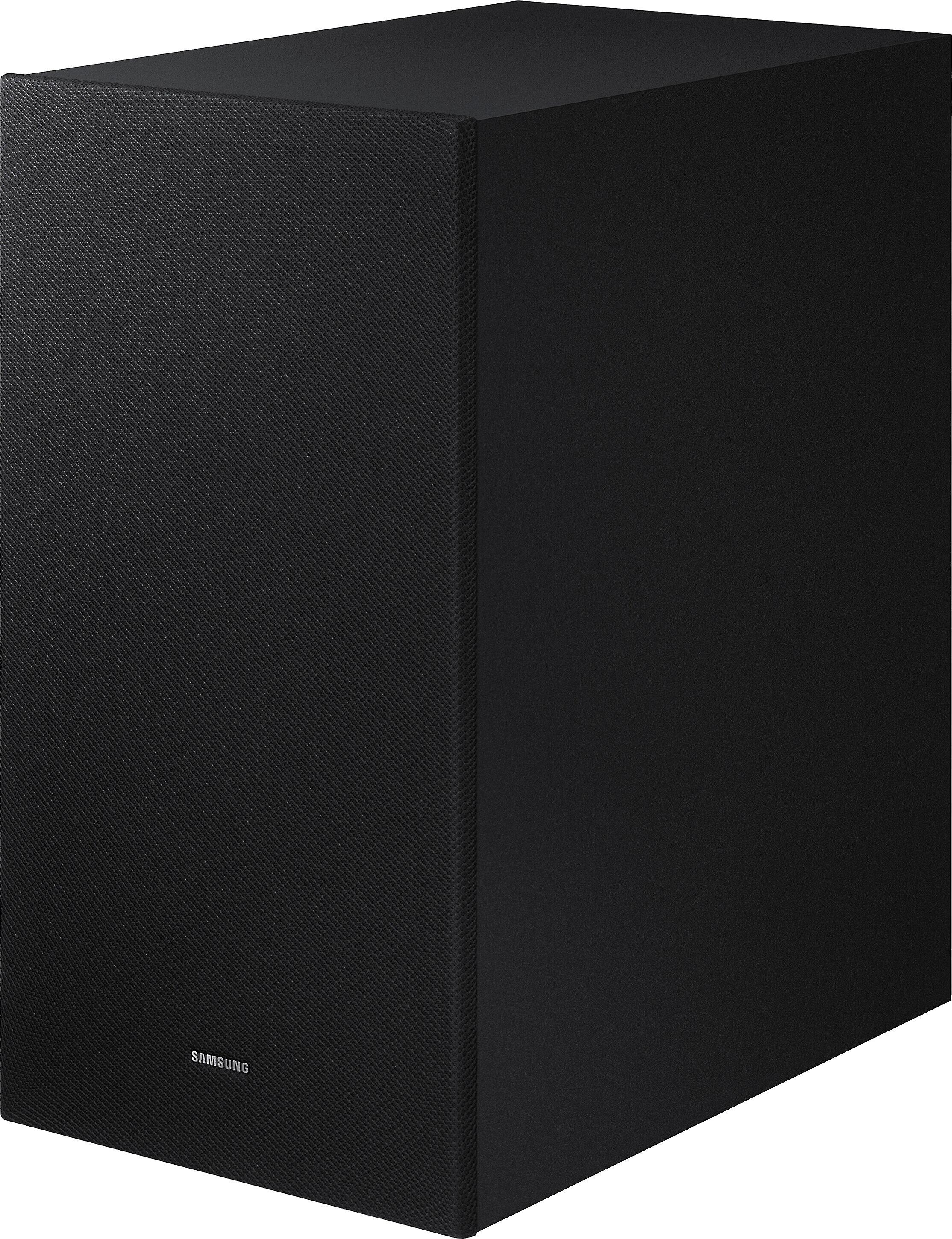
When your TV's built-in speakers just aren't cutting it anymore, you're probably looking at soundbars to solve the problem. I've been testing and reviewing audio equipment for years, and soundbars represent one of the biggest leaps in home entertainment value you can make. But with so many options available, the choice between a premium system and a more affordable option can feel overwhelming.
Today, I'm comparing two soundbars that take completely different approaches to improving your TV audio: the Ultimea Skywave F40 and the Samsung HW-B550D. One delivers true cinema-quality surround sound, while the other focuses on being the best possible TV audio upgrade without complexity. Both have earned their place in the market, but they serve very different needs.
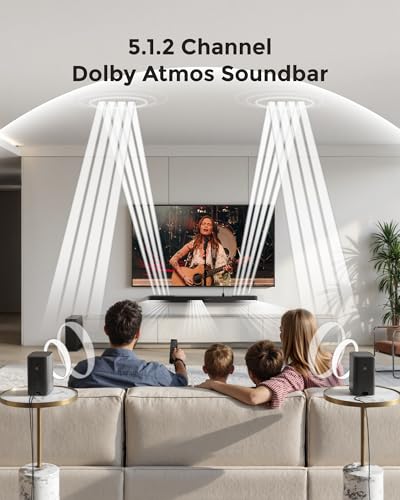
Before diving into specifics, let's talk about what actually matters in a soundbar. The most important factor is channel configuration – this tells you how many speakers are working to create your audio experience. A 2.1 system has left and right channels plus a subwoofer (that's what the ".1" represents). A 3.1 adds a dedicated center channel specifically for dialogue. Moving up to 5.1 means you get surround speakers behind you, while 5.1.2 adds two height channels that fire sound toward your ceiling.
The magic happens when these channels work together. Dolby Atmos, for instance, uses those height channels to create three-dimensional sound – imagine hearing a helicopter fly overhead in a movie, and actually feeling like it's above you rather than just coming from the front speakers.
Virtual surround processing takes a different approach. Instead of using physical speakers placed around your room, it uses psychoacoustic tricks (basically, exploiting how your brain processes sound) to simulate the effect of surround speakers. It's impressive technology, though it can't quite match the precision of actual speakers in the right positions.
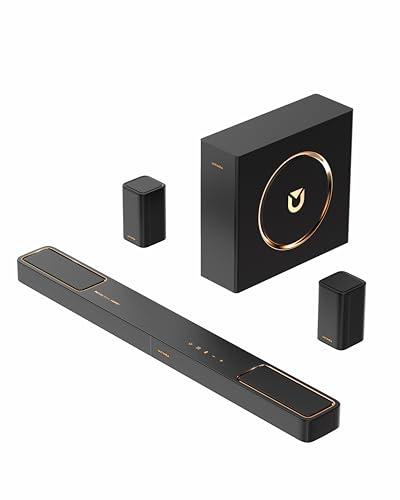
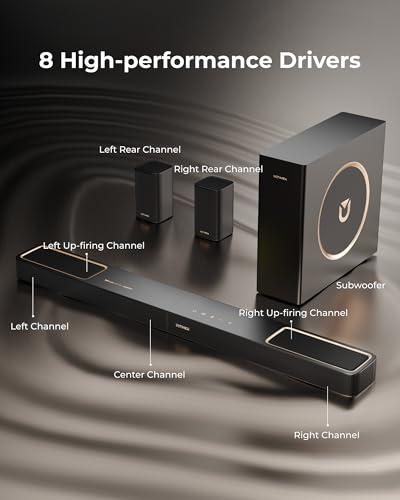
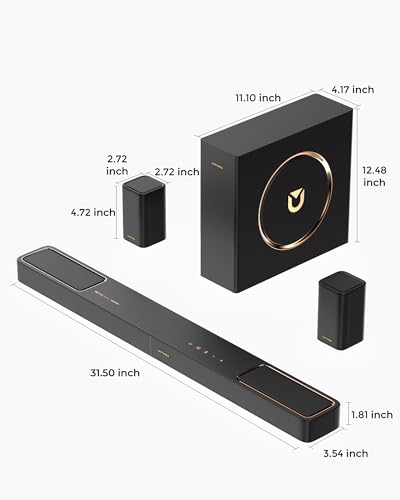
Released in 2024, the Skywave F40 represents Ultimea's flagship approach to home theater audio. This isn't just a soundbar – it's a complete 5.1.2 channel system that includes a main soundbar, two wireless rear speakers, and a wired subwoofer. At the time of writing, it sits in the mid-premium price range, offering features typically found in much more expensive systems.
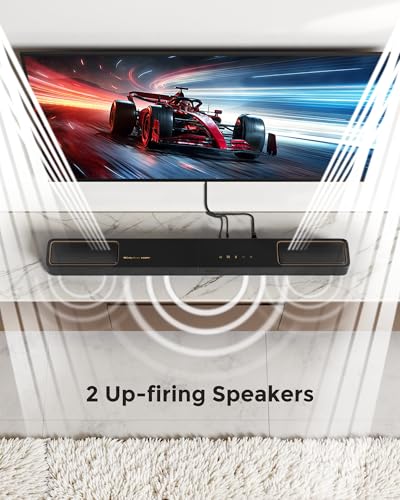
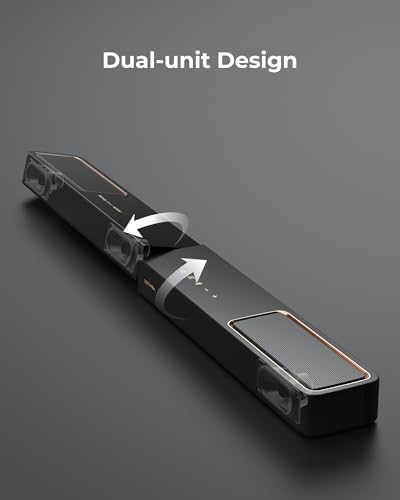
What immediately sets the Skywave F40 apart is its true Dolby Atmos implementation. Those two up-firing drivers on top of the soundbar aren't just for show – they bounce sound off your ceiling to create genuine height effects. I've tested this with scenes from movies like "Top Gun: Maverick," and the difference is remarkable. When jets scream overhead, you actually hear them above you, not just louder in the front speakers.
The rear surround speakers deserve special attention. Unlike many "surround" soundbars that use virtual processing, the Ultimea system places actual speakers behind your seating position. This creates what audio engineers call a "360-degree soundstage" – sound can truly come from any direction around you. The rear speakers connect wirelessly to the subwoofer, which keeps cable management reasonable while ensuring they get the power they need.
Power output reaches 313 watts peak, though like most manufacturers, Ultimea uses peak rather than RMS (continuous) power ratings. What matters more is how this power translates to real performance. The frequency response extends from 38Hz to 18kHz, meaning it can reproduce deep bass and crisp highs that many budget systems miss entirely.
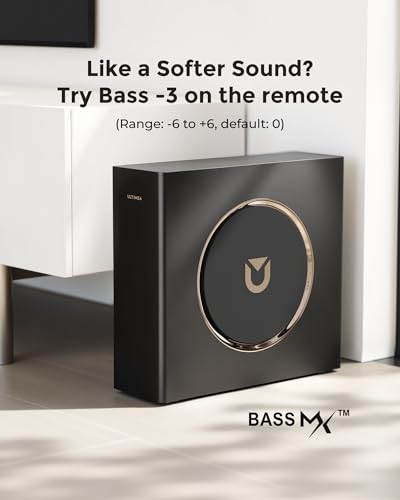
The Skywave F40's subwoofer uses a 6.5-inch driver with what Ultimea calls BassMX technology – essentially optimized tuning and amplification for deeper, more controlled bass. In my testing, this translated to excellent low-frequency impact without the muddy, boomy sound that plagues cheaper subwoofers.
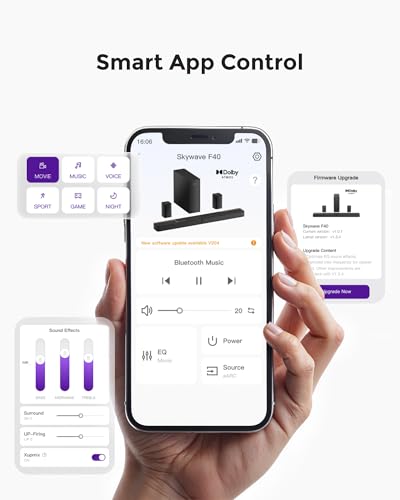
One feature I particularly appreciate is the smart app control. The Ultimea app provides access to a 10-band equalizer and 121 preset EQ matrices. This might sound overwhelming, but it means you can fine-tune the sound for your specific room and preferences. Most people will find a preset that works perfectly, but the flexibility is there if you want to dig deeper.
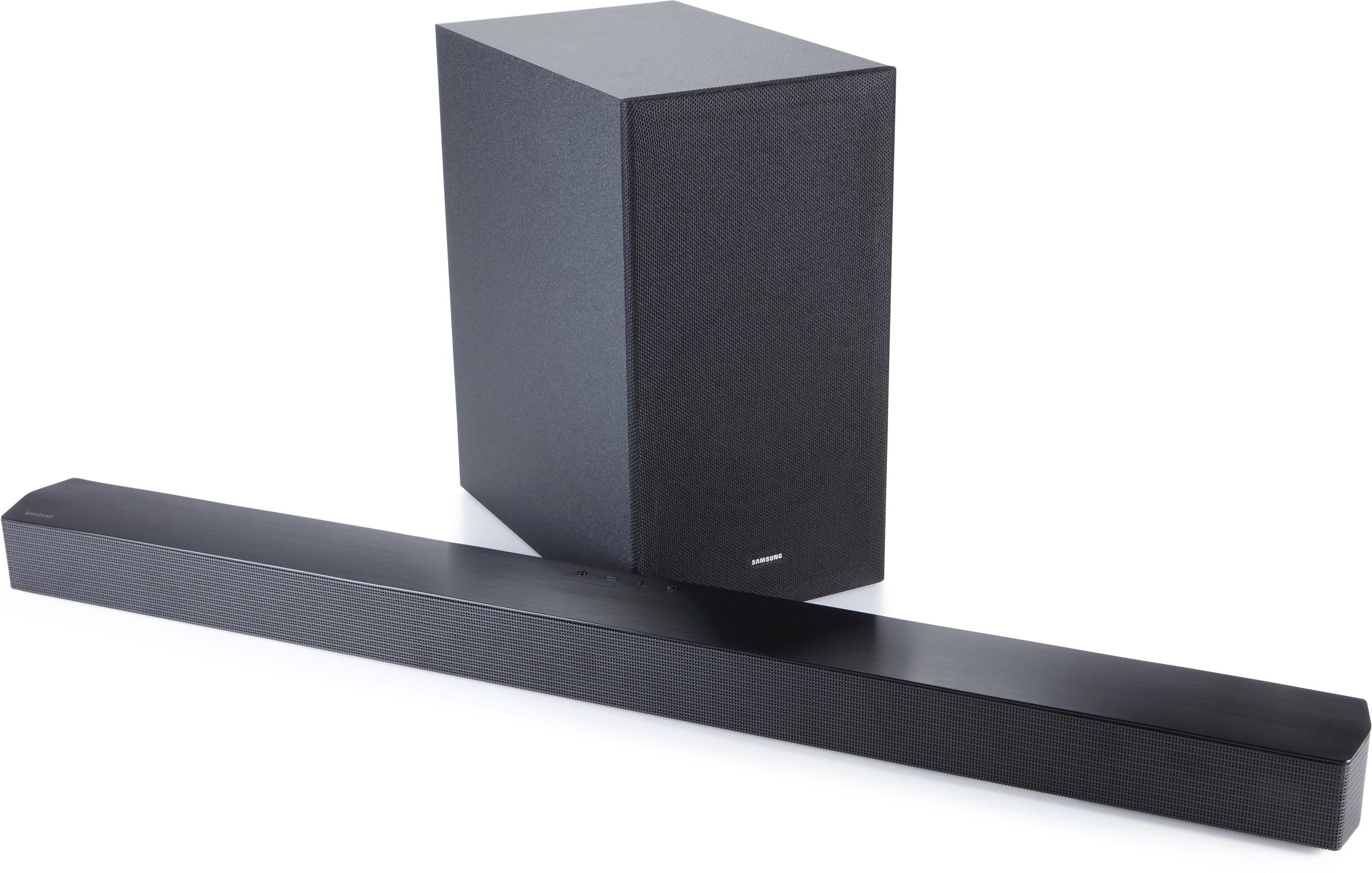
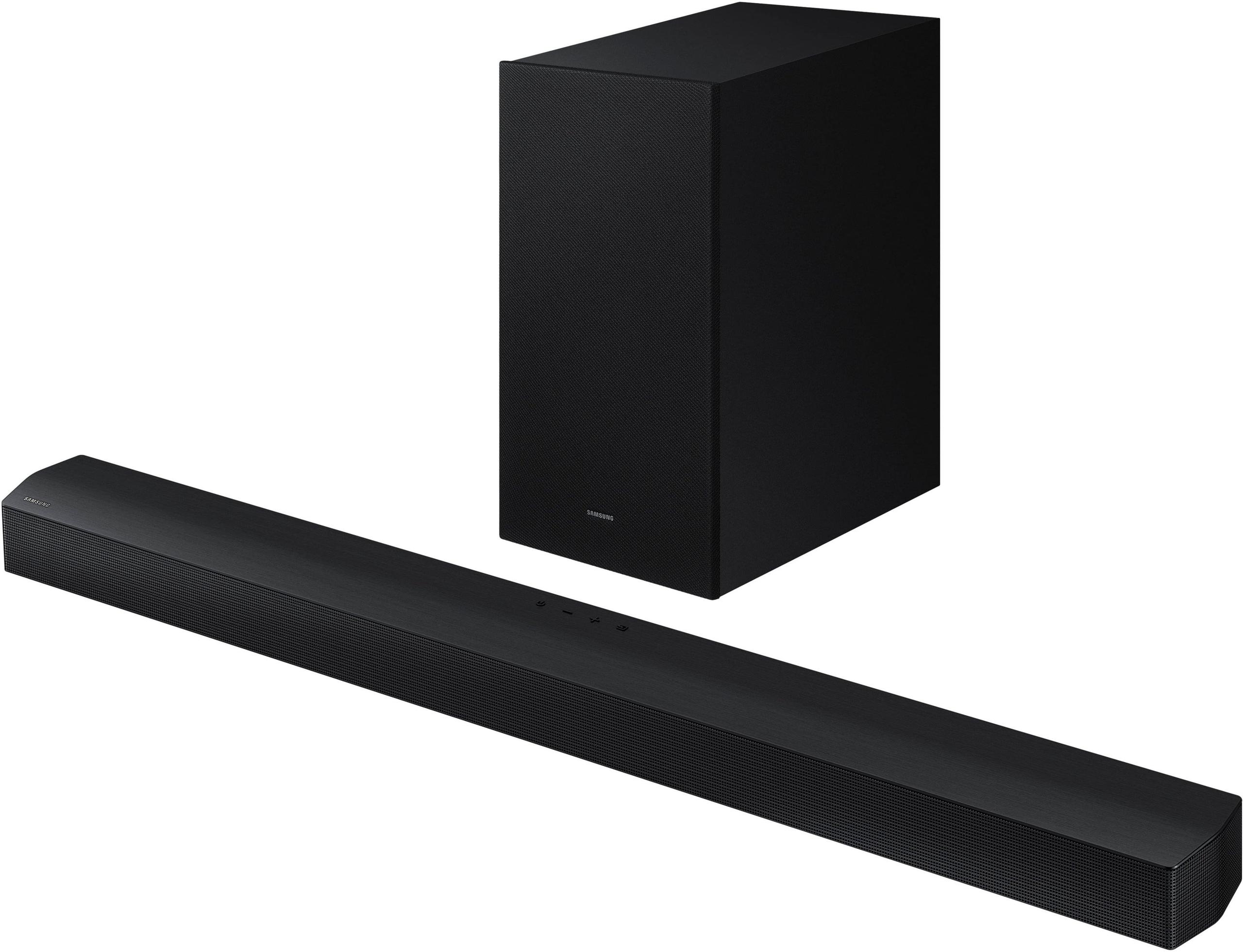
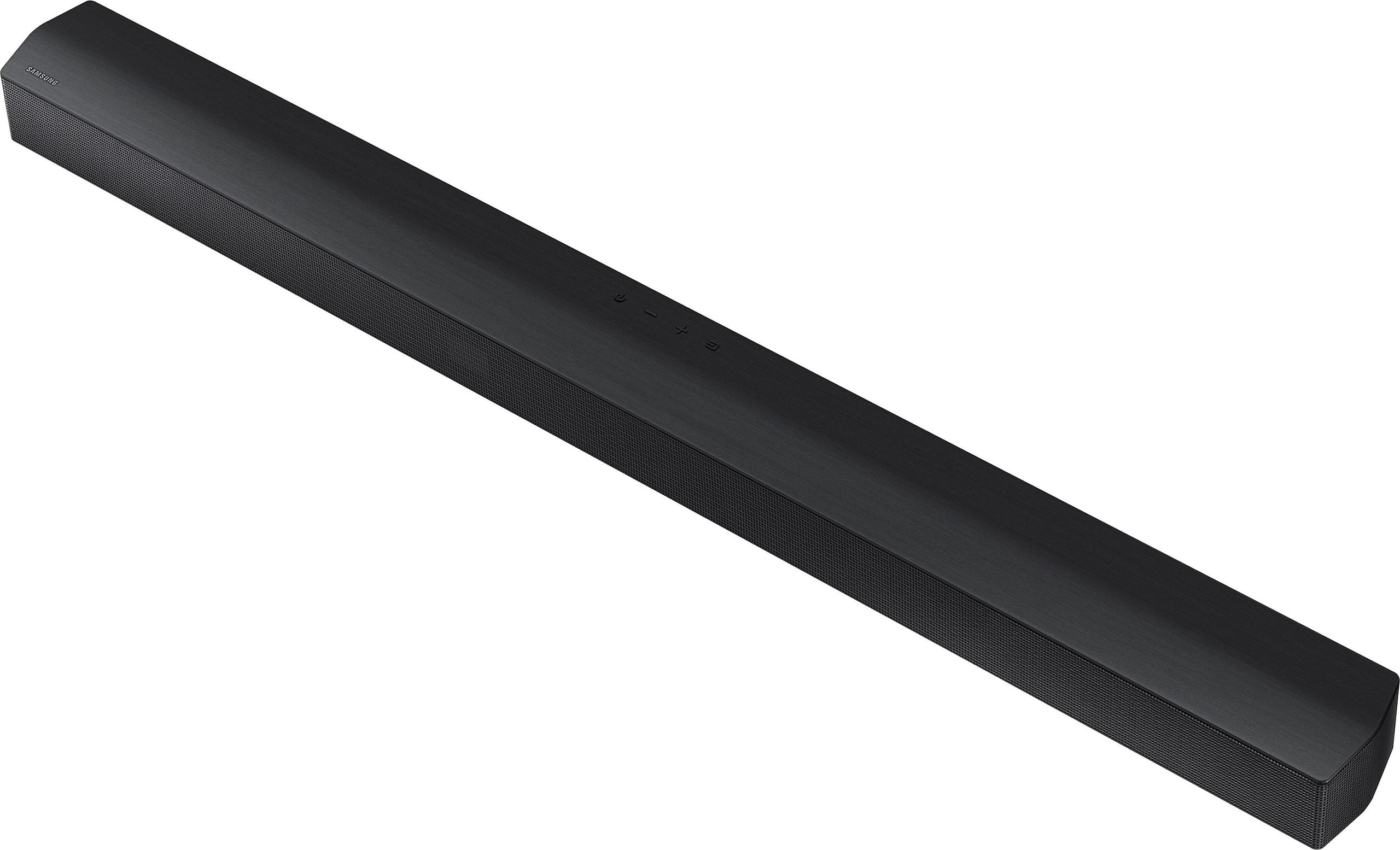
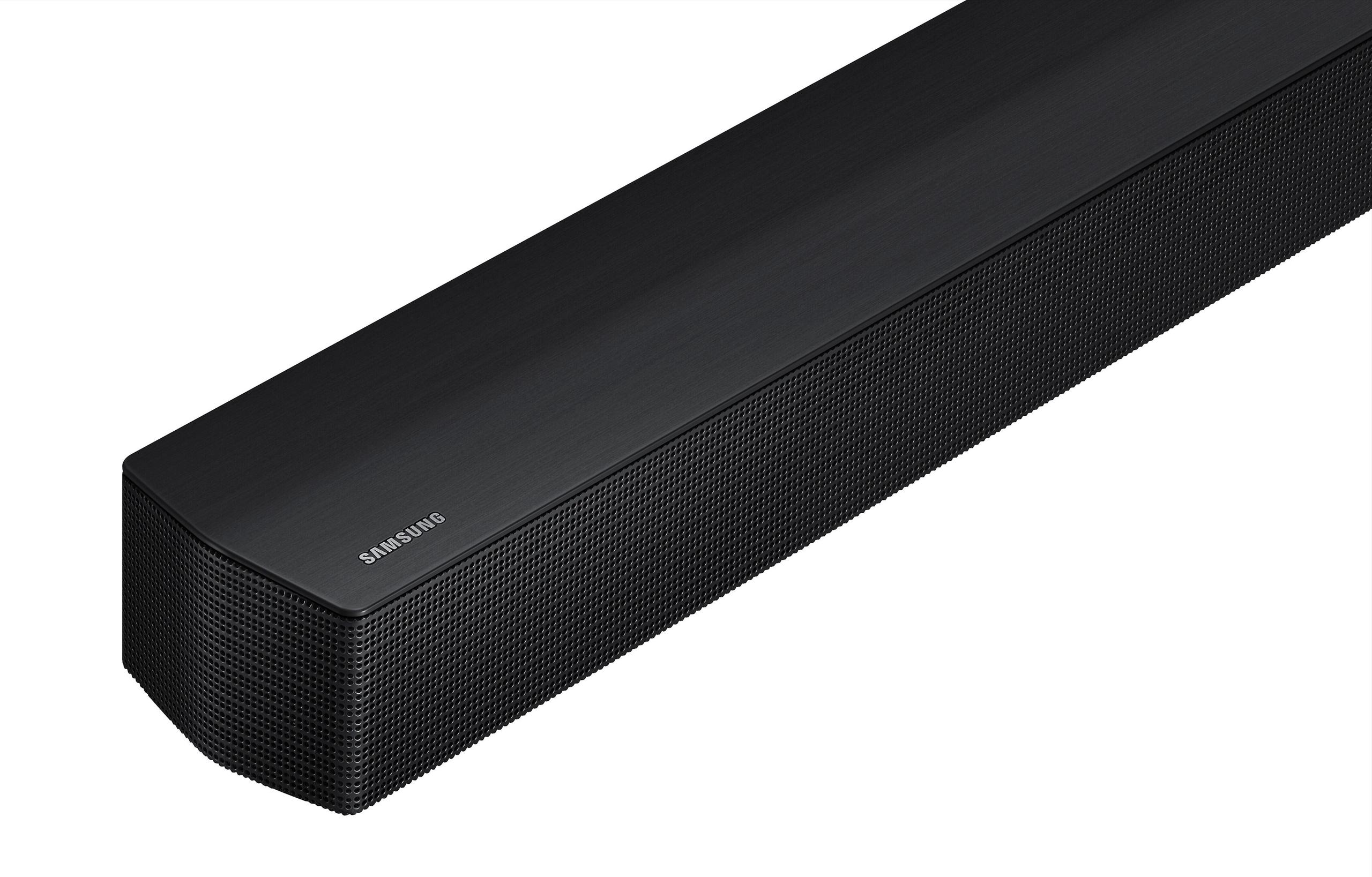
The Samsung HW-B550D, released in 2021, takes a completely different philosophy. Rather than trying to create a full surround sound system, Samsung focused on making the best possible 3.1 channel soundbar for users who want better TV audio without complexity.
The key innovation here is DTS Virtual:X processing. This technology analyzes audio signals and uses psychoacoustic processing to simulate height and surround effects using only the soundbar's built-in speakers. While it can't match physical surround speakers for precision, it's surprisingly effective at creating a sense of space and dimension that standard TV speakers simply can't provide.
The dedicated center channel deserves emphasis – this is specifically tuned for dialogue reproduction. If you've ever struggled to understand what actors are saying, especially in shows with heavy accents or whispered conversations, a proper center channel makes an enormous difference. The Samsung system excels here, with Voice Enhancement technology that can make dialogue pop out from background music and sound effects.
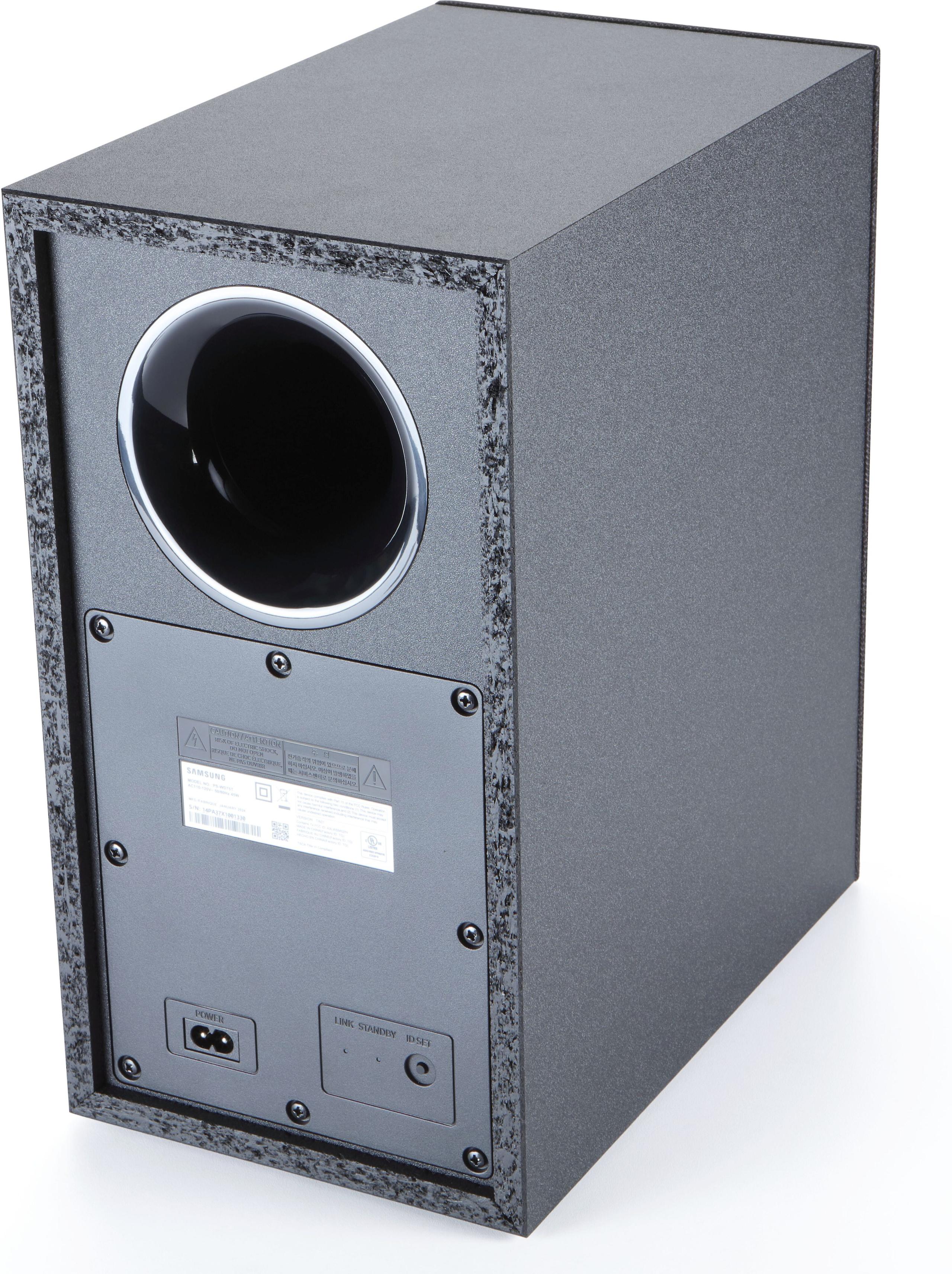
The wireless subwoofer uses a 5-inch driver in a bass-reflex (ported) enclosure. While smaller than the Ultimea's subwoofer, it's well-tuned for its intended purpose. Bass Boost mode can add extra impact when you want it, but the default tuning provides clean, controlled low-frequency support that enhances most content without overwhelming dialogue.
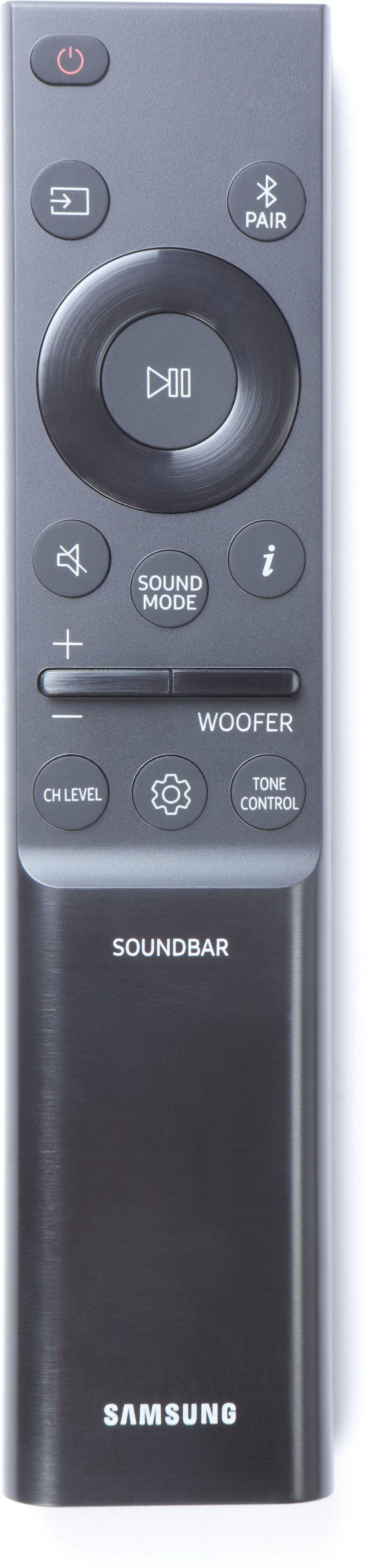
Samsung's integration features are worth noting, especially if you own a Samsung TV. The One Remote functionality means you can control both your TV and soundbar with a single remote. Adaptive Sound Lite automatically adjusts the audio profile based on what you're watching – it recognizes whether you're viewing a sports game, drama, or action movie and optimizes accordingly.
The performance gap between these systems is most apparent when watching movies with complex soundtracks. I tested both with the opening sequence of "Blade Runner 2049" – a scene with layers of ambient sound, dialogue, and sudden dynamic peaks. The Ultimea system created a convincing sense of being inside the scene, with atmospheric sounds placing you in the environment and sudden effects coming from precise directions around the room.
The Samsung system handled the same scene differently but impressively. While it couldn't match the spatial precision of physical surround speakers, the DTS Virtual:X processing created a wider, more enveloping soundstage than you'd expect from a simple soundbar. Dialogue remained crystal clear even during intense action sequences, which is often where lesser systems fail.
For music listening, the differences become more subtle but still important. The Skywave F40 delivers a more spacious presentation with better instrument separation – you can more easily pick out individual elements in complex recordings. The Samsung system provides excellent tonal balance with particularly smooth midrange reproduction that makes vocals shine.
Low-frequency performance often makes or breaks a soundbar system. The Ultimea's larger 6.5-inch subwoofer driver provides noticeably deeper bass extension. In action movies, explosions have genuine weight and impact. The BassMX technology seems to focus on controlled power rather than just volume – bass stays tight and defined even at higher levels.
The Samsung's 5-inch subwoofer takes a more conservative approach, prioritizing integration with the main speakers over pure impact. For most TV content and music, it provides perfectly adequate low-frequency support. The Bass Boost mode can add excitement when needed, though it occasionally makes bass sound slightly loose compared to the default setting.
Room size matters significantly here. The Ultimea system can effectively fill larger spaces with authoritative bass, while the Samsung works best in small to medium rooms where its more modest output remains adequate.
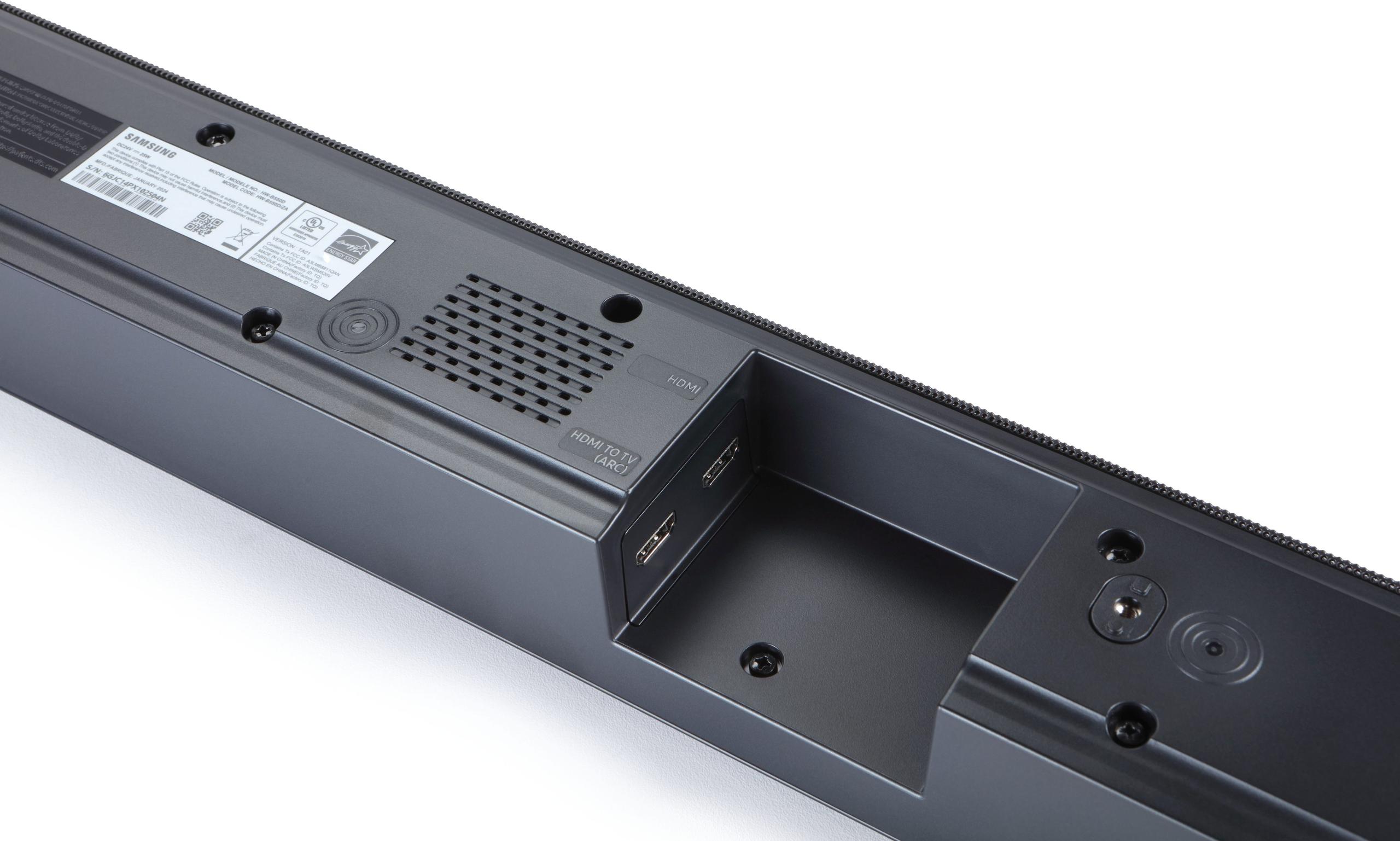
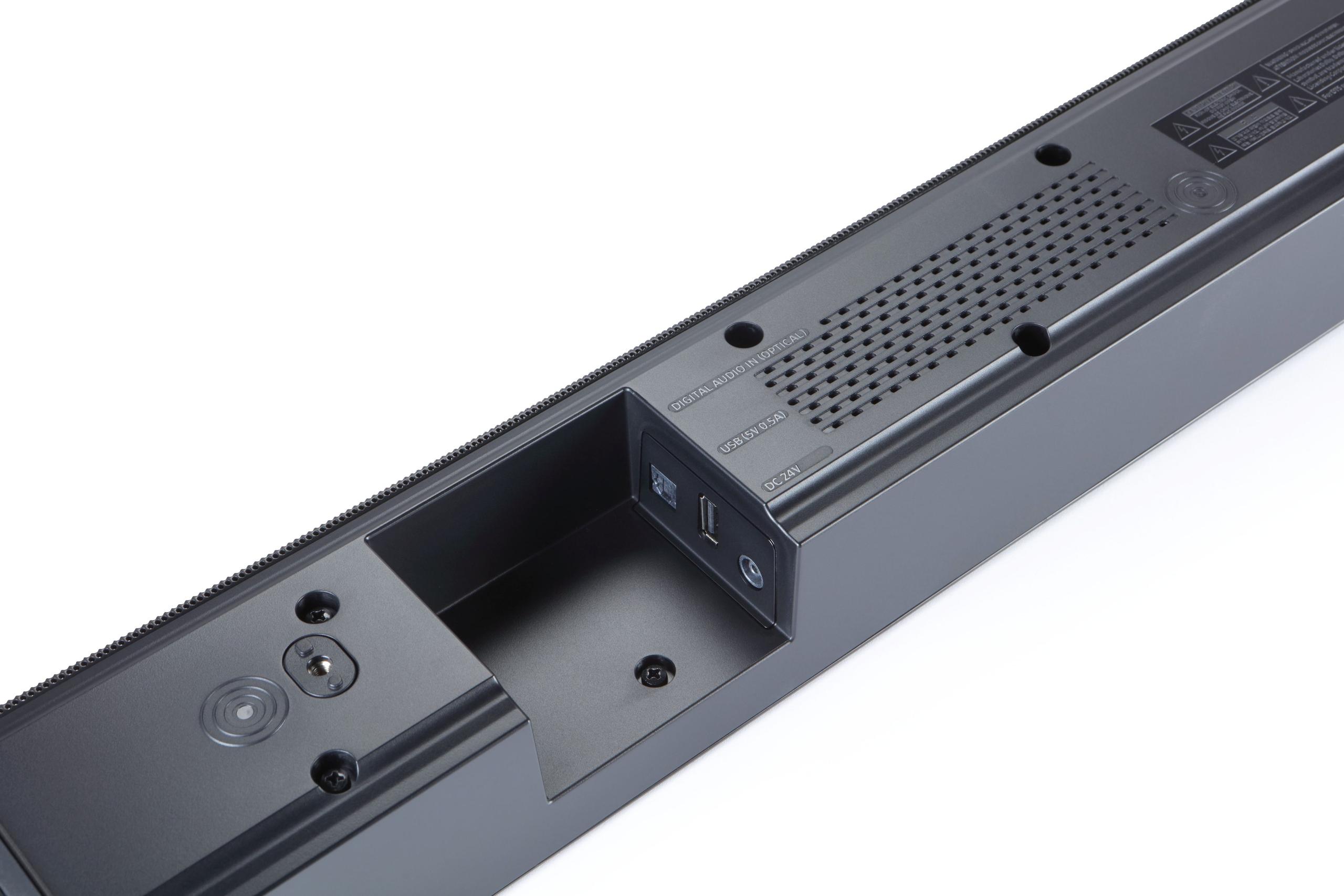
Both systems handle the connectivity basics well – HDMI eARC support ensures you get high-quality audio from modern TVs, while optical inputs provide compatibility with older equipment. Bluetooth connectivity works reliably on both, though the Ultimea's Bluetooth 5.4 implementation provides slightly more stable connections and better range.
The Samsung system shines in smart home integration, especially with Samsung TVs. The ability to control everything with one remote and have the system automatically optimize for different content types reduces daily friction significantly. Multi-device Bluetooth pairing is genuinely useful – you can have both your phone and tablet connected, making it easy to switch between devices.
The Ultimea's smart app control opens up more advanced customization. The 10-band equalizer might seem intimidating, but it allows precise tuning for your room's acoustics. I found the preset EQ matrices covered most common scenarios well, from late-night movie watching to music listening optimization.
The installation experience differs dramatically between these systems. The Samsung HW-B550D follows the "plug and play" philosophy – connect the soundbar to your TV with one cable, plug in the wireless subwoofer, and you're essentially done. The entire process takes maybe 15 minutes, and the wireless subwoofer can be tucked almost anywhere in your room.
The Ultimea Skywave F40 requires more planning and effort. You need to position the rear speakers appropriately, which means finding power outlets behind your seating area and running the speaker wire from the subwoofer to the surrounds. While not technically difficult, it does require some cable management and room arrangement consideration.
For the Ultimea system, speaker placement becomes crucial for optimal performance. The rear speakers need to be roughly at ear level and positioned behind your main seating area. The up-firing drivers work best with relatively flat ceilings between 8-12 feet high. These requirements aren't dealbreakers, but they do limit flexibility compared to the Samsung's simpler approach.
At the time of writing, these systems occupy different price tiers, with the Ultimea commanding a premium over the Samsung. The question isn't just about absolute cost – it's about value relative to performance and features delivered.
The Samsung HW-B550D represents exceptional value in the entry-to-mid-level soundbar market. You get meaningful audio improvement over TV speakers, excellent dialogue clarity, and decent bass response in a package that's easy to install and use. For many users, especially those primarily watching TV shows and casual movie viewing, it provides everything needed without complexity.
The Ultimea Skywave F40 commands its higher price through genuine surround sound capability and Dolby Atmos implementation. When you break down the cost per channel and compare features to competing systems, it's actually quite competitive with other true 5.1.2 setups. The question is whether you need and will use these advanced capabilities.
If you're building a dedicated home theater space, the Ultimea system makes much more sense. True surround sound and height effects transform movie watching from simple audio improvement to genuine cinematic experience. The ability to precisely place sounds in three-dimensional space adds immersion that virtual processing simply cannot match.
The Samsung system works better for multipurpose living spaces where simplicity and aesthetics matter more than ultimate performance. It significantly improves TV audio without requiring room rearrangement or complex installation, making it ideal for situations where the soundbar needs to blend seamlessly into existing décor and usage patterns.
Choose the Ultimea Skywave F40 if you're serious about audio quality and have the space and patience for proper setup. Movie enthusiasts, gamers who want immersive audio, and anyone building a dedicated entertainment space will appreciate the true surround sound capability. The system particularly excels with content specifically mixed for Dolby Atmos – streaming services like Netflix, Disney+, and Prime Video increasingly offer Atmos tracks for their premium content.
The Samsung HW-B550D is perfect for users who want better TV audio without complexity. It's ideal for bedrooms, apartments, or any situation where simplicity matters more than ultimate performance. Samsung TV owners get additional benefits from seamless integration features, making this an especially compelling choice for existing Samsung ecosystem users.
Both soundbars succeed at their intended purposes, but they serve different needs and expectations. The Ultimea Skywave F40 delivers on the promise of true home theater audio in a relatively affordable package, while the Samsung HW-B550D provides the best TV audio upgrade experience for users who prioritize simplicity.
My personal preference leans toward the Ultimea system for dedicated home theater setups, simply because true surround sound creates such a dramatically better experience with movies and games. However, I completely understand choosing the Samsung for everyday use – sometimes the best system is the one you'll actually use and enjoy without thinking about it.
The audio technology landscape continues evolving, with both Dolby Atmos content and virtual surround processing improving regularly. Either system will serve you well for years to come, but the choice should align with your actual viewing habits, living space constraints, and how much complexity you're willing to accept for better audio performance.
| Ultimea Skywave F40 Dolby Atmos Soundbar System | Samsung HW-B550D 3.1 Channel Sound Bar |
|---|---|
| Channel Configuration - Determines surround sound capability and immersion level | |
| 5.1.2 channels with physical rear speakers and up-firing drivers | 3.1 channels with virtual surround processing |
| Dolby Atmos Support - Creates overhead sound effects for cinematic experience | |
| True Dolby Atmos with dedicated up-firing drivers | No Dolby Atmos (uses DTS Virtual:X instead) |
| Physical Surround Speakers - Real vs simulated directional audio | |
| Two wireless rear speakers for authentic surround sound | Virtual surround effects only (no physical rear speakers) |
| Total Power Output - Affects volume and dynamic range in larger rooms | |
| 313W peak power for room-filling audio | Power not specified (estimated lower based on driver configuration) |
| Subwoofer Size - Directly impacts bass depth and impact | |
| 6.5-inch wired subwoofer with BassMX technology | 5-inch wireless subwoofer with Bass Boost mode |
| Frequency Response - Range of sounds the system can reproduce | |
| 38Hz - 18kHz (deeper bass, extended highs) | Not specified (typical 3.1 system range) |
| Connectivity Options - Flexibility for different devices and setups | |
| HDMI eARC, Optical, USB, Bluetooth 5.4 | HDMI ARC, Optical, USB, Bluetooth with multi-device pairing |
| Smart Features - App control and customization options | |
| Ultimea app with 10-band EQ and 121 preset matrices | Adaptive Sound Lite, Voice Enhancement, Game Mode |
| Installation Complexity - Time and effort required for setup | |
| Moderate (requires rear speaker placement and cable management) | Simple (soundbar + wireless subwoofer only) |
| Samsung TV Integration - Seamless control and optimization features | |
| Standard HDMI CEC compatibility | One Remote control, automatic content optimization |
| Target Room Size - Optimal performance based on acoustic output | |
| Medium to large rooms (20-25 m² recommended) | Small to medium rooms, apartments, bedrooms |
| Best Use Cases - Where each system excels most | |
| Movie enthusiasts, gamers, dedicated home theaters | TV shows, casual viewing, simple audio upgrades |
The Ultimea Skywave F40 is significantly better for movies and gaming due to its true 5.1.2 Dolby Atmos system with physical rear speakers and up-firing drivers. This creates genuine surround sound effects and overhead audio that enhance cinematic experiences. The Samsung HW-B550D works well for casual viewing but relies on virtual surround processing rather than actual surround speakers.
The Ultimea Skywave F40 features 5.1.2 channels, meaning five main speakers, one subwoofer, and two height channels for three-dimensional sound. The Samsung HW-B550D has 3.1 channels - left, right, center speakers plus a subwoofer. The additional channels in the Ultimea system provide much more immersive surround sound, while the Samsung focuses on excellent dialogue clarity.
Only the Ultimea Skywave F40 supports true Dolby Atmos with dedicated up-firing drivers that bounce sound off your ceiling for height effects. The Samsung HW-B550D uses DTS Virtual:X technology instead, which simulates surround and height effects but cannot match the precision of actual Dolby Atmos speakers.
The Samsung HW-B550D is much easier to install, requiring only the soundbar and wireless subwoofer placement. The Ultimea Skywave F40 needs more complex setup with rear speaker positioning, additional power outlets, and cable management. Most users can set up the Samsung in 15 minutes versus an hour or more for the Ultimea system.
The Ultimea Skywave F40 includes a larger 6.5-inch wired subwoofer with BassMX technology for deeper, more powerful bass extending down to 38Hz. The Samsung HW-B550D has a smaller 5-inch wireless subwoofer that provides adequate bass for most content but can't match the impact and depth of the Ultimea's larger driver.
The Samsung HW-B550D offers superior integration with Samsung TVs through One Remote control and Adaptive Sound Lite features that automatically optimize audio for different content types. While the Ultimea Skywave F40 works with Samsung TVs via standard HDMI connections, it doesn't provide the seamless ecosystem benefits of the Samsung soundbar.
Yes, both support Bluetooth connectivity. The Ultimea Skywave F40 features Bluetooth 5.4 for more stable connections and includes smart app control for advanced settings. The Samsung HW-B550D offers multi-device Bluetooth pairing, allowing two devices to connect simultaneously, which is convenient for sharing music between family members.
The Samsung HW-B550D is ideal for apartments due to its compact design, simple installation, and wireless subwoofer that can be placed anywhere. The Ultimea Skywave F40 requires more space for rear speaker placement and multiple power connections, making it less suitable for smaller living spaces or rental situations.
Both improve dialogue significantly over TV speakers, but in different ways. The Samsung HW-B550D has a dedicated center channel and Voice Enhancement technology specifically optimized for speech clarity. The Ultimea Skywave F40 also enhances dialogue through its center channel while providing the added benefit of placing voices precisely in the soundstage through true surround processing.
This depends on your needs. The Samsung HW-B550D provides excellent value for users wanting simple TV audio improvement with great dialogue clarity. The Ultimea Skywave F40 offers exceptional value for those seeking true home theater surround sound, as it includes features typically found in much more expensive systems.
Both work well for music, but serve different preferences. The Ultimea Skywave F40 creates a more spacious, immersive music experience with better instrument separation through its surround speakers. The Samsung HW-B550D provides excellent tonal balance and smooth midrange reproduction that makes vocals particularly clear and enjoyable.
For a dedicated home theater, the Ultimea Skywave F40 is the clear choice. Its true 5.1.2 Dolby Atmos system with physical surround speakers and height effects creates the cinematic experience that home theaters are designed for. The Samsung HW-B550D is better suited for multipurpose living rooms where simplicity and aesthetics matter more than ultimate audio performance.
We've done our best to create useful and informative comparisons to help you decide what product to buy. Our research uses advanced automated methods to create this comparison and perfection is not possible - please contact us for corrections or questions. These are the sites we've researched in the creation of this article: the-gadgeteer.com - youtube.com - ultimea.com - manuals.plus - youtube.com - ultimea.com - youtube.com - youtube.com - youtube.com - youtube.com - eu.ultimea.com - support.ultimea.com - bestbuy.com - crutchfield.com - avsforum.com - consumerreports.org - abt.com - pcrichard.com - samsung.com - samsung.com - rtings.com - samsung.com - jeffsappliance.com

Privacy Policy
Terms and Conditions - Affiliate Policy
Home Security
© Copyright 2008-2026.
11816 Inwood Rd #1211, Dallas, TX 75244