



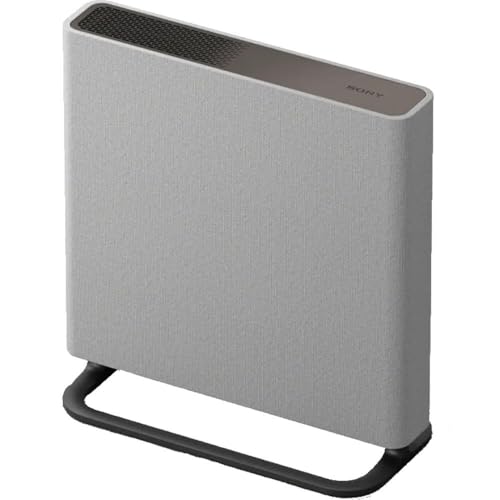





Home theater audio has come a long way from the days of tinny TV speakers. Today's Dolby Atmos systems promise to wrap you in three-dimensional sound that moves around and above you, just like in a movie theater. But with options ranging from budget-friendly to premium, choosing the right system can be overwhelming. Two standouts in 2024 represent completely different approaches: the Sony HT-A9M2 BRAVIA Theater Quad and the Ultimea Skywave F40.
Understanding these systems requires grasping what makes Dolby Atmos special. Unlike traditional surround sound that uses fixed channels (like left, right, center), Atmos treats sounds as objects that can move freely through three-dimensional space. This means a helicopter can convincingly fly overhead, or rain can seem to fall from the ceiling. The magic happens through height channels—speakers that fire upward to bounce sound off your ceiling, creating the illusion of overhead audio.
Before diving into specifics, it's worth understanding what separates good home theater audio from great. The most critical factors include soundstage width (how spread out the audio feels), imaging precision (how accurately you can locate specific sounds), bass response (the deep rumbles that make explosions feel real), and dialogue clarity (ensuring you never miss important conversation).
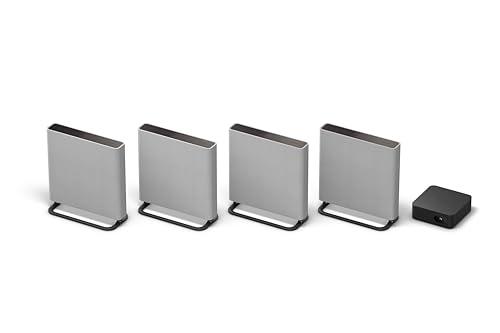
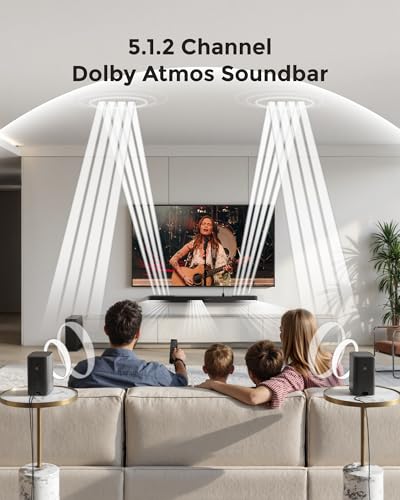
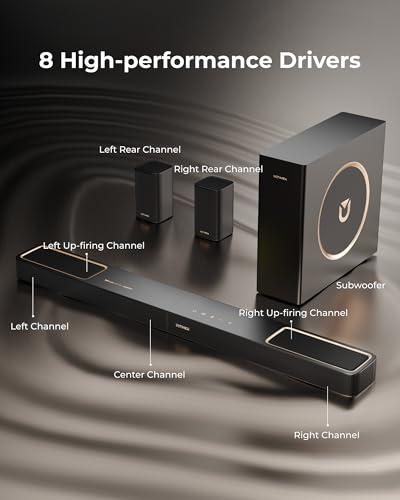
Channel configuration tells you how many speakers handle different audio zones. A 5.1.2 system has five main speakers (front left/right, center, rear left/right), one subwoofer, and two height channels. The Sony HT-A9M2 uses a 4.0.4 setup—four main speakers with four height channels but no dedicated subwoofer. This might sound backward, but Sony's approach relies on sophisticated processing to create phantom speakers (virtual speakers your brain perceives but don't physically exist).
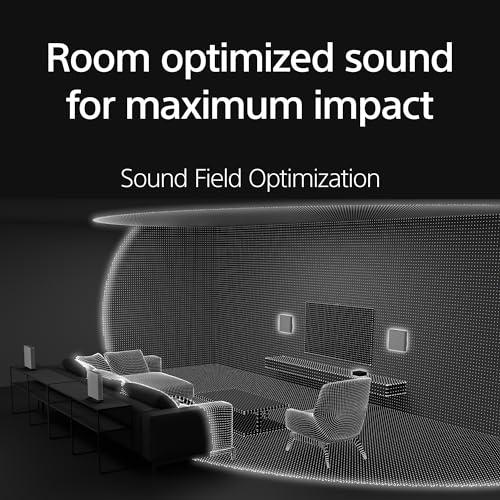
Room calibration has become crucial as living spaces vary dramatically. The best systems measure your room's acoustics and adjust their output accordingly. This ensures optimal performance whether you're in a cramped apartment or an open-concept living space.
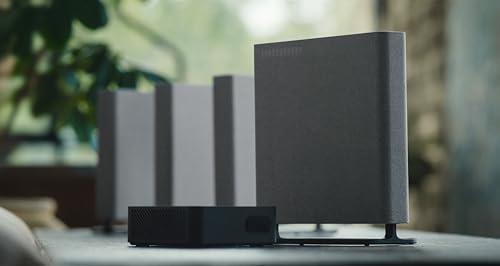
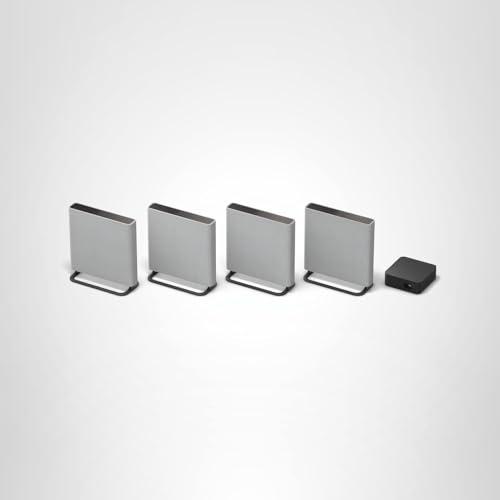
Released in 2024, the Sony HT-A9M2 represents the second generation of Sony's radical wireless theater concept. It evolved from the original HT-A9, addressing wireless reliability issues while refining the spatial processing that made its predecessor famous. Rather than following traditional speaker layouts, Sony created four identical wireless modules that work together to paint sound throughout your room.
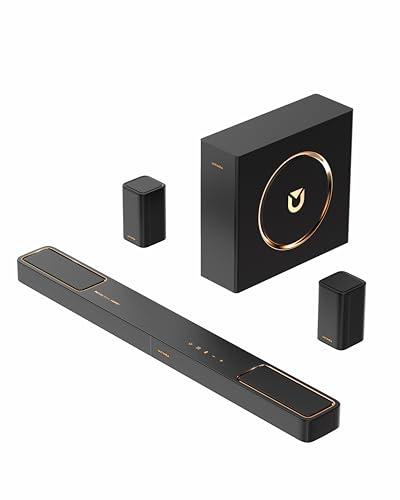
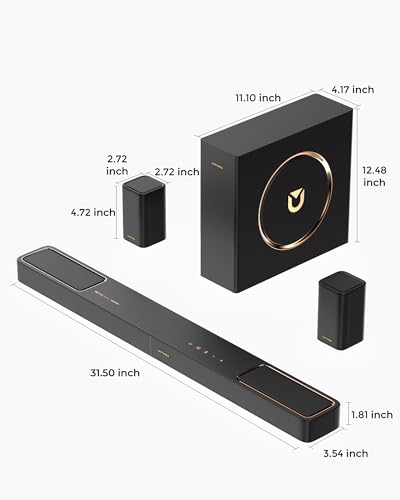
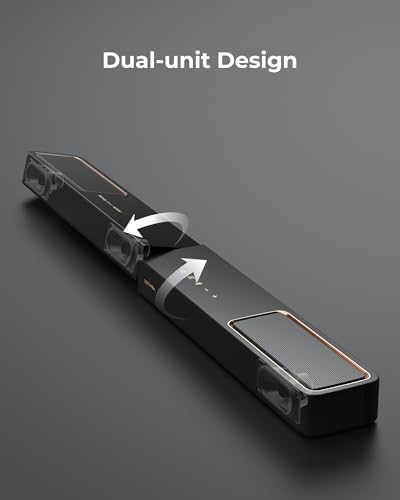
The Ultimea Skywave F40, also arriving in 2024, takes a more conventional approach. This Chinese manufacturer has gained attention by delivering features typically reserved for expensive systems at aggressive price points. The F40 includes dedicated rear speakers and a subwoofer—components that create true surround sound rather than relying purely on processing tricks.
These represent fundamentally different philosophies. Sony bets on wireless flexibility and advanced algorithms. Ultimea focuses on traditional discrete channels at an affordable price. Both have merit depending on your priorities and room constraints.
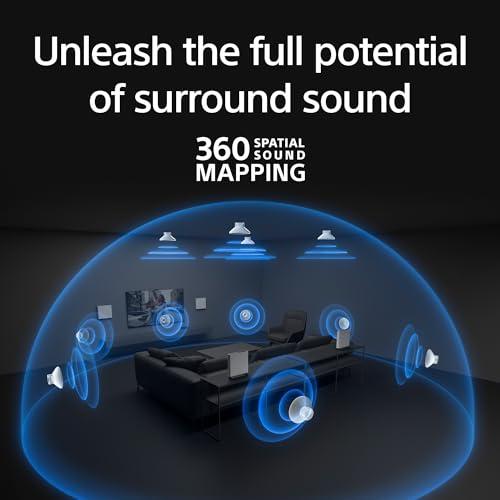
The Sony HT-A9M2 creates one of the most impressive soundstages available outside of high-end separates. Sony's 360 Spatial Sound Mapping technology analyzes your room and generates up to twelve phantom speakers around the listening area. During our research into user experiences, people consistently describe a "bubble of sound" that extends well beyond the four physical speakers. The system excels with properly mastered Dolby Atmos content, where helicopters genuinely seem to circle overhead and ambient effects convincingly emanate from specific directions.
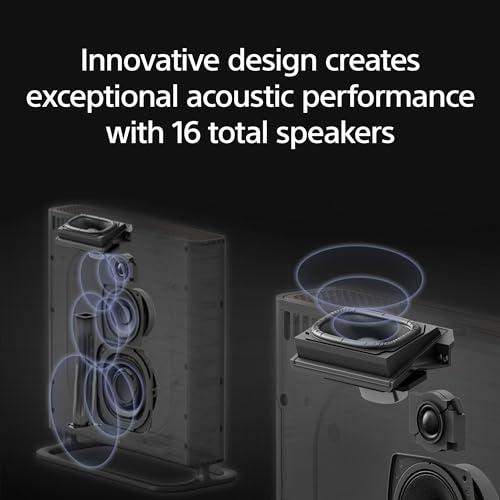
This spatial magic comes through sophisticated signal processing. Each of the four speakers contains multiple drivers—including dedicated upfiring units for height effects—and Sony's algorithms determine how to distribute audio across all sixteen total drivers. The result is remarkably precise imaging where you can point to specific sound locations, even when no speaker exists there.
The Ultimea F40 takes a more straightforward approach that many will find immediately satisfying. With discrete rear speakers providing true surround effects and a dedicated center channel for dialogue, voices anchor naturally to your TV screen while effects move convincingly around the room. The soundstage feels more traditionally "surround" than the Sony's enveloping bubble, but it's authentic and effective.
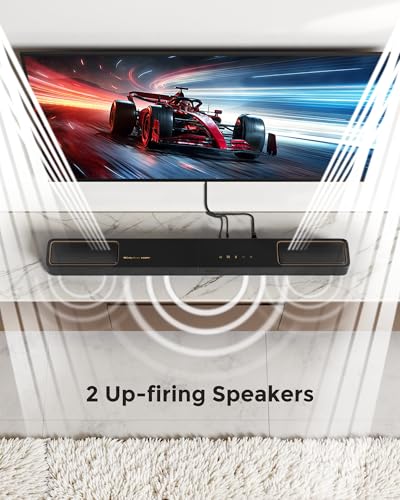
What surprised us in reviewing user feedback is how well the F40's height effects work despite its budget positioning. The dual upfiring drivers use neodymium magnets and substantial voice coils to throw sound effectively toward the ceiling. While not as sophisticated as Sony's phantom height array, the Ultimea creates convincing overhead effects that enhance movie immersion.
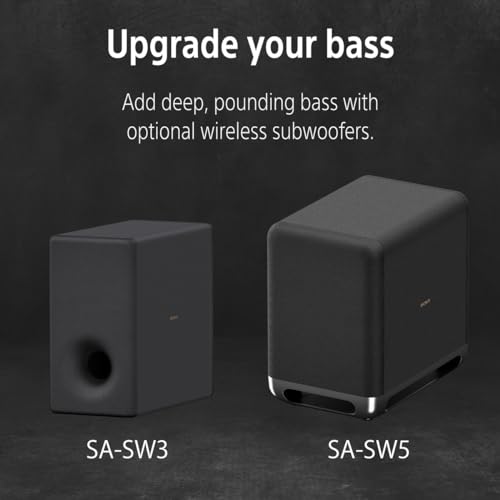
This represents the most significant performance gap between these systems. The Sony HT-A9M2 ships as a 4.0.4 configuration with no included subwoofer. Professional reviewers consistently describe the bass as the system's main weakness, with many noting it "really needs" Sony's optional SA-SW3 or SA-SW5 subwoofer to reach its full potential. Without a sub, explosions lack impact and music feels thin in the lower registers.
Sony's decision reflects their emphasis on placement flexibility and wireless design, but it means additional cost for complete performance. Adding a compatible subwoofer brings the total investment significantly higher while requiring another piece of equipment in your room.
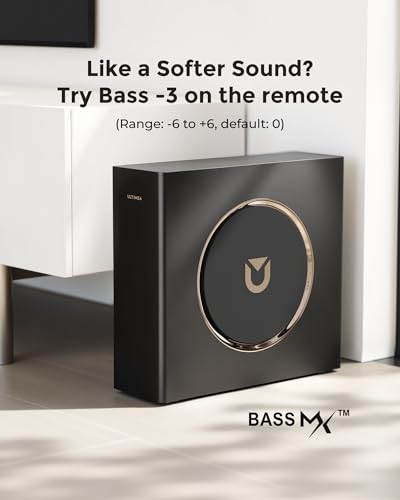
The Ultimea F40 includes a substantial wired subwoofer from day one. This isn't a tiny cube that struggles with deep effects—it's a properly-sized driver that reaches down to 40-45Hz. Combined with Ultimea's BassMX technology (which optimizes low-frequency response), the system delivers immediately satisfying bass that makes explosions rumble and music feel full-bodied.
For home theater use, this difference is crucial. Movies rely heavily on low-frequency effects to create emotional impact. A system that requires you to purchase additional components to achieve proper bass response creates both inconvenience and extra expense.
Both systems handle Dolby Atmos height effects well, but through different methods. The Sony HT-A9M2 uses complex processing to create phantom height speakers throughout your listening area. User reports describe convincing "voices from the ceiling" and rain effects that seem to fall naturally from above. Sony's approach works particularly well with irregular speaker placement—you can position the modules asymmetrically and still achieve coherent height effects.
The Ultimea F40 relies on traditional upfiring drivers that bounce sound off your ceiling. This proven approach works reliably across different room types and content. Ultimea's Xupmix technology can even enhance non-Atmos content with surround processing, making regular TV shows and music feel more spacious.
Where Sony excels is in sophisticated content like well-mastered movie soundtracks where precise object placement matters. Where Ultimea succeeds is in consistent performance across all content types without requiring perfect room conditions.
The Sony HT-A9M2 offers unmatched installation flexibility. Since each speaker connects wirelessly to the control box, you only need power outlets near each module. This eliminates speaker wire runs entirely—a massive advantage in finished rooms where running cables is difficult or impossible.
Sony's room optimization technology lets you place speakers in non-ideal locations and still achieve excellent results. You can mount them at different heights, place them asymmetrically, or work around furniture constraints. The system measures these placements and adjusts accordingly. This flexibility makes the Sony ideal for challenging rooms or rental situations where permanent installation isn't possible.
The wireless range extends up to 98 feet line-of-sight, accommodating large or complex spaces. Sony also improved wireless reliability compared to the original HT-A9, implementing dual antennas and frequency hopping to prevent dropouts.
The Ultimea F40 requires more traditional planning. The rear speakers connect via wire to the subwoofer, which then connects to the soundbar. While Ultimea includes necessary cables, you'll need to route them around your room—either along baseboards or through walls for clean installation.
However, the F40's setup is straightforward and predictable. Follow the included placement guide, connect the cables, and you're operational. Many users prefer this approach because it's familiar and doesn't rely on wireless technology that could potentially fail.
This is where the systems diverge most dramatically. The Sony HT-A9M2 adapts to your room rather than demanding ideal conditions. Whether you have a narrow apartment, an open-concept space, or irregular furniture placement, the system works around these constraints. The automatic calibration ensures optimal performance regardless of speaker positioning.
The Ultimea F40 works best in conventional rectangular rooms where you can position the rear speakers properly behind your seating area. While this covers most home theater scenarios, it's less forgiving of unusual layouts or placement constraints.
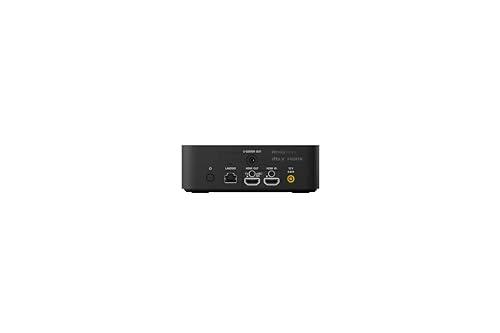
Both systems offer modern connectivity, but with different emphases. The Sony HT-A9M2 includes premium HDMI 2.1 features crucial for next-generation gaming. Support for 8K/60Hz, 4K/120Hz, Variable Refresh Rate (VRR), and Auto Low Latency Mode (ALLM) ensures compatibility with PlayStation 5, Xbox Series X, and high-end PCs. These gaming features represent a clear advantage for console enthusiasts.
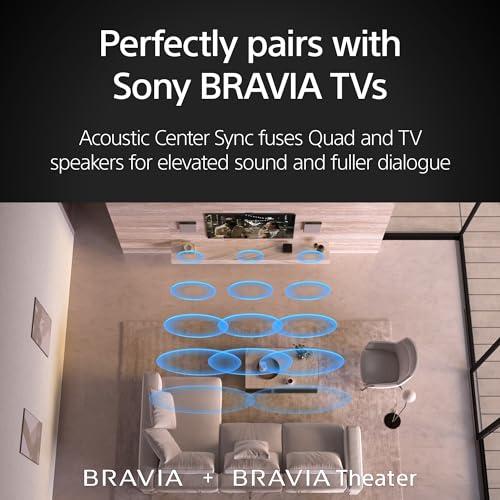
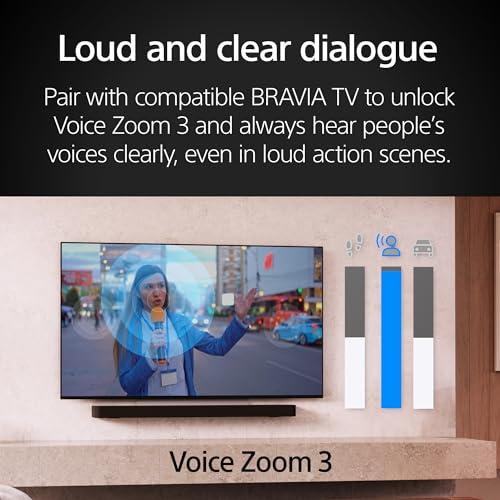
Sony also integrates deeply with BRAVIA TVs through Acoustic Center Sync, which uses your TV's speakers as a phantom center channel. This improves dialogue localization and creates a more cohesive soundstage when watching movies or shows.
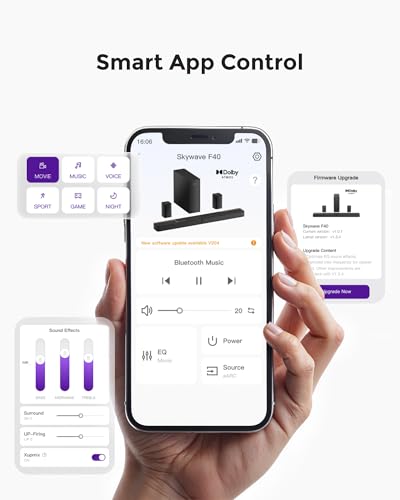
The Ultimea F40 focuses on essential features executed well. HDMI eARC handles high-quality audio from your TV, while Bluetooth 5.4 provides fast, stable wireless streaming. The smart app control offers extensive customization with a 10-band equalizer and 121 preset matrices—more adjustment options than many premium systems provide.
For most users, the Ultimea's connectivity proves sufficient. Unless you specifically need cutting-edge gaming features or BRAVIA integration, the F40 covers all essential use cases effectively.
At the time of writing, these systems occupy different price tiers entirely. The Sony HT-A9M2 positions itself in the premium segment, competing with high-end soundbars and entry-level separates. Adding Sony's recommended subwoofer increases the investment substantially. This pricing reflects genuine innovation and premium build quality, but it requires significant financial commitment.
The Ultimea F40 delivers remarkable value in the budget Dolby Atmos category. For the price of some mid-range soundbars without rear speakers, you get a complete 5.1.2 system with dedicated surrounds and subwoofer. This represents exceptional performance-per-dollar that's difficult to match.
The Sony HT-A9M2 makes sense for specific scenarios. If you have challenging room constraints where traditional speaker placement is impossible, the wireless flexibility justifies the premium. Renters who can't run speaker wires or homeowners with open-concept spaces benefit from the placement freedom.
BRAVIA TV owners gain additional value through ecosystem integration. The unified controls and Acoustic Center Sync features create a more seamless experience that enhances the overall investment.
Audio enthusiasts who prioritize spatial accuracy and advanced processing will appreciate Sony's sophisticated approach. The phantom speaker generation creates uniquely immersive experiences when properly set up with quality content.
Gamers requiring full HDMI 2.1 support for next-generation consoles should consider the Sony's gaming-focused features. The advanced video passthrough capabilities future-proof the investment.
The Ultimea F40 appeals to broader audiences seeking immediate satisfaction and exceptional value. First-time upgraders from basic TV audio will experience dramatic improvement that far exceeds the modest investment.
Movie enthusiasts who prioritize bass impact and surround immersion get complete performance out of the box. The included subwoofer and discrete rear channels create authentic home theater experiences without additional purchases.
Users in traditional room layouts where wired connections aren't problematic will find the F40's straightforward approach appealing. The reliable, proven technology eliminates variables that could affect performance.
Budget-conscious buyers who want authentic Dolby Atmos without compromise should strongly consider the F40. It delivers features typically reserved for much more expensive systems at prices that make sense for mainstream adoption.
These systems represent valid but different approaches to home theater audio. The Sony HT-A9M2 offers unmatched flexibility and sophisticated processing for users with complex installation needs or specific ecosystem requirements. However, it requires additional investment for complete performance and works best when you can take advantage of its unique wireless capabilities.
The Ultimea F40 delivers exceptional value with a complete, immediately satisfying Atmos experience. It outperforms many systems costing significantly more while providing authentic surround sound through discrete speakers. The straightforward approach appeals to users wanting maximum performance per dollar without complexity.
For most users seeking their first serious home theater upgrade, the Ultimea F40 represents the smarter choice. It provides complete performance at a reasonable price with proven technology. The Sony HT-A9M2 makes sense when you specifically need its wireless flexibility or can take advantage of BRAVIA integration, but it's a more specialized solution for particular scenarios.
Both systems deliver impressive Dolby Atmos experiences that transform movie and music listening. Your choice depends on whether you prioritize wireless flexibility and advanced processing or prefer immediate value and complete performance in a traditional package.
| Sony HT-A9M2 BRAVIA Theater Quad | Ultimea Skywave F40 Dolby Atmos Soundbar System |
|---|---|
| Channel Configuration - Determines surround sound capability and immersion | |
| 4.0.4 (no included subwoofer, relies on phantom channels) | 5.1.2 (includes dedicated subwoofer and rear speakers) |
| Bass Response - Critical for movie impact and music fullness | |
| Requires optional subwoofer purchase for adequate bass | Includes wired subwoofer with BassMX technology (40-45Hz response) |
| Speaker Setup - Affects installation complexity and room flexibility | |
| 4 identical wireless speakers (only need power outlets) | Soundbar + 2 rear speakers + subwoofer (requires cable management) |
| Room Calibration - Ensures optimal sound regardless of placement | |
| Advanced 360 Spatial Sound Mapping with automatic room optimization | Standard setup with app-based 10-band EQ and 121 preset matrices |
| Wireless Technology - Important for clean installation and reliability | |
| Dual-antenna frequency hopping, 98ft range, improved from Gen 1 | Bluetooth 5.4 for mobile devices, rear speakers wired to subwoofer |
| Gaming Features - Essential for next-gen console compatibility | |
| Full HDMI 2.1: 8K/60Hz, 4K/120Hz, VRR, ALLM | Basic HDMI eARC, no advanced gaming features |
| TV Integration - Enhances ease of use and performance | |
| Sony HT-A9M2: BRAVIA Sync, Acoustic Center Sync, unified controls | Ultimea F40: CEC support for single remote control |
| Total Power Output - Affects maximum volume and dynamic range | |
| 504W across 16 drivers (31.5W per channel) | 400-460W across all channels |
| Height Effects - Creates overhead Dolby Atmos immersion | |
| Up to 12 phantom height speakers via processing | 2 dedicated upfiring drivers with neodymium magnets |
| Value Proposition - Performance vs cost consideration | |
| Premium pricing, requires subwoofer for full performance | Complete system with all components included at budget price |
The Ultimea Skywave F40 provides exceptional value by including all components (soundbar, subwoofer, and rear speakers) in one package at a budget-friendly price. The Sony HT-A9M2 costs significantly more and requires purchasing an optional subwoofer for complete performance, making the Ultimea F40 the clear winner for budget-conscious buyers seeking authentic Dolby Atmos.
The Ultimea Skywave F40 includes everything needed for 5.1.2 Dolby Atmos out of the box. The Sony HT-A9M2 comes as a 4.0.4 system without a subwoofer, and most reviewers recommend adding Sony's SA-SW3 or SA-SW5 subwoofer for proper bass response, increasing the total investment considerably.
The Sony HT-A9M2 offers superior installation flexibility since all four speakers are wireless and only need power outlets. You can place them asymmetrically or at different heights. The Ultimea F40 requires running cables from the soundbar to the subwoofer and rear speakers, but setup is more straightforward and predictable for traditional room layouts.
The Ultimea Skywave F40 includes a substantial wired subwoofer that delivers impactful bass down to 40-45Hz, providing immediate satisfaction for movie explosions and music. The Sony HT-A9M2 lacks adequate bass without purchasing an additional subwoofer, making the Ultimea F40 superior for bass-heavy content right out of the box.
Yes, both systems support Dolby Atmos height channels. The Sony HT-A9M2 creates up to 12 phantom height speakers through advanced processing, while the Ultimea F40 uses two dedicated upfiring drivers to bounce sound off your ceiling. Both approaches effectively create overhead audio effects for immersive movie experiences.
The Sony HT-A9M2 excels for gaming with full HDMI 2.1 support including 8K/60Hz, 4K/120Hz, Variable Refresh Rate (VRR), and Auto Low Latency Mode (ALLM). The Ultimea F40 offers basic HDMI eARC connectivity without advanced gaming features, making the Sony HT-A9M2 the better choice for next-generation console gaming.
No, the Sony HT-A9M2 works with any TV that has HDMI eARC or optical output. However, Sony BRAVIA TV owners gain additional benefits like Acoustic Center Sync (using TV speakers as center channel) and unified remote controls through BRAVIA Sync, enhancing the overall experience.
The Sony HT-A9M2 adapts better to space constraints since its wireless speakers can be placed flexibly without cable runs. However, the Ultimea F40 may be more practical for small spaces due to its lower cost and immediate complete performance without requiring additional subwoofer purchases.
The Ultimea F40 provides authentic surround effects through dedicated rear speakers, creating traditional but effective surround sound. The Sony HT-A9M2 generates a wider "bubble" of sound through phantom speakers and advanced processing, offering more immersive spatial effects but requiring optimal placement for best results.
The Sony HT-A9M2 provides premium connectivity with HDMI 2.1, AirPlay 2, Spotify Connect, and high-resolution audio support up to 192kHz/24-bit. The Ultimea F40 covers essential needs with HDMI eARC, Bluetooth 5.4, and comprehensive app control. Choose the Sony HT-A9M2 for advanced features or the Ultimea F40 for straightforward functionality.
Yes, both systems support TV remote control. The Sony HT-A9M2 offers deeper integration with Sony TVs through BRAVIA Sync, while the Ultimea F40 provides basic CEC (Consumer Electronics Control) support for volume and power control through your TV remote with most modern televisions.
The Ultimea Skywave F40 is ideal for first-time buyers due to its complete package, straightforward setup, and immediate impressive performance upgrade from TV speakers. The Sony HT-A9M2 better suits enthusiasts with specific placement needs or those wanting premium wireless flexibility, but requires more investment and technical understanding for optimal results.
We've done our best to create useful and informative comparisons to help you decide what product to buy. Our research uses advanced automated methods to create this comparison and perfection is not possible - please contact us for corrections or questions. These are the sites we've researched in the creation of this article: bestbuy.com - whathifi.com - whathifi.com - youtube.com - rtings.com - audiosciencereview.com - bhphotovideo.com - skybygramophone.com - sony.com - manuals.plus - audioadvice.com - dell.com - valueelectronics.com - youtube.com - merlinstv.com - videoandaudiocenter.com - electronics.sony.com - sony.com - bestbuy.com - beachcamera.com - sony.com - win.consulting - sony.com - the-gadgeteer.com - youtube.com - ultimea.com - manuals.plus - youtube.com - ultimea.com - youtube.com - youtube.com - youtube.com - youtube.com - eu.ultimea.com - support.ultimea.com

Privacy Policy
Terms and Conditions - Affiliate Policy
Home Security
© Copyright 2008-2026.
11816 Inwood Rd #1211, Dallas, TX 75244