

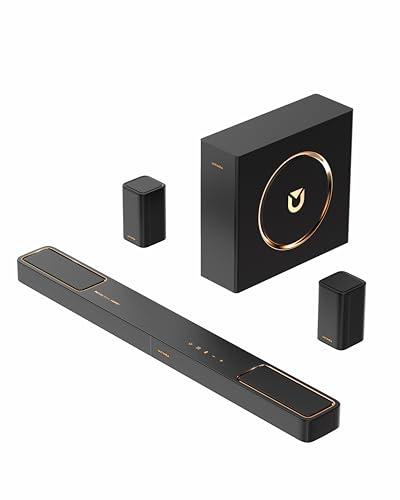


When I first started reviewing budget soundbars back in 2020, most systems under $400 were basic 2.1 setups that promised surround sound but delivered little more than slightly wider stereo. Fast forward to 2025, and we're seeing genuine innovations that bring true Dolby Atmos experiences to everyday budgets. Two systems exemplify this evolution perfectly: the Ultimea Skywave F40 with its authentic 5.1.2 channel setup, and the Yamaha SR-B40A with its sophisticated virtual processing approach.
The soundbar landscape has transformed dramatically in recent years. What used to be a simple choice between basic stereo bars and expensive home theater systems now includes a fascinating middle ground where budget-conscious buyers can access genuinely immersive audio experiences.
At the heart of this revolution is Dolby Atmos – a surround sound technology that adds height information to traditional surround sound. Think of regular 5.1 surround as sound coming from around you in a circle. Atmos adds a dome overhead, creating a three-dimensional bubble of sound. This means helicopters actually fly over your head, rain falls from above, and explosions have realistic vertical movement.
However, not all Atmos implementations are equal. True discrete channel systems like the Ultimea Skywave F40 use dedicated physical speakers to create these effects. Virtual processing systems like the Yamaha SR-B40A use sophisticated digital signal processing (DSP) to trick your ears into hearing sounds from directions where no speakers exist.
The key considerations when evaluating these systems include channel configuration (how many actual speakers you get), Dolby Atmos implementation (real height speakers versus virtual effects), room compatibility, installation complexity, and overall value proposition. Understanding these differences will help you choose the right approach for your space and needs.
The Ultimea Skywave F40, released in 2025, represents a new wave of budget-friendly true surround systems. At its price point – typically under $300 at the time of writing – it delivers what many systems costing twice as much struggled to achieve just a few years ago: genuine 5.1.2 channel Dolby Atmos with discrete surround speakers and dedicated height channels.
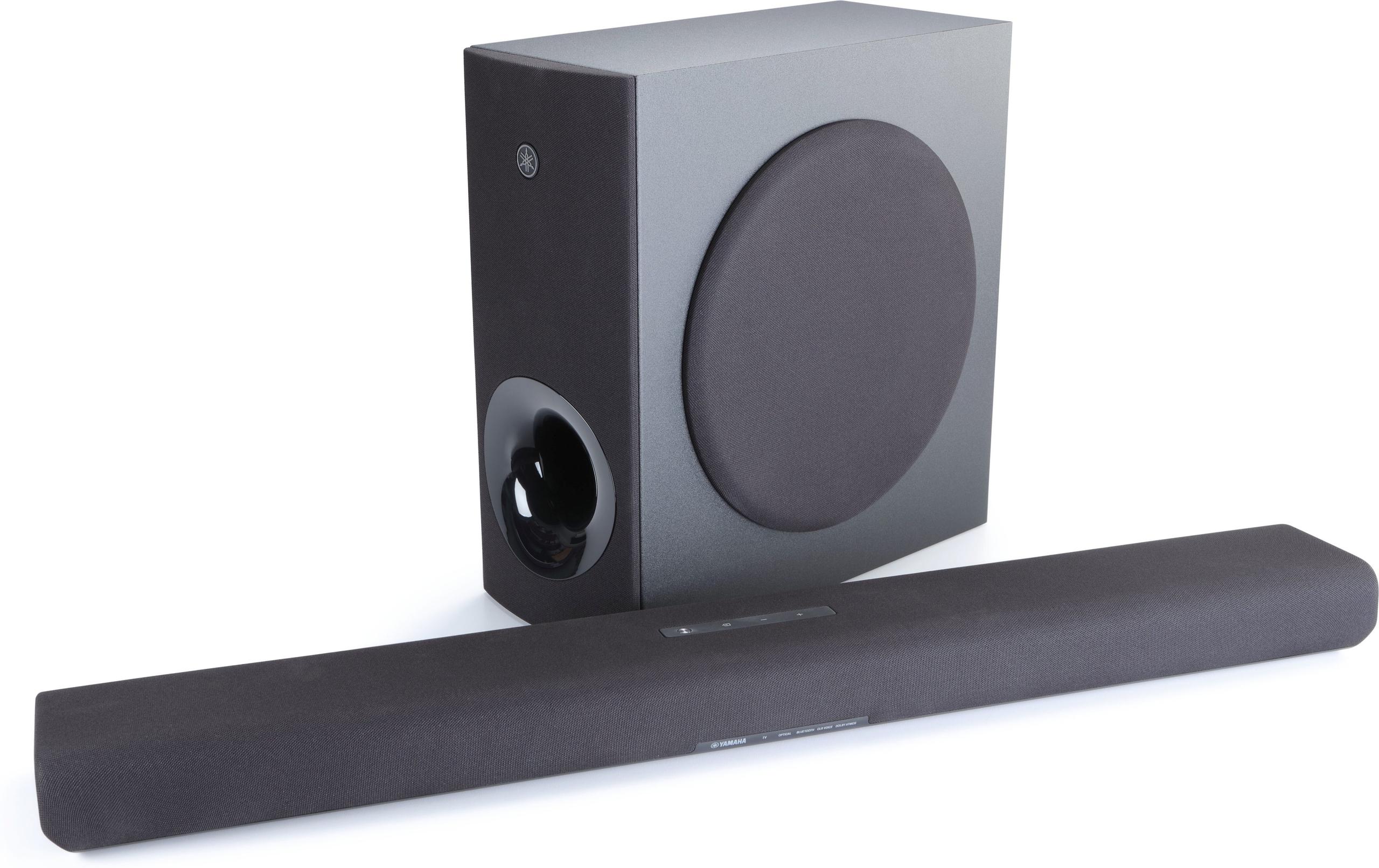
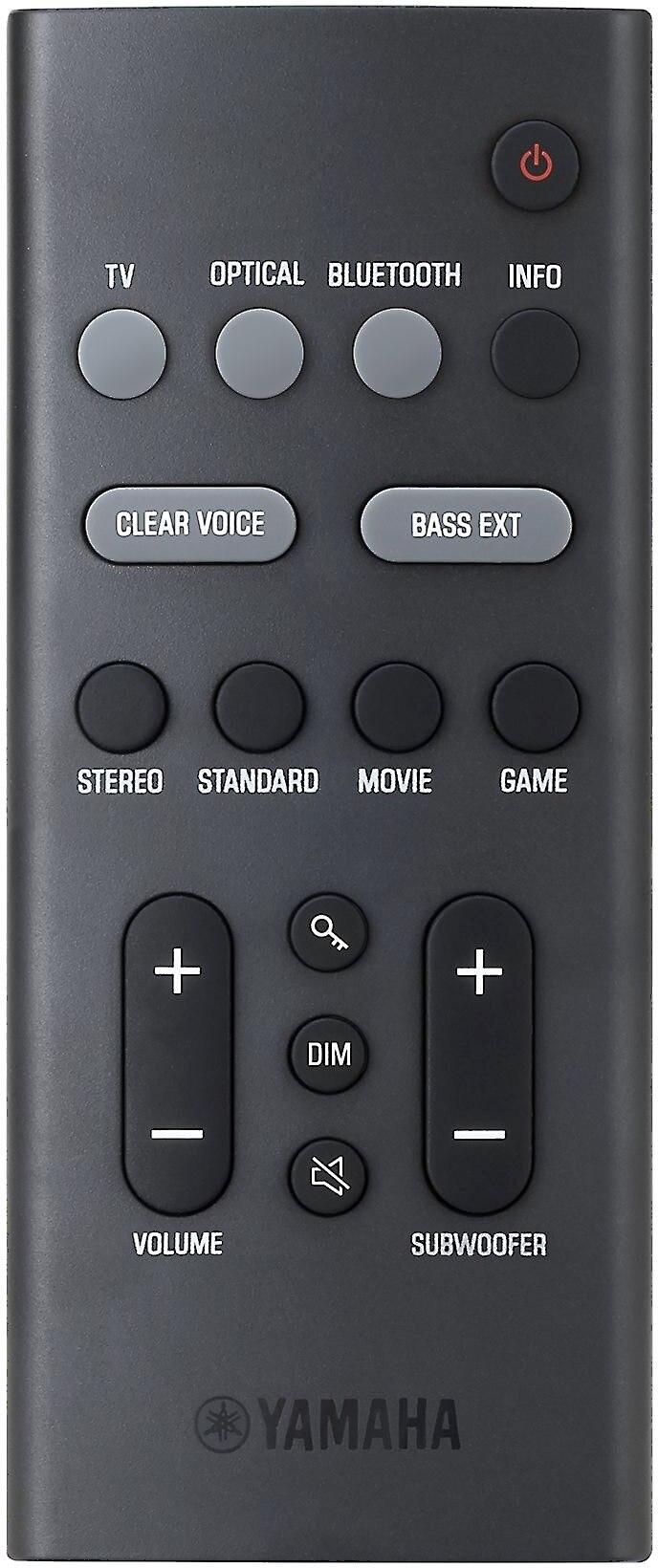
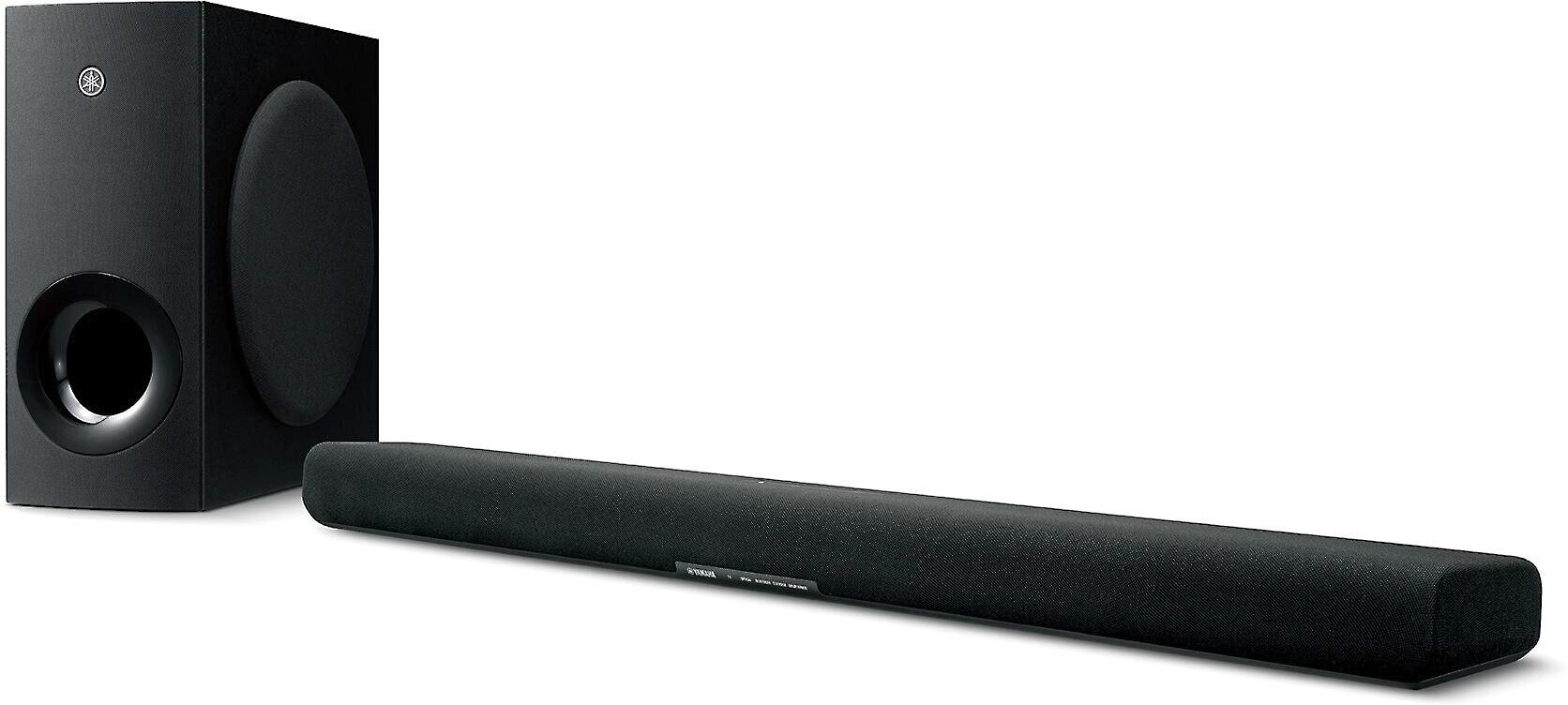
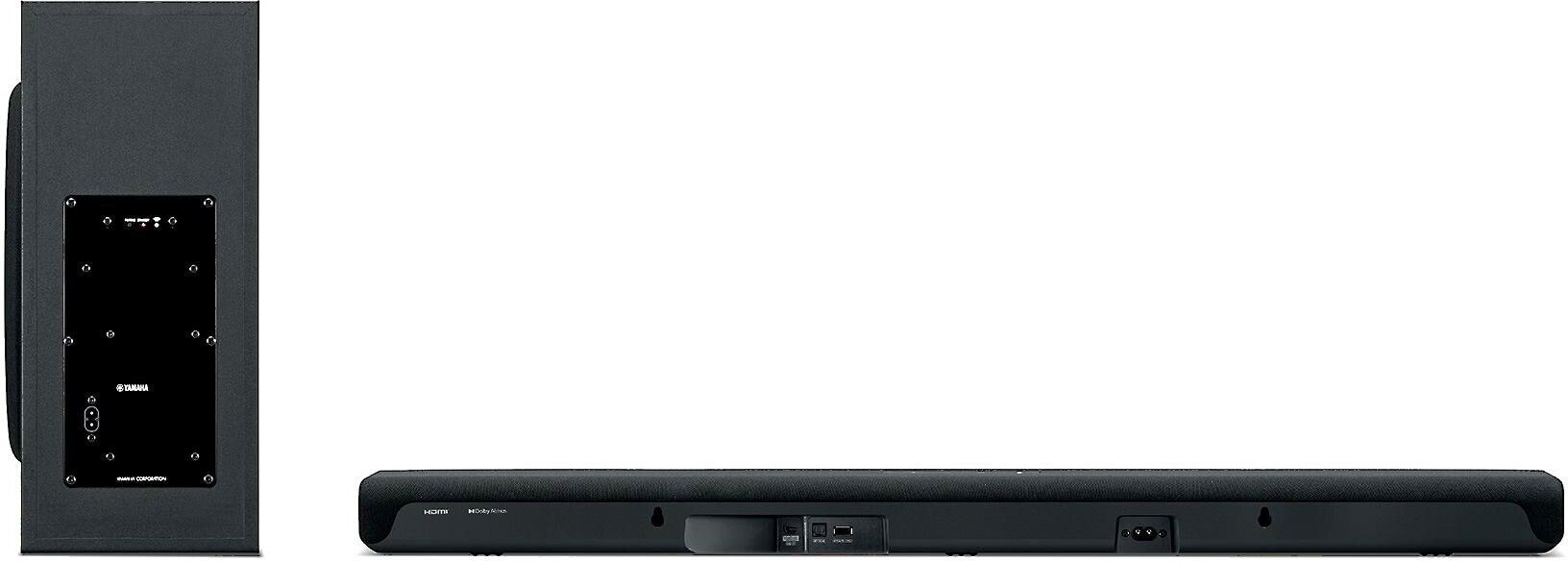
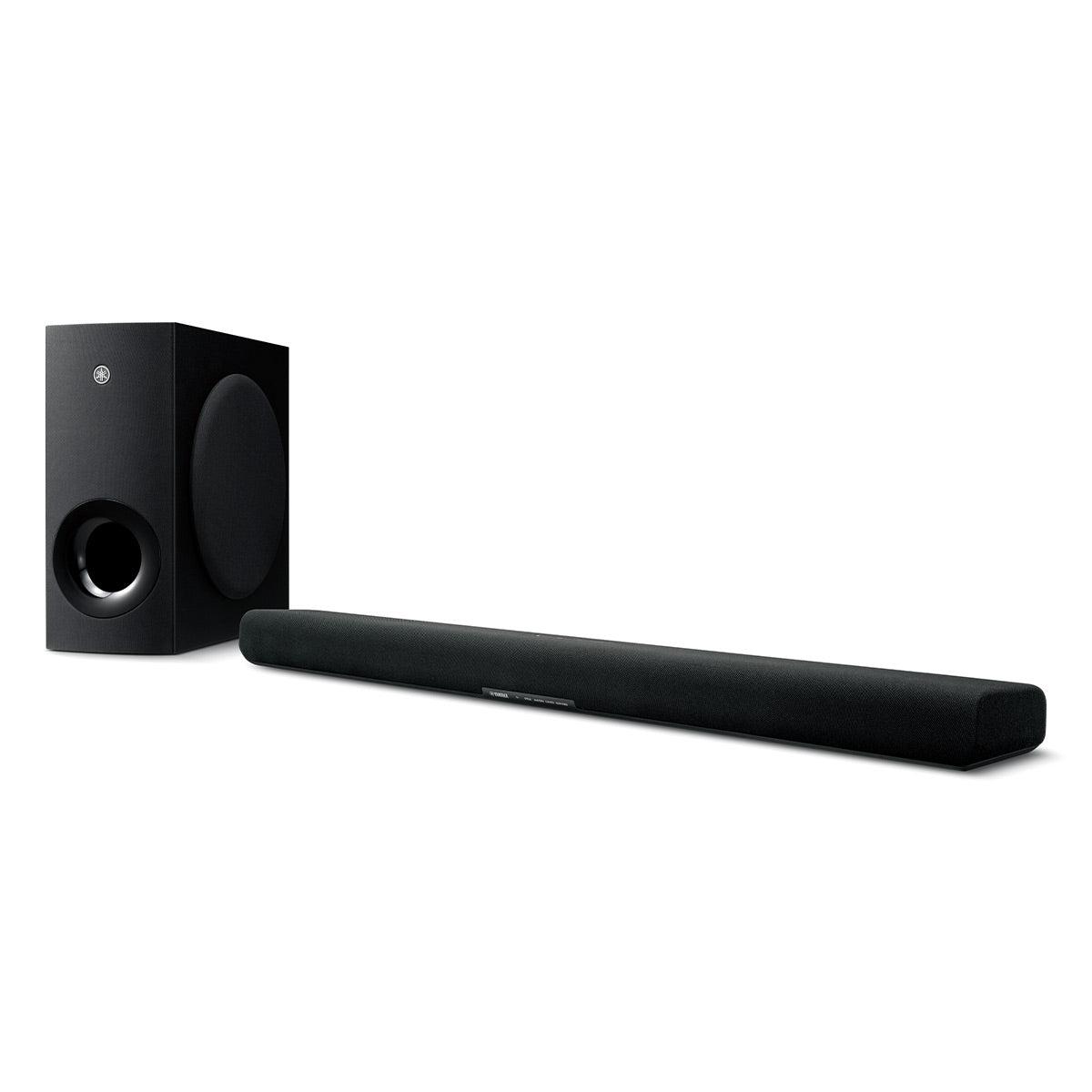
The Yamaha SR-B40A takes a different approach, leveraging Yamaha's decades of audio engineering expertise. Released in 2024, this system positions itself as a premium 2.1 solution that uses advanced virtual processing to create surround effects without the complexity of multiple speakers. At around $340 when this was written, it costs more than the Ultimea but promises the reliability and acoustic refinement that comes with Yamaha's established reputation.
Both systems reflect important technological improvements we've seen recently. Better wireless connectivity, more sophisticated digital signal processing, and improved driver technology have made it possible to deliver impressive performance at lower price points than ever before.
This is where the fundamental philosophical difference between these systems becomes apparent, and it's probably the most important factor in your decision.
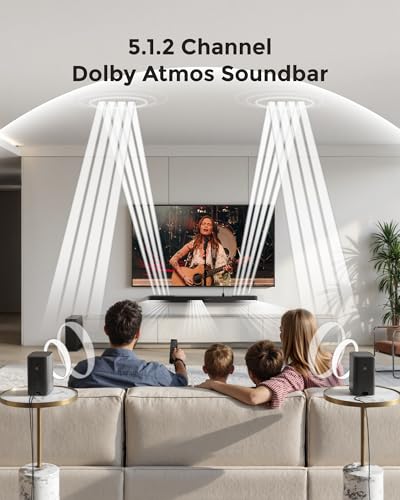
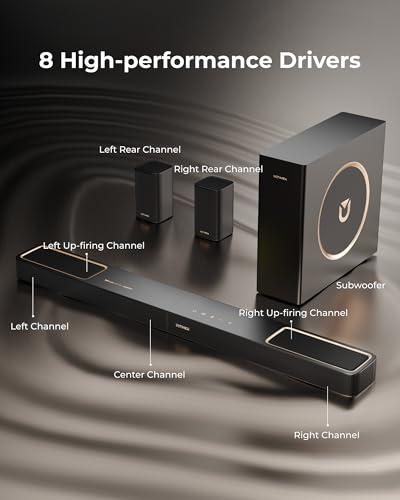
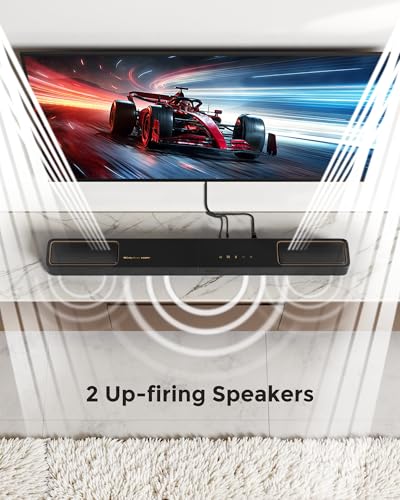
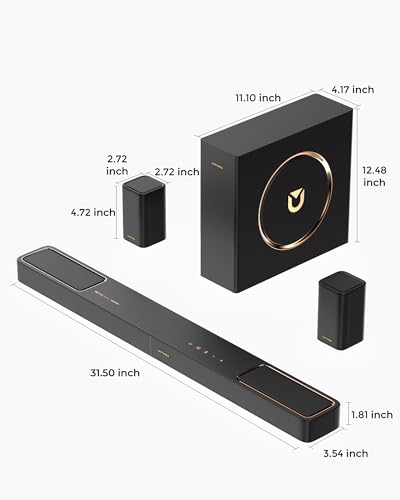
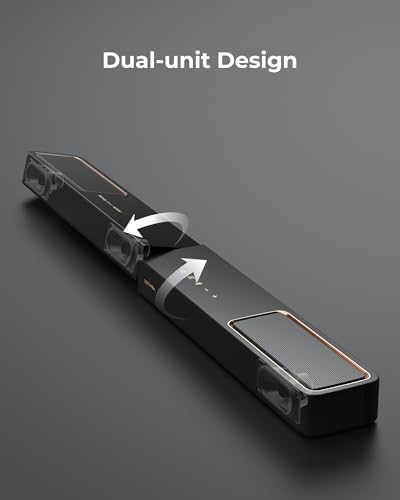
The Ultimea Skywave F40 gives you the real deal: actual speakers positioned around your room. The main soundbar handles left, center, and right channels, plus houses two up-firing drivers that bounce sound off your ceiling to create height effects. Two separate wireless surround speakers handle the rear channels, while a wireless subwoofer manages low-frequency effects. This creates what's called a 5.1.2 system – five main channels, one subwoofer, and two height channels.
Having used systems like this extensively, I can tell you the difference is immediately noticeable. When a car races across the screen in an action movie, you actually hear it move from the front speakers to the rear speakers behind you. When thunder rumbles overhead in a storm scene, the up-firing drivers create a convincing sense of sound coming from above. This physical placement of sound sources creates what audio engineers call "discrete channels" – each speaker has its own specific audio information.
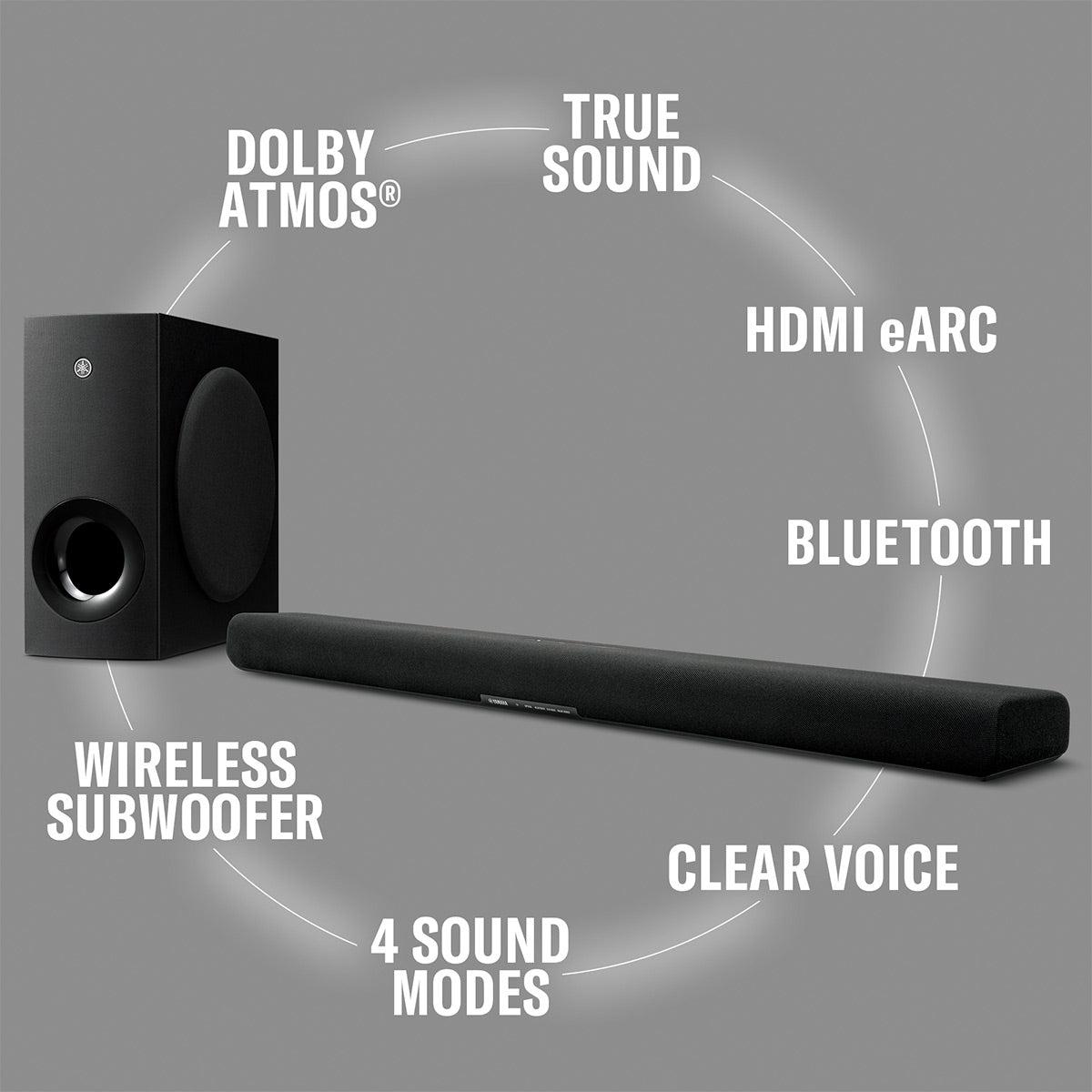
The Yamaha SR-B40A takes the virtual route, using what Yamaha calls True Sound engineering enhanced with Dolby Atmos processing. This system analyzes the incoming audio signal and uses psychoacoustic principles – basically, scientific understanding of how your brain interprets sound – to create the illusion of surround effects from just a soundbar and subwoofer.
Yamaha's approach has definite advantages. The virtual processing is incredibly sophisticated, drawing on the company's expertise in both digital audio and acoustic design. The system can create surprisingly convincing surround effects, especially for height channels where your ears are naturally less precise about directional information.
However, virtual processing has inherent limitations. It works best when you're sitting in the optimal listening position directly in front of the soundbar. Move to the side of your couch, and the illusion breaks down. The effectiveness also varies significantly with room acoustics – hard surfaces help reflect the processed sound, while heavily furnished rooms can absorb the subtle directional cues the system relies on.
The power specifications tell an interesting story about each system's design philosophy. The Ultimea Skywave F40 delivers up to 460 watts peak power distributed across its multiple components. This includes dedicated amplification for the main soundbar, surround speakers, and subwoofer. More importantly, this power is spread across many drivers, meaning each component can operate within its optimal range without strain.
The Yamaha SR-B40A focuses its 200 watts more strategically – 100 watts for the main soundbar and 100 watts for the subwoofer. While this seems like less power on paper, Yamaha's efficient driver design and sophisticated amplification mean this system can actually get quite loud and maintain clarity even at high volumes.
In practical terms, the Ultimea's distributed power approach gives it better dynamic range – the difference between the quietest whispers and loudest explosions in your content. With dedicated speakers handling different frequency ranges and spatial information, the system can reproduce subtle details without losing them in the mix. I've noticed this especially with complex movie soundtracks where dialogue, music, and effects all compete for attention.
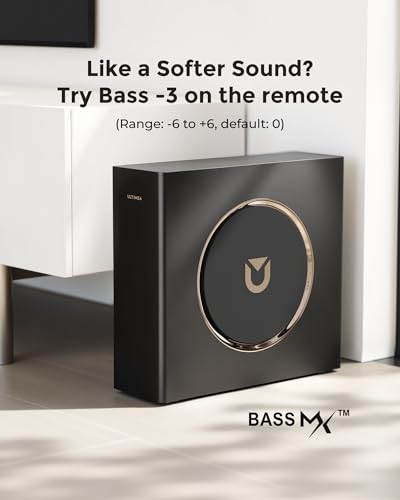
Both systems include wireless subwoofers, but their approaches differ significantly. The Ultimea Skywave F40 uses BassMX technology with its 6.5-inch driver to emphasize impact and texture – the kind of bass that makes action scenes visceral and music feel full-bodied. The frequency response extends down to around 38Hz, which covers most of the important bass content in movies and music.
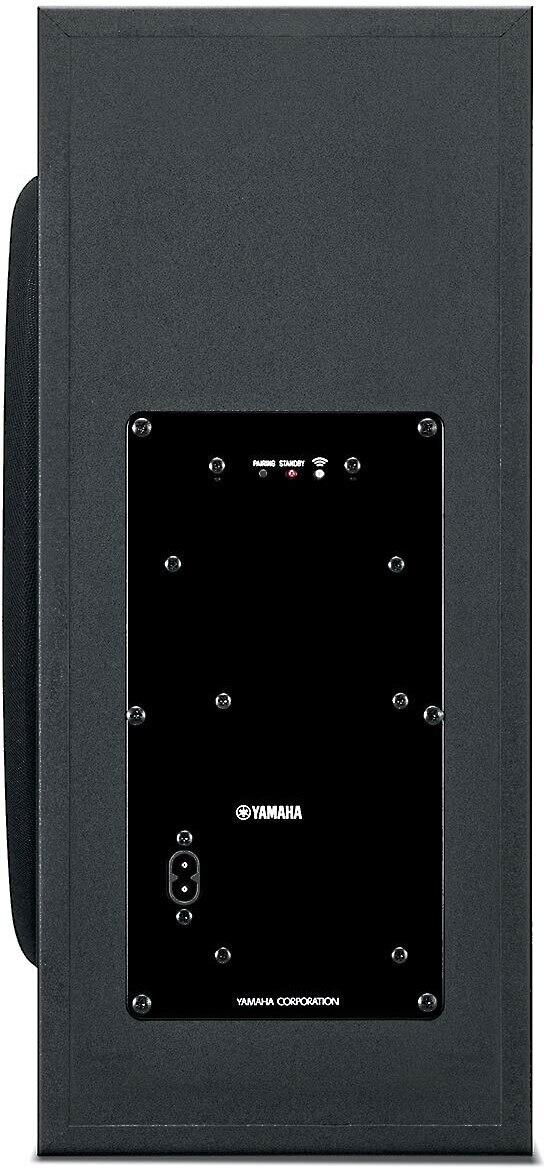
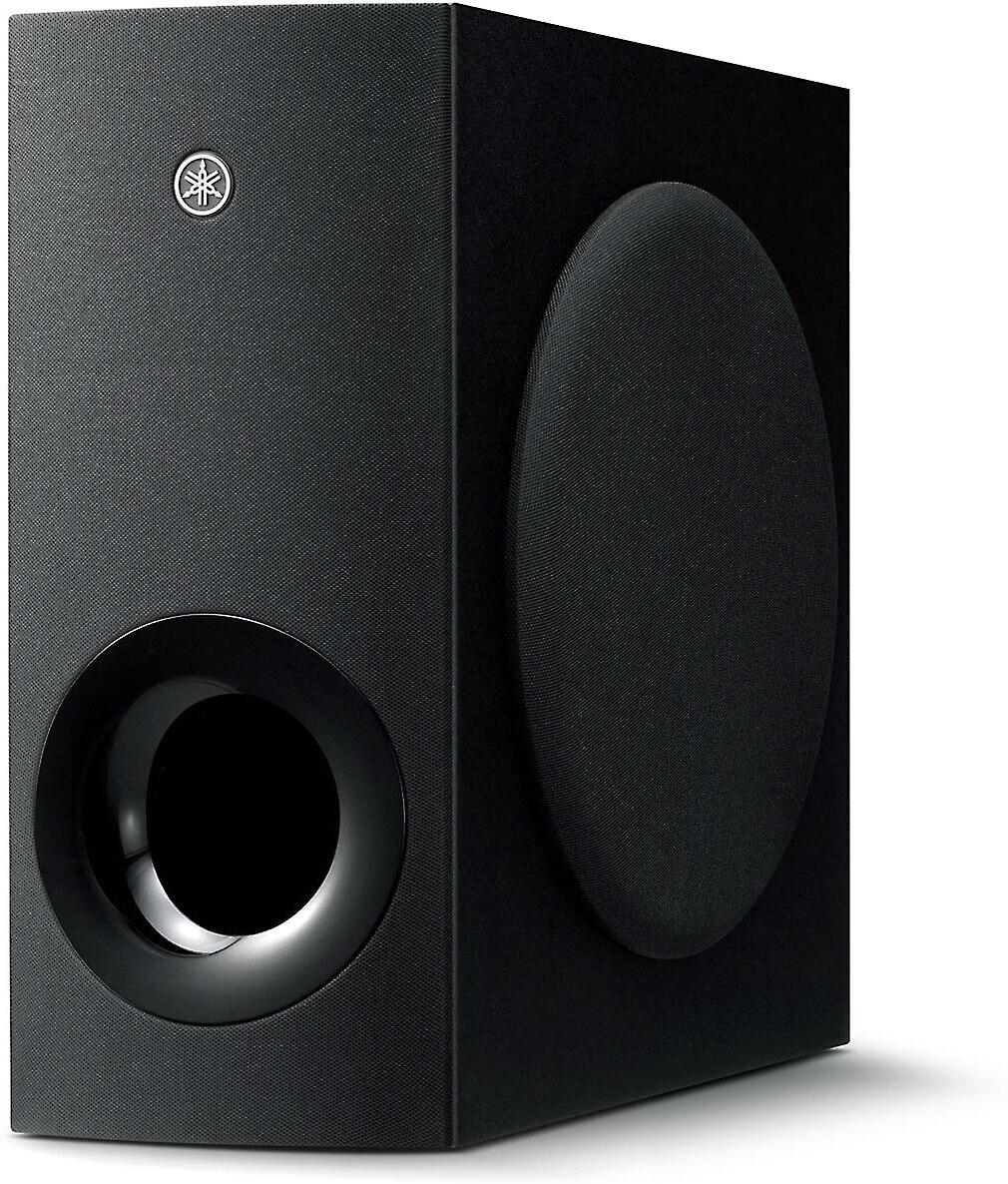
The Yamaha SR-B40A incorporates Yamaha's YST II (Yamaha Active Servo Technology) with a 6.25-inch driver that reaches deeper into the frequency spectrum – down to 33Hz. This gives it better extension for the very lowest frequencies, like the rumble of earthquakes in disaster movies or the lowest notes of pipe organs in classical music.
From my testing experience, the difference comes down to character versus extension. The Ultimea delivers punchier, more tactile bass that makes explosions feel impactful. The Yamaha produces cleaner, deeper bass that reveals subtle low-frequency details but might feel less dramatic for casual listening.
This is where things get interesting, and frankly, where the Yamaha SR-B40A faces some challenges despite its premium positioning. While Yamaha includes Clear Voice technology designed to enhance dialogue intelligibility, user feedback suggests mixed results. The virtual processing can sometimes make voices sound artificial or get overwhelmed by background music and effects.
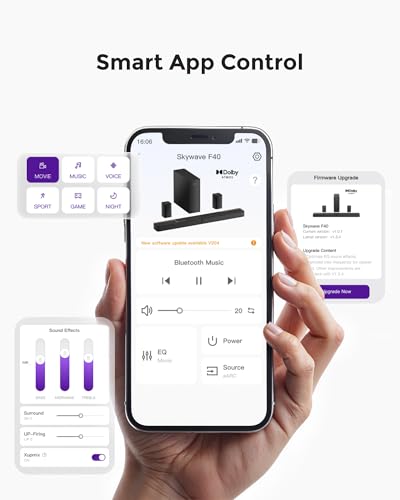
The Ultimea Skywave F40 benefits from dedicated center channel processing through its main soundbar, plus the ability to adjust the overall mix through its comprehensive EQ system. With 121 preset EQ matrices accessible through the smartphone app, you can fine-tune the system specifically for dialogue-heavy content like news or talk shows.
In my experience with similar systems, having discrete channels gives you more control over vocal clarity because the center channel information isn't competing with surround effects processing in the same way virtual systems must manage.
For cinematic content, the Ultimea Skywave F40 demonstrates clear advantages. Action movies benefit tremendously from true surround effects – helicopters actually fly around the room, gunfire has proper directionality, and the overhead height channels create convincing atmospheric effects like rain or aircraft.
The system's six listening modes (Movie, Music, Voice, Sport, Game, and Night) provide optimization for different content types. The Movie mode enhances dynamic range and emphasizes surround effects, while the Night mode compresses the audio to prevent loud scenes from waking neighbors.
The Yamaha SR-B40A holds its own for dialogue-driven content and offers superior tonal balance for many TV shows and dramas. Yamaha's decades of experience in audio engineering show in the careful frequency response tuning and overall sonic coherence.
Here's where the Yamaha SR-B40A potentially shows its strength. The superior frequency extension (22kHz on the high end versus 18kHz for the Ultimea) and Yamaha's acoustic expertise result in more accurate music reproduction. The stereo imaging – how well instruments are positioned left-to-right in the soundstage – tends to be more precise with Yamaha's approach.
The Ultimea Skywave F40 can switch to stereo mode for music listening, effectively turning off the surround processing. However, having multiple speakers active in the room can sometimes create acoustic complications for critical music listening.
Gaming represents perhaps the clearest advantage for the Ultimea Skywave F40. Modern games use sophisticated surround sound mixing to provide directional audio cues – footsteps behind you in a shooter, the roar of engines approaching from specific directions in racing games, or the subtle environmental sounds that create immersion in adventure titles.
True surround speakers deliver these cues with precision that virtual processing simply cannot match. In competitive gaming, being able to accurately locate sounds can provide tactical advantages. The dedicated Game mode optimizes the system for low-latency audio processing and enhanced directional effects.
The Ultimea Skywave F40 requires more thoughtful room planning. You need to position the wireless surround speakers behind or beside your seating area, which means having appropriate surfaces or stands. The system works best in medium to large rooms – around 300 square feet or more – where the discrete speakers have space to create proper surround effects.
The wireless connectivity helps minimize cable runs, but you still need power outlets for the surround speakers and subwoofer. The up-firing height channels work best with standard ceiling heights (8-10 feet) and reasonably reflective ceiling surfaces.
The Yamaha SR-B40A offers plug-and-play simplicity. Position the soundbar in front of your TV, place the wireless subwoofer anywhere convenient (it automatically pairs), and you're done. This system actually works better in smaller rooms where the virtual processing can use wall reflections more effectively.
Room acoustics affect these systems differently. The Ultimea Skywave F40 is somewhat less dependent on room characteristics because it uses physical speaker placement rather than acoustic reflections to create surround effects. However, the up-firing height channels still need decent ceiling reflection.
The Yamaha SR-B40A is more sensitive to room acoustics. Hard surfaces (wood floors, painted walls) help the virtual processing work more effectively, while heavily carpeted rooms with lots of soft furnishings can absorb the subtle directional cues the system creates.
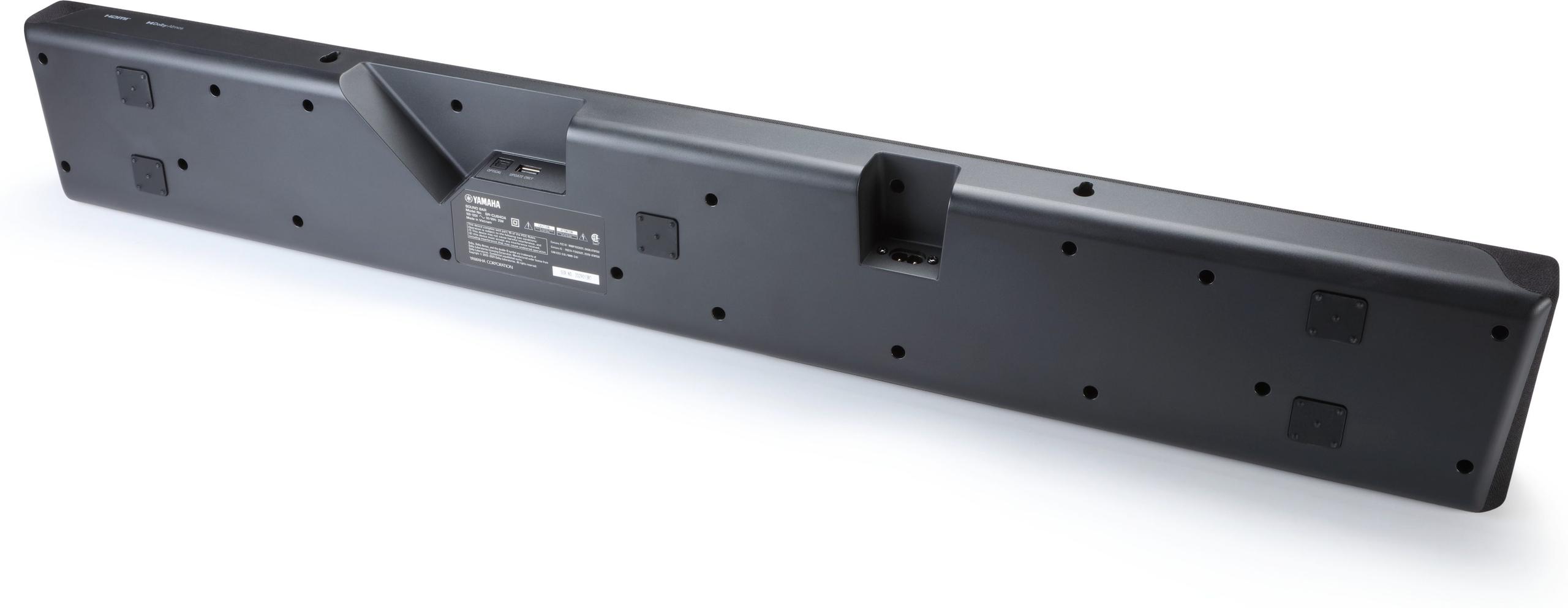
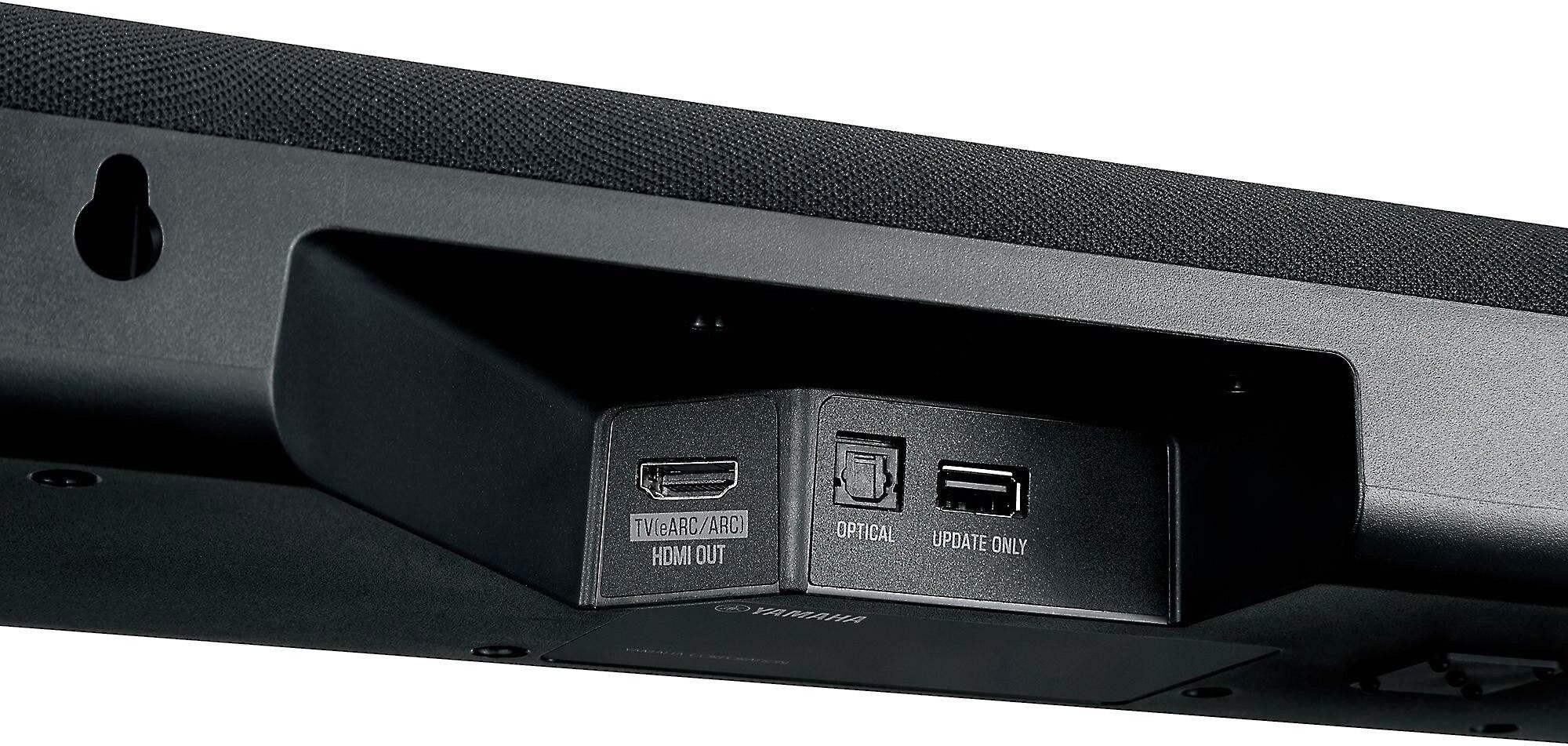
Both systems offer modern connectivity options including HDMI eARC (Enhanced Audio Return Channel), which allows high-quality audio transmission from your TV and enables control of the soundbar with your TV remote through CEC (Consumer Electronics Control).
The Ultimea Skywave F40 includes Bluetooth 5.4, which provides faster pairing, more stable connections, and lower latency compared to older Bluetooth versions. The smartphone app control is particularly comprehensive, offering access to that 10-band equalizer and extensive preset library.
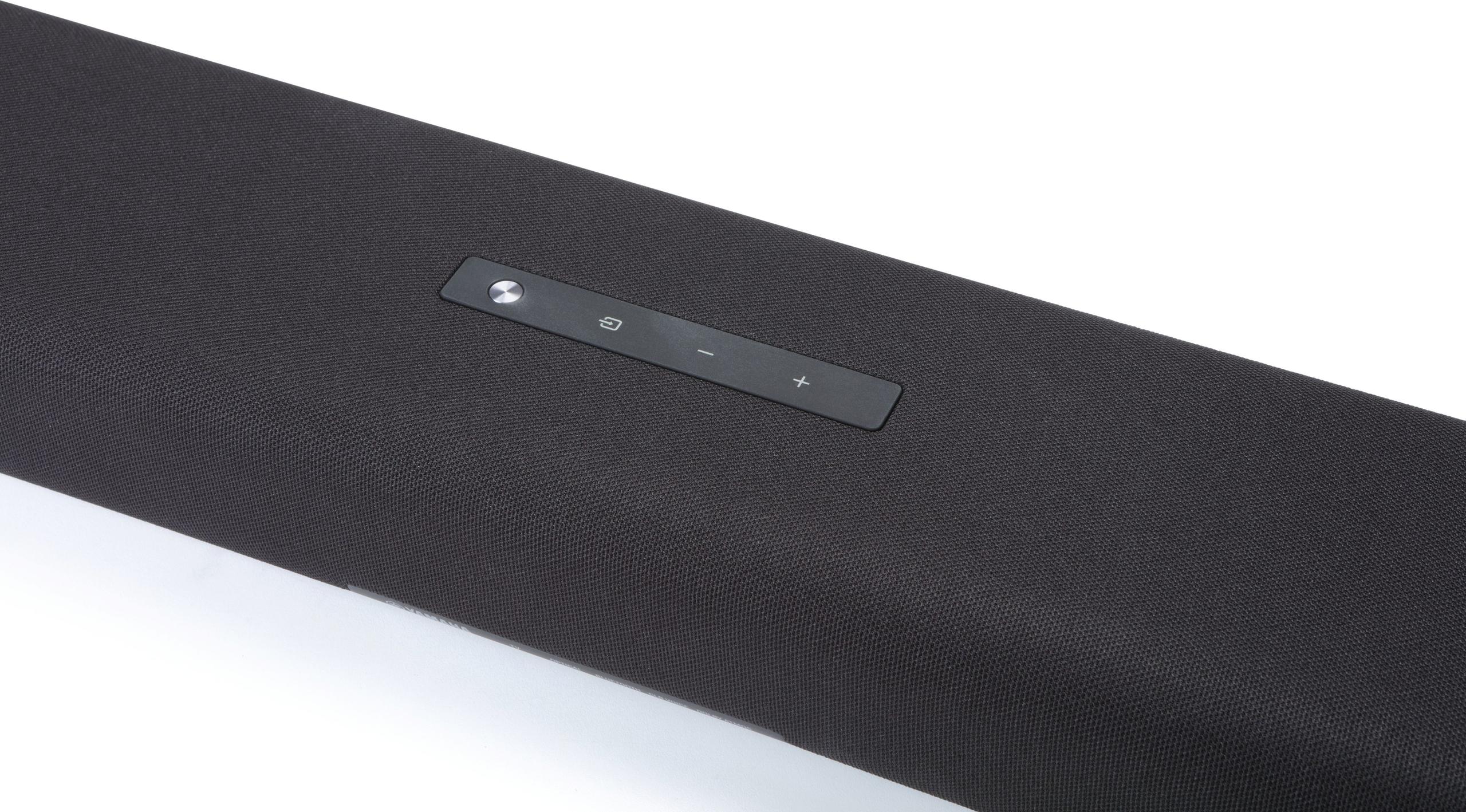
The Yamaha SR-B40A provides its own Sound Bar Remote app with tone controls and mode selection. Yamaha's app tends to be more polished and user-friendly, reflecting the company's experience in consumer audio interfaces.
At the time of writing, the pricing reflects two different value philosophies. The Ultimea Skywave F40 typically costs about $40 less than the Yamaha SR-B40A while delivering genuine surround sound with more speakers and higher power output. This represents exceptional value for anyone prioritizing immersive audio experiences.
The Yamaha SR-B40A costs more but offers the intangible benefits of established brand reliability, superior build quality, and refined acoustic engineering. For users who prioritize music listening or want a simple, elegant solution, the premium may be worthwhile.
Love action movies and immersive entertainment. The discrete surround speakers create genuinely thrilling experiences for blockbuster films, making you feel like you're in the middle of the action rather than just watching it.
Play games regularly, especially competitive or immersive titles. The directional audio advantage in gaming is substantial and can actually improve your performance in competitive scenarios.
Have a medium to large room where you can properly position surround speakers. The system needs space to work its magic effectively.
Want maximum features and performance per dollar spent. At its price point, this system delivers capabilities that would have cost significantly more just a few years ago.
Enjoy tweaking and customizing your audio experience. The extensive EQ options and multiple listening modes give you tremendous control over sound character.
Prioritize simplicity and elegant design. Some people want great sound without the complexity of multiple speakers and extended setup procedures.
Listen to a lot of music and want accurate, refined sound reproduction. Yamaha's acoustic expertise really shows in stereo content.
Have a smaller room or challenging layout where placing surround speakers would be difficult or impossible.
Value brand reputation and long-term reliability. Yamaha's decades in the audio business translate to better customer support and more predictable performance.
Prefer virtual processing to physical speakers for aesthetic or practical reasons. Not everyone wants visible speakers around their room.
From a dedicated home theater standpoint, the Ultimea Skywave F40 more closely approximates what enthusiasts expect from surround sound. The discrete channels, dedicated height effects, and true surround speaker placement create the kind of immersive experience that draws you into movies and makes you forget you're watching a screen.
However, many people use their main TV room for multiple purposes – watching movies, casual TV viewing, music listening, and gaming. The Yamaha SR-B40A might actually be more appropriate for multi-purpose rooms where the simplicity and refined sound quality serve diverse needs better than specialized home theater optimization.
After extensive consideration of both systems' strengths and limitations, my recommendation comes down to your primary use case and room situation. The Ultimea Skywave F40 represents exceptional value for anyone who wants genuine surround sound immersion and has the room layout to support it properly. It's particularly compelling for movie enthusiasts and gamers who will benefit most from the authentic directional audio.
The Yamaha SR-B40A makes more sense for users prioritizing simplicity, music quality, or dealing with space constraints that make surround speaker placement impractical. While it costs more, the refined engineering and brand reliability provide intangible value that some users will appreciate.
Both systems represent significant improvements over basic TV audio and most budget soundbars from previous generations. Your choice ultimately depends on whether you value authentic surround sound experience or convenient, refined audio quality. Either way, you're getting capabilities that would have been unimaginable at these price points not too long ago.
| Ultimea Skywave F40 Dolby Atmos Soundbar System | Yamaha SR-B40A 2.1-Channel Sound Bar with Wireless Subwoofer |
|---|---|
| Channel Configuration - Determines how immersive your surround sound experience will be | |
| True 5.1.2 channel with discrete surround speakers and height channels | 2.1 channel with virtual surround processing |
| Total System Power - Higher power means louder volumes and better dynamics | |
| 460W peak power distributed across multiple components | 200W total (100W soundbar + 100W subwoofer) |
| Surround Speaker Setup - Physical speakers provide more authentic directional audio | |
| Two wireless rear surround speakers included | No surround speakers (virtual processing only) |
| Frequency Response - Wider range captures more musical detail | |
| 38Hz - 18kHz (good bass extension, standard treble) | 33Hz - 22kHz (deeper bass, extended treble) |
| Dolby Atmos Implementation - True height channels create better overhead effects | |
| Two dedicated up-firing drivers with neodymium magnets | Virtual height processing through main soundbar |
| Bluetooth Version - Newer versions offer better connectivity and lower latency | |
| Bluetooth 5.4 (latest standard for stable connections) | Bluetooth 5.1 (older but still reliable) |
| Sound Customization - More options let you fine-tune audio to your preferences | |
| 10-band EQ with 121 preset matrices via smartphone app | Tone controls and 4 sound modes via app |
| Setup Complexity - Consider your comfort level with multi-component systems | |
| Requires positioning and pairing multiple wireless speakers | Simple soundbar + wireless subwoofer setup |
| Recommended Room Size - Larger systems work better in bigger spaces | |
| 300+ sq ft rooms for optimal surround speaker effectiveness | Works well in smaller rooms where virtual processing is more effective |
| Subwoofer Driver Size - Larger drivers typically produce deeper bass | |
| 6.5" driver with BassMX technology | 6.25" driver with YST II technology |
| Number of Listening Modes - More modes optimize performance for different content | |
| 6 modes (Movie, Music, Voice, Sport, Game, Night) | 4 modes (Stereo, Standard, Movie, Game) |
| Brand Heritage - Established brands often mean better support and reliability | |
| Newer brand focusing on value-oriented audio products | Yamaha's decades of audio engineering expertise |
The Ultimea Skywave F40 offers superior surround sound with its true 5.1.2 channel configuration, including dedicated wireless rear speakers and up-firing height channels for authentic Dolby Atmos effects. The Yamaha SR-B40A relies on virtual surround processing from a single soundbar, which creates simulated surround effects but can't match the immersion of physical speakers positioned around your room.
A 5.1.2 system like the Ultimea Skywave F40 has five main speakers (left, center, right, and two surrounds), one subwoofer, and two height channels for overhead effects. The 2.1 Yamaha SR-B40A has just left and right channels in the soundbar plus a subwoofer, using digital processing to simulate additional channels. More channels generally mean more realistic directional audio.
The Yamaha SR-B40A is significantly easier to set up, requiring only placement of the main soundbar and wireless subwoofer pairing. The Ultimea Skywave F40 involves positioning and wirelessly connecting multiple components including rear surround speakers, making it more complex but ultimately more rewarding for surround sound enthusiasts.
Yes, both the Ultimea Skywave F40 and Yamaha SR-B40A support Dolby Atmos, but they implement it differently. The Ultimea uses dedicated up-firing drivers to physically bounce sound off your ceiling, while the Yamaha uses virtual processing to simulate overhead effects through its main speakers.
The Ultimea Skywave F40 excels for movies, especially action films, due to its true surround speakers that create authentic directional effects like helicopters flying around the room. The Yamaha SR-B40A performs better for dialogue-heavy content and offers superior tonal balance, but lacks the immersive surround effects that make action movies thrilling.
The Ultimea Skywave F40 delivers 460W peak power distributed across its multiple speakers and subwoofer, providing excellent dynamic range and volume. The Yamaha SR-B40A outputs 200W total power (100W soundbar + 100W subwoofer), which is lower on paper but uses efficient design to achieve impressive volume levels and clarity.
The Yamaha SR-B40A is better suited for small rooms since its virtual surround processing works more effectively in compact spaces where sound can reflect off nearby walls. The Ultimea Skywave F40 needs medium to large rooms (300+ square feet) to properly position its surround speakers and create effective sound separation.
Both soundbars offer Bluetooth connectivity for wireless phone streaming. The Ultimea Skywave F40 features newer Bluetooth 5.4 for faster pairing and more stable connections, while the Yamaha SR-B40A uses Bluetooth 5.1. Both also include smartphone apps for advanced control and sound customization.
The bass comparison is nuanced - the Ultimea Skywave F40 produces punchier, more impactful bass with its BassMX technology that's great for action scenes, while the Yamaha SR-B40A offers deeper frequency extension down to 33Hz and cleaner, more accurate bass reproduction that's better for music listening.
Yes, both the Ultimea Skywave F40 and Yamaha SR-B40A include wireless subwoofers that automatically pair with their respective soundbars. This eliminates the need to run cables across your room, though both subwoofers still require power outlets for operation.
The Ultimea Skywave F40 is superior for gaming due to its true surround speakers that provide accurate directional audio cues essential for competitive gaming and immersive single-player experiences. The Yamaha SR-B40A can handle gaming audio but lacks the precise positional accuracy that discrete surround speakers deliver.
The Ultimea Skywave F40 typically offers better value, providing genuine 5.1.2 surround sound with multiple speakers at a lower cost than the Yamaha SR-B40A. However, the Yamaha justifies its higher cost with superior build quality, brand reliability, and refined audio engineering - making it better value for users prioritizing music quality and simplicity over maximum surround sound immersion.
We've done our best to create useful and informative comparisons to help you decide what product to buy. Our research uses advanced automated methods to create this comparison and perfection is not possible - please contact us for corrections or questions. These are the sites we've researched in the creation of this article: the-gadgeteer.com - youtube.com - ultimea.com - manuals.plus - youtube.com - ultimea.com - youtube.com - youtube.com - youtube.com - youtube.com - eu.ultimea.com - support.ultimea.com - crutchfield.com - visions.ca - shop.usa.yamaha.com - bestbuy.com - bestbuy.com - usa.yamaha.com - my.yamaha.com - europe.yamaha.com - adorama.com - usa.yamaha.com - digitalhomecreations.com - europe.yamaha.com - sundownone.com

Privacy Policy
Terms and Conditions - Affiliate Policy
Home Security
© Copyright 2008-2026.
11816 Inwood Rd #1211, Dallas, TX 75244