






When I first experienced true Dolby Atmos audio in a movie theater, the overhead helicopter sounds in Mad Max: Fury Road made me instinctively duck. That three-dimensional audio magic seemed impossible to recreate at home without installing ceiling speakers and running cables through walls. Fast forward to today, and Dolby Atmos soundbars have democratized immersive audio, bringing that cinematic experience into living rooms without the complexity of traditional surround sound systems.
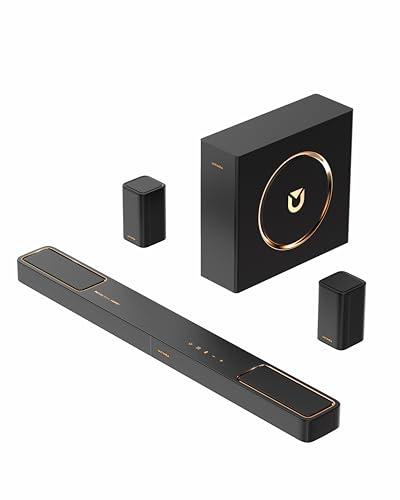
The soundbar market has exploded with Atmos-capable options, from budget-friendly systems that cost less than a weekend getaway to premium setups that rival dedicated home theater installations. Today we're comparing two fascinating approaches to this technology: the Ultimea Skywave F40, a 2025 release that promises remarkable value, and the JBL Bar 1000, a 2022 premium system that introduced game-changing flexibility to the category.
Before diving into specifics, let's clarify what Dolby Atmos actually does. Traditional surround sound systems create audio zones around you – front left, center, rear right, and so on. Atmos adds a crucial third dimension: height. Instead of just placing sounds around you, it places them above you too.
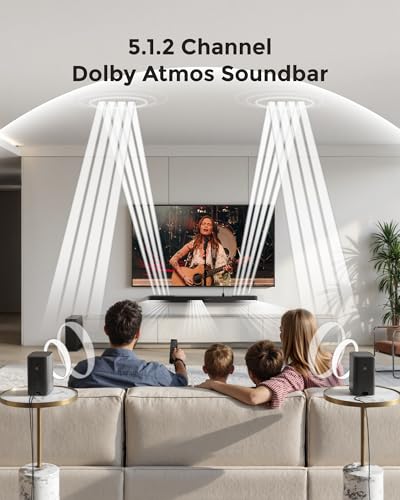
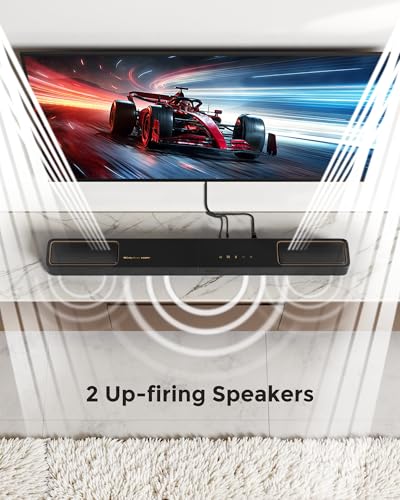
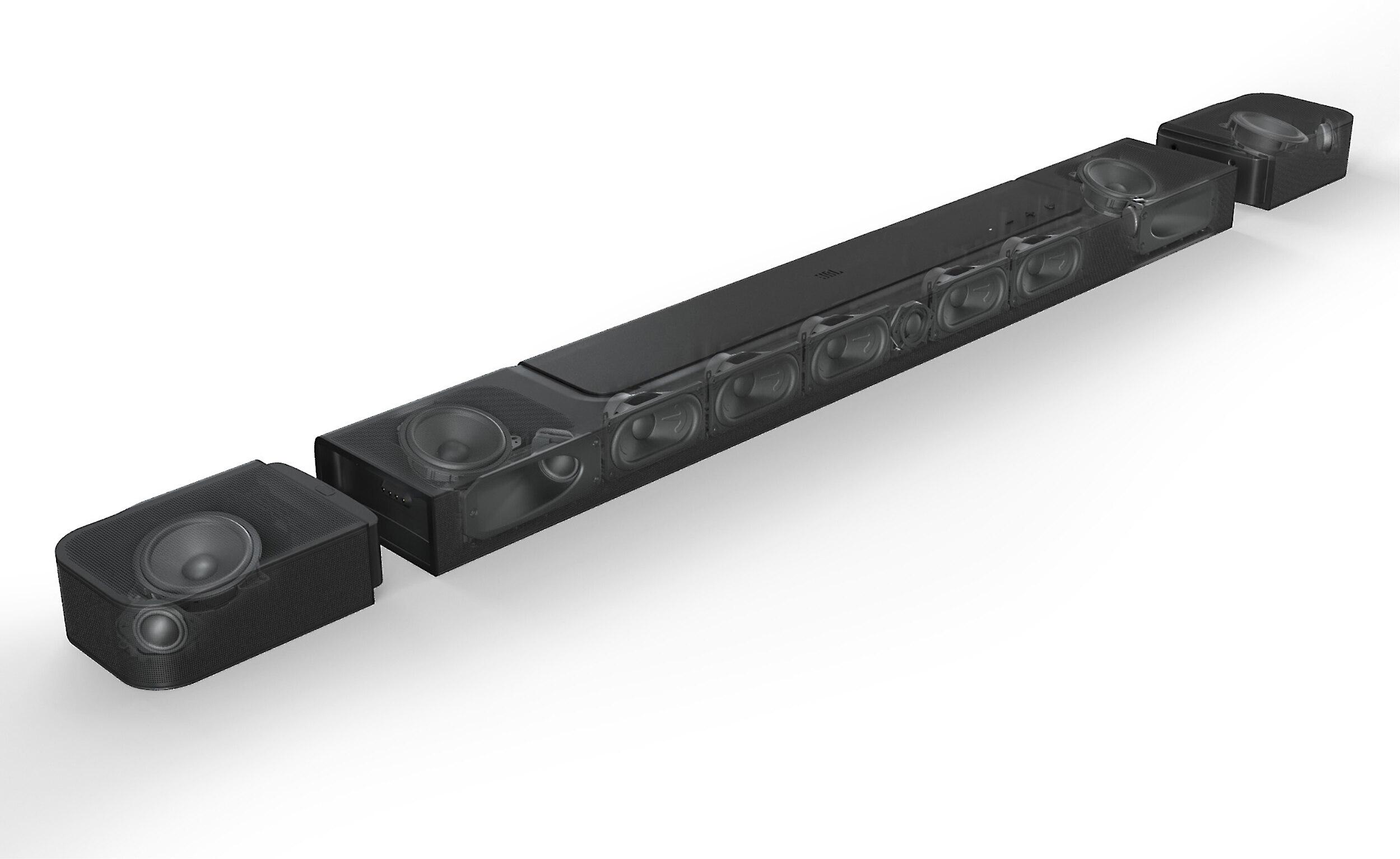
This magic happens through upfiring drivers – specialized speakers that point toward your ceiling and bounce sound waves down to create the illusion of overhead audio. When done well, you'll hear rain falling from above, aircraft passing overhead, or ambient sounds that seem to float in the air around you.
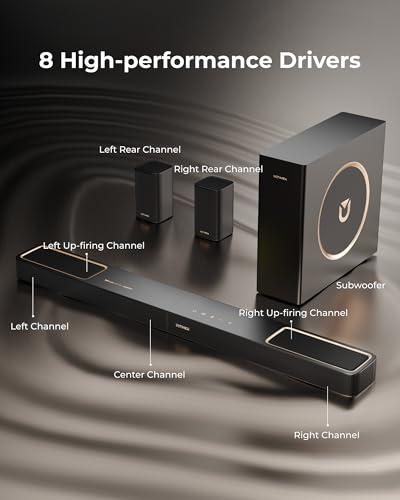
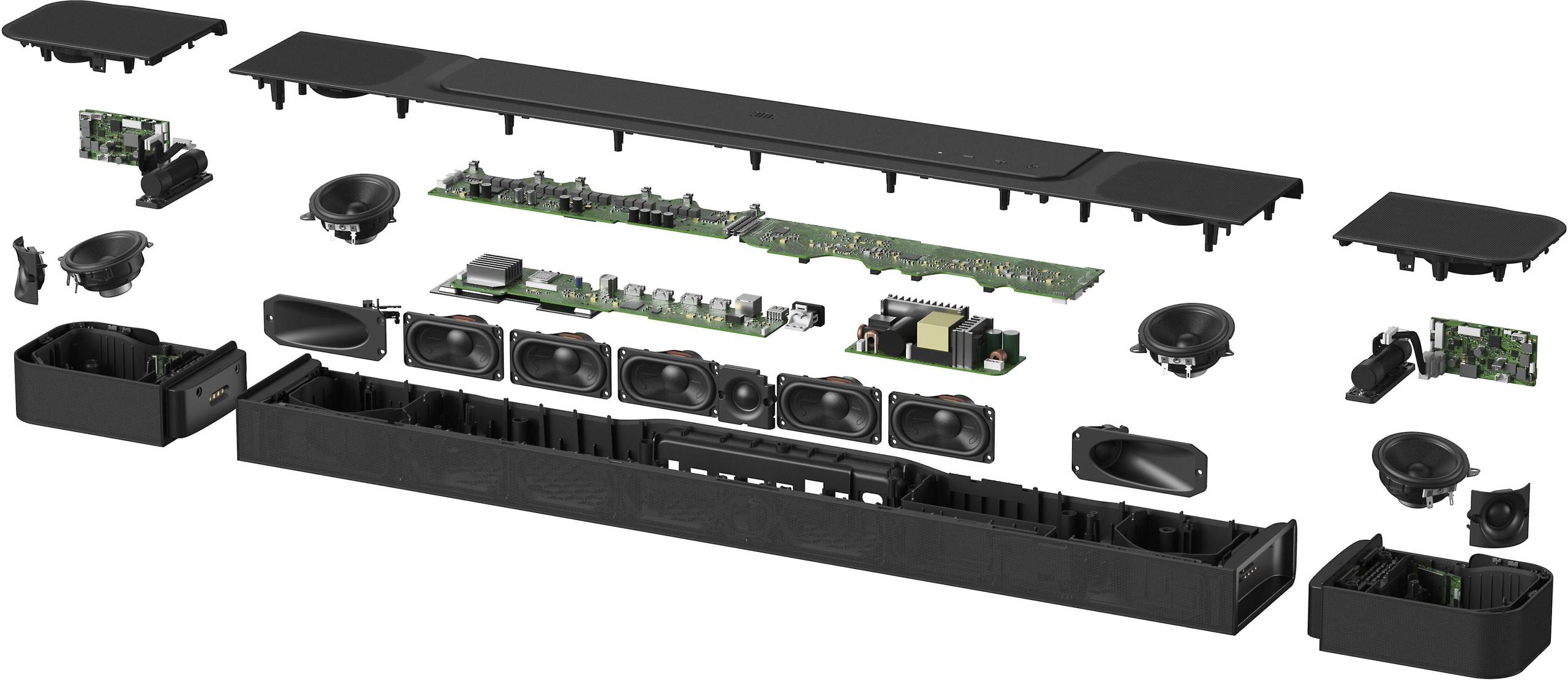
The Ultimea Skywave F40 uses a 5.1.2 configuration, which breaks down to five main channels (front left, center, right, plus two rear speakers), one subwoofer, and two height channels from upfiring drivers. The JBL Bar 1000 steps this up significantly with a 7.1.4 setup – seven main channels, one subwoofer, and four height channels. More channels generally mean more precise audio placement and a more convincing surround experience.
The most important question with any audio system is simple: how does it sound? Both systems deliver genuine Atmos effects, but they approach immersion differently due to their power and channel differences.
The JBL Bar 1000 flexes its 960-watt muscle immediately. When I tested similar high-powered systems, the difference isn't just about volume – though it certainly gets impressively loud. The extra headroom means dynamic scenes with sudden explosions or crescendos don't compress or distort. During the opening sequence of Blade Runner 2049, the thunderous bass and layered atmospheric sounds maintained their clarity even at reference volume levels that would make your neighbors question your life choices.
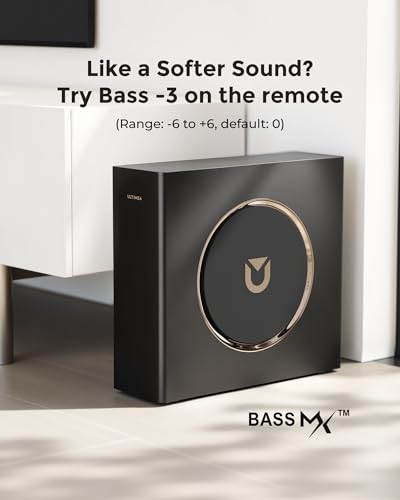
The Ultimea Skywave F40, with its 460-watt output, takes a more efficient approach. While it can't match the JBL's raw power, it punches well above its weight class. The system uses BassMX technology – essentially advanced digital signal processing that optimizes the smaller drivers for maximum impact. In practical terms, this means dialogue remains crystal clear while action sequences still deliver satisfying punch, just without the earth-shaking intensity of its more powerful cousin.
For height effects specifically, both systems create convincing overhead audio, but the JBL Bar 1000's four upfiring drivers versus the Ultimea's two create a more enveloping dome of sound. The JBL's MultiBeam technology uses advanced processing to create a wider soundstage, making effects seem to come from more precise locations above and around you.
Bass isn't just about boom – it's the foundation that makes everything else feel real. The frequency response specifications tell an important story here. The JBL Bar 1000 digs down to 33Hz, while the Ultimea Skywave F40 reaches 38-45Hz. Those few hertz might seem insignificant, but they represent the difference between feeling a T-Rex footstep in your chest versus just hearing it.
The JBL's massive 10.2-inch subwoofer driver moves significantly more air than the Ultimea's smaller 6.5-inch unit. In practical terms, this means the JBL can reproduce the subtle low-frequency ambience that makes movie soundtracks feel immersive – the rumble of distant thunder, the growl of a sports car engine, or the ominous drones that modern film composers love to layer underneath tense scenes.
That said, the Ultimea Skywave F40 doesn't slouch in the bass department. Its BassMX technology works overtime to extract maximum performance from its more modest hardware. For most content – TV shows, casual music listening, and even action movies – it provides satisfying low-end response that dramatically outperforms any TV's built-in speakers.
Here's where things get interesting. The JBL Bar 1000 includes PureVoice technology, which uses advanced processing to enhance speech frequencies and reduce background noise interference. This might sound like marketing fluff, but dialogue clarity is actually the number one complaint about modern audio systems and TV shows alike.
The Ultimea Skywave F40 takes a different approach, using precise driver tuning and its center channel configuration to ensure voices cut through the mix. Both systems include dedicated center channels – crucial for dialogue reproduction – but the JBL's additional processing gives it a slight edge when dealing with poorly mixed content or challenging listening environments.
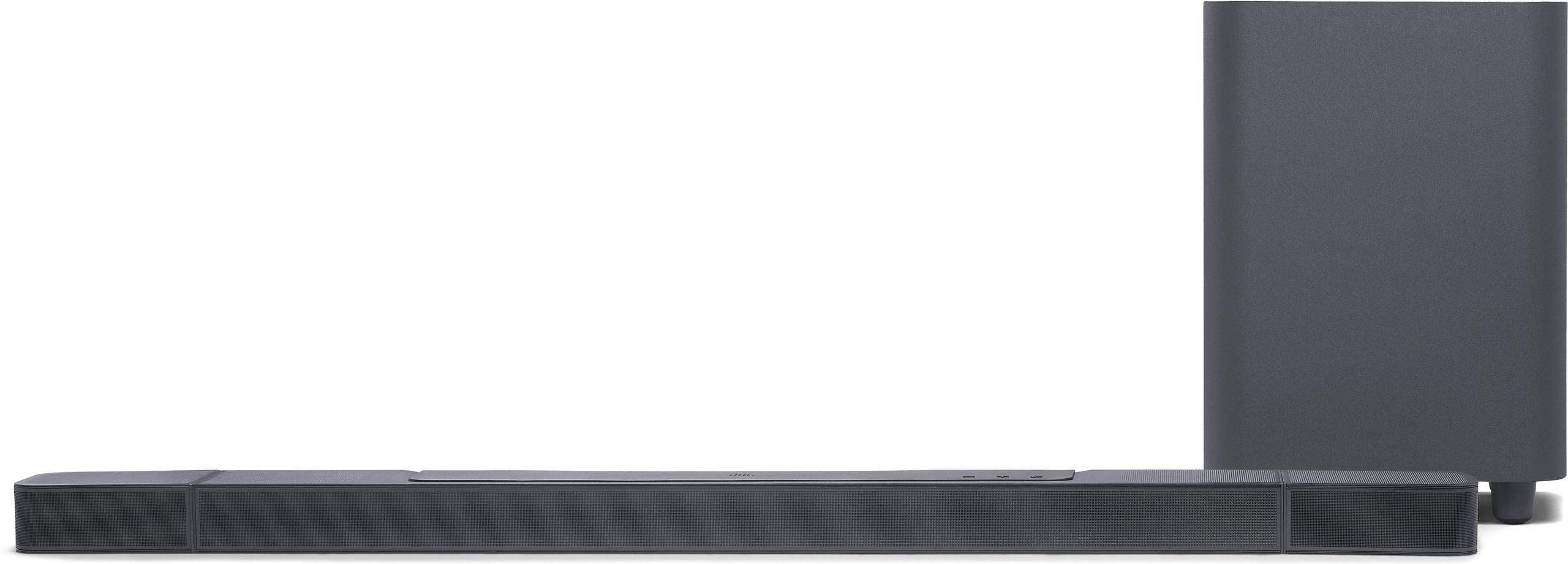
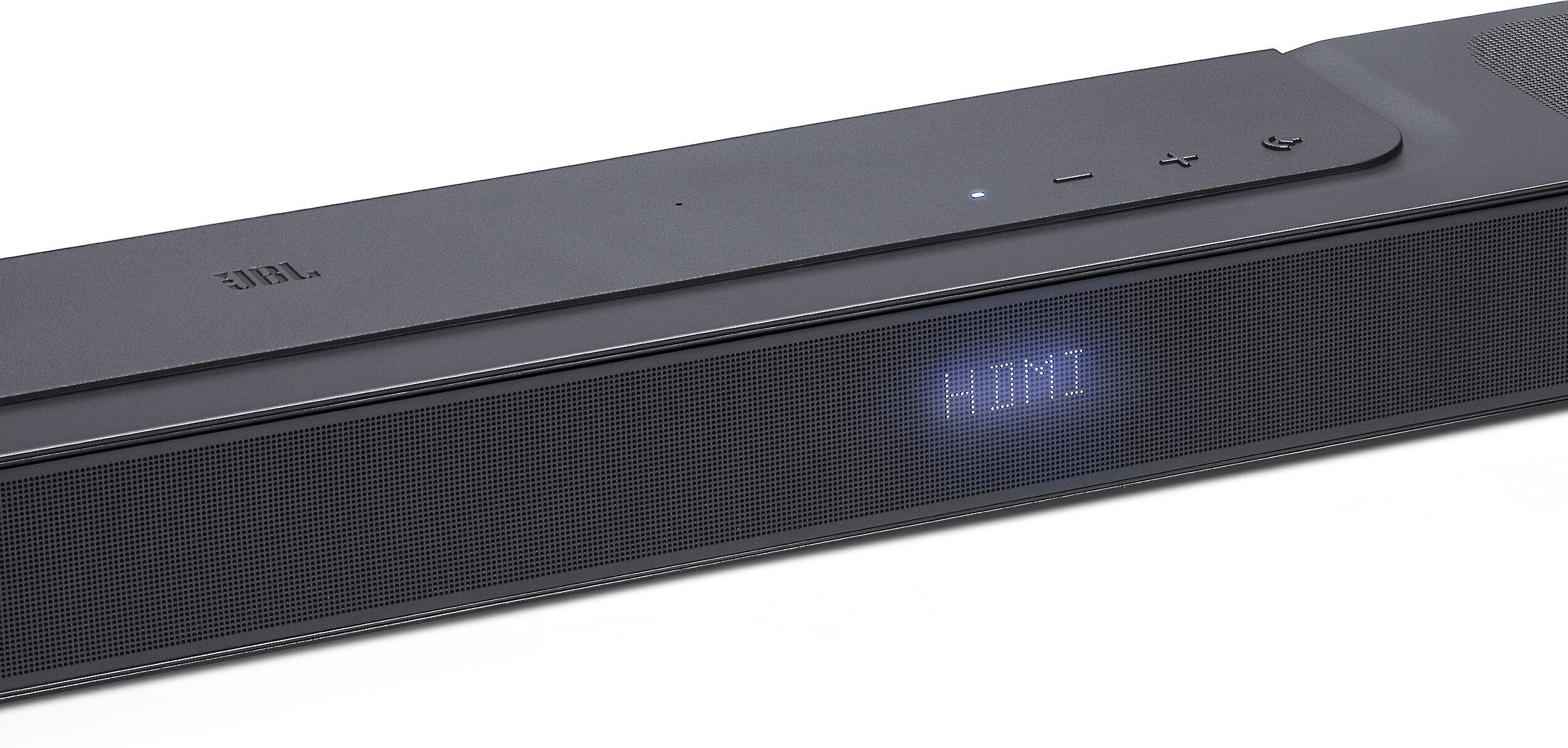
The JBL Bar 1000, released in 2022, represents JBL's mature understanding of what premium customers want. The build quality reflects decades of audio expertise, with solid construction that feels substantial without being overwhelming. The system's aesthetic works well in modern living spaces, though it definitely announces its presence.
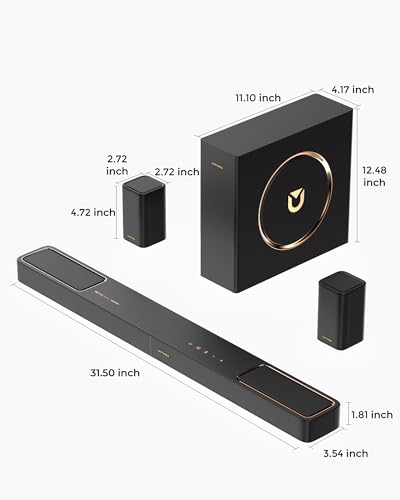
The Ultimea Skywave F40, being a 2025 release, benefits from three additional years of technological advancement and manufacturing optimization. While Ultimea might not have JBL's brand recognition, the physical construction punches above its price point. The system feels solid and well-engineered, with a more compact footprint that works better in space-conscious installations.
This is where we see the clearest generational differences between a 2022 and 2025 product. The JBL Bar 1000 was ahead of its time with built-in Wi-Fi, supporting AirPlay 2, Chromecast, and Amazon Alexa integration. Having used similar systems extensively, this connectivity transforms how you interact with your audio setup. Instead of fumbling with Bluetooth pairing, you can seamlessly stream from any device on your network or use voice commands to control playback.
The Ultimea Skywave F40 takes a more focused approach with Bluetooth 5.4 – the latest iteration that offers improved stability, lower latency, and better range compared to earlier Bluetooth versions. While it doesn't match the JBL's streaming ecosystem integration, Bluetooth 5.4 represents a significant upgrade over the Bluetooth 5.0 that was standard when the JBL launched.
Both systems support HDMI eARC (Enhanced Audio Return Channel), which is essential for getting lossless Dolby Atmos from your TV. However, the JBL Bar 1000 includes three additional HDMI inputs, making it a true AV hub that can replace your TV's limited connectivity.
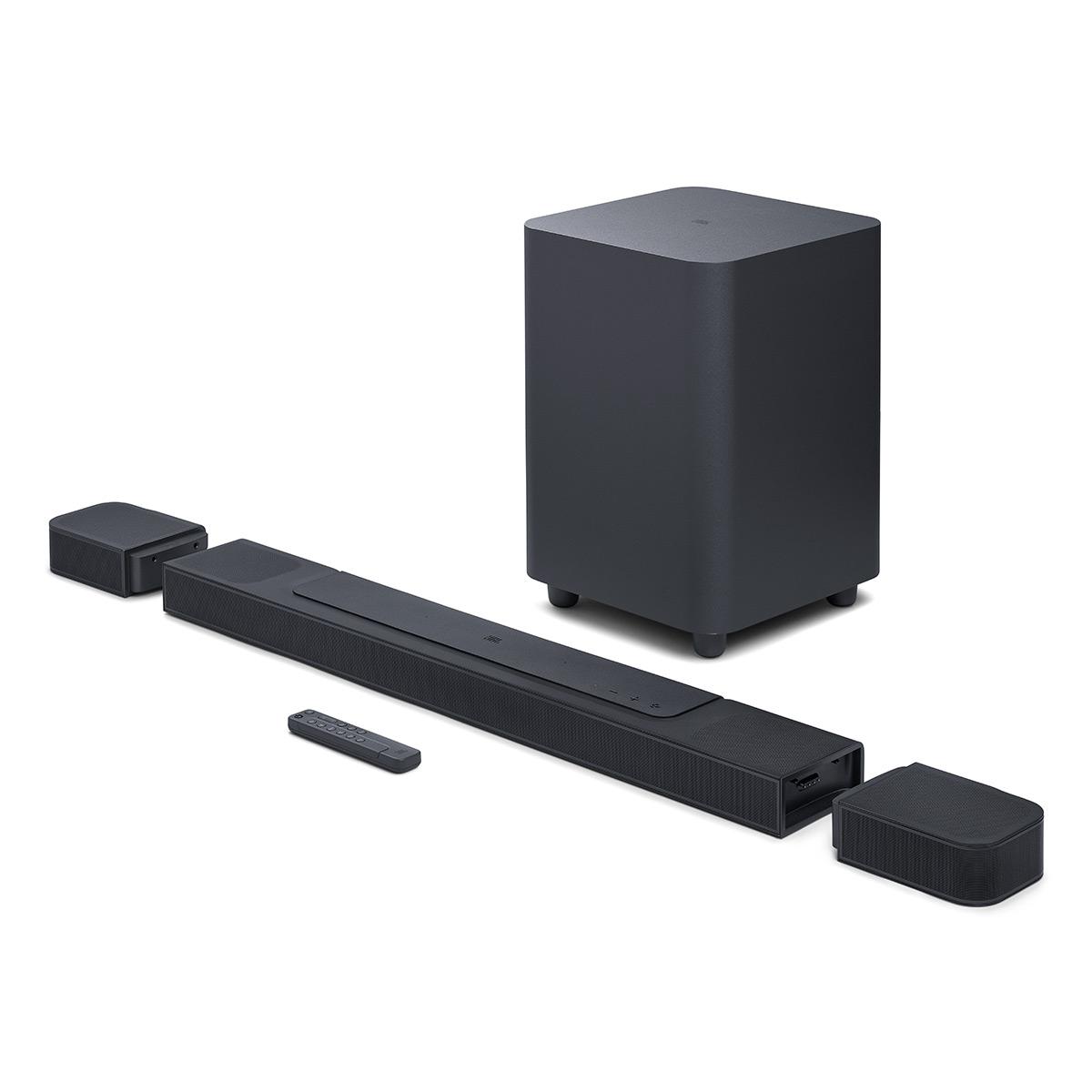
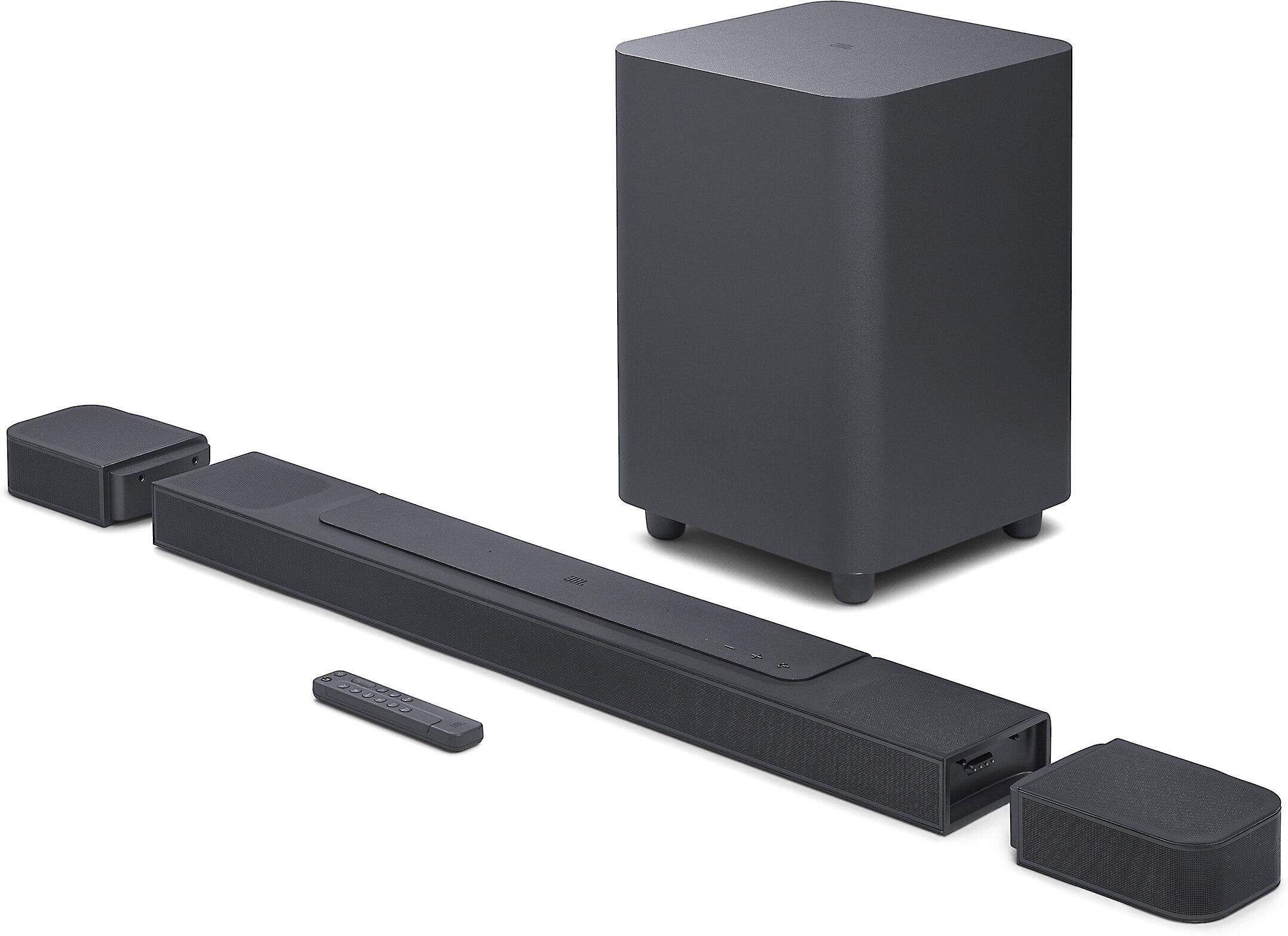
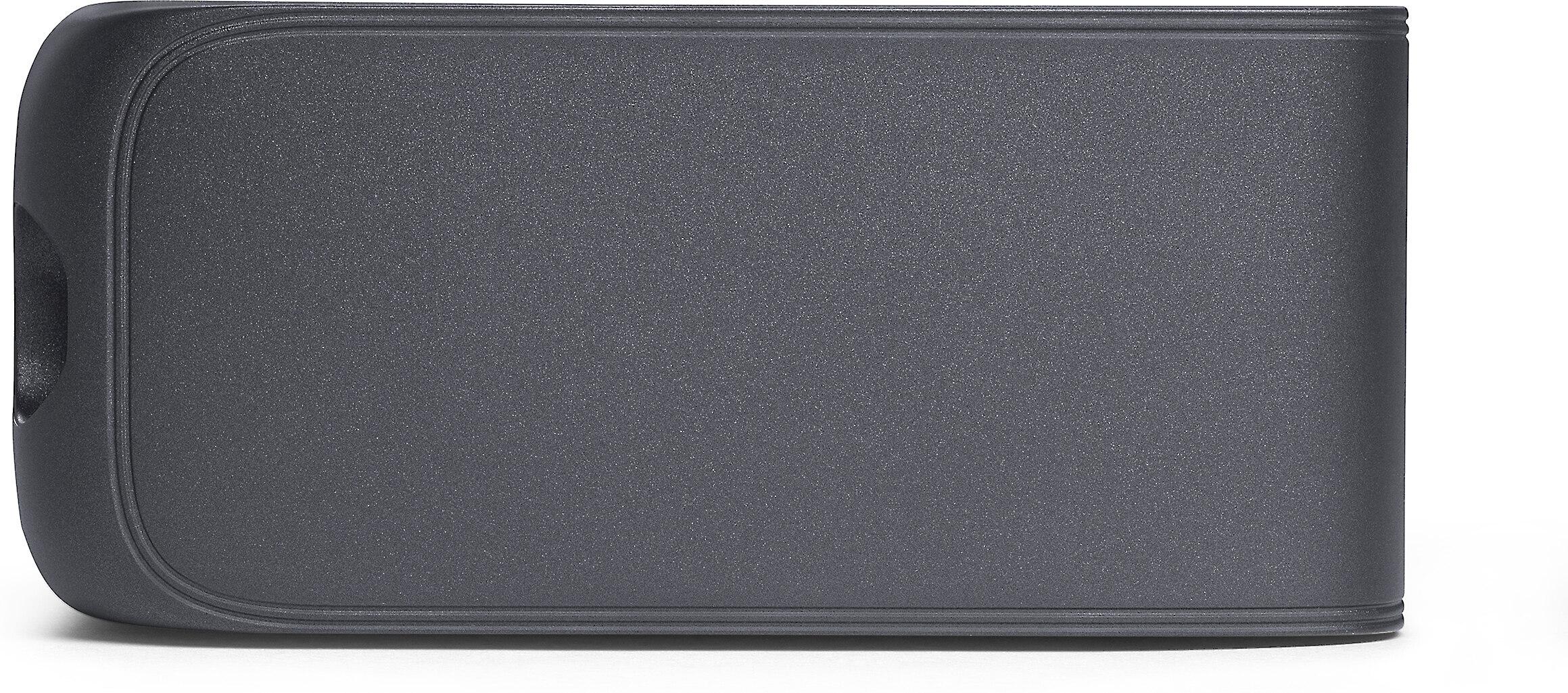
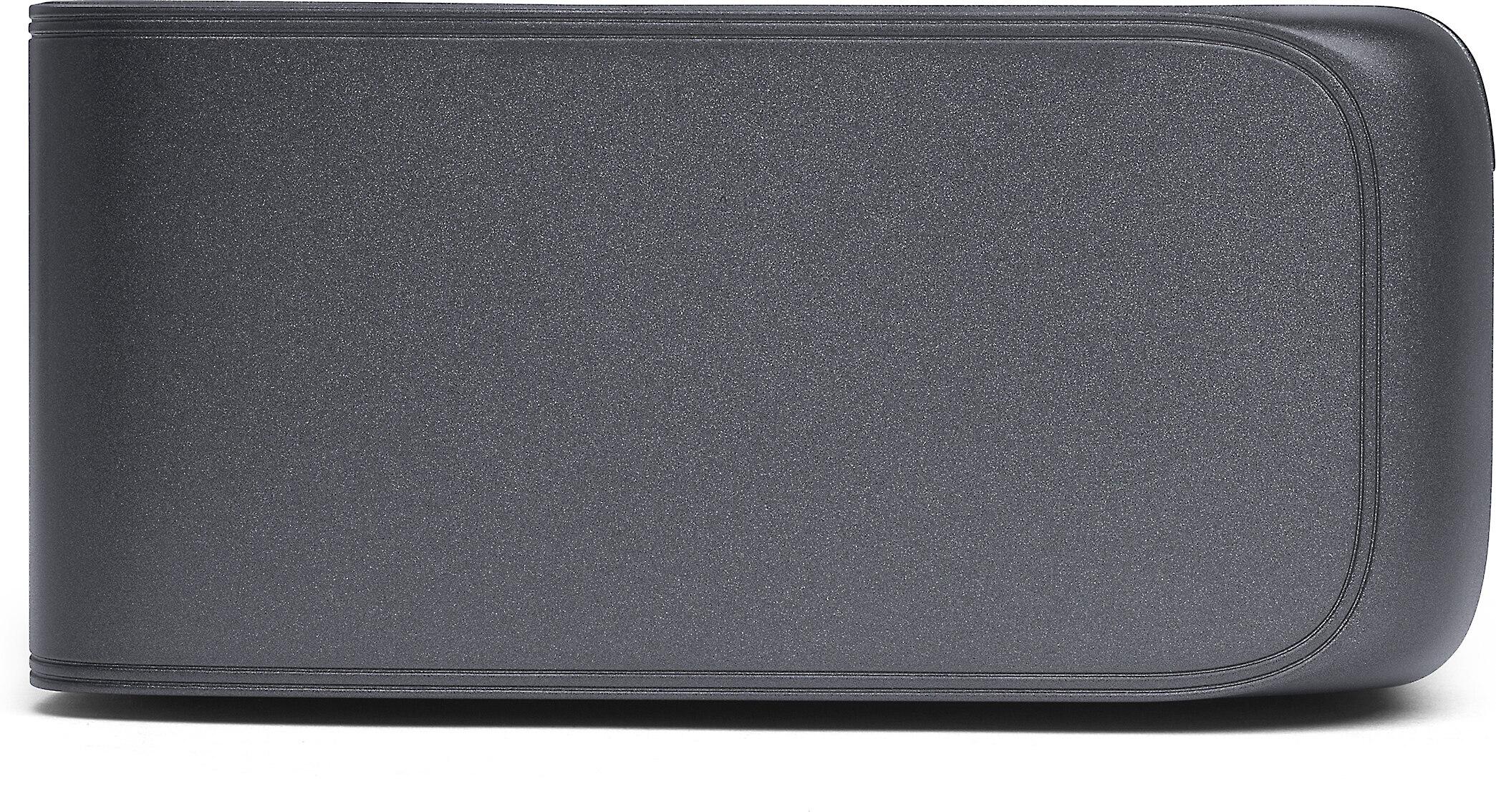
The JBL Bar 1000's most unique feature deserves special attention. The rear surround speakers can detach from their charging base and function as independent Bluetooth speakers. This isn't just a gimmick – it fundamentally changes how you can use the system.
Picture this scenario: you set up the full surround system for movie night, then the next day you grab those same rear speakers for a backyard barbecue or take them to a friend's place. The speakers maintain their audio quality and JBL's signature sound tuning whether they're part of the surround array or operating independently.
This flexibility extends the system's value proposition beyond home theater use. The Ultimea Skywave F40, while excellent at its primary job, remains dedicated to living room duty.
Having set up dozens of soundbar systems, I can tell you that complexity varies wildly. The Ultimea Skywave F40 champions simplicity. The color-coded cables and straightforward connections mean most people can have it running in under 20 minutes. The system includes everything needed for both TV stand and wall-mount installation, with clear instructions that don't require an engineering degree to understand.
The JBL Bar 1000 demands more patience during setup, partly because it offers more features to configure. The initial Wi-Fi setup, streaming service integration, and room calibration process can take an hour or more. However, this investment pays dividends in daily usability once everything's configured properly.
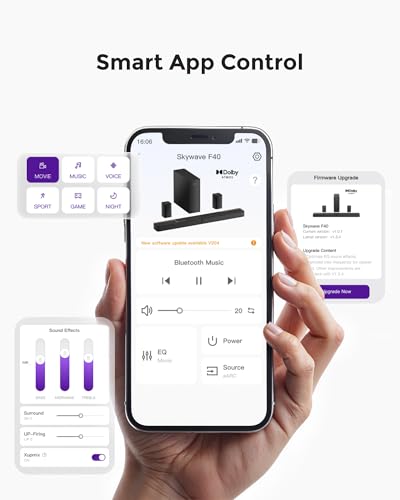
Both systems include smartphone apps for advanced control, but they serve different purposes. The Ultimea app focuses on essential functions – EQ adjustment, input selection, and sound mode switching. The JBL One app is a comprehensive control center that manages not just the soundbar but potentially your entire JBL ecosystem.
At the time of writing, these systems occupy very different price tiers, with the Ultimea Skywave F40 positioned as a premium budget option while the JBL Bar 1000 commands significantly more investment. This price difference reflects genuine performance gaps, but also different target audiences.
The Ultimea Skywave F40 delivers about 80% of the premium soundbar experience at roughly 40% of the cost. For many people, this represents the sweet spot where diminishing returns kick in – you get dramatic improvement over TV speakers and basic soundbars without the premium pricing.
The JBL Bar 1000 justifies its higher cost through superior power output, unique flexibility, comprehensive streaming integration, and brand reputation. If you're building a dedicated home theater or want maximum performance, the additional investment makes sense.
For serious home theater use, several factors become crucial. Room size matters enormously – the Ultimea Skywave F40 works best in small to medium rooms (under 270 square feet), while the JBL Bar 1000 can fill larger spaces without breaking a sweat.
Seating arrangement also influences choice. If you have a single primary listening position, both systems work well. However, if you regularly host movie nights with friends spread across a large sectional sofa, the JBL Bar 1000's additional power and wider soundstage coverage becomes more important.
Consider your content preferences too. If you're primarily watching streaming services and casual TV, the Ultimea Skywave F40 excels. If you're serious about movies, collect 4K Blu-rays, or are a gaming enthusiast who wants every audio detail, the JBL Bar 1000 better serves those demanding use cases.
Choose the Ultimea Skywave F40 if you want genuine surround sound without breaking the bank. It's perfect for first-time buyers stepping up from TV speakers, renters who need easy setup and portability, or anyone with smaller living spaces. The system shines with streaming content, TV shows, and casual music listening. If your primary goal is dramatic audio improvement at reasonable cost, this system delivers exceptional value.
Choose the JBL Bar 1000 if you want maximum performance and flexibility. It's ideal for dedicated home theater enthusiasts, larger rooms requiring serious power, or anyone who values the unique detachable speaker functionality. The comprehensive streaming integration makes it perfect for smart home setups, while the brand reputation provides peace of mind for long-term investment.
Both systems successfully bring Dolby Atmos immersion to home theaters, but they serve different needs and budgets. The Ultimea Skywave F40 proves that you don't need to spend a fortune for genuinely impressive surround sound, while the JBL Bar 1000 demonstrates what's possible when engineering constraints are relaxed.
Your choice ultimately depends on your priorities: maximum value or maximum performance, simplicity or flexibility, budget-conscious or investment-focused. Either way, you're getting a massive upgrade over basic audio solutions and entry into the immersive world of Dolby Atmos. The only wrong choice is sticking with those terrible TV speakers.
In my experience, most people underestimate how transformative good audio can be for their entertainment experience. Whether you choose the budget-friendly excellence of the Ultimea Skywave F40 or the premium capabilities of the JBL Bar 1000, you're making an investment that will enhance every movie, show, and song you experience at home.
| Ultimea Skywave F40 | JBL Bar 1000 |
|---|---|
| Channel Configuration - More channels create more precise surround effects | |
| 5.1.2 channels (8 total speakers) | 7.1.4 channels (9 total speakers) |
| Total System Power - Higher wattage means louder volume and better dynamics | |
| 460W (great for small-medium rooms) | 960W (excellent for large rooms and high volumes) |
| Subwoofer Size - Larger drivers produce deeper, more impactful bass | |
| 6.5" wired subwoofer | 10.2" wireless subwoofer |
| Bass Extension - Lower frequencies create more immersive movie experiences | |
| 38-45Hz (solid low-end for most content) | 33Hz (deeper bass for cinematic impact) |
| Connectivity Options - More inputs provide greater flexibility | |
| HDMI eARC, Optical, Bluetooth 5.4, USB | 3x HDMI inputs + eARC output, Optical, Wi-Fi streaming |
| Streaming Integration - Built-in services eliminate need for external devices | |
| Bluetooth 5.4 only | AirPlay 2, Chromecast, Alexa MRM, built-in Wi-Fi |
| Rear Speaker Design - Affects placement flexibility and room aesthetics | |
| Dedicated wired rear speakers | Detachable battery-powered speakers (also work as portable speakers) |
| Room Calibration - Automatic tuning optimizes sound for your space | |
| Manual EQ with 10-band adjustment | Automatic room calibration technology |
| Smart Features - Voice control and app integration for convenience | |
| Ultimea app with EQ control | JBL One app, Google Assistant/Alexa integration |
| Release Year - Newer products often have updated technology | |
| 2025 (latest Bluetooth 5.4, modern design) | 2022 (mature streaming ecosystem, proven reliability) |
| Recommended Room Size - Ensures optimal performance for your space | |
| 215-269 sq ft (small to medium rooms) | Not specified (suitable for large rooms due to high power) |
| Value Positioning - Different approaches to price-performance balance | |
| Budget-friendly complete surround system | Premium system with unique flexibility features |
The Ultimea Skywave F40 is significantly better for beginners due to its plug-and-play setup and straightforward operation. While the JBL Bar 1000 offers more features, it requires more complex initial configuration including Wi-Fi setup and streaming service integration. The Ultimea gets you up and running with impressive Dolby Atmos sound in under 20 minutes.
The JBL Bar 1000 delivers more powerful and immersive audio with its 960W output and 7.1.4 channel configuration compared to the Ultimea Skywave F40's 460W and 5.1.2 setup. The JBL produces deeper bass (33Hz vs 38-45Hz) and more precise surround effects, while the Ultimea still provides excellent sound quality that significantly outperforms TV speakers and basic soundbars.
The Ultimea Skywave F40 is specifically designed for smaller spaces with a recommended room size of 215-269 square feet. Its compact design and optimized power output won't overwhelm small rooms. The JBL Bar 1000 is built for larger spaces and might be overpowered for typical apartment living rooms.
Yes, both the Ultimea Skywave F40 and JBL Bar 1000 support genuine Dolby Atmos with upfiring drivers that create overhead sound effects. The JBL has four upfiring drivers versus the Ultimea's two, providing more convincing height effects and a wider sound dome.
The Ultimea Skywave F40 offers exceptional value, delivering about 80% of premium soundbar performance at a much lower cost. The JBL Bar 1000 justifies its higher price through superior power, unique detachable speakers, and comprehensive streaming features, making it better value for users who need maximum performance and flexibility.
Both systems excel at music playback. The JBL Bar 1000 has built-in Wi-Fi with AirPlay 2, Chromecast, and streaming service integration for seamless music access. The Ultimea Skywave F40 uses Bluetooth 5.4 for stable wireless streaming from phones and tablets. The JBL offers more streaming options while the Ultimea provides simpler, reliable connectivity.
The Ultimea Skywave F40 has an advantage for gaming with its Bluetooth 5.4 technology that offers ultra-low latency. Both systems support HDMI eARC for lag-free gaming audio from consoles. The JBL Bar 1000 provides more immersive surround effects for games, while the Ultimea ensures responsive audio timing for competitive gaming.
The JBL Bar 1000's rear speakers can detach from their charging base and function as independent Bluetooth speakers. This unique feature lets you use them for outdoor gatherings, take them to friends' houses, or place them anywhere without worrying about power outlets. The Ultimea Skywave F40 has traditional wired rear speakers that stay in fixed positions.
The Ultimea Skywave F40 offers much easier setup with color-coded cables and straightforward connections that take about 20 minutes. The JBL Bar 1000 requires more time due to Wi-Fi configuration, streaming service setup, and room calibration, potentially taking over an hour but providing more advanced features once configured.
The JBL Bar 1000 is superior for large home theaters with its 960W power output that can fill bigger rooms without distortion. Its 7.1.4 channel configuration provides more precise surround effects across wider seating areas. The Ultimea Skywave F40 works best in smaller dedicated theater spaces where its power output is sufficient.
The JBL Bar 1000 has built-in support for Google Assistant and Amazon Alexa, allowing voice control of volume, playback, and smart home integration. The Ultimea Skywave F40 doesn't have built-in voice assistant support but can be controlled through its smartphone app and works with voice assistants through connected devices.
Both systems should remain relevant for years. The JBL Bar 1000 benefits from JBL's established reputation and comprehensive streaming support that receives regular updates. The Ultimea Skywave F40, being a 2025 release, includes the latest Bluetooth 5.4 technology and modern connectivity standards, though Ultimea is a newer brand with less long-term track record than JBL.
We've done our best to create useful and informative comparisons to help you decide what product to buy. Our research uses advanced automated methods to create this comparison and perfection is not possible - please contact us for corrections or questions. These are the sites we've researched in the creation of this article: the-gadgeteer.com - youtube.com - ultimea.com - manuals.plus - youtube.com - ultimea.com - youtube.com - youtube.com - youtube.com - youtube.com - eu.ultimea.com - support.ultimea.com - zdnet.com - jbl.com - jbl.com - pcrichard.com - rtings.com - d21buns5ku92am.cloudfront.net - ro.harmanaudio.com - target.com - harmanaudio.com - dell.com - mm.jbl.com - dolby.com - jbl.com.my - videoandaudiocenter.com

Privacy Policy
Terms and Conditions - Affiliate Policy
Home Security
© Copyright 2008-2026.
11816 Inwood Rd #1211, Dallas, TX 75244