



When your TV's built-in speakers leave you constantly reaching for the volume remote or asking "what did they say?" for the third time, it's time to consider a soundbar upgrade. But here's where things get interesting: not all soundbars are created equal, and the difference between the Ultimea Skywave F40 and Bose TV Speaker perfectly illustrates how two products in the same category can take completely different approaches to solving your audio problems.
Before diving into specifics, let's talk about what soundbars actually do and why the differences matter. Modern flat-screen TVs, while visually stunning, have practically no room for decent speakers. The result? Audio that sounds like it's coming from a tin can buried in your wall.
Soundbars step in to fix this, but they come in wildly different flavors. On one end, you have simple stereo enhancers that make dialogue clearer and add some bass. On the other end, you have complete home theater replacement systems with multiple speakers creating true surround sound. The Ultimea Skywave F40 and Bose TV Speaker represent these two opposite philosophies, and understanding which approach fits your needs will save you from buyer's remorse.
The key considerations boil down to audio complexity, room requirements, setup tolerance, and what type of content you consume most. If you're primarily watching the news or talk shows in a small room, your needs are vastly different from someone who wants to feel like they're inside the latest Marvel movie.
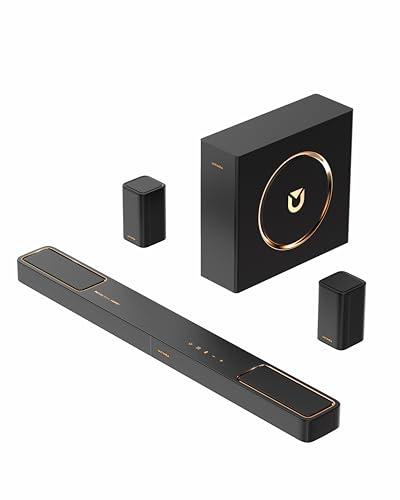
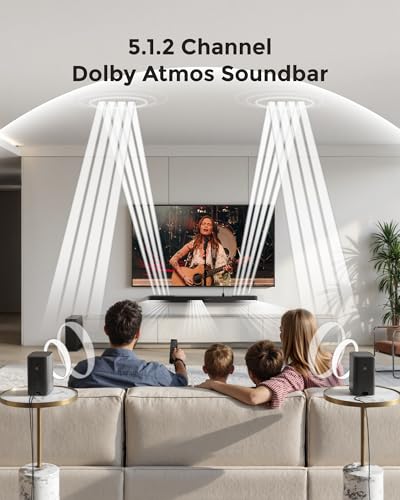
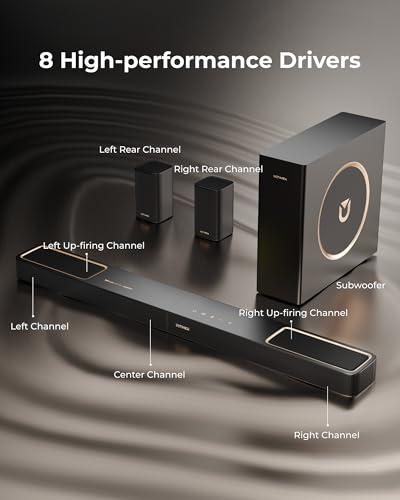
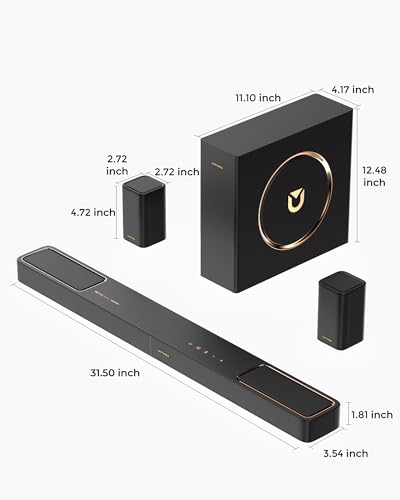
Released in 2025, the Ultimea Skywave F40 represents the democratization of home theater audio. This isn't just a soundbar—it's a complete 5.1.2 channel Dolby Atmos system that includes a main soundbar, wireless subwoofer, and two rear surround speakers. The "5.1.2" designation means five main channels (left, center, right, left surround, right surround), one subwoofer channel for deep bass, and two height channels that bounce sound off your ceiling to create overhead effects.
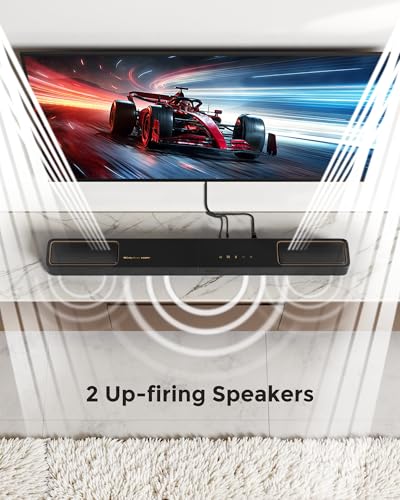
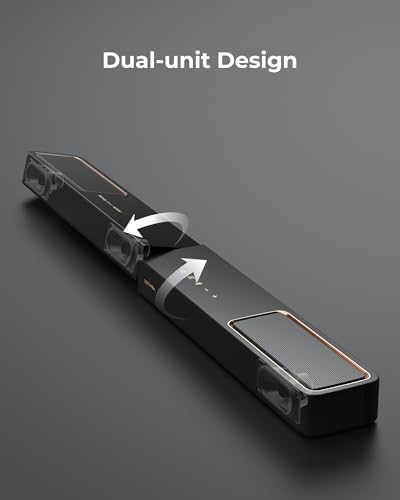
What makes this particularly impressive is the inclusion of up-firing drivers—specialized speakers that point toward the ceiling to reflect sound downward, creating the illusion that audio is coming from above you. When implemented well, this technology lets you hear helicopters flying overhead or rain falling from the sky in movies, adding a three-dimensional quality that traditional speakers simply cannot achieve.
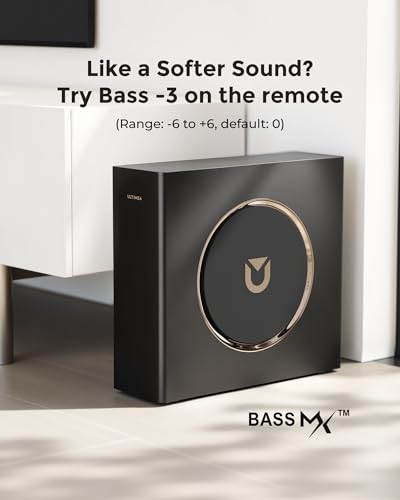
The system also incorporates several proprietary technologies that sound marketing-heavy but actually serve real purposes. SurroundX technology coordinates all the speakers to create a cohesive 360-degree sound field, while BassMX optimizes the subwoofer's performance for deeper, more impactful low-end response. Xupmix technology, powered by Dolby Digital Audio Processing, can take regular stereo content and intelligently upmix it to utilize all the surround speakers—essentially making your old TV shows sound more immersive.
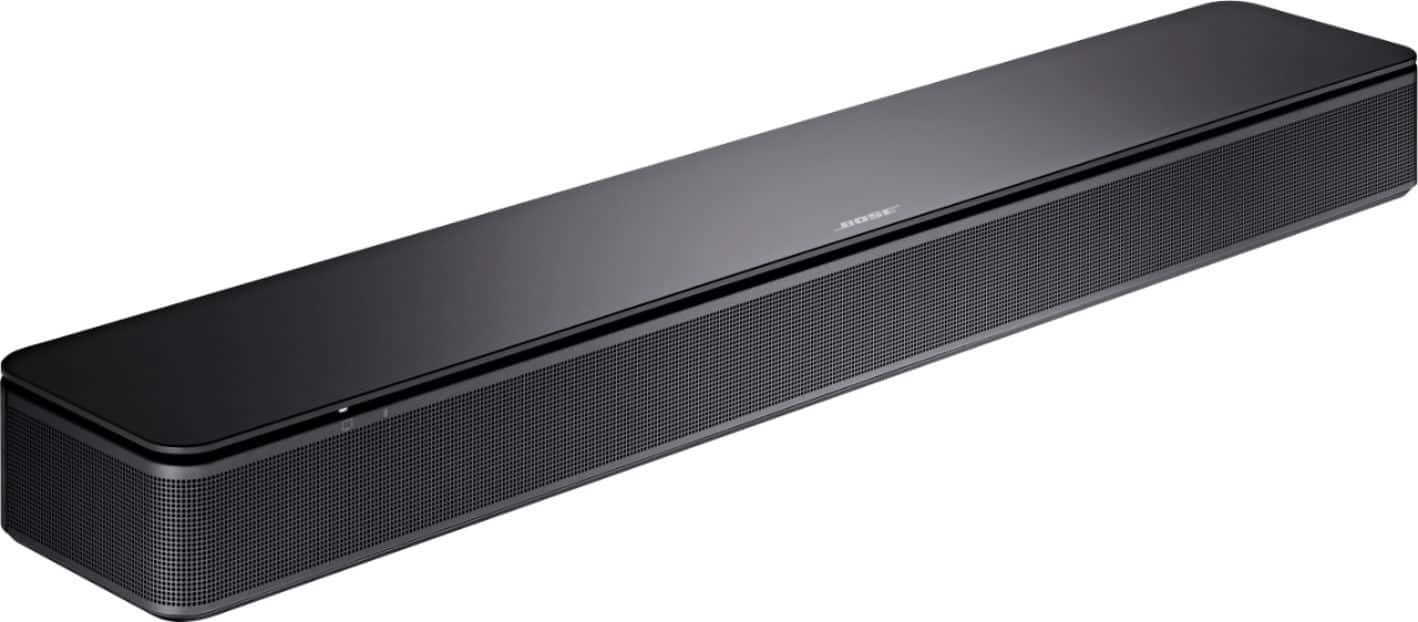
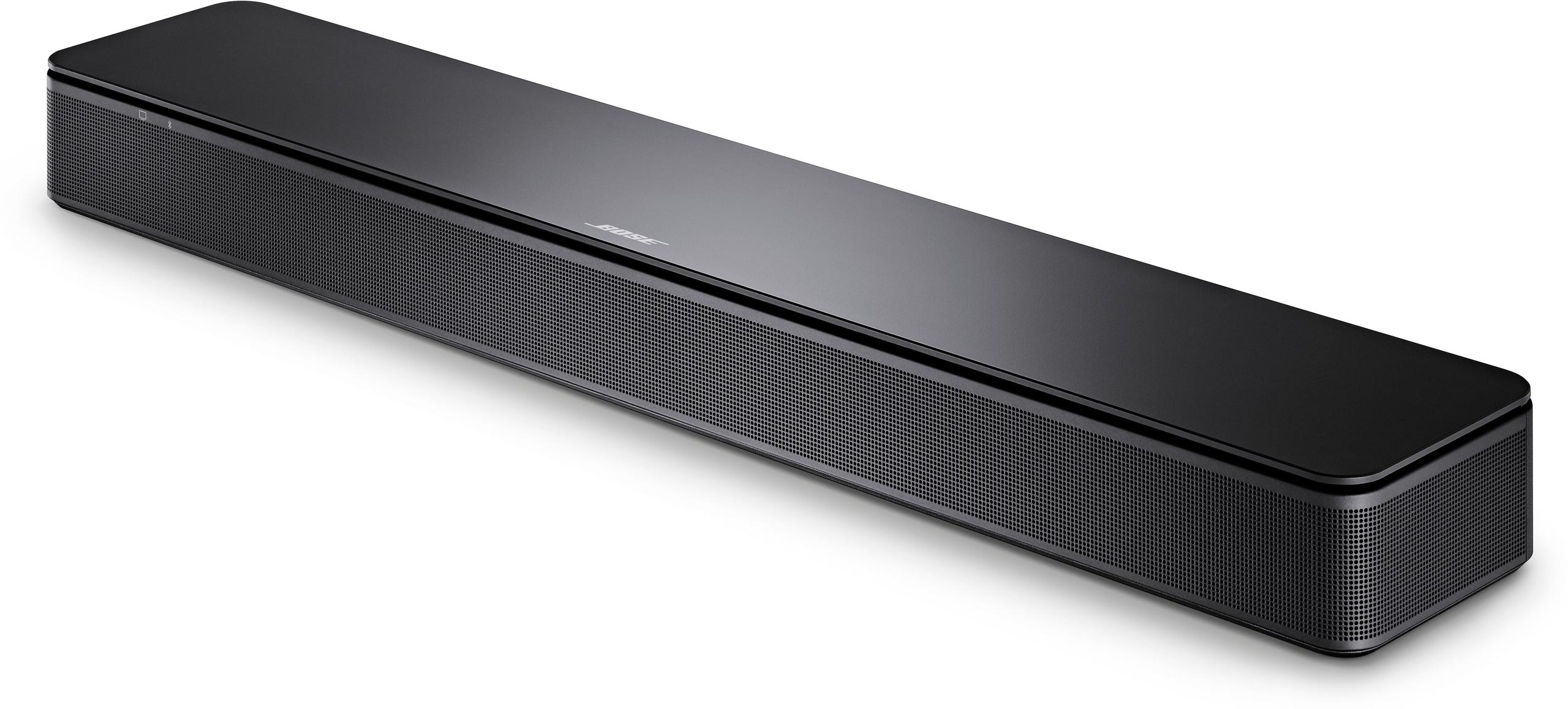
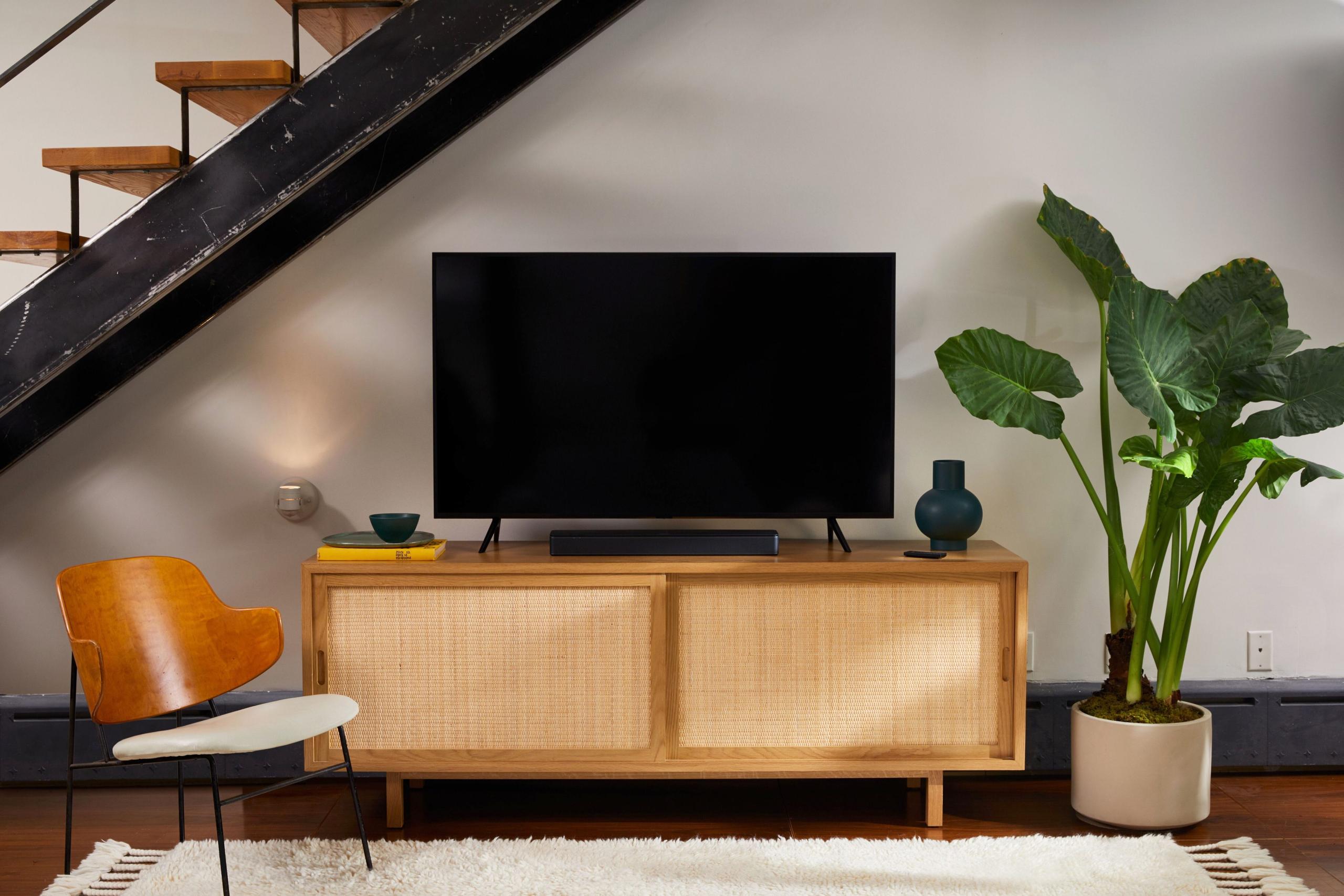
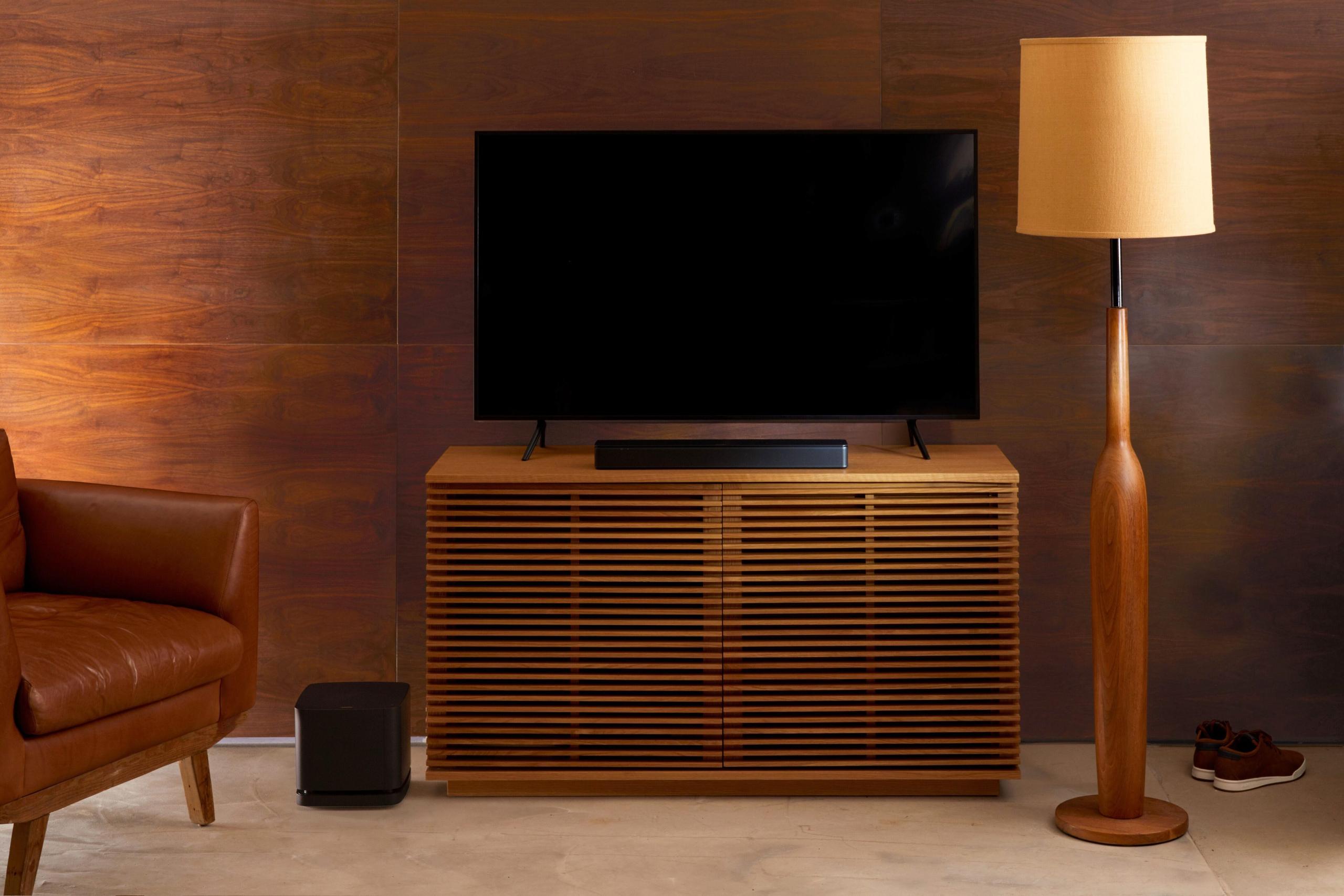
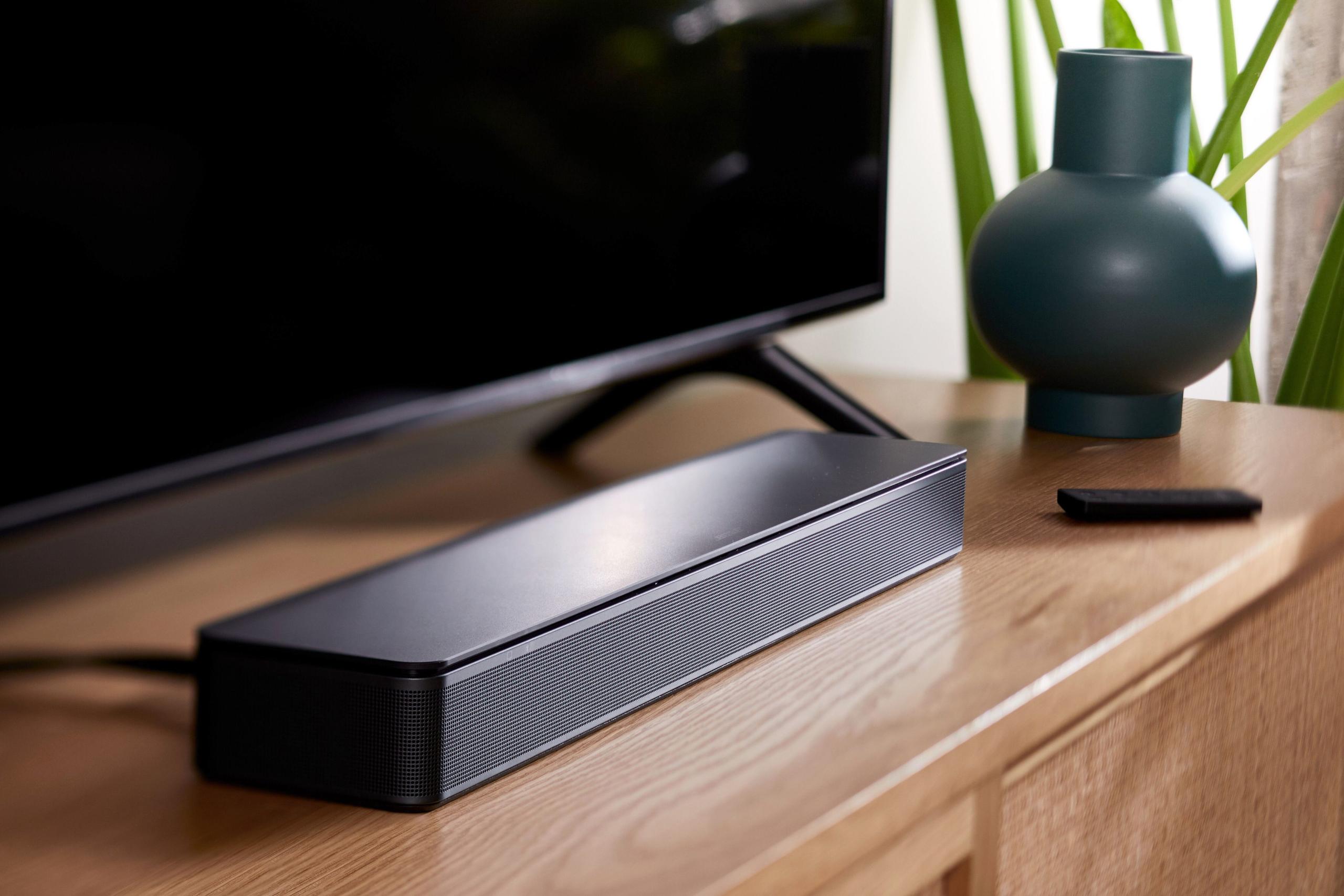
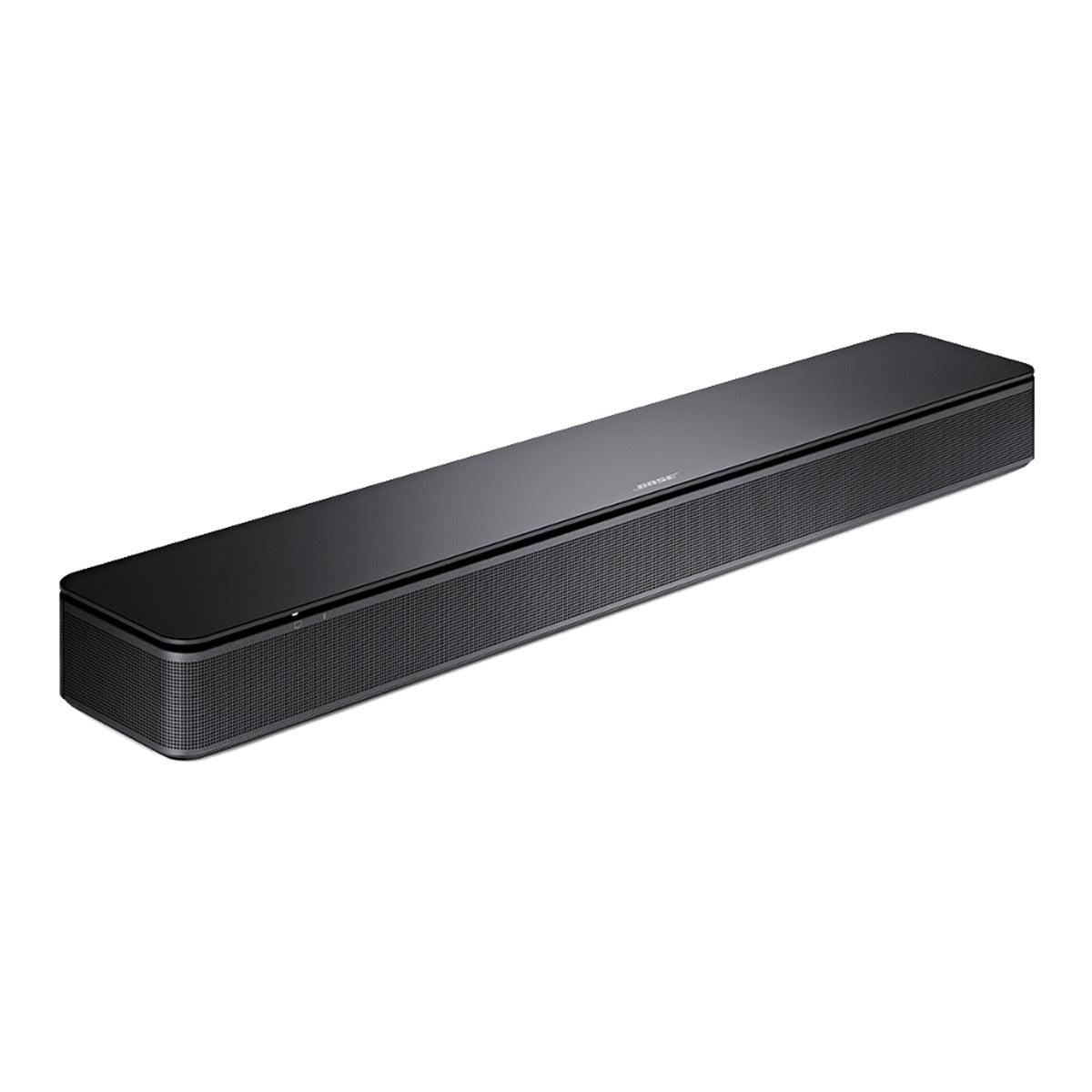
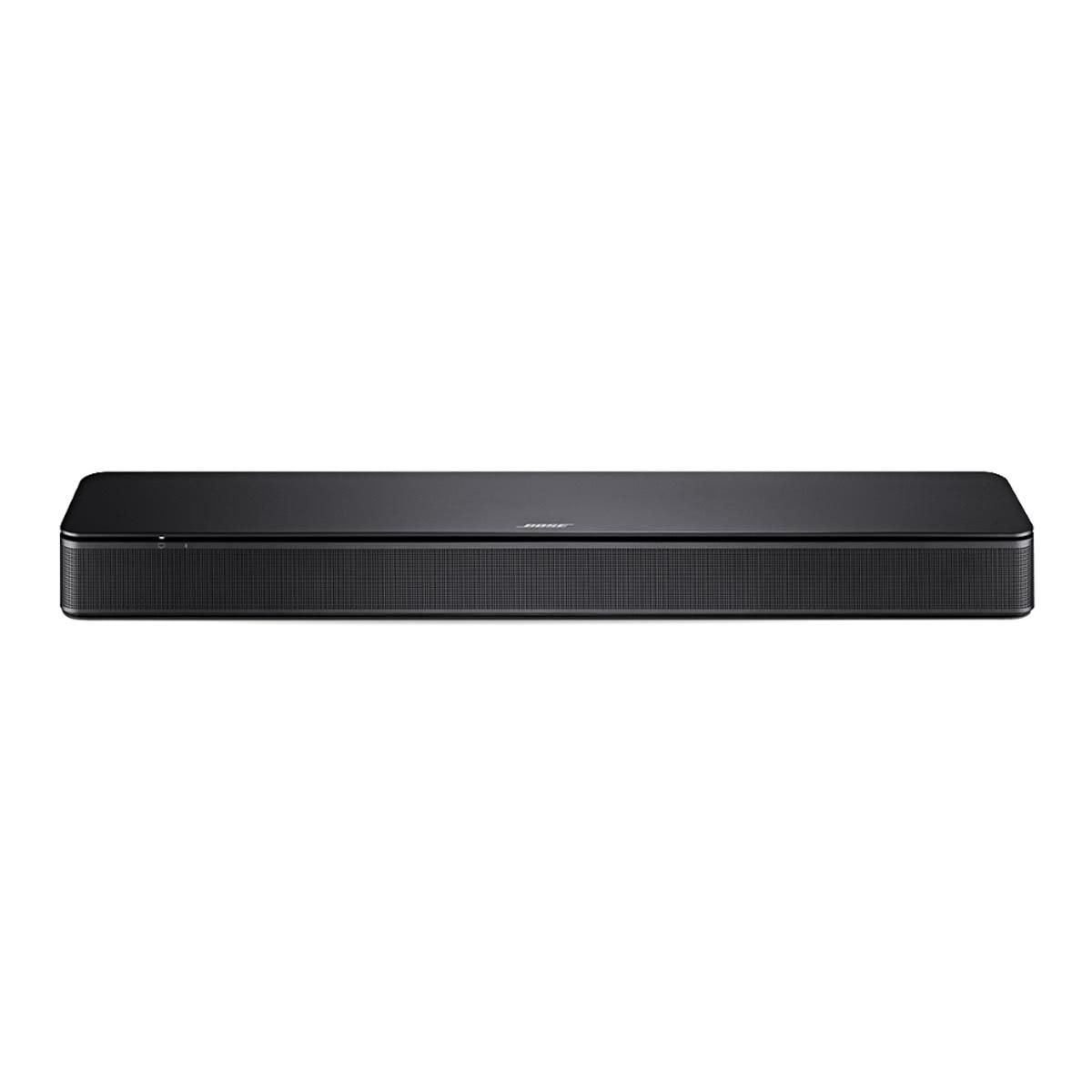
The Bose TV Speaker, available since 2020, takes the opposite approach. Instead of trying to recreate a movie theater in your living room, it focuses laser-sharp attention on the most common complaint about TV audio: you can't understand what people are saying.
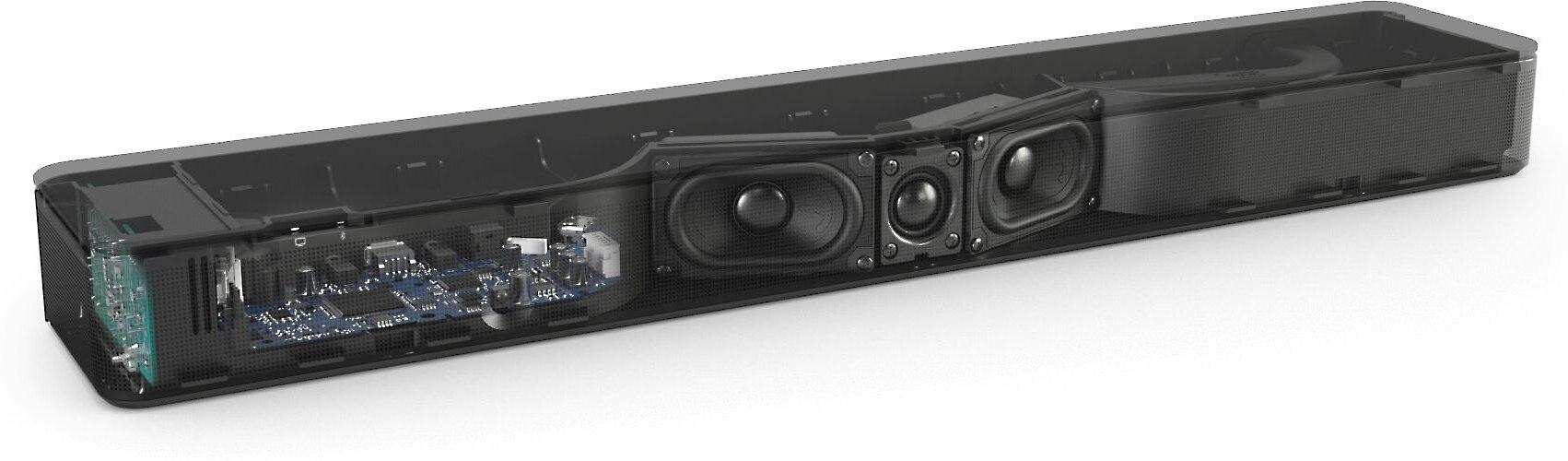
This 2.0 channel system (meaning two channels: left and right) houses three carefully engineered speakers within its compact frame. Two full-range drivers handle the main audio, while a dedicated center tweeter focuses specifically on speech frequencies. The genius lies in the Dialogue Mode, which uses digital signal processing to analyze incoming audio in real-time and boost vocal frequencies while maintaining natural sound balance.
Bose's approach reflects decades of acoustic research. Rather than adding more speakers and complexity, they've optimized every component for clarity and ease of use. The system supports Dolby Digital decoding, which helps extract better sound from broadcast and streaming content, but it doesn't attempt to create surround sound effects or height channels.
Here's where the Ultimea Skywave F40 demonstrates its core advantage. True surround sound isn't just about having more speakers—it's about creating spatial audio that matches what you see on screen. When an explosion happens behind the main character, you hear it behind you. When a plane flies across the screen, the sound follows that movement through your room.
The F40's rear speakers, positioned behind your seating area, create this effect naturally. Combined with the up-firing height channels, you get audio positioning that can genuinely surprise you. I've experienced moments where I turned around expecting to see something because the audio placement was so convincing.
The system's 460-watt peak power output (spread across eight total speakers) provides enough headroom for dynamic movie soundtracks without distortion. More importantly, the frequency response extending down to around 40Hz means you feel those low-end rumbles that add physical impact to explosions and musical bass lines.
In contrast, the Bose TV Speaker can't create these positional effects because it only has speakers facing forward. However, this limitation becomes less relevant if immersive surround sound isn't your primary goal.
While the Ultimea F40 can certainly reproduce dialogue clearly, the Bose TV Speaker was specifically engineered with speech as the primary focus. The dedicated center tweeter, combined with the Dialogue Mode processing, creates remarkable voice clarity.
This isn't just about making things louder—it's about frequency shaping that brings human voices forward in the mix while maintaining the natural character of speech. The system analyzes the incoming audio to identify vocal frequencies and enhances them intelligently, so dialogue cuts through background music and sound effects without sounding artificial or harsh.
For content like news programs, documentaries, or dialogue-heavy dramas, this specialized approach often outperforms more complex systems that weren't designed with speech as the primary consideration.
The bass difference between these systems is dramatic and represents one of the most significant performance gaps. The Ultimea F40 includes a dedicated subwoofer with its own amplifier and driver, capable of reproducing frequencies that smaller speakers simply cannot handle. This translates to movie explosions you feel in your chest and music with full, rich low-end presence.
The Bose TV Speaker relies on its built-in drivers for bass, supplemented by a bass boost mode that enhances whatever low-frequency content those drivers can produce. While Bose has engineered these speakers to punch above their weight class—and they do produce surprisingly robust bass for their size—physics ultimately limits what small drivers can accomplish.
However, Bose offers an upgrade path through compatibility with their Bass Module accessories, though this requires additional investment and wiring.
Both systems handle modern connectivity needs but with different philosophies. The Ultimea F40 offers comprehensive connection options including HDMI eARC (enhanced Audio Return Channel), which supports high-bandwidth, uncompressed audio formats like Dolby Atmos. The Bluetooth 5.4 implementation provides stable, low-latency wireless connections for music streaming.
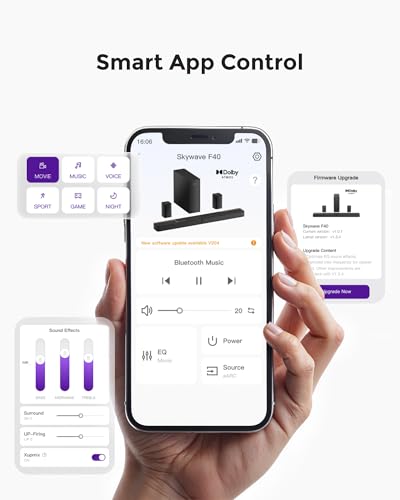
The inclusion of a mobile app for EQ control sets the F40 apart, offering a 10-band equalizer with over 100 presets. This level of customization lets you fine-tune the sound for different content types or personal preferences—something audio enthusiasts particularly appreciate.
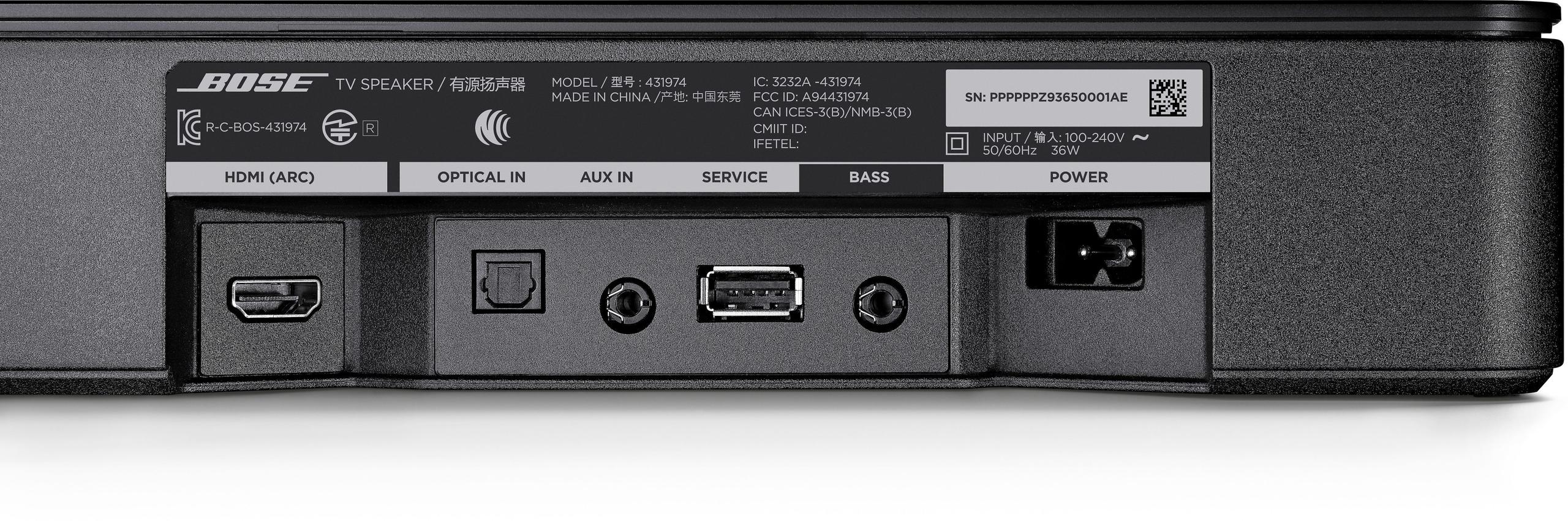
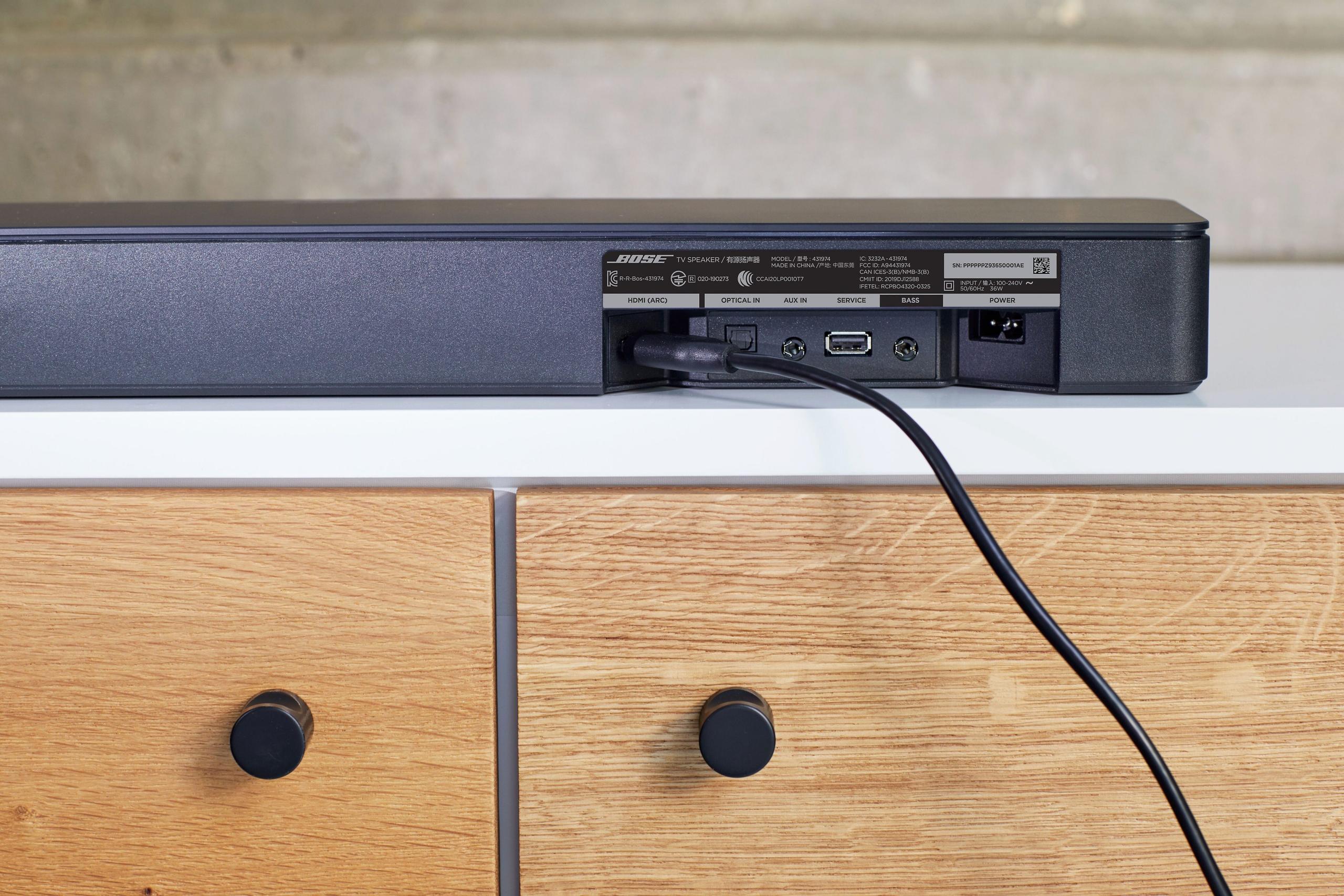
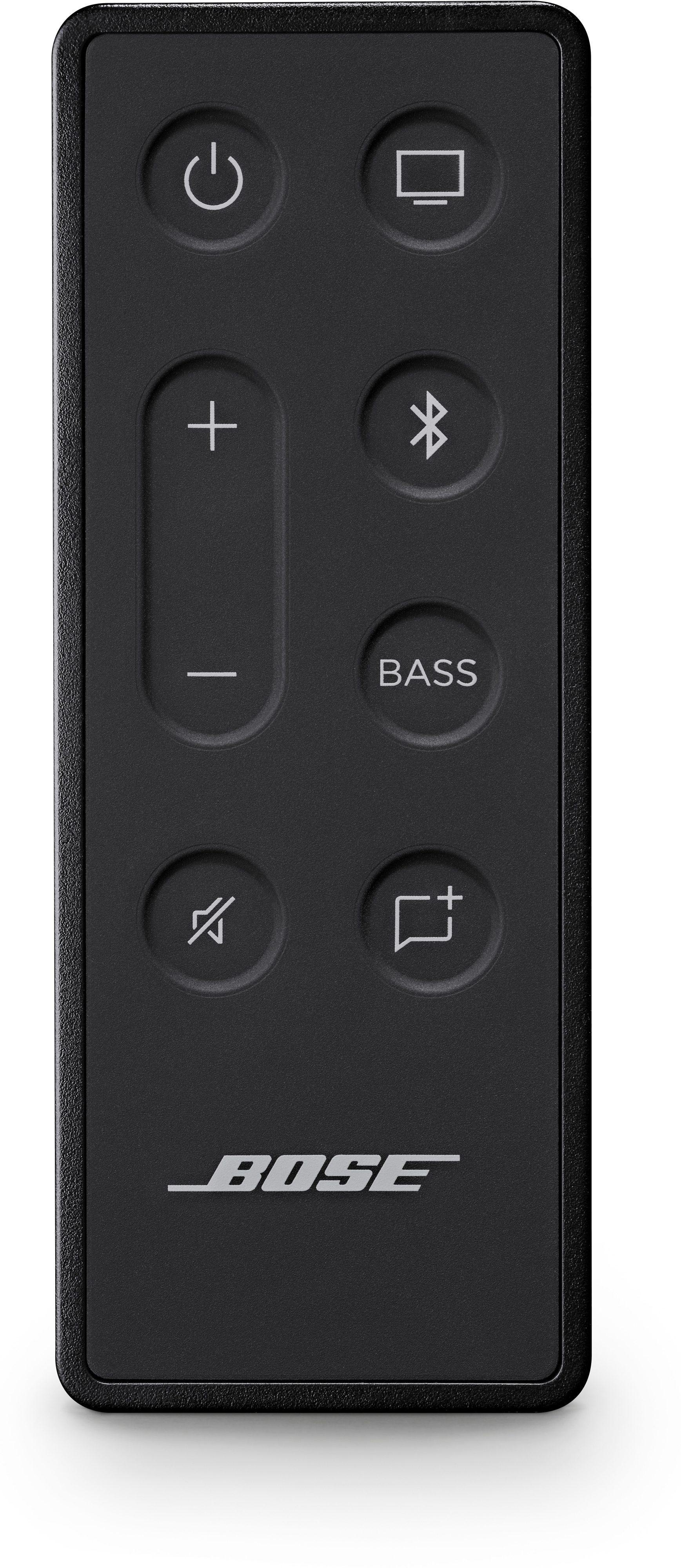
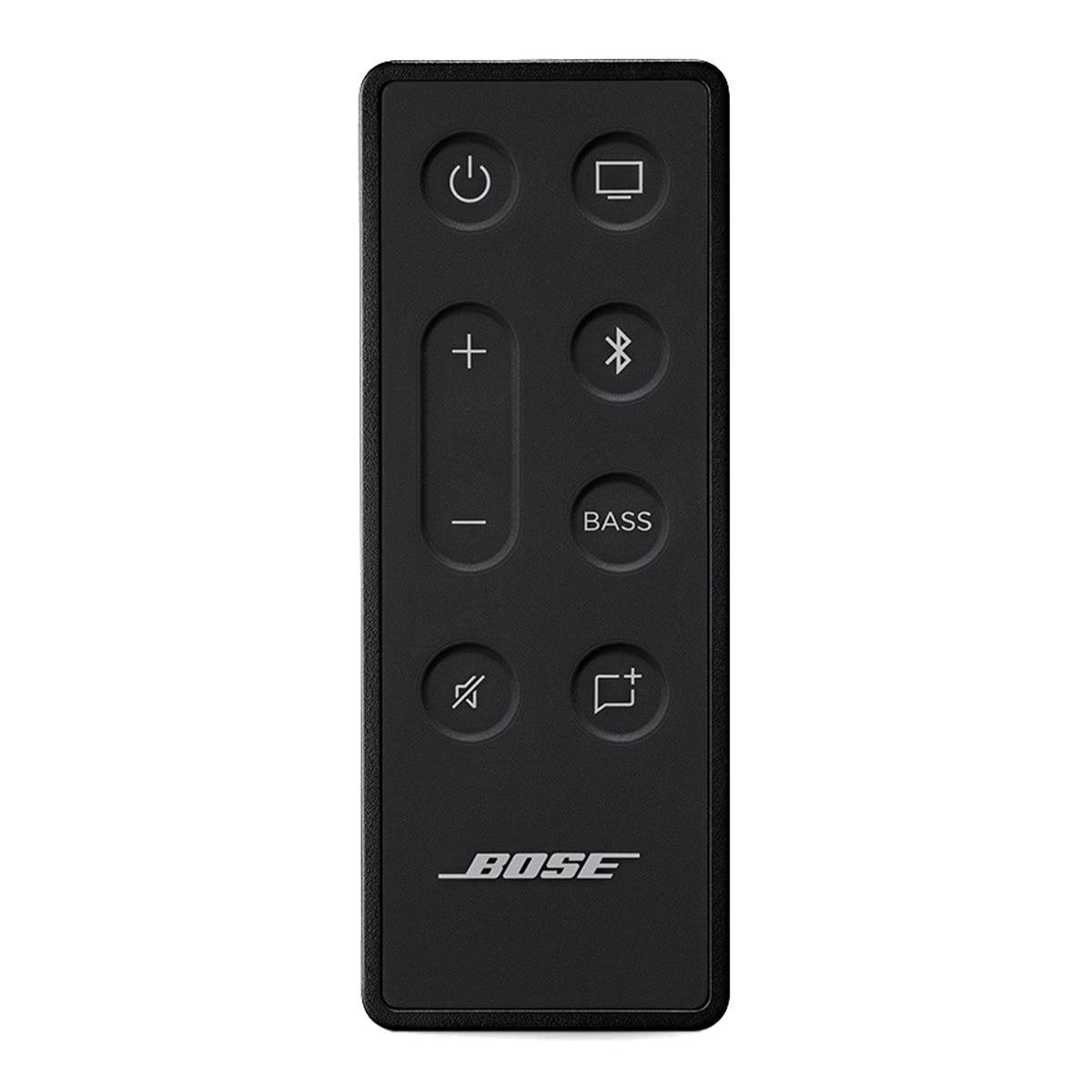
The Bose TV Speaker keeps connectivity simple with optical and Bluetooth options. While it lacks HDMI connectivity, it includes CEC (Consumer Electronics Control) support, allowing you to control both your TV and soundbar with a single remote. For many users, this simplicity is actually preferable to managing multiple connection types and settings.
Installing the Ultimea Skywave F40 requires planning and patience. You need to position the subwoofer (which connects via wire), run cables to the rear speakers, and ensure proper speaker placement for optimal surround effects. The system works best in rooms sized roughly 200-270 square feet, and speaker positioning significantly impacts performance.
While the setup isn't particularly difficult, it does require commitment to the physical arrangement. You can't just throw the components anywhere and expect optimal results.
The Bose TV Speaker represents the opposite extreme: unbox it, connect one cable to your TV, and you're done. The entire system weighs just over four pounds and fits in spaces where larger soundbars won't. Wall mounting is straightforward with the optional bracket, and the compact design disappears visually in most room setups.
At the time of writing, these products occupy different value propositions despite being in the same general category. The Ultimea F40 delivers substantially more audio hardware—eight speakers versus three—for a moderate price premium over the Bose TV Speaker.
From a pure hardware perspective, the Ultimea represents exceptional value. You're getting a complete surround sound system with Dolby Atmos capability at a price point where many competitors offer only basic soundbars. This democratization of advanced audio technology reflects broader market trends toward accessible premium features.
The Bose TV Speaker, currently available at a reduced price from its original launch cost, represents value through brand reputation, refined engineering, and specialized dialogue performance. You're paying for decades of acoustic research and the confidence that the system will deliver its intended performance consistently.
For dedicated movie watching, gaming, or music listening in a properly sized room, the Ultimea F40 provides an experience that approaches dedicated home theater systems. The surround effects genuinely enhance immersion, and the bass response adds physical impact to action sequences.
I've found that the system particularly excels with content specifically mixed for Dolby Atmos, where the overhead effects create genuinely surprising moments. However, it also improves regular stereo content through its upmixing technology, spreading the sound naturally across all speakers.
For general television consumption—news, talk shows, sitcoms—the Bose TV Speaker often provides a more satisfying experience despite its technical limitations. The dialogue clarity makes following conversation effortless, and the compact design integrates seamlessly into living spaces.
The system's strength lies in making poor TV audio significantly better without overwhelming the experience with unnecessary complexity. When your primary concern is understanding what characters are saying, the Bose's focused approach often proves superior.
The Ultimea F40, as a 2025 release, incorporates current-generation Bluetooth (5.4) and modern HDMI standards, providing better future compatibility with evolving source devices. The comprehensive app control and extensive EQ options suggest the system can adapt to changing preferences and room acoustics over time.
The Bose TV Speaker, while using slightly older Bluetooth 4.2 technology, focuses on fundamental audio processing that doesn't rely heavily on cutting-edge connectivity features. The core dialogue enhancement and acoustic engineering remain relevant regardless of technological advancement.
The decision between these systems ultimately depends on your primary use case and room requirements. Choose the Ultimea Skywave F40 if you want the full cinematic experience, have adequate space for proper speaker placement, and primarily consume entertainment content that benefits from surround sound immersion. The system works particularly well for households that watch action movies, play video games, or listen to music regularly.
Select the Bose TV Speaker if dialogue clarity is your primary concern, you need minimal setup complexity, or you have space constraints that make multiple speakers impractical. This system excels for users who primarily watch news, documentaries, talk shows, or dialogue-heavy dramas in smaller rooms.
Neither choice is wrong—they're simply optimized for different priorities. The Ultimea F40 maximizes audio capability and immersion, while the Bose TV Speaker maximizes convenience and speech intelligibility. Understanding which of these priorities matters more to your specific situation will guide you to the right choice and ensure satisfaction with your investment.
Consider your room size, content preferences, setup tolerance, and long-term audio goals. Both systems will dramatically improve your TV's audio performance, but they'll do so in distinctly different ways that align with different user needs and expectations.
| Ultimea Skywave F40 Dolby Atmos Soundbar System | Bose TV Speaker Soundbar |
|---|---|
| Channel Configuration - Determines surround sound capability | |
| 5.1.2 channel Dolby Atmos with true surround speakers | 2.0 channel stereo with no surround capability |
| Speaker Count - More speakers generally mean better sound dispersion | |
| 8 total speakers (soundbar, subwoofer, 2 rear speakers) | 3 speakers (all housed in main soundbar unit) |
| Height Effects - Creates overhead audio for immersive experience | |
| Dual up-firing drivers with ceiling reflection technology | No height channels or Dolby Atmos support |
| Bass Performance - Critical for movie impact and music fullness | |
| Dedicated wired subwoofer with BassMX technology | Built-in drivers with bass boost button option |
| Dialogue Enhancement - Essential for speech clarity | |
| Center channel with Voice mode and EQ customization | Specialized Dialogue Mode with dedicated center tweeter |
| Setup Complexity - Affects installation time and room requirements | |
| Multi-component system requiring speaker placement planning | Single soundbar with one-cable TV connection |
| Power Output - Determines maximum volume and dynamic range | |
| 460W peak across all speakers | Not specified (lower due to compact design) |
| Connectivity Options - Affects compatibility with modern devices | |
| HDMI eARC, Optical, USB, Bluetooth 5.4 | Optical, Bluetooth 4.2 (no HDMI) |
| Room Size Recommendation - Important for optimal performance | |
| 215-269 square feet (medium to large rooms) | Around 64 square feet (small to medium rooms) |
| Customization Features - Allows fine-tuning for personal preference | |
| Mobile app with 10-band EQ and 121 presets | Basic remote with dialogue and bass boost buttons |
| Physical Footprint - Affects placement flexibility | |
| Large system: soundbar + subwoofer + 2 rear speakers | Compact single unit (23.4" W × 2.2" H × 4" D) |
| Release Timeline - Indicates technology generation | |
| 2025 release with latest Bluetooth and processing tech | 2020 release with proven, stable technology |
The Ultimea Skywave F40 is significantly better for home theater use. It offers true 5.1.2 Dolby Atmos surround sound with physical rear speakers and overhead height effects, creating an immersive cinematic experience. The Bose TV Speaker only provides 2.0 stereo sound without surround capabilities, making it less suitable for movie watching.
The primary difference is audio complexity: the Ultimea Skywave F40 is a complete surround sound system with multiple speakers and Dolby Atmos, while the Bose TV Speaker is a simple stereo soundbar focused on dialogue clarity. The Ultimea creates immersive 360-degree sound, whereas the Bose enhances basic TV audio.
The Bose TV Speaker is much easier to install, requiring only a single cable connection to your TV. The Ultimea Skywave F40 involves placing a subwoofer, positioning two rear speakers, and running multiple cables, making setup more complex but delivering superior audio performance.
Only the Ultimea Skywave F40 supports Dolby Atmos with dedicated up-firing speakers that create overhead sound effects. The Bose TV Speaker does not support Dolby Atmos or any surround sound formats, focusing instead on stereo audio enhancement.
The Bose TV Speaker excels at dialogue clarity with its specialized Dialogue Mode and dedicated center tweeter designed specifically for speech enhancement. While the Ultimea Skywave F40 can reproduce dialogue well, it's optimized more for immersive surround sound than speech clarity.
The Bose TV Speaker is compact and fits in small spaces, recommended for rooms around 64 square feet. The Ultimea Skywave F40 requires significantly more space for optimal performance, working best in rooms sized 215-269 square feet with proper speaker placement.
The Ultimea Skywave F40 delivers superior bass with its dedicated wired subwoofer and BassMX technology, producing deep, impactful low frequencies down to 40Hz. The Bose TV Speaker relies on built-in drivers with a bass boost feature, providing limited low-end response.
The Ultimea Skywave F40 includes a mobile app with full EQ control, 10-band equalizer, and 121 preset options for extensive customization. The Bose TV Speaker uses a traditional remote control without smartphone app integration, focusing on simple operation.
The Ultimea Skywave F40 provides exceptional value, offering a complete surround sound system with multiple speakers and advanced features at a competitive price point. The Bose TV Speaker offers value through brand reliability, specialized dialogue performance, and extreme simplicity, but with limited audio capabilities.
Both soundbars work with gaming consoles, but the Ultimea Skywave F40 provides a much better gaming experience with its surround sound capabilities and HDMI eARC connectivity. The Bose TV Speaker can handle gaming audio but without positional effects or immersive surround sound.
The Ultimea Skywave F40 is superior for music with its full-range frequency response, dedicated subwoofer, and ability to create a wide soundstage. The Bose TV Speaker can play music via Bluetooth but lacks the bass depth and stereo separation needed for optimal music enjoyment.
The Ultimea Skywave F40 offers comprehensive connectivity including HDMI eARC, optical, USB, and Bluetooth 5.4 for maximum compatibility with modern devices. The Bose TV Speaker provides simpler connectivity with optical and Bluetooth 4.2, sufficient for basic TV connection but more limited for advanced setups.
We've done our best to create useful and informative comparisons to help you decide what product to buy. Our research uses advanced automated methods to create this comparison and perfection is not possible - please contact us for corrections or questions. These are the sites we've researched in the creation of this article: the-gadgeteer.com - youtube.com - ultimea.com - manuals.plus - youtube.com - ultimea.com - youtube.com - youtube.com - youtube.com - youtube.com - eu.ultimea.com - support.ultimea.com - bestbuy.com - projectorscreen.com - forums.audioholics.com - digitaltrends.com - abt.com - crutchfield.com - staples.com - bestbuy.com - pcrichard.com - visions.ca - bose.com - assets.bose.com

Privacy Policy
Terms and Conditions - Affiliate Policy
Home Security
© Copyright 2008-2026.
11816 Inwood Rd #1211, Dallas, TX 75244