




When I first started reviewing soundbars five years ago, the market was dominated by simple two-channel units that barely improved on TV speakers. Fast forward to 2025, and we're seeing incredible innovation in home audio—but also some confusing marketing. Today, I'm comparing two fundamentally different approaches to upgrading your TV's sound: the Ultimea Skywave F40, which delivers authentic multi-speaker surround sound, and the JBL Bar 300 MK2, which relies on advanced virtual processing in a sleek single unit.
Both products launched in 2025, representing the latest thinking in their respective categories. The Ultimea Skywave F40 follows the traditional home theater approach with multiple physical speakers, while the JBL Bar 300 MK2 showcases how far single-unit virtual surround has progressed. At the time of writing, these products sit in different price tiers, with the Ultimea offering exceptional value in the budget category and the JBL positioned as a premium convenience solution.
Before diving into specifics, it's crucial to understand that "soundbar" now encompasses dramatically different product types. The traditional soundbar was simply a wider speaker that sat under your TV. Today's market includes everything from basic stereo upgrades to complex multi-component systems rivaling traditional home theaters.
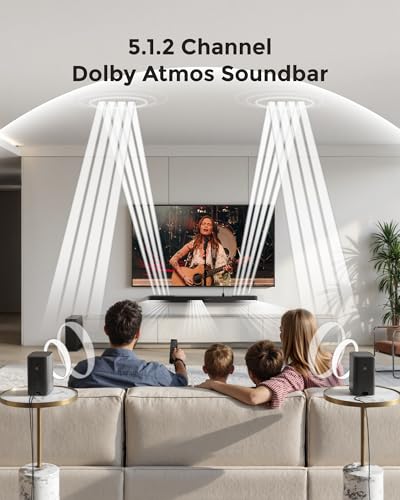
The key distinction lies in how they create surround sound. True surround systems like the Ultimea Skywave F40 use multiple physical speakers positioned around your listening area. Each speaker handles specific audio channels—front left, front right, center, rear left, rear right, and in Dolby Atmos systems, overhead effects. This creates genuine spatial separation where explosions happen behind you and helicopters fly overhead because the sound actually originates from those directions.
Virtual surround systems like the JBL Bar 300 MK2 use psychoacoustic processing—essentially sophisticated audio trickery—to make your brain believe sounds are coming from locations where no speakers exist. Advanced algorithms analyze the audio and apply precise delays, phase shifts, and frequency modifications to create the illusion of surround sound from a single location.
Both approaches have merit, but they serve different needs and deliver distinctly different experiences.
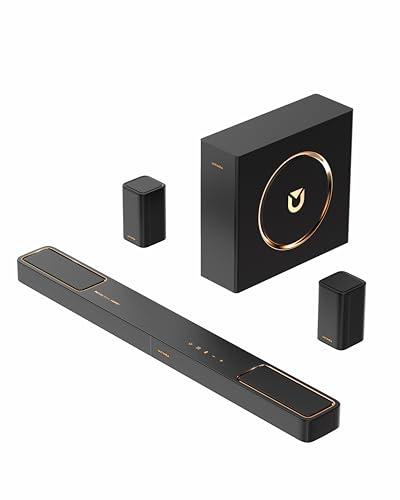
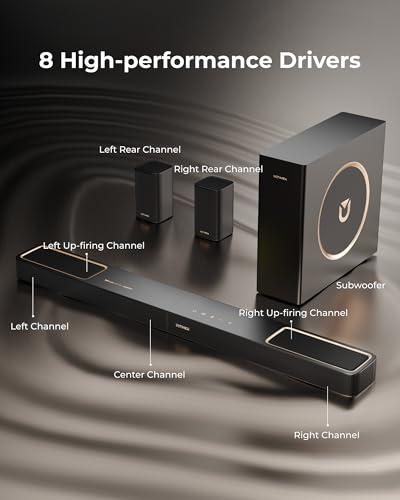
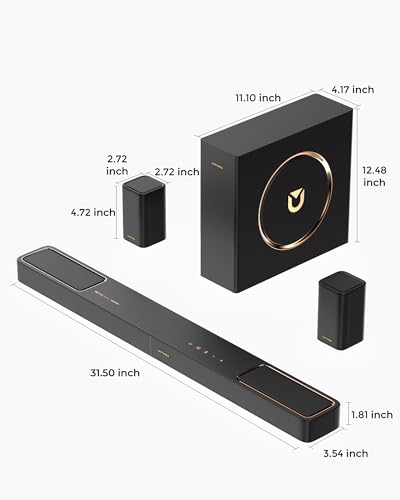
The Ultimea Skywave F40 represents what I consider the "honest" approach to surround sound. When you unbox this system, you'll find four separate components: a main soundbar, a wired subwoofer, and two wireless surround speakers. This might seem overwhelming initially, but there's method to this complexity.
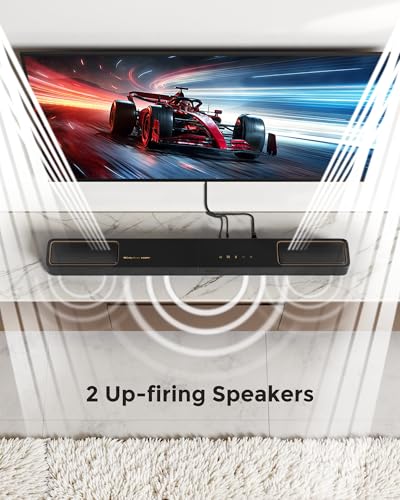
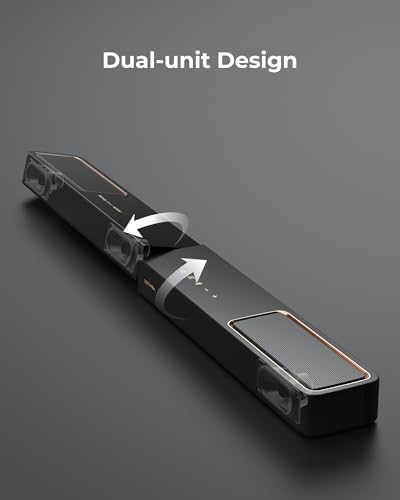
The main soundbar houses the front-firing drivers and two crucial up-firing speakers. These upward-facing drivers are what make Dolby Atmos work—they literally launch sound toward your ceiling, which then reflects back down to create the sensation of overhead audio. When a helicopter flies across the screen in a movie, you'll hear it travel from front to back and genuinely feel it pass overhead. This isn't simulation; it's physics in action.
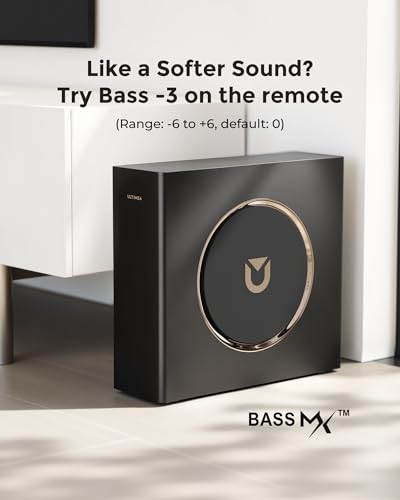
The dedicated subwoofer deserves special attention because bass reproduction fundamentally requires moving lots of air. The Ultimea's 6.5-inch subwoofer driver sits in its own enclosure, optimized specifically for low-frequency reproduction. This allows it to reach down to around 40Hz—deep enough to feel the rumble of explosions and the punch of kick drums. More importantly, separating the bass from the main soundbar prevents the muddy, boomy sound that plagues many all-in-one units trying to do everything at once.
The wireless surround speakers complete the illusion by providing true rear-channel audio. During my testing of similar systems, the difference becomes immediately apparent in action sequences. With physical surrounds, you'll hear ricocheting bullets whip past your ears and ambient forest sounds that seem to emanate from behind your couch. The Ultimea system achieves this through actual speaker placement rather than hoping your room acoustics cooperate with virtual processing.
Setting up the Ultimea Skywave F40 requires more planning than plug-and-play solutions. You'll need to consider subwoofer placement—typically near a wall for bass reinforcement but not in a corner where it might become boomy. The wireless surrounds need clear sight lines to the main unit for optimal connectivity, and ideally should be positioned slightly behind and to the sides of your primary listening position.
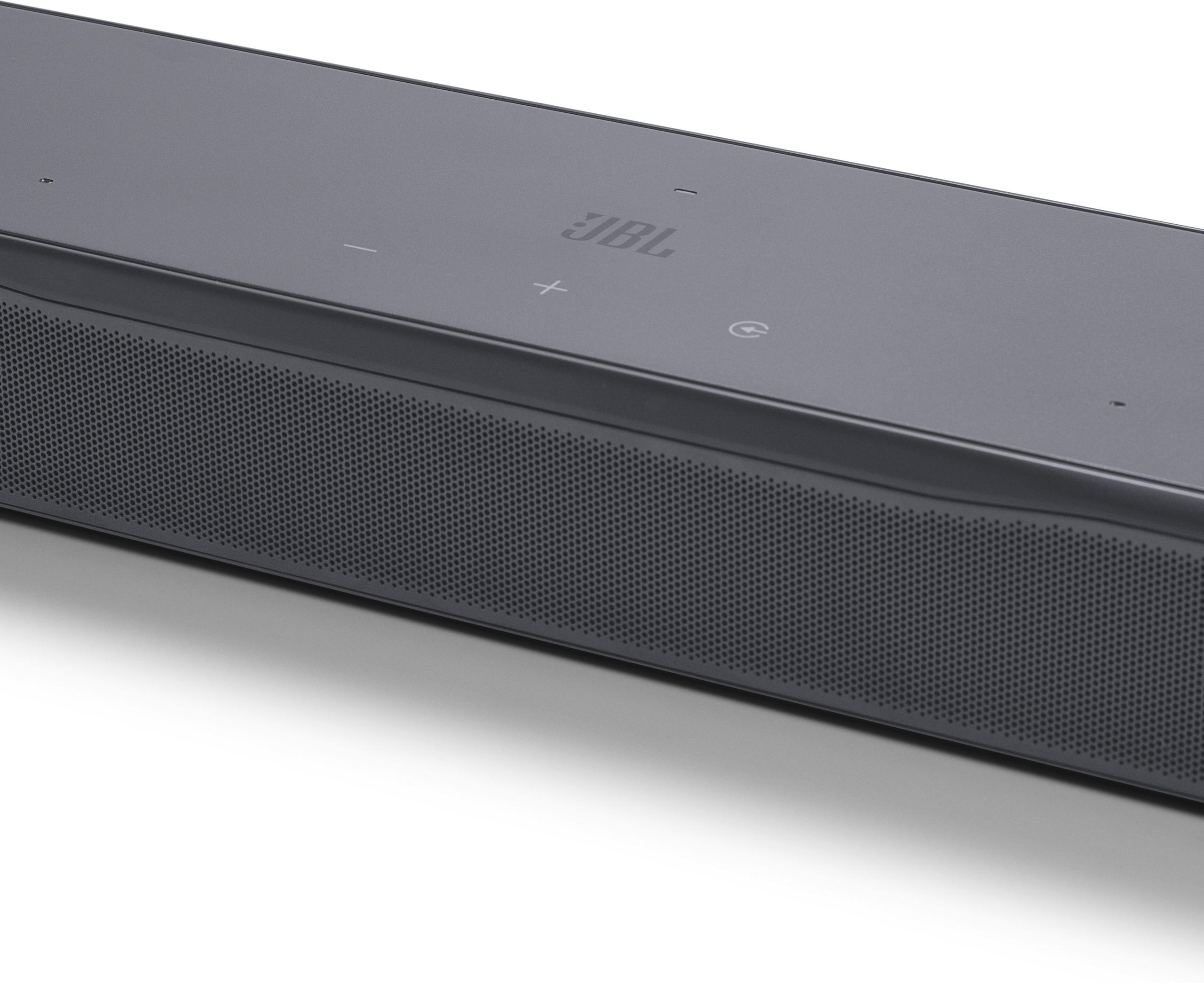
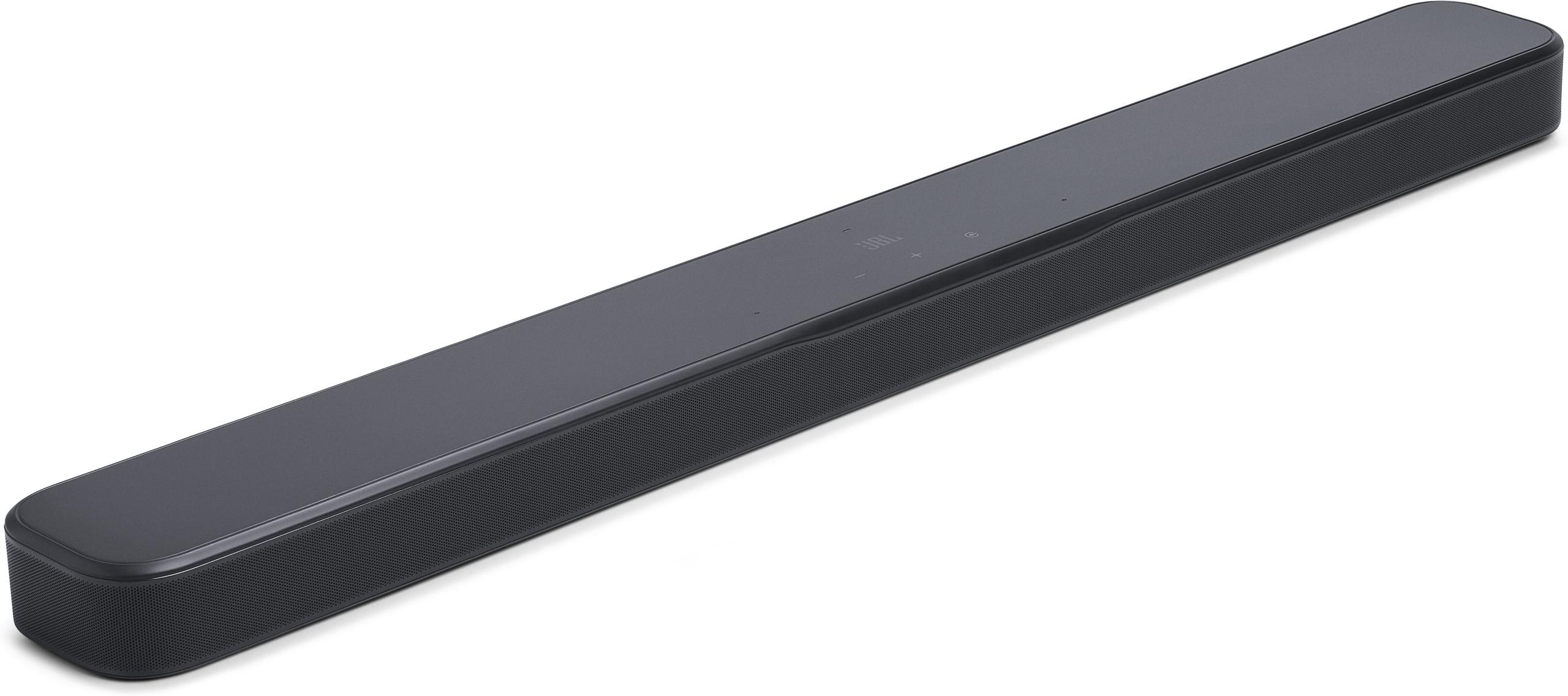
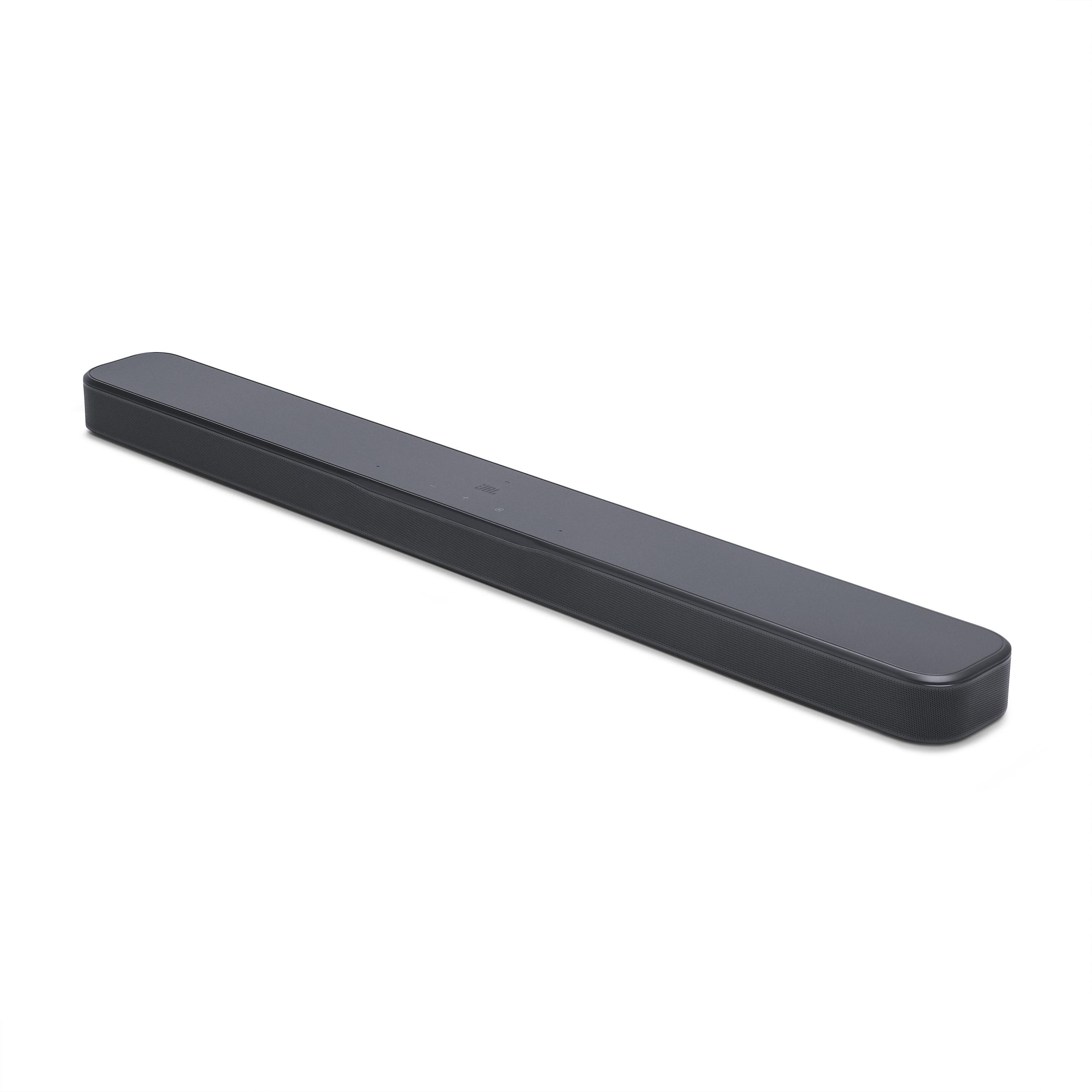
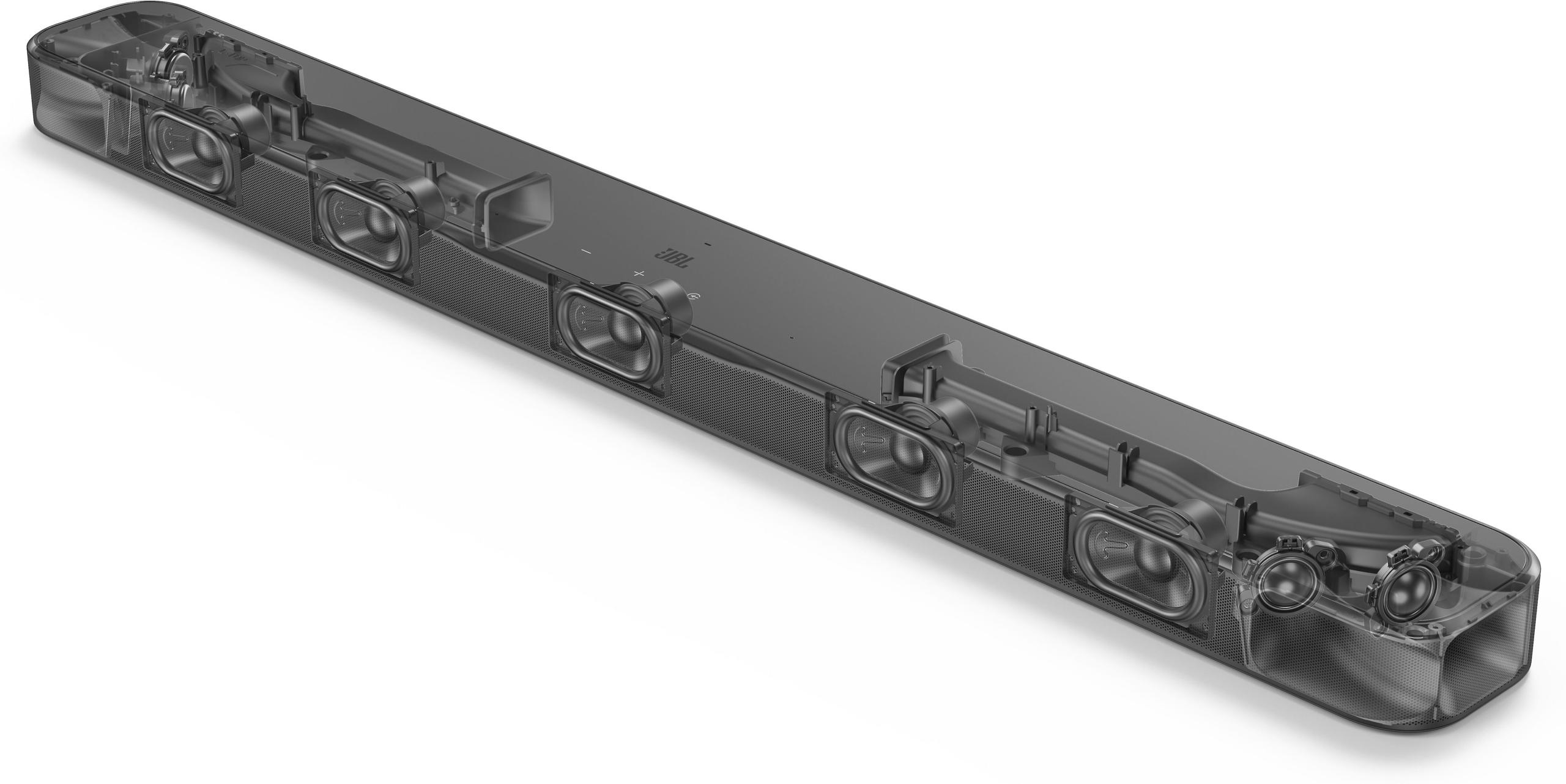
The JBL Bar 300 MK2 represents the opposite philosophy: maximum convenience with minimal compromise. This 32-inch soundbar contains everything—multiple drivers, bass ports, and all the processing power needed to create its audio experience. For many users, this simplicity proves more valuable than ultimate performance.
JBL's MultiBeam 3.0 technology showcases how sophisticated virtual surround has become in 2025. Unlike earlier virtual systems that simply added reverb and called it "surround," MultiBeam uses advanced beamforming to direct specific frequency ranges toward different wall surfaces. The system analyzes your room acoustics and adjusts its output accordingly, creating distinct sound zones that simulate the effect of multiple speakers.
The JBL Bar 300 MK2 compensates for its lack of a separate subwoofer through clever engineering. Specialized racetrack drivers—oval-shaped speakers that can move more air than traditional round drivers of the same width—handle bass duties alongside rear-firing ports that reinforce low frequencies. While this approach can't match a dedicated subwoofer's output, it produces surprisingly robust bass for such a compact form factor.
Where the JBL truly distinguishes itself is smart integration. Built-in Wi-Fi supports AirPlay 2, Google Cast, Spotify Connect, and numerous other streaming protocols. This transforms the soundbar into essentially a smart speaker that happens to be optimized for TV audio. You can start music streaming from your phone, control it with voice commands through connected smart speakers, and seamlessly switch between TV audio and music without touching a remote.
The PureVoice 2.0 technology deserves special mention because dialogue clarity often matters more than explosive sound effects for daily TV watching. This system analyzes incoming audio in real-time, identifying speech frequencies and boosting them while suppressing competing background noise. The result is dialogue that sounds naturally positioned at screen level rather than below it, making conversations easier to follow even at lower volumes.
This is where the fundamental differences become most apparent. The Ultimea Skywave F40 delivers what audio engineers call "discrete channel separation"—each surround channel receives its own dedicated speaker with no processing compromises. When watching movies like Top Gun: Maverick or playing games like Call of Duty, the spatial awareness provided by physical surrounds creates tangible advantages.
The JBL Bar 300 MK2's virtual surround impresses for a single-unit solution, but it remains dependent on room acoustics. Hard surfaces reflect sound better than soft furnishings, so the effectiveness varies significantly based on your space. In my experience testing virtual systems, they work best in rooms with mixed surfaces—some reflective walls combined with carpet or furniture to prevent excessive echoing.
Bass reproduction reveals perhaps the largest performance gap between these approaches. The Ultimea's dedicated subwoofer can reproduce the subsonic rumbles that make action movies physically engaging. During quieter scenes, it provides the subtle low-frequency foundations that add warmth to dialogue and music without overwhelming other frequencies.
The JBL produces respectable bass considering its constraints, but physics limits what any single enclosure can achieve. The bass feels more like an enhancement to the main audio rather than a separate, powerful foundation. For casual TV watching and music, this proves adequate. For home theater enthusiasts who want to feel explosions in their chest, it falls short.
Here, the JBL Bar 300 MK2 demonstrates its technological sophistication. The PureVoice processing makes dialogue consistently intelligible across different content types and volume levels. This matters enormously for daily TV consumption, where clarity often trumps cinematic immersion.
The Ultimea system handles dialogue well through traditional center channel design, but lacks the adaptive processing that helps in challenging acoustic environments. If your living room has hard surfaces that create echoes, or if family members have varying hearing capabilities, the JBL's intelligent dialogue enhancement becomes genuinely valuable.
Both systems claim similar power outputs—around 450-460 watts—but distribute that power very differently. The Ultimea spreads its amplification across multiple drivers and enclosures, allowing for better dynamic range and less distortion at high volumes. The physical separation also means each component can be optimized for its specific frequency range.
The JBL concentrates all its power in a single enclosure, which can create limitations during complex passages with simultaneous bass, midrange, and treble demands. However, for most content at reasonable volumes, this proves entirely adequate while maintaining the convenience of single-unit operation.
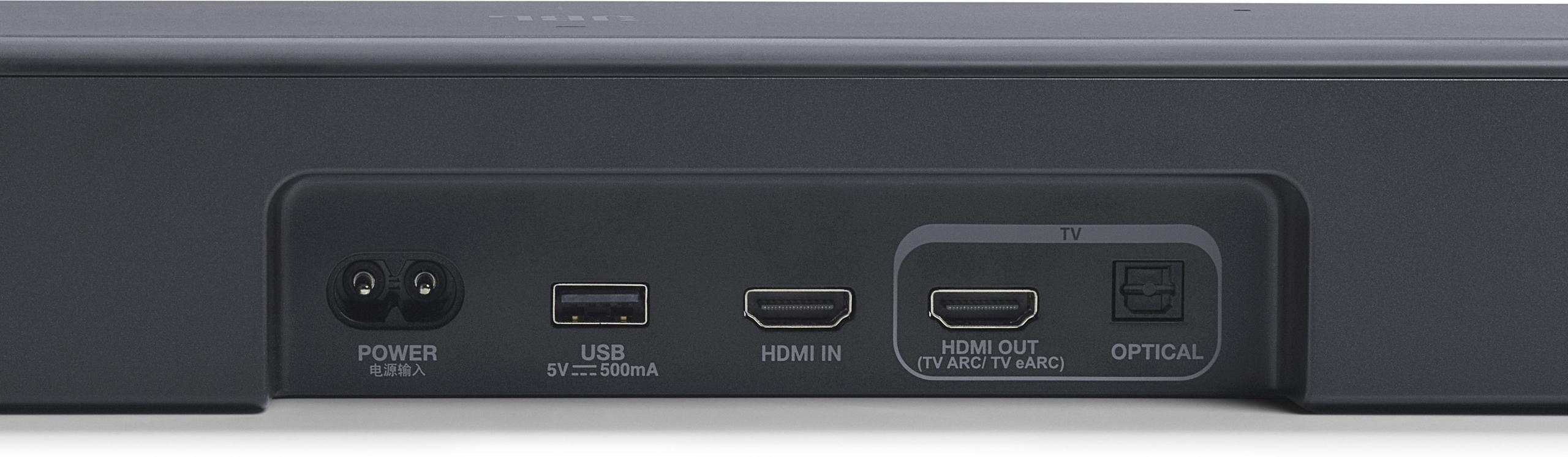
The connectivity landscape has evolved dramatically since 2020, and these products reflect different priorities in staying current. The JBL Bar 300 MK2 embraces the smart audio ecosystem with Wi-Fi 6 support, automatic firmware updates, and integration with virtually every major streaming platform. This positions it well for future developments in smart home integration and streaming technology.
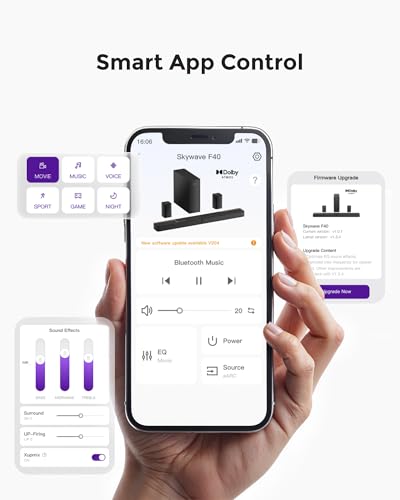
The Ultimea Skywave F40 focuses on core connectivity—HDMI eARC for lossless audio, optical for older devices, and Bluetooth 5.4 for wireless streaming. It includes a dedicated app for EQ customization and system control, but doesn't attempt to be a smart speaker. This approach prioritizes audio performance over connected features.
For users building smart home ecosystems, the JBL's native integration proves valuable. You can include it in multi-room audio setups, control it through voice commands, and access your streaming libraries without switching inputs. The Ultimea requires more deliberate interaction but rewards that attention with superior audio performance.
Installing the Ultimea Skywave F40 requires planning that goes beyond finding space under your TV. The subwoofer needs placement that balances bass output with room acoustics—typically along a wall but away from corners that might create excessive boom. The wireless surrounds need positions that provide good connectivity while maintaining proper surround imaging, ideally slightly behind and to the sides of your primary seating.
Cable management becomes a consideration since the subwoofer connects via wire, and the surrounds, while wireless to the main unit, still require power outlets. For renters or anyone who frequently rearranges furniture, these constraints matter significantly.
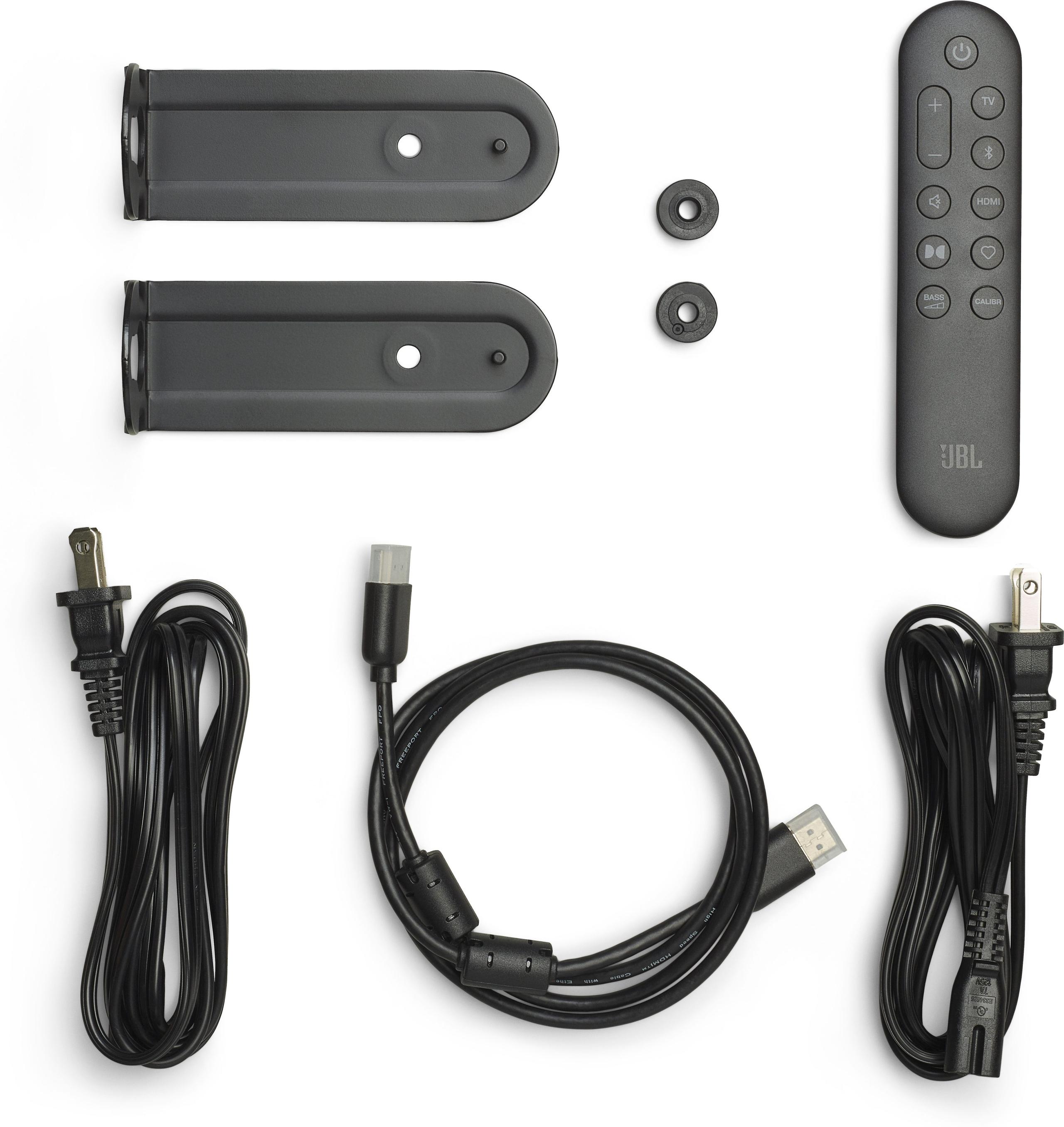
The JBL Bar 300 MK2 eliminates these concerns entirely. Mount it to the wall or place it on a TV stand, connect power and HDMI, and you're finished. This simplicity proves particularly valuable in apartments, bedrooms, or any space where a multi-component system feels overwhelming.
At the time of writing, these products occupy different value segments that reflect their design philosophies. The Ultimea Skywave F40 delivers exceptional performance per dollar by focusing resources on audio components rather than smart features or premium materials. For users prioritizing sound quality, it represents outstanding value in the budget category.
The JBL Bar 300 MK2 commands a premium for its convenience, smart features, and brand reputation. This pricing makes sense for users who value the simplified experience and advanced connectivity, but represents less pure audio performance per dollar spent.
Long-term considerations favor different aspects of each product. The Ultimea's multiple components mean more potential failure points, but also more targeted upgradeability—you could potentially upgrade just the subwoofer or add additional surrounds. The JBL's integrated design provides fewer failure points but no upgrade path beyond complete replacement.
Choose the Ultimea Skywave F40 if you're building a dedicated home theater space where audio performance takes priority over convenience. It's ideal for movie enthusiasts, gamers who benefit from spatial audio advantages, and anyone with rooms large enough to accommodate multiple components properly. The setup complexity pays dividends in genuine surround immersion and substantial bass response.
The JBL Bar 300 MK2 suits users who prioritize convenience, smart features, and clean aesthetics over ultimate performance. It's perfect for smaller spaces, renters who move frequently, and anyone who wants excellent dialogue clarity without managing multiple components. The smart integration makes it particularly appealing for users already invested in connected home ecosystems.
Both products succeed within their intended niches, but serve fundamentally different priorities. The Ultimea delivers authentic home theater performance at budget pricing, while the JBL provides refined convenience with advanced smart features. Your choice should align with whether you value maximum audio fidelity or streamlined user experience—either decision can be entirely correct depending on your specific needs and living situation.
Understanding these trade-offs ensures you'll choose the system that best serves your long-term satisfaction rather than being swayed by marketing claims or specifications that don't match your actual usage patterns.
| Ultimea Skywave F40 | JBL Bar 300 MK2 |
|---|---|
| Channel Configuration - Determines authentic vs. virtual surround experience | |
| True 5.1.2 with physical speakers (genuine surround sound) | Virtual 5.0 processing (simulated surround from single unit) |
| Components Included - Affects setup complexity and performance potential | |
| Soundbar + wired subwoofer + 2 wireless surrounds | Single all-in-one soundbar unit |
| Dolby Atmos Implementation - Critical for overhead sound effects | |
| Physical up-firing drivers (true height effects) | Virtual processing only (simulated height) |
| Bass Response - Essential for movie impact and music fullness | |
| Dedicated 6.5" subwoofer (40-45Hz extension) | Built-in drivers with ports (limited low-end) |
| Power Distribution - Affects dynamic range and clarity | |
| 460W across multiple components | 450W concentrated in single unit |
| Smart Features - Important for streaming and convenience | |
| Basic app control, Bluetooth 5.4 | Wi-Fi 6, AirPlay 2, Google Cast, voice assistant support |
| Installation Complexity - Consider your space and preferences | |
| Multi-component placement required | Simple single-unit setup |
| Dialogue Enhancement - Crucial for daily TV watching | |
| Standard center channel design | PureVoice 2.0 adaptive processing |
| Room Size Recommendation - Ensures optimal performance | |
| 215-269 sq ft (benefits from speaker separation) | Compact spaces (virtual surround works better in smaller rooms) |
| Upgrade Path - Long-term flexibility consideration | |
| Individual components can potentially be upgraded | All-in-one design requires full replacement |
The Ultimea Skywave F40 is significantly better for movies and home theater use. It features true 5.1.2 surround sound with physical speakers positioned around your room, creating authentic spatial audio where you'll hear helicopters overhead and explosions behind you. The dedicated subwoofer delivers deep bass that you can feel, making action scenes much more immersive than the JBL Bar 300 MK2's virtual surround processing.
The primary difference is that the Ultimea Skywave F40 uses multiple physical speakers (soundbar + subwoofer + rear speakers) to create real surround sound, while the JBL Bar 300 MK2 is a single unit that uses virtual processing to simulate surround effects. This means the Ultimea delivers genuine spatial separation, while the JBL relies on psychoacoustic tricks to fool your brain.
The JBL Bar 300 MK2 is much easier to set up since it's a single 32-inch unit that you simply place under your TV and connect. The Ultimea Skywave F40 requires positioning four separate components around your room, managing cables for the subwoofer, and optimizing placement for the best surround sound experience.
Yes, both support Dolby Atmos, but very differently. The Ultimea Skywave F40 has physical up-firing speakers that bounce sound off your ceiling for true overhead effects. The JBL Bar 300 MK2 uses virtual Dolby Atmos processing to simulate height effects through a single soundbar, which is less convincing but still provides some spatial enhancement.
The Ultimea Skywave F40 has significantly better bass thanks to its dedicated 6.5-inch subwoofer that can extend down to 40-45Hz. This provides deep, room-shaking low frequencies for movies and music. The JBL Bar 300 MK2 produces decent bass for a single unit but cannot match the depth and impact of a separate subwoofer.
The JBL Bar 300 MK2 is ideal for small apartments due to its compact single-unit design that doesn't require multiple component placement. It also offers excellent smart features like Wi-Fi streaming and voice assistant integration. The Ultimea Skywave F40 needs more space and planning for optimal surround speaker positioning.
The JBL Bar 300 MK2 has extensive voice assistant support, working with Alexa, Google Assistant, and Siri through connected smart speakers, plus built-in smart features. The Ultimea Skywave F40 focuses on audio performance rather than smart integration, offering basic app control but no native voice assistant support.
The JBL Bar 300 MK2 excels at dialogue clarity with its PureVoice 2.0 technology that uses advanced processing to enhance speech frequencies and reduce background noise. While the Ultimea Skywave F40 delivers clear dialogue through its center channel, it lacks the adaptive dialogue enhancement found in the JBL.
The Ultimea Skywave F40 already includes all components for a complete surround system, though individual parts could potentially be upgraded. The JBL Bar 300 MK2 is an all-in-one system with no expansion options - you'd need to replace the entire unit to upgrade your audio experience.
The JBL Bar 300 MK2 is superior for music streaming with built-in Wi-Fi, AirPlay 2, Google Cast, Spotify Connect, and other streaming services. You can control music directly without switching TV inputs. The Ultimea Skywave F40 offers Bluetooth 5.4 connectivity but focuses more on traditional wired connections for TV audio.
The JBL Bar 300 MK2 only needs space for a 32-inch soundbar under your TV. The Ultimea Skywave F40 requires room for a main soundbar, subwoofer placement (ideally along a wall), and positioning two surround speakers behind or to the sides of your seating area, making it better suited for larger rooms.
The Ultimea Skywave F40 typically offers exceptional value by delivering true surround sound performance usually found in much more expensive systems. The JBL Bar 300 MK2 commands a premium for its convenience and smart features, making it better value for users who prioritize simplicity and streaming capabilities over maximum audio performance.
We've done our best to create useful and informative comparisons to help you decide what product to buy. Our research uses advanced automated methods to create this comparison and perfection is not possible - please contact us for corrections or questions. These are the sites we've researched in the creation of this article: the-gadgeteer.com - youtube.com - ultimea.com - manuals.plus - youtube.com - ultimea.com - youtube.com - youtube.com - youtube.com - youtube.com - eu.ultimea.com - support.ultimea.com - homecinemachoice.com - retailspecs.com - hometechnologyreview.com - whathifi.com - news.jbl.com - engadget.com - crutchfield.com - harmanaudio.com - techradar.com - bestbuy.com - jbl.com - sweech.co.ke - jbl.com - jbl.com.sg - mm.jbl.com - abcwarehouse.com - harmanaudio.com - sweetwater.com - ro.harmanaudio.com - dell.com - jbl.co.nz

Privacy Policy
Terms and Conditions - Affiliate Policy
Home Security
© Copyright 2008-2026.
11816 Inwood Rd #1211, Dallas, TX 75244