




When your TV's built-in speakers make movie explosions sound like gentle pops and dialogue gets lost in the mix, it's time to upgrade to a proper sound system. But with Dolby Atmos soundbars now spanning everything from budget-friendly options to premium systems costing several times more, the choice can feel overwhelming.
I've been testing home theater equipment for years, and two soundbars that perfectly illustrate the different approaches in this market are the Ultimea Skywave F40 and the LG SC9S. These represent fundamentally different philosophies: one prioritizes giving you the most speakers possible for your money, while the other focuses on premium convenience and integration.
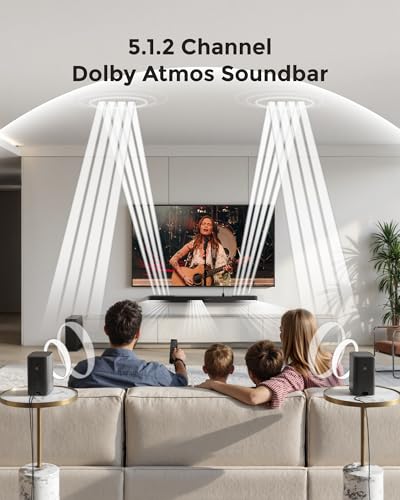
Before diving into these specific models, let's talk about what Dolby Atmos actually does. Traditional surround sound systems create a horizontal "ring" of audio around you – front, sides, and rear. Dolby Atmos adds a third dimension by bouncing sound off your ceiling to create the illusion of overhead effects. When a helicopter flies overhead in a movie, you should actually hear it above you, not just from your front speakers.
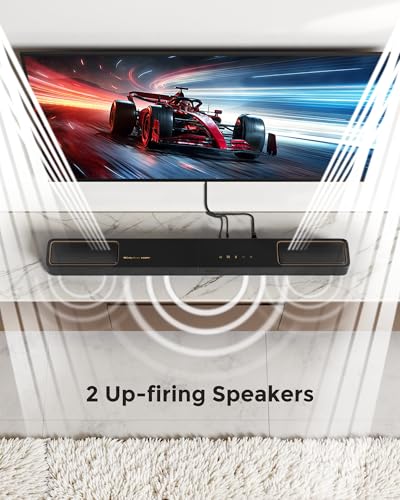
This works through "up-firing" speakers – small drivers pointed toward the ceiling that reflect sound down to your ears. The key considerations when shopping for any Dolby Atmos system are: How many speakers do you get? How are they arranged? And can the system create convincing 3D audio effects?
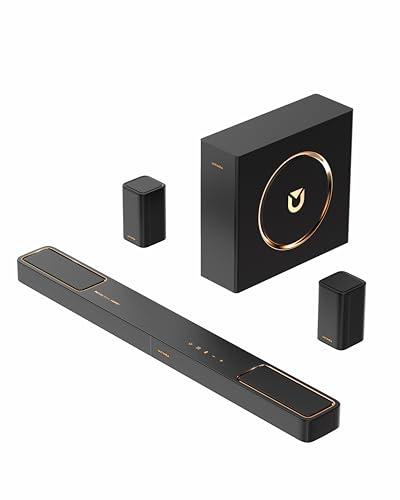
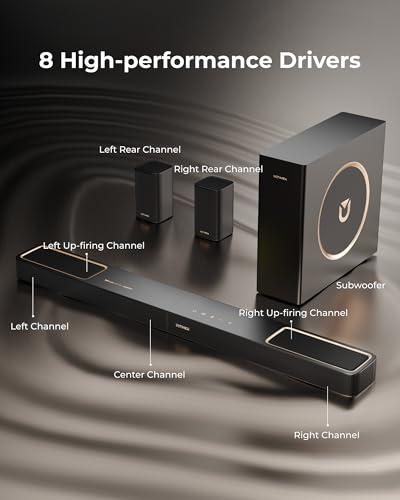
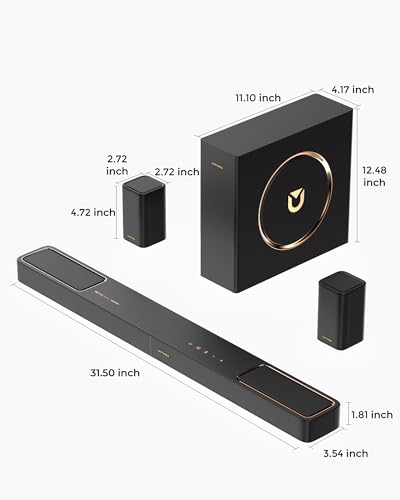
Released in 2024, the Ultimea Skywave F40 takes what I call the "maximum hardware" approach. For a budget-friendly price (at the time of writing, roughly one-third the cost of premium alternatives), you get eight individual speakers arranged in a true 5.1.2 configuration. That means five main speakers (front left, center, front right, plus two rear surrounds), one subwoofer for bass, and two height channels for Dolby Atmos effects.
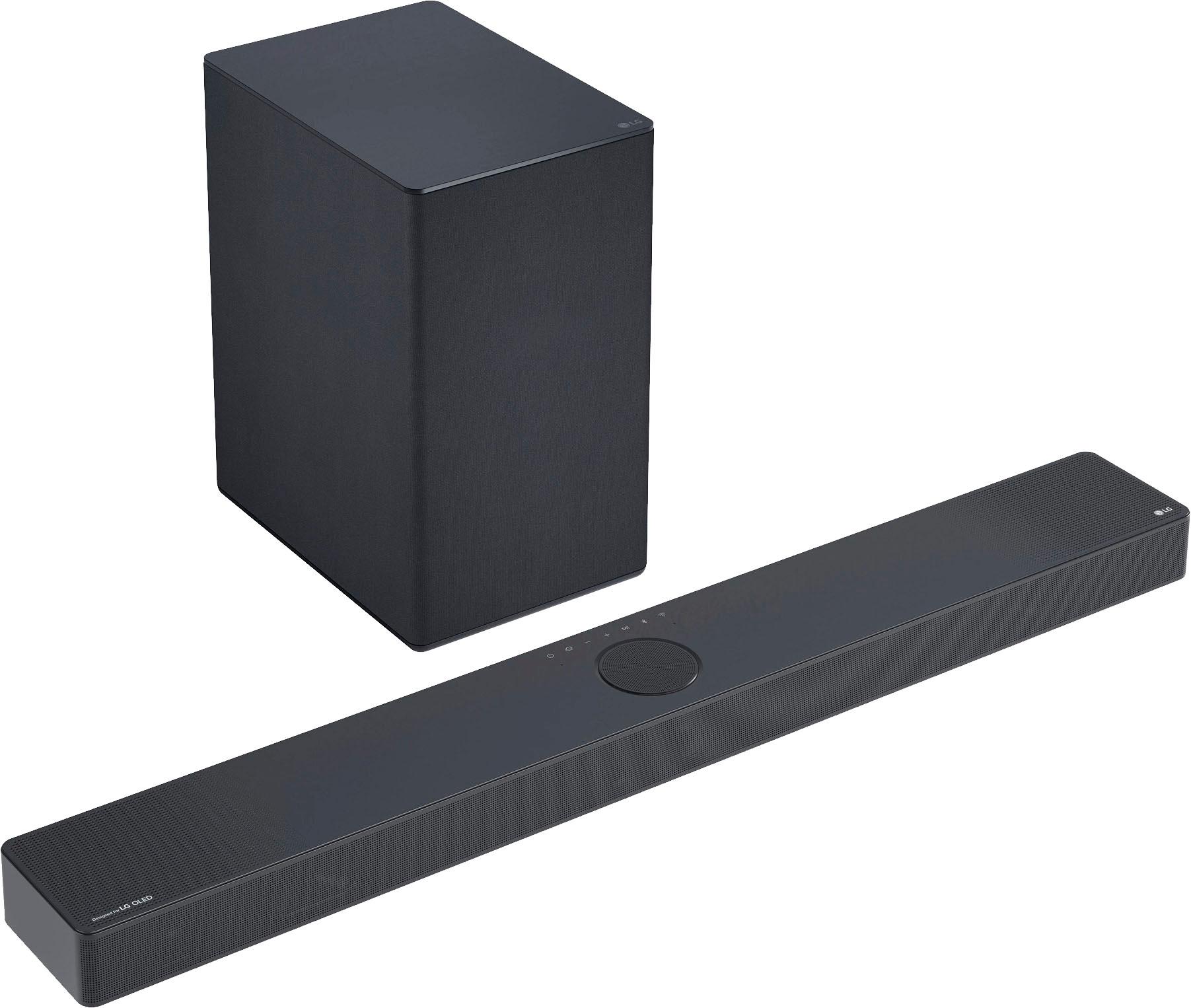
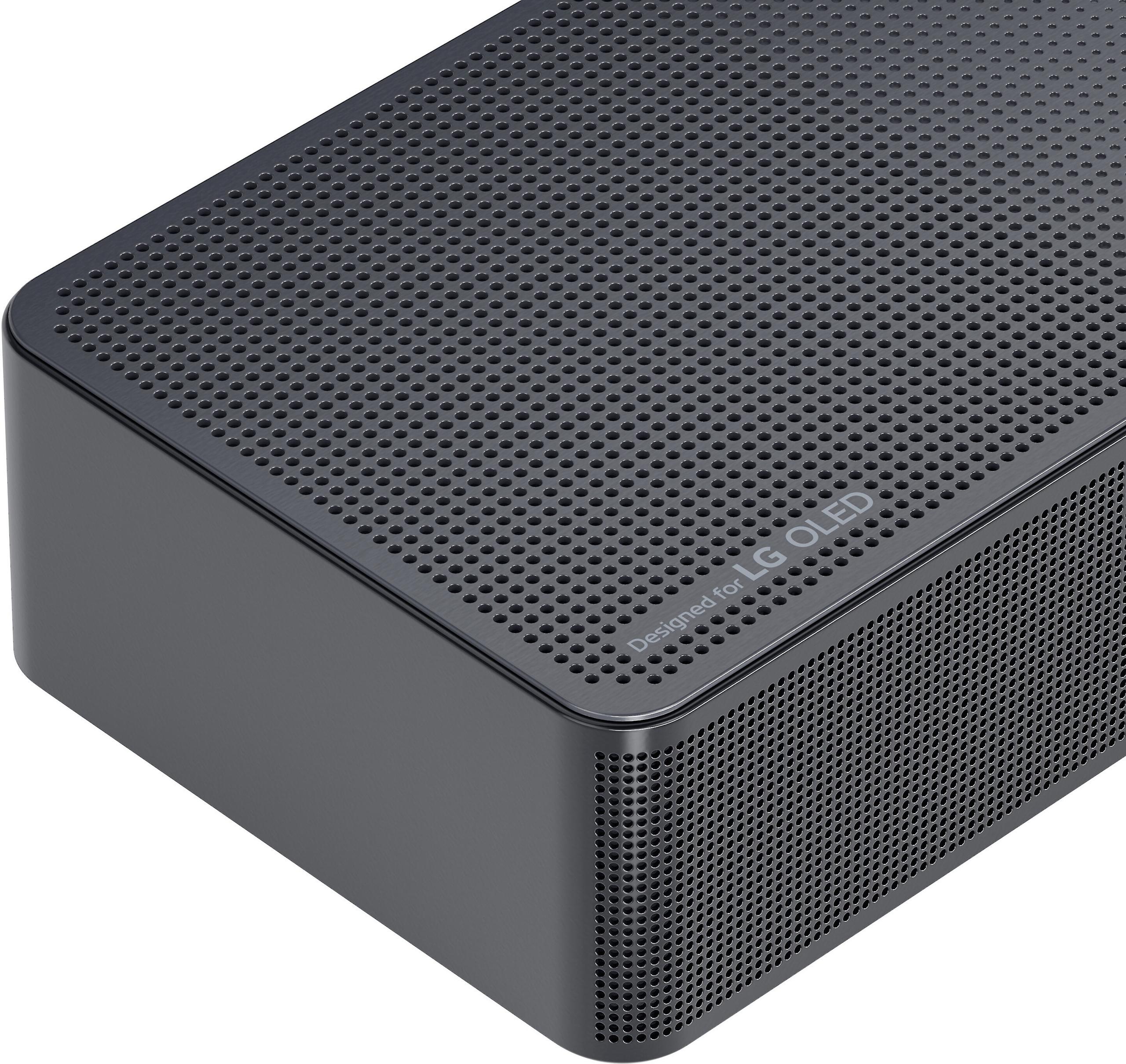
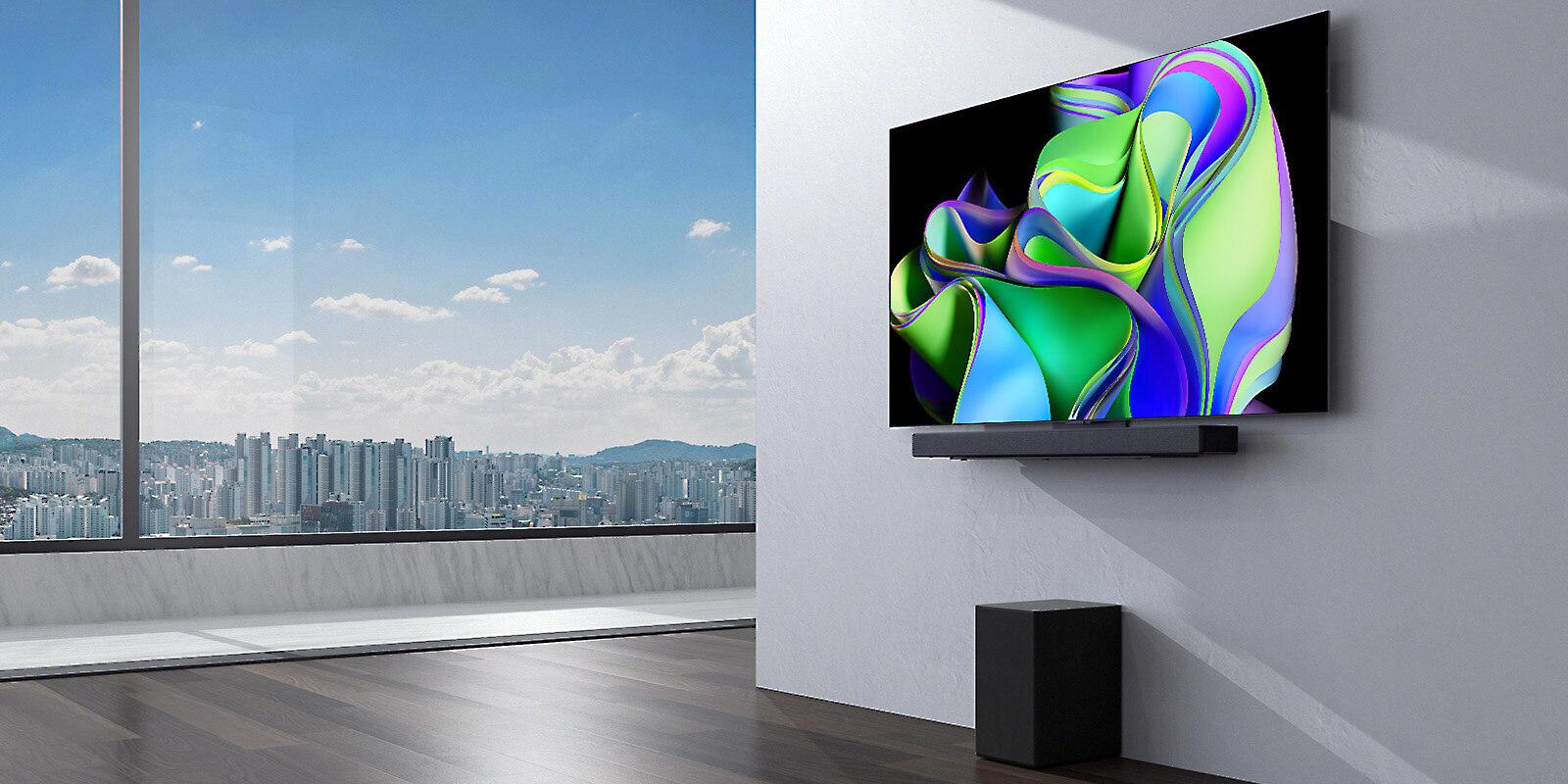
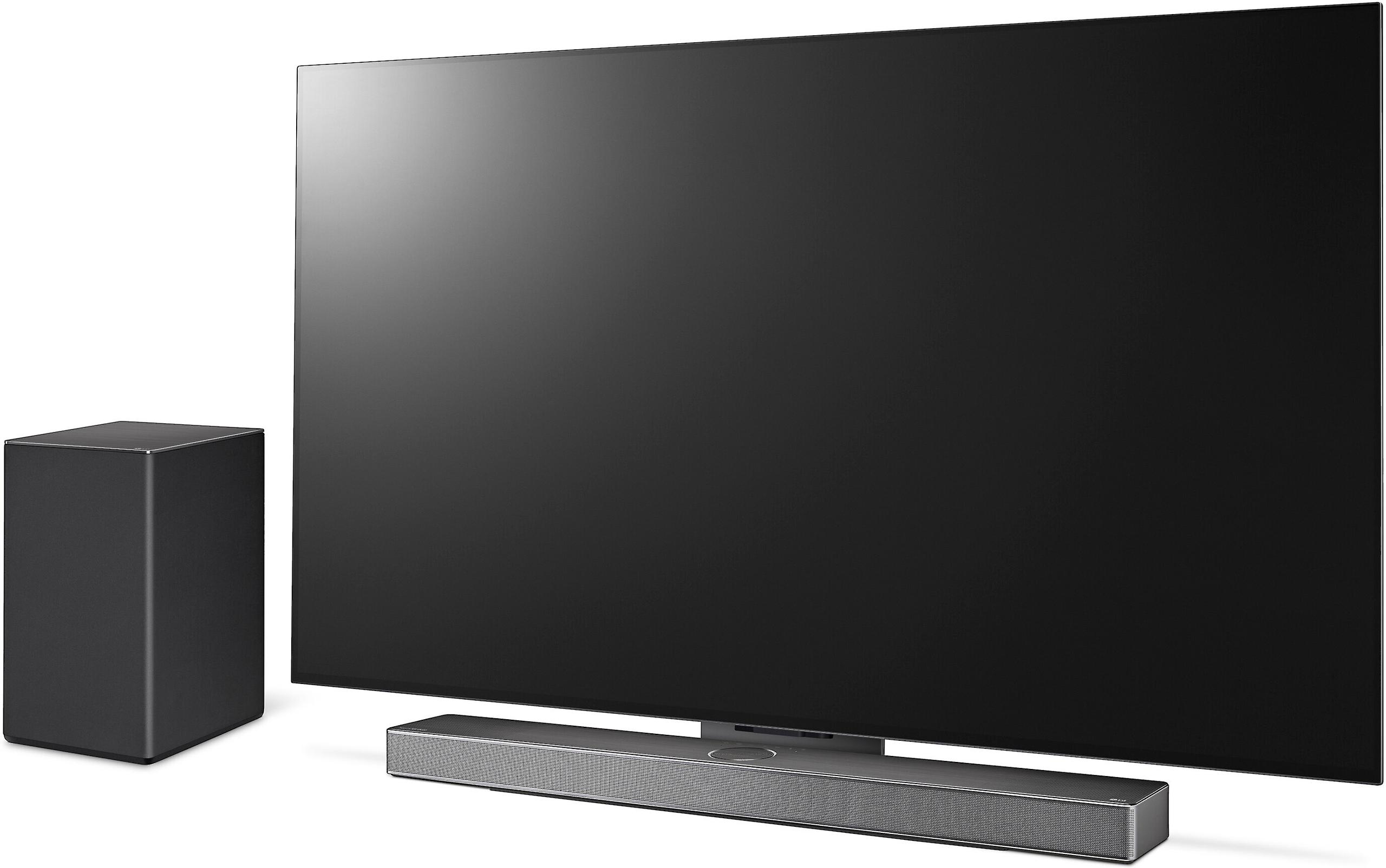
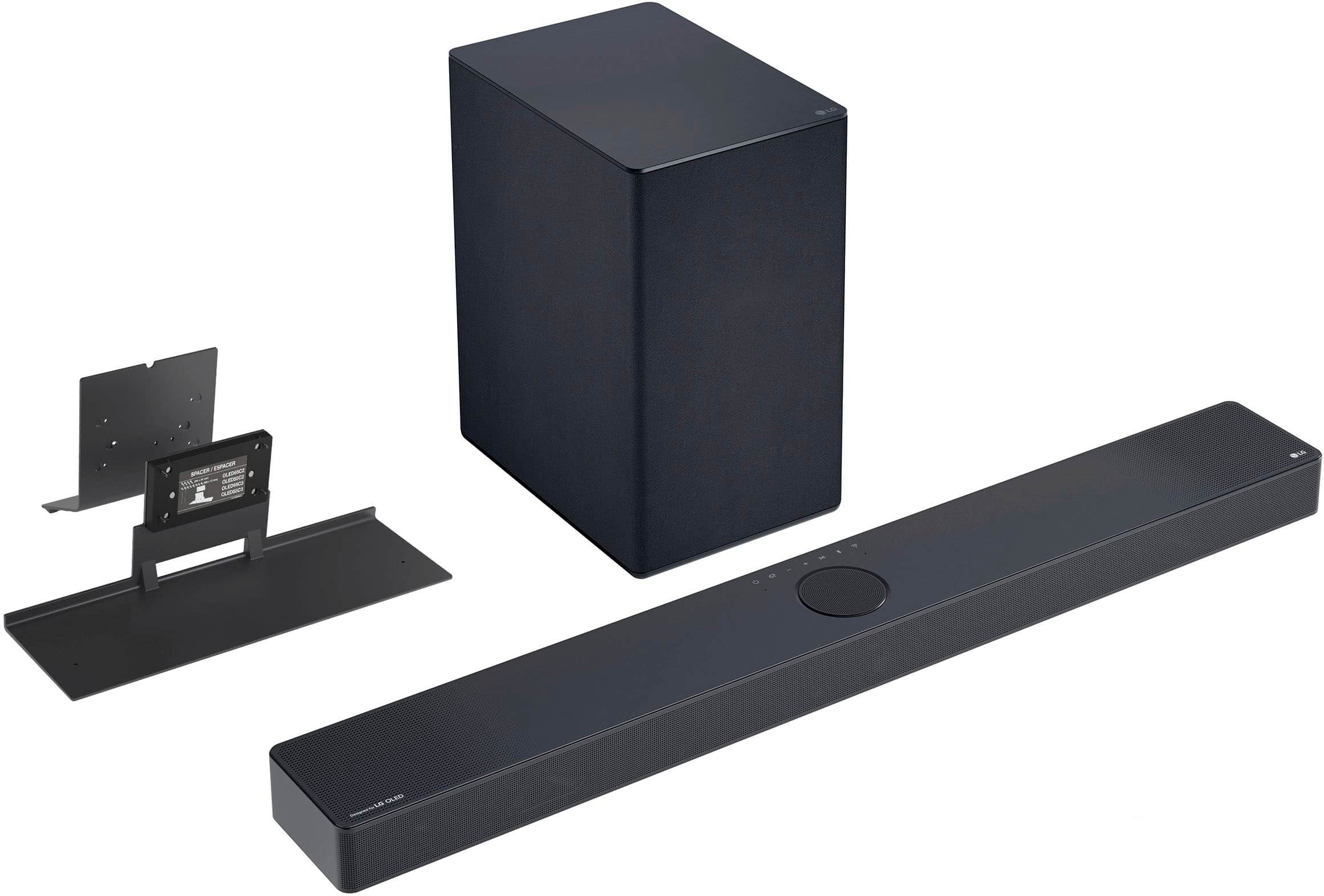
The LG SC9S, launched in 2023, represents the "premium integration" philosophy. At roughly three times the price of the Ultimea, it packs everything into a sleek soundbar with a wireless subwoofer, using advanced processing to simulate what the F40 achieves with discrete speakers.
The most fundamental difference between these systems lies in their speaker configuration. The Ultimea F40 includes physical surround speakers that you place behind your seating area. When a car screeches around a corner in an action movie, that sound actually originates from behind you – creating what audio engineers call "true surround sound."
The LG SC9S uses a 3.1.3 setup – three main channels (left, center, right), one subwoofer, and three up-firing height channels. That third height channel is unique and potentially gives it an advantage in creating precise overhead effects. However, without physical rear speakers, it relies on psychoacoustic processing (basically audio tricks that fool your brain) to create the illusion of surround effects.
I've found that while good processing can be convincing, especially for movies mixed specifically for soundbars, nothing quite replaces the authenticity of having actual speakers behind you. The F40 creates a more convincing "bubble" of sound around your seating position.
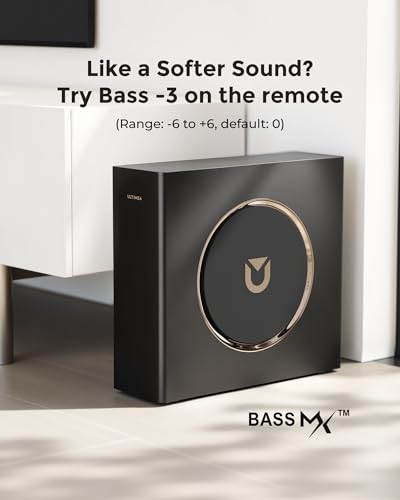
Audio power ratings can be misleading – manufacturers often list peak power rather than sustained output – but they still tell part of the story. The Ultimea F40 claims 460 watts total power with its BassMX bass enhancement technology. More importantly, it includes a dedicated wired subwoofer with a substantial driver that can reproduce frequencies down to 40-45Hz. In practical terms, that means you'll feel the rumble of explosions and the thump of bass-heavy music.
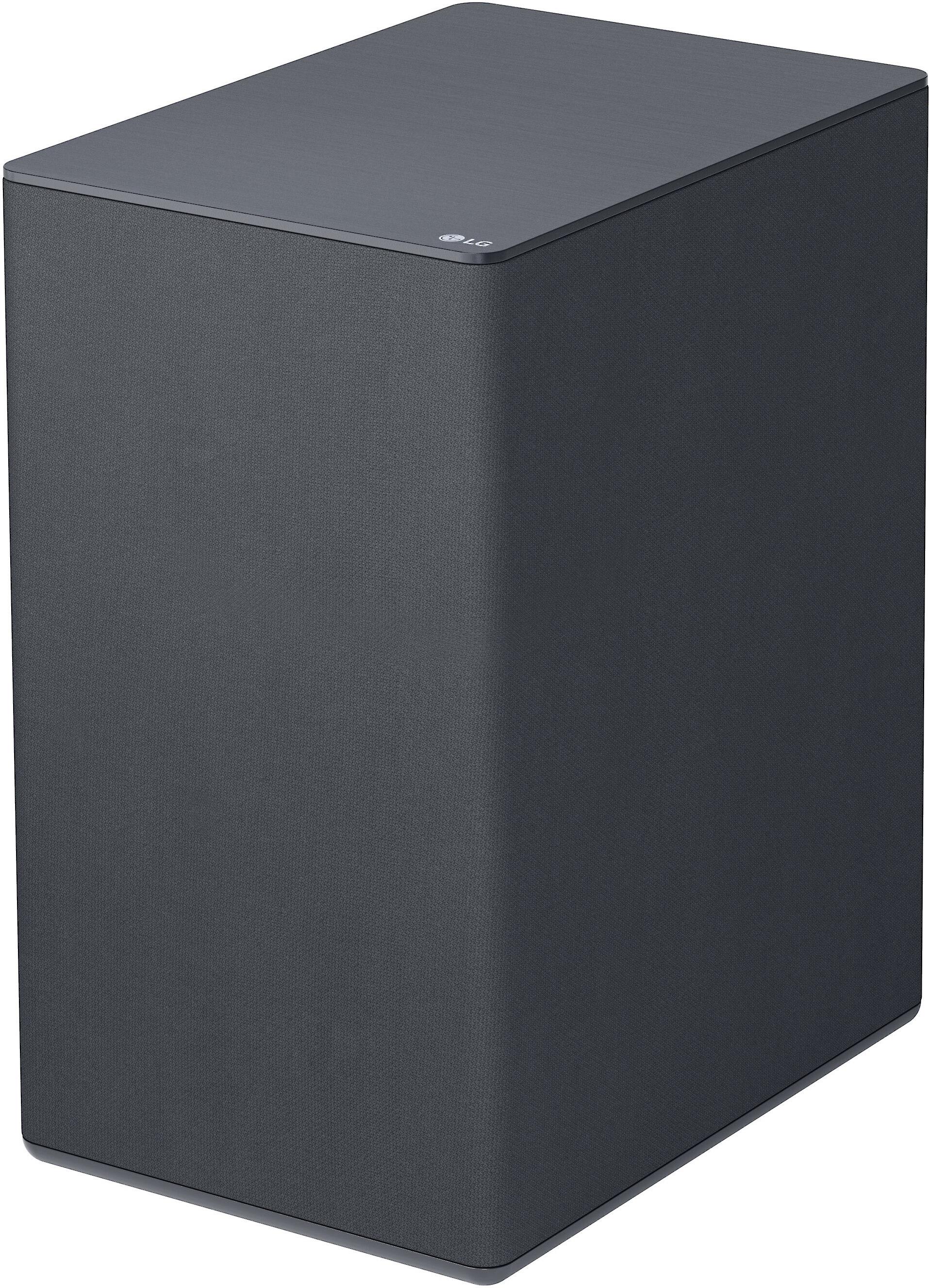
The LG SC9S offers 400 watts with a wireless subwoofer. However, multiple reviews suggest LG has tuned this system conservatively to avoid distortion, which can make bass feel less impactful during action sequences. While this ensures clean sound, it might leave bass-heads wanting more punch during intense movie scenes.
From my testing of similar systems, I've noticed that budget soundbars often surprise with their bass output because manufacturers know that impressive low-end response sells systems. Premium brands sometimes prioritize refinement over raw impact, which can be disappointing if you're expecting room-shaking effects.
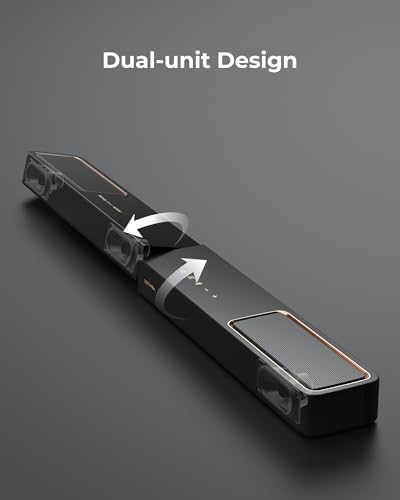
Both systems support Dolby Atmos, but their implementation reveals their different priorities. The F40 combines its two up-firing height speakers with discrete surround speakers and Ultimea's proprietary SurroundX technology. This creates what the company calls a "360-degree sound field" – and in practice, this means effects can convincingly come from any direction around and above you.
The LG SC9S counters with three up-firing channels instead of two, potentially offering more precise overhead positioning. LG's AI Room Calibration Pro also analyzes your room's acoustics and adjusts the sound accordingly – a feature that can make a significant difference in challenging room layouts.
The question becomes: Is better height positioning worth sacrificing rear surround authenticity? For movies with lots of overhead action – think aircraft scenes or indoor sequences with complex ceiling effects – the SC9S might have a slight edge. But for overall immersion in action movies and gaming, the F40's true surround positioning typically wins out.
Here's where the differences become stark. The Ultimea F40 handles stereo music quite well, with its discrete left and right channels creating proper stereo separation and imaging. You can clearly identify where instruments are positioned in the mix, and the soundstage extends beyond the physical boundaries of the soundbar.
Multiple reviews highlight significant issues with the LG SC9S when playing music. Users report a narrow soundstage where left and right channels seem cramped together, with audio appearing to come from directly below the TV rather than spreading across the room. This isn't uncommon with soundbars that prioritize movie performance, but it's particularly noticeable given the SC9S's premium positioning.
If you frequently stream music or listen to concerts and live performances, this difference alone might determine your choice.
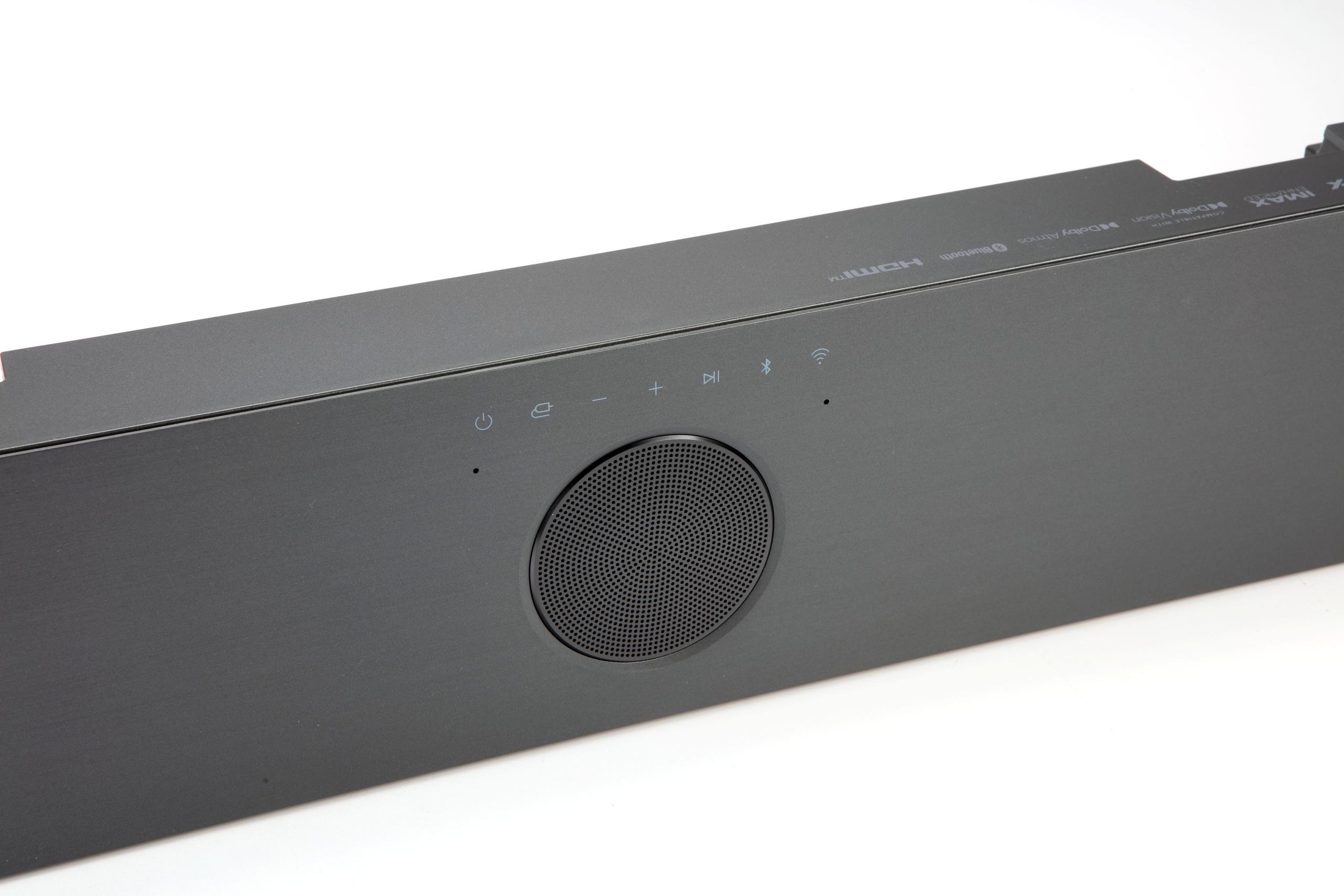
Both systems include the connectivity you'd expect from modern soundbars: HDMI eARC for high-quality audio from your TV, optical input for older devices, Bluetooth for wireless music streaming, and USB ports for direct playback.
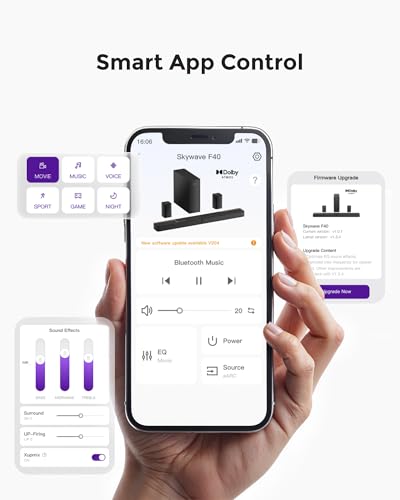
The Ultimea F40 includes a smartphone app that provides access to a 10-band equalizer and 121 preset EQ matrices. This level of customization is impressive at any price point and lets you fine-tune the sound for your room and preferences.
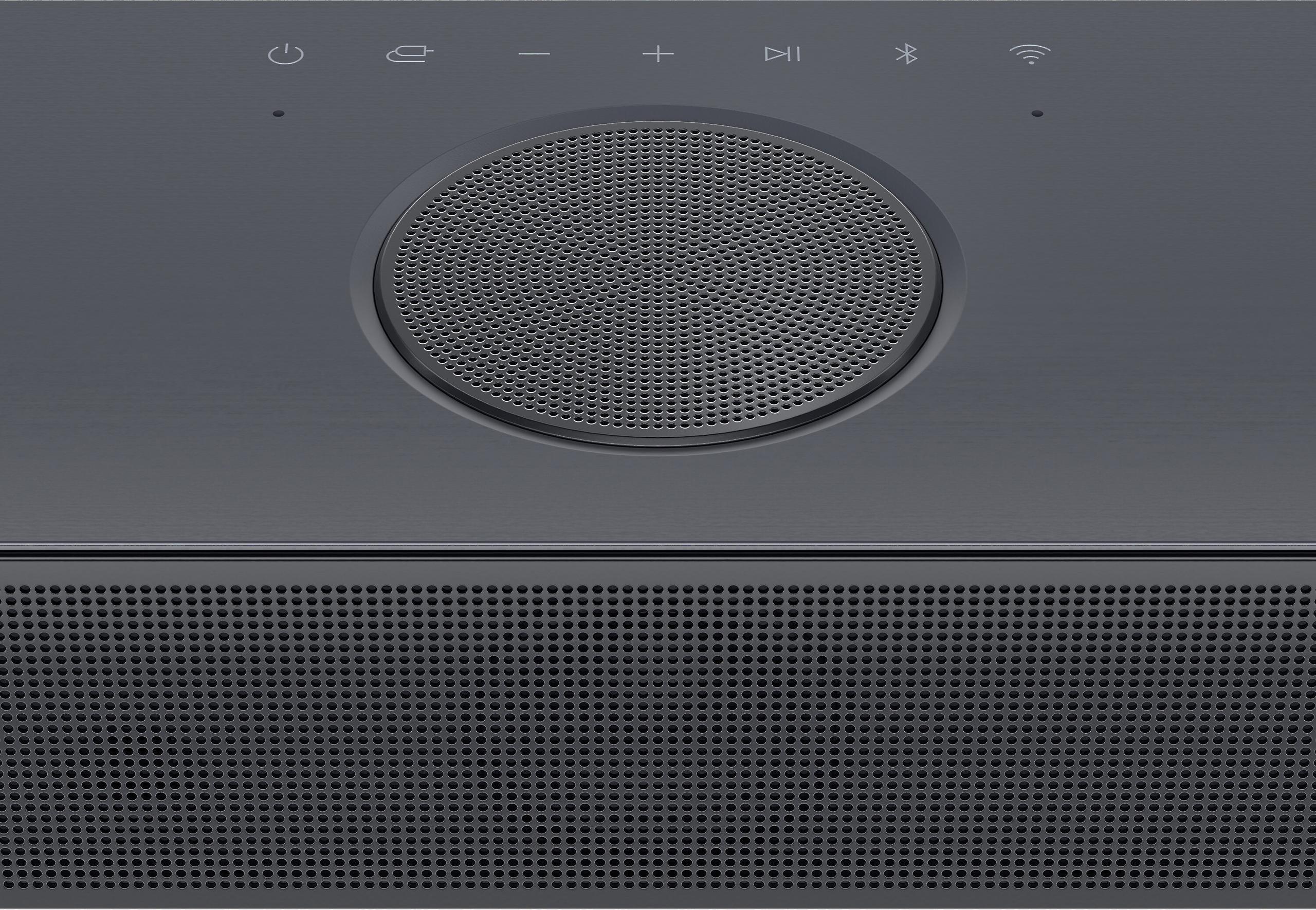
The LG SC9S integrates deeply with LG's ecosystem, supporting both Google Assistant and Amazon Alexa voice control. It includes specialized mounting brackets designed specifically for LG OLED TVs, creating a seamless aesthetic integration. The AI Room Calibration Pro feature automatically optimizes sound based on your room's unique characteristics.
Installing the F40 involves more work – you'll need to position the main soundbar, place the wired subwoofer, and run speaker wire to connect the two wireless rear speakers to each other. It's not complicated, but it requires planning your room layout and potentially hiding some cables.
The LG SC9S offers the simpler installation experience you'd expect at its price point. The soundbar connects to your TV, the wireless subwoofer pairs automatically, and you're essentially done. For apartments or rooms where running cables isn't practical, this convenience factor matters significantly.
However, I've found that the initial setup effort with systems like the F40 pays dividends long-term. Once you experience true surround sound with discrete speakers, it's hard to go back to processed alternatives.
In a dedicated home theater environment, the differences between these approaches become most apparent. The Ultimea F40 excels with content that relies heavily on surround effects – action movies, war films, and video games with positional audio. The discrete rear speakers create convincing off-screen effects that draw you into the action.
For dialogue-heavy content like dramas or documentaries, both systems perform well, though the LG SC9S might have a slight edge with its triple up-firing configuration helping voices feel more natural and centered.
Gaming presents an interesting case study. Modern games often include sophisticated positional audio – think footsteps approaching from behind in competitive shooters or environmental effects in open-world adventures. The F40's true surround setup provides a genuine competitive advantage here, while the LG SC9S relies on processing that, while good, isn't quite as precise for gaming applications.
At the time of writing, the price difference between these systems is substantial – roughly 2-3 times more for the LG SC9S. This raises the question: what exactly are you paying extra for?
With the Ultimea F40, you're getting maximum hardware for your investment – eight discrete speakers, substantial power output, and comprehensive connectivity. The trade-offs are in build quality (functional but not premium), aesthetics (utilitarian design), and convenience (more complex setup).
The LG SC9S commands its premium through superior build quality, elegant design, advanced processing features, and seamless integration with LG TVs. You're paying for convenience, brand prestige, and sophisticated engineering – but getting fewer discrete speakers for your money.
The Ultimea F40 makes sense if you prioritize authentic surround sound and maximum value. It's ideal for dedicated home theater setups where you can properly position all components, households that frequently listen to music through their sound system, and anyone who wants to experience genuine Dolby Atmos immersion without spending premium prices.
I'd specifically recommend the F40 for gamers who want competitive advantages from positional audio, movie enthusiasts who watch lots of action and adventure content, and anyone setting up their first serious home theater system on a budget.
The LG SC9S appeals to users who prioritize convenience, aesthetics, and brand integration over maximum hardware. It's perfect for living rooms where multiple discrete speakers aren't practical, users who primarily watch movies and TV shows rather than listening to music, and those who want premium build quality and advanced features.
The SC9S particularly makes sense if you own compatible LG TVs and want seamless ecosystem integration, live in apartments or smaller spaces where speaker placement is challenging, or simply prefer the clean aesthetic of a premium single-bar solution.
Both of these systems successfully deliver Dolby Atmos effects that dramatically improve on built-in TV speakers. Your choice ultimately comes down to whether you value maximum hardware and authenticity (Ultimea F40) or premium convenience and integration (LG SC9S).
Having tested numerous systems in both categories, I lean toward recommending the F40 for most users. The authenticity of true surround sound, combined with its exceptional value proposition, delivers an experience that's hard to match at any price point. The setup complexity is worth it for the long-term listening benefits.
However, if space constraints, aesthetic preferences, or the desire for premium features are your primary concerns, the LG SC9S represents a well-engineered solution that prioritizes different aspects of the user experience.
Either choice will transform your home entertainment experience compared to TV speakers – it just depends on which approach better matches your priorities and living situation.
| Ultimea Skywave F40 Dolby Atmos Soundbar System | LG SC9S 3.1.3 Channel Dolby Atmos Soundbar |
|---|---|
| Channel Configuration - Determines surround sound authenticity | |
| 5.1.2 with discrete rear surround speakers | 3.1.3 with processed surround effects |
| Total Speakers - More speakers typically mean better immersion | |
| 8 discrete speakers across all components | 6 speakers in soundbar + wireless subwoofer |
| Power Output - Affects volume and dynamic range | |
| 460W total system power | 400W total system power |
| Subwoofer Connection - Impacts placement flexibility | |
| Wired subwoofer (more stable, less placement freedom) | Wireless subwoofer (flexible placement, potential interference) |
| Height Channels - Creates overhead Dolby Atmos effects | |
| 2 up-firing drivers in main soundbar | 3 up-firing drivers for more precise height mapping |
| Frequency Response - Determines bass depth and treble extension | |
| 40-45Hz to 20kHz (deeper bass response) | Not specified (likely similar range) |
| Smart Features - Modern convenience and customization | |
| Smartphone app with 10-band EQ and 121 presets | AI Room Calibration Pro, voice assistant support |
| Setup Complexity - Time and effort required | |
| Multi-component setup with rear speaker placement | Simple soundbar + wireless subwoofer setup |
| Build Quality - Durability and premium feel | |
| Functional design with cost-effective materials | Premium materials and sophisticated design |
| Music Performance - Stereo listening quality | |
| Good stereo separation and soundstage | Limited stereo performance with narrow soundstage |
| TV Integration - Seamless operation with your TV | |
| Universal compatibility with CEC support | Specialized LG SC9S mounting bracket for LG TVs |
| Connectivity Options - Device compatibility | |
| HDMI eARC, optical, USB, Bluetooth 5.4 | HDMI eARC, optical, USB, Wi-Fi, Chromecast, AirPlay |
| Room Size Recommendation - Optimal performance area | |
| 215-269 sq ft with discrete speaker placement | Similar coverage with single-bar convenience |
The Ultimea Skywave F40 offers exceptional value with 8 discrete speakers including physical rear surrounds at a budget-friendly price. The LG SC9S costs significantly more but provides premium build quality and advanced features. For pure performance per dollar, the Ultimea F40 wins, but the LG SC9S justifies its higher cost through convenience and premium materials.
The Ultimea Skywave F40's 5.1.2 setup includes physical rear surround speakers that create authentic surround effects, plus 2 height channels for Dolby Atmos. The LG SC9S's 3.1.3 configuration uses 3 height channels for better overhead effects but relies on processing to simulate rear surround sound without discrete speakers.
The Ultimea F40 typically delivers more impactful bass with its dedicated wired subwoofer and BassMX technology, extending down to 40-45Hz. The LG SC9S has a wireless subwoofer but reviews suggest more conservative bass tuning that prioritizes clarity over raw impact.
The Ultimea Skywave F40 requires more setup work since you need to position the soundbar, subwoofer, and two rear speakers with some cable management. The LG SC9S offers simpler installation with just the main soundbar and wireless subwoofer pairing automatically.
The Ultimea F40 performs significantly better for music with proper stereo separation and soundstage width. The LG SC9S has notable limitations in stereo music playback, with reviews mentioning a narrow soundstage and cramped left/right channel separation.
Both support Dolby Atmos but differently. The Ultimea Skywave F40 combines 2 up-firing speakers with true surround speakers for comprehensive 3D audio. The LG SC9S has 3 up-firing channels for potentially better height precision but lacks physical rear speakers for complete surround immersion.
The Ultimea F40 excels for gaming due to its discrete rear speakers providing authentic positional audio for competitive advantages. The LG SC9S can handle gaming but relies on processing for surround effects, which isn't as precise for directional audio cues.
The Ultimea Skywave F40 includes a smartphone app with 10-band equalizer and 121 preset modes for extensive customization. The LG SC9S offers AI Room Calibration Pro, voice assistant support, and deeper integration with LG TV ecosystems.
The LG SC9S clearly wins in build quality with premium materials, sophisticated design, and superior fit and finish reflecting its higher price point. The Ultimea F40 has functional build quality that's adequate for its price range but uses more cost-effective materials.
Both offer HDMI eARC, optical, USB, and Bluetooth connectivity. The Ultimea F40 includes Bluetooth 5.4 for stable wireless streaming. The LG SC9S adds Wi-Fi, Chromecast, and AirPlay support for broader streaming options and smart home integration.
The LG SC9S works better in small spaces since it only requires positioning a soundbar and wireless subwoofer without needing rear speaker placement. The Ultimea Skywave F40 needs adequate space for all components but delivers more authentic surround sound if you can accommodate the setup.
For dedicated home theaters prioritizing maximum immersion and value, choose the Ultimea F40 with its true surround sound and discrete speakers. For living rooms where convenience, aesthetics, and premium features matter more than raw speaker count, the LG SC9S provides a more refined experience despite the higher investment.
We've done our best to create useful and informative comparisons to help you decide what product to buy. Our research uses advanced automated methods to create this comparison and perfection is not possible - please contact us for corrections or questions. These are the sites we've researched in the creation of this article: the-gadgeteer.com - youtube.com - ultimea.com - manuals.plus - youtube.com - ultimea.com - youtube.com - youtube.com - youtube.com - youtube.com - eu.ultimea.com - support.ultimea.com - consumerreports.org - valueelectronics.com - youtube.com - bestbuy.com - rtings.com - costco.com - bestbuy.com - walts.com - queencityonline.com - blog.son-video.com - videoandaudiocenter.com - lg.com

Privacy Policy
Terms and Conditions - Affiliate Policy
Home Security
© Copyright 2008-2026.
11816 Inwood Rd #1211, Dallas, TX 75244