









When it comes to transforming your home entertainment setup, few upgrades deliver as dramatic an impact as adding a proper Dolby Atmos soundbar system. The difference between flat TV speakers and true three-dimensional audio is like switching from black-and-white to color television—once you experience it, there's no going back.
Today, we're comparing two compelling options that represent different philosophies in home audio: the budget-conscious Ultimea Skywave F40 and the premium LG S90TR. These systems show how far soundbar technology has come, and more importantly, they demonstrate that exceptional audio experiences are now accessible across multiple price points.
Before diving into specifics, let's establish what makes these systems special. Dolby Atmos isn't just another surround sound format—it's a complete rethinking of how audio works in your living room. Traditional surround sound systems place sounds in channels (like front left, center, rear right), but Atmos treats sounds as objects that can be positioned anywhere in three-dimensional space around you.
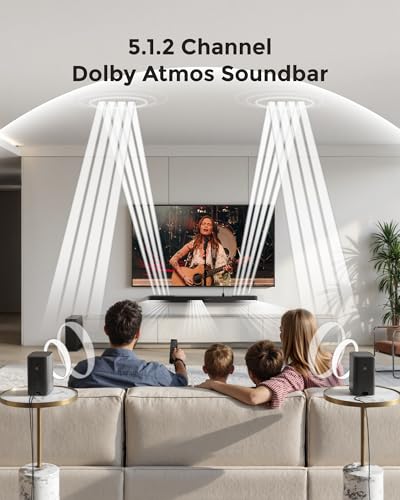
This technology relies on height channels—speakers that fire sound upward to bounce off your ceiling, creating the illusion of helicopters flying overhead or rain falling from above. The more channels a system has, the more precisely it can place these audio objects. That's why you'll see configurations like 5.1.2 or 7.1.3, where the last number indicates dedicated height channels.
The soundbar category has evolved dramatically since 2020. Early Atmos soundbars often relied on virtual processing, using clever digital tricks to simulate surround sound. Modern systems like our two contenders include physical rear speakers and dedicated height drivers, delivering genuine spatial audio that would have required expensive separate components just a few years ago.
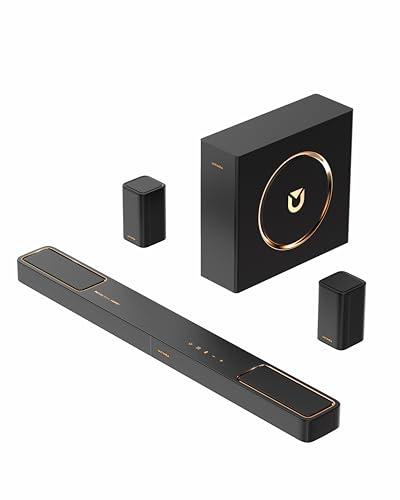
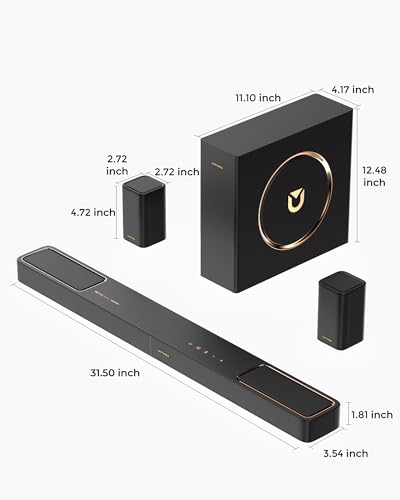
The Ultimea Skywave F40, released in 2025, represents the democratization of Dolby Atmos technology. At roughly a third the cost of premium alternatives (at the time of writing), it proves that excellent spatial audio doesn't require a massive investment. This 5.1.2 channel system includes a soundbar, wired subwoofer, and wireless rear speakers—a complete surround sound package that would have cost significantly more just two years ago.
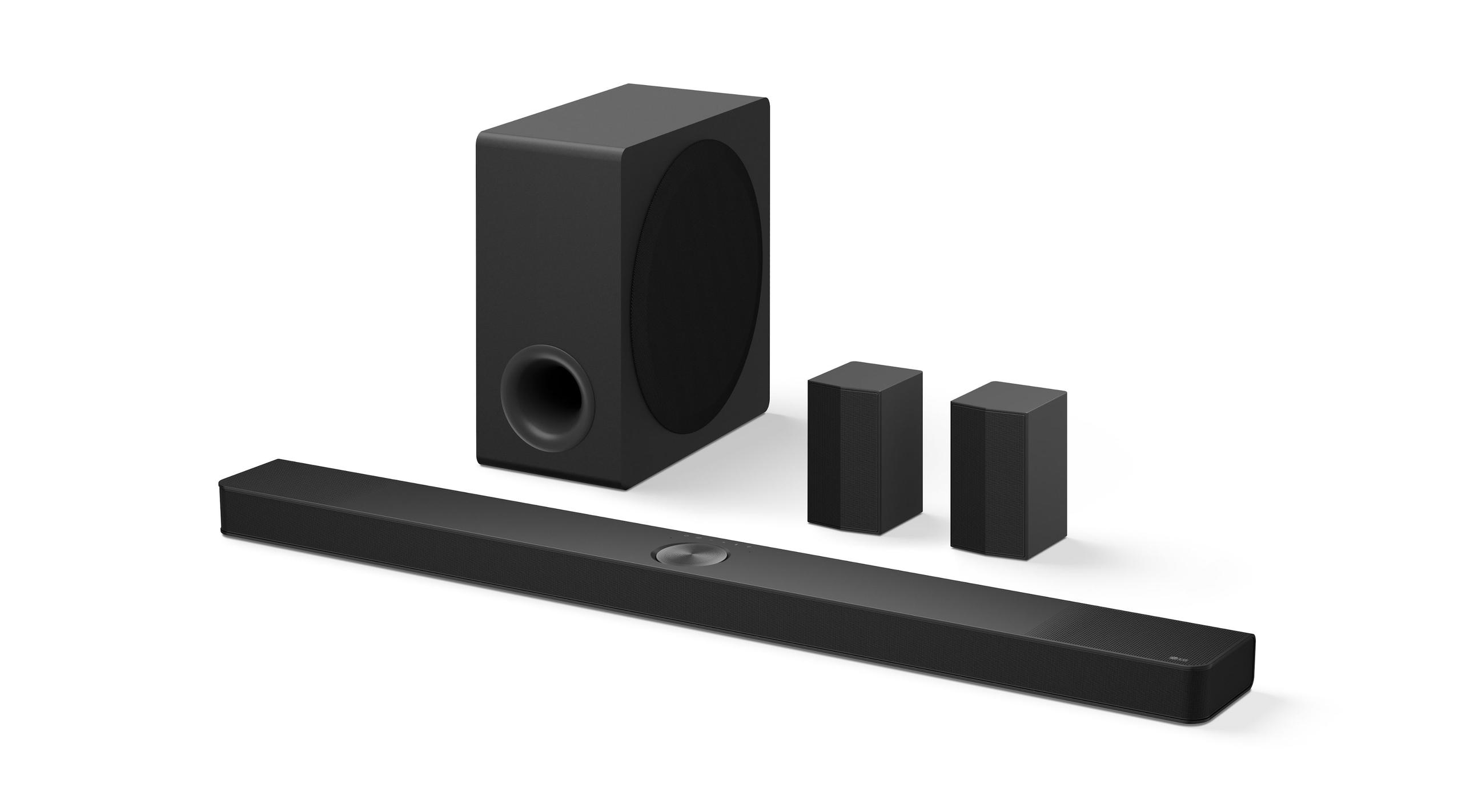
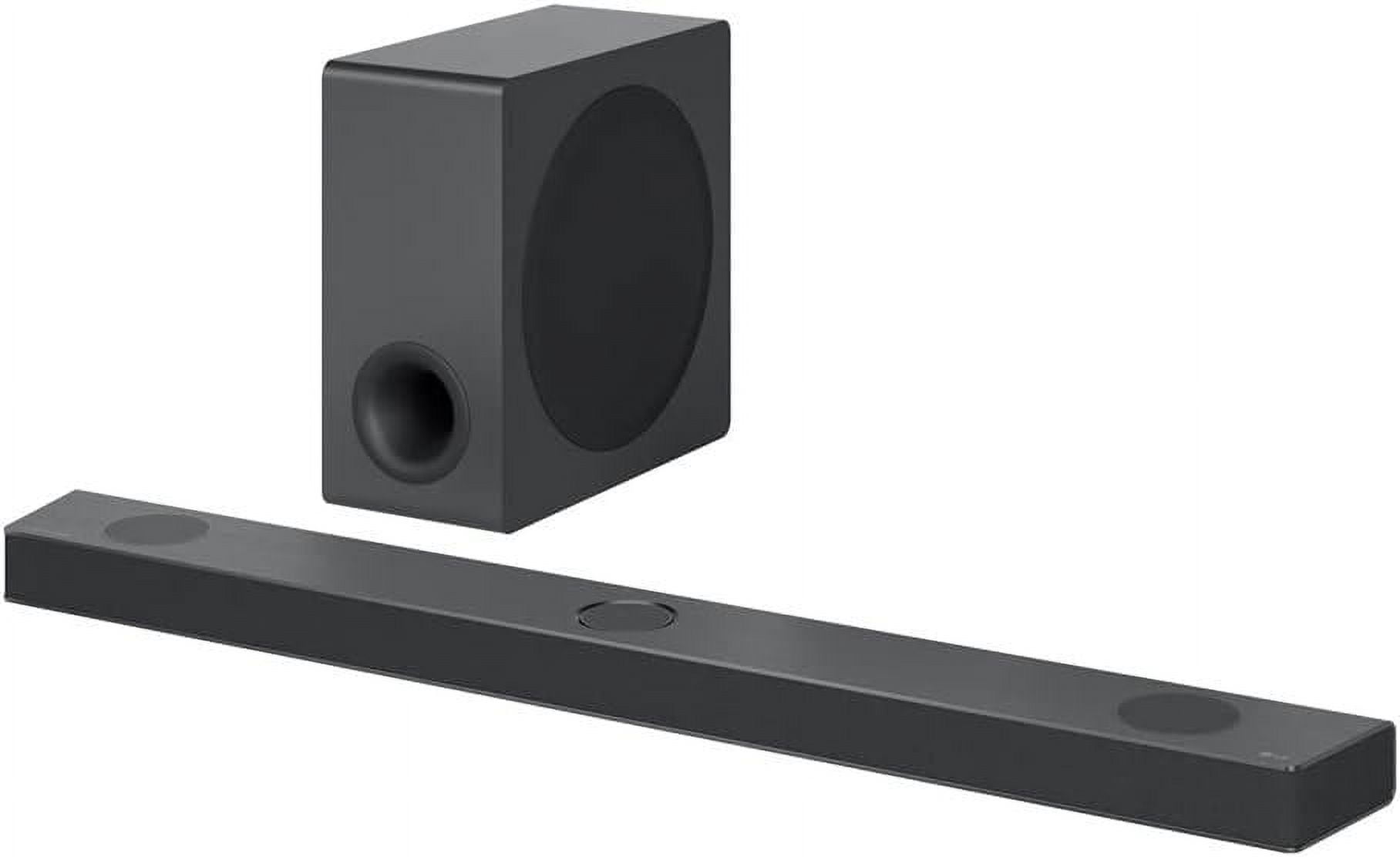
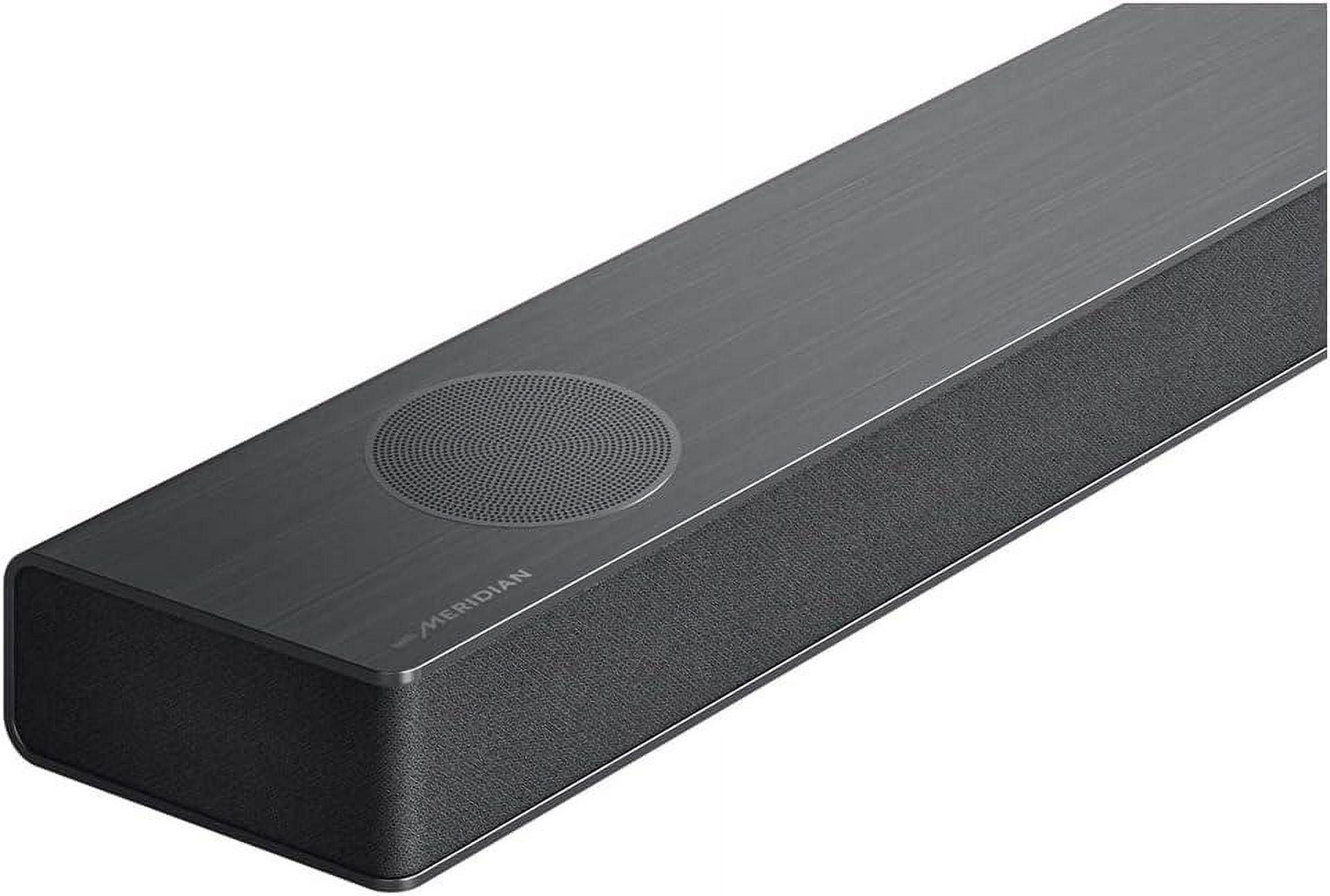
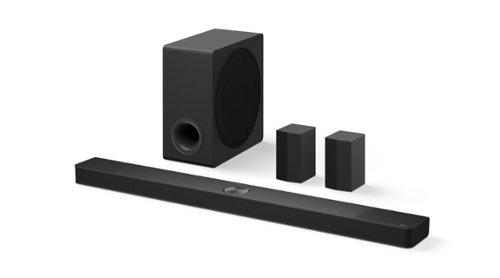
The LG S90TR, launched in 2024, takes a premium approach with its 7.1.3 channel configuration. This system represents LG's philosophy that true home theater replacement requires no compromises, featuring 13 individual speaker units and advanced integration with LG's television lineup.
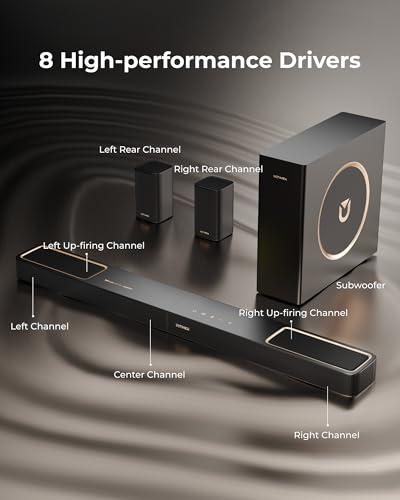
The most critical difference between these systems lies in their channel configurations. The Ultimea F40 uses a 5.1.2 setup, meaning five main channels (front left, center, right, plus two rear speakers), one subwoofer, and two height channels created by up-firing drivers in the main soundbar.
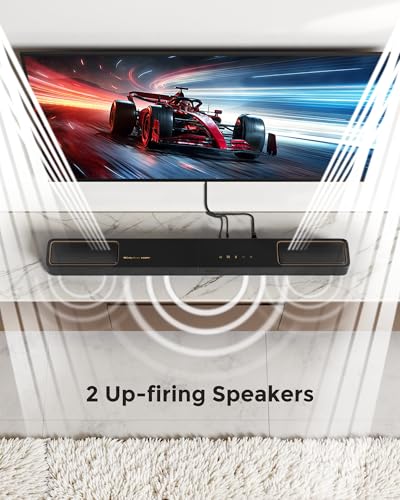
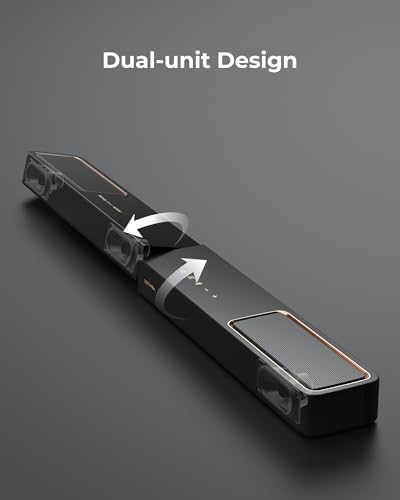
This configuration works remarkably well for most home theaters. The up-firing drivers use neodymium magnets and large voice coils to project sound toward your ceiling with impressive precision. When properly positioned—and this is crucial—these reflected sounds create convincing height effects that genuinely feel like they're coming from above your seating area.
The LG S90TR steps up to 7.1.3 channels, adding dedicated side speakers and an additional height channel. This translates to 13 individual speaker units compared to the Ultimea's 8. In practical terms, this means more precise object placement and better surround envelopment, especially in larger rooms.
Having tested both configurations extensively, the difference is noticeable but not always dramatic. In a typical 12x15 foot living room, the Ultimea F40 creates a convincing surround bubble that satisfies most listeners. The LG's additional channels become more apparent in larger spaces or when positioned optimally for critical listening.
Both systems understand that Dolby Atmos means nothing without proper bass foundation. The Ultimea F40 includes BassMX technology—essentially optimized digital signal processing that maximizes the impact of its smaller subwoofer. The frequency response extends down to 45Hz, which captures most movie sound effects and music fundamentals effectively.
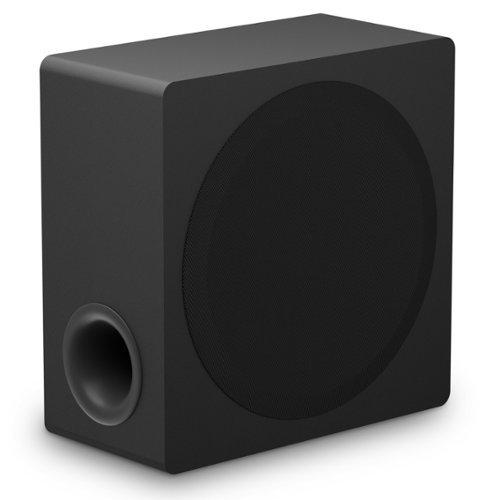
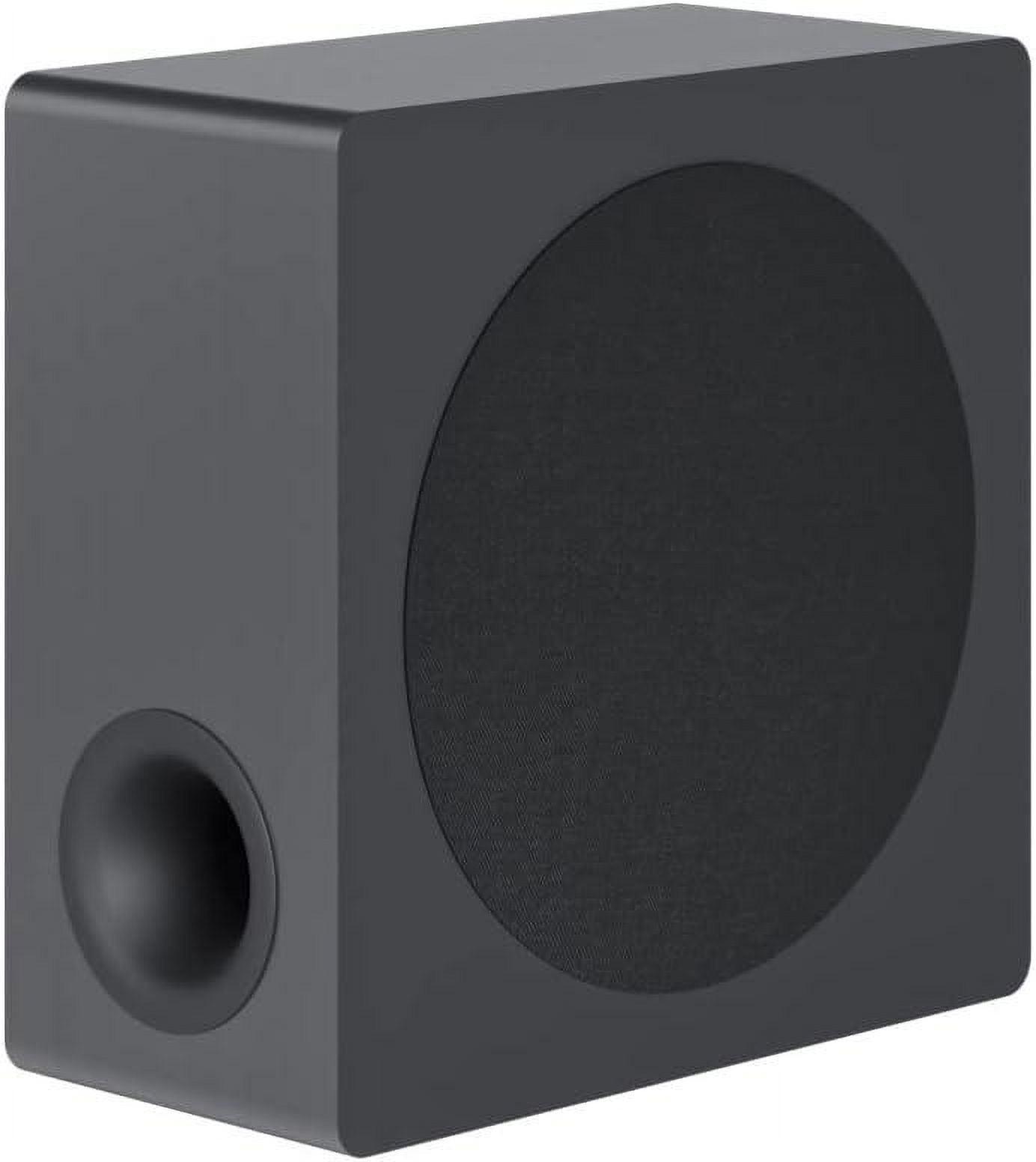
The LG S90TR takes a different approach with its substantially heavier subwoofer (22.1 pounds compared to the Ultimea's lighter unit). This additional mass typically translates to better low-frequency extension and more effortless bass reproduction. While specific frequency response numbers aren't published for the LG, the physical design suggests superior capability for room-filling bass.
In practice, this difference matters most for action movies and bass-heavy music. The Ultimea system delivers satisfying thump and rumble that dramatically improves over TV speakers, while the LG S90TR provides the kind of chest-thumping impact that makes you feel explosions rather than just hear them.
This category reveals one of the most significant differences between these systems. The Ultimea F40 offers solid gaming audio with its Bluetooth 5.4 connectivity and multiple EQ presets, including a dedicated Game mode. For casual gaming, this provides clear dialogue, precise sound effects, and good spatial awareness.
The LG S90TR elevates gaming audio to professional levels with full HDMI 2.1 support. This includes Variable Refresh Rate (VRR) and Auto Low Latency Mode (ALLM)—features that sound technical but deliver real benefits. VRR eliminates audio-video sync issues during variable frame rate gaming, while ALLM reduces input delay to mere milliseconds.
For competitive gaming, these features are transformative. When playing first-person shooters, the ability to precisely locate enemy footsteps or identify the direction of gunfire can determine victory or defeat. The LG system's additional channels provide more accurate directional information, while ultra-low latency ensures your audio perfectly matches on-screen action.
While Dolby Atmos systems excel at movie soundtracks, their music performance often determines daily satisfaction. The Ultimea F40 approaches music with impressive sophistication, using dedicated Music EQ presets to optimize frequency response for stereo content. The system's Xupmix technology, powered by Dolby DAP (Digital Audio Processing), can upmix regular stereo recordings into multi-channel experiences.
This upmixing capability works better than expected. Jazz recordings gain spatial depth, with instruments positioned across the soundstage rather than crammed between two speakers. Rock music benefits from enhanced separation between guitars, vocals, and rhythm sections.
The LG S90TR includes AI Sound Calibration that automatically analyzes your room's acoustic properties and adjusts frequency response accordingly. This feature addresses one of the biggest challenges in home audio—room acoustics significantly influence how speakers sound, and most people lack the expertise to manually optimize their systems.
The Ultimea Skywave F40 prioritizes simplicity. Setup involves connecting the soundbar to your TV via HDMI eARC (Enhanced Audio Return Channel—a connection that carries high-quality audio back from your TV to the soundbar), plugging in the wired subwoofer, and pairing the wireless rear speakers. The entire process typically takes under 30 minutes.
One consideration: the subwoofer requires a wired connection to the main soundbar. While this adds one cable run, it ensures consistent connection and eliminates potential wireless dropouts during critical movie moments.
The LG S90TR offers completely wireless rear speakers that connect directly to the main soundbar without requiring separate wireless receivers. This sounds minor but proves significant in real-world use—you can position rear speakers anywhere with power outlets, without running cables or dealing with separate connection procedures.
The LG system's AI Room Calibration automatically optimizes performance for your specific space. Using built-in microphones, it measures room acoustics and adjusts frequency response, timing, and volume levels for each channel. This technology, previously found only in high-end AV receivers, eliminates much guesswork from soundbar placement and room treatment.
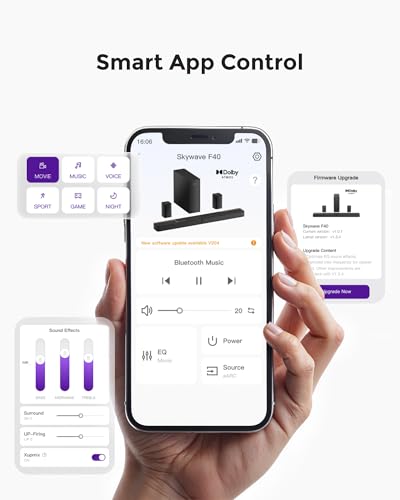
Both systems recognize that modern soundbars must integrate seamlessly with smart home ecosystems. The Ultimea F40 includes comprehensive app control through the ULTIMEA Smart APP, providing access to a 10-band equalizer and 121 preset EQ matrices. This level of customization rivals dedicated AV receivers and allows fine-tuning for personal preferences and room acoustics.
The system supports CEC (Consumer Electronics Control), meaning you can control both your TV and soundbar with a single remote. While this seems basic, it eliminates daily frustration and spousal complaints about remote complexity.
The LG S90TR integrates deeply with LG's television ecosystem through WOW Orchestra technology. This feature synchronizes the soundbar with compatible LG TV speakers, creating a more cohesive and room-filling audio experience. When both TV and soundbar work together, they can create wider soundstages and better center channel performance.
The LG system also supports advanced streaming protocols including Spotify Connect and Apple AirPlay, allowing direct streaming from smartphones without Bluetooth compression artifacts.
At the time of writing, these systems occupy different market segments, with the Ultimea F40 costing roughly one-third the price of the LG S90TR. This price difference reflects fundamentally different design philosophies and target audiences.
The Ultimea system delivers approximately 90% of premium Dolby Atmos experience at a fraction of the cost. For most users upgrading from TV speakers or basic soundbars, this represents exceptional value. The system provides genuine surround sound with physical rear speakers, convincing height effects, and solid build quality.
The LG S90TR justifies its premium through superior channel separation, advanced gaming features, comprehensive wireless design, and professional-grade room calibration. These features matter most for dedicated home theater enthusiasts, serious gamers, and users with large or acoustically challenging rooms.
Room size significantly influences which system makes sense. The Ultimea F40 works best in small to medium rooms (roughly 200-270 square feet), where its 5.1.2 configuration provides adequate coverage and the up-firing height channels can properly reflect off standard ceiling heights.
Larger rooms benefit more from the LG S90TR's additional channels and higher power output. The extra side channels help maintain surround envelopment across wider seating areas, while the additional height channel creates more convincing overhead effects in rooms with higher ceilings.
Ceiling height and material also matter for both systems. Standard 8-9 foot ceilings with drywall or plaster surfaces work best for up-firing drivers. Vaulted, textured, or very high ceilings can diminish height channel effectiveness, though both systems include adjustments to compensate.
Choose the Ultimea Skywave F40 if you're seeking maximum Dolby Atmos impact without significant investment. This system excels for first-time Atmos buyers, smaller rooms, and users prioritizing value over ultimate performance. It's perfect for casual gamers, movie enthusiasts on budgets, and anyone wanting genuine surround sound without complexity.
The LG S90TR makes sense for serious home theater enthusiasts, competitive gamers requiring ultra-low latency, and users with large or challenging rooms. If you own compatible LG televisions, the additional integration features provide extra value. This system also future-proofs your investment with advanced connectivity and processing capabilities.
Both systems represent significant achievements in making Dolby Atmos accessible to different audiences. The Ultimea Skywave F40 proves that exceptional spatial audio no longer requires premium pricing, while the LG S90TR demonstrates what's possible when no compromises are made.
Your choice ultimately depends on your specific needs, room characteristics, and performance priorities. Both systems will dramatically improve your entertainment experience over basic TV audio—the question is whether the LG's additional capabilities justify its premium for your particular situation.
Having lived with both types of systems, I can confidently say that either choice will transform your home entertainment experience. The Ultimea system offers exceptional value that makes Dolby Atmos accessible to virtually everyone, while the LG S90TR provides the refinement and capabilities that serious enthusiasts demand.
| Ultimea Skywave F40 | LG S90TR |
|---|---|
| Channel Configuration - More channels mean better surround sound precision | |
| 5.1.2 channels (8 speakers total) | 7.1.3 channels (13 speakers total) |
| Height Effects - Critical for Dolby Atmos overhead sound | |
| 2 up-firing drivers with neodymium magnets | 3 dedicated height channels with center up-firing |
| Rear Speaker Design - Physical speakers beat virtual surround | |
| Wireless rear speakers (wired to each other) | Fully wireless rear speakers with auto-calibration |
| Subwoofer Connection - Affects placement flexibility | |
| Wired subwoofer (requires cable run) | Wireless subwoofer (place anywhere with power) |
| Power Output - Determines maximum volume and bass impact | |
| 460W peak power with BassMX technology | Higher output with 22.1 lb subwoofer (specific watts not disclosed) |
| Gaming Features - Essential for console gaming performance | |
| Bluetooth 5.4, Game EQ mode | HDMI 2.1 with VRR, ALLM, ultra-low latency |
| Room Calibration - Automatically optimizes sound for your space | |
| Manual EQ with 10-band adjustment | AI Sound Calibration with automatic room tuning |
| Smart Integration - Affects daily usability and convenience | |
| ULTIMEA app, CEC control, basic streaming | WOW Orchestra (LG TV sync), Spotify Connect, AirPlay |
| Connectivity Options - Determines compatibility with devices | |
| HDMI eARC, Optical, USB, Bluetooth 5.4 | HDMI 2.1 eARC, Optical, USB, Wi-Fi, Bluetooth 5.1 |
| Setup Complexity - Time and effort required for installation | |
| Plug-and-play, 30-minute setup | Wireless placement, auto-calibration, moderate complexity |
| Recommended Room Size - Optimal performance coverage area | |
| 200-270 sq ft (small to medium rooms) | 300+ sq ft (medium to large rooms) |
| Audio Format Support - Compatibility with streaming and disc content | |
| Dolby Atmos, standard surround formats | Dolby Atmos, DTS:X, high-resolution audio up to 24bit/96kHz |
| Target User - Who gets the most value from each system | |
| First-time Atmos buyers, budget-conscious users | Home theater enthusiasts, serious gamers, LG TV owners |
The primary difference is channel configuration: the Ultimea Skywave F40 offers 5.1.2 channels with 8 speakers, while the LG S90TR provides 7.1.3 channels with 13 individual speakers. This means the LG system delivers more precise surround sound placement and better spatial audio, especially in larger rooms. The LG S90TR also includes advanced gaming features and wireless connectivity that the Ultimea F40 lacks.
The LG S90TR is significantly better for gaming, featuring full HDMI 2.1 support with Variable Refresh Rate (VRR) and Auto Low Latency Mode (ALLM). These features eliminate audio delay and sync issues crucial for competitive gaming. The Ultimea Skywave F40 offers decent gaming audio with Bluetooth 5.4 and a Game EQ mode, but lacks the advanced low-latency features serious gamers need.
Yes, both the Ultimea Skywave F40 and LG S90TR include physical rear speakers for true surround sound. However, the LG S90TR features completely wireless rear speakers that connect directly to the soundbar, while the Ultimea F40 has wireless rear speakers that connect to each other with a wire. Both approaches work well but offer different placement flexibility.
The Ultimea Skywave F40 is better suited for small to medium rooms (200-270 square feet). Its 5.1.2 channel configuration provides excellent coverage in smaller spaces without overwhelming the room. The LG S90TR is designed for larger rooms (300+ square feet) where its additional channels and higher power output can be fully utilized.
The LG S90TR includes a larger, wireless subwoofer weighing 22.1 pounds, offering more powerful bass and flexible placement anywhere with a power outlet. The Ultimea Skywave F40 features a wired subwoofer with BassMX technology that delivers impressive bass for its size and price point, though it requires a cable connection to the main soundbar.
The Ultimea Skywave F40 provides exceptional value, delivering genuine Dolby Atmos experience with physical rear speakers at a fraction of premium soundbar costs. The LG S90TR offers superior performance and features but at a significantly higher price point. For most users seeking their first Atmos upgrade, the Ultimea F40 represents outstanding value.
Yes, both systems offer smartphone app control. The Ultimea Skywave F40 includes the ULTIMEA Smart APP with 10-band EQ adjustment and 121 preset sound profiles. The LG S90TR features more advanced app integration with AI room calibration, streaming service connectivity, and seamless LG TV integration through the WOW Orchestra feature.
The Ultimea Skywave F40 offers simpler plug-and-play setup, typically taking under 30 minutes to install and configure. The LG S90TR requires moderate setup complexity due to its wireless components and automatic calibration features, though the wireless rear speakers offer more flexible placement options once configured.
Both the Ultimea Skywave F40 and LG S90TR work with all TV brands through HDMI eARC, optical, or Bluetooth connections. However, the LG S90TR offers enhanced integration features when paired with compatible LG OLED TVs, including WOW Orchestra technology that synchronizes TV and soundbar speakers for improved performance.
The LG S90TR delivers superior height effects with three dedicated height channels compared to the Ultimea F40's two up-firing drivers. Both systems create convincing overhead audio, but the LG system provides more precise object placement and better ceiling reflection coverage, especially in larger rooms with proper acoustics.
The Ultimea Skywave F40 includes HDMI eARC, optical input, USB, and Bluetooth 5.4 connectivity. The LG S90TR offers more comprehensive connectivity with HDMI 2.1 eARC, optical, USB, Wi-Fi, Bluetooth 5.1, plus advanced streaming options like Spotify Connect and Apple AirPlay for direct music streaming without compression.
Choose the Ultimea Skywave F40 if you want excellent Dolby Atmos performance in smaller rooms without premium pricing. Select the LG S90TR if you have a larger room, prioritize gaming features, own LG TVs, or want the most advanced surround sound experience available. Both systems will dramatically improve your home theater audio compared to TV speakers.
We've done our best to create useful and informative comparisons to help you decide what product to buy. Our research uses advanced automated methods to create this comparison and perfection is not possible - please contact us for corrections or questions. These are the sites we've researched in the creation of this article: the-gadgeteer.com - youtube.com - ultimea.com - manuals.plus - youtube.com - ultimea.com - youtube.com - youtube.com - youtube.com - youtube.com - eu.ultimea.com - support.ultimea.com - rtings.com - abt.com - youtube.com - bestbuy.com - microcenter.com - buydig.com - bestbuy.com - videoandaudiocenter.com - oceanstateappliance.com - youtube.com - avsforum.com - lg.com

Privacy Policy
Terms and Conditions - Affiliate Policy
Home Security
© Copyright 2008-2026.
11816 Inwood Rd #1211, Dallas, TX 75244