




When your TV's built-in speakers just aren't cutting it anymore, you'll likely find yourself looking at soundbars. These sleek audio solutions promise to transform your entertainment experience without the complexity of a full surround sound system. But here's where things get interesting: not all soundbars are created equal, and the Ultimea Skywave F40 and Yamaha YAS-109 represent two completely different philosophies on how to improve your audio.
The soundbar market has exploded over the past decade, evolving from simple stereo upgrades to sophisticated multi-speaker systems that can rival traditional home theater setups. What used to be a straightforward choice between "better than TV speakers" has become a complex decision involving channel configurations, wireless connectivity, smart features, and immersive audio technologies like Dolby Atmos.
Before diving into these specific models, it's worth understanding what separates good soundbars from great ones. The most important factor is channel configuration – essentially how many separate audio streams the system can handle. A 2.0 system has left and right channels (like basic stereo), while a 5.1 system adds a center channel for dialogue, two surround channels, and a subwoofer for bass (the ".1" represents the low-frequency effects channel).
Then there's the newer world of object-based audio like Dolby Atmos, which adds height information to create a three-dimensional soundscape. When you hear a helicopter fly overhead in a movie, Atmos-enabled systems can actually make it sound like it's moving above you, not just left to right.
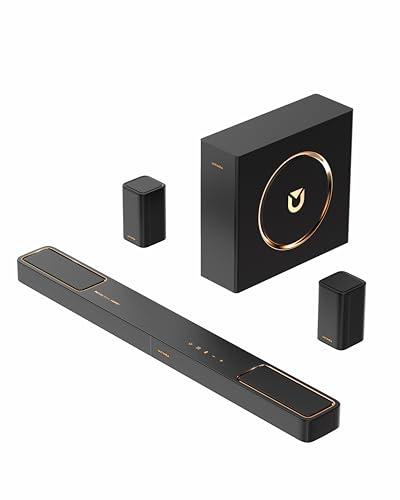
The Ultimea Skywave F40, released in 2024, embraces this complexity with a full 5.1.2 channel system – that's five main channels, one subwoofer, and two height channels for Atmos effects. The Yamaha YAS-109, which hit the market in 2019, takes the opposite approach: simplify everything into one sleek bar that handles multiple functions internally.
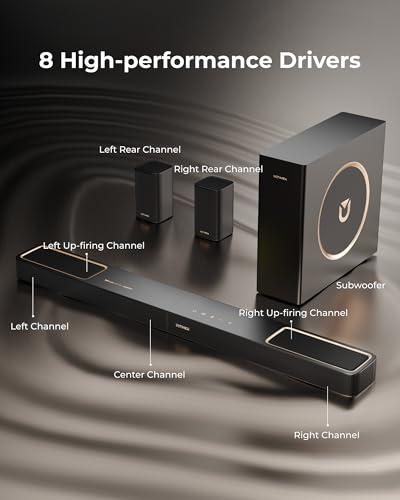
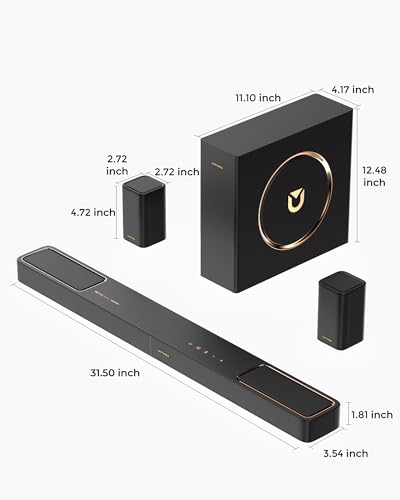
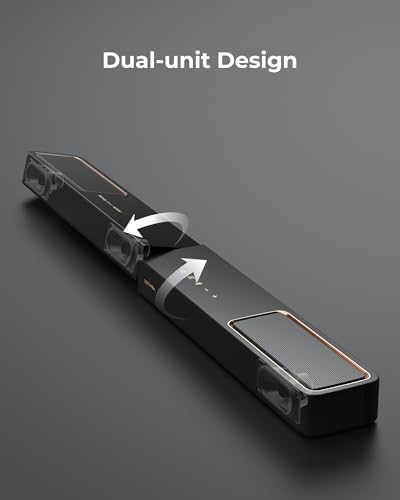
The Ultimea Skywave F40 doesn't mess around. When you open the box, you're not just getting a soundbar – you're getting a complete audio ecosystem. There's the main soundbar that actually splits into two pieces for shipping (they connect with a twist-lock mechanism), two wireless rear speakers, and a wired subwoofer. It's like getting a home theater system that happens to be centered around a soundbar.
This complexity serves a purpose. True surround sound requires speakers behind you, and the Skywave F40 delivers this with dedicated wireless units that create genuine directional audio. When someone sneaks up behind the protagonist in a thriller, you'll actually hear footsteps from behind your couch, not just a processed effect trying to trick your brain into thinking the sound came from behind you.
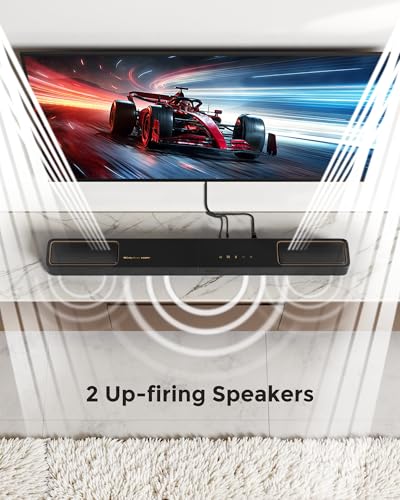
The height channels are where things get really interesting. The Ultimea system includes two up-firing drivers in the main soundbar that bounce sound off your ceiling to create overhead effects. These aren't just basic drivers either – they use neodymium magnets and 18-core voice coils, which is technical speak for "they can throw sound farther and more precisely than cheaper alternatives."
When I first experienced proper Dolby Atmos, it was genuinely startling how realistic overhead effects could sound. Rain sounds like it's actually falling from above, aircraft move convincingly through three-dimensional space, and even subtle environmental effects like wind through trees gain an almost holographic quality. The Skywave F40 delivers these effects because it has the physical hardware to do so properly.
Power-wise, the system peaks at around 460 watts total, which is substantial for a soundbar-based setup. More importantly, that power is distributed across eight separate drivers, allowing each element of the soundscape to be reproduced clearly without competing for the same acoustic space.
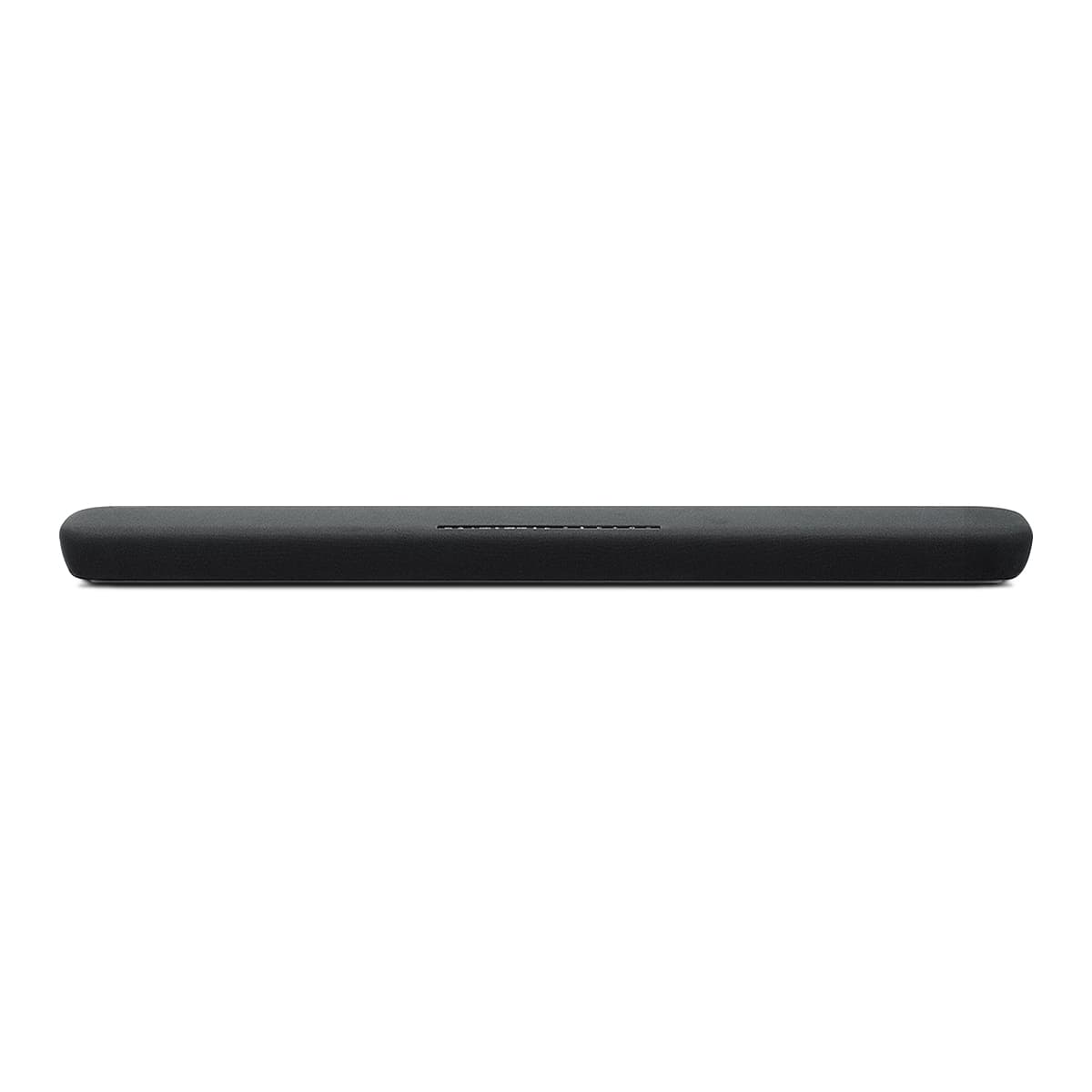
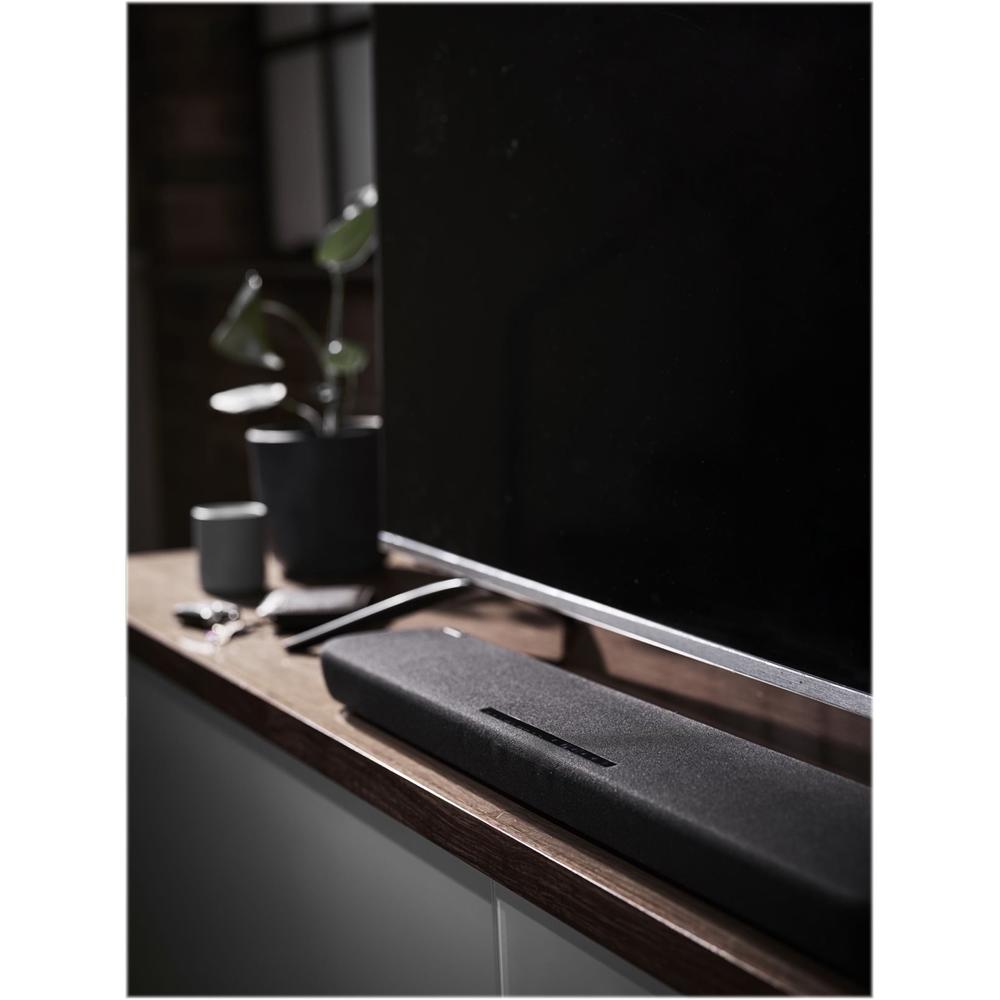
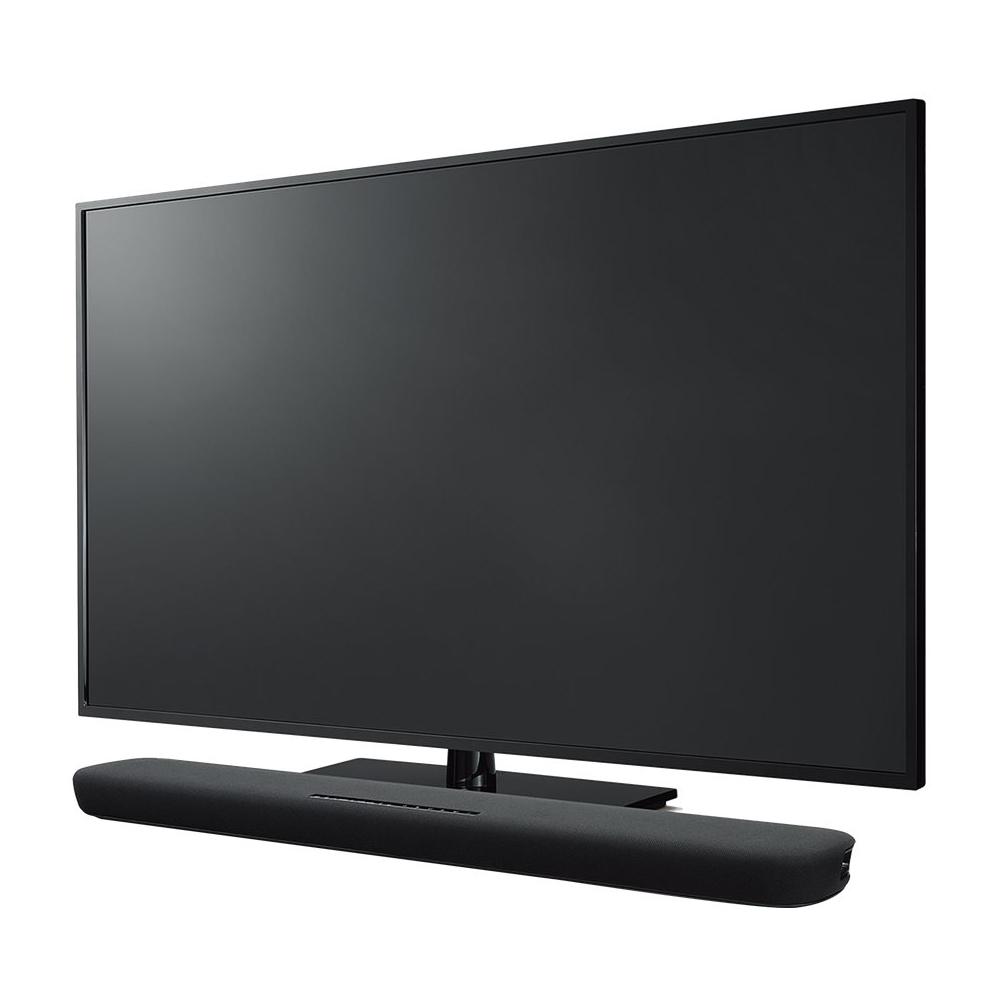
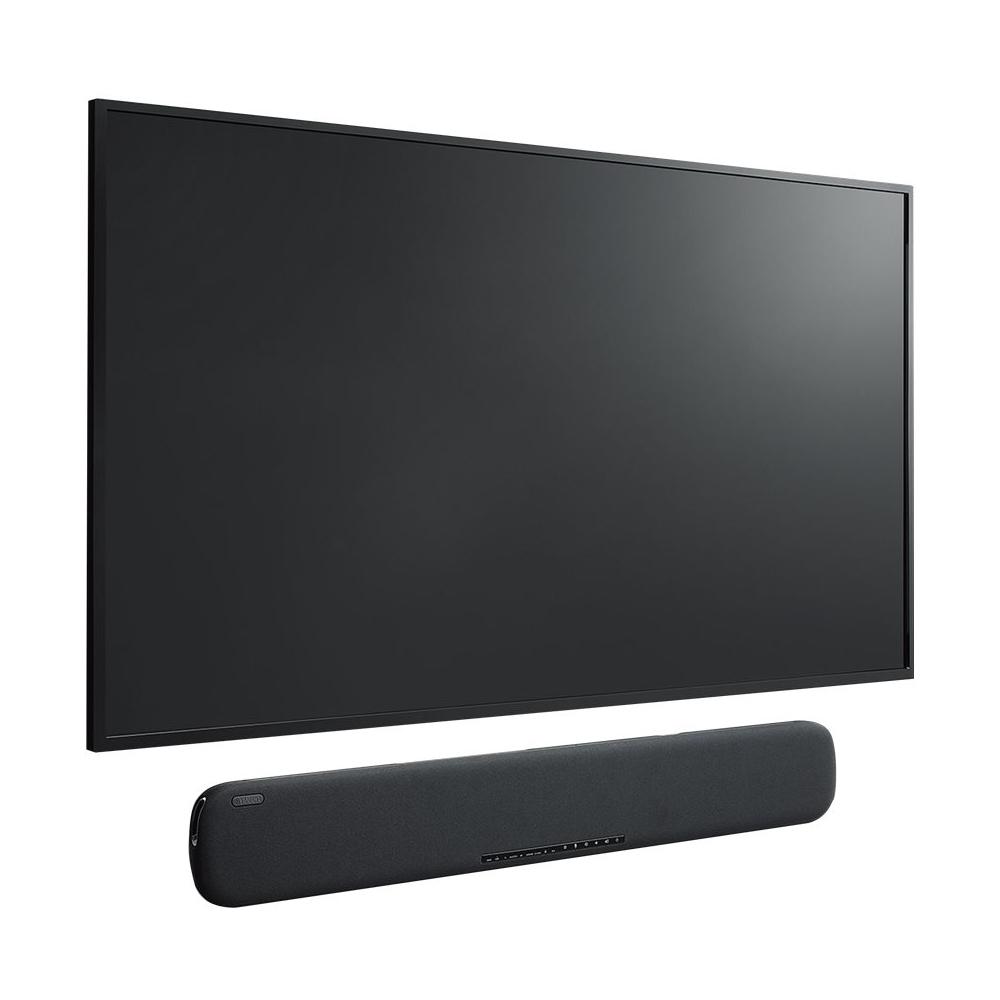
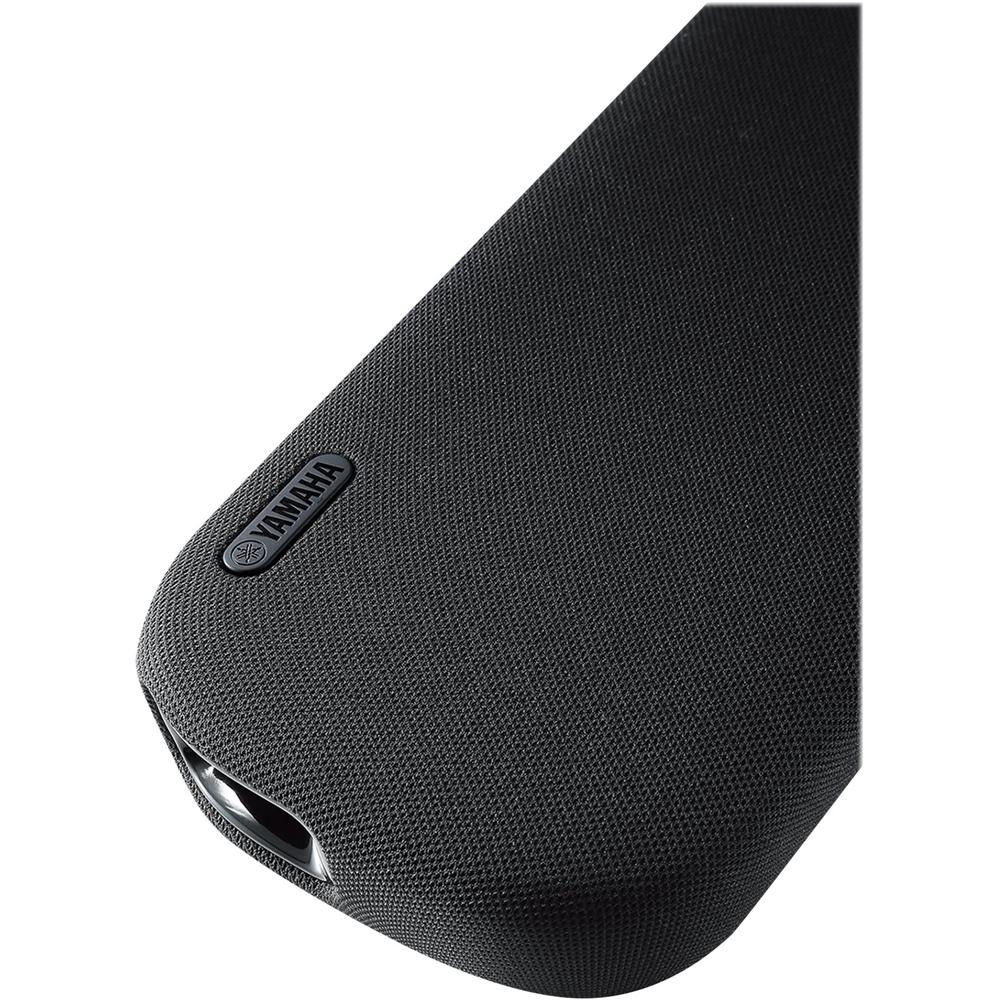
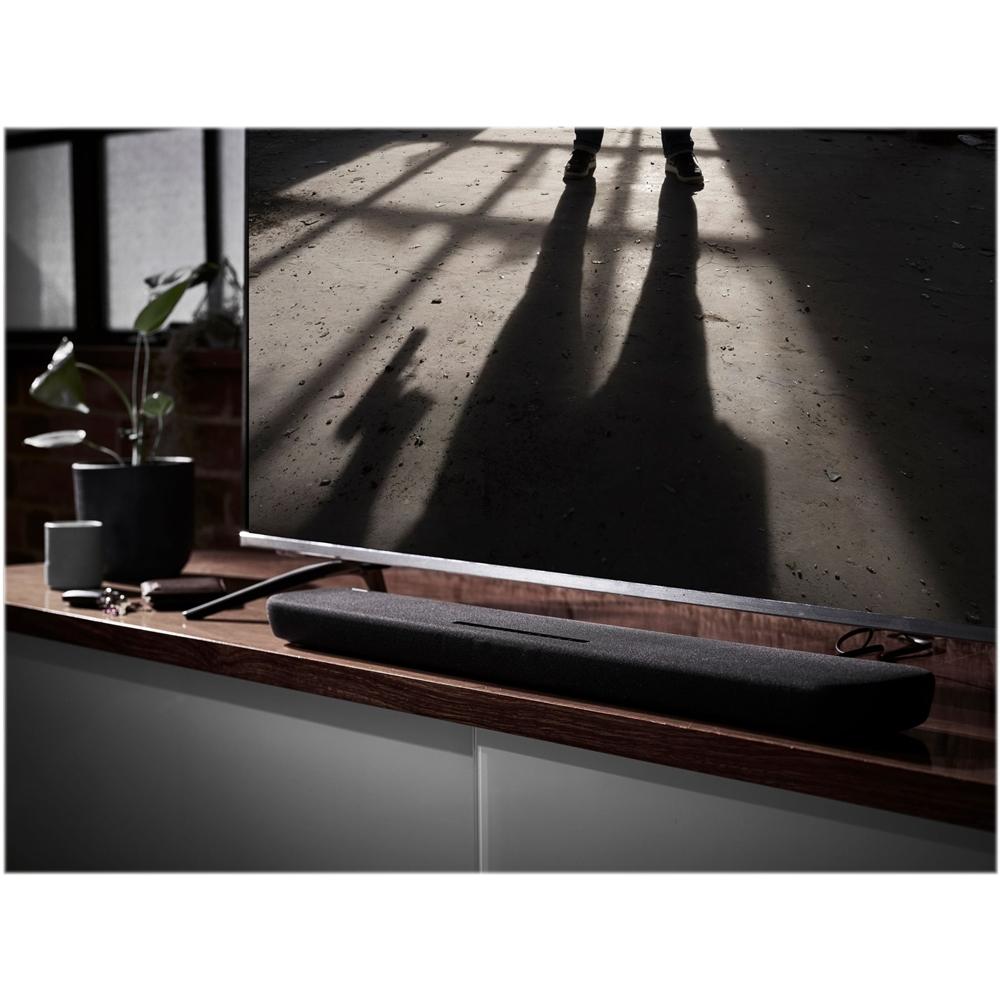
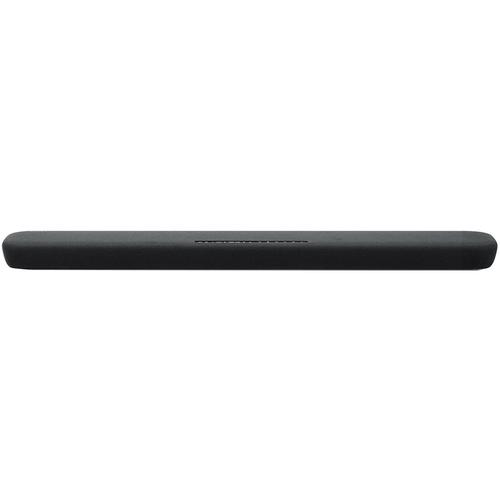
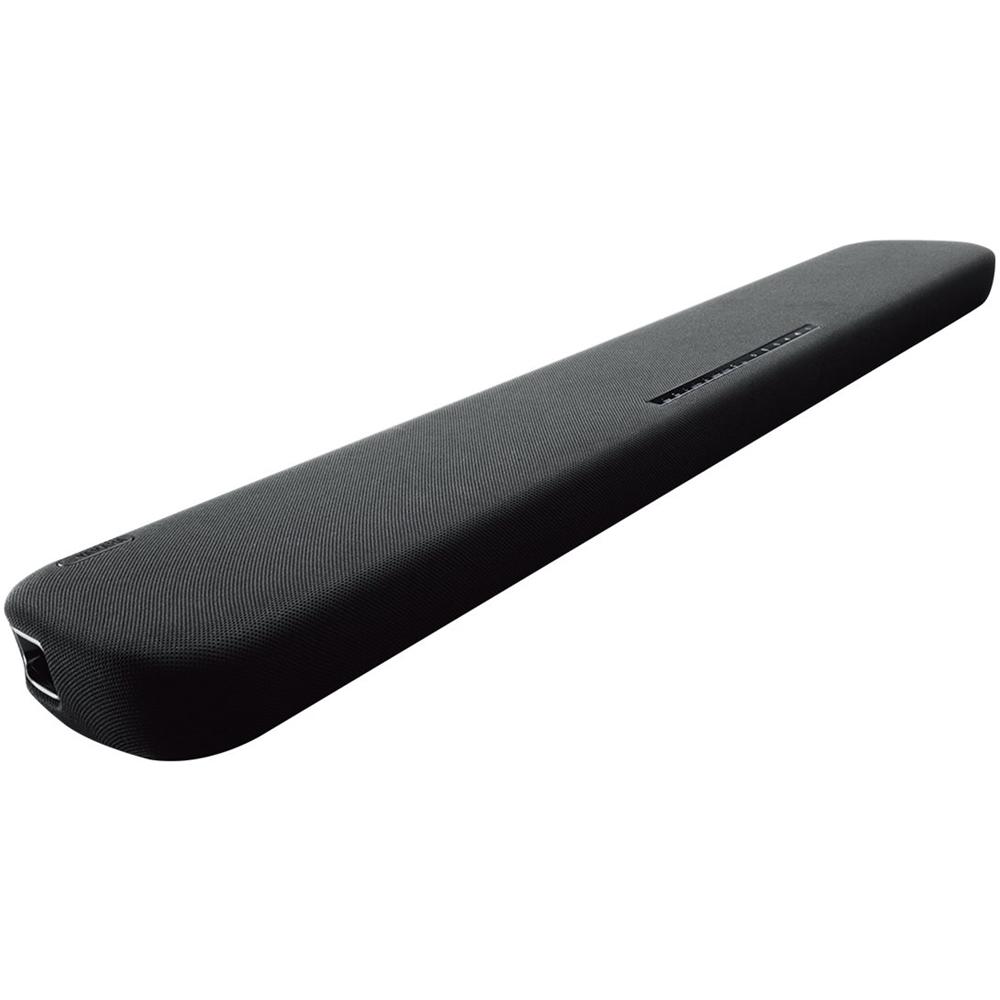
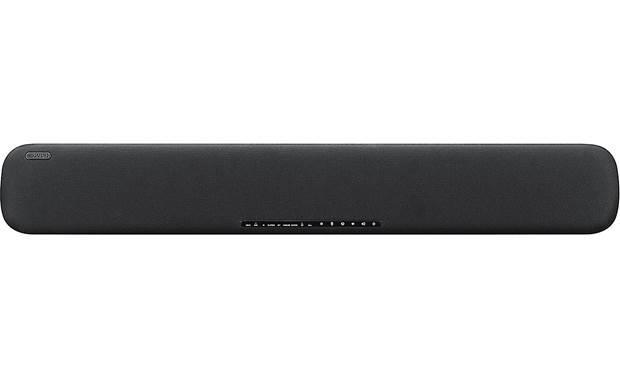
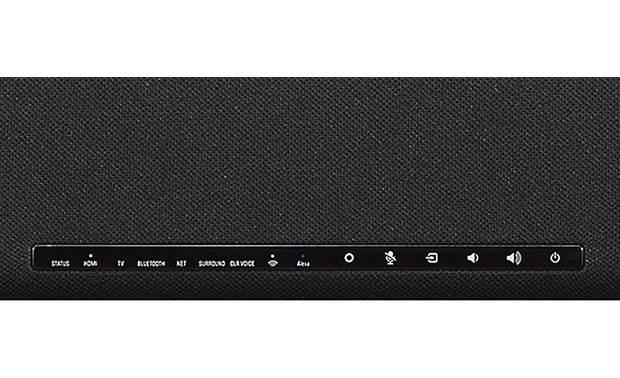
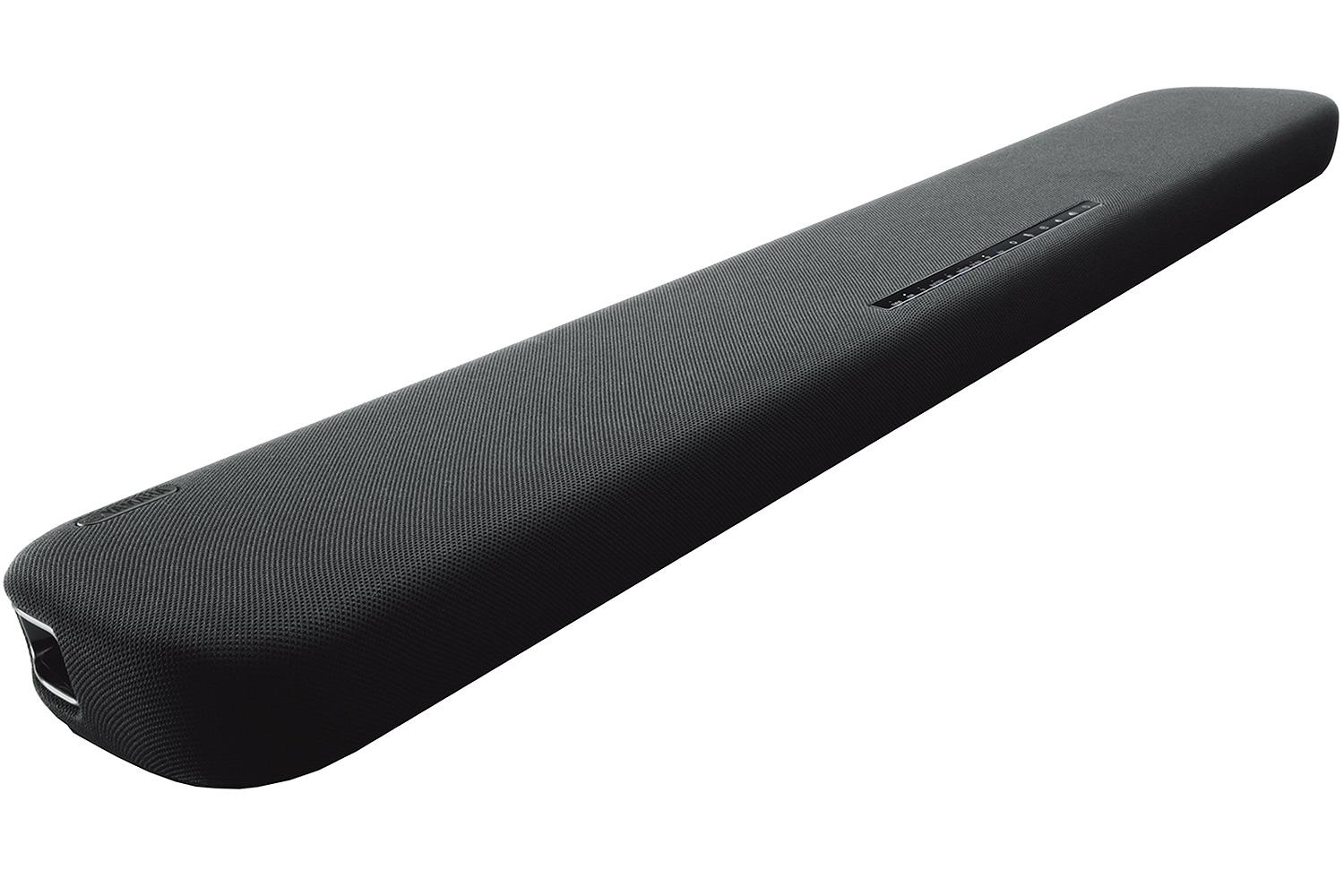
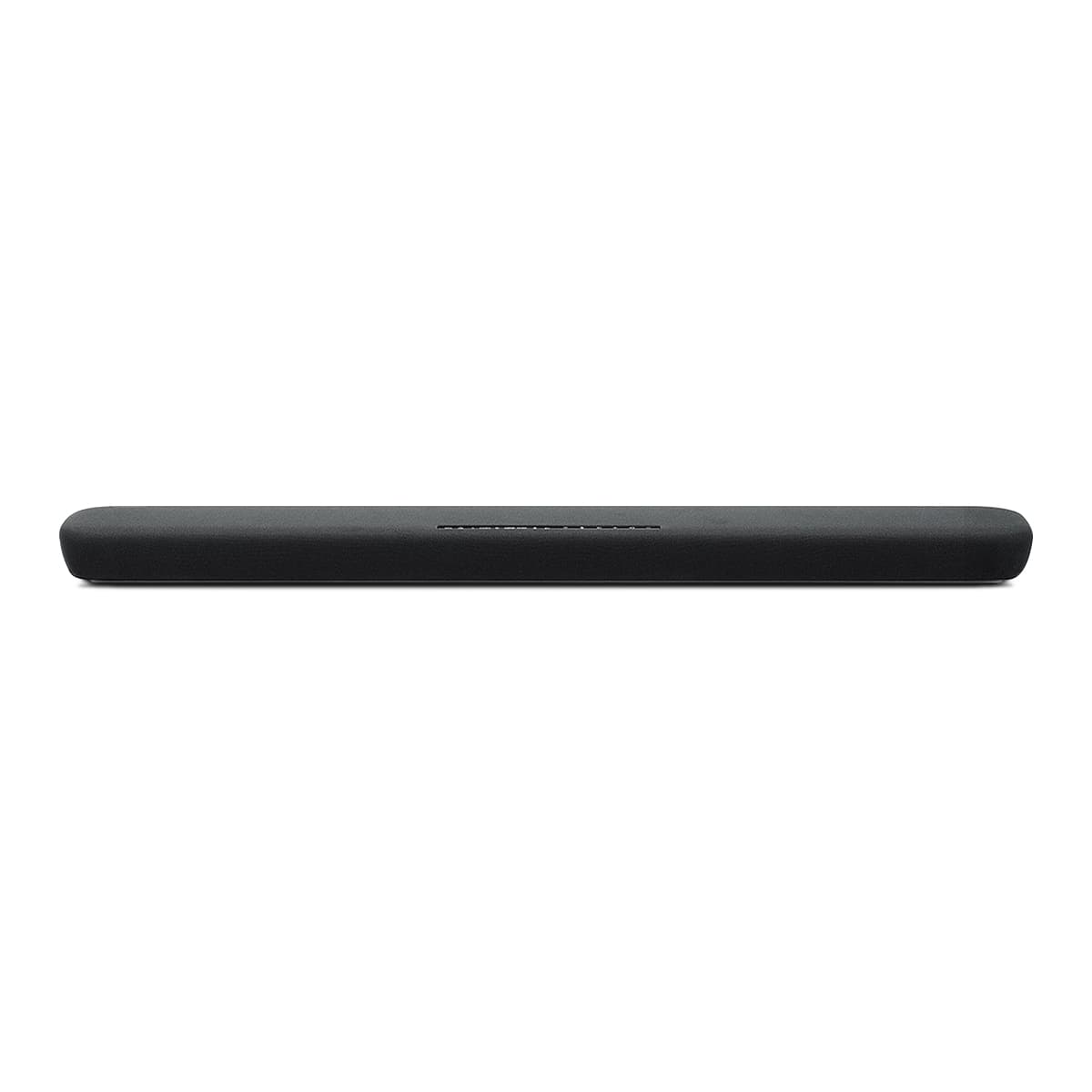
The Yamaha YAS-109 represents the exact opposite philosophy. Instead of multiple boxes and complex setup, Yamaha engineers everything into a single 35-inch soundbar. This isn't just laziness – it's a deliberate choice based on understanding that many users want better audio without turning their living room into an equipment showcase.
What's clever about the YAS-109 is how it handles bass. Instead of relying on a separate subwoofer, Yamaha built dual 3-inch subwoofer drivers directly into the soundbar chassis. These aren't going to shake your windows like a dedicated 8-inch sub, but they provide enough low-frequency reinforcement to make explosions feel impactful and music sound fuller.
For surround effects, the Yamaha relies on DTS Virtual:X processing. This is psychoacoustic trickery – using precise timing and frequency manipulation to fool your brain into perceiving sound coming from directions where there aren't actually speakers. It's not as convincing as having real rear speakers, but it's surprisingly effective for creating a wider, more enveloping soundstage than standard stereo.
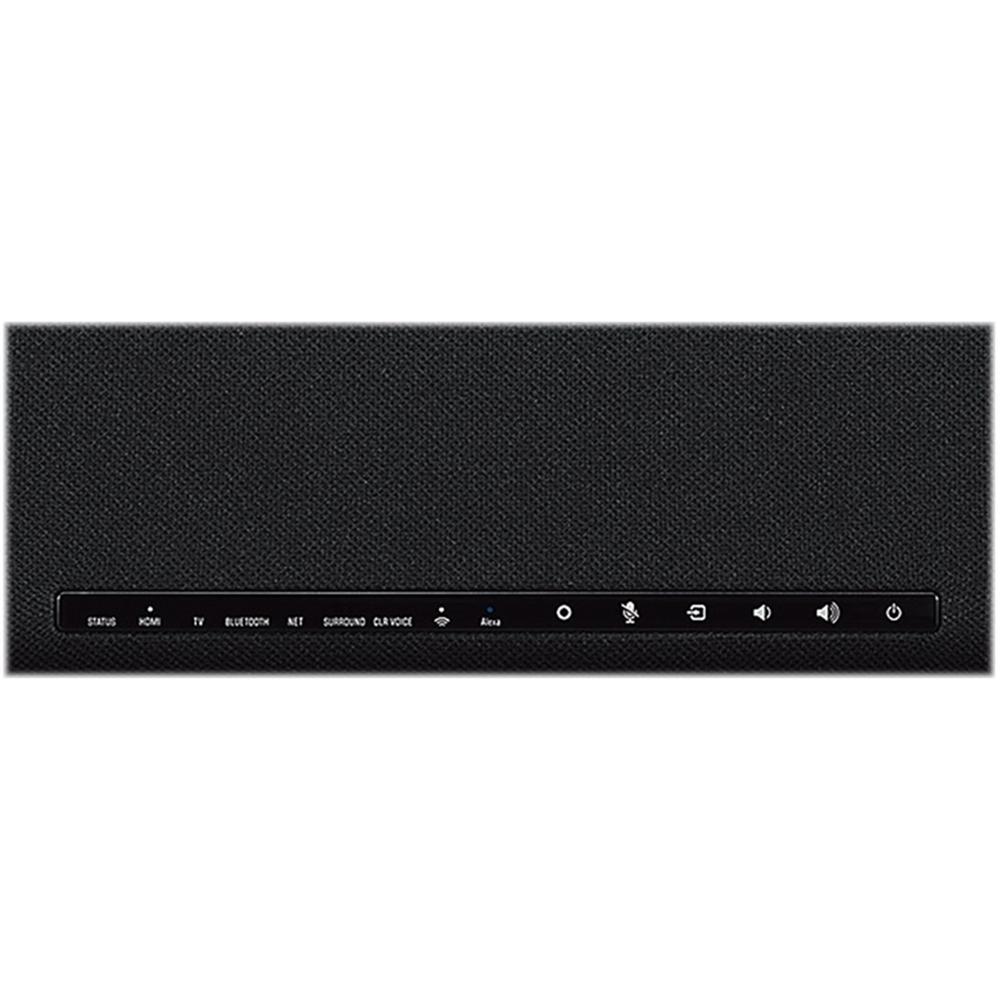
Where the YAS-109 really differentiates itself is smart integration. This was one of the first soundbars to include Amazon Alexa built directly in, meaning you can control your smart home, ask questions, play music, or adjust settings using voice commands. Since its 2019 release, this integration has become more common, but Yamaha was ahead of the curve here.
The Clear Voice technology deserves special mention. Anyone who's struggled to understand dialogue in modern movies – which often prioritize atmospheric sound over speech clarity – will appreciate how this feature brings voices forward in the mix without simply cranking the volume.
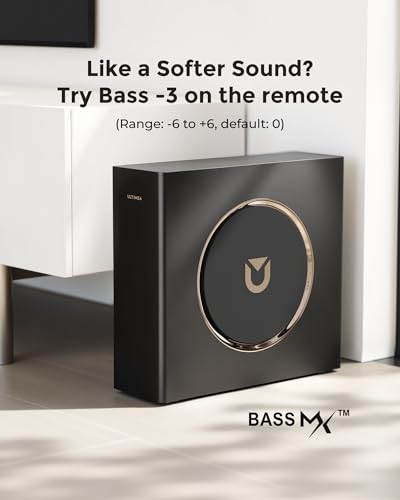
The most critical performance metric for any audio system is how it handles the frequency spectrum, and here's where these two systems diverge dramatically. The Ultimea Skywave F40 covers 38Hz to 18kHz, which means it can reproduce very deep bass (that 38Hz extends down into the range where you feel sound as much as hear it) and crisp high frequencies. The dedicated subwoofer with its larger driver is the key here – physics dictates that bigger drivers move more air, creating deeper bass.
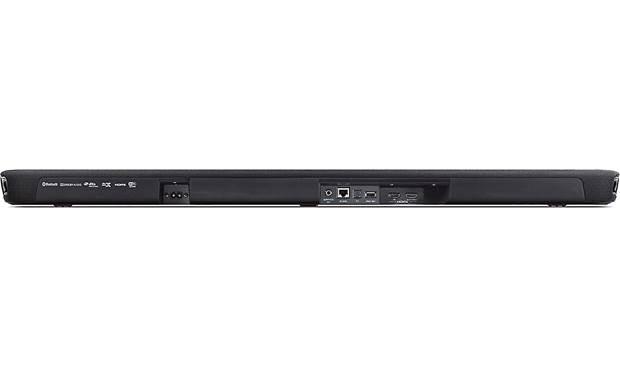
The Yamaha YAS-109, constrained by its single-unit design, can't match this low-end extension. Its built-in 3-inch drivers provide adequate bass for most content, but action movies and bass-heavy music will lack that visceral impact. However, Yamaha does include a subwoofer output, so you can add an external sub later if desired.
In terms of dialogue clarity – arguably the most important aspect of TV audio – both systems excel, but through different methods. The Skywave F40 uses proper channel separation, with a dedicated center channel that's specifically designed for speech reproduction. The YAS-109 achieves clarity through digital processing that emphasizes vocal frequencies and reduces competing sounds.
For movies and TV shows, the differences become stark. The Ultimea system creates a genuinely immersive environment where sound effects have proper spatial positioning. Gunshots crack with authority, explosions rumble through the subwoofer, and ambient effects fill the room convincingly. The Yamaha sounds significantly better than TV speakers and provides good dialogue clarity, but it can't match the three-dimensional soundscape of a true surround system.
Here's where the Yamaha YAS-109 fights back. In our increasingly connected world, having Alexa built into your soundbar isn't just a novelty – it's genuinely useful. You can dim lights, check the weather, play specific songs, or control other smart devices without reaching for another remote. The Wi-Fi connectivity means the soundbar can stream music directly from services like Spotify without needing your phone as an intermediary.
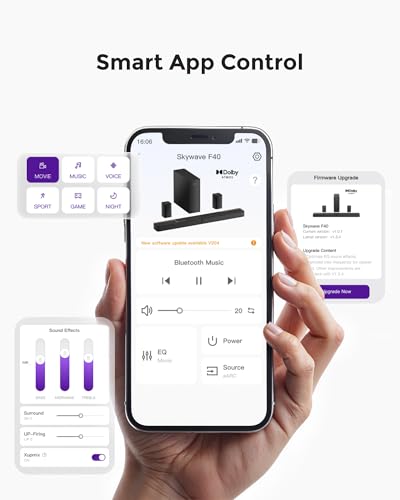
The Ultimea system takes a more traditional approach with smart app control. You can adjust EQ settings, switch modes, and control various functions through your smartphone, but there's no voice control. What it lacks in smart features, it makes up for in audio customization – the 10-band equalizer and 121 preset EQ matrices provide granular control over sound characteristics.
Both systems support modern connectivity standards, including HDMI ARC/eARC for simplified TV connection and 4K video pass-through. The Skywave F40 includes Bluetooth 5.4, which provides more stable wireless connections and lower latency than older Bluetooth versions – particularly important for gaming or watching videos from mobile devices.
Let's be honest about setup complexity. The Ultimea Skywave F40 requires planning. You need to position the rear speakers appropriately (ideally 6-10 feet behind your listening position), run power to three separate locations, and deal with the wired subwoofer connection. The rear speakers are wireless, which helps, but you're still looking at a more involved installation process.
In contrast, the Yamaha YAS-109 is almost insultingly simple to set up. One power cord, one connection to your TV, and you're done. For apartment dwellers or anyone who prioritizes simplicity, this is a significant advantage.
The Yamaha also has a unique design feature where it can rotate 90 degrees when wall-mounted, positioning the bass and mid-range drivers forward while angling tweeters downward to use the wall as an acoustic reflector. This flexibility can be valuable in rooms with challenging layouts.
At the time of writing, these products occupy different value propositions. The Ultimea Skywave F40 typically costs about $100 more than the YAS-109, but delivers significantly more audio hardware and performance. When you break down the cost per speaker driver or compare it to other Dolby Atmos systems, the Ultimea offers exceptional value for money.
The Yamaha commands its price through brand reputation, smart features, and simplicity. Yamaha's decades of audio expertise and customer support network add value that's hard to quantify but important for long-term satisfaction.
Since the YAS-109 launched in 2019, the soundbar market has become increasingly competitive, with more manufacturers offering Dolby Atmos at lower price points. However, Yamaha's focus on build quality and acoustic engineering keeps it relevant, even if it's not the absolute performance leader in its price range.
For dedicated home theater use, the Ultimea Skywave F40 is the clear winner. The physical separation of channels, dedicated subwoofer, and true Atmos implementation create the immersive experience that makes movie nights special. The 460-watt power output provides enough headroom for larger rooms, and the various sound modes (Movie, Music, Game, Sport) optimize performance for different content types.
The height effects deserve special emphasis in home theater contexts. When watching properly mixed Atmos content – which is becoming increasingly common on streaming services and 4K Blu-rays – the overhead soundscape adds a dimension that traditional surround sound can't match. Scenes with rain, aircraft, or falling debris become viscerally engaging rather than just auditory.
However, the Yamaha YAS-109 shouldn't be dismissed for home theater use. If your room is smaller (under 200 square feet), or if you prioritize convenience over ultimate performance, it still provides a substantial upgrade over TV speakers. The DTS Virtual:X processing, while not as convincing as discrete speakers, does create a wider, more enveloping sound than standard stereo.
After extensive experience with both approaches, I believe the choice comes down to priorities and living situation. The Ultimea Skywave F40 is for audio enthusiasts who want the best possible sound quality at its price point and don't mind the complexity. If you have a dedicated living room or home theater space, enjoy movies and gaming, and want that "wow" factor when friends come over, this is your system.
The Yamaha YAS-109 serves a different but equally valid purpose. It's perfect for apartment dwellers, busy families who want simplicity, or anyone who values smart home integration. The built-in Alexa functionality and straightforward setup make it an excellent choice for users who want better audio without becoming audio hobbyists.
For rooms smaller than 200 square feet, the Yamaha is probably the smarter choice – you won't have space to properly position surround speakers anyway. For larger dedicated entertainment spaces, the Ultimea will deliver a more engaging, theater-like experience.
One final consideration: if you're someone who frequently watches dialogue-heavy content like news, talk shows, or British dramas (where accents can be challenging), the YAS-109's Clear Voice technology might be worth the trade-off in overall audio performance.
Both systems represent thoughtful engineering solutions to the challenge of improving TV audio. The Ultimea maximizes performance within physical and budget constraints, while the Yamaha maximizes convenience and smart functionality. Neither approach is inherently better – they're designed for different users with different priorities.
The soundbar market will continue evolving, but these two products demonstrate that there's still room for both complexity and simplicity, performance and convenience. Choose based on your space, your priorities, and how you actually use your entertainment system day to day.
| Ultimea Skywave F40 Dolby Atmos Soundbar System | Yamaha YAS-109 Sound Bar with Built-in Subwoofers and Alexa |
|---|---|
| Channel Configuration - Determines surround sound capability and immersion level | |
| 5.1.2 channels with dedicated rear speakers and height channels for true Dolby Atmos | 2.1 channels with virtual surround processing (DTS Virtual:X) |
| Physical Components - Affects setup complexity and audio positioning | |
| 4 separate units: main soundbar, 2 wireless rear speakers, 1 wired subwoofer | Single soundbar with built-in subwoofers |
| Total System Power - Higher power enables louder volumes and better dynamics | |
| 460W peak power across 8 drivers | 120W total power |
| Bass Extension - Lower frequencies provide more impactful movie effects | |
| 38Hz with dedicated 8-inch subwoofer driver | Limited by 3-inch built-in drivers, but includes subwoofer output for expansion |
| Height Effects - Creates overhead sound for immersive Atmos content | |
| True height channels with up-firing drivers and neodymium magnets | No height channels, relies on virtual processing |
| Smart Features - Voice control and streaming convenience | |
| Smart app control, no voice assistant | Built-in Amazon Alexa with Wi-Fi streaming |
| Setup Complexity - Time and effort required for installation | |
| Requires positioning 4 components and 3 power connections | Single unit, one power connection |
| Bluetooth Version - Affects wireless audio quality and connection stability | |
| Bluetooth 5.4 with improved stability and lower latency | Bluetooth 4.2 (older standard) |
| Room Size Recommendation - Optimal performance based on acoustic design | |
| 200-270 sq ft with space for proper surround speaker placement | Under 200 sq ft, apartment-friendly |
| Brand Heritage - Customer support and audio engineering reputation | |
| Newer brand focused on value-oriented audio products | Established Yamaha with decades of audio expertise |
| EQ Customization - Sound tuning options for different content types | |
| 10-band EQ with 121 preset matrices via mobile app | Basic preset modes with Clear Voice dialogue enhancement |
The Ultimea Skywave F40 is significantly better for home theater use. It features true 5.1.2 channel Dolby Atmos with dedicated rear speakers and height channels, creating an immersive surround sound experience. The Yamaha YAS-109 only offers virtual surround processing, making the Ultimea Skywave F40 the clear choice for movie enthusiasts who want authentic theater-like audio.
The primary difference is configuration complexity. The Ultimea Skywave F40 is a complete multi-speaker system with a main soundbar, two wireless rear speakers, and a subwoofer for true surround sound. The Yamaha YAS-109 is an all-in-one soundbar with built-in subwoofers and Amazon Alexa integration, prioritizing simplicity over surround sound performance.
The Ultimea Skywave F40 delivers superior bass with its dedicated wired subwoofer that extends down to 38Hz. The Yamaha YAS-109 relies on built-in 3-inch drivers that provide adequate bass for most content but can't match the depth and impact of the Skywave F40's larger dedicated subwoofer driver.
No, the Yamaha YAS-109 does not support true Dolby Atmos. It uses DTS Virtual:X processing to simulate surround effects. Only the Ultimea Skywave F40 offers genuine Dolby Atmos with dedicated up-firing height channels and proper 5.1.2 channel configuration.
The Yamaha YAS-109 is much easier to install, requiring only one power connection and one cable to your TV. The Ultimea Skywave F40 involves positioning four separate components around your room and requires three different power connections, making setup more complex but delivering better audio performance.
Only the Yamaha YAS-109 includes built-in Amazon Alexa for voice control of the soundbar, smart home devices, and music streaming. The Ultimea Skywave F40 offers smart app control through your phone but doesn't include voice assistant functionality, focusing instead on audio performance features.
The Yamaha YAS-109 is ideal for apartments due to its single-unit design that doesn't require rear speaker placement or multiple power outlets. The Ultimea Skywave F40 needs adequate space for proper surround speaker positioning, making the YAS-109 more practical for smaller living spaces.
The Ultimea Skywave F40 features 8 total speakers across its four components, including dedicated tweeters, mid-range drivers, up-firing height speakers, and subwoofer. The Yamaha YAS-109 contains 6 drivers within the single soundbar unit: two tweeters, two front speakers, and two built-in subwoofer drivers.
Both offer good value in different ways. The Ultimea Skywave F40 provides exceptional audio hardware and true Dolby Atmos performance at its price point. The Yamaha YAS-109 offers brand reliability, smart features, and simplicity, making value dependent on whether you prioritize audio performance or convenience features.
The Yamaha YAS-109 includes a subwoofer output allowing you to add an external subwoofer for enhanced bass. The Ultimea Skywave F40 comes as a complete system and doesn't offer expansion options, but it already includes all components needed for full surround sound performance.
Both handle music well but differently. The Ultimea Skywave F40 offers more detailed stereo imaging and deeper bass extension for audiophile-quality music reproduction. The Yamaha YAS-109 provides convenient Wi-Fi streaming and balanced sound signature typical of Yamaha's audio heritage, making either suitable depending on your listening preferences.
The Yamaha YAS-109 benefits from Yamaha's established customer support network and typically includes a 2-year warranty. The Ultimea Skywave F40 is from a newer brand focused on value-oriented products, so support experience may vary. Consider the Yamaha if long-term brand support is a priority, or the Ultimea if you want maximum audio performance at this price level.
We've done our best to create useful and informative comparisons to help you decide what product to buy. Our research uses advanced automated methods to create this comparison and perfection is not possible - please contact us for corrections or questions. These are the sites we've researched in the creation of this article: the-gadgeteer.com - youtube.com - ultimea.com - manuals.plus - youtube.com - ultimea.com - youtube.com - youtube.com - youtube.com - youtube.com - eu.ultimea.com - support.ultimea.com - rtings.com - crutchfield.com - usa.yamaha.com - digitaltrends.com - tomsguide.com - listenup.com - youtube.com - usa.yamaha.com - hub.yamaha.com - youtube.com - hub.yamaha.com

Privacy Policy
Terms and Conditions - Affiliate Policy
Home Security
© Copyright 2008-2026.
11816 Inwood Rd #1211, Dallas, TX 75244