

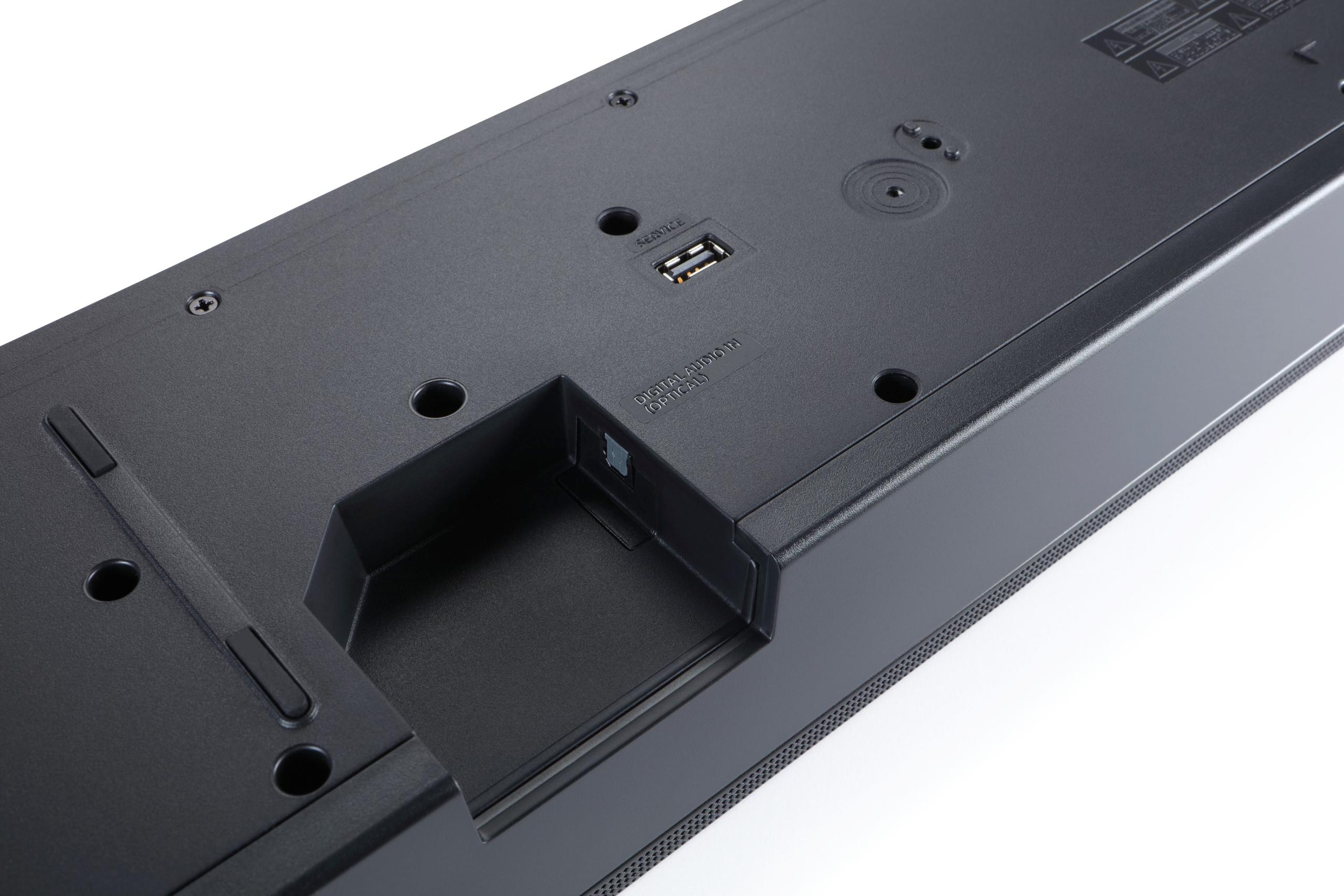
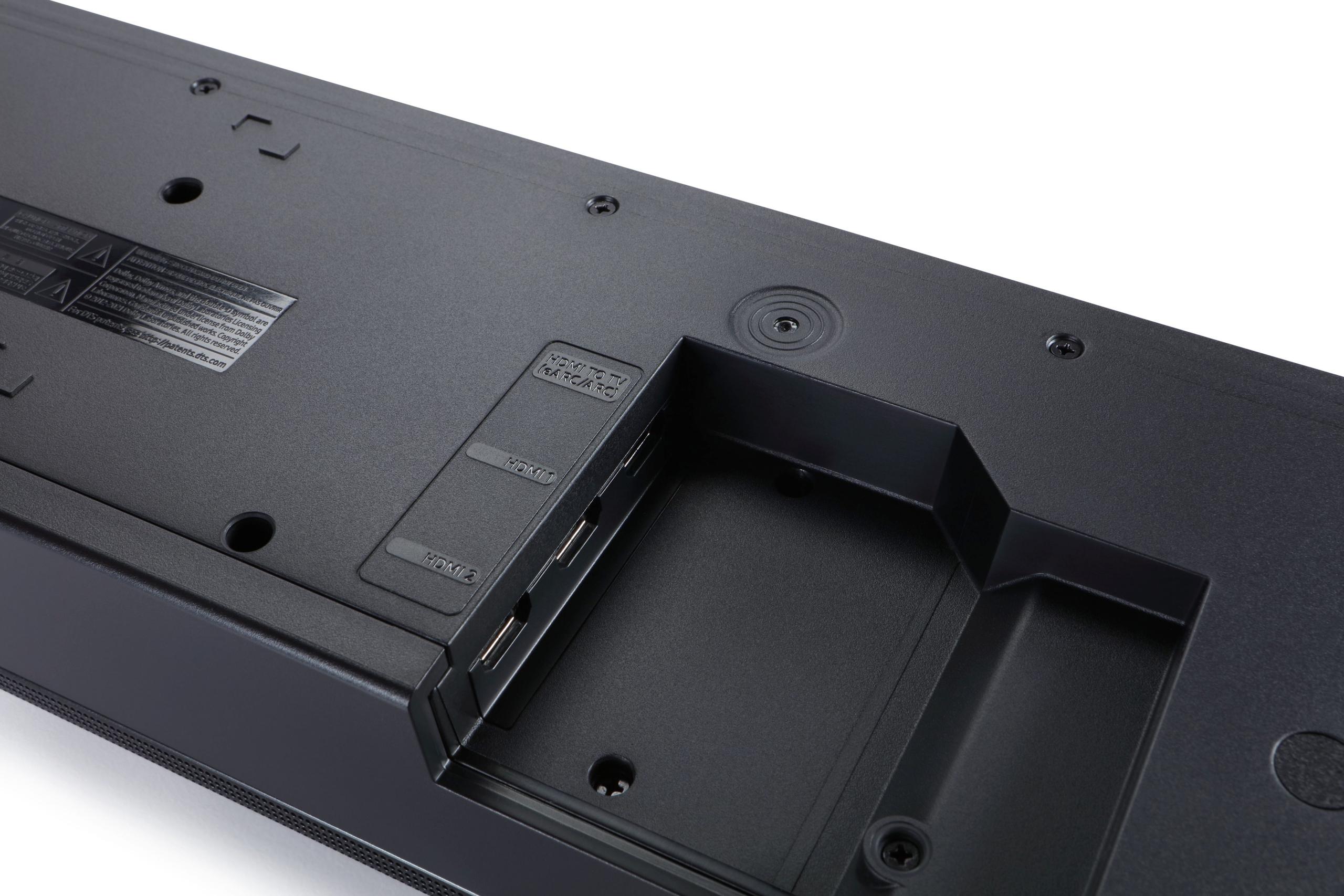
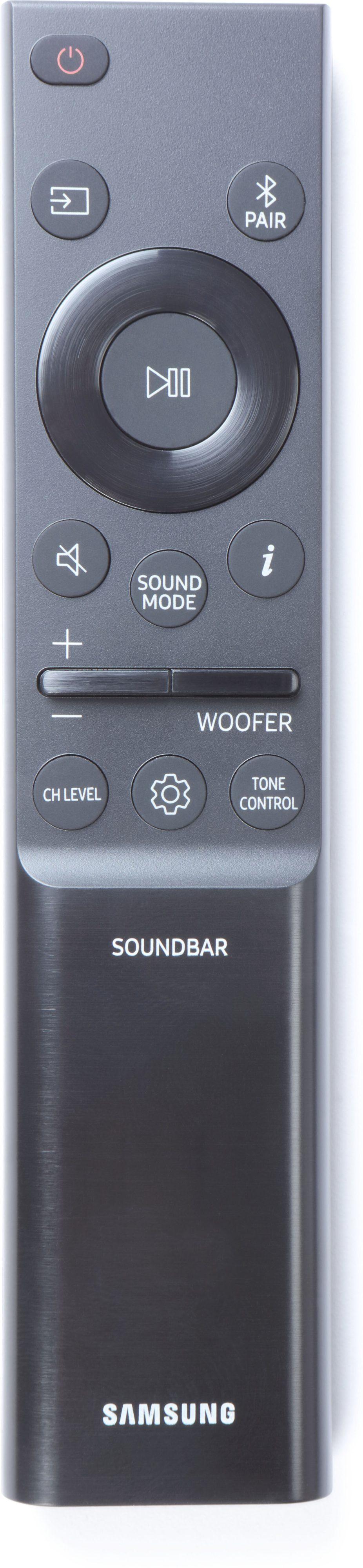
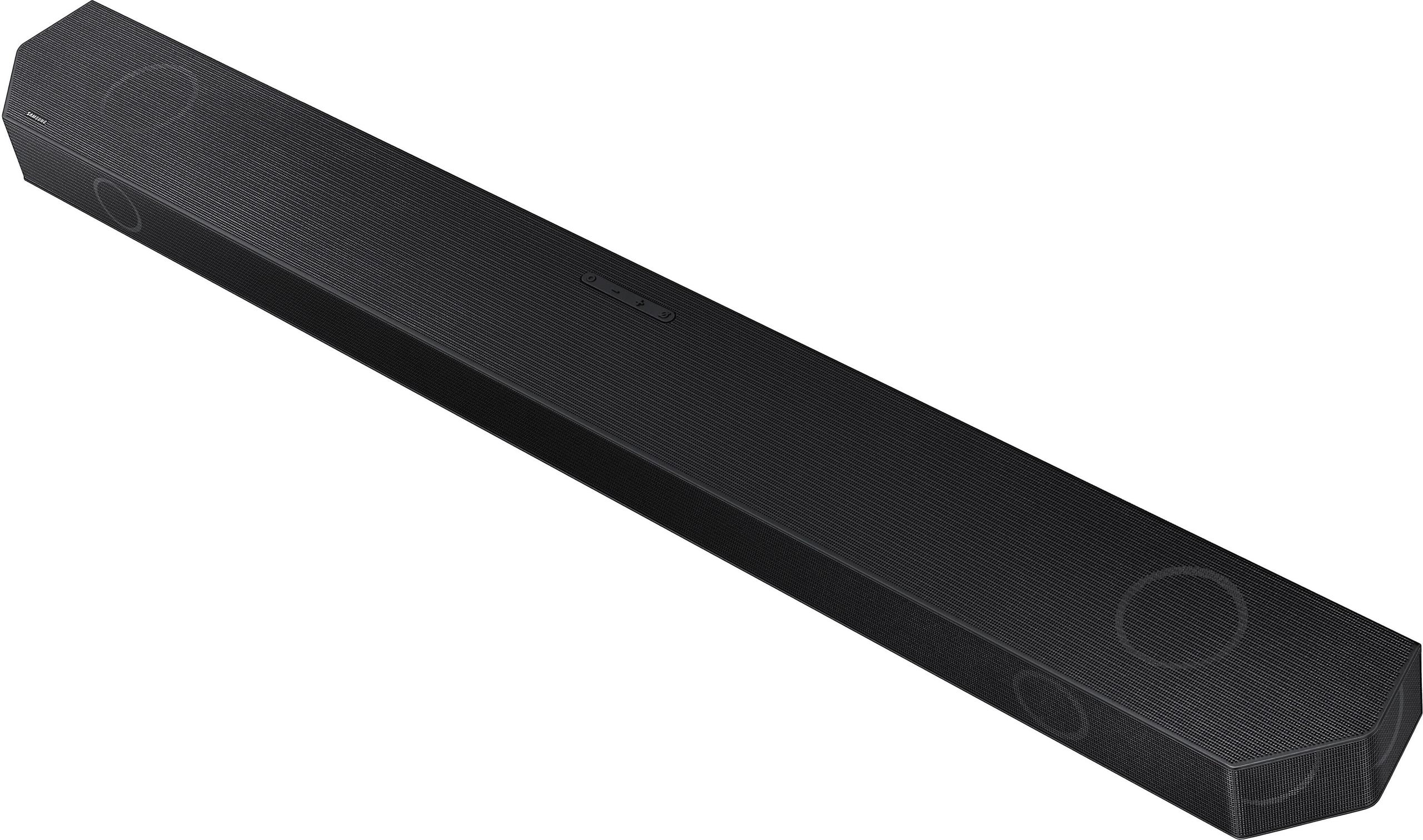




When you're watching your favorite action movie and the dialogue suddenly becomes a whisper while explosions threaten to wake the neighbors, you know it's time to upgrade your TV's built-in speakers. Premium soundbars have become the go-to solution for this problem, offering cinema-quality audio without the complexity of installing speakers throughout your room.
Today we're comparing two standout options that take very different approaches to solving this challenge: the Sony HT-A8000 BRAVIA Theater Bar 8 Soundbar and the Samsung HW-Q990D 11.1.4 Channel Sound Bar. These aren't your basic budget soundbars – they're sophisticated audio systems designed to transform your living room into a home theater.
Premium soundbars represent a significant step up from basic models, typically featuring advanced spatial audio processing, multiple drivers, and support for high-end audio formats like Dolby Atmos. Dolby Atmos is a surround sound technology that creates a three-dimensional audio experience by bouncing sound off your ceiling and walls, making you feel like you're inside the movie rather than just watching it.
The key considerations when choosing a premium soundbar include audio performance (how immersive and clear the sound is), value proposition (what you get for your money), room integration capabilities, and future-proofing features like HDMI 2.1 support for the latest gaming consoles and streaming devices.
What sets premium models apart is their ability to create convincing surround sound from fewer physical speakers through clever audio processing and strategic speaker placement. However, there's always a trade-off between the convenience of a single-bar solution and the authentic surround experience you get from physically placing speakers around your room.
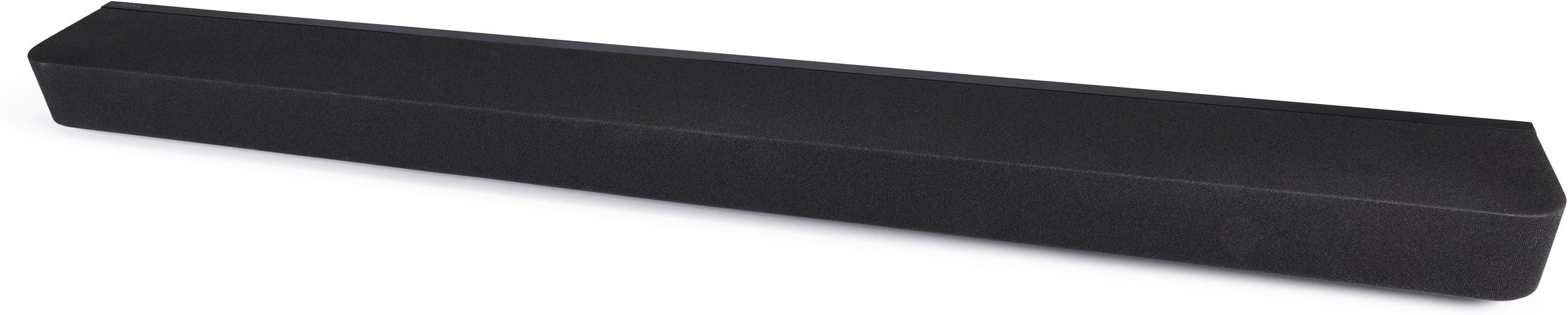
The Sony HT-A8000, released in 2024, represents the "spatial audio maximization" approach. It's a single soundbar that uses advanced processing to create virtual surround sound throughout your room. At the time of writing, it sits in the upper-mid-range price category, making premium spatial audio more accessible.
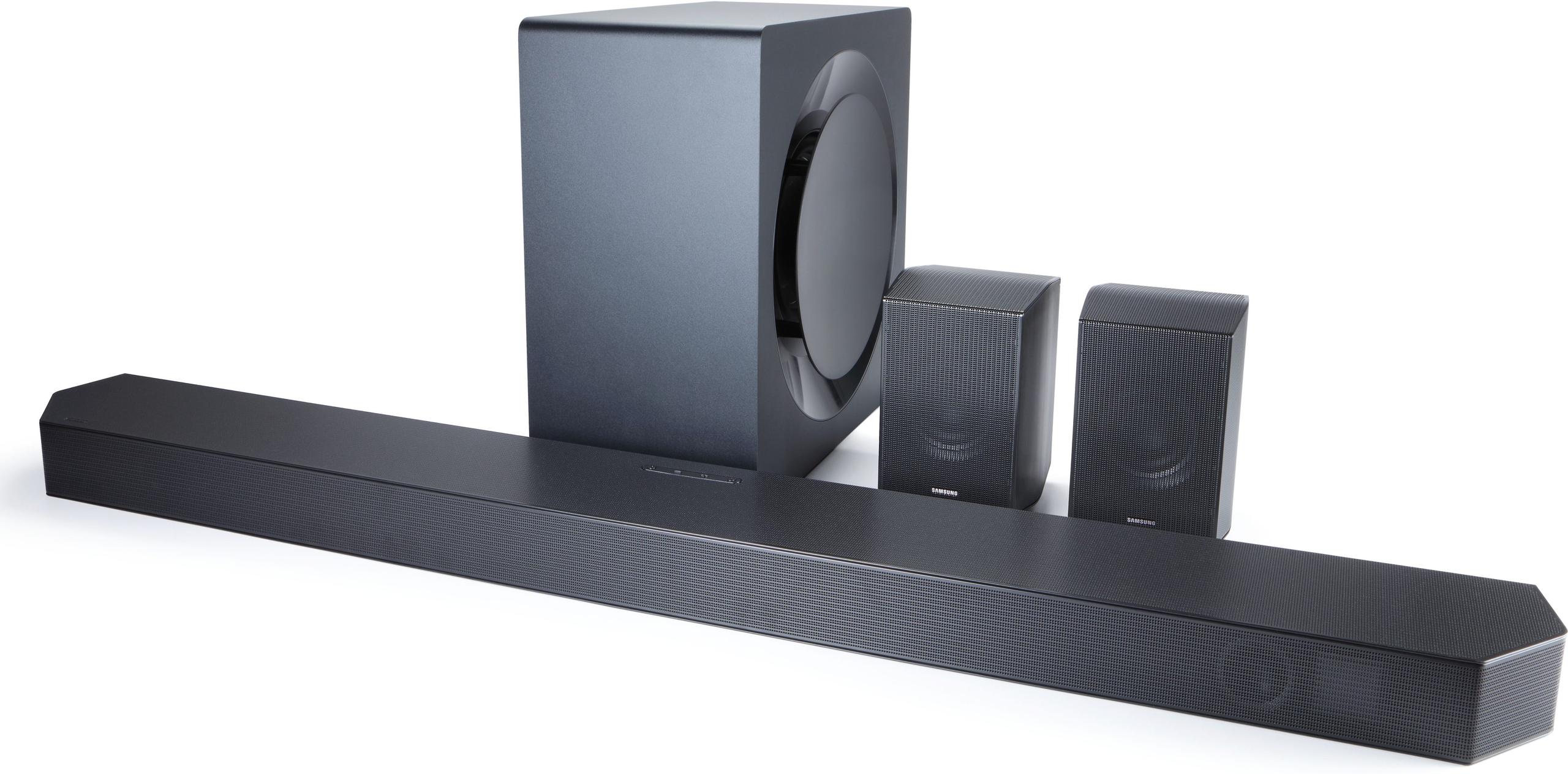
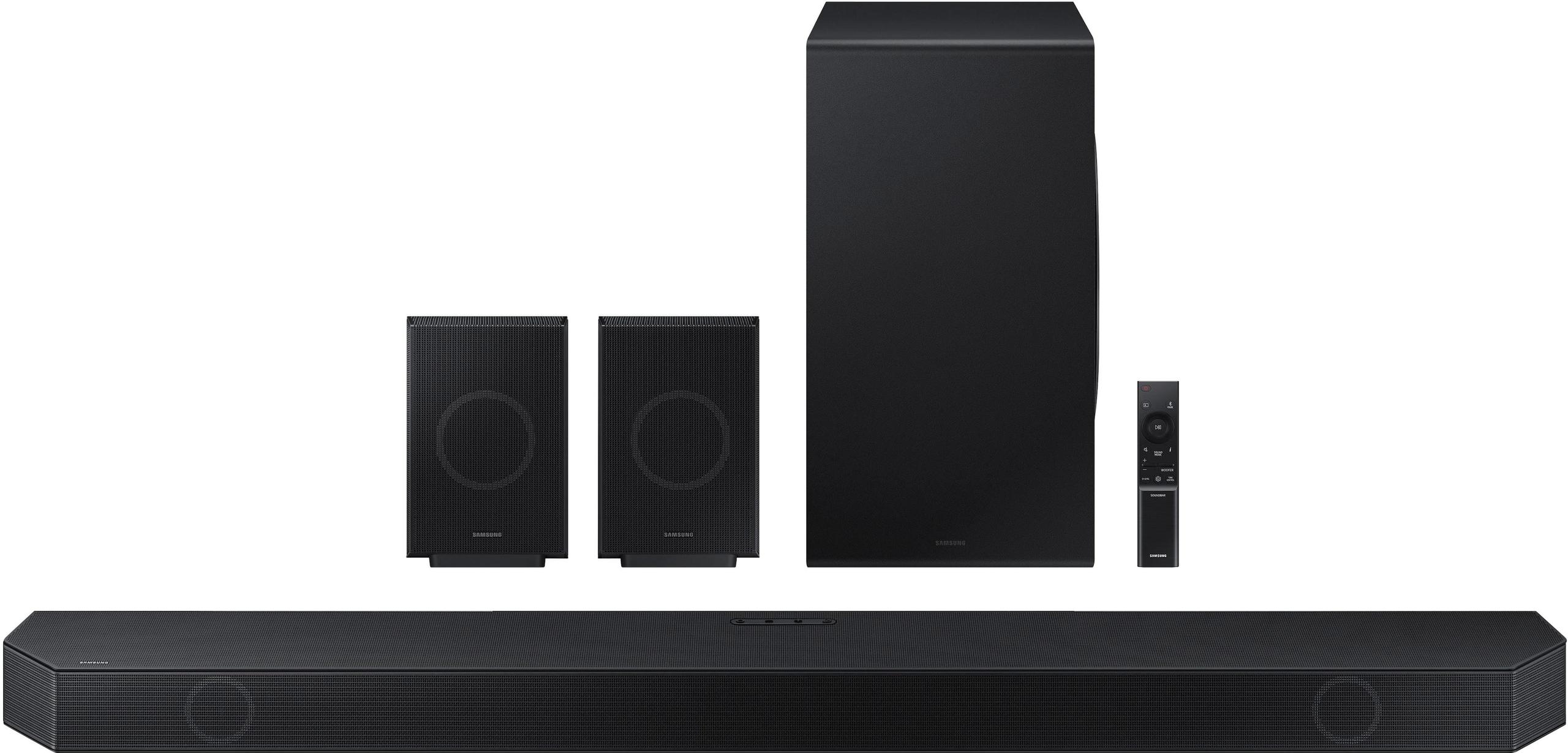
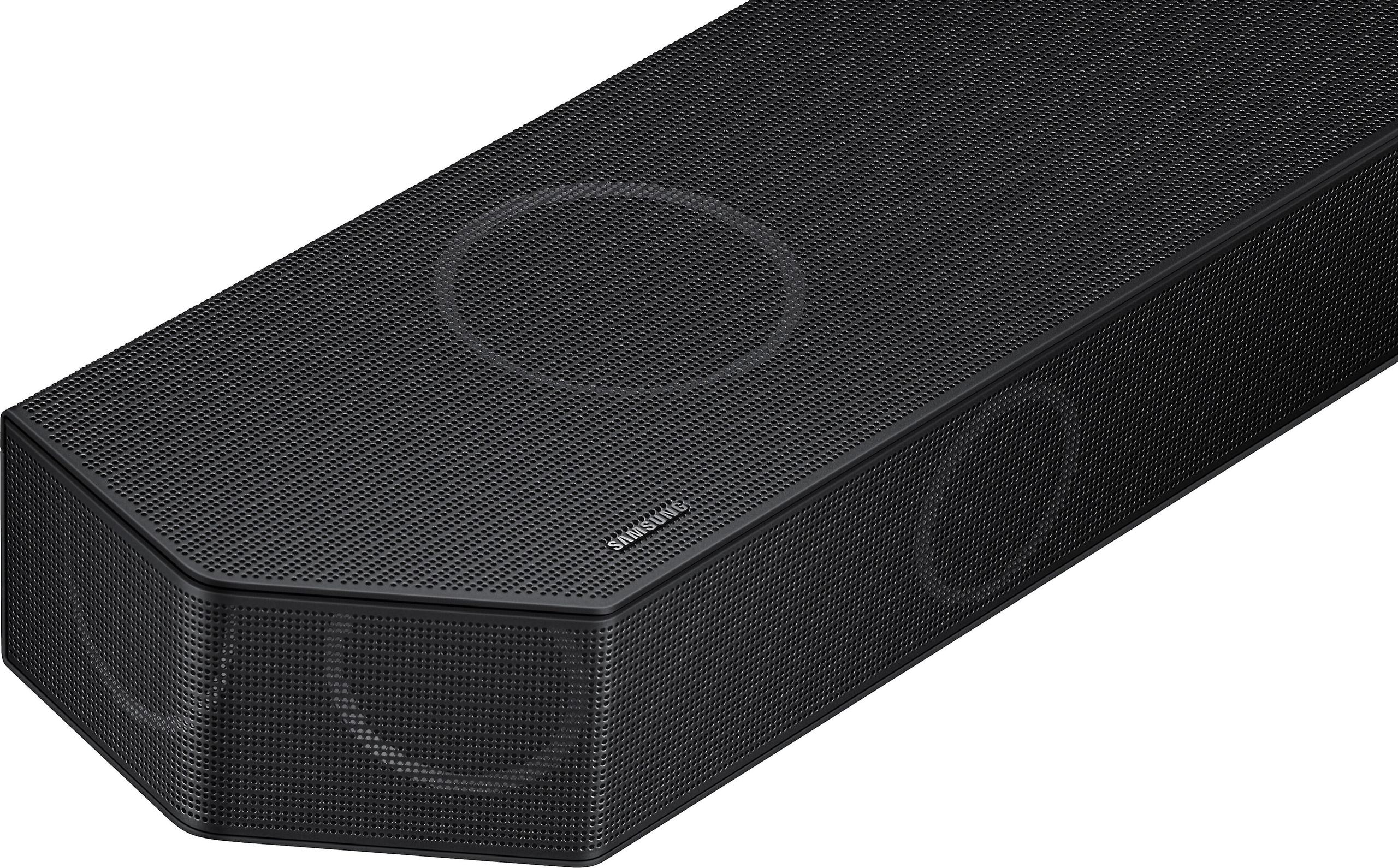
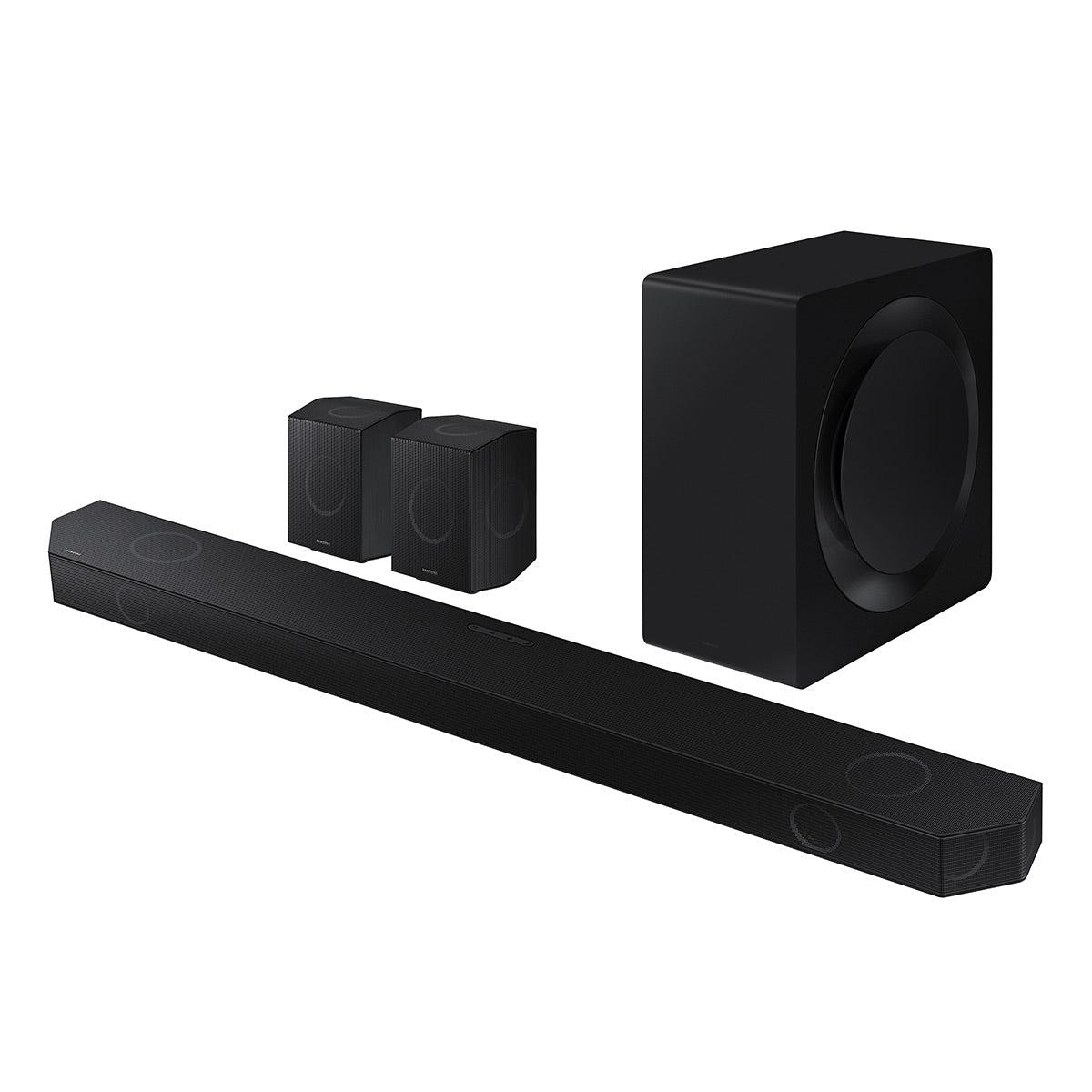
The Samsung HW-Q990D, also from 2024, follows the "complete system" philosophy. It includes a main soundbar, wireless subwoofer, and two wireless rear speakers, creating a true 11.1.4 channel surround system. This puts it firmly in the premium price tier, but you get a complete home theater setup in the box.
Both models incorporate recent technological advances, including AI-powered room calibration and enhanced HDMI 2.1 support for next-generation gaming features. Samsung's model benefits from being a 2024 release with their latest Q Symphony technology, while Sony's leverages their expertise in spatial audio processing developed for their headphone and professional audio divisions.
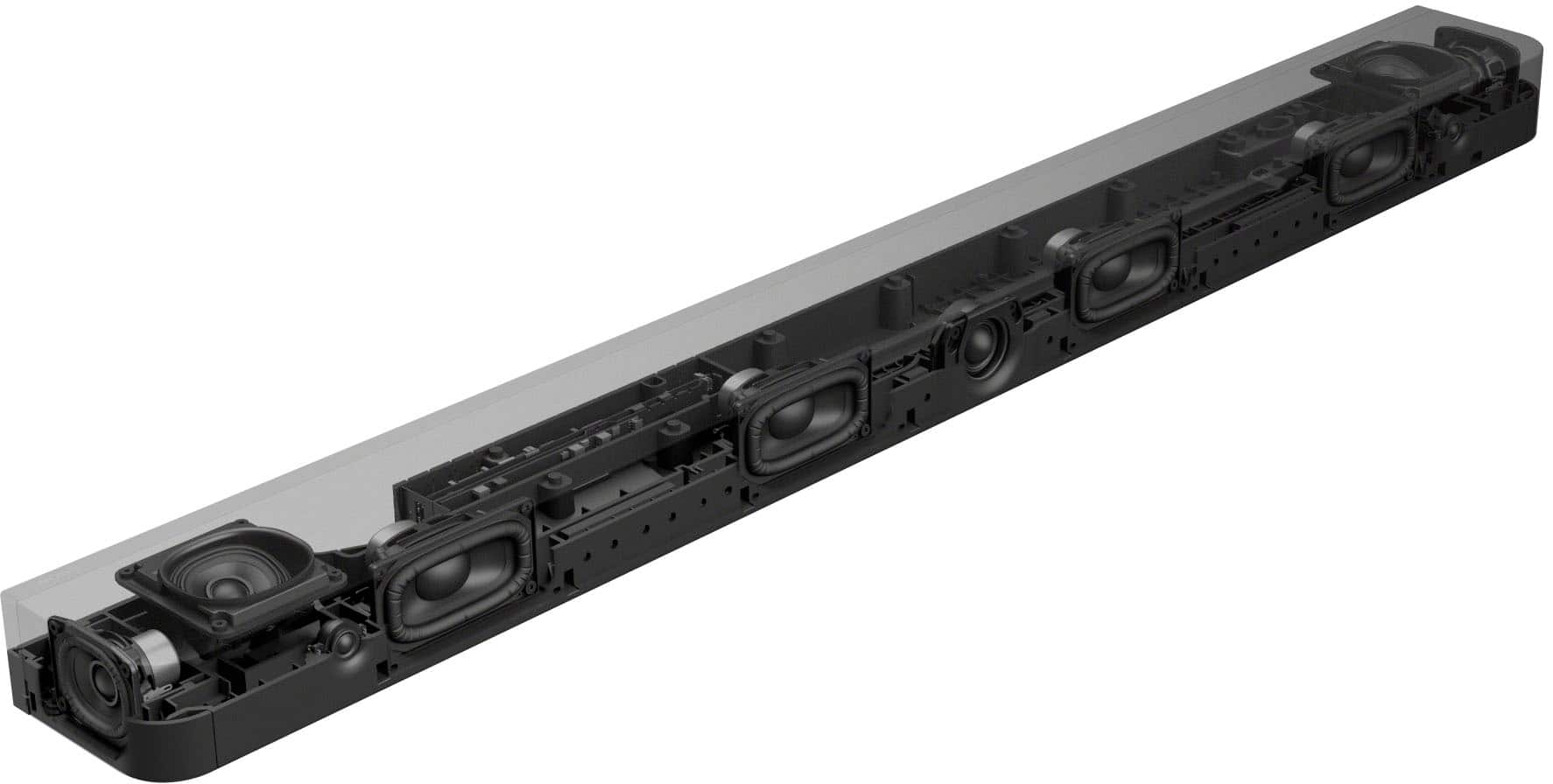
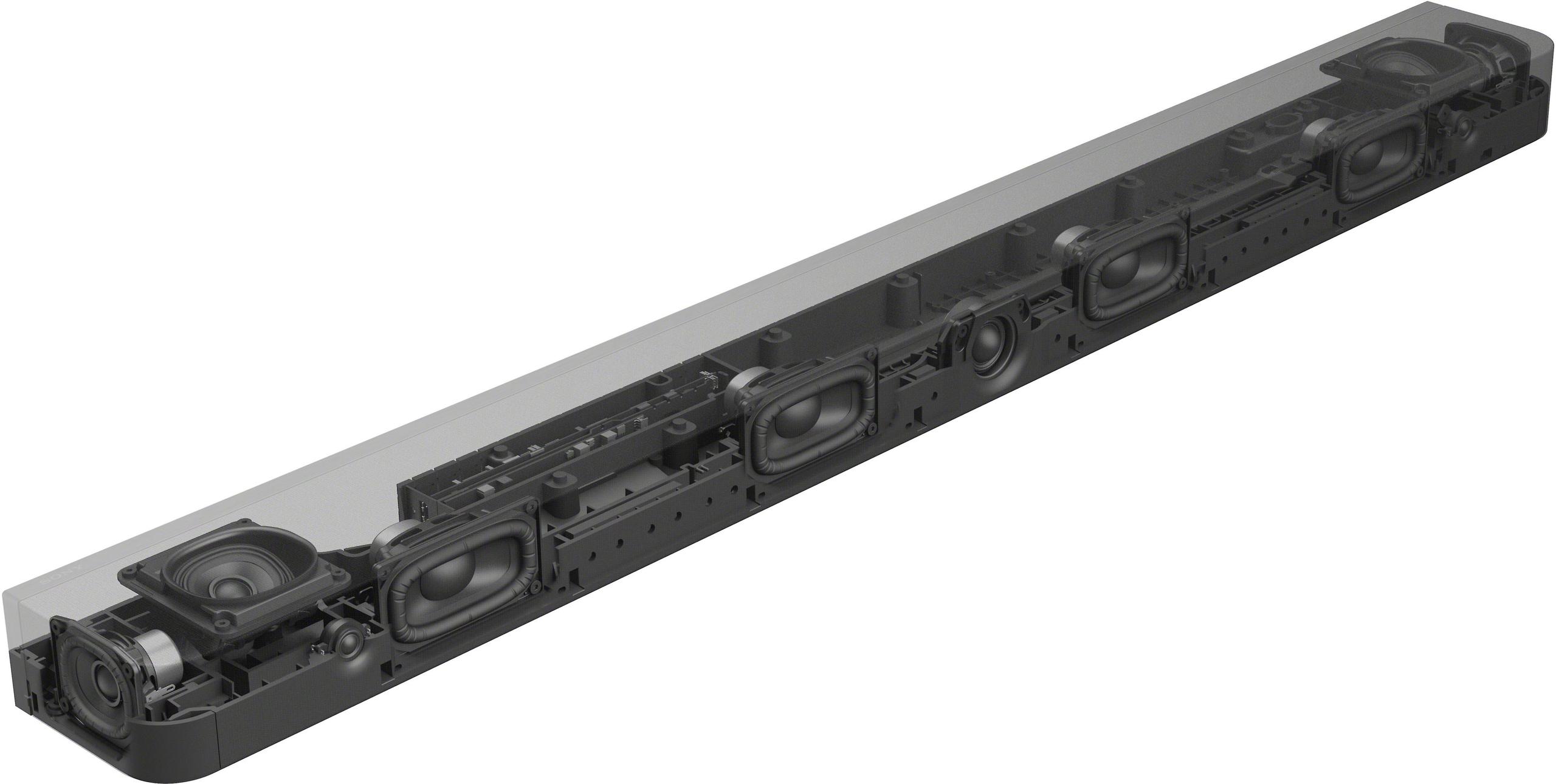
The most fundamental difference between these systems lies in how they create surround sound. The Sony HT-A8000 uses what they call "360 Spatial Sound Mapping" – essentially, it's using 11 strategically placed speakers within the single bar to create "phantom speakers" that seem to exist where there are no actual drivers. This technology bounces sound off your walls and ceiling to create the illusion of speakers positioned throughout your room.
This approach works surprisingly well in the right room setup. The phantom speakers can create an impressively wide soundstage that extends far beyond the physical boundaries of the soundbar. However, the effectiveness depends heavily on your room's acoustics – rooms with lots of soft furnishings or irregular wall surfaces may not reflect sound as effectively.
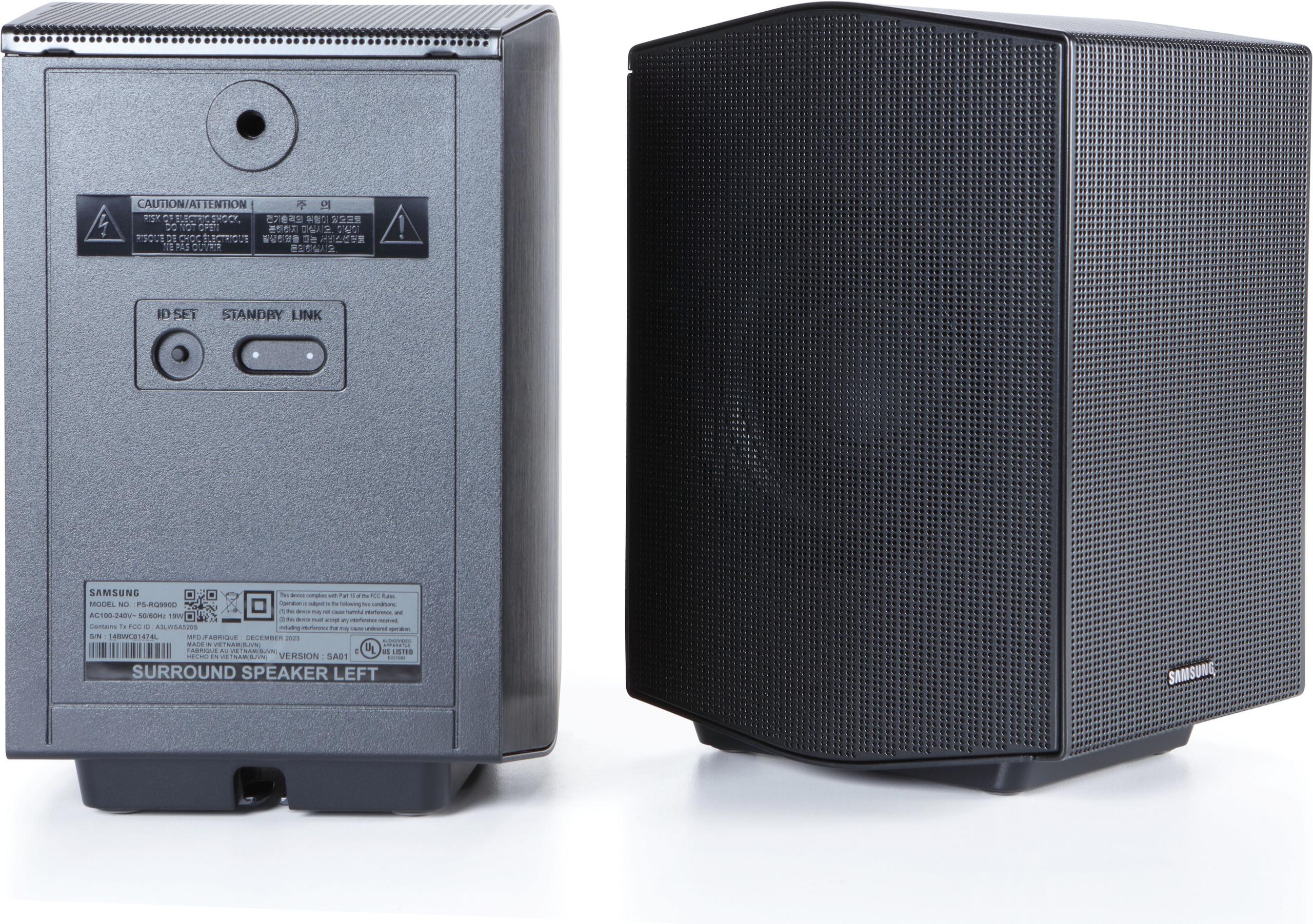
The Samsung HW-Q990D takes a more traditional but comprehensive approach with physical rear speakers. When you have actual speakers behind your listening position, certain surround effects simply cannot be replicated by virtual processing alone. The sensation of a helicopter flying overhead or footsteps sneaking up behind you becomes viscerally convincing in ways that even the best virtual processing struggles to match.
Based on our research into user experiences and expert reviews, the Samsung system consistently delivers more convincing surround effects for movie content, particularly in scenes with discrete rear-channel information. However, the Sony system often surprises users with how immersive it can sound given its single-bar design, and it excels in smaller to medium-sized rooms.
Bass performance represents another clear differentiation point. The Sony HT-A8000 incorporates quad woofers within the soundbar itself, using a rectangular driver design to maximize surface area within the constrained form factor. This produces respectable bass for a single-bar unit, though it's naturally limited by physics – there's only so much deep bass you can generate from relatively small drivers in a compact enclosure.
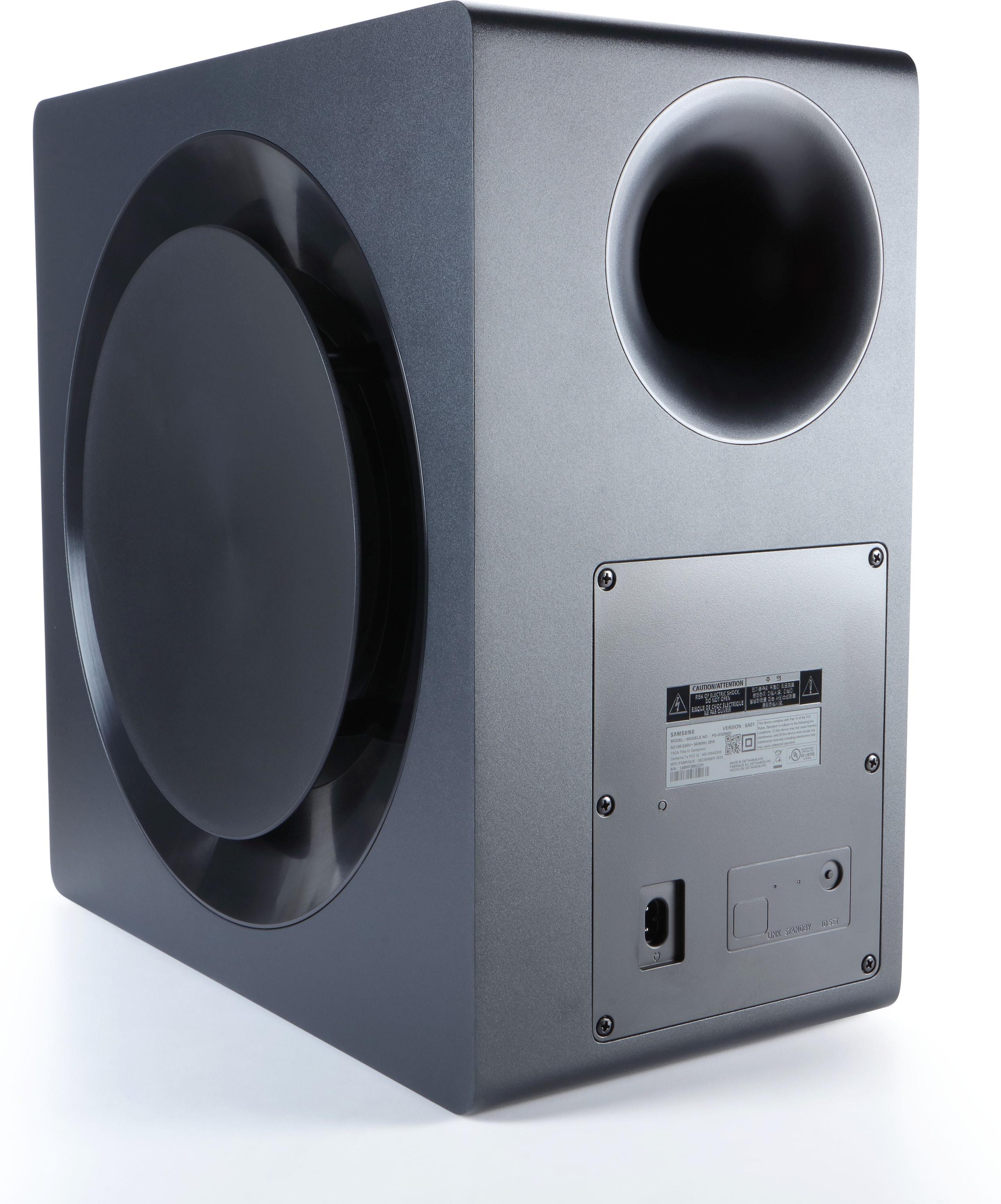
The Samsung HW-Q990D includes a dedicated 8-inch wireless subwoofer that can reproduce much deeper frequencies with greater authority. The difference in bass impact is immediately noticeable when watching action movies or listening to music with significant low-frequency content. The Samsung's subwoofer can reproduce those room-shaking explosions and deep musical basslines that make you feel the audio physically.
However, the Sony's approach has advantages in certain living situations. The integrated bass response is less likely to disturb neighbors in apartments, and some users prefer not having a large subwoofer taking up floor space. Sony does offer optional wireless subwoofers (SA-SW3 and SA-SW5) that can dramatically enhance the system's bass response when desired.
Clear dialogue reproduction is arguably the most important performance metric for any soundbar, as this is where most TV speakers fail miserably. Both systems employ AI-powered dialogue enhancement, but with different approaches.
The Sony HT-A8000 uses "Voice Zoom 3" technology, which analyzes audio in real-time to identify and amplify human voice frequencies. When paired with compatible Sony BRAVIA TVs, it can even use the TV's speakers as a dedicated center channel through "Acoustic Center Sync," creating more natural dialogue placement that seems to emanate directly from the screen.
The Samsung HW-Q990D employs "Active Voice Amplifier Pro," which not only enhances dialogue but adapts to ambient noise in your room. If the air conditioner kicks on or there's outside noise, the system automatically adjusts to maintain dialogue intelligibility. The dedicated center channel speaker in the main bar provides consistent dialogue placement regardless of room acoustics.
From our analysis of user feedback, both systems excel at dialogue clarity, but they shine in different scenarios. The Sony system particularly impresses when paired with Sony TVs, creating an almost uncanny sense of voices coming directly from characters on screen. The Samsung system maintains more consistent dialogue performance across different content types and room conditions.
Understanding the value proposition requires looking beyond initial purchase price to consider the complete system cost and what's included.
The Sony HT-A8000 follows a modular approach. At the time of writing, you can start with just the soundbar at a mid-premium price point, then add optional subwoofers and rear speakers as your budget and needs evolve. This makes premium spatial audio more accessible upfront, but the total system cost can approach the Samsung's price when fully expanded.
The Samsung HW-Q990D represents a significant upfront investment but includes everything needed for a complete surround system. When you calculate the cost per channel – dividing the total price by the 11.1.4 channels – the value proposition becomes more compelling for those wanting the complete experience immediately.
The modular Sony approach suits buyers who want to spread costs over time or aren't sure if they'll want rear speakers. It's also perfect for renters who might not want to deal with rear speaker placement in a temporary living situation. The Samsung's all-inclusive approach appeals to buyers who want to solve their home theater audio needs once and completely.
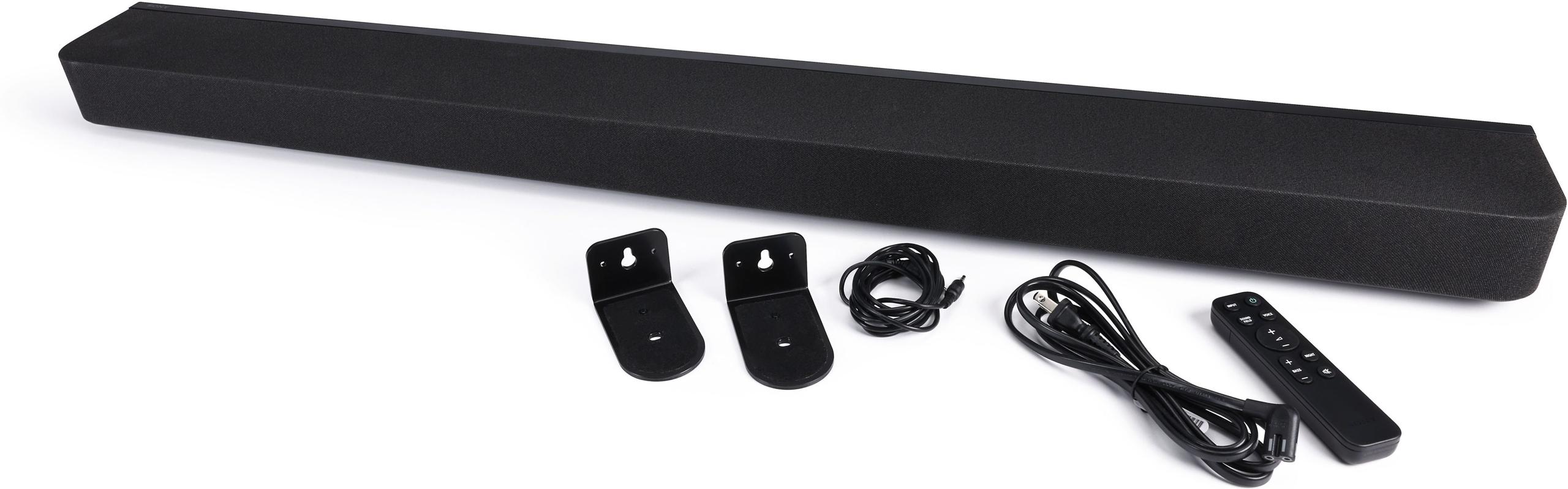
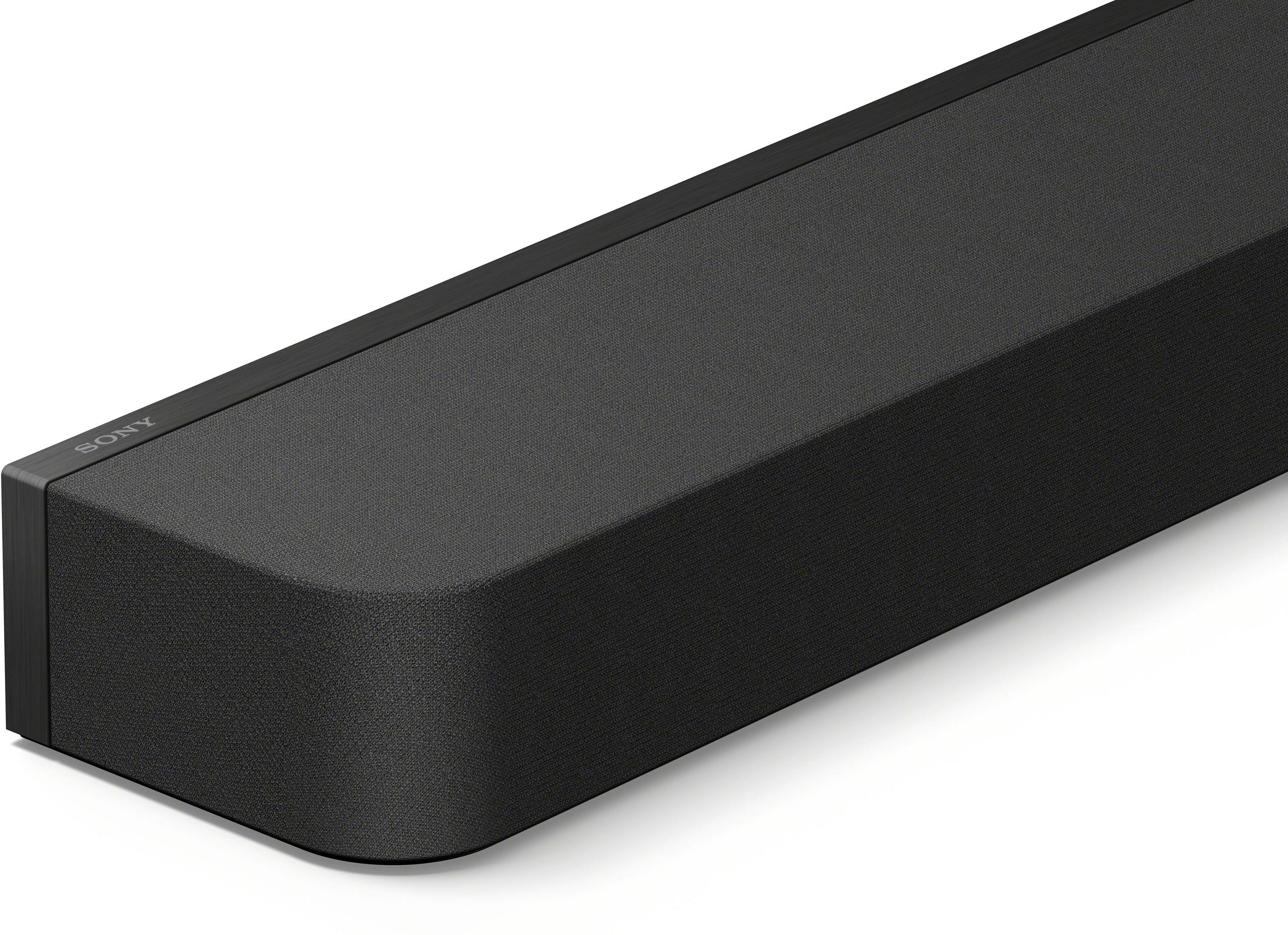
The Sony HT-A8000 excels in space-constrained environments. Its single-bar design maintains clean aesthetics while delivering impressive spatial audio performance. The soundbar itself measures just over 43 inches wide, making it suitable for TVs of 55 inches and larger without overwhelming smaller entertainment centers.
The Samsung HW-Q990D requires more thoughtful placement due to its multiple components. The rear speakers need appropriate positioning for optimal surround effects, which may not be feasible in all room layouts. However, Samsung has addressed this with flexible rear speaker configuration options, including a "Private Rear Sound" mode that uses only the rear speakers for late-night viewing without disturbing others.
Modern premium soundbars have largely solved the complexity issue that once plagued home theater systems. The Sony HT-A8000 features automatic sound field optimization that analyzes your room and adjusts the audio accordingly. The process is seamless and requires no user intervention beyond initial setup.
The Samsung HW-Q990D includes "SpaceFit Sound Pro," which uses built-in microphones to continuously analyze and optimize the sound based on your room's acoustics. Unlike some calibration systems that require test tones or manual measurements, this happens automatically and adapts to changes in your room over time.
Both systems support HDMI 2.1 features essential for PlayStation 5 and Xbox Series X gaming, including 4K/120Hz, Variable Refresh Rate (VRR), and Auto Low Latency Mode (ALLM). However, they differ in their gaming-specific audio features.
The Samsung HW-Q990D includes "Game Mode Pro," which automatically adjusts the sound profile based on the type of game you're playing. Racing games get enhanced engine sounds and spatial positioning for other vehicles, while RPGs focus on dialogue clarity and atmospheric effects. The rear speakers create particularly convincing positional audio for competitive gaming.
The Sony HT-A8000 takes a more straightforward approach, focusing on low latency and accurate spatial positioning. While it lacks game-specific sound modes, its spatial audio processing excels at creating convincing directional audio for competitive gaming scenarios.
Both manufacturers have invested heavily in ecosystem integration, but with different focuses.
Sony's system shines when paired with BRAVIA TVs through features like Acoustic Center Sync, which essentially turns your TV into part of the speaker system. This creates more natural dialogue placement and expands the effective soundstage. The integration feels seamless and adds genuine value to the audio experience.
Samsung's Q Symphony technology similarly integrates with Samsung TVs, but extends further into their SmartThings ecosystem. The soundbar can function as a smart home hub, controlling other Samsung devices and responding to voice commands through multiple assistants (Alexa, Bixby, and Google Assistant).
Live in an apartment or smaller space where rear speakers aren't practical. The Sony HT-A8000 delivers impressive spatial audio from a single unit without the complexity of multiple components. It's ideal for renters who don't want to deal with rear speaker placement or those who prefer clean, minimalist aesthetics.
Want to start with premium audio and expand over time. The modular approach lets you begin with the soundbar and add subwoofers or rear speakers as your budget and needs evolve. This is particularly appealing for those unsure about committing to a full surround system upfront.
Own a Sony BRAVIA TV and want seamless integration. The Acoustic Center Sync feature genuinely enhances the listening experience in ways that go beyond simple connectivity.
Prioritize dialogue clarity above all else. The Voice Zoom 3 technology and center sync capabilities make this system particularly strong for TV shows and dialogue-heavy content.
Have a dedicated home theater space where rear speakers can be properly positioned. The Samsung HW-Q990D delivers the most convincing surround sound experience when set up correctly, making it ideal for serious movie enthusiasts.
Want the ultimate surround experience from day one. Rather than building a system over time, this gives you everything needed for premium home theater audio immediately.
Frequently watch action movies or play immersive games. The combination of physical rear speakers and dedicated subwoofer creates visceral impact that virtual processing cannot match.
Value convenience and completeness. Having everything included means no decisions about compatible subwoofers or rear speakers – everything is designed to work together optimally.
Both systems represent excellent approaches to premium home audio, but they serve different needs and preferences. The Sony HT-A8000 maximizes spatial audio performance within a single bar, making it perfect for those wanting premium sound without the complexity or space requirements of multiple components. Its modular expansion capability provides a clear upgrade path as needs evolve.
The Samsung HW-Q990D delivers the most complete and immersive surround sound experience available in a soundbar system. The inclusion of physical rear speakers and a dedicated subwoofer creates audio immersion that virtual processing alone cannot match, justifying the premium price for serious home theater enthusiasts.
Your choice ultimately depends on your living situation, budget flexibility, and audio priorities. Both systems will dramatically improve your TV's audio, but the Samsung edges ahead for pure immersion while the Sony offers better value and flexibility for many living situations.
| Sony HT-A8000 BRAVIA Theater Bar 8 Soundbar | Samsung HW-Q990D 11.1.4 Channel Sound Bar |
|---|---|
| Channel Configuration - Determines surround sound authenticity | |
| 5.0.2 channels (11 speakers in single bar) | 11.1.4 channels (22 speakers across 4 units) |
| Physical Components - Affects setup complexity and performance | |
| Single soundbar only (subwoofer/rears sold separately) | Complete system: soundbar + wireless subwoofer + 2 rear speakers |
| Surround Sound Technology - How immersive audio is created | |
| 360 Spatial Sound Mapping with phantom speakers | Physical rear speakers + advanced sound processing |
| Bass Performance - Critical for action movies and music | |
| Built-in quad woofers (optional wireless sub available) | Dedicated 8-inch wireless subwoofer included |
| Dialogue Enhancement - Most important for TV/movie clarity | |
| Voice Zoom 3 + TV center sync (with Sony TVs) | Active Voice Amplifier Pro with ambient noise adaptation |
| Room Calibration - Optimizes sound for your space | |
| Sound Field Optimization (one-time setup) | SpaceFit Sound Pro (continuous adaptive tuning) |
| TV Integration - Enhanced when paired with same brand | |
| Acoustic Center Sync with Sony BRAVIA TVs | Q Symphony with Samsung TVs |
| Gaming Features - Important for console gaming | |
| HDMI 2.1 with 4K120/VRR/ALLM support | Game Mode Pro + HDMI 2.1 with genre-specific optimization |
| Expandability - Future upgrade options | |
| Modular: add wireless sub (SA-SW3/SW5) and rears later | Complete system included, no expansion needed |
| Space Requirements - Consider your room layout | |
| Compact single bar (43.3" wide) | Requires rear speaker placement and subwoofer space |
| Smart Features - Voice control and connectivity | |
| Google Assistant, Alexa, AirPlay 2, Spotify Connect | Built-in Alexa/Bixby/Google, SmartThings hub capability |
| Value Approach - How you pay for the system | |
| Lower entry cost, expand over time as budget allows | Higher upfront investment for complete experience |
The Samsung HW-Q990D is better for movies due to its physical rear speakers and dedicated subwoofer, creating more authentic surround sound effects. The Sony HT-A8000 offers impressive virtual surround from a single bar but can't match the immersion of actual rear speakers for action sequences and atmospheric movie soundtracks.
While the Sony HT-A8000 creates convincing virtual surround sound using spatial audio technology, physical rear speakers like those included with the Samsung HW-Q990D provide more authentic surround effects. The Sony works well in smaller rooms, but the Samsung delivers superior immersion for dedicated home theater setups.
Both excel at dialogue, but with different strengths. The Sony HT-A8000 uses Voice Zoom 3 technology and can sync with Sony TVs as a center channel for natural dialogue placement. The Samsung HW-Q990D features Active Voice Amplifier Pro that adapts to room noise, maintaining clear speech even when ambient conditions change.
Yes, the Sony HT-A8000 supports optional wireless subwoofers (SA-SW3 or SA-SW5) that can be added later. This modular approach lets you start with the soundbar and upgrade over time. The Samsung HW-Q990D includes a wireless subwoofer from the start as part of the complete system.
The Sony HT-A8000 is simpler to set up since it's just one soundbar with automatic room calibration. The Samsung HW-Q990D requires positioning the subwoofer and two rear speakers, though all components connect wirelessly and the system includes SpaceFit Sound Pro for automatic tuning.
Both support HDMI 2.1 gaming features, but the Samsung HW-Q990D has an edge with Game Mode Pro that optimizes sound for different game genres. The rear speakers also provide better positional audio for competitive gaming. The Sony HT-A8000 offers excellent spatial audio and low latency for gaming but lacks game-specific sound modes.
The Sony HT-A8000 is ideal for apartments due to its single-bar design and built-in bass that won't disturb neighbors. The Samsung HW-Q990D includes a powerful subwoofer and rear speakers that may not be practical in small spaces or apartments with thin walls.
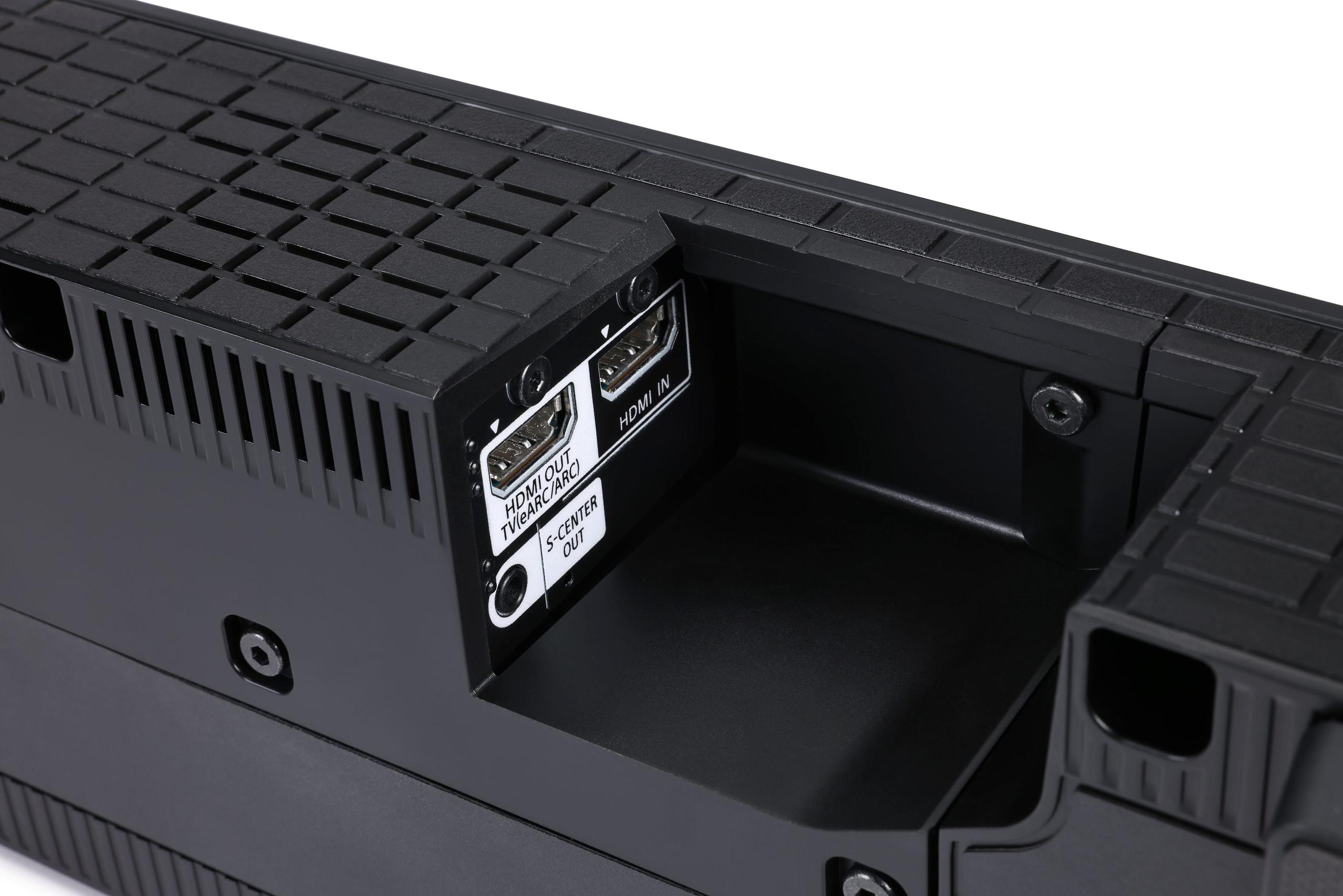
Yes, both work with any TV brand via HDMI or optical connections. However, you get enhanced features when paired with the same brand: the Sony HT-A8000 offers Acoustic Center Sync with Sony BRAVIA TVs, while the Samsung HW-Q990D provides Q Symphony integration with Samsung TVs for expanded soundstage.
The Sony HT-A8000 offers better entry-level value, letting you start with premium spatial audio and expand later. The Samsung HW-Q990D costs significantly more upfront but includes everything needed for a complete surround system, making it better value if you want the full experience immediately.
Both the Sony HT-A8000 and Samsung HW-Q990D support Dolby Atmos, which creates overhead sound effects for more immersive audio. The Samsung's physical height speakers and rear channels provide more convincing Atmos effects, while the Sony uses clever processing to simulate overhead audio from its single bar.
The Samsung HW-Q990D has significantly better bass due to its included 8-inch wireless subwoofer that delivers deep, room-filling low frequencies. The Sony HT-A8000 has decent built-in bass from quad woofers but is naturally limited by its compact form factor, though optional subwoofers are available.
Choose the Samsung HW-Q990D complete system if you want maximum performance immediately and have space for rear speakers. Choose the Sony HT-A8000 modular approach if you prefer starting simple, have space constraints, or want to spread costs over time while still getting excellent spatial audio performance.
We've done our best to create useful and informative comparisons to help you decide what product to buy. Our research uses advanced automated methods to create this comparison and perfection is not possible - please contact us for corrections or questions. These are the sites we've researched in the creation of this article: consumerreports.org - skybygramophone.com - target.com - rtings.com - bestbuy.com - rubbermonkey.co.nz - shopatsc.com - audioadvice.com - sony.com - sony.com - sony.com - shop.cosmopolitan.com - store.sony.com.my - videoandaudiocenter.com - techradar.com - avsforum.com - valueelectronics.com - samsung.com - rtings.com - samsung.com - avsforum.com - samsung.com - cdwg.com - youtube.com - whathifi.com

Privacy Policy
Terms and Conditions - Affiliate Policy
Home Security
© Copyright 2008-2026.
11816 Inwood Rd #1211, Dallas, TX 75244