






When your TV's built-in speakers sound like they're coming from inside a tin can, it's time to upgrade. Soundbars have revolutionized home audio by cramming theater-quality sound into sleek packages that won't dominate your living room or drain your bank account like traditional surround sound systems.
But here's where it gets tricky: not all soundbars are created equal. The Sony HT-A8000 BRAVIA Theater Bar 8 and Yamaha SR-B30A perfectly illustrate this point. Released in 2021 and more recently respectively, these two soundbars take completely different approaches to solving the same problem – making your TV sound dramatically better.
Before diving into the specifics, let's talk about what really matters in a soundbar. The main considerations include audio performance (how good it sounds), value proposition (what you get for your money), room compatibility (will it work well in your space), setup complexity (how much hassle to get it working), and expandability (can you upgrade it later).
Audio performance breaks down into several key areas. Sound clarity determines whether dialogue comes through crisp and understandable, while bass response affects the impact of explosions, music, and atmospheric sounds. Surround sound capabilities create that immersive experience where sounds seem to come from all around you, not just from the front of the room.
The most important performance metrics to focus on are dialogue clarity (you need to hear what characters are saying), bass impact (for that cinematic feel), soundstage width (how spread out the audio feels), and dynamic range (the difference between quiet whispers and loud explosions). These elements work together to create either a mediocre or transformative audio experience.
The Sony HT-A8000 represents the premium approach to soundbar design. At the time of writing, it typically costs around two-and-a-half times more than the Yamaha SR-B30A, but Sony's betting that advanced technology and future expandability justify the higher price tag.
The Yamaha SR-B30A, on the other hand, embodies the "sweet spot" philosophy – delivering maximum impact for minimum investment while keeping things refreshingly simple. Yamaha built this soundbar for people who want better sound without the complexity or cost of premium systems.
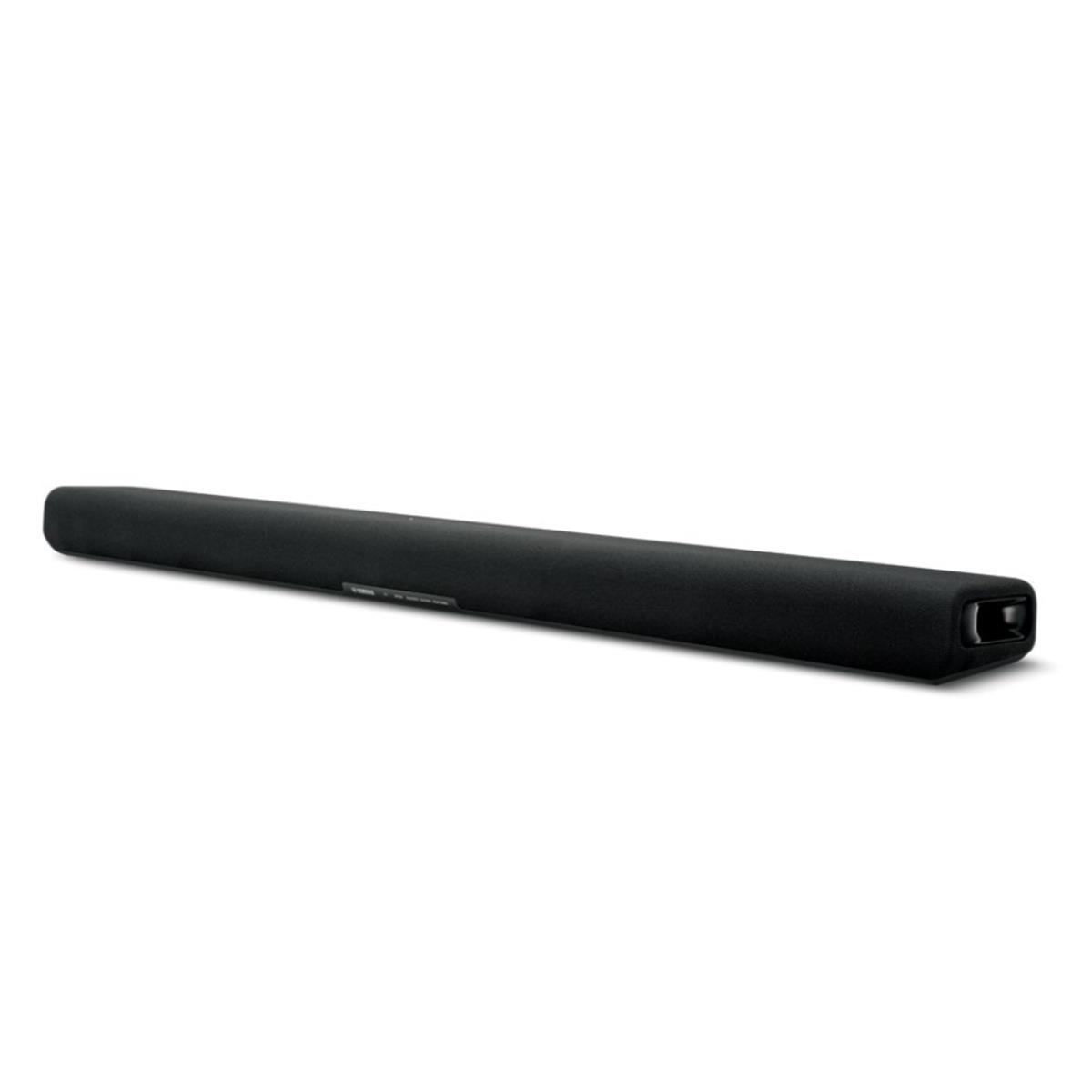
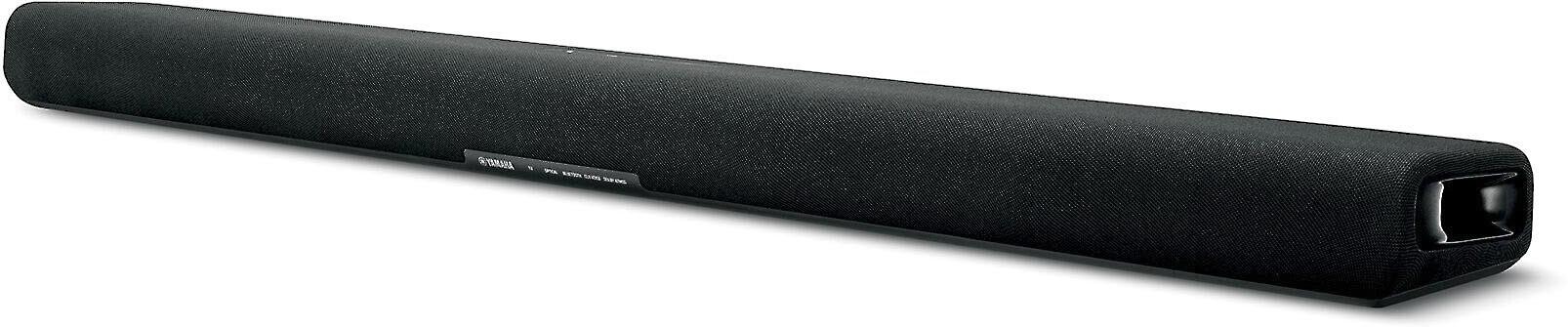
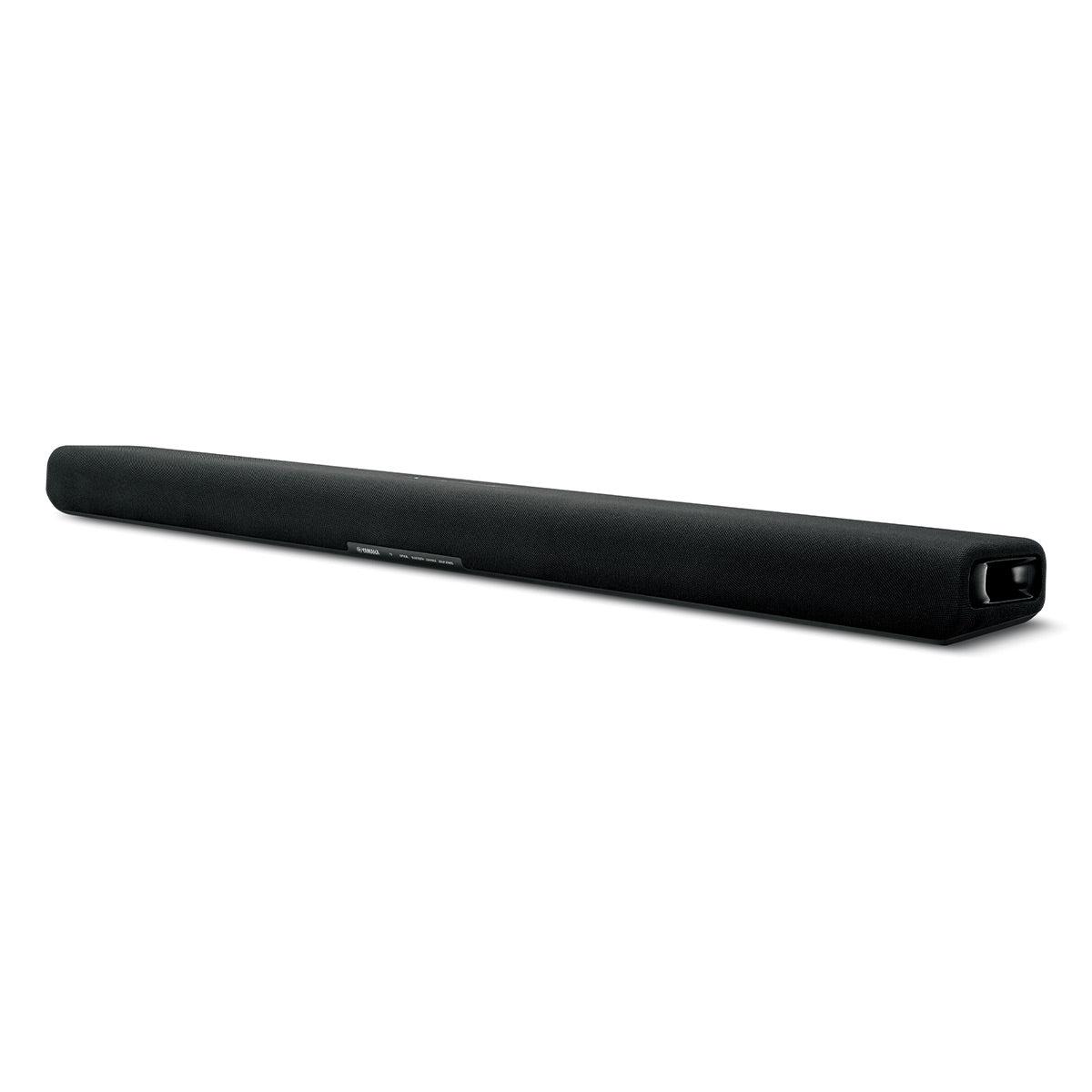
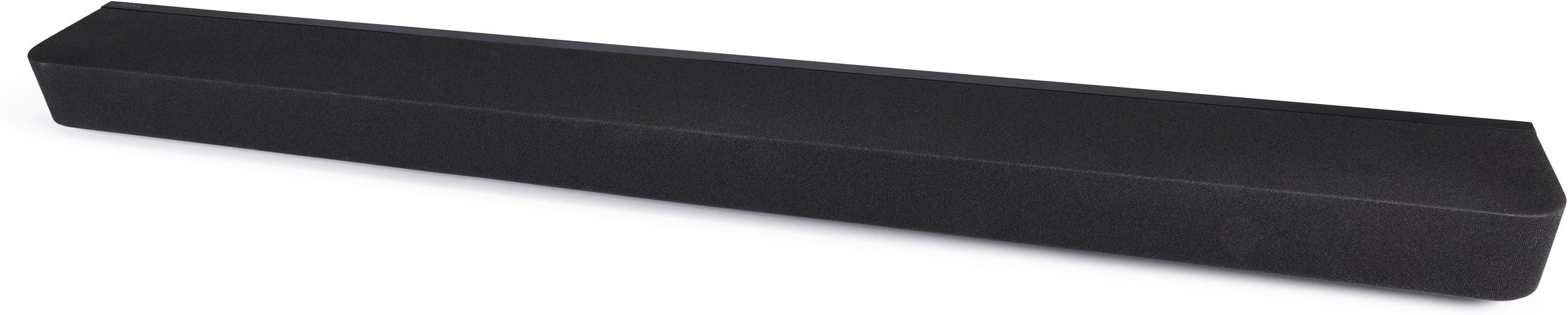
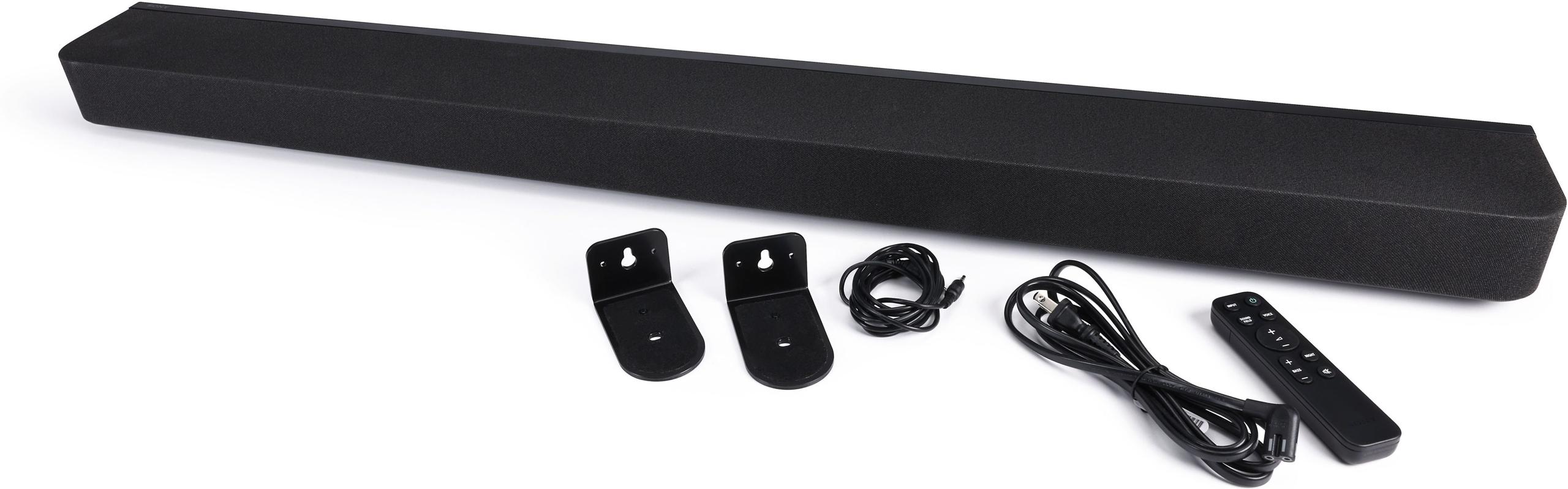
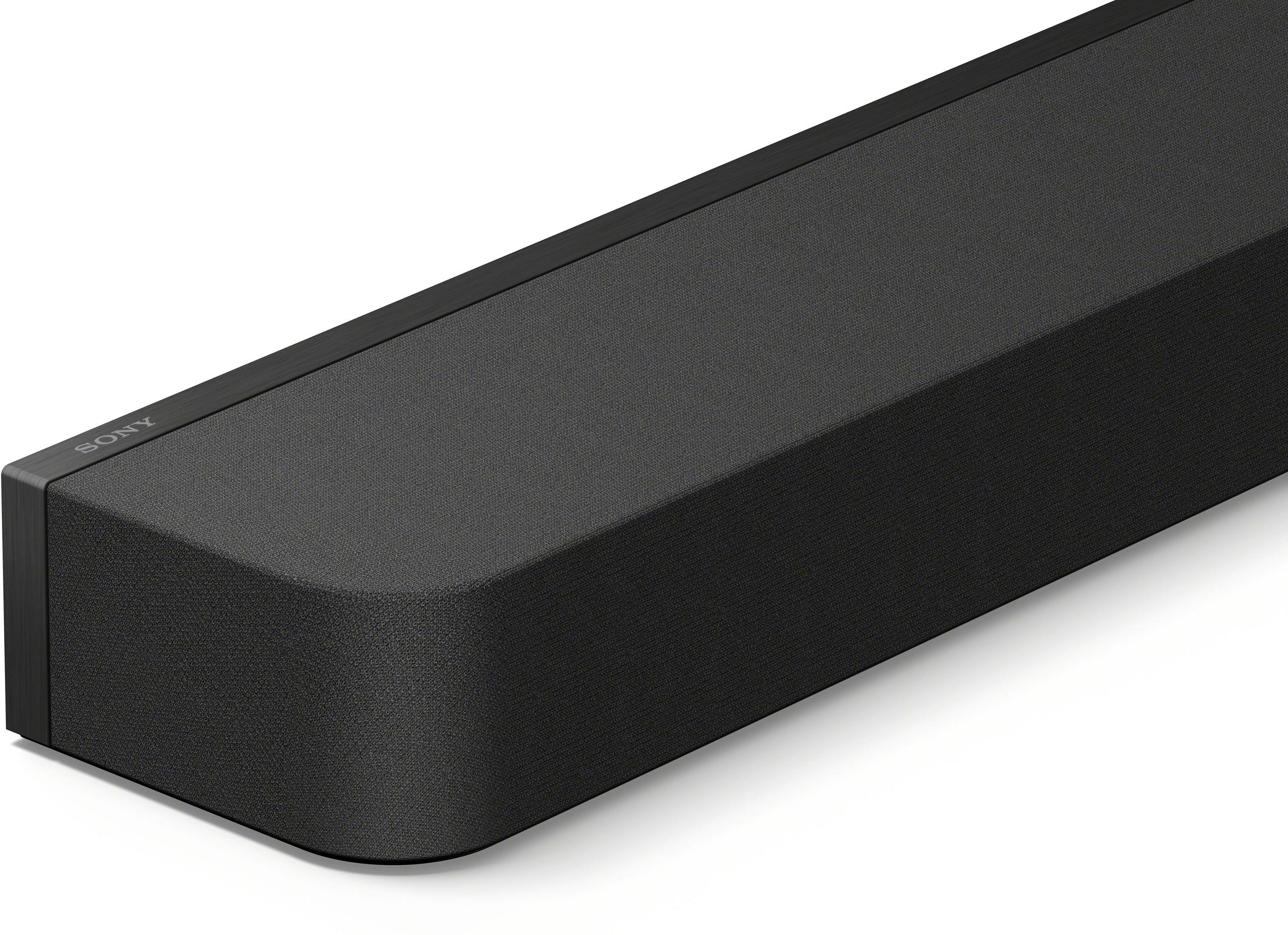
These different approaches become immediately apparent in their physical designs. The Sony HT-A8000 arrives as a substantial single soundbar that's clearly engineered to work with additional components down the road. The Yamaha SR-B30A shows up as a complete, self-contained solution with dual subwoofers already built right in.
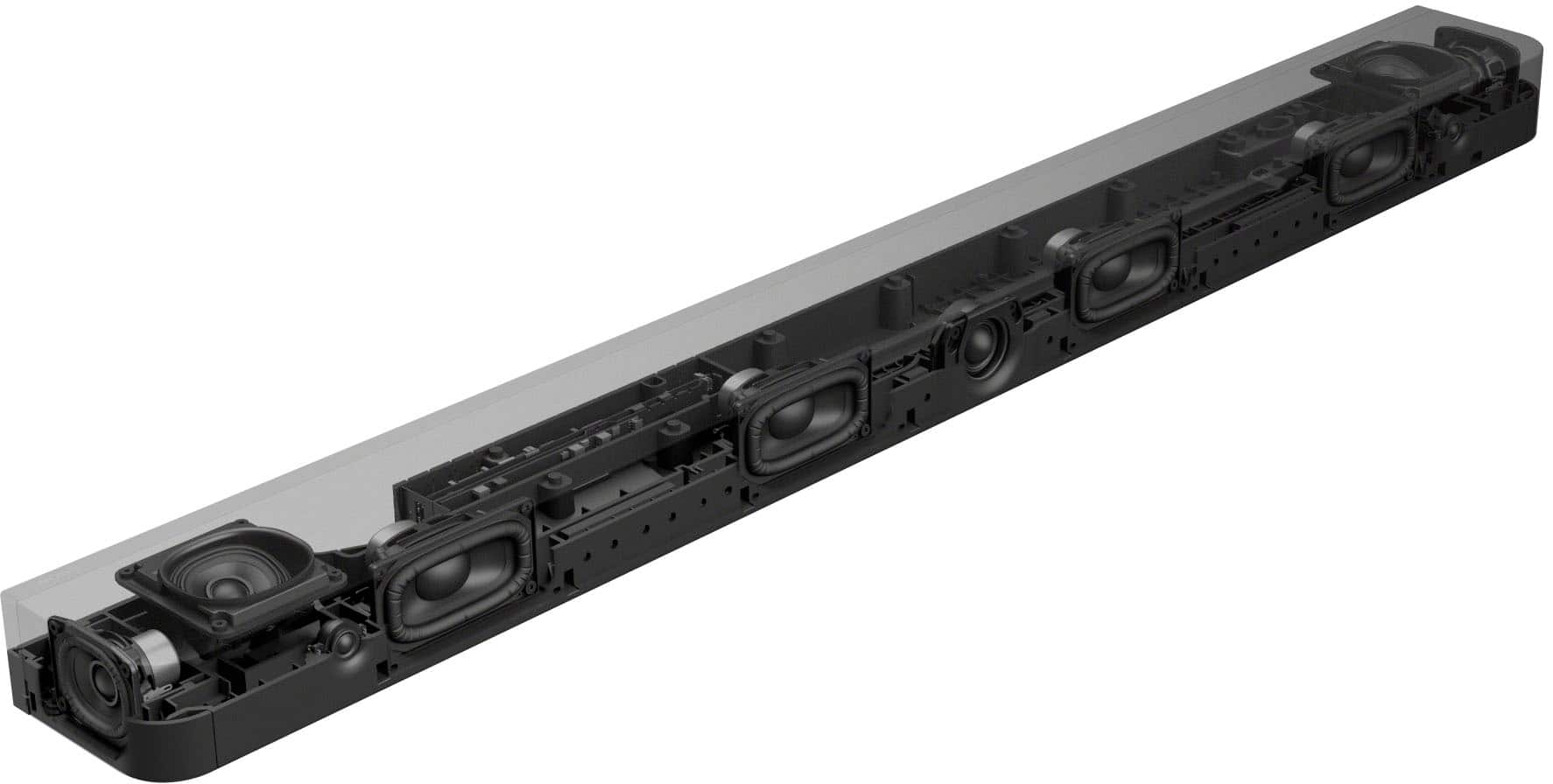
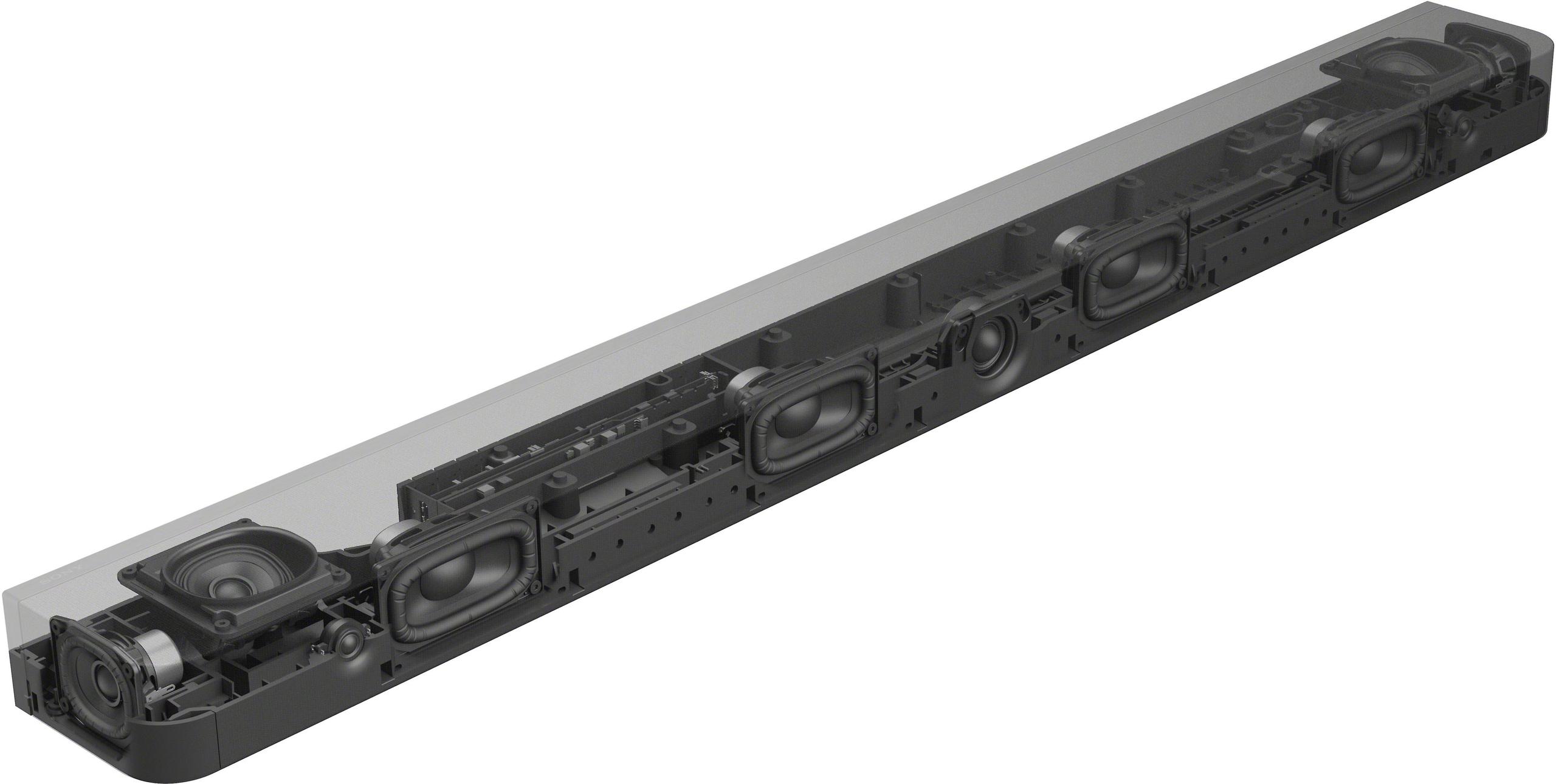
The Sony HT-A8000 packs some seriously impressive tech into its sleek frame. The headline feature is 360 Spatial Sound Mapping, which uses 11 individual speaker drivers to create what Sony calls "phantom speakers" – sound sources that seem to exist in space even though there's no physical speaker there.
This technology works by bouncing sound off your ceiling and walls in precisely calculated ways. The soundbar measures your room's acoustics and adjusts its output accordingly through Sound Field Optimization. This auto-calibration feature means the Sony HT-A8000 can deliver consistent performance whether you're sitting dead center or off to the side.
The Voice Zoom 3 feature deserves special mention. This AI-powered system analyzes incoming audio in real-time, identifying human voices and intelligently boosting them when background music or sound effects threaten to drown out dialogue. For anyone who's ever found themselves constantly adjusting volume during movies, this feature alone might justify the investment.
Sony also supports both major surround sound formats: Dolby Atmos (which adds height channels for overhead sound effects) and DTS:X (which offers more flexible speaker placement options). The Sony HT-A8000 processes true 5.0.2 channel audio, meaning five main channels plus two height channels, creating a genuinely three-dimensional soundscape.
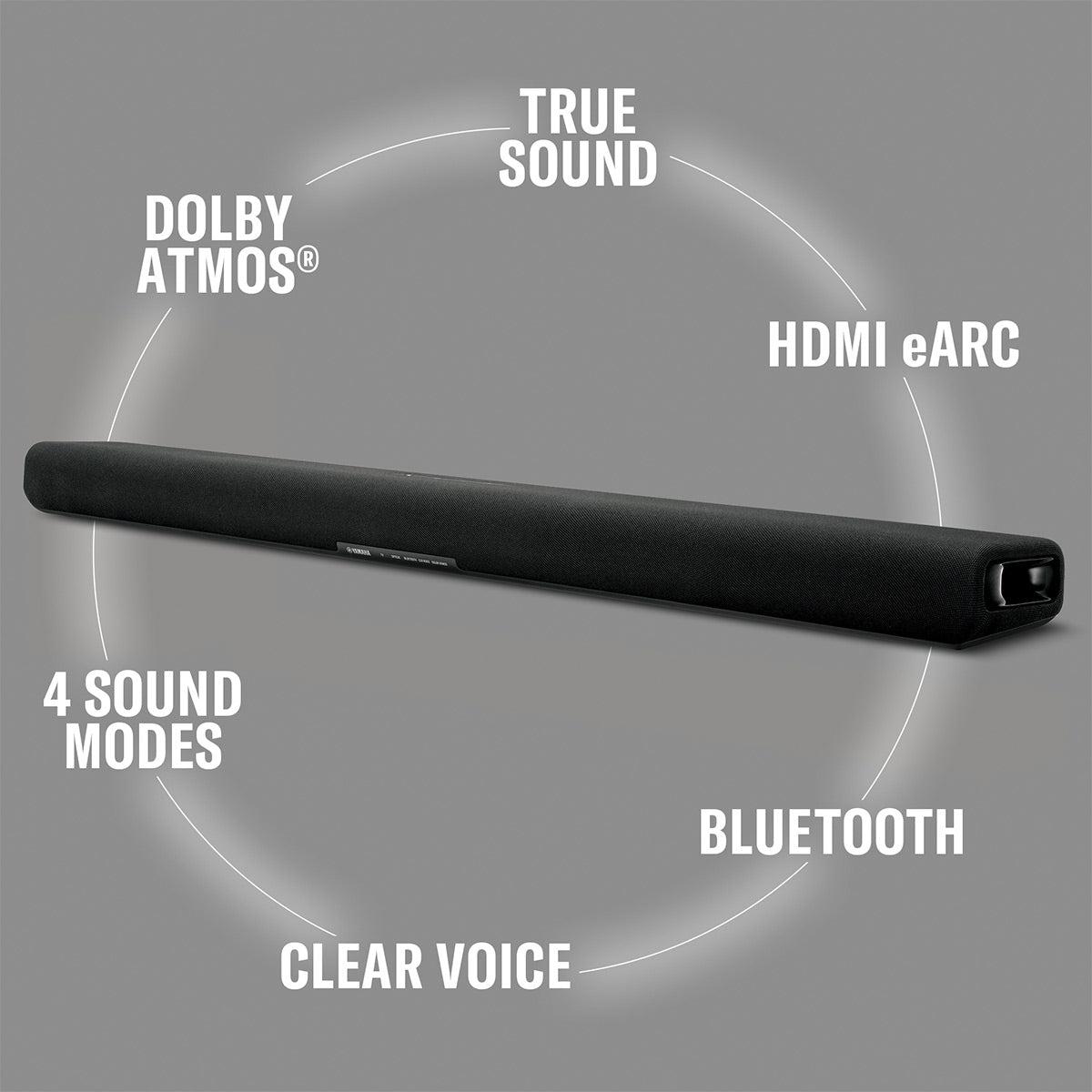
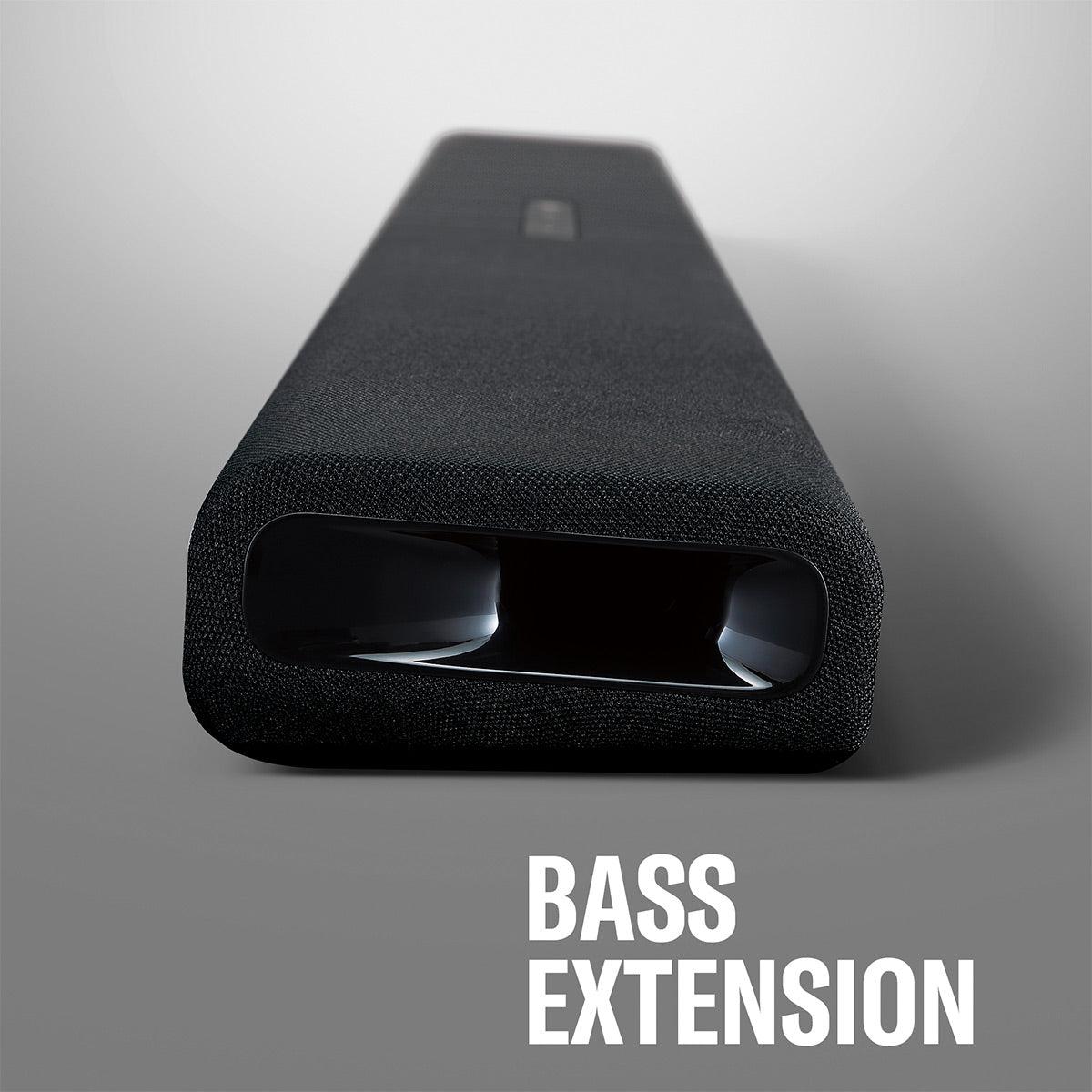
The Yamaha SR-B30A takes a more straightforward but cleverly engineered approach. Instead of relying on separate components, Yamaha built two 3-inch subwoofer drivers directly into the soundbar body. This eliminates the need for a separate subwoofer box while still delivering meaningful bass impact.
Yamaha's Clear Voice technology serves a similar function to Sony's Voice Zoom but uses different processing methods. Rather than AI analysis, Clear Voice applies carefully tuned frequency response adjustments to make dialogue more prominent in the mix.
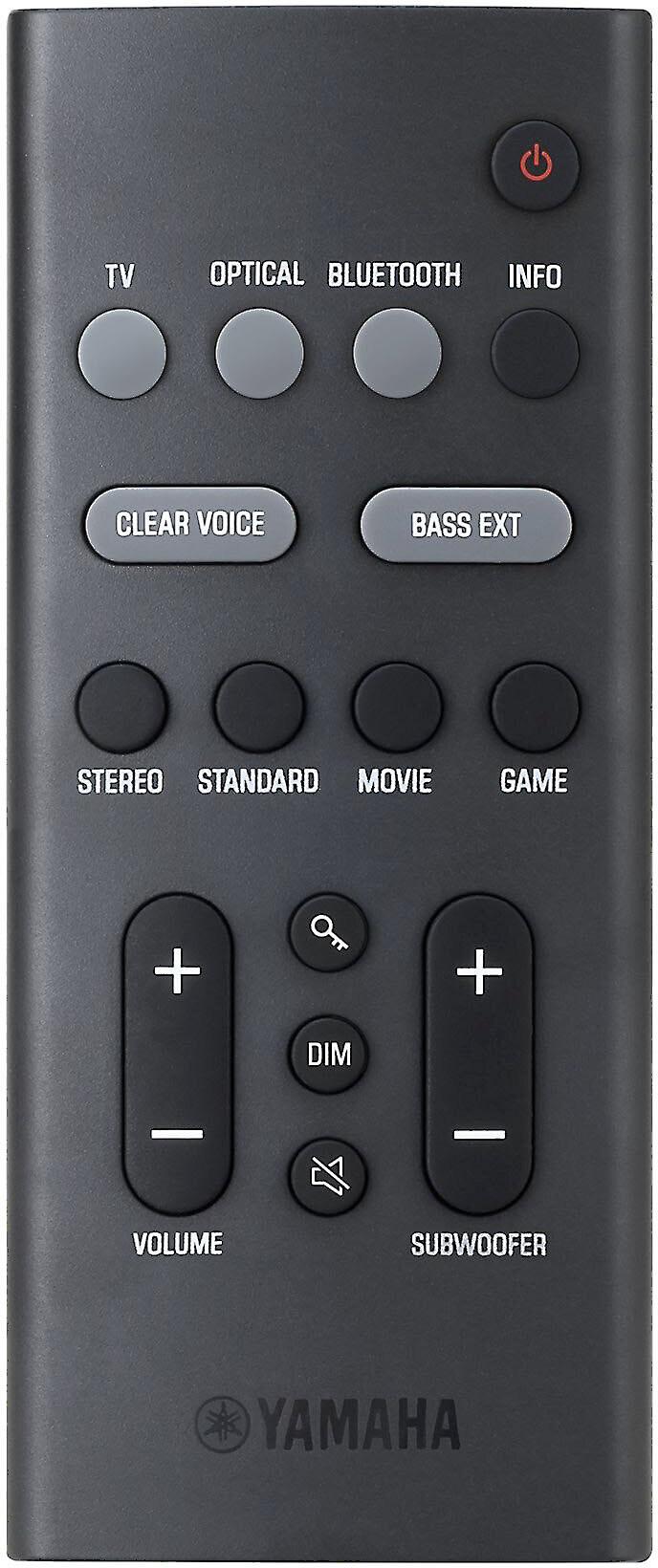
The Yamaha SR-B30A offers four distinct sound modes optimized for different content types. Stereo mode works best for music and podcasts, providing a natural two-channel presentation. Standard mode handles regular TV programming with balanced frequency response. Game mode creates more immersive gaming experiences with enhanced spatial effects. Movie mode expands the soundstage for a more theatrical presentation.
The Bass Extension feature adds another layer of customization. When activated, it extends the low-frequency response for more muscular bass presentation without requiring additional hardware.
Based on extensive research into user experiences and professional reviews, the Sony HT-A8000 delivers superior overall immersion. The 360 Spatial Sound Mapping technology creates convincing surround effects that work well across different seating positions. Users consistently report being impressed by how sounds seem to come from specific locations around the room, not just from the soundbar itself.
The Yamaha SR-B30A offers surprisingly spacious sound for its compact form factor, but the immersion is more limited. While it supports Dolby Atmos processing, the virtual surround effects can't match the physical reality of Sony's multi-driver array and room mapping technology.
However, the Yamaha holds its own in dialogue clarity. The Clear Voice technology effectively brings speech forward in the mix, and many users find it perfectly adequate for their needs. The difference becomes more apparent with complex movie soundtracks featuring multiple simultaneous audio elements.
This represents one of the most significant philosophical differences between these soundbars. The Yamaha SR-B30A delivers immediate bass gratification through its dual built-in subwoofers. Users consistently praise the immediate impact – no additional purchases required, no extra setup hassle.
However, professional reviews note some limitations. The bass can become somewhat boomy at higher volumes, and the overall frequency response shows some unevenness. The built-in subwoofers also limit how deep the bass can extend due to physical constraints.
The Sony HT-A8000 takes the opposite approach. Without optional subwoofers, bass response is adequate for dialogue-heavy content but lacks the impact needed for action movies or music. However, when paired with Sony's wireless subwoofers (sold separately), the system transforms into a much more capable performer with deeper, cleaner bass extension.
This creates an interesting value proposition. The Yamaha SR-B30A gives you good bass right out of the box, while the Sony HT-A8000 requires additional investment to reach its full potential but offers superior ultimate performance.
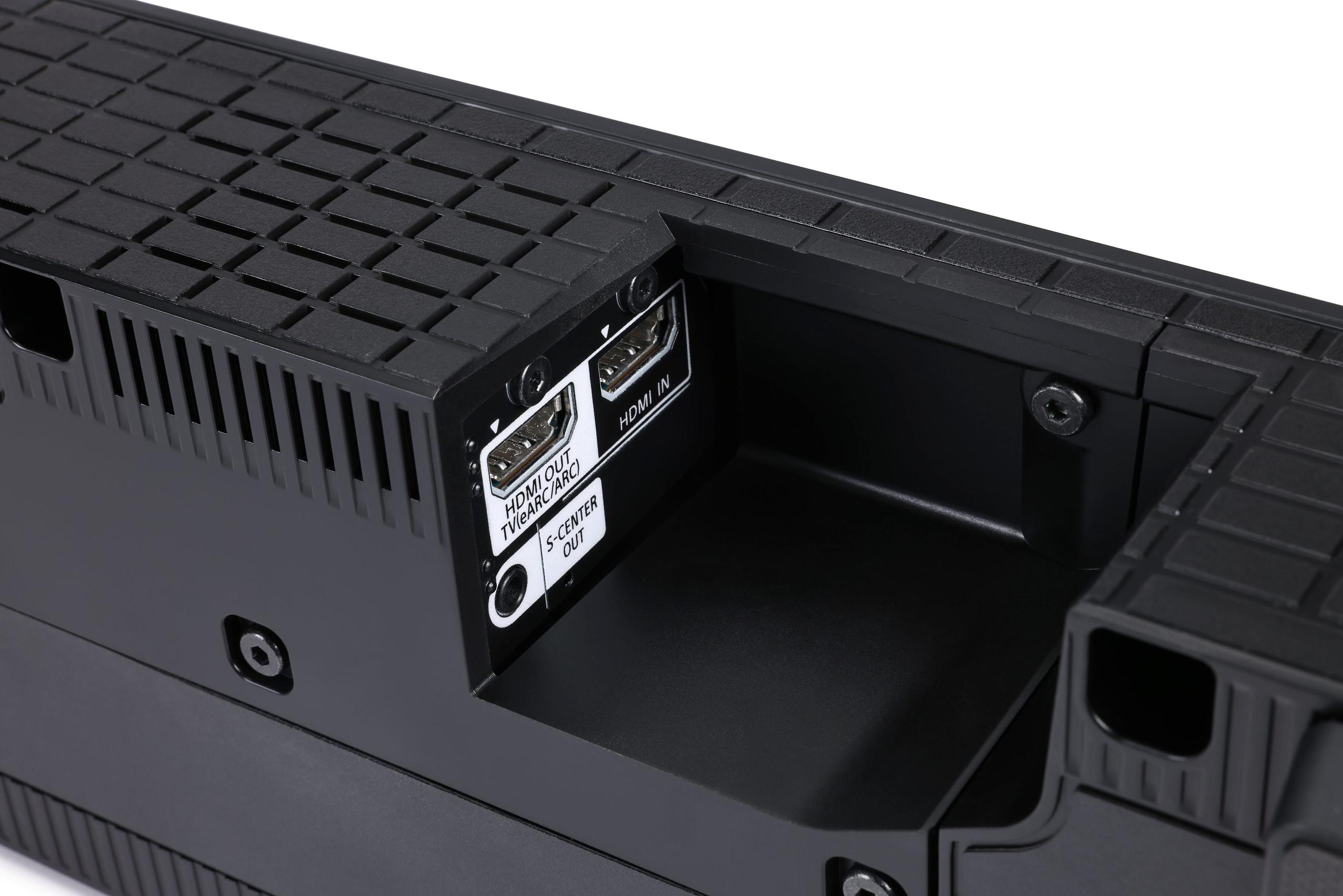
The Sony HT-A8000 includes comprehensive connectivity options reflecting its 2021 release date and premium positioning. HDMI 2.1 support ensures compatibility with the latest gaming consoles and streaming devices, including 4K120Hz gaming, Variable Refresh Rate (VRR), and Auto Low Latency Mode (ALLM). These features matter significantly for serious gamers who want the smoothest possible experience.
Wi-Fi connectivity enables Spotify Connect, Apple AirPlay 2, and other streaming services to connect directly to the soundbar. The integration with Sony's BRAVIA TV ecosystem is particularly noteworthy – the Acoustic Center Sync feature can use a compatible Sony TV as an additional center channel speaker, creating even better dialogue clarity.
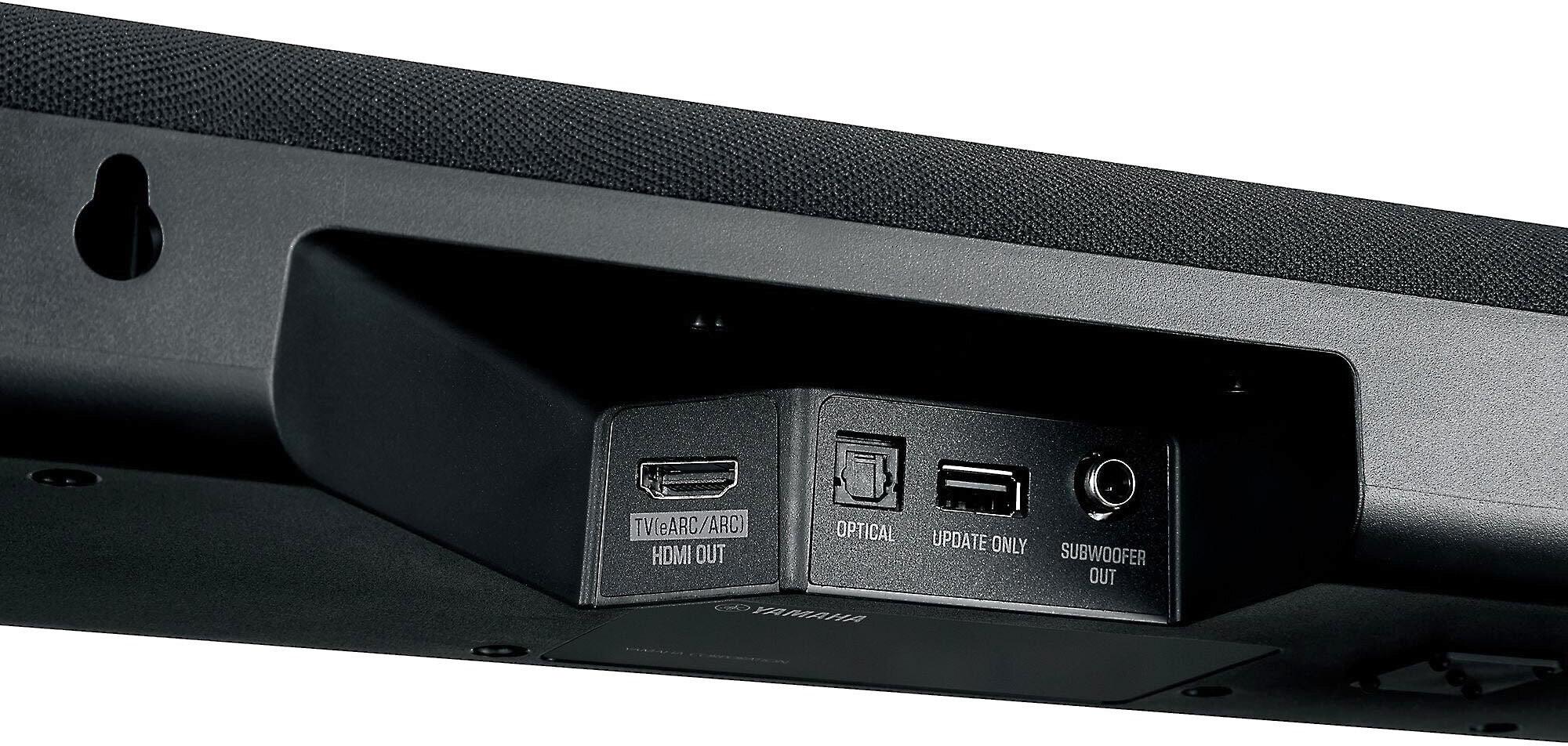
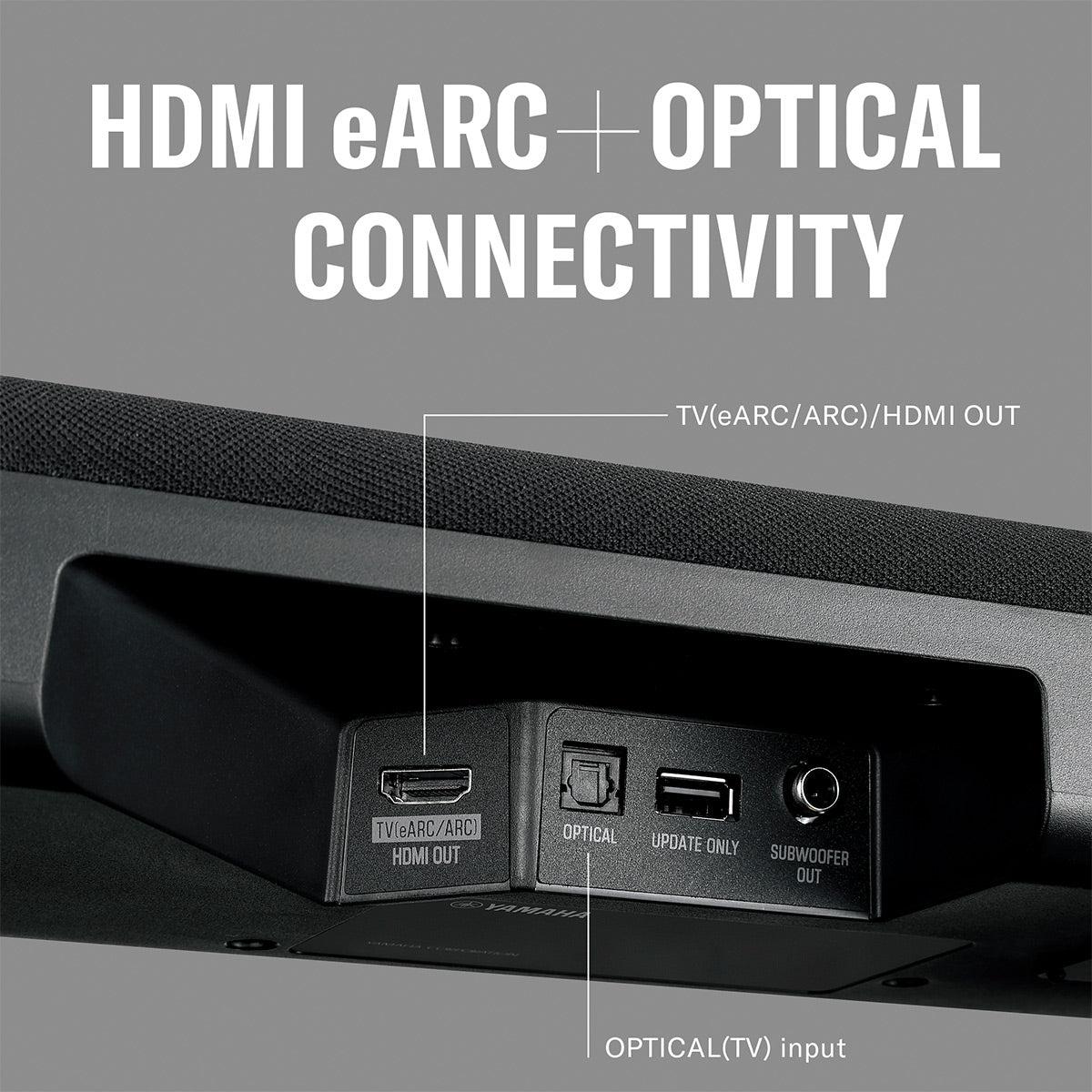
The Yamaha SR-B30A keeps connectivity simpler but covers the essentials effectively. HDMI eARC or optical connections handle TV audio, while Bluetooth 5.1 enables wireless music streaming. The HDMI-CEC support means you can control basic functions with your TV remote, reducing remote control clutter.
Room compatibility represents another crucial difference between these soundbars. The Sony HT-A8000 truly shines in medium to large rooms where its 360 Spatial Sound Mapping technology has space to work. In rooms smaller than 200 square feet, much of Sony's advanced technology becomes overkill, and you're essentially paying for capabilities you can't fully utilize.
The Yamaha SR-B30A was specifically designed for smaller spaces. It excels in bedrooms, apartments, and compact living rooms where a separate subwoofer would be impractical or overwhelming. The built-in subwoofers provide appropriate bass levels without overpowering smaller spaces.
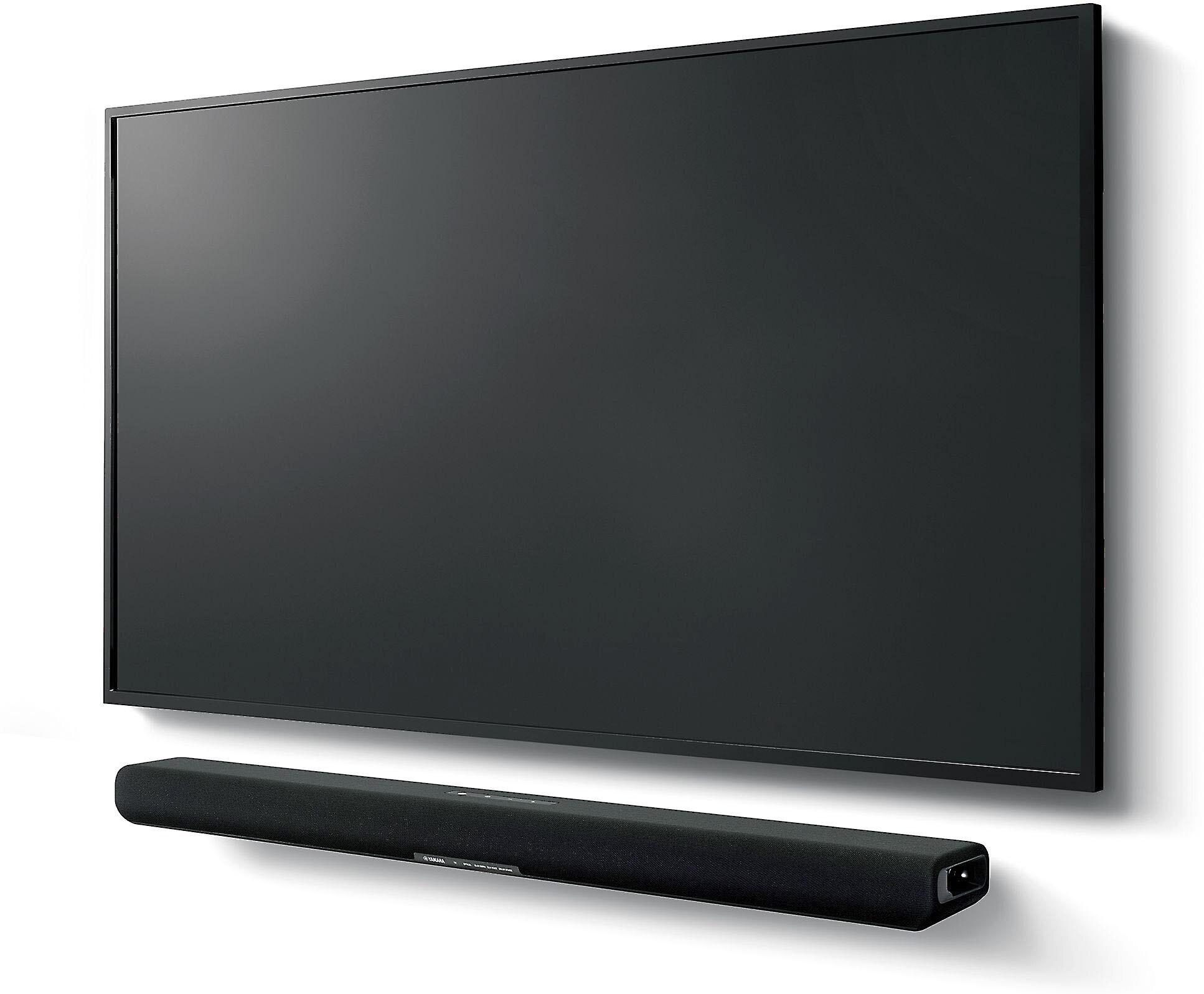
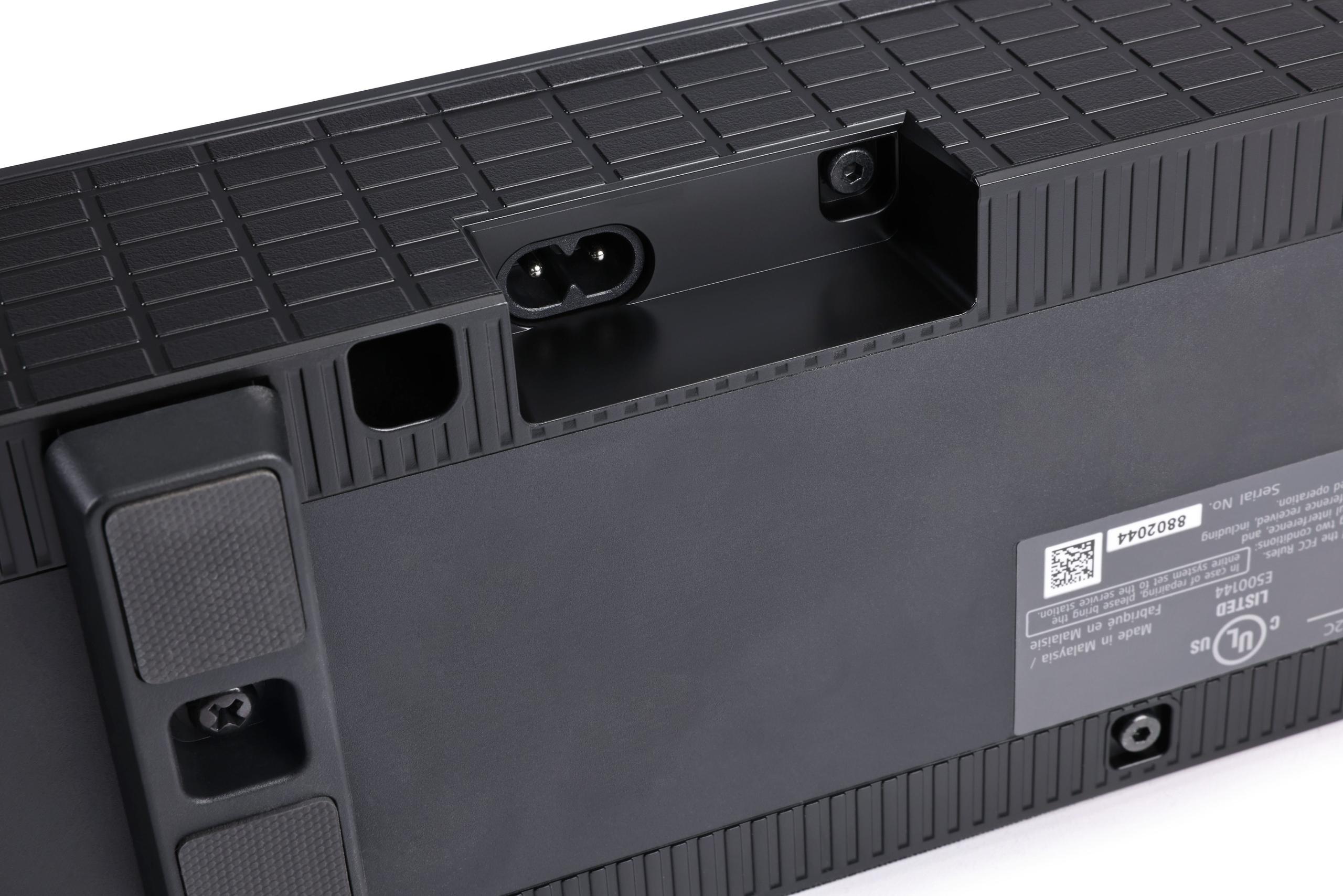
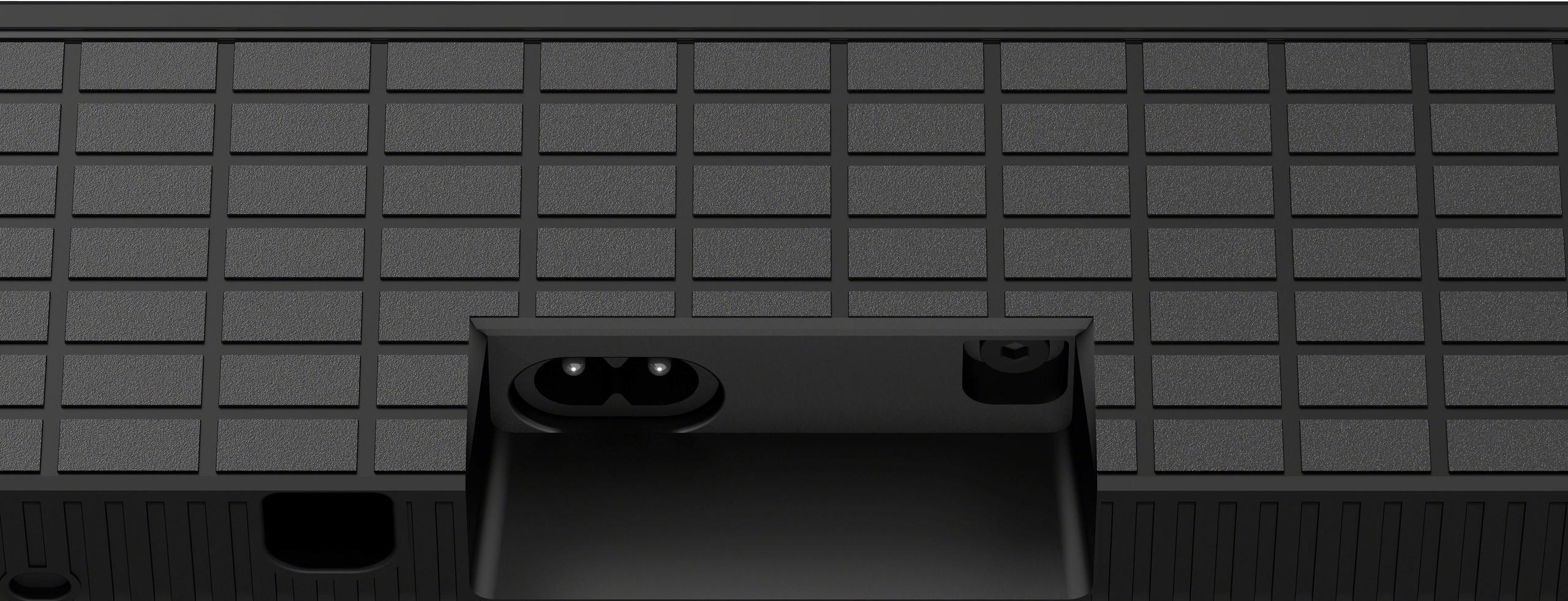
Wall mounting capabilities differ significantly as well. The Yamaha SR-B30A includes built-in keyholes for simple wall mounting, perfect for renters or anyone wanting minimal installation hassle. The Sony HT-A8000 includes wall mounting hardware but assumes a more permanent installation approach, especially if you later add optional components.
For dedicated home theater use, the Sony HT-A8000 offers significant advantages. The advanced surround sound processing creates more convincing spatial effects during action sequences. The Voice Zoom 3 technology proves particularly valuable during complex movie soundtracks where dialogue might otherwise get buried.
The expandability factor becomes crucial for home theater enthusiasts. Adding Sony's optional rear speakers (SA-RS3R or SA-RS5) creates a true surround sound experience that rivals traditional multi-speaker systems. The wireless connectivity means no complicated wiring runs around the room.
However, the Yamaha SR-B30A shouldn't be dismissed for home theater applications, especially in smaller rooms. The Movie mode provides enhanced spatial processing that creates a more immersive experience than TV speakers, and the immediate bass impact improves action sequences noticeably.
The key difference lies in scalability. The Yamaha SR-B30A represents the complete experience from day one, while the Sony HT-A8000 offers a foundation for building a more sophisticated system over time.
Value comparison requires looking beyond initial purchase price. The Yamaha SR-B30A delivers exceptional value for budget-conscious buyers who want immediate, significant audio improvement. You get Dolby Atmos processing, built-in subwoofers, and multiple sound modes at an entry-level price point.
The Sony HT-A8000 commands a premium price but offers advanced technology and expandability that justify the cost for the right user. However, reaching its full potential requires additional investment in optional components, which significantly impacts the total cost of ownership.
At the time of writing, the price difference means you could potentially buy two Yamaha SR-B30A soundbars for different rooms for roughly the same cost as one Sony HT-A8000. This mathematical reality makes the value proposition clear for many users.
The Sony HT-A8000 makes sense for several specific user profiles. Home theater enthusiasts who value cutting-edge audio technology will appreciate the 360 Spatial Sound Mapping and advanced processing capabilities. Users with medium to large living rooms can fully utilize these features. Sony BRAVIA TV owners benefit from seamless ecosystem integration. Finally, anyone planning to build a more sophisticated audio system over time will appreciate the expandability options.
The Yamaha SR-B30A targets a different but equally valid set of needs. Budget-conscious buyers seeking maximum impact per dollar will find excellent value. Users with smaller rooms or limited space for multiple components will appreciate the all-in-one design. Anyone preferring immediate, complete solutions without future upgrade considerations will be satisfied with what the Yamaha offers right out of the box.
Renters or frequent movers should strongly consider the Yamaha SR-B30A for its simpler installation and portability. The built-in subwoofers eliminate the need to find placement for additional components in different living spaces.
These soundbars represent two valid but very different approaches to improving your TV audio experience. The Sony HT-A8000 offers superior technology and performance for users willing to invest in premium audio and potentially expand their system over time. The Yamaha SR-B30A provides excellent value and immediate satisfaction for users seeking significant audio improvement without complexity or premium pricing.
Neither choice is wrong – it simply depends on your priorities, room size, budget, and long-term audio ambitions. The Yamaha SR-B30A will satisfy most users' needs at a fraction of the cost, while the Sony HT-A8000 provides a foundation for building a truly exceptional home audio system for those with deeper pockets and bigger ambitions.
| Sony HT-A8000 BRAVIA Theater Bar 8 Soundbar | Yamaha SR-B30A Sound Bar with Built-In Subwoofers |
|---|---|
| Price Category - Determines overall value proposition | |
| Premium tier (significantly higher investment) | Budget-friendly tier (excellent entry-level value) |
| Speaker Configuration - Affects surround sound quality and immersion | |
| 11 speakers in 5.0.2 channel layout with upfiring drivers | 8 speakers total with dual built-in 3" subwoofers |
| Total Power Output - Impacts volume and dynamic range | |
| Not specified (typically higher for premium models) | 120W total (30W × 2 front, 60W subwoofer) |
| Surround Sound Formats - Determines compatibility with premium content | |
| Dolby Atmos + DTS:X (full format support) | Dolby Atmos only (no DTS:X support) |
| Key Audio Technology - Core differentiator for sound quality | |
| 360 Spatial Sound Mapping with phantom speakers | Clear Voice technology with Bass Extension |
| Bass Solution - Major practical difference affecting setup | |
| Requires optional wireless subwoofer for full bass (sold separately) | Dual built-in subwoofers included (no additional purchase needed) |
| Connectivity Options - Affects device compatibility and future-proofing | |
| HDMI 2.1 eARC, Wi-Fi, Bluetooth 5.2, gaming features (4K120, VRR, ALLM) | HDMI eARC or optical, Bluetooth 5.1 (no Wi-Fi or advanced gaming features) |
| Room Size Optimization - Critical for getting best performance | |
| Medium to large rooms (200+ sq ft) with Sound Field Optimization | Small to medium rooms, bedrooms, apartments |
| Expandability - Long-term upgrade potential | |
| Full ecosystem with optional wireless subwoofer and rear speakers | Complete all-in-one solution (no expansion options) |
| Smart Features - Convenience and integration capabilities | |
| Spotify Connect, AirPlay 2, BRAVIA TV integration, app control | Basic app control, HDMI-CEC TV remote compatibility |
| Setup Complexity - Time and effort to get optimal performance | |
| More complex with room calibration and optional component pairing | Plug-and-play simplicity with immediate full functionality |
| Ideal User Profile - Who gets the most value from each option | |
| Home theater enthusiasts, large rooms, Sony TV owners, upgrade planners | Budget-conscious buyers, small spaces, simplicity seekers, renters |
The Yamaha SR-B30A provides exceptional value for budget-conscious buyers, offering Dolby Atmos support and built-in subwoofers at an entry-level price. The Sony HT-A8000 costs significantly more but delivers premium technology like 360 Spatial Sound Mapping and expandability options. For most users, the Yamaha SR-B30A offers better bang for your buck.
The Yamaha SR-B30A includes dual built-in subwoofers, so no additional purchase is needed for decent bass. The Sony HT-A8000 works without a subwoofer but really shines when paired with Sony's optional wireless subwoofers for deeper, more impactful bass performance.
The Yamaha SR-B30A is specifically designed for smaller spaces like bedrooms and apartments. Its built-in subwoofers provide appropriate bass levels without overwhelming compact rooms. The Sony HT-A8000 is engineered for medium to large rooms where its advanced spatial audio technology can work effectively.
The Sony HT-A8000 offers superior overall immersion with 11 speakers and 360 Spatial Sound Mapping technology that creates convincing surround effects. The Yamaha SR-B30A provides surprisingly good sound quality for its price, with clear dialogue and decent bass, but can't match the spatial audio capabilities of the premium Sony HT-A8000.
The Yamaha SR-B30A wins on simplicity with plug-and-play operation and no additional components needed. The Sony HT-A8000 requires more setup time, especially if adding optional components, plus room calibration for optimal performance. For hassle-free installation, choose the Yamaha SR-B30A.
Both soundbars connect to your TV via HDMI or optical cables - neither offers wireless TV connectivity. However, the Sony HT-A8000 includes Wi-Fi for music streaming services like Spotify Connect and AirPlay 2. The Yamaha SR-B30A offers Bluetooth streaming but no Wi-Fi connectivity.
The Sony HT-A8000 excels for gaming with HDMI 2.1 support, including 4K120Hz, Variable Refresh Rate (VRR), and Auto Low Latency Mode (ALLM). The Yamaha SR-B30A includes a dedicated Game mode for enhanced gaming audio but lacks the advanced gaming features found in the Sony HT-A8000.
Yes, both the Sony HT-A8000 and Yamaha SR-B30A support Dolby Atmos for immersive overhead sound effects. However, the Sony HT-A8000 also supports DTS:X format and delivers more convincing Atmos effects through its physical upfiring speakers and advanced processing.
The Sony HT-A8000 is designed for expandability with optional wireless subwoofers and rear speakers available separately. The Yamaha SR-B30A is a complete all-in-one solution with no expansion options - what you buy is what you get, which keeps things simple but limits upgrade potential.
For serious home theater use, the Sony HT-A8000 provides superior movie experiences with its 360 Spatial Sound Mapping, Voice Zoom 3 dialogue enhancement, and support for premium audio formats. The Yamaha SR-B30A offers good movie performance with its Movie mode and Clear Voice technology, making it solid for casual viewing.
The Yamaha SR-B30A has a compact single-unit design perfect for tight spaces and easy wall mounting. The Sony HT-A8000 is larger and requires more consideration for placement, especially if you plan to add optional subwoofers and rear speakers to complete the system.
Choose the Sony HT-A8000 if you want cutting-edge audio technology, have a larger room, and don't mind the higher investment for premium performance. Pick the Yamaha SR-B30A if you want excellent value, immediate satisfaction, and don't need the most advanced features - it delivers great sound improvement at a fraction of the cost.
We've done our best to create useful and informative comparisons to help you decide what product to buy. Our research uses advanced automated methods to create this comparison and perfection is not possible - please contact us for corrections or questions. These are the sites we've researched in the creation of this article: consumerreports.org - skybygramophone.com - target.com - rtings.com - bestbuy.com - rubbermonkey.co.nz - shopatsc.com - audioadvice.com - sony.com - sony.com - sony.com - shop.cosmopolitan.com - store.sony.com.my - videoandaudiocenter.com - usa.yamaha.com - worldwidestereo.com - audiolab.com - shop.sg.yamaha.com - consumerreports.org - usa.yamaha.com - vinylsound.ca - bestbuy.com - modernappliancewoodward.com - bluestardist.com - target.com - my.yamaha.com

Privacy Policy
Terms and Conditions - Affiliate Policy
Home Security
© Copyright 2008-2026.
11816 Inwood Rd #1211, Dallas, TX 75244