




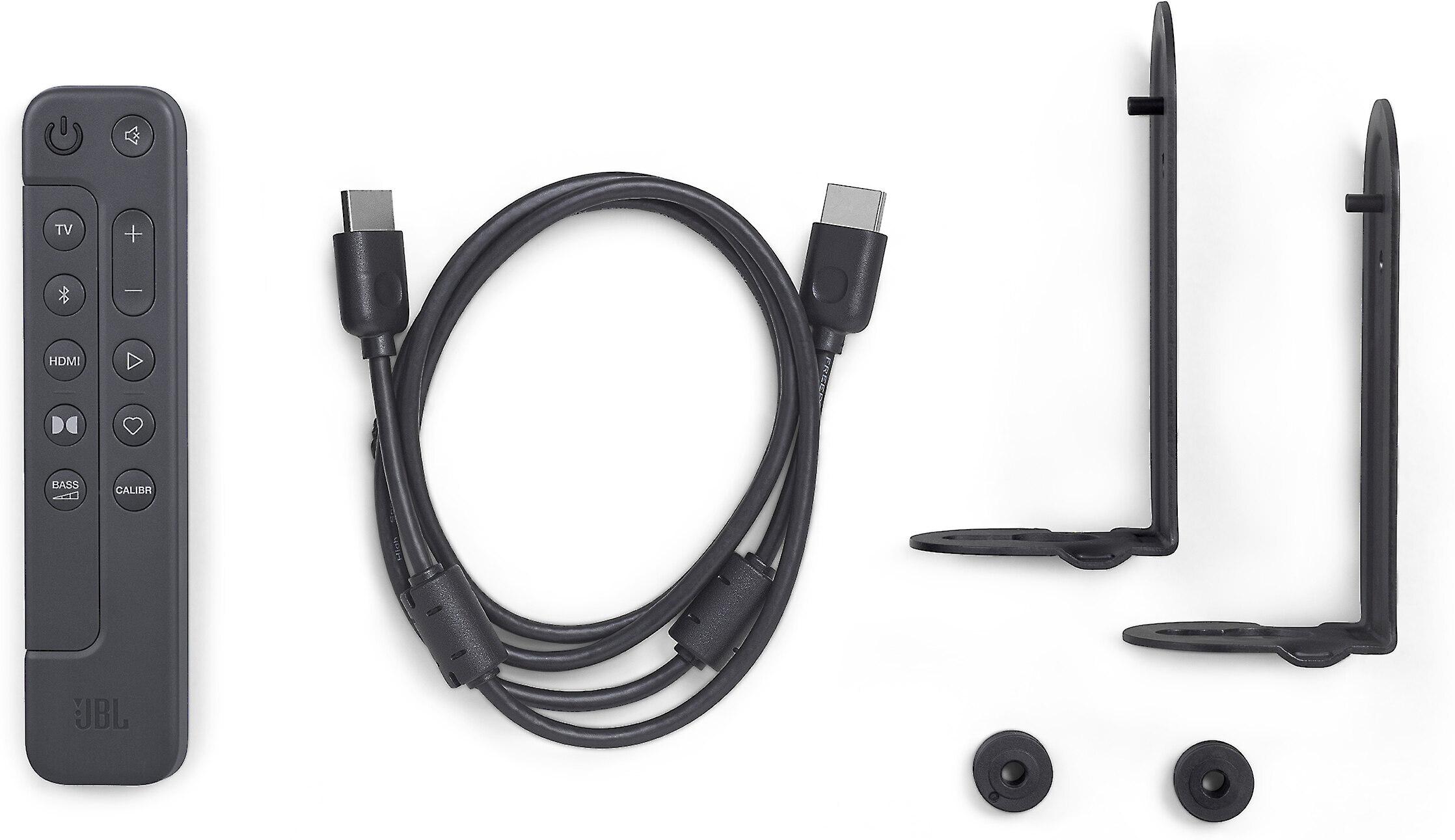
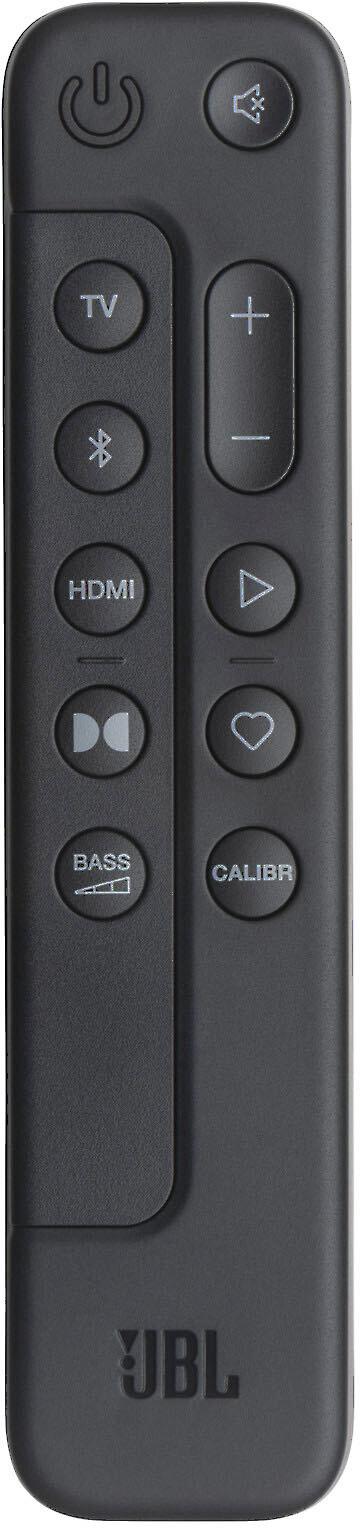
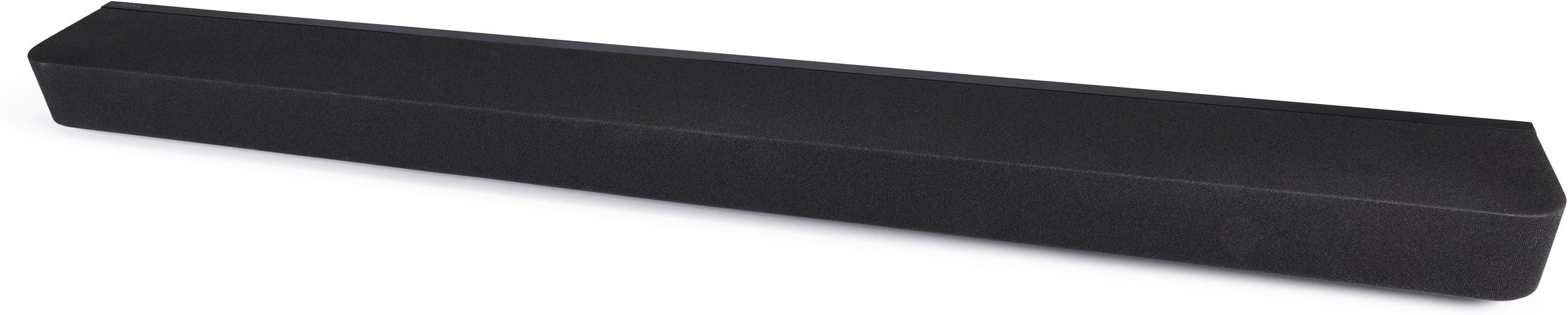
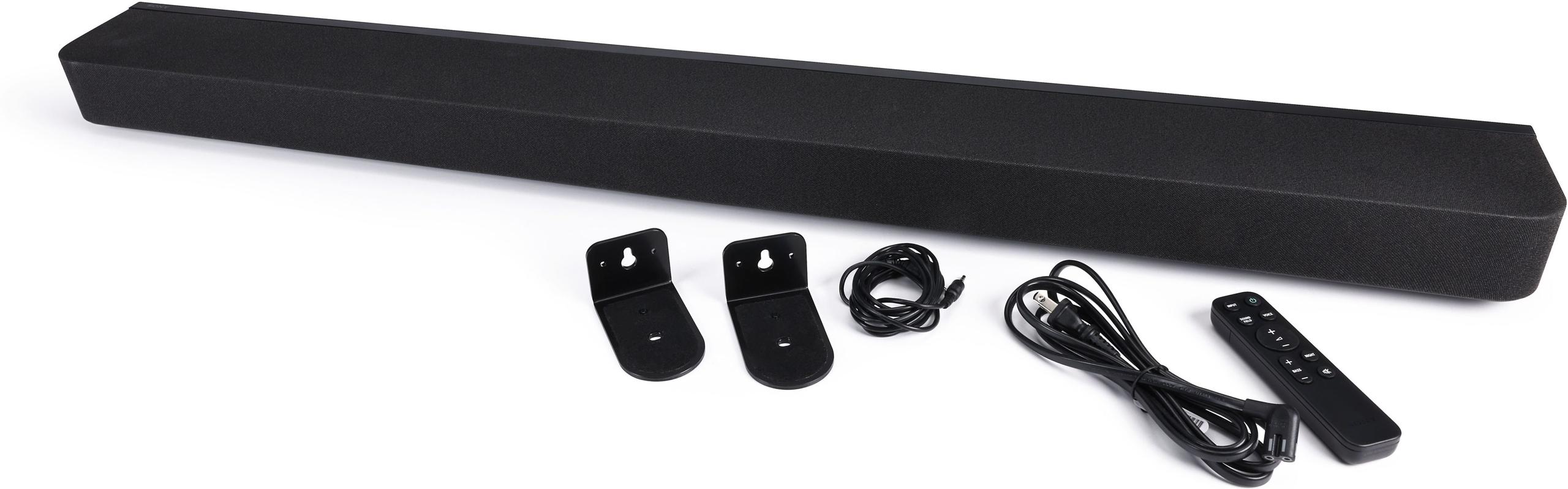

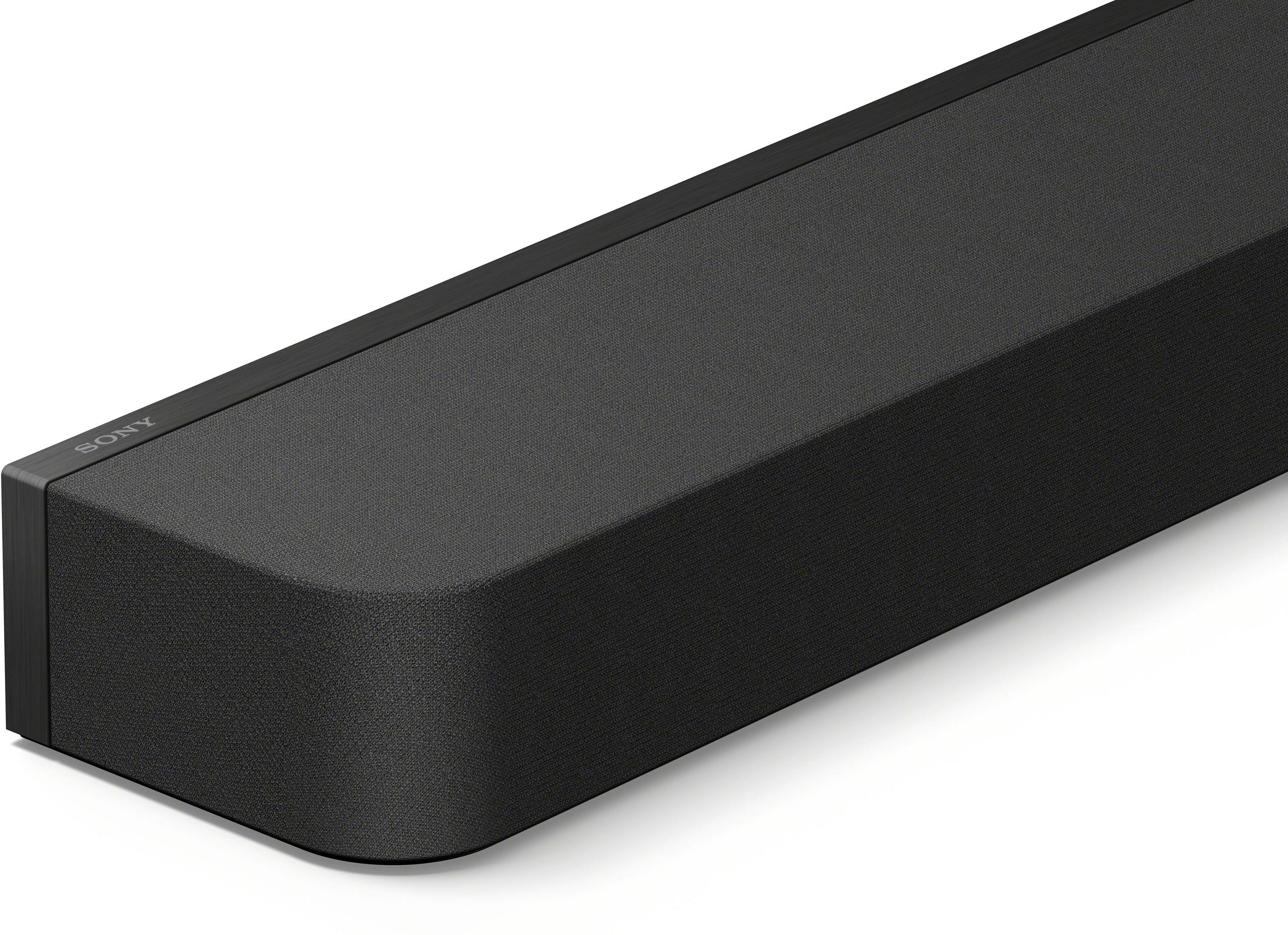
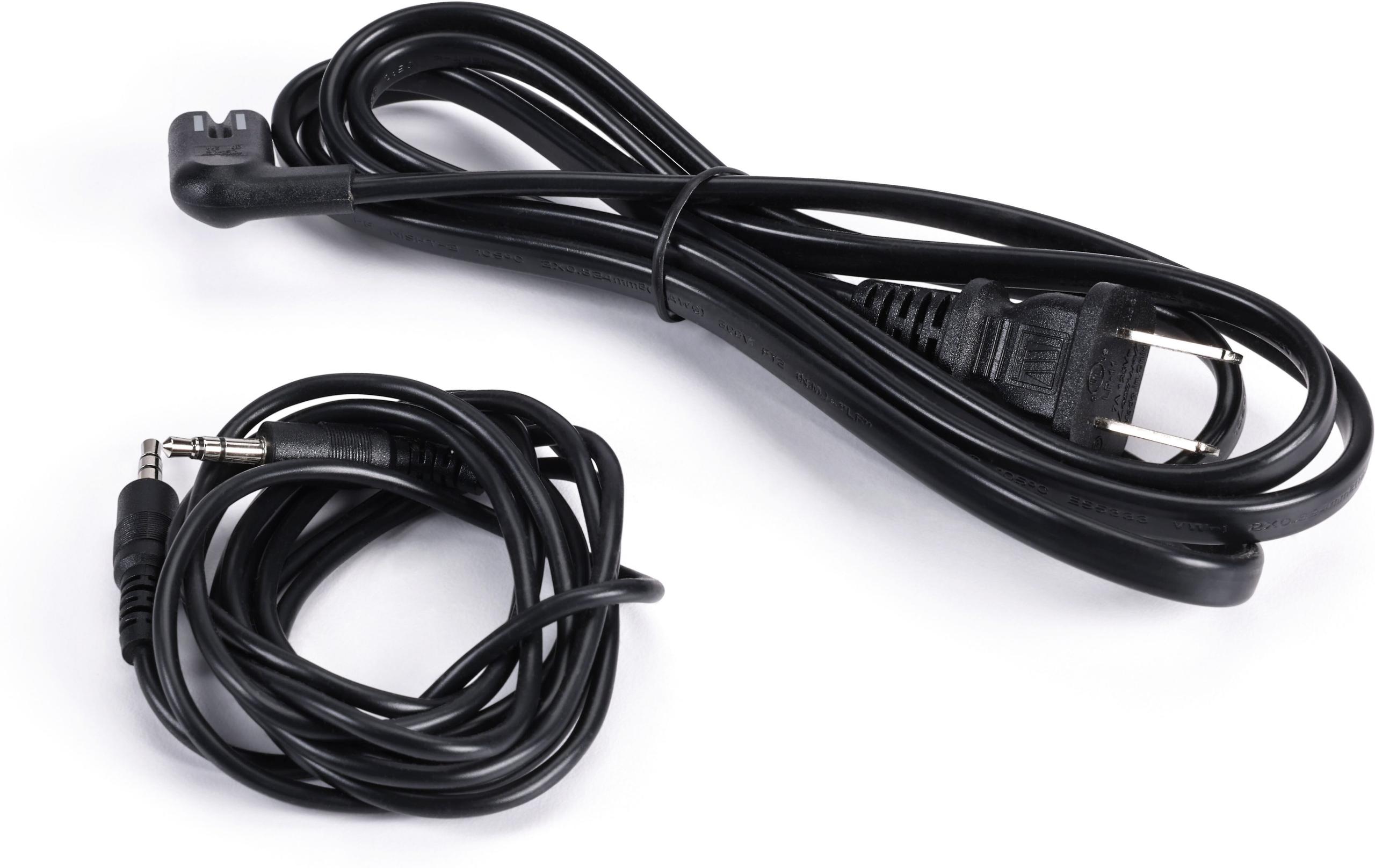

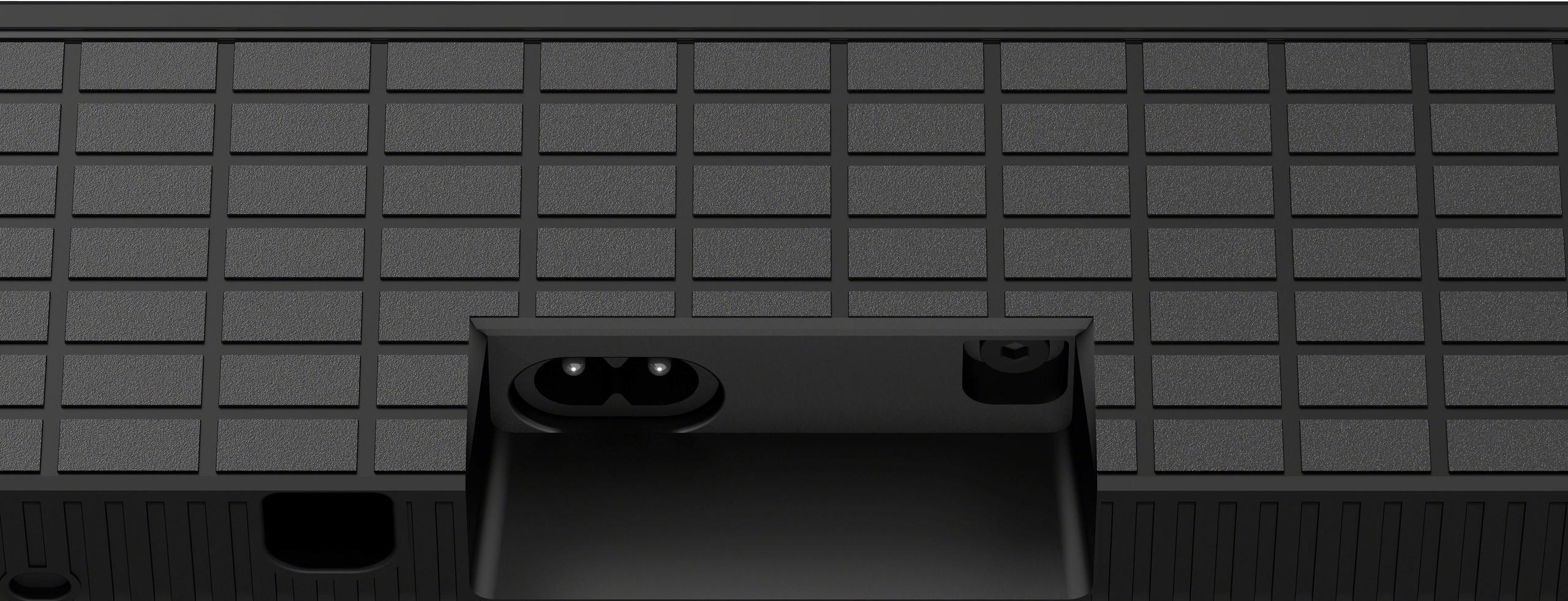
If you've ever found yourself cranking up your TV volume just to understand what actors are saying, or felt like explosions in action movies sound more like gentle pops, you're not alone. Most TV speakers are terrible, and that's where soundbars come to the rescue. But choosing between a premium option like the Sony HT-A8000 and a budget-friendly contender like the JBL Bar 300 can feel overwhelming.
Let me break down everything you need to know about these two very different approaches to better TV audio, so you can make the right choice for your home and budget.
Before diving into the specifics, it's worth understanding what separates good soundbars from great ones. The most critical factors are audio clarity (how crisp dialogue and music sound), soundstage width (how well audio fills your room), bass response (those rumbling low frequencies that make movies exciting), and immersive capabilities (whether you feel surrounded by sound).
Modern soundbars also need to handle object-based audio formats like Dolby Atmos, which places specific sounds in 3D space around you rather than just left and right. Think of it like the difference between a flat painting and a sculpture – Dolby Atmos adds that third dimension to audio.
The connectivity story matters too. With streaming services dominating how we watch content, having built-in Wi-Fi, multiple HDMI ports, and support for various wireless protocols can make or break the user experience.
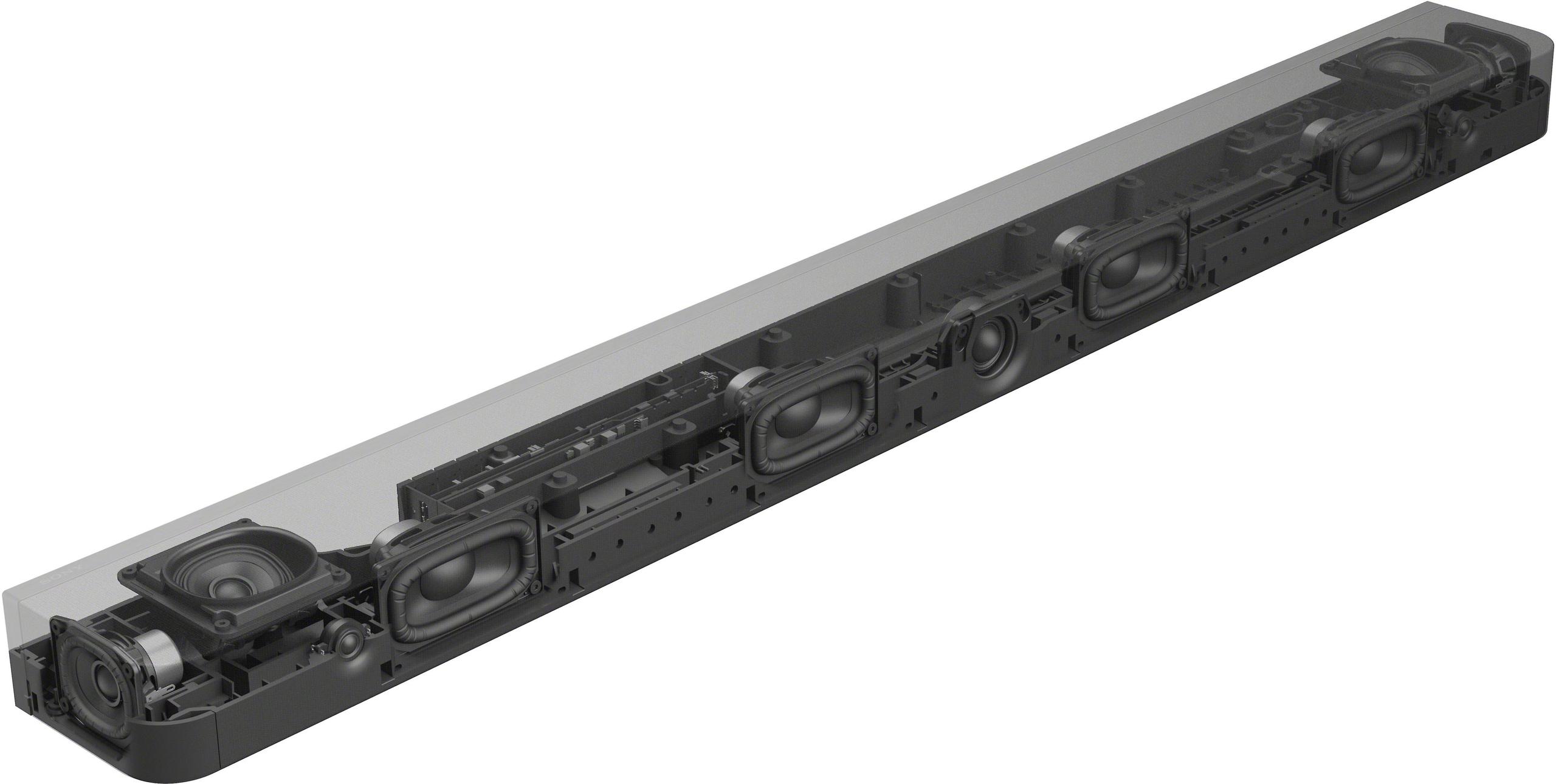
The Sony HT-A8000, released in 2024, represents Sony's flagship approach to soundbar design. It's built around their 360 Spatial Sound Mapping technology and packs 11 individual speaker drivers into a sleek bar. This isn't just about having more speakers – it's about creating what Sony calls "phantom speakers" that seem to exist where there are no physical drivers.
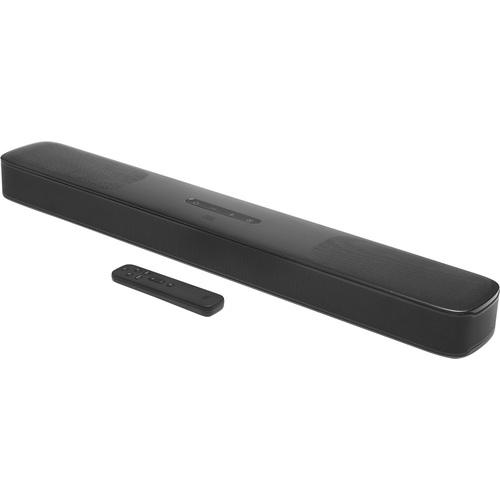
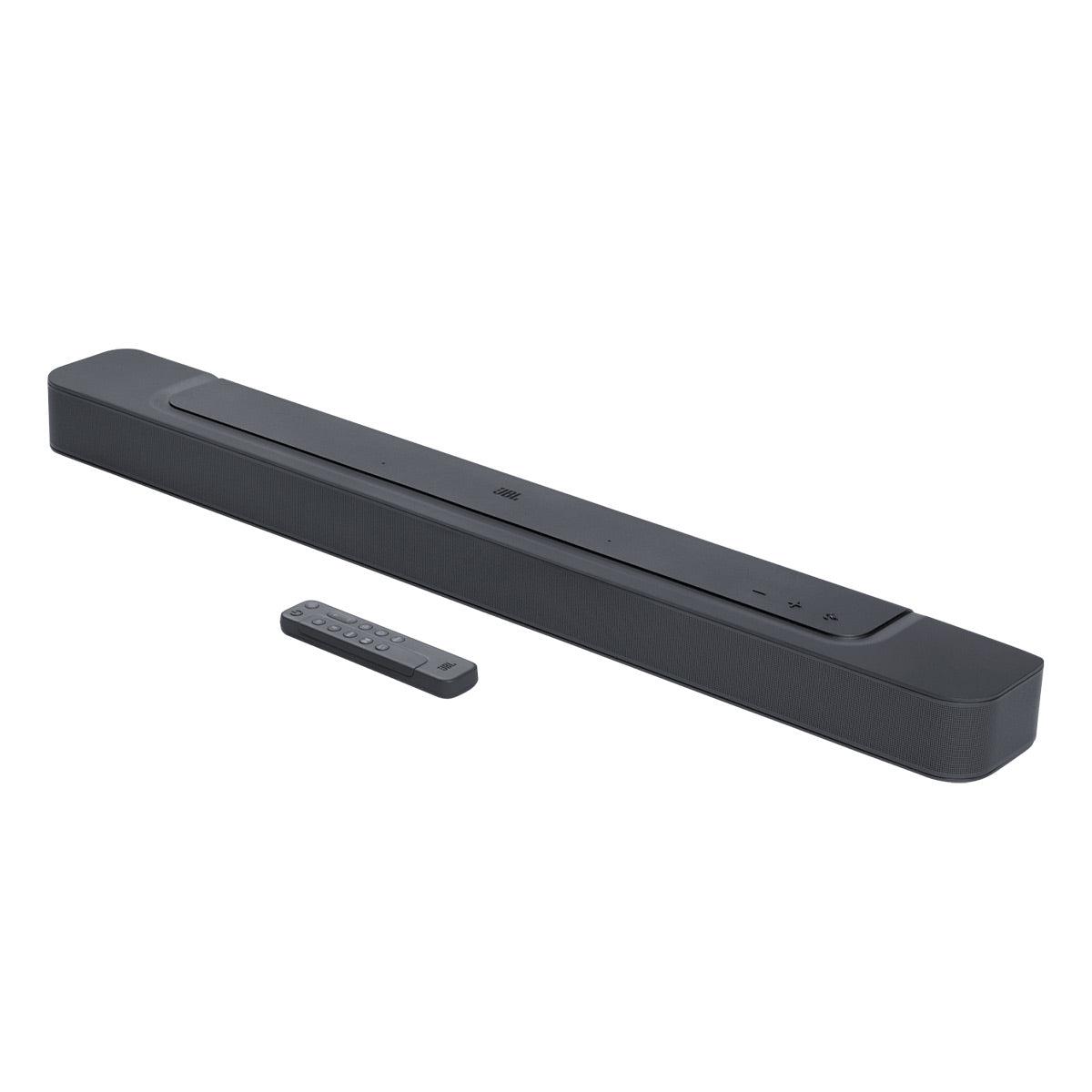
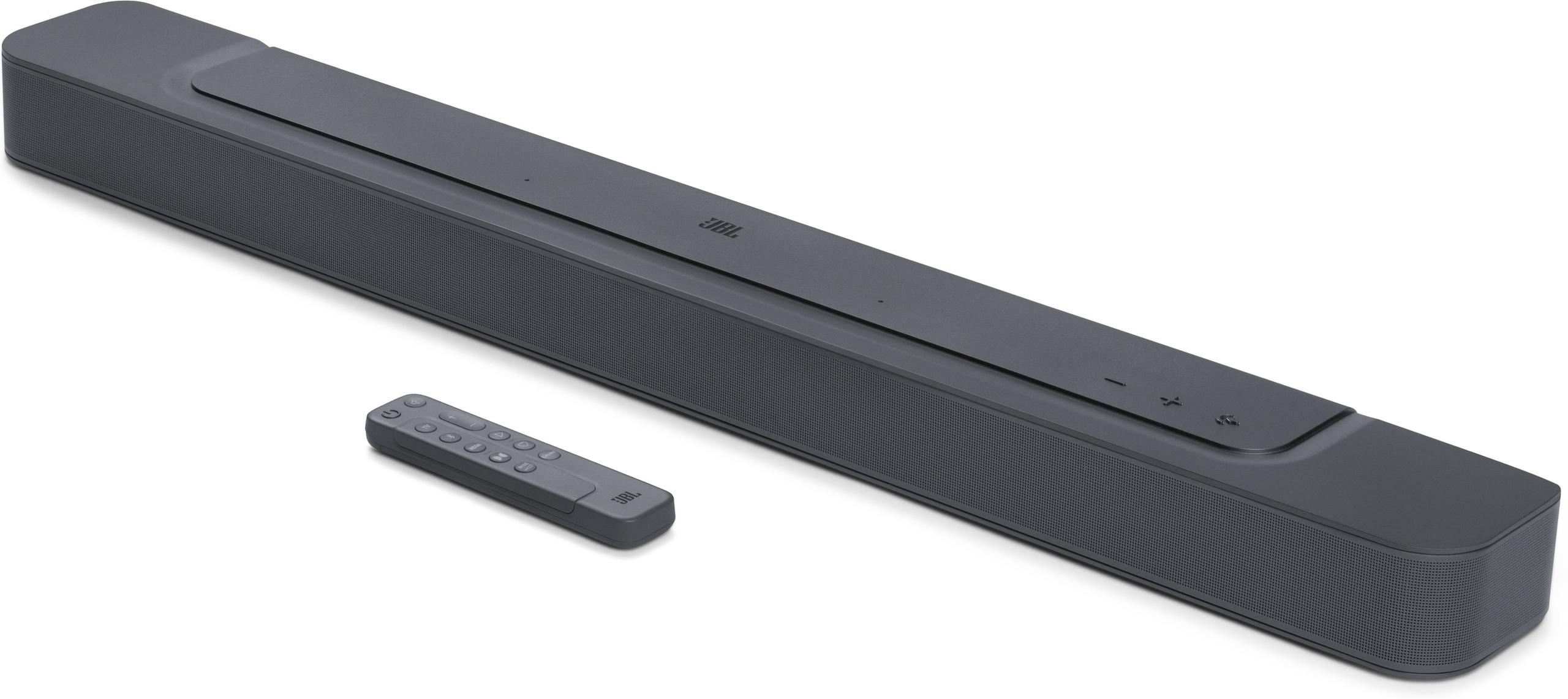
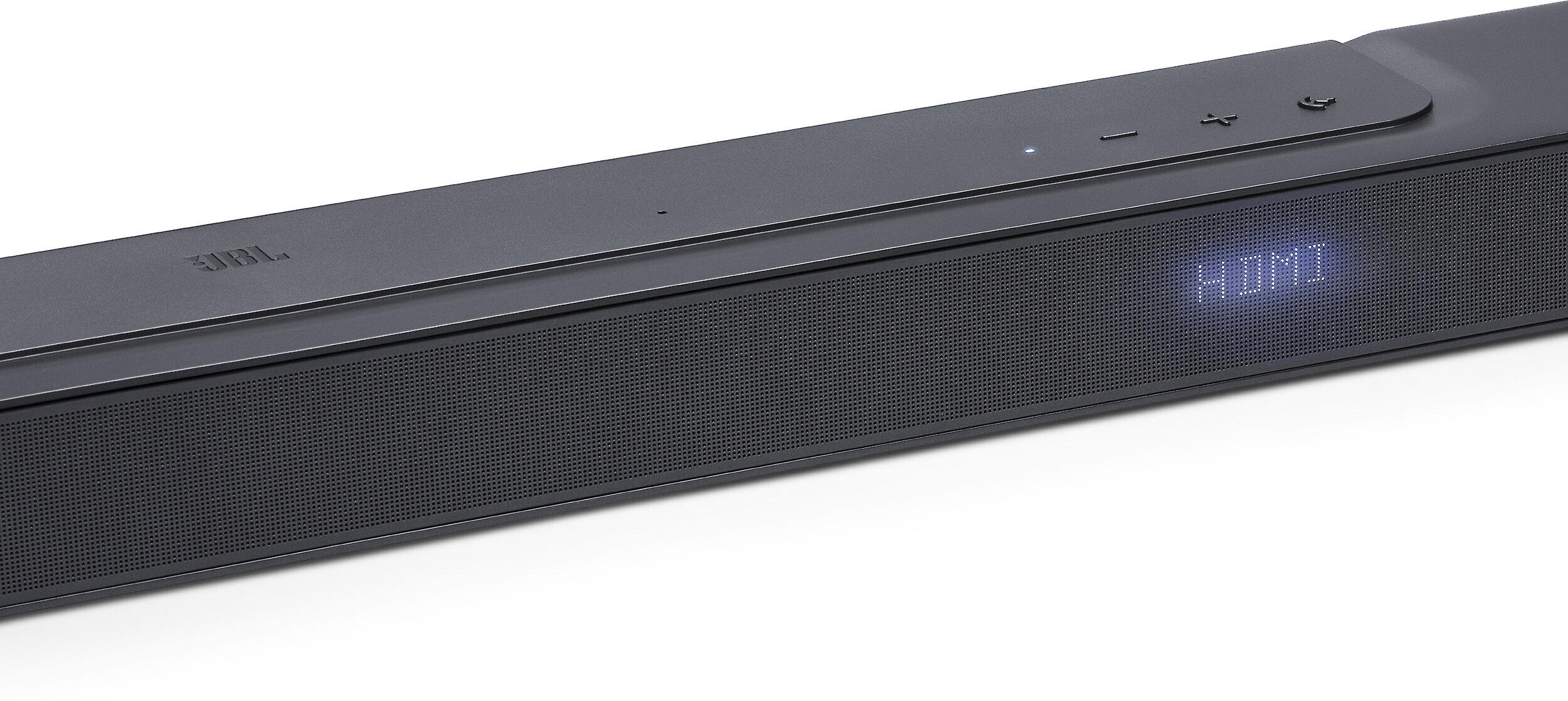
In contrast, the JBL Bar 300 takes the "everything you need in one box" approach. Released in the past couple of years, it focuses on delivering Dolby Atmos and solid performance without requiring additional components or breaking the bank.
At the time of writing, the Sony HT-A8000 commands a premium price that's roughly double what you'll pay for the JBL Bar 300. The question is whether that extra investment delivers proportional value.
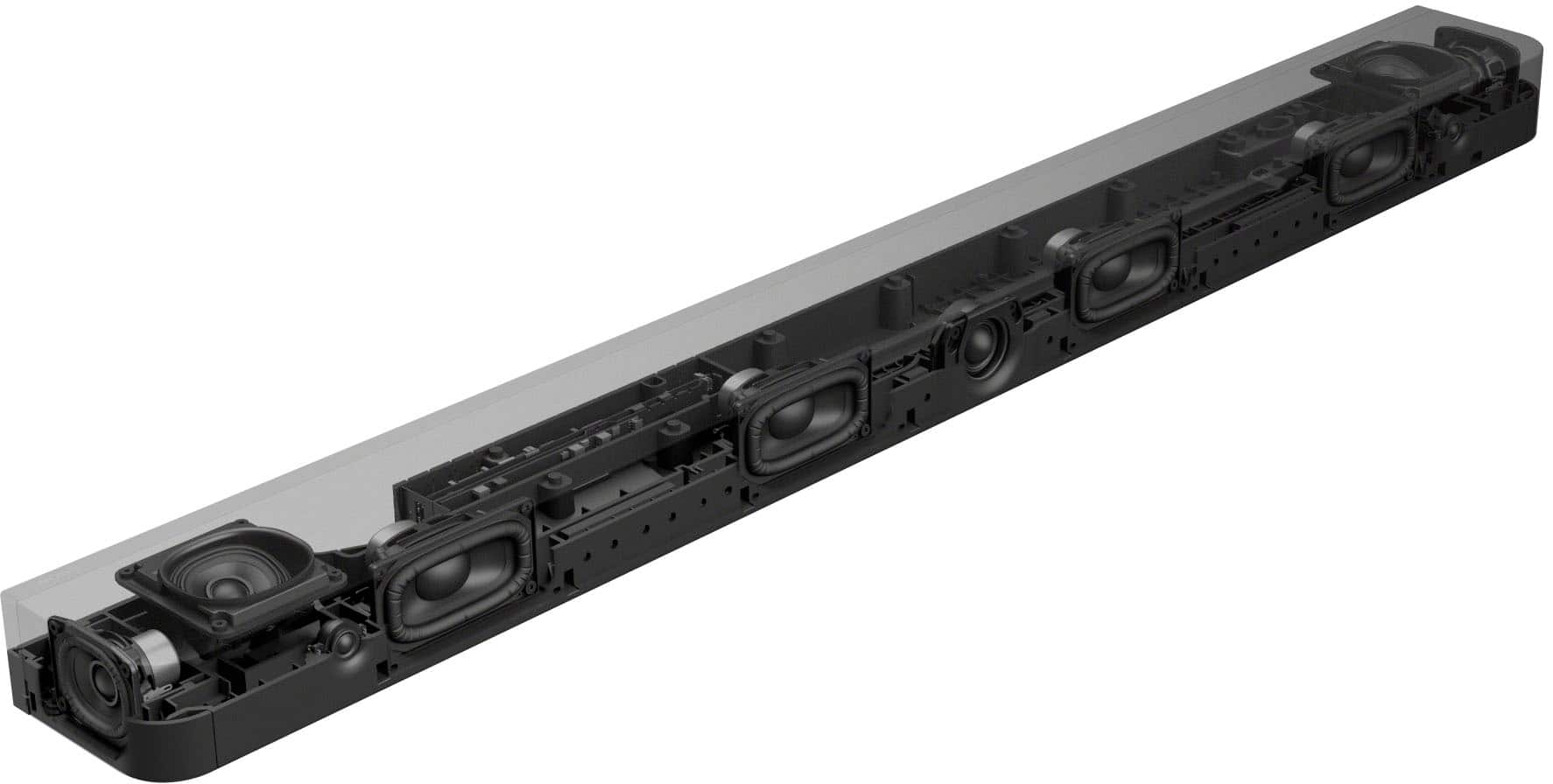
The most fundamental difference between these soundbars lies in their speaker architecture. The Sony HT-A8000 uses 11 individual drivers – think of drivers as the individual speakers that produce different frequency ranges. This includes dedicated up-firing drivers (speakers that bounce sound off your ceiling to create height effects) and side-firing drivers that reflect sound off walls to create width.
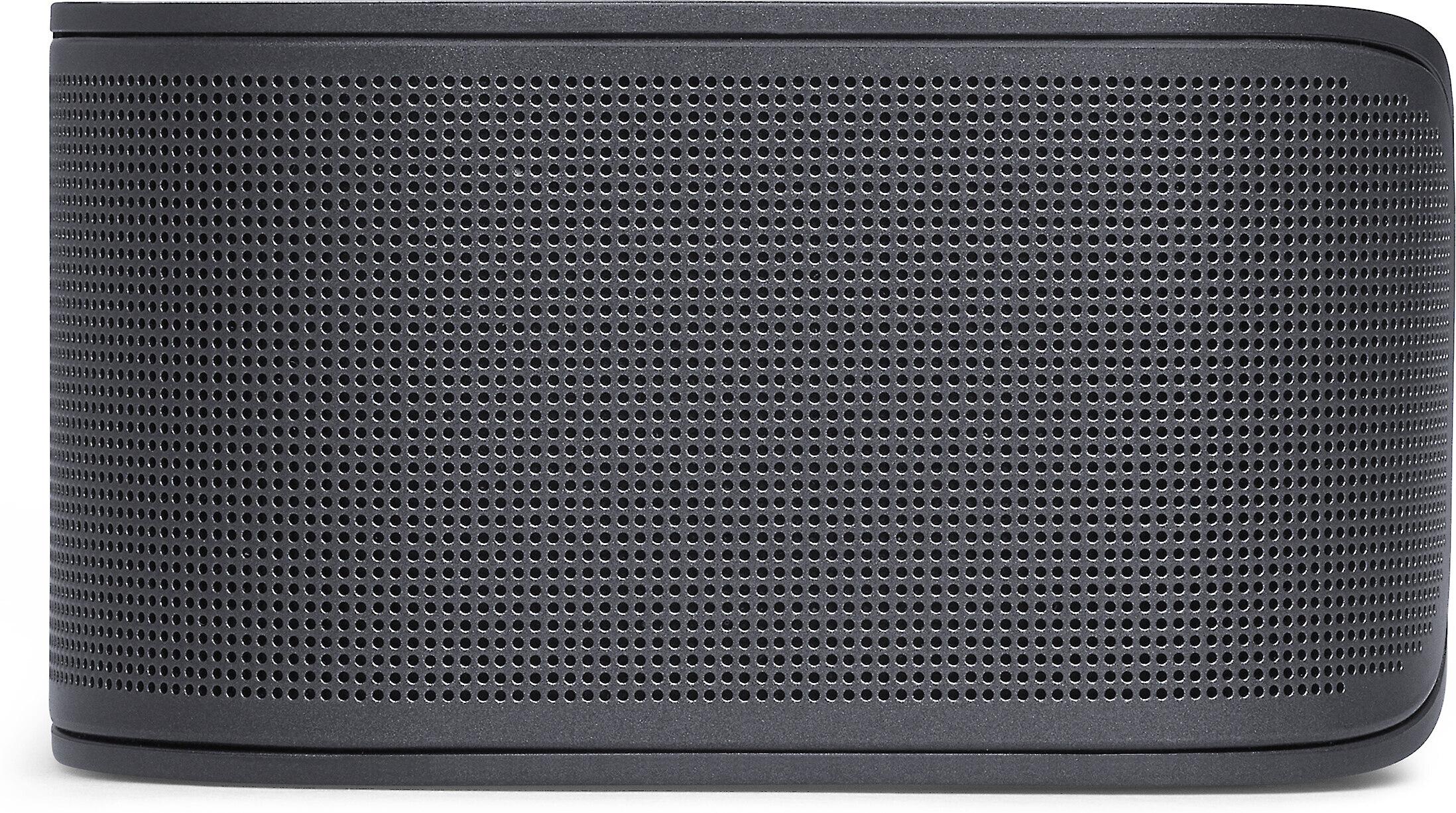
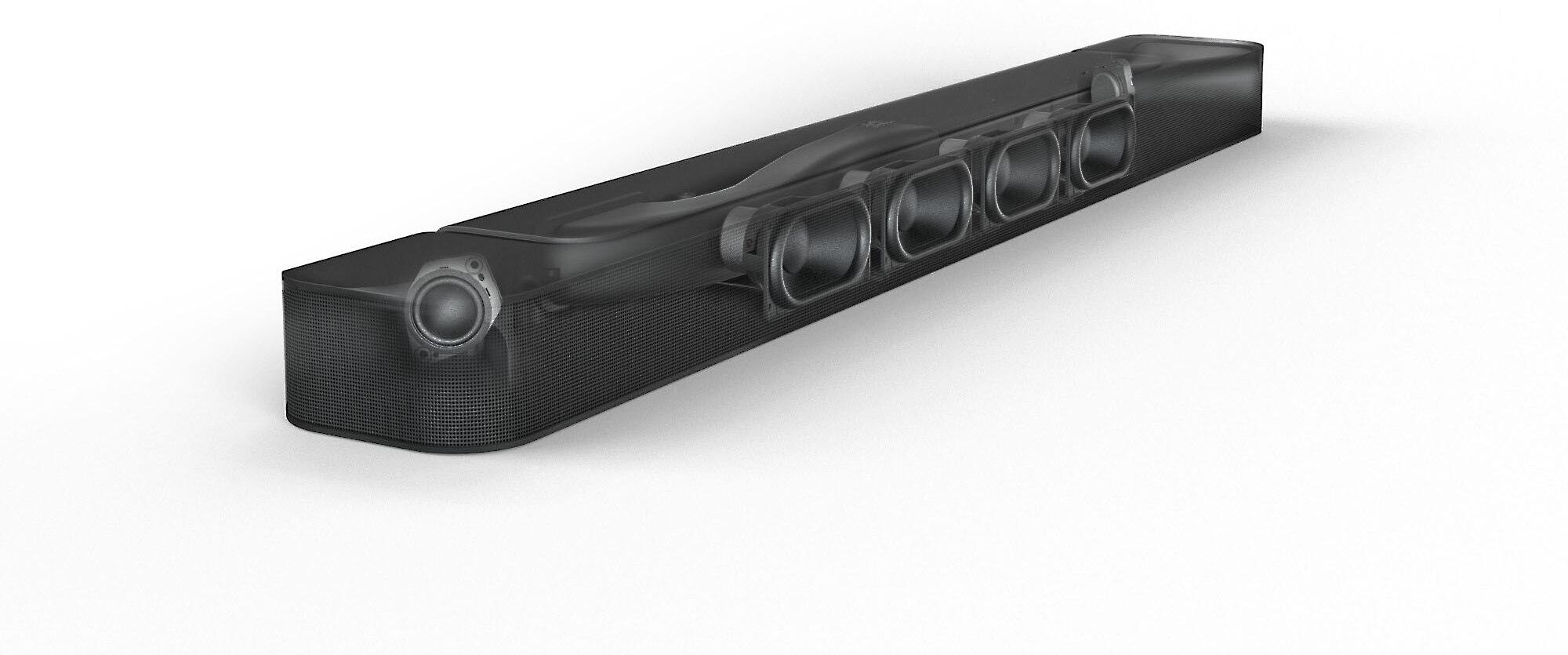
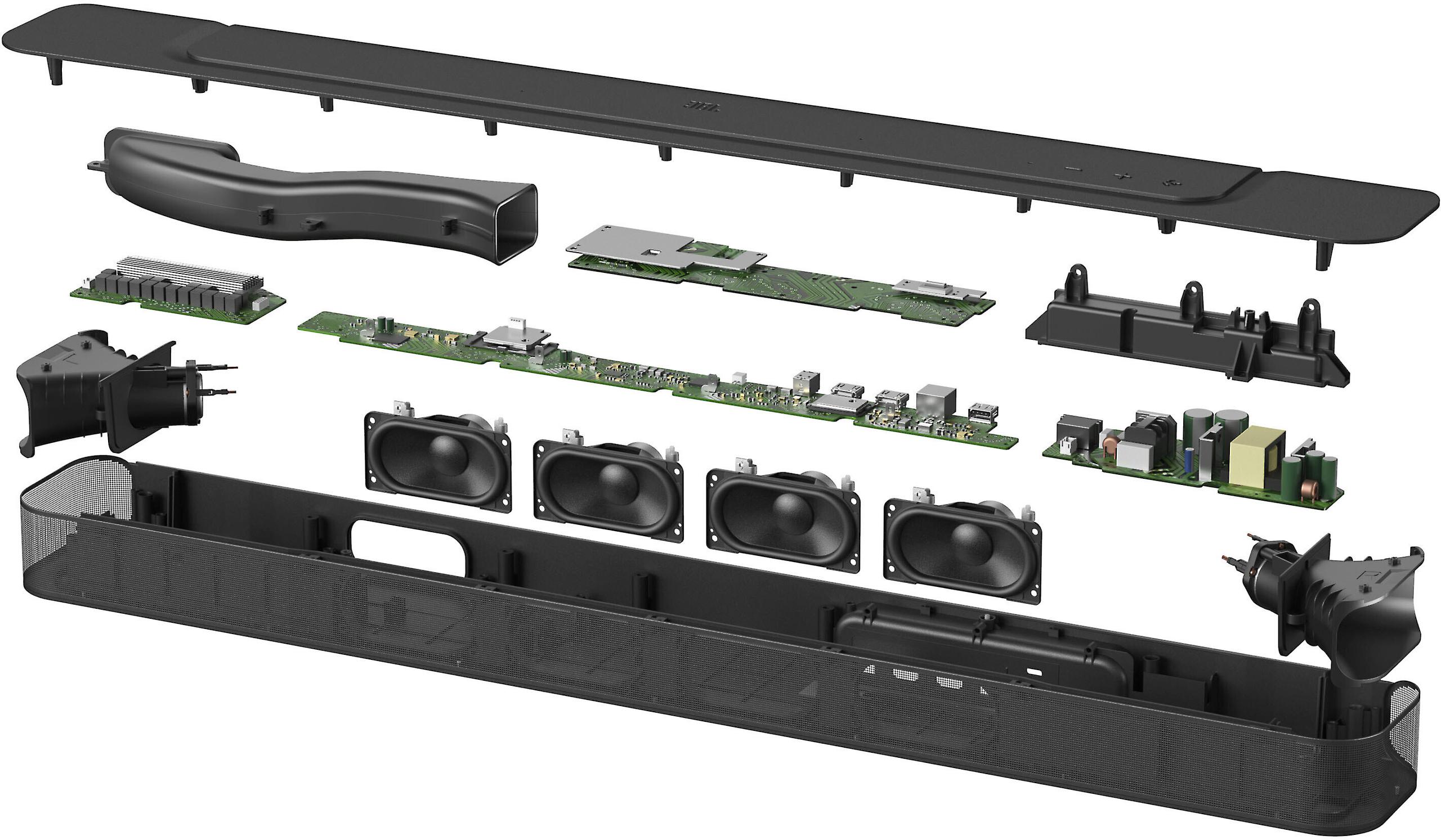
The JBL Bar 300 takes a different approach with 6 drivers total: four racetrack-shaped main drivers and two tweeters (the small speakers responsible for high frequencies like cymbals and dialogue clarity). While fewer in number, JBL compensates with their MultiBeam technology, which uses digital signal processing to simulate surround effects.
In terms of raw power, the Sony HT-A8000 doesn't actually specify total wattage, focusing instead on their S-Master HX digital amplifier technology. The JBL Bar 300 delivers 260 watts, which sounds impressive but wattage alone doesn't tell the whole story – it's how efficiently that power is used that matters.
Nothing ruins a movie night faster than constantly reaching for the remote to adjust volume because you can't understand what characters are saying. Both soundbars tackle this crucial issue differently.
The Sony HT-A8000 uses Voice Zoom 3, an AI-powered feature that actually recognizes human speech patterns and amplifies them intelligently. This isn't just a simple treble boost – it's sophisticated processing that can distinguish between dialogue and background music or effects.
The JBL Bar 300 employs PureVoice technology, which optimizes voice frequencies using algorithmic enhancement. Based on user feedback we've analyzed, both systems work well, but Sony's AI approach tends to be more effective in complex audio scenes where dialogue competes with loud music or effects.
This is where the philosophical differences between these soundbars become most apparent. The JBL Bar 300 includes a built-in bass port system, essentially creating a sealed enclosure within the soundbar itself to generate low frequencies. User reviews consistently mention "punchy bass" that's adequate for most content without needing additional components.
The Sony HT-A8000 uses four quad woofers with a unique rectangular design that maximizes the surface area of the bass drivers. While it produces decent bass on its own, Sony designed this system with expansion in mind. Adding their optional wireless subwoofer transforms the bass response dramatically, but that means additional cost and complexity.
For movie enthusiasts, this difference is significant. The rumble of a T-Rex in Jurassic Park or the deep space explosions in Star Wars rely heavily on solid bass response to create that visceral, cinema-like experience.
The Sony HT-A8000's standout feature is its ability to create what feel like additional speakers that don't physically exist. Using Sound Field Optimization, the soundbar analyzes your room's acoustic properties and adjusts its output accordingly. This means the sofa in the middle of your room gets the same immersive experience as the sweet spot directly in front of the TV.
The technology works by combining those 11 physical drivers with sophisticated digital processing to create phantom speakers. Instead of sound simply moving from left to right, you get precise placement of audio objects – a helicopter might start behind your left shoulder, move overhead, and exit to your right, all from a single soundbar.
The JBL Bar 300 achieves similar results through MultiBeam Surround Sound, but uses a different methodology. Rather than relying primarily on physical speaker placement, MultiBeam uses advanced digital signal processing to create the illusion of surround sound. It's like the difference between using actual surround sound speakers versus sophisticated headphone virtualization – both can be effective, but the approaches differ.
JBL includes an embedded calibration microphone that automatically adjusts the MultiBeam processing to your room. This is particularly valuable because most people don't have acoustically perfect rooms, and automatic calibration can significantly improve performance.
This is where the JBL Bar 300 actually pulls ahead. JBL built this soundbar with streaming as a primary consideration, including Chromecast built-in, Wi-Fi 6 support, and access to over 300 streaming music services. The soundbar can operate independently of your TV for music streaming, essentially functioning as a high-quality wireless speaker when you're not watching content.
The Sony HT-A8000 offers solid streaming capabilities with Spotify Connect and AirPlay 2, but it's clearly designed with TV integration as the priority. If you own a Sony BRAVIA TV, the integration is seamless – the soundbar can actually use your TV as a center channel speaker through Acoustic Center Sync, creating an even more cohesive audio experience.
For gamers, the Sony HT-A8000 offers HDMI 2.1 support with 4K120, VRR (Variable Refresh Rate), and ALLM (Auto Low Latency Mode). These features ensure that your PlayStation 5 or Xbox Series X can deliver their full potential without audio lag or video quality compromises.
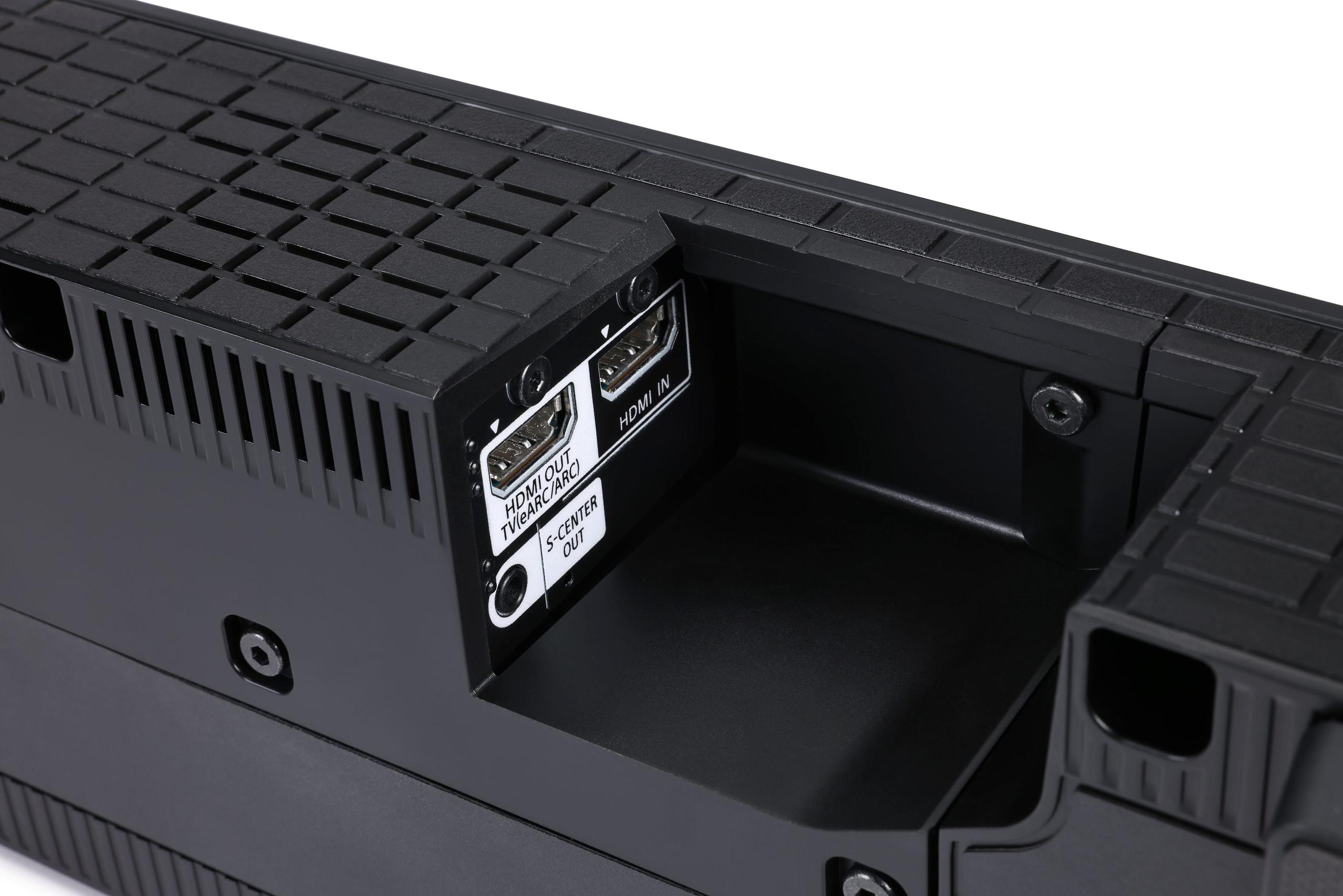
The JBL Bar 300 supports 4K Dolby Vision passthrough and HDMI eARC (Enhanced Audio Return Channel), which handles most current gaming and streaming needs, though it doesn't specifically mention the latest gaming features.
The Sony HT-A8000 really shines when you consider it as the foundation of a larger system. Adding Sony's wireless rear speakers (the SA-RS5 model) transforms the soundbar from a 5.0.2 system to a true 5.0.4 setup, with four height channels creating an even more convincing Dolby Atmos experience. The wireless subwoofer options (SA-SW3 or SA-SW5) address the bass limitations we mentioned earlier.
What's particularly clever is how these components automatically pair when powered on – no complex setup processes or wireless connection headaches. Users report that the full system creates a genuinely cinema-quality experience, but the total investment can approach or exceed the cost of some entry-level AV receiver setups.
The JBL Bar 300 represents the opposite philosophy: everything you need in one elegant package. There are no expansion options, but also no upgrade pressure or additional purchases required. For many users, this simplicity is actually a feature rather than a limitation.
The soundbar includes everything needed for a dramatic improvement over TV speakers: Dolby Atmos processing, adequate bass response, clear dialogue, and comprehensive streaming capabilities. It's designed to be the only audio component you need.
In smaller spaces, both soundbars perform admirably, but the value equation shifts. The JBL Bar 300 provides more than adequate coverage and bass response for compact rooms, while the Sony HT-A8000's advanced features might be overkill. The built-in bass port in the JBL actually works better in smaller, more enclosed spaces where room acoustics naturally reinforce low frequencies.
This is where the Sony HT-A8000 justifies its premium positioning. The 360 Spatial Sound Mapping technology excels in larger spaces, creating consistent audio coverage across wider seating areas. The expandability becomes particularly valuable here – adding rear speakers ensures that viewers throughout the room experience immersive audio, not just those in the front row.
Both soundbars include night modes that compress dynamic range (reducing the difference between quiet dialogue and loud explosions), but the Sony HT-A8000's Voice Zoom 3 technology provides more nuanced control. You can enhance dialogue clarity without necessarily boosting overall volume, which is particularly helpful in apartments with thin walls.
At the time of writing, the price difference between these soundbars is substantial – the Sony HT-A8000 typically costs roughly twice what you'll pay for the JBL Bar 300. But the value equation isn't simply about initial cost.
The JBL Bar 300 represents what I'd call "complete value" – you pay once and get everything you need for a dramatic audio upgrade. There are no hidden costs or pressure to buy additional components. For most users, it delivers 80% of what they want from a premium soundbar experience.
The Sony HT-A8000 offers "scalable value" – the base soundbar is good, but the system truly excels when expanded. This means the real cost comparison isn't just the initial soundbar price, but the potential total system cost if you want to achieve its full potential.
Since these soundbars were released, we've seen significant improvements in room correction algorithms and wireless audio codecs. Both manufacturers have pushed firmware updates that enhance performance, but the Sony HT-A8000 has benefited more from these updates due to its more sophisticated processing capabilities.
The trend toward object-based audio has accelerated, with more streaming services and gaming platforms supporting Dolby Atmos. This makes the immersive audio capabilities of both soundbars more relevant than they would have been even two years ago.
Wi-Fi 6 support in the JBL Bar 300 provides more stable streaming connections and better performance in homes with many connected devices, addressing one of the common frustrations with earlier wireless soundbars.
You're building a dedicated home theater setup and audio quality is your top priority. The expandability means you can start with just the soundbar and gradually build a complete system. If you own a Sony BRAVIA TV, the integration benefits make the premium price more justifiable.
This soundbar makes sense for medium to large rooms where the advanced spatial audio processing can truly shine. It's also the better choice if you frequently watch complex audio content like action movies or concert films where the superior driver configuration pays dividends.
You want the best possible audio improvement for the money without ongoing upgrade pressure. The comprehensive streaming features make it ideal if you use your TV area for both movie watching and music streaming.
This soundbar excels in smaller to medium rooms, apartments, or any situation where simplicity and value are priorities. If you're upgrading from basic TV speakers and want everything you need in one purchase, the JBL Bar 300 delivers exactly that.
Both soundbars succeed at their intended missions. The Sony HT-A8000 is the enthusiast choice – technically superior in almost every measurable way, but requiring significant investment to reach its full potential. The JBL Bar 300 is the practical choice – delivering impressive performance and comprehensive features at an accessible price point.
For most people, the JBL Bar 300 provides better overall value. It transforms TV audio dramatically without the complexity or cost of additional components. However, if you're serious about home theater audio and have the budget for expansion, the Sony HT-A8000 offers a more sophisticated and ultimately more rewarding experience.
The key is being honest about your priorities, room size, and budget. Both soundbars will dramatically improve your TV audio experience – the question is whether you want good enough or the best possible, and how much you're willing to invest in that difference.
| Sony HT-A8000 BRAVIA Theater Bar 8 Soundbar | JBL Bar 300 5.0 Soundbar |
|---|---|
| Speaker Configuration - More drivers typically mean better sound separation and clarity | |
| 11 drivers in 5.0.2 configuration with dedicated up-firing speakers | 6 drivers in 5.0 configuration (4 racetrack + 2 tweeters) |
| Total Power Output - Higher wattage can mean louder, cleaner sound | |
| Not specified (uses S-Master HX digital amplifier) | 260W RMS |
| Dolby Atmos Implementation - Critical for immersive 3D audio experience | |
| True height channels with physical up-firing drivers | Virtualized through MultiBeam processing |
| Bass Solution - Determines low-frequency performance without separate subwoofer | |
| Quad woofers with rectangular design, expandable with wireless sub | Built-in bass port system, no expansion options |
| Room Calibration - Automatically optimizes sound for your specific space | |
| 360 Spatial Sound Mapping with Sound Field Optimization | Embedded calibration microphone with MultiBeam adjustment |
| Expandability Options - Future-proofing and system building capability | |
| Wireless rear speakers (SA-RS5) and subwoofers (SA-SW3/SW5) available | No expansion options - complete system in one unit |
| Streaming Integration - Built-in music services and wireless capabilities | |
| Spotify Connect, AirPlay 2, Bluetooth 5.2 | Wi-Fi 6, Chromecast built-in, AirPlay, 300+ streaming services |
| HDMI Features - Important for gaming and 4K/8K content passthrough | |
| HDMI 2.1 with 8K HDR, 4K120, VRR, ALLM gaming features | HDMI eARC with 4K Dolby Vision passthrough |
| Voice Enhancement Technology - Crucial for clear dialogue in movies and TV | |
| Voice Zoom 3 with AI-powered speech recognition | PureVoice dialogue enhancement algorithm |
| Physical Dimensions - Space requirements and room aesthetics | |
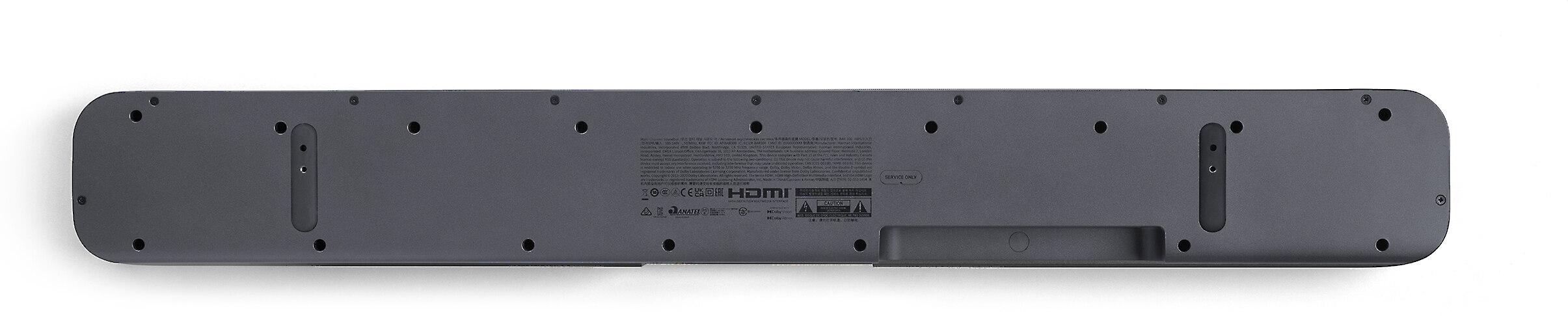
| 43.3" W x 2.6" H x 4.5" D, 10.4 lbs | 32.3" W x 2.2" H x 4.1" D, 5.5 lbs |
| Smart TV Integration - Seamless operation with compatible TVs | |
| Acoustic Center Sync with Sony BRAVIA TVs | Universal compatibility, enhanced with voice assistants |
| Setup Complexity - Time and effort required for optimal performance | |
| Moderate complexity, simplified with expansion components | Simple plug-and-play with automatic room calibration |
The Sony HT-A8000 delivers superior sound quality with its 11-driver configuration and advanced 360 Spatial Sound Mapping technology, but at a premium price point. The JBL Bar 300 provides excellent sound quality for its more affordable price range, making it the better value choice for most buyers who want significant audio improvement without the premium cost.
The JBL Bar 300 includes a built-in bass port system that eliminates the need for a separate subwoofer for most users. The Sony HT-A8000 produces decent bass on its own but truly excels when paired with Sony's optional wireless subwoofer, though this adds to the total system cost.
The JBL Bar 300 works excellently in small to medium rooms where its built-in bass and MultiBeam technology provide adequate coverage. The Sony HT-A8000 shines in larger rooms and open floor plans, where its 360 Spatial Sound Mapping can create consistent audio coverage across wider seating areas.
The JBL Bar 300 offers simpler plug-and-play setup with automatic room calibration and no additional components to configure. The Sony HT-A8000 has moderate setup complexity, especially when adding optional components, but offers more customization options for audio enthusiasts.
The JBL Bar 300 leads in streaming capabilities with Wi-Fi 6, Chromecast built-in, and access to over 300 music services, plus broad voice assistant compatibility. The Sony HT-A8000 offers solid streaming with Spotify Connect and AirPlay 2, but excels more in TV integration, especially with Sony BRAVIA TVs.
The Sony HT-A8000 offers excellent expandability with optional wireless rear speakers and subwoofers that automatically pair with the main unit. The JBL Bar 300 is designed as a complete, self-contained system with no expansion options, which keeps costs down but limits future upgrades.
The Sony HT-A8000 excels for gaming with HDMI 2.1 support, 4K120, VRR, and ALLM features that complement next-gen consoles. The JBL Bar 300 handles 4K Dolby Vision passthrough well and works great for most gaming scenarios, though it lacks the advanced gaming-specific features.
Both soundbars excel at dialogue clarity but use different approaches. The Sony HT-A8000 uses Voice Zoom 3 with AI-powered speech recognition for intelligent dialogue enhancement. The JBL Bar 300 employs PureVoice technology that algorithmically optimizes voice frequencies for clear speech.
The Sony HT-A8000 provides superior Dolby Atmos with dedicated up-firing drivers that create true height channels for more convincing overhead effects. The JBL Bar 300 delivers good Dolby Atmos through MultiBeam virtualization, which simulates height effects effectively but doesn't match physical up-firing speakers.
The Sony HT-A8000 features premium construction with 11 precisely tuned drivers and sophisticated internal components, reflected in its larger size and weight. The JBL Bar 300 offers solid build quality in a more compact, lighter design that fits easily under most TVs while maintaining an attractive aesthetic.
Both soundbars include night modes for volume control, but the Sony HT-A8000 offers more nuanced control with its Voice Zoom 3 technology, allowing dialogue enhancement without boosting overall volume. The JBL Bar 300 works well in apartments with its balanced sound profile and effective dialogue enhancement for quieter listening.
For most first-time soundbar buyers, the JBL Bar 300 offers the best combination of performance, features, and value with no hidden costs or upgrade pressure. The Sony HT-A8000 is ideal for audio enthusiasts who prioritize ultimate sound quality and plan to build a more comprehensive home theater system over time.
We've done our best to create useful and informative comparisons to help you decide what product to buy. Our research uses advanced automated methods to create this comparison and perfection is not possible - please contact us for corrections or questions. These are the sites we've researched in the creation of this article: consumerreports.org - skybygramophone.com - target.com - rtings.com - bestbuy.com - rubbermonkey.co.nz - shopatsc.com - audioadvice.com - sony.com - sony.com - sony.com - shop.cosmopolitan.com - store.sony.com.my - videoandaudiocenter.com - whathifi.com - safeandsoundhq.com - youtube.com - cnet.com - mm.jbl.com - jbl.com - bestbuy.com - support.jbl.com - dell.com - walmart.com

Privacy Policy
Terms and Conditions - Affiliate Policy
Home Security
© Copyright 2008-2026.
11816 Inwood Rd #1211, Dallas, TX 75244