

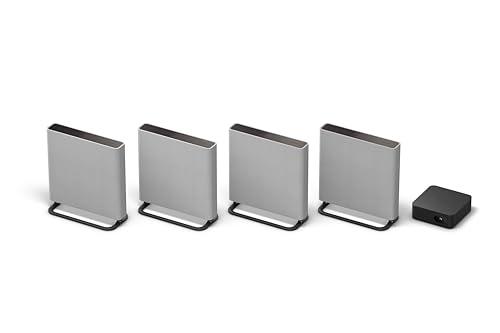



When Sony redesigned their home theater lineup in 2024, they created two distinctly different approaches to wireless surround sound. The HT-A9M2 Theater Quad represents their vision for authentic multichannel audio through physical speaker placement, while the HT-A8000 Theater Bar 8 showcases how sophisticated processing can simulate surround sound from a single unit. Both systems promise immersive audio experiences, but they achieve this goal through fundamentally different methods.
Understanding these differences is crucial because your choice will shape how you experience movies, music, and games for years to come. The wrong decision could leave you disappointed with weak bass, poor dialogue clarity, or unconvincing surround effects. The right choice, however, can transform your living room into a genuine home theater experience.
Modern wireless home theater systems have evolved far beyond simple soundbars that just make TV dialogue louder. Today's premium systems use advanced digital signal processing (DSP) and strategic speaker placement to create three-dimensional sound fields that can rival traditional wired surround systems costing thousands more.
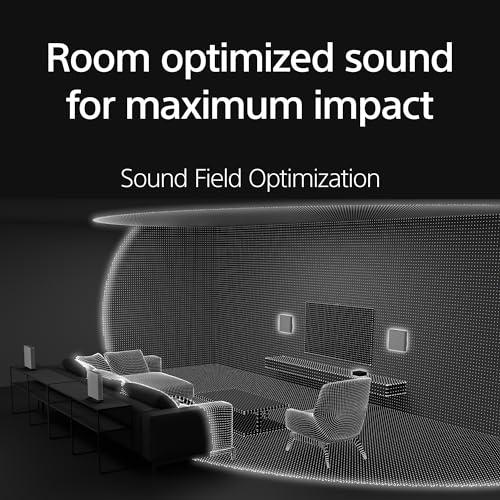
The key considerations when evaluating these systems center around how they handle surround sound virtualization, bass management, dialogue clarity, and room adaptation. Sound virtualization refers to how a system creates the illusion of sound coming from directions where no physical speakers exist. Bass management determines how low frequencies are distributed and reproduced across the system. Room adaptation involves how well the system adjusts to different acoustic environments.
Physical speaker separation, like what you get with the Theater Quad, creates genuine surround effects by actually placing drivers around your listening position. Virtual surround systems like the Theater Bar 8 use psychoacoustic principles—essentially tricks that exploit how your brain processes directional audio cues—to simulate sounds coming from different locations.
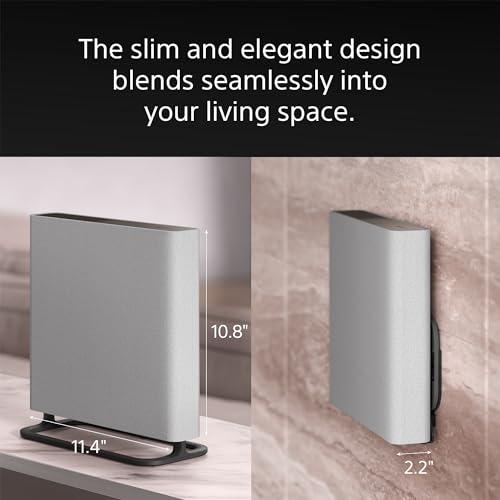
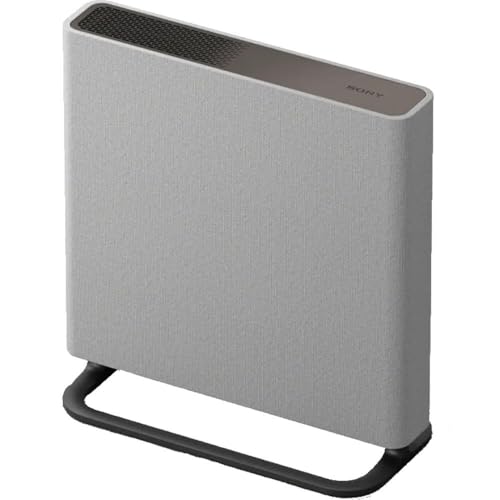
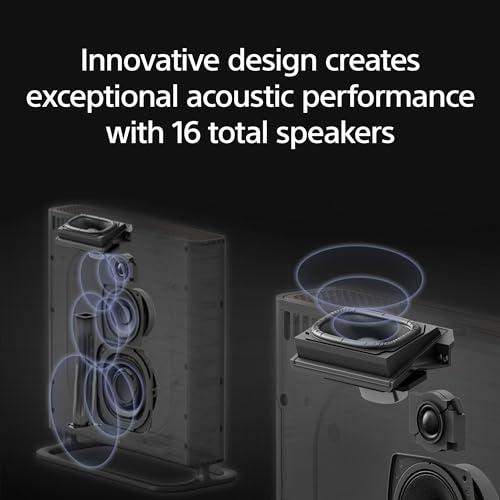
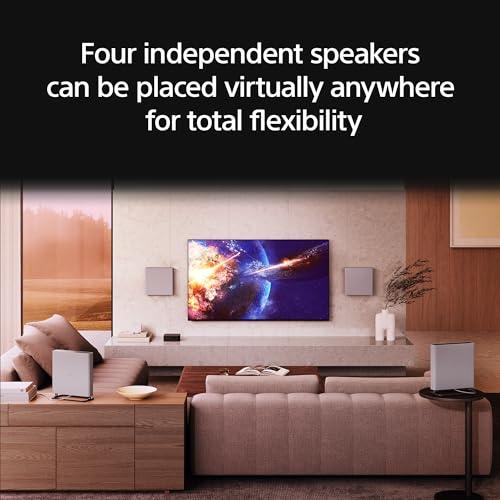
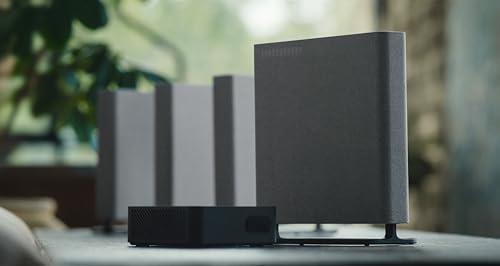
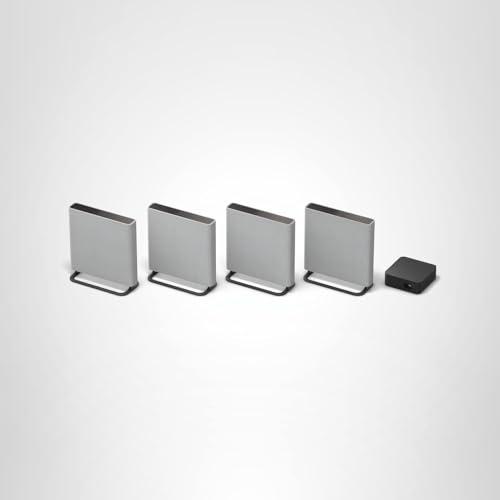
The HT-A9M2 Theater Quad takes the modular approach with four identical wireless speakers that work together as a cohesive 4.0.4-channel system. Each speaker contains a complete 3-way driver array with dedicated woofer, midrange, and tweeter, plus an upward-firing driver for height effects. This gives you 16 total drivers strategically positioned around your room, creating authentic surround and height channels.
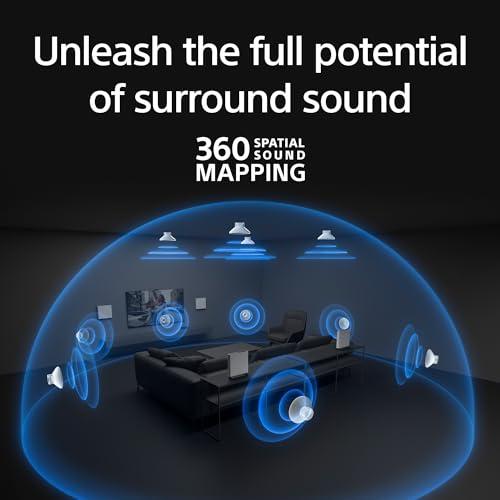
What makes this system unique is its 360 Spatial Sound Mapping technology, which measures your room acoustics and creates virtual speakers between the physical ones. Unlike traditional surround systems that require precise speaker placement and distance matching, the Theater Quad can work with asymmetrical positioning. The system automatically calibrates timing and levels to maintain a coherent soundstage even when speakers are at different heights or distances from your seating position.
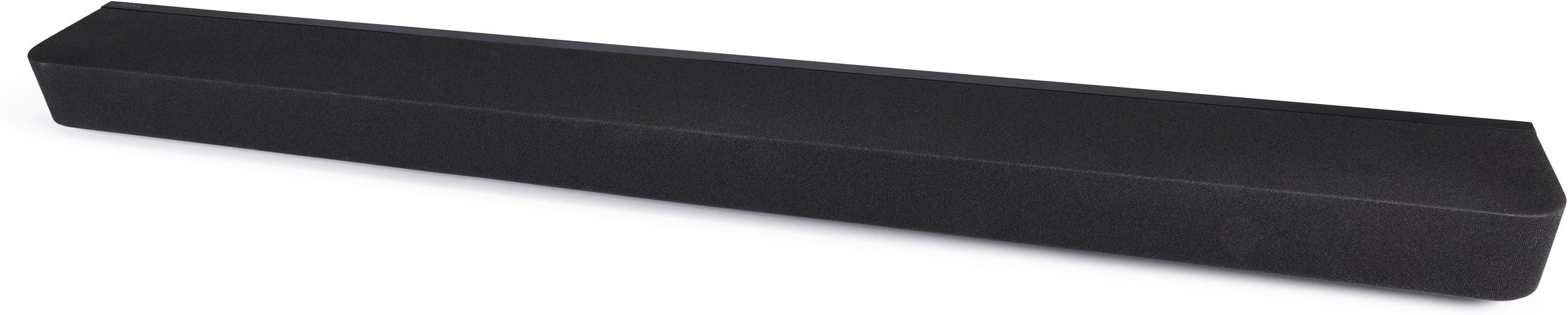
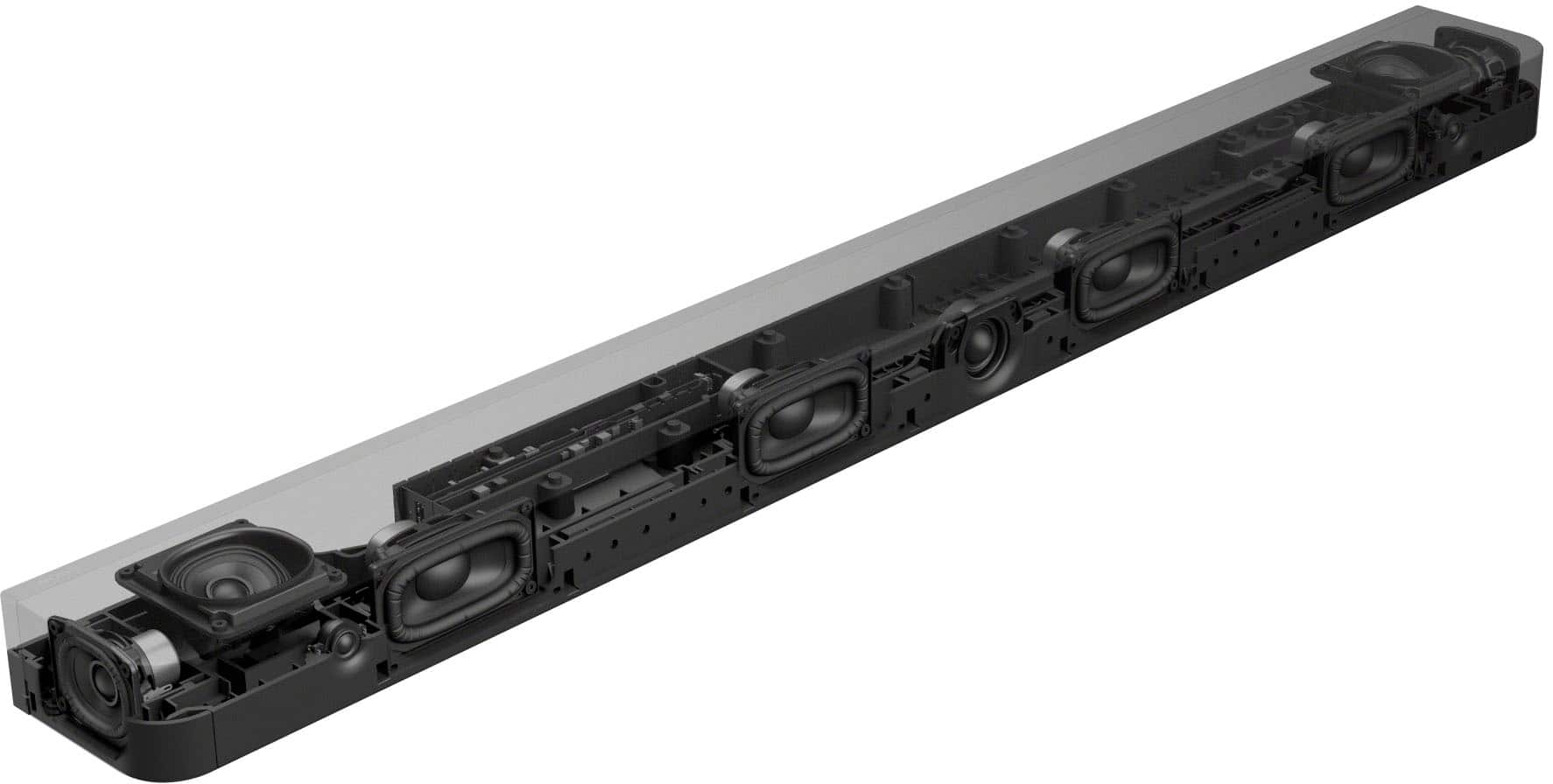
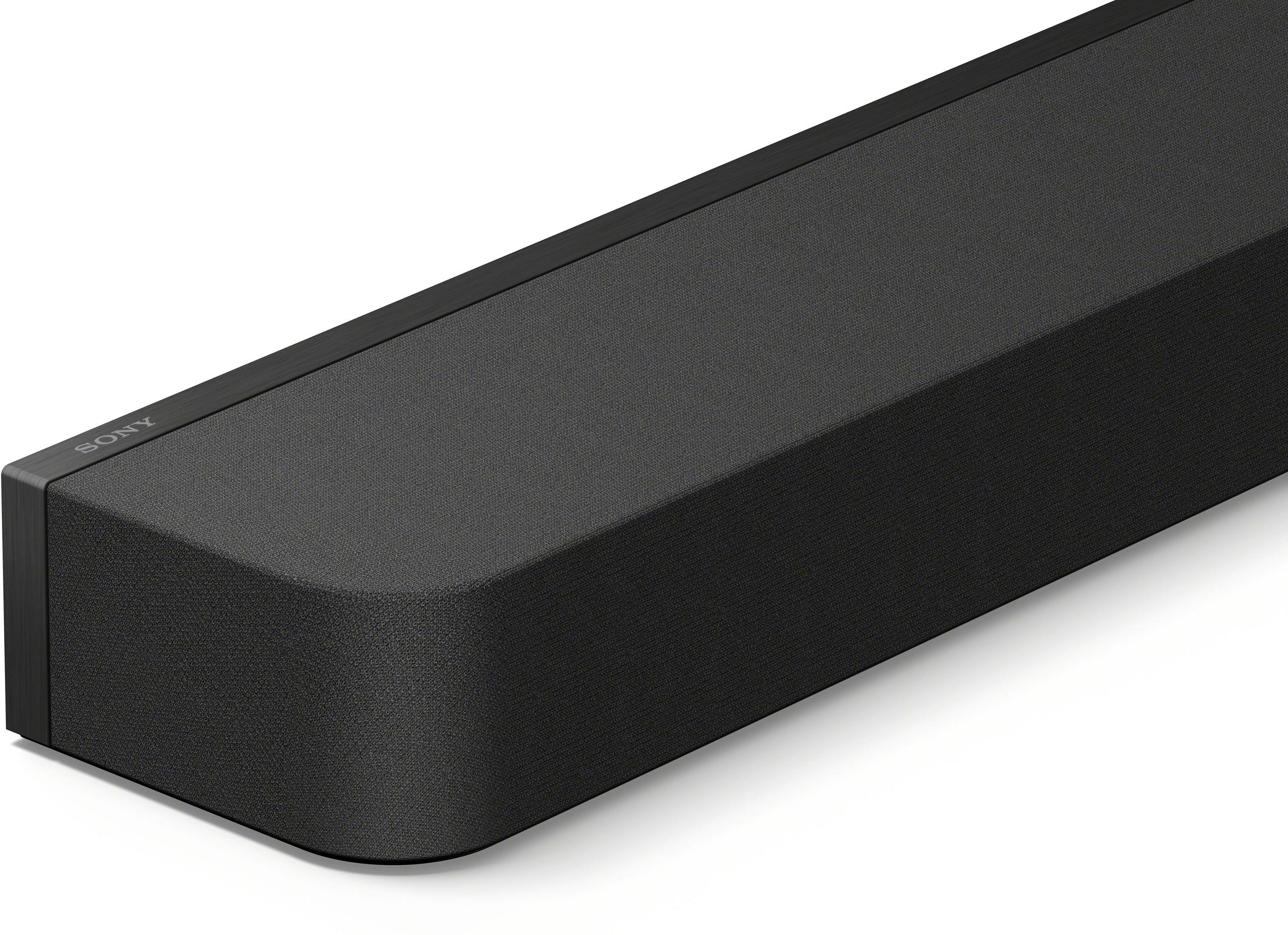
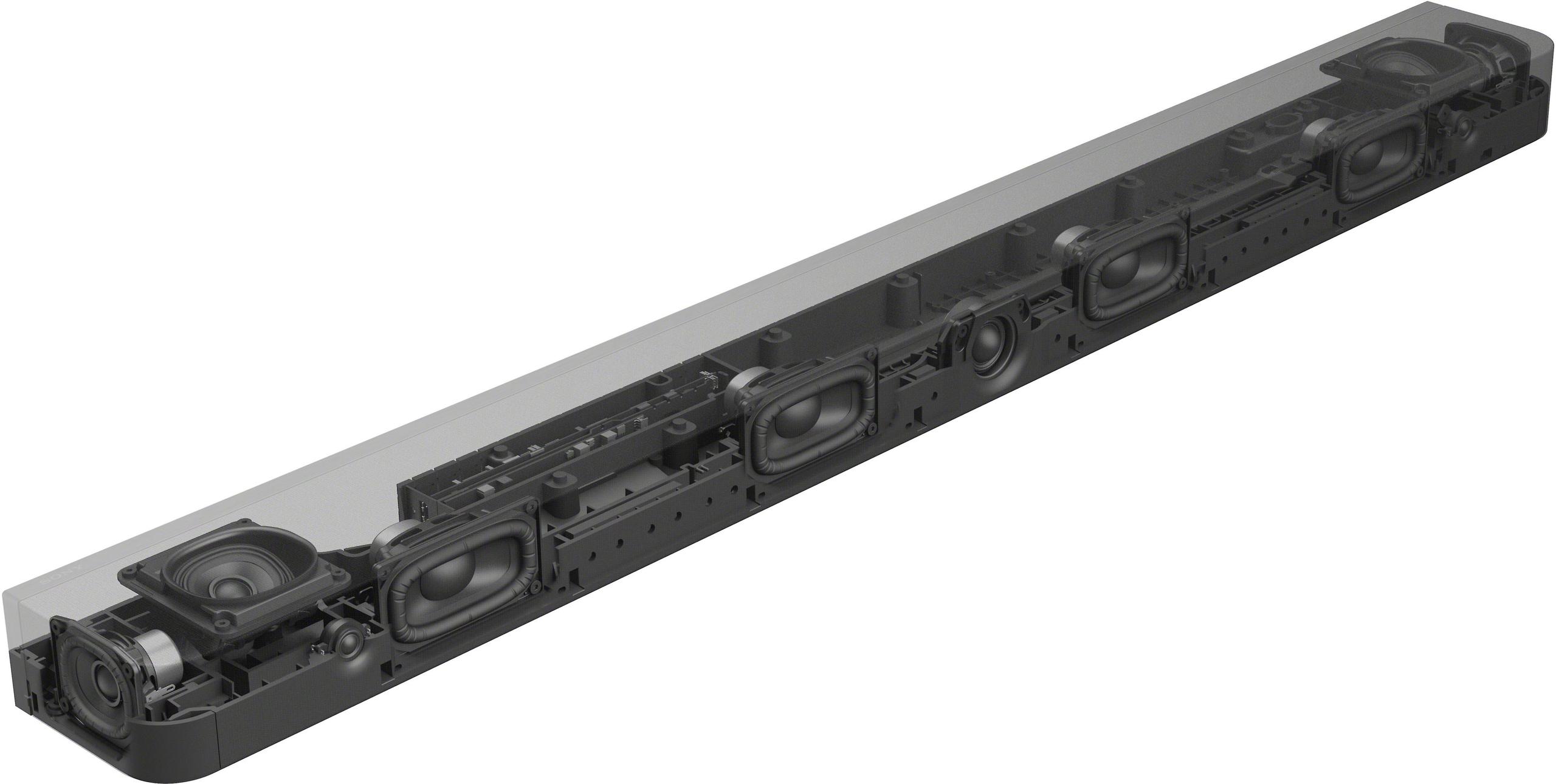
The HT-A8000 Theater Bar 8 packs 11 carefully designed drivers into a single 43-inch cabinet. Sony arranged these drivers to fire in multiple directions: front-firing drivers for direct sound, side-firing speakers that bounce audio off your walls, and upward-firing drivers that reflect off the ceiling to create height effects. The system then uses advanced DSP to time these reflections precisely, creating the illusion of a 5.0.2-channel surround setup.
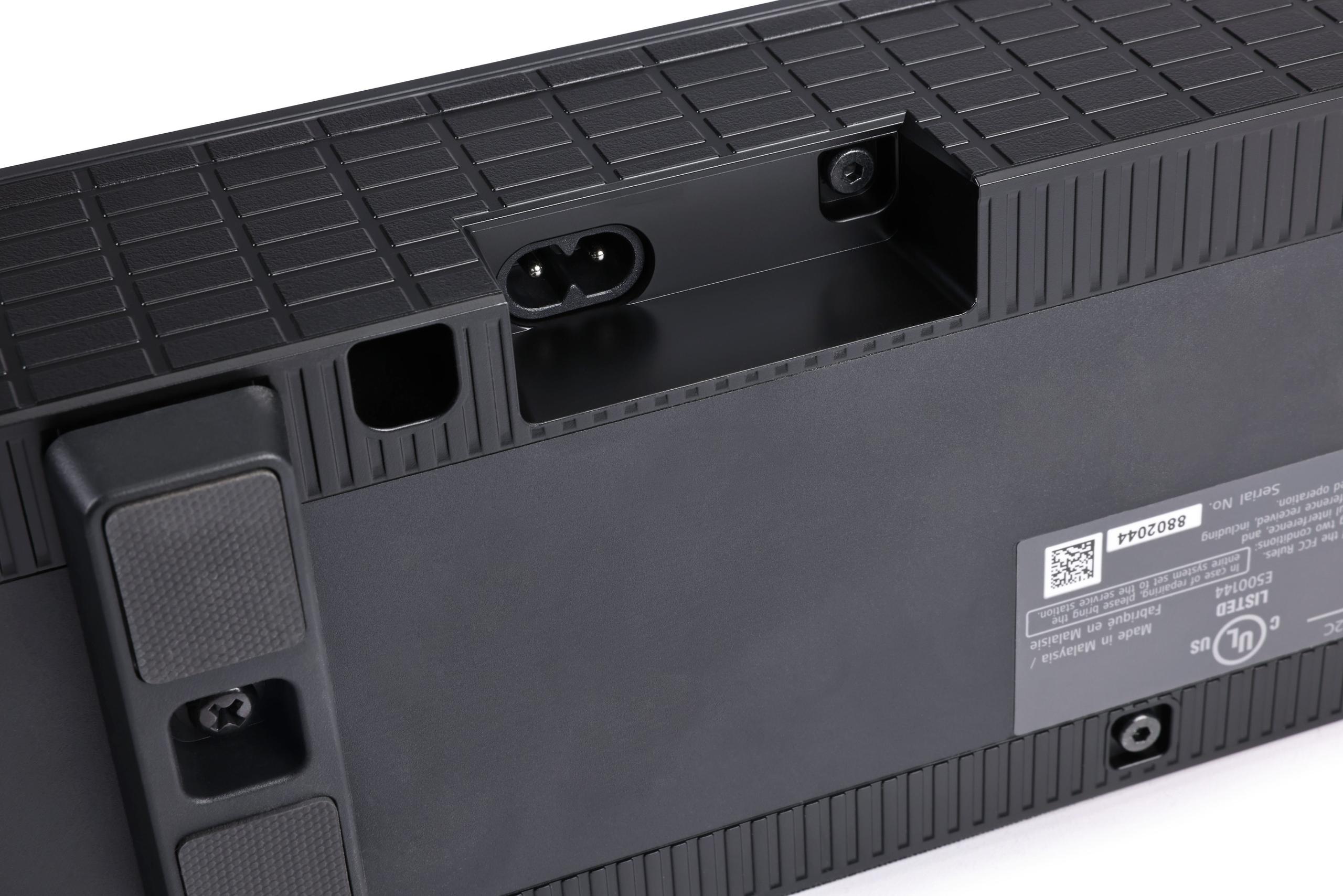
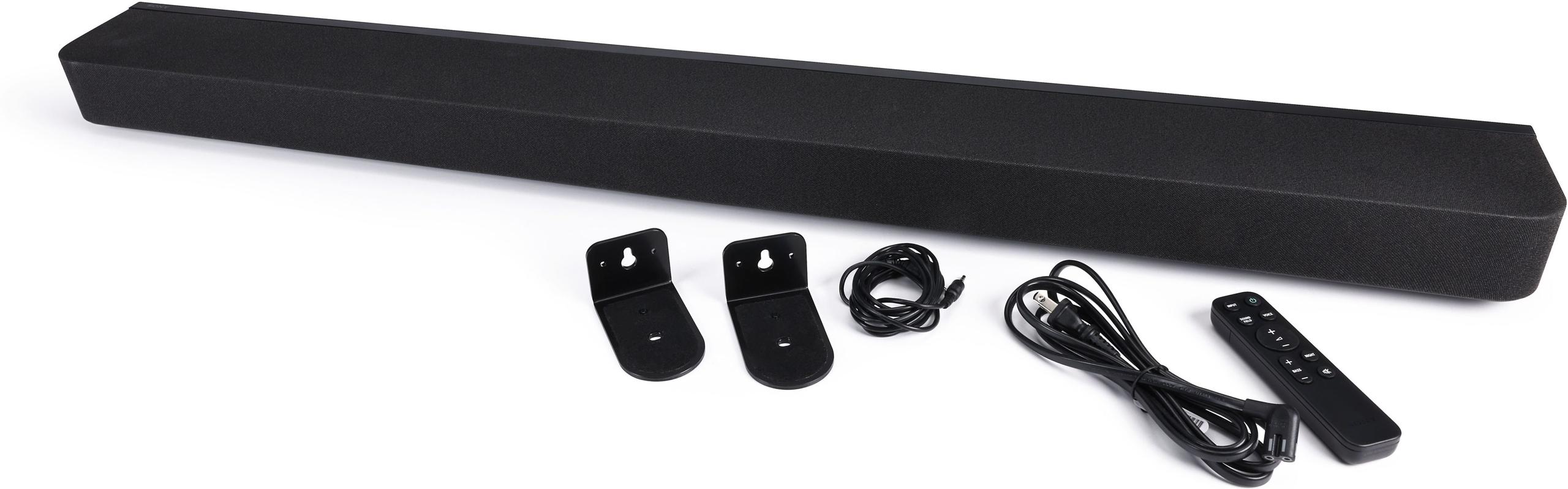
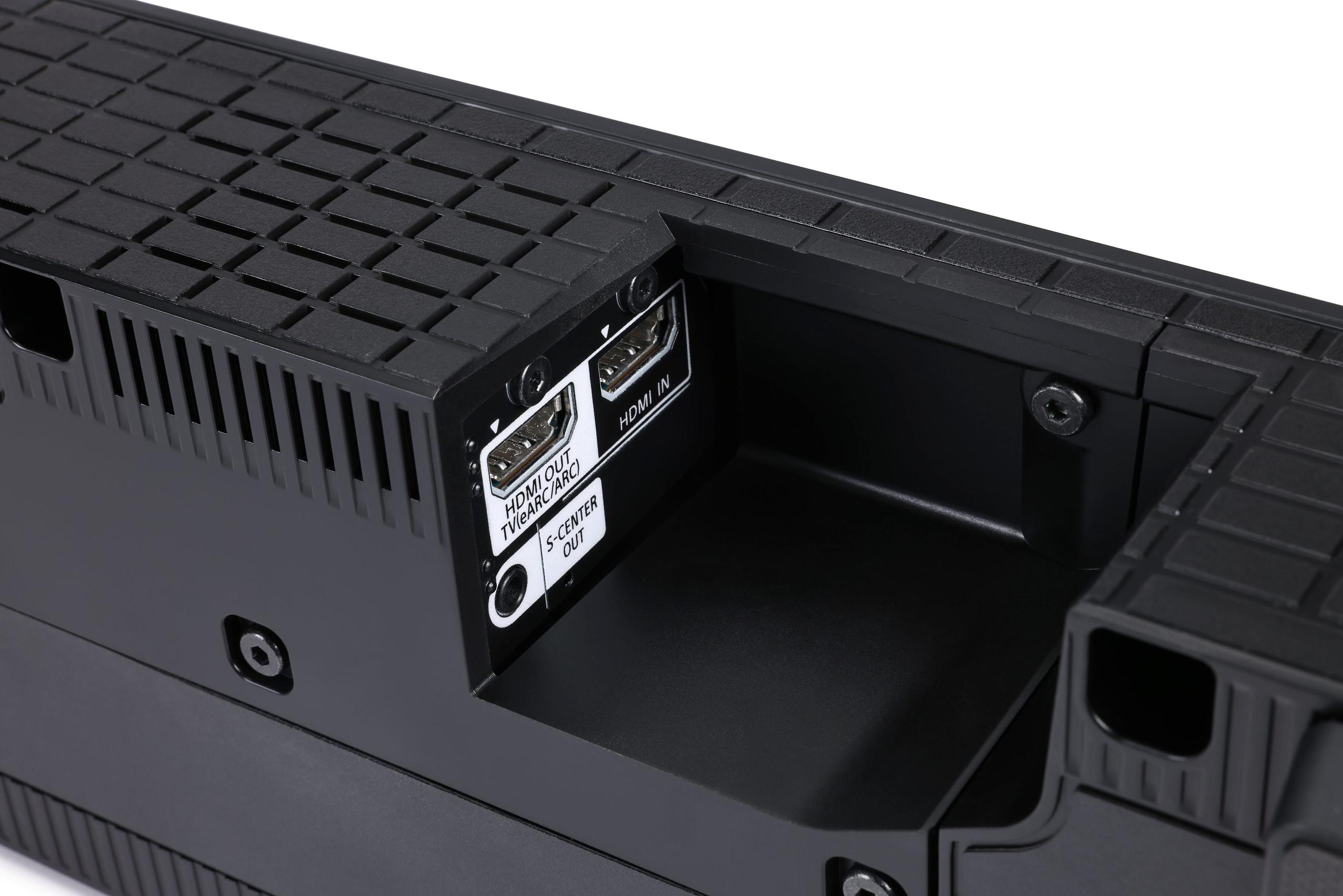
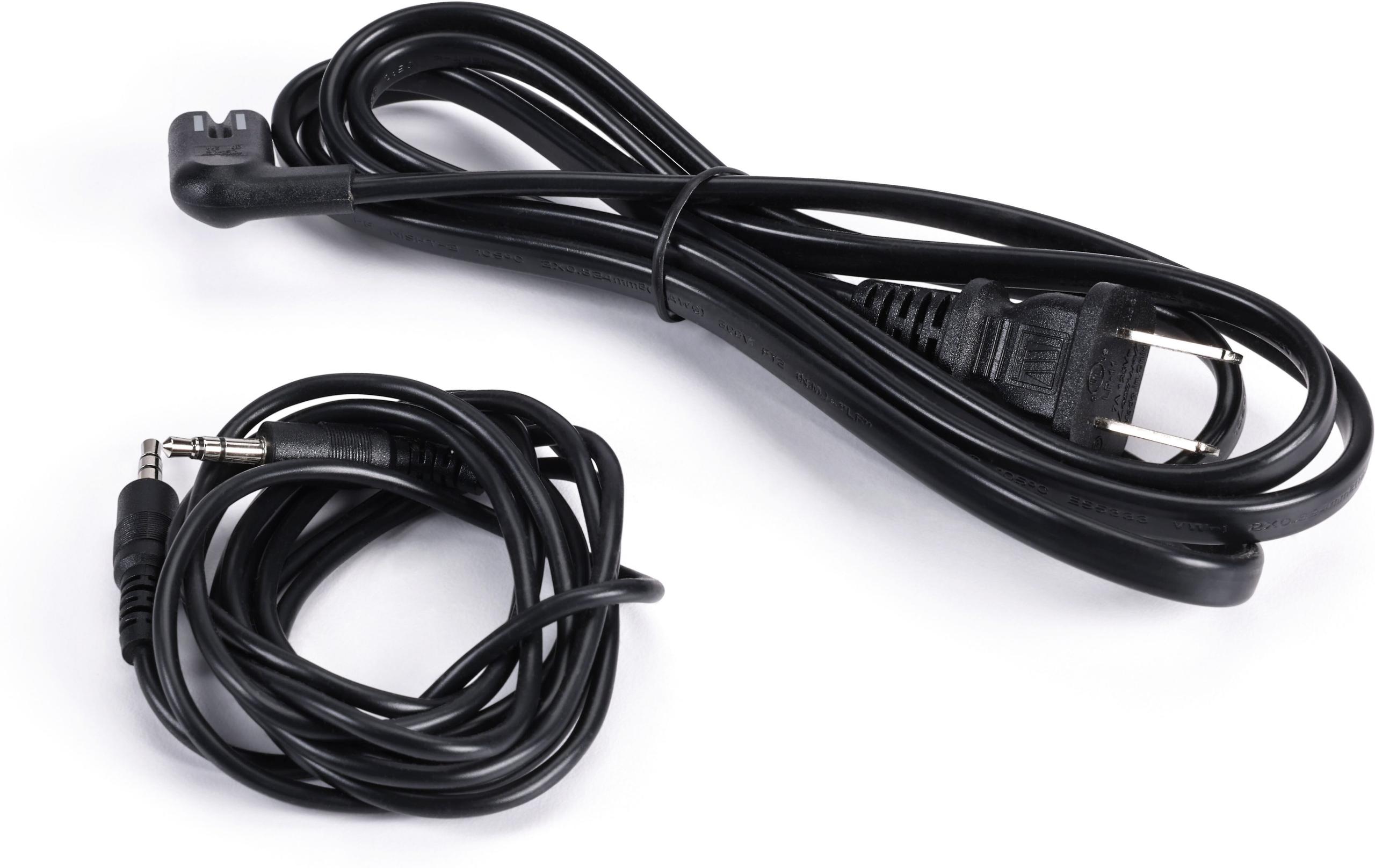
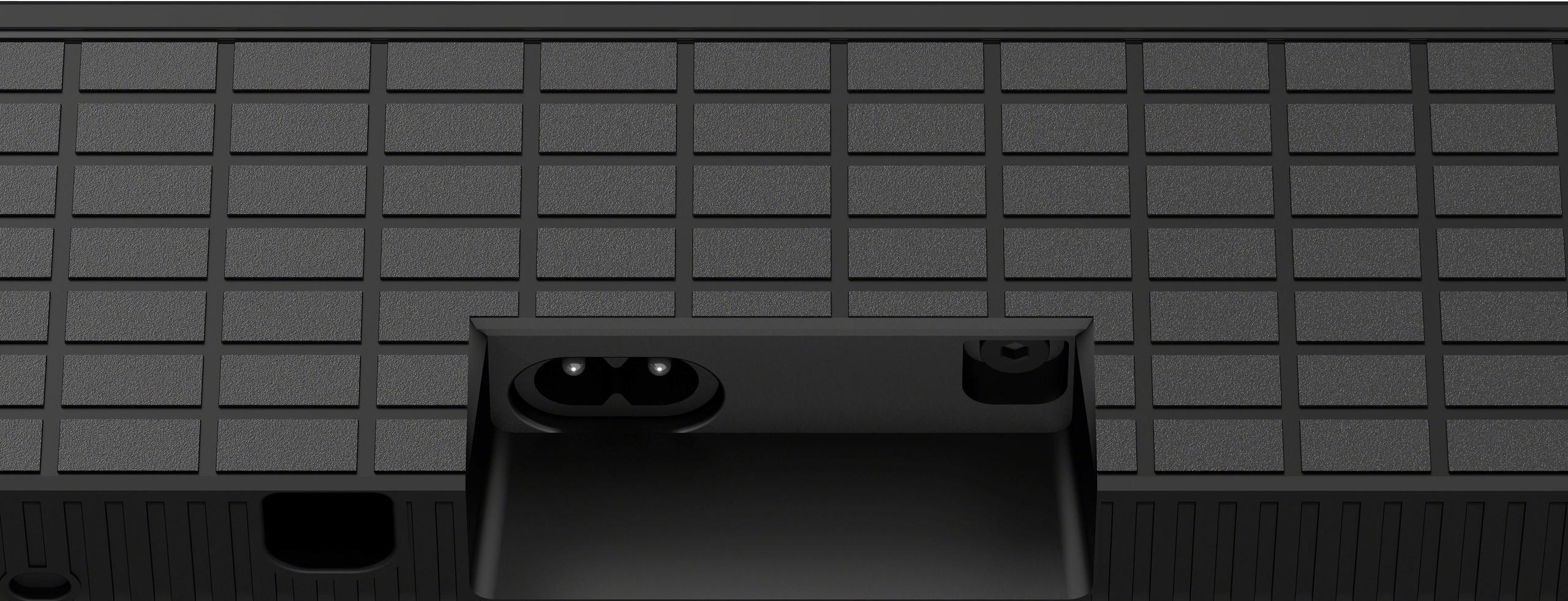
This single-bar approach offers significant convenience advantages. Setup involves connecting just one HDMI cable and one power cord, compared to the four power connections required for the Theater Quad. However, the Theater Bar 8 depends entirely on your room's acoustic properties to work effectively. Rooms with high ceilings, hard surfaces, or irregular shapes may not reflect sound predictably enough for convincing surround effects.
Based on extensive research into professional and user reviews, the Theater Quad delivers superior surround sound immersion, particularly for larger rooms. The physical separation of speakers creates genuine three-dimensional positioning that doesn't rely on acoustic tricks. When a helicopter flies overhead in a movie, you hear it moving smoothly across actual height speakers rather than reflected sound that approximates the effect.
The height channels deserve special attention. Each Theater Quad speaker contains a dedicated upward-firing driver, giving you four discrete height channels positioned around your listening area. This creates more precise overhead effects compared to the Theater Bar 8's two ceiling-bounce drivers, which must work harder to fill the same acoustic space.
However, the Theater Bar 8 shouldn't be underestimated in appropriately sized rooms. Its 360 Spatial Sound Mapping creates convincing phantom speakers that extend the soundstage well beyond the physical cabinet. The side-firing drivers are particularly effective at creating width, making the sound appear to wrap around you even though it originates from a single point.
For rooms under 300 square feet with decent wall surfaces for reflection, the Theater Bar 8 can deliver surprisingly immersive results. The key limitation is scalability—as room size increases, the effectiveness of reflected sound decreases, while the Theater Quad's physical speakers maintain their directional accuracy regardless of room dimensions.
This category reveals one of the most significant differences between the systems. The Theater Quad distributes bass duties across its four speakers, each containing dedicated woofers with Sony's X-Balanced Speaker Unit design. This rectangular diaphragm technology increases cone area within the available space while reducing distortion-causing excursion.
The result is satisfying low-end performance that doesn't require additional subwoofer purchases. Action movie explosions have proper weight and impact, while bass-heavy music maintains clarity without muddiness. The distributed bass approach also creates more even low-frequency coverage throughout the listening area, avoiding the hot spots and null zones that single-source bass often creates.
The Theater Bar 8 includes four woofers in its cabinet, but physics limits how much air these compact drivers can move. At moderate listening levels with typical content, the bass feels adequate. However, during intense action sequences or with bass-heavy music, the system reaches its limits quickly. The drivers become strained, and the lack of deep sub-bass becomes noticeable.
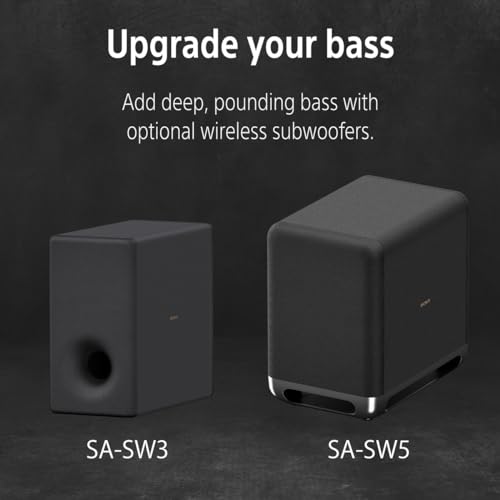
This limitation isn't necessarily a dealbreaker because Sony designed the system to work with optional wireless subwoofers. The SA-SW3 and SA-SW5 subwoofers (released alongside the bar in 2024) integrate seamlessly and transform the low-end performance. However, this means the Theater Bar 8's true performance potential requires additional investment beyond the initial purchase.
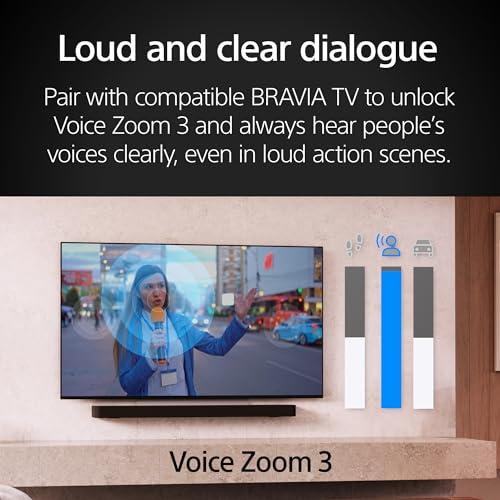
Here's where the Theater Bar 8 demonstrates a clear advantage. Its Voice Zoom 3 technology uses artificial intelligence to analyze incoming audio in real-time, identifying human voices and separating them from background effects and music. The system can then independently adjust dialogue levels without affecting the rest of the soundtrack.
This AI-driven approach proves particularly valuable with modern movie mixes that often bury dialogue under dramatic orchestral scores or explosive effects. Traditional manual dialogue enhancement typically boosts all midrange frequencies, which can make the overall sound harsh or unnatural. Voice Zoom 3's selective processing maintains natural tonal balance while ensuring speech intelligibility.
The Theater Quad handles dialogue through a phantom center channel created by its front speakers. While this approach works well for most content, it lacks the precision of a dedicated center speaker or the Theater Bar 8's AI enhancement. The phantom center can sometimes feel less focused, particularly if you're sitting off-axis from the main speakers.
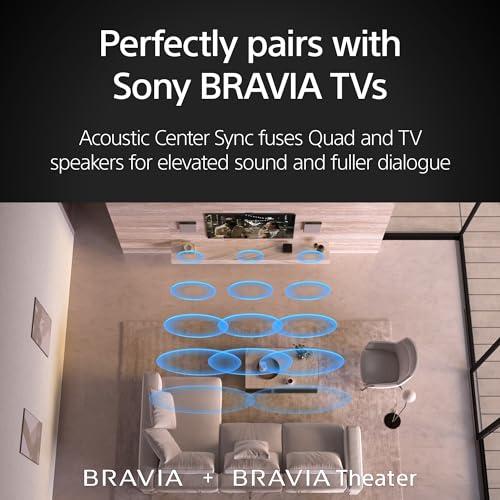
Both systems support Acoustic Center Sync with compatible Sony BRAVIA TVs, allowing the TV's built-in speakers to function as a physical center channel. This feature helps anchor dialogue directly to the screen and can improve the phantom center focus on the Theater Quad.
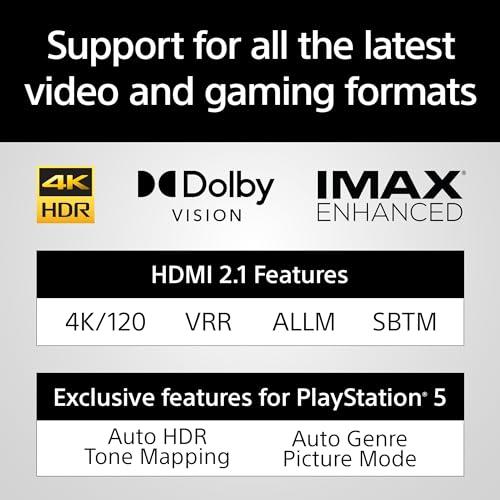
Gaming performance depends heavily on what types of games you prefer. For competitive multiplayer gaming where every millisecond matters, the Theater Bar 8 offers advantages with its single-unit design and optimized signal path. The system supports all current HDMI 2.1 gaming features, including Variable Refresh Rate (VRR), Auto Low Latency Mode (ALLM), and Source-Based Tone Mapping (SBTM).
However, for immersive single-player experiences, the Theater Quad's spatial accuracy creates superior atmospheric effects. Games with complex soundscapes like open-world adventures or horror titles benefit enormously from genuine positional audio. When you hear footsteps approaching from behind, they're actually coming from speakers positioned behind your listening position, not reflected off your walls.
The height channels in both systems add significant value for gaming. Modern games increasingly use object-based audio to place sounds like aircraft, falling debris, or environmental effects in three-dimensional space. The Theater Quad's four discrete height speakers provide more precise placement compared to the Theater Bar 8's ceiling-bounce approach.
Setup complexity represents a major differentiating factor. The Theater Bar 8 follows the traditional soundbar model: connect HDMI and power, run the calibration routine through Sony's app, and you're ready to watch. The entire process typically takes under 30 minutes.
The Theater Quad requires more planning and physical setup. You'll need to position four speakers around your room, each requiring access to power outlets. While the speakers connect wirelessly to the main control unit, you're still dealing with four separate devices that need placement consideration. Sony has improved the wireless reliability significantly since the original HT-A9 launched in 2021, implementing dual antennas and frequency hopping to reduce dropouts.
Room compatibility varies between the systems. The Theater Quad works effectively in almost any space because it doesn't depend on acoustic reflections. Rooms with high ceilings, extensive soft furnishings, or irregular shapes won't diminish its performance. The wireless speakers can even be positioned at different heights or distances without compromising the sound field, thanks to the automatic calibration system.
The Theater Bar 8 performs best in rectangular rooms with reasonably reflective surfaces and ceiling heights between 8-10 feet. Rooms with extensive carpeting, heavy drapes, or vaulted ceilings may not provide the acoustic conditions necessary for effective surround virtualization. Open-concept spaces where sound can escape in multiple directions also challenge the reflection-based approach.
At the time of writing, these systems occupy very different price tiers, with the Theater Quad commanding roughly 2-3 times the cost of the Theater Bar 8. This price difference reflects their fundamentally different value propositions.
The Theater Quad delivers a complete, premium home theater experience immediately upon unboxing. You're paying for authentic multichannel performance, sophisticated room adaptation, and the convenience of not needing additional components. For buyers who want the best possible wireless surround experience and can afford the premium, it represents excellent value for its performance level.
The Theater Bar 8 follows a different philosophy, offering an excellent entry point with clear upgrade paths. You can start with just the soundbar and add the wireless subwoofer and rear speakers over time as budget allows. This staged approach appeals to buyers who prefer spreading the investment across multiple purchases or who want to evaluate their needs before committing to additional components.
When fully expanded with subwoofer and rear speakers, the total investment in a Theater Bar 8 system approaches the Theater Quad's price point. However, the modular purchasing approach offers flexibility that some buyers value, particularly those uncertain about their long-term audio needs.
After researching both systems extensively and evaluating professional and user feedback, clear usage scenarios emerge for each product.
Choose the Theater Quad if you have a dedicated home theater space or large living room where audio quality takes priority over convenience. This system excels in rooms larger than 300 square feet, particularly those with challenging acoustics where soundbar reflections might fail. It's also the better choice for serious movie enthusiasts who want authentic surround sound without compromises, or for anyone who prefers buying a complete solution rather than assembling a system over time.
The Theater Bar 8 makes more sense for smaller living spaces, apartments where deep bass might disturb neighbors, or situations where visual aesthetics matter significantly. It's particularly appealing for buyers who watch primarily dialogue-heavy content like TV series or news, thanks to the superior Voice Zoom 3 technology. Gamers who prioritize low latency and HDMI features will also appreciate its optimized signal path.
Budget considerations play a crucial role, but remember that the Theater Bar 8 likely requires subwoofer addition for satisfying movie performance, which affects the total investment. If you know you'll want deep bass for action movies and can afford the initial premium, the Theater Quad provides better value through its complete, immediate solution.
Both systems represent significant improvements over basic TV audio and previous-generation soundbars. Your choice ultimately depends on balancing performance ambitions, space constraints, budget flexibility, and personal priorities. Either system will transform your home entertainment experience—just in meaningfully different ways.
| Sony HT-A9M2 BRAVIA Theater Quad | Sony HT-A8000 BRAVIA Theater Bar 8 |
|---|---|
| System Architecture - Determines authenticity of surround sound experience | |
| Four wireless speakers with 16 total drivers (4.0.4 true multichannel) | Single soundbar with 11 drivers (5.0.2 virtual surround) |
| Speaker Configuration - Affects sound positioning accuracy | |
| 4 main + 4 height channels (physical speakers in each position) | 5 phantom front speakers + 2 ceiling bounce height channels |
| Bass Performance - Critical for action movies and music | |
| Integrated bass across 4 speakers, no subwoofer needed | Requires optional subwoofer ($300-500) for satisfying low-end |
| Room Size Compatibility - Determines where system works effectively | |
| Excellent in large rooms (300+ sq ft), works in any acoustic environment | Best in smaller-medium rooms (under 300 sq ft) with good wall reflections |
| Setup Complexity - Affects installation time and effort | |
| Four speakers to position + power cables, wireless to control unit | Single unit setup: one HDMI cable, one power cord |
| Dialogue Enhancement - Important for TV shows and movies | |
| Phantom center channel, basic voice modes | Voice Zoom 3 AI technology for superior dialogue clarity |
| Gaming Features - Relevant for console and PC gaming | |
| HDMI 2.1 with 4K/120Hz, better spatial accuracy for immersive games | HDMI 2.1 with VRR/ALLM, optimized for competitive gaming latency |
| Expansion Options - Affects future upgrade potential | |
| Complete system, limited expansion beyond optional subwoofer | Modular: add wireless subwoofer and rear speakers over time |
| Height Channel Performance - Creates overhead sound effects | |
| 4 discrete upfiring drivers positioned around listening area | 2 ceiling-bounce drivers from front soundbar |
| Price Category - Affects value proposition and target buyer | |
| Premium tier (2-3x higher cost at time of writing) | Mid-range with flexible upgrade path |
| Connectivity - Determines source device compatibility | |
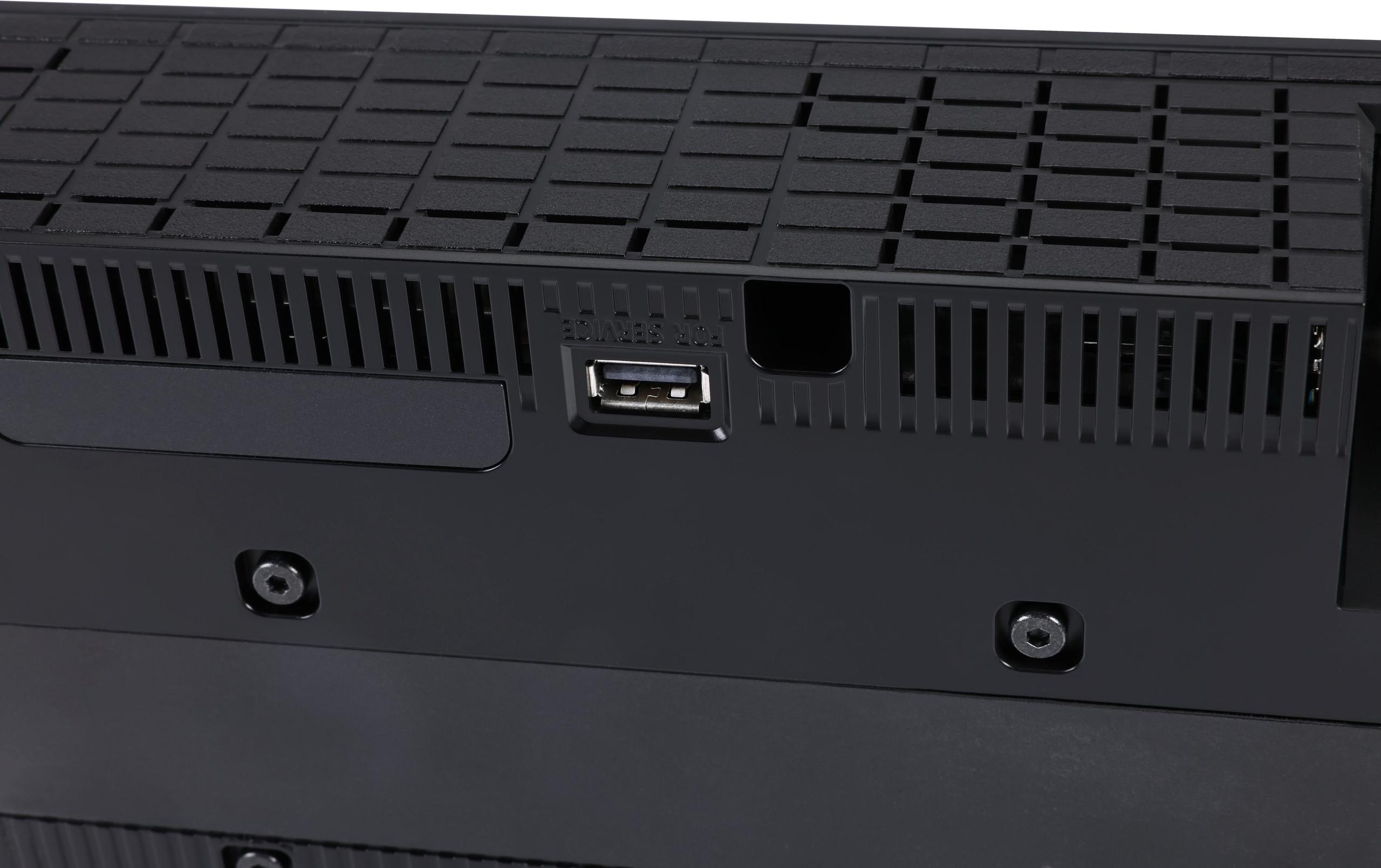
| HDMI 2.1 eARC + Ethernet port for stable network connection | HDMI 2.1 eARC (single input), Wi-Fi only |
| Best Use Cases - Who should choose each system | |
| Large rooms, dedicated home theaters, audiophiles wanting complete solution | Smaller spaces, budget-conscious buyers, dialogue-heavy content viewers |
The Sony HT-A9M2 Theater Quad is a four-speaker wireless system that creates authentic surround sound through physical speaker placement around your room. The Sony HT-A8000 Theater Bar 8 is a single soundbar that uses advanced processing to simulate surround sound effects through reflections off your walls and ceiling.
The HT-A9M2 Theater Quad delivers superior surround sound immersion because it uses four physical speakers positioned around your listening area. This creates genuine 360-degree audio placement that doesn't depend on room acoustics, making it ideal for dedicated home theater setups.
The Theater Quad includes adequate bass performance from its four speakers and doesn't require a subwoofer for most users. The Theater Bar 8 benefits significantly from adding Sony's optional wireless subwoofer, as its built-in bass drivers are limited by the single-unit design.
The HT-A8000 Theater Bar 8 is much easier to install, requiring only one HDMI cable and one power connection. The Theater Quad needs four speakers positioned around your room, each requiring a power outlet, though they connect wirelessly to the main control unit.
The Theater Quad excels in larger rooms over 300 square feet and works in any acoustic environment. The Theater Bar 8 performs best in smaller to medium-sized rooms under 300 square feet with decent wall surfaces for sound reflection.
The HT-A8000 Theater Bar 8 offers superior dialogue enhancement with its Voice Zoom 3 AI technology that intelligently separates and amplifies speech. The Theater Quad uses a phantom center channel approach that's good but not as advanced for dialogue-heavy content.
The Theater Bar 8 offers excellent expandability - you can add wireless subwoofers and rear speakers as your budget allows. The HT-A9M2 Theater Quad is essentially complete out of the box with limited expansion options beyond an optional subwoofer.
Both systems support HDMI 2.1 gaming features, but they excel in different areas. The Theater Bar 8 offers lower latency for competitive gaming, while the Theater Quad provides more accurate spatial positioning for immersive single-player experiences.
The HT-A9M2 Theater Quad is positioned as a premium system with significantly higher pricing than the HT-A8000 Theater Bar 8. However, when you add a subwoofer and rear speakers to the Theater Bar 8, the total cost approaches the Theater Quad's price point.
The Theater Bar 8 is generally better for apartment living due to its compact design, easier setup, and the option to use it without a subwoofer to avoid disturbing neighbors. The Theater Quad requires more space and produces more distributed sound that might carry to adjacent units.
Yes, both the Theater Quad and Theater Bar 8 feature Acoustic Center Sync with compatible Sony BRAVIA TVs, allowing the TV speakers to function as a center channel for enhanced dialogue positioning and overall integration.
Choose the HT-A9M2 Theater Quad if you want the best possible surround experience, have a larger room, and can afford the premium price for a complete solution. Select the HT-A8000 Theater Bar 8 if you prefer a lower entry price with expansion options, have a smaller space, or prioritize dialogue clarity and ease of installation.
We've done our best to create useful and informative comparisons to help you decide what product to buy. Our research uses advanced automated methods to create this comparison and perfection is not possible - please contact us for corrections or questions. These are the sites we've researched in the creation of this article: bestbuy.com - whathifi.com - whathifi.com - youtube.com - rtings.com - audiosciencereview.com - bhphotovideo.com - skybygramophone.com - sony.com - manuals.plus - audioadvice.com - dell.com - valueelectronics.com - youtube.com - merlinstv.com - videoandaudiocenter.com - electronics.sony.com - sony.com - bestbuy.com - beachcamera.com - sony.com - win.consulting - sony.com - consumerreports.org - skybygramophone.com - target.com - rtings.com - bestbuy.com - rubbermonkey.co.nz - shopatsc.com - audioadvice.com - sony.com - sony.com - sony.com - shop.cosmopolitan.com - store.sony.com.my - videoandaudiocenter.com

Privacy Policy
Terms and Conditions - Affiliate Policy
Home Security
© Copyright 2008-2026.
11816 Inwood Rd #1211, Dallas, TX 75244