

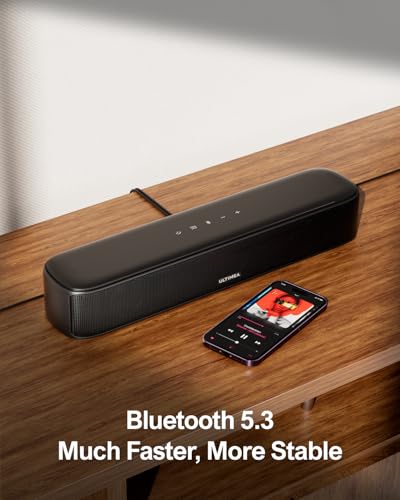
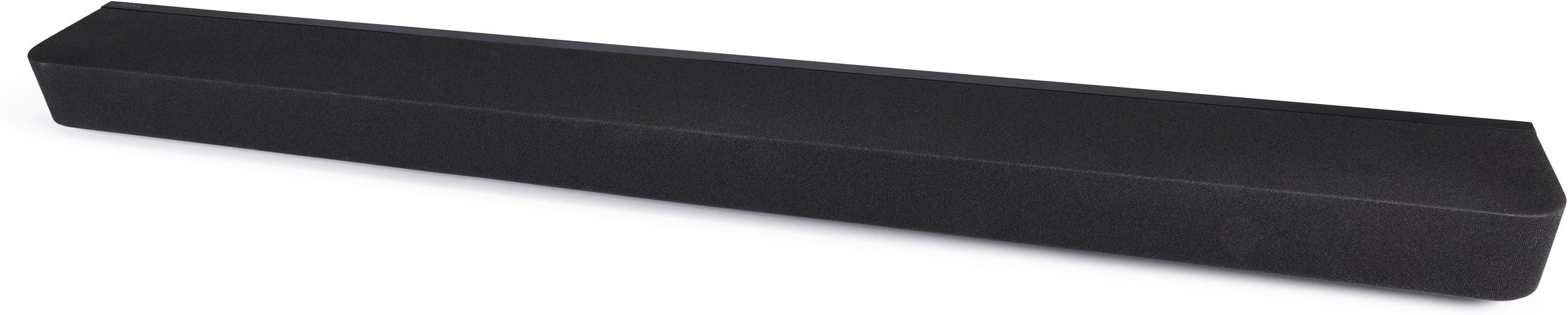
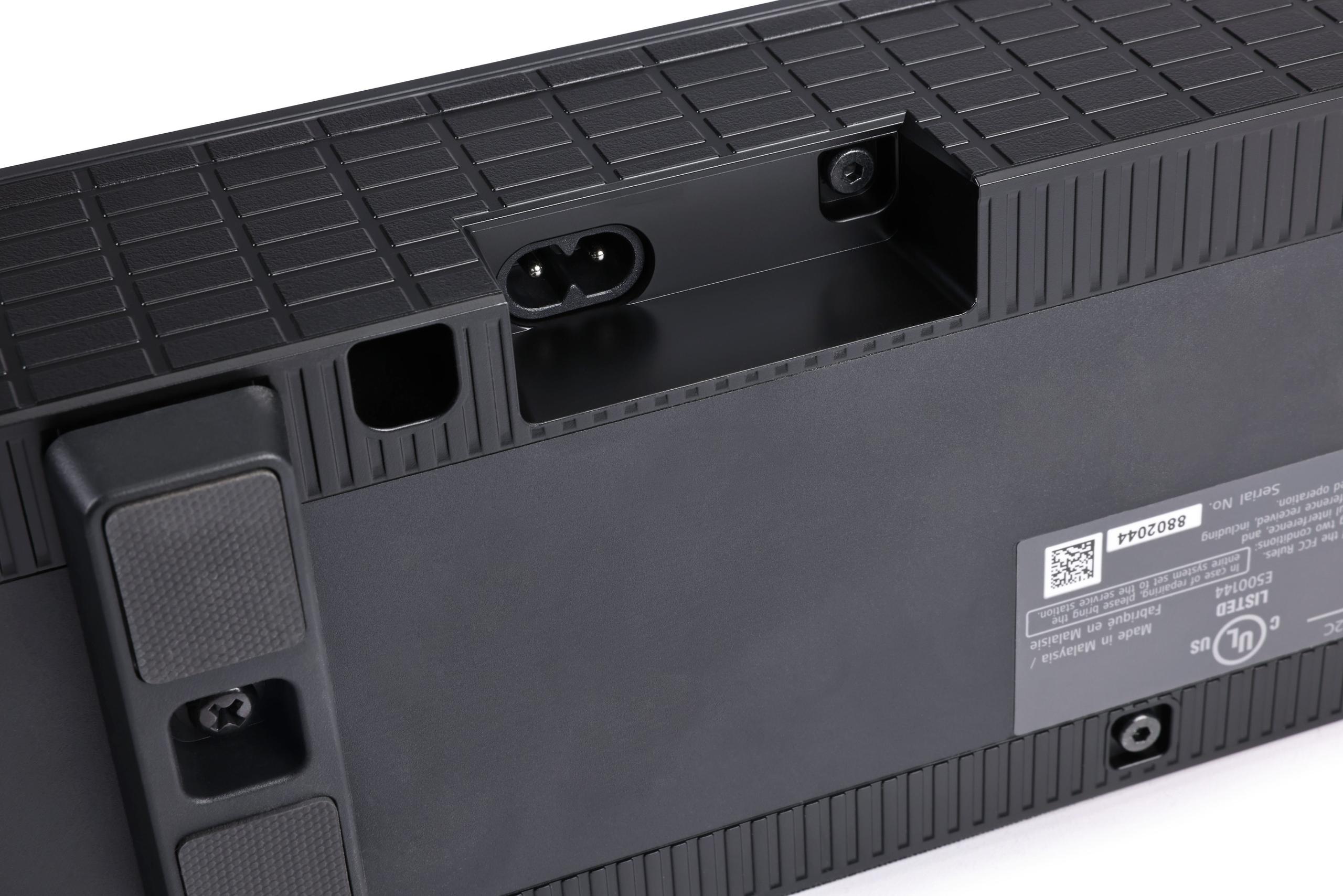

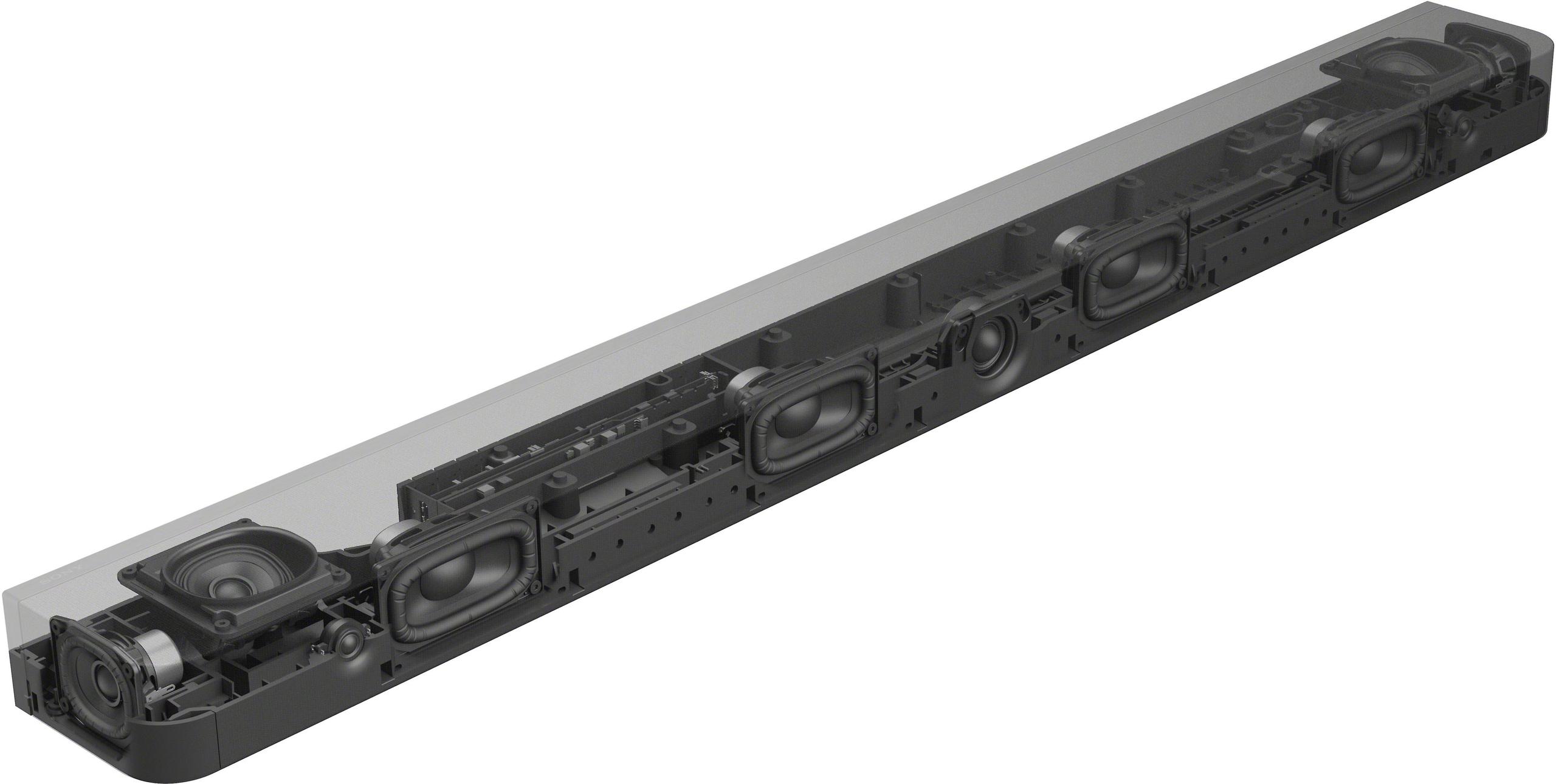
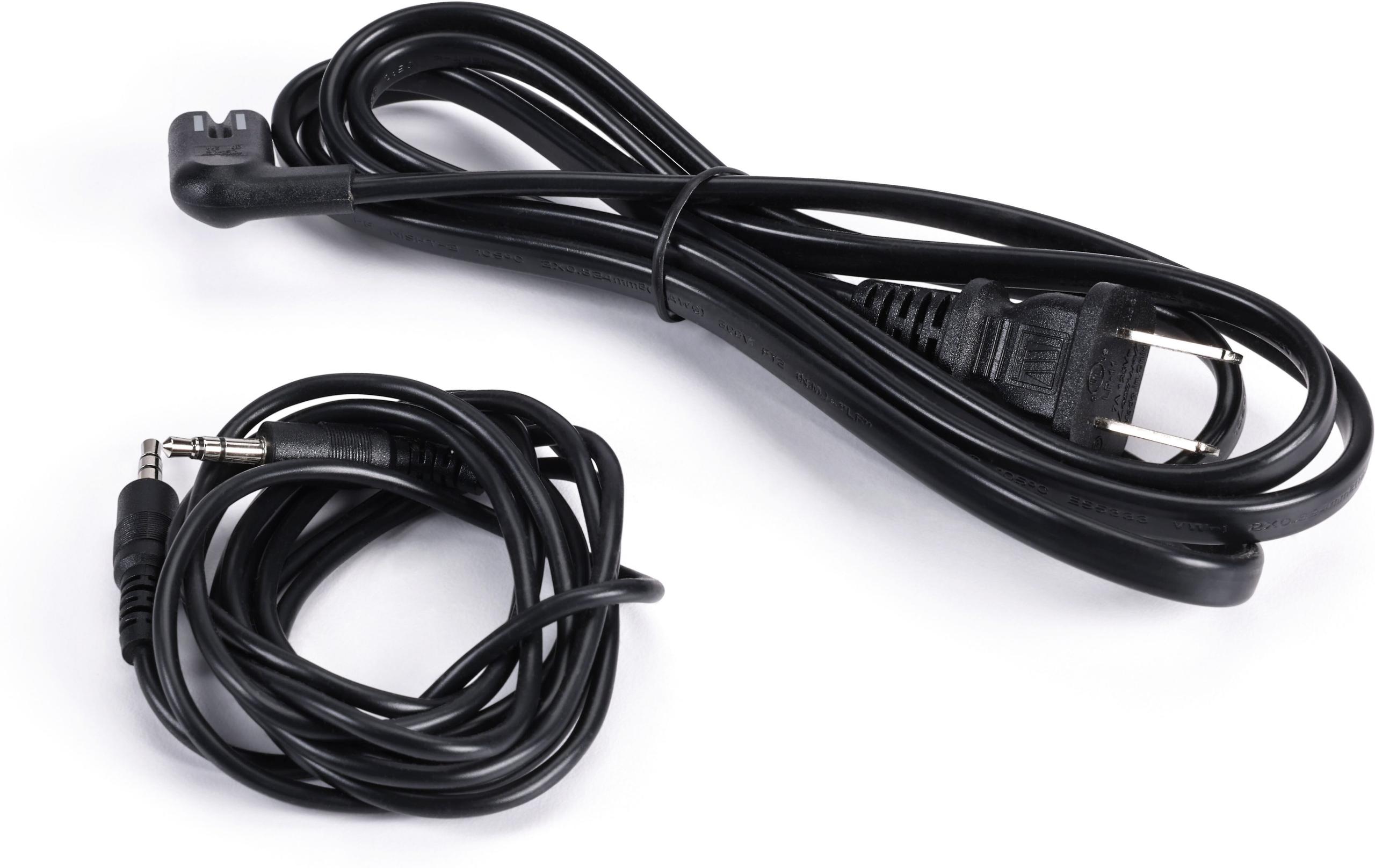

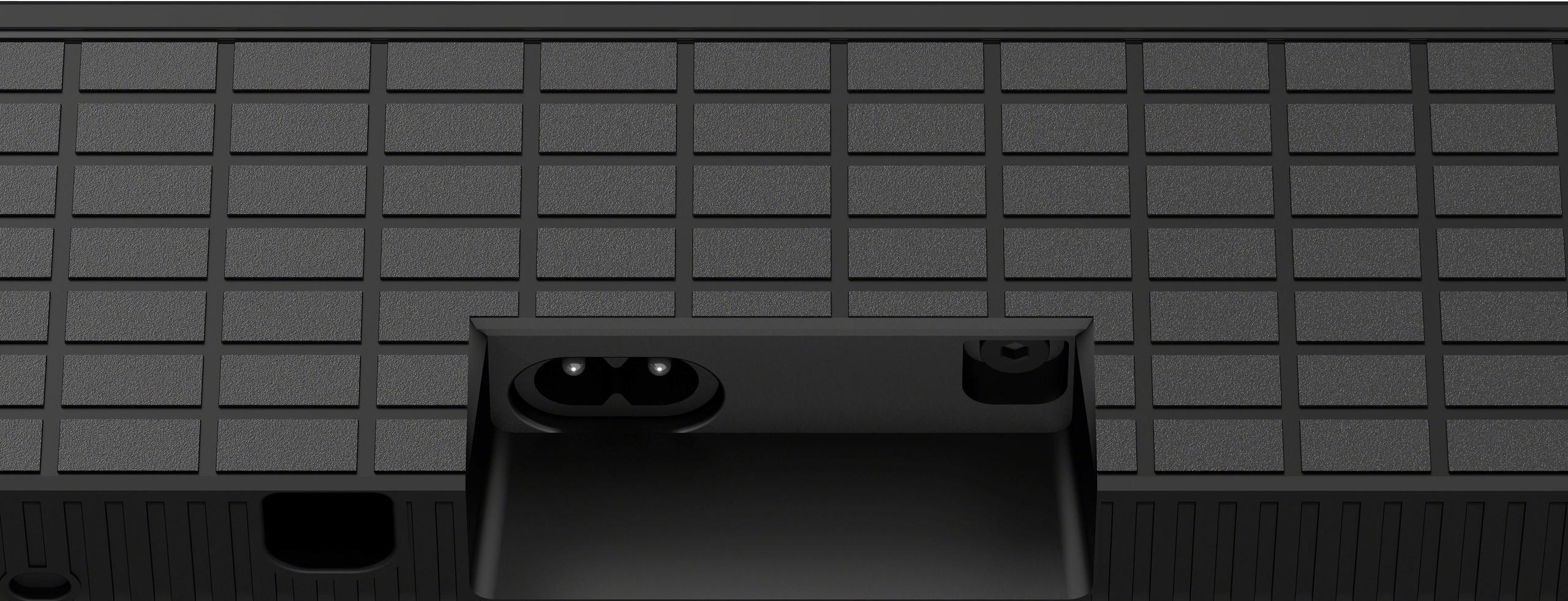
When your TV's built-in speakers just aren't cutting it anymore, you're faced with a fundamental choice in home audio: do you want advanced virtual surround processing or the real deal with physical speakers placed around your room? The Sony HT-A8000 and Ultimea Aura A40 represent these two completely different approaches to solving the same problem—getting cinema-quality sound in your living room.
At the time of writing, these systems sit at opposite ends of the price spectrum, with the Sony HT-A8000 commanding a premium price that's roughly three to four times higher than the budget-friendly Ultimea Aura A40. But this isn't just about spending more money—it's about choosing between two fundamentally different philosophies of how surround sound should work in your home.
The soundbar market has evolved dramatically since the early 2010s, when most systems were simple stereo bars trying to make dialogue clearer. Today's systems use sophisticated digital signal processing (DSP)—essentially computer algorithms that manipulate audio in real-time—to create immersive experiences that rival traditional home theater setups.
The key innovation has been spatial audio processing, which tricks your brain into hearing sounds coming from locations where there aren't actually any speakers. This works by carefully timing when sounds reach each ear, adjusting volume levels, and using reflections off your walls and ceiling. It's the same principle that lets you close your eyes and point to where someone is talking in a room.
However, there's an ongoing debate in the audio world: can virtual processing ever truly match the precision of having actual speakers positioned around your listening area? The Sony HT-A8000 bets heavily on advanced algorithms, while the Ultimea Aura A40 takes the traditional approach with real speakers in real locations.
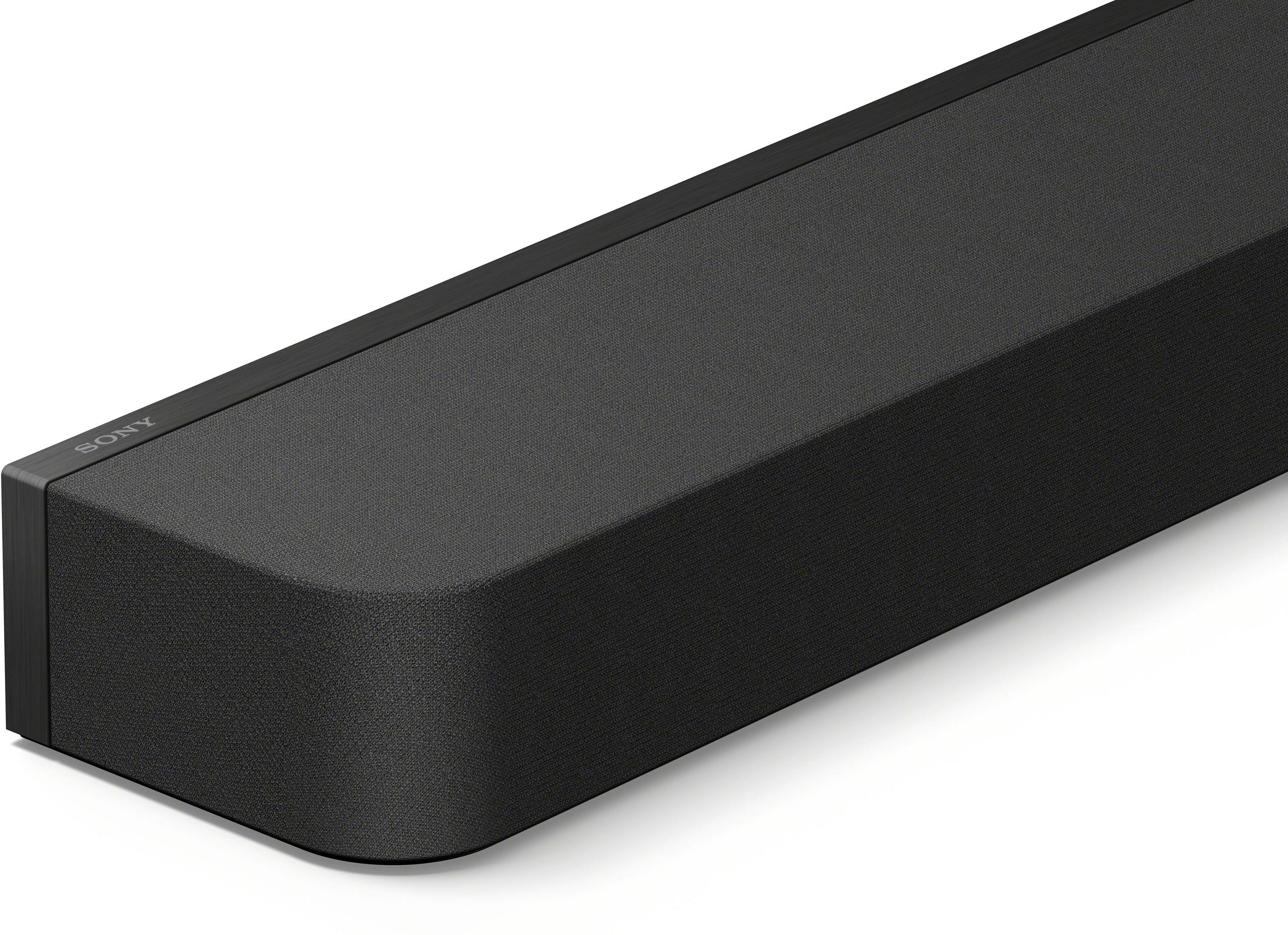
Released in 2024, the Sony HT-A8000 represents Sony's latest thinking on what a premium soundbar should be. At its heart is something called 360 Spatial Sound Mapping—a technology that creates what Sony calls "phantom speakers" in your room. These aren't real speakers you can touch, but rather virtual sound sources that your brain perceives as coming from specific locations.
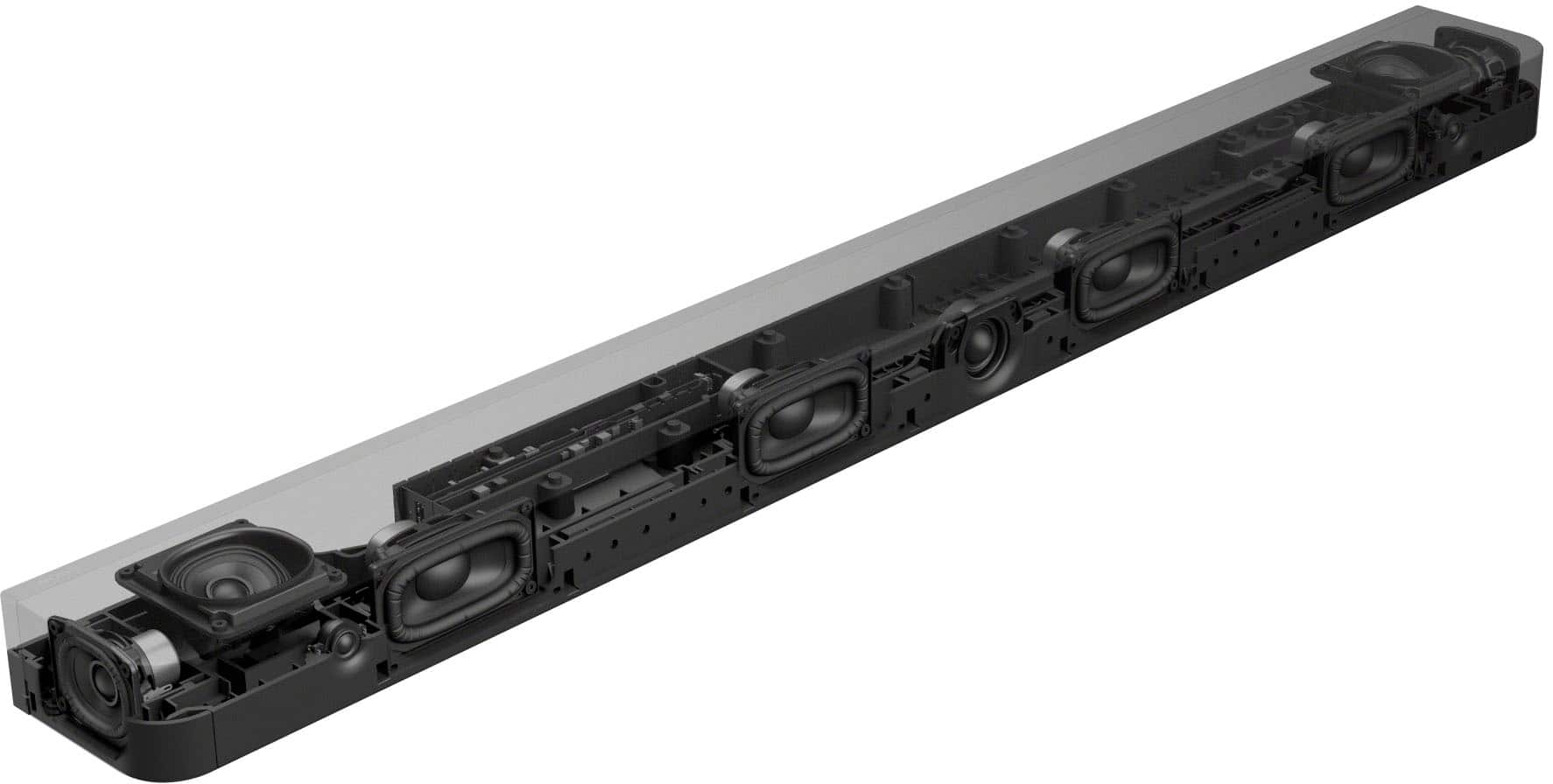
The system works by housing 11 individual speakers inside a single sleek bar. Some fire forward for dialogue and front effects, others fire upward to bounce sound off your ceiling for height effects (this is how Dolby Atmos works), and side-firing drivers reflect sound off your walls to create the sense of surround channels. The clever part is that Sony's algorithms coordinate all these drivers to create five distinct phantom speaker locations—imagine having speakers to your left, right, above, and in multiple positions around you, even though it's all coming from one device.
What makes this particularly impressive is the Sound Field Optimization feature. Using built-in microphones, the Sony HT-A8000 actually listens to how sound behaves in your specific room and adjusts its processing accordingly. If you have a hard floor that reflects sound differently than carpet, or if your couch is positioned off-center, the system adapts. This kind of room correction technology was once found only in expensive home theater receivers.
The trade-off with this approach is that you're entirely dependent on your room's acoustics. The ceiling bounce effects that create the height sensation in Dolby Atmos content work best with 8-9 foot ceilings made of hard materials. Vaulted ceilings, textured surfaces, or rooms with lots of sound-absorbing furniture can limit the effectiveness. When it works well, though, the effect can be startlingly convincing.
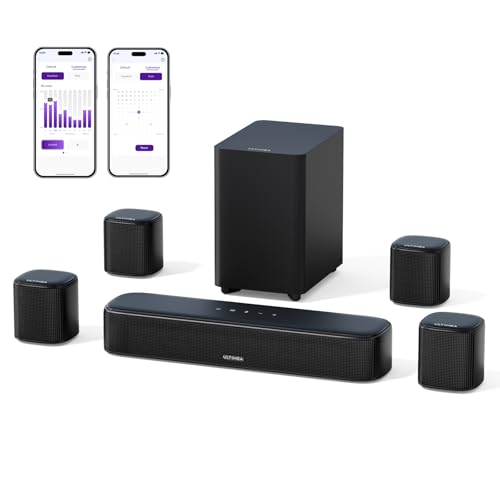
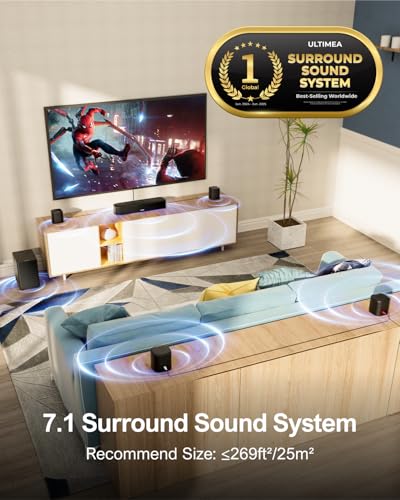
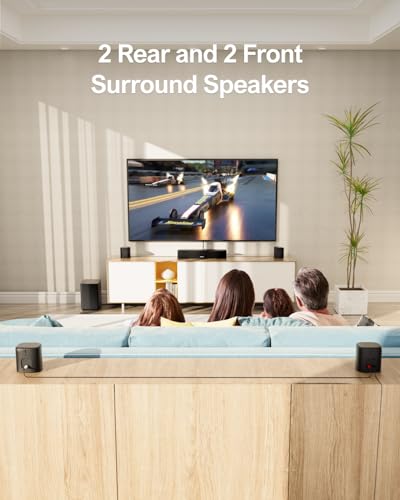
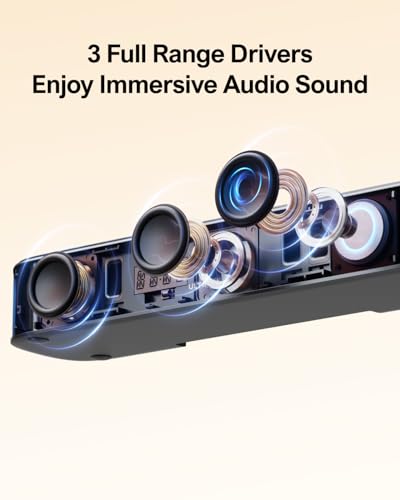
The Ultimea Aura A40 takes the opposite approach entirely. Instead of trying to virtually create surround speakers, it simply includes them in the box. You get four small satellite speakers—two that go near the front of your room and two for the rear—plus a dedicated subwoofer for bass and the main soundbar for dialogue and center channel effects.
This system uses what's called SurroundX technology, which is essentially sophisticated timing coordination between all the physical speakers. When a helicopter flies across the screen in a movie, the Ultimea Aura A40 doesn't need to trick your brain with reflections—it actually plays that sound from the rear speakers as the effect moves behind you, then from the front speakers as it moves forward. The result is what audio engineers call "true discrete surround," where each speaker handles specific parts of the soundtrack independently.
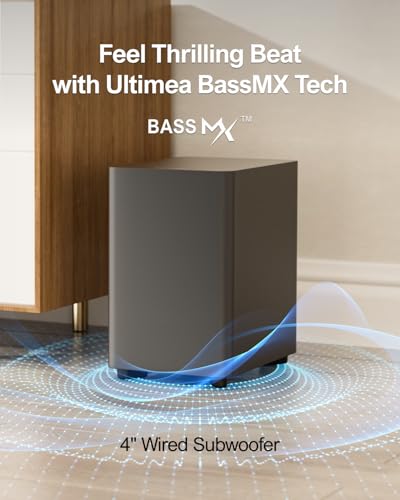
The included subwoofer deserves special mention. This is a powered unit with its own amplifier and a 4-inch driver designed specifically for low-frequency effects. Bass frequencies below about 80Hz are what you feel as much as hear—the rumble of explosions, the growl of engines, the deep thump of music. Most soundbars, even expensive ones, struggle with this range because physics demands larger drivers and more power than you can fit in a slim bar.
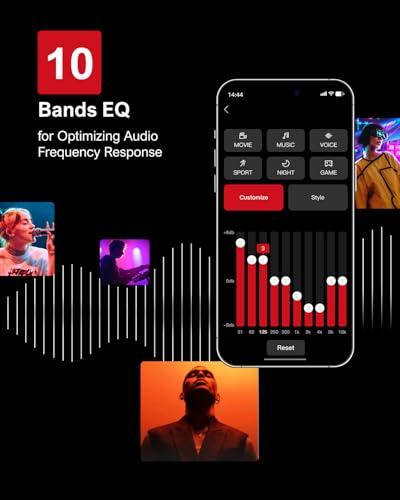
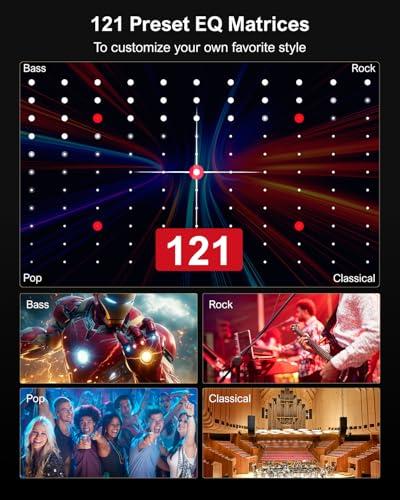
Where the Ultimea Aura A40 gets interesting is in its customization options. Through the companion mobile app, you get access to 121 different equalizer presets tailored for different types of content and musical genres. There's also a 10-band manual equalizer, which lets you boost or cut specific frequency ranges to match your preferences or room acoustics. This level of user control is rare at any price point and almost unheard of in budget systems.
Dialogue Clarity Both systems prioritize clear dialogue, but they achieve it differently. The Sony HT-A8000 uses something called Voice Zoom 3, which employs artificial intelligence to recognize human speech in the soundtrack and automatically adjust its volume relative to music and effects. This is particularly useful during action scenes where dialogue can get buried under explosions and music.
The Ultimea Aura A40 handles dialogue through its dedicated center channel in the main soundbar, plus a specific Voice mode that optimizes the frequency response for speech clarity. While it lacks AI processing, the physical separation of dialogue from other sounds often produces excellent results, especially in the critical midrange frequencies where human speech lives.
Surround Sound Effectiveness This is where the fundamental difference in approach becomes most apparent. The Sony HT-A8000 creates a surprisingly wide soundstage for a single-unit device, with effects that seem to come from well beyond the physical boundaries of the soundbar. However, the precision of surround effects depends heavily on your room and seating position. Sweet spot limitations mean that the person sitting directly in front gets the best experience, while those seated to the sides may notice the illusion breaking down.
The Ultimea Aura A40 provides more consistent surround coverage across multiple seating positions because the sound is actually coming from speakers placed around the room. Rear effects—like footsteps approaching from behind or ambient environmental sounds—tend to be more convincing because they're originating from the correct locations rather than being reflected there.
Bass Response and Low-Frequency Performance Here's where the price difference becomes most apparent. The Sony HT-A8000 includes no subwoofer in its base configuration, relying instead on internal drivers for bass. While Sony has engineered these drivers cleverly with rectangular shapes to maximize cone area in the slim profile, they simply cannot move the amount of air needed for deep, room-filling bass.
The Ultimea Aura A40 includes a dedicated subwoofer with BassMX technology—essentially optimized amplification and driver design for maximum impact in a small enclosure. The 4-inch driver can reach down to about 65Hz, which covers most of the bass content in movies and music. While this isn't the deep extension you'd get from a larger subwoofer, it provides the physical impact that makes action scenes feel more engaging and music sound fuller.
Audio Format Support The Sony HT-A8000 supports premium audio formats like Dolby Atmos, DTS:X, and IMAX Enhanced. These are object-based audio formats where sounds are treated as three-dimensional objects that can be placed anywhere in a virtual space around you. When watching compatible content from streaming services or Ultra HD Blu-rays, these formats can create remarkably immersive experiences.
The Ultimea Aura A40 processes audio through virtual 7.1 surround algorithms. While it can't decode the advanced object-based formats, it does an effective job of creating surround effects from standard 5.1 and stereo sources through its physical speaker arrangement.
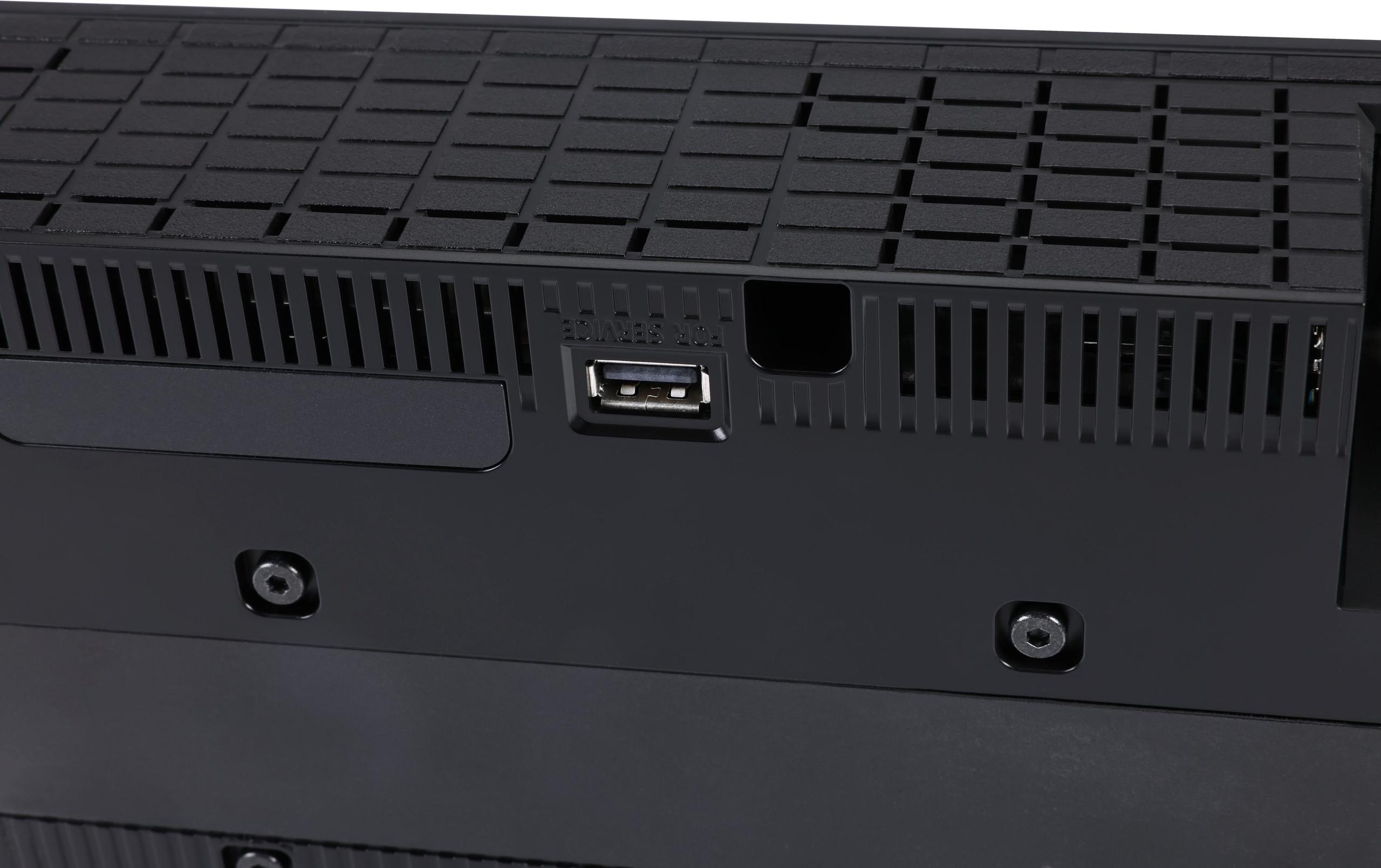
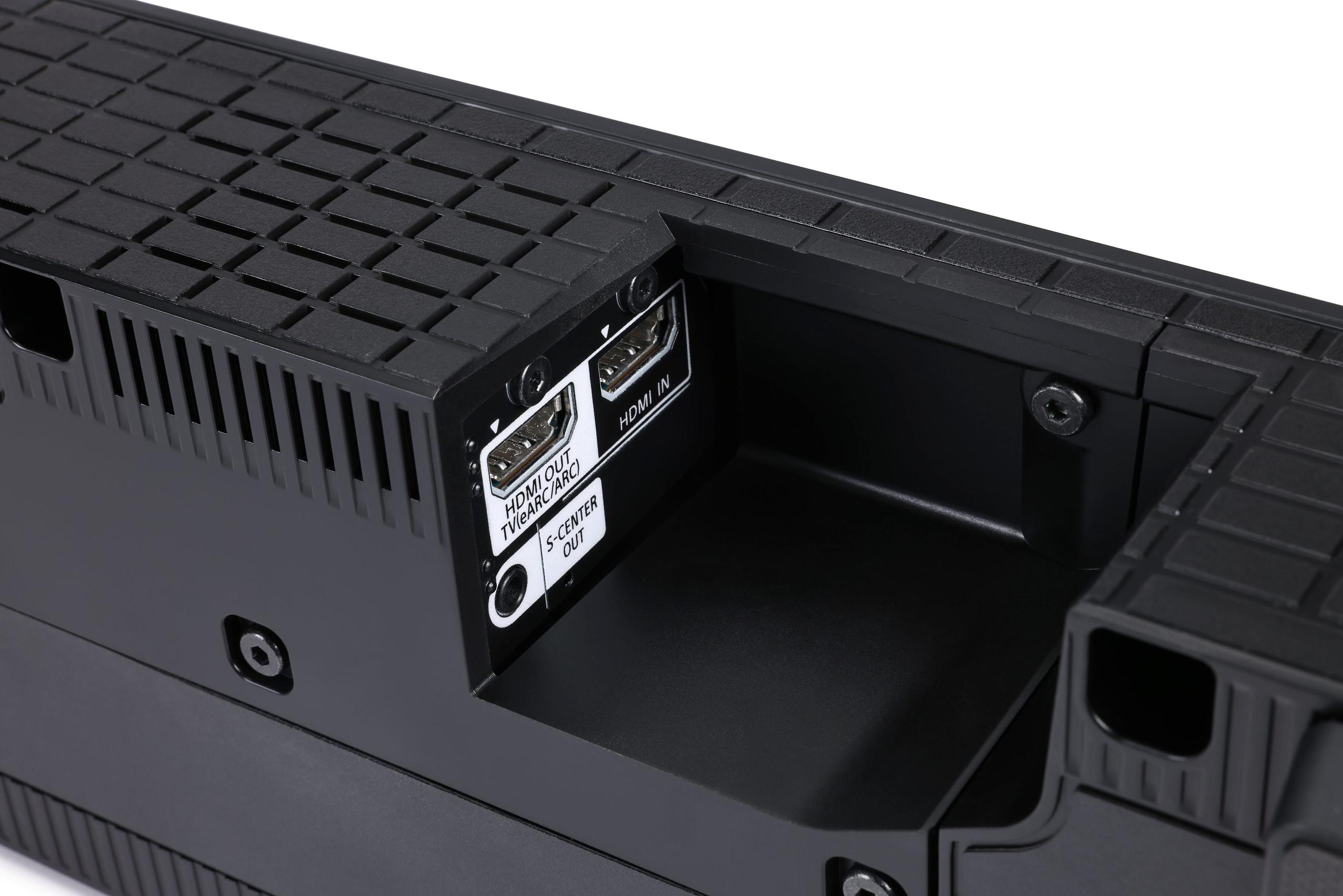
The Sony HT-A8000 includes HDMI 2.1 with eARC (enhanced Audio Return Channel), which is crucial for getting the highest quality audio from modern TVs and gaming systems. This connection can handle uncompressed audio formats and supports advanced gaming features like 4K at 120Hz refresh rates, Variable Refresh Rate (VRR), and Auto Low Latency Mode (ALLM). If you're serious about gaming or have a premium TV, these features matter.
The system also integrates seamlessly with Sony's BRAVIA TV lineup through Acoustic Center Sync, which actually uses your TV's speakers as an additional center channel. This creates an even more precise soundstage where dialogue appears to come directly from actors' mouths on screen rather than from below the TV.
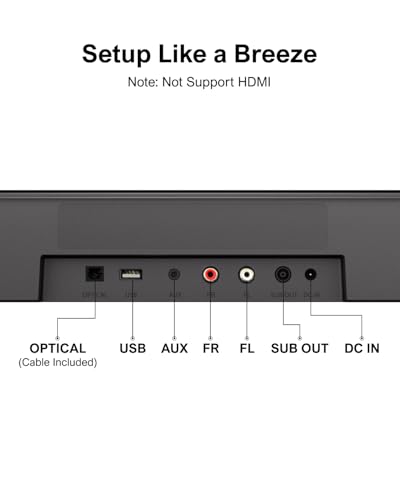
The Ultimea Aura A40 focuses on versatility over premium features. It includes Bluetooth 5.3 for wireless music streaming, optical and analog inputs for older devices, and even a USB port that can play MP3 files directly from a flash drive—handy if you have a music collection stored digitally. The mobile app provides comprehensive control over all the system's features and even supports over-the-air firmware updates to add new features or fix bugs.
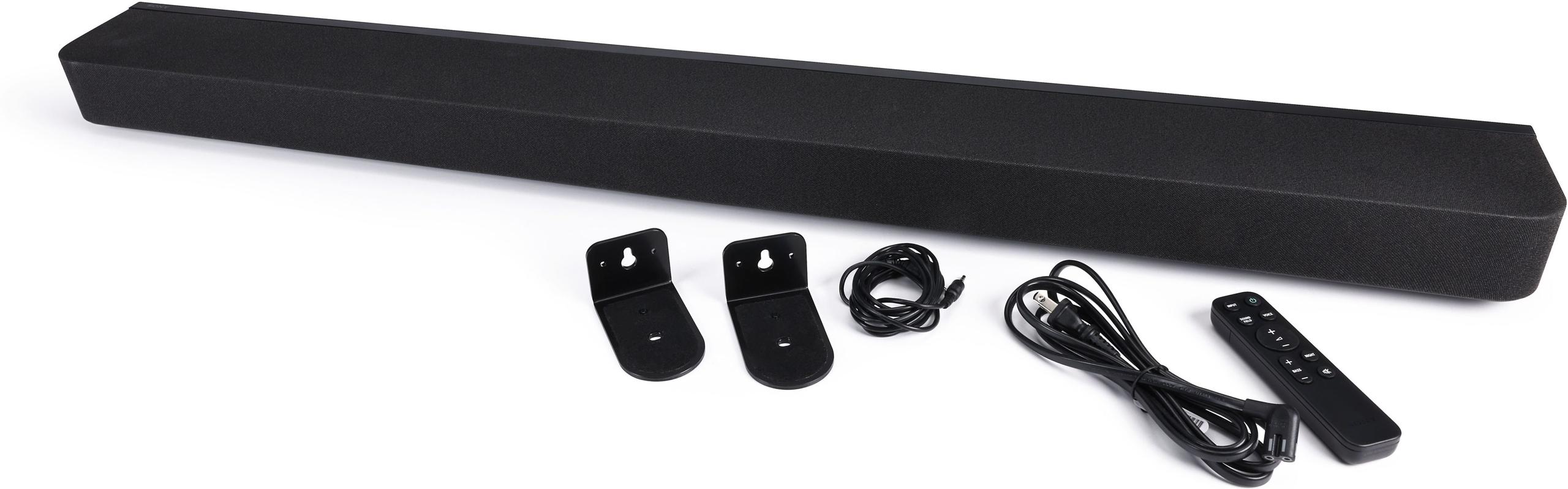
Setting up the Sony HT-A8000 is remarkably simple—it's essentially plug-and-play. Connect one HDMI cable to your TV, plug in the power, and run the automatic room calibration. The wall-mounting hardware is included, and the slim profile means it won't block your TV screen or look out of place on a media console.
The Ultimea Aura A40 requires significantly more effort. You'll need to position four speakers around your room, run speaker cables (though the rear right speaker connects wirelessly to reduce cable clutter), and find appropriate placement for the subwoofer. This process can take an hour or more, and you'll need to consider furniture placement and room aesthetics. However, once installed, many users find that having physical speakers provides more flexibility for future room rearrangements.
The Sony HT-A8000 works best in medium to large rooms with good ceiling reflection properties. The phantom speaker effects rely on bouncing sound off surfaces, so rooms with high vaulted ceilings, heavy carpeting, or lots of soft furnishings may not get the full benefit. The system is designed to fill spaces effectively, but it really shines when your room's acoustics cooperate with its processing algorithms.
The Ultimea Aura A40 is more forgiving of room acoustics because it doesn't rely on reflections. The physical speakers can overcome acoustic challenges that might limit virtual processing systems. However, it's optimized for smaller to medium-sized rooms—the included amplification and speaker sizes are matched to spaces where you're not trying to fill a large family room or basement theater.
At the time of writing, the price difference between these systems reflects their different target markets and design philosophies. The Sony HT-A8000 commands a premium for its advanced processing technology, premium build quality, and integration features. You're paying for cutting-edge spatial audio algorithms, HDMI 2.1 gaming support, and the convenience of a single-unit solution.
The Ultimea Aura A40 offers remarkable value by including components that would typically cost much more if purchased separately. Getting four surround speakers, a powered subwoofer, and a main soundbar at this price point is almost unprecedented. The trade-off is that individual components may not match the build quality or longevity of premium alternatives.
The Sony HT-A8000 is designed as the foundation of an expandable system. Sony offers optional wireless rear speakers and subwoofers that integrate seamlessly with the main unit. This modular approach lets you start with the soundbar and add components over time as your budget allows or your needs evolve.
The Ultimea Aura A40 is essentially a complete system out of the box with limited official expansion options. This could be seen as either a limitation or a feature—you get everything you need immediately without worrying about future upgrade costs.
Choose the Sony HT-A8000 if you value cutting-edge technology, have a compatible TV with HDMI 2.1, and prefer the aesthetic simplicity of a single unit. It's ideal for users who want to gradually build a premium system, have medium to large rooms with good acoustics, or prioritize gaming features and smart home integration.
The Ultimea Aura A40 makes more sense for budget-conscious users who want immediate surround sound gratification, have smaller rooms where virtual processing might be limited, or simply prefer the assurance that comes with physical speakers in physical locations. It's also perfect for users who enjoy tweaking audio settings and want extensive customization control.
Both systems represent thoughtful approaches to home audio, just with different priorities and target users. The Sony HT-A8000 bets on the future of virtual processing and smart integration, while the Ultimea Aura A40 delivers traditional surround sound benefits at an accessible price. Your choice should depend on your budget, room characteristics, technical preferences, and whether you value convenience or completeness more highly.
| Sony HT-A8000 BRAVIA Theater Bar 8 Soundbar | Ultimea Aura A40 7.1 Channel Soundbar System |
|---|---|
| System Configuration - Determines installation complexity and immediate completeness | |
| Single soundbar with 11 internal speakers | Complete system: soundbar + 4 surround speakers + subwoofer |
| Surround Sound Technology - Core difference in how immersion is created | |
| 360 Spatial Sound Mapping with virtual phantom speakers | Physical 7.1 surround with SurroundX coordination technology |
| Audio Format Support - Important for premium content compatibility | |
| Dolby Atmos, DTS:X, IMAX Enhanced with object-based processing | Virtual 7.1 surround processing from stereo/5.1 sources |
| Bass Performance - Critical for action movies and music impact | |
| No subwoofer included; relies on internal quad woofers | 4-inch powered subwoofer with BassMX technology included |
| HDMI Connectivity - Essential for modern TV and gaming integration | |
| HDMI 2.1 with eARC, 4K120/VRR/ALLM gaming features | No HDMI input; optical, AUX, USB, Bluetooth 5.3 only |
| Room Calibration - Affects how well system adapts to your space | |
| Sound Field Optimization with automatic room analysis | Manual EQ adjustment through 10-band equalizer and app |
| Customization Options - Important for fine-tuning to personal preference | |
| Limited manual controls; AI-driven Voice Zoom 3 processing | 121 preset EQ matrices + 6 listening modes + manual EQ |
| Expandability - Future upgrade potential without replacing entire system | |
| Modular: can add wireless Sony rear speakers and subwoofers | Complete system with no official expansion path |
| Installation Requirements - Time and complexity to get running | |
| Single unit: power + one HDMI/optical cable to TV | Multi-component: speaker placement + cable management required |
| Smart Integration Features - Convenience and ecosystem compatibility | |
| BRAVIA TV integration, AirPlay 2, Spotify Connect, app control | Ultimea Home app with OTA updates, basic streaming |
| Optimal Room Size - Where each system performs best | |
| Medium to large rooms (200-400 sq ft) with good ceiling reflections | Small to medium rooms (108-270 sq ft) with flexible acoustics |
The Ultimea Aura A40 is better suited for small rooms because its physical surround speakers work effectively regardless of room acoustics. The Sony HT-A8000 relies on ceiling and wall reflections for its virtual surround effects, which can be limited in smaller spaces with low ceilings or lots of soft furnishings.
The Ultimea Aura A40 comes complete with four surround speakers and a subwoofer in the box. The Sony HT-A8000 is a standalone soundbar that works well alone but can be expanded with optional wireless rear speakers and subwoofer sold separately.
The Sony HT-A8000 is much easier to install - just connect one HDMI cable to your TV and plug in power. The Ultimea Aura A40 requires positioning four speakers around your room and running speaker cables, which can take 45-90 minutes to complete properly.
The Ultimea Aura A40 has significantly better bass performance out of the box thanks to its included 4-inch powered subwoofer. The Sony HT-A8000 relies only on internal drivers for bass, which limits low-frequency impact until you add an optional subwoofer.
Yes, both the Sony HT-A8000 and Ultimea Aura A40 work with any TV brand. However, the Sony HT-A8000 offers special integration features when paired with Sony BRAVIA TVs, including using the TV speakers as an additional center channel.
The Sony HT-A8000 is superior for gaming because it supports HDMI 2.1 features like 4K120Hz, Variable Refresh Rate (VRR), and Auto Low Latency Mode (ALLM). The Ultimea Aura A40 lacks HDMI input entirely, limiting its gaming connectivity options.
The Sony HT-A8000 creates virtual surround sound using advanced algorithms and ceiling reflections, which works well in ideal room conditions. The Ultimea Aura A40 provides true physical surround sound with actual speakers positioned around your room, offering more consistent surround effects regardless of room acoustics.
The Ultimea Aura A40 provides extensive customization with 121 preset EQ settings, six listening modes, and a 10-band manual equalizer through its mobile app. The Sony HT-A8000 focuses more on automatic optimization with limited manual adjustment options.
Only the Sony HT-A8000 supports true Dolby Atmos, DTS:X, and IMAX Enhanced formats with object-based audio processing. The Ultimea Aura A40 uses virtual 7.1 surround processing but cannot decode these advanced audio formats.
The Ultimea Aura A40 offers exceptional value by including four surround speakers, a subwoofer, and the main soundbar as a complete package. The Sony HT-A8000 costs significantly more and requires additional purchases to match the Ultimea's physical surround speaker setup.
Yes, both the Sony HT-A8000 and Ultimea Aura A40 include wall-mounting hardware. However, the Ultimea system also requires wall mounting or shelf placement for its four surround speakers, making installation more complex than the single-unit Sony soundbar.
This depends on your preferences. The Sony HT-A8000 offers more refined audio processing and can create a wide stereo image from a single unit. The Ultimea Aura A40 provides physical bass impact from its included subwoofer and extensive EQ customization options, but some users find the overall sound quality less refined for critical music listening compared to the Sony system.
We've done our best to create useful and informative comparisons to help you decide what product to buy. Our research uses advanced automated methods to create this comparison and perfection is not possible - please contact us for corrections or questions. These are the sites we've researched in the creation of this article: consumerreports.org - skybygramophone.com - target.com - rtings.com - bestbuy.com - rubbermonkey.co.nz - shopatsc.com - audioadvice.com - sony.com - sony.com - sony.com - shop.cosmopolitan.com - store.sony.com.my - videoandaudiocenter.com - youtube.com - walmart.com - youtube.com - ultimea.com - homestudiobasics.com - ultimea.co - youtube.com - eu.ultimea.com - walmart.com - device.report - bestbuy.com - manuals.plus - community.ultimea.com - judge.me - support.ultimea.com - geekmaxi.com - provantage.com - bestbuy.com - youtube.com - uk.whatgeek.com

Privacy Policy
Terms and Conditions - Affiliate Policy
Home Security
© Copyright 2008-2026.
11816 Inwood Rd #1211, Dallas, TX 75244