





When you're ready to upgrade from your TV's built-in speakers but don't want the complexity of a full surround sound system with wires running everywhere, premium soundbars offer an appealing middle ground. These sophisticated audio systems promise theater-quality sound from a single sleek unit, but with prices ranging from moderately expensive to genuinely premium, choosing the right one matters more than ever.
Today we're comparing two standout options from 2023: the Sony HT-A8000 BRAVIA Theater Bar 8 and the Sennheiser AMBEO Soundbar Plus. At the time of writing, Sony's offering sits in the upper-mid range while Sennheiser's commands premium pricing—roughly double the cost. But does double the price mean double the performance? Let's dig into what makes these soundbars tick and who should choose which.
Before diving into specifics, it's worth understanding what separates premium soundbars from basic models. The key differentiator isn't just more speakers—though both of our contenders pack plenty—but sophisticated spatial audio processing that creates the illusion of sound coming from all around you, including overhead.
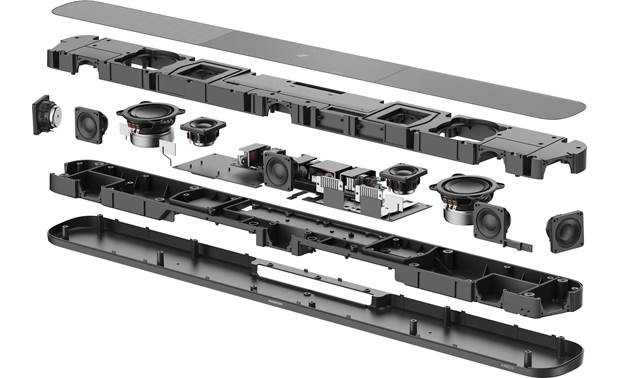
This magic happens through psychoacoustics (how our brains interpret sound) and clever speaker placement. Both soundbars use upward-firing drivers that bounce sound off your ceiling to create height effects, side-firing speakers that reflect off walls for width, and advanced processing that creates "phantom" speakers—sounds that appear to come from locations where no physical speaker exists.
The most important factors when evaluating premium soundbars include spatial audio effectiveness, bass response, dialogue clarity, room adaptation capabilities, and expandability options. Gaming and streaming features have also become increasingly important as these systems often serve as the audio hub for multiple entertainment sources.
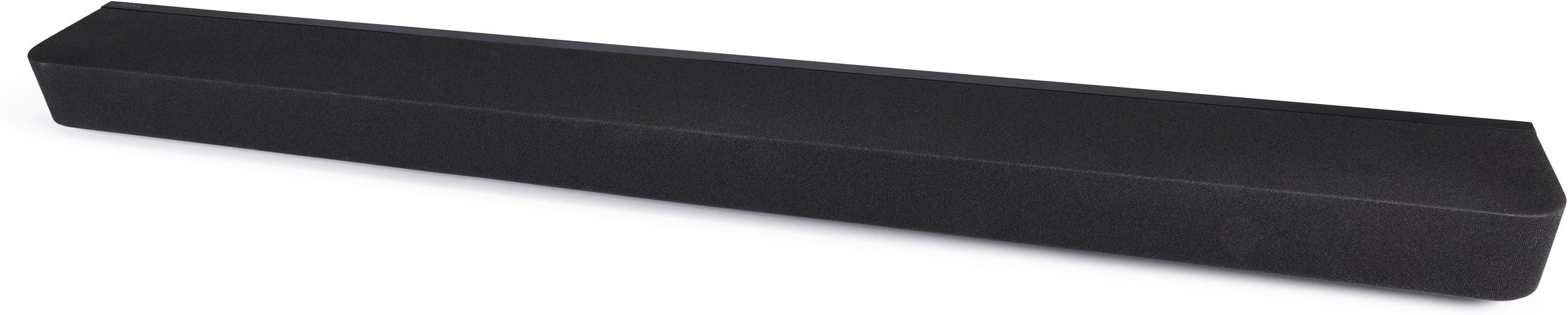
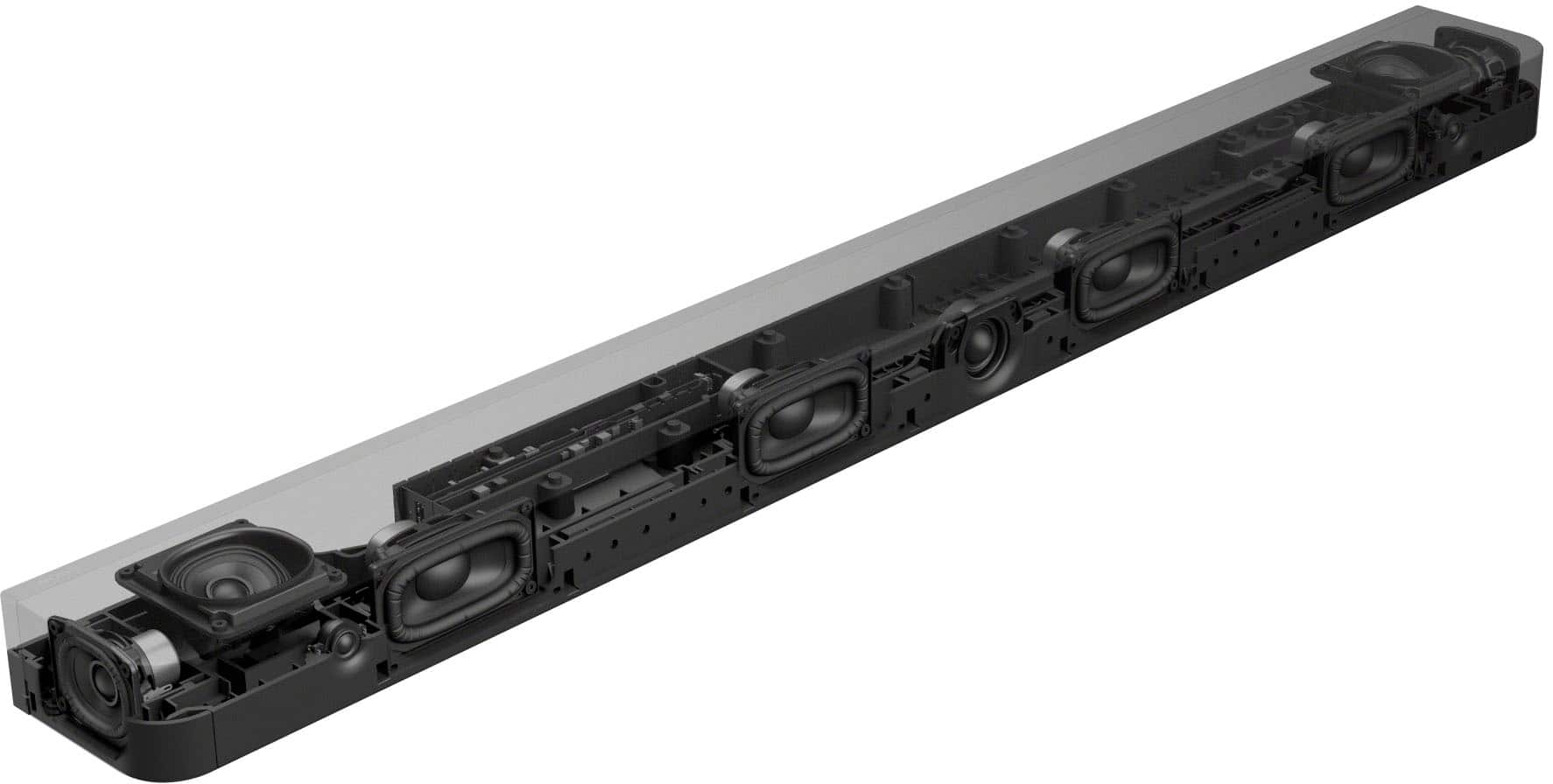
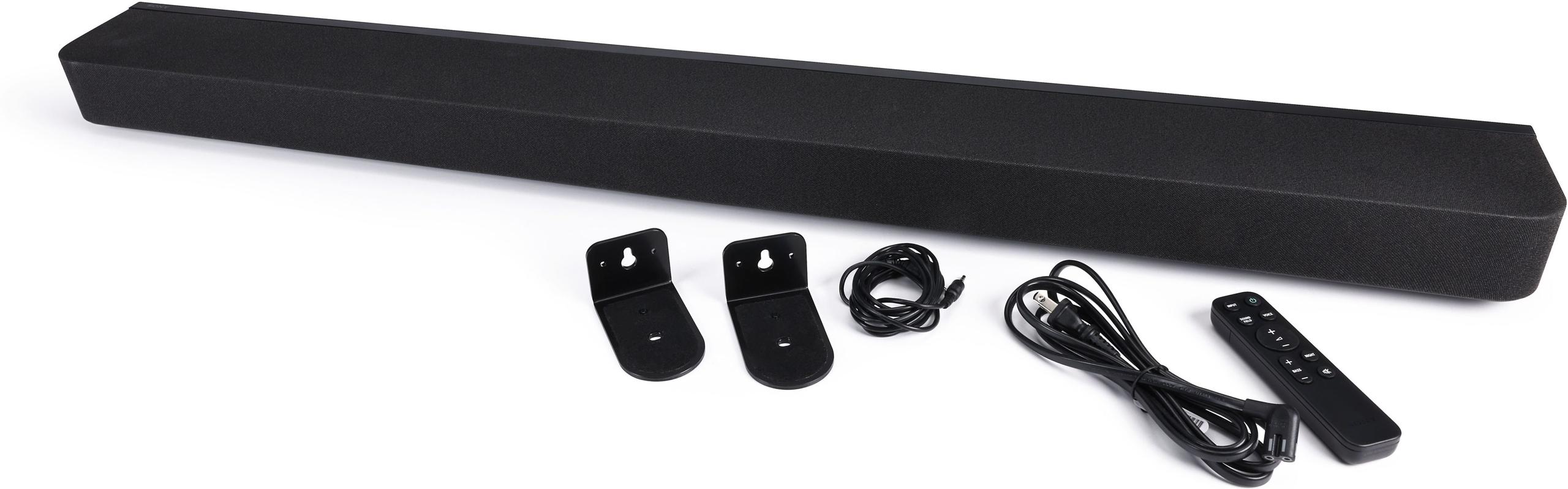
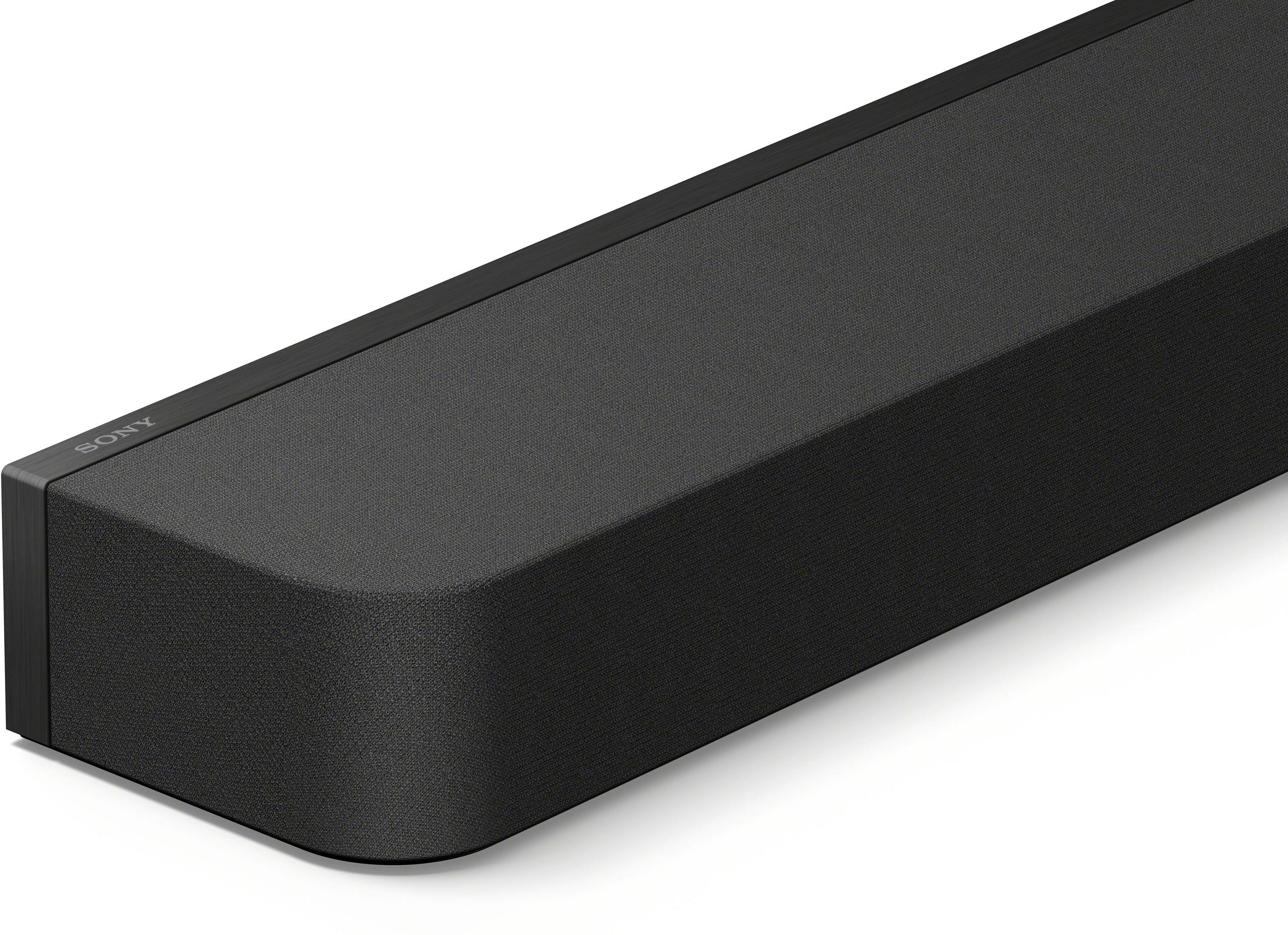
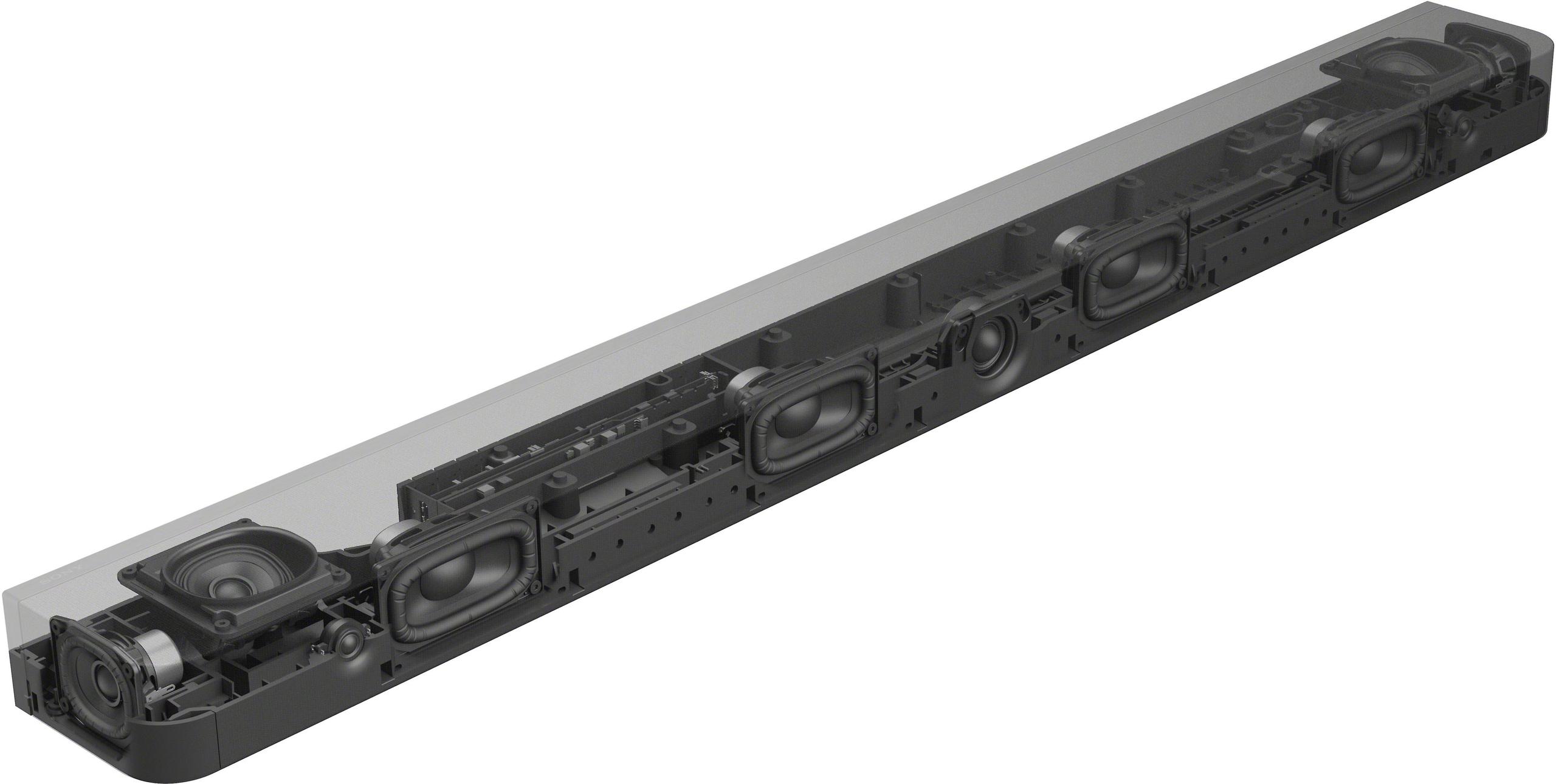
The Sony HT-A8000 represents Sony's serious entry into premium soundbar territory, launched in 2023 as part of their BRAVIA Theater lineup. It features 11 individual speaker drivers arranged in a 5.0.2 configuration—that's five main channels plus two overhead channels. Sony's approach emphasizes integration with their TV ecosystem and expandability, allowing you to build a complete surround system over time.
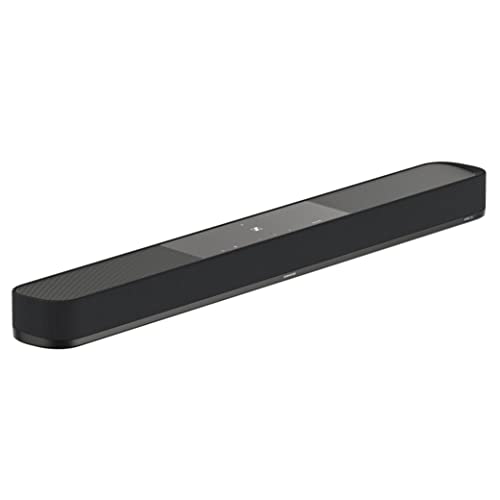
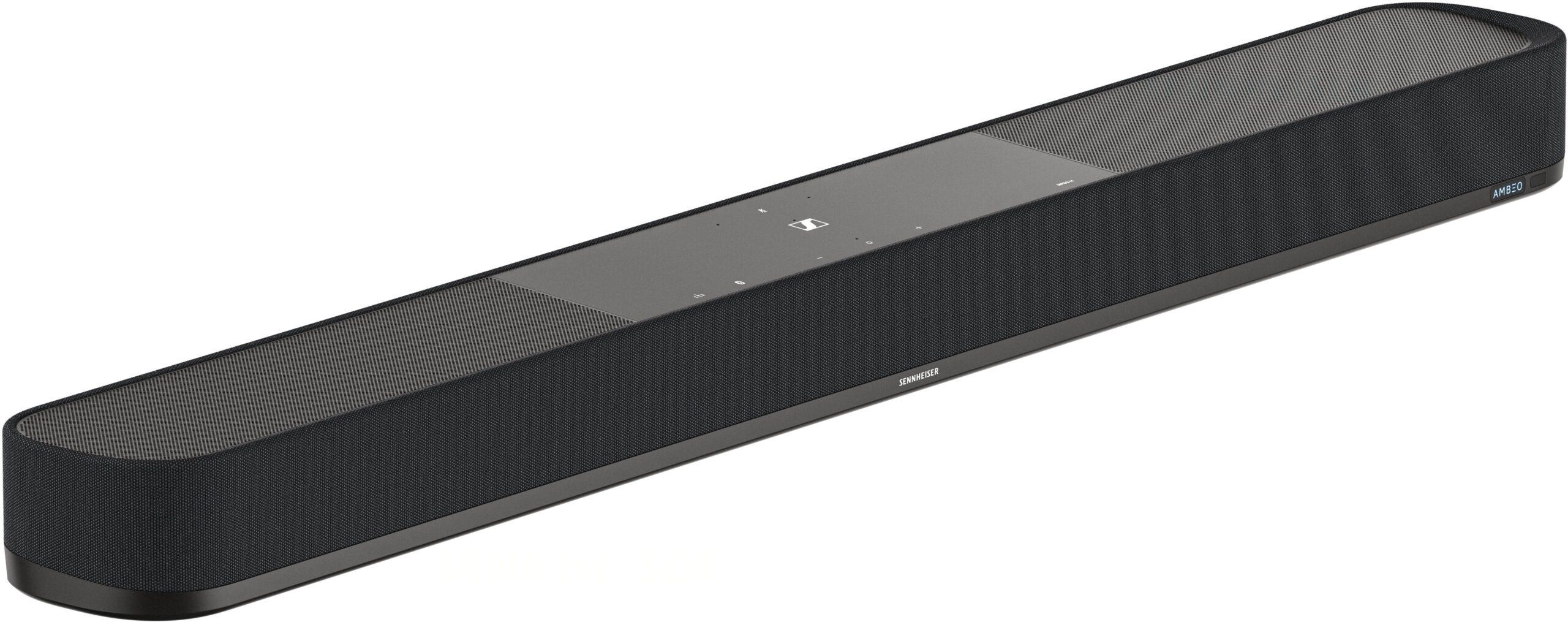
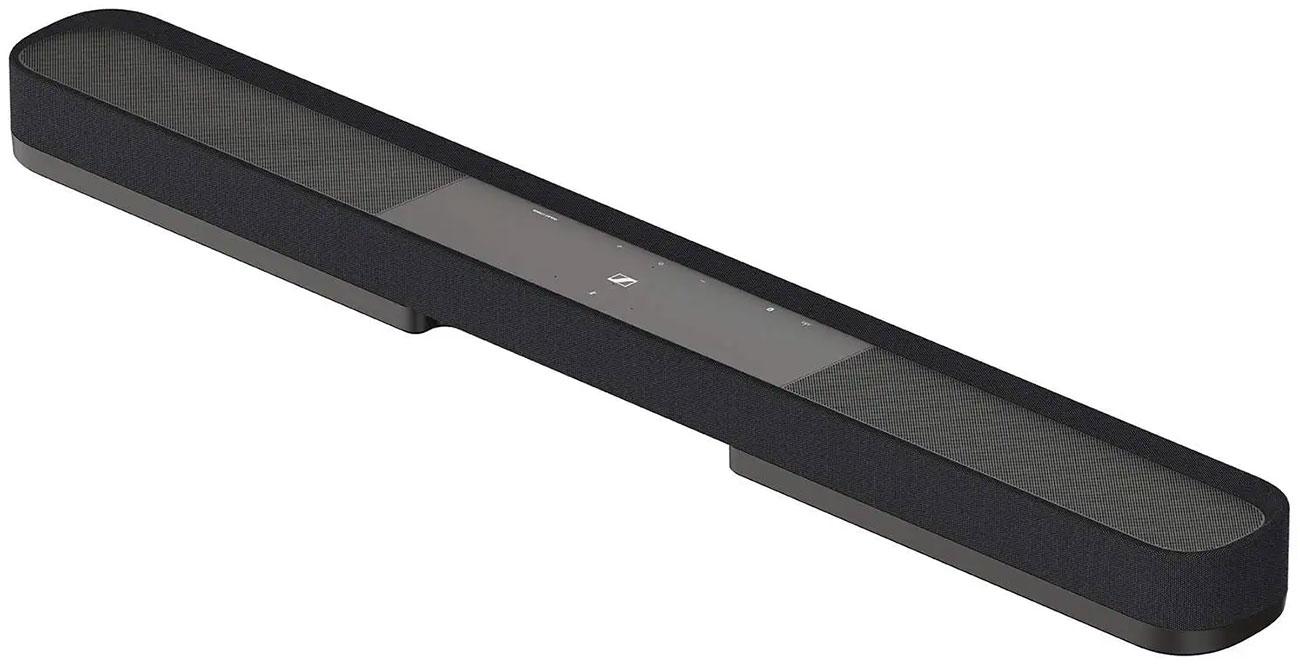
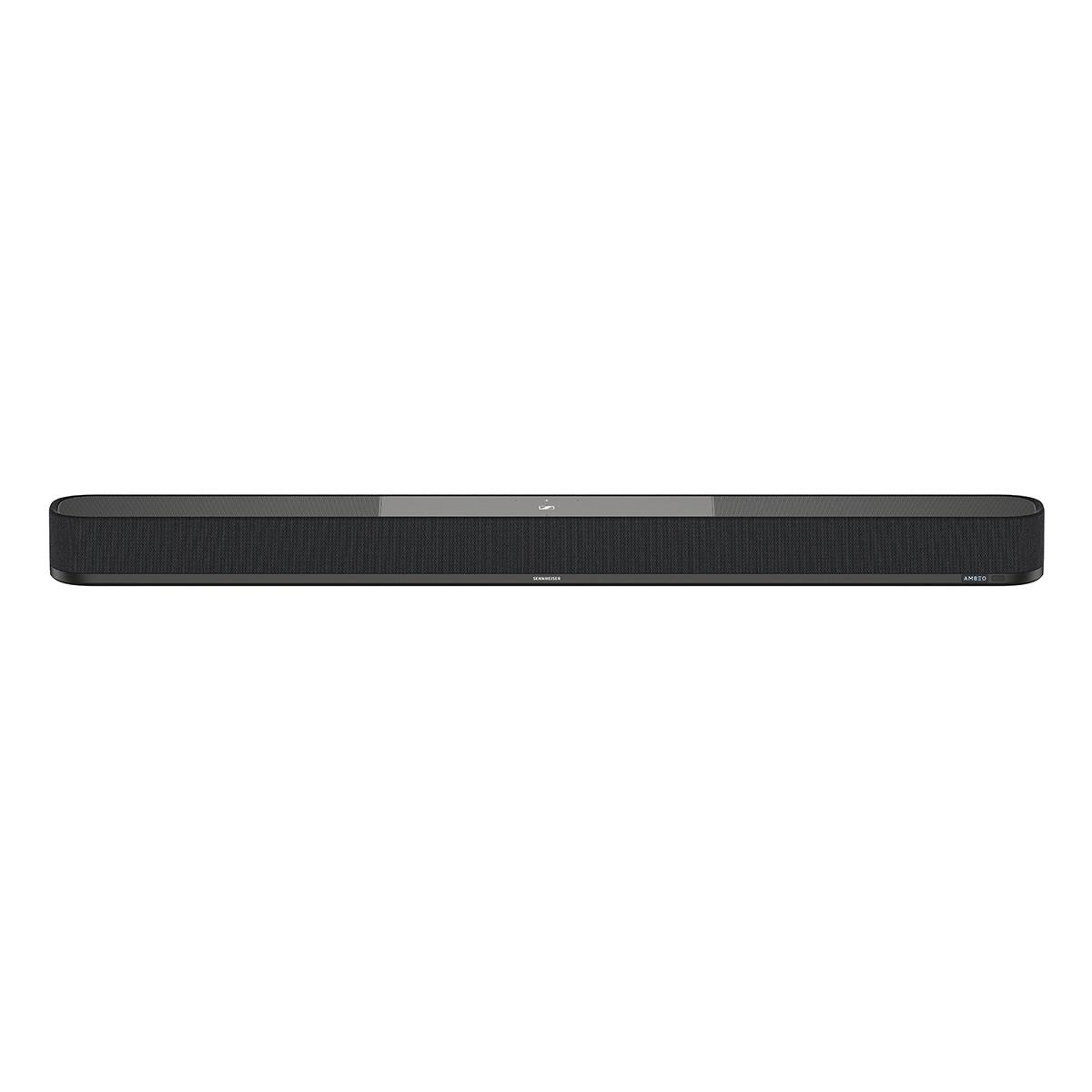
The Sennheiser AMBEO Soundbar Plus, also from 2023, takes a different philosophy. It's an all-in-one powerhouse with nine speakers delivering virtual 7.1.4 surround sound—seven main channels, one subwoofer channel, and four overhead channels. Sennheiser, known for their premium headphones and professional audio equipment, brings serious audiophile credibility to the soundbar space.
Bass is often where soundbars struggle most, and it's where these two products diverge significantly. The Sennheiser AMBEO Plus includes dual built-in 4-inch subwoofers that can reach down to 38Hz—that's genuinely impressive for a soundbar. In practice, this means you'll feel the rumble of explosions and the thump of bass drops without needing a separate subwoofer box cluttering your living room.
The Sony HT-A8000 takes a different approach with four smaller woofers distributed across the soundbar. While this provides decent bass for casual listening, it doesn't match the AMBEO's low-end authority. However, Sony designed this soundbar with expansion in mind—you can add their wireless subwoofers later for significantly enhanced bass response.
From our research and evaluation of user experiences, the Sennheiser delivers more satisfying bass out of the box, but adding Sony's optional subwoofer creates a more flexible and potentially superior low-end experience.
Both soundbars excel at creating immersive spatial audio, but through different approaches. Sony's 360 Spatial Sound Mapping creates phantom speakers primarily in front of the listener while using wall and ceiling reflections to expand the soundstage. The system is particularly effective at creating a wide front soundstage that makes movies feel more expansive than typical soundbars achieve.
The Sennheiser AMBEO Plus uses more sophisticated AMBEO 3D virtualization technology developed with the Fraunhofer Institute—the same organization behind MP3 compression. This system analyzes your room's acoustics using far-field microphones and adjusts the audio processing accordingly. The result is more convincing overhead effects and better all-around immersion.
In expert reviews and user feedback, the Sennheiser consistently receives praise for more believable surround effects, particularly overhead sounds like helicopters or rain. The Sony impresses with its wide soundstage but doesn't quite match the AMBEO's three-dimensional audio illusion.
Clear dialogue is crucial for home theater enjoyment, and both soundbars address this differently. The Sony HT-A8000 features Voice Zoom 3, an AI-powered system that identifies human voices in the audio mix and can boost or reduce their volume as needed. This technology proves particularly effective with challenging content like action movies where dialogue often gets buried under sound effects.
The Sennheiser AMBEO Plus doesn't use AI-driven dialogue enhancement but instead relies on precise speaker placement and room calibration to ensure voices remain clear and centered. It also offers dedicated voice modes through its Smart Control app for additional dialogue focus when needed.
User experiences suggest that Sony's AI-enhanced approach provides more dramatic dialogue improvement, making it especially valuable for viewers who struggle with muddy or hard-to-understand speech. The Sennheiser's approach is more subtle but maintains better overall audio balance.
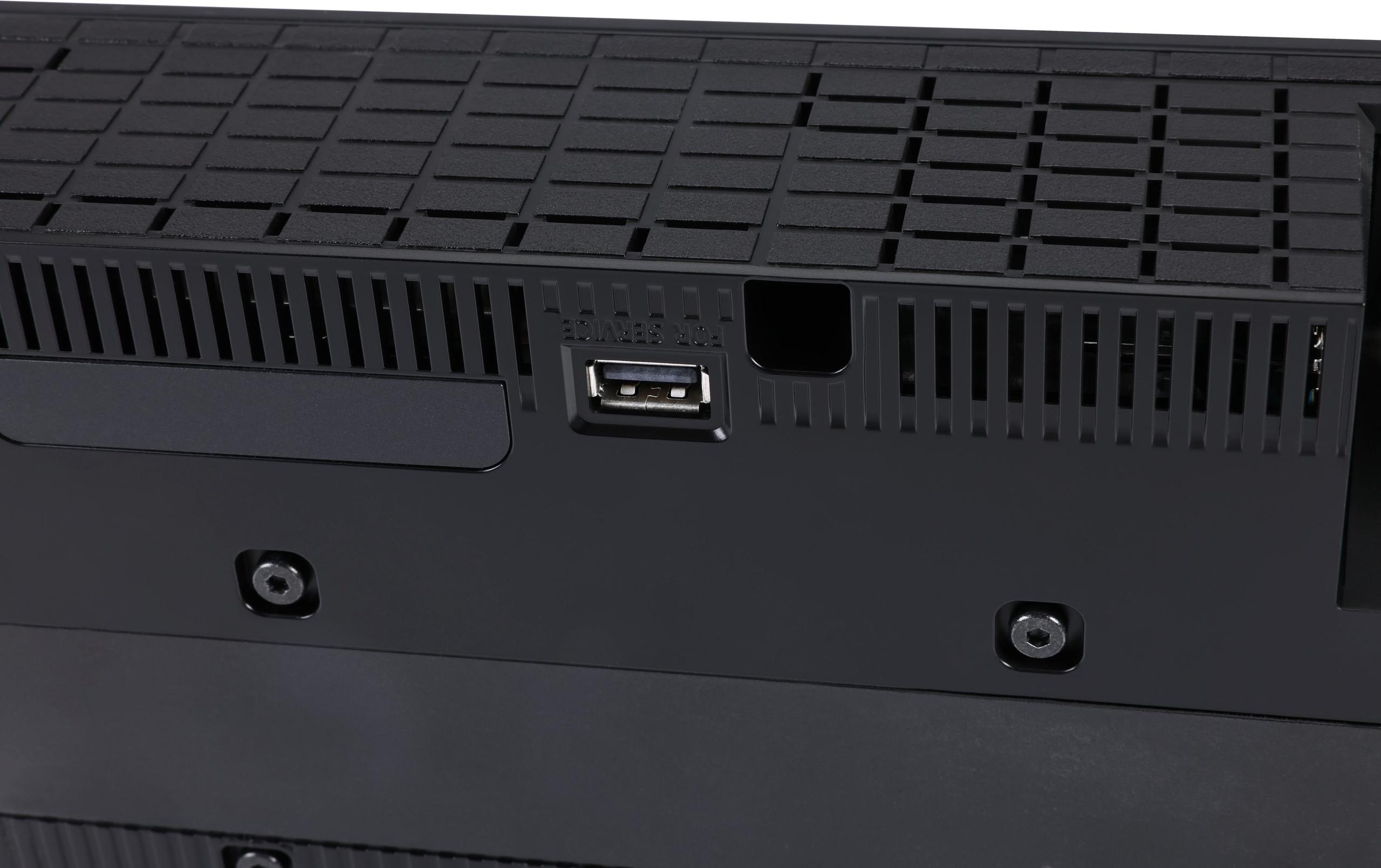
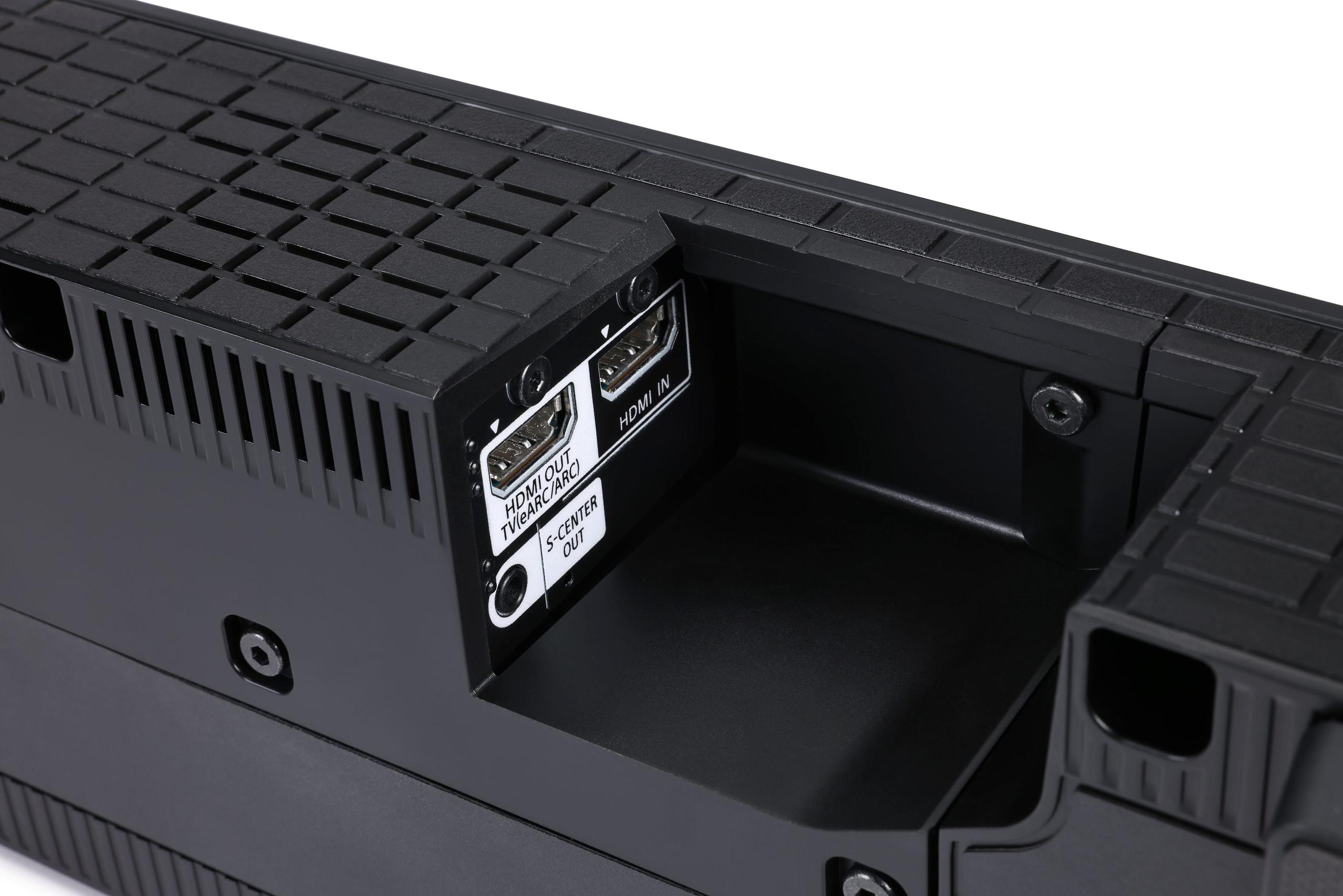
The Sony HT-A8000 clearly targets modern gaming and streaming with full HDMI 2.1 support, including 8K HDR passthrough, 4K/120Hz gaming, Variable Refresh Rate (VRR), and Auto Low Latency Mode (ALLM). These features ensure compatibility with PlayStation 5, Xbox Series X, and other modern gaming systems without compromising video quality or introducing lag.
The Sennheiser AMBEO Plus lacks HDMI 2.1 passthrough, limiting it to older HDMI standards. While this doesn't affect most movie watching, it's a significant drawback for serious gamers or those with cutting-edge TVs expecting the latest connectivity standards.
Both soundbars offer comprehensive smart features, but with different strengths. The Sony HT-A8000 integrates deeply with Sony BRAVIA TVs through Acoustic Center Sync, which uses the TV itself as a center channel speaker. This creates more realistic dialogue placement—voices actually come from the screen rather than the soundbar below it.
The Sennheiser AMBEO Plus provides broader smart home integration with built-in Amazon Alexa and Google Assistant support. It also offers superior music streaming capabilities with direct support for TIDAL Connect, Spotify Connect, and high-resolution audio formats. The Smart Control app provides extensive customization options including four-band EQ and multiple listening modes.
Room calibration separates good soundbars from great ones, and both systems approach this challenge seriously. The Sony HT-A8000 uses Sound Field Optimization to automatically analyze your room and adjust the audio accordingly. The system works well but requires some manual positioning adjustment for optimal results.
The Sennheiser AMBEO Plus employs more sophisticated room analysis using multiple far-field microphones. During setup, the system plays test tones and listens to how they reflect off your walls, ceiling, and furniture. It then adjusts the AMBEO processing to optimize spatial effects for your specific environment. This process is more thorough but also more sensitive to interruption during calibration.
Based on user experiences, Sennheiser's calibration system produces more dramatic improvements in challenging rooms, while Sony's system is more forgiving and easier to set up correctly.
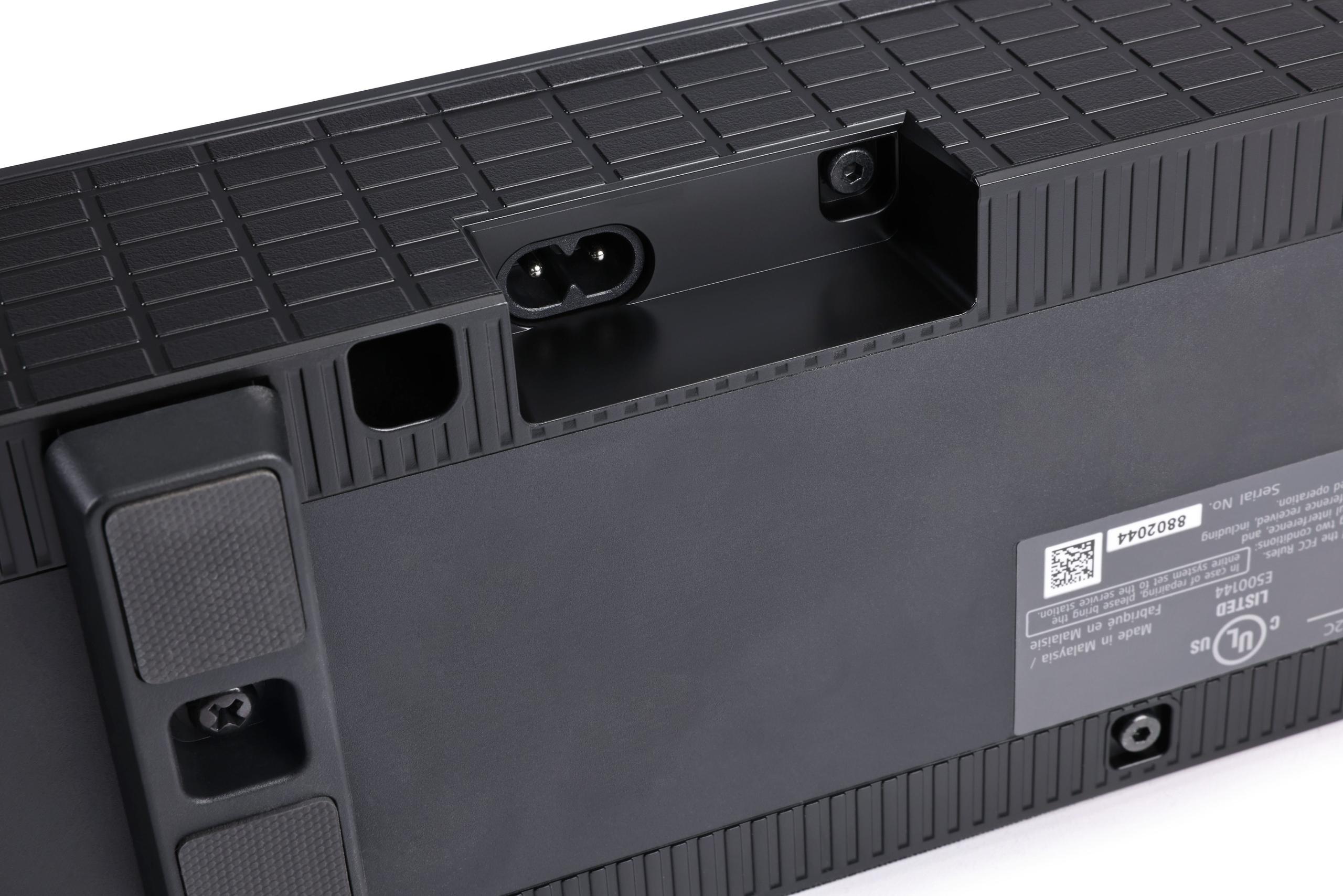
The Sony HT-A8000 really shines in expandability. You can add Sony's wireless subwoofers (SA-SW3 or SA-SW5) and rear speakers (SA-RS3R or SA-RS5) that automatically pair and integrate with the soundbar. This modular approach lets you start with just the soundbar and build a complete surround system as budget allows.
The expansion components communicate wirelessly and don't require additional setup beyond plugging them in—a significant convenience advantage. With the full system, you achieve genuine surround sound rather than virtualized effects.
The Sennheiser AMBEO Plus offers limited expansion options, primarily the AMBEO Sub for enhanced bass. While this subwoofer delivers excellent performance, the lack of rear speaker options means you're committed to virtualized surround sound rather than true discrete surround channels.
At the time of writing, the Sony HT-A8000 costs roughly half as much as the Sennheiser AMBEO Plus, making it significantly more accessible. However, when you factor in optional components, a fully expanded Sony system approaches the Sennheiser's base price.
The value equation depends heavily on your priorities. The Sony offers exceptional value for its spatial audio technology and future-ready connectivity features. The built-in bass is adequate for many users, and the expandability options provide a clear upgrade path.
The Sennheiser justifies its premium pricing with superior build quality, more powerful amplification (400W versus Sony's more modest output), and built-in subwoofer capability that eliminates the need for additional components in many rooms. The all-in-one approach also reduces complexity and potential wireless connectivity issues.
In typical home theater setups, both soundbars deliver impressive results, but with different strengths. The Sony HT-A8000 excels in medium-sized rooms (12x15 feet or similar) and really comes alive when paired with a subwoofer. The side-firing speakers are particularly effective at creating width in rectangular rooms.
The Sennheiser AMBEO Plus has the power and bass response to fill larger spaces effectively. Its 400W amplification and dual subwoofers make it suitable for great rooms or open floor plans where the Sony might struggle without expansion components.
Both systems handle complex movie soundtracks well, but the Sennheiser's superior dynamic range becomes apparent during demanding sequences with rapid volume changes and intricate sound design. The Sony holds its own but can sound slightly compressed during peak moments.
The Sony HT-A8000 makes sense for several specific scenarios. If you own a Sony BRAVIA TV, the integration benefits are substantial and create a more cohesive entertainment system. Gamers will appreciate the HDMI 2.1 features, and budget-conscious buyers get premium spatial audio technology at a more accessible price point.
The expandability factor also favors Sony for users who prefer to build their systems gradually or who aren't sure about their long-term audio needs. Starting with just the soundbar and adding components later reduces upfront investment while maintaining upgrade potential.
The Sennheiser AMBEO Plus targets users who prioritize audio quality above cost considerations. If you're an audiophile accustomed to high-end stereo equipment, the Sennheiser's build quality and sound signature will feel more familiar and satisfying.
The all-in-one design particularly appeals to apartment dwellers or those with aesthetic constraints who can't accommodate separate subwoofers. The built-in bass response eliminates the need for additional floor-standing components while still delivering satisfying low-end performance.
Based on extensive research and analysis of user experiences, the choice between these soundbars comes down to priorities and circumstances. The Sony HT-A8000 offers exceptional value and flexibility, making it the better choice for most buyers. Its expandability options, gaming features, and dialogue enhancement technology address the most common soundbar limitations while maintaining reasonable pricing.
However, the Sennheiser AMBEO Plus justifies its premium pricing for users who can appreciate its superior audio engineering. The more sophisticated room calibration, powerful built-in amplification, and audiophile-quality sound reproduction create a more refined listening experience.
For home theater enthusiasts on a budget who plan to expand their system over time, the Sony represents better long-term value. For audio enthusiasts who want immediate high-quality performance in a single elegant package, the Sennheiser delivers premium results worthy of its premium pricing.
The reality is that both soundbars represent significant upgrades over built-in TV speakers and most basic soundbar options. Your choice should align with your budget, room size, expansion preferences, and how much you value the subtle but real differences in audio quality that separate good soundbars from exceptional ones.
| Sony HT-A8000 BRAVIA Theater Bar 8 Soundbar | Sennheiser AMBEO Soundbar Plus Home Theater System |
|---|---|
| Speaker Configuration - Determines surround sound capability and expansion needs | |
| 5.0.2 channel with 11 discrete speakers | 7.1.4 virtual surround with 9 built-in speakers |
| Built-in Subwoofer - Critical for bass without adding separate components | |
| Four smaller woofers (requires subwoofer for deep bass) | Dual 4" subwoofers with 38Hz extension (excellent built-in bass) |
| Total Power Output - Affects volume levels and dynamic range in larger rooms | |
| 60W (adequate for medium rooms) | 400W (excellent for large spaces and high volumes) |
| Spatial Audio Technology - Creates immersive surround sound experience | |
| 360 Spatial Sound Mapping with phantom speakers | AMBEO 3D virtualization with Fraunhofer processing |
| HDMI Connectivity - Essential for modern gaming and 8K content | |
| HDMI 2.1 with 8K passthrough, 4K/120Hz, VRR, ALLM | Multiple HDMI inputs but no HDMI 2.1 passthrough |
| Room Calibration - Optimizes sound for your specific listening environment | |
| Sound Field Optimization (automatic but basic) | Advanced far-field microphone calibration (thorough but complex) |
| Voice Enhancement - Improves dialogue clarity in movies and shows | |
| Voice Zoom 3 AI-powered dialogue enhancement | Voice modes through app (manual adjustment required) |
| Expandability Options - Ability to build a complete surround system over time | |
| Wireless subwoofers and rear speakers available (SA-SW3/5, SA-RS3R/5) | Limited to AMBEO Sub addition only |
| Smart TV Integration - Seamless connection with your TV ecosystem | |
| Deep Sony BRAVIA integration with Acoustic Center Sync | Universal TV compatibility with smart home voice control |
| Music Streaming - Direct audio streaming without using TV | |
| Spotify Connect, AirPlay 2, Bluetooth | TIDAL Connect, Spotify Connect, Chromecast, AirPlay 2 |
| Warranty Coverage - Protection for your investment | |
| 1 year parts and labor | 2 years parts and labor |
The Sony HT-A8000 provides exceptional value with premium spatial audio technology at a more accessible price point. While the Sennheiser AMBEO Plus costs significantly more, it includes built-in subwoofers and higher power output that justify the premium for audiophiles. For most buyers, the Sony HT-A8000 delivers better bang for your buck.
The Sennheiser AMBEO Plus includes dual 4-inch built-in subwoofers that provide satisfying bass for most users without additional components. The Sony HT-A8000 has decent bass but really benefits from adding Sony's optional wireless subwoofer for full home theater impact. The Sennheiser eliminates the need for extra boxes in your living room.
The Sony HT-A8000 is clearly superior for gaming with full HDMI 2.1 support, including 4K/120Hz passthrough, Variable Refresh Rate, and Auto Low Latency Mode. These features ensure compatibility with PlayStation 5 and Xbox Series X. The Sennheiser AMBEO Plus lacks HDMI 2.1, making it less ideal for serious gamers.
Both soundbars create impressive surround sound effects, but through different approaches. The Sony HT-A8000 uses 360 Spatial Sound Mapping to create phantom speakers and wide soundstages. The Sennheiser AMBEO Plus employs more advanced AMBEO 3D virtualization with superior room calibration, typically producing more convincing overhead effects and immersive audio.
The Sony HT-A8000 offers excellent expandability with optional wireless subwoofers and rear speakers that automatically pair and integrate. This lets you build a complete surround system over time. The Sennheiser AMBEO Plus has limited expansion options, primarily adding their AMBEO Sub for enhanced bass performance.
The Sony HT-A8000 excels at dialogue with its Voice Zoom 3 AI technology that automatically identifies and enhances human voices. This makes it particularly effective for action movies where dialogue often gets buried. The Sennheiser AMBEO Plus provides good dialogue clarity through precise speaker placement but lacks dedicated AI enhancement features.
The Sennheiser AMBEO Plus offers more sophisticated room calibration using far-field microphones to analyze acoustics and optimize spatial effects automatically. The Sony HT-A8000 includes Sound Field Optimization that's simpler but less thorough. Sennheiser's system produces more dramatic improvements in challenging room layouts.
The Sennheiser AMBEO Plus provides superior music reproduction with audiophile-quality sound, higher power output, and better streaming options including TIDAL Connect. The Sony HT-A8000 handles music well but is more focused on movie and TV audio enhancement rather than critical music listening.
Both soundbars work with any TV brand, but the Sony HT-A8000 offers special integration features with Sony BRAVIA TVs, including Acoustic Center Sync that uses your TV as a center speaker. The Sennheiser AMBEO Plus provides universal compatibility without brand-specific enhancements but includes broader smart home integration.
The Sennheiser AMBEO Plus handles large spaces better with its 400W power output and dual built-in subwoofers that can fill bigger rooms effectively. The Sony HT-A8000 works well in medium-sized rooms but may require additional subwoofer and rear speakers for optimal performance in large or open floor plan spaces.
Both soundbars offer relatively simple setup, but the Sony HT-A8000 is generally more straightforward with automatic pairing for expansion components. The Sennheiser AMBEO Plus requires more careful room calibration that can be interrupted easily, though it provides more thorough optimization once completed properly.
For budget-conscious home theater fans, the Sony HT-A8000 offers excellent performance with expansion potential for building a complete system over time. Serious audiophiles who prioritize sound quality above cost should consider the Sennheiser AMBEO Plus for its superior audio engineering and all-in-one convenience without needing additional components.
We've done our best to create useful and informative comparisons to help you decide what product to buy. Our research uses advanced automated methods to create this comparison and perfection is not possible - please contact us for corrections or questions. These are the sites we've researched in the creation of this article: consumerreports.org - skybygramophone.com - target.com - rtings.com - bestbuy.com - rubbermonkey.co.nz - shopatsc.com - audioadvice.com - sony.com - sony.com - sony.com - shop.cosmopolitan.com - store.sony.com.my - videoandaudiocenter.com - techradar.com - pocket-lint.com - moon-audio.com - stereonet.com - rtings.com - abt.com - projectorscreen.com - youtube.com - videoandaudiocenter.com - crutchfield.com - sennheiser-hearing.com - newsroom.sennheiser.com

Privacy Policy
Terms and Conditions - Affiliate Policy
Home Security
© Copyright 2008-2026.
11816 Inwood Rd #1211, Dallas, TX 75244