





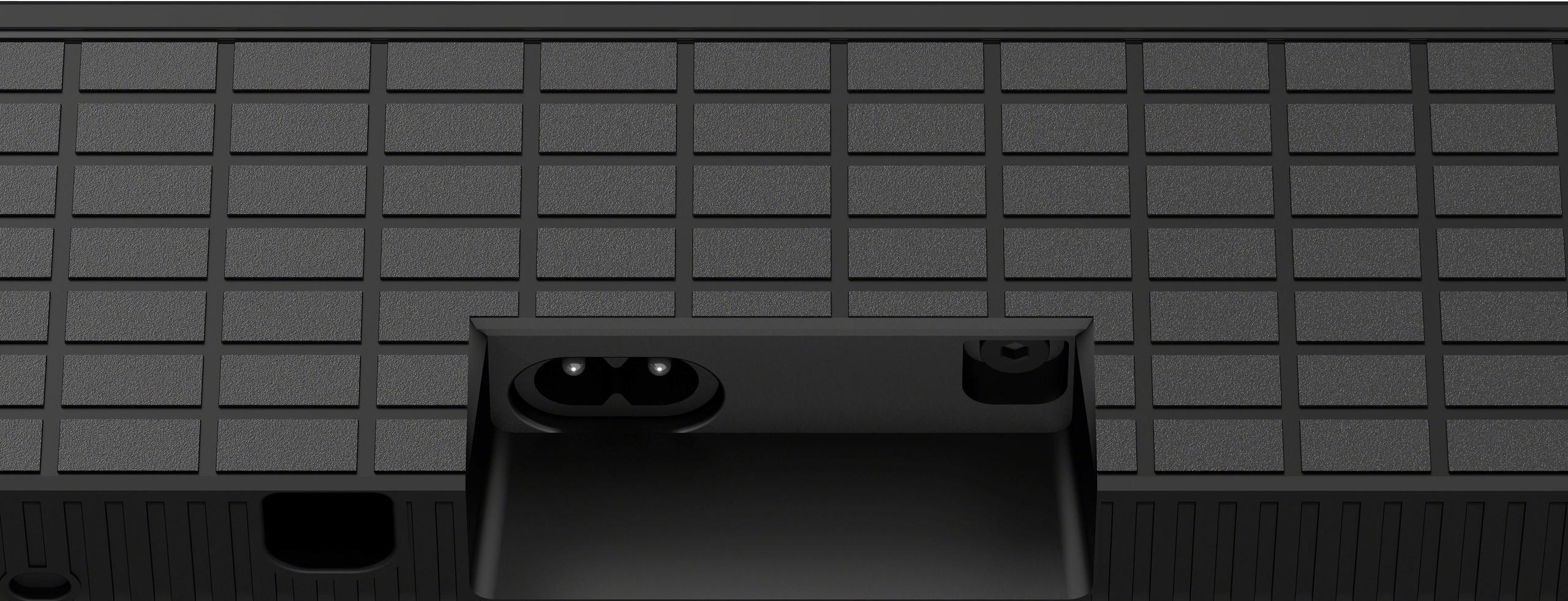
Shopping for a soundbar can feel overwhelming when you're comparing products that take completely different approaches to solving the same problem. The Sony HT-A8000 and VIZIO 5.1 SE represent two distinct philosophies in home audio: premium single-unit engineering versus traditional multi-component surround sound systems.
Both products launched in 2024, arriving during a period when soundbar technology was rapidly evolving. Manufacturers were pushing the boundaries of what's possible with virtual surround processing while also making true multi-channel systems more affordable and user-friendly. This timing makes both soundbars particularly relevant examples of their respective approaches.
Before diving into specifics, it's worth understanding what separates good soundbars from great ones. The most critical performance factors include dialogue clarity (how well you can understand speech), spatial audio effectiveness (how convincingly the system creates surround sound), bass response (the depth and impact of low-frequency sounds), and overall sound quality across different content types.
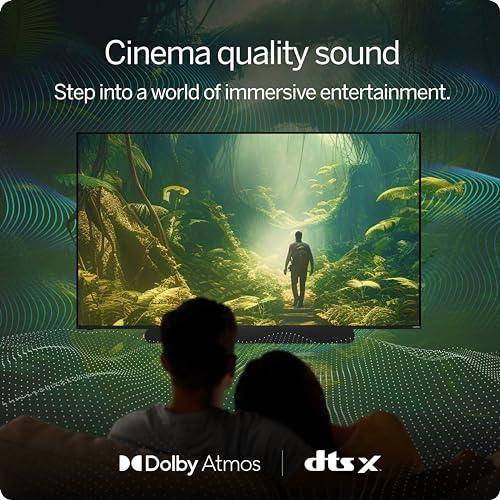
Modern soundbars also need to handle advanced audio formats like Dolby Atmos, which adds height information to create three-dimensional soundscapes. This is where the technical differences between our two contenders become most apparent.
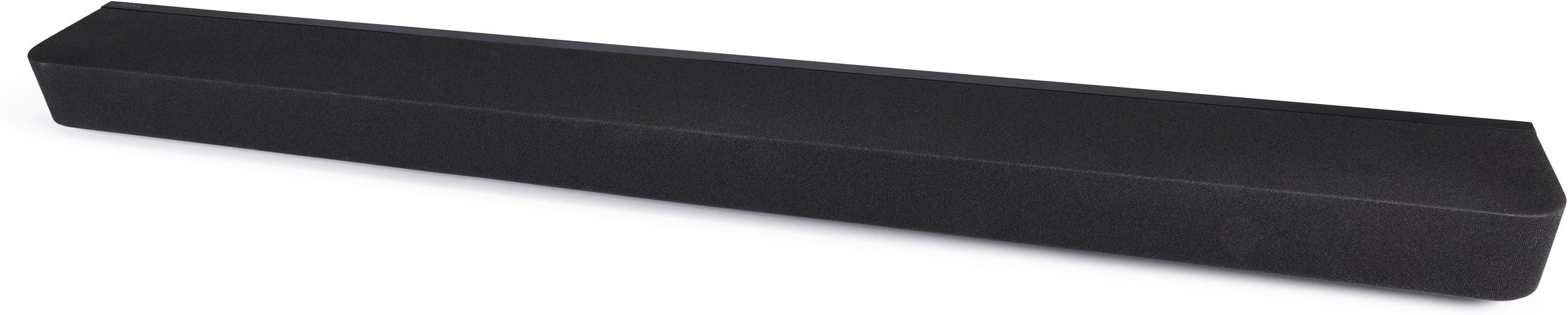
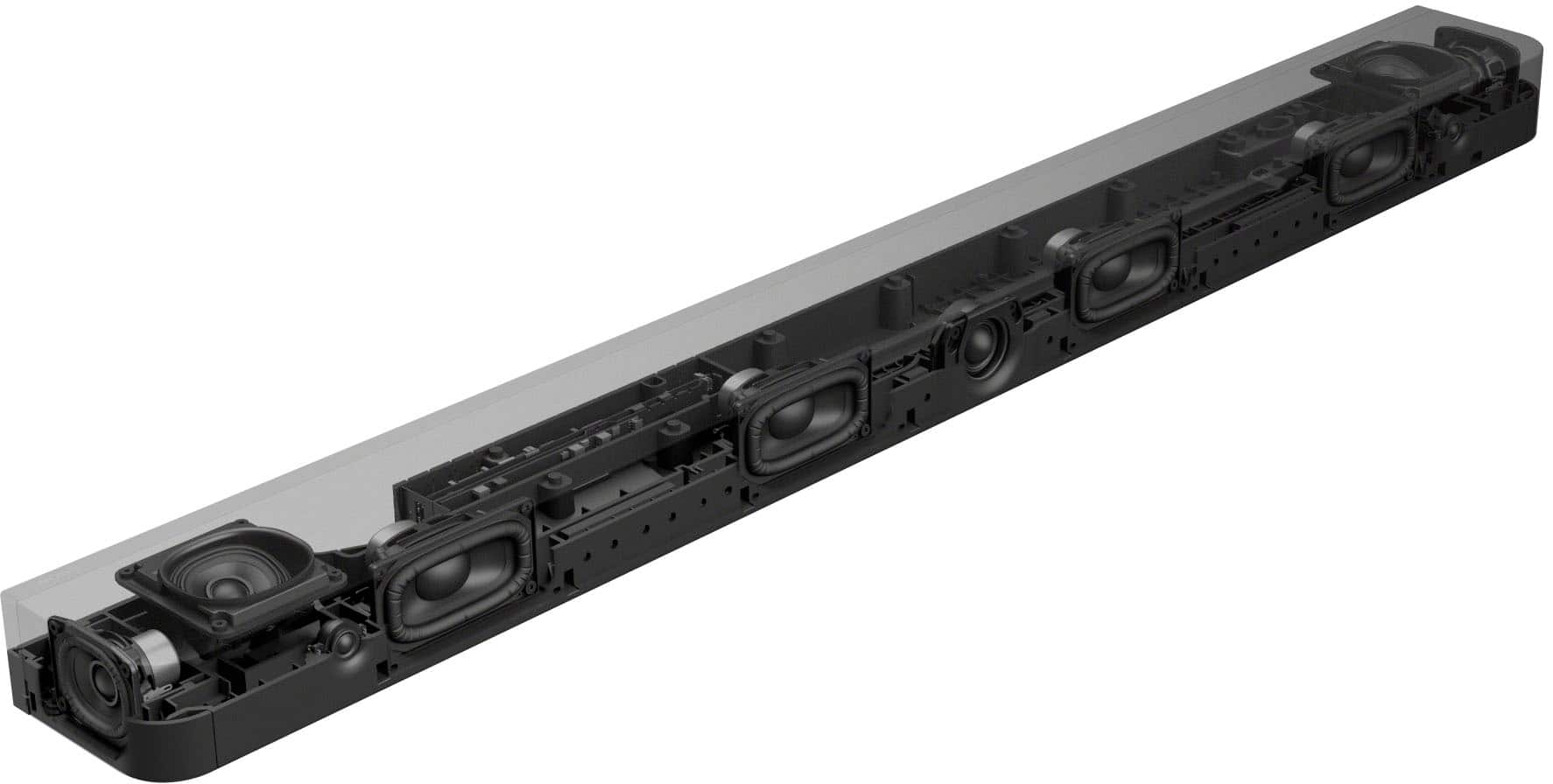
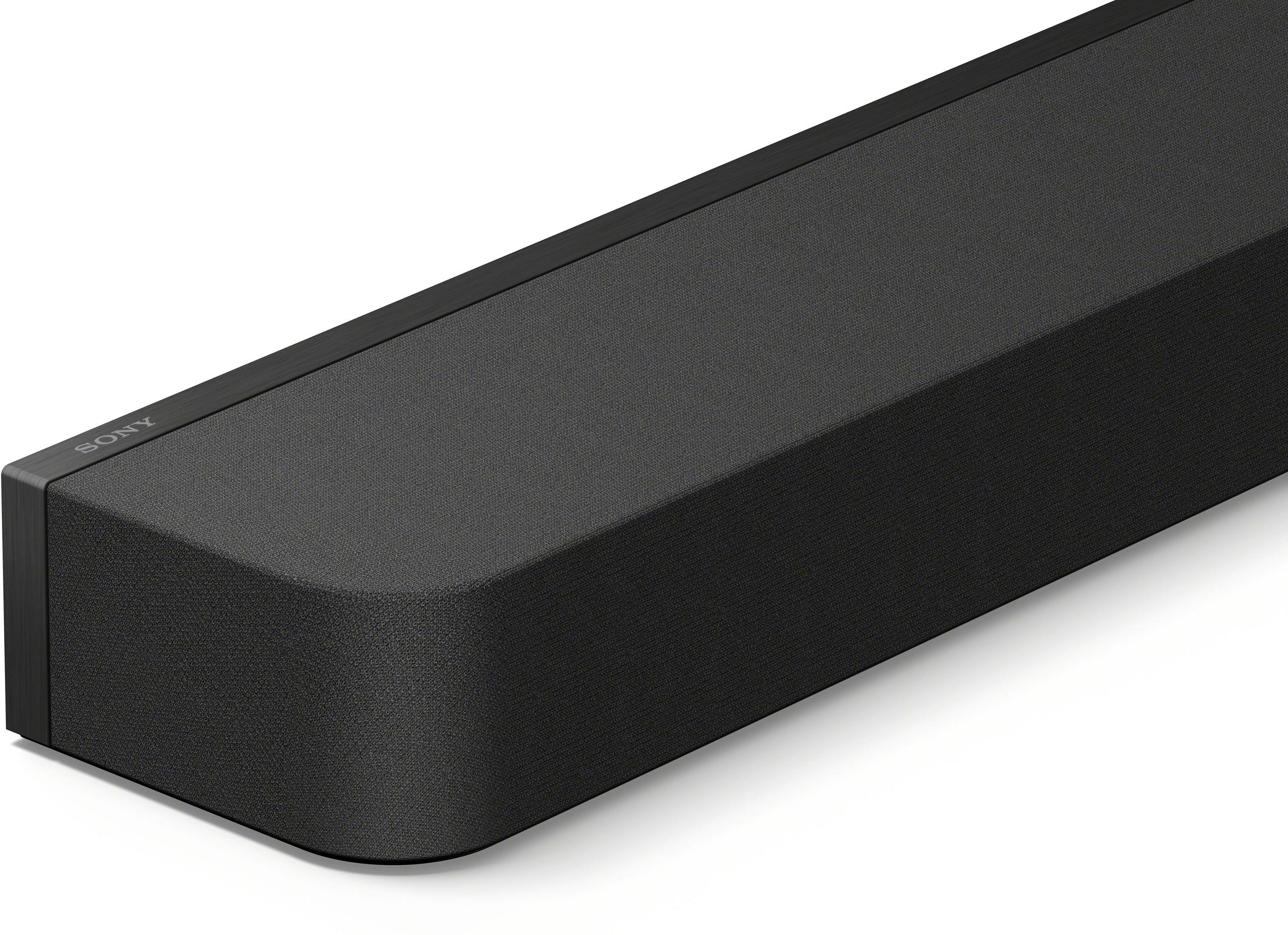
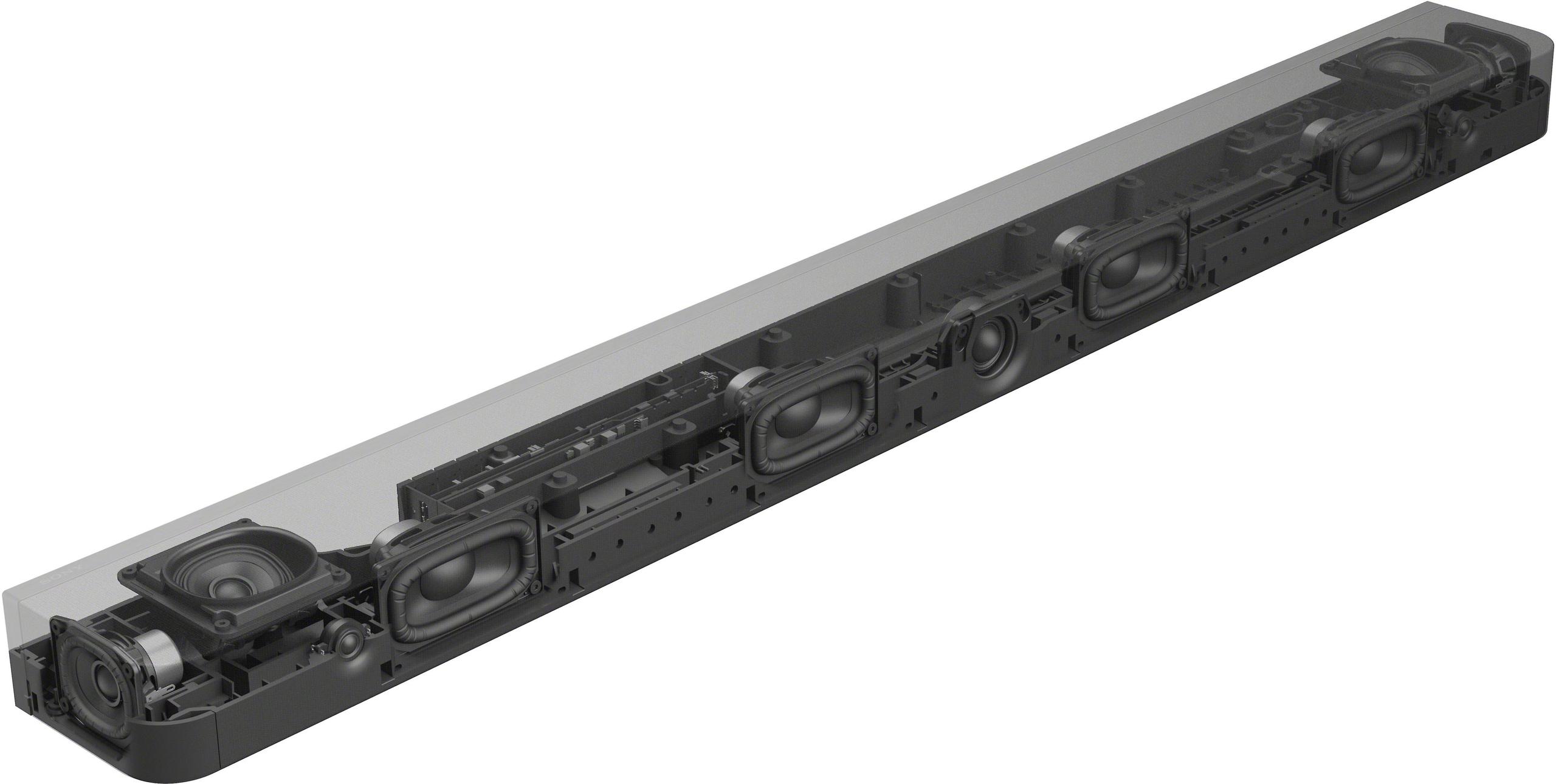
The Sony HT-A8000 represents the "premium single-unit" philosophy. At the time of writing, it typically costs roughly double what you'd pay for the VIZIO 5.1 SE, but that price gets you Sony's most advanced audio processing packed into an elegant 43-inch soundbar. The unit contains 11 individual speakers arranged strategically to create phantom surround effects—essentially tricking your brain into hearing sounds from locations where no physical speakers exist.
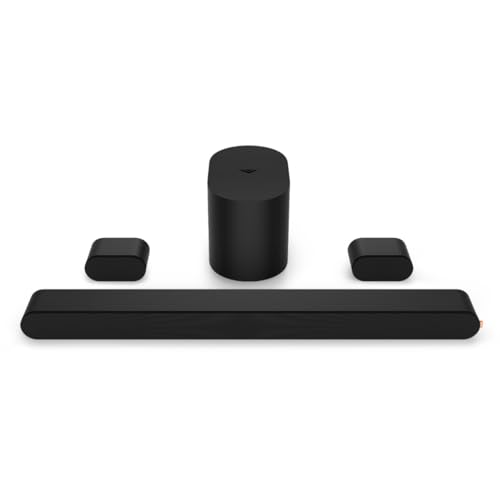
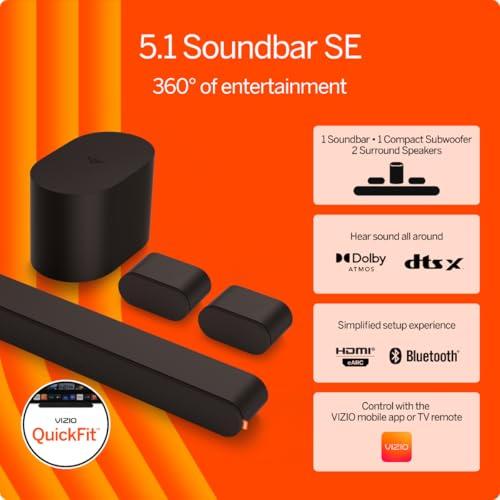
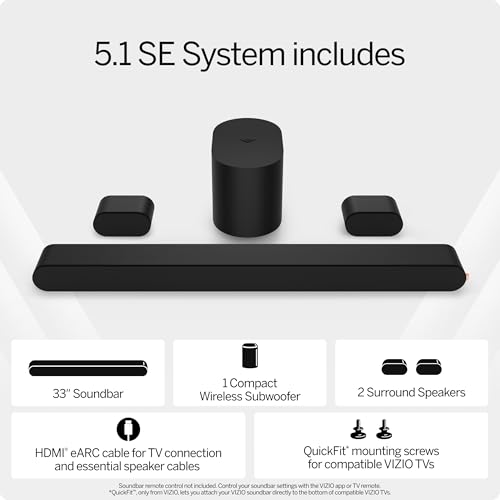
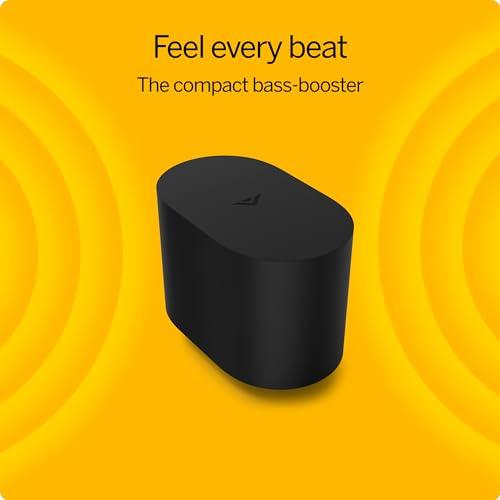
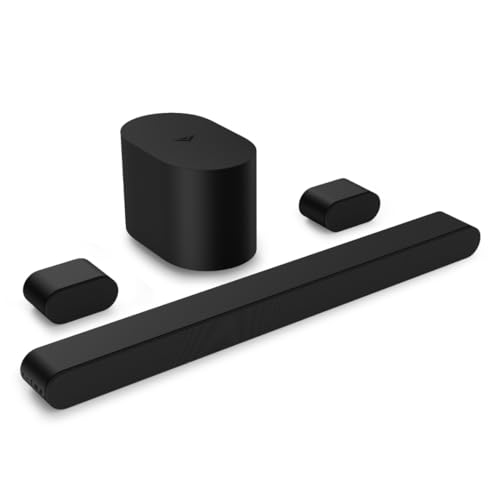
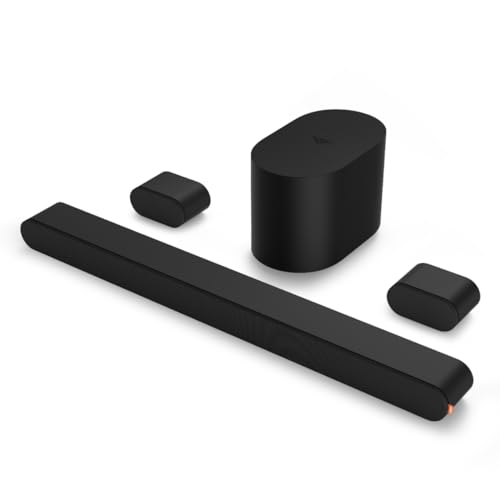
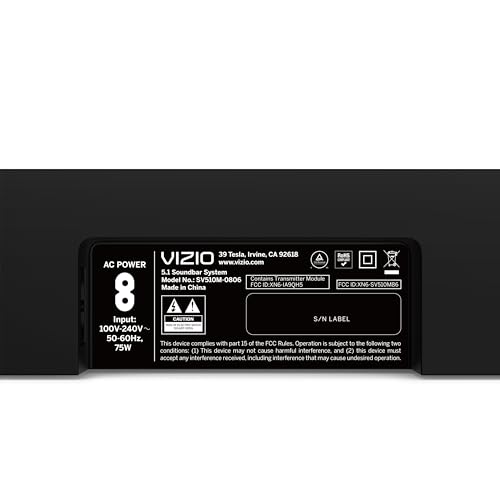
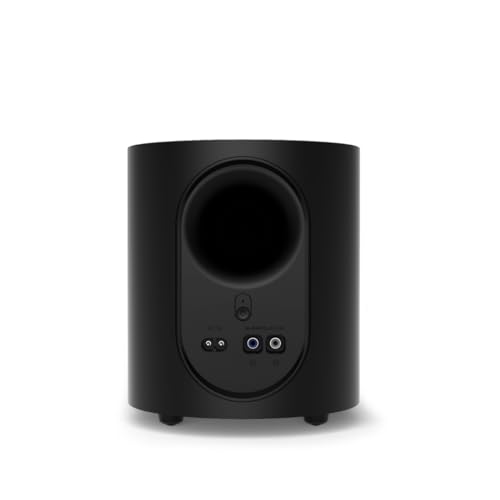
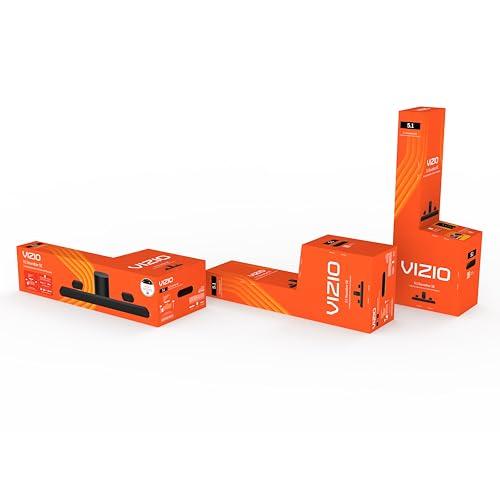
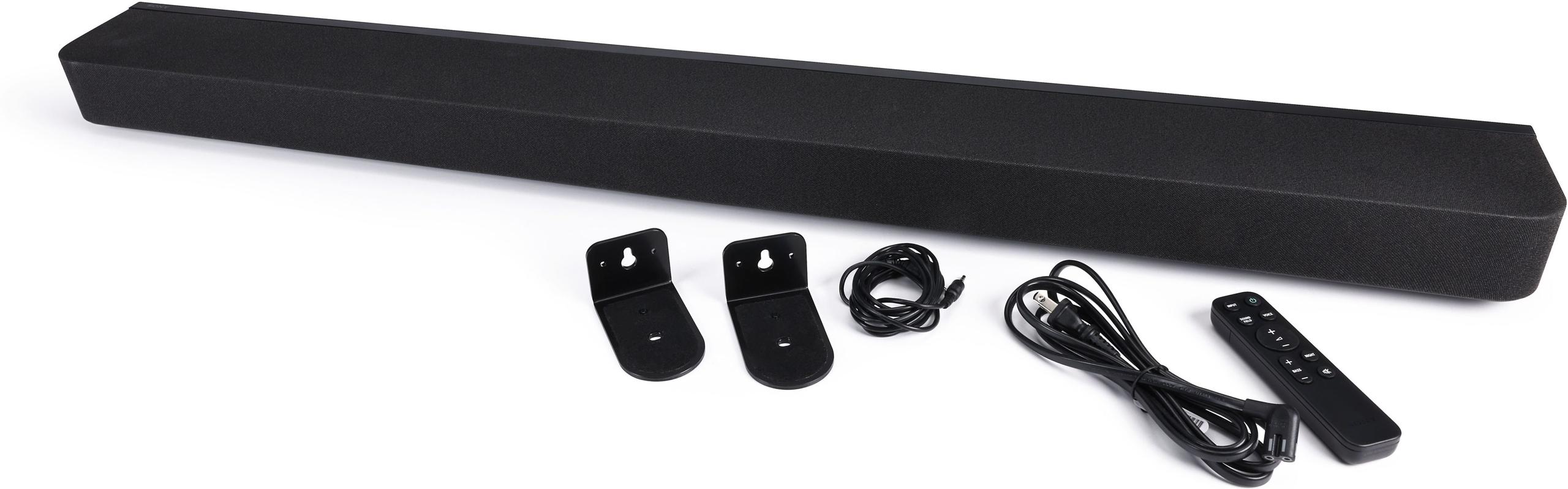
The VIZIO 5.1 SE takes the traditional approach: give you actual speakers where surround sounds should come from. For significantly less money, you get a complete 5.1 system including a wireless subwoofer and two rear speakers. This isn't just a soundbar—it's a full surround sound system that happens to use a soundbar as its front stage.
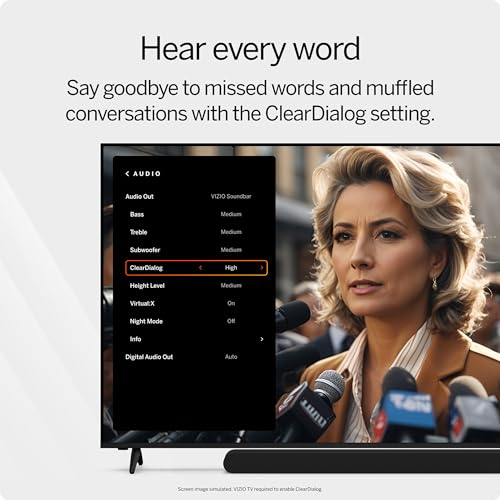
When it comes to pure audio performance, both systems excel in different areas. The Sony HT-A8000 shines brightest with dialogue reproduction. Sony's Voice Zoom 3 technology uses AI to identify human speech patterns and automatically adjust levels so conversations remain clear even during explosive action scenes. This feature proves particularly valuable for movies with dense soundtracks or shows with inconsistent audio mixing.
The Sony also benefits from DSEE Ultimate processing, which analyzes compressed audio files (like those from Netflix or Spotify) and attempts to restore detail lost during compression. While this doesn't magically transform low-quality sources into high-resolution audio, it does provide noticeable improvements with most streaming content.
However, the VIZIO 5.1 SE counters with raw power and authentic bass response. Its dedicated wireless subwoofer can reach down to 50Hz—deep enough to reproduce the rumbling bass notes that make action movies feel visceral. The Sony, lacking a dedicated subwoofer in its base configuration, simply can't match this low-frequency impact without additional purchases.
The difference becomes most apparent during bass-heavy content. Explosions, thunder, and music with prominent low-end all sound more impactful through the VIZIO system. The Sony's built-in woofers are competent, but they're working within the physical constraints of a slim soundbar enclosure.
Both soundbars support Dolby Atmos, the surround sound format that adds height dimensions to create overhead effects. However, they achieve this through different methods with varying degrees of success.
The Sony HT-A8000 uses what Sony calls "360 Spatial Sound Mapping"—a combination of upward-firing drivers and sophisticated digital processing. The system bounces sound off your ceiling and uses psychoacoustic principles to create the impression of height. When it works well, which typically requires favorable room acoustics with standard ceiling heights and reflective surfaces, the effect can be quite convincing.
Sony's approach includes phantom speaker technology that extends the perceived soundstage beyond the physical boundaries of the soundbar. This means effects can seem to come from locations well to the left and right of where the soundbar actually sits. The system also includes automatic room calibration that measures your space's acoustic characteristics and adjusts the processing accordingly.
The VIZIO 5.1 SE takes a more straightforward approach to Atmos. Up-firing drivers in the main soundbar reflect sound off the ceiling, but the system doesn't attempt the same level of sophisticated processing as the Sony. The height effects tend to concentrate above the soundbar itself rather than creating a full overhead soundscape.
Where the VIZIO compensates is in traditional surround sound placement. Those rear speakers provide authentic directional effects that no amount of processing can fully replicate. When a helicopter flies from front to back in a movie, you'll actually hear it move behind you rather than just getting the impression of rear placement.
This brings us to perhaps the most significant difference between these systems: how they handle surround sound immersion.
The Sony HT-A8000 creates surround effects through a combination of side-firing speakers, digital processing, and careful acoustic engineering. Sony's engineers have clearly put considerable thought into maximizing the effectiveness of this approach. The system can create convincing width to the soundstage and does manage to place some effects outside the physical boundaries of the soundbar.
However, there are inherent limitations to what any single soundbar can achieve. Rear effects, while present, lack the authenticity of actual rear speakers. The system works best when you're seated in the optimal listening position directly in front of the soundbar. Move too far to the side, and the illusion begins to break down.
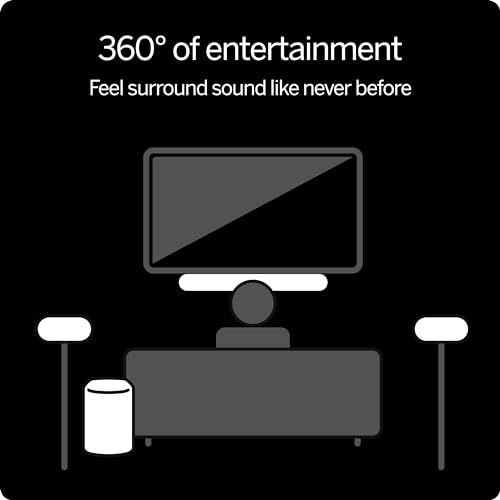
The VIZIO 5.1 SE sidesteps these limitations entirely by giving you real speakers where surround sounds belong. The rear speakers create genuine 360-degree audio immersion, making it easy to track effects as they move around the room. This approach requires more setup effort—you need to find appropriate locations for the rear speakers and ensure they have power connections—but the payoff in surround authenticity is substantial.
Both rear speakers feature full-range drivers rather than just tweeters, allowing them to reproduce a complete frequency spectrum. This means they can handle everything from subtle ambient sounds to prominent directional effects with equal competence.
While both systems are primarily designed for movie and TV content, music performance reveals additional differences in their design priorities.
The Sony HT-A8000 applies the same processing that makes it excel with dialogue to music reproduction. DSEE Ultimate can improve compressed music files, and the system's precise imaging helps maintain stereo separation. However, Sony has optimized this soundbar primarily for cinematic content, and the sound signature reflects that priority.
The customization options are limited to preset modes like "Sound Field," "Night," and "Voice" modes. While these cover the basics, they don't provide the granular control that music enthusiasts often prefer.
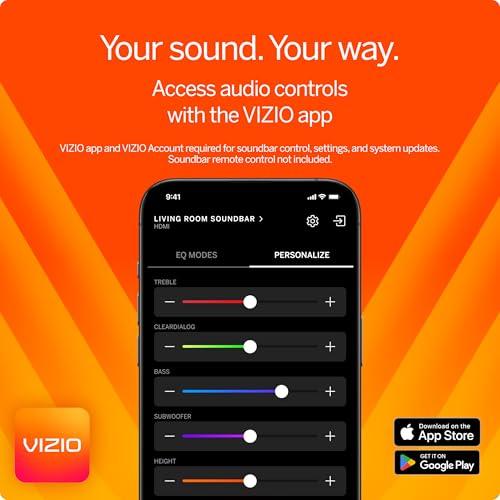
The VIZIO 5.1 SE offers more flexibility for music listening through its mobile app interface. You can adjust bass and treble levels independently, modify surround effects for stereo content, and fine-tune the system to match your listening preferences or room acoustics. The dedicated subwoofer also provides the deep bass extension that many music genres benefit from, particularly hip-hop, electronic music, and rock.
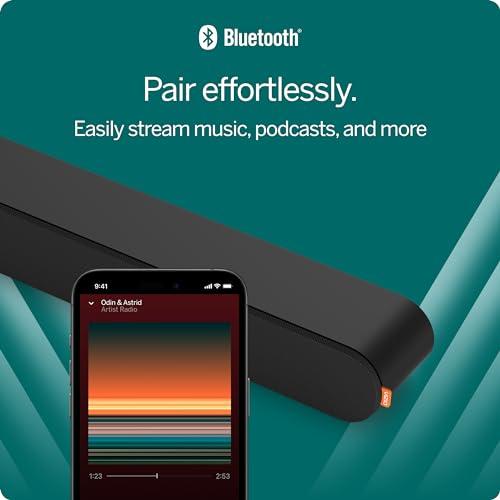
The system's Bluetooth connectivity allows for easy music streaming from smartphones and tablets, and the app-based control makes adjusting settings convenient during listening sessions.
Perhaps the most striking difference between these systems is their approach to value and expandability.
At the time of writing, the VIZIO 5.1 SE costs roughly what you'd pay for just the Sony soundbar alone, yet it includes everything needed for a complete 5.1 surround system. This represents exceptional value for anyone wanting authentic surround sound without a substantial investment.
The Sony HT-A8000, while more expensive as a standalone unit, can be expanded with Sony's optional subwoofers and rear speakers. However, building a complete system this way costs significantly more than the VIZIO's all-inclusive approach. Sony's SA-SW3 or SA-SW5 subwoofers and SA-RS3S or SA-RS5 rear speakers would push the total investment well beyond double the VIZIO's price.
This modular approach does offer flexibility—you can start with just the soundbar and add components over time as budget allows. For some buyers, this graduated upgrade path makes sense, particularly if the soundbar alone provides sufficient improvement over TV speakers for their current needs.
Installation complexity differs significantly between these systems. The Sony HT-A8000 connects to your TV with a single HDMI cable and requires no additional speaker placement considerations. The included room calibration system handles acoustic optimization automatically, making setup as simple as plugging it in and running the calibration routine.
The VIZIO 5.1 SE requires more initial planning. While the subwoofer connects wirelessly, the rear speakers need power connections and appropriate placement for optimal surround effects. This means considering your room layout, available outlets, and aesthetic preferences during setup.
However, once installed, the VIZIO's mobile app provides extensive control over the system's behavior. You can adjust individual channel levels, modify EQ settings, and fine-tune the surround effects to match your preferences. The Sony's control options are more limited, focusing on essential functions through its included remote.
Sony has designed the HT-A8000 to integrate particularly well with Sony BRAVIA TVs through a feature called Acoustic Center Sync. This technology allows the soundbar to use the TV's speakers as an additional center channel, creating more precise dialogue placement and a more cohesive soundstage.
For Sony TV owners, this integration can provide advantages that justify the premium price. The audio appears to come directly from the screen rather than from below it, creating a more natural connection between visual and audio elements.
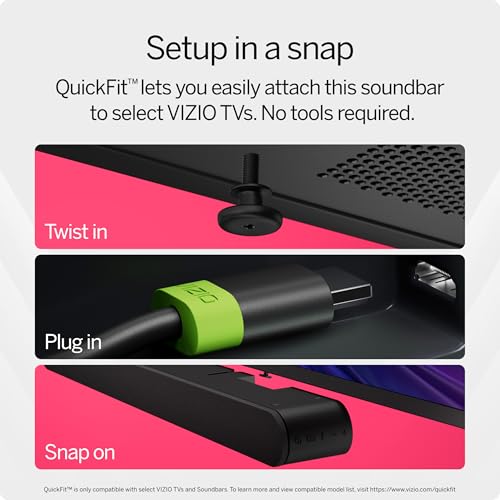
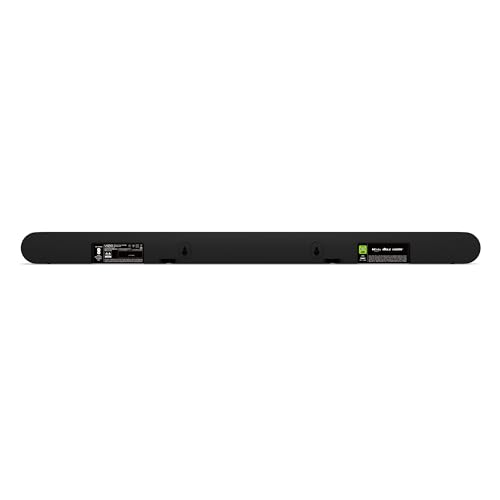
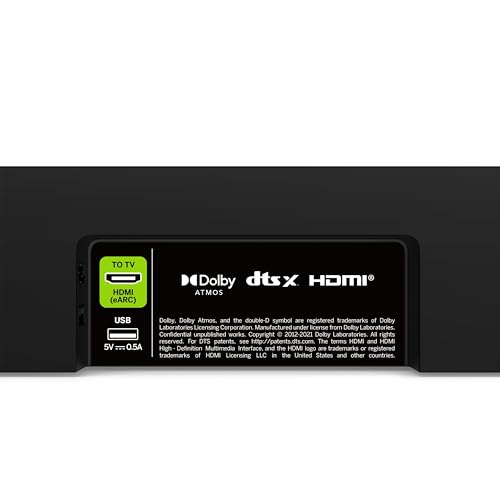
The VIZIO 5.1 SE includes QuickFit mounting for compatible VIZIO TVs but doesn't offer the same level of acoustic integration. However, its HDMI eARC support ensures compatibility with any modern TV, and the separate subwoofer and rear speakers create immersion that doesn't depend on brand-specific features.
After extensive research into expert reviews and user experiences, clear patterns emerge regarding who benefits most from each approach.
The Sony HT-A8000 makes the most sense for buyers who prioritize convenience and dialogue clarity above all else. If your living room layout makes rear speaker placement impractical, or if you simply prefer a clean, single-unit installation, Sony's sophisticated processing can provide meaningful improvements over TV speakers without the complexity of a multi-component system.
This soundbar also suits buyers who plan to build a complete system gradually. Starting with the soundbar and adding Sony's subwoofer and rear speakers over time creates a premium system with seamless integration between components.
However, the Sony requires realistic expectations about its limitations. While impressive for a single unit, it cannot truly replicate the immersion of discrete surround speakers, and its bass response remains constrained by physical size limitations.
The VIZIO 5.1 SE represents the better value for most buyers seeking authentic surround sound. The combination of true 5.1 positioning, powerful bass response, and extensive customization options provides performance that punches well above its price point.
This system particularly suits buyers who want the full home theater experience without premium pricing. The authentic surround placement, deep bass extension, and room-filling output create engagement that single soundbars struggle to match, regardless of how sophisticated their processing.
The VIZIO requires more setup effort and room consideration for optimal performance, but the payoff in immersion and value makes this worthwhile for most buyers.
Both the Sony HT-A8000 and VIZIO 5.1 SE succeed in their respective approaches, but they serve different priorities and budgets.
Sony's premium engineering creates impressive results from a single elegant unit, with dialogue clarity and processing sophistication that justify its higher price for buyers who value convenience and premium features. The upgrade path to a complete system exists, though at significant additional cost.
VIZIO's value-oriented approach provides authentic 5.1 surround sound at a price point that makes the Sony's single-unit solution difficult to justify for most buyers. The complete system includes everything needed for genuine home theater immersion without requiring additional purchases.
For buyers seeking the best overall value in surround sound performance, the VIZIO's complete system approach wins decisively. For those prioritizing single-unit convenience and premium processing, the Sony offers sophisticated engineering that delivers meaningful improvements over TV audio, albeit at a substantial price premium.
The choice ultimately depends on your priorities: authentic surround sound value or premium single-unit convenience. Both represent competent implementations of their respective philosophies, but the VIZIO's value proposition makes it the more compelling choice for most home theater applications.
| Sony HT-A8000 BRAVIA Theater Bar 8 | VIZIO 5.1 Soundbar SE Dolby Atmos |
|---|---|
| System Configuration - Determines setup complexity and authentic surround sound | |
| Single 43" soundbar with 11 speakers | Complete 5.1 system: soundbar + wireless subwoofer + 2 rear speakers |
| Speaker Count and Layout - More speakers typically mean better sound separation | |
| 11 speakers in soundbar (5.0.2 virtual configuration) | 5.1 true surround: 3 front + 2 rear + dedicated subwoofer |
| Dolby Atmos Implementation - Height effects quality varies significantly between approaches | |
| 360 Spatial Sound Mapping with ceiling reflections + phantom speakers | Up-firing drivers in soundbar only, relies on room reflections |
| Bass Response - Critical for movie impact and music enjoyment | |
| Built-in woofers only (expandable with optional subwoofer) | Dedicated wireless subwoofer with 50Hz extension |
| Room Calibration - Automatic optimization saves time and improves performance | |
| Sound Field Optimization with automatic room measurement | Manual adjustment via mobile app |
| Dialogue Enhancement - Essential for clear speech in movies and shows | |
| Voice Zoom 3 AI-powered dialogue enhancement | Standard center channel with app-adjustable levels |
| Audio Processing - Upscaling improves streaming content quality | |
| DSEE Ultimate for compressed audio enhancement | Standard processing with customizable EQ |
| Connectivity Options - More inputs provide better flexibility | |
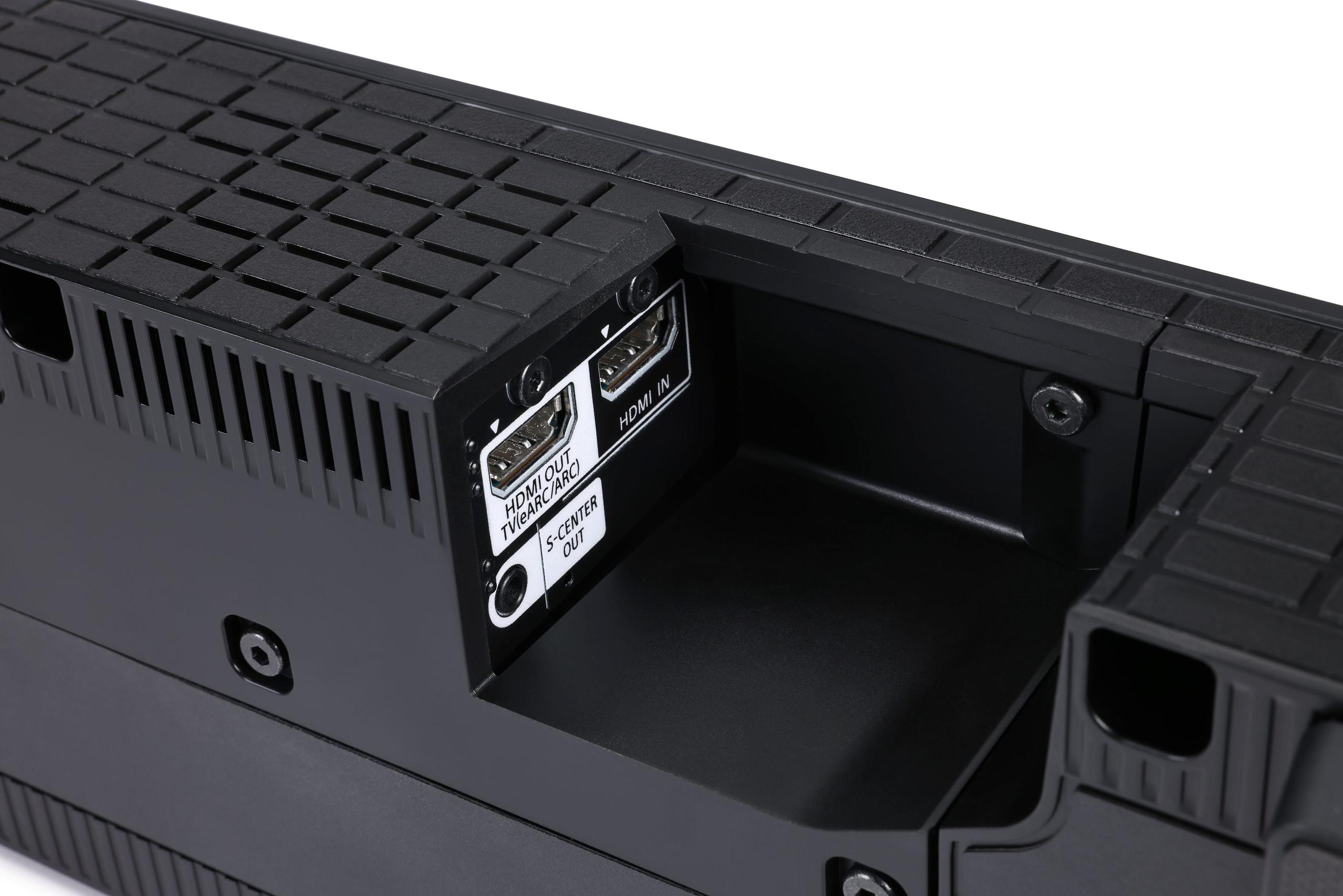
| 1x HDMI eARC, Bluetooth, AirPlay 2, Spotify Connect | 1x HDMI eARC, Bluetooth streaming |
| Setup Requirements - Consider your room layout and preferences | |
| Single HDMI connection, no rear speaker placement needed | Requires rear speaker positioning and power connections |
| Control Methods - Daily usability factor | |
| Included remote + TV remote via HDMI CEC | Mobile app control (physical remote sold separately) |
| Sound Customization - Important for fine-tuning to your preferences | |
| Preset modes only (Sound Field, Night, Voice) | Full EQ control, bass/treble adjustment via app |
| Expandability - Future upgrade potential | |
| Optional Sony SA-SW3/SW5 subwoofer + SA-RS3S/RS5 rear speakers | Complete system included, no official expansion options |
| TV Integration - Brand-specific features can enhance experience | |
| Acoustic Center Sync with Sony BRAVIA TVs | QuickFit mounting for VIZIO TVs |
| Maximum Output - Room-filling capability | |
| Not specified (moderate output for medium rooms) | 96dB (suitable for larger spaces) |
The Sony HT-A8000 excels at dialogue clarity thanks to its Voice Zoom 3 AI technology, which automatically identifies and enhances human speech even during loud action scenes. The VIZIO 5.1 SE provides good dialogue through its dedicated center channel, but lacks the advanced AI processing that makes the Sony stand out for speech intelligibility.
The VIZIO 5.1 SE includes actual rear speakers that provide authentic surround sound placement, while the Sony HT-A8000 uses virtual processing to simulate rear effects from a single soundbar. True rear speakers deliver more convincing surround immersion, but the Sony offers better convenience if your room layout can't accommodate rear speakers.
The VIZIO 5.1 SE includes a dedicated wireless subwoofer that delivers deep bass down to 50Hz, providing immediate impact for movies and music. The Sony HT-A8000 relies on built-in woofers that are competent but can't match a dedicated subwoofer's low-frequency extension without purchasing Sony's optional subwoofer separately.
Both soundbars support Dolby Atmos, but the Sony HT-A8000 uses more sophisticated 360 Spatial Sound Mapping technology with ceiling reflections and phantom speaker processing. The VIZIO 5.1 SE uses up-firing drivers in the main soundbar but concentrates height effects above the bar rather than creating a full overhead soundscape like the Sony.
The Sony HT-A8000 wins for simplicity with just one HDMI connection and automatic room calibration. The VIZIO 5.1 SE requires positioning rear speakers, connecting them to power outlets, and manual adjustment through the mobile app, making setup more complex but potentially more rewarding for the authentic surround experience.
The VIZIO 5.1 SE offers extensive customization through its mobile app, including individual EQ controls, bass/treble adjustment, and surround level settings. The Sony HT-A8000 provides limited customization with only preset modes like Sound Field, Night, and Voice, focusing on simplicity over detailed sound tuning.
The VIZIO 5.1 SE provides exceptional value by including a complete 5.1 surround system with subwoofer and rear speakers at a lower price point. The Sony HT-A8000 costs significantly more for just the soundbar alone, requiring additional purchases to match the VIZIO's complete system capabilities.
The VIZIO 5.1 SE performs better for music with its dedicated subwoofer providing deep bass extension and customizable EQ settings through the mobile app. The Sony HT-A8000 includes DSEE Ultimate processing to enhance compressed music files but offers limited sound customization, making it better suited for movie content than music.
The VIZIO 5.1 SE handles larger spaces more effectively with its higher maximum output (96dB) and true surround speaker placement that fills the room with sound from multiple directions. The Sony HT-A8000 works best in medium-sized rooms where its virtual surround processing and ceiling reflections can operate effectively.
Both soundbars work with any modern TV through HDMI eARC connections. However, the Sony HT-A8000 offers special Acoustic Center Sync integration with Sony BRAVIA TVs, while the VIZIO 5.1 SE includes QuickFit mounting designed for VIZIO TVs. Neither brand-specific feature is required for basic functionality.
For true home theater immersion, the VIZIO 5.1 SE delivers authentic surround sound with real rear speakers and powerful bass from its included subwoofer. The Sony HT-A8000 provides premium processing and excellent dialogue clarity but requires additional component purchases to achieve the same level of surround immersion as the complete VIZIO system.
The Sony HT-A8000 offers official expansion options with Sony's SA-SW3/SW5 subwoofers and SA-RS3S/RS5 rear speakers, allowing you to build a complete system over time. The VIZIO 5.1 SE comes as a complete system from the start with no official expansion options, but you get everything needed for full 5.1 surround sound immediately.
We've done our best to create useful and informative comparisons to help you decide what product to buy. Our research uses advanced automated methods to create this comparison and perfection is not possible - please contact us for corrections or questions. These are the sites we've researched in the creation of this article: consumerreports.org - skybygramophone.com - target.com - rtings.com - bestbuy.com - rubbermonkey.co.nz - shopatsc.com - audioadvice.com - sony.com - sony.com - sony.com - shop.cosmopolitan.com - store.sony.com.my - videoandaudiocenter.com - bestbuy.com - vizio.com - rtings.com - vizio.com - vizio.com - vizio.com - youtube.com - vizio.com - vizio.com - cnet.com - samsclub.com - walmart.com - nfm.com - finelinesdesignstudio.com - dugoutnorthbrook.com - bestbuy.com

Privacy Policy
Terms and Conditions - Affiliate Policy
Home Security
© Copyright 2008-2026.
11816 Inwood Rd #1211, Dallas, TX 75244