







If you've ever watched a movie and struggled to understand the dialogue, or felt like the action scenes lacked impact, you know why soundbars have become essential home theater upgrades. Your TV's built-in speakers simply can't match the audio experience that movies and shows were designed for. But with soundbars ranging from budget options to premium systems, choosing the right one requires understanding what actually matters for your setup.
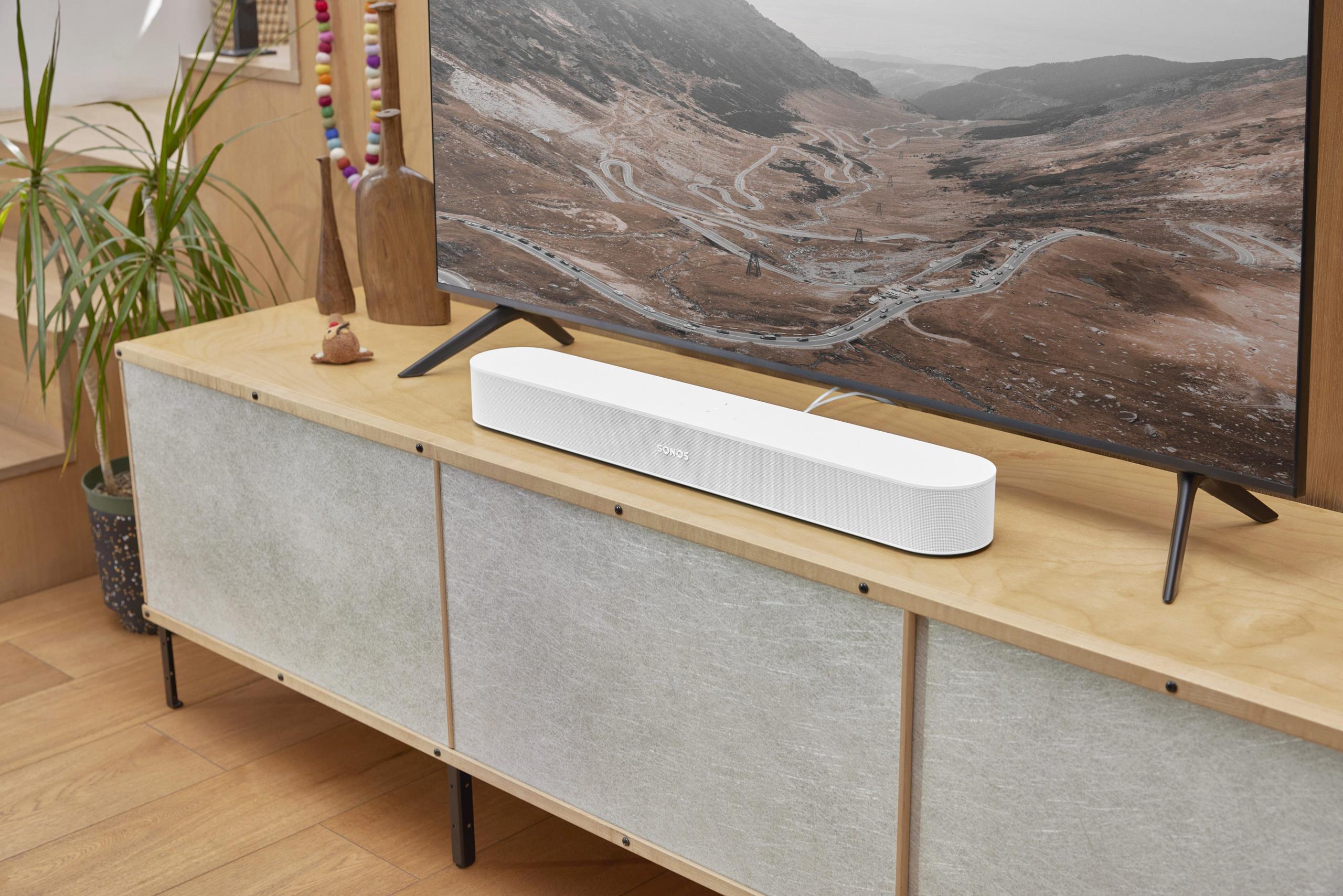
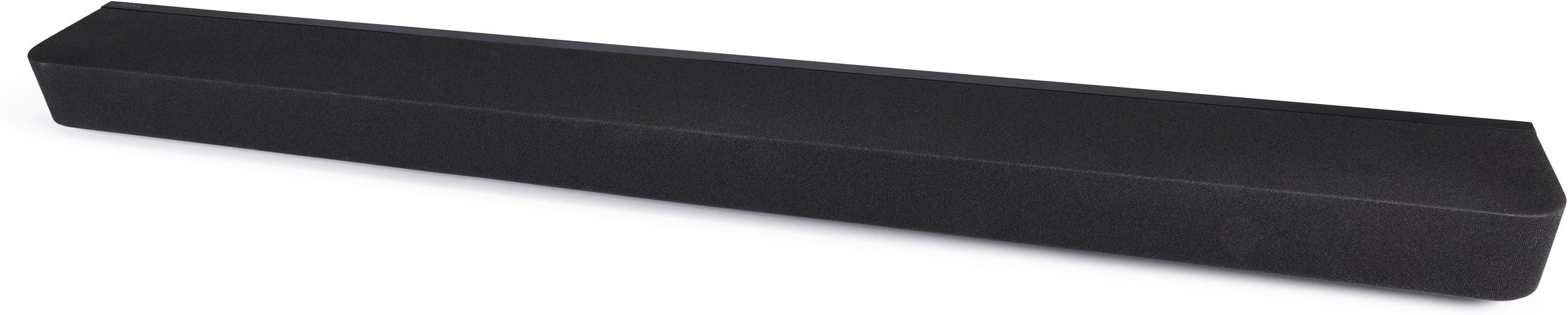
The soundbar market has evolved dramatically since both the Sony HT-A8000 and Sonos Beam Gen 2 launched in 2021. What makes this comparison particularly interesting is how these two products represent fundamentally different approaches to solving the same problem: creating immersive audio from a single bar-shaped speaker.
Before diving into specifics, it's worth understanding what separates good soundbars from great ones. The most important factors are audio performance (how good it sounds), dialogue clarity (can you understand what people are saying), bass response (does it have enough low-end punch), surround sound effectiveness (does it create that wraparound audio experience), and connectivity options (how it integrates with your TV and other devices).
Room size compatibility matters more than many people realize. A soundbar that sounds incredible in a showroom might disappoint in your living room if it's not powerful enough, or conversely, a massive system might overwhelm a smaller space. The sweet spot varies based on your room's acoustics, size, and layout.
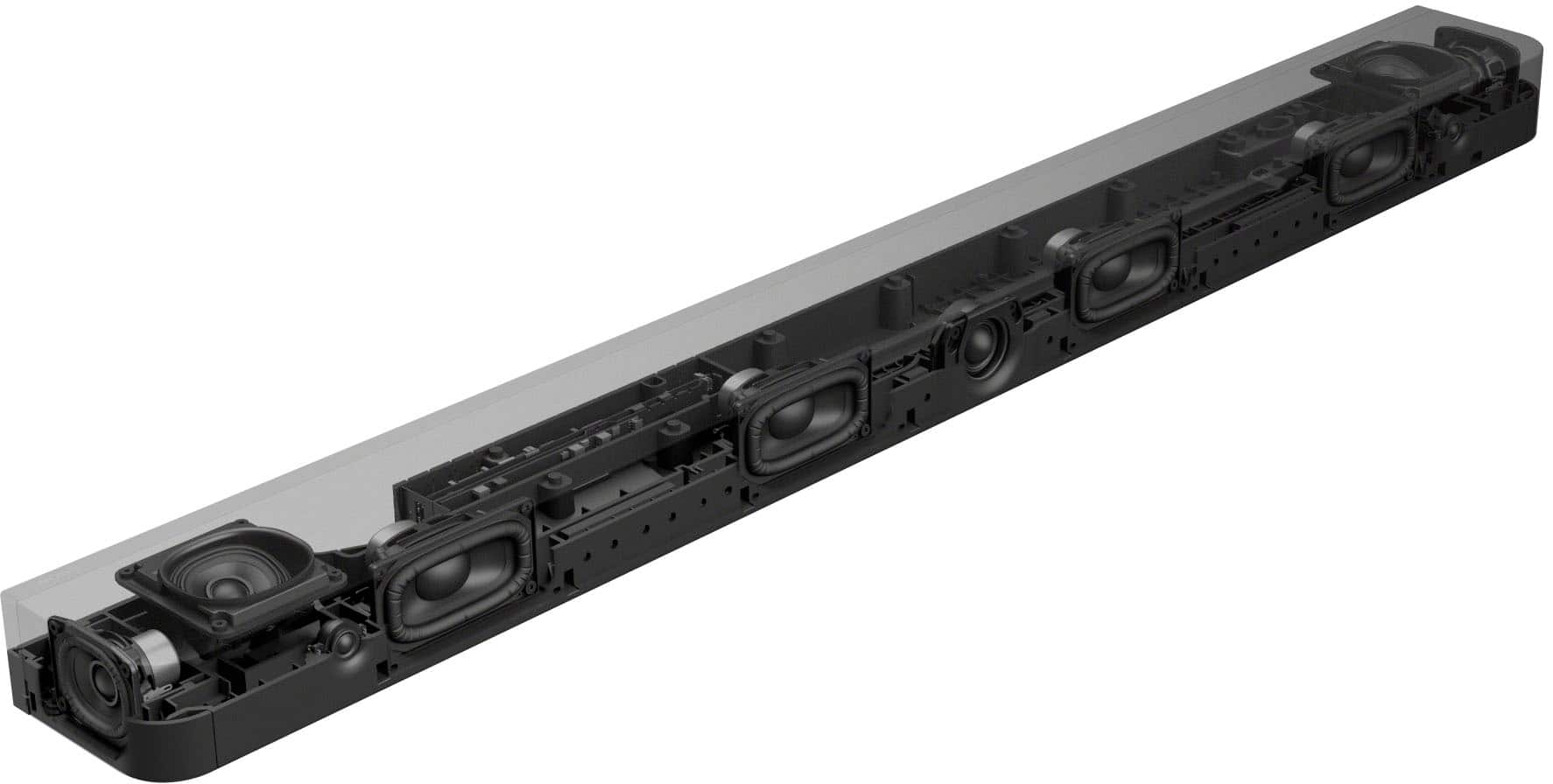
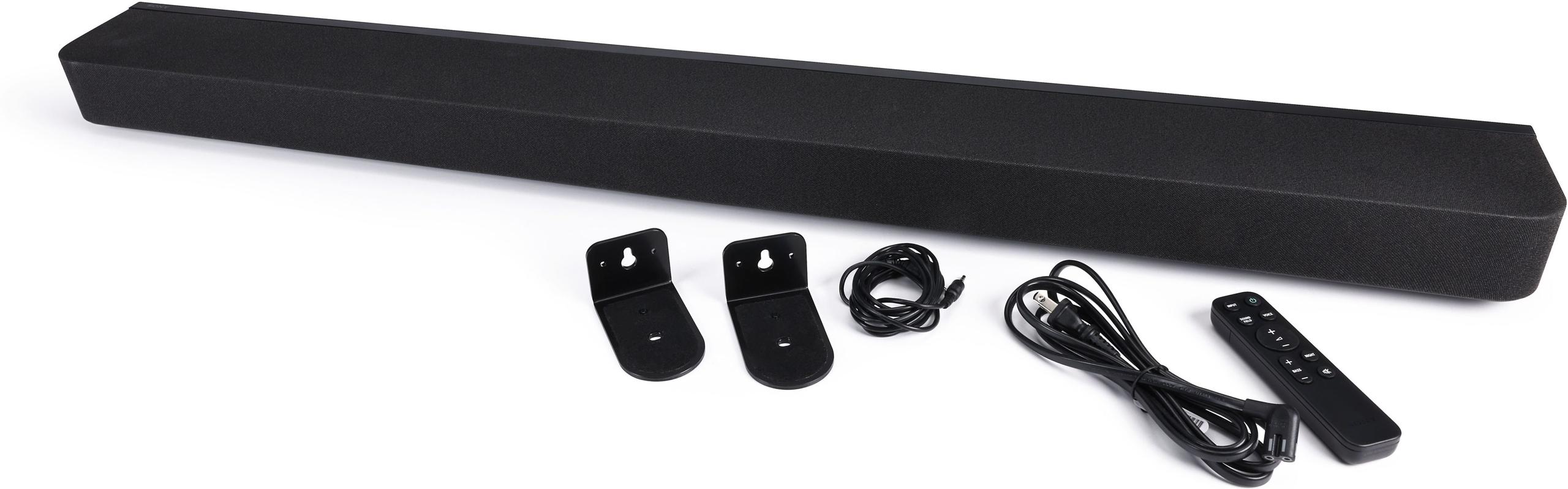
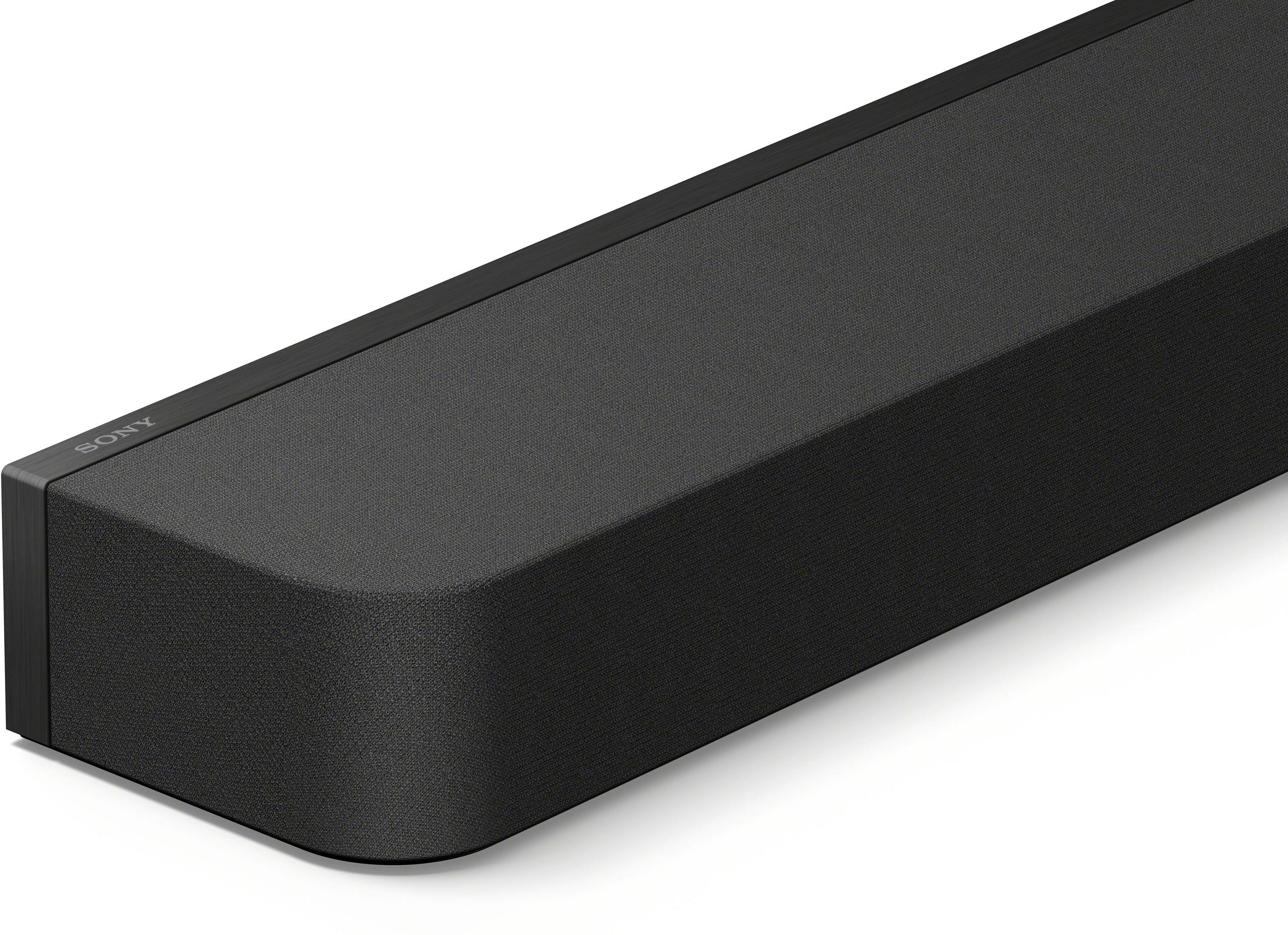
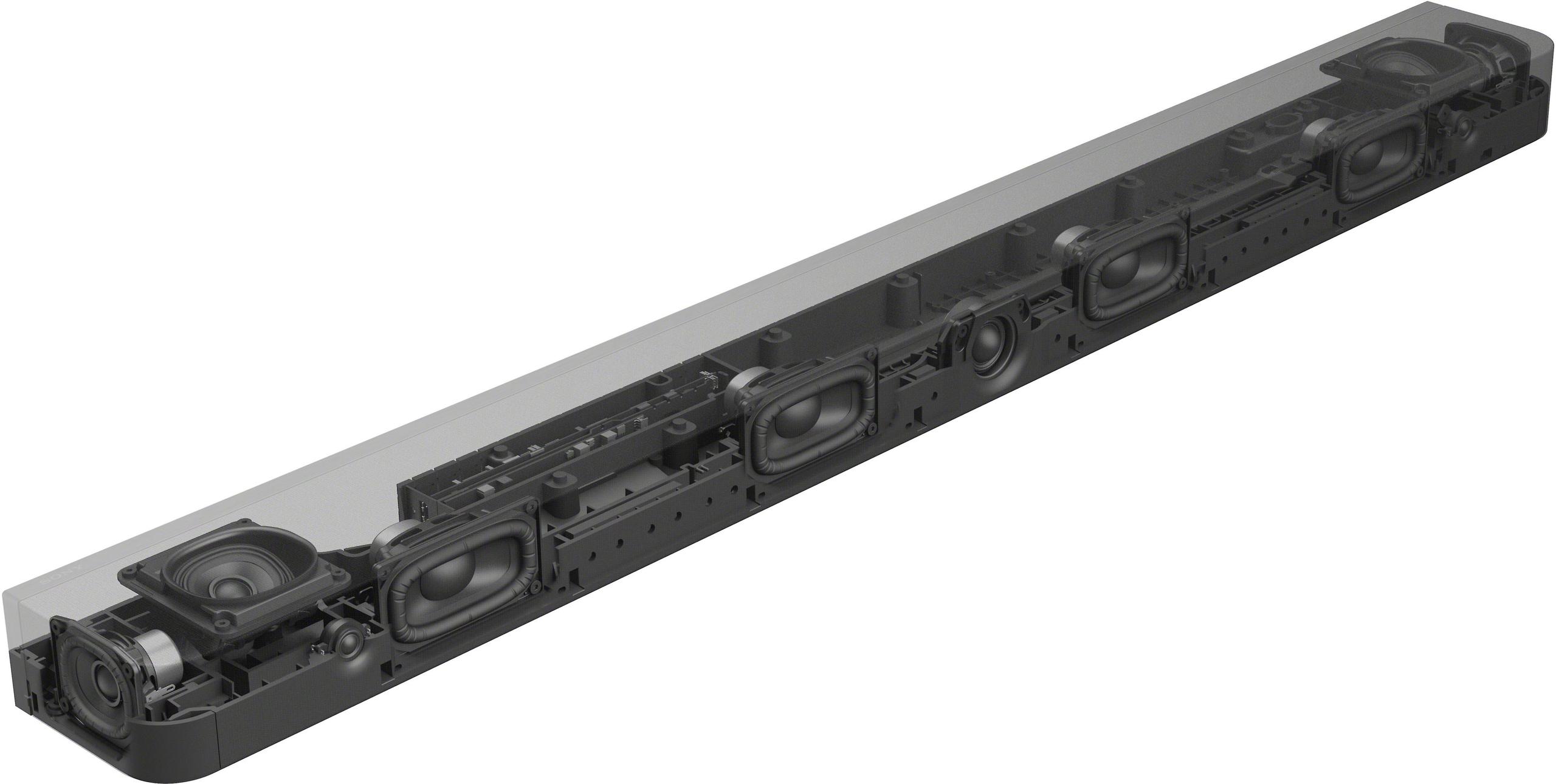
The Sony HT-A8000 takes a brute-force approach to sound quality. With 11 individual speaker units packed into its chassis, Sony relies on having dedicated drivers for different frequency ranges and directions. This means you get separate speakers handling bass, mids, treble, and even upward-firing drivers that bounce sound off your ceiling to create height effects for Dolby Atmos content (three-dimensional surround sound that places audio above you).
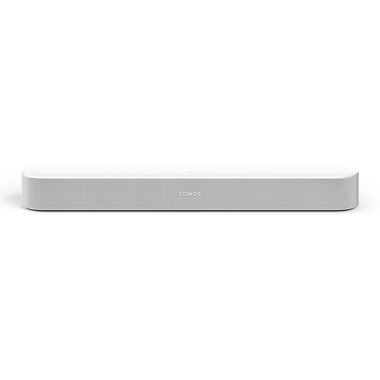
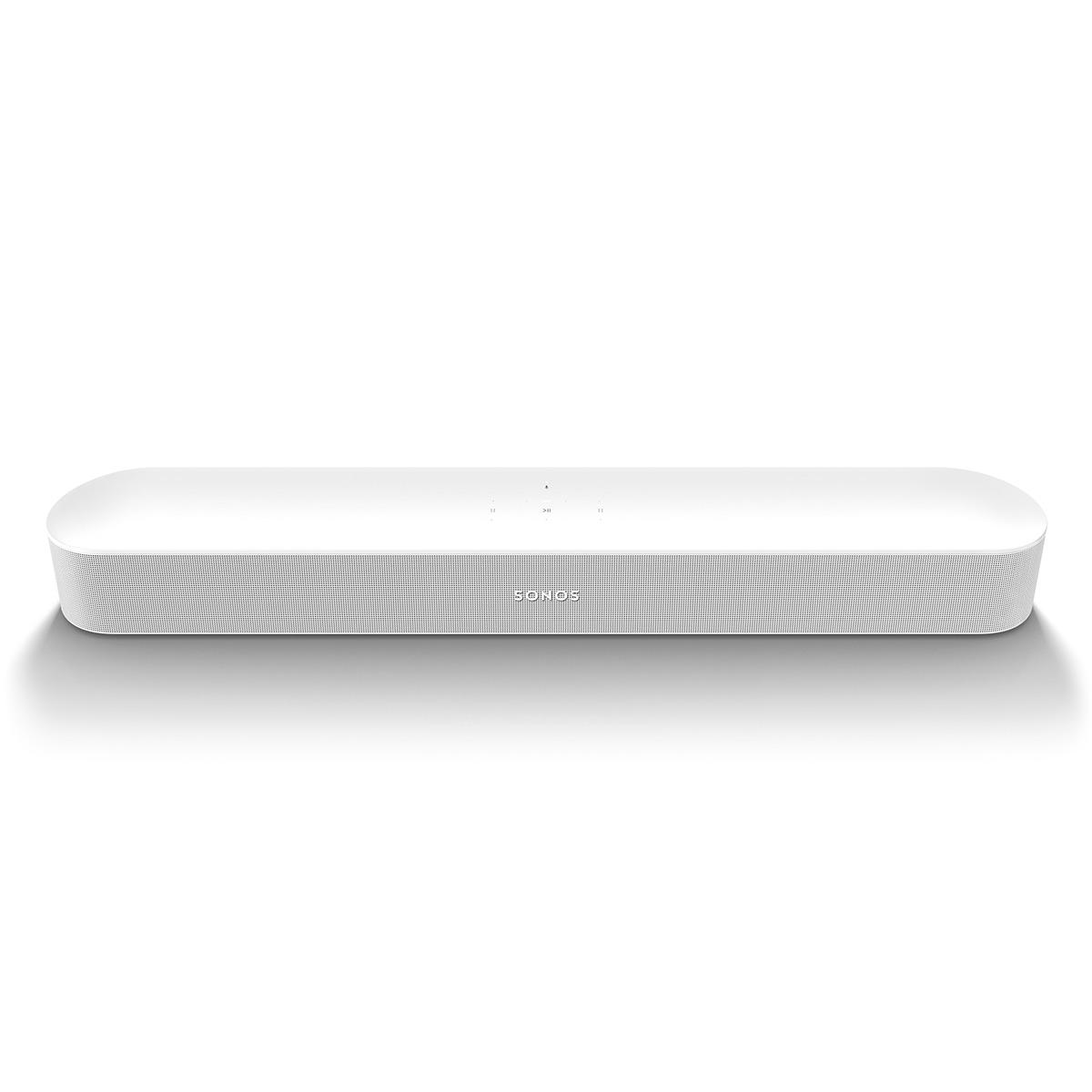
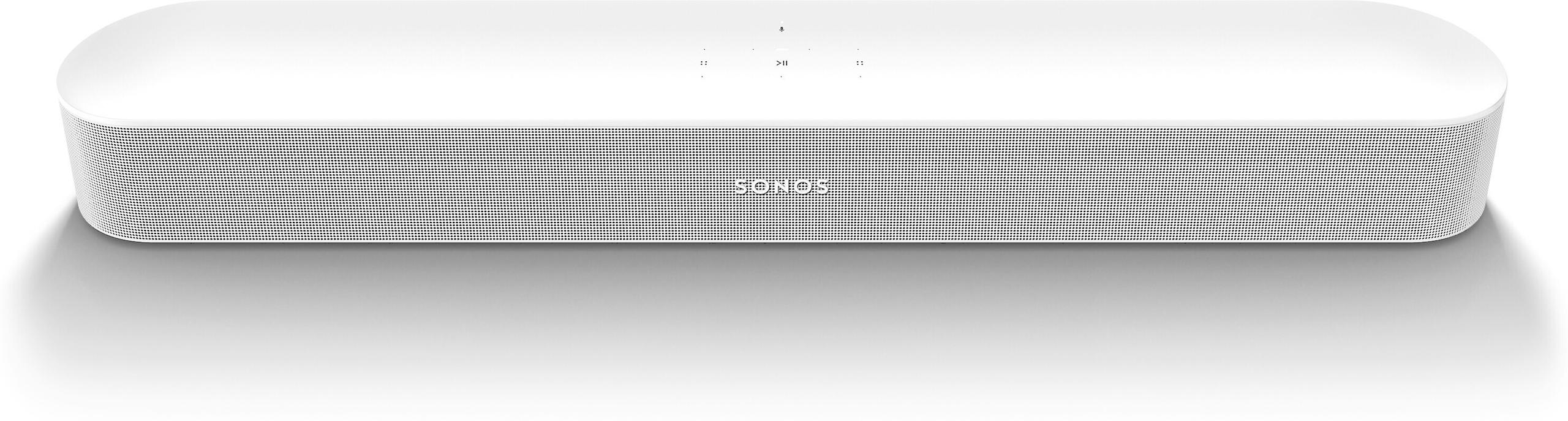
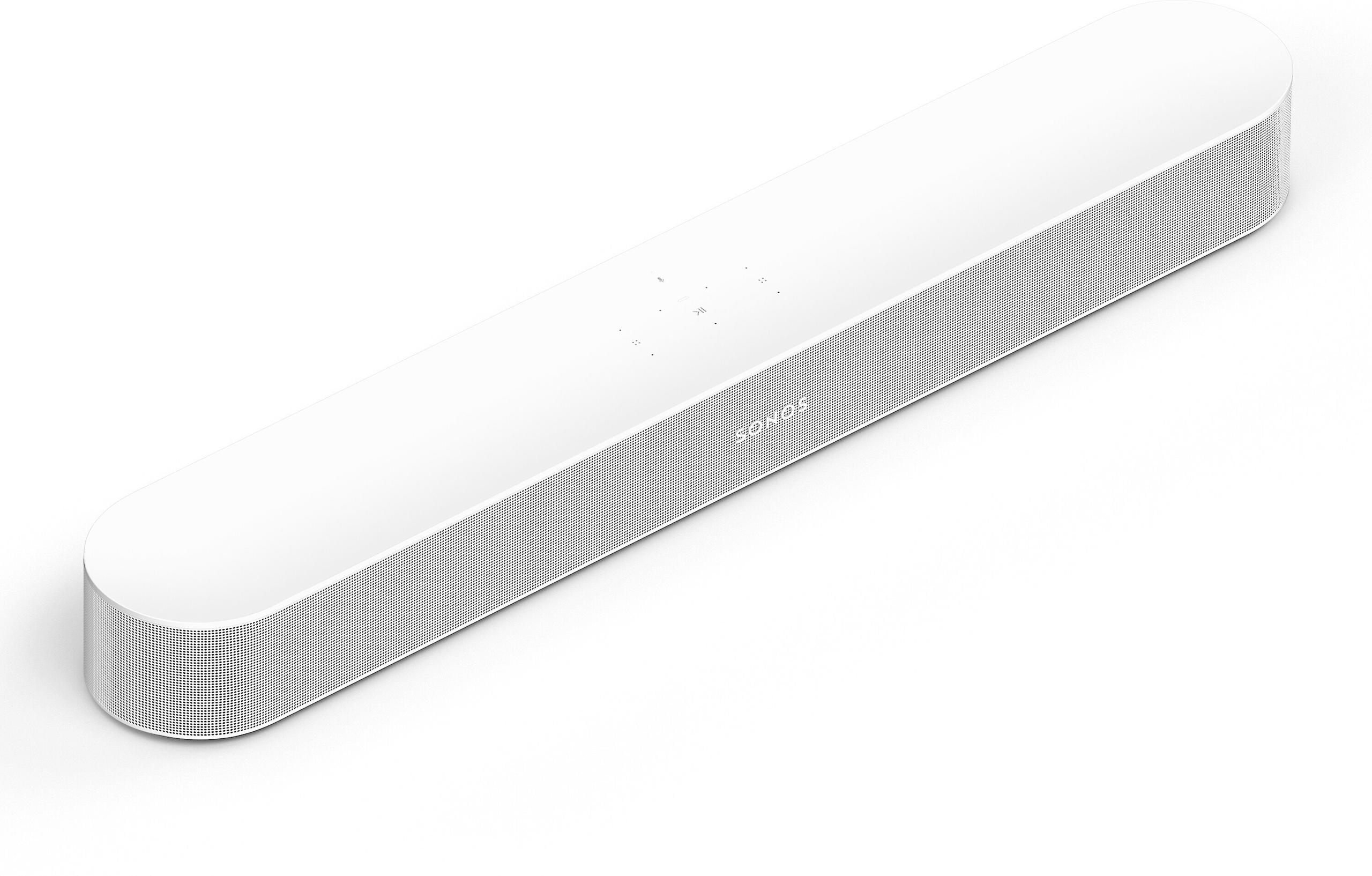
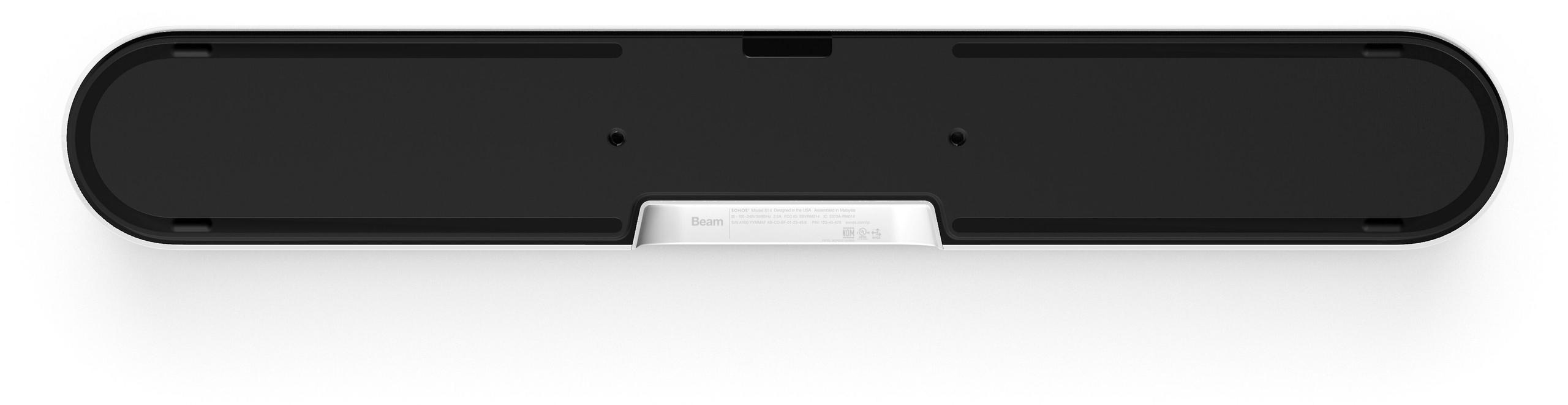
The Sonos Beam Gen 2, meanwhile, uses just five speakers but compensates with sophisticated digital signal processing (DSP) – essentially computer algorithms that manipulate the audio to create virtual surround effects. It's like the difference between having a full orchestra versus a skilled quintet using advanced acoustics to fill the same concert hall.
At the time of writing, the Sony commands roughly twice the price of the Sonos, which immediately raises the question: does more hardware necessarily mean better performance?
The Sony HT-A8000's 11-speaker array isn't just marketing fluff. It includes four dedicated woofers (bass drivers), multiple mid-range speakers, tweeters (high-frequency drivers), and crucially, upward-firing speakers that physically project sound toward your ceiling. This creates what Sony calls "360 Spatial Sound Mapping" – a technique that uses both real speakers and phantom imaging (psychoacoustic tricks that make your brain perceive sound coming from locations where there are no actual speakers) to create a wider soundstage.
In practice, this means when you're watching a scene where helicopters fly overhead, the Sony can create genuinely convincing height effects. The physical upward-firing drivers give it an advantage over purely virtual systems because real sound waves are actually bouncing off your ceiling back to your ears.
The Sonos Beam Gen 2 achieves similar effects through pure virtualization. Using advanced algorithms, it manipulates timing, phase, and frequency response to trick your brain into perceiving height and width that isn't physically there. Sonos has refined this technology over years, and many users find it surprisingly effective, though it can't quite match the physical presence that actual upward-firing drivers provide.
This is where the hardware differences become most apparent. The Sony HT-A8000's quad woofer setup, with larger driver surface area, can move more air and create deeper, more impactful bass. During action sequences or music with substantial low-end content, this translates to more chest-thumping impact that you feel as much as hear.
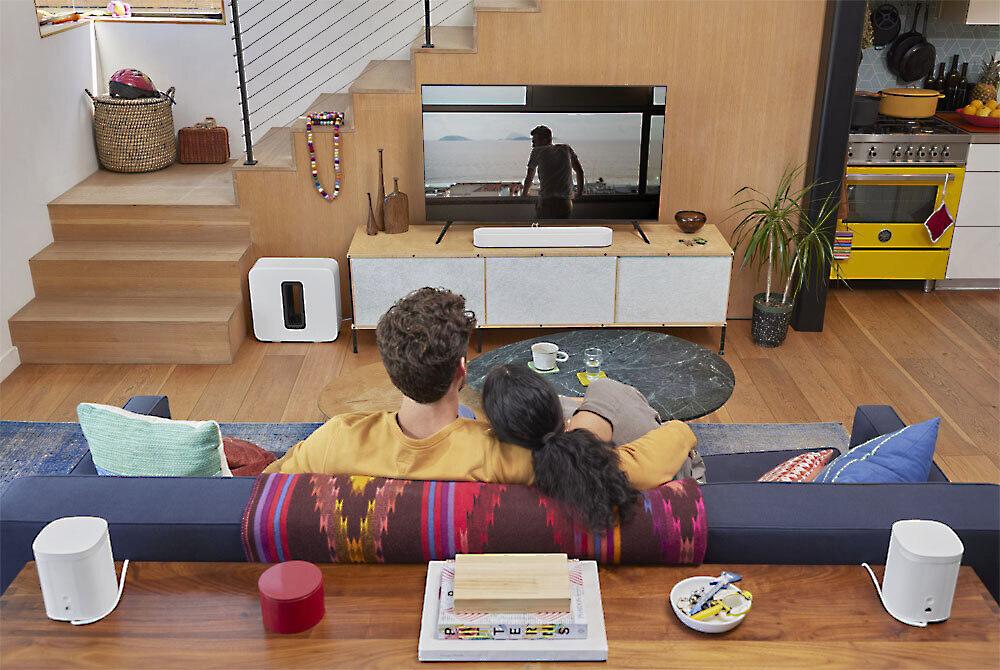
The Sonos Beam Gen 2 delivers respectable bass for its size, but physics ultimately limits what a smaller enclosure can achieve. For most TV shows and casual movie watching, it's perfectly adequate. However, if you're a bass enthusiast or have a larger room, you'll likely want to add Sonos's separate subwoofer, which increases your total investment.
Here's where both soundbars excel, but through different methods. The Sony includes a dedicated center channel speaker – the same approach used in traditional home theater systems. This center channel is specifically designed to handle dialogue frequencies, ensuring voices remain clear even during complex audio scenes with explosions, music, and sound effects competing for attention.
Sony's Voice Zoom 3 technology adds another layer of intelligence. This AI-powered feature analyzes incoming audio in real-time, identifying human speech patterns and dynamically boosting dialogue when needed. If you've ever found yourself constantly adjusting volume because dialogue is too quiet but action scenes are too loud, this feature directly addresses that frustration.
The Sonos Beam Gen 2 achieves excellent dialogue clarity through different means. Its balanced frequency response and speech enhancement processing ensure voices cut through the mix clearly. While it doesn't have a dedicated center channel, its sophisticated DSP effectively creates a virtual center channel that many users find just as effective for dialogue reproduction.
This is where the fundamental philosophies diverge most sharply. The Sonos Beam Gen 2 was designed from the ground up as a connected, smart audio device. It includes built-in Wi-Fi, supports Apple AirPlay 2, Spotify Connect, and integrates with voice assistants like Amazon Alexa and Google Assistant.
What this means practically: you can ask your soundbar to play music, control smart home devices, or stream directly from your phone without touching a remote. The Sonos app provides access to dozens of streaming services, and the TruePlay room calibration feature uses your iPhone's microphone to analyze your room's acoustics and automatically adjust the sound profile for optimal performance.
The Sony HT-A8000 feels almost primitive by comparison in terms of connectivity. It relies primarily on Bluetooth for music streaming, lacks Wi-Fi streaming capabilities, and doesn't integrate into smart home ecosystems the way Sonos does. For users who primarily want better TV audio and occasional Bluetooth music streaming, this might not matter. But if you envision your soundbar as part of a broader connected audio system, Sony's limitations become significant.
If you already own other Sonos speakers or are considering building a whole-home audio system, the Beam Gen 2 integrates seamlessly into Sonos's ecosystem. You can group it with other Sonos speakers for synchronized multi-room audio, creating a connected experience throughout your home.
The Sony offers no multi-room functionality, but it does provide excellent expandability for traditional home theater setups. You can add Sony's wireless subwoofers and rear speakers to create a true 7.1.2 surround system, potentially turning your living room into a more convincing home theater than what Sonos can achieve.
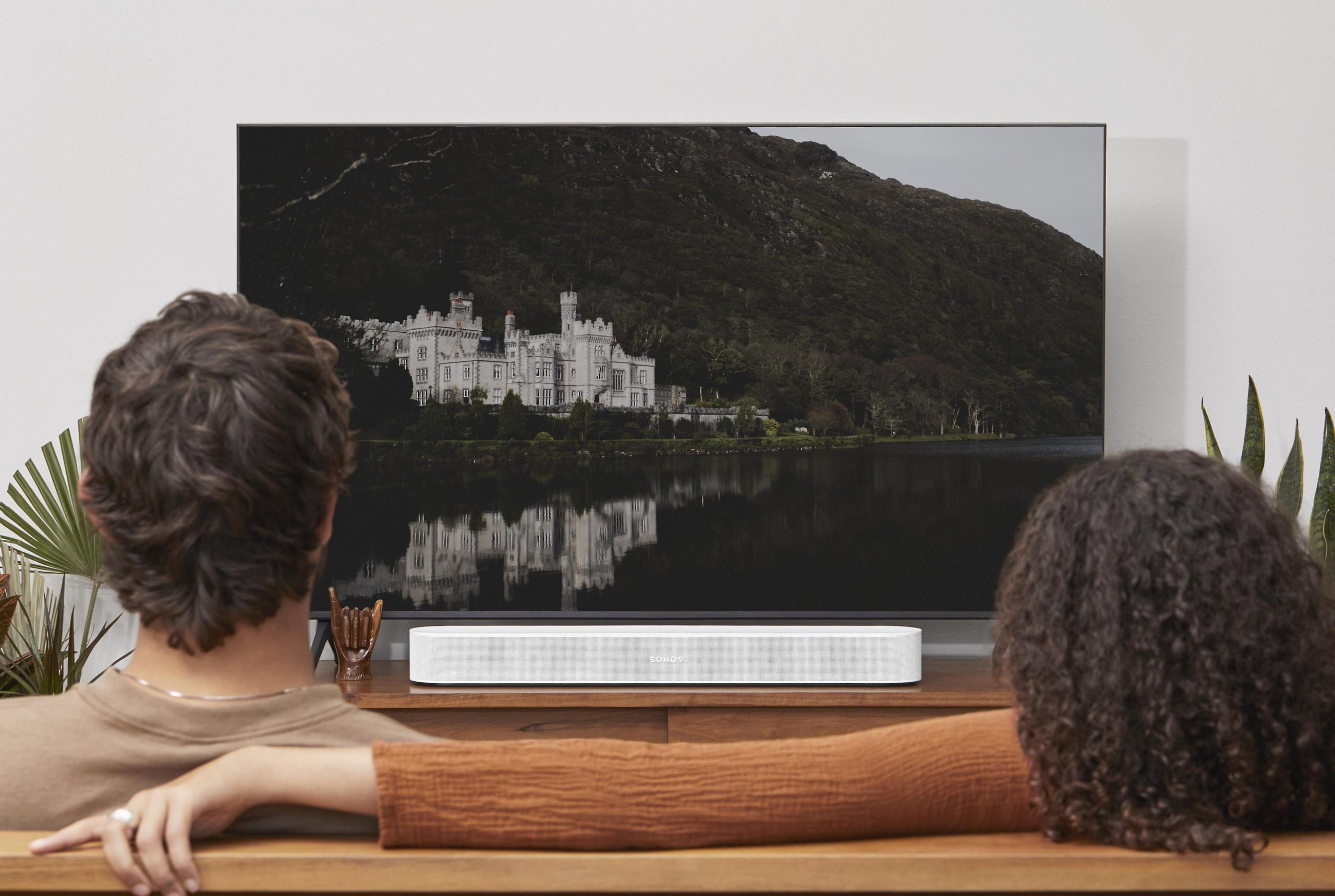
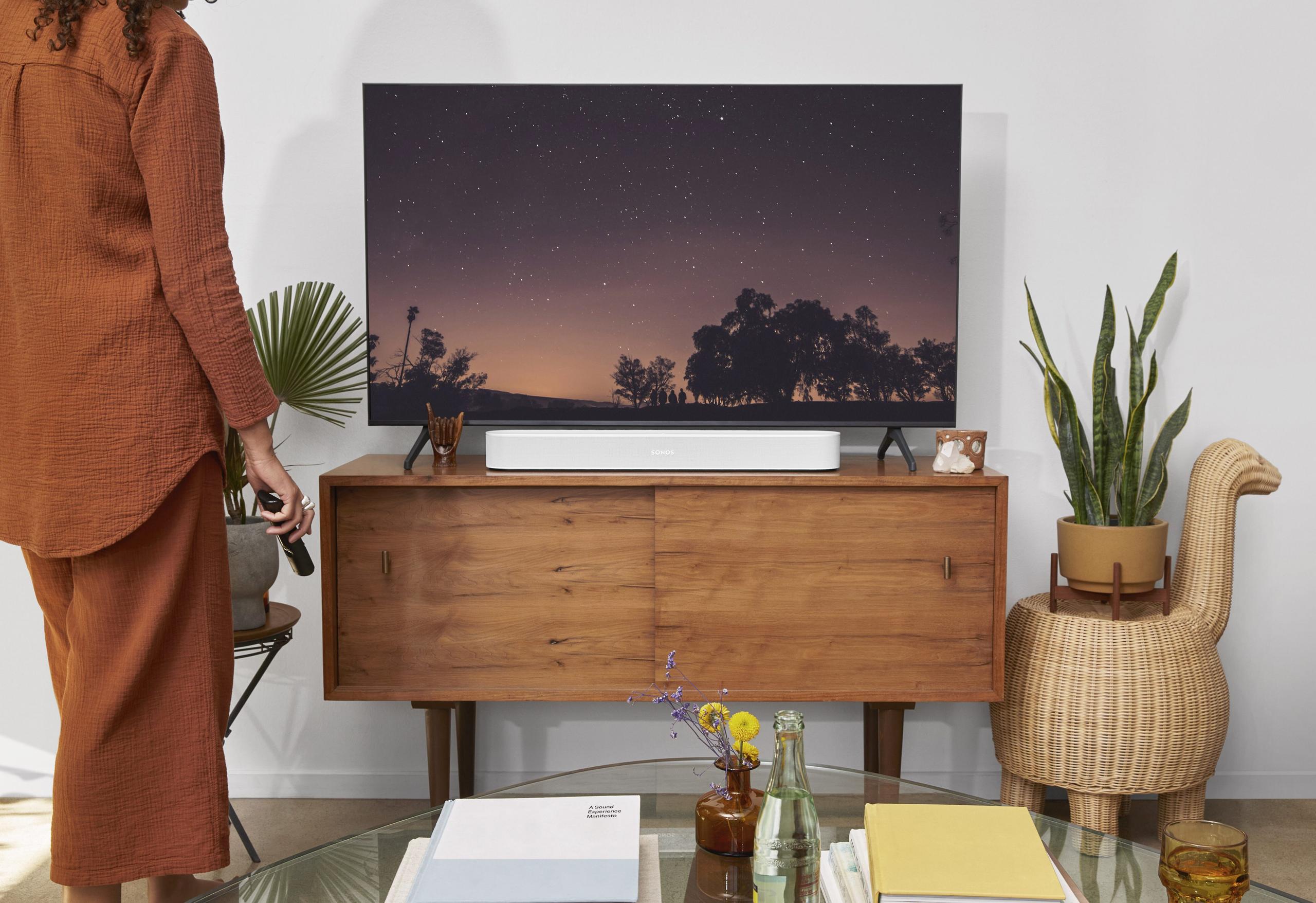
For smaller to medium-sized rooms (think typical apartments or modest living rooms), the Sonos Beam Gen 2 often provides the sweet spot of performance versus size. Its room calibration ensures it sounds good regardless of whether you place it on a TV stand or mount it on the wall, and its compact dimensions mean it won't dominate your entertainment center.
The Sony HT-A8000 really shines in larger spaces where its additional speakers and higher power output can properly fill the room. In a smaller room, you might not fully appreciate the extra hardware, making the higher price harder to justify.
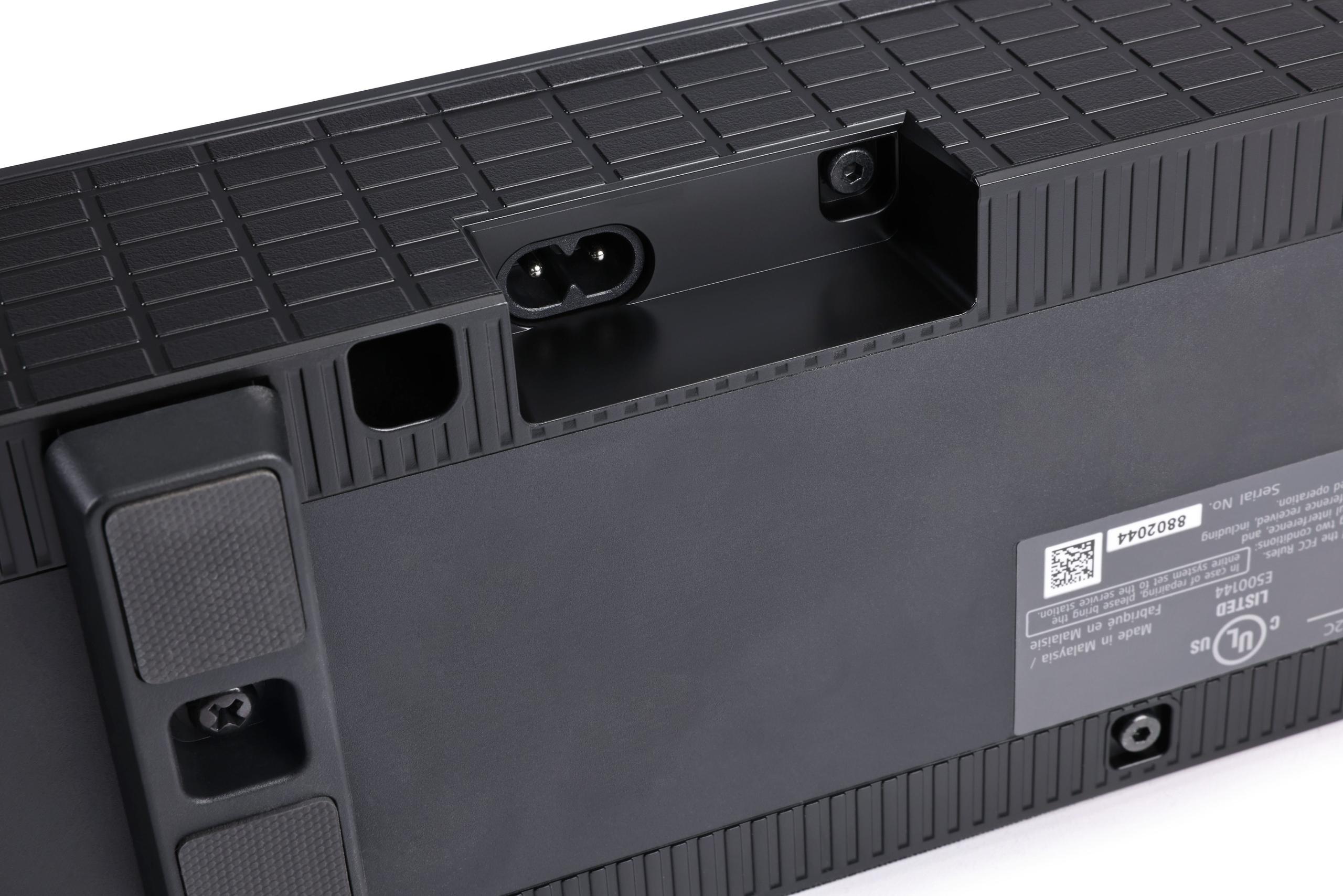
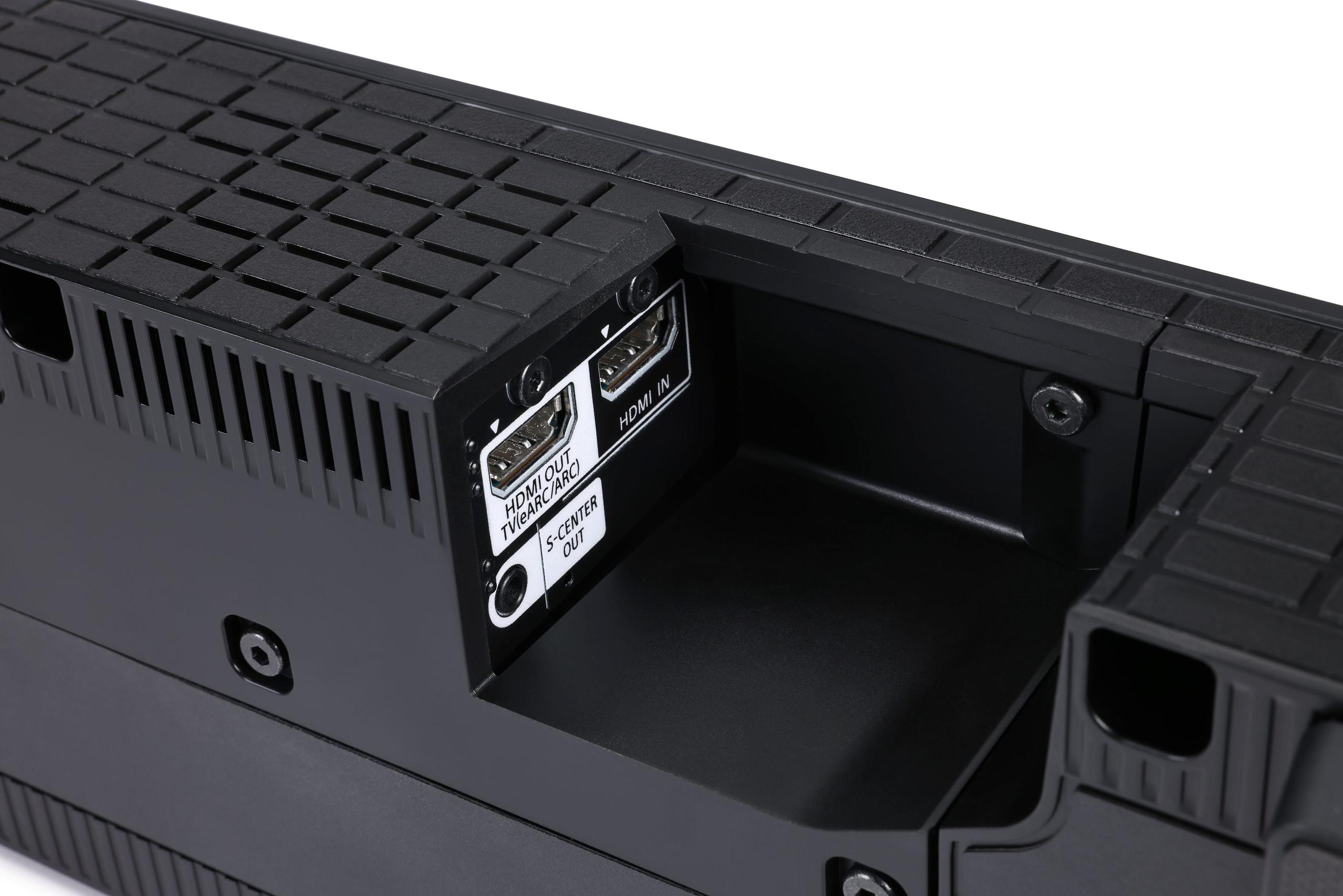
Both soundbars support HDMI eARC (enhanced Audio Return Channel), which allows for high-quality audio transmission from your TV and enables control through your TV's remote. However, the Sony offers more comprehensive HDMI 2.1 support, including advanced gaming features like Variable Refresh Rate (VRR) and Auto Low Latency Mode (ALLM) that gamers will appreciate.
If you own a Sony BRAVIA TV, the HT-A8000 offers unique integration through Acoustic Center Sync, which allows the soundbar to use your TV's speakers as an additional center channel. This creates an even more convincing audio experience where dialogue appears to come directly from the screen rather than from below it.
Technology in 2024 has continued evolving since these products launched, but both remain competitive in their respective categories. The Sonos Beam Gen 2 has benefited from regular software updates that have improved performance and added features – something that's impossible with traditional soundbars that lack smart connectivity.
The Sony HT-A8000 represents more of a traditional electronics purchase: what you buy is what you get, with performance remaining static over time. However, its hardware-based approach means it won't become obsolete due to changes in streaming services or smart home protocols.
For most users, the decision comes down to priorities and use cases. The Sonos Beam Gen 2 makes the most sense if you value convenience, smart features, and multi-room capabilities, or if you have a smaller room where its performance limitations won't be as apparent. It's particularly compelling for users who stream as much music as they watch TV and want voice control functionality.
The Sony HT-A8000 is the better choice for dedicated home theater enthusiasts who prioritize pure audio performance above smart features. If you have a larger room, watch a lot of action movies, or plan to build a more traditional surround sound system with additional speakers, Sony's hardware advantages become worth the premium.
At the time of writing, the price difference between these soundbars is substantial enough that you need to be sure Sony's advantages matter for your specific situation. For casual TV watching in a modest-sized room, the Sonos often provides better value. For serious movie watching or larger spaces, the Sony justifies its higher cost through superior hardware and more convincing surround effects.
The sweet spot for each product becomes clearer when you consider your primary use case: music streaming and smart home integration favor Sonos, while cinema performance and room-filling power favor Sony. Both are excellent at what they're designed to do – they just happen to be designed for different users and different priorities.
| Sony HT-A8000 BRAVIA Theater Bar 8 Soundbar | Sonos Beam Gen 2 Soundbar |
|---|---|
| Speaker Configuration - Determines audio quality and surround sound effectiveness | |
| 11 speakers (5.0.2 channel with physical upfiring drivers) | 5 speakers (4 woofers, 1 tweeter with virtual Atmos) |
| Audio Format Support - Compatibility with premium movie audio tracks | |
| Dolby Atmos, DTS:X, IMAX Enhanced | Dolby Atmos only (no DTS:X support) |
| Physical Dimensions - Impact on TV stand compatibility and room aesthetics | |
| 43.3" x 2.6" x 4.5" (10.4 lbs) | 25.6" x 2.7" x 3.9" (6.4 lbs) |
| Connectivity Options - How it connects to your entertainment system | |
| HDMI 2.1 with eARC, Bluetooth only for music | HDMI eARC, Wi-Fi, AirPlay 2, Spotify Connect |
| Smart Features - Voice control and app integration capabilities | |
| Basic voice control, no multi-room audio | Alexa/Google built-in, full Sonos ecosystem integration |
| Room Calibration - Automatic optimization for your specific space | |
| 360 Spatial Sound Mapping with manual setup | TruePlay automatic calibration (requires iOS device) |
| Expandability - Options for adding more speakers later | |
| Wireless subwoofer and rear speakers for 7.1.2 system | Sonos Sub only, multi-room with other Sonos speakers |
| HDMI Gaming Features - Important for console gamers | |
| Full HDMI 2.1 support (4K120, VRR, ALLM) | Basic 4K HDR passthrough only |
| Music Streaming Quality - Performance when playing music vs watching TV | |
| Bluetooth streaming only (compressed audio) | Wi-Fi streaming with lossless audio support |
| Best Use Case - Who should choose this soundbar | |
| Large rooms, movie enthusiasts, Sony TV owners | Music lovers, smart home users, smaller spaces |
The Sony HT-A8000 is significantly better for movies due to its 11 physical speakers, dedicated center channel for dialogue, and support for both Dolby Atmos and DTS:X audio formats. The physical upfiring drivers create more convincing overhead effects compared to the Sonos Beam Gen 2's virtual surround processing.
The biggest difference is that the Sony HT-A8000 focuses on pure audio performance with 11 speakers and cinema-grade processing, while the Sonos Beam Gen 2 emphasizes smart home integration, Wi-Fi streaming, and multi-room capabilities with just 5 speakers but advanced software features.
The Sonos Beam Gen 2 is ideal for small rooms due to its compact size and TruePlay room calibration that automatically optimizes sound for any space. The Sony HT-A8000 may be overkill for smaller rooms and is better suited for medium to large living spaces.
Yes, but with different options. The Sony HT-A8000 supports Sony's wireless subwoofers (SA-SW3 or SA-SW5) and can expand to a full 7.1.2 system with rear speakers. The Sonos Beam Gen 2 works with the Sonos Sub and integrates into the broader Sonos multi-room ecosystem.
The Sonos Beam Gen 2 excels at music streaming with Wi-Fi connectivity, AirPlay 2, Spotify Connect, and access to numerous streaming services through the Sonos app. The Sony HT-A8000 only offers Bluetooth music streaming, which provides lower audio quality.
Yes, both the Sony HT-A8000 and Sonos Beam Gen 2 support Dolby Atmos, but the Sony uses physical upfiring speakers for height effects while the Sonos relies on virtual processing to create overhead sound.
Both offer excellent dialogue clarity, but through different methods. The Sony HT-A8000 has a dedicated center channel speaker and Voice Zoom 3 AI technology for enhanced speech. The Sonos Beam Gen 2 uses speech enhancement processing and balanced frequency response for clear dialogue.
Yes, both the Sony HT-A8000 and Sonos Beam Gen 2 support HDMI eARC/ARC for TV remote control. The Sony also offers deeper integration with Sony BRAVIA TVs through Acoustic Center Sync technology.
The Sonos Beam Gen 2 typically offers better value for most users, providing excellent sound quality, smart features, and room calibration at a lower price point. The Sony HT-A8000 justifies its higher cost for users who prioritize maximum audio performance and have larger rooms.
The Sonos Beam Gen 2 has built-in Amazon Alexa and Google Assistant with far-field microphones for hands-free control. The Sony HT-A8000 supports voice assistants but requires a separate device like an Echo or Google Home.
The Sonos Beam Gen 2 is generally easier to set up with automatic TruePlay calibration and the intuitive Sonos app. The Sony HT-A8000 requires more manual adjustment but offers more customization options for audio enthusiasts.
Both work for gaming, but the Sony HT-A8000 is better suited for serious gamers with full HDMI 2.1 support including 4K120, Variable Refresh Rate (VRR), and Auto Low Latency Mode (ALLM). The Sonos Beam Gen 2 offers basic gaming audio with standard HDMI features.
We've done our best to create useful and informative comparisons to help you decide what product to buy. Our research uses advanced automated methods to create this comparison and perfection is not possible - please contact us for corrections or questions. These are the sites we've researched in the creation of this article: consumerreports.org - skybygramophone.com - target.com - rtings.com - bestbuy.com - rubbermonkey.co.nz - shopatsc.com - audioadvice.com - sony.com - sony.com - sony.com - shop.cosmopolitan.com - store.sony.com.my - videoandaudiocenter.com - whathifi.com - en.community.sonos.com - techradar.com - youtube.com - consumerreports.org - bestbuy.com - youtube.com - sonos.com - wave-electronics.com - en.community.sonos.com - epicsystems.tech - tomsguide.com - bestbuy.com

Privacy Policy
Terms and Conditions - Affiliate Policy
Home Security
© Copyright 2008-2026.
11816 Inwood Rd #1211, Dallas, TX 75244