



















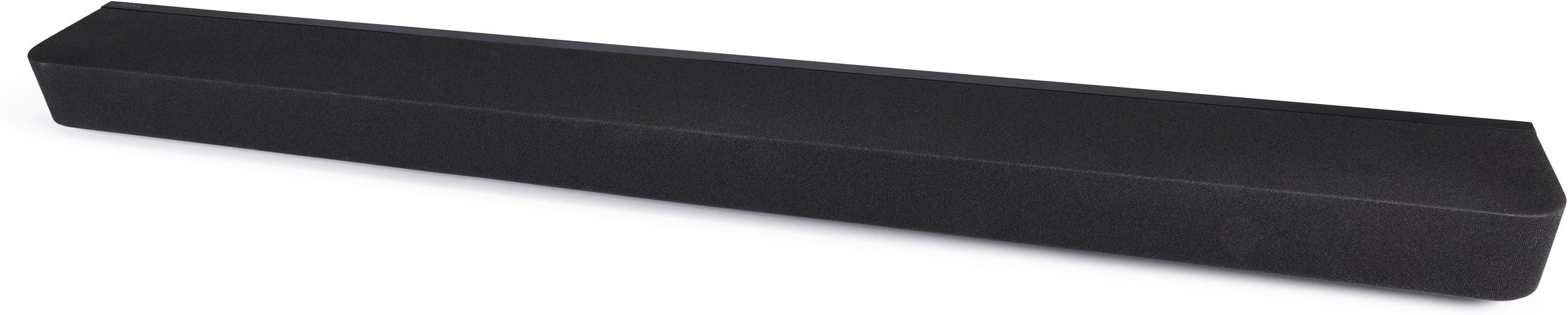





When you're ready to upgrade from your TV's built-in speakers, the world of premium soundbars can feel overwhelming. Two standout options dominate the high-end market: the Sony HT-A8000 BRAVIA Theater Bar 8 and the Sonos Arc. Both promise cinematic sound from a single sleek unit, but they take distinctly different approaches to achieving audio excellence.
Understanding what separates these premium options matters because you're making a significant investment. At the time of writing, both soundbars sit in the upper price tier, with the Sony HT-A8000 commanding a premium over the Sonos Arc due to its newer technology and advanced features. The question isn't whether either will sound better than your TV speakers—they absolutely will—but which approach better fits your specific needs and listening preferences.
Premium Dolby Atmos soundbars represent a sweet spot in home theater audio. They deliver the immersive, three-dimensional sound that makes movies feel cinematic without requiring you to install ceiling speakers or manage multiple components scattered around your room. Dolby Atmos, for context, is an audio technology that adds height information to surround sound, creating the sensation that sounds are coming from above, beside, and behind you—not just from the front.
The key considerations when shopping in this category go beyond simple volume or clarity. You want spatial accuracy (how convincingly the soundbar creates the illusion of surround sound), dialogue intelligibility (crucial for following movie plots), bass depth (for those rumbling explosions), and smart features that integrate seamlessly with your existing setup. Room adaptation technology has become increasingly important too, as these soundbars need to work well whether you're in a small apartment or a large living room.
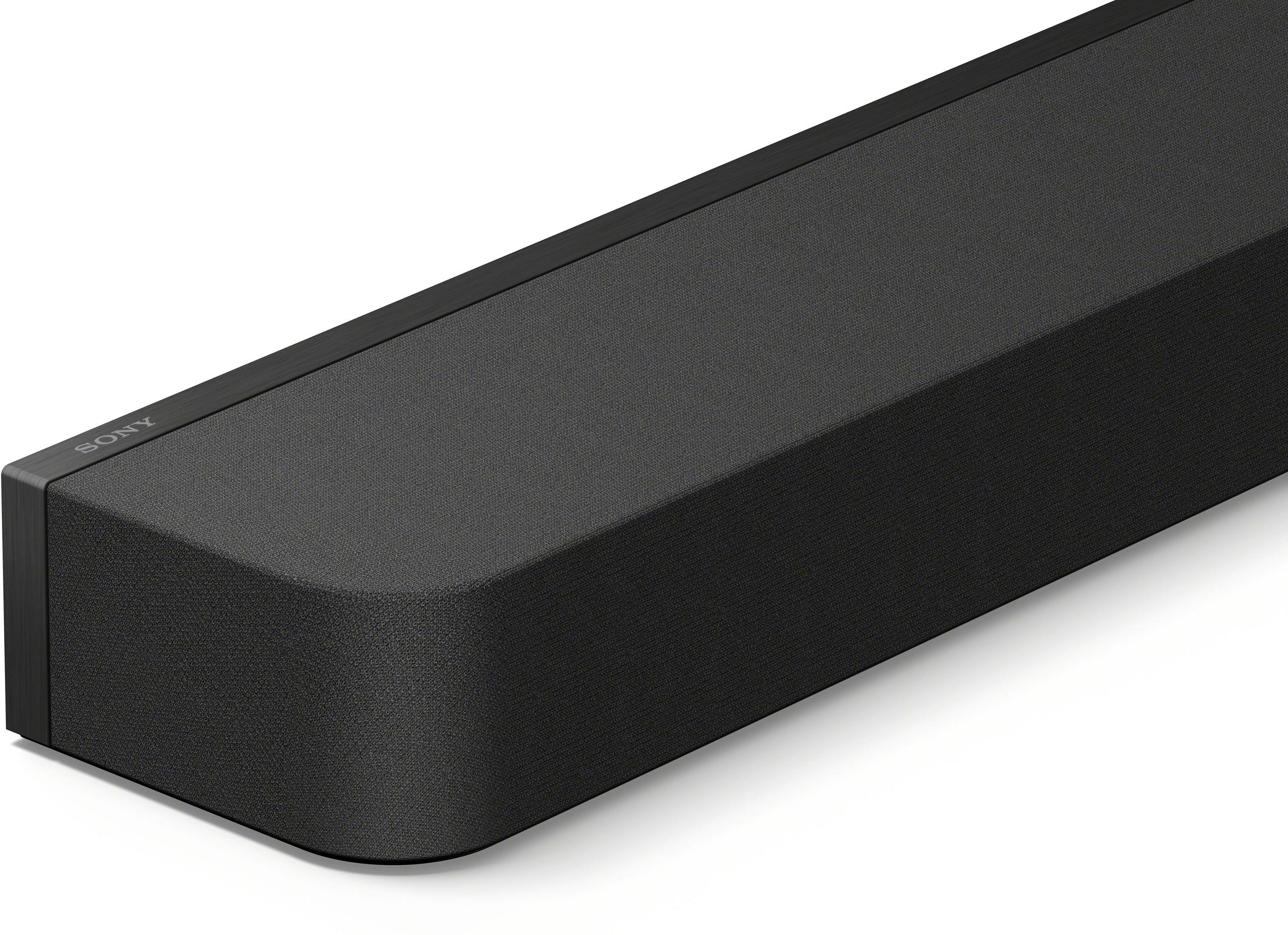
The Sony HT-A8000, released in 2024, represents Sony's latest thinking on premium soundbar design. It's built specifically to complement Sony's BRAVIA TV lineup, though it works with any TV. Sony has focused heavily on advanced audio processing, implementing what they call 360 Spatial Sound Mapping—essentially creating "phantom" speakers through clever acoustic manipulation and room analysis.
The Sonos Arc, launched in 2020, takes a different approach. Sonos built their reputation on multi-room audio systems, and the Arc extends that philosophy into home theater. Rather than focusing solely on movie performance, Sonos designed the Arc to excel at both movies and music while integrating seamlessly into their broader ecosystem of wireless speakers.
This fundamental difference in philosophy affects everything from how these soundbars process audio to how they connect with other devices in your home.
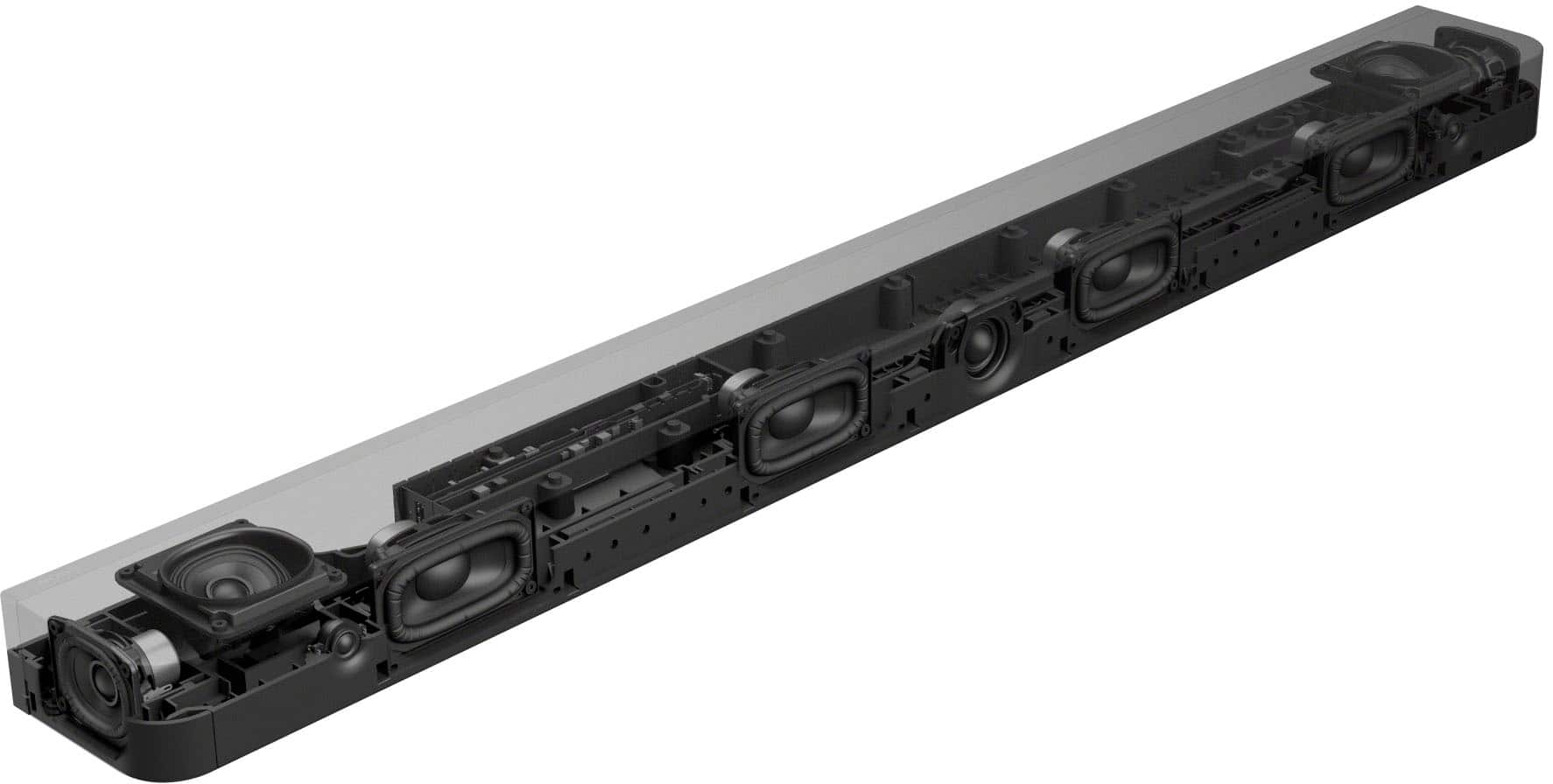
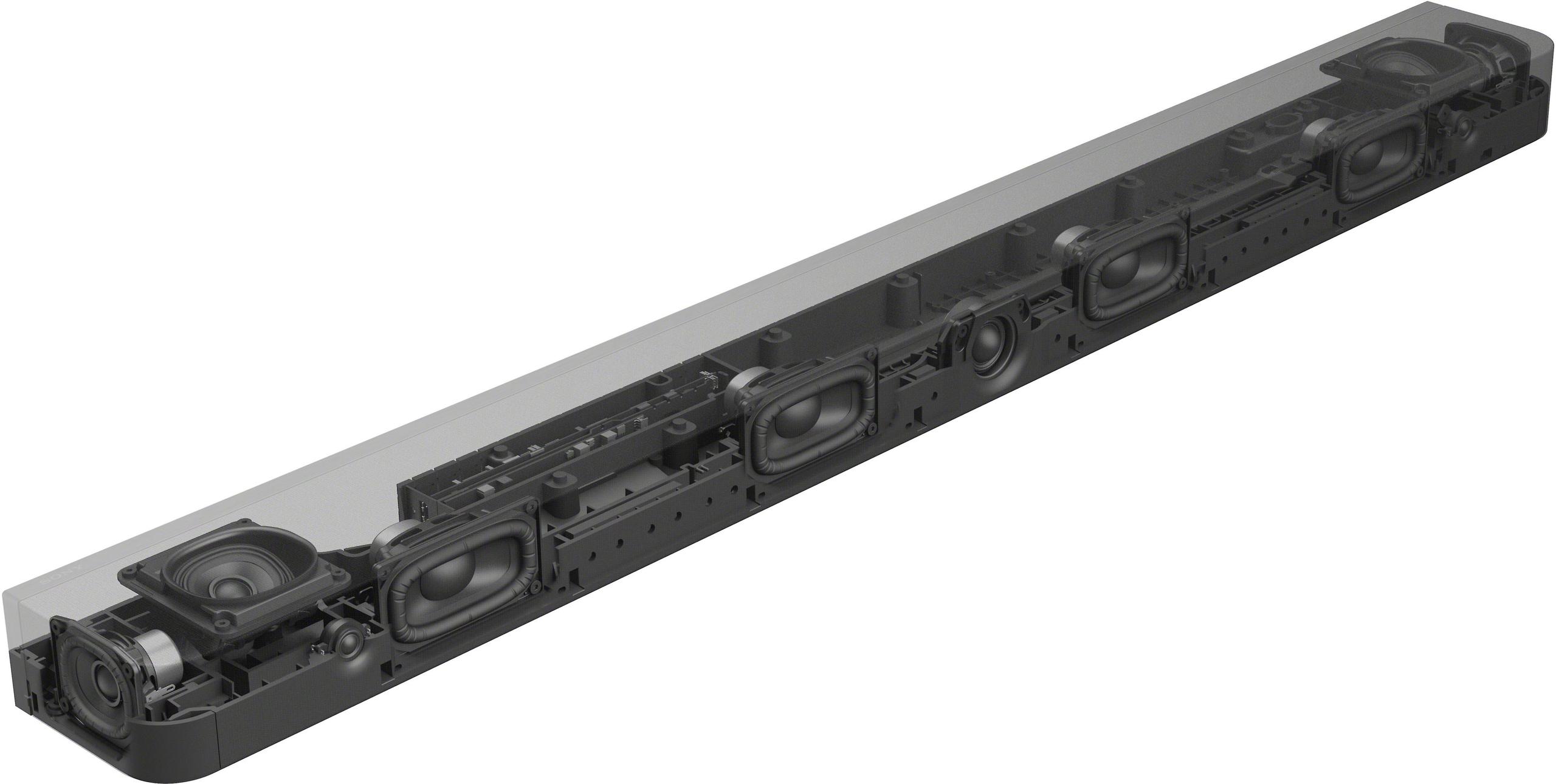
The most significant difference between these soundbars lies in how they create surround sound. The Sony HT-A8000 uses what Sony calls 360 Spatial Sound Mapping, combined with Sound Field Optimization. This system analyzes your room's acoustics and creates virtual speakers—called phantom speakers—that seem to exist where no physical speakers are placed. Sony achieves this through precise timing and phase manipulation of audio signals from their 11 physical drivers.
Here's what makes this interesting: traditional surround sound relies on having actual speakers placed around your room. Sony's phantom speaker technology tries to trick your brain into hearing sounds from locations where no speakers exist. The system uses reflections off your walls and ceiling, combined with advanced digital signal processing (DSP), to create these audio illusions.
The Sonos Arc takes a more traditional but refined approach. Its 11 drivers include three precisely angled tweeters (for high frequencies and dialogue clarity) and eight custom elliptical woofers (for mid-range and bass frequencies). The Arc uses up-firing speakers—drivers that point toward the ceiling—to bounce Dolby Atmos height effects off your ceiling back down to your listening position. This is a proven technique that works reliably in most rooms with standard ceiling heights.
Both approaches have merit, but they perform differently in real-world conditions. Sony's phantom speaker technology sounds impressive in theory, but user feedback suggests it can be inconsistent. Some listeners report excellent immersion, while others find the effect subtle or unconvincing. Room acoustics play a huge role—hard surfaces help create better reflections, while heavily furnished rooms with soft materials can diminish the effect.
The Sonos Arc, meanwhile, delivers more predictable results. Reviews consistently praise its ability to create convincing Dolby Atmos effects, particularly the sensation of sounds moving overhead during action sequences. The trade-off is that it's less ambitious in trying to create phantom rear channels—you get excellent front and height soundstage, but true surround effects require adding optional rear speakers.
Clear dialogue separates good soundbars from great ones, especially with modern movies that often bury voices under complex soundtracks. Both soundbars address this crucial need but use different technologies.
The Sony HT-A8000 features Voice Zoom 3, an AI-powered system that actively monitors audio content to identify human speech patterns. When it detects dialogue, it can automatically boost those frequencies or adjust the overall mix to ensure voices remain clear even during loud action sequences. This represents a more sophisticated approach than simple EQ adjustments—the system makes real-time decisions about what sounds like dialogue and how much to enhance it.
The Sonos Arc uses Speech Enhancement, a more traditional but effective approach. Through the Sonos app, you can boost voice frequencies across the board, making dialogue more prominent in the overall mix. While less sophisticated than Sony's AI approach, it's predictable and works consistently across all content types.
In practice, both systems excel at dialogue clarity, but Sony's AI-driven approach shows more promise for handling particularly challenging content—think Christopher Nolan films with their notoriously complex audio mixes. However, the Sonos Arc's traditional approach works reliably and gives you direct control over the effect.
Bass response reveals one of the most significant performance differences between these soundbars. The Sonos Arc includes eight elliptical woofers designed to maximize diaphragm area within the soundbar's slim profile. Reviews consistently praise the Arc's bass performance, with many noting that it delivers satisfying low-end response without requiring an additional subwoofer for most content.
The Sony HT-A8000 takes a different approach with its quad woofer configuration and rectangular speaker design. While Sony claims this design maximizes bass performance and reduces distortion, user feedback tells a different story. Multiple reviews mention concerns about bass depth, with some users feeling the need to add Sony's optional subwoofer sooner than they expected.
This difference matters significantly for your buying decision. If you're planning to start with just the soundbar and add components later, the Sonos Arc will likely satisfy your bass needs longer. If you know you'll eventually build a full system with a subwoofer, this difference becomes less critical.
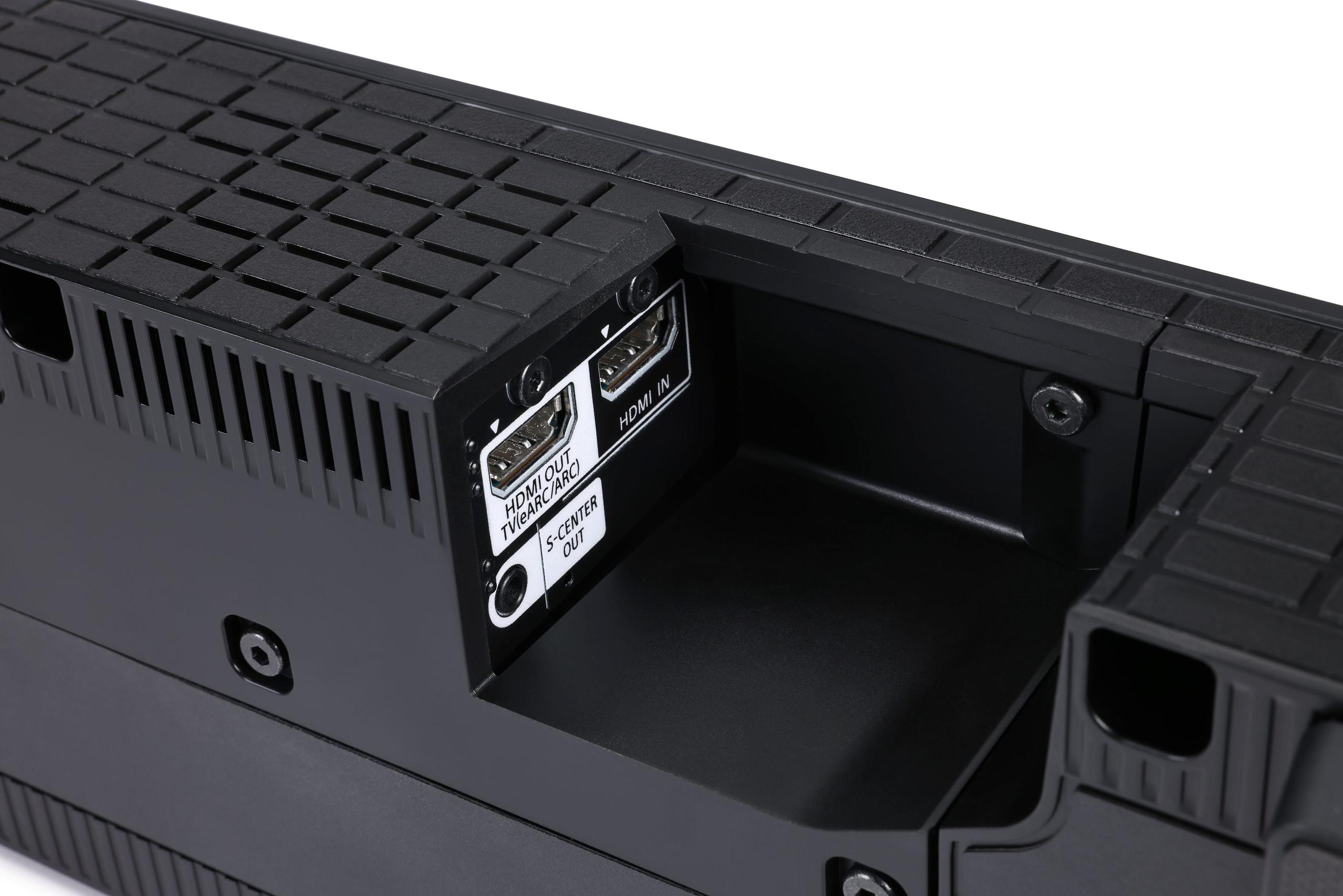
The Sony HT-A8000 includes HDMI 2.1 support, which might sound like technical jargon but has practical implications. HDMI 2.1 enables higher bandwidth for 8K video, advanced gaming features like Variable Refresh Rate (VRR) and Auto Low Latency Mode (ALLM), and better audio format support. If you own or plan to buy a PlayStation 5, Xbox Series X, or a high-end 8K TV, these features matter.
The Sonos Arc, designed in 2020, uses HDMI 2.0 specifications. It handles 4K HDR content perfectly and supports all current streaming service requirements, but lacks the gaming-specific features and maximum bandwidth of HDMI 2.1. For most users today, this limitation won't matter, but it could affect long-term compatibility.
Here's where the Sonos Arc demonstrates its biggest advantage. The Arc integrates seamlessly with other Sonos speakers throughout your home, creating a unified multi-room audio system. You can start music on the Arc and have it continue playing in your kitchen on a Sonos One, or group speakers for whole-house audio during parties.
The Arc also includes built-in Google Assistant and Amazon Alexa, making it a capable smart speaker even when you're not watching TV. You can ask it about weather, control smart home devices, or stream music with voice commands.
The Sony HT-A8000 focuses more narrowly on home theater performance. It supports major streaming services through Spotify Connect and Apple AirPlay 2, but it doesn't offer the broader ecosystem integration or voice assistant capabilities of the Sonos.
If you own a Sony BRAVIA TV, the HT-A8000 offers unique integration through Acoustic Center Sync. This feature lets the soundbar use your TV's speakers as additional center channel drivers, ensuring dialogue appears to come directly from the screen rather than from below it. This creates a more natural, immersive experience where voices seem to come from actors' mouths rather than from a separate speaker.
This integration only works with compatible Sony TVs, but for Sony TV owners, it's a compelling reason to choose the Sony soundbar. The Sonos Arc works excellently with any TV brand but offers no special integration features.
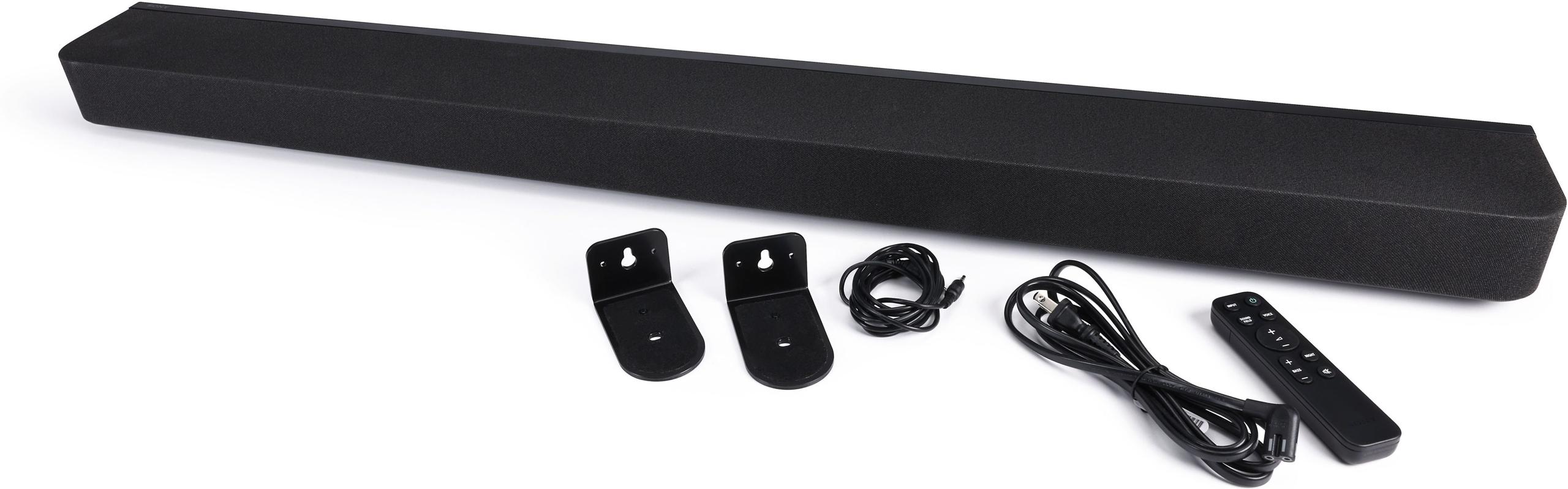
Both soundbars support expansion with additional speakers, but they handle it differently. The Sony HT-A8000 can add Sony's wireless subwoofers (SA-SW3 or SA-SW5) and rear speakers (SA-RS3R or SA-RS5). These components automatically pair when you power them on, creating a more complete surround sound system.
The Sonos Arc integrates with the Sonos Sub for deeper bass and Sonos rear surrounds for true surround sound. What makes Sonos expansion special is that these same components work throughout your Sonos ecosystem—your rear surrounds can become bedroom speakers when you're not watching movies.
At the time of writing, the Sonos Arc typically costs less than the Sony HT-A8000, making value comparison important. The Arc delivers proven performance, extensive smart features, and ecosystem integration at a lower price point. Multiple professional reviews praise its consistent Dolby Atmos performance and overall sound quality.
The Sony HT-A8000 commands a premium for its newer technology, including 360 Spatial Sound Mapping, AI-powered dialogue enhancement, and HDMI 2.1 support. However, some of these advanced features receive mixed reviews from users, particularly the phantom speaker technology that doesn't always deliver the promised immersion.
For most buyers, the Sonos Arc represents better value. It costs less while delivering reliable, excellent performance across movies and music. The smart features and ecosystem integration add significant utility beyond just home theater use.
Choose the Sony HT-A8000 if you:
The Sony represents the bleeding edge of soundbar technology. If you're an early adopter who enjoys having the newest features and you're willing to accept some inconsistency in exchange for innovation, the HT-A8000 could be perfect for your setup.
Choose the Sonos Arc if you:
The Sonos Arc is the safer, smarter choice for most people. It delivers excellent performance that reviews consistently praise, costs less, and provides functionality beyond just home theater use.
After examining both options thoroughly, the Sonos Arc emerges as the better choice for most buyers. It delivers consistently excellent Dolby Atmos performance, includes valuable smart features, and costs less than the Sony HT-A8000. The Arc's proven track record and ecosystem integration provide better long-term value.
The Sony HT-A8000 isn't a bad soundbar—it offers genuinely innovative features and works exceptionally well with Sony TVs. However, its advanced technologies don't always deliver the promised benefits, and the premium price is hard to justify given the mixed user feedback on key features like phantom speaker placement.
For home theater enthusiasts who want reliable, immersive sound without complexity, the Sonos Arc represents the smart buy. It's the soundbar that delivers on its promises while leaving room in your budget for the inevitable subwoofer upgrade that will transform your movie-watching experience entirely.
| Sony HT-A8000 BRAVIA Theater Bar 8 | Sonos Arc Wireless Sound Bar |
|---|---|
| Audio Configuration - Determines surround sound capability | |
| 5.0.2 channels with 11 speaker units | 5.0.2 channels with 11 drivers (3 tweeters, 8 woofers) |
| Spatial Sound Technology - How each creates immersive audio | |
| 360 Spatial Sound Mapping with phantom speakers | Traditional Dolby Atmos with up-firing drivers |
| Dialogue Enhancement - Critical for clear speech during movies | |
| Voice Zoom 3 with AI-powered voice recognition | Speech Enhancement via app controls |
| Bass Performance - Affects whether you need a subwoofer immediately | |
| Quad woofers (users report needing subwoofer sooner) | 8 elliptical woofers (satisfying bass without subwoofer) |
| HDMI Connectivity - Future-proofing for gaming and 8K content | |
| HDMI 2.1 with 8K, VRR, ALLM gaming features | HDMI 2.0 with 4K HDR support |
| Smart Features - Voice control and streaming capabilities | |
| Spotify Connect, Apple AirPlay 2, Bluetooth 5.2 | Built-in Google Assistant, Alexa, Apple AirPlay 2 |
| TV Integration - Special compatibility features | |
| Acoustic Center Sync with Sony BRAVIA TVs | Universal IR receiver for any TV remote sync |
| Room Calibration - How it adapts to your space | |
| Automatic Sound Field Optimization | Trueplay tuning (requires iOS device) |
| Ecosystem Expansion - Building a larger audio system | |
| Optional Sony wireless subwoofers and rear speakers | Full Sonos ecosystem integration for multi-room audio |
| Release Year - Technology generation and proven track record | |
| 2024 (newest technology, less proven) | 2020 (established performance, proven reliability) |
| Dimensions - Physical footprint in your entertainment center | |
| 43.3" x 2.6" x 4.5" (10.4 lbs) | 45.0" x 3.4" x 4.6" (13.8 lbs) |
| Best For - Target buyer profile | |
| Sony TV owners wanting cutting-edge features | Multi-room audio enthusiasts seeking proven performance |
Both the Sony HT-A8000 and Sonos Arc deliver excellent movie sound with Dolby Atmos support. The Sonos Arc consistently receives praise for reliable, immersive surround sound effects, while the Sony HT-A8000 offers more advanced spatial audio technology that can be inconsistent. For most home theaters, the Sonos Arc provides more predictable cinematic performance.
The Sonos Arc delivers satisfying bass performance that most users find adequate without a subwoofer initially. The Sony HT-A8000 has less impressive bass output, with many users reporting the need to add Sony's optional subwoofer sooner. If you want strong bass right out of the box, the Sonos Arc is the better choice.
The Sony HT-A8000 offers special integration with Sony BRAVIA TVs through Acoustic Center Sync, making dialogue appear to come directly from the screen. For all other TV brands, both soundbars work equally well. The Sonos Arc includes universal compatibility and can sync with any TV remote through its IR receiver.
The Sonos Arc includes built-in Google Assistant and Amazon Alexa, allowing full voice control for music, smart home devices, and general queries. The Sony HT-A8000 doesn't have built-in voice assistants but works with external smart speakers and supports voice control through connected devices.
Both support Apple AirPlay 2, but the Sonos Arc excels for music with its multi-room capabilities and integration with the broader Sonos ecosystem. The Sony HT-A8000 supports Spotify Connect and high-res audio but focuses primarily on home theater performance rather than music streaming.
The Sony HT-A8000 features AI-powered Voice Zoom 3 that automatically recognizes and enhances dialogue in real-time. The Sonos Arc uses Speech Enhancement through the app to boost voice frequencies. Both excel at dialogue clarity, but Sony's AI approach is more sophisticated for challenging movie soundtracks.
Yes, both support expansion. The Sony HT-A8000 works with Sony's wireless subwoofers and rear speakers that automatically pair. The Sonos Arc integrates with Sonos Sub and rear surrounds, with the advantage that these components can also function throughout your home as part of a multi-room system.
The Sonos Arc typically costs less while delivering proven performance, extensive smart features, and reliable Dolby Atmos effects. The Sony HT-A8000 costs more for newer technology like 360 Spatial Sound Mapping, but these advanced features don't always deliver consistent results, making the Sonos Arc better value for most buyers.
The Sony HT-A8000 includes HDMI 2.1 with gaming features like Variable Refresh Rate (VRR) and Auto Low Latency Mode (ALLM), making it ideal for PlayStation 5 and Xbox Series X. The Sonos Arc uses HDMI 2.0, which handles current gaming perfectly but lacks these next-generation gaming features.
Both are relatively easy to install. The Sonos Arc typically takes about 10 minutes from unboxing to listening, with straightforward HDMI connection and app-guided setup. The Sony HT-A8000 offers similar ease but includes automatic room calibration that works without requiring specific devices like iOS phones.
The Sony HT-A8000 offers better future-proofing with HDMI 2.1 support for 8K video and advanced gaming features. However, the Sonos Arc benefits from regular software updates and a proven ecosystem that continues evolving. For most users, both will remain relevant for many years.
The key difference is philosophy: the Sony HT-A8000 focuses on cutting-edge home theater technology with advanced spatial processing, while the Sonos Arc emphasizes proven performance with smart features and ecosystem integration. Choose the Sony for latest tech and Sony TV integration, or the Sonos Arc for reliable performance and multi-room capabilities.
We've done our best to create useful and informative comparisons to help you decide what product to buy. Our research uses advanced automated methods to create this comparison and perfection is not possible - please contact us for corrections or questions. These are the sites we've researched in the creation of this article: consumerreports.org - skybygramophone.com - target.com - rtings.com - bestbuy.com - rubbermonkey.co.nz - shopatsc.com - audioadvice.com - sony.com - sony.com - sony.com - shop.cosmopolitan.com - store.sony.com.my - videoandaudiocenter.com - whathifi.com - soundandvision.com - en.community.sonos.com - cnet.com - worldwidestereo.com - abt.com - creativeaudio.net - target.com - sonos.com - worldwidestereo.com - businessinsider.com - en.community.sonos.com - youtube.com

Privacy Policy
Terms and Conditions - Affiliate Policy
Home Security
© Copyright 2008-2026.
11816 Inwood Rd #1211, Dallas, TX 75244