




If you're tired of straining to hear dialogue while explosions blow out your eardrums, you've probably started looking at premium soundbars. The good news? Both the Sony HT-A8000 and Amazon Fire TV Soundbar Plus 5.1 can dramatically improve your TV's audio. The challenge is figuring out which approach works better for your specific setup and preferences.
At the time of writing, both systems fall into that sweet spot around $400-450 where you're getting serious audio upgrades without venturing into truly expensive territory. But they take completely different approaches to solving the same problem: how to create immersive, cinema-quality sound in your living room.
Before diving into specifics, it's worth understanding what separates premium soundbars from their budget cousins. In this price range, you're paying for genuine surround sound processing, support for modern audio formats like Dolby Atmos (which adds height information to create a 3D audio bubble around you), and significantly more powerful amplifiers and drivers.
The key considerations that matter most are channel configuration (how many separate audio channels the system can handle), bass performance, dialogue clarity, and how convincingly the system can create that "you're in the movie theater" feeling. Room size compatibility and connectivity options for modern gaming consoles and streaming devices also become important factors.
What's particularly interesting about comparing the Sony HT-A8000 and Amazon Fire TV Soundbar Plus 5.1 is that they represent two fundamentally different philosophies for achieving premium audio.
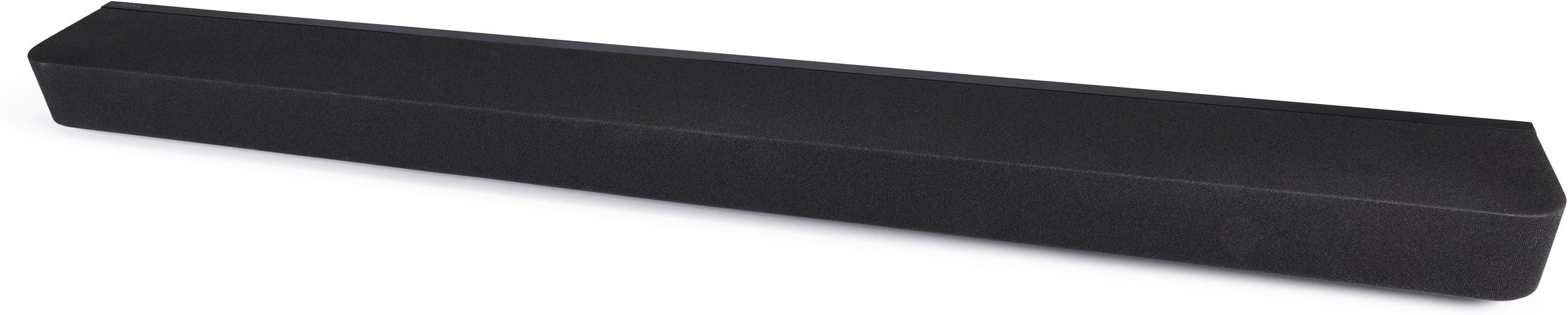
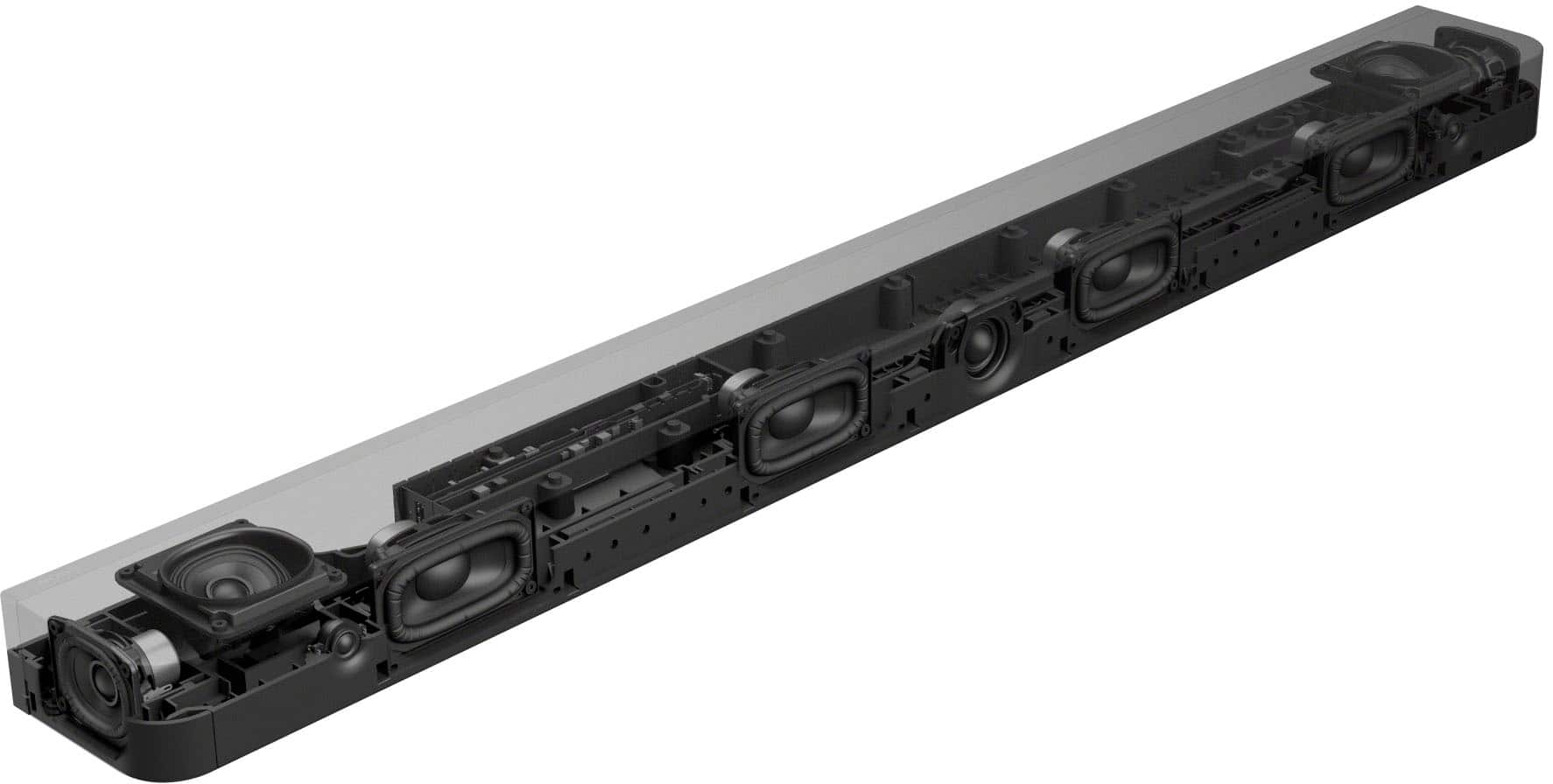
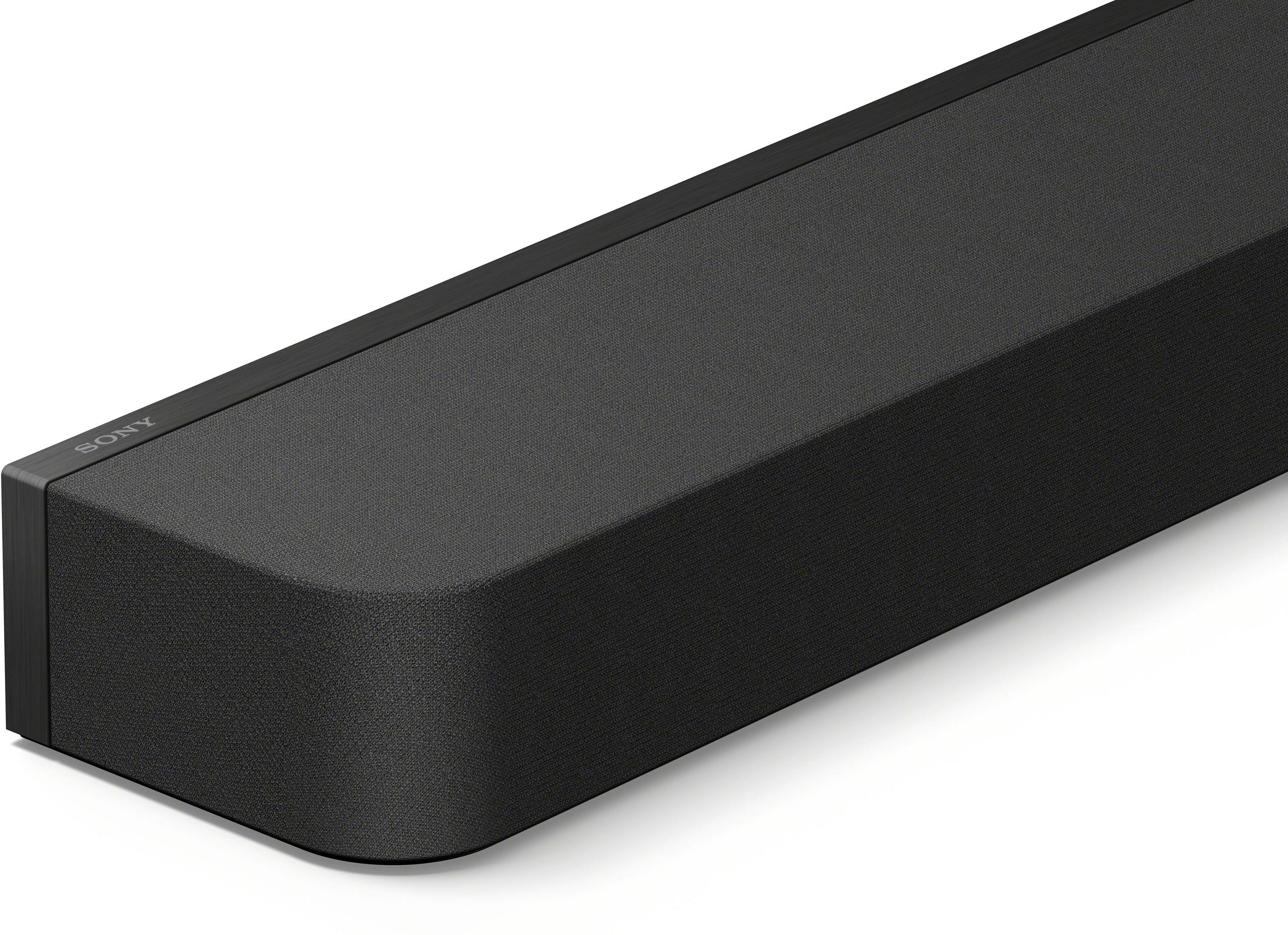
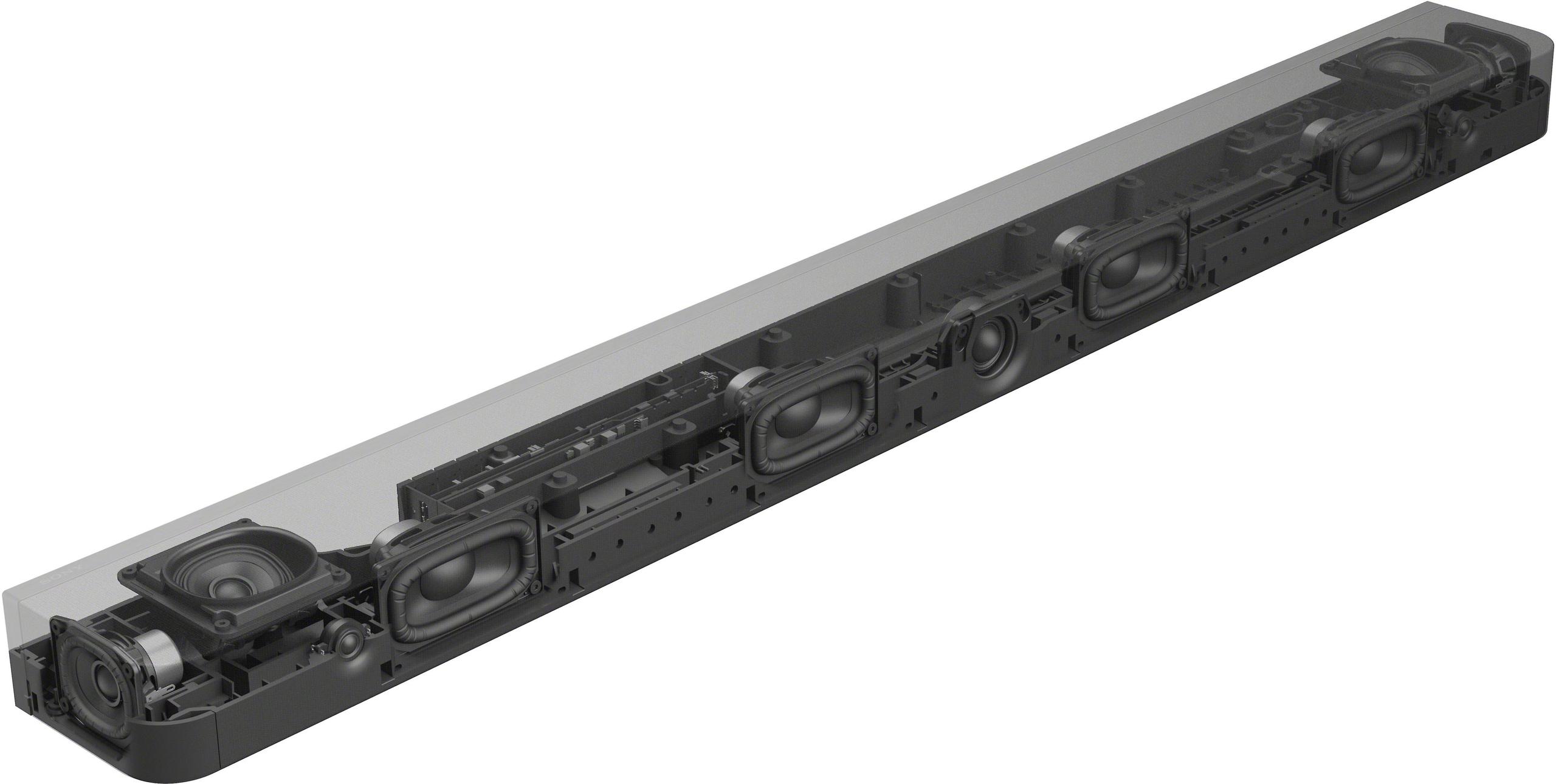
The Sony HT-A8000, released in 2024, takes the "everything in one sleek package" approach. This 5.0.2 channel soundbar packs 11 individual speakers into a single 43-inch unit that sits cleanly under your TV. The ".2" designation refers to dedicated up-firing drivers—speakers that bounce sound off your ceiling to create height effects for Dolby Atmos content.
Sony's standout technology here is called 360 Spatial Sound Mapping. Think of it as the soundbar analyzing your room like a sophisticated audio engineer, figuring out how sound will bounce off your walls and ceiling, then adjusting its output accordingly. The system uses both physical speakers and "phantom" speakers—audio illusions created by precise timing and phase differences—to fill gaps in the surround field.
The Sony HT-A8000 includes side-firing drivers that reflect sound off your side walls, combined with those up-firing drivers for ceiling bounces. Sony's S-Master HX digital amplifier delivers 495 watts across all 11 speakers, with individual amplification for each driver. This level of power distribution was uncommon in single soundbars until recently.
One unique feature is Voice Zoom 3, which uses AI to recognize human dialogue and can amplify or reduce voice levels independently of background audio. This addresses one of the most common complaints about modern movie soundtracks—dialogue that gets buried under sound effects and music.
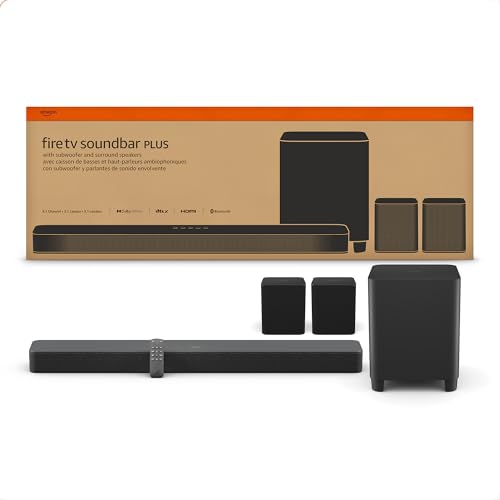
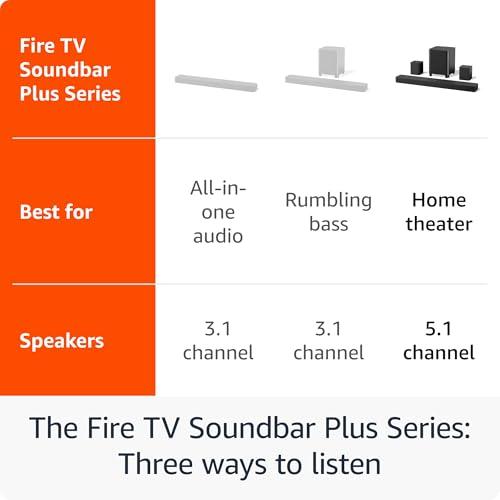
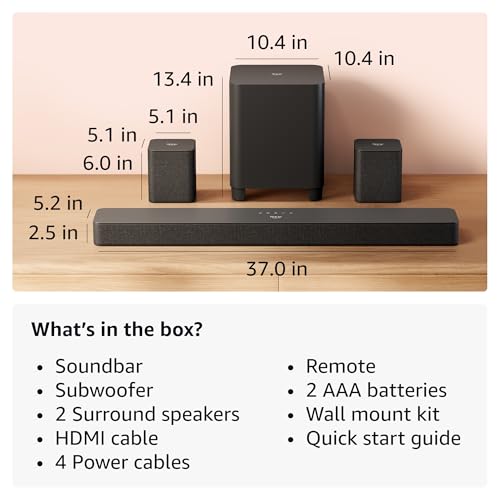
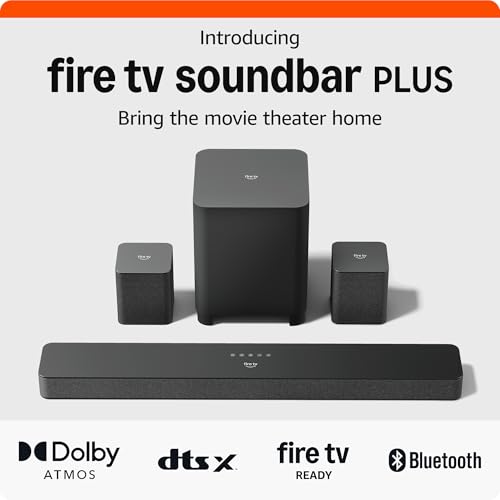
The Amazon Fire TV Soundbar Plus 5.1, released in 2023, takes the more traditional route: a 3.1 channel soundbar paired with a wireless subwoofer and two wireless satellite speakers for true 5.1 surround sound. This means you're dealing with four separate components, but each one has a specific job.
The soundbar itself handles left, right, and center channels with eight total drivers—three full-range speakers, three tweeters, and two woofers. The wireless subwoofer is substantial at over 10 inches, designed to handle all the low-frequency effects that make explosions feel visceral. The satellite speakers provide genuine rear-channel audio, positioned behind your seating area.
What makes this system particularly appealing is that all components come pre-paired right out of the box. You're not dealing with complex wireless setup procedures—just plug everything in and you're ready to go. The system supports lossless audio formats like Dolby TrueHD and DTS-HD Master Audio, which means you're getting the full-quality soundtrack from 4K Blu-rays without compression.
Amazon's integration with Fire TV devices is seamless when connected via HDMI. The soundbar can be controlled through your Fire TV's on-screen menus, eliminating the need to juggle multiple remotes for basic adjustments.
The Sony HT-A8000 creates what audio engineers call a "wide soundstage"—the sense that audio extends well beyond the physical boundaries of the soundbar. Our research into user experiences consistently highlights how effectively the system creates the illusion of sound coming from locations where there are no actual speakers.
The 360 Spatial Sound Mapping technology genuinely works, particularly in medium-sized rooms with decent wall and ceiling surfaces for sound reflection. Users report convincing localization of audio effects—helicopters genuinely seem to move overhead, and ambient sounds feel properly positioned in space.
However, the Amazon Fire TV Soundbar Plus 5.1 has the advantage of physical speaker placement. When those rear satellites are properly positioned, you get authentic surround effects that don't rely on acoustic tricks. Sounds genuinely come from behind you, which is particularly effective for movies with lots of ambient environmental audio.
The trade-off is setup complexity versus authenticity. Sony's approach works better in challenging room layouts where you can't properly position rear speakers, while Amazon's system delivers more convincing surround when you can set it up correctly.
This is where the systems diverge most dramatically. The Amazon Fire TV Soundbar Plus 5.1 includes a dedicated 10.4-inch subwoofer that delivers genuine low-frequency extension. We're talking about bass you feel in your chest during action sequences—the kind that makes movie explosions feel substantial rather than thin.
The Sony HT-A8000 relies entirely on its integrated quad woofers for bass. While Sony has done impressive work maximizing bass output from these smaller drivers, physics ultimately wins. The integrated approach simply cannot move as much air as a dedicated subwoofer.
However, Sony offers optional wireless subwoofers (SA-SW3 and SA-SW5) that automatically pair with the soundbar. This modular approach means you can start with the clean, single-unit setup and add bass extension later. But at the time of writing, these optional subwoofers add significant cost to the overall system.
For bass-heavy content—action movies, hip-hop, electronic music—the Amazon system delivers more immediate satisfaction. The Sony system provides more balanced, refined audio but may leave bass enthusiasts wanting more impact.
Both systems excel at dialogue reproduction, but through different approaches. The Sony HT-A8000's Voice Zoom 3 technology actively analyzes audio content to enhance speech clarity. This AI-driven approach can make dialogue cut through even complex soundtracks without making voices sound unnatural.
The Amazon Fire TV Soundbar Plus 5.1 uses a more traditional approach with a dedicated center channel driver in the main soundbar. This ensures dialogue is anchored to the screen rather than floating between left and right speakers. The system also includes adjustable dialogue enhancement that can be tuned via the remote control.
In our evaluation of user feedback, both systems receive praise for dialogue clarity compared to TV speakers, but the Sony's AI-enhanced approach seems particularly effective for content with challenging audio mixes—older movies with dated sound design or streaming content with inconsistent audio levels.
This is perhaps the most significant technical difference between the systems. The Sony HT-A8000 includes physical up-firing drivers that bounce sound off your ceiling to create height effects. When you hear a helicopter in a movie, those drivers actually project sound upward, letting your ceiling reflect it back down to create the illusion of overhead audio.
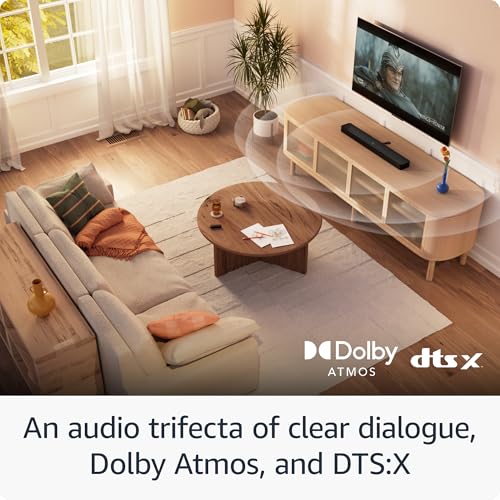
The Amazon Fire TV Soundbar Plus 5.1 handles Dolby Atmos through virtualization—clever digital signal processing that simulates height effects without dedicated upward-firing speakers. The system takes the height information in Dolby Atmos tracks and redistributes it to the existing speakers to create the best possible illusion of overhead sound.
Physical up-firing drivers generally provide more convincing height effects, assuming you have appropriate ceiling height and surface materials. However, virtualized Atmos can still provide impressive results and doesn't depend as heavily on room characteristics.
The Sony approach works best in rooms with 8-10 foot ceilings and hard surfaces that reflect sound well. The Amazon system is more forgiving of different room layouts but provides less dramatic height effects.
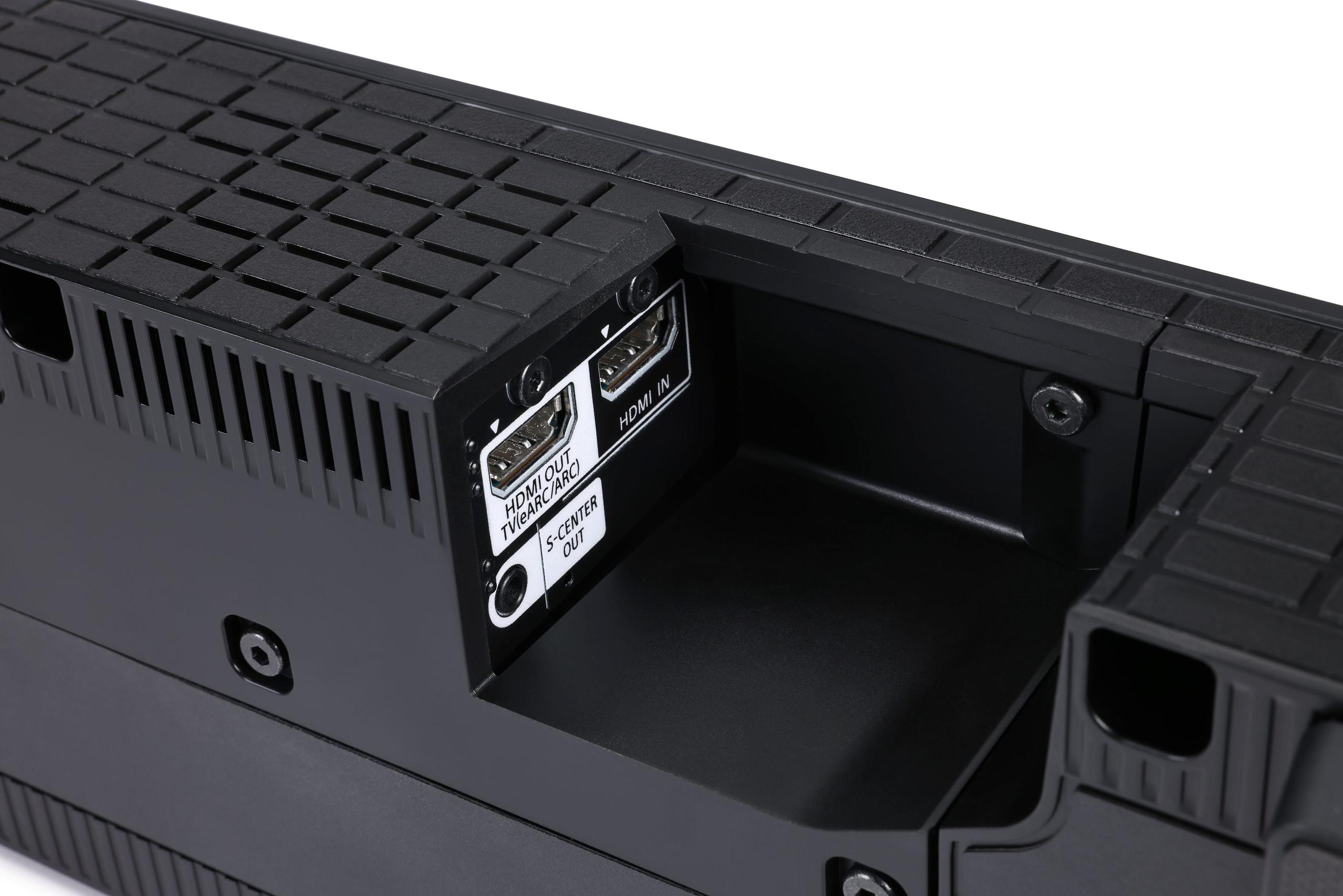
The Sony HT-A8000 clearly targets users with modern gaming consoles and streaming devices. Its HDMI 2.1 support includes 8K/60Hz and 4K/120Hz passthrough, plus gaming-specific features like Variable Refresh Rate (VRR) and Auto Low Latency Mode (ALLM). If you're gaming on a PlayStation 5 or Xbox Series X, these features ensure optimal performance without audio-video sync issues.
Sony also includes comprehensive wireless streaming options: built-in Wi-Fi, Spotify Connect, Apple AirPlay 2, and Bluetooth 5.2. This makes the system versatile for music listening beyond just TV audio enhancement.
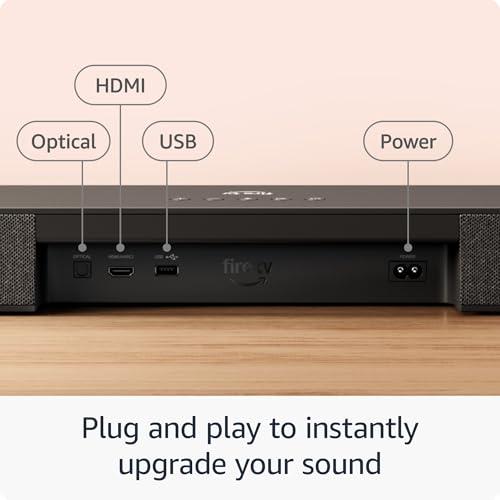
The Amazon Fire TV Soundbar Plus 5.1 takes a more focused approach. HDMI eARC handles high-quality audio from your TV, while optical input provides compatibility with older devices. Bluetooth 5.0 enables wireless music streaming, and the USB-A port supports direct media playback from flash drives.
For Fire TV device owners, the integration is particularly smooth. The soundbar appears in Fire TV audio settings, allowing control through familiar on-screen menus rather than requiring a separate remote for every adjustment.
Room characteristics significantly impact performance for both systems, but in different ways. The Sony HT-A8000's 360 Spatial Sound Mapping technology works best in medium-sized rooms (roughly 200-300 square feet) with reflective surfaces. Very large rooms may not provide sufficient wall boundaries for effective sound mapping, while very small rooms might create overly aggressive reflections.
The single-unit design makes placement straightforward—it simply sits under your TV or mounts to the wall. There are no satellite speakers to position or hide, making it ideal for minimalist setups or rooms where running speaker wire would be challenging.
The Amazon Fire TV Soundbar Plus 5.1 benefits from larger rooms where the satellite speakers can be properly positioned for optimal surround effects. The wireless design eliminates the need for speaker wire, but you still need power outlets near each satellite location and clear line-of-sight to the main unit for reliable wireless connectivity.
In smaller rooms, the rear speakers might be positioned too close to the listening area, creating an overwhelming surround effect. However, the system includes adjustable surround levels to compensate for challenging placement scenarios.
The Sony HT-A8000 operates as a premium audio component with extensive smart features. The system can be controlled via Sony's mobile app, integrates with compatible BRAVIA TVs for enhanced functionality, and supports voice control through connected devices.
One particularly clever feature is Acoustic Center Sync, which allows compatible Sony TVs to act as an additional center channel speaker. This creates the impression that dialogue is coming directly from the screen, even when the soundbar is positioned below the TV.
The Amazon Fire TV Soundbar Plus 5.1 focuses on simplicity rather than extensive smart features. There's no dedicated mobile app, but the Fire TV integration provides most necessary controls through your TV interface. The system includes four EQ presets (Film, Music, Sports, Night) that can be adjusted via the included remote.
The choice between these systems ultimately depends on your priorities and room characteristics. The Sony HT-A8000 appeals to users who value sophisticated audio processing, clean aesthetics, and modern connectivity features. It's particularly compelling if you already use Sony devices or plan to add a subwoofer later for enhanced bass response.
Choose the Sony if you want cutting-edge spatial audio processing, have a medium-sized room with good acoustics, prioritize future-proofing with HDMI 2.1 features, or prefer a single-unit solution that doesn't require multiple component placement.
The Amazon Fire TV Soundbar Plus 5.1 makes sense for users who want immediate, full-range audio improvement with substantial bass impact. The complete system approach means you're getting authentic surround sound and deep bass extension right out of the box.
Choose the Amazon system if you have space for proper satellite placement, want maximum bass impact for action movies and music, prefer traditional surround sound approaches, or use Fire TV devices and value seamless integration.
Both systems represent excellent value in the premium soundbar category, but they achieve that value through different approaches. The Sony emphasizes technological sophistication and future-ready features, while the Amazon focuses on delivering complete surround sound performance immediately. Your room layout, aesthetic preferences, and audio priorities should guide your final decision.
In my experience evaluating audio equipment, the "best" choice often comes down to which system's strengths align with your specific use case rather than which system is objectively superior. Both the Sony HT-A8000 and Amazon Fire TV Soundbar Plus 5.1 will dramatically improve your TV audio experience—they just do it in refreshingly different ways.
| Sony HT-A8000 BRAVIA Theater Bar 8 | Amazon Fire TV Soundbar Plus 5.1 Channel System |
|---|---|
| Channel Configuration - Determines surround sound approach and setup complexity | |
| 5.0.2 channel all-in-one soundbar with 11 integrated speakers | True 5.1 channel system with separate subwoofer and rear speakers |
| Physical Up-firing Drivers - Critical for authentic Dolby Atmos height effects | |
| Yes, dedicated up-firing drivers bounce sound off ceiling | No, height effects are virtualized through processing |
| Subwoofer Included - Essential for deep bass in action movies and music | |
| No subwoofer included (optional SA-SW3/SA-SW5 available separately) | 10.4-inch wireless subwoofer included in system |
| Total Speaker Count - More drivers typically mean better sound separation | |
| 11 speakers in single soundbar unit | 8 drivers in soundbar + subwoofer + 2 satellite speakers |
| Power Output - Higher wattage enables louder, cleaner sound | |
| 495W RMS across 11 channels with S-Master HX amplifier | Power output not specified by manufacturer |
| HDMI Connectivity - Modern features matter for gaming and 8K content | |
| HDMI 2.1 with 8K/60Hz passthrough, eARC, VRR, ALLM | HDMI eARC only, no HDMI input or advanced gaming features |
| Wireless Streaming - Convenience for music playback beyond TV audio | |
| Wi-Fi, Bluetooth 5.2, Spotify Connect, Apple AirPlay 2 | Bluetooth 5.0 only, no built-in streaming services |
| Room Optimization Technology - Helps tailor sound to your specific space | |
| 360 Spatial Sound Mapping analyzes room acoustics automatically | Manual EQ presets (Film, Music, Sports, Night) only |
| Setup Complexity - Important for users who want plug-and-play experience | |
| Single unit placement, wall-mountable, minimal setup | Four components require positioning but all pre-paired |
| Smart TV Integration - Seamless control reduces remote juggling | |
| Works with Sony BRAVIA TVs for enhanced features | Optimized for Fire TV devices with on-screen control |
| Voice Enhancement Technology - Crucial for clear dialogue in movies | |
| Voice Zoom 3 with AI-powered dialogue enhancement | Adjustable dialogue enhancer via remote control |
| Expandability - Future upgrade options without replacing entire system | |
| Compatible with optional Sony wireless subwoofers and rear speakers | Complete system out of box, no official expansion options |
The Sony HT-A8000 works better in small to medium rooms thanks to its 360 Spatial Sound Mapping technology that optimizes audio based on your room's acoustics. The single-unit design also eliminates the challenge of positioning multiple speakers in tight spaces, while the Amazon Fire TV Soundbar Plus 5.1 may feel overwhelming with rear speakers positioned too close to your seating area.
The Amazon Fire TV Soundbar Plus 5.1 comes complete with a wireless subwoofer and rear speakers included. The Sony HT-A8000 is a standalone soundbar that works well on its own but lacks a subwoofer - you can add optional Sony wireless subwoofers later for enhanced bass if needed.
The Amazon Fire TV Soundbar Plus 5.1 delivers significantly better bass out of the box with its included 10.4-inch wireless subwoofer. The Sony HT-A8000 relies on internal drivers for bass, which provides adequate performance but can't match the deep, room-filling impact of a dedicated subwoofer for explosive action sequences.
The Sony HT-A8000 includes physical up-firing drivers that bounce sound off your ceiling for authentic overhead effects. The Amazon Fire TV Soundbar Plus 5.1 uses virtualized Dolby Atmos, creating height effects through digital processing rather than dedicated upward-firing speakers, which is less immersive but still effective.
Both systems are relatively easy to install, but the Sony HT-A8000 wins for simplicity since it's just one unit to place and connect. The Amazon Fire TV Soundbar Plus 5.1 requires positioning four separate components (soundbar, subwoofer, and two rear speakers), though all components come pre-paired wirelessly.
The Sony HT-A8000 offers premium connectivity with HDMI 2.1, 8K passthrough, gaming features like VRR and ALLM, plus Wi-Fi and multiple streaming options. The Amazon Fire TV Soundbar Plus 5.1 provides HDMI eARC, optical input, Bluetooth, and USB playback - sufficient for most users but without advanced gaming features.
The Sony HT-A8000 excels at music with its detailed 11-speaker array, built-in streaming services like Spotify Connect and AirPlay 2, and sophisticated audio processing. While the Amazon Fire TV Soundbar Plus 5.1 sounds good for music, especially with its strong bass response, it's more focused on movie audio and offers limited music streaming options.
The Sony HT-A8000 is specifically designed for modern gaming with HDMI 2.1 support, 4K/120Hz passthrough, Variable Refresh Rate, and Auto Low Latency Mode - perfect for PlayStation 5 and Xbox Series X. The Amazon Fire TV Soundbar Plus 5.1 works fine for gaming but lacks these advanced features.
Both systems excel at dialogue, but through different approaches. The Sony HT-A8000 uses AI-powered Voice Zoom 3 technology that automatically enhances speech clarity, while the Amazon Fire TV Soundbar Plus 5.1 relies on its dedicated center channel and manual dialogue enhancement controls.
The Amazon Fire TV Soundbar Plus 5.1 generally works better in larger spaces thanks to its physical speaker separation and powerful subwoofer that can fill bigger rooms with sound. The Sony HT-A8000 can struggle in very large rooms where its spatial mapping technology has insufficient boundaries to work effectively.
Both systems offer excellent value but in different ways. The Amazon Fire TV Soundbar Plus 5.1 provides immediate complete surround sound with subwoofer included, while the Sony HT-A8000 offers more sophisticated audio technology and premium features in a single elegant unit. Your choice depends on whether you prioritize immediate bass impact or advanced audio processing.
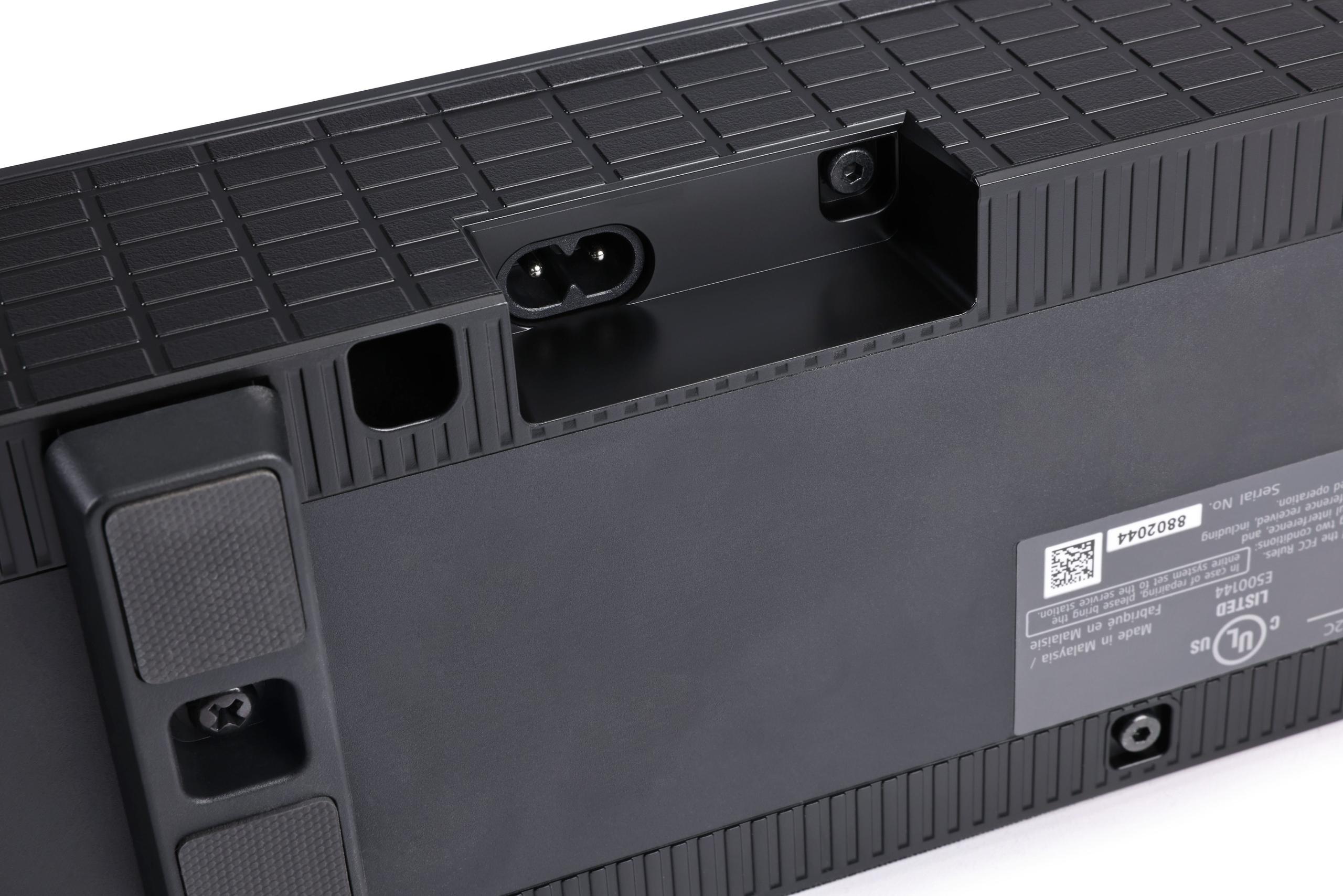
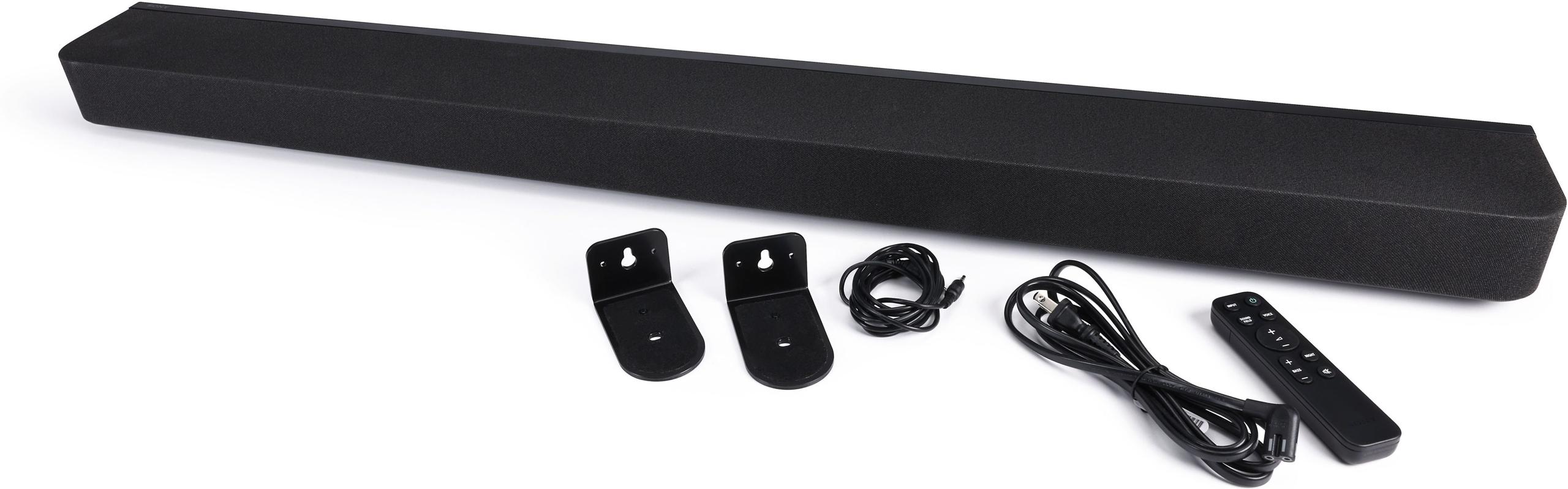
Yes, both the Sony HT-A8000 and Amazon Fire TV Soundbar Plus 5.1 main units can be wall-mounted. The Sony HT-A8000 includes mounting hardware and offers a cleaner installation since it's just one component. The Amazon Fire TV Soundbar Plus 5.1 soundbar can be wall-mounted, but you'll still need to position the wireless subwoofer and rear speakers around your room.
We've done our best to create useful and informative comparisons to help you decide what product to buy. Our research uses advanced automated methods to create this comparison and perfection is not possible - please contact us for corrections or questions. These are the sites we've researched in the creation of this article: consumerreports.org - skybygramophone.com - target.com - rtings.com - bestbuy.com - rubbermonkey.co.nz - shopatsc.com - audioadvice.com - sony.com - sony.com - sony.com - shop.cosmopolitan.com - store.sony.com.my - videoandaudiocenter.com - rtings.com - cordbusters.co.uk - techradar.com - developer.amazon.com - t3.com - hometechnologyreview.com - youtube.com - hometechnologyreview.com - whathifi.com - hometechnologyreview.com - hometechnologyreview.com - youm.design - hometechnologyreview.com - dolby.com

Privacy Policy
Terms and Conditions - Affiliate Policy
Home Security
© Copyright 2008-2026.
11816 Inwood Rd #1211, Dallas, TX 75244