

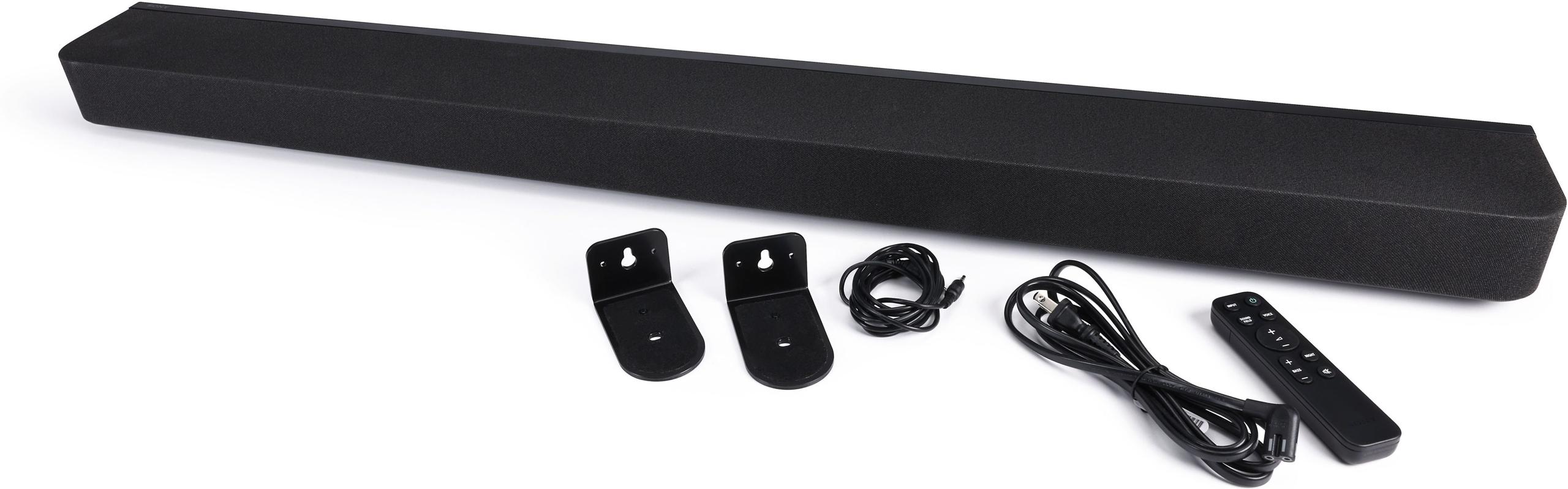


The premium soundbar market has exploded in recent years, and for good reason. These sleek audio solutions promise to transform your TV's thin, lackluster speakers into something approaching a real home theater experience—without the complexity of multiple speakers scattered around your room. But with so many options available, choosing the right one can feel overwhelming.
Today we're diving deep into two compelling options that take dramatically different approaches to premium audio: the Sony HT-A8000 and the Bose Smart Soundbar 1100. Both launched in 2024, representing the latest thinking from their respective manufacturers about what makes a great soundbar. The question is: which philosophy works better for your living room?
Before we jump into the specifics, it's worth understanding what separates premium soundbars from their budget counterparts. These aren't just louder versions of basic TV speakers—they're sophisticated audio systems designed to create the illusion of surround sound using advanced acoustic engineering.
The magic happens through several key technologies. Digital signal processing (DSP) analyzes incoming audio and applies complex algorithms to enhance and spatialize the sound. Multiple driver arrays (the individual speakers inside the bar) work together to create different audio channels. Psychoacoustic processing tricks your brain into perceiving sounds coming from locations where there aren't actually any speakers.
The most important considerations when evaluating premium soundbars include audio performance across different content types, support for modern formats like Dolby Atmos (which adds height information to create overhead sound effects), connectivity options, and how well they integrate with your existing setup.
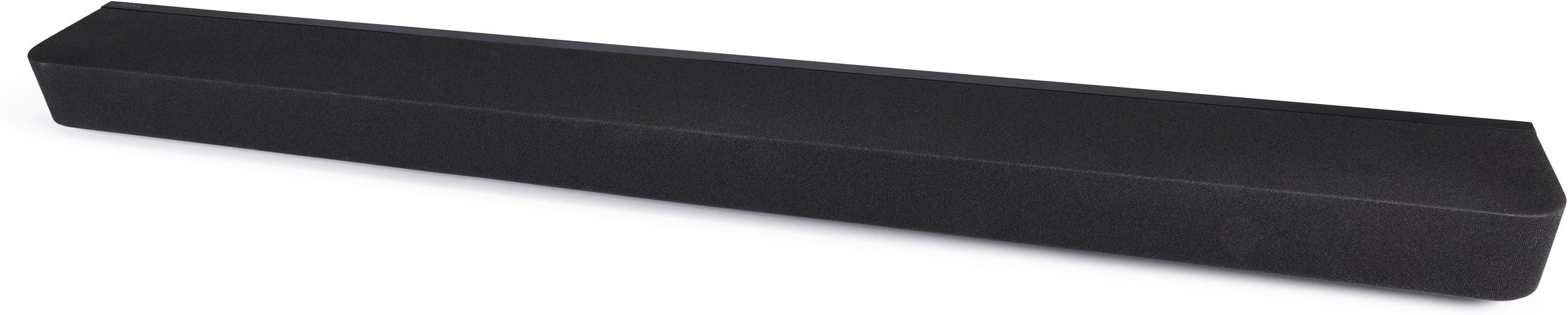
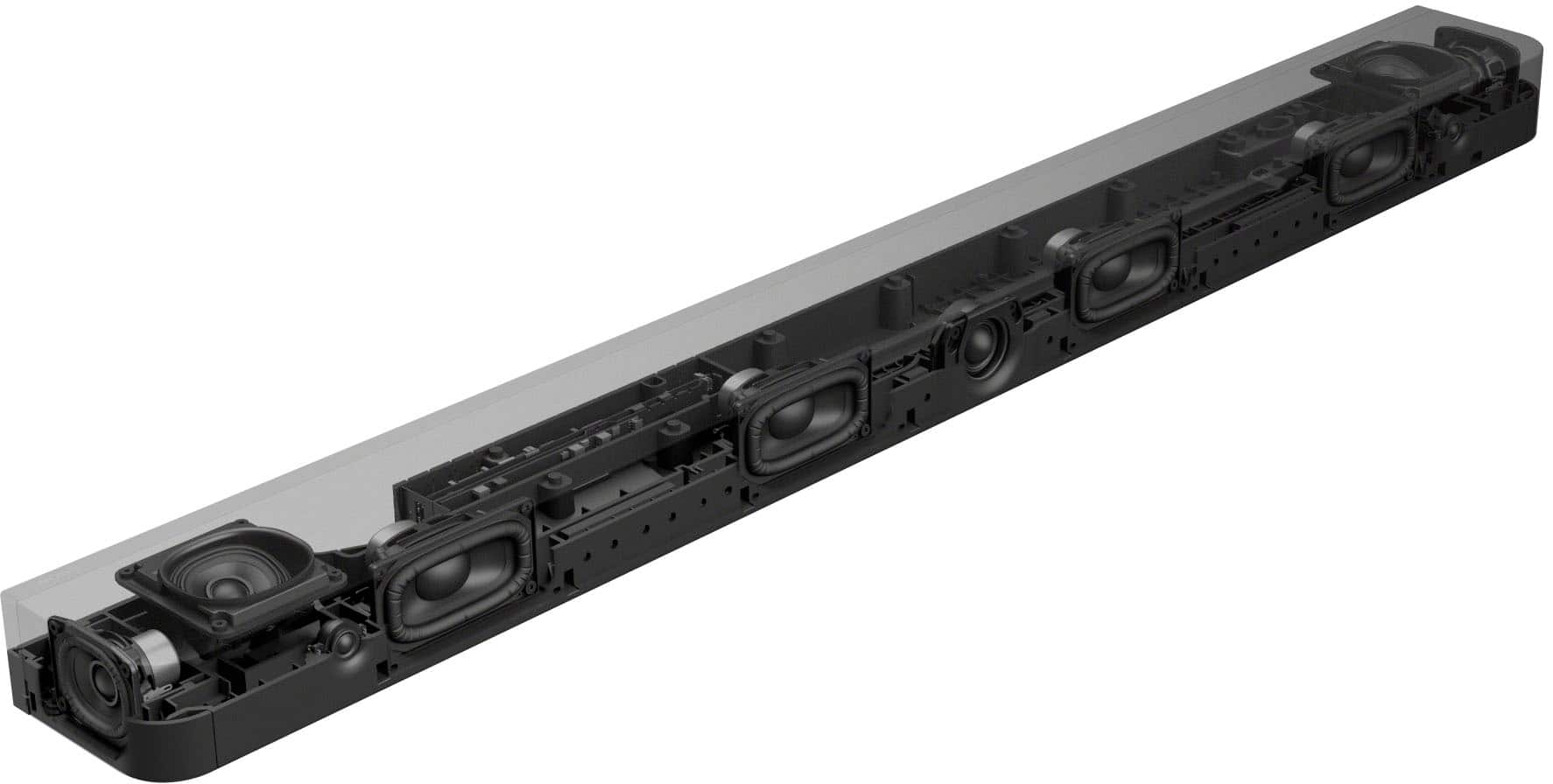
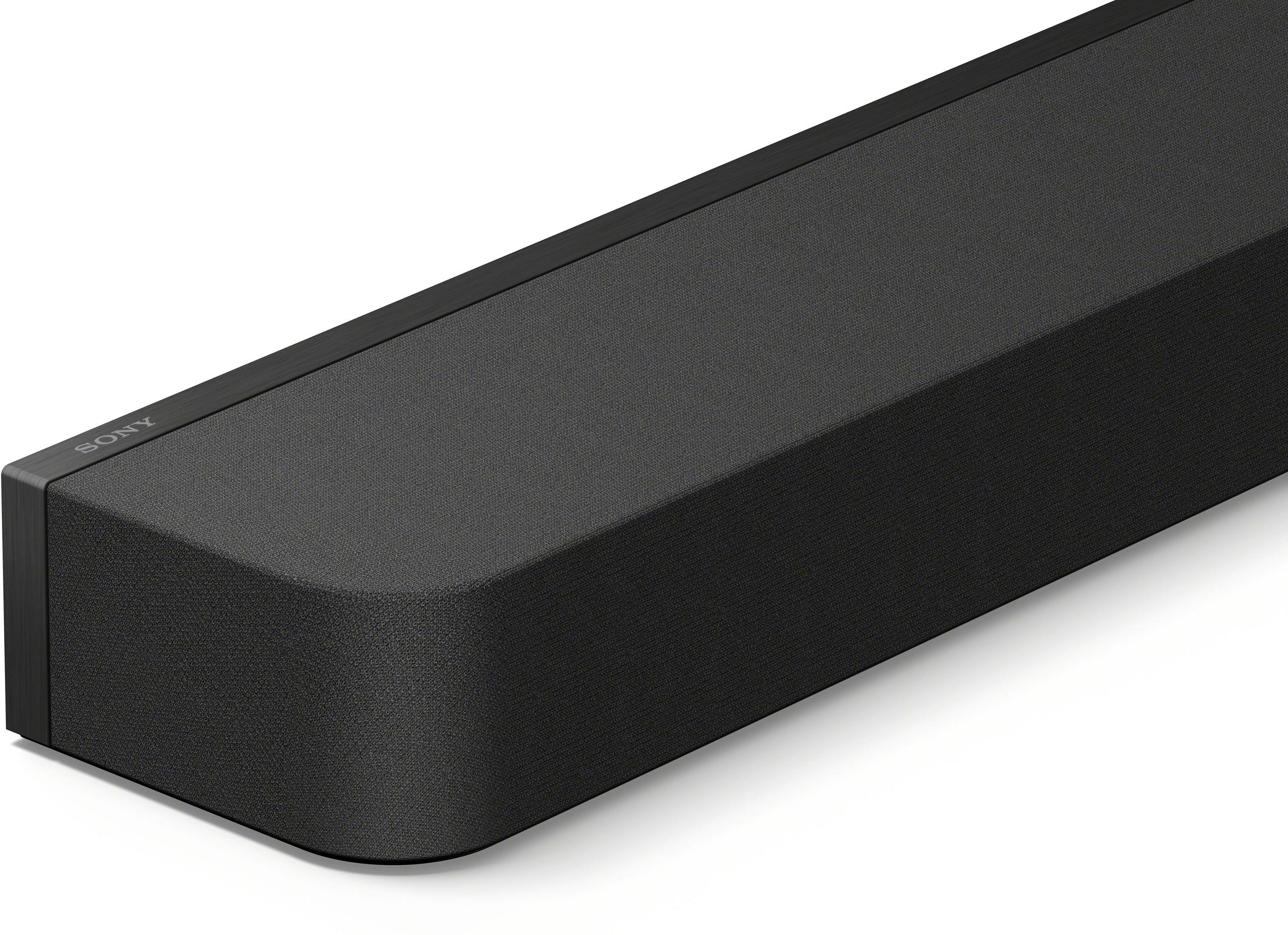
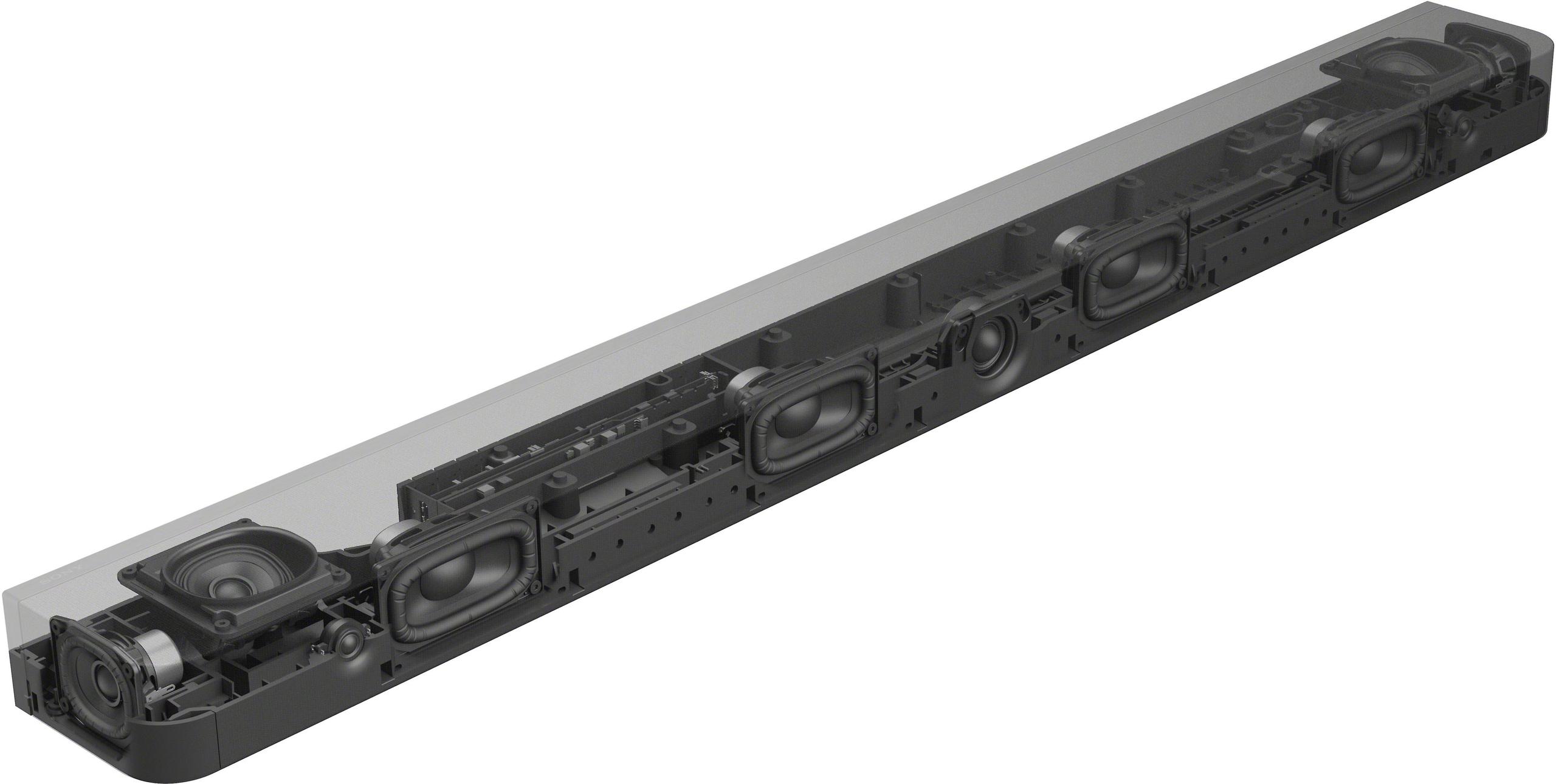
The Sony HT-A8000 represents the "more is more" approach. Sony packed 11 individual speakers into this soundbar, using what they call 360 Spatial Sound Mapping to bounce audio around your room and create phantom speakers—sound sources your brain perceives as coming from locations where there aren't actual drivers.
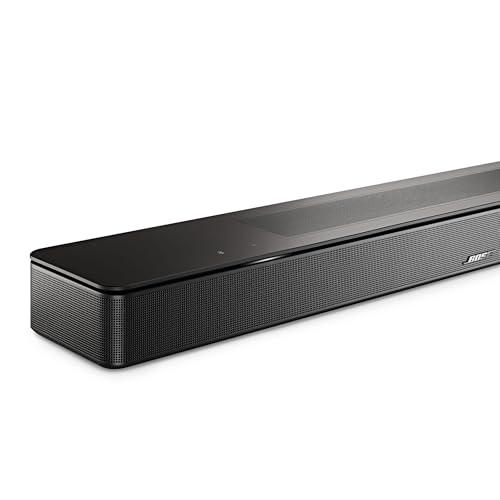
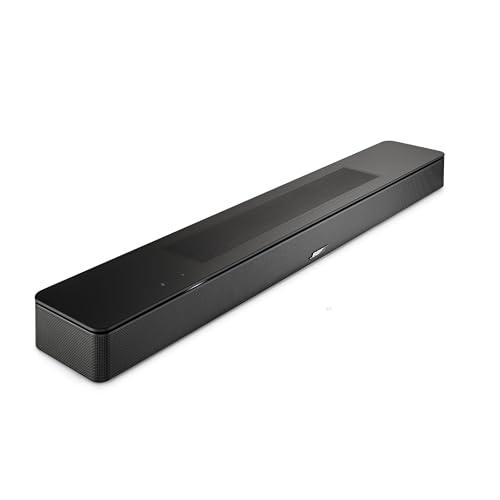
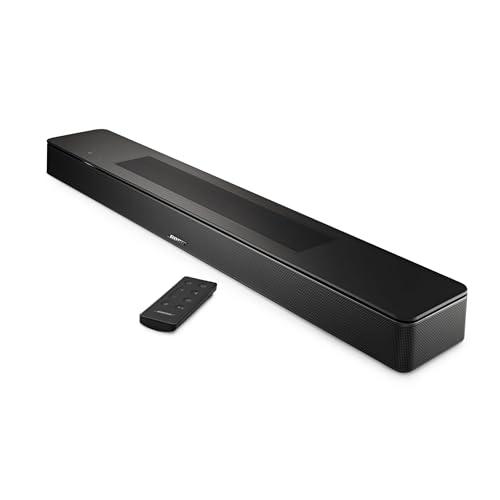
The Bose Smart Soundbar 1100, meanwhile, embodies Bose's traditional "less is more" philosophy. With just five speakers, it focuses on extracting maximum performance from each driver while leveraging advanced processing to create spatial effects. Bose has always believed that smart engineering can accomplish more than simply adding more hardware.
Both approaches have merit, but they excel in different scenarios and room types.
The Sony HT-A8000's 11-speaker array creates an impressively wide soundstage that fills larger rooms effectively. Its 360 Spatial Sound Mapping technology uses side-firing drivers to bounce sound off your walls, creating the illusion of speakers placed throughout the room. In our research of user experiences, this system consistently impresses people with how it makes a single soundbar sound like a multi-speaker setup.
The quad woofers (four bass drivers) use a unique rectangular design that maximizes the diaphragm area—the part of the speaker that moves air to create sound. This larger surface area means more bass output without requiring the drivers to move as far, reducing distortion. The result is what Sony describes as "deep, punchy bass" that doesn't muddy the midrange frequencies where dialogue lives.
The Bose Smart Soundbar 1100 takes a more surgical approach. Its five speakers are precisely engineered to work together, with Bose's PhaseGuide technology directing beams of sound to create spatial effects. Instead of physically bouncing sound off walls like Sony, Bose uses psychoacoustic processing to make your brain perceive a wider soundstage than the physical dimensions of the bar would suggest.
Professional reviewers consistently praise the Bose for its clarity and precision, particularly noting how it maintains dynamic range—the difference between quiet and loud sounds—even at higher volumes. This matters because many soundbars compress dynamics to avoid distortion, making movies sound flat and lifeless.
The verdict: For larger rooms where you want that "surrounded by sound" feeling, the Sony HT-A8000 delivers more convincing room-filling audio. But in smaller to medium spaces, the Bose Smart Soundbar 1100's precision and clarity often provide a more refined listening experience.
Bass is where these two systems show their most significant differences. The Sony HT-A8000's four dedicated woofers give it a substantial advantage in low-frequency output. Those rectangular drivers we mentioned earlier don't just look different—they perform differently too. By maximizing surface area, Sony can move more air with less excursion (how far the driver moves back and forth), resulting in tighter, more controlled bass.
User feedback consistently indicates the Sony provides satisfying bass for most content without requiring an additional subwoofer, though action movie enthusiasts and bass-heavy music listeners might still want to add Sony's optional wireless subwoofer for the deepest frequencies.
The Bose Smart Soundbar 1100 uses QuietPort technology—specially designed ports that reduce the turbulence that typically causes bass distortion in compact speakers. While this enables impressive bass output for such a slim design, multiple reviews note that it lacks the deep low-end extension needed for truly impactful action sequences. Bose clearly designed this system expecting most users to eventually add their optional Bass Module.
The verdict: The Sony HT-A8000 provides more complete bass performance out of the box, making it better for users who want a single-purchase solution. The Bose Smart Soundbar 1100 requires a subwoofer investment for optimal bass performance.
Dolby Atmos represents one of the most significant advances in home audio in recent years. Unlike traditional surround sound that moves audio left, right, front, and back, Atmos adds height information, allowing sounds to move overhead and around you in three-dimensional space. Both soundbars support Atmos, but their implementations differ significantly.
The Sony HT-A8000 uses a 5.0.2 configuration—five main channels plus two height channels created by dedicated up-firing drivers that bounce sound off your ceiling. Combined with Sony's spatial mapping technology, this creates a convincing sense of overhead effects in properly configured rooms with standard ceiling heights.
The Bose Smart Soundbar 1100 employs a 3.0.2 setup with two up-firing drivers handling height effects. For content that isn't encoded in Atmos, Bose's TrueSpace technology analyzes stereo and traditional surround tracks, adding spatial dimension through processing rather than additional speakers.
Both systems work best with relatively flat ceilings between 8-12 feet high. Vaulted or textured ceilings can interfere with the sound reflections needed for convincing height effects.
The verdict: The Sony HT-A8000 provides more comprehensive Atmos implementation with better height separation, while the Bose Smart Soundbar 1100 does an admirable job with fewer resources and offers excellent upmixing of non-Atmos content.
Despite all the talk of spatial effects and booming bass, dialogue clarity remains the most crucial performance metric for most users. If you can't understand what characters are saying, all the surround sound in the world won't save your viewing experience.
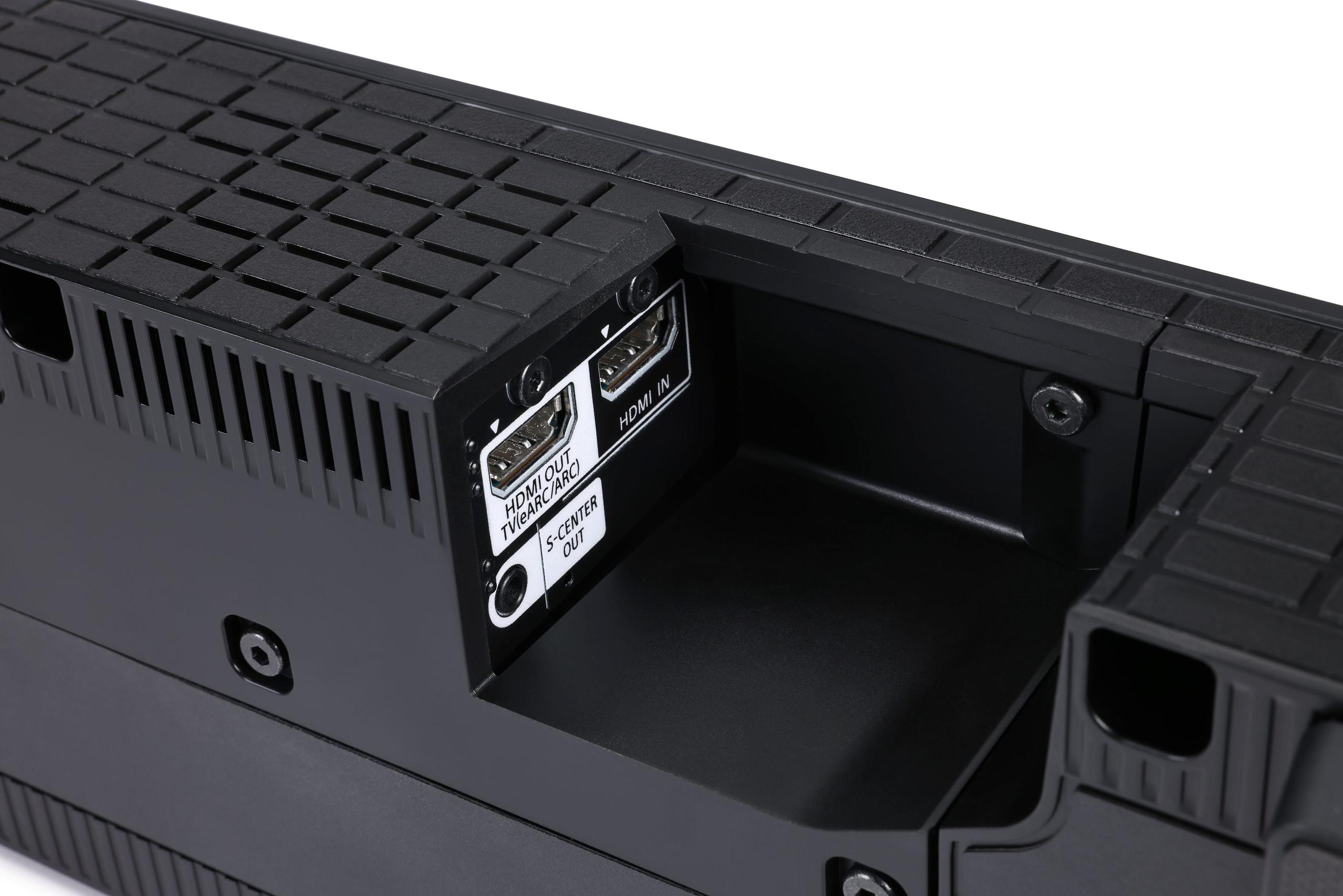
Both systems address this challenge with AI-enhanced processing. The Sony HT-A8000 uses Voice Zoom 3, which recognizes human speech patterns and automatically adjusts the tonal balance to make dialogue more prominent without completely sacrificing the dynamic range of the soundtrack. When paired with compatible Sony BRAVIA TVs, it can even use the TV's speakers as a dedicated center channel, ensuring voices appear to come directly from the screen.
The Bose Smart Soundbar 1100 features A.I. Dialogue Mode, which continuously analyzes the audio stream and adjusts frequency response in real-time to enhance vocal clarity. Reviews consistently highlight Bose's implementation as particularly effective, with several noting that dialogue remains clear even during complex action sequences with lots of competing sound elements.
The verdict: Both excel at dialogue enhancement, but Bose's implementation feels more transparent and natural in our evaluation of user feedback.
The smart features divide represents one of the clearest distinctions between these systems. The Sony HT-A8000 focuses primarily on audio performance, offering wireless streaming via Spotify Connect, Apple AirPlay 2, and Bluetooth, but lacking built-in voice assistants.
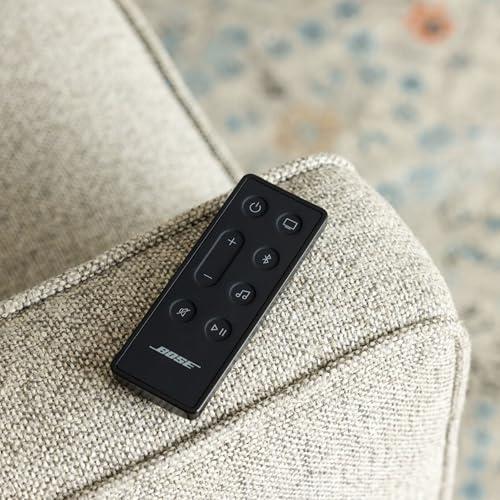
The Bose Smart Soundbar 1100 includes Amazon Alexa built into the soundbar itself, complete with a noise-rejecting microphone array that works even when audio is playing. The Voice4Video feature extends Alexa's capabilities to control your TV and cable box, meaning you can adjust volume, change channels, or switch inputs using voice commands.
For smart home enthusiasts, Bose also offers compatibility with Google Assistant (when connected to compatible devices) and integrates with other Bose Smart speakers for whole-home audio systems.
The verdict: If smart home integration matters to you, the Bose Smart Soundbar 1100 is the clear winner. The Sony HT-A8000 focuses purely on audio performance.
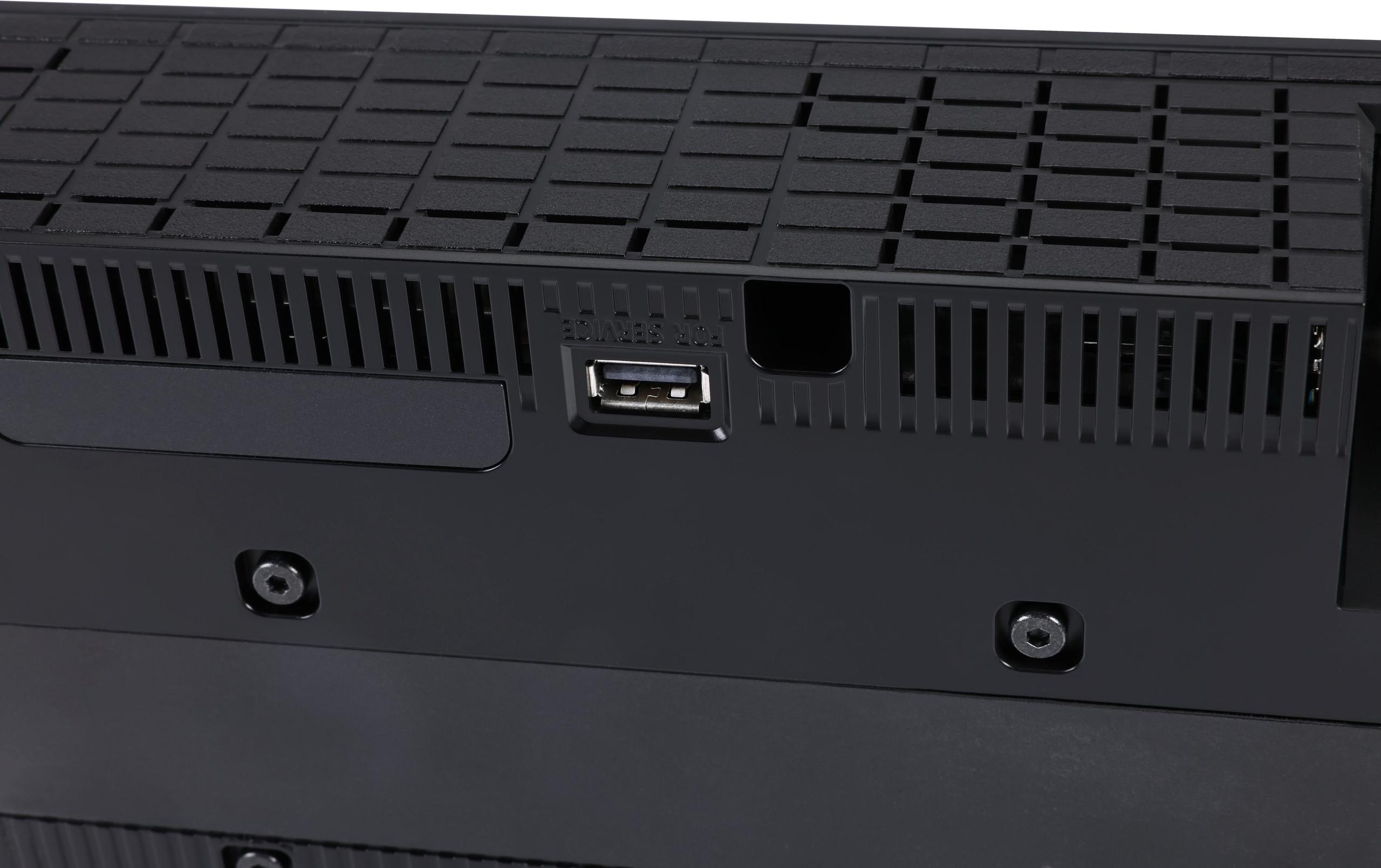
The Sony HT-A8000 supports HDMI 2.1 with eARC (enhanced Audio Return Channel), enabling it to pass through 8K video signals while processing audio. For gamers, this means support for 4K120Hz, Variable Refresh Rate (VRR), and Auto Low Latency Mode (ALLM)—features that ensure smooth gaming performance without audio delays.
The Bose Smart Soundbar 1100 provides HDMI eARC connectivity but lacks HDMI input ports, limiting its use as a central hub for multiple devices. It also doesn't support gaming-specific features, making it less ideal for serious gamers.
The verdict: Gamers and users with multiple HDMI devices will prefer the Sony HT-A8000's more comprehensive connectivity options.
Audio format compatibility can significantly impact your experience with different content sources. The Sony HT-A8000 supports virtually every modern audio format, including Dolby Atmos, DTS:X, and IMAX Enhanced. This broad compatibility ensures optimal performance whether you're streaming from Netflix, playing Blu-ray discs, or gaming.
The Bose Smart Soundbar 1100 supports Dolby Atmos and related formats but notably lacks DTS and DTS:X support. While most streaming services use Dolby formats, many Blu-ray discs still use DTS encoding, which could limit the system's effectiveness with physical media.
This limitation reflects Bose's focus on streaming-first users, but it's worth considering if you have a substantial Blu-ray collection or frequently rent/purchase movies on disc.
Both systems support optional expansion components, but their approaches differ. The Sony HT-A8000 can be enhanced with Sony's wireless subwoofers (SA-SW3 or SA-SW5) and rear speakers (SA-RS3R or SA-RS5) that automatically pair when powered on. The integration is seamless, and the components work together to create a more complete surround sound experience.
The Bose Smart Soundbar 1100 supports Bose's Bass Modules and Surround Speakers, but also offers unique features like Personal Surround Sound through Bose Ultra Open Earbuds. This allows for private listening that maintains spatial effects—useful for late-night viewing without disturbing others.
Bose systems also integrate with other Bose Smart speakers for multi-room audio, enabling synchronized music playback throughout your home.
At the time of writing, both systems represent significant investments in your home audio setup, though they target slightly different price points and user needs. The decision between them ultimately comes down to your priorities and room characteristics.
Choose the Sony HT-A8000 if you:
Want maximum built-in performance from a single purchase. The 11-speaker array and comprehensive bass response make this an excellent choice for users who prefer to buy once and be done. It's particularly well-suited for larger rooms where the spatial mapping technology can truly shine.
Gaming enthusiasts will appreciate the comprehensive HDMI 2.1 support, and movie lovers benefit from the broad format compatibility. If you own or plan to purchase a Sony BRAVIA TV, the enhanced integration features provide additional value.
Choose the Bose Smart Soundbar 1100 if you:
Prioritize dialogue clarity and refined audio quality over raw output. This system excels in smaller to medium rooms where its precision engineering and smart features provide the most benefit.
Smart home enthusiasts will love the built-in Alexa integration and Voice4Video capabilities. If you're planning to build a Bose ecosystem with multiple speakers throughout your home, this soundbar serves as an excellent foundation.
Users who prefer to start with a basic setup and expand gradually will appreciate Bose's modular approach and excellent upgrade path.
These represent two excellent but philosophically different approaches to premium soundbar design. The Sony HT-A8000 delivers impressive room-filling performance out of the box, making it ideal for users who want a comprehensive single-purchase solution. Its broad format support and gaming features provide excellent future-proofing.
The Bose Smart Soundbar 1100 offers superior smart features and dialogue clarity, excelling in situations where precision matters more than raw output. Its expandability options and ecosystem integration make it perfect for users who prefer to build their systems gradually.
Neither choice is wrong—they simply excel in different scenarios and for different user priorities. Consider your room size, content preferences, and smart home needs when making your decision. Both represent solid investments in better home audio, just with different strengths and ideal use cases.
| Sony HT-A8000 BRAVIA Theater Bar 8 | Bose Smart Soundbar 1100 |
|---|---|
| Speaker Configuration - More speakers typically mean better room-filling sound | |
| 11 speakers (5.0.2 channels with dedicated up-firing drivers) | 5 speakers (3.0.2 channels with up-firing drivers) |
| Built-in Bass Performance - Determines if you need a separate subwoofer | |
| Quad woofers with rectangular drivers for enhanced bass | Compact drivers with QuietPort technology, subwoofer recommended |
| Dolby Atmos Implementation - Creates overhead sound effects | |
| True Atmos with dedicated up-firing speakers + 360 Spatial Sound Mapping | True Atmos with up-firing drivers + TrueSpace upmixing for non-Atmos content |
| Audio Format Support - Compatibility with different media sources | |
| Dolby Atmos, DTS:X, IMAX Enhanced (comprehensive support) | Dolby Atmos, Dolby Digital variants (no DTS/DTS:X support) |
| Voice Assistant Integration - Smart home control capabilities | |
| None built-in (requires external devices) | Amazon Alexa built-in with Voice4Video TV control |
| HDMI Connectivity - Gaming and device connection options | |
| HDMI 2.1 with eARC, supports 4K120Hz/VRR/ALLM gaming features | HDMI eARC only, no HDMI inputs, no gaming-specific features |
| Dimensions and Design - How it fits under your TV | |
| 43.3" W x 2.6" H x 4.5" D, 10.4 lbs (larger footprint) | 27.4" W x 2.2" H x 4.6" D, 6.9 lbs (compact design) |
| Dialogue Enhancement - AI-powered voice clarity | |
| Voice Zoom 3 with AI voice recognition | A.I. Dialogue Mode with automatic tonal adjustment |
| Expansion Options - Adding subwoofers and rear speakers | |
| Sony wireless subwoofers and rear speakers with auto-pairing | Bose Bass Modules and Surround Speakers, plus Personal Surround via earbuds |
| Streaming and Wireless - Music and content streaming options | |
| Spotify Connect, AirPlay 2, Bluetooth 5.2 | Spotify Connect, AirPlay 2, Chromecast, Bluetooth 5.0, multiroom audio |
| Room Size Optimization - Best performance scenario | |
| Larger rooms where spatial mapping can utilize wall reflections | Small to medium rooms where precision engineering excels |
| TV Integration - Enhanced features with specific TV brands | |
| Deep integration with Sony BRAVIA TVs including center channel mode | Universal compatibility, no brand-specific enhancements |
The Sony HT-A8000 is better suited for large rooms due to its 11-speaker array and 360 Spatial Sound Mapping technology. This system uses side-firing drivers to bounce sound off walls, creating a more immersive experience in bigger spaces. The Bose Smart Soundbar 1100 works best in small to medium rooms where its precision engineering can shine.
The Sony HT-A8000 includes quad woofers that provide satisfying bass for most users without requiring an additional subwoofer. The Bose Smart Soundbar 1100 produces decent bass for its size but will benefit significantly from adding Bose's optional Bass Module for deeper low-end response, especially for action movies.
The Bose Smart Soundbar 1100 offers superior smart features with built-in Amazon Alexa and Voice4Video technology that can control your TV and cable box through voice commands. The Sony HT-A8000 lacks built-in voice assistants and focuses primarily on audio performance rather than smart home integration.
The Sony HT-A8000 is much better for gaming, supporting HDMI 2.1 with features like 4K120Hz, Variable Refresh Rate (VRR), and Auto Low Latency Mode (ALLM). The Bose Smart Soundbar 1100 only offers basic HDMI eARC connectivity without gaming-specific features or HDMI input ports.
Both soundbars excel at dialogue enhancement, but through different approaches. The Sony HT-A8000 uses Voice Zoom 3 with AI voice recognition, while the Bose Smart Soundbar 1100 features A.I. Dialogue Mode with automatic tonal adjustment. User reviews consistently praise both systems for clear, intelligible speech.
The Sony HT-A8000 supports comprehensive audio formats including Dolby Atmos, DTS:X, and IMAX Enhanced, ensuring compatibility with virtually all content sources. The Bose Smart Soundbar 1100 supports Dolby formats but lacks DTS and DTS:X support, which may limit compatibility with some Blu-ray discs.
The Bose Smart Soundbar 1100 generally offers easier setup through the Bose Music app, with guided installation and automatic optimization features. The Sony HT-A8000 setup is straightforward but may require more manual adjustment, especially when optimizing the spatial sound features for your specific room.
The Sony HT-A8000 provides more comprehensive Dolby Atmos with its 5.0.2 configuration and dedicated up-firing speakers combined with spatial mapping technology. The Bose Smart Soundbar 1100 offers a 3.0.2 Atmos setup with excellent upmixing of non-Atmos content through TrueSpace technology.
Both soundbars support popular streaming options, but the Bose Smart Soundbar 1100 offers more comprehensive streaming with Spotify Connect, AirPlay 2, Chromecast, and multiroom audio capabilities. The Sony HT-A8000 supports Spotify Connect, AirPlay 2, and Bluetooth but lacks Chromecast and multiroom features.
Yes, both systems support expansion. The Sony HT-A8000 can add wireless subwoofers and rear speakers that automatically pair when powered on. The Bose Smart Soundbar 1100 supports Bose Bass Modules and Surround Speakers, plus unique Personal Surround Sound through compatible Bose earbuds for private listening.
For music, the Bose Smart Soundbar 1100 typically provides more refined audio quality with precise imaging and balanced frequency response. The Sony HT-A8000 offers impressive room-filling sound that works well for music in larger spaces, but Bose's traditional strength in music reproduction gives it an edge for critical listening.
The Sony HT-A8000 is significantly larger at 43.3 inches wide, designed to match larger TVs and house its 11-speaker array. The Bose Smart Soundbar 1100 is more compact at 27.4 inches wide and lighter at 6.9 pounds, making it suitable for smaller TVs and easier wall mounting.
We've done our best to create useful and informative comparisons to help you decide what product to buy. Our research uses advanced automated methods to create this comparison and perfection is not possible - please contact us for corrections or questions. These are the sites we've researched in the creation of this article: consumerreports.org - skybygramophone.com - target.com - rtings.com - bestbuy.com - rubbermonkey.co.nz - shopatsc.com - audioadvice.com - sony.com - sony.com - sony.com - shop.cosmopolitan.com - store.sony.com.my - videoandaudiocenter.com - bestbuy.com - rtings.com - rtings.com - youtube.com - staples.com - youtube.com - soundguys.com - businessinsider.com - youtube.com - rtings.com - crutchfield.com - youtube.com - youtube.com - smart.dhgate.com - dolby.com - bose.com - assets.bose.com - bose.com - connection.com - bestbuy.com - cdw.com - dell.com - device.report

Privacy Policy
Terms and Conditions - Affiliate Policy
Home Security
© Copyright 2008-2026.
11816 Inwood Rd #1211, Dallas, TX 75244