

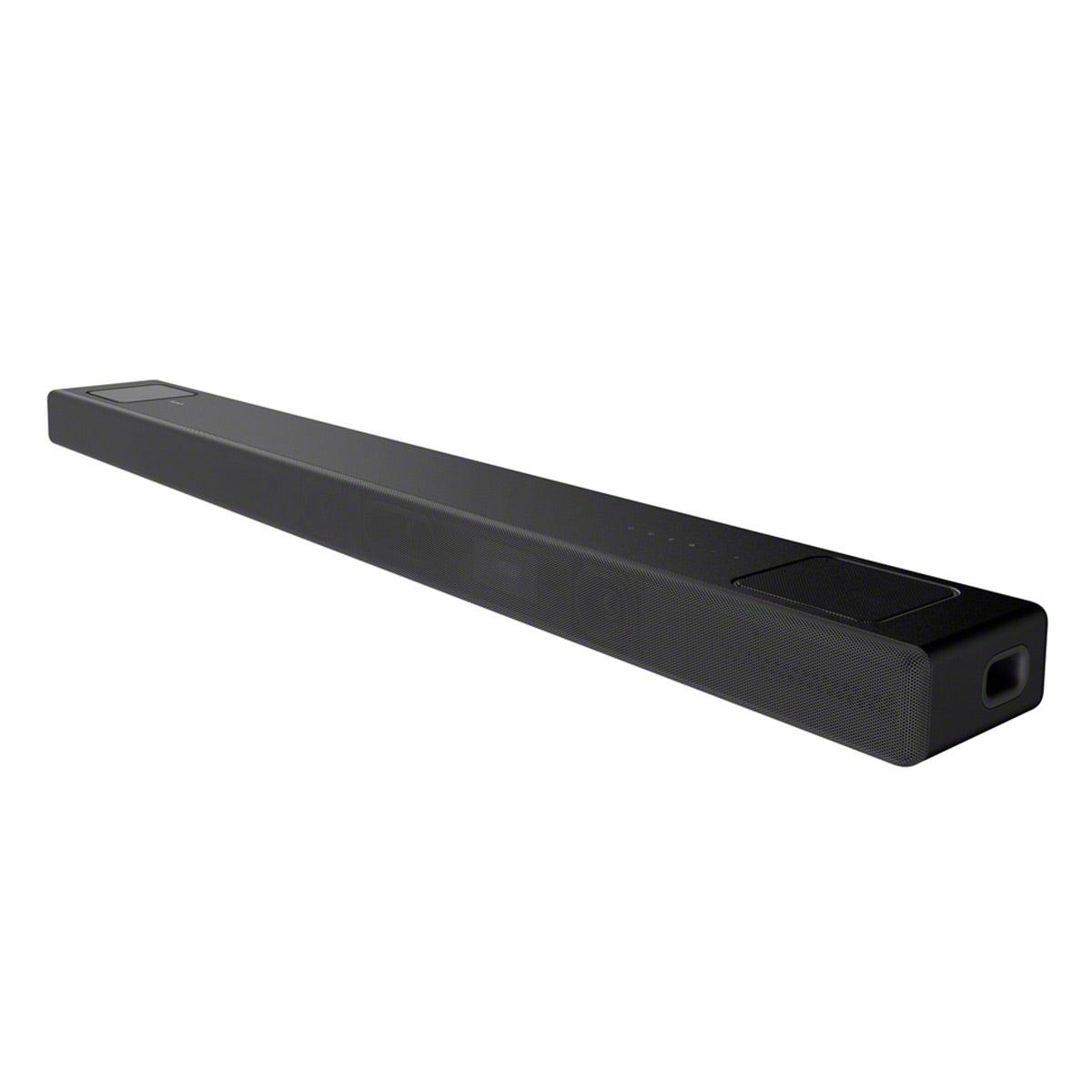
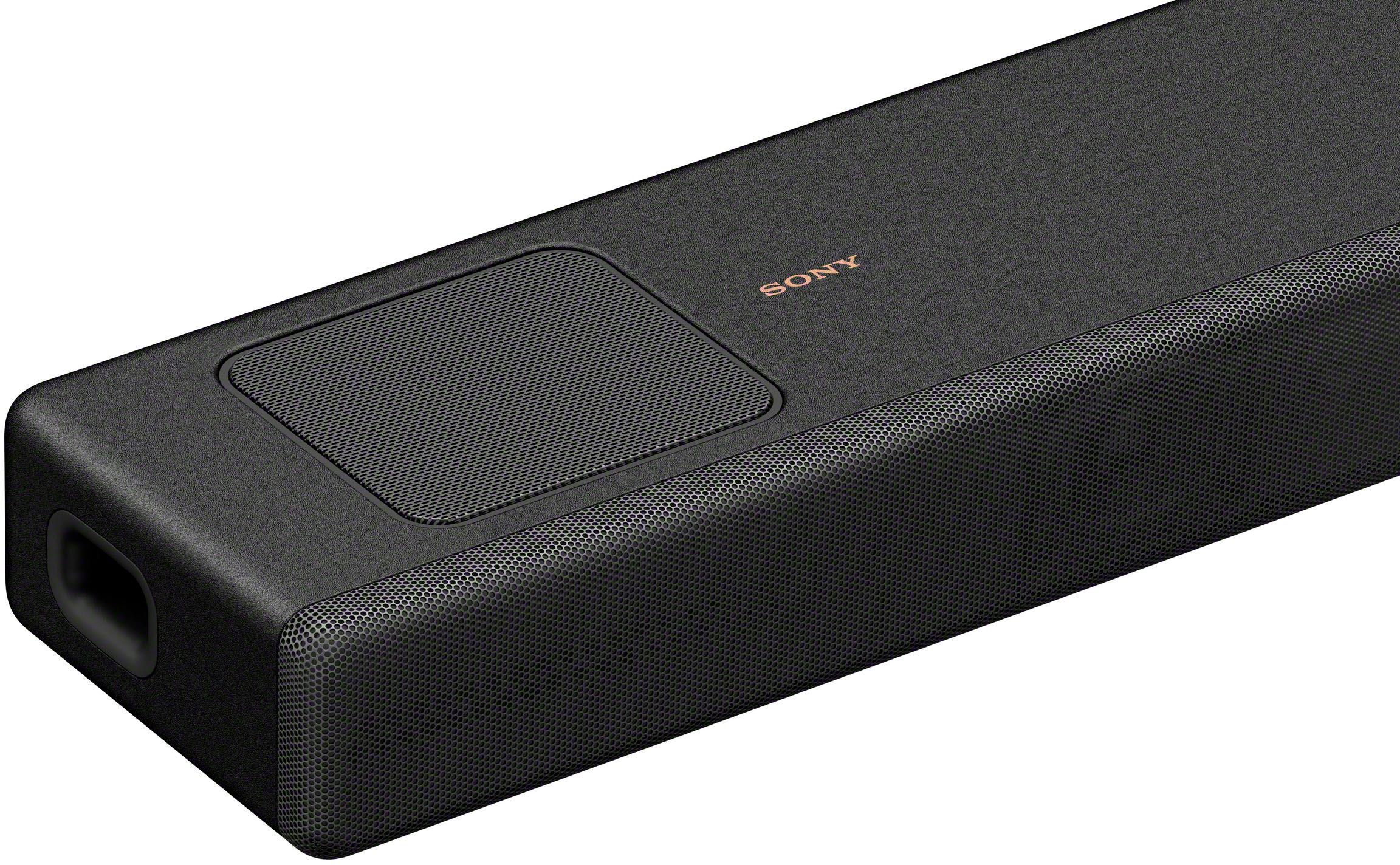

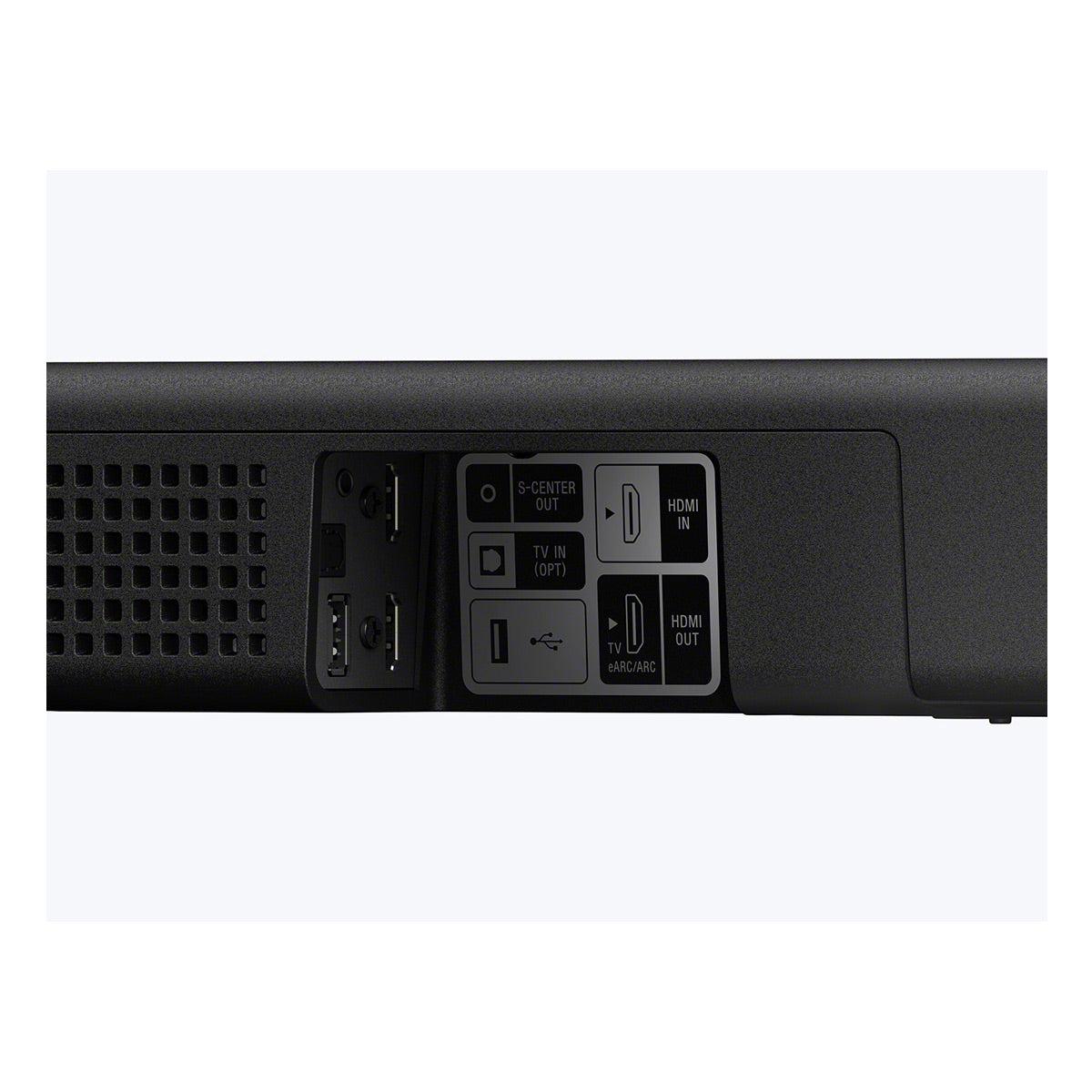
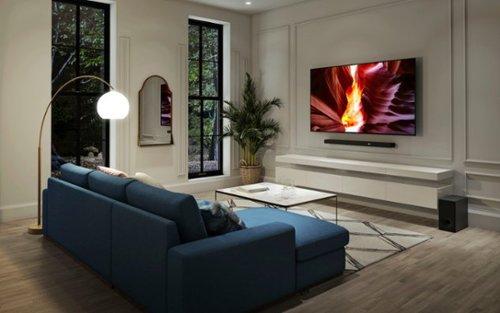
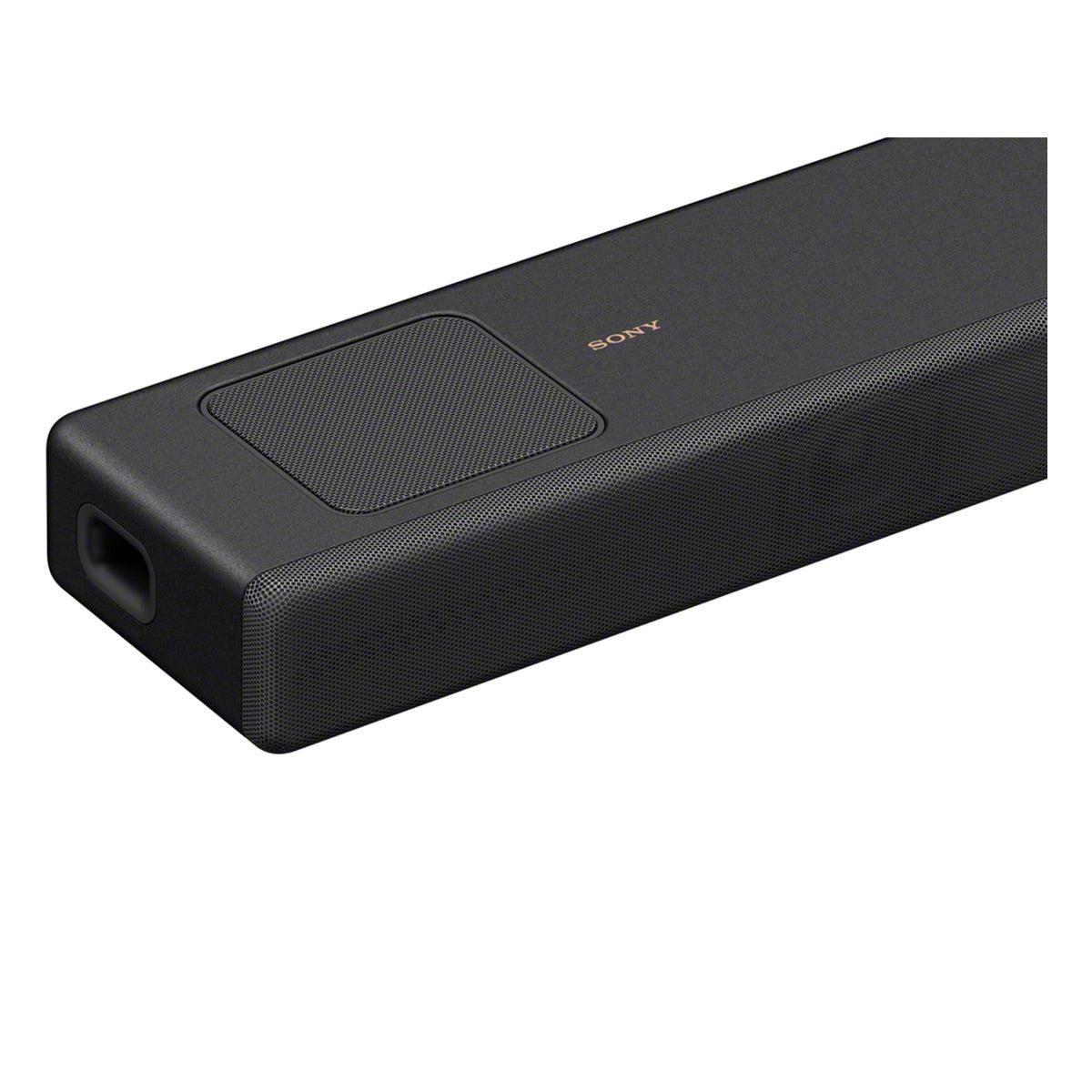
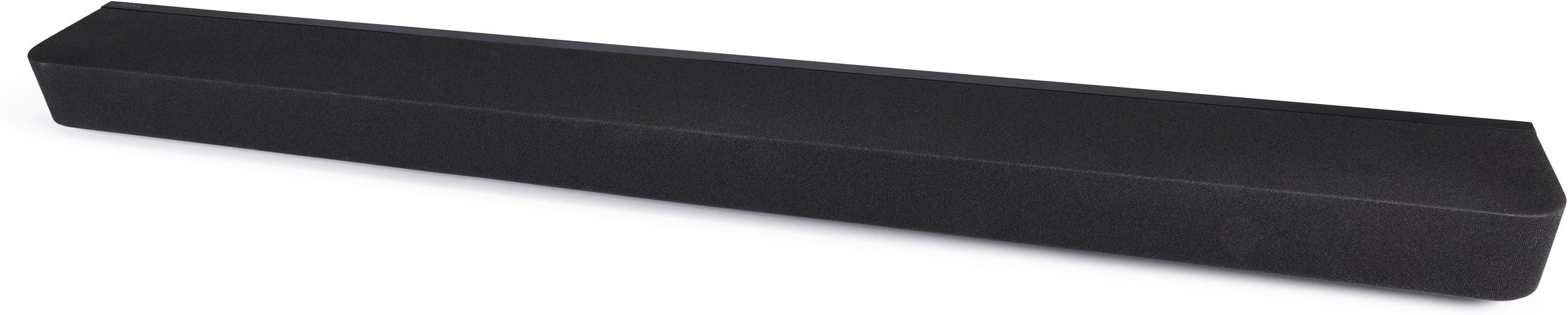
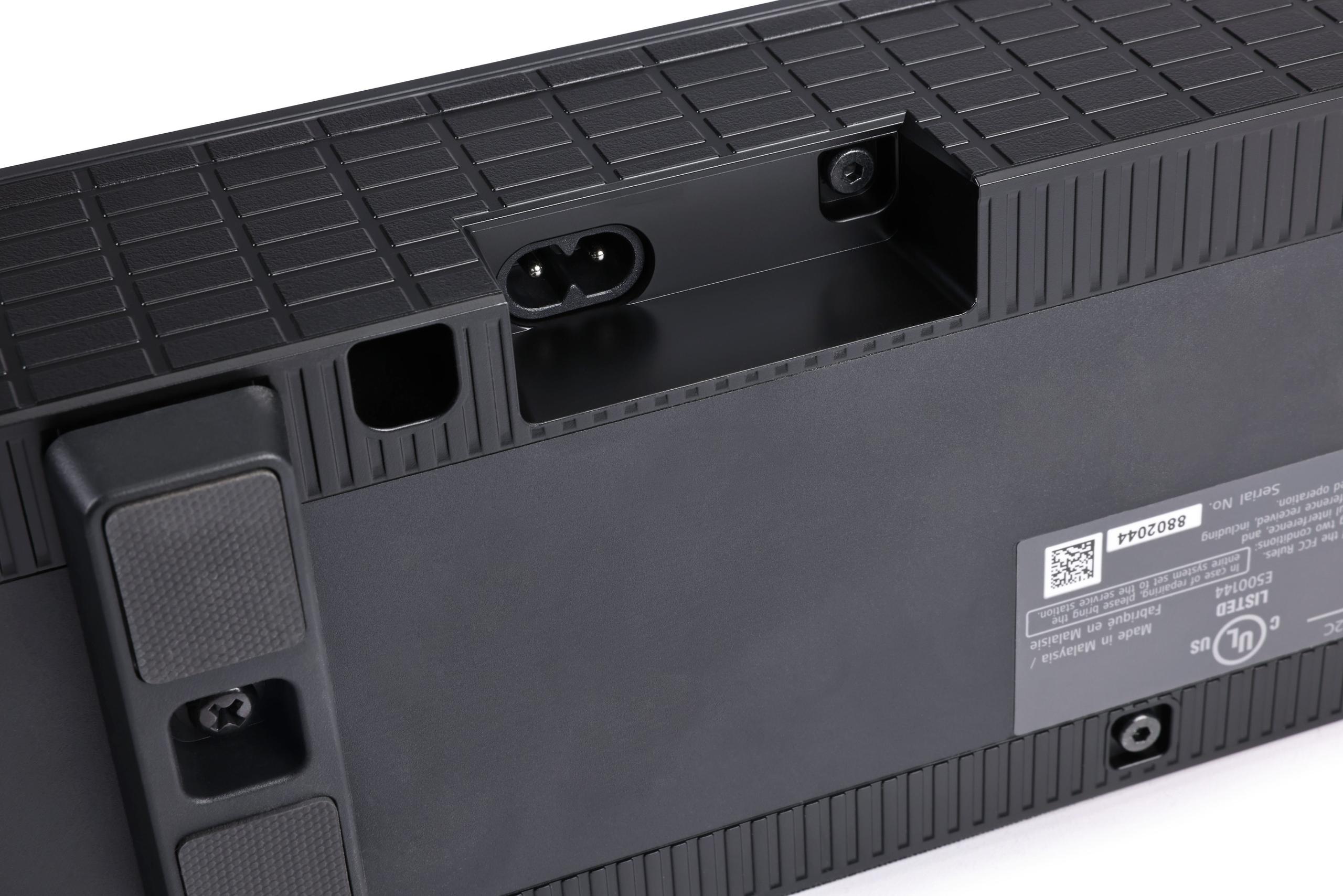
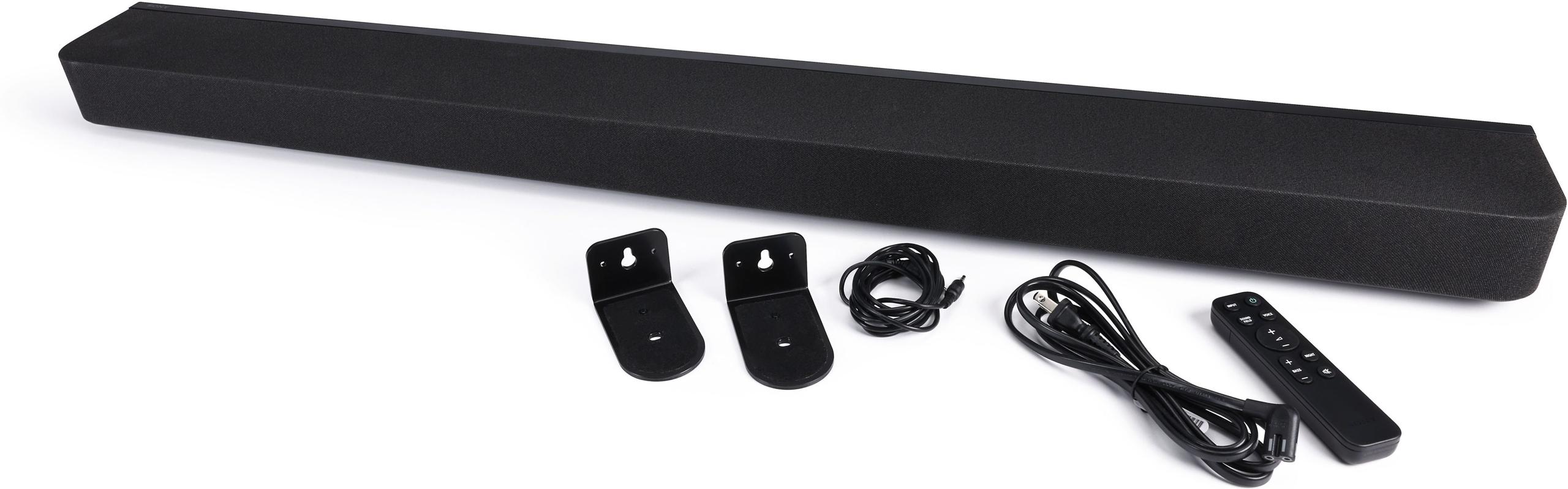
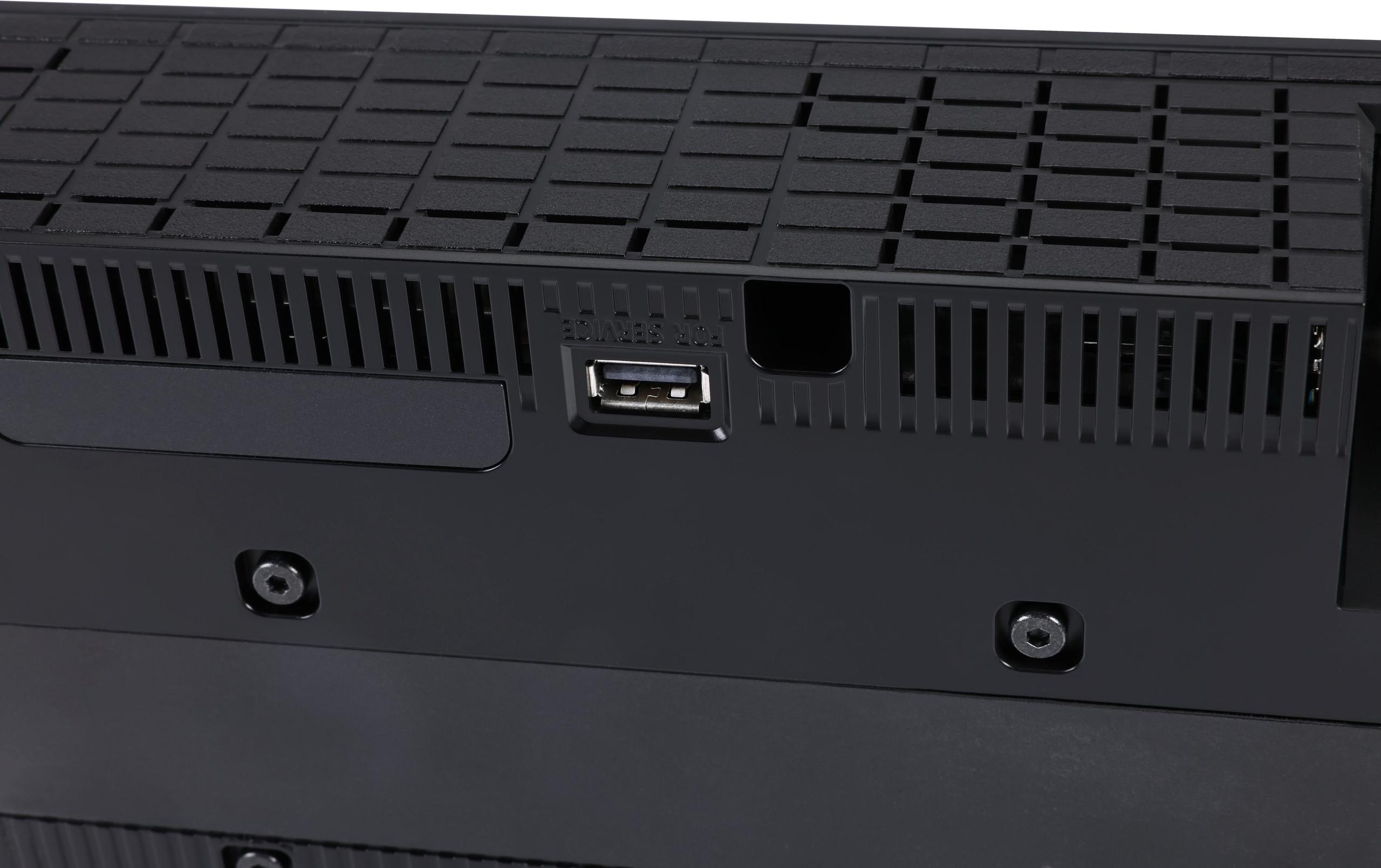
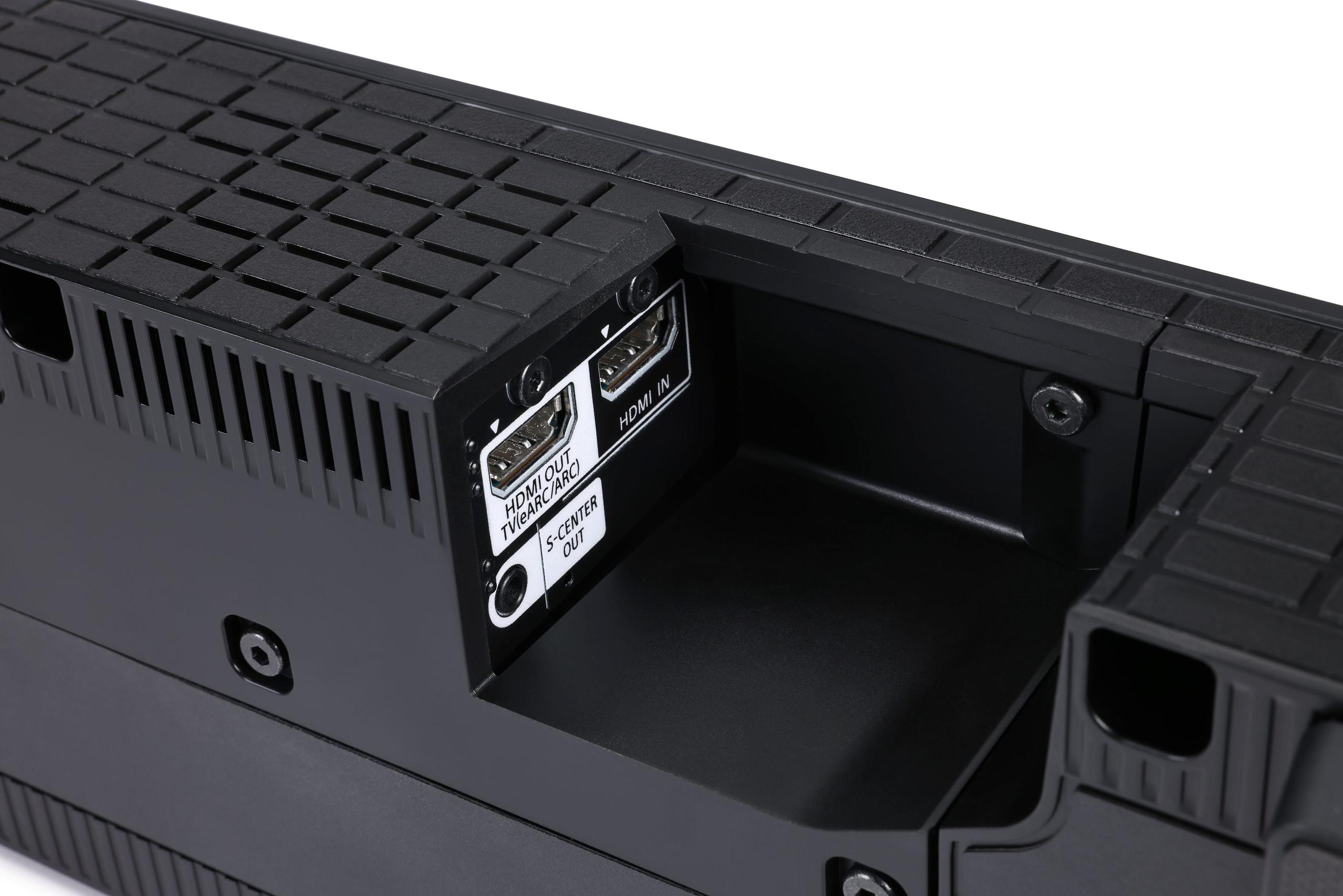

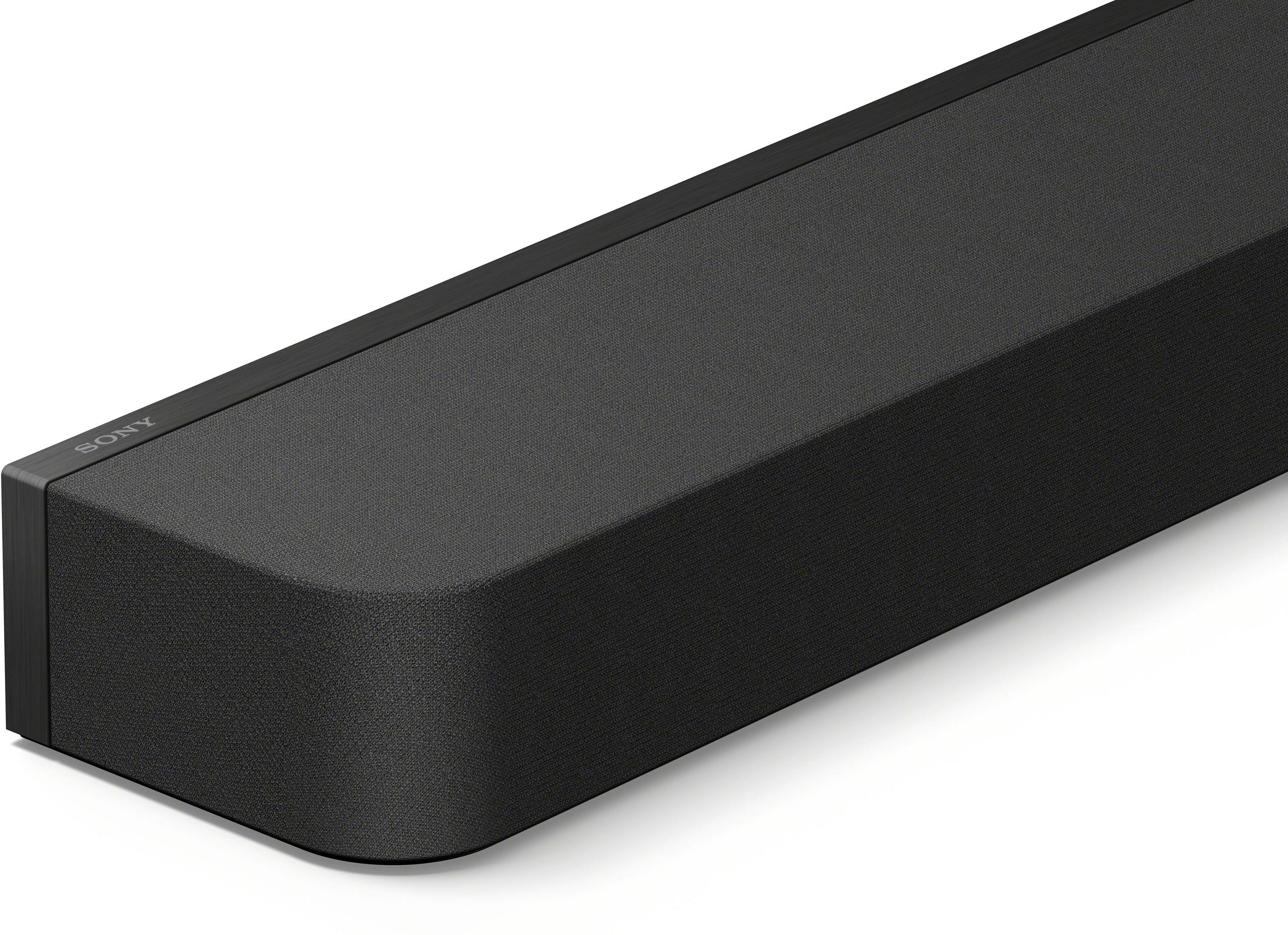

If you're shopping for a premium soundbar to transform your TV's audio, you've probably noticed that Sony offers some compelling options in the home theater space. Two models that frequently come up in discussions are the HT-A8000 BRAVIA Theater Bar 8 and the HT-A5000 – both excellent soundbars that take distinctly different approaches to delivering immersive audio.
At the time of writing, these soundbars are priced similarly in the premium category, making the choice between them particularly interesting. The HT-A8000 represents Sony's latest thinking on spatial audio, launched in 2024, while the HT-A5000 from 2021 offers a more traditional approach with built-in subwoofers. Understanding which one fits your specific needs requires diving into what makes each unique.
Before we compare these specific models, it's worth understanding what premium soundbars are designed to accomplish. Unlike basic TV speakers or budget soundbars, these units aim to recreate the immersive experience of a movie theater without requiring multiple speakers placed around your room.
The magic happens through advanced audio processing that creates "phantom speakers" – essentially tricking your brain into hearing sounds coming from locations where no physical speakers exist. This involves technologies like Dolby Atmos (which adds height channels for overhead effects) and DTS:X (which creates object-based surround sound). Both Sony soundbars support these formats, but they implement them quite differently.
When evaluating any premium soundbar, the most important performance characteristics are dialogue clarity, spatial audio effectiveness, bass response, and overall tonal balance. Dialogue clarity matters because it's the foundation of any movie or TV experience – if you can't understand what characters are saying, nothing else matters. Spatial audio effectiveness determines how convincing the surround sound feels, while bass response affects everything from action sequences to music playback.
The room compatibility factor is equally crucial. Your living room's size, shape, and furniture placement significantly impact how well any soundbar performs. This is where the differences between our two Sony models become particularly relevant.
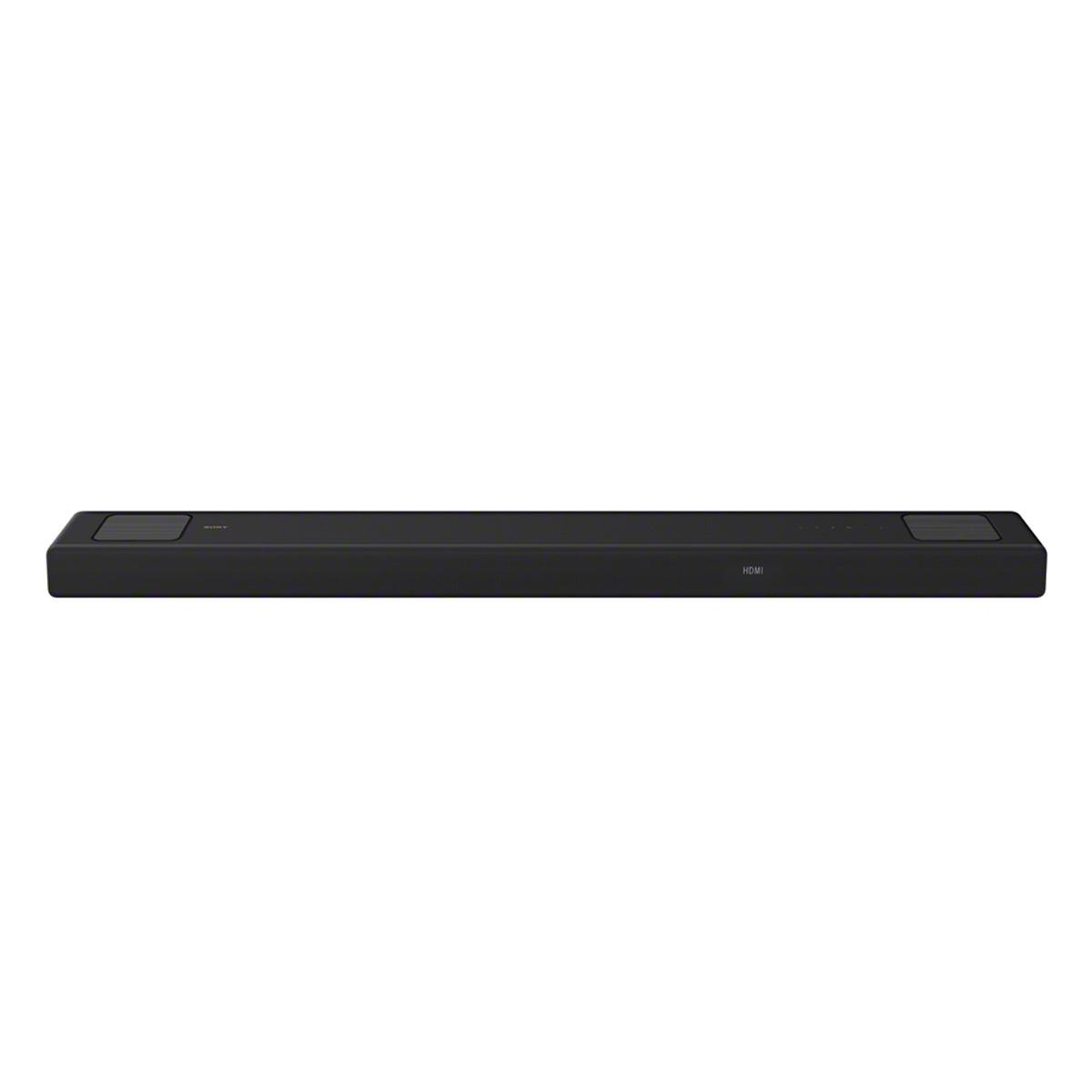
The HT-A8000 takes a decidedly compact approach at 43 inches wide, making it ideal for smaller spaces or TVs in the 55-inch range. Its sleek profile and lighter weight (just over 10 pounds) make installation straightforward, whether you're placing it on a TV stand or mounting it on the wall.
The HT-A5000, at nearly 48 inches wide, demands more space but provides a more substantial presence that pairs better with larger TVs. At 13.5 pounds, it feels more substantial and includes built-in subwoofers that eliminate the immediate need for additional components.
From a practical standpoint, the size difference matters more than you might expect. If your TV stand is crowded or your room is compact, the HT-A8000's smaller footprint could be the deciding factor. However, if you have a large TV and plenty of space, the HT-A5000's more commanding presence might look and sound more proportional to your setup.
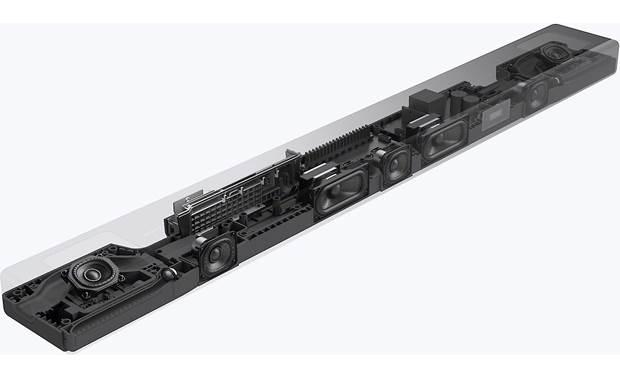
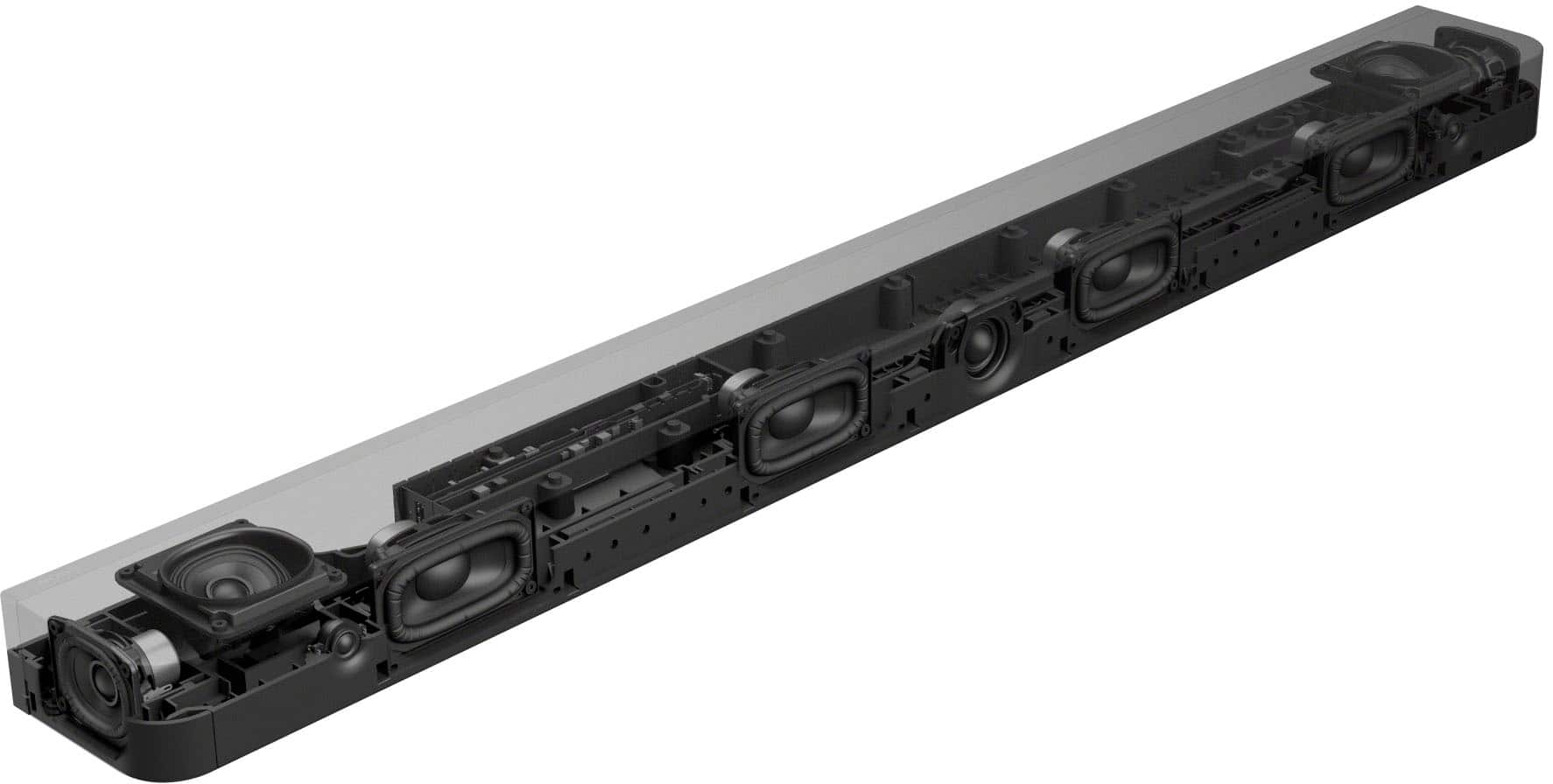
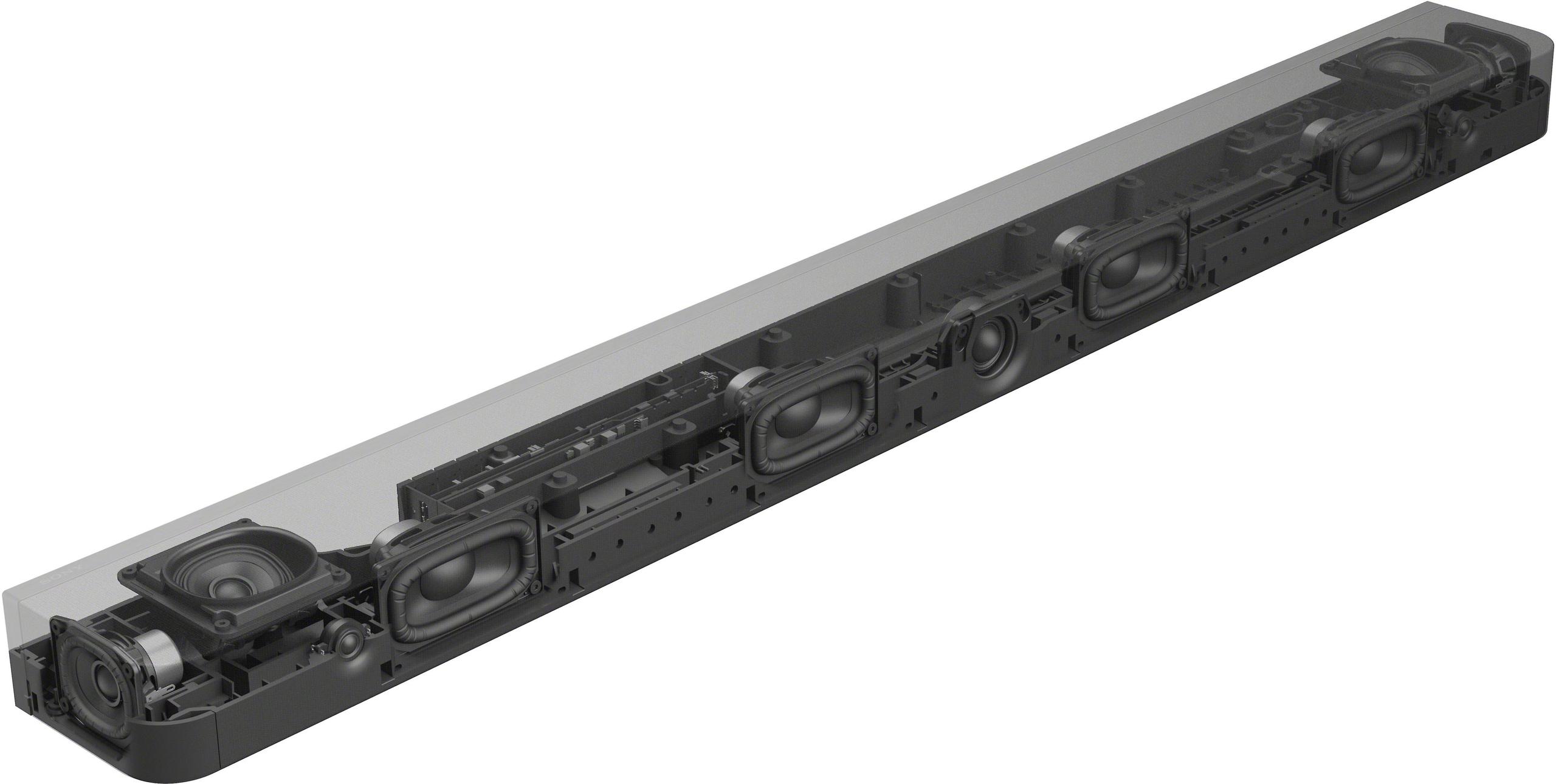
This is where the comparison gets fascinating. The HT-A8000 represents Sony's latest thinking on spatial audio with its 360 Spatial Sound Mapping technology. This system uses 11 discrete speakers arranged in a 5.0.2 configuration (that's five main channels, no dedicated subwoofer channel since there's no built-in sub, and two height channels) to create an remarkably convincing surround sound field.
What makes this particularly clever is the inclusion of side-firing speakers that bounce sound off your room's walls. This technique, combined with sophisticated room analysis, creates phantom speakers that seem to exist well beyond the physical soundbar. The system actually measures your room's acoustics and adjusts its output accordingly – a feature called Sound Field Optimization that works automatically without requiring manual calibration.
The HT-A5000 takes a more traditional but proven approach with its 5.1.2 setup. The ".1" indicates built-in subwoofers – actually two of them – which provide immediate, powerful bass response. Its Vertical Surround Engine and S-Force Pro Front Surround technologies are mature, well-understood systems that reliably create convincing surround effects.
Both soundbars feature up-firing speakers for Dolby Atmos height effects, but they handle this differently. The HT-A8000 relies more heavily on acoustic reflection and processing wizardry, while the HT-A5000 uses more direct acoustic energy from its larger driver array.
This is where the HT-A8000 shows its technological advancement. Its Voice Zoom 3 feature uses artificial intelligence to recognize human speech patterns and automatically adjust their prominence in the mix. This isn't just a simple center channel boost – it's intelligent processing that adapts to different voices and acoustic conditions.
The HT-A5000 handles dialogue well through its dedicated center channel processing, but it lacks the AI-powered enhancement of its newer sibling. For viewers who frequently struggle with mumbled dialogue in modern movies and TV shows, this difference could be significant.
Here's where the HT-A5000 shows its strength. Those built-in dual subwoofers provide immediate, substantial bass response without requiring additional purchases. The bass is well-integrated with the main speakers and provides the kind of low-frequency impact that makes action movies and music more engaging.
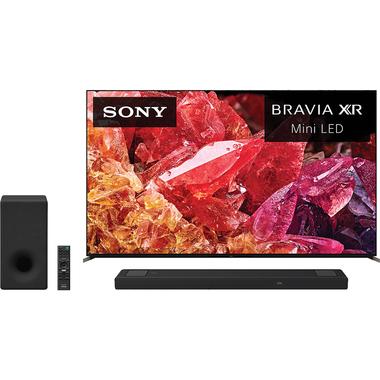
The HT-A8000, lacking built-in subwoofers, relies on its four front-facing woofers for bass. While these provide respectable low-end response for a compact soundbar, they can't match the dedicated subwoofer drivers of the HT-A5000. However, this design choice keeps the HT-A8000 compact and allows for easy expansion with optional wireless subwoofers later.
The HT-A8000's 360 Spatial Sound Mapping represents a genuine advancement in soundbar spatial audio. The combination of side-firing drivers, advanced room correction, and sophisticated processing creates a more convincing surround sound field than traditional soundbar designs. When watching movies with active Dolby Atmos soundtracks, the sense of being surrounded by sound is notably more convincing.
The HT-A5000 creates effective spatial audio through its proven technologies, but the experience feels more "soundbar-like" – clearly emanating from the front of the room rather than surrounding you. This isn't necessarily bad, and many users prefer this more direct approach, especially for music listening.
Both soundbars support modern gaming features like Variable Refresh Rate (VRR) and Auto Low Latency Mode (ALLM), but the HT-A8000 benefits from newer HDMI 2.1 implementation and lower-latency processing. For serious gamers, particularly those with PlayStation 5 or Xbox Series X systems, the HT-A8000 provides slightly better integration and responsiveness.
Both soundbars offer comprehensive connectivity, but there are meaningful differences. The HT-A8000 features Bluetooth 5.2 (versus 5.0 on the HT-A5000), which provides better range and stability for wireless music streaming. Both support popular streaming services like Spotify Connect and Apple AirPlay 2.
The HT-A8000 benefits from deeper integration with Sony's BRAVIA TV ecosystem. If you own a recent Sony TV, features like Acoustic Center Sync allow the soundbar to work in concert with your TV's speakers, creating a more seamless audio experience. This integration has improved significantly since the HT-A5000's 2021 release.
For users invested in smart home ecosystems, both soundbars work with Google Assistant and Amazon Alexa, though the HT-A8000 benefits from more recent firmware and ongoing updates.
Both soundbars support optional wireless rear speakers and subwoofers, but the component compatibility differs. The HT-A8000 works with Sony's newer SA-RS3R or SA-RS5 rear speakers and SA-SW3 or SA-SW5 subwoofers. The HT-A5000 is compatible with its generation of wireless accessories, including the SA-RS3S rear speakers.
This expandability is crucial for users who want to start with a soundbar and gradually build a more complete system. However, since the HT-A5000 already includes substantial bass capability, adding a subwoofer is less urgent than with the HT-A8000.
Based on extensive research into user experiences and expert reviews, clear patterns emerge. HT-A8000 users consistently praise the spatial audio capabilities and dialogue clarity, noting that the soundbar creates a more immersive experience than they expected from a single-unit system. However, some users feel the bass response is adequate rather than impressive without adding a subwoofer.
HT-A5000 users appreciate the immediate, full-range sound and substantial bass response. The built-in subwoofers eliminate any sense that something is missing from the audio presentation. However, some note that the spatial effects, while good, don't feel quite as enveloping as newer spatial audio implementations.
Both soundbars receive praise for build quality and reliability, with Sony's reputation for longevity holding true in real-world use.
At the time of writing, both soundbars occupy similar price points in the premium category, making this a feature-versus-feature comparison rather than a budget consideration. The value proposition depends heavily on your priorities and room setup.
The HT-A8000 offers cutting-edge spatial audio technology in a compact package. You're paying for innovation, future-proofing, and the latest Sony ecosystem integration. If your space is limited and you prioritize the most advanced audio processing, this represents solid value.
The HT-A5000 provides proven performance with immediate bass satisfaction. You're getting a complete audio solution without the need for additional components. For users who want substantial, full-range sound from day one, this offers excellent value.
The HT-A8000 makes most sense for users with smaller rooms, newer Sony TVs, or those who prioritize cutting-edge spatial audio technology. If you have walls reasonably close to your soundbar position (within 6-8 feet), the side-firing speakers will work effectively. This soundbar also appeals to users who prefer starting compact and expanding later with wireless components.
The HT-A5000 better serves users with larger rooms, bigger TVs, or those who prioritize immediate bass impact. If you listen to substantial amounts of music through your soundbar or prefer the "complete" feeling of integrated subwoofers, this model delivers satisfaction from the moment you power it on.
For home theater enthusiasts, the HT-A8000's advanced spatial processing provides a more convincing surround sound experience, while the HT-A5000's built-in bass delivers more impactful action sequences and musical reproduction.
This comparison ultimately comes down to whether you value cutting-edge spatial audio processing or prefer proven performance with built-in bass. Both Sony soundbars offer excellent build quality and will significantly improve your TV's audio, but they achieve this through different approaches.
The HT-A8000 represents Sony's latest thinking on compact, intelligent audio systems that maximize performance through sophisticated processing. The HT-A5000 offers traditional but effective surround sound with the immediate satisfaction of integrated bass.
Your room size, expansion plans, and listening priorities should guide this decision. Both soundbars will serve you well, but understanding their different strengths ensures you'll choose the one that best fits your specific situation and preferences.
| Sony HT-A8000 BRAVIA Theater Bar 8 | Sony HT-A5000 5.1.2 Channel Home Theater Soundbar |
|---|---|
| Release Year - Newer models often feature improved technology and ecosystem integration | |
| 2024 (latest spatial audio tech) | 2021 (proven, mature platform) |
| Size Dimensions - Critical for TV stand fit and room aesthetics | |
| 43.3" x 2.6" x 4.5" (compact design) | 47.75" x 2.75" x 5.62" (substantial presence) |
| Weight - Affects installation ease and build perception | |
| 10.4 lbs (easier mounting/placement) | 13.5 lbs (more substantial feel) |
| Speaker Configuration - Determines audio capabilities and expansion needs | |
| 5.0.2 ch with 11 speakers (no built-in sub) | 5.1.2 ch with built-in dual subwoofers |
| Key Audio Technology - Defines the surround sound experience quality | |
| 360 Spatial Sound Mapping with side-firing drivers | Vertical Surround Engine + S-Force Pro Front Surround |
| Bass Performance - Critical for action movies and music enjoyment | |
| Relies on front woofers (requires optional subwoofer for deep bass) | Built-in dual subwoofers provide immediate powerful bass |
| Voice Enhancement - Important for dialogue clarity in modern content | |
| Voice Zoom 3 with AI-powered speech recognition | Standard center channel processing |
| Room Calibration - Affects how well the soundbar adapts to your space | |
| Sound Field Optimization with automatic room analysis | Sound Field Optimization (basic implementation) |
| BRAVIA TV Integration - Matters if you own or plan to buy Sony TVs | |
| Enhanced integration with Acoustic Center Sync | Standard BRAVIA compatibility |
| Bluetooth Version - Impacts wireless music streaming quality and range | |
| Bluetooth 5.2 (better range and stability) | Bluetooth 5.0 (adequate for most uses) |
| Power Output - Affects maximum volume and dynamic range | |
| Not specified (likely ~300W based on size) | 450W total system power |
| Ideal Room Size - Based on acoustic design and power capabilities | |
| Small to medium rooms with nearby walls | Medium to large rooms, works well in open spaces |
| Best For - Primary use case recommendations | |
| Cutting-edge spatial audio, compact setups, newer Sony TVs | Immediate full-range sound, music listening, larger rooms |
The Sony HT-A8000 BRAVIA Theater Bar 8 is the newer model, released in 2024, while the Sony HT-A5000 was released in 2021. The HT-A8000 features Sony's latest spatial audio technology and improved BRAVIA TV integration.
The key difference is that the Sony HT-A5000 has built-in dual subwoofers for immediate bass response, while the Sony HT-A8000 uses advanced 360 Spatial Sound Mapping technology with side-firing speakers but no built-in subwoofers. The HT-A8000 is also more compact at 43 inches versus the HT-A5000's 47.75-inch width.
The Sony HT-A5000 has significantly better built-in bass thanks to its dual integrated subwoofers. The Sony HT-A8000 relies on front-firing woofers for bass and may require an optional wireless subwoofer for deep low-frequency response.
Yes, both the Sony HT-A8000 and Sony HT-A5000 support Dolby Atmos and DTS:X for immersive surround sound. However, the HT-A8000 uses newer 360 Spatial Sound Mapping technology for potentially more convincing height effects.
The Sony HT-A8000 BRAVIA Theater Bar 8 is better for small rooms due to its compact 43-inch width and advanced room calibration. Its side-firing speakers work well when walls are nearby, and the smaller size fits better with TVs 55 inches and under.
Yes, both the Sony HT-A8000 and Sony HT-A5000 support optional wireless rear speakers and subwoofers. The HT-A8000 works with Sony's newer SA-RS3R/SA-RS5 rear speakers, while the HT-A5000 is compatible with SA-RS3S rear speakers.
The Sony HT-A8000 has superior dialogue clarity thanks to its Voice Zoom 3 feature, which uses AI to recognize and enhance human speech. The Sony HT-A5000 has good center channel performance but lacks the advanced voice enhancement technology.
The Sony HT-A5000 is generally better for music due to its built-in subwoofers providing full-range sound. The Sony HT-A8000 can handle music well but may benefit from adding a wireless subwoofer for optimal musical performance.
The Sony HT-A8000 has slight advantages for gaming with newer HDMI 2.1 implementation, Bluetooth 5.2, and lower-latency processing. Both soundbars support gaming features like VRR and ALLM, but the HT-A8000 offers better integration with PlayStation 5 and Xbox Series X.
For home theater, the Sony HT-A8000 provides more immersive spatial audio with its 360 Spatial Sound Mapping, while the Sony HT-A5000 delivers more impactful bass for action sequences. The HT-A8000 excels in dialogue clarity, while the HT-A5000 offers immediate full-range satisfaction.
Value depends on your priorities. The Sony HT-A5000 offers better immediate value with built-in subwoofers and proven performance. The Sony HT-A8000 provides better long-term value with cutting-edge technology and future-proofing, especially for compact setups.
For large living rooms, the Sony HT-A5000 is typically better due to its higher power output (450W), built-in subwoofers, and substantial physical presence that matches larger TVs. The Sony HT-A8000 works in large rooms but may require adding a wireless subwoofer for optimal performance.
We've done our best to create useful and informative comparisons to help you decide what product to buy. Our research uses advanced automated methods to create this comparison and perfection is not possible - please contact us for corrections or questions. These are the sites we've researched in the creation of this article: consumerreports.org - skybygramophone.com - target.com - rtings.com - bestbuy.com - rubbermonkey.co.nz - shopatsc.com - audioadvice.com - sony.com - sony.com - sony.com - shop.cosmopolitan.com - store.sony.com.my - videoandaudiocenter.com - whathifi.com - electronics.sony.com - costco.com - sony.com - expertreviews.co.uk - crutchfield.com - audioadvice.com - sony.com - sony.com - bestbuy.com - videoandaudiocenter.com - community.sony.co.uk

Privacy Policy
Terms and Conditions - Affiliate Policy
Home Security
© Copyright 2008-2026.
11816 Inwood Rd #1211, Dallas, TX 75244