

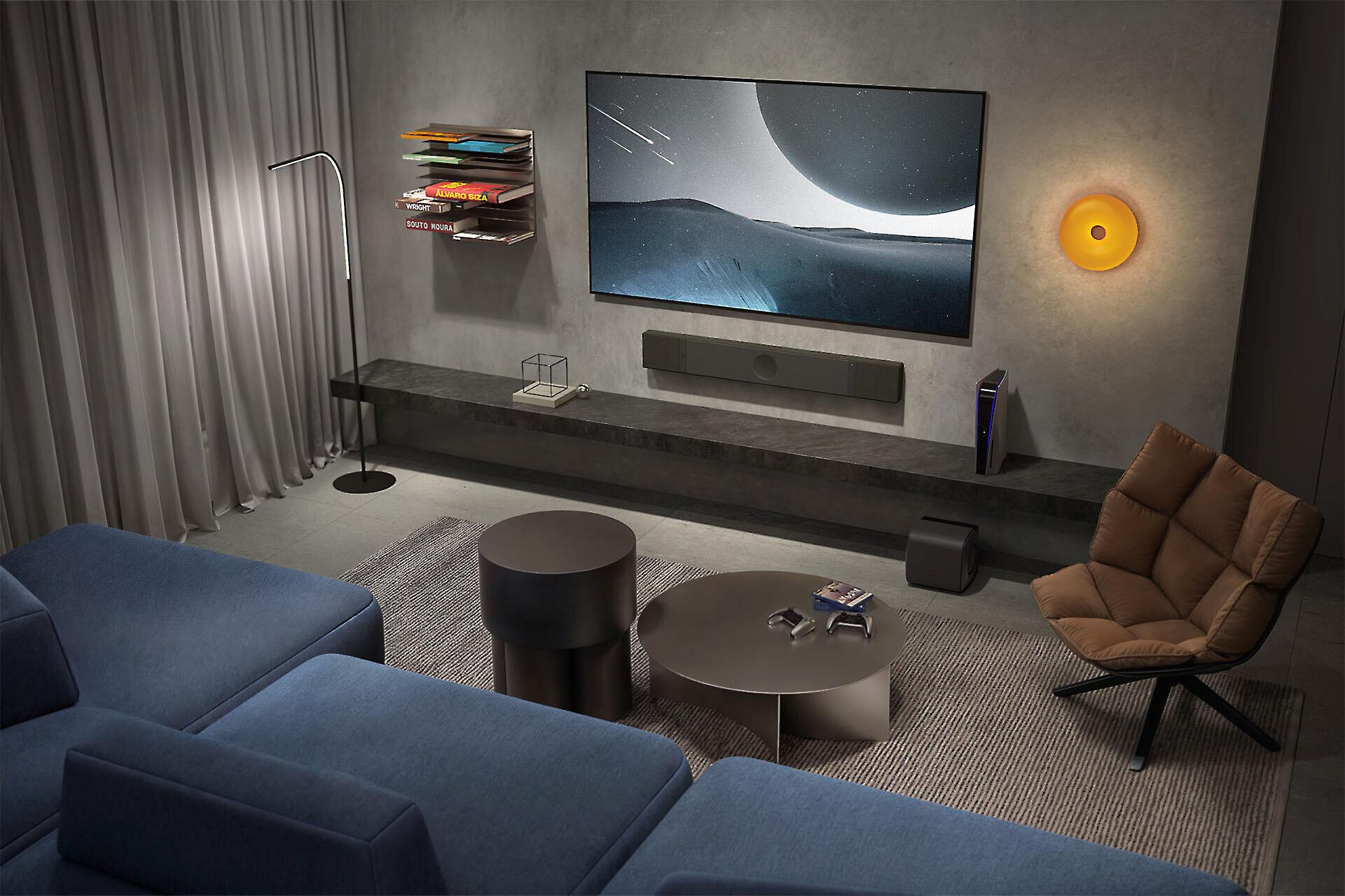
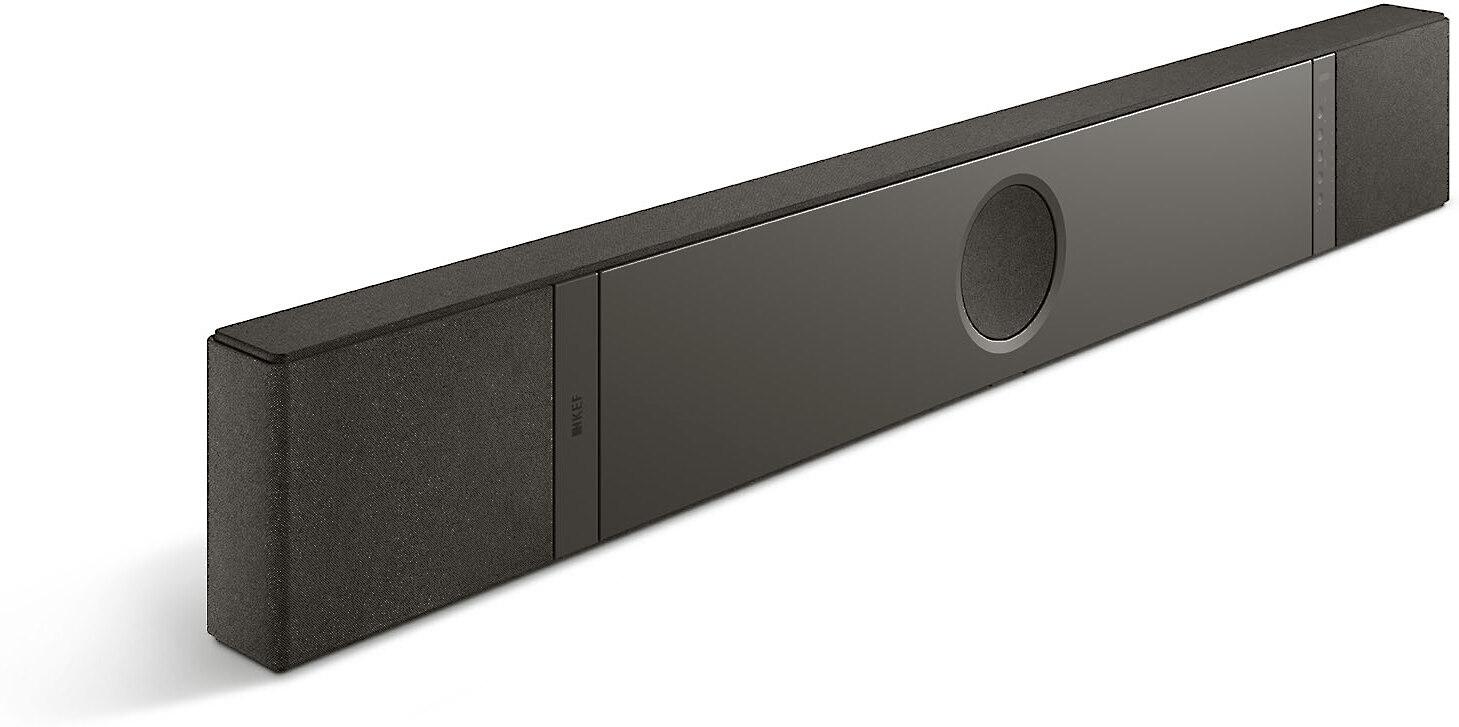
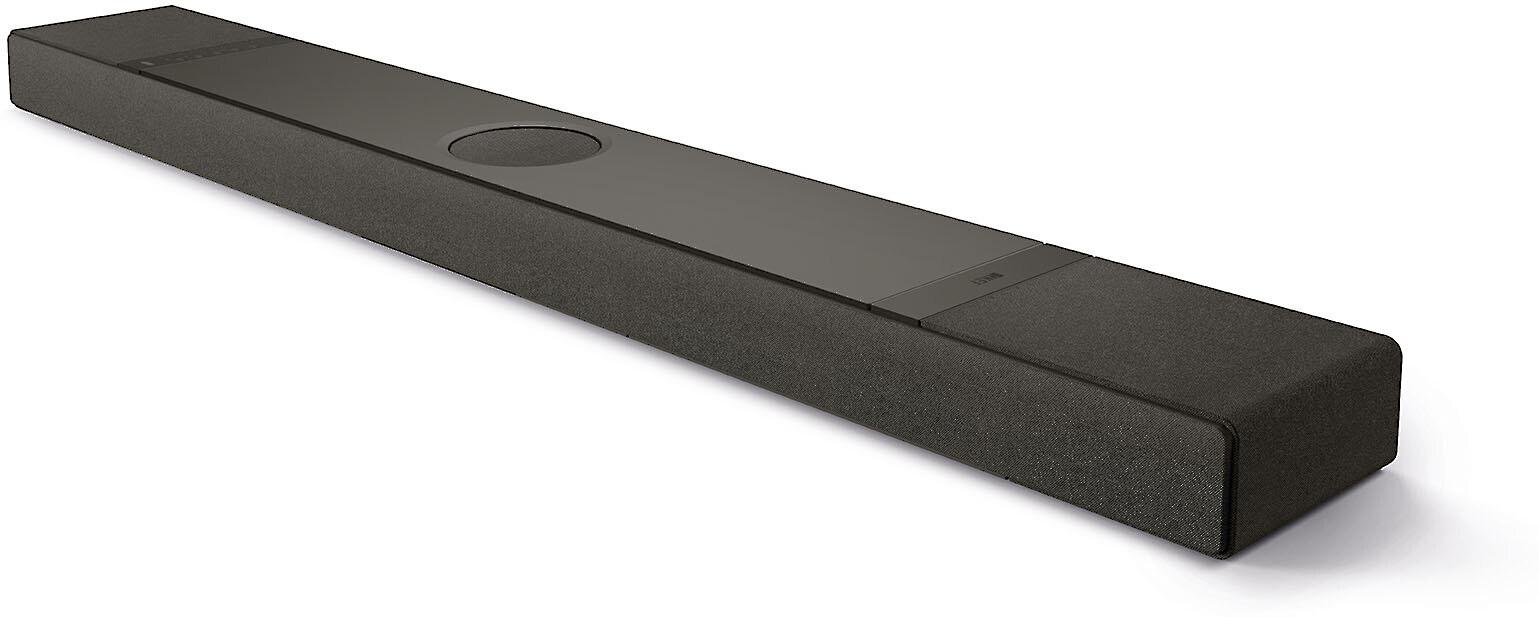
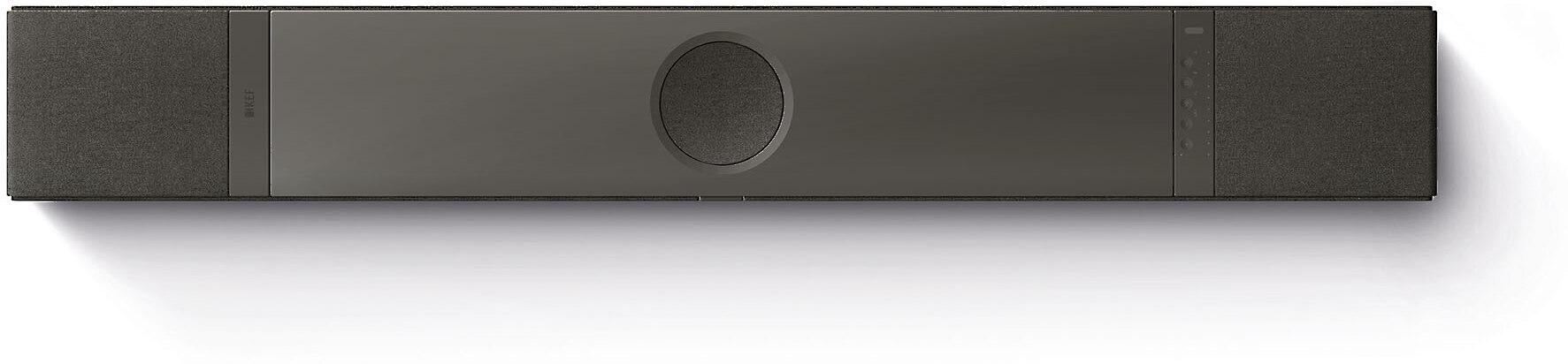



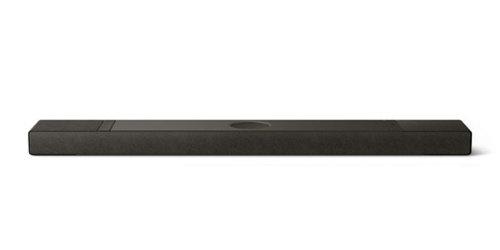
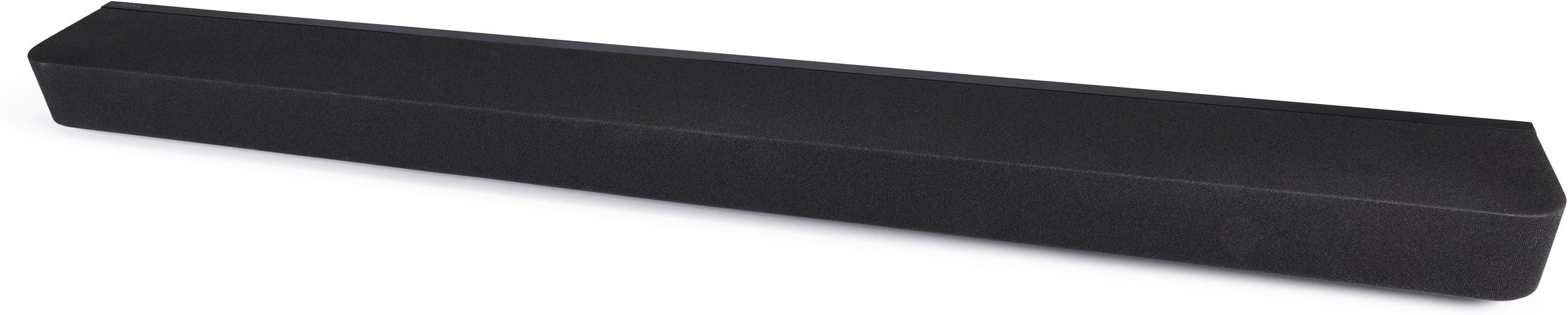


When shopping for a premium soundbar in 2025, you'll encounter two fundamentally different philosophies: the ecosystem-focused approach that prioritizes seamless integration with your existing gear, and the audiophile approach that puts pure sound quality above all else. The Sony HT-A8000 BRAVIA Theater Bar 8 and KEF XIO Soundbar perfectly represent these competing visions, and understanding their differences will help you make the right choice for your home.
Before diving into these specific models, it's worth understanding what separates premium soundbars from their budget counterparts. Premium soundbars aren't just louder—they're engineered to solve the fundamental challenge of creating three-dimensional, room-filling audio from a single horizontal enclosure.
The most important performance characteristics to evaluate include spatial audio accuracy (how convincingly the soundbar places sounds around and above you), bass extension (how deep the low frequencies reach), dialogue clarity (especially important for movies), and music reproduction quality. The best soundbars excel in multiple areas rather than just one.
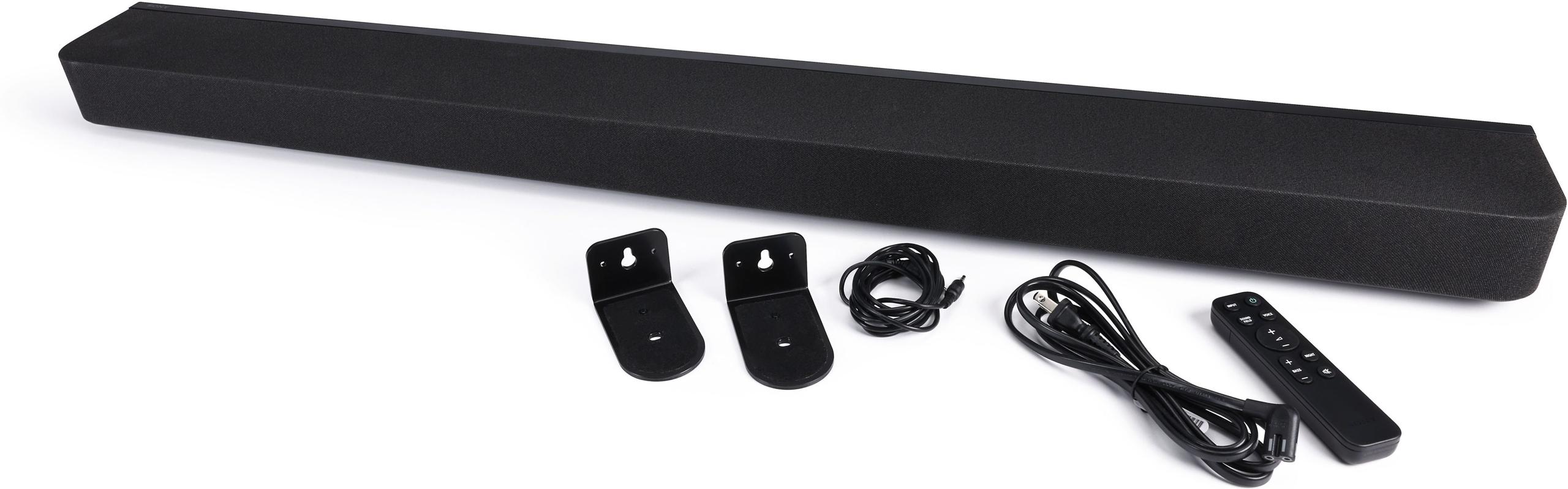
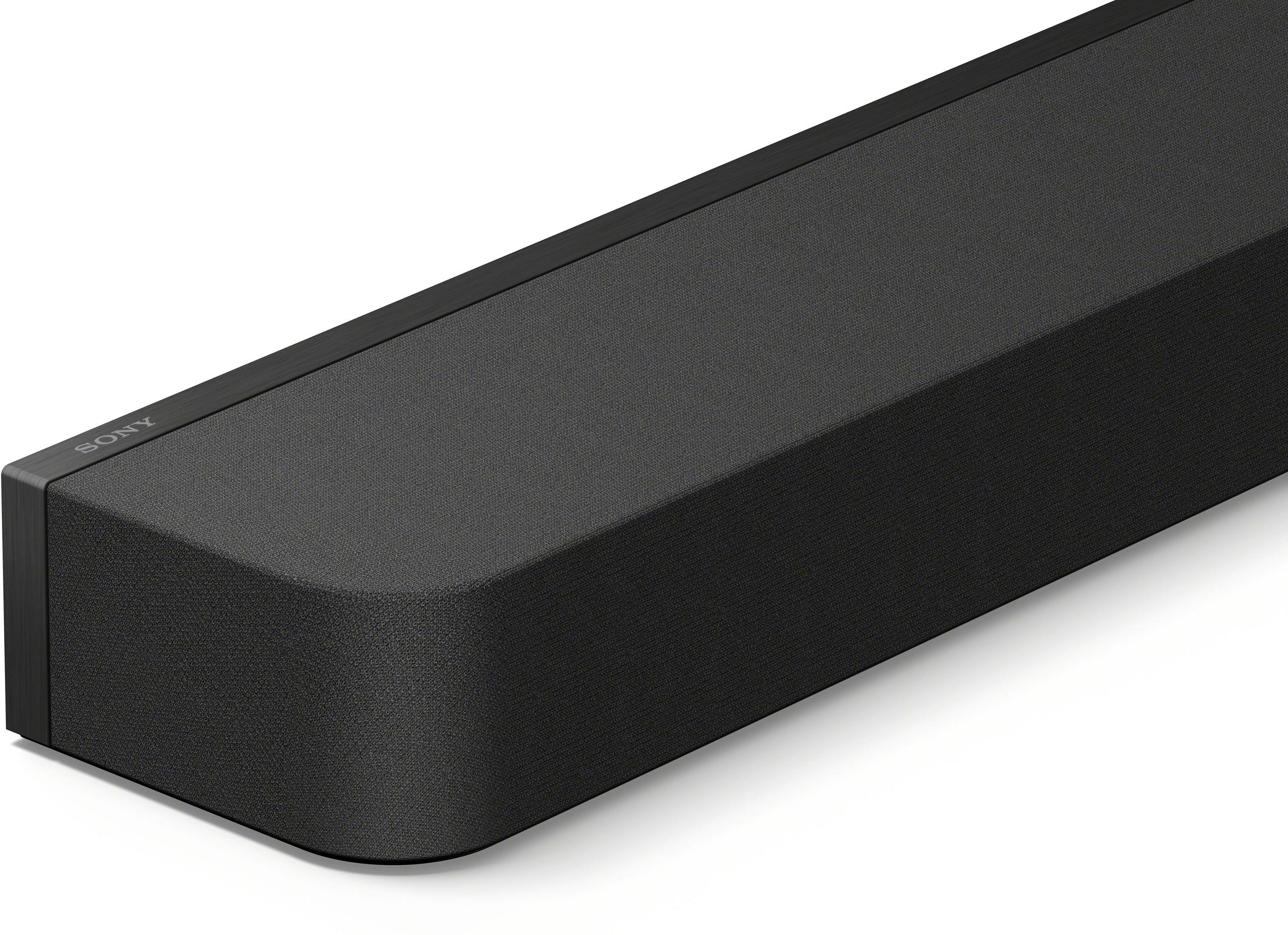
The Sony HT-A8000 arrived in 2024 as part of Sony's broader push to create a unified home entertainment ecosystem. It launched alongside new BRAVIA TVs and was designed from the ground up to work seamlessly with Sony's other products. Since its release, Sony has refined the software and added new streaming features, but the core hardware remains unchanged.
The KEF XIO, launching in mid-2025, represents something more ambitious: KEF's first-ever soundbar, developed after decades of creating some of the world's most respected speakers. Rather than rushing to market, KEF spent years miniaturizing their acclaimed Uni-Q driver technology and developing new bass technologies specifically for soundbar applications. It's essentially a high-end hi-fi system reimagined as a soundbar.
The Sony HT-A8000 uses what the company calls "360 Spatial Sound Mapping"—essentially sophisticated digital processing that tricks your brain into hearing sounds from directions where there aren't actually speakers. This virtual approach uses psychoacoustics (the science of how we perceive sound) to create phantom speakers that seem to exist in your room.
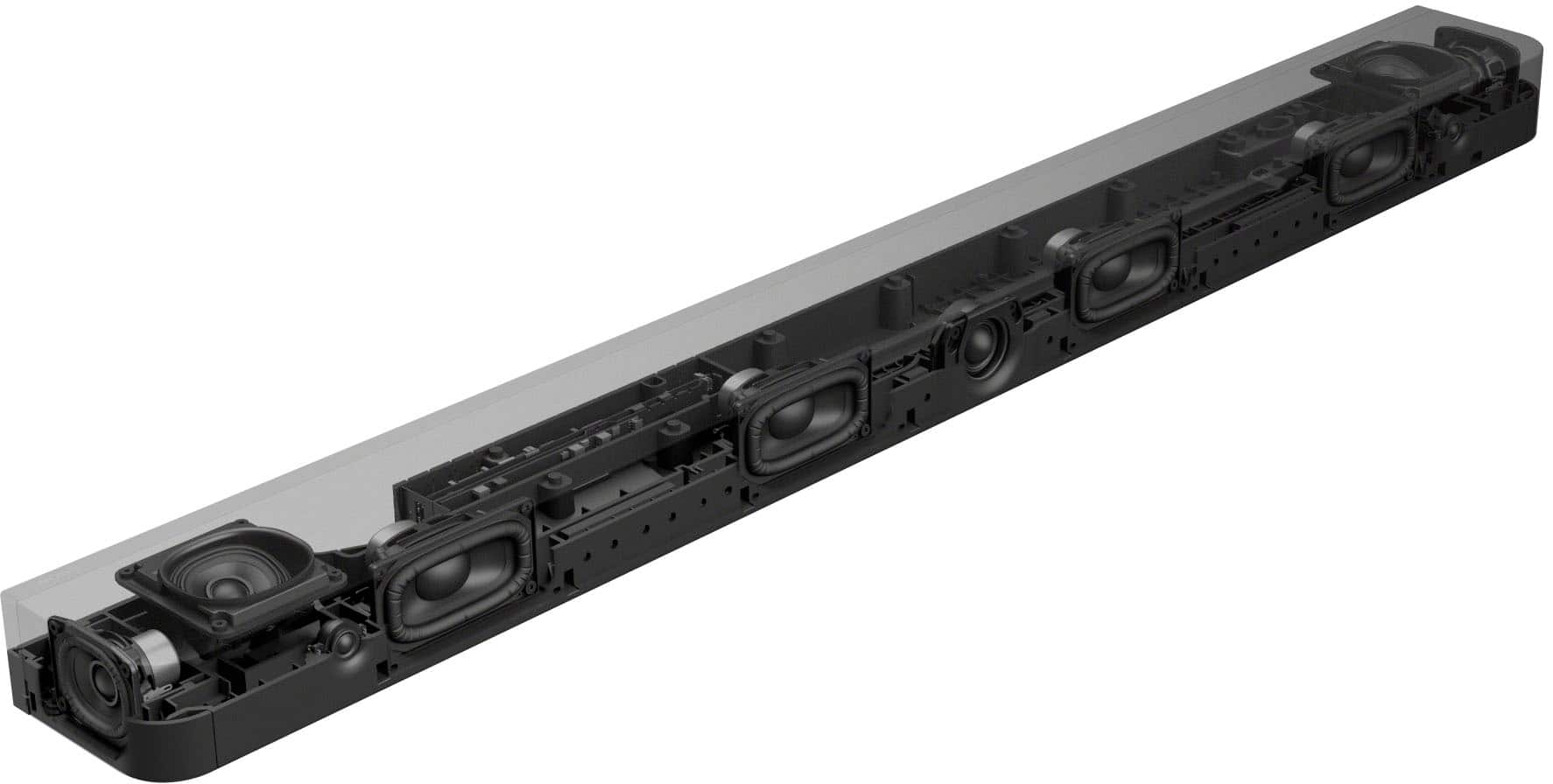
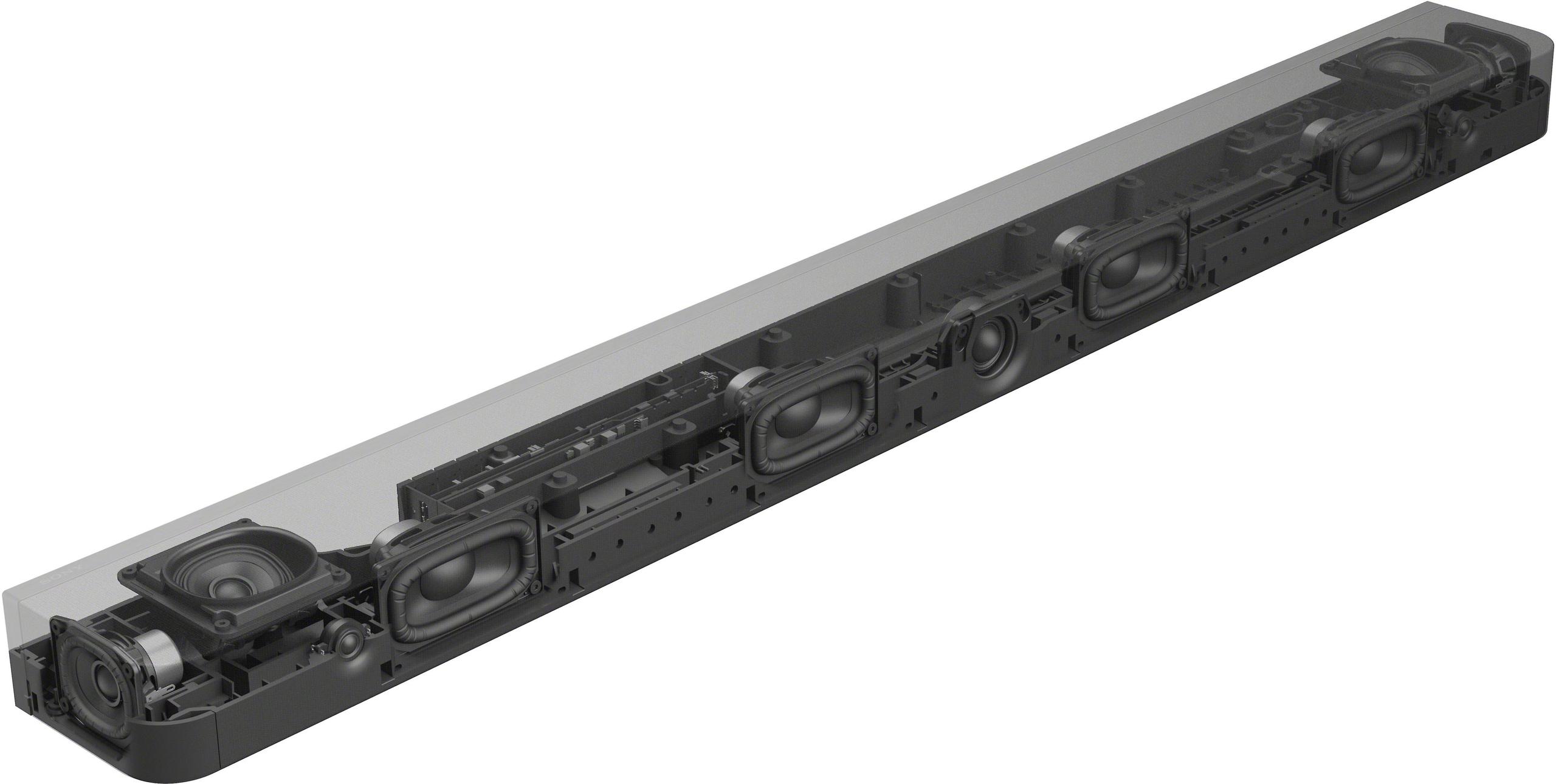
The soundbar includes 11 individual speaker units arranged in a 5.0.2 configuration. The ".2" refers to height channels that bounce sound off your ceiling to create overhead effects for Dolby Atmos content. When you're watching a helicopter scene in a movie, the Sony soundbar reflects sound waves off your ceiling to make it seem like the aircraft is flying above you.
This virtual processing works remarkably well in ideal conditions—specifically, rooms with flat ceilings, minimal furniture, and walls that can effectively reflect sound. However, in rooms with vaulted ceilings, heavy carpeting, or lots of soft furnishings that absorb sound, the effect becomes much less convincing.
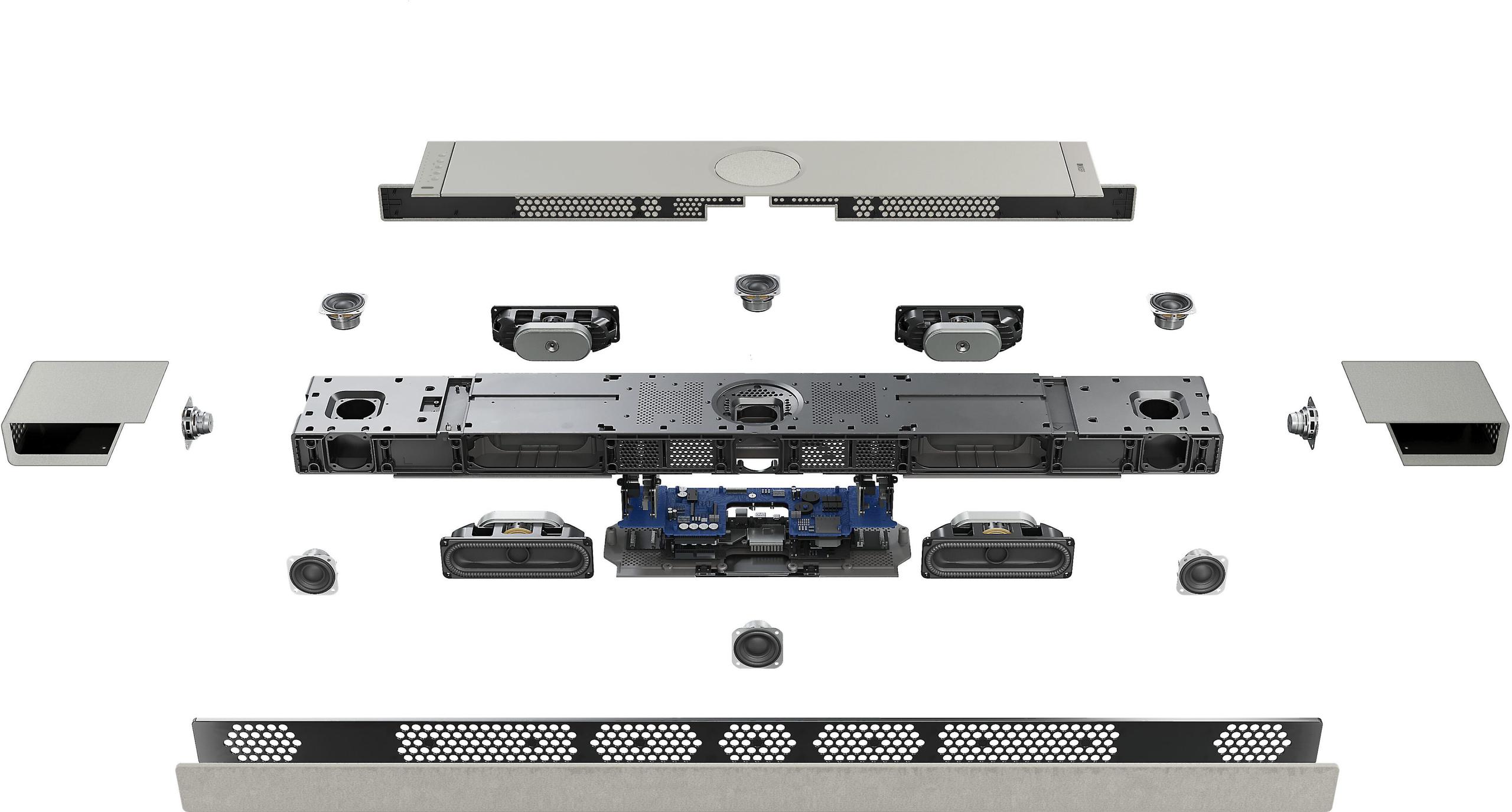
The KEF XIO takes a completely different approach with true physical drivers pointing in multiple directions. It uses a genuine 5.1.2 configuration with twelve discrete Class D amplifiers (individual power sources for each speaker), delivering a substantial 820 watts of total power.
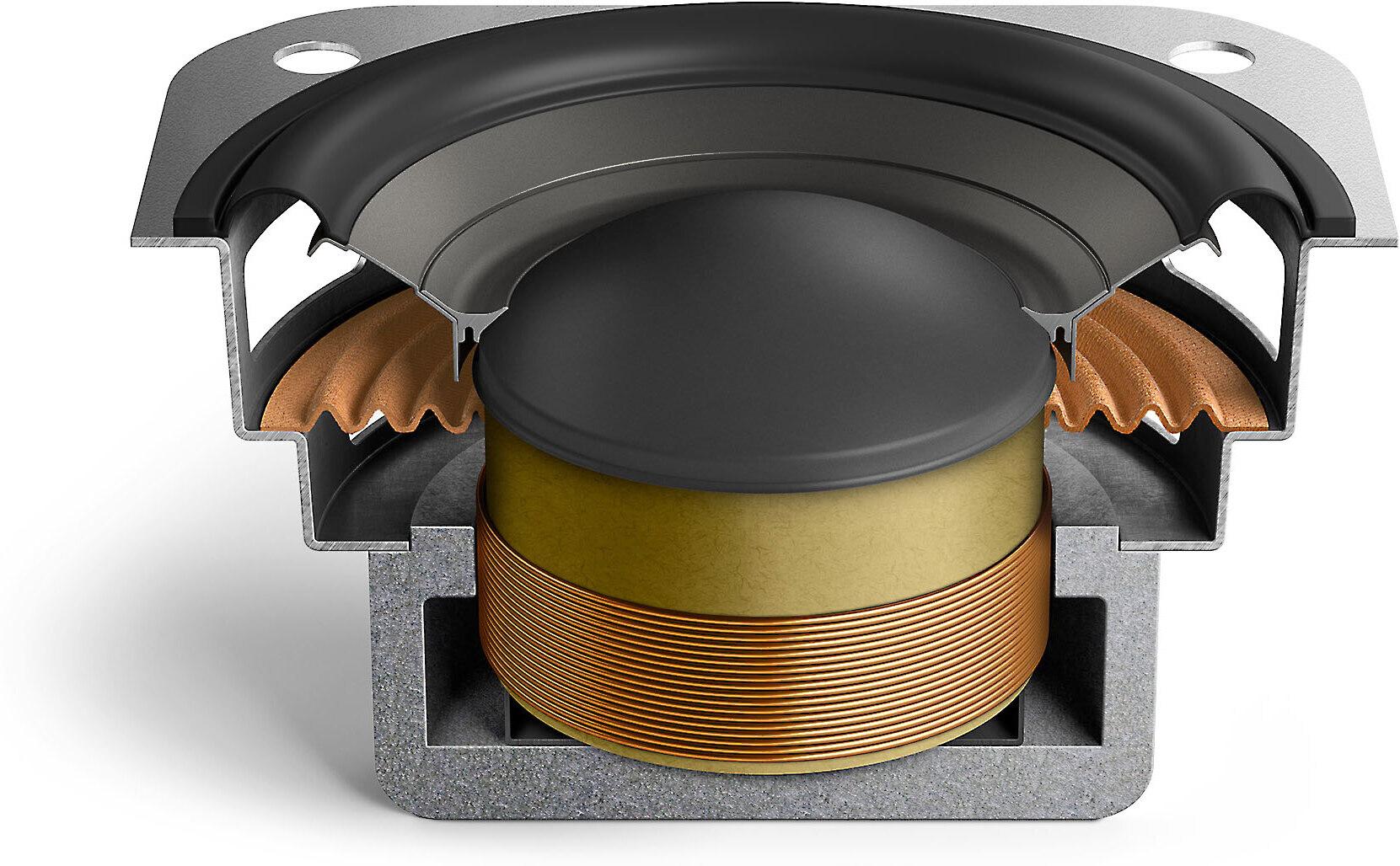
The star of the show is KEF's Uni-Q MX technology—six miniaturized versions of their famous concentric drivers. In traditional speakers, the tweeter (high-frequency driver) and midrange driver are separate units, which can create timing issues as sound reaches your ears at slightly different moments. KEF's Uni-Q design places the tweeter directly in the center of the midrange driver, ensuring both frequencies reach you simultaneously and creating exceptionally precise imaging.
For height effects, the KEF XIO uses actual upward-firing drivers rather than relying solely on reflections. This physical approach works consistently regardless of room acoustics, though it does require more sophisticated engineering and significantly more expensive components.
This is where the two soundbars reveal their most fundamental difference in approach.
The Sony HT-A8000 includes built-in quad woofers (four bass drivers) with a rectangular shape that maximizes the diaphragm area—the part of the speaker that moves air to create sound. While these provide adequate bass for dialogue and most music, they simply cannot move enough air to reproduce the deep, room-shaking bass that makes movie explosions feel visceral.
Sony designed the system with this limitation in mind, offering optional wireless subwoofers (the SA-SW3 or SA-SW5) that automatically pair with the soundbar. This modular approach keeps the initial cost lower but means you'll likely need to invest in additional components for the full cinematic experience. The total system cost, at the time of writing, approaches the price of some competing all-in-one solutions.
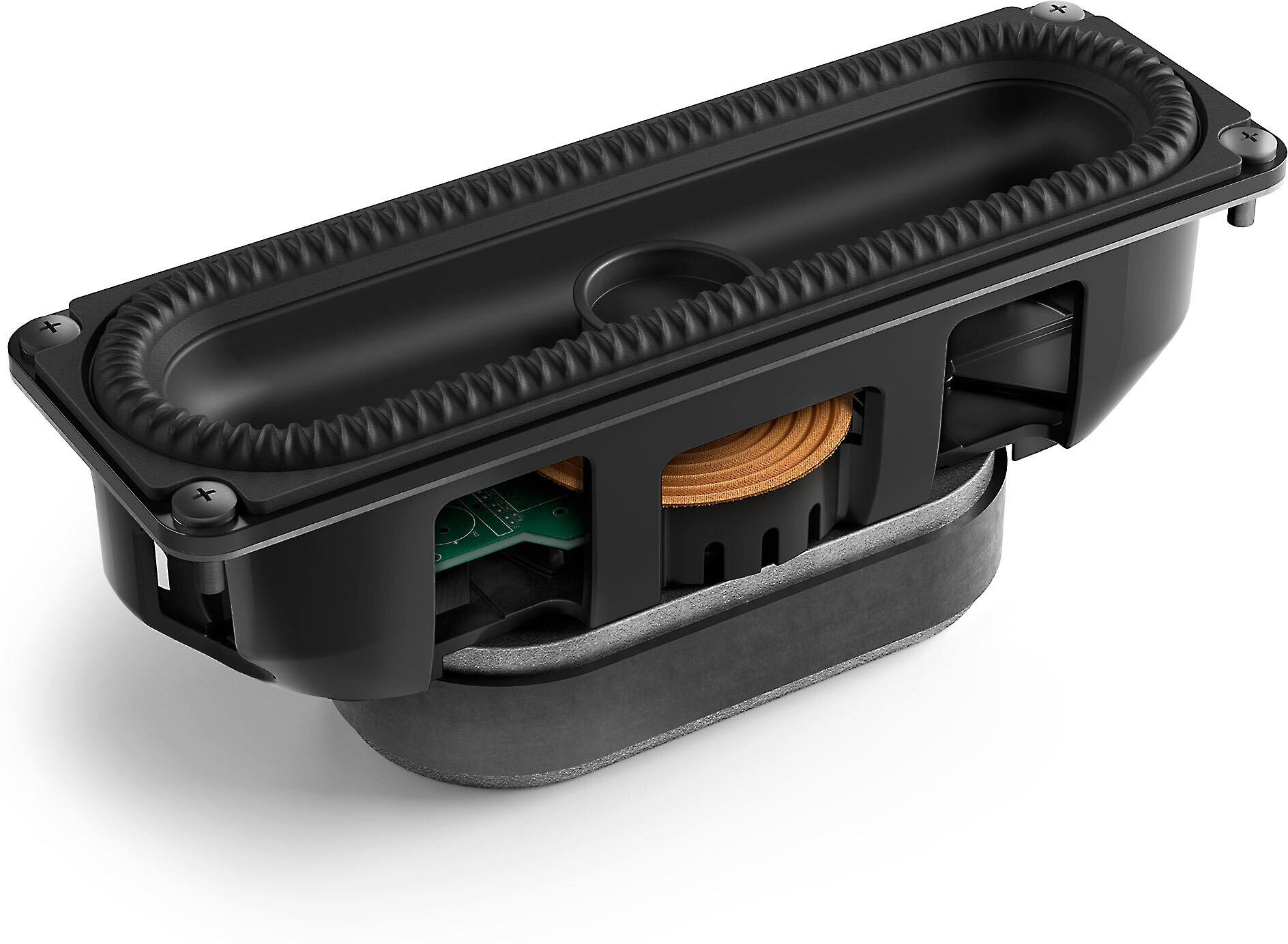
The KEF XIO includes four P185 racetrack-shaped woofers in a force-canceling configuration. These aren't your typical round bass drivers—the oval shape allows for a larger surface area in the confined space of a soundbar, while the force-canceling arrangement means that when one driver pushes air forward, another pushes in the opposite direction, eliminating cabinet vibration that would otherwise muddy the sound.
Even more impressive is KEF's VECO (Velocity Control Technology), which uses real-time feedback sensors to monitor exactly how each driver is moving. If distortion begins to creep in—which typically happens when bass drivers are pushed hard—the system instantly adjusts to maintain clean output. According to KEF's specifications, this reduces distortion by up to 28dB, a massive improvement that keeps bass punchy and defined even at high volumes.
The result is a soundbar that can reproduce frequencies down to 34Hz without any external subwoofer. To put that in perspective, this reaches into the realm typically reserved for dedicated home theater subwoofers, making the KEF XIO genuinely self-sufficient for most users.
The Sony HT-A8000 was clearly designed with movie watching as the primary use case. Features like Voice Zoom 3 use artificial intelligence to identify human speech in the audio mix and automatically boost dialogue while reducing background noise. This is incredibly useful for modern movies where dialogue is often mixed quite low, but it's not something you'd want active when listening to music.
The soundbar includes several preset modes optimized for different content types, but even the music mode feels somewhat secondary to the movie experience. While it reproduces stereo music adequately, it lacks the refinement and natural tonal balance that serious music listeners expect.
The KEF XIO approaches this challenge differently, using what KEF calls their Music Integrity Engine (MIE) for Cinema. This advanced digital signal processing manages spatial processing, adaptive equalization, digital crossovers (the electronic circuits that direct different frequencies to appropriate drivers), and dynamic correction—all simultaneously.
The key difference is that KEF designed this system to excel at both music reproduction and movie playback, rather than optimizing primarily for one. When playing stereo music, the KEF XIO creates a precise soundstage with excellent instrument separation, similar to what you'd expect from high-end bookshelf speakers. When switching to Dolby Atmos movie content, the same drivers seamlessly transition to creating an immersive surround experience.
This dual competency comes from KEF's decades of experience in hi-fi audio. They understand that the same technical attributes that make music sound natural—accurate frequency response, low distortion, precise timing—also make movie soundtracks more convincing and engaging.
Both soundbars support the essential modern connectivity options, but with different emphases.
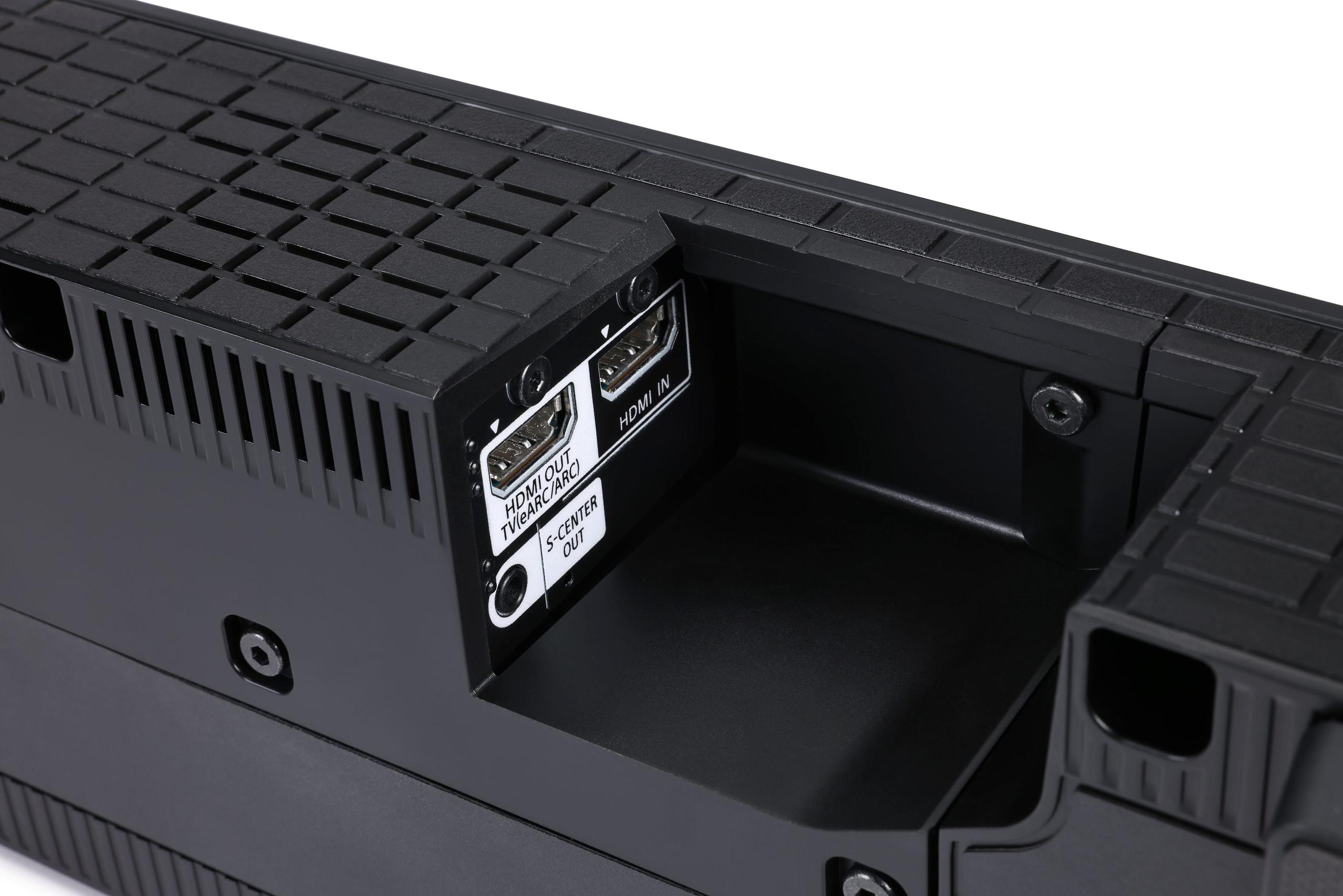
The Sony HT-A8000 includes HDMI 2.1 with eARC (enhanced Audio Return Channel), which allows for higher bandwidth audio formats and lets you control the soundbar with your TV remote. It also supports advanced gaming features like Variable Refresh Rate (VRR) and Auto Low Latency Mode (ALLM), making it an excellent choice for PlayStation 5 or Xbox Series X gaming.
The KEF XIO focuses more on high-quality music streaming, supporting resolution up to 24-bit/384kHz—far beyond what most streaming services provide, but future-proofing for emerging high-resolution content. It includes Wi-Fi 6 for stable wireless connectivity and supports virtually every major streaming protocol, including Spotify Connect, TIDAL Connect, AirPlay 2, and Google Cast.
Both soundbars include automatic room calibration, but they approach it differently.
The Sony HT-A8000 uses Sound Field Optimization to analyze your room acoustics and adjust its virtual processing accordingly. This works particularly well when paired with compatible Sony BRAVIA TVs through Acoustic Center Sync, which actually uses your TV's speakers as an additional center channel. This creates the illusion that dialogue is coming directly from the screen rather than from below it—a surprisingly effective feature that enhances the viewing experience significantly.
The KEF XIO employs Intelligent Placement Technology, using built-in microphones and sensors to detect room layout and nearby objects. It then automatically adjusts its output for optimal performance whether wall-mounted or shelf-placed. This system is more universal, working effectively regardless of your TV brand or room setup.
At the time of writing, these soundbars occupy very different price segments, which reflects their different target audiences and design philosophies.
The Sony HT-A8000 positions itself in the mid-premium category, offering impressive technology at a more accessible price point. However, the true cost of ownership includes the likely addition of a wireless subwoofer for optimal performance, which brings the total investment closer to some all-in-one premium alternatives.
The KEF XIO commands a significant premium, positioning it in the luxury segment traditionally occupied by high-end separates systems. However, when you consider that it includes twelve discrete amplifiers, advanced driver technology, and sophisticated room correction—components that would cost substantially more if purchased separately—the value proposition becomes more compelling for serious audio enthusiasts.
The Sony soundbar excels in scenarios where it's part of a cohesive ecosystem. If you're building a Sony-centered entertainment setup, the integration benefits are genuinely valuable and enhance the overall experience beyond what the specifications might suggest.
The KEF XIO makes most sense for users who view their soundbar as a long-term investment in audio quality. It's designed to deliver reference-level performance that won't leave you wanting upgrades in a few years.
After extensive research into user experiences and professional reviews, it's clear that both soundbars succeed at what they're designed to do, but they're designed to do different things.
The Sony HT-A8000 represents the modern approach to home theater: smart, integrated, and optimized for the most common use cases. Its virtual processing works well for most users, and its ecosystem integration adds genuine value for Sony customers. The dialogue enhancement features are particularly impressive for movie watching, and the gaming optimizations make it an excellent choice for console users.
The KEF XIO represents a more traditional audio approach: uncompromising engineering focused on acoustic performance above all else. It's the choice for users who want their soundbar to serve double duty as both a home theater system and a high-quality music system, and who are willing to pay for that versatility.
Neither approach is inherently better—they serve different needs and preferences. The key is honestly assessing your priorities, your room, and your existing equipment to determine which philosophy aligns better with your situation. In the rapidly evolving world of soundbar technology, both represent thoughtful, well-executed approaches to the challenge of bringing cinematic audio to the living room.
| Sony HT-A8000 BRAVIA Theater Bar 8 | KEF XIO Soundbar |
|---|---|
| Channel Configuration - Determines surround sound capability | |
| 5.0.2 virtual channels with 11 speaker units | True 5.1.2 channels with 12 discrete drivers |
| Atmos Implementation - How overhead effects are created | |
| Virtual processing with ceiling reflections | Physical upward-firing drivers plus reflections |
| Total Power Output - Affects maximum volume and dynamics | |
| 60W (adequate for most rooms) | 820W across 12 Class D amplifiers (room-filling power) |
| Bass Extension - Determines need for external subwoofer | |
| Limited extension, subwoofer recommended | 34Hz without subwoofer (self-sufficient) |
| Driver Technology - Core audio reproduction quality | |
| Conventional drivers with digital processing | Uni-Q MX concentric drivers with advanced materials |
| Room Calibration - Adapts sound to your space | |
| Sound Field Optimization with Sony TV integration | Intelligent Placement Technology (universal) |
| Music Performance - Important if you stream music frequently | |
| Movie-optimized, adequate for casual listening | Audiophile-grade with Music Integrity Engine |
| Gaming Features - Matters for console users | |
| HDMI 2.1 with VRR, ALLM, 4K120 support | Standard HDMI eARC, no gaming-specific features |
| Ecosystem Integration - Seamless setup with matching brand | |
| Deep Sony BRAVIA TV and PlayStation integration | Universal compatibility, no brand-specific features |
| Expandability - Options to add components later | |
| Wireless subwoofers and rear speakers available | Subwoofer output only, designed as complete system |
| Build Quality and Design - Long-term durability and aesthetics | |
| Plastic construction, functional design | Aluminum chassis with splash-proof fabric |
| Streaming Capabilities - Built-in music service support | |
| Basic Bluetooth and casting support | Wi-Fi 6, hi-res streaming up to 24-bit/384kHz |
| Price Positioning - Value consideration at time of writing | |
| Mid-premium with potential subwoofer costs | Luxury tier, complete system pricing |
The KEF XIO delivers superior movie performance with true 5.1.2 channels using physical upward-firing drivers for genuine Dolby Atmos effects. The Sony HT-A8000 uses virtual processing that works well in ideal rooms but may struggle with challenging acoustics. However, the Sony soundbar excels at dialogue clarity with its Voice Zoom 3 AI technology, making it excellent for TV shows and dialogue-heavy films.
The KEF XIO includes powerful racetrack woofers that extend down to 34Hz, eliminating the need for a separate subwoofer for most users. The Sony HT-A8000 has built-in bass drivers but will likely need Sony's optional wireless subwoofer for full cinematic impact, especially in larger rooms or for bass-heavy content.
The KEF XIO is significantly better for music, featuring audiophile-grade Uni-Q drivers and supporting high-resolution streaming up to 24-bit/384kHz. It delivers precise stereo imaging and natural sound reproduction. The Sony HT-A8000 is optimized primarily for movies and provides adequate but not exceptional music performance.
Both soundbars offer automatic room calibration. The Sony HT-A8000 uses Sound Field Optimization that works especially well with Sony BRAVIA TVs through Acoustic Center Sync. The KEF XIO uses Intelligent Placement Technology that adapts to any room setup and TV brand, making it more universally compatible.
The Sony HT-A8000 is superior for gaming, offering HDMI 2.1 support with Variable Refresh Rate (VRR), Auto Low Latency Mode (ALLM), and 4K120 compatibility for PlayStation 5 and Xbox Series X. The KEF XIO provides excellent audio quality for games but lacks these gaming-specific features.
The KEF XIO features premium construction with an aluminum top plate and splash-proof fabric, reflecting its luxury positioning. The Sony HT-A8000 uses quality plastic construction that's functional and attractive but not as premium. Both are well-built, but the KEF soundbar feels more substantial and luxurious.
The Sony HT-A8000 offers more expansion options with compatible wireless subwoofers and rear speakers that automatically pair with the system. The KEF XIO includes a subwoofer output but is designed as a complete system that doesn't require additional components for optimal performance.
The KEF XIO offers universal compatibility and works equally well with any TV brand via HDMI eARC or optical connection. The Sony HT-A8000 works with all TVs but provides additional integration features and benefits when paired with Sony BRAVIA TVs, including TV speaker coordination.
The KEF XIO delivers significantly more power with 820 watts across 12 discrete Class D amplifiers, providing room-filling dynamics and headroom. The Sony HT-A8000 outputs 60 watts, which is adequate for most living rooms but less powerful for larger spaces or high-volume listening.
Value depends on your priorities. The Sony HT-A8000 offers good performance at a more accessible price point, especially for Sony ecosystem users. The KEF XIO commands a premium but delivers reference-quality audio that eliminates the need for upgrades, making it better long-term value for audio enthusiasts.
Both soundbars support Dolby Atmos and DTS:X, but the KEF XIO adds Sony 360 Reality Audio support and handles high-resolution music formats better. The Sony HT-A8000 focuses on standard home theater formats with excellent processing for movie content and gaming audio.
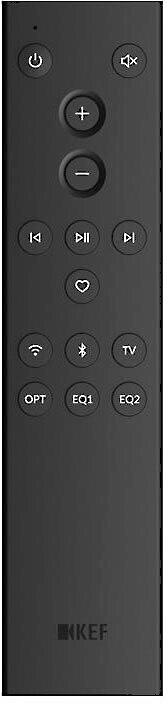
The Sony HT-A8000 offers simpler setup, especially with Sony TVs, and integrates with existing Sony remotes. The KEF XIO requires the KEF Connect app for full functionality but offers more advanced streaming options once configured. Both include physical remotes and support voice control through compatible devices.
We've done our best to create useful and informative comparisons to help you decide what product to buy. Our research uses advanced automated methods to create this comparison and perfection is not possible - please contact us for corrections or questions. These are the sites we've researched in the creation of this article: consumerreports.org - skybygramophone.com - target.com - rtings.com - bestbuy.com - rubbermonkey.co.nz - shopatsc.com - audioadvice.com - sony.com - sony.com - sony.com - shop.cosmopolitan.com - store.sony.com.my - videoandaudiocenter.com - blog.son-video.com - residentialsystems.com - whathifi.com - audioadvice.com - crutchfield.com - homecrux.com - techradar.com - youtube.com - us.kef.com - gramophone.com - cepro.com - audioxpress.com - musicdirect.com - gramophone.com - us.kef.com - crutchfield.com - hifipig.com - bestbuy.com - listenup.com - bestbuy.com - bestbuy.com - listenup.com

Privacy Policy
Terms and Conditions - Affiliate Policy
Home Security
© Copyright 2008-2026.
11816 Inwood Rd #1211, Dallas, TX 75244