



Choosing a soundbar used to be straightforward – find something that made your TV sound better than its built-in speakers. But today's soundbars have evolved into sophisticated audio systems that can transform your living room into a home theater. The challenge now is navigating between premium features and practical value.
We're comparing two very different approaches to Dolby Atmos soundbars: the Sony HT-A8000 and the Polk Audio Signa S4. One prioritizes cutting-edge technology in a sleek package, while the other focuses on delivering complete functionality at an accessible price point. Understanding these differences will help you make the right choice for your home theater setup.
Before diving into specifics, it's worth understanding what makes today's soundbars so much more capable than earlier generations. The biggest game-changer has been Dolby Atmos – a surround sound format that adds height information to create truly three-dimensional audio. Instead of sound just coming from left, right, and center, Dolby Atmos can place sounds above you, creating the sensation of helicopters flying overhead or rain falling from the sky.
Traditional surround sound required multiple speakers placed around your room, which most people found impractical. Modern soundbars solve this through clever acoustic engineering, using upward-firing speakers to bounce sound off your ceiling and sophisticated processing to create "phantom" speakers that your brain perceives as coming from specific locations.
The key considerations when evaluating any soundbar include dialogue clarity (since most TV content prioritizes speech), bass response (for movies and music), spatial audio performance (how well it creates that surround sound effect), and overall tonal balance. Room size matters too – what works in a small apartment might get lost in a large living room.
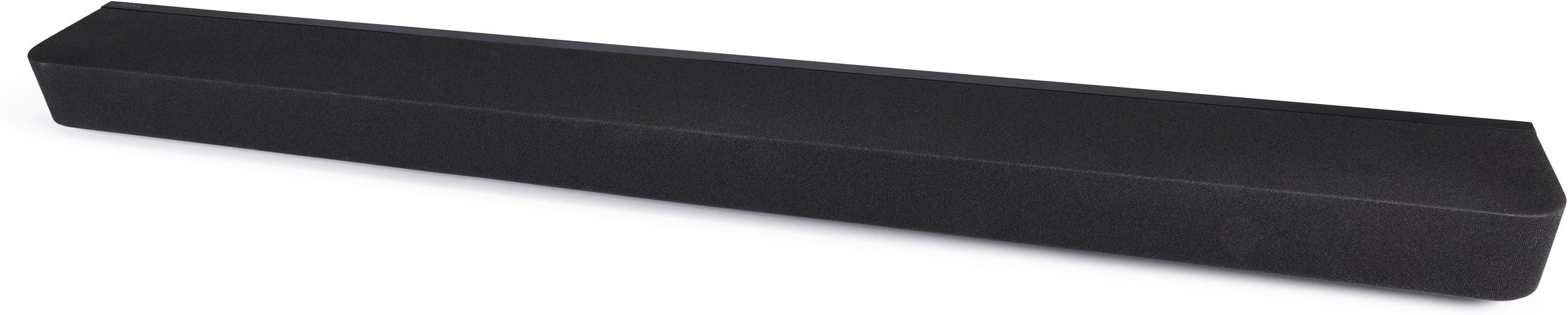
The Sony HT-A8000 launched in 2024 as Sony's premium single-unit solution, representing the company's latest thinking on how to deliver theater-quality sound without additional components. Sony has been refining their spatial audio technology for years, and the HT-A8000 showcases their most advanced processing yet.
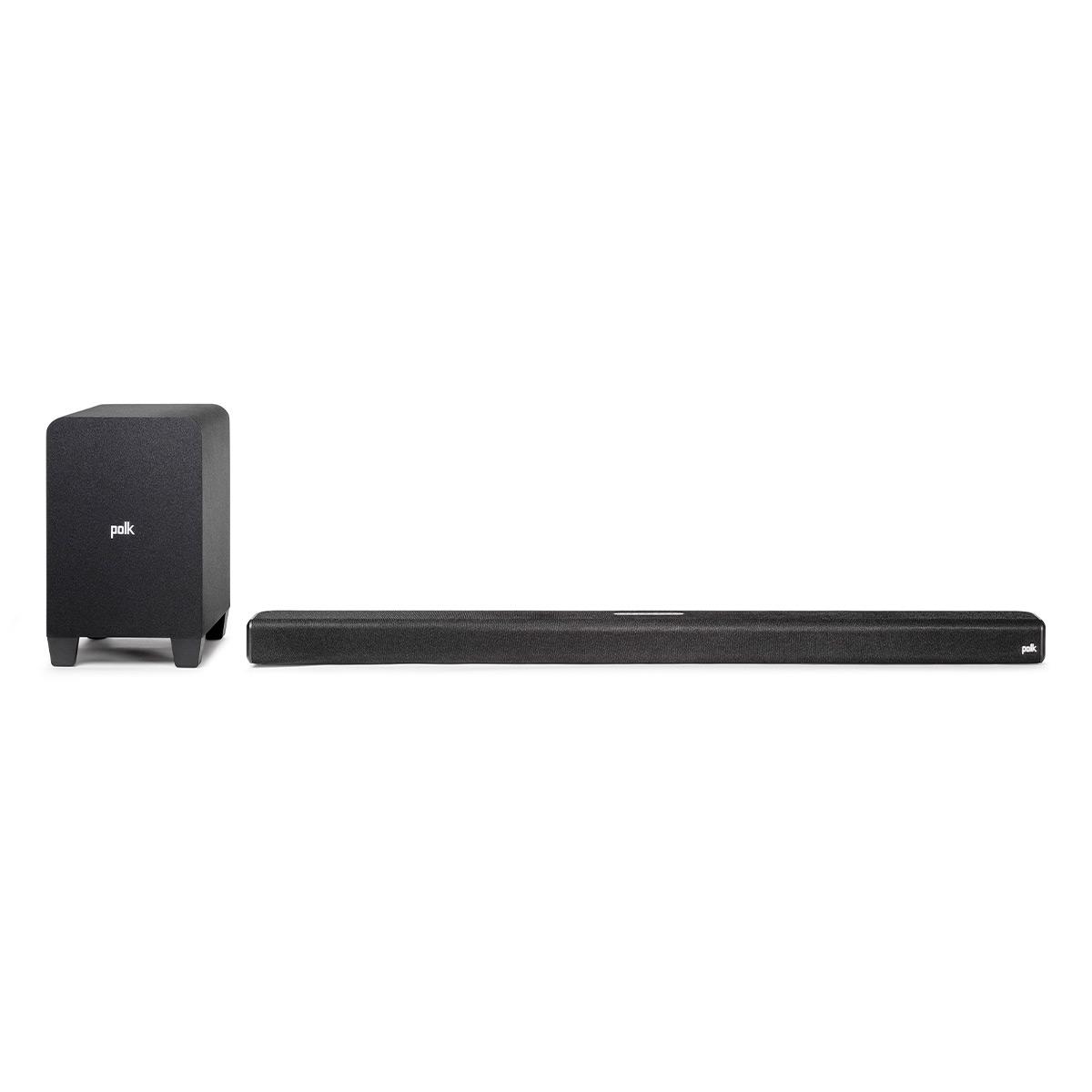
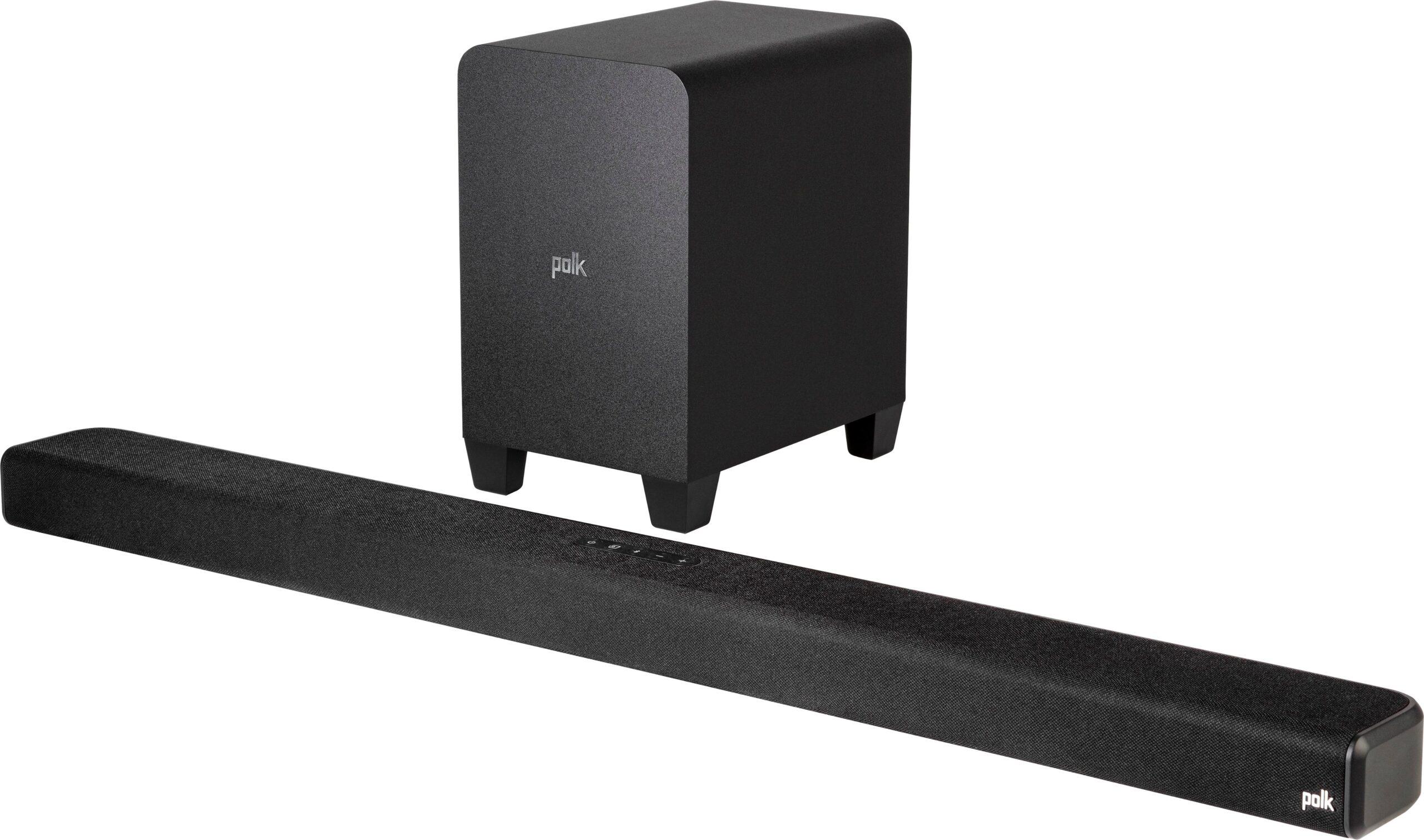
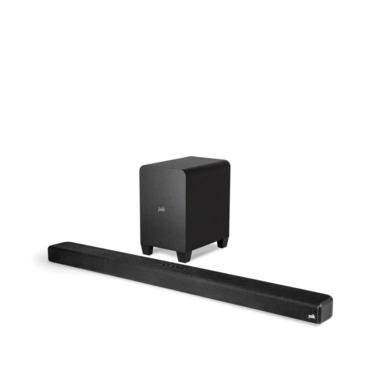
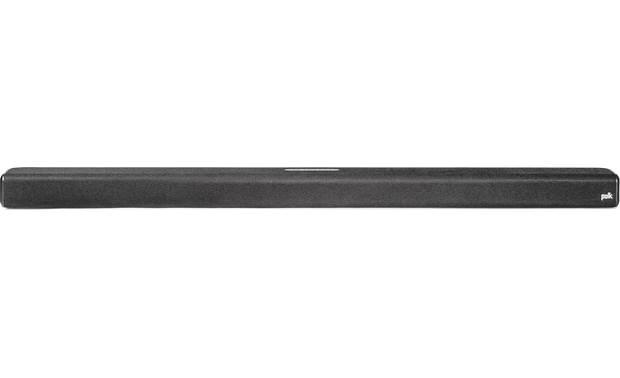
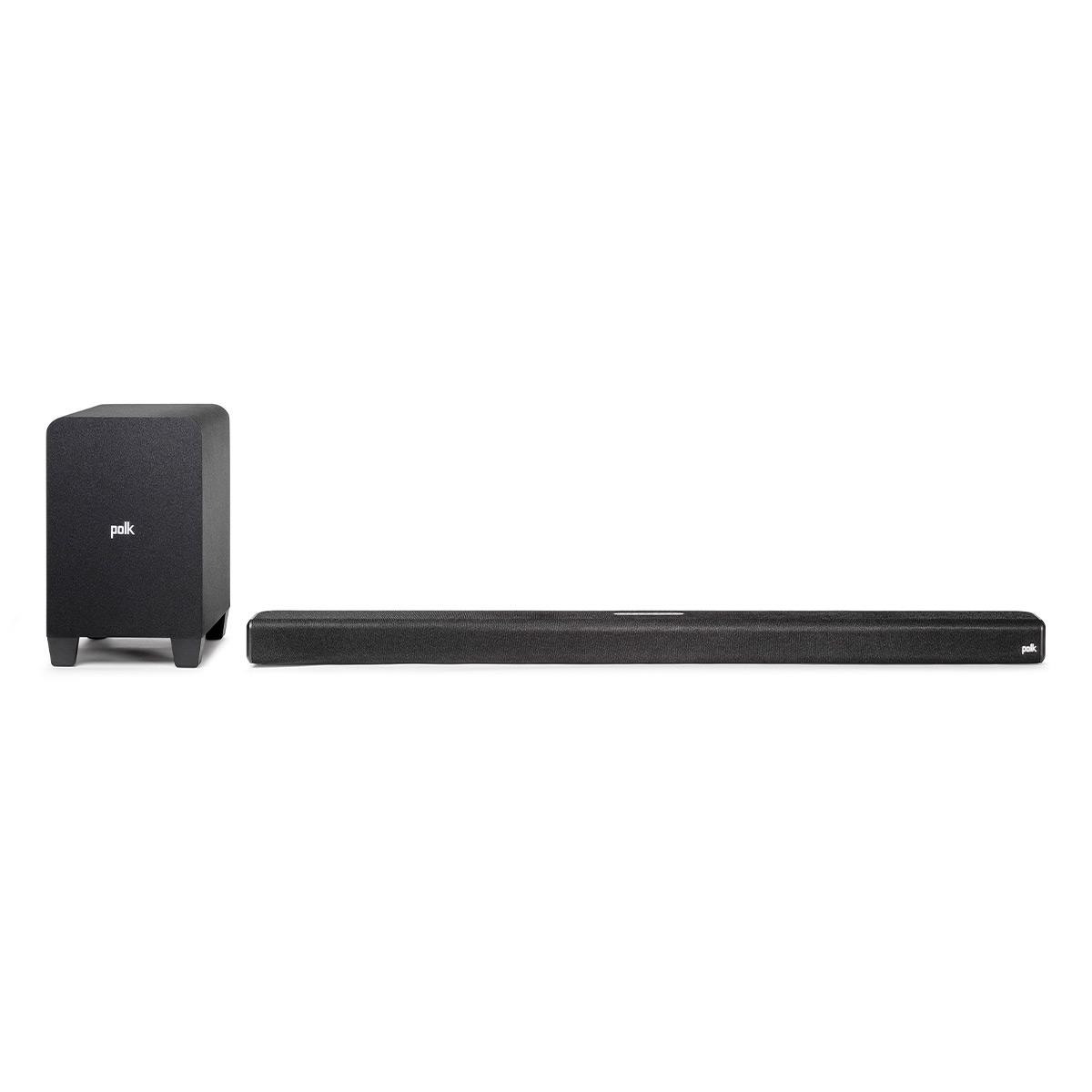
The Polk Audio Signa S4, released in 2021, takes a more traditional approach by including a wireless subwoofer as part of the base package. Polk has built their reputation on delivering high-quality audio at reasonable prices, and the Signa S4 exemplifies this philosophy. While it uses less exotic technology than the Sony, it provides all the components most people need for a complete home theater experience.
At the time of writing, these soundbars represent distinctly different value propositions. The Sony HT-A8000 commands a premium price that reflects its advanced technology and build quality. The Polk Signa S4, meanwhile, costs significantly less while including a wireless subwoofer that would be an expensive add-on for competing soundbars.
Clear dialogue is arguably the most important aspect of any soundbar, since poorly mixed TV shows and movies often bury speech beneath music and effects. Both soundbars address this challenge but use different approaches.
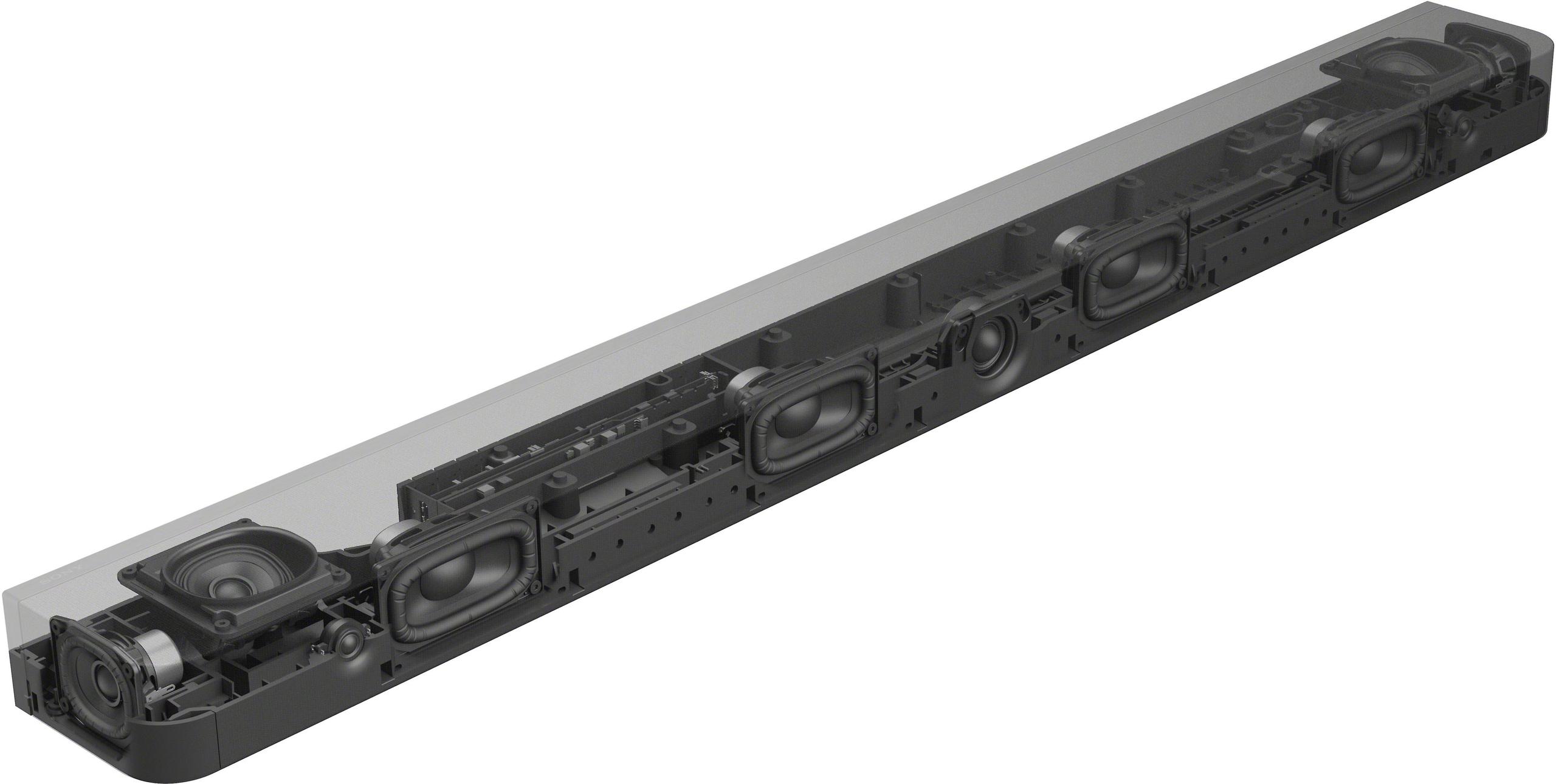
The Sony HT-A8000 features Voice Zoom 3, an AI-powered system that analyzes audio in real-time to identify and enhance human voices. This technology goes beyond simple EQ adjustments – it actually separates vocal frequencies from the rest of the soundtrack and can amplify them independently. Combined with dedicated center channel speakers within the soundbar's 11-driver array, dialogue remains clear even during complex action sequences.
The Polk Signa S4 uses their VoiceAdjust technology, which works similarly but with a more straightforward approach. It features a discrete center channel speaker dedicated to dialogue, plus processing that can raise voice levels without affecting background music or effects. While less sophisticated than Sony's AI system, it proves remarkably effective in practice.
Based on user feedback and professional reviews, both systems excel at dialogue clarity, though the Sony's more advanced processing gives it a slight edge in challenging content with complex soundtracks.
This is where the fundamental difference between these soundbars becomes most apparent. Bass response affects everything from the rumble of explosions to the warmth and fullness of music, making it crucial for an engaging home theater experience.
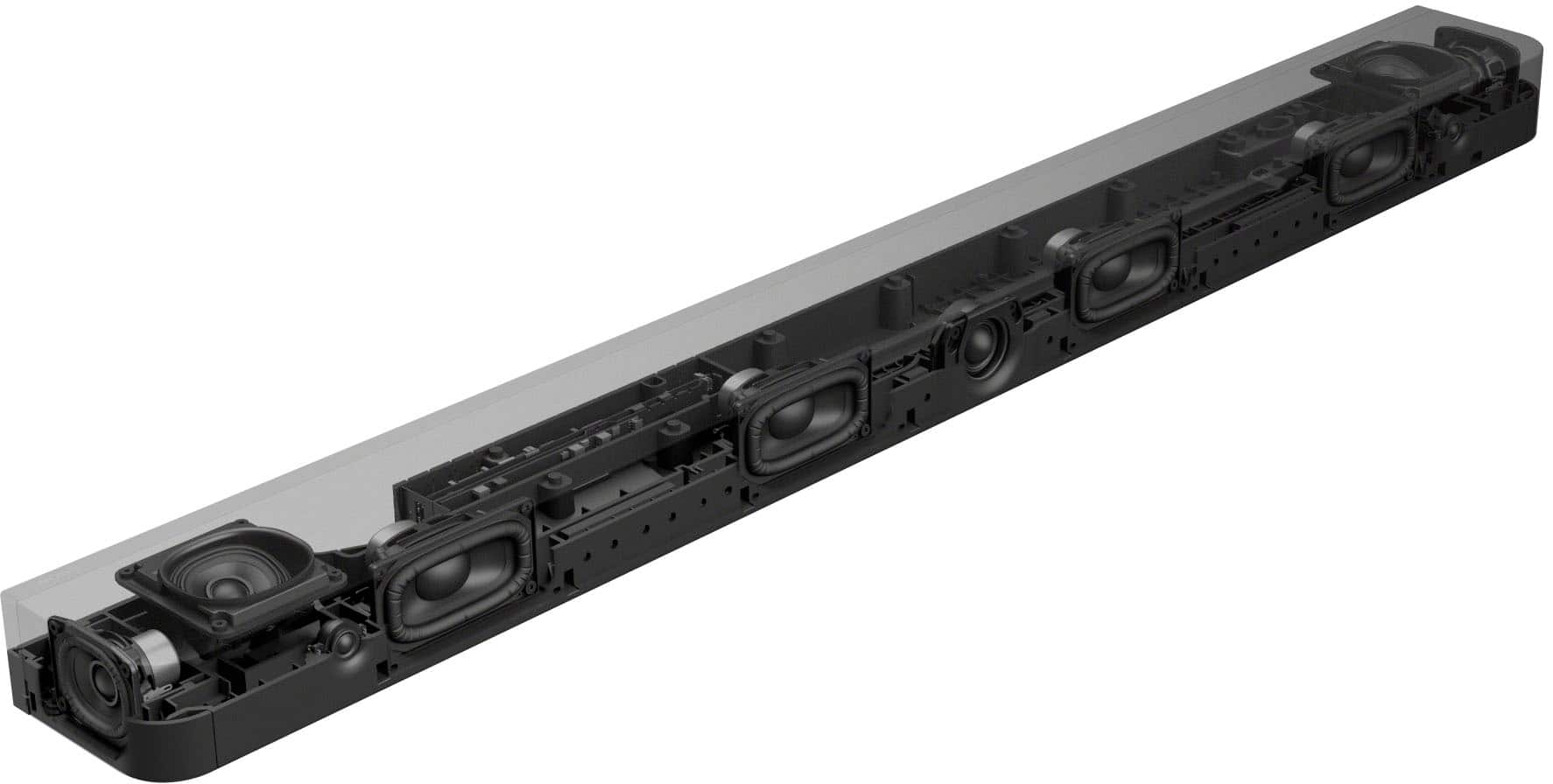
The Sony HT-A8000 achieves impressive bass for a single unit through its quad woofer design – four dedicated bass drivers built into the soundbar itself. Sony's engineers have maximized the diaphragm area of these drivers while minimizing distortion through advanced signal processing. The result is surprisingly deep bass that doesn't require a separate subwoofer for many listeners.
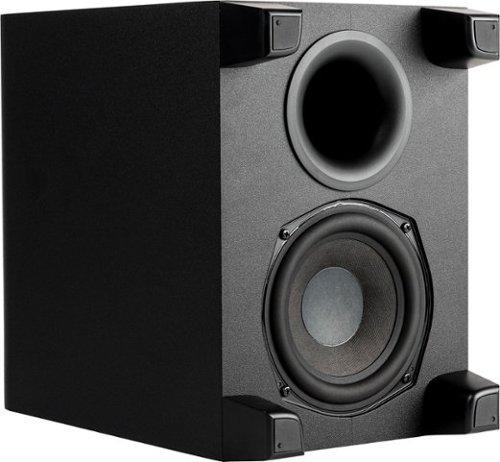
However, physics still matters. No matter how clever the engineering, a soundbar can only move so much air. The Polk Signa S4 includes a wireless subwoofer with a nearly 6-inch driver specifically designed for low-frequency reproduction. This dedicated component can produce deeper, more impactful bass that you feel as much as hear – crucial for action movies and music with significant low-end content.
The difference becomes most noticeable in larger rooms or when playing bass-heavy content. The Sony's integrated approach works well in smaller to medium-sized spaces, but the Polk's dedicated subwoofer provides more flexibility and raw capability when you need room-filling bass.
Both soundbars support Dolby Atmos, but their implementation strategies differ significantly, leading to distinct listening experiences.
The Sony HT-A8000 uses what they call 360 Spatial Sound Mapping, a sophisticated system that combines physical and phantom speakers to create surround effects. The soundbar contains upward-firing speakers that bounce audio off your ceiling, while advanced processing creates the illusion of additional speakers around your room. Sony's approach relies heavily on their acoustic modeling and room correction algorithms to optimize performance based on your specific space.
This technology represents the cutting edge of single-unit spatial audio processing. When it works well – in rooms with appropriate ceiling height and reflective surfaces – it can create remarkably convincing surround effects from just one component.
The Polk Signa S4 takes a more straightforward approach with its certified 3.1.2 Dolby Atmos system. The ".2" refers to two dedicated height channels that fire upward to create overhead effects, while the wireless subwoofer handles the low-frequency elements that make Atmos content more immersive. This traditional implementation may be less exotic, but it's also more predictable across different room types.
Professional reviews consistently note that both systems deliver convincing Dolby Atmos effects, though the Sony's more advanced processing can create a wider soundstage when room conditions are favorable. The Polk's simpler approach proves more consistently effective across varied listening environments.
While most people buy soundbars primarily for TV and movie content, music performance reveals a lot about overall sound quality and engineering priorities.
The Sony HT-A8000 demonstrates impressive tonal balance for a single-unit design. Its 11-speaker array includes dedicated tweeters for high-frequency detail and multiple midrange drivers for vocal reproduction. The soundbar supports high-resolution audio formats and includes processing to upscale compressed music sources.
However, music reproduction is where the Polk Signa S4's traditional approach shines. The combination of the soundbar's seven-driver array and the wireless subwoofer creates a more complete frequency response. Music benefits from having dedicated low-frequency reproduction, especially genres like hip-hop, electronic, or rock that rely on deep bass for impact.
User reviews consistently praise the Polk's musicality, noting its warm, engaging sound signature that makes it enjoyable for extended listening sessions. The Sony, while technically impressive, can sound slightly clinical by comparison, though this may actually be preferable for critical listening or audiophile applications.
Modern soundbars need to handle not just today's content but also emerging formats and standards. This is where the three-year gap between these products' release dates becomes significant.
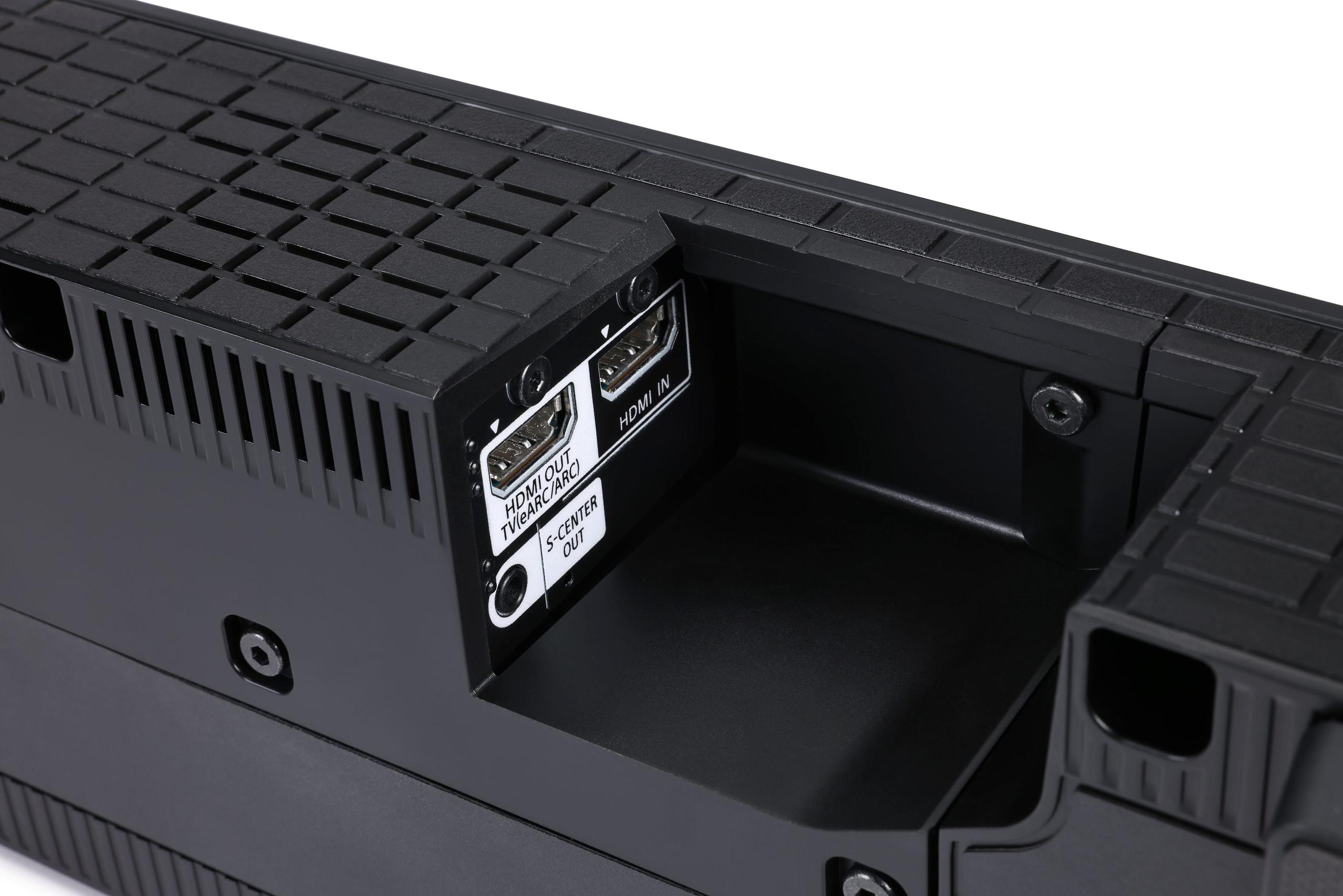
The Sony HT-A8000, launching in 2024, includes HDMI 2.1 support with full 8K HDR compatibility. This matters for gaming enthusiasts, as it supports advanced features like 4K at 120Hz refresh rates, Variable Refresh Rate (VRR), and Auto Low Latency Mode (ALLM). Even if you don't have an 8K TV today, this ensures compatibility with future displays and gaming consoles.
The soundbar also features the latest Bluetooth 5.2 standard for improved wireless stability and supports both Spotify Connect and Apple AirPlay 2 for seamless music streaming. These connectivity options reflect current user preferences and should remain relevant for years to come.
The Polk Signa S4, designed in 2021, includes HDMI eARC (enhanced Audio Return Channel) support, which handles current Dolby Atmos content perfectly well. While it uses the older Bluetooth 4.2 standard, it compensates with the ability to pair up to eight devices, making it convenient for households with multiple family members.
For most users today, both connectivity suites prove adequate. The Sony's more advanced specifications mainly benefit early adopters of cutting-edge gaming and display technology.
How a soundbar adapts to your specific room can dramatically affect performance, making setup features increasingly important.
The Sony HT-A8000 includes Sound Field Optimization, an automated calibration system that analyzes your room's acoustics and adjusts the soundbar's output accordingly. This technology considers factors like room size, ceiling height, and furniture placement to optimize the spatial audio effects. While you can't see this system working, its impact on performance can be substantial, particularly for the advanced spatial processing.
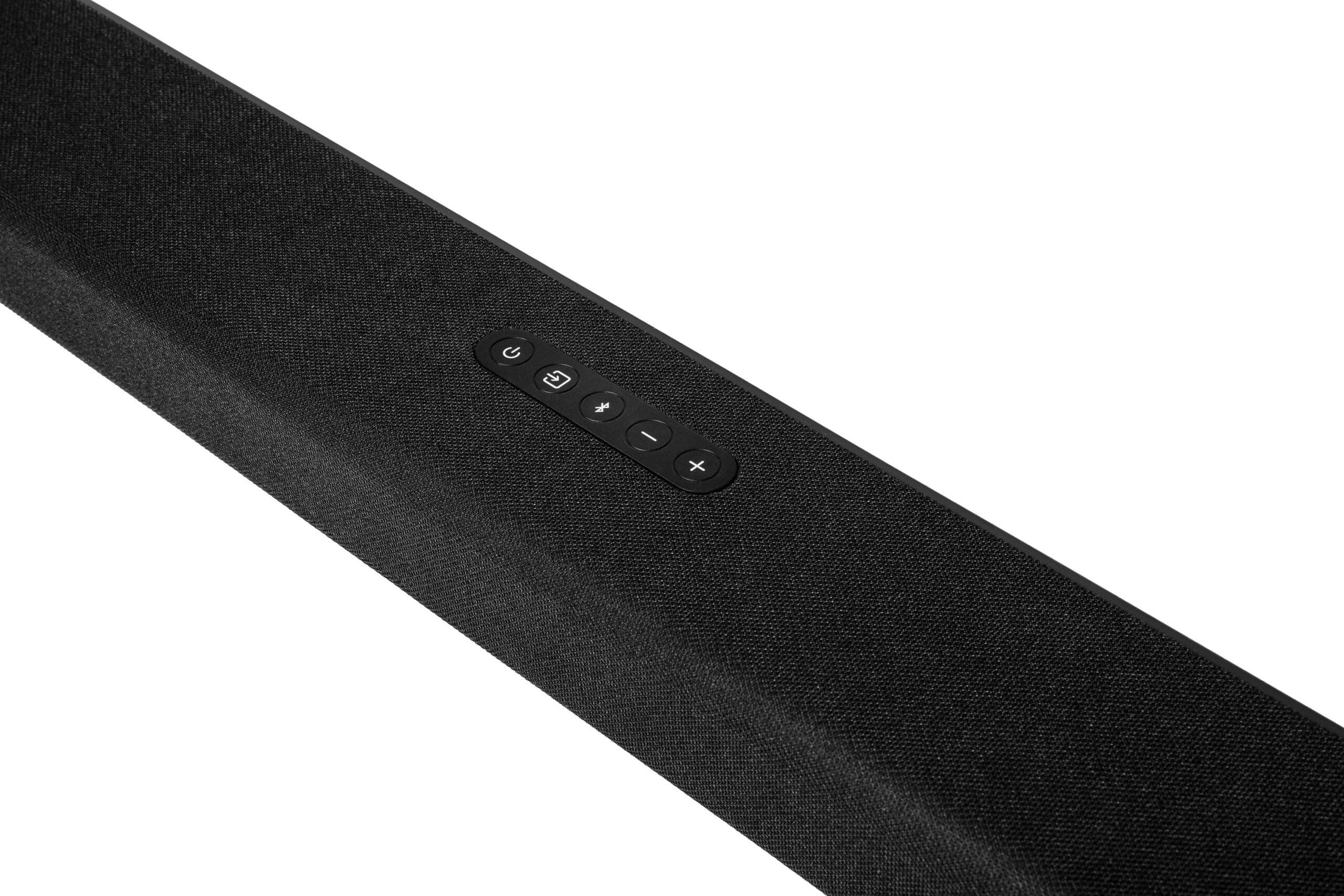
The Polk Signa S4 takes a more manual approach, providing adjustable settings for voice and bass levels but relying on user positioning for optimal performance. The wireless subwoofer's flexibility partly compensates for this – you can experiment with placement to find the best bass response for your room.
In practice, the Sony's automated approach works well for most users but can't account for unusual room layouts or personal preferences. The Polk's manual controls require more experimentation but ultimately give you more control over the final sound.
Understanding the total cost of ownership helps clarify the value proposition of each approach.
The Sony HT-A8000 commands a premium price at the time of writing, but this reflects its all-in-one design philosophy. For many users, the included functionality provides everything needed for a significant upgrade over TV speakers. However, if you later decide you want deeper bass or rear surround speakers, Sony's optional components carry substantial additional costs.
The Polk Signa S4 represents exceptional value by including a wireless subwoofer at a price point where competitors typically offer only the soundbar itself. This complete system approach means most users won't need additional purchases to achieve satisfying home theater performance.
The value equation becomes more complex when considering expansion possibilities. Sony's ecosystem allows for building a complete surround system with wireless rear speakers and upgraded subwoofers, though the total investment can become substantial. Polk's system, while complete as purchased, offers no official expansion path.
For most users, the Polk's complete-system-at-purchase approach provides better immediate value. The Sony makes more sense for those who appreciate its premium features and might expand the system over time.
You value cutting-edge technology and don't mind paying for innovation. The Sony HT-A8000 makes most sense for tech enthusiasts who appreciate sophisticated engineering and want the latest features. If you have a Sony TV, the integration benefits make it even more compelling.
This soundbar excels in modern, well-designed rooms where its spatial processing can work effectively. It's ideal for people who prioritize a clean, minimalist setup without multiple components, and who might expand to a full Sony ecosystem over time.
The advanced gaming features matter if you're serious about console gaming on high-end displays. The AI-powered dialogue enhancement also benefits anyone who struggles with speech clarity in modern TV and movie content.
You want maximum value and immediate completeness. The Polk Signa S4 provides everything most people need for dramatically improved home theater audio at an accessible price point.
This system works particularly well for movie enthusiasts who prioritize impactful bass and room-filling sound. The wireless subwoofer makes it suitable for larger rooms where a single soundbar might struggle to provide adequate low-frequency output.
It's also the better choice for music lovers, as the traditional soundbar-plus-subwoofer configuration provides more balanced, engaging sound across all genres. The longer warranty coverage adds to its value proposition.
Both soundbars successfully address the challenge of upgrading TV audio, but they serve different audiences and priorities.
The Sony HT-A8000 represents the future of soundbar technology – sophisticated, space-efficient, and packed with advanced features. However, this innovation comes at a premium price, and the single-unit approach, while elegant, has physical limitations that no amount of clever processing can completely overcome.
The Polk Signa S4 proves that sometimes the traditional approach works best. By including a wireless subwoofer and focusing on fundamentals like dialogue clarity and impactful bass, it delivers more complete performance for less money. While it lacks the Sony's exotic features, it provides everything most people actually need.
For most buyers, especially those new to soundbars or working within budget constraints, the Polk represents better overall value. Its complete system approach means you won't face expensive upgrade decisions later, and its performance satisfies the vast majority of home theater applications.
The Sony makes sense for specific situations: if you prioritize cutting-edge features, have limited space for multiple components, own Sony TVs or gaming equipment, or simply want the most sophisticated single-unit solution available regardless of cost.
Both soundbars will dramatically improve your TV's audio, but understanding these fundamental differences in approach and value will help you choose the one that best fits your specific needs, room, and budget.
| Sony HT-A8000 BRAVIA Theater Bar 8 Soundbar | Polk Audio Signa S4 Dolby Atmos Soundbar with Wireless Subwoofer |
|---|---|
| Speaker Configuration - Determines sound quality and room-filling capability | |
| 11 speakers in soundbar only (5.0.2 ch) | 7 speakers in soundbar + wireless subwoofer (3.1.2 ch) |
| Bass Solution - Critical for movie impact and music enjoyment | |
| Quad woofers built into soundbar | Dedicated 5.94" wireless subwoofer included |
| Dolby Atmos Implementation - How height effects are created | |
| 360 Spatial Sound Mapping with phantom speakers | True 3.1.2 certified Atmos with dedicated height channels |
| HDMI Support - Future-proofing for gaming and 8K content | |
| HDMI 2.1 with 8K, 4K120, VRR, ALLM support | HDMI eARC with current format support |
| Room Calibration - Automatic sound optimization | |
| Sound Field Optimization auto-calibrates | Manual adjustment with VoiceAdjust and BassAdjust |
| Wireless Connectivity - Music streaming capabilities | |
| Bluetooth 5.2, Spotify Connect, AirPlay 2 | Bluetooth 4.2 with 8-device pairing |
| Included Components - What you get out of the box | |
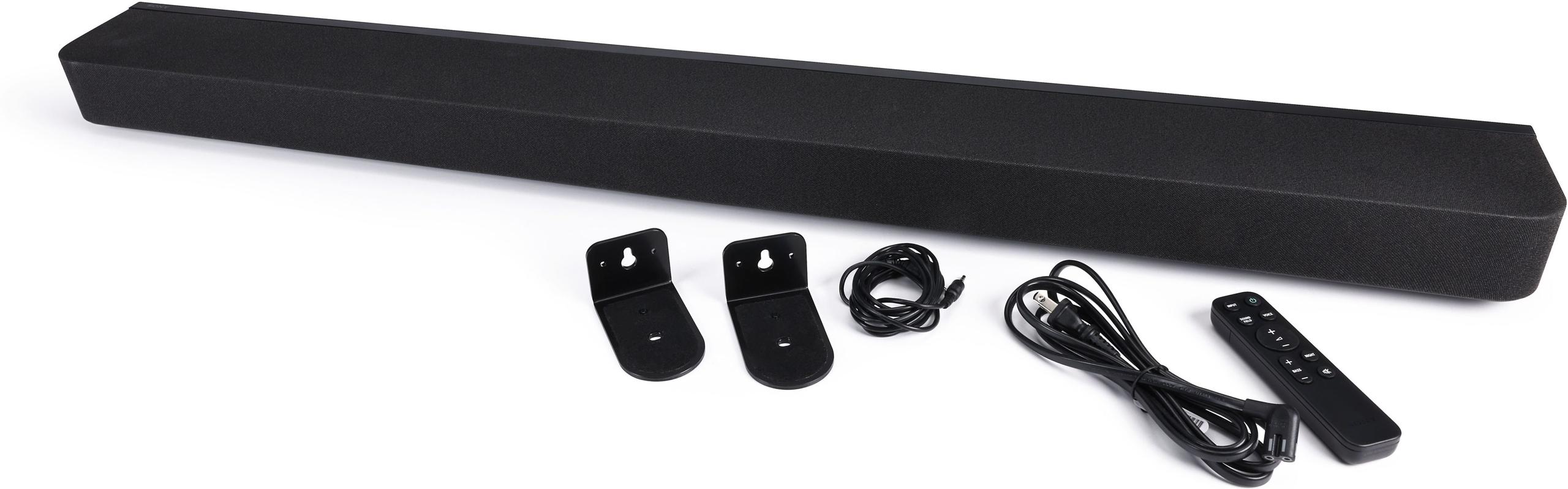
| Soundbar, remote, cables, wall mount | Soundbar, wireless subwoofer, remote, all cables |
| Expandability - Adding more speakers later | |
| Optional SA-SW3/SW5 subwoofer, SA-RS3R/RS5 rear speakers | Complete system, no expansion options |
| Build Quality - Materials and construction | |
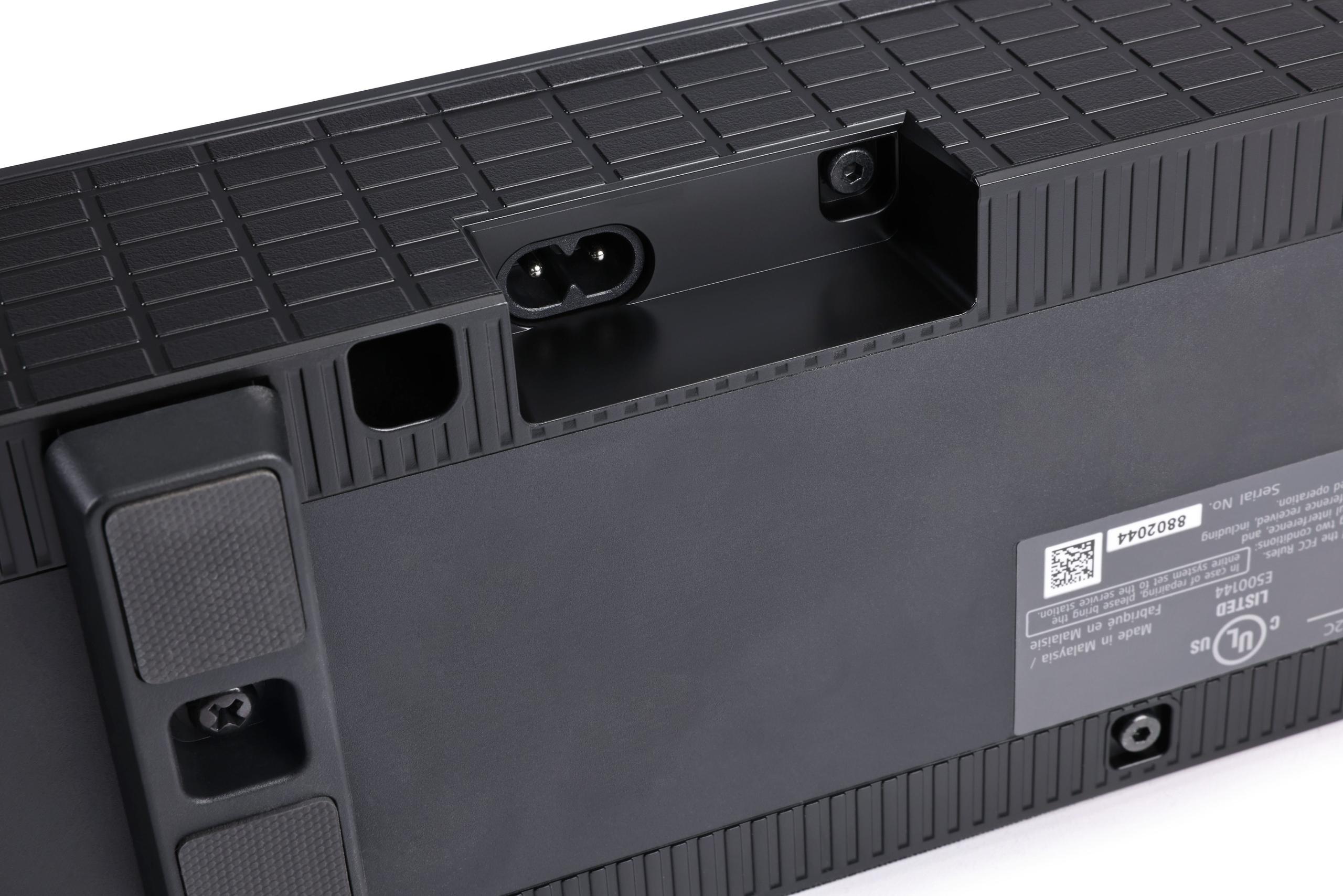
| Premium metal construction, 10.36 lbs | Plastic with fabric, lighter construction |
| Warranty Coverage - Protection for your investment | |
| 1 year parts and labor | 2 years parts and labor |
| Best For - Ideal use cases | |
| Tech enthusiasts wanting premium single-unit solution | Value-seekers wanting complete system with deep bass |
The Polk Audio Signa S4 has significantly better bass performance because it includes a dedicated wireless subwoofer with a 5.94-inch driver. While the Sony HT-A8000 uses quad woofers built into the soundbar itself and sounds impressive for a single unit, it can't match the deep, room-filling bass that comes from a dedicated subwoofer. For action movies and music with heavy bass, the Polk Signa S4 delivers more impact.
Yes, both the Sony HT-A8000 and Polk Audio Signa S4 support Dolby Atmos, but they implement it differently. The Sony HT-A8000 uses advanced 360 Spatial Sound Mapping technology to create height effects from its 11-speaker array. The Polk Signa S4 is Dolby Atmos certified with a true 3.1.2 setup, using dedicated upward-firing speakers for overhead sound effects.
The Polk Audio Signa S4 offers exceptional value because it includes a wireless subwoofer at a price point where most competitors only provide the soundbar itself. You get a complete system immediately without needing additional purchases. The Sony HT-A8000 costs significantly more and doesn't include a subwoofer, though it does offer more advanced technology and premium build quality.
The Sony HT-A8000 can be expanded with optional Sony wireless subwoofers and rear speakers, though these additions increase the total system cost considerably. The Polk Signa S4 comes as a complete system with no official expansion options, but most users find the included soundbar and subwoofer provide everything they need for great home theater sound.
Both soundbars excel at dialogue clarity but use different technologies. The Sony HT-A8000 features Voice Zoom 3, an AI-powered system that automatically identifies and enhances speech in real-time. The Polk Signa S4 uses VoiceAdjust technology with a dedicated center channel for clear dialogue. Both approaches work well, with the Sony HT-A8000 offering slightly more sophisticated processing.
Yes, both the Sony HT-A8000 and Polk Audio Signa S4 work with any TV brand through HDMI or optical connections. However, the Sony HT-A8000 offers enhanced integration features when paired with Sony BRAVIA TVs, including Acoustic Center Sync and simplified remote control operation.
The Sony HT-A8000 is better for gaming because it supports HDMI 2.1 with advanced gaming features like 4K at 120Hz, Variable Refresh Rate (VRR), and Auto Low Latency Mode (ALLM). The Polk Signa S4 handles gaming audio well but lacks these next-generation gaming features. For serious gamers with modern consoles, the Sony HT-A8000 provides better future-proofing.
The Polk Audio Signa S4 generally performs better for music because the dedicated subwoofer provides more balanced frequency response across all genres. The wireless subwoofer delivers the deep bass that makes music more engaging and full-sounding. While the Sony HT-A8000 supports high-resolution audio formats and sounds good for music, it can't match the complete frequency range that the Polk Signa S4 achieves with its subwoofer.
Both soundbars are relatively easy to set up, but they take different approaches. The Sony HT-A8000 includes automatic Sound Field Optimization that calibrates itself to your room, making setup more hands-off. The Polk Signa S4 requires some manual adjustment of voice and bass levels, plus positioning the wireless subwoofer for optimal performance. The Sony HT-A8000 may be slightly easier for beginners.
The Sony HT-A8000 requires less space since it's just one unit at 43⅜ inches wide and 2⅝ inches tall. The Polk Signa S4 needs space for both the 41.2-inch soundbar and the wireless subwoofer, though the subwoofer can be placed anywhere in the room. If space is extremely limited, the Sony HT-A8000 offers a more compact solution.
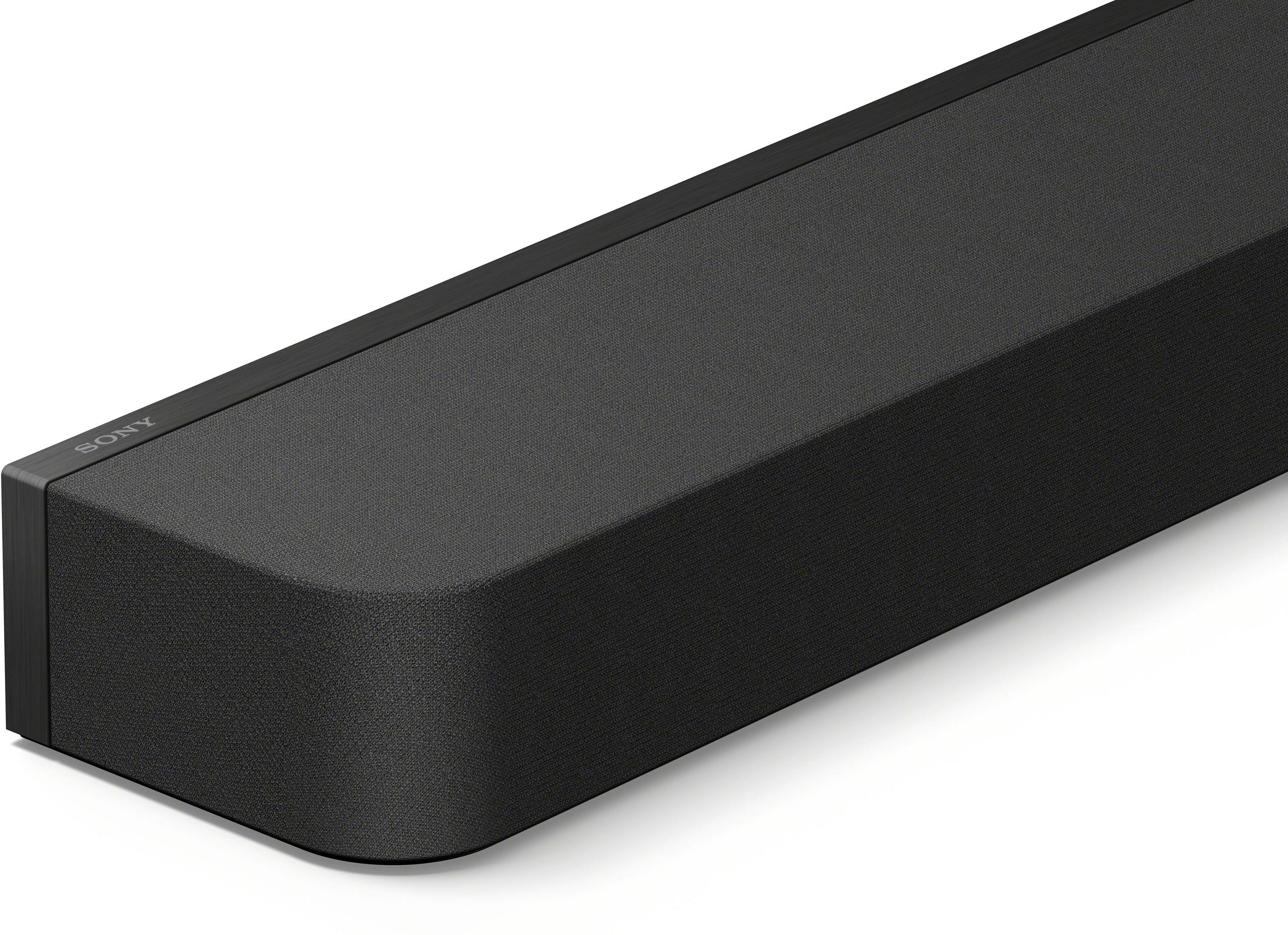
The Sony HT-A8000 features premium build quality with metal construction and weighs over 10 pounds, reflecting its high-end positioning. The Polk Audio Signa S4 uses mostly plastic construction with fabric covering, which is still well-built but more focused on value than premium materials. The Sony HT-A8000 feels more substantial and luxurious, while the Polk Signa S4 prioritizes functionality over premium aesthetics.
For large living rooms, the Polk Audio Signa S4 is typically the better choice because its wireless subwoofer can fill bigger spaces with impactful bass that a single soundbar unit struggles to achieve. The subwoofer can also be positioned anywhere in the room for optimal bass response. While the Sony HT-A8000 uses advanced processing to create wide soundstages, physics still matters – the Polk Signa S4 simply moves more air and fills large rooms more effectively.
We've done our best to create useful and informative comparisons to help you decide what product to buy. Our research uses advanced automated methods to create this comparison and perfection is not possible - please contact us for corrections or questions. These are the sites we've researched in the creation of this article: consumerreports.org - skybygramophone.com - target.com - rtings.com - bestbuy.com - rubbermonkey.co.nz - shopatsc.com - audioadvice.com - sony.com - sony.com - sony.com - shop.cosmopolitan.com - store.sony.com.my - videoandaudiocenter.com - soundandvision.com - audioholics.com - crutchfield.com - cnet.com - richersounds.com - crutchfield.com - rtings.com - polkaudio.com - walmart.com - polkaudio.com - crutchfield.com - youtube.com - profx.com

Privacy Policy
Terms and Conditions - Affiliate Policy
Home Security
© Copyright 2008-2026.
11816 Inwood Rd #1211, Dallas, TX 75244