




If you've ever tried watching an action movie and found yourself reaching for the remote to turn up dialogue scenes, then immediately scrambling to turn it down when explosions start, you understand why soundbars exist. Modern TVs, despite their impressive picture quality, often have terrible built-in speakers. They're thin, face backward, and simply can't produce the audio quality that matches today's high-definition content.
The soundbar market offers solutions ranging from simple TV audio enhancers to full-blown home theater replacements. Today we're comparing two very different approaches: the Sony HT-A8000 BRAVIA Theater Bar 8, a premium home theater soundbar from 2024, and the Bose TV Speaker, a straightforward TV enhancement solution from 2020.
These products represent opposite ends of the complexity spectrum, but both aim to solve the same fundamental problem: making your TV sound better. Understanding which approach fits your needs—and budget—will determine whether you'll be satisfied with your purchase for years to come.
Before diving into specifics, it's worth understanding what separates basic soundbars from premium home theater systems. At their core, all soundbars replace your TV's weak speakers with dedicated drivers designed for better sound reproduction. However, the similarities often end there.
Entry-level soundbars focus on improving dialogue clarity and providing fuller sound than TV speakers can manage. They typically offer stereo sound—meaning left and right channels—with some bass enhancement. These work great for most TV content, news, and casual movie watching.
Premium soundbars attempt to recreate the surround sound experience you'd get from a traditional multi-speaker home theater system. They use advanced processing, multiple speaker arrays, and spatial audio techniques to create the illusion that sound is coming from all around you, not just from a single bar below your TV.
The price difference reflects this complexity gap. At the time of writing, you can expect to pay around $200 for quality entry-level options, while premium models often cost $600-800 or more, depending on features and brand positioning.
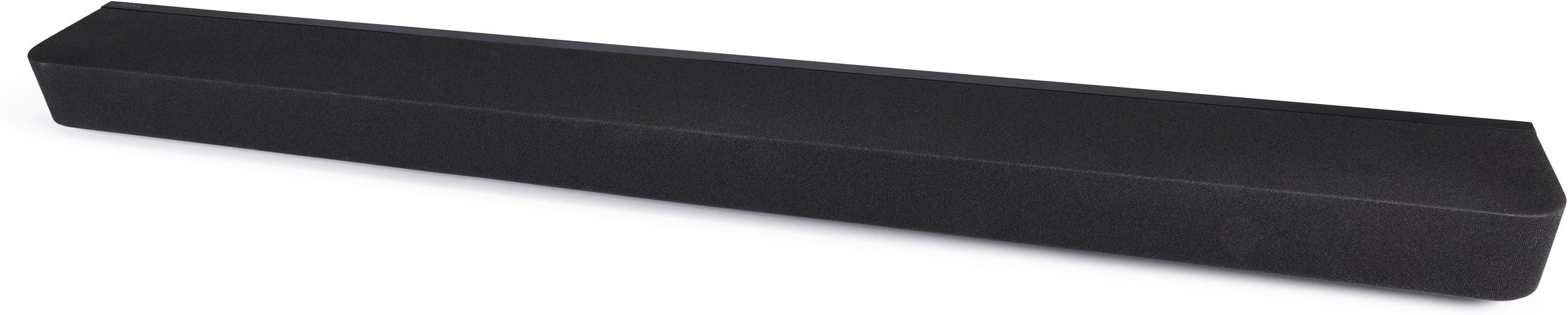
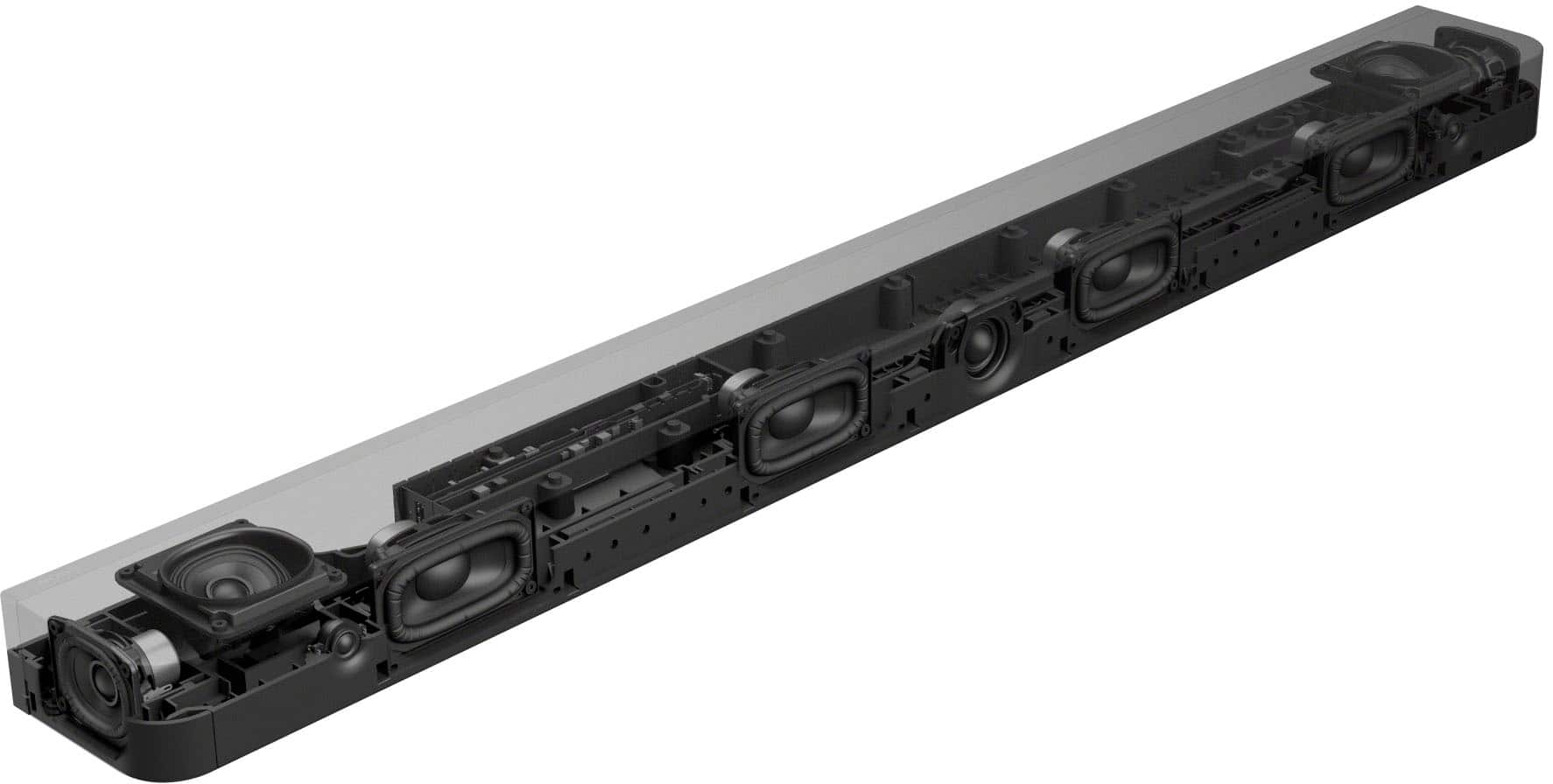
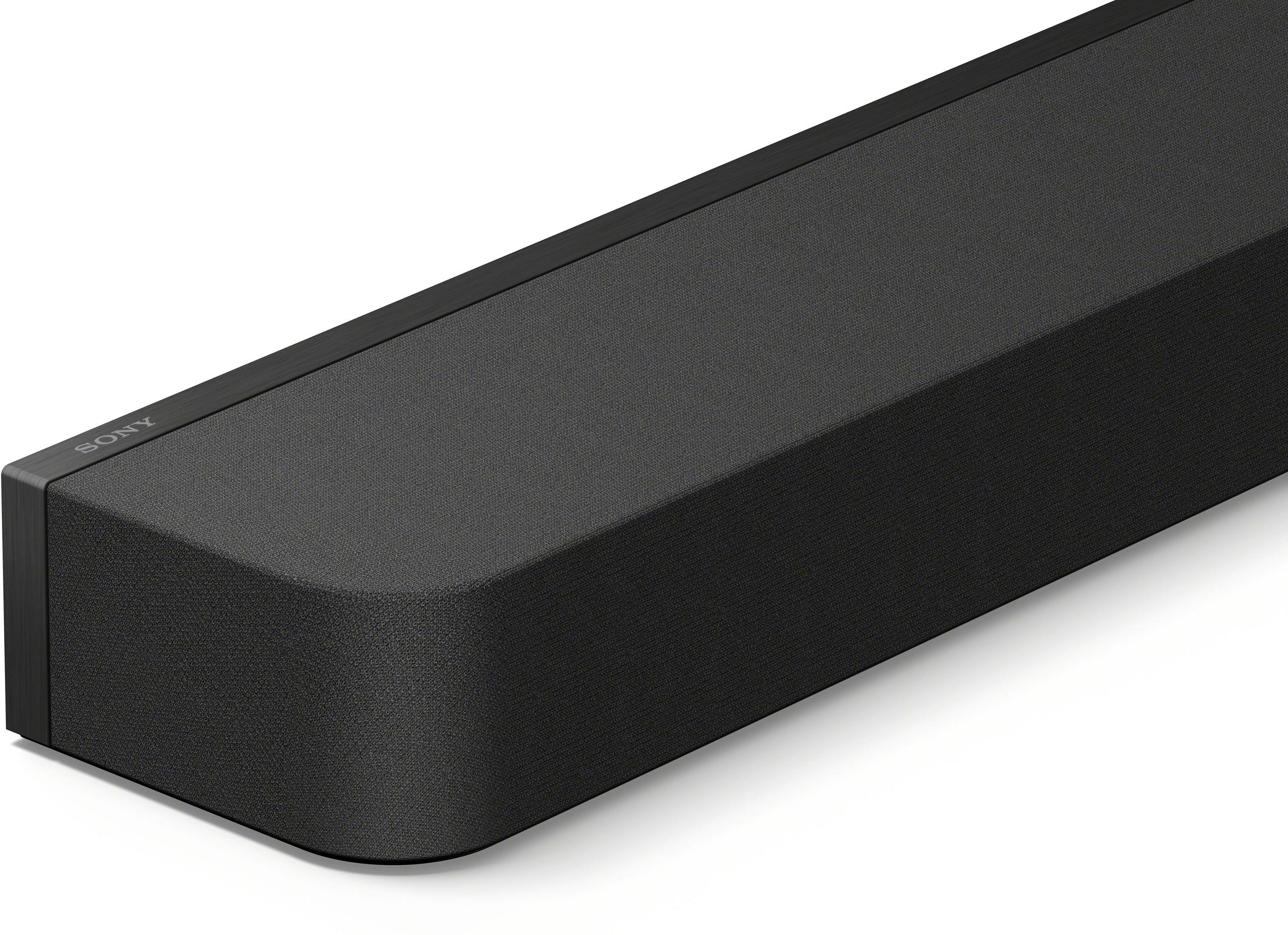
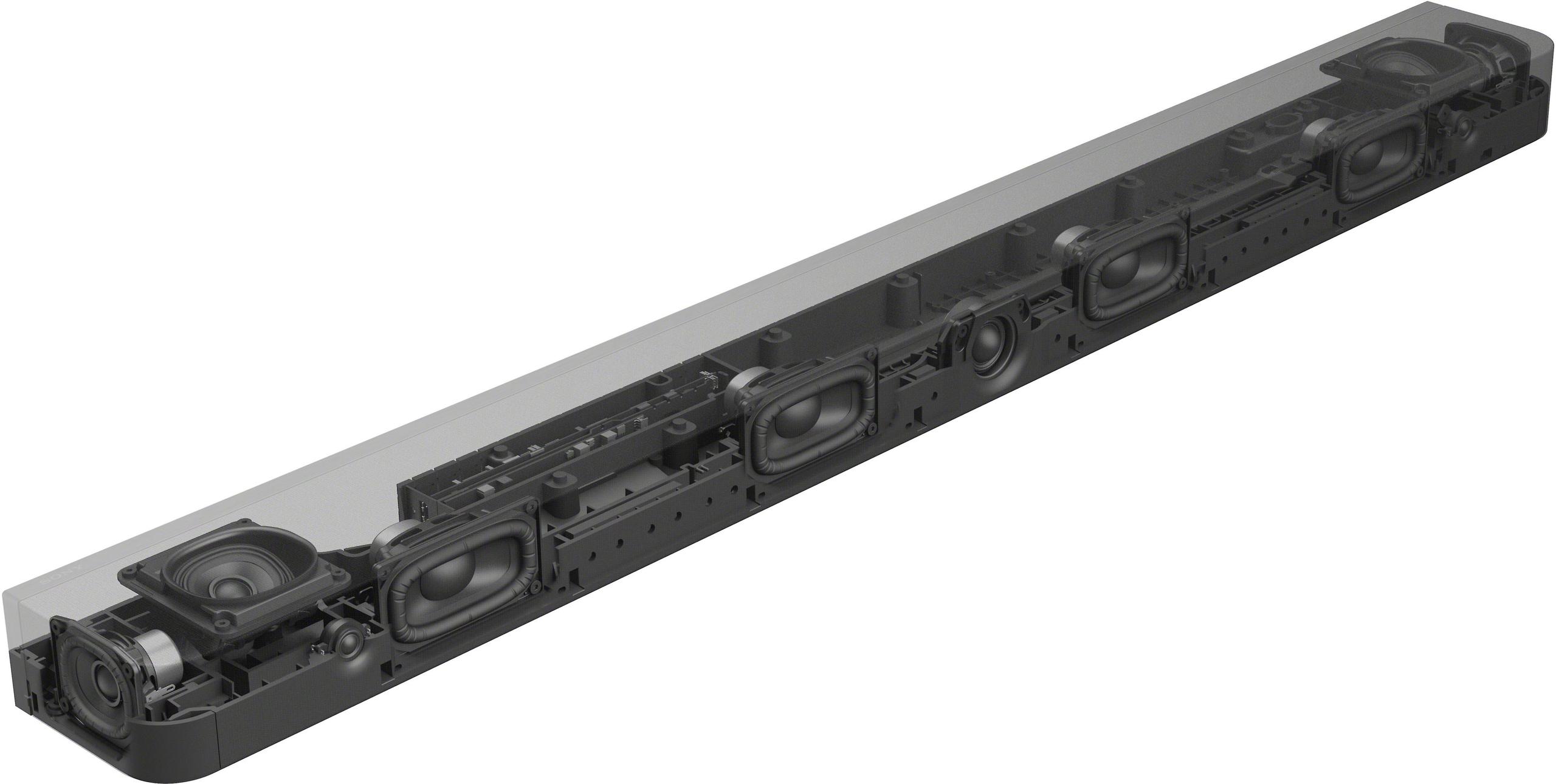
The Sony HT-A8000 represents Sony's flagship soundbar technology as of 2024. It's built around their 360 Spatial Sound Mapping technology, which uses 11 individual speaker drivers to create surround sound effects that bounce off your room's walls and ceiling. Think of it as trying to recreate a movie theater experience from a single device.
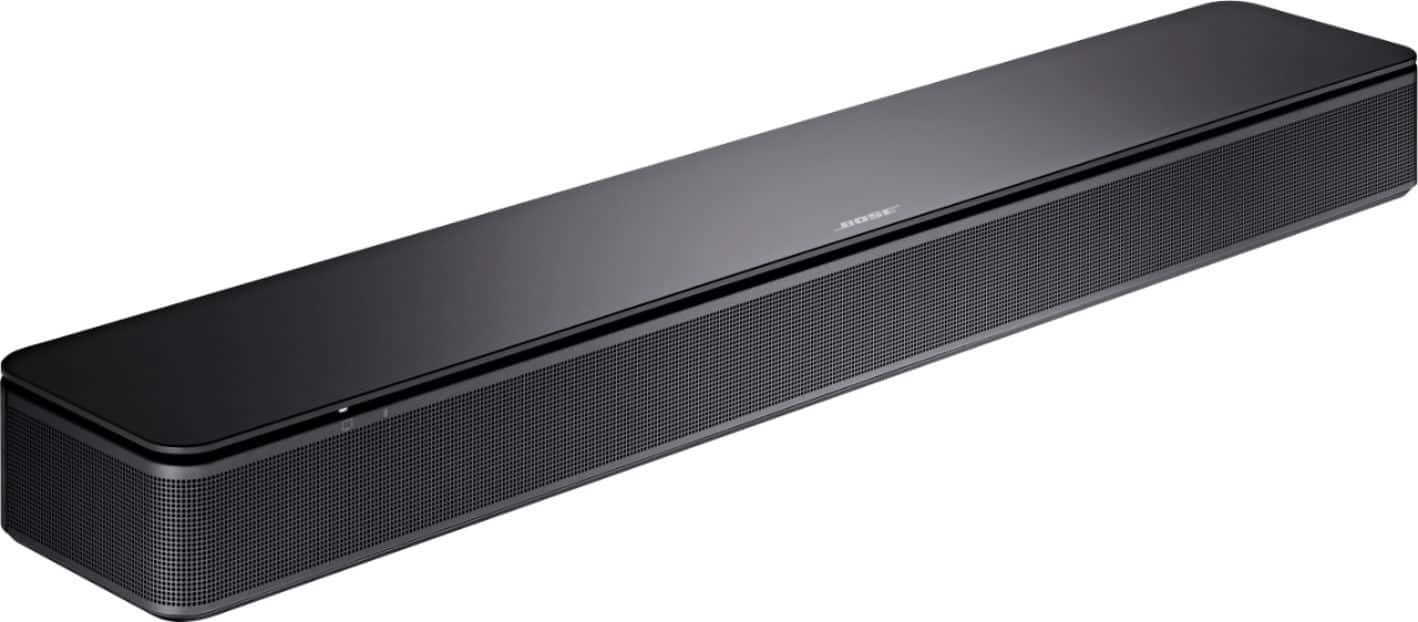
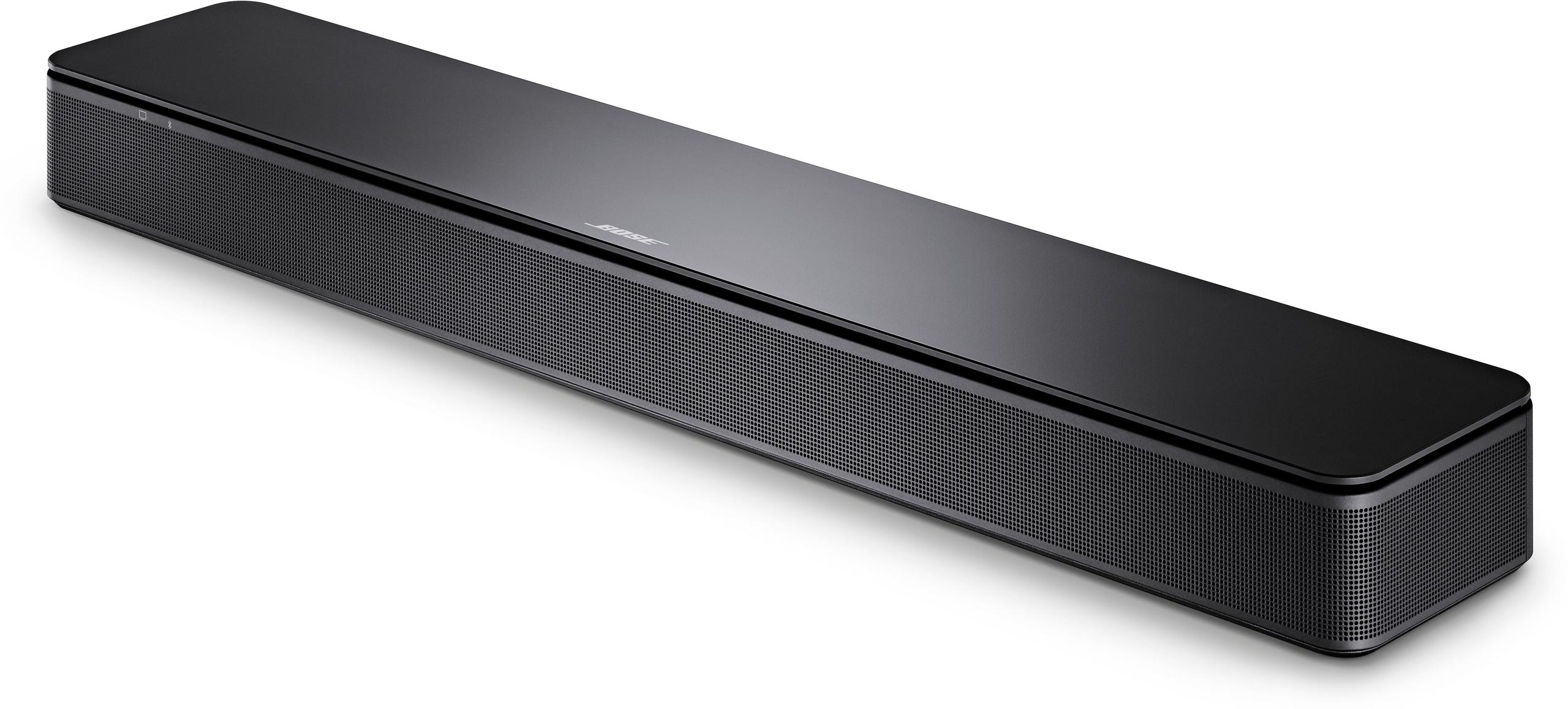
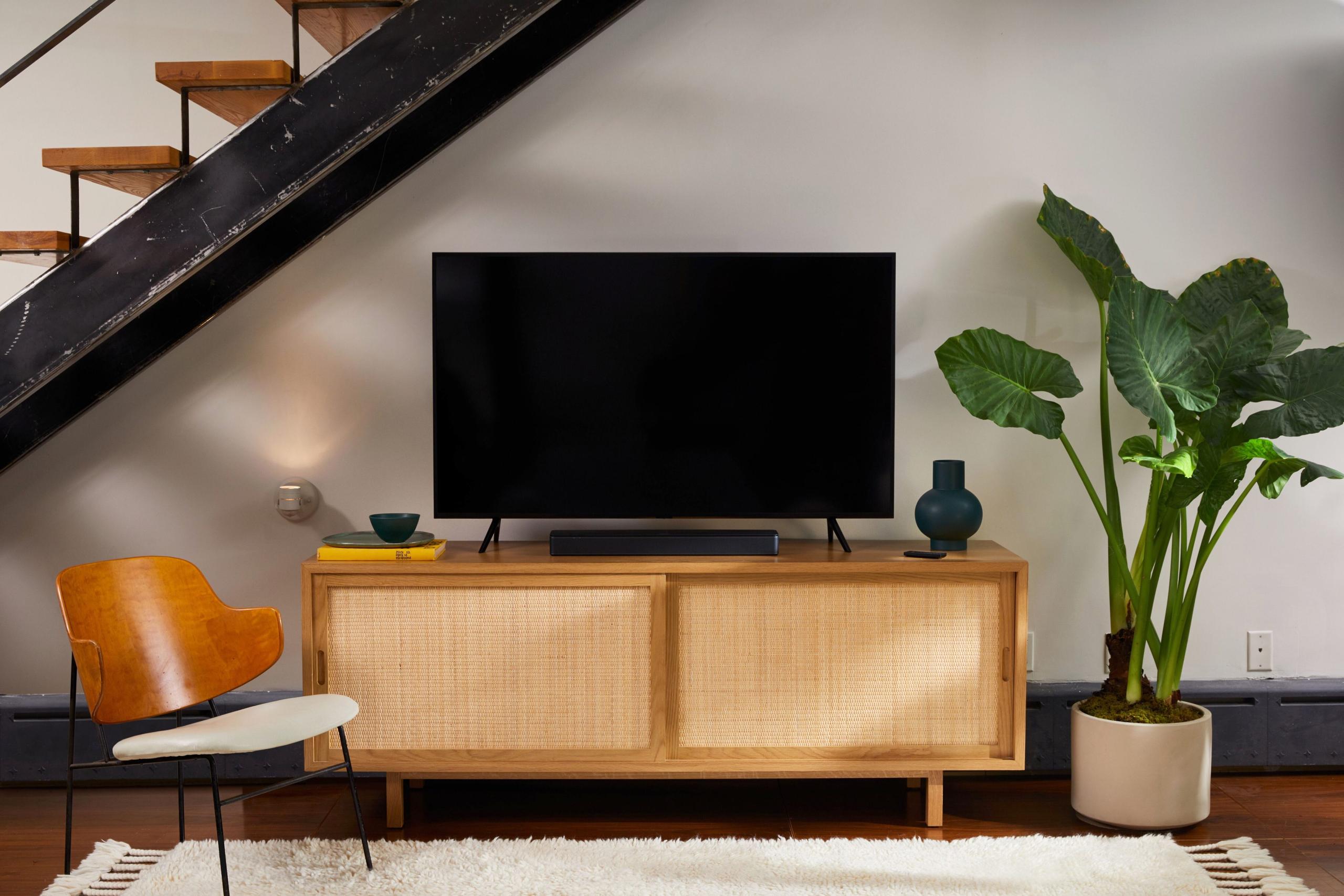
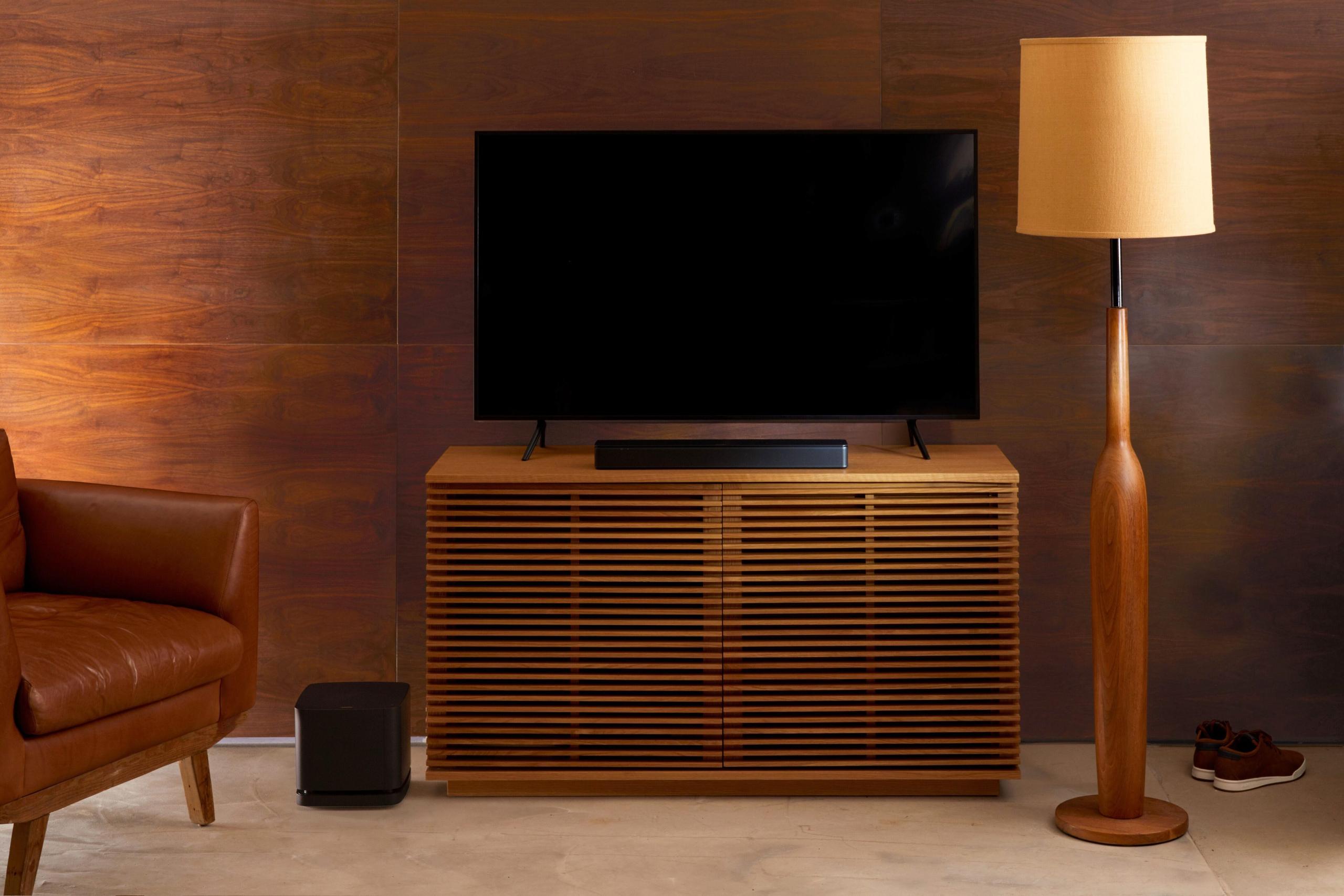
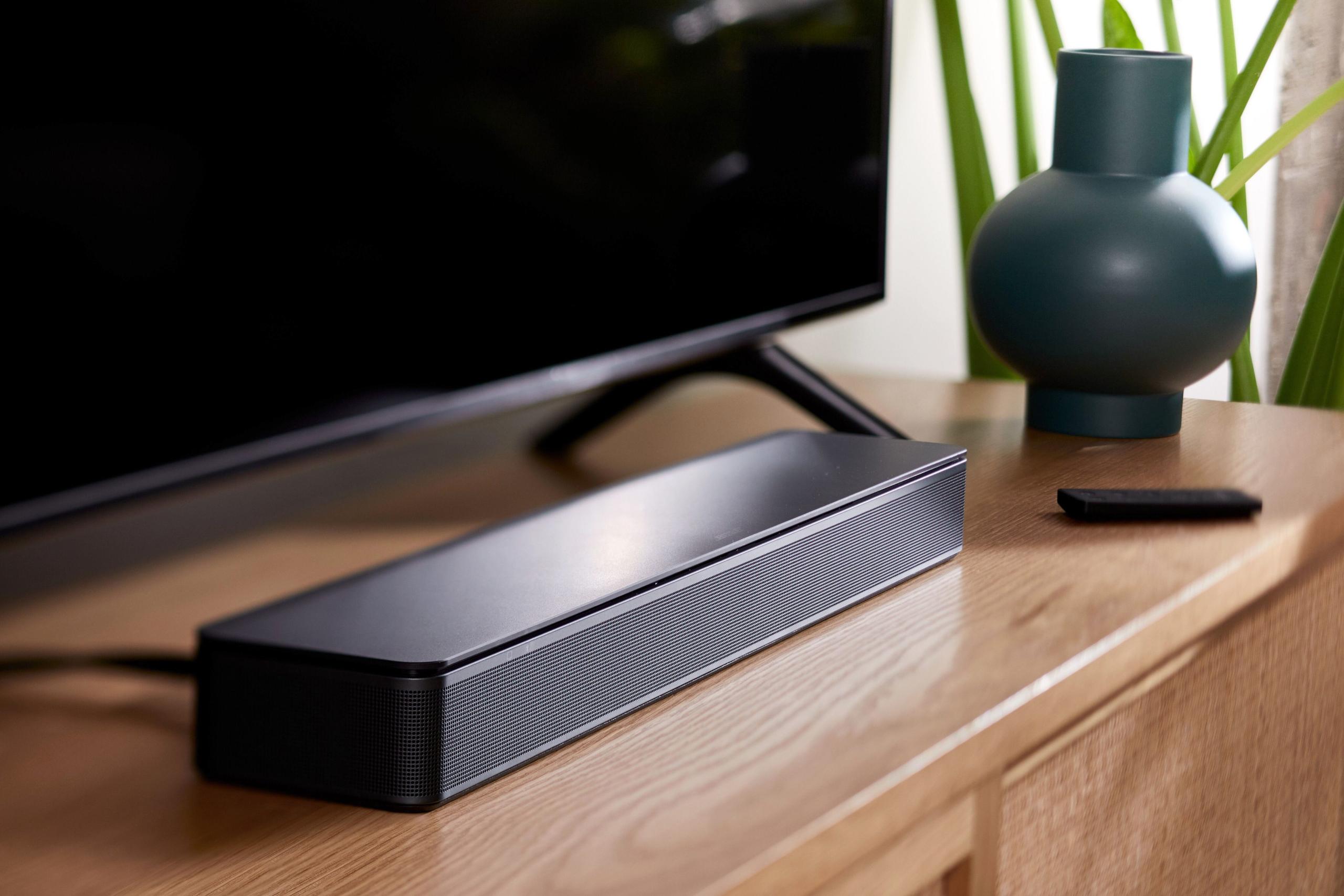
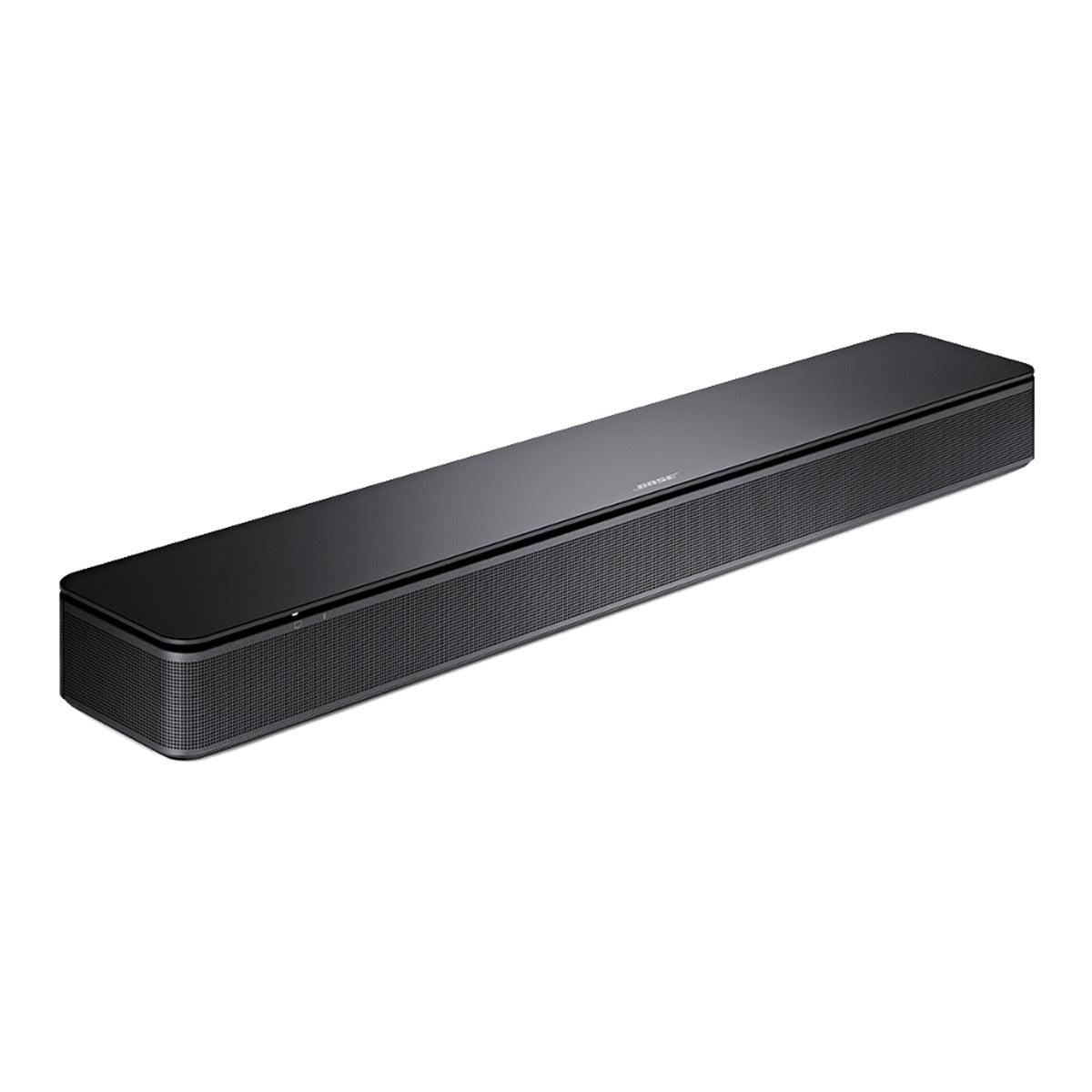
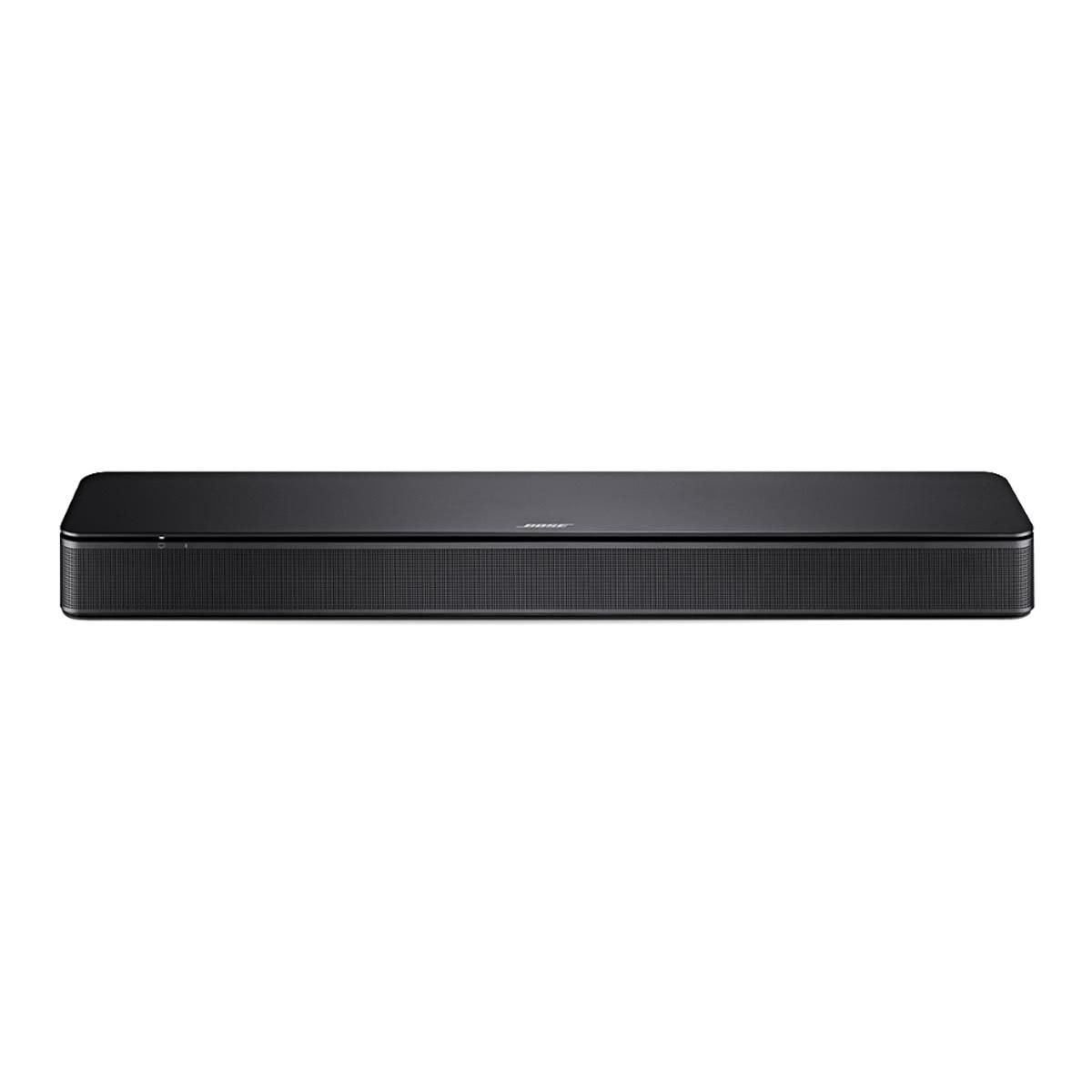
The Bose TV Speaker, released in 2020, takes the opposite approach. Rather than overwhelming you with features, it focuses on doing one thing exceptionally well: making TV dialogue clearer and more natural. It's designed for people who want better sound without the complexity of home theater setup.
Since the Bose speaker has been on the market for several years, it's worth noting that soundbar technology has advanced significantly. HDMI 2.1 support (which handles 4K gaming features and higher bandwidth), improved spatial audio processing, and wireless connectivity options have all become more sophisticated. The Sony HT-A8000 includes these newer technologies, while the Bose TV Speaker reflects the capabilities available when it launched.
The most dramatic difference between these soundbars lies in their soundstage capabilities—essentially, how wide and immersive the audio feels. The Sony HT-A8000 creates what audio engineers call "phantom speakers"—the illusion that sound is coming from locations where no physical speakers exist.
Its 11-speaker array includes dedicated up-firing drivers that bounce sound off your ceiling to create overhead effects, side-firing speakers that reflect wide directional sound off walls, and traditional forward-firing drivers for direct audio. This creates a 5.0.2 channel experience, meaning five main channels (left, center, right, and two surrounds) plus two height channels for overhead effects.
When you're watching a helicopter scene in an action movie, the Sony HT-A8000 can make it sound like the aircraft is actually moving overhead, rather than just playing from speakers in front of you. This works through Dolby Atmos processing, which includes specific audio information about where sounds should appear in three-dimensional space.
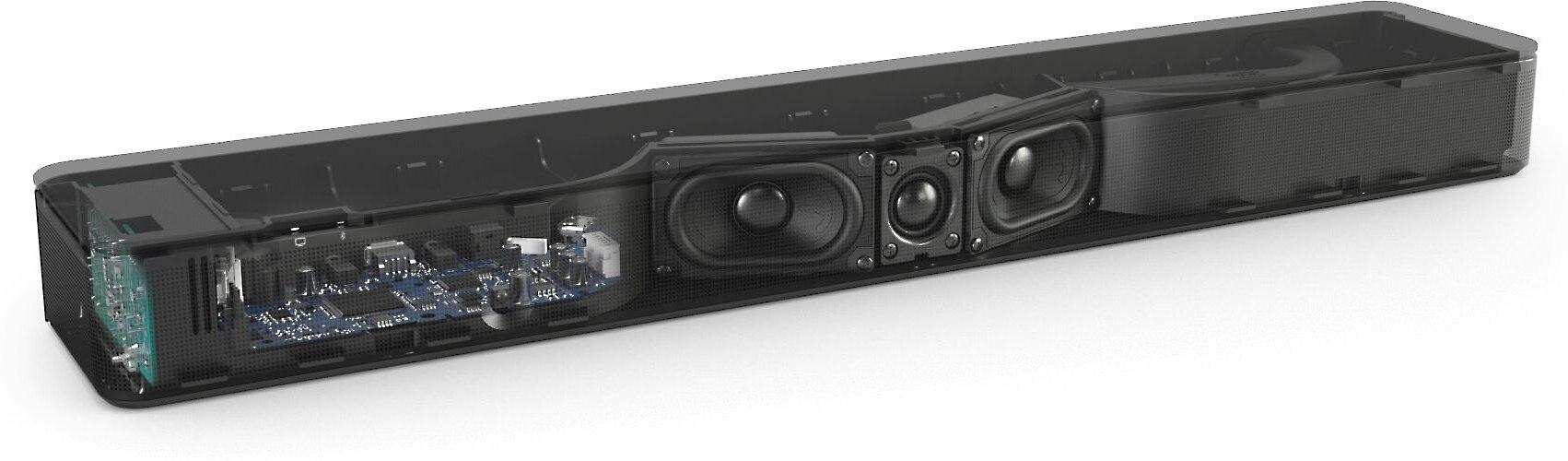
The Bose TV Speaker, by contrast, creates an excellent stereo image—meaning clear left and right channel separation—but doesn't attempt surround sound effects. Its two full-range drivers are angled to deliver what Bose calls "wide, spatial sound," which creates a broader stereo image than typical TV speakers, but you're still fundamentally getting enhanced two-channel audio.
For most TV content, dialogue-heavy shows, and music, this stereo approach works beautifully. Bose has decades of experience in making small speakers sound larger than their physical size would suggest, and that expertise shows clearly here.
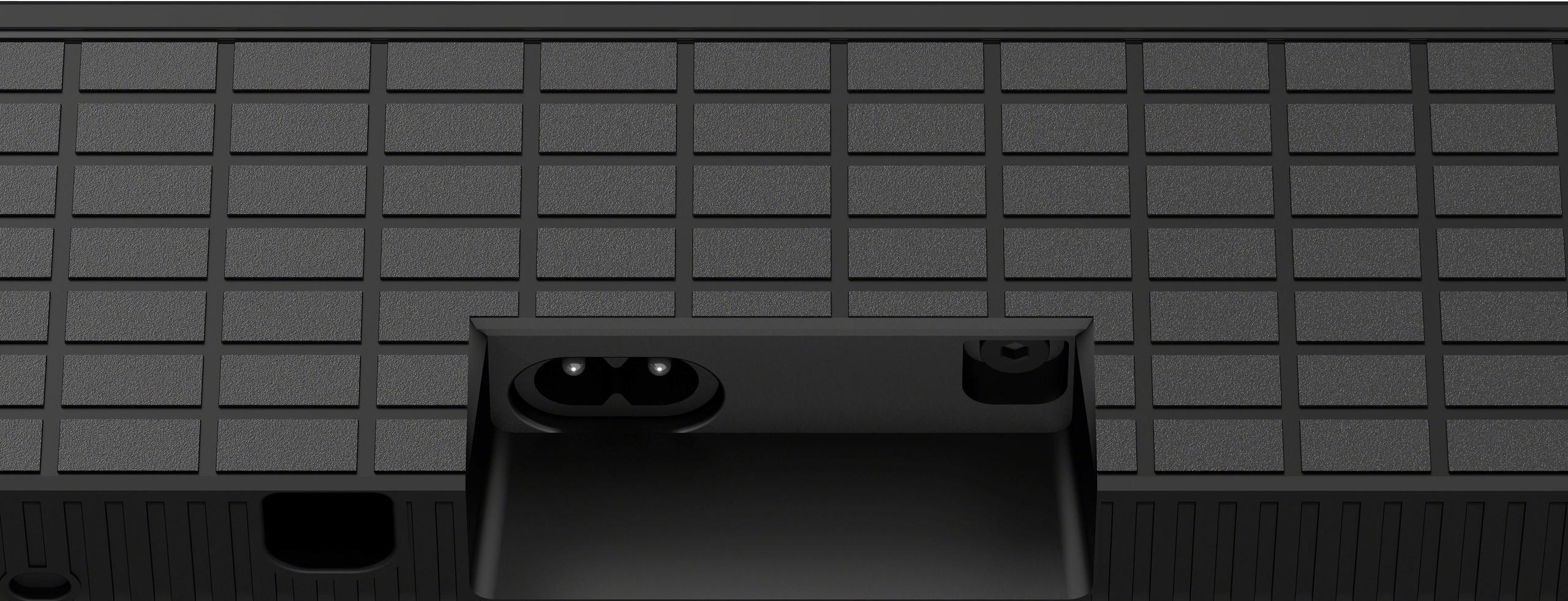
Bass performance represents another significant divide between these models. The Sony HT-A8000 includes quad woofers—four dedicated bass drivers—built into its main unit. These rectangular-shaped woofers maximize the diaphragm area (the part that moves to create sound waves) while minimizing distortion, providing substantial low-end response without requiring an external subwoofer.
Most movies and music will sound full and complete through the Sony alone, though it can pair with optional wireless subwoofers if you want truly thunderous bass for action movies or electronic music.
The Bose TV Speaker takes a different approach. It produces surprisingly deep bass for its compact size, but it's designed with the expectation that many users will eventually add Bose's separate Bass Module for deeper low-frequency extension. The soundbar includes a bass boost function accessible through the remote, which can add extra warmth to the sound, but it can't match the dedicated woofer array in the Sony.
Importantly, the Bose subwoofer connection requires a physical cable—it's not wireless like Sony's optional subwoofers. This might influence placement flexibility in your room.
Both soundbars excel at dialogue clarity, but through different approaches. The Sony HT-A8000 includes Voice Zoom 3 technology, which uses artificial intelligence to recognize human voices and automatically adjust their volume for better clarity. It can make whispered dialogue more audible while keeping music and sound effects at appropriate levels.
The Bose TV Speaker includes a dedicated Dialogue Mode that analyzes incoming audio to specifically enhance vocal frequencies. Rather than simply boosting treble or midrange, it intelligently identifies speech patterns and makes them more prominent in the mix.
Our research suggests both approaches work effectively, with slight advantages depending on content type. The Sony's AI-driven approach tends to work better with complex soundtracks where dialogue competes with music and effects, while the Bose excels with traditional TV programming where voice clarity is the primary concern.
This category shows the starkest difference between these products. The Sony HT-A8000 supports Dolby Atmos, DTS:X, and IMAX Enhanced—the current standards for immersive surround sound. These audio formats include specific information about where sounds should appear in three-dimensional space, and the Sony's multiple drivers and advanced processing can interpret and reproduce these effects.
When properly calibrated through its Sound Field Optimization feature (which uses built-in microphones to measure your room's acoustics), the Sony can create convincing surround effects. Sounds can appear to come from behind you, above you, or moving through the space, creating a genuinely immersive experience for movies and games.
The Bose TV Speaker doesn't attempt surround sound processing. It has no Dolby Digital support, no virtualized surround modes, and no height effects. What it offers instead is excellent two-channel stereo reproduction that makes TV content sound natural and engaging without the complexity of surround processing.
For users who primarily watch TV shows, news, or simpler content, the lack of surround processing isn't necessarily a disadvantage. Many people find virtualized surround effects distracting or artificial-sounding, preferring clean stereo presentation.
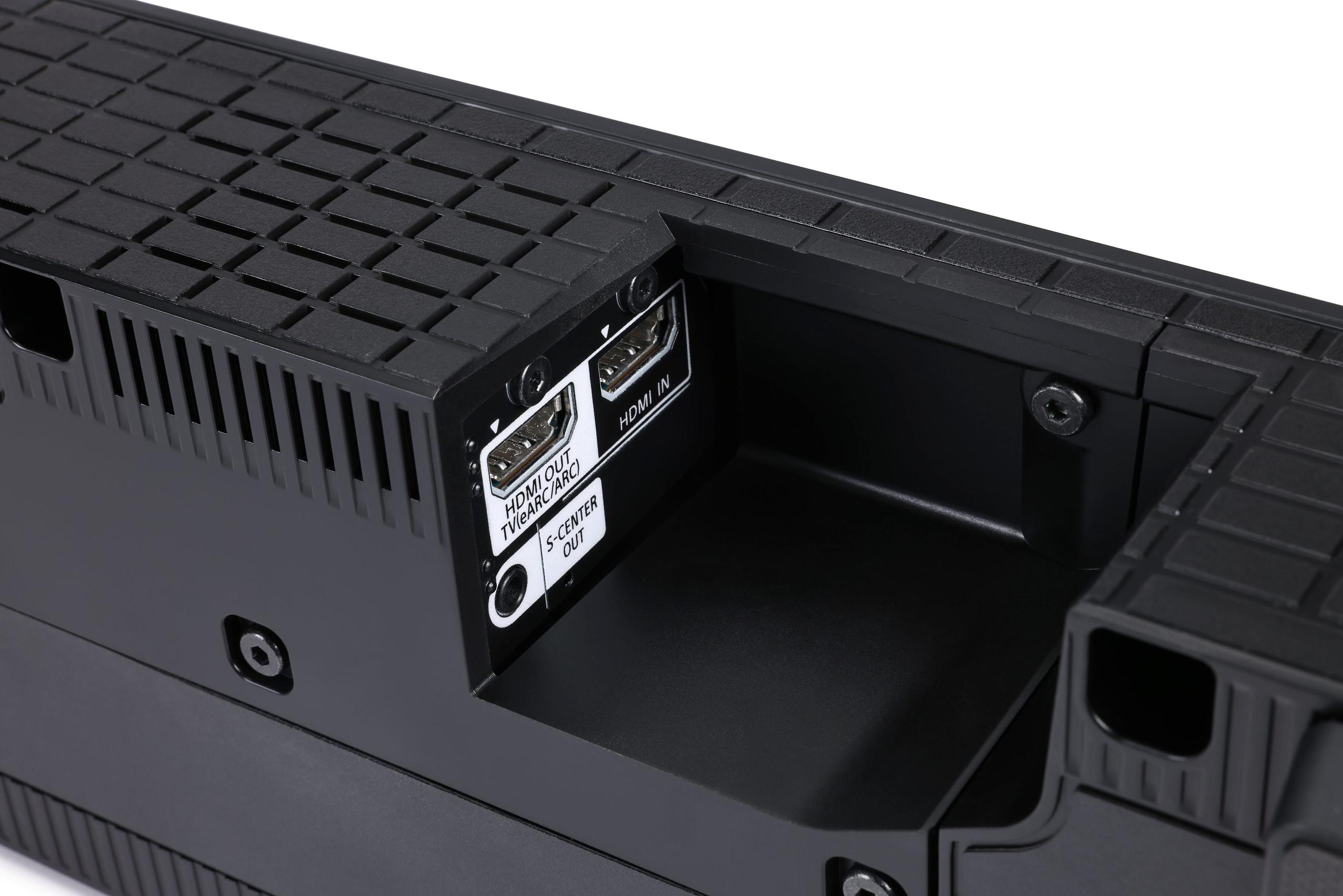
The technology gap between 2020 and 2024 becomes apparent when examining connectivity options. The Sony HT-A8000 includes HDMI 2.1 with eARC (enhanced Audio Return Channel), supporting the latest gaming features like 4K at 120Hz refresh rates, Variable Refresh Rate (VRR), and Auto Low Latency Mode (ALLM). These features matter significantly for PlayStation 5, Xbox Series X, or PC gaming where every millisecond of input lag affects gameplay responsiveness.
The soundbar also supports 8K video passthrough with HDR (High Dynamic Range) and Dolby Vision, ensuring it won't become a bottleneck as TV technology continues advancing. Its wireless connectivity includes Wi-Fi, Bluetooth 5.2, Apple AirPlay 2, and Spotify Connect, providing multiple options for streaming music directly to the soundbar.
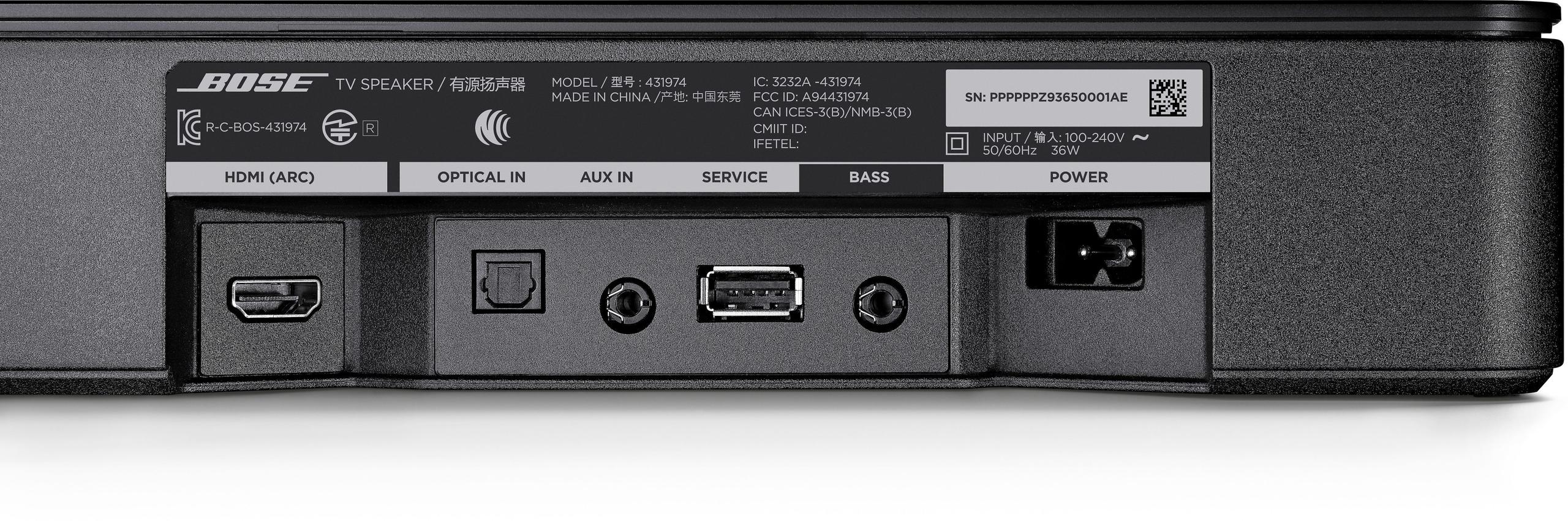
The Bose TV Speaker includes HDMI 1.4 with standard ARC, which handles most current TV connections adequately but lacks the bandwidth for advanced gaming features or 8K content. It offers Bluetooth 4.2 for wireless music streaming and includes HDMI-CEC, which allows your TV remote to control the soundbar's volume when connected via HDMI.
While the Bose's connectivity seems limited compared to the Sony, it's worth noting that most users won't need HDMI 2.1 features unless they're serious gamers or planning to upgrade to 8K TVs in the near future.
Setup complexity represents another philosophical difference between these products. The Sony HT-A8000 includes sophisticated calibration systems that measure your room's acoustics and adjust the sound accordingly. This process involves the soundbar playing test tones while built-in microphones analyze how sound reflects off your walls, ceiling, and furniture.
While this calibration creates more accurate sound reproduction, it also means the initial setup is more involved. You'll need to position the soundbar correctly, ensure the room is quiet during calibration, and potentially adjust settings based on your seating position and room layout.
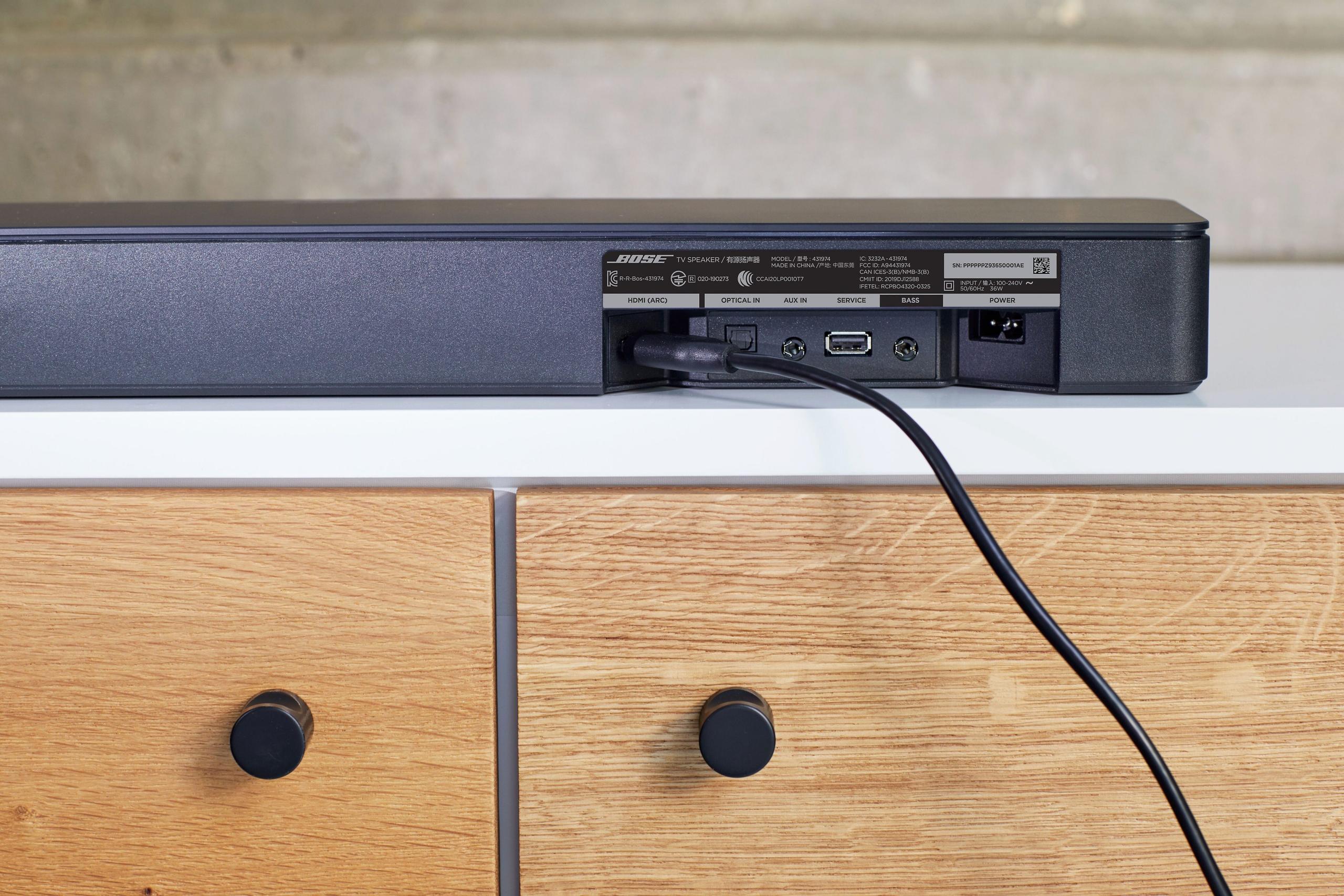
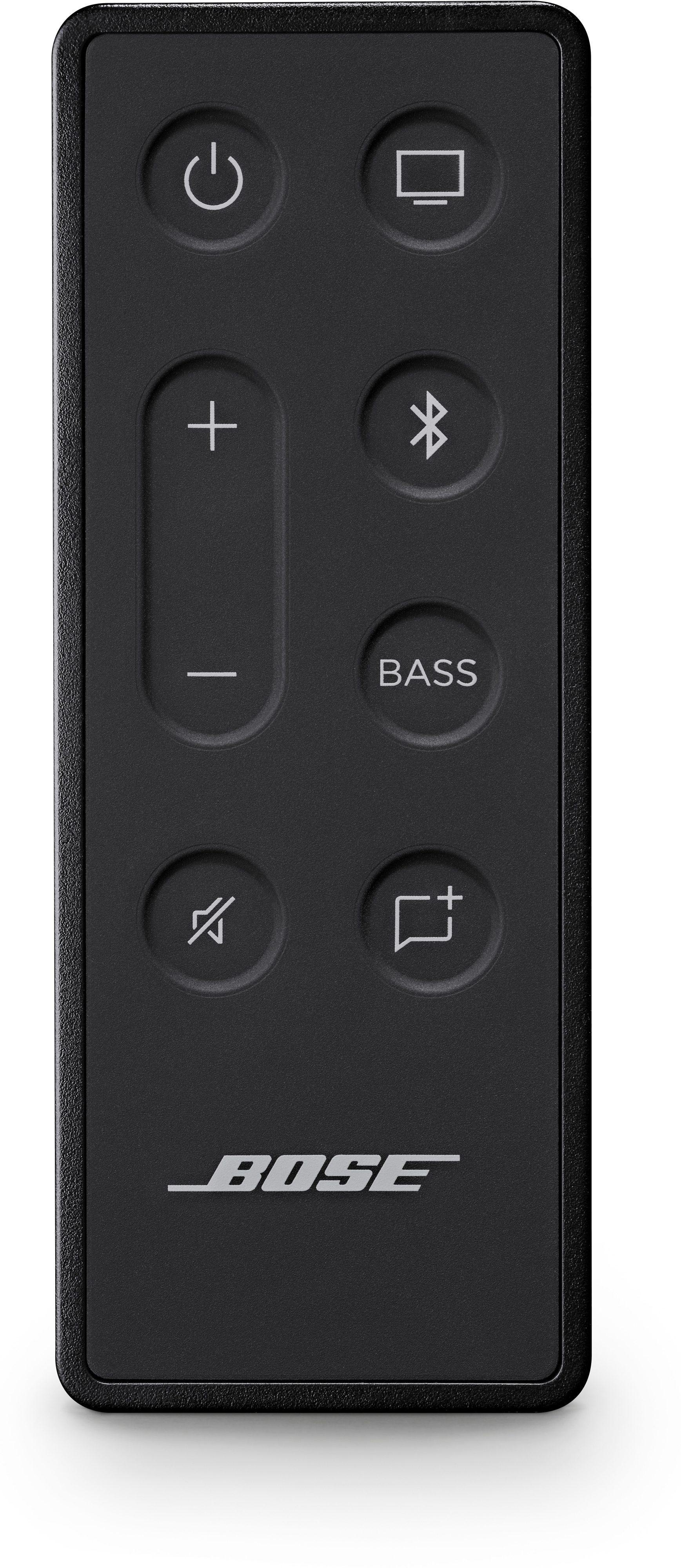
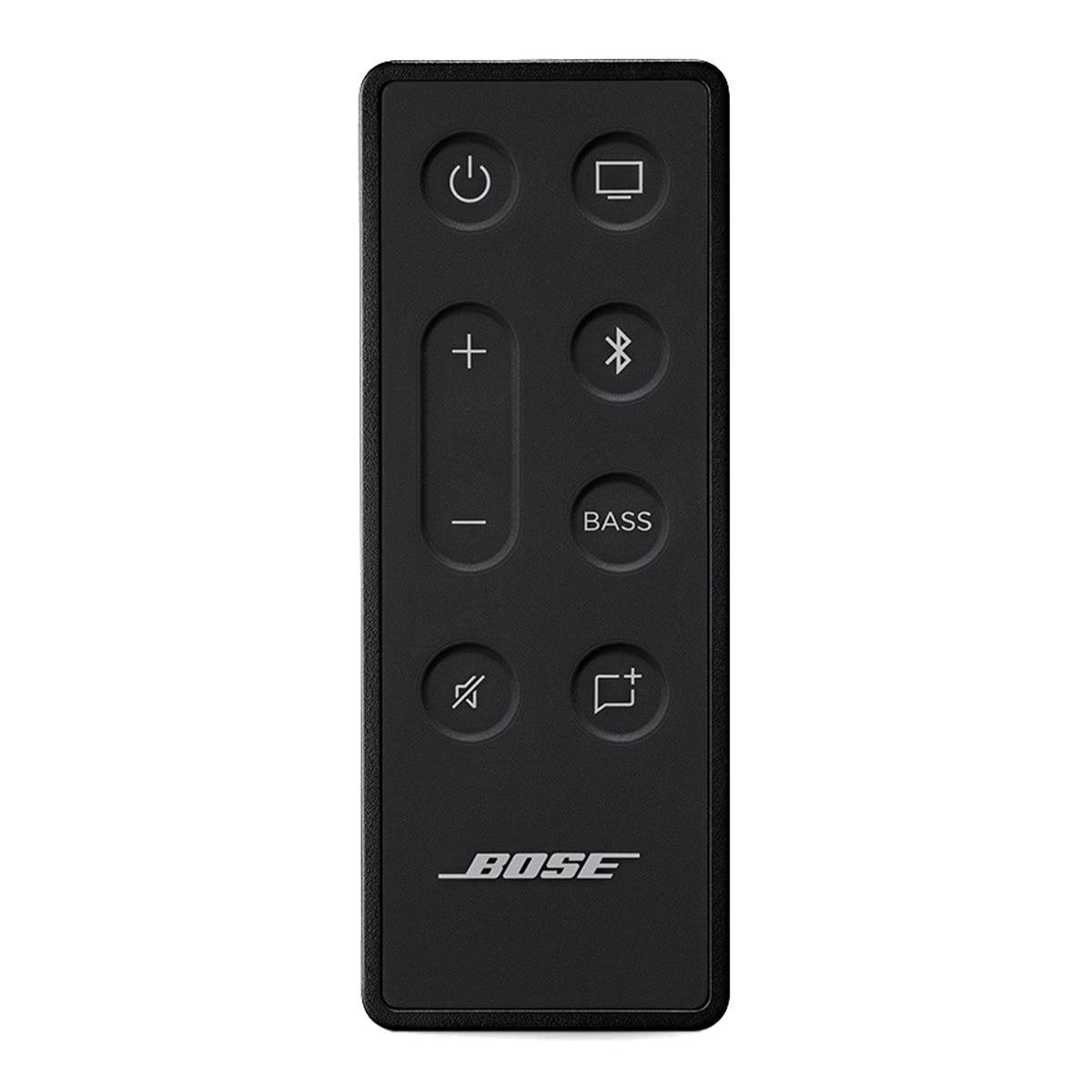
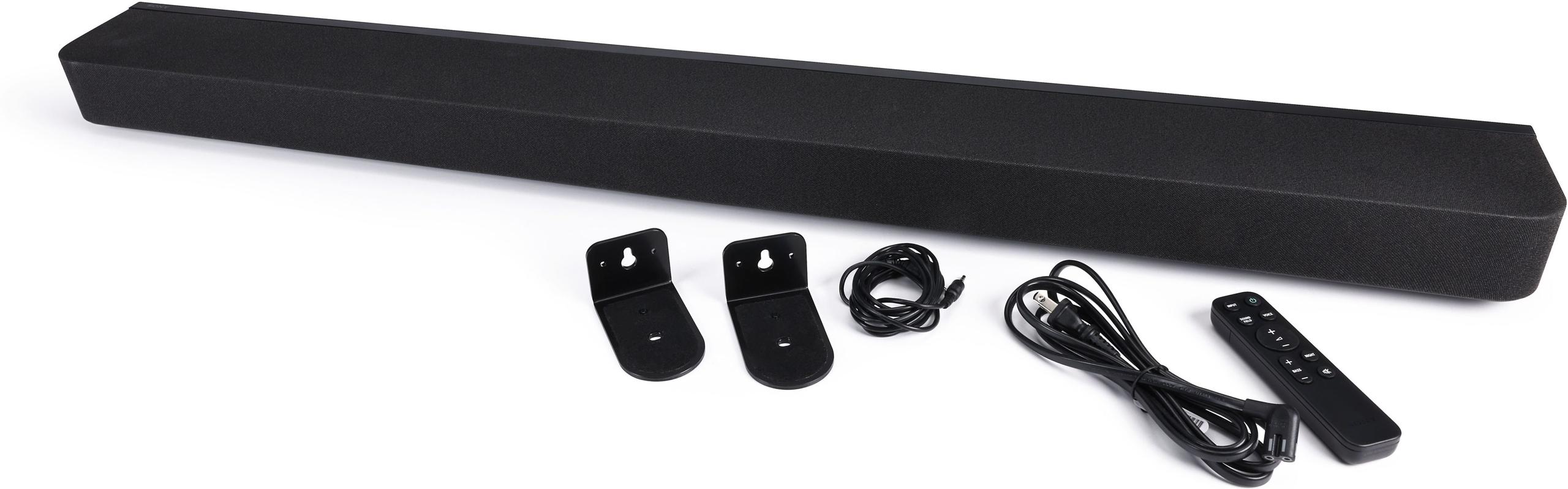
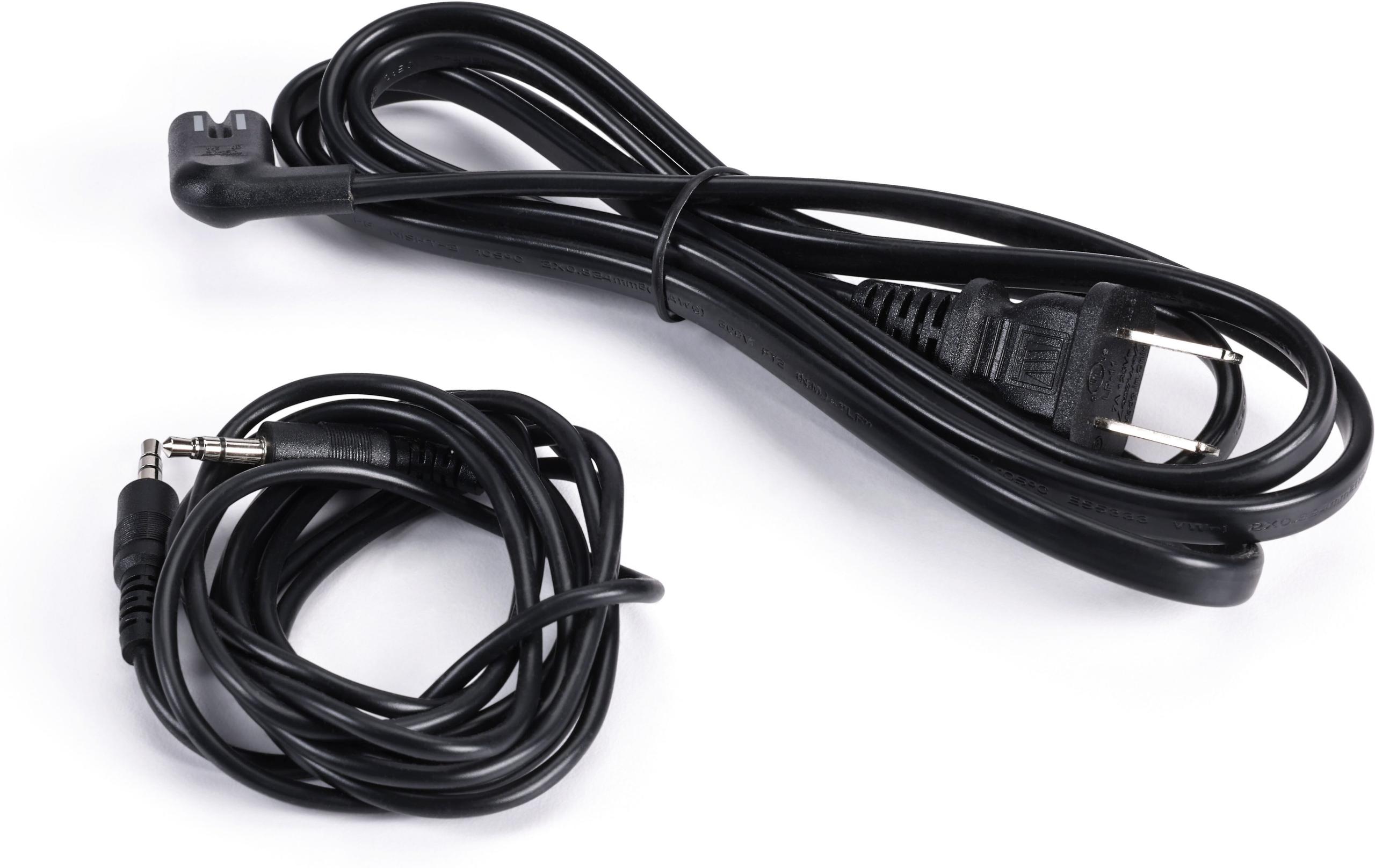
The Bose TV Speaker epitomizes plug-and-play simplicity. Connect one cable (either optical or HDMI), and you're essentially done. There are no complicated setup menus, no room calibration, and no multiple sound modes to understand. The included remote provides basic functions: volume, bass adjustment, dialogue mode, and Bluetooth pairing.
This simplicity extends to daily operation. The Bose includes visual LED indicators that confirm when features are active or when you're adjusting volume, providing clear feedback without requiring menu navigation.
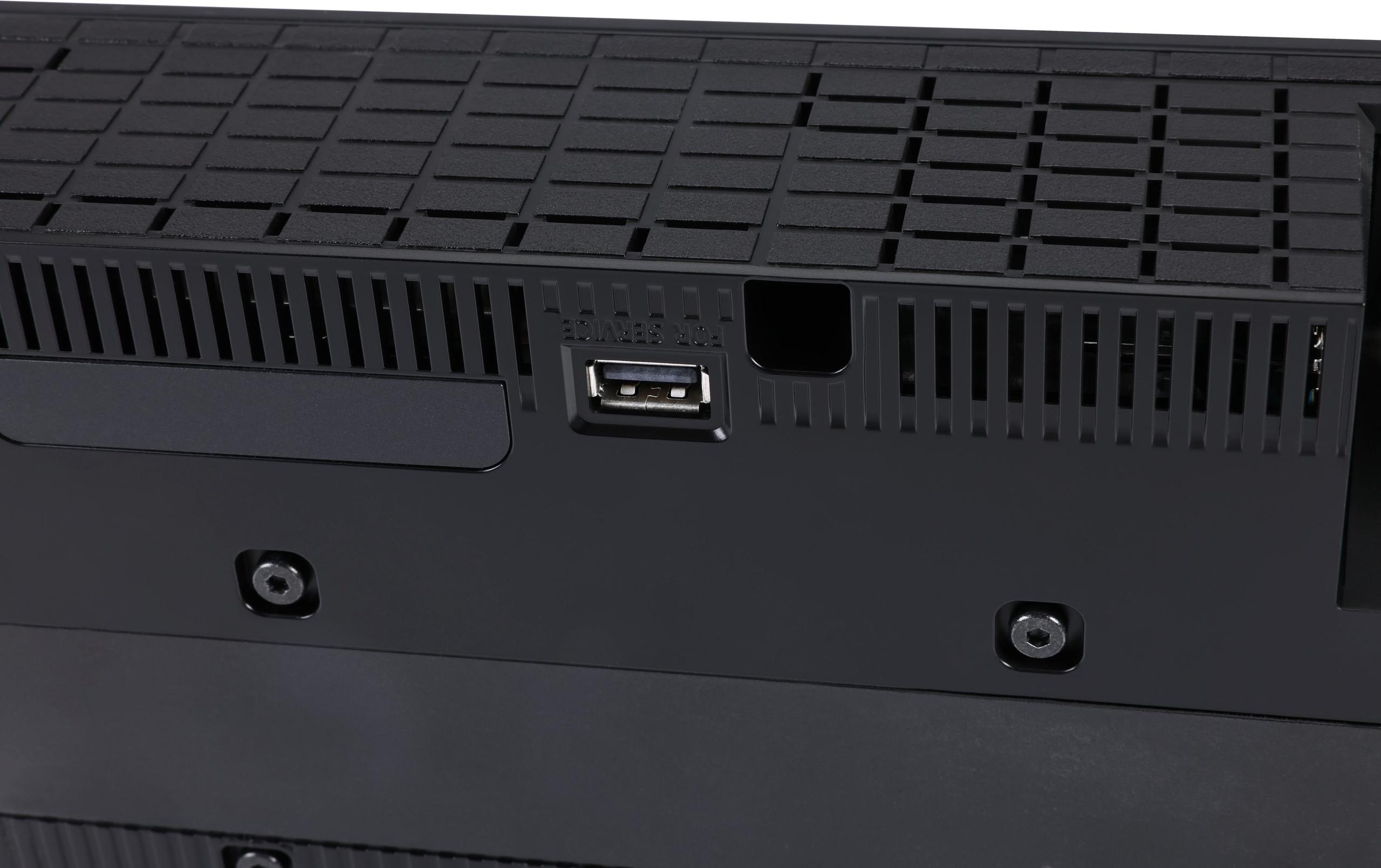
The Sony HT-A8000 is designed as the foundation of a potentially larger system. It can wirelessly connect to Sony's SA-RS3R or SA-RS5 rear speakers and SA-SW3 or SA-SW5 subwoofers, creating a complete 7.1.4 surround system that rivals traditional component setups. These additions pair automatically when powered on, maintaining the convenience of a soundbar system while providing true multi-speaker surround sound.
The Bose TV Speaker offers more limited expansion. You can add a Bass Module 500 or 700 for enhanced low-frequency response, but the connection requires a physical cable, and there are no rear speaker options. The system you buy initially is essentially the system you'll have long-term.
For users who might want to gradually build a more sophisticated system, the Sony's wireless expansion capability provides a clear upgrade path. You can start with just the soundbar and add components as budget allows or needs develop.
Both soundbars integrate well with TVs, but offer different levels of sophistication. The Sony HT-A8000 includes Acoustic Center Sync when paired with compatible Sony BRAVIA TVs, which uses the TV's built-in speakers as a center channel while the soundbar handles other frequencies. This creates more precise dialogue placement—voices appear to come directly from the screen rather than from below it.
The Bose TV Speaker offers straightforward TV integration through HDMI-CEC, allowing your existing TV remote to control volume and power. It's also Roku TV Ready certified, meaning it will automatically configure itself when connected to Roku TVs, streamlining the setup process.
Based on extensive user feedback and professional reviews, the Sony HT-A8000 delivers on its promise of immersive surround sound, but performs best in medium to large rooms with appropriate placement. Rooms smaller than 12x12 feet may not provide enough wall space for effective sound reflection, limiting the spatial audio benefits.
The Bose TV Speaker consistently receives praise for exceeding expectations given its size and price point. Users particularly appreciate its dialogue clarity and the natural sound signature that works well with all content types. However, those seeking substantial bass response or surround effects will find it limiting without additional components.
Choose the Sony HT-A8000 if you're serious about recreating a home theater experience. It's ideal for movie enthusiasts, gamers who want the latest HDMI features, or anyone with a medium to large room who values immersive surround sound. The higher price reflects genuine technological sophistication that delivers measurable performance benefits for appropriate content and room sizes.
The Bose TV Speaker makes sense for users who want significantly better TV sound without complexity or high cost. It excels in smaller rooms, secondary viewing areas, or situations where dialogue clarity matters more than surround effects. Its simplicity is a feature, not a limitation, for many users.
Consider your viewing habits carefully. If you primarily watch TV shows, news, or dialogue-heavy content, the Bose provides excellent value and performance. If you regularly watch action movies, play games, or listen to music through your TV system, the Sony's advanced features justify the additional investment.
The Sony HT-A8000 represents a long-term investment in home theater quality, while the Bose TV Speaker solves immediate TV audio problems efficiently and affordably. Both approaches have merit—the key is matching the product philosophy to your actual needs and preferences.
| Sony HT-A8000 BRAVIA Theater Bar 8 Soundbar | Bose TV Speaker Soundbar |
|---|---|
| Speaker Configuration - Determines surround sound capability and audio complexity | |
| 5.0.2 channel with 11 speaker units (includes up-firing drivers for overhead effects) | 2.0 channel with 3 drivers (stereo only, no surround processing) |
| Dolby Atmos Support - Essential for immersive movie and gaming audio | |
| Full Dolby Atmos, DTS:X, and IMAX Enhanced support | No surround format support (stereo audio only) |
| HDMI Connectivity - Critical for gaming and future TV compatibility | |
| HDMI 2.1 with eARC (supports 4K120, VRR, ALLM gaming features, 8K passthrough) | HDMI 1.4 with ARC (adequate for current TVs, limited gaming features) |
| Built-in Bass Performance - Affects whether you need a separate subwoofer | |
| Quad woofers provide substantial bass (subwoofer optional) | Decent bass for size, but subwoofer recommended for full sound |
| Room Calibration - Optimizes sound for your specific space | |
| Sound Field Optimization with built-in microphones auto-calibrates | No room calibration (manual bass and dialogue adjustments only) |
| Wireless Connectivity - Affects music streaming and smart features | |
| Wi-Fi, Bluetooth 5.2, AirPlay 2, Spotify Connect | Bluetooth 4.2 only |
| System Expansion - Ability to add components later | |
| Wireless rear speakers and subwoofers (SA-RS3R/RS5, SA-SW3/SW5) | Wired Bass Module 500/700 only (no rear speaker options) |
| Size and Weight - Important for placement flexibility | |
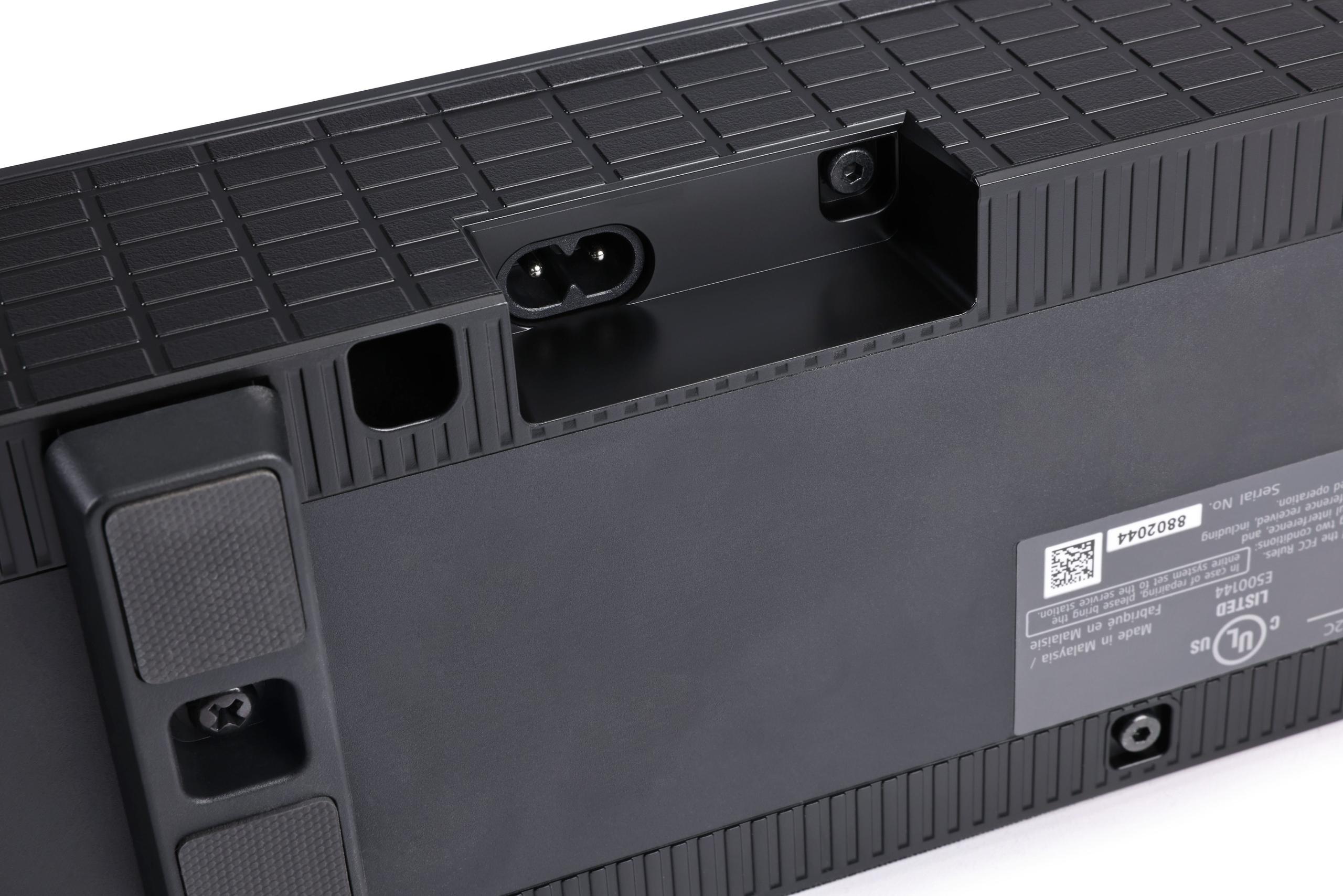
| 43.3" x 2.6" x 4.5", 10.4 lbs (requires larger TV stand or wall mount) | 23.4" x 2.2" x 4", 4.3 lbs (fits under most TVs easily) |
| Voice Enhancement Technology - Critical for dialogue clarity | |
| Voice Zoom 3 with AI-powered voice recognition and amplification | Dialogue Mode analyzes content to enhance vocal frequencies |
| Price Category - Reflects target market and feature complexity | |
| Premium tier (significant investment for home theater experience) | Budget-friendly tier (affordable TV audio enhancement) |
The Sony HT-A8000 is significantly better for movies due to its Dolby Atmos support and 11-speaker surround sound system that creates immersive overhead and directional effects. For TV shows and dialogue-heavy content, the Bose TV Speaker excels with its dedicated Dialogue Mode and clear vocal reproduction, making it ideal for news, dramas, and casual viewing.
The Sony HT-A8000 is a premium home theater soundbar designed to create surround sound effects with 11 speakers and advanced spatial audio technology. The Bose TV Speaker is a simple stereo enhancement device focused on improving TV dialogue and overall sound quality without surround sound complexity.
The Bose TV Speaker offers much simpler setup with just one cable connection and no calibration required. The Sony HT-A8000 requires more complex setup including room calibration using built-in microphones and potentially multiple HDMI connections for full functionality.
The Sony HT-A8000 includes built-in quad woofers that provide substantial bass for most content, making a subwoofer optional. The Bose TV Speaker produces decent bass for its size but benefits significantly from adding Bose's separate Bass Module for fuller low-frequency response.
The Sony HT-A8000 is much better for gaming, featuring HDMI 2.1 support with 4K120Hz, Variable Refresh Rate (VRR), and Auto Low Latency Mode (ALLM) for PlayStation 5 and Xbox Series X compatibility. The Bose TV Speaker has basic HDMI 1.4 connectivity without advanced gaming features.
Both soundbars support Bluetooth music streaming from phones and tablets. The Sony HT-A8000 offers more wireless options including Wi-Fi, AirPlay 2, and Spotify Connect, while the Bose TV Speaker uses Bluetooth 4.2 for wireless audio streaming.
The Bose TV Speaker is better suited for small rooms due to its compact size and focused stereo sound that doesn't rely on wall reflections. The Sony HT-A8000 needs adequate room space for its spatial audio effects to work properly, performing best in medium to large rooms.
Both excel at dialogue clarity through different approaches. The Sony HT-A8000 uses Voice Zoom 3 AI technology to automatically enhance speech recognition and volume adjustment. The Bose TV Speaker features a dedicated Dialogue Mode that analyzes content to boost vocal frequencies for clearer speech.
The Sony HT-A8000 offers extensive wireless expansion with optional rear speakers and subwoofers that automatically pair when powered on. The Bose TV Speaker can only add a wired Bass Module, with no rear speaker expansion options available.
Value depends on your needs and budget. The Bose TV Speaker provides excellent value for basic TV audio improvement at an affordable price point. The Sony HT-A8000 offers substantial value for those wanting genuine home theater surround sound, though at a significantly higher price tier.
Both soundbars work with any TV that has HDMI ARC or optical audio outputs. The Sony HT-A8000 offers enhanced integration with Sony BRAVIA TVs through Acoustic Center Sync. The Bose TV Speaker is Roku TV Ready certified for seamless setup with Roku TVs.
For music, the Sony HT-A8000 provides wider soundstage and spatial audio effects that can enhance stereo music reproduction, plus support for high-resolution audio formats. The Bose TV Speaker delivers Bose's signature balanced sound profile that many find excellent for music, though without the spatial enhancement of the Sony.
We've done our best to create useful and informative comparisons to help you decide what product to buy. Our research uses advanced automated methods to create this comparison and perfection is not possible - please contact us for corrections or questions. These are the sites we've researched in the creation of this article: consumerreports.org - skybygramophone.com - target.com - rtings.com - bestbuy.com - rubbermonkey.co.nz - shopatsc.com - audioadvice.com - sony.com - sony.com - sony.com - shop.cosmopolitan.com - store.sony.com.my - videoandaudiocenter.com - bestbuy.com - projectorscreen.com - forums.audioholics.com - digitaltrends.com - abt.com - crutchfield.com - staples.com - bestbuy.com - pcrichard.com - visions.ca - bose.com - assets.bose.com

Privacy Policy
Terms and Conditions - Affiliate Policy
Home Security
© Copyright 2008-2026.
11816 Inwood Rd #1211, Dallas, TX 75244