






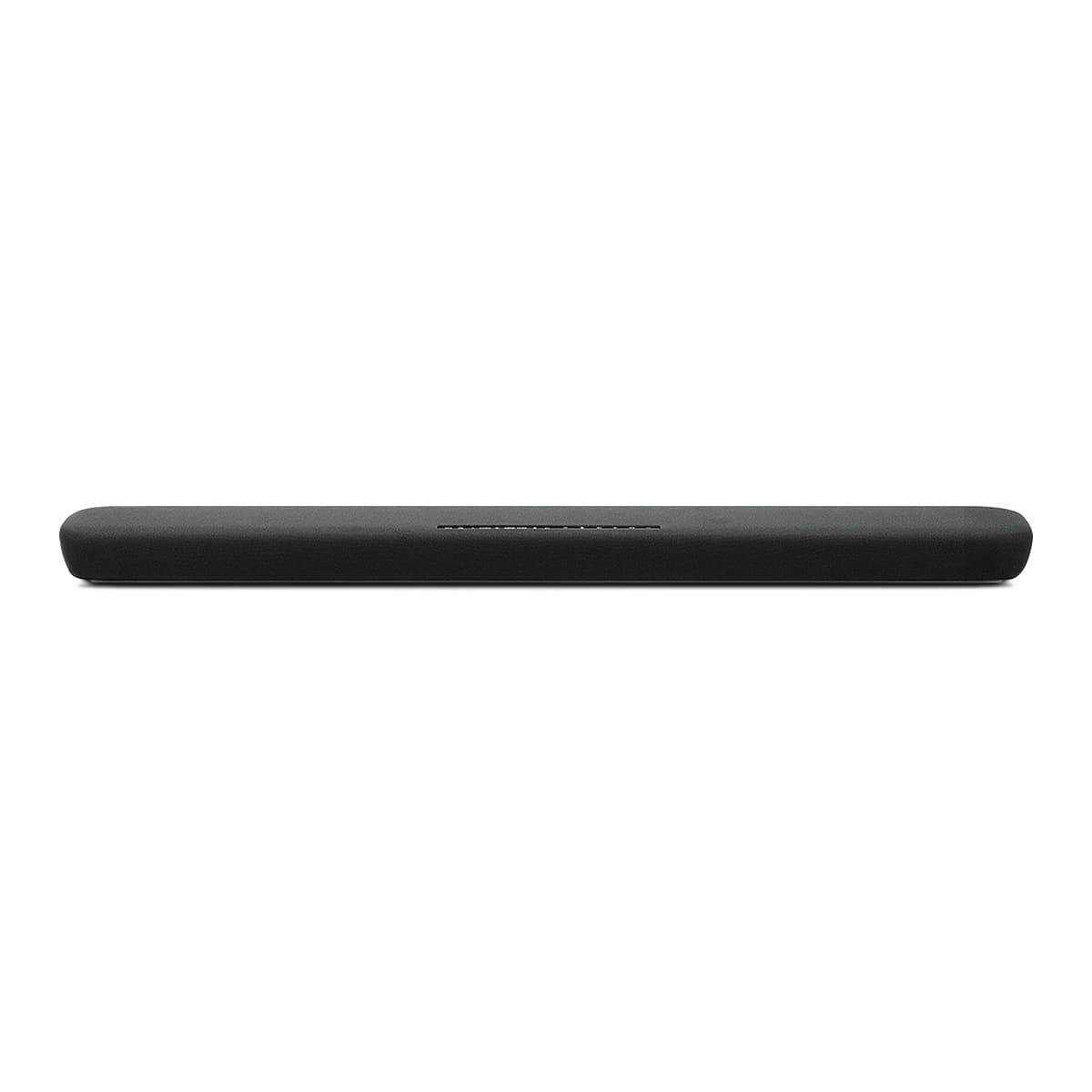
When your TV's built-in speakers just aren't cutting it anymore, you're probably looking at soundbars. These sleek audio upgrades have become the most popular way to dramatically improve your home entertainment experience without the complexity of full surround sound systems with speakers scattered around your room.
The soundbar market offers everything from basic audio improvements to sophisticated home theater systems, and today we're comparing two very different approaches: the Sony HT-A8000 BRAVIA Theater Bar 8 and the Yamaha YAS-109. These represent fundamentally different philosophies in soundbar design – one focused on premium spatial audio technology, the other on straightforward value and convenience.
Before diving into specifics, it's worth understanding what separates good soundbars from great ones. The most important factors include audio performance (how accurately and powerfully they reproduce sound), bass response (the low-frequency rumble that makes explosions feel impactful), surround sound capabilities (creating the illusion of sound coming from all around you), and value proposition (what you get for your money).
Modern soundbars also differ significantly in their approach to creating immersive audio. Some use physical speakers pointing in multiple directions, others rely on digital processing to simulate surround effects, and the most advanced models combine both approaches with room calibration technology that adapts to your specific space.
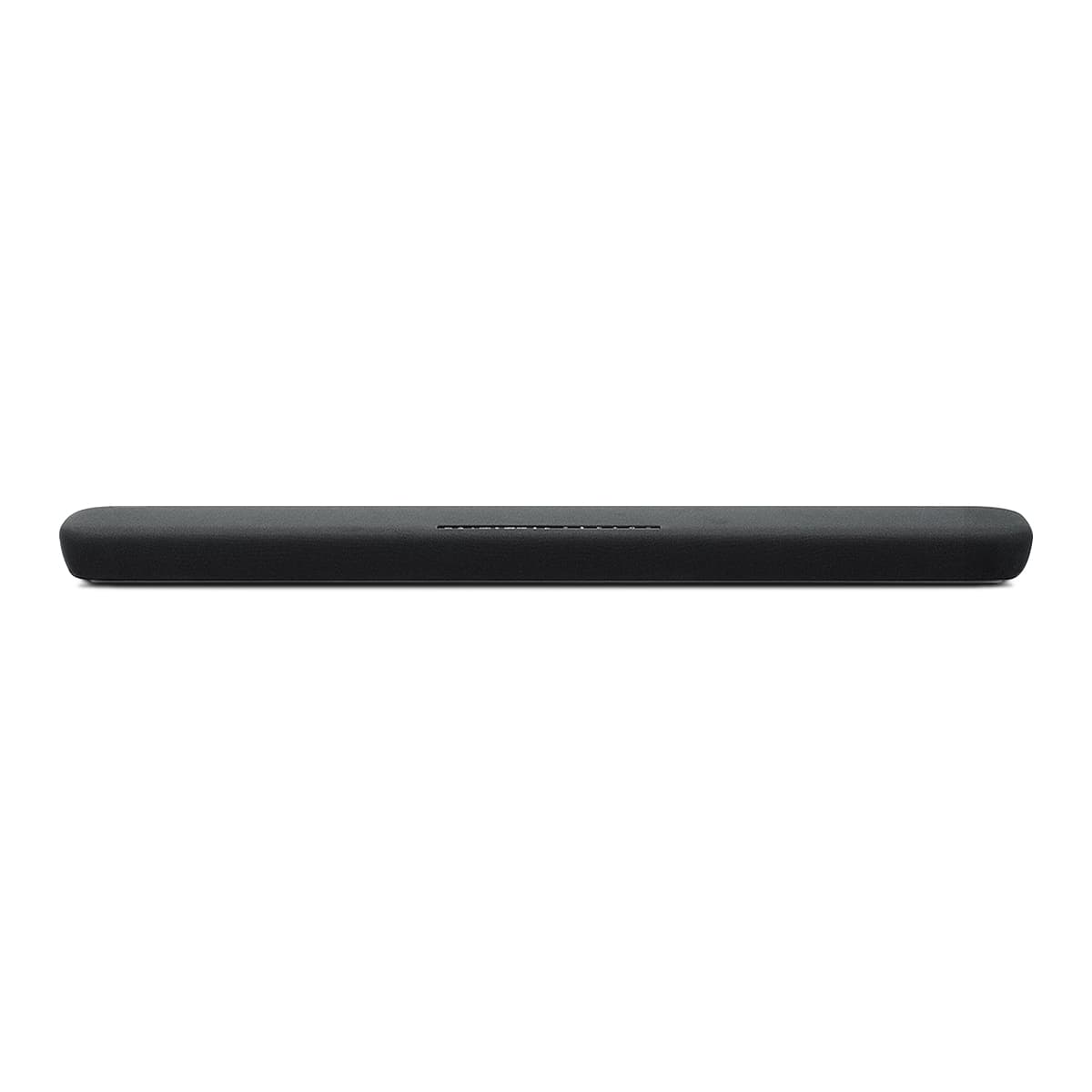
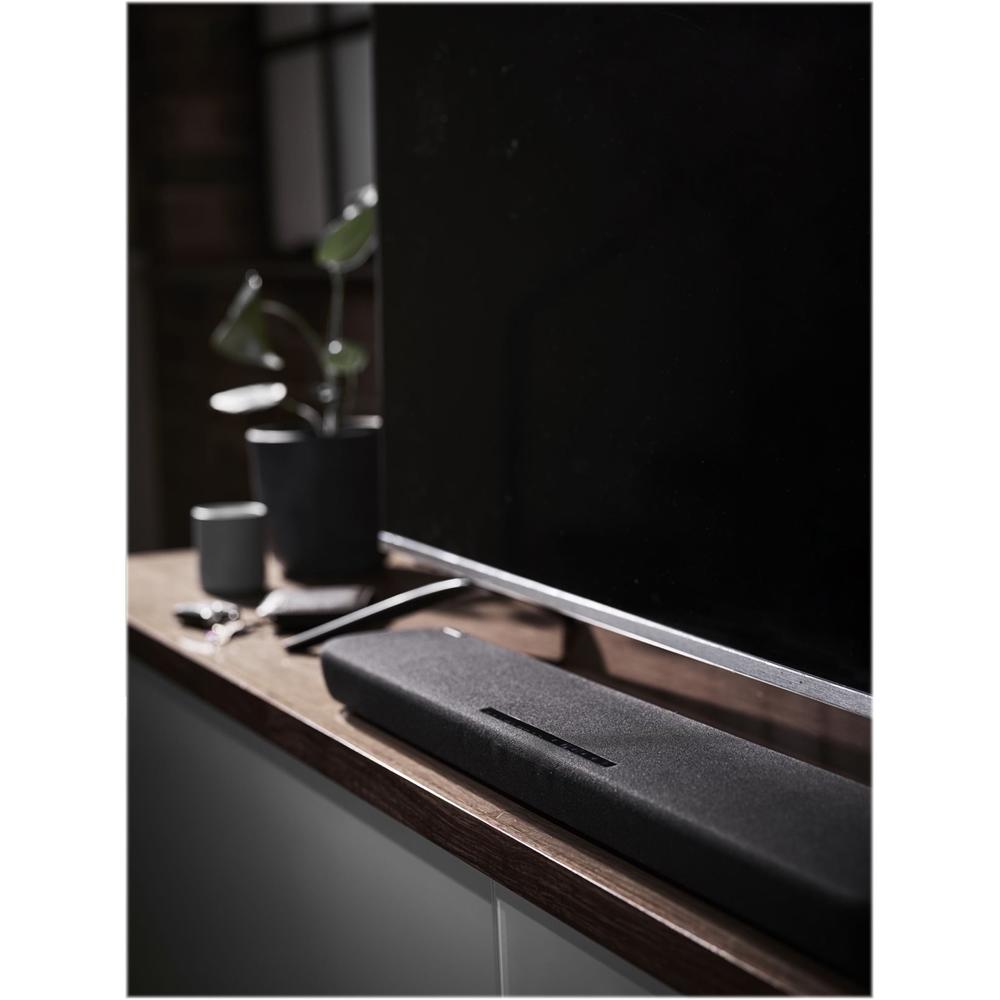
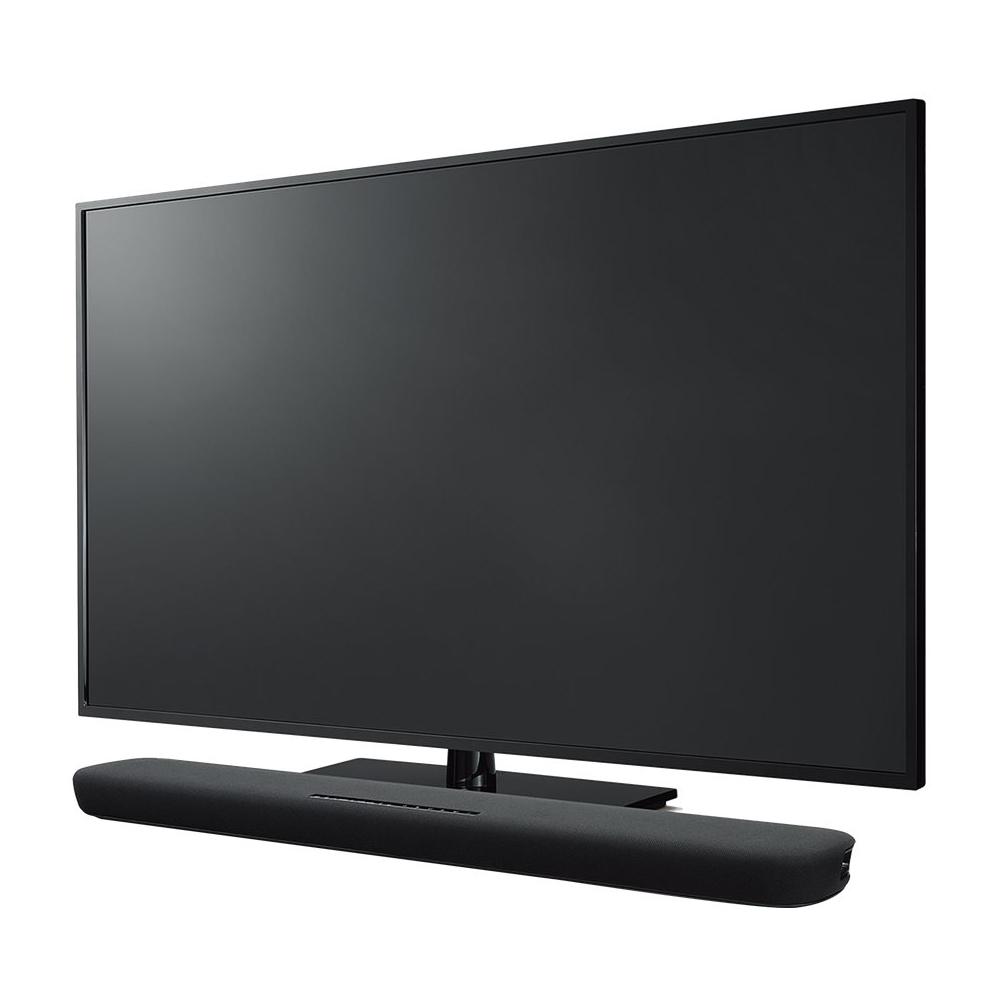
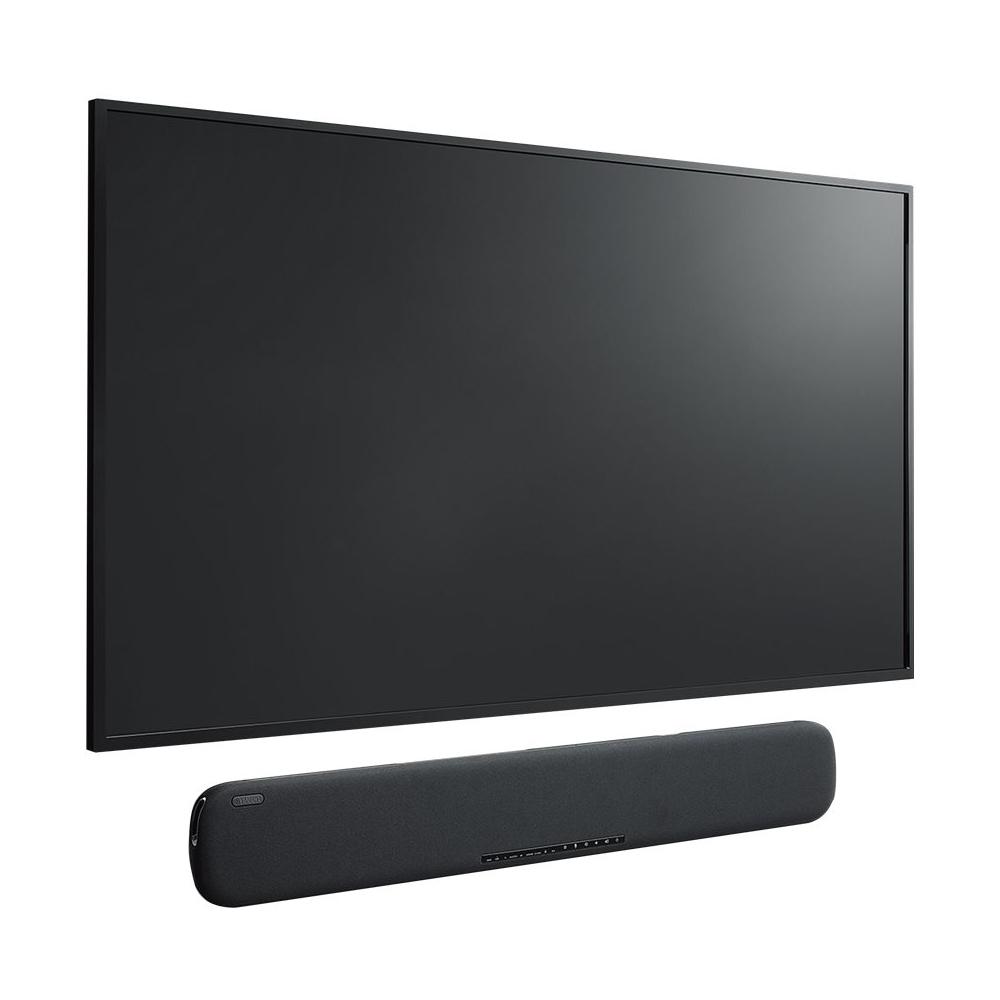
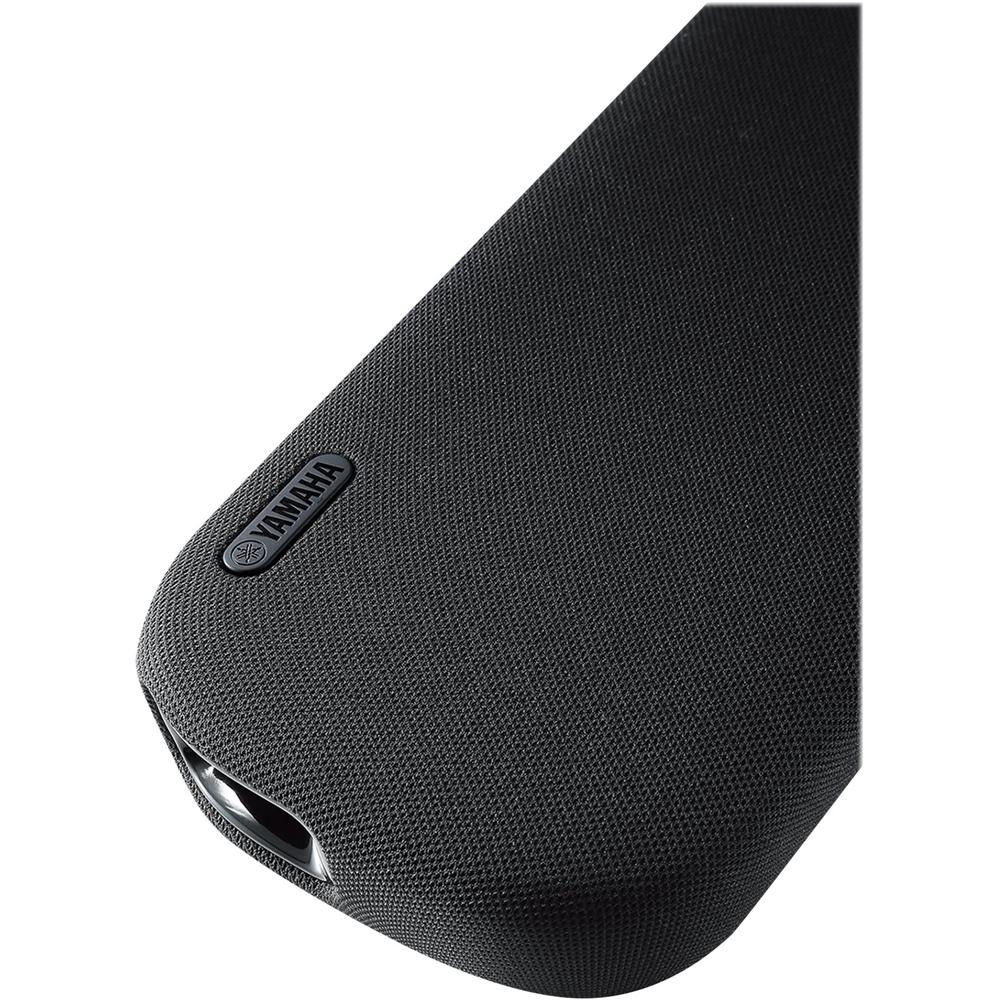
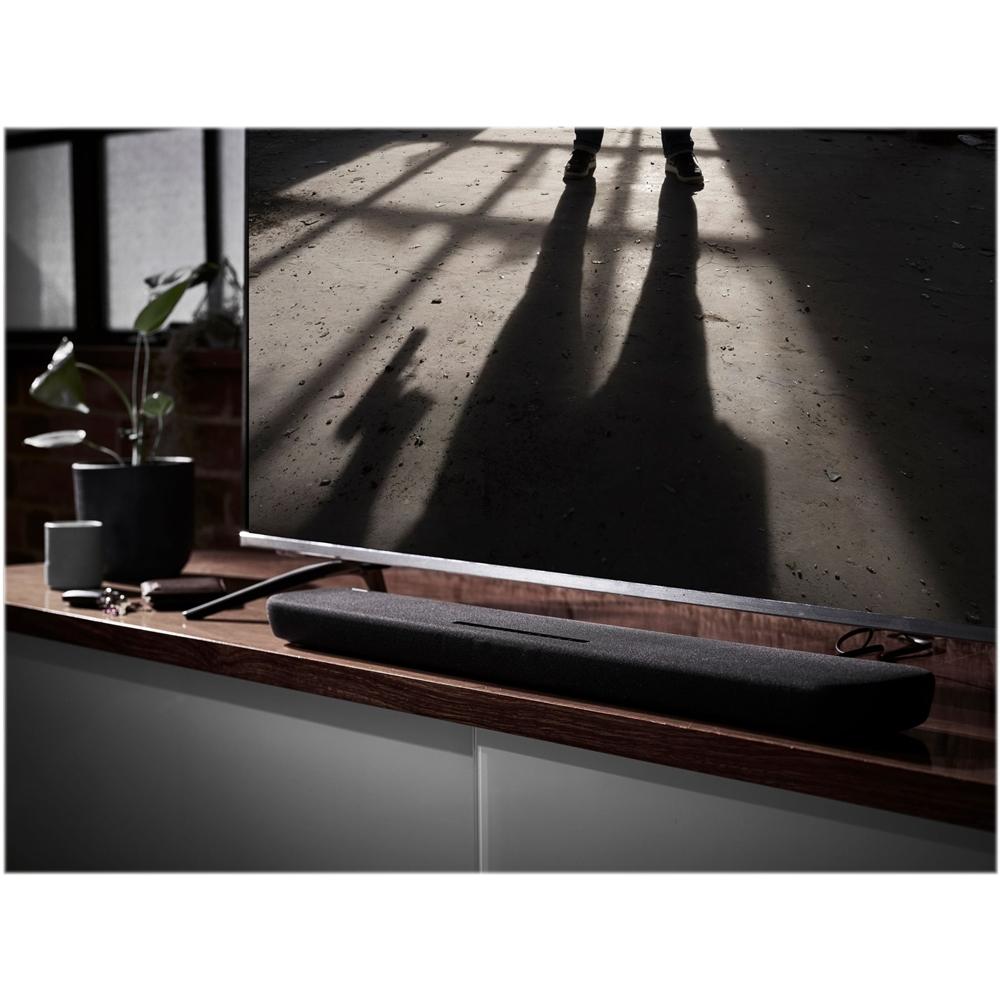
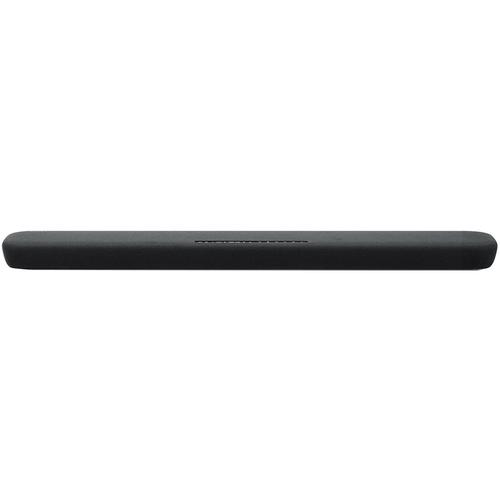
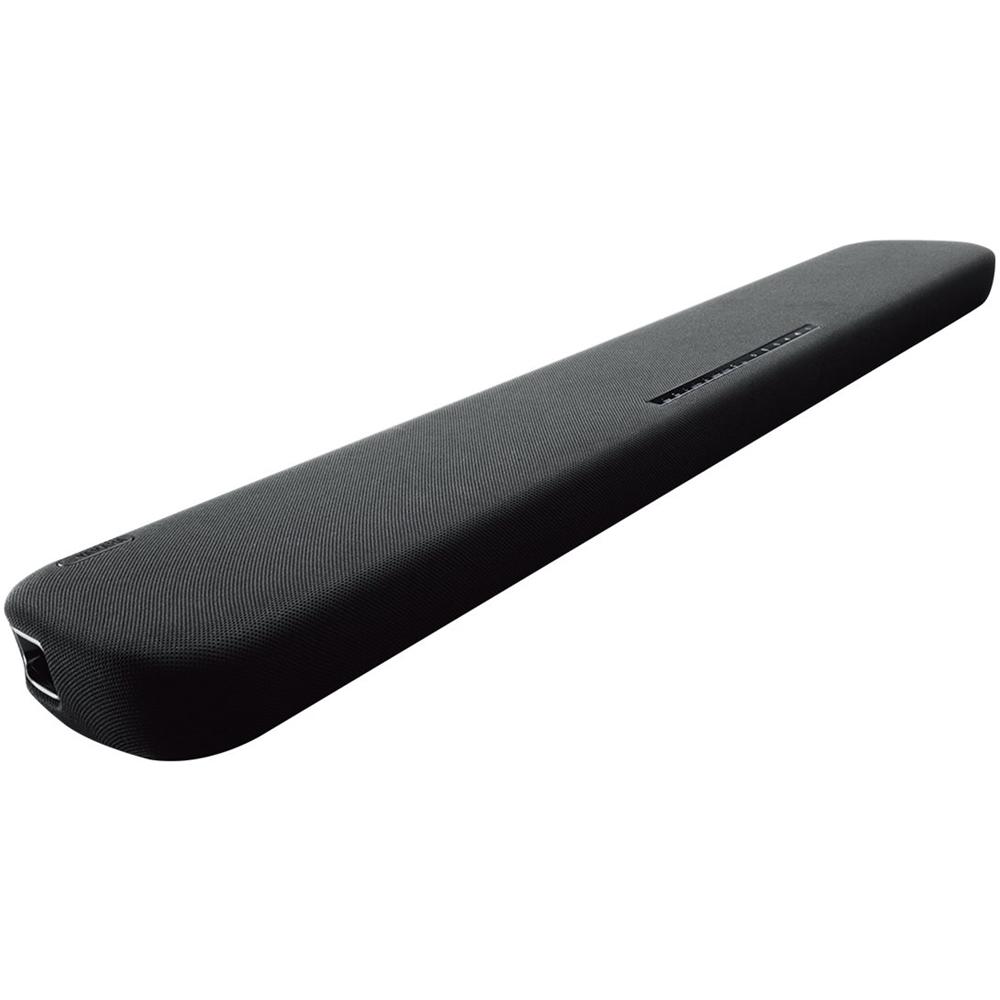
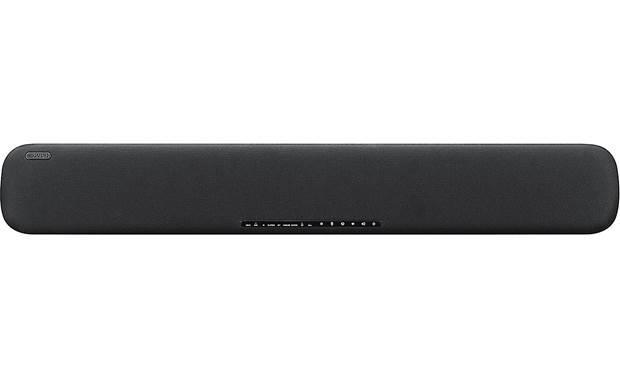
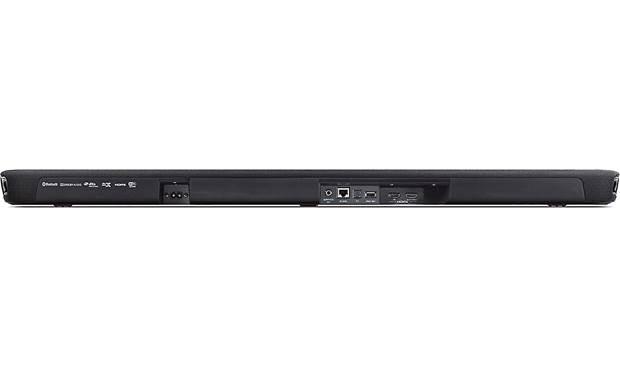
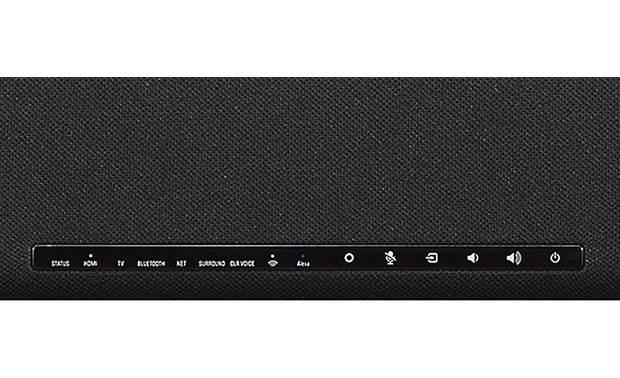
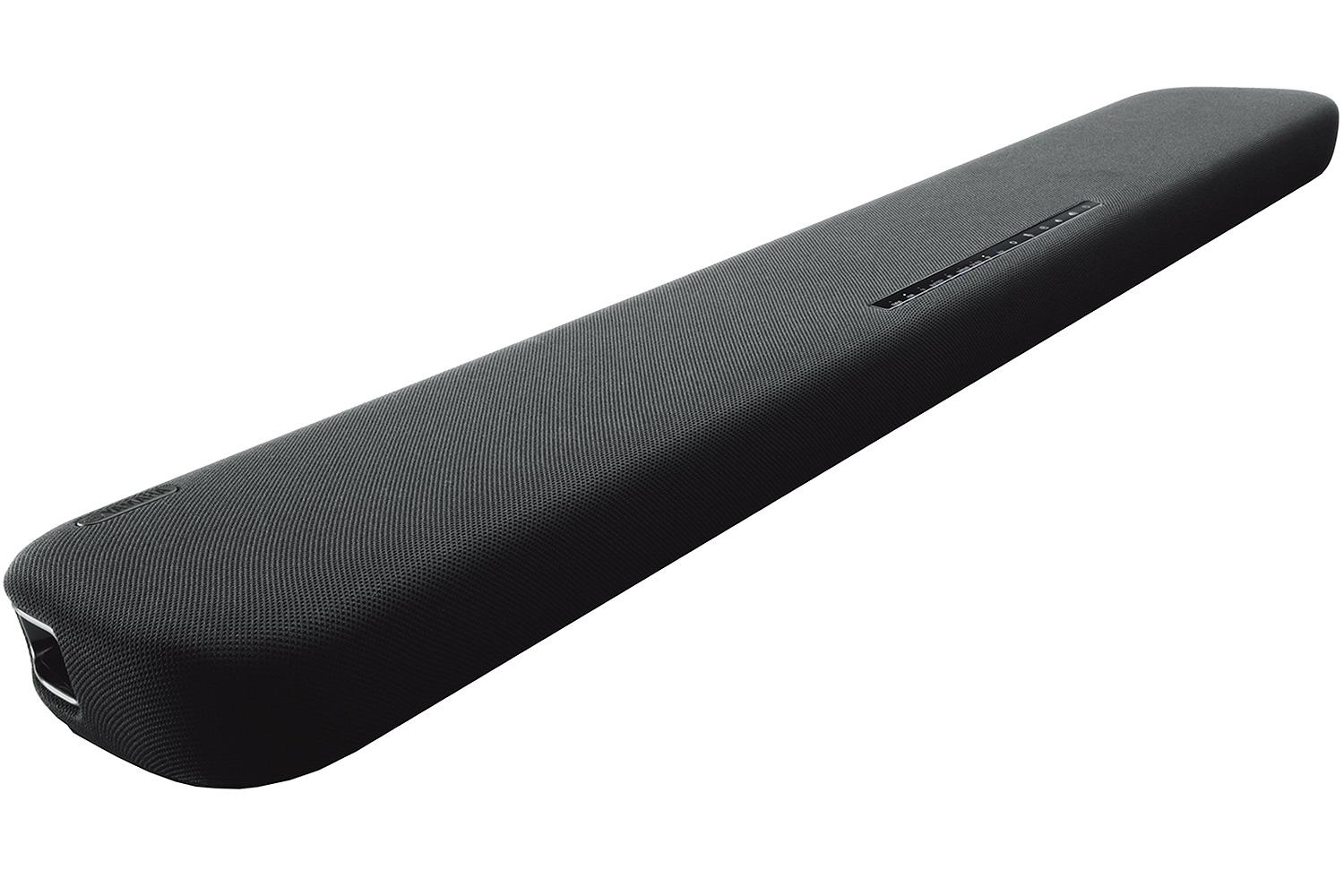
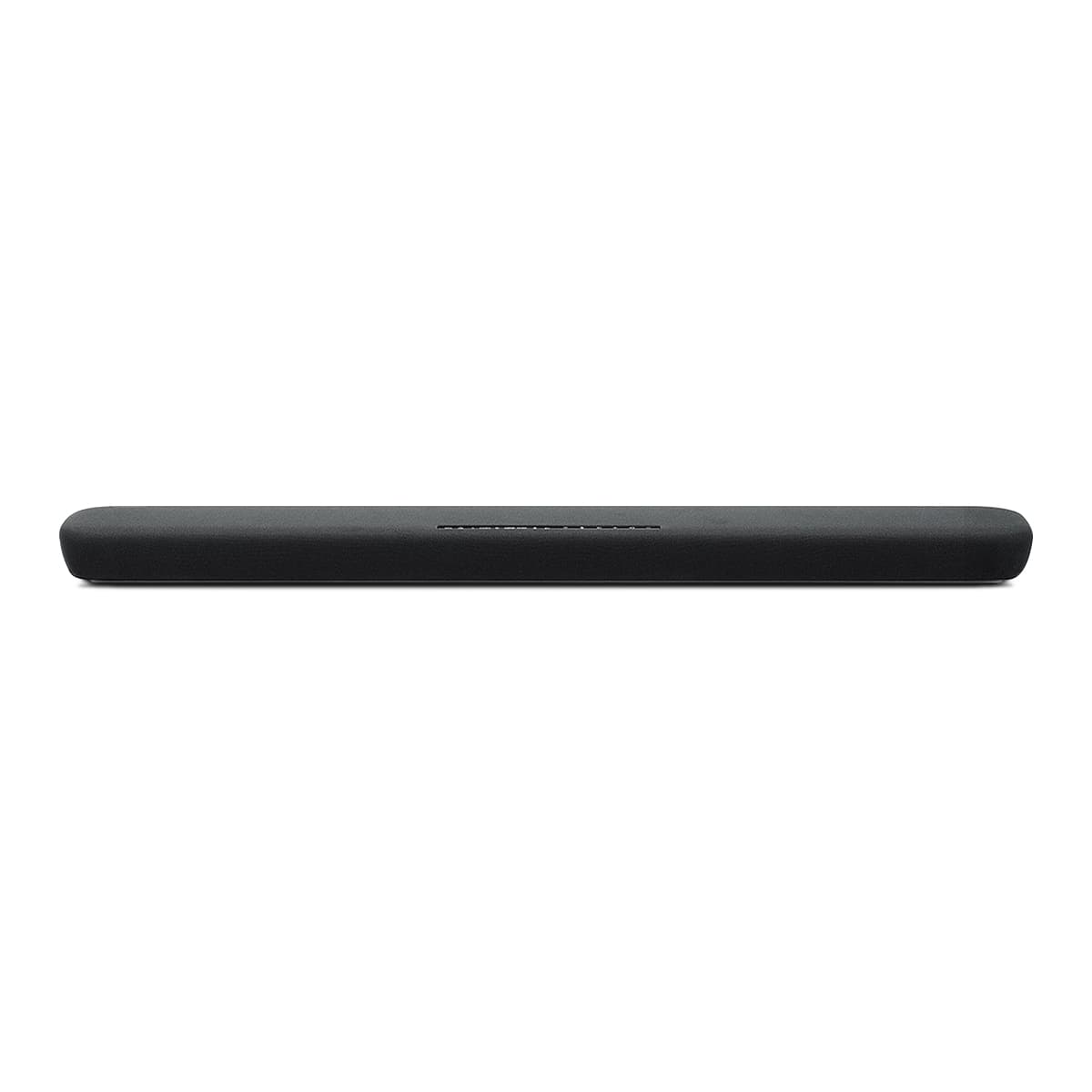
The Yamaha YAS-109 launched in 2019 and represents the "set it and forget it" philosophy – everything you need built into one sleek package. At the time of writing, it typically costs around half as much as premium alternatives while including features like built-in Alexa voice control and dual subwoofers.
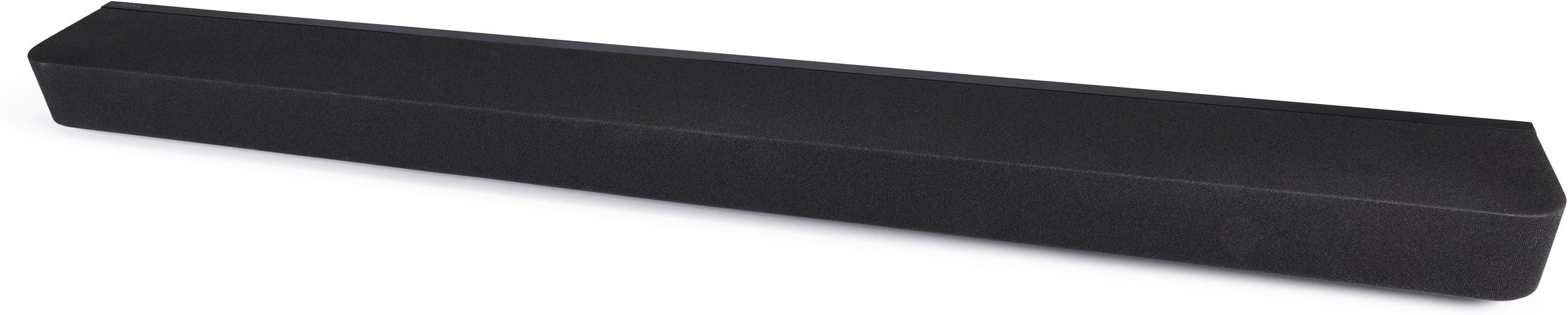
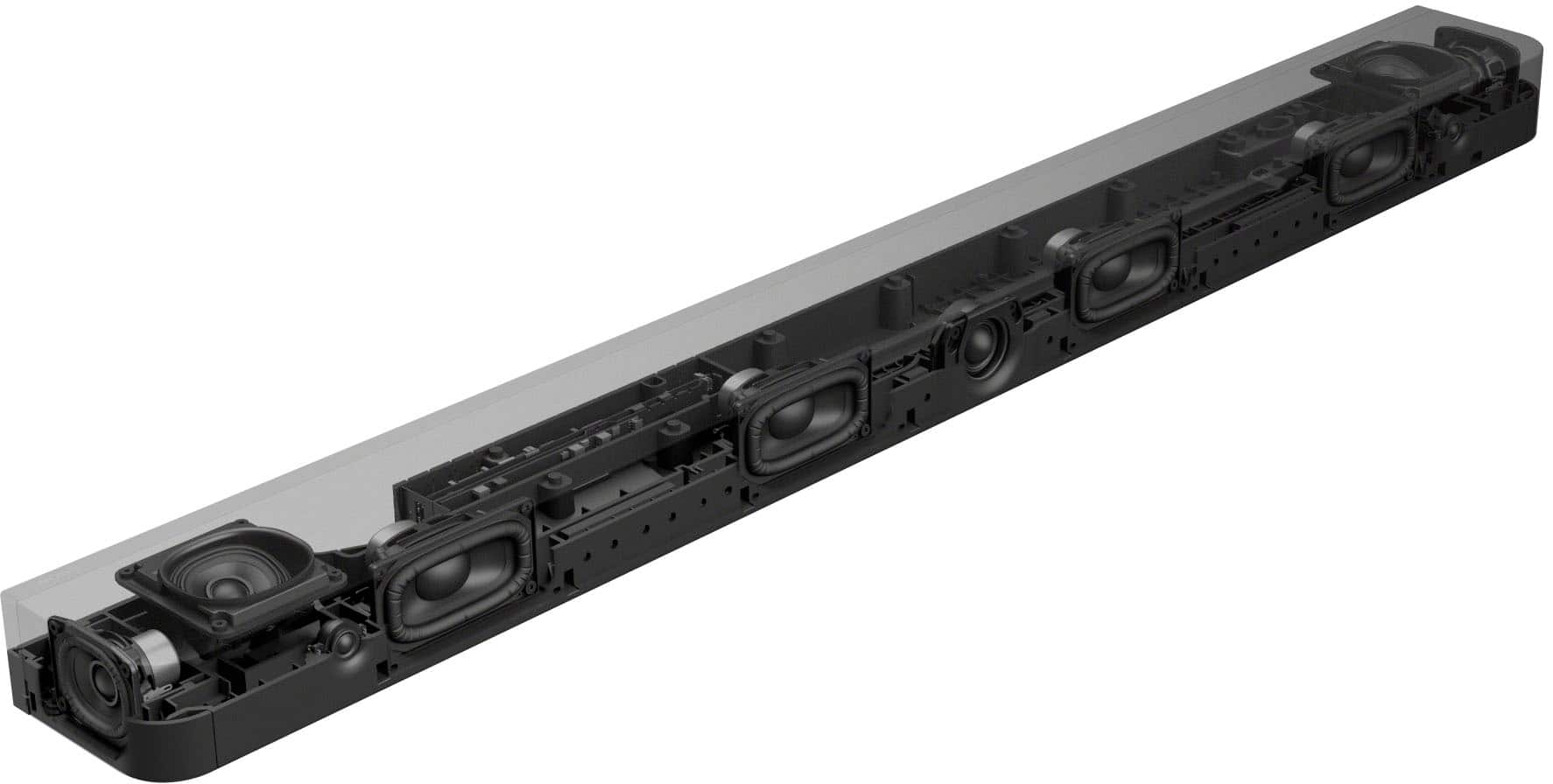
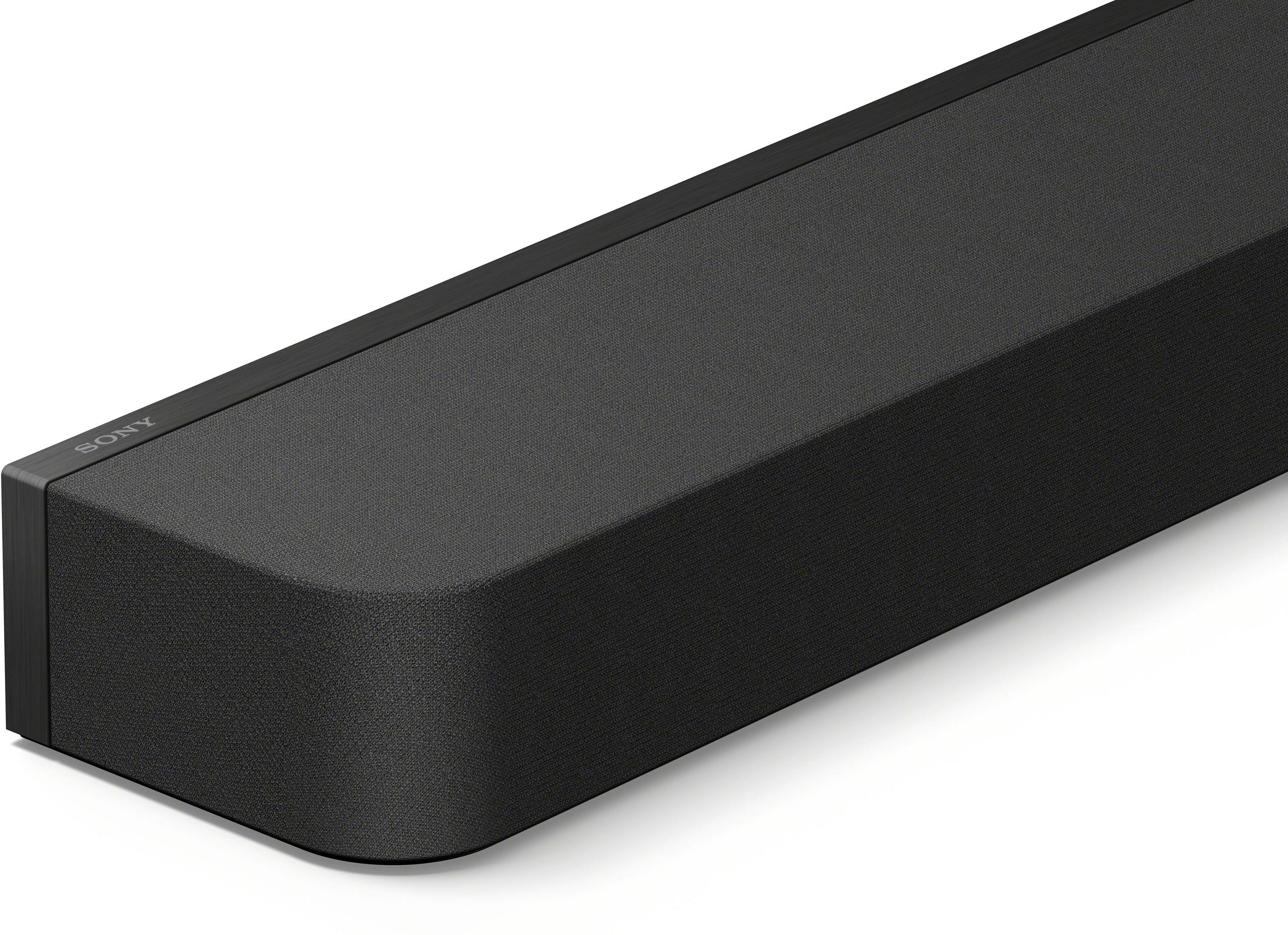
The Sony HT-A8000, released in 2024, embodies the latest in spatial audio technology. It's designed as the foundation of an expandable home theater system, using 11 individual speakers and sophisticated processing to create what Sony calls "360 Spatial Sound Mapping." At the time of writing, it costs significantly more than the Yamaha but offers technology that simply didn't exist when the YAS-109 was designed.
The five-year gap between these products matters enormously. In that time, we've seen the widespread adoption of object-based audio formats like Dolby Atmos (which places individual sounds precisely in 3D space rather than just left-right-center), HDMI 2.1 for next-generation gaming features, and AI-powered room calibration systems.
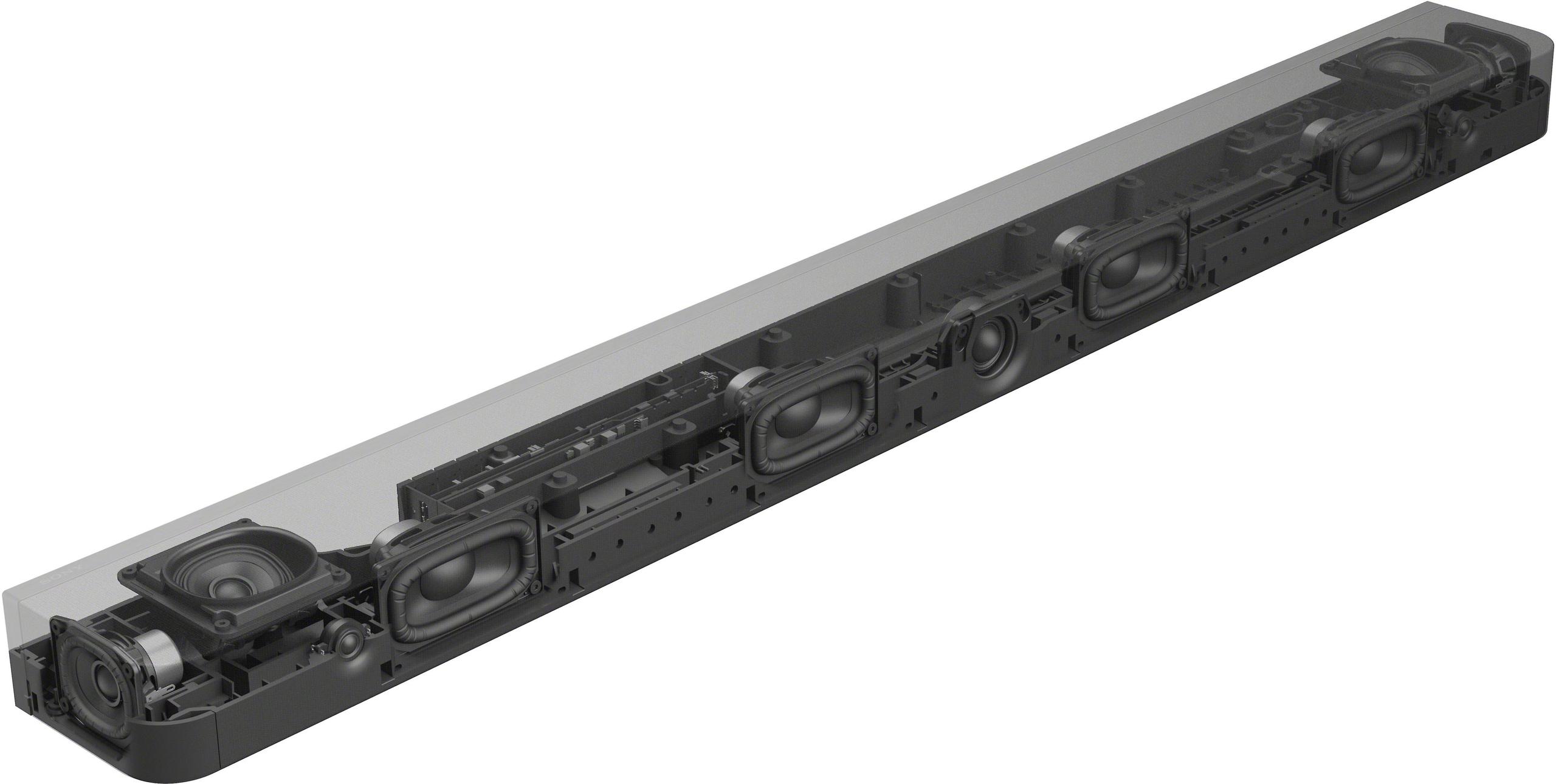
The Sony HT-A8000's most impressive feature is its 360 Spatial Sound Mapping technology. This system uses 11 individual speakers – including up-firing drivers that bounce sound off your ceiling and side-firing speakers that reflect audio off your walls – to create what feels like a bubble of sound around your seating area.
What makes this special is the use of "phantom speakers" – virtual audio sources created by precisely timing sound from multiple physical drivers. When you're watching a helicopter scene in a movie, for instance, the Sony can make it sound like the aircraft is actually moving overhead, even though all the speakers are in front of you. This works because your brain interprets the carefully orchestrated reflections and timing differences as positional audio cues.
The Sony also includes Sound Field Optimization, which automatically calibrates the audio based on your room's specific acoustics. It sends out test tones, analyzes how they bounce around your space, then adjusts the processing to compensate for factors like hard surfaces, furniture placement, and room size. This means the soundbar adapts to work optimally whether you're in a small apartment or a large living room.
For dialogue clarity – crucial for following complex TV shows or movies – the Sony employs Voice Zoom 3, an AI-powered system that recognizes human speech and can amplify or reduce voice levels independently of background sounds. This addresses one of the most common complaints about modern movies: mumbled dialogue mixed too quietly relative to explosive action sequences.
The Yamaha YAS-109 takes a more traditional but proven approach. Its dual built-in subwoofers – essentially dedicated bass drivers built right into the soundbar – provide immediate impact that you'll notice the moment you turn it on. This is particularly effective for music listening, where the integrated bass response creates a fuller, more satisfying sound than most TV speakers can manage.
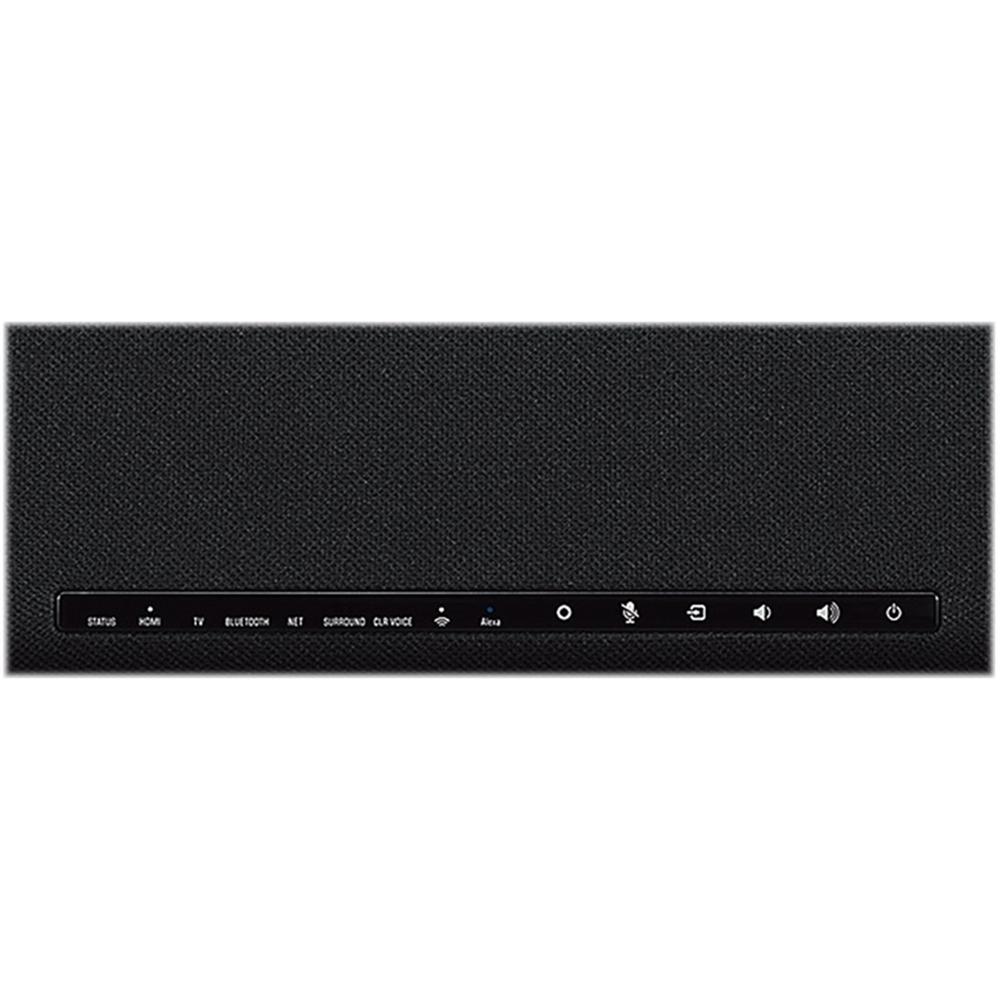
Yamaha's Clear Voice technology focuses specifically on dialogue enhancement, bringing speech forward in the mix so conversations remain intelligible even during busy scenes. While less sophisticated than Sony's AI approach, it's effective and doesn't require any setup or calibration.
The YAS-109 uses DTS Virtual:X processing to simulate surround sound effects. This digital processing analyzes stereo or surround sound content and creates the psychoacoustic illusion of sounds coming from beside and behind you. While it can't match the precision of physical surround speakers, it's surprisingly effective for casual viewing and significantly better than standard stereo playback.
Based on extensive research into expert reviews and user feedback, the most critical performance characteristics for soundbars are dialogue clarity, bass response, soundstage width (how spread out the audio sounds), and dynamic range (the difference between quiet and loud sounds).
The Sony HT-A8000 excels at soundstage width and dynamic range, creating an impressively large and nuanced audio presentation. However, our research suggests it requires an additional subwoofer to achieve truly satisfying bass response, which significantly impacts the total system cost.
The Yamaha YAS-109 prioritizes bass response and dialogue clarity, delivering satisfying low-end impact right out of the box. Its soundstage is narrower than the Sony's, but still a major improvement over TV speakers, and its tuning works particularly well for music and casual TV viewing.
This is where the fundamental design philosophies become most apparent. The Yamaha YAS-109 includes dual 3-inch subwoofers built directly into the soundbar housing. This means you get immediate bass impact without additional components, cables, or setup complexity. For most content – TV shows, music streaming, casual movie watching – this integrated approach provides plenty of low-end punch.
The trade-off is that built-in subwoofers have physical limitations. They can't move as much air as larger, dedicated subwoofers, and they're competing for internal space with the other drivers. During particularly complex audio scenes, the bass can become muddy or overwhelm the midrange frequencies where dialogue lives.
The Sony HT-A8000 takes the opposite approach: no built-in subwoofer, but designed to pair seamlessly with Sony's optional wireless subwoofers. This modular design means you can start with just the soundbar and add a subwoofer later when budget allows. Sony's subwoofers, like the SA-SW5, use larger drivers in dedicated enclosures, providing deeper, more controlled bass response.
The downside is obvious: additional cost and complexity. At the time of writing, adding Sony's recommended subwoofer roughly doubles the total system investment. However, this approach offers superior performance potential and allows you to customize the system to your room and preferences.
The difference in surround sound capabilities represents the biggest performance gap between these soundbars. The Sony HT-A8000 supports true object-based audio formats like Dolby Atmos and DTS:X. These formats don't just place sounds in left, right, or center channels – they treat individual audio elements as objects that can be positioned anywhere in 3D space.
When you're playing a video game or watching an Atmos-encoded movie, the Sony can make raindrops sound like they're falling all around you, or place a character's footsteps precisely as they move across the screen. This is achieved through the combination of up-firing speakers (for height effects), side-firing speakers (for width), and sophisticated processing that creates phantom speakers between the physical drivers.
The Yamaha YAS-109 relies entirely on DTS Virtual:X processing to simulate surround effects. This psychoacoustic processing analyzes the audio content and creates timing and frequency adjustments that trick your brain into perceiving directional effects. It's effective enough to create a sense of spaciousness and some directional cues, but it can't achieve the precise positioning or overhead effects of true object-based audio.
For home theater enthusiasts who prioritize immersive audio experiences, this difference is substantial. For casual viewers who primarily watch TV shows and occasional movies, the Yamaha's virtual processing provides a satisfying upgrade without the complexity or cost of true surround sound.
Both soundbars offer smart features, but with different focuses. The Yamaha YAS-109 includes built-in Alexa, making it function as a smart speaker when not playing audio from your TV. You can control smart home devices, ask questions, set timers, and stream music using voice commands. This integration feels natural and adds genuine utility beyond just audio improvement.
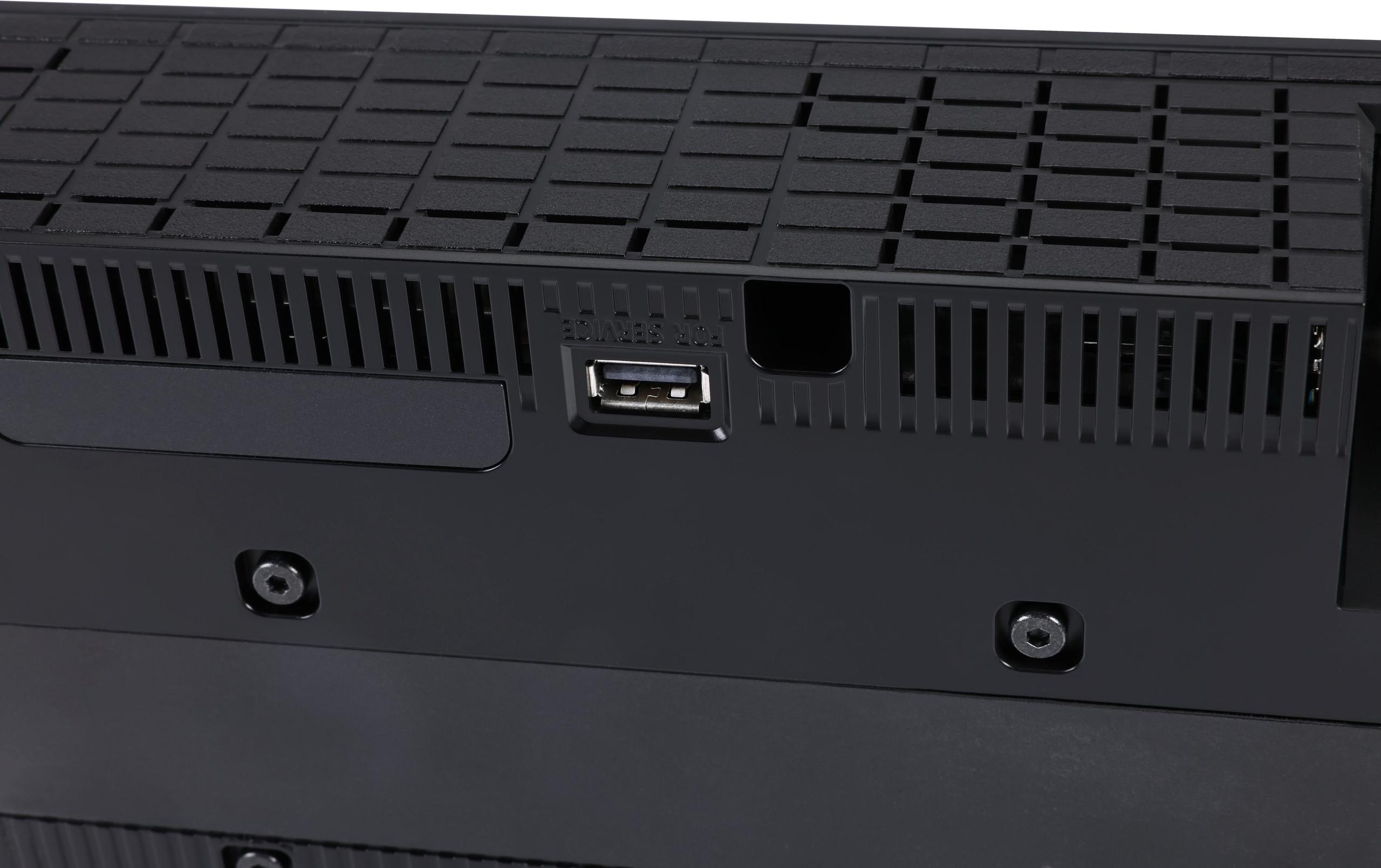
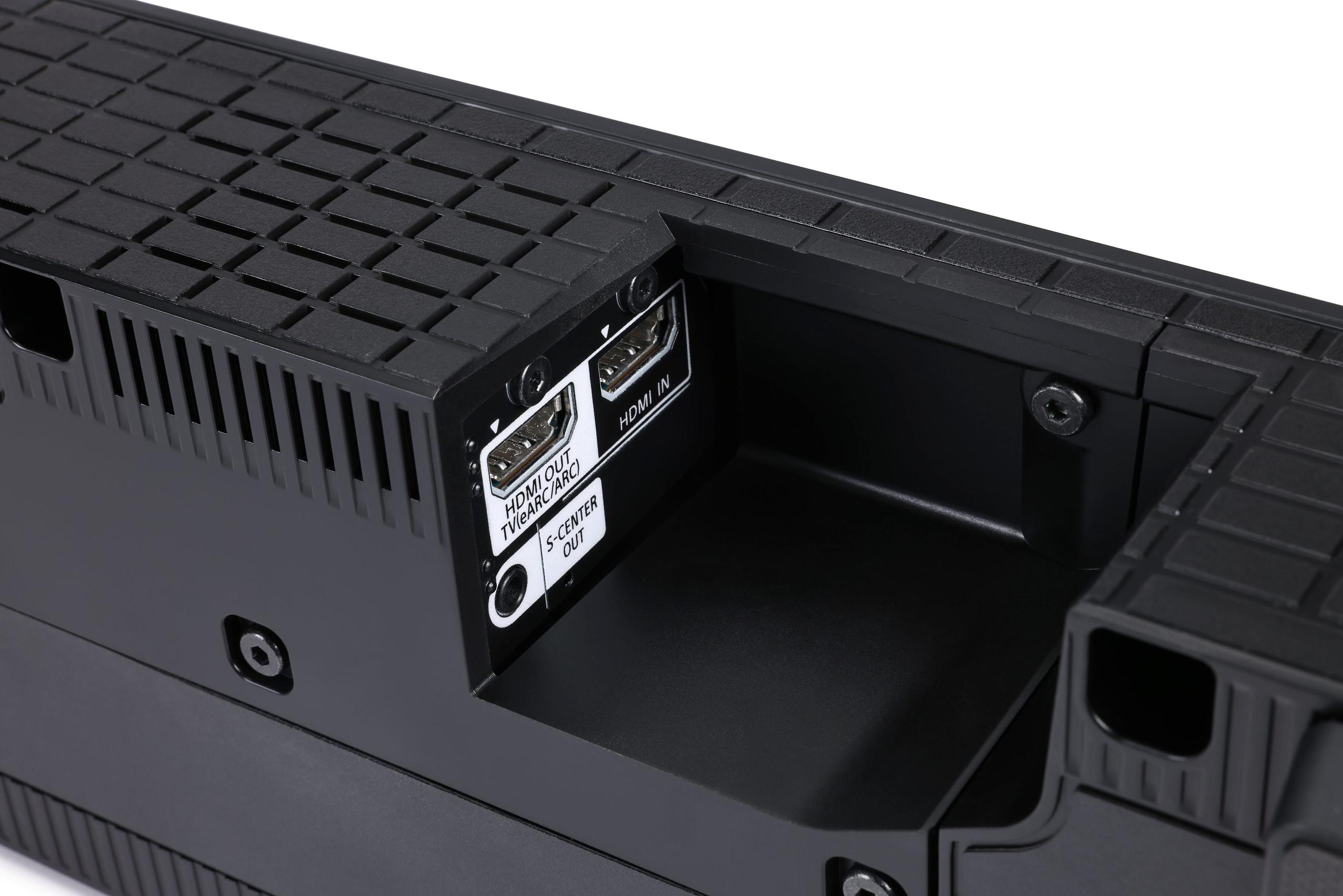
The Sony HT-A8000 doesn't include a built-in voice assistant, instead focusing on advanced connectivity and integration features. Its HDMI 2.1 support enables gaming features like 4K at 120Hz, Variable Refresh Rate (VRR), and Auto Low Latency Mode (ALLM) – technical specifications that matter enormously for serious gamers but are irrelevant for casual users.
Sony's Acoustic Center Sync feature allows compatible BRAVIA TVs to function as the center channel speaker, creating an integrated audio system where dialogue appears to come directly from the screen. This level of integration represents the future of home theater, but it requires specific Sony TV models to work properly.
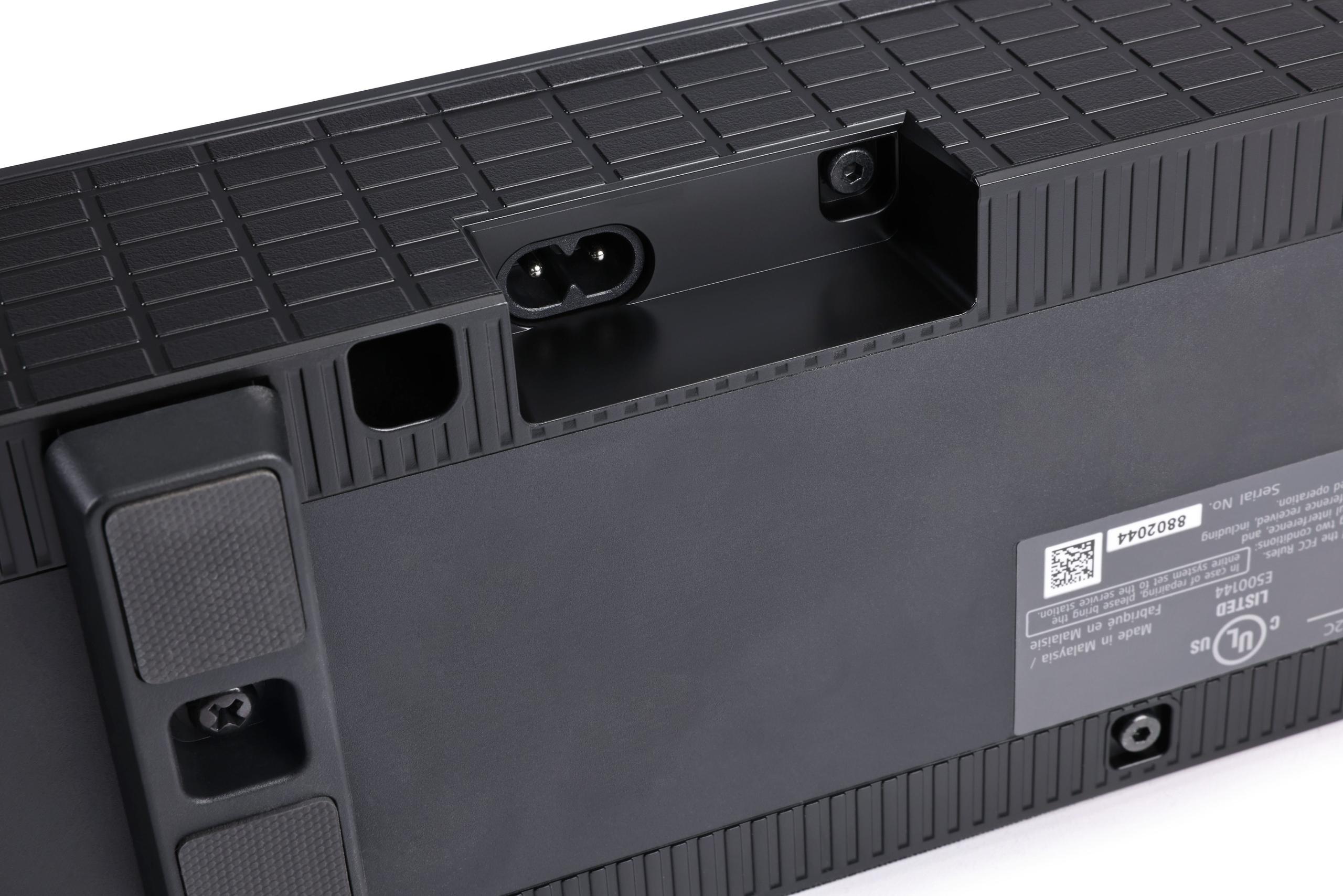
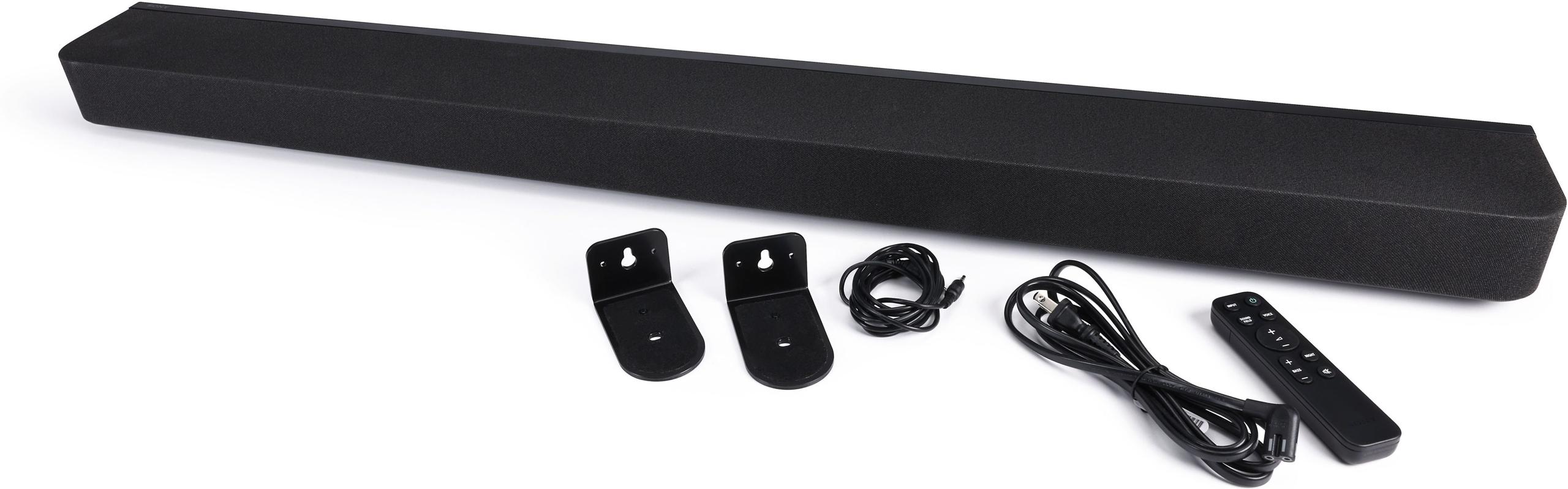
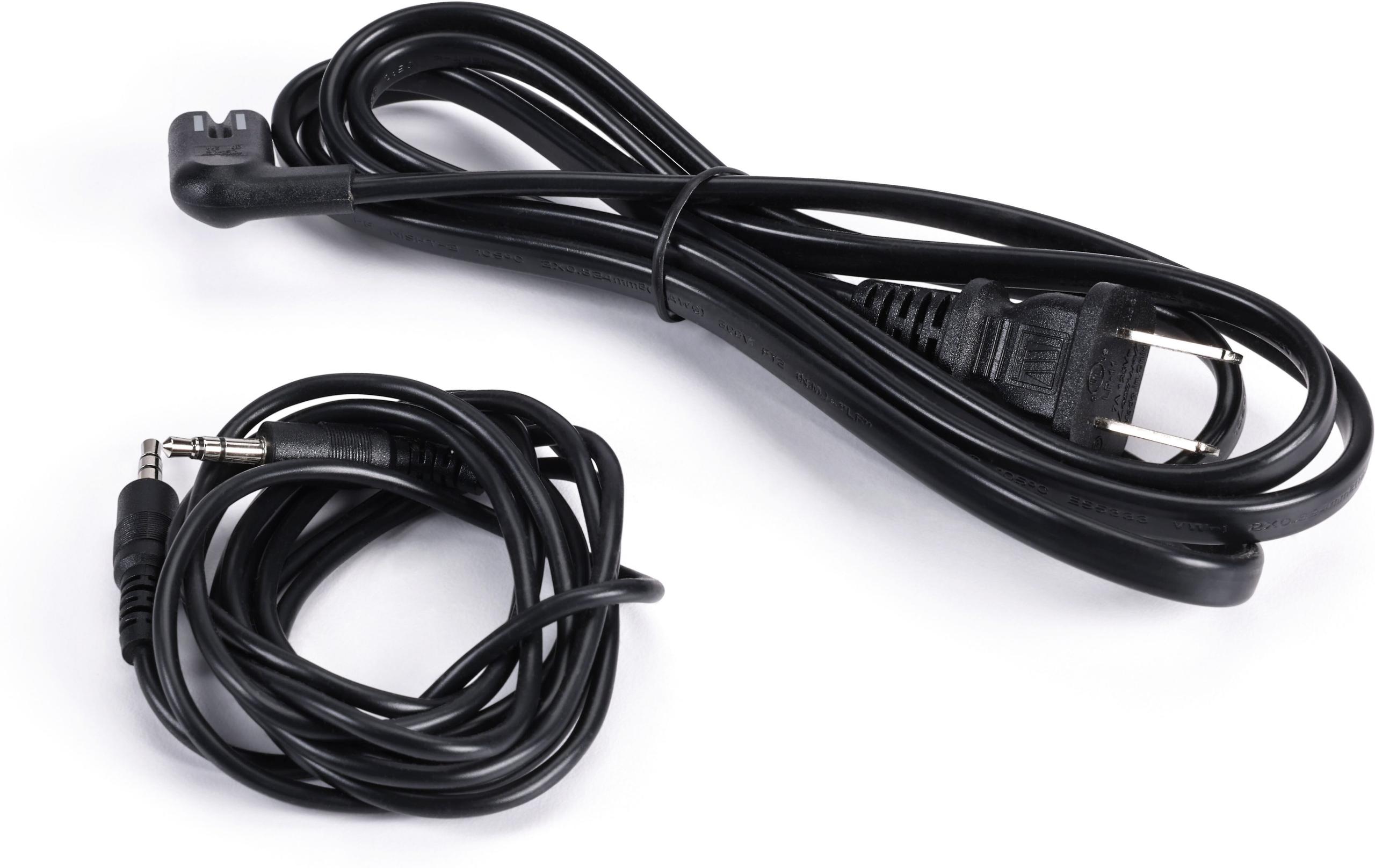
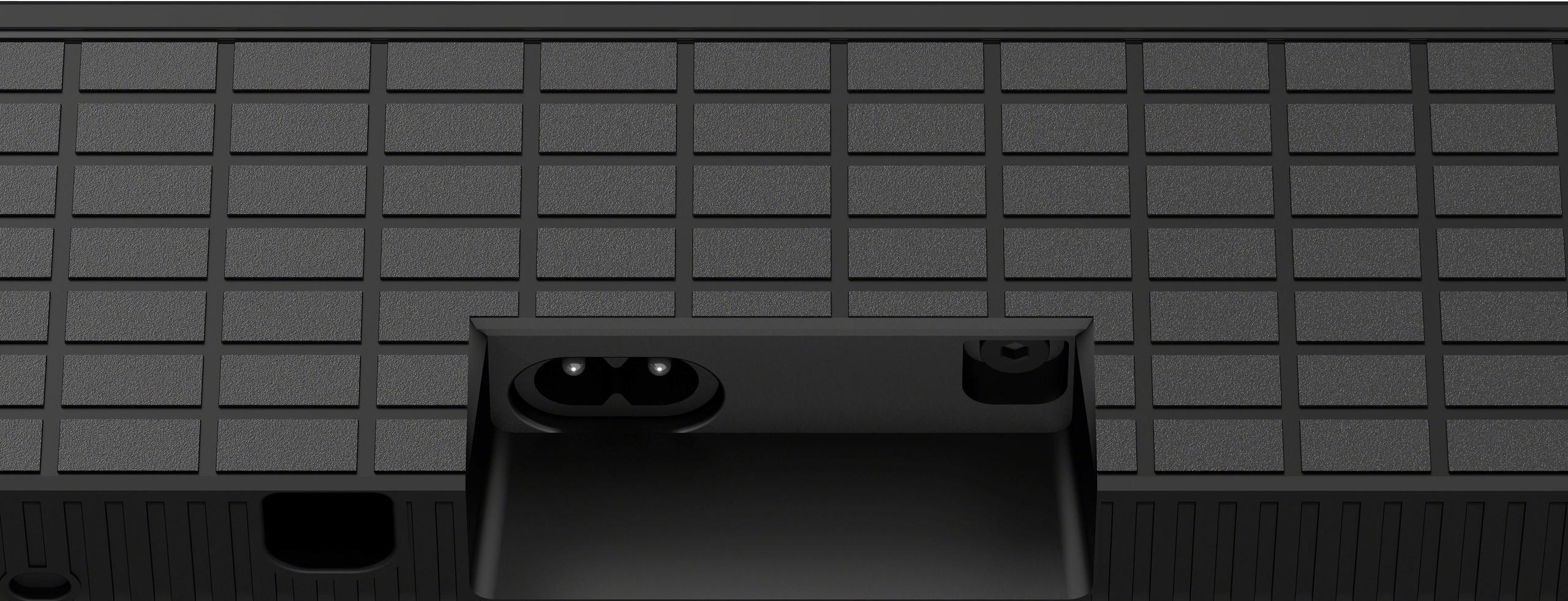
The Yamaha YAS-109 epitomizes plug-and-play simplicity. Connect it to your TV via HDMI or optical cable, run the basic setup in the mobile app, and you're done. The built-in subwoofers mean no additional placement considerations or wireless pairing requirements.
The Sony HT-A8000 requires more thoughtful installation. Its room calibration system needs space to analyze your acoustics properly, and if you add a subwoofer later, you'll need to consider placement for optimal bass response. The payoff is better performance, but it demands more engagement from the user.
Long-term flexibility strongly favors the Sony approach. You can start with just the soundbar and gradually build a complete surround system by adding Sony's wireless subwoofer and rear speakers. This modular approach means your investment grows with your needs and budget, rather than requiring a complete replacement when you want to upgrade.
The Yamaha offers no expansion options – what you buy is what you get. While this simplicity appeals to many users, it also means you'll need to replace the entire unit if you later want true surround sound or more powerful bass.
At the time of writing, the Yamaha YAS-109 costs roughly half as much as the Sony HT-A8000, making it appear to offer superior value. However, total cost analysis is more complex than initial price comparison.
The Yamaha provides a complete audio upgrade immediately. Built-in subwoofers, voice control, and effective virtual surround processing mean you get meaningful improvement in your audio experience without any additional purchases. For users who want better sound than their TV provides without complexity or ongoing investment, this represents excellent value.
The Sony's value proposition unfolds over time. The initial soundbar purchase provides impressive spatial audio and room calibration, but achieving the system's full potential requires additional investment in subwoofers and potentially rear speakers. At full expansion, the total system cost can approach three times the Yamaha's price.
However, this modular approach means you can spread the investment over months or years, upgrading components as budget allows while preserving your initial investment. The Sony also offers significantly more advanced technology and future-proofing, supporting audio formats and gaming features that didn't exist when the Yamaha was designed.
For gaming enthusiasts, the choice is straightforward. The Sony HT-A8000's HDMI 2.1 support enables features like 4K gaming at 120Hz with Variable Refresh Rate, which eliminates screen tearing and reduces input lag. Its Dolby Atmos support brings game audio to life with precise positional effects – imagine hearing enemy footsteps accurately positioned above, below, or beside you in competitive gaming.
The Yamaha YAS-109's HDMI support is limited to 4K at 60Hz, which is perfectly adequate for most content but won't support the latest gaming features. Its virtual surround processing provides some positional audio cues, but can't match the precision of object-based formats.
For streaming music and casual entertainment, both soundbars support modern connectivity options like Bluetooth and Wi-Fi streaming. The Yamaha's built-in Alexa provides convenient voice control for music services, while the Sony offers higher-quality wireless codecs and better integration with streaming platforms.
The Sony HT-A8000 makes sense for users who prioritize audio quality above convenience and are willing to invest in a growing system. It's ideal for home theater enthusiasts, serious gamers, and anyone who frequently watches movies with advanced audio formats. The modular design appeals to users who prefer to customize their setup and don't mind managing multiple components.
Sony's soundbar also makes particular sense for owners of compatible BRAVIA TVs, where the integration features provide benefits that justify the premium pricing. If you're building a dedicated home theater space and want room for future expansion, the Sony's approach offers superior long-term flexibility.
The Yamaha YAS-109 suits users who want immediate, significant improvement over TV speakers without complexity or ongoing investment. It's perfect for apartment dwellers, casual viewers, and anyone who values simplicity over ultimate performance. The built-in Alexa adds genuine utility for smart home users, and the integrated bass response satisfies most listening needs without additional components.
Yamaha's soundbar makes sense when you want to set up once and forget about it, when living space constraints make multiple components impractical, or when your primary use involves TV shows, news, and music rather than cinematic content.
Both the Sony HT-A8000 and Yamaha YAS-109 successfully solve the problem of poor TV audio, but they do so with fundamentally different approaches. Sony offers a premium, expandable platform for serious home theater enthusiasts willing to invest in cutting-edge spatial audio technology. Yamaha provides immediate satisfaction and practical features for users who want better sound without complexity.
Your choice should align with your content consumption habits, living situation, and long-term audio goals. The Sony rewards patience and investment with superior performance potential, while the Yamaha delivers immediate improvement and smart features at an accessible price point. Both represent solid value within their respective market segments, just serving very different user needs and preferences.
| Sony HT-A8000 BRAVIA Theater Bar 8 | Yamaha YAS-109 |
|---|---|
| Speaker Configuration - Determines surround sound capabilities and immersion level | |
| 5.0.2 channels with 11 individual speakers including up-firing and side-firing drivers | 2.2 channels with dual built-in subwoofers, no height channels |
| Surround Sound Technology - Critical for movie and gaming experience | |
| True Dolby Atmos and DTS:X with object-based 3D audio positioning | DTS Virtual:X simulation only, no true surround formats |
| Bass System - Affects setup complexity and low-end performance | |
| Requires separate wireless subwoofer for deep bass (sold separately) | Dual 3-inch subwoofers built-in, complete system out of box |
| Room Calibration - Optimizes sound for your specific space | |
| Sound Field Optimization with automatic acoustic analysis | No room calibration, manual EQ adjustments only |
| Voice Control - Convenience for smart home integration | |
| None built-in, works with TV voice assistants via eARC | Built-in Alexa for direct voice commands and smart home control |
| HDMI Gaming Features - Important for PlayStation 5/Xbox Series X owners | |
| HDMI 2.1 with 4K120, VRR, ALLM, and 8K passthrough | HDMI 2.0 with 4K60 only, no advanced gaming features |
| Expandability - Future upgrade potential | |
| Modular system: add wireless subwoofer and rear speakers over time | Fixed 2.2 configuration, no expansion options |
| Setup Complexity - Time investment required | |
| Requires room calibration and potential subwoofer placement planning | Plug-and-play installation with minimal configuration needed |
| Dialogue Enhancement - Critical for TV shows and movies | |
| Voice Zoom 3 with AI-powered speech recognition and amplification | Clear Voice technology brings dialogue forward in mix |
| Total System Investment - Real cost when fully equipped | |
| Soundbar alone, but needs subwoofer for optimal bass performance | Complete system with integrated bass, no additional purchases needed |
The Sony HT-A8000 is significantly better for home theater use. It supports true Dolby Atmos and DTS:X surround sound formats with 11 speakers including up-firing drivers for overhead effects. The Yamaha YAS-109 only offers virtual surround simulation through DTS Virtual:X, which can't match the immersive experience of object-based audio formats that modern movies use.
The Yamaha YAS-109 is complete out of the box with built-in subwoofers and doesn't require additional purchases. The Sony HT-A8000 works alone but really needs an optional wireless subwoofer for proper bass response, which adds to the total cost but provides superior low-end performance.
The Yamaha YAS-109 is much easier to install - just connect via HDMI or optical cable and you're done. The Sony HT-A8000 requires room calibration setup and more careful placement considerations, especially if adding a subwoofer later.
The Yamaha YAS-109 has significantly better bass response right out of the box thanks to its dual built-in 3-inch subwoofers. The Sony HT-A8000 has minimal bass on its own and really needs an external subwoofer to deliver satisfying low-end performance.
The Yamaha YAS-109 has built-in Alexa for direct voice commands, smart home control, and music streaming requests. The Sony HT-A8000 doesn't have built-in voice assistants but can work with your TV's voice control through HDMI eARC connection.
The Sony HT-A8000 is much better for gaming with HDMI 2.1 support enabling 4K at 120Hz, Variable Refresh Rate, and Auto Low Latency Mode for PlayStation 5 and Xbox Series X. The Yamaha YAS-109 only supports 4K at 60Hz and lacks these advanced gaming features.
The Yamaha YAS-109 offers better immediate value as a complete system with built-in bass and voice control. The Sony HT-A8000 requires additional investment for optimal performance but offers more advanced technology and expandability for long-term value.
The Sony HT-A8000 is designed as an expandable modular system - you can add wireless subwoofers and rear speakers over time. The Yamaha YAS-109 cannot be expanded and offers no upgrade path beyond its built-in 2.2 channel configuration.
Both handle dialogue well but differently. The Sony HT-A8000 uses AI-powered Voice Zoom 3 technology that recognizes and amplifies speech automatically. The Yamaha YAS-109 uses Clear Voice processing that brings dialogue forward in the mix, which is simpler but effective.
The Yamaha YAS-109 is ideal for apartments with its all-in-one design, built-in bass, and no need for additional components or complex setup. The Sony HT-A8000 may be overkill for small spaces and its room calibration works best in larger rooms.
Both support Bluetooth and Wi-Fi streaming, but the Yamaha YAS-109 has the advantage of built-in Alexa for voice-controlled music requests and better bass response for music. The Sony HT-A8000 offers higher audio quality and more precise soundstaging but needs a subwoofer for full music enjoyment.
The Sony HT-A8000 is more future-proof with HDMI 2.1, support for the latest audio formats, and expandability options. The Yamaha YAS-109 from 2019 lacks newer connectivity features but its simple design means fewer potential points of failure over time.
We've done our best to create useful and informative comparisons to help you decide what product to buy. Our research uses advanced automated methods to create this comparison and perfection is not possible - please contact us for corrections or questions. These are the sites we've researched in the creation of this article: consumerreports.org - skybygramophone.com - target.com - rtings.com - bestbuy.com - rubbermonkey.co.nz - shopatsc.com - audioadvice.com - sony.com - sony.com - sony.com - shop.cosmopolitan.com - store.sony.com.my - videoandaudiocenter.com - rtings.com - crutchfield.com - usa.yamaha.com - digitaltrends.com - tomsguide.com - listenup.com - youtube.com - usa.yamaha.com - hub.yamaha.com - youtube.com - hub.yamaha.com

Privacy Policy
Terms and Conditions - Affiliate Policy
Home Security
© Copyright 2008-2026.
11816 Inwood Rd #1211, Dallas, TX 75244