

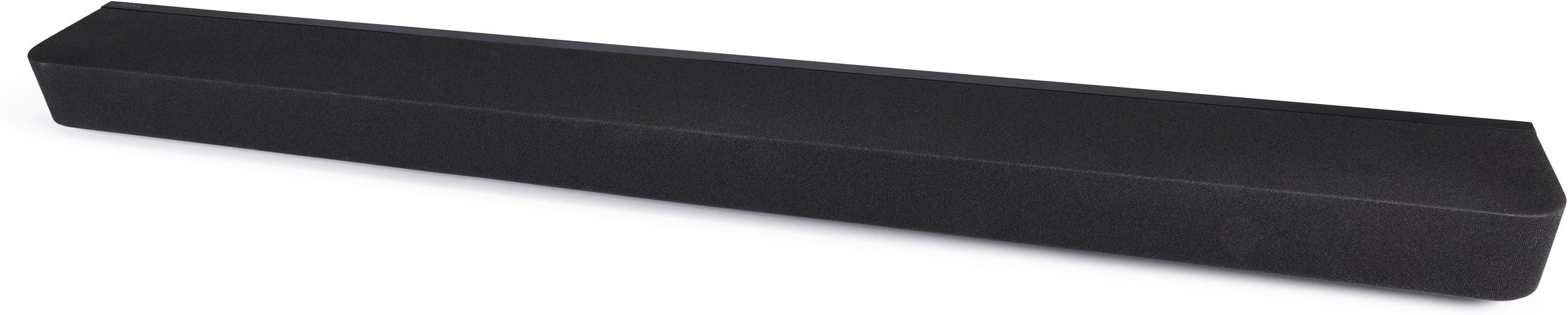
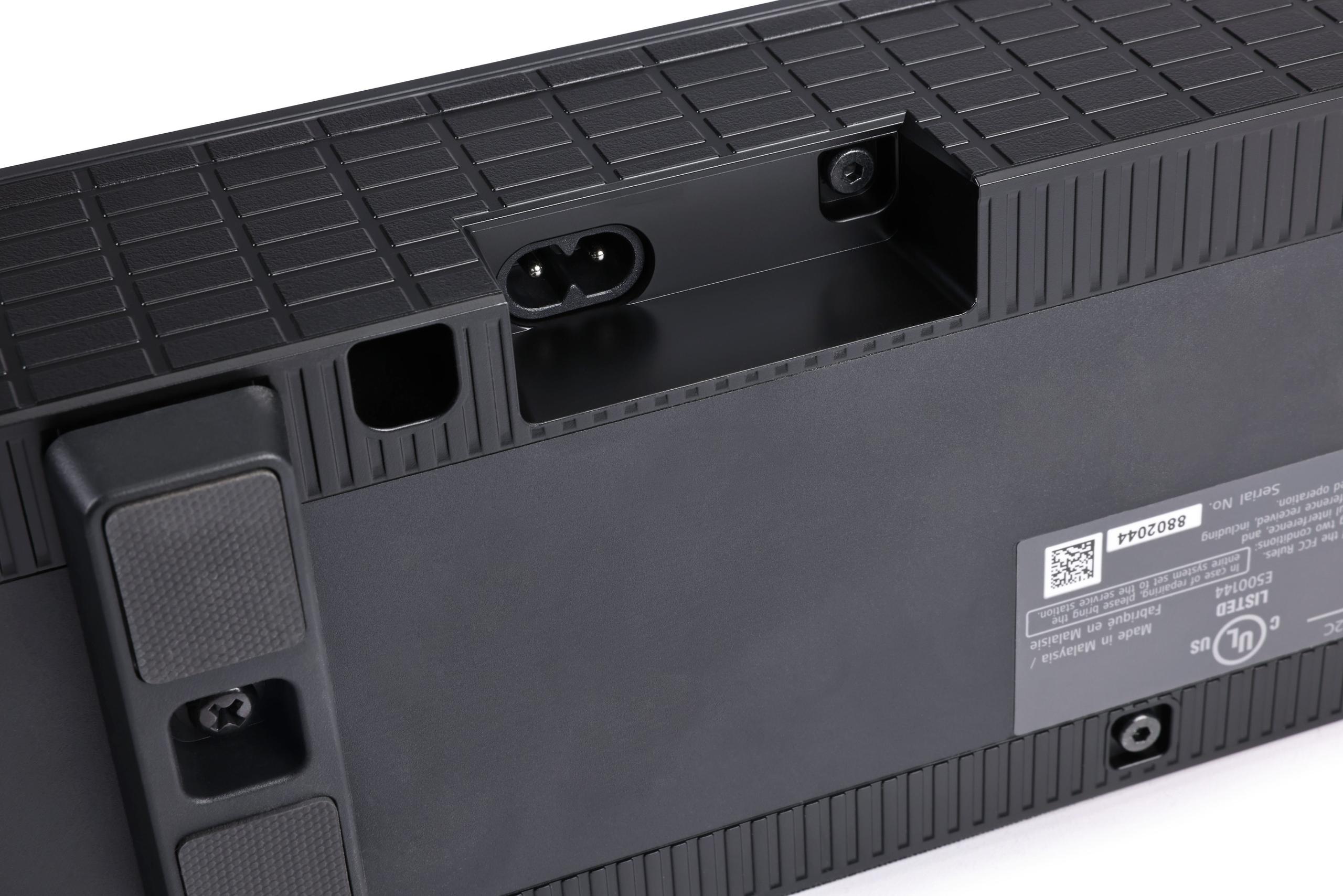
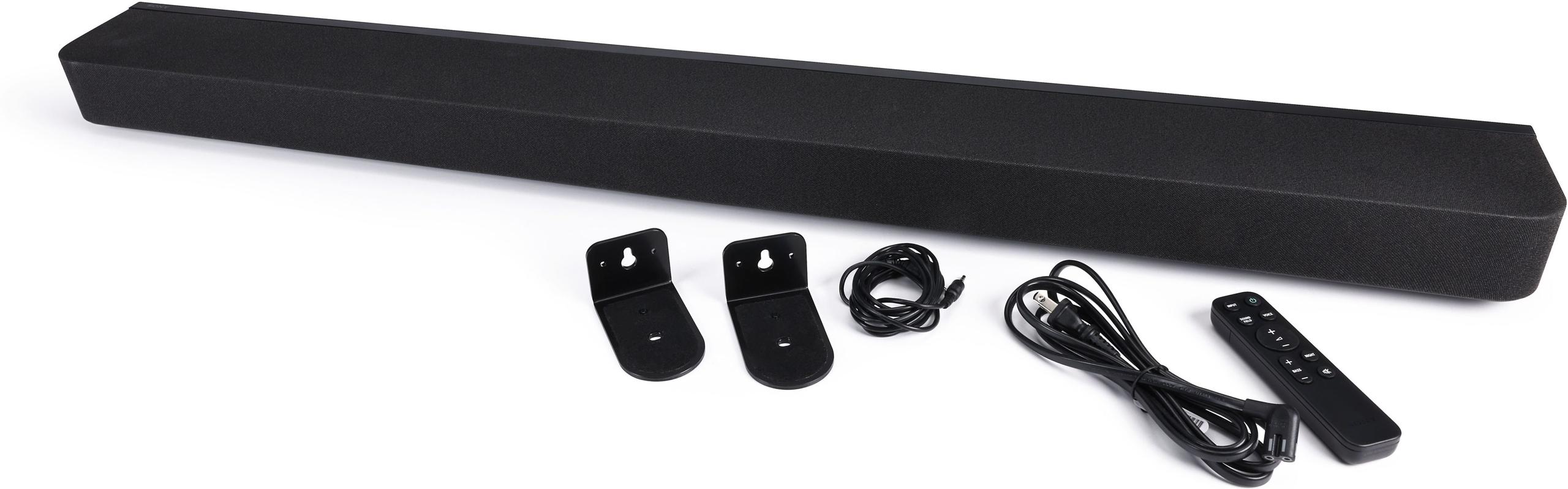








When you're ready to upgrade from your TV's built-in speakers, premium soundbars represent the sweet spot between convenience and performance. These sophisticated audio systems promise cinema-quality sound without the complexity of traditional surround sound setups that require running wires all over your room. But with so many options available, choosing the right one can feel overwhelming.
Today we're comparing two standout models that take notably different approaches to premium audio: the Sony HT-A8000 BRAVIA Theater Bar 8 and the LG S90TR 7.1.3 Channel Soundbar. Both launched in 2024 and represent the latest thinking in soundbar design, but they solve the surround sound puzzle in completely different ways.
Before diving into specifics, let's talk about what separates premium soundbars from their budget counterparts. The main considerations boil down to audio performance, spatial sound capabilities, room adaptation technology, and expandability options.
Audio performance encompasses everything from how clearly you can hear dialogue to how well the system reproduces the rumbling bass in action sequences. Spatial sound capabilities—like Dolby Atmos and DTS:X—create the illusion that sounds are coming from all around you, including above your head. Room adaptation refers to how well the soundbar adjusts its output to work optimally in your specific space. Finally, expandability determines whether you can add components like subwoofers and rear speakers later.
The Sony HT-A8000 and LG S90TR represent two fundamentally different philosophies. Sony's approach centers on advanced signal processing and psychoacoustics (the science of how we perceive sound) to create immersive audio from a single unit. LG takes the more traditional route, providing physical speakers placed around your room for authentic surround sound.
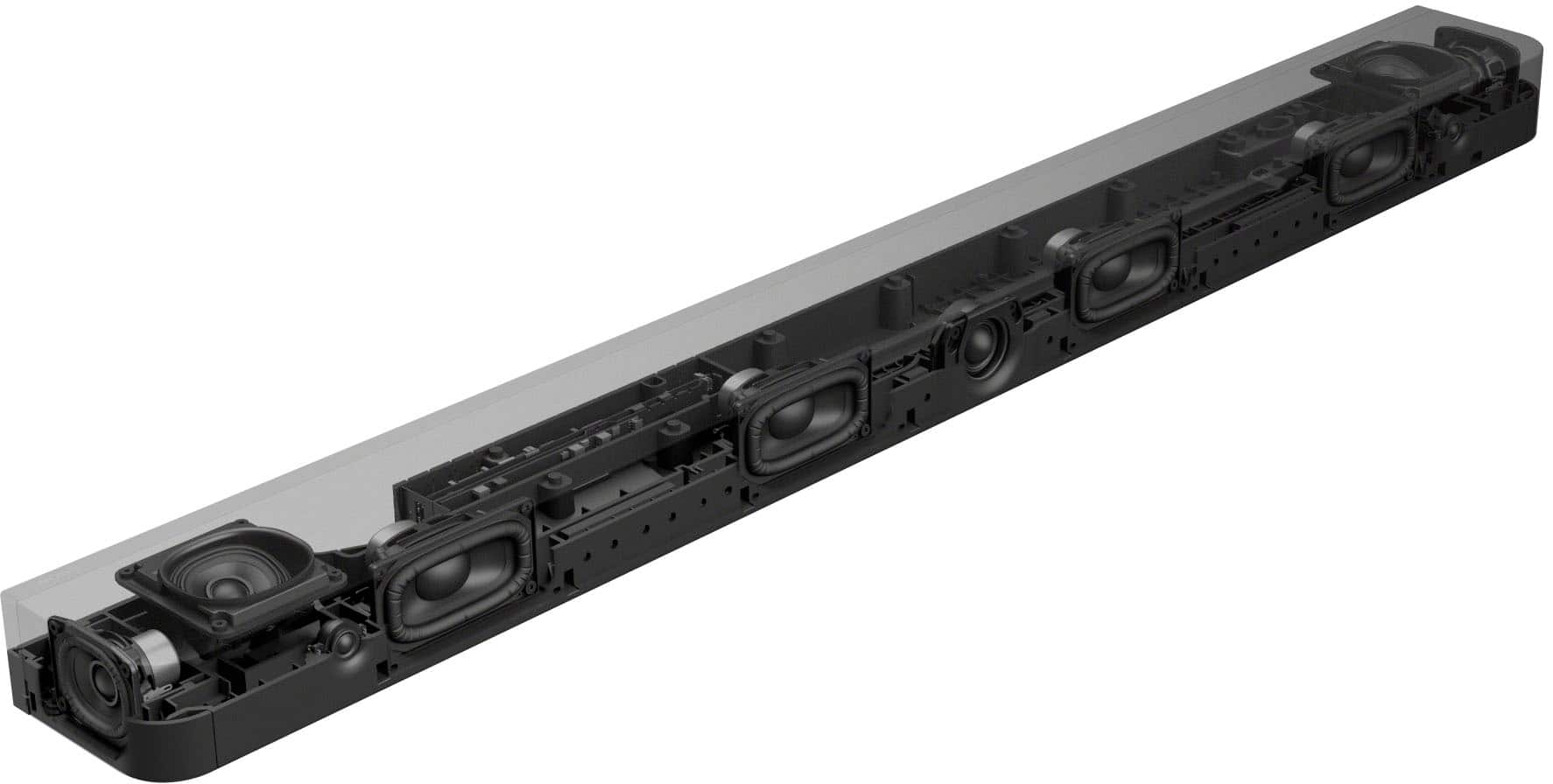
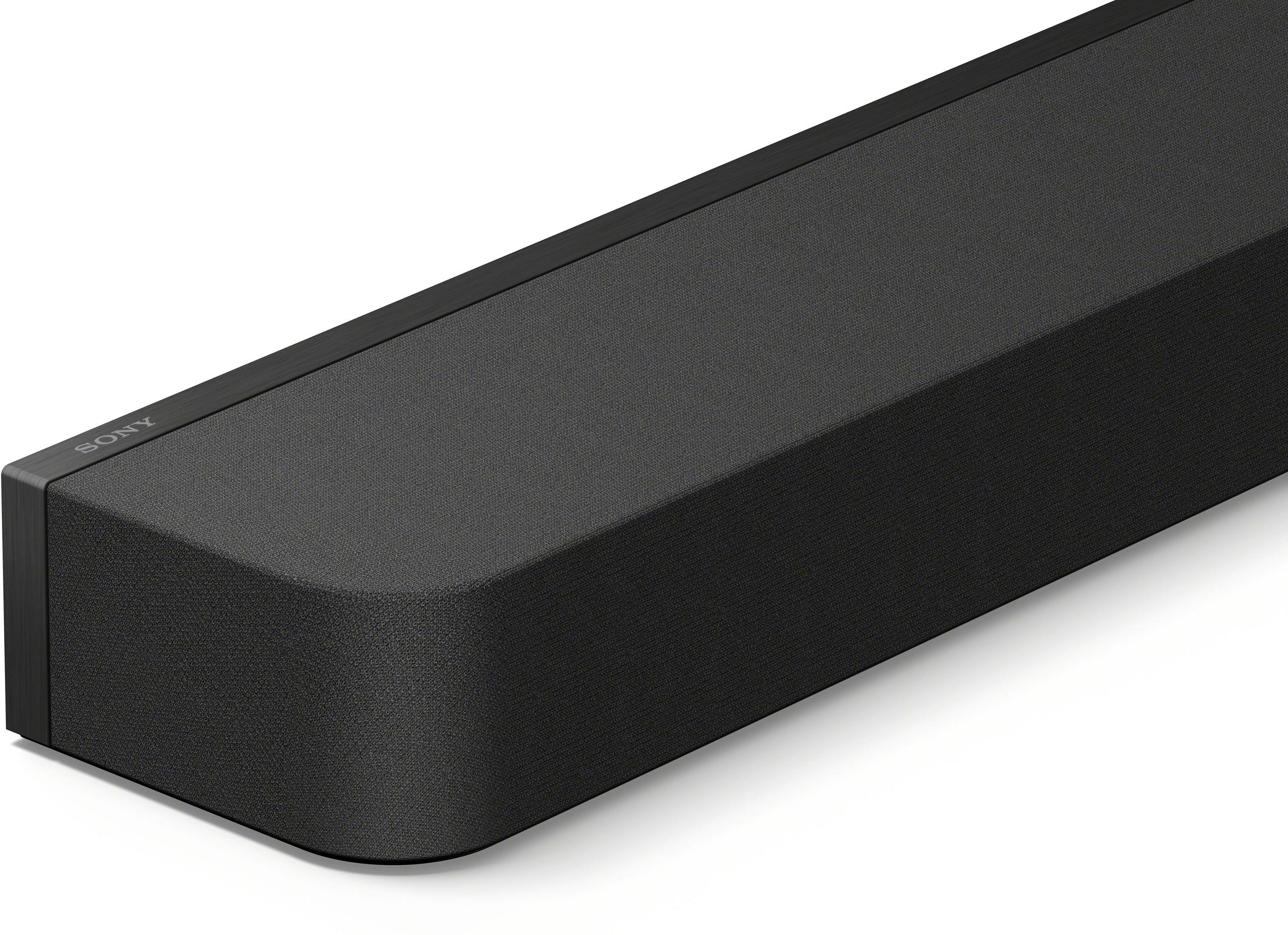
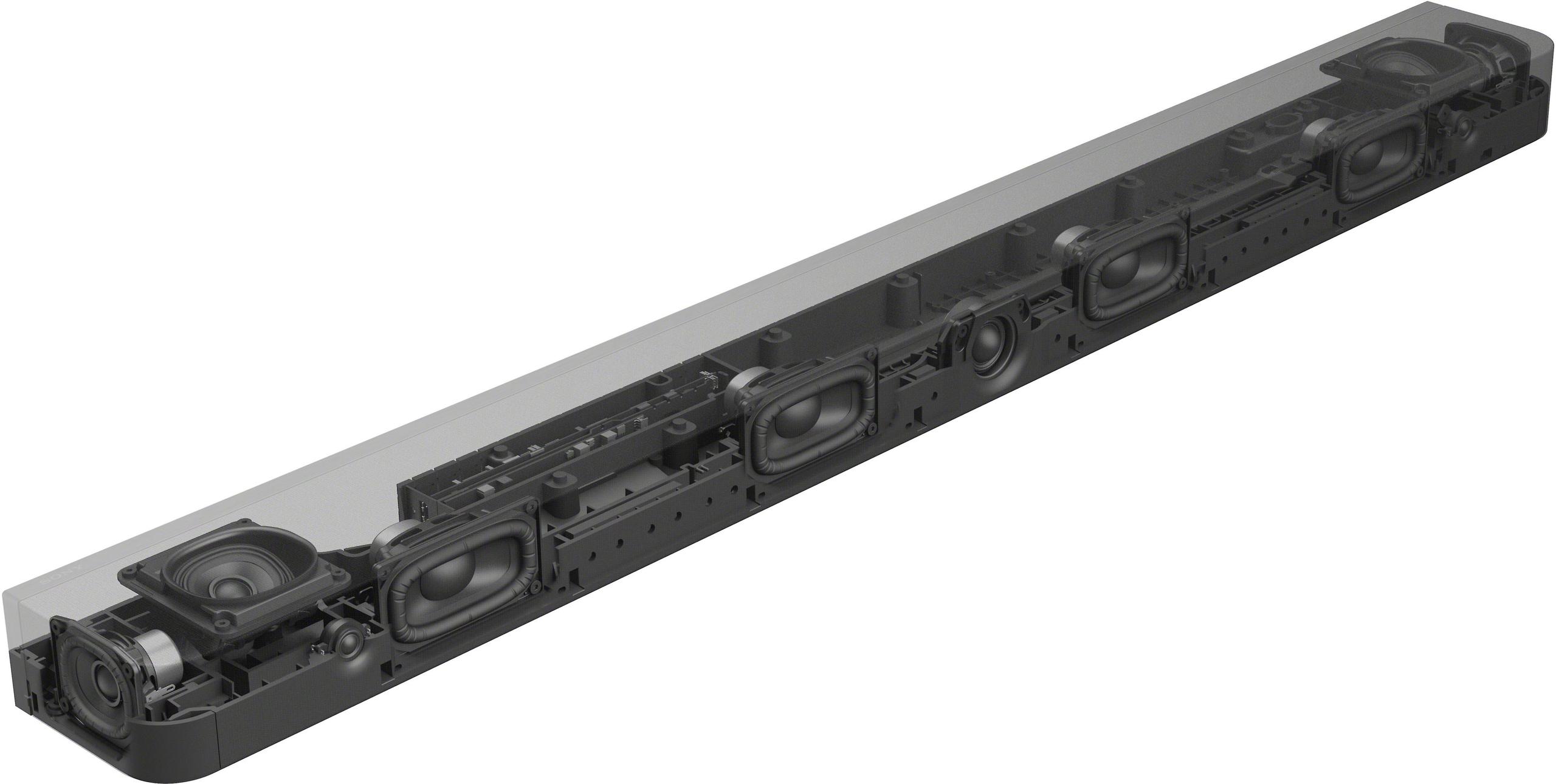
The Sony HT-A8000 packs 11 individual speaker drivers into its sleek chassis, using what Sony calls 360 Spatial Sound Mapping. This technology creates "phantom speakers"—sound that appears to come from locations where there are no actual speakers. It works by carefully timing and adjusting the audio signals from different drivers, combined with strategic use of room reflections off your walls and ceiling.
Think of it like an audio magician's trick. The soundbar analyzes your room's acoustics through its Sound Field Optimization feature, then adjusts how it bounces sound around your space. The result is remarkably convincing surround sound that seems to wrap around you, even though all the speakers are in front of you.
The Sony HT-A8000 also includes Voice Zoom 3, an AI-powered feature that specifically enhances dialogue clarity. This technology recognizes human speech patterns and can amplify voices while reducing background noise—invaluable when watching movies with whispered conversations or heavy accents.
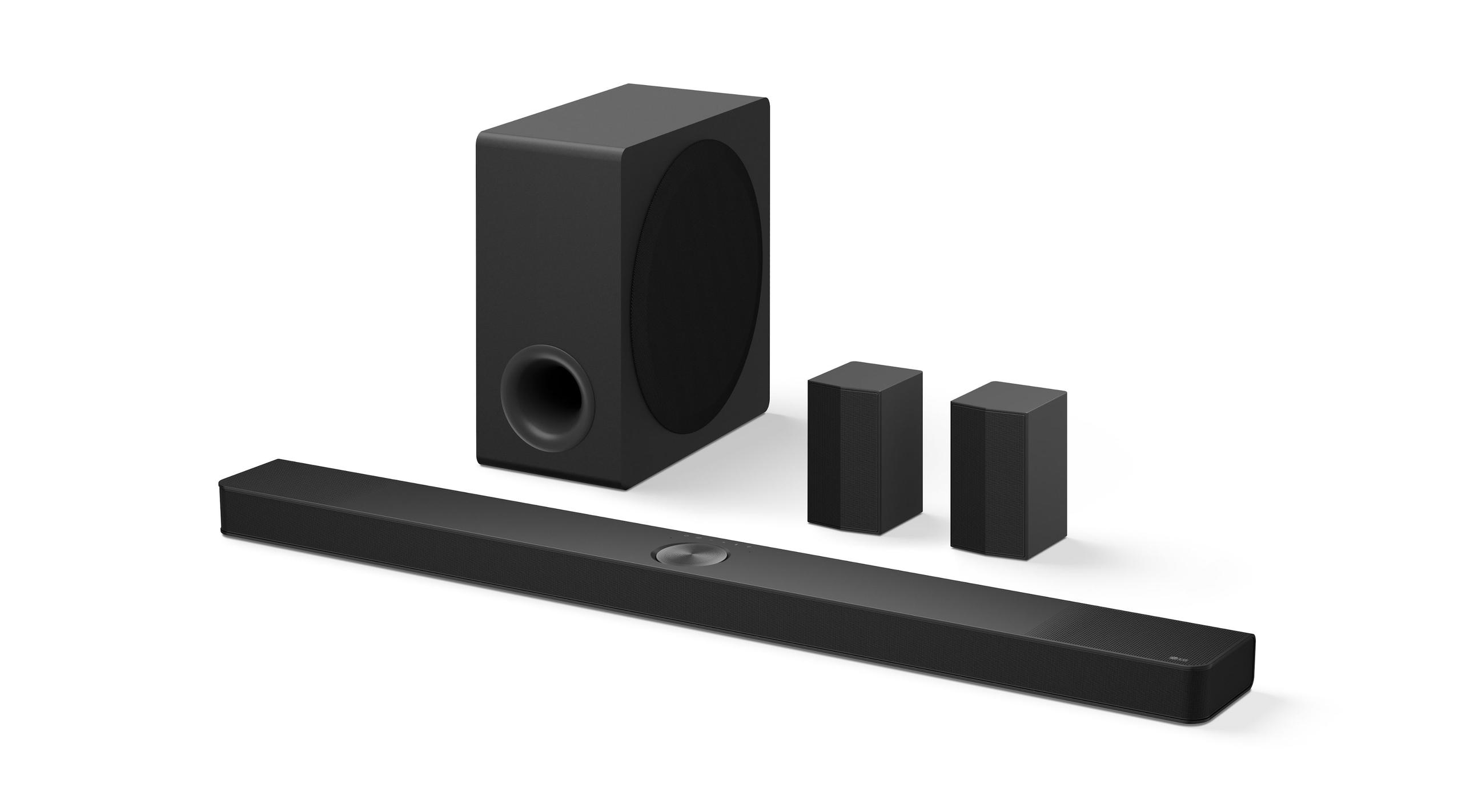
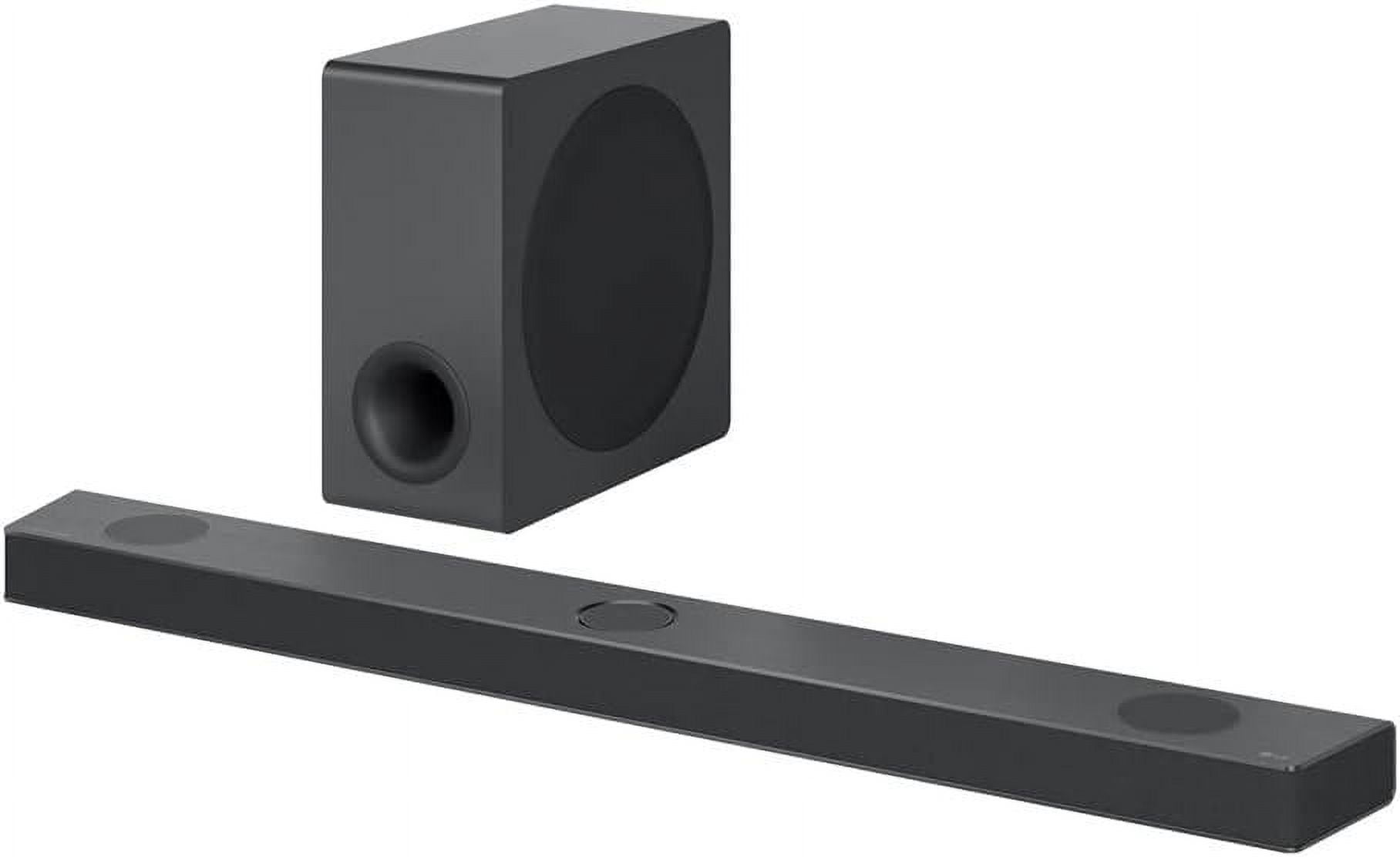
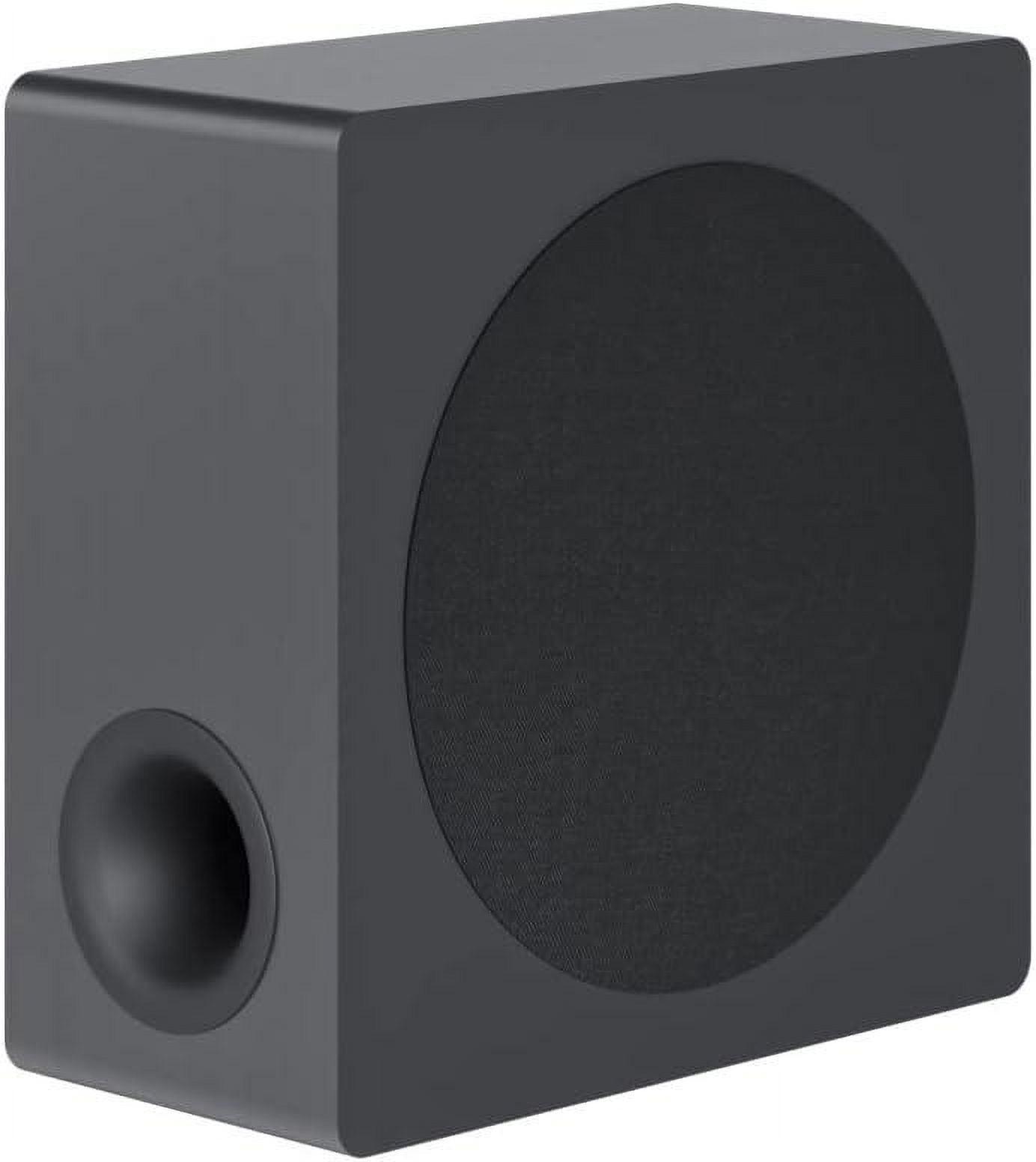
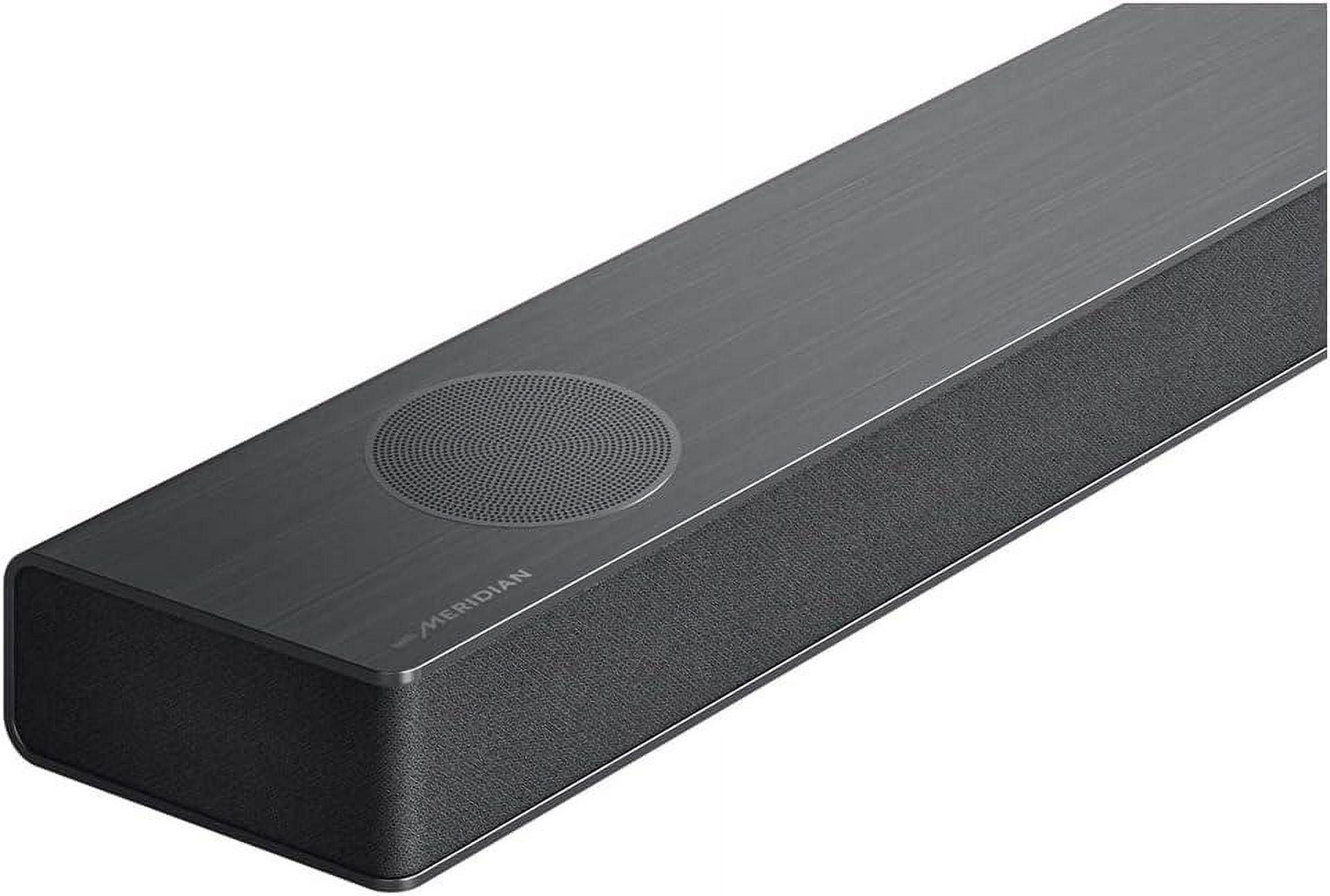
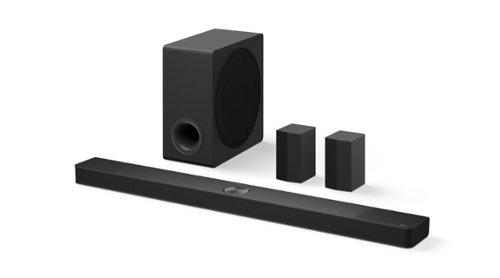
The LG S90TR, meanwhile, takes the approach that there's no substitute for having actual speakers where surround sound is supposed to come from. Right out of the box, you get a complete 7.1.3 channel system: the main soundbar, a wireless subwoofer, and wireless rear speakers.
The "7.1.3" designation tells you exactly what you're getting. The first number (7) represents the main surround channels—left, center, right, and surround speakers. The second number (1) indicates one subwoofer for bass. The third number (3) refers to height channels that fire sound upward to reflect off your ceiling, creating the overhead sound effects in Dolby Atmos content.
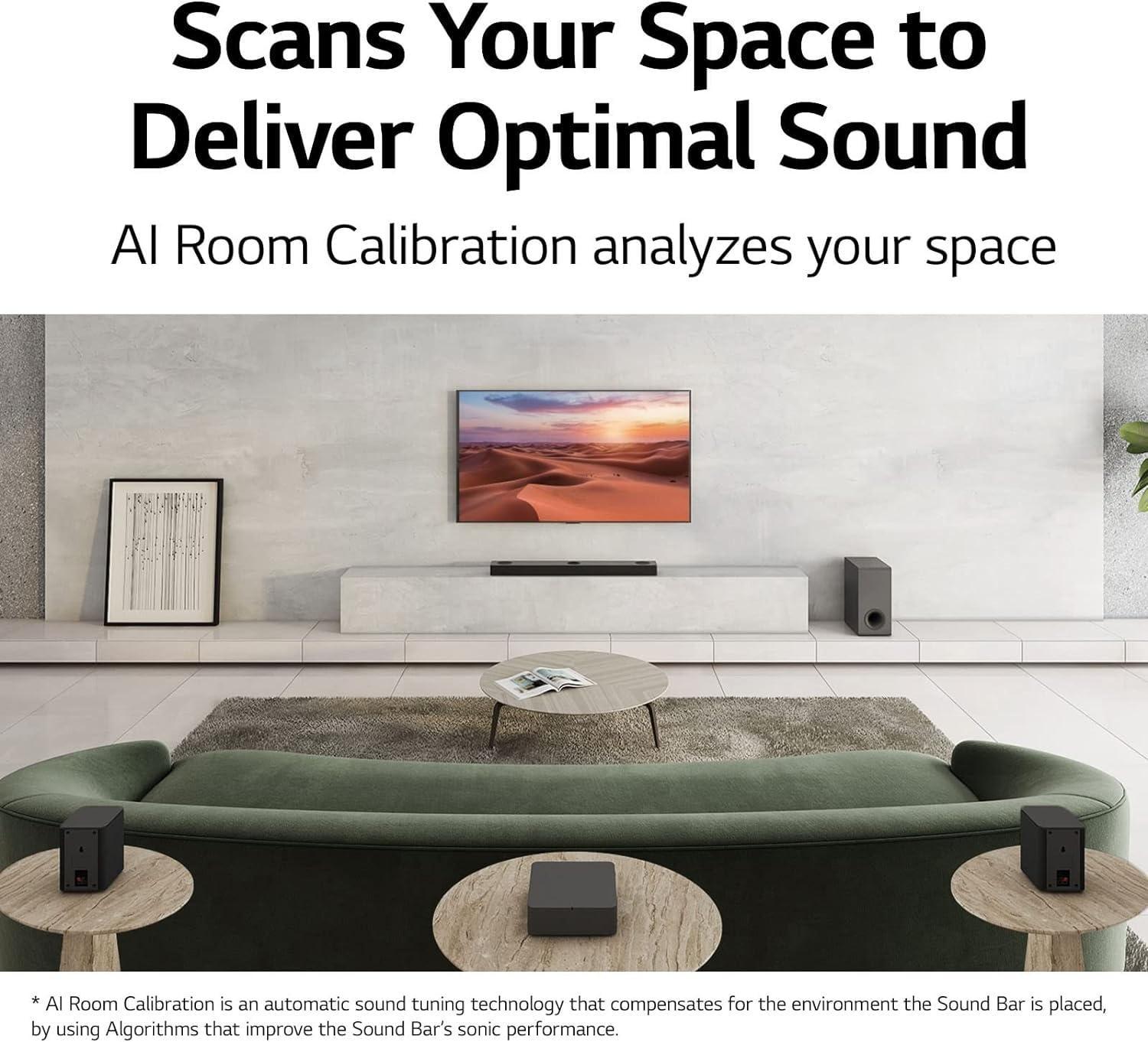
LG's AI Sound Calibration automatically analyzes your room and adjusts the frequency response—essentially the balance of bass, midrange, and treble—to compensate for your room's acoustic properties. This ensures optimal sound regardless of whether you have a small apartment with hard surfaces or a large family room with lots of soft furniture.
Based on extensive research into user and expert reviews, both systems deliver excellent audio quality, but with distinct characteristics. The Sony HT-A8000 consistently receives praise for its exceptional dialogue clarity and balanced sound signature. The Voice Zoom 3 technology genuinely makes a difference for movie watching, ensuring you never miss important dialogue even during explosive action sequences.
The LG S90TR shines in overall dynamic range—the difference between the quietest and loudest sounds it can reproduce. The dedicated subwoofer provides significantly more impactful bass response, which translates to more visceral action sequences and better reproduction of music with deep low-end content.
Here's where the philosophical differences become most apparent. The Sony HT-A8000 creates an impressively wide soundstage (the perceived width of the sound field) through its processing wizardry. In smaller to medium-sized rooms, this phantom surround effect can be quite convincing, especially for Dolby Atmos content where sounds are supposed to move around and above you.
However, the LG S90TR has a fundamental advantage: actual speakers behind you. No amount of signal processing can perfectly replicate the sensation of hearing a helicopter pass overhead from front to back, or dialogue coming from a specific location in a movie scene. The physical rear speakers provide precise localization—you can pinpoint exactly where sounds are coming from—that processing-based systems struggle to match.
For home theater enthusiasts who prioritize the most authentic surround sound experience, the LG S90TR delivers more convincing spatial audio, particularly in larger rooms where the Sony HT-A8000's room reflection techniques have more variables to contend with.
While both systems are optimized primarily for video content, they handle music differently. The Sony HT-A8000 benefits from Sony's DSEE Ultimate technology, which uses AI to upscale compressed audio files like MP3s, attempting to restore detail lost during compression. The system's balanced frequency response works well across various music genres.
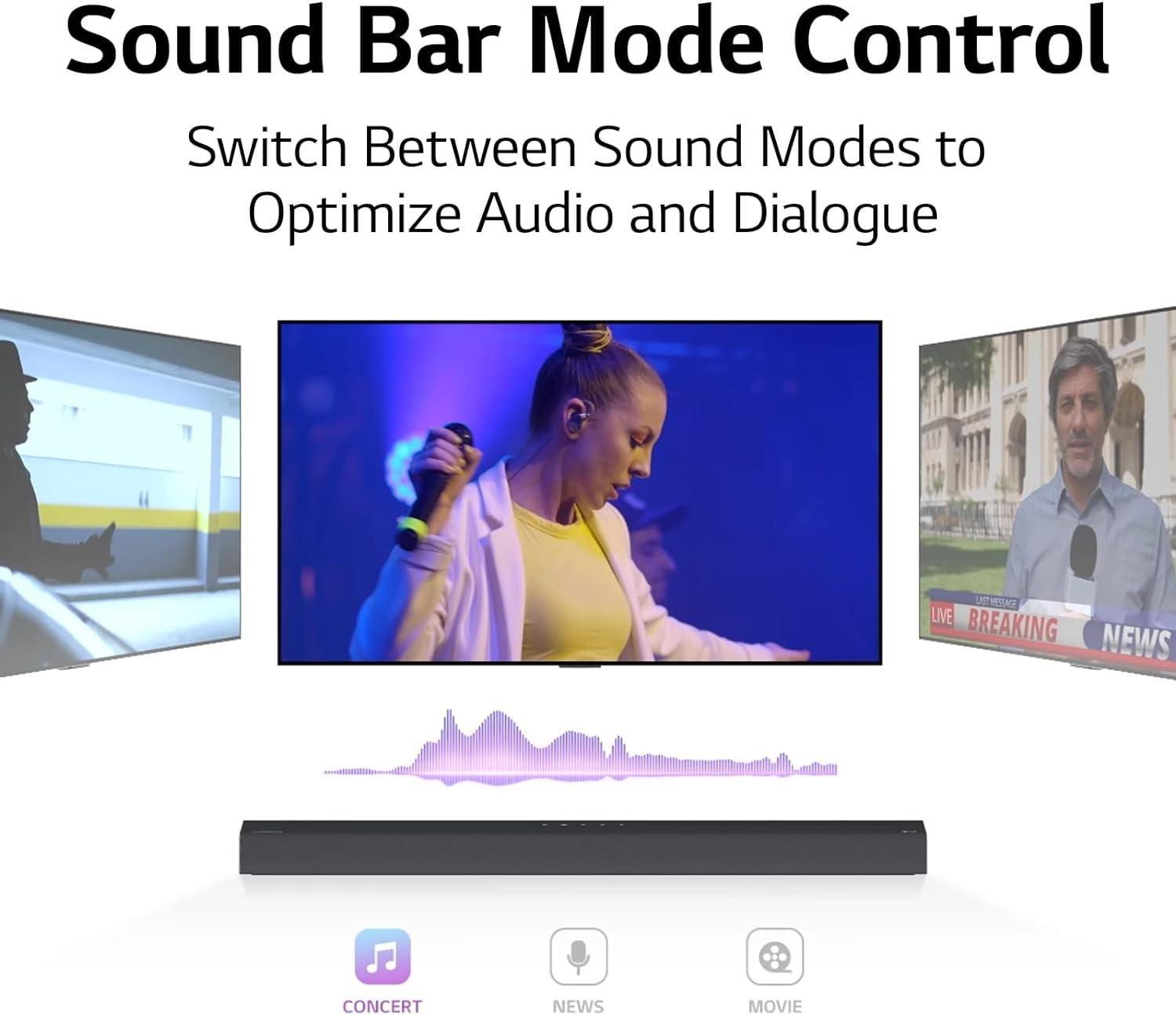
The LG S90TR offers dedicated EQ presets including a specific Music mode that optimizes the system for stereo content. The physical subwoofer provides more authentic bass response for bass-heavy genres like hip-hop, electronic, and rock music. The wider soundstage from having discrete left and right channels also benefits complex orchestral pieces where instrument separation matters.
Both systems support HDMI 2.1, which is crucial for next-generation gaming consoles. This standard allows passthrough of 4K video at 120Hz refresh rates while maintaining low latency—the delay between when something happens in a game and when you hear it.
The Sony HT-A8000 might have a slight edge for competitive gaming due to its streamlined signal path and excellent dialogue clarity, which helps in games where hearing enemy footsteps or voice communications clearly can provide a tactical advantage.
For immersive single-player gaming, the LG S90TR's true surround sound provides better spatial awareness and a more engaging experience. The powerful bass response also adds impact to explosions and environmental effects.
At the time of writing, the price difference between these systems is relatively modest, but the value proposition differs significantly. The Sony HT-A8000 represents excellent value as a standalone unit, delivering sophisticated audio processing in a single, elegant package.
However, when considering the complete experience, the LG S90TR includes components that would cost significantly more if purchased separately for the Sony system. To achieve comparable surround sound with the Sony HT-A8000, you'd need to add Sony's optional wireless subwoofer and rear speakers, pushing the total cost well beyond the LG S90TR's price.
This makes the LG system particularly attractive for buyers who want the full surround sound experience immediately rather than building it piece by piece over time.
Both systems represent 2024's latest soundbar technology, incorporating lessons learned from previous generations. The Sony HT-A8000 builds on Sony's expertise in spatial audio processing, refining algorithms that have been in development for several years. The integration with Sony's BRAVIA TV line has also improved, with features like Acoustic Center Sync that uses your TV as an additional center channel speaker.
The LG S90TR benefits from LG's WOW Orchestra technology, which allows compatible LG TVs to work in harmony with the soundbar, using the TV's speakers as additional channels rather than replacing them entirely. This creates an even more immersive soundfield when paired with the right LG television.
Both systems support the latest audio codecs including Dolby Atmos and DTS:X, ensuring compatibility with current and future content. They also include modern connectivity options like Wi-Fi, Bluetooth 5.0 or higher, and support for streaming services like Spotify Connect and Apple AirPlay.
Installation complexity differs substantially between the two systems. The Sony HT-A8000 requires minimal setup—essentially positioning the single soundbar and running one HDMI cable to your TV. The Sound Field Optimization runs automatically, analyzing your room and adjusting accordingly.
The LG S90TR involves positioning three separate components: the main soundbar, subwoofer, and rear speakers. While the wireless connectivity eliminates the need for running cables to the rear speakers, you do need to consider placement carefully for optimal performance. The AI Sound Calibration process guides you through setup, but it requires more initial time and consideration.
In day-to-day use, both systems integrate well with smart home setups and support voice control through compatible devices. The Sony HT-A8000's single-unit design means fewer remotes and less visual clutter, which some users strongly prefer.
After researching user experiences and expert opinions extensively, both systems excel in their intended use cases, but they serve different priorities and room situations.
Choose the Sony HT-A8000 if you value simplicity, have space constraints, or prefer a minimalist aesthetic. Its sophisticated processing creates surprisingly convincing surround sound from a single unit, and the exceptional dialogue clarity makes it excellent for movie watching. It's also ideal if you own a Sony BRAVIA TV, as the integration features provide additional benefits. The modular upgrade path lets you add components over time as your budget and needs evolve.
The LG S90TR is the better choice if you want the most authentic surround sound experience and don't mind the additional components. The physical rear speakers and dedicated subwoofer provide more convincing spatial audio and significantly better bass response. At the time of writing, it offers superior value by including components that would cost extra with the Sony system.
For most home theater enthusiasts, particularly those with medium to large rooms, the LG S90TR provides a more complete and satisfying surround sound experience. The authentic surround separation and powerful bass response create more engaging movie watching and gaming experiences.
However, the Sony HT-A8000 shouldn't be dismissed. Its advanced processing technology and single-unit convenience make it perfect for users who prioritize simplicity and gradual system building. In smaller rooms or situations where aesthetics and simplicity are paramount, Sony's approach can be more practical and equally satisfying.
Both represent excellent examples of modern soundbar technology, but they solve the surround sound challenge in fundamentally different ways. Your choice should align with your priorities: immediate complete surround sound with the LG S90TR, or sophisticated single-unit performance with room to grow from the Sony HT-A8000.
| Sony HT-A8000 BRAVIA Theater Bar 8 Soundbar | LG S90TR 7.1.3 Channel Soundbar with Wireless Subwoofer and Rear Speakers |
|---|---|
| Channel Configuration - Determines surround sound authenticity and immersion | |
| 5.0.2 channels with 11 speakers in single unit | 7.1.3 channels with 13 speakers across multiple units |
| Physical Components - Affects setup complexity and bass performance | |
| Single soundbar only (subwoofer and rears sold separately) | Complete system: soundbar + wireless subwoofer + wireless rear speakers |
| Surround Sound Approach - How each creates the surround experience | |
| 360 Spatial Sound Mapping with phantom speakers via processing | True surround with physical rear speakers behind listening position |
| Bass Performance - Critical for action movies and music | |
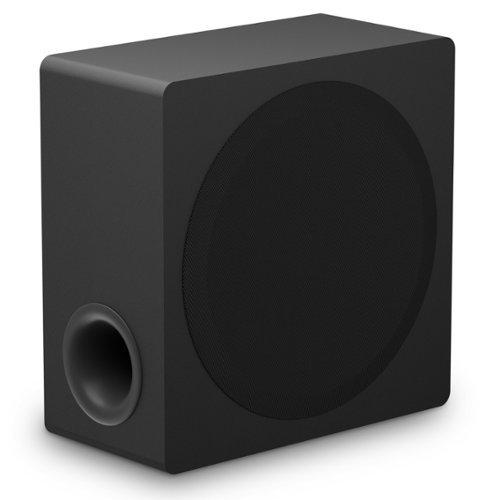
| Quad woofers in soundbar (no dedicated subwoofer included) | Dedicated 8-inch wireless subwoofer for deep, powerful bass |
| Room Calibration Technology - Optimizes sound for your space | |
| Sound Field Optimization auto-calibrates via room analysis | AI Sound Calibration tunes frequency response to room acoustics |
| Dialogue Enhancement - Important for movie clarity | |
| Voice Zoom 3 AI technology specifically amplifies speech | Standard center channel with slight emphasis on clarity frequencies |
| TV Integration Features - Enhances experience with compatible TVs | |
| Acoustic Center Sync with Sony BRAVIA TVs | WOW Orchestra technology with compatible LG TVs |
| HDMI Connectivity - Affects gaming and 4K passthrough | |
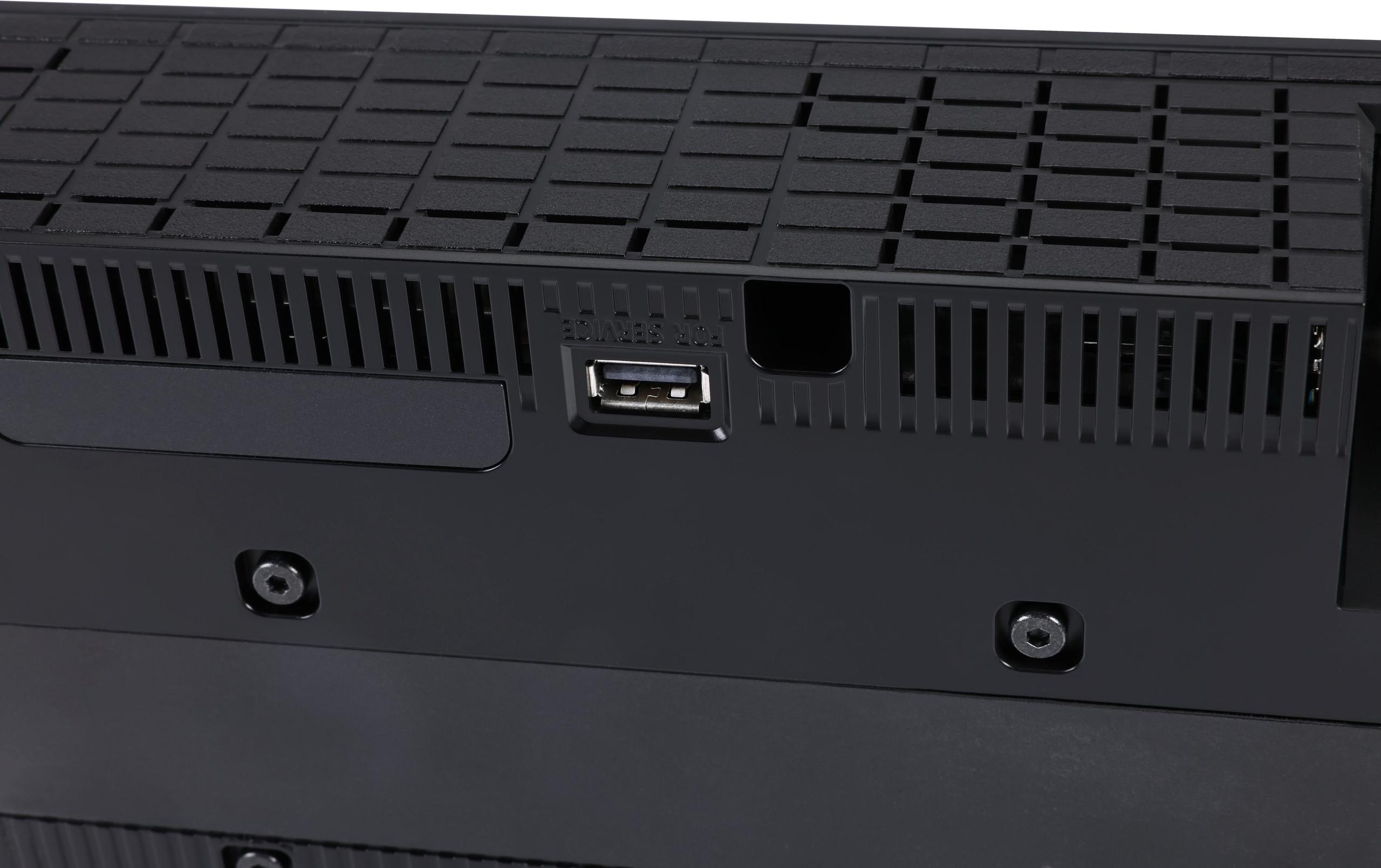
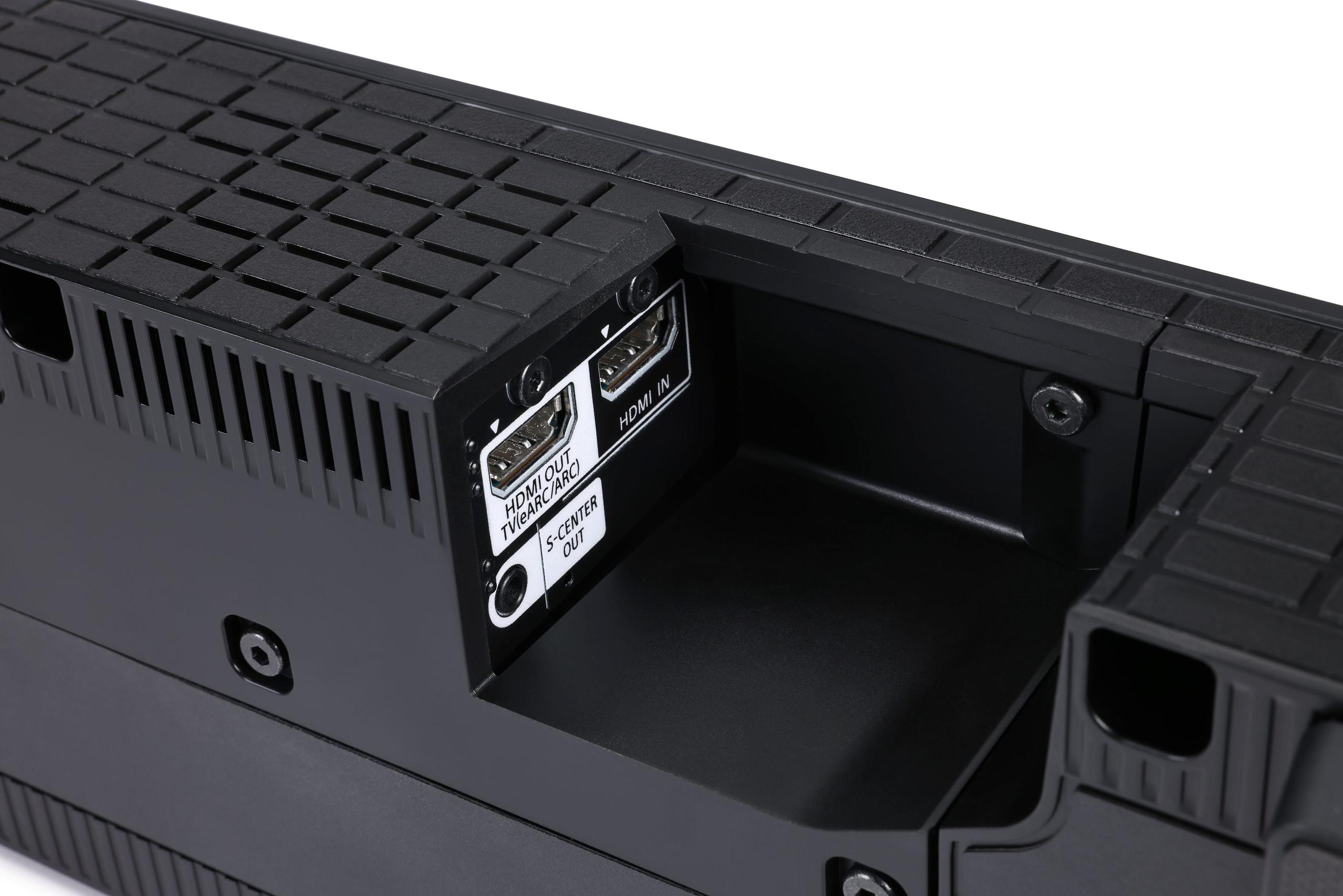
| 1x HDMI 2.1 with eARC support | 1x HDMI input + 1x HDMI output with eARC support |
| Expandability Options - Future upgrade potential | |
| Optional SA-SW3/SW5 subwoofer and SA-RS3R/RS5 rear speakers | Complete system included, no additional expansion needed |
| Setup Complexity - Time and effort required for installation | |
| Single unit setup with automatic calibration | Three-component wireless setup with guided calibration |
| Ideal Room Size - Where each performs best | |
| Small to medium rooms where reflection-based surround works well | Medium to large rooms where physical surround separation excels |
The LG S90TR is generally better for home theater due to its complete 7.1.3 channel system with physical rear speakers and a dedicated subwoofer. This provides more authentic surround sound for movies compared to the Sony HT-A8000's single-unit design, which relies on sound processing to create surround effects.
The key difference is system design: the Sony HT-A8000 is a single soundbar that uses advanced processing to create surround sound, while the LG S90TR is a complete multi-component system with a wireless subwoofer and rear speakers for true surround sound separation.
No, the Sony HT-A8000 does not include a subwoofer. It relies on built-in woofers for bass, though you can purchase Sony's optional wireless subwoofers separately. The LG S90TR includes a wireless subwoofer as part of the complete system.
The LG S90TR has significantly better bass performance due to its included 8-inch wireless subwoofer. While the Sony HT-A8000 has quad woofers built into the soundbar, it cannot match the deep, powerful bass that a dedicated subwoofer provides.
The Sony HT-A8000 is much easier to set up since it's a single unit requiring only one HDMI connection and automatic calibration. The LG S90TR requires positioning three separate components (soundbar, subwoofer, and rear speakers), though the wireless connectivity simplifies installation.
Both perform well for music, but the LG S90TR generally provides better music performance due to its dedicated subwoofer for bass-heavy genres and wider soundstage from discrete speakers. The Sony HT-A8000 offers good stereo imaging and Sony's DSEE Ultimate technology for compressed audio enhancement.
Yes, both the Sony HT-A8000 and LG S90TR support Dolby Atmos and DTS:X for immersive audio. The LG S90TR provides more convincing Atmos effects due to its physical height channels and rear speakers.
The LG S90TR offers better overall value since it includes a complete surround system (soundbar, subwoofer, and rear speakers) for only slightly more than the Sony HT-A8000 alone. To achieve similar capabilities with the Sony system would require purchasing additional components separately.
Yes, the Sony HT-A8000 can be expanded with optional Sony wireless subwoofers (SA-SW3 or SA-SW5) and rear speakers (SA-RS3R or SA-RS5). The LG S90TR comes complete with all components included and doesn't require expansion.
The Sony HT-A8000 may work better in very small rooms where there isn't space for rear speakers and where its 360 Spatial Sound Mapping can effectively use wall reflections. However, the LG S90TR still provides superior surround sound even in smaller spaces.
Both soundbars support HDMI 2.1 for gaming, but they serve different gaming needs. The Sony HT-A8000 may be better for competitive gaming due to excellent dialogue clarity, while the LG S90TR provides more immersive gaming experiences with true surround sound and impactful bass.
The Sony HT-A8000 has superior dialogue clarity thanks to its Voice Zoom 3 AI technology that specifically enhances speech and reduces background noise. While the LG S90TR has good dialogue performance through its center channel, it doesn't match Sony's specialized voice enhancement features.
We've done our best to create useful and informative comparisons to help you decide what product to buy. Our research uses advanced automated methods to create this comparison and perfection is not possible - please contact us for corrections or questions. These are the sites we've researched in the creation of this article: consumerreports.org - skybygramophone.com - target.com - rtings.com - bestbuy.com - rubbermonkey.co.nz - shopatsc.com - audioadvice.com - sony.com - sony.com - sony.com - shop.cosmopolitan.com - store.sony.com.my - videoandaudiocenter.com - rtings.com - abt.com - youtube.com - bestbuy.com - microcenter.com - buydig.com - bestbuy.com - videoandaudiocenter.com - oceanstateappliance.com - youtube.com - avsforum.com - lg.com

Privacy Policy
Terms and Conditions - Affiliate Policy
Home Security
© Copyright 2008-2026.
11816 Inwood Rd #1211, Dallas, TX 75244