

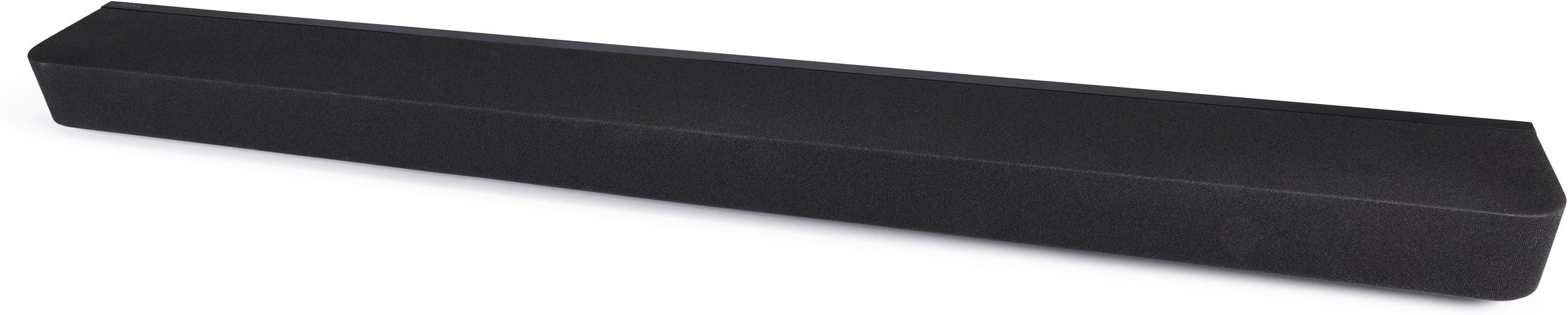



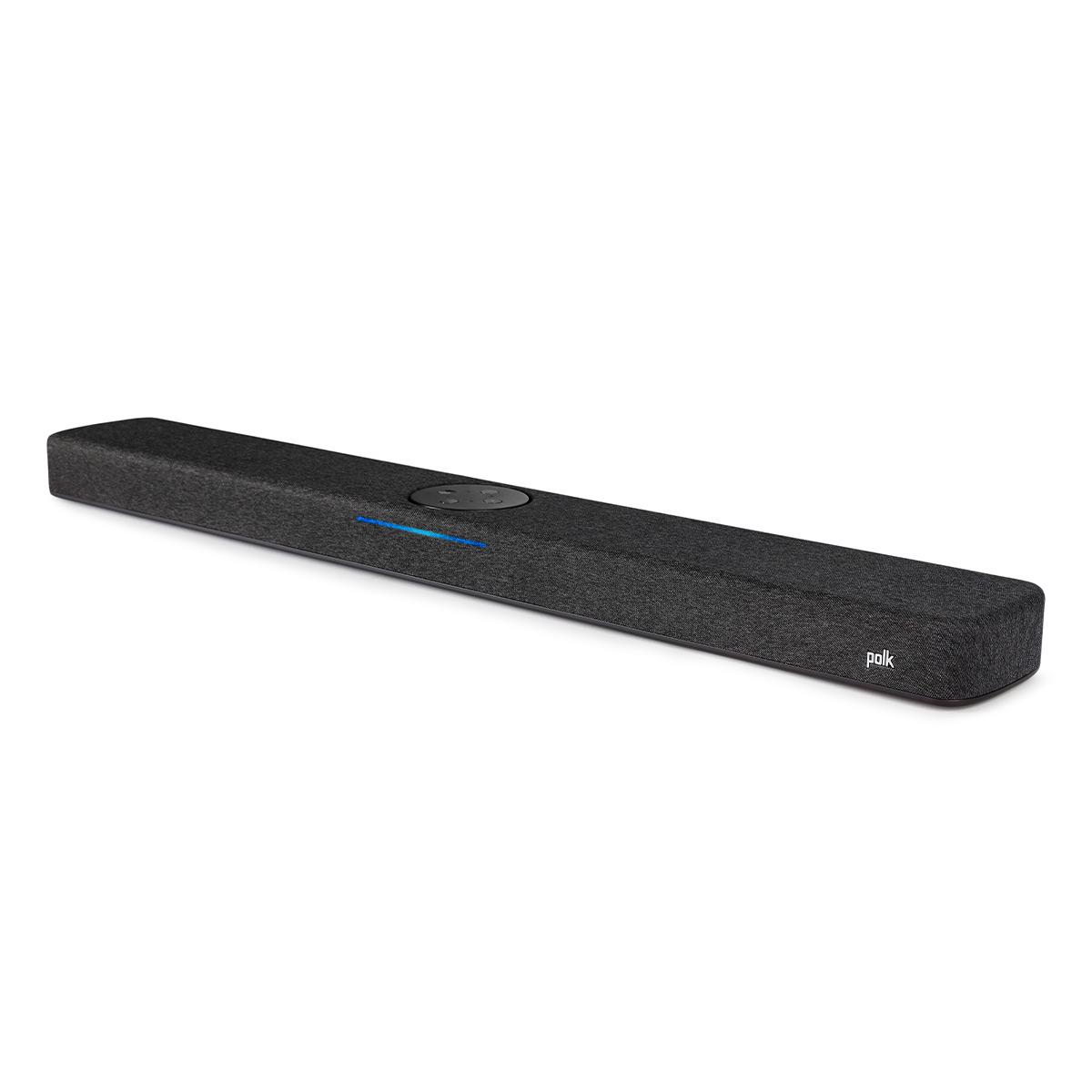

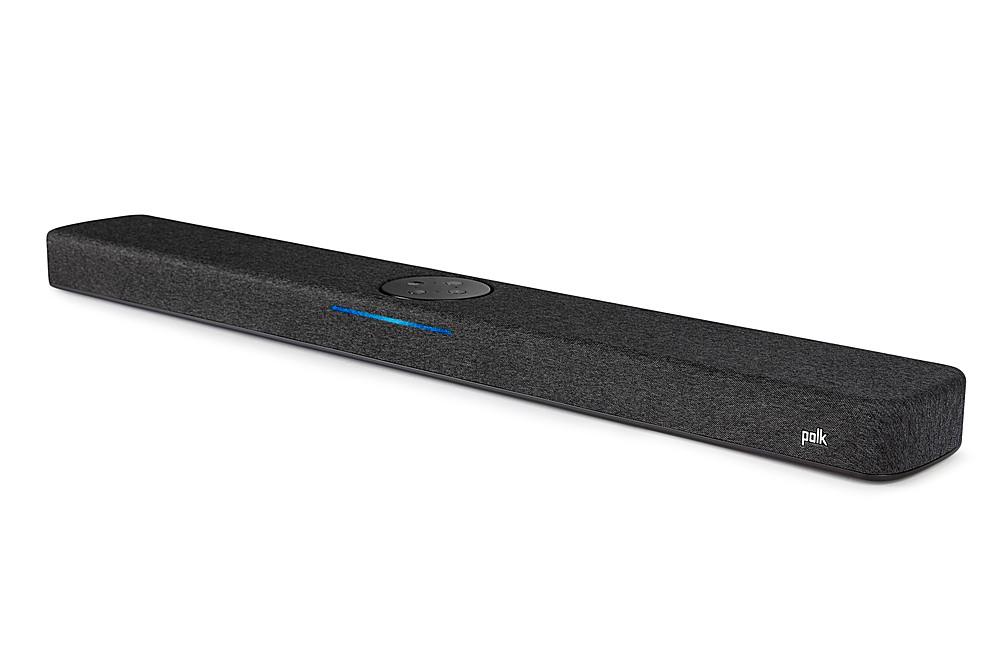

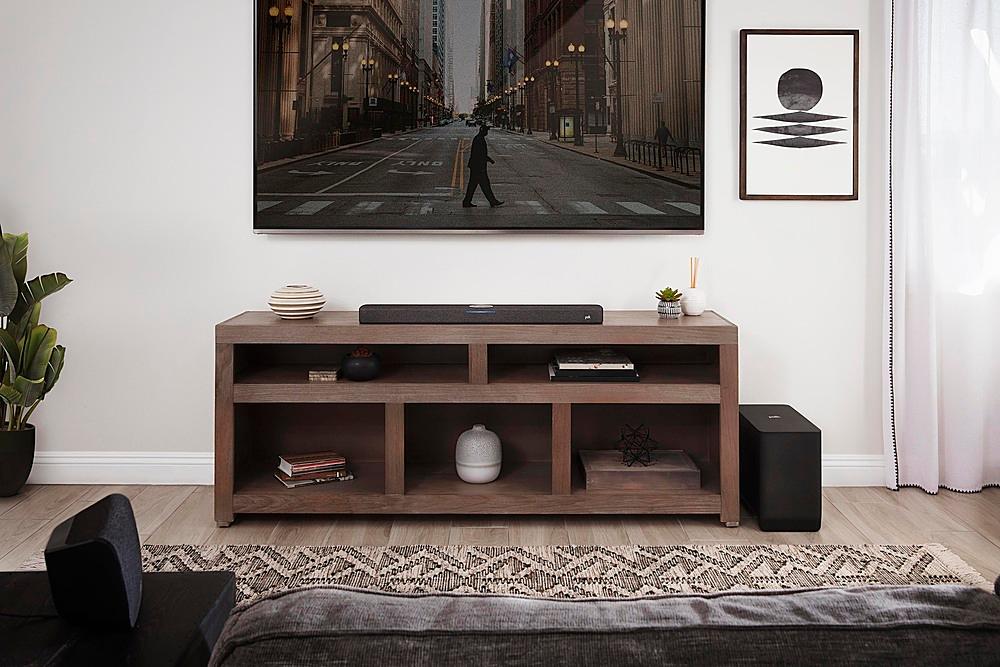
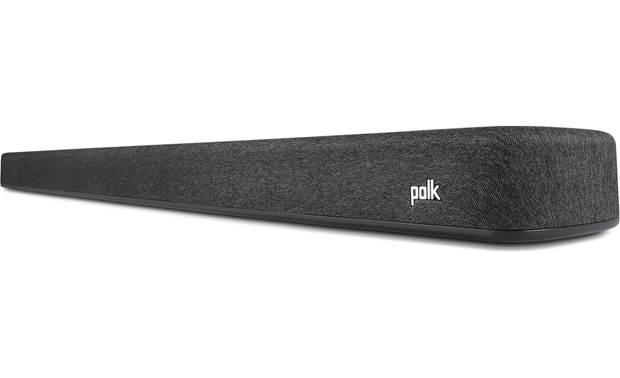
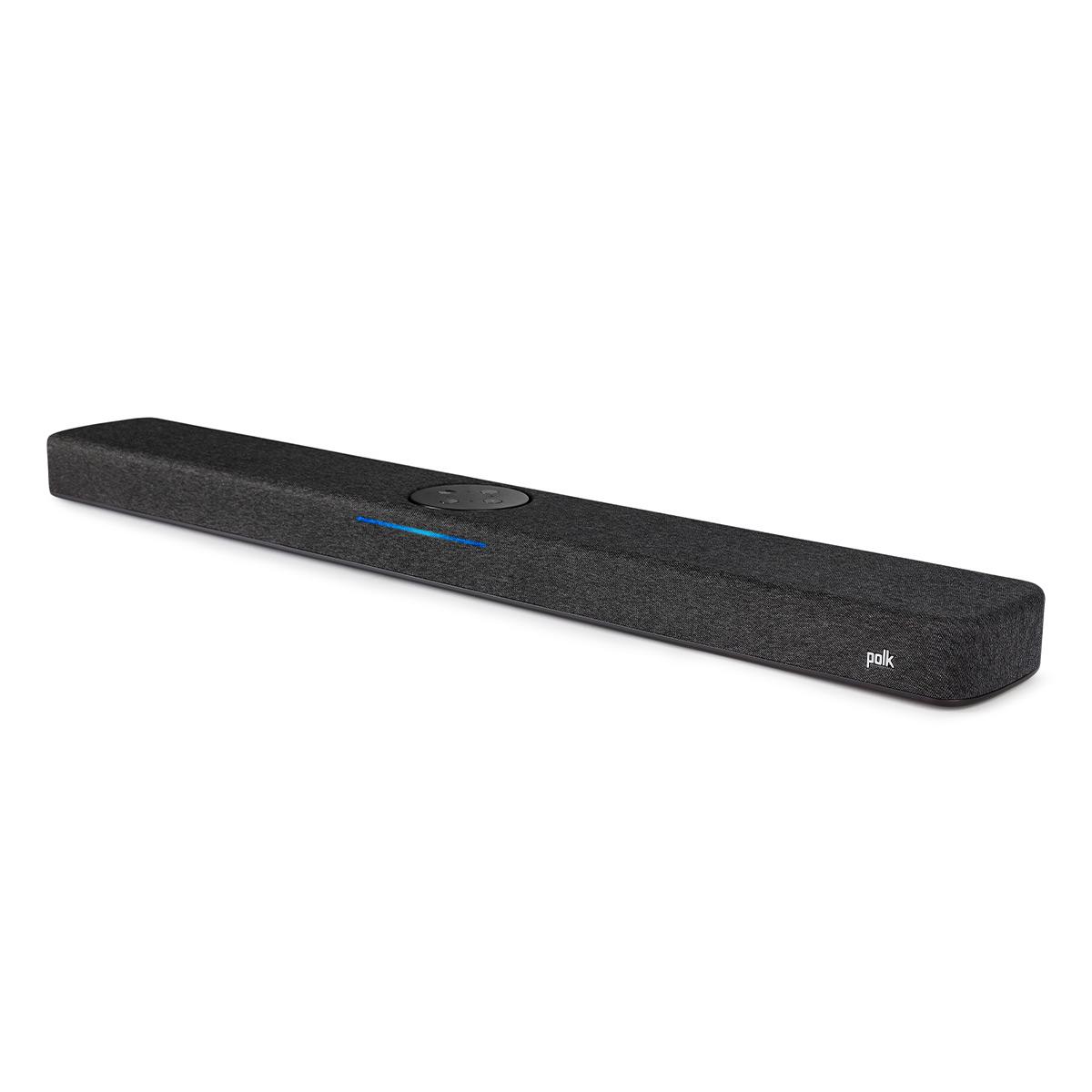
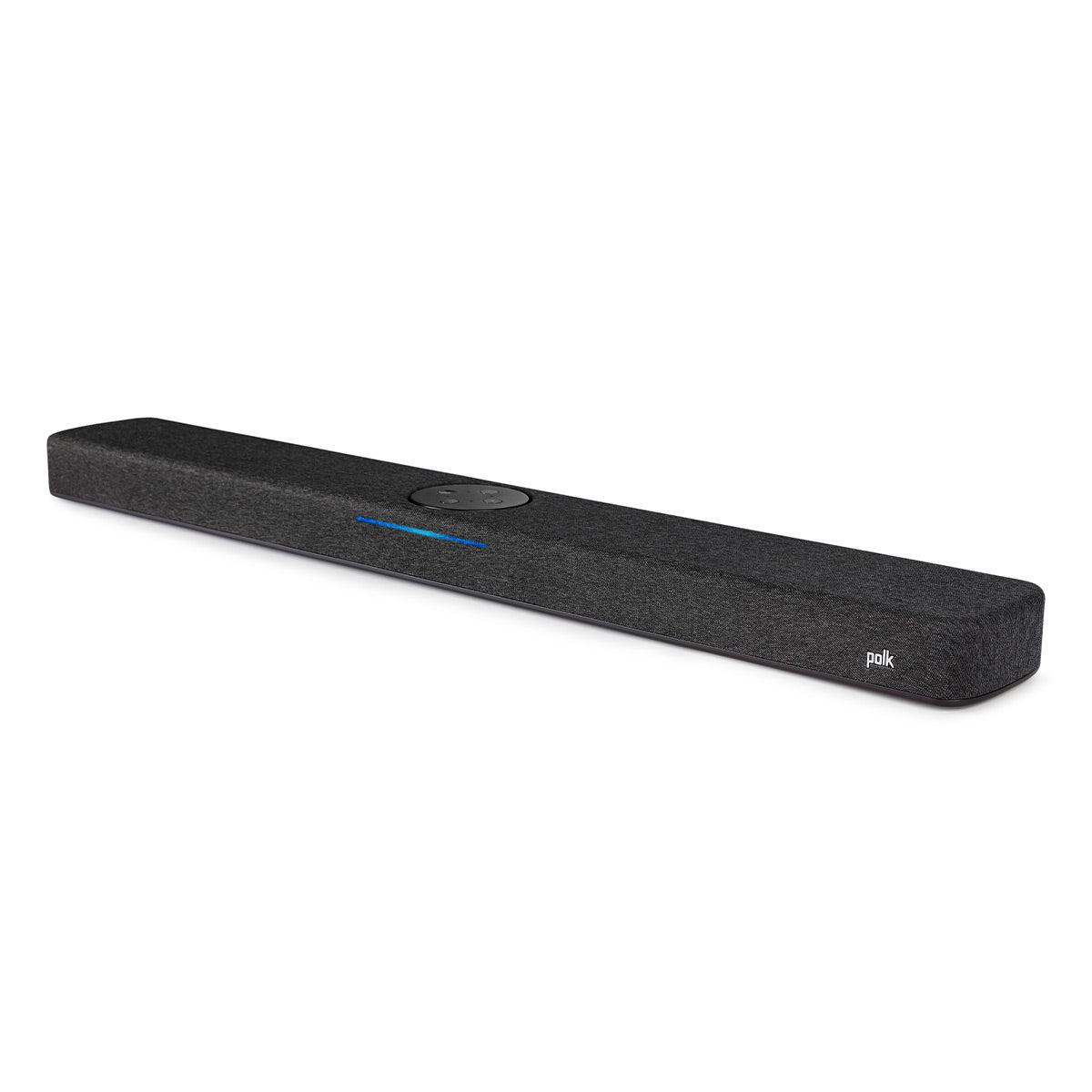
When your TV's built-in speakers make dialogue sound like it's coming from inside a tin can, it's time to consider a soundbar upgrade. But with hundreds of options available, choosing between premium audio performance and smart home convenience can feel overwhelming. The Sony HT-A8000 and Polk Audio React represent two distinct philosophies in soundbar design—one focused on delivering cinema-quality audio, the other prioritizing voice control and everyday usability.
Today's soundbar market has evolved far beyond simple TV audio enhancement. Premium soundbars now incorporate spatial audio technologies that create three-dimensional sound fields, while smart soundbars double as voice assistants and streaming hubs. The key is understanding which approach better serves your specific needs and room setup.
The most important considerations when choosing a soundbar include audio performance (how good it actually sounds), immersive technologies (whether it can create surround sound effects), smart features (voice control and streaming capabilities), connectivity options (how it connects to your devices), and overall value for your specific use case.
Released in 2024, the Sony HT-A8000 represents Sony's latest approach to premium home theater audio, incorporating lessons learned from years of developing spatial sound technologies. The Polk Audio React, launched in 2021, was among the first soundbars to deeply integrate Amazon Alexa, establishing a template that many manufacturers have since followed.
When evaluating soundbar audio quality, the most critical factors are channel configuration, driver quality, and spatial processing capabilities. Channel configuration refers to how many distinct audio channels a soundbar can reproduce—more channels generally mean more precise sound placement and better immersion.
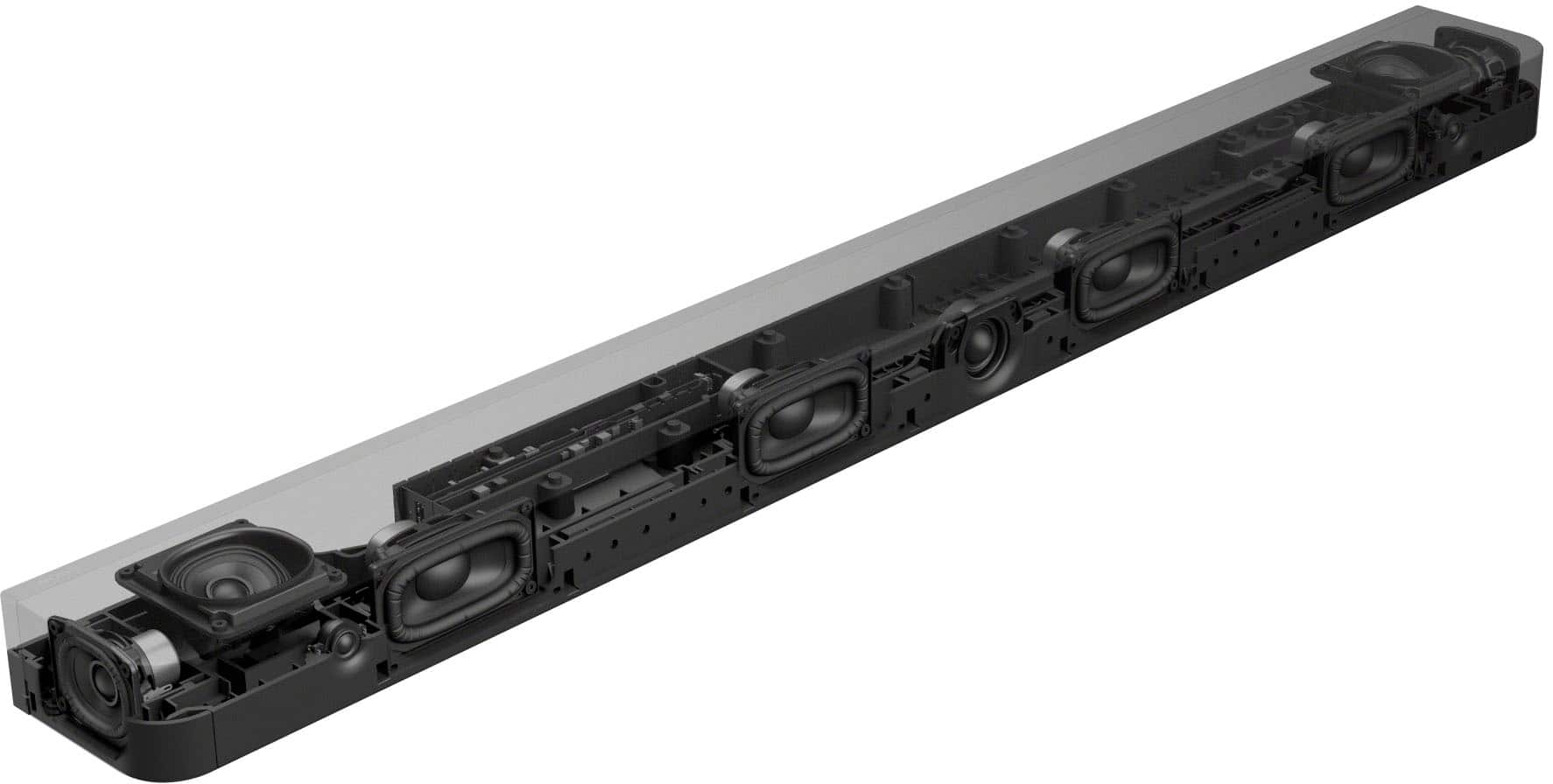
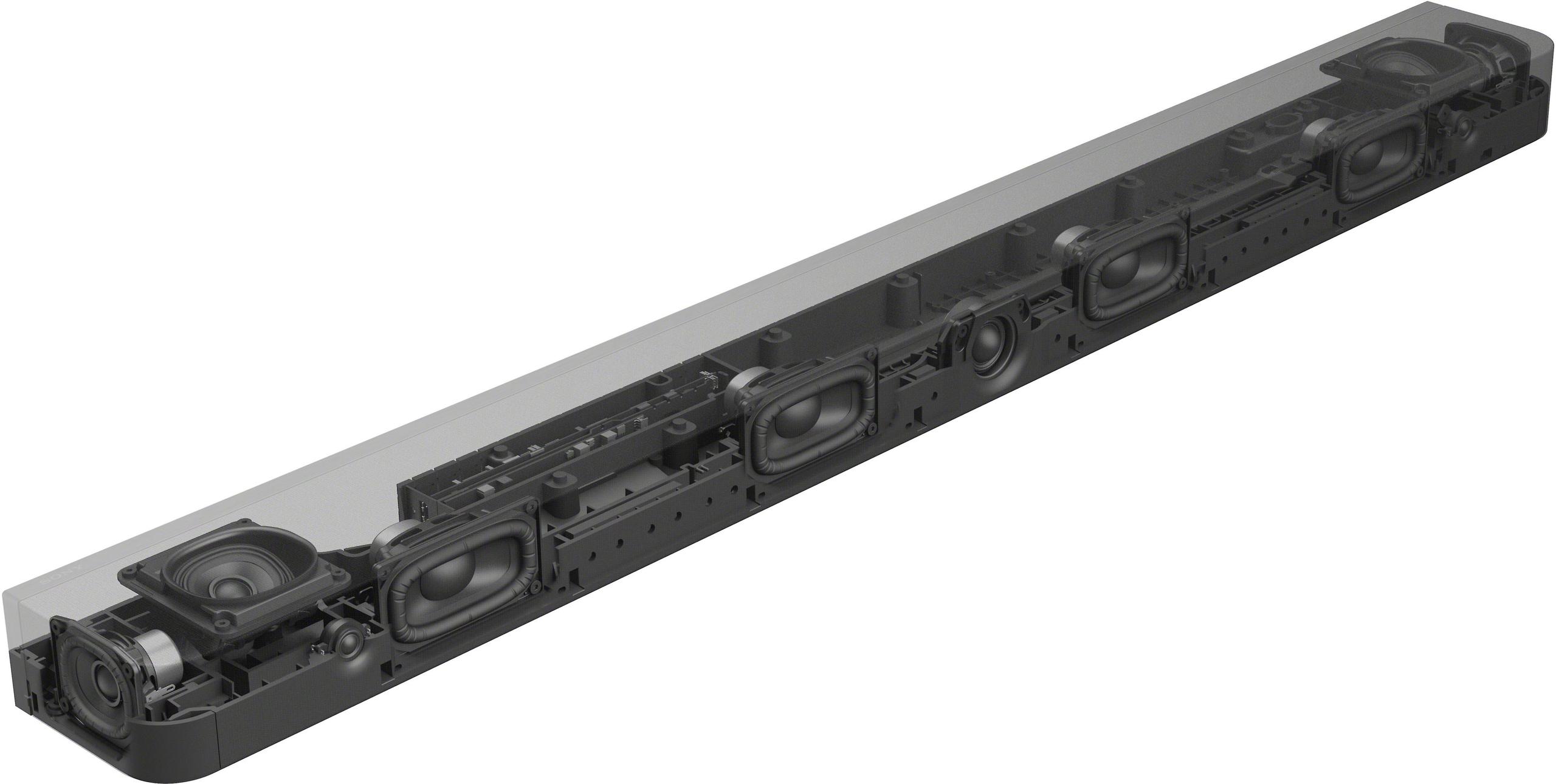
The Sony HT-A8000 employs a 5.0.2 channel system with 11 individual drivers. This means it has five main channels (left, center, right, and two side channels) plus two height channels that fire sound upward toward the ceiling. The "360 Spatial Sound Mapping" technology creates additional phantom speakers—virtual sound sources that your brain perceives as coming from specific locations even though no physical speaker exists there.
This system works by carefully timing and processing audio signals so that sound waves reflect off your walls and ceiling to reach your ears from multiple directions. It's similar to how concert halls use acoustics to make a small orchestra sound like it's surrounding the audience. In practical terms, this means you might hear a helicopter in a movie scene genuinely sound like it's flying overhead, or raindrops that seem to fall all around you.
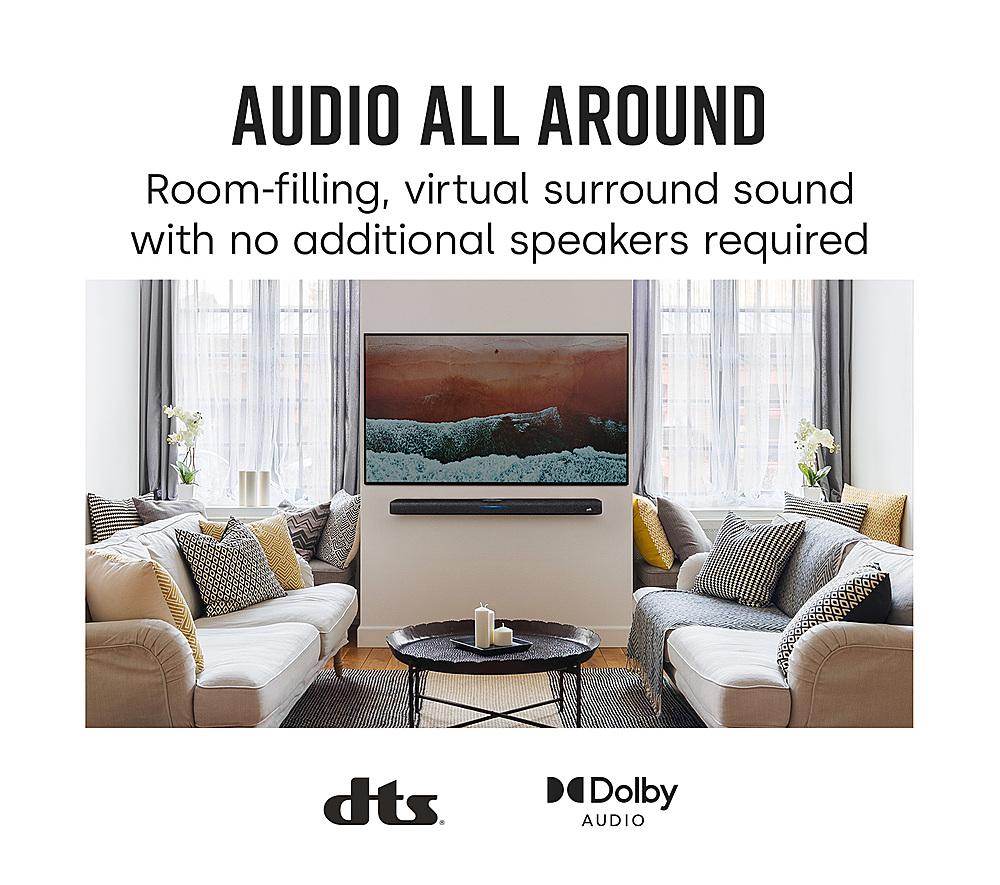
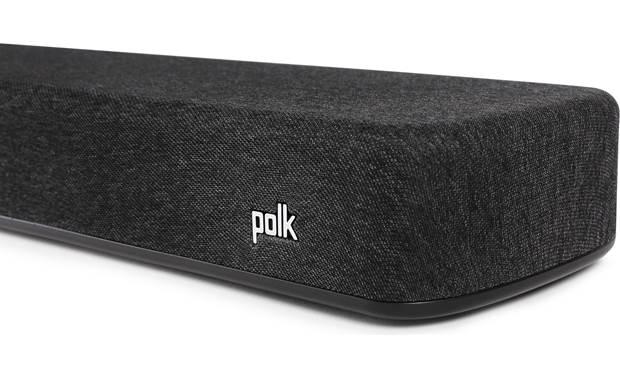
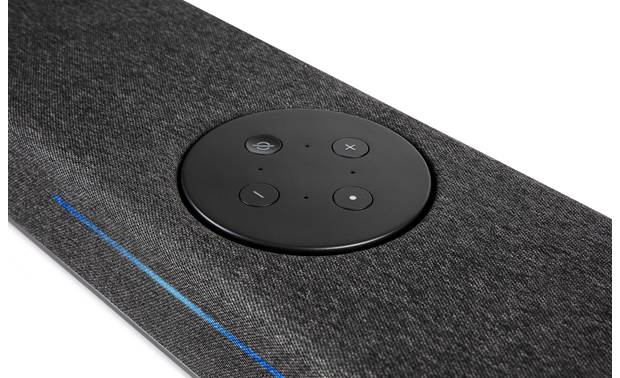
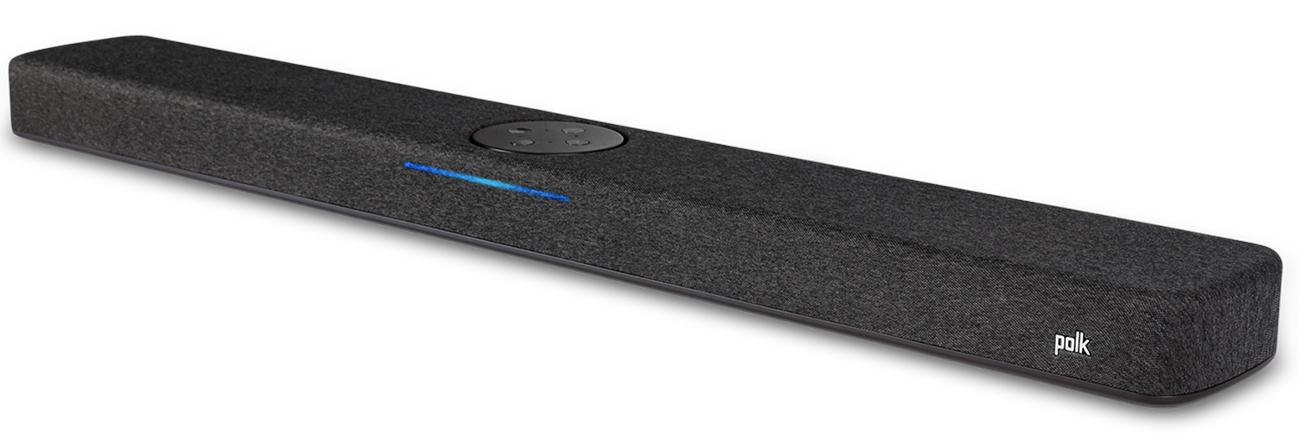
The Polk Audio React, by contrast, uses a 2-channel system with six drivers arranged in a more traditional left-right configuration. While it supports Dolby Digital and DTS processing to create virtual surround effects, it lacks the physical upward-firing speakers needed for true height channels. Instead, it relies on digital signal processing to simulate surround sound—a clever technique, but one that can't fully replicate the three-dimensional experience of physical height speakers.
Based on our research into user experiences and professional reviews, the audio quality differences between these soundbars are significant and situational. The Sony HT-A8000 consistently receives praise for its room-filling sound and impressive spatial effects, particularly when playing content mastered for Dolby Atmos or DTS:X. Users frequently mention the "wow factor" when experiencing properly mixed movie soundtracks, with effects that genuinely seem to move around and above the listening position.
However, this spatial audio magic works best in medium to large rooms where sound waves have space to reflect properly. In smaller apartments or rooms with lots of soft furnishings that absorb sound reflections, the benefits become less pronounced. The integrated woofers in the Sony provide surprisingly robust bass for a soundbar without a dedicated subwoofer, though bass enthusiasts may still want to add Sony's optional wireless subwoofer for the deepest frequencies.
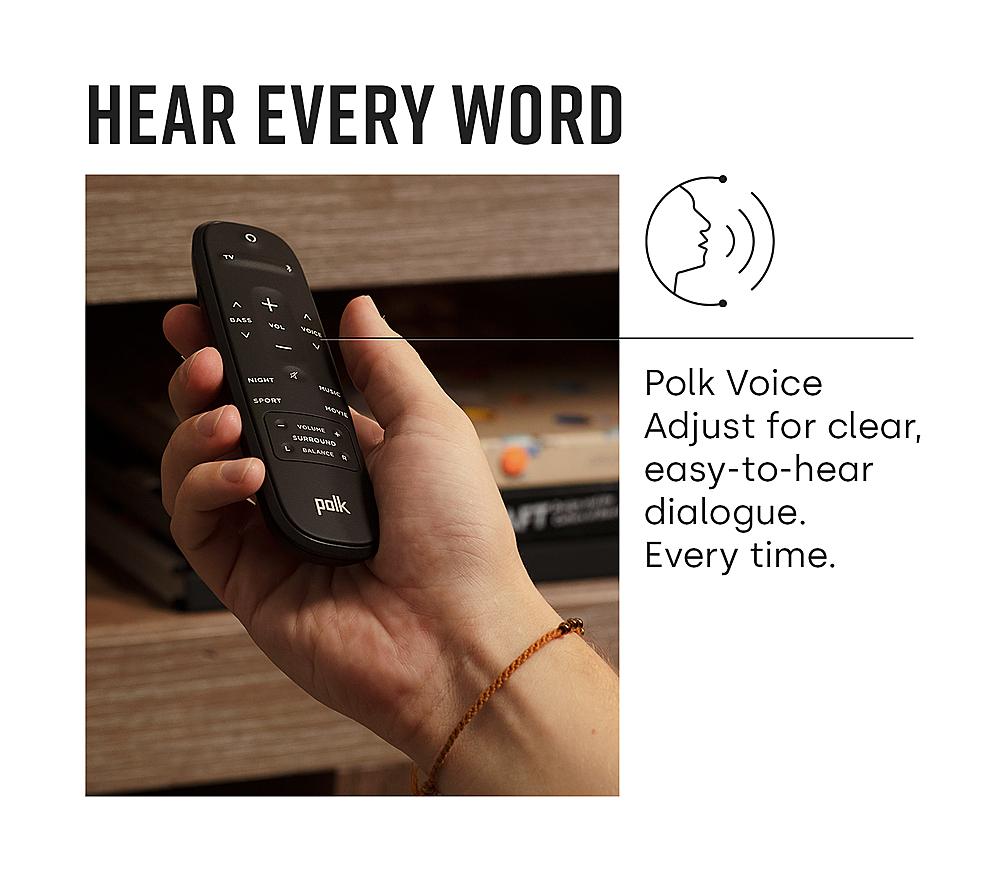
The Polk React takes a different approach, focusing on clarity and dialogue intelligibility rather than immersive effects. Its Voice Adjust technology specifically enhances speech frequencies, making it easier to understand dialogue during quiet movie scenes or when background music might otherwise mask important conversations. This feature proves particularly valuable for users who frequently watch content with heavy accents or complex dialogue.
While the Polk doesn't match the Sony's spatial audio capabilities, it delivers clean, detailed sound that punches above its price point. The bass response is surprisingly good for a 2-channel system, though adding Polk's optional subwoofer transforms it into a much more capable full-range system.
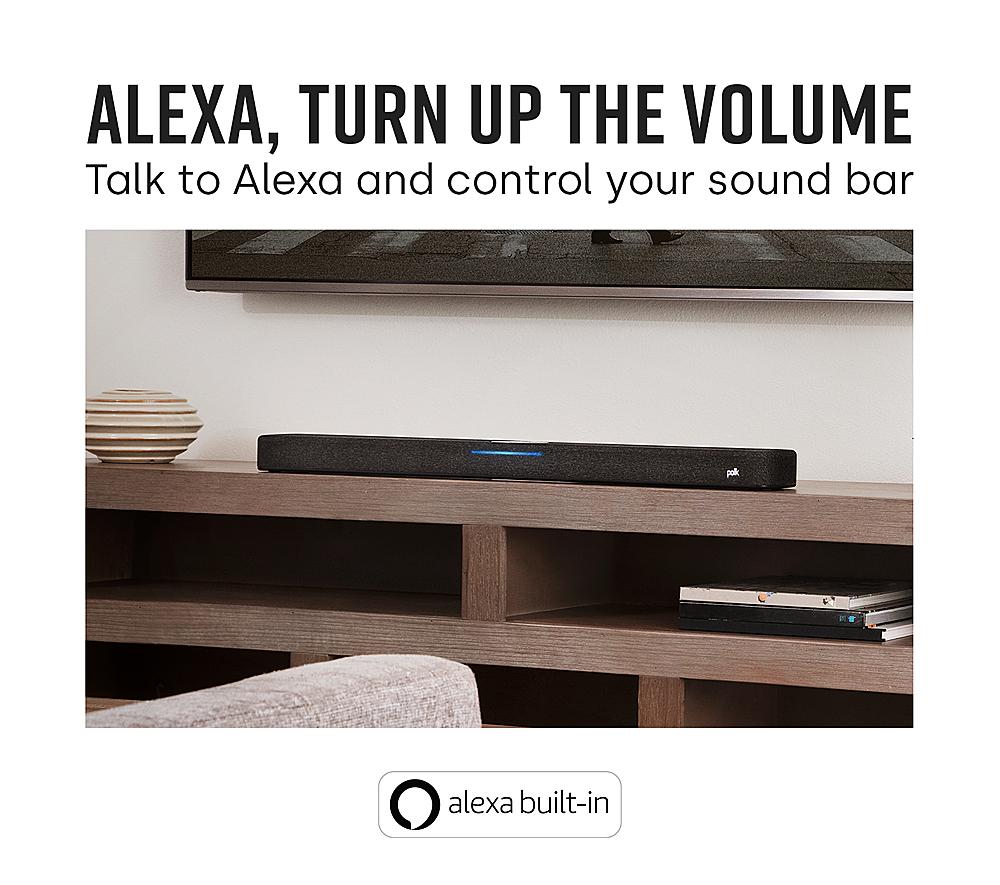
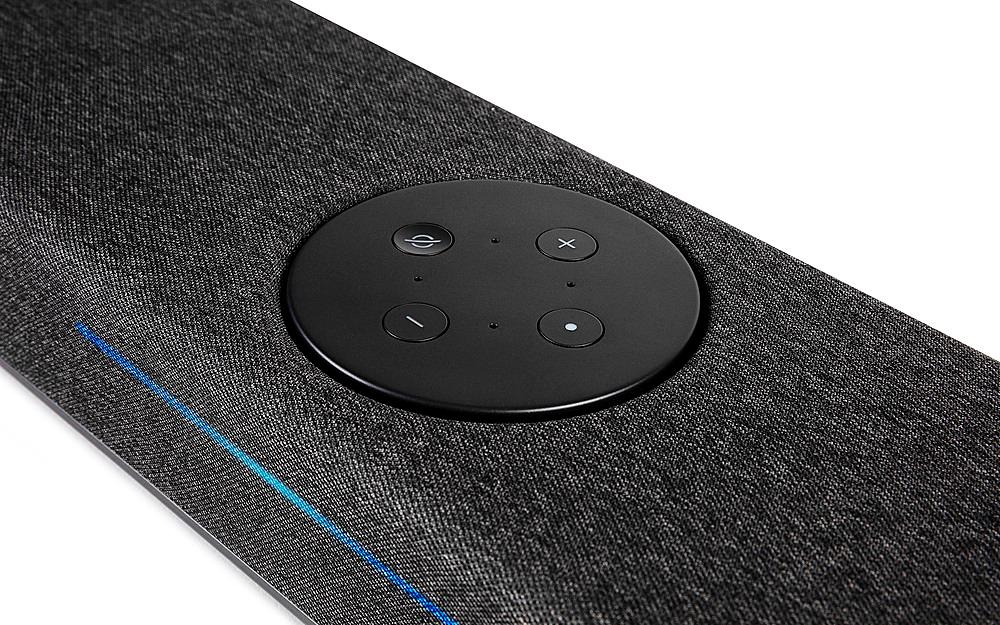
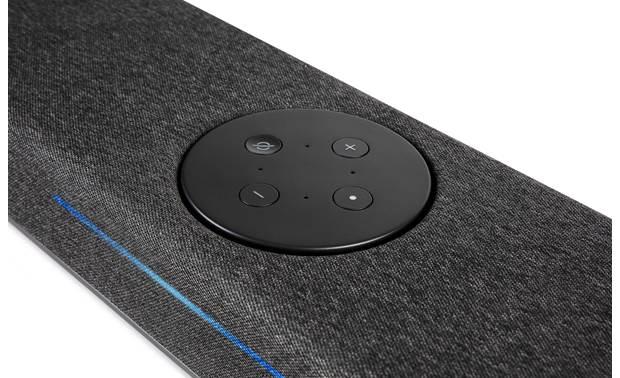
The Polk Audio React was designed during the height of the smart speaker revolution, and it shows. The built-in Alexa integration includes far-field microphones that can hear voice commands even when music is playing at moderate volumes. This isn't just basic voice control—you can ask Alexa to adjust specific sound modes, control smart home devices, make phone calls, and even send messages to other Alexa devices.
The multi-room audio capabilities allow the React to join synchronized music playback with other Alexa devices throughout your home. This means you can start music in the living room and have it seamlessly continue in the kitchen and bedroom, creating a whole-home audio experience that extends far beyond TV watching.
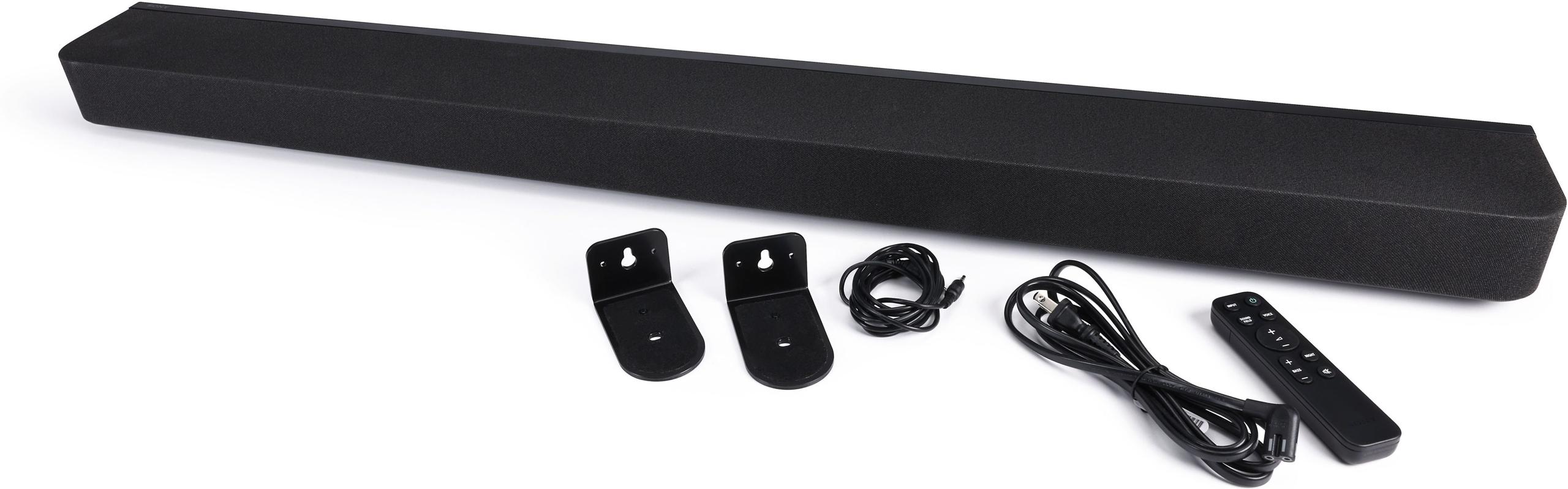
The Sony HT-A8000 takes a more traditional approach, focusing on audio performance over smart features. While it lacks built-in voice assistants, it offers extensive connectivity options including AirPlay 2 for Apple users and Spotify Connect for direct streaming. The BRAVIA Connect app provides detailed control over audio settings, but you'll need to use your phone or the included remote rather than voice commands.
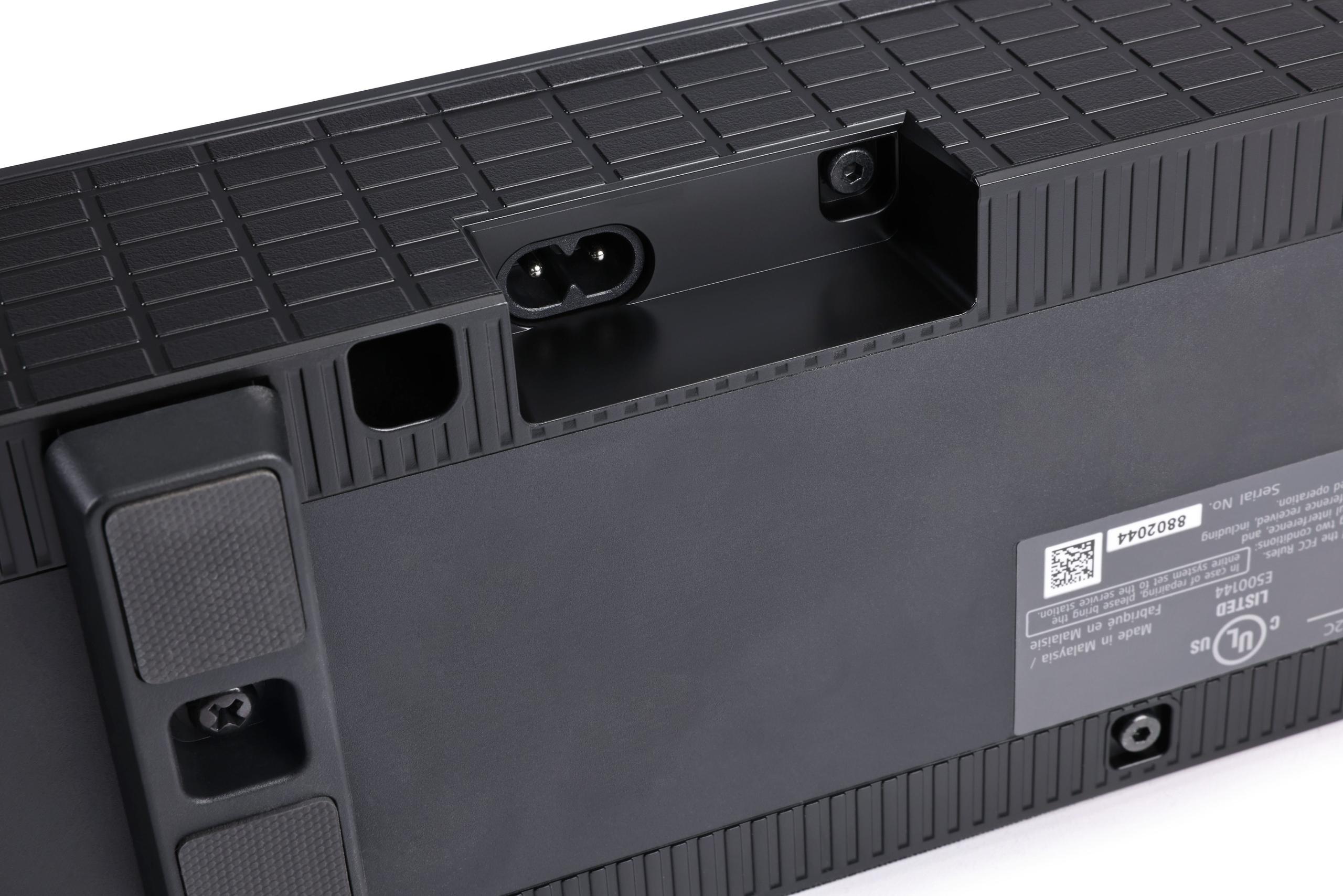
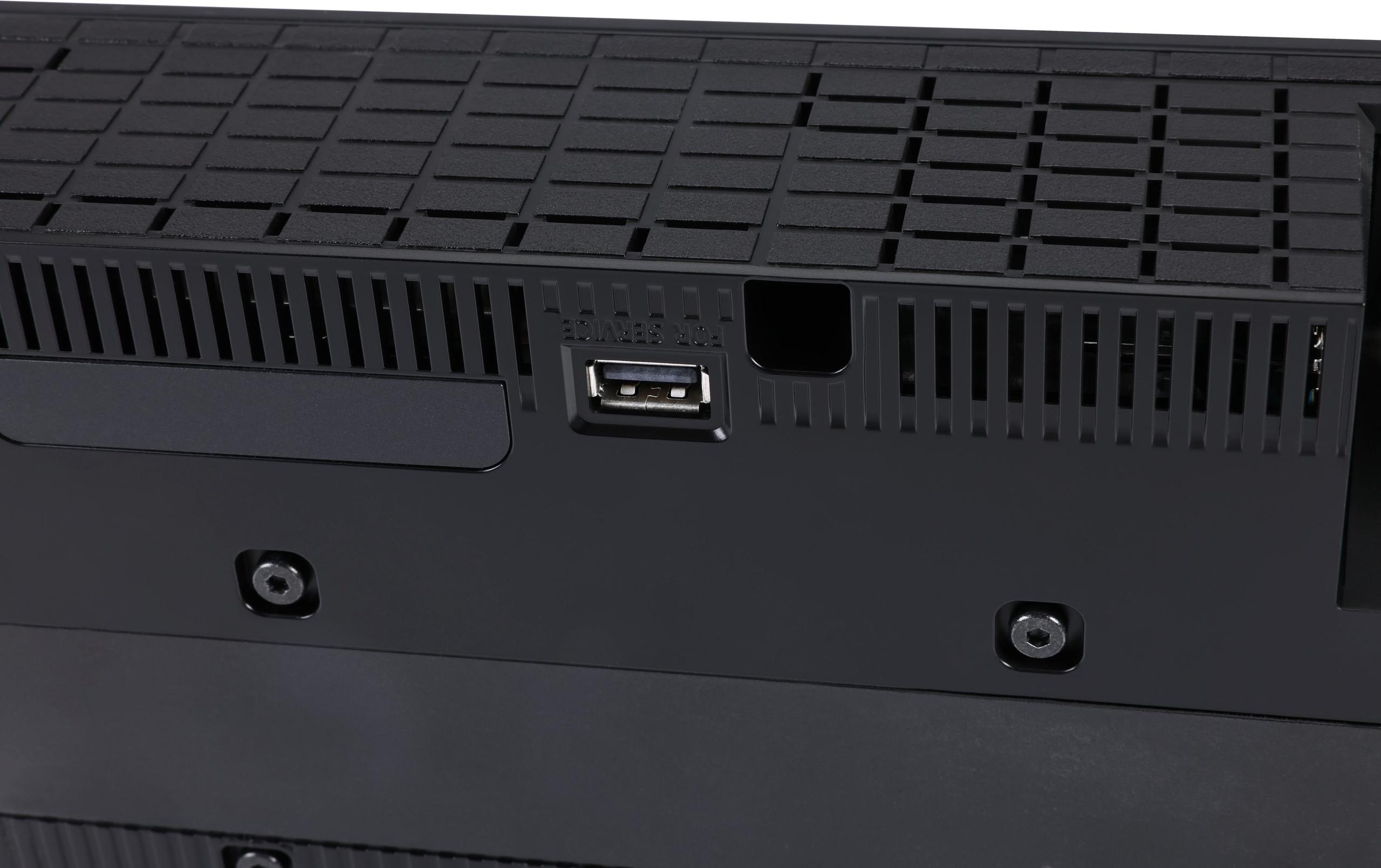
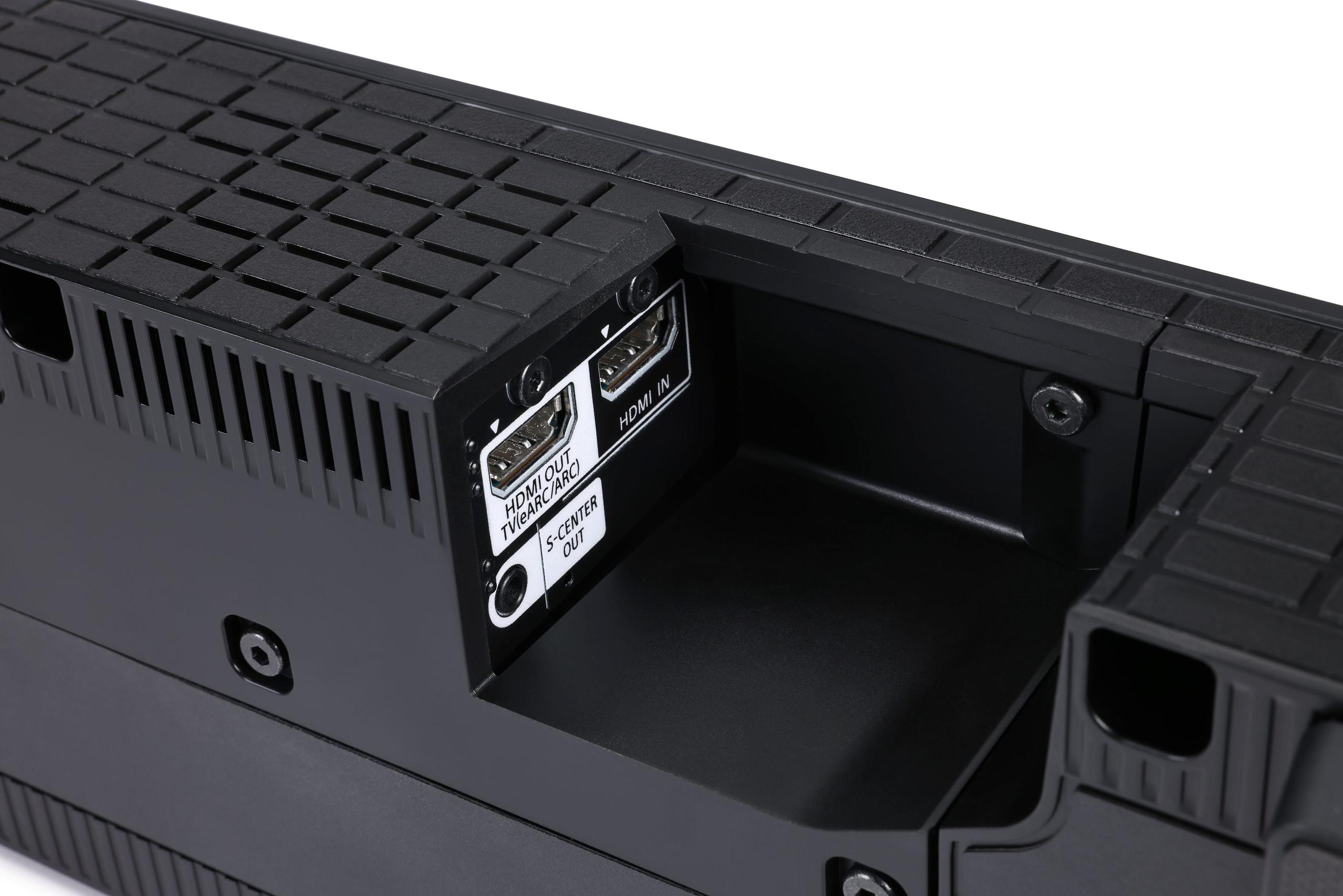
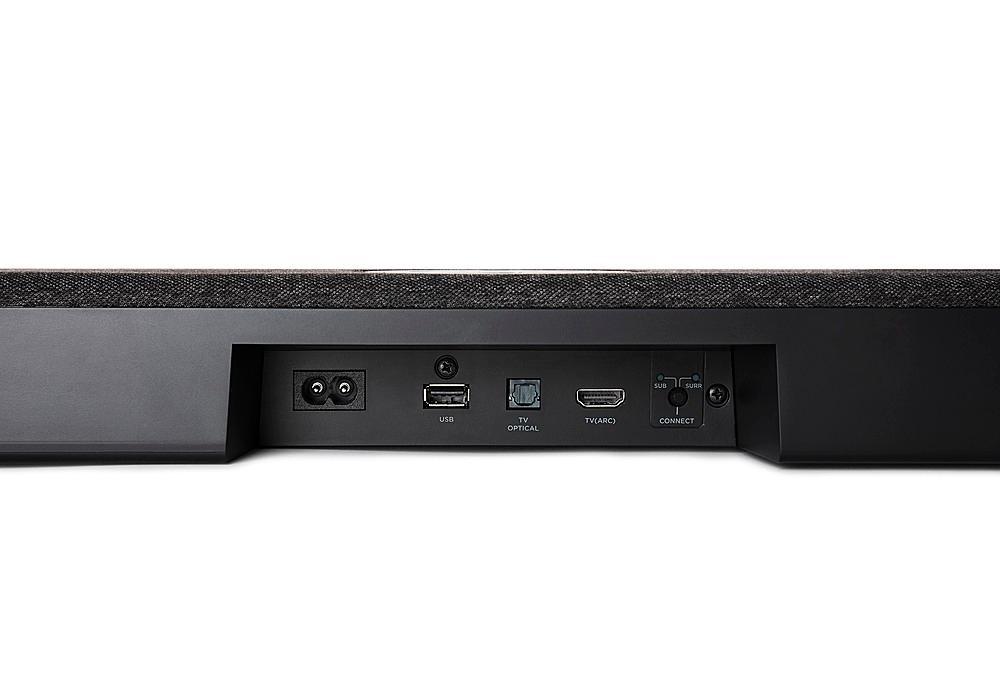
Where the Sony truly shines is in its connectivity options. The HDMI 2.1 port with eARC (enhanced Audio Return Channel) support represents the current state-of-the-art in audio/video connections. This technology allows the soundbar to receive high-quality, uncompressed audio directly from compatible TVs, including advanced formats like Dolby Atmos and DTS:X.
More importantly for gamers, HDMI 2.1 enables 4K gaming at 120Hz refresh rates, Variable Refresh Rate (VRR) to eliminate screen tearing, and Auto Low Latency Mode (ALLM) to minimize input delay. These features matter significantly for competitive gaming or enjoying the latest PlayStation 5 and Xbox Series X titles at their highest quality settings.
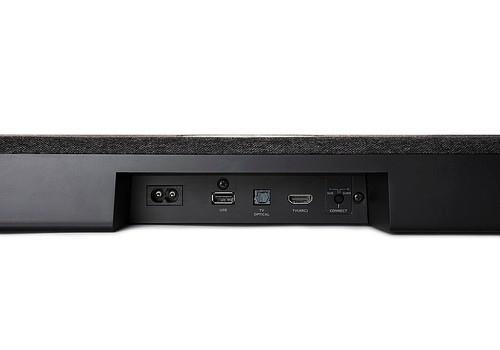
The Polk React uses standard HDMI ARC, which handles most audio formats adequately but lacks the bandwidth for the most advanced audio codecs and doesn't support the latest gaming features. For casual gaming and standard TV viewing, this limitation rarely matters, but it could become important as more content adopts advanced audio formats.
The effectiveness of any soundbar depends heavily on your room's acoustics and layout. The Sony HT-A8000's 360 Spatial Sound Mapping technology performs best in rooms where sound waves can reflect off walls and ceilings without too much absorption. Hard surfaces like drywall, wood floors, and minimal soft furnishings help create the acoustic reflections needed for convincing surround effects.
In rooms measuring roughly 12x15 feet or larger, users consistently report impressive spatial audio effects with the Sony. The automatic room calibration feature analyzes your space and adjusts the audio processing accordingly, though the system works best when positioned with at least a few feet of clearance on each side and nothing blocking the upward-firing drivers.
Smaller rooms or spaces with lots of carpeting, heavy curtains, and upholstered furniture tend to absorb sound reflections, reducing the effectiveness of spatial audio processing. In these environments, the Polk React might actually provide a more satisfying experience by focusing on direct sound quality rather than room-dependent effects.
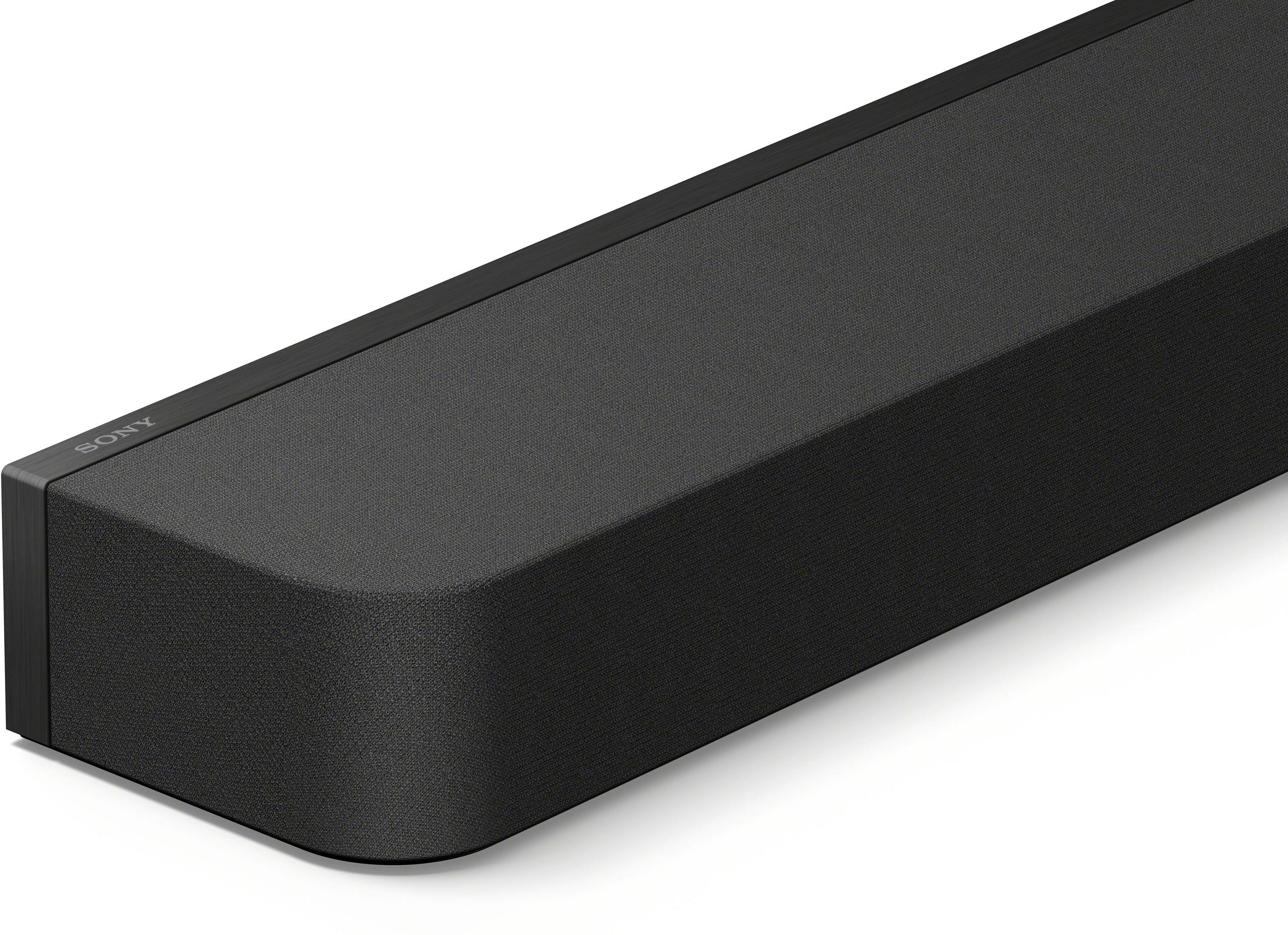
Both soundbars offer wall-mounting options, but their different design philosophies affect placement flexibility. The Sony measures over 43 inches wide, making it suitable primarily for larger TVs (55 inches and up). Its relatively deep profile accommodates all those drivers but requires adequate clearance above for the upward-firing speakers to work effectively.
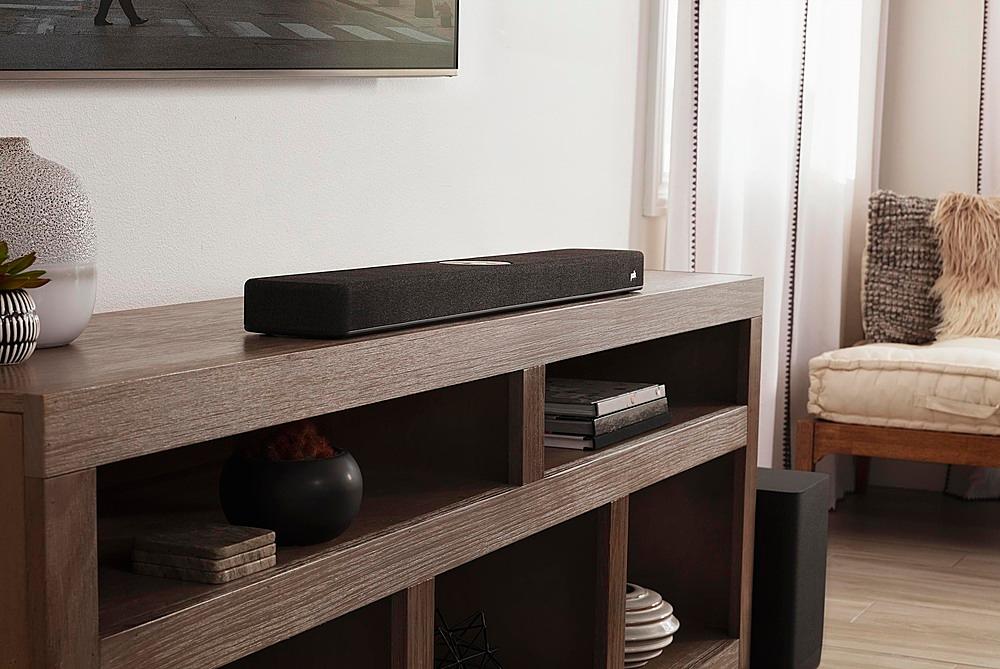
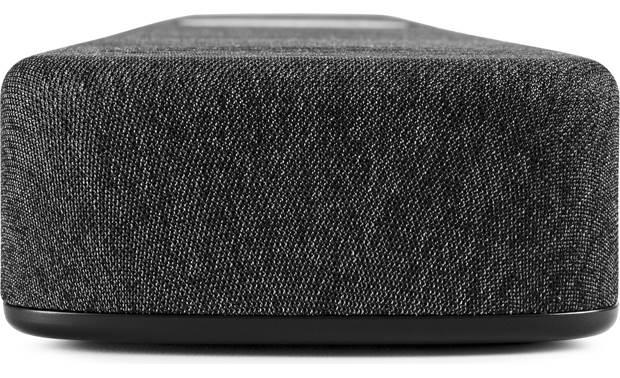
The Polk presents a more compact form factor that works well with a wider range of TV sizes and room configurations. Its simpler driver arrangement means fewer placement constraints, though you'll still want to ensure the optional subwoofer (if added) can be positioned properly for optimal bass response.
The Sony HT-A8000 follows a "complete system" philosophy—it delivers impressive performance right out of the box without requiring immediate additional purchases. The optional wireless subwoofer and rear speakers can transform it into a true 7.1.2 surround system, but many users find the soundbar alone satisfies their needs.
This approach offers better value for users who want great sound immediately without the complexity of multiple components. The automatic pairing of Sony's wireless accessories also simplifies expansion when you're ready for it.
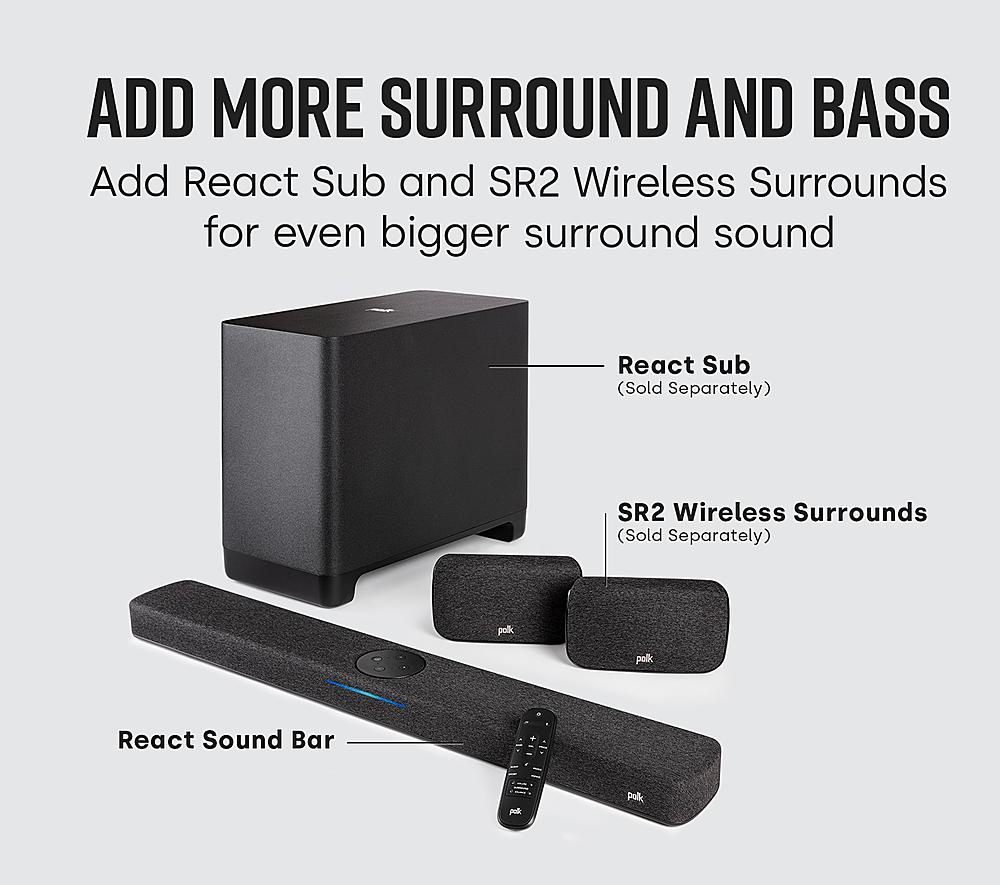
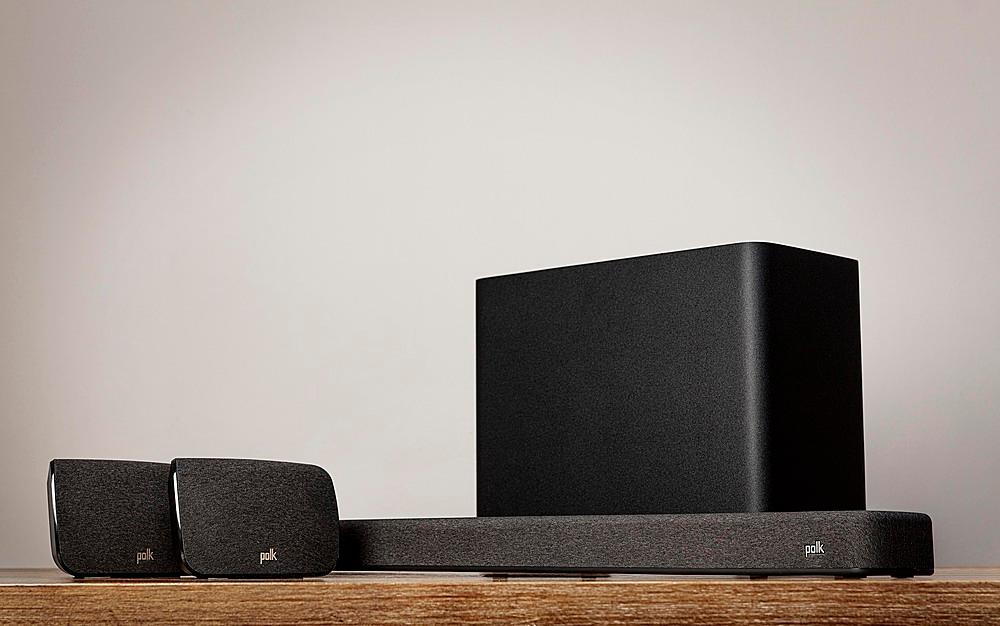
The Polk React uses a modular approach that allows you to start with the basic soundbar and add components as your budget and needs evolve. While this flexibility appeals to cost-conscious buyers, the reality is that the soundbar really needs the optional subwoofer to deliver full-range audio performance. Without it, bass response remains limited, particularly for action movies and music with deep low-frequency content.
This modular approach can work well if you're certain you'll expand the system, but it does mean higher total cost and more complex setup procedures compared to the Sony's integrated approach.
The Sony HT-A8000 represents the best choice for serious home theater enthusiasts who prioritize audio quality above convenience features. If you regularly watch movies with advanced audio tracks, particularly Dolby Atmos content from streaming services like Netflix, Disney+, or 4K Blu-rays, the spatial audio capabilities justify the premium price.
Gamers with next-generation consoles will appreciate the HDMI 2.1 features, especially if you play competitive titles where every millisecond of input delay matters. The automatic room calibration and robust performance in larger spaces make it ideal for dedicated home theater rooms or open-concept living spaces.
Users already invested in Sony's ecosystem, particularly those with BRAVIA TVs, will benefit from the tight integration and features like Acoustic Center Sync, which uses the TV's speakers as a center channel for even better dialogue clarity.
The Polk Audio React serves casual viewers and smart home enthusiasts better than dedicated audiophiles. If you primarily watch TV shows, news, and YouTube content rather than blockbuster movies, the voice control and smart features provide more daily utility than spatial audio effects.
The built-in Alexa functionality transforms the soundbar into a smart home hub, offering value that extends far beyond TV audio. For users who already rely heavily on voice assistants for controlling lights, checking weather, playing music, and managing daily routines, this integration feels natural and convenient.
Budget-conscious buyers who plan to build a system gradually will appreciate the modular approach, though it's important to factor in the cost of the subwoofer when comparing total system prices.
At the time of writing, the Sony HT-A8000 commands a premium price that reflects its advanced audio technologies and future-proof connectivity. For users who value immersive audio experiences and have rooms large enough to benefit from spatial sound processing, this premium feels justified by the performance delivered.
The Polk React offers strong value in the mid-range category, particularly when you factor in the smart home functionality. However, achieving comparable audio quality requires investing in the optional subwoofer, which narrows the price gap considerably.
Both soundbars serve their intended audiences well, but they're designed for fundamentally different priorities. The Sony rewards listeners who care deeply about audio quality and have the room setup to benefit from advanced spatial processing. The Polk serves users who value convenience, voice control, and good-enough audio quality for everyday viewing.
Consider your viewing habits, room size, and whether you value cutting-edge audio technology or smart home integration more highly. Either choice will significantly improve upon your TV's built-in speakers, but understanding these fundamental differences ensures you'll be happy with your decision for years to come.
| Sony HT-A8000 BRAVIA Theater Bar 8 | Polk Audio React Sound Bar |
|---|---|
| Audio Channels - Determines surround sound immersion and spatial effects | |
| 5.0.2 channel system with 11 drivers including upward-firing speakers for true Dolby Atmos height effects | 2.1 channel virtual surround with 6 drivers, relies on digital processing for surround effects |
| Dolby Atmos Support - Essential for modern movie soundtracks and streaming content | |
| Full Dolby Atmos, DTS:X, and IMAX Enhanced with physical height channels | Dolby Digital and DTS virtual processing only, no true height channels |
| Smart Features - Voice control and streaming capabilities for daily use | |
| App control, AirPlay 2, Spotify Connect, Bluetooth 5.2 (no built-in voice assistant) | Built-in Amazon Alexa with far-field mics, multi-room audio, voice calling |
| HDMI Connectivity - Critical for gaming and future-proofing with new devices | |
| HDMI 2.1 with eARC, 8K/60Hz, 4K/120Hz, VRR, ALLM gaming features | HDMI ARC only, no advanced gaming features or high refresh rate support |
| Room Calibration - Automatically optimizes sound for your specific space | |
| 360 Spatial Sound Mapping with automatic room optimization | Manual Voice Adjust technology for dialogue enhancement |
| Subwoofer Requirement - Affects total system cost and bass performance | |
| Integrated quad woofers provide good bass; subwoofer optional for deep bass lovers | Requires separate subwoofer purchase for full-range sound and impactful bass |
| Expandability - Options for building a complete surround system over time | |
| Optional wireless subwoofer and rear speakers create true 7.1.2 system | Modular system with separate subwoofer and surround speakers available |
| Dimensions - Impacts TV compatibility and room placement options | |
| 43⅜" x 2⅝" x 4½" (fits 55"+ TVs best, needs ceiling clearance) | 34" x 2¼" x 4¹³⁄₁₆" (works with smaller TVs, more flexible placement) |
| Ideal Room Size - Where each soundbar performs at its best | |
| Medium to large rooms (12x15 feet+) where spatial audio can reflect properly | Small to medium rooms, apartments, spaces with lots of soft furnishings |
| Primary Use Case - The scenarios where each soundbar excels | |
| Movie watching, gaming, Dolby Atmos content, dedicated home theater setups | TV shows, news, voice control, smart home integration, casual viewing |
The Sony HT-A8000 delivers superior movie sound quality with its 5.0.2 channel system and 11 drivers. It supports true Dolby Atmos with upward-firing speakers that create genuine height effects, making helicopter scenes and rain sounds feel three-dimensional. The Polk Audio React offers good dialogue clarity but relies on virtual surround processing without physical height channels.
Yes, the Polk Audio React has built-in Amazon Alexa with far-field microphones. You can control volume, change sound modes, play music, and use all standard Alexa features hands-free. The Sony HT-A8000 doesn't include voice control but works with smartphone apps and the included remote.
The Sony HT-A8000 is significantly better for gaming with HDMI 2.1 support, 4K/120Hz passthrough, Variable Refresh Rate (VRR), and Auto Low Latency Mode (ALLM). These features work perfectly with PlayStation 5 and Xbox Series X consoles. The Polk React uses standard HDMI ARC without advanced gaming features.
The Sony HT-A8000 includes integrated woofers that provide good bass performance without requiring an immediate subwoofer purchase. The Polk Audio React really needs its optional wireless subwoofer for full-range sound, especially for action movies and music with deep bass.
The Polk Audio React performs better in smaller spaces and apartments. Its compact design and direct sound approach work well regardless of room acoustics. The Sony HT-A8000 needs medium to large rooms with hard surfaces for its spatial audio technology to work effectively.
Yes, both soundbars support wireless music streaming. The Sony HT-A8000 offers Bluetooth 5.2, AirPlay 2, and Spotify Connect. The Polk React includes Bluetooth 4.2 and works seamlessly with Alexa voice commands for music streaming from various services.
The Polk Audio React offers simpler plug-and-play setup, especially if you already use Alexa devices. The Sony HT-A8000 includes automatic room calibration that optimizes sound for your space, but this process takes a few extra minutes during initial setup.
Both soundbars work with any streaming service played through your TV or connected devices. The Sony HT-A8000 excels with Dolby Atmos content from Netflix, Disney+, and Apple TV+. The Polk React can stream music directly through Alexa voice commands from Spotify, Amazon Music, and other supported services.
Value depends on your priorities. The Sony HT-A8000 provides premium audio technology and future-proof connectivity in a complete package. The Polk Audio React offers strong value for smart home users, though adding the recommended subwoofer increases the total investment significantly.
Both soundbars support expansion. The Sony HT-A8000 can add wireless rear speakers and subwoofer for true 7.1.2 surround sound. The Polk React uses a modular approach with separate wireless subwoofer and surround speakers, allowing gradual system building over time.
Both excel at dialogue but differently. The Polk Audio React includes Voice Adjust technology specifically designed to enhance speech clarity, making it excellent for TV shows and news. The Sony HT-A8000 provides clear dialogue through its dedicated center channel and can use compatible Sony TVs as additional center speakers.
Choose the Sony HT-A8000 if you prioritize immersive movie experiences, have a medium-to-large room, and want cutting-edge audio technology. Pick the Polk React if you value voice control, smart home integration, have a smaller space, or primarily watch TV shows rather than movies.
We've done our best to create useful and informative comparisons to help you decide what product to buy. Our research uses advanced automated methods to create this comparison and perfection is not possible - please contact us for corrections or questions. These are the sites we've researched in the creation of this article: consumerreports.org - skybygramophone.com - target.com - rtings.com - bestbuy.com - rubbermonkey.co.nz - shopatsc.com - audioadvice.com - sony.com - sony.com - sony.com - shop.cosmopolitan.com - store.sony.com.my - videoandaudiocenter.com - techradar.com - crutchfield.com - popsci.com - youtube.com - tomsguide.com - bestbuy.com - polkaudio.com - crutchfield.com - forum.polkaudio.com - soundunited.com - youtube.com

Privacy Policy
Terms and Conditions - Affiliate Policy
Home Security
© Copyright 2008-2026.
11816 Inwood Rd #1211, Dallas, TX 75244