

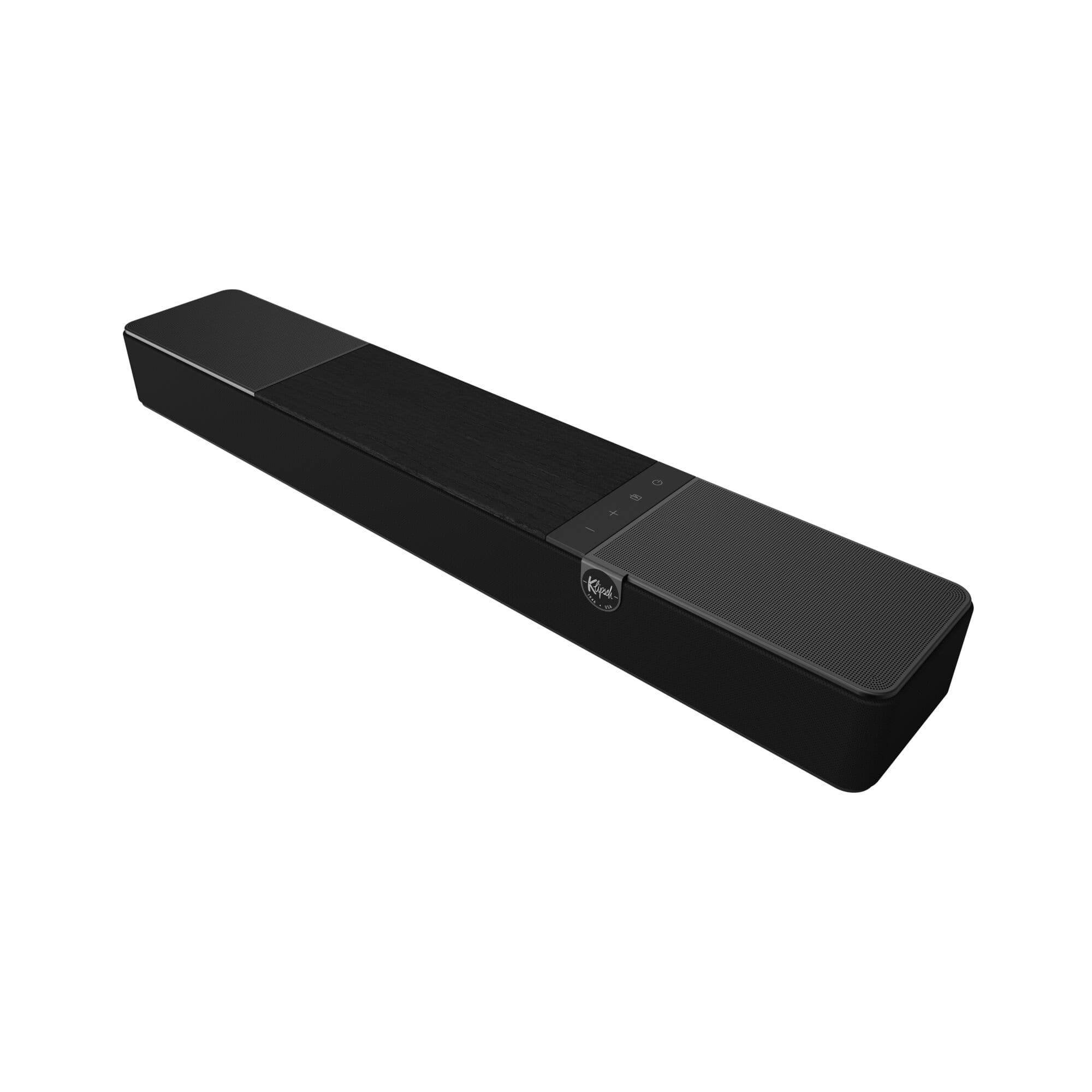

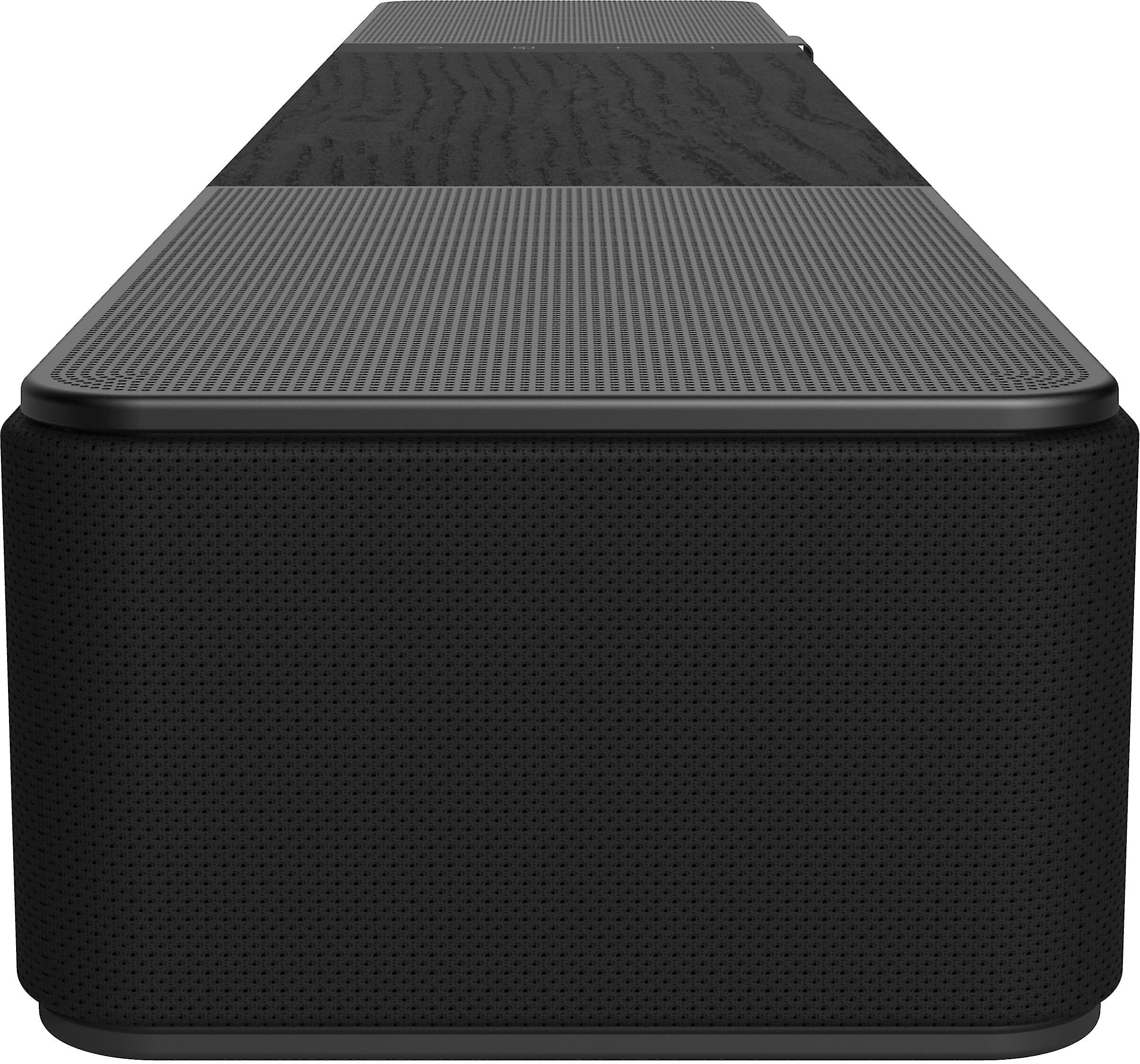
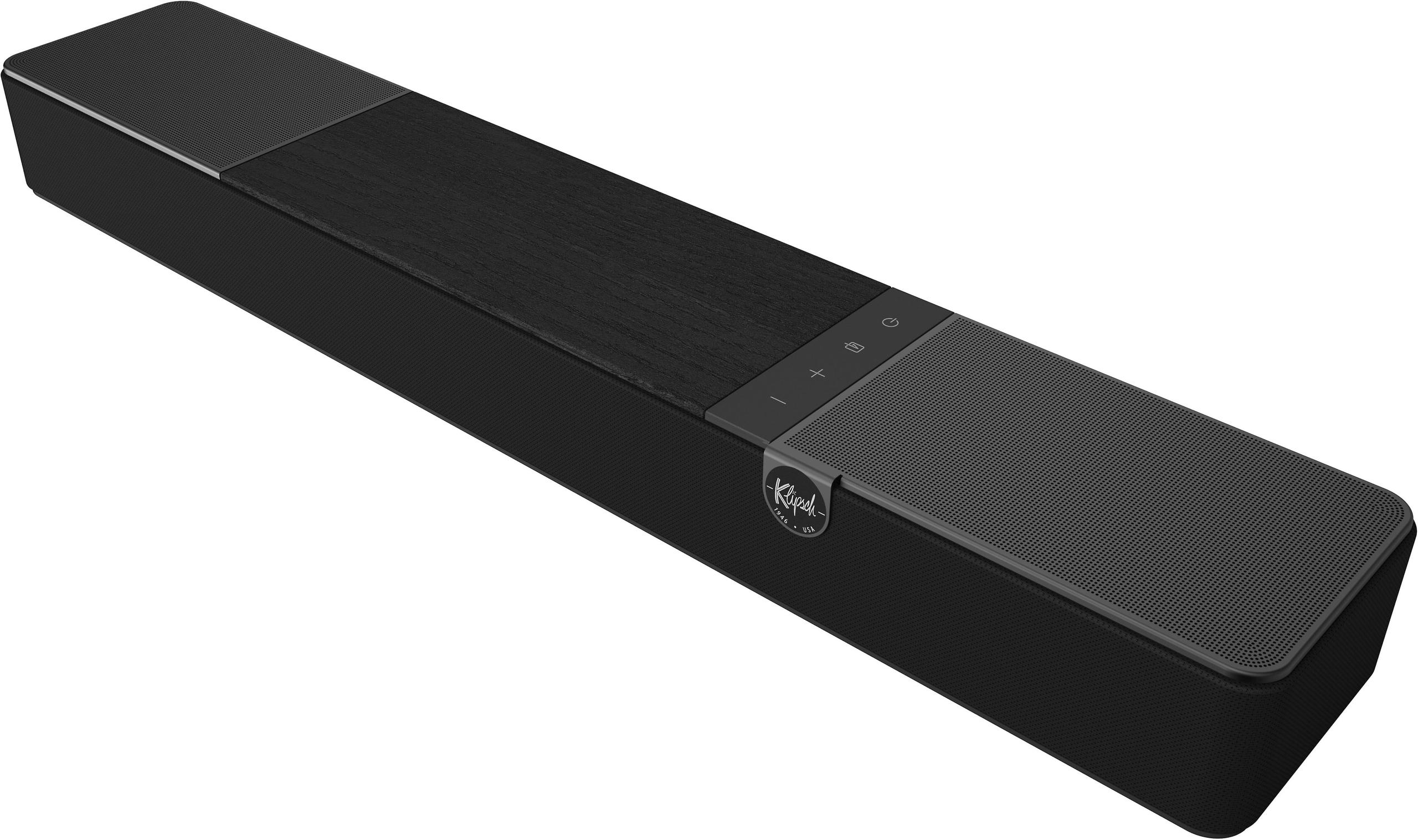



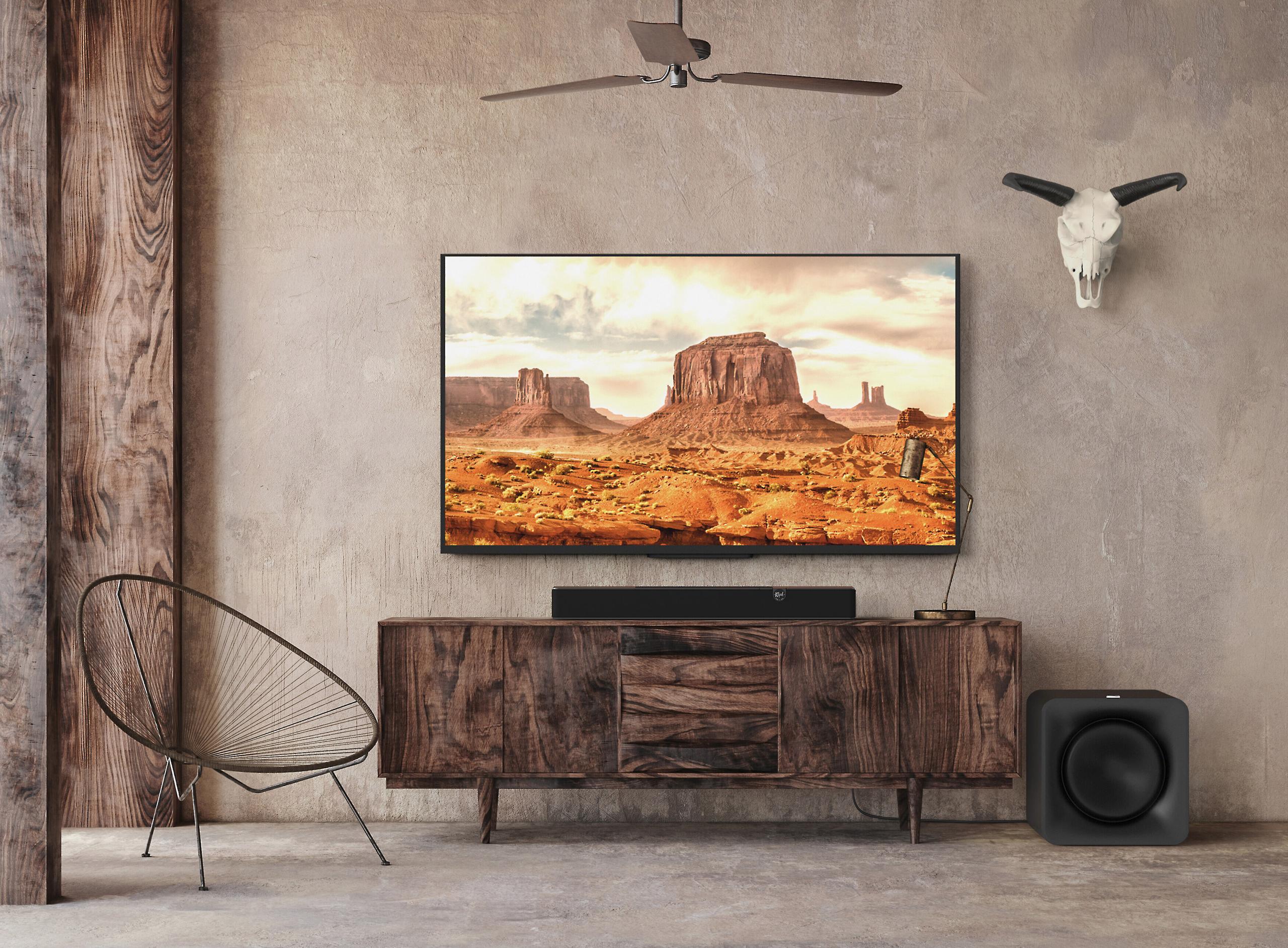
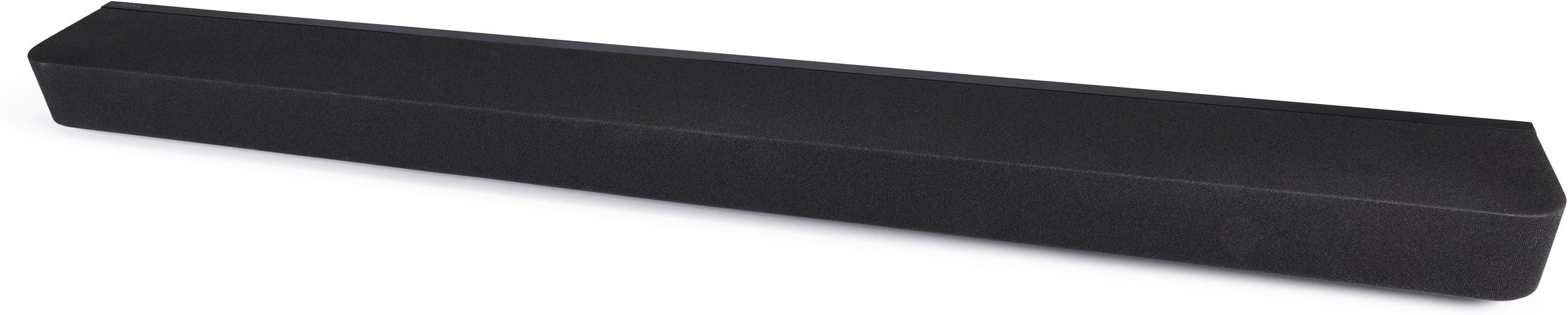
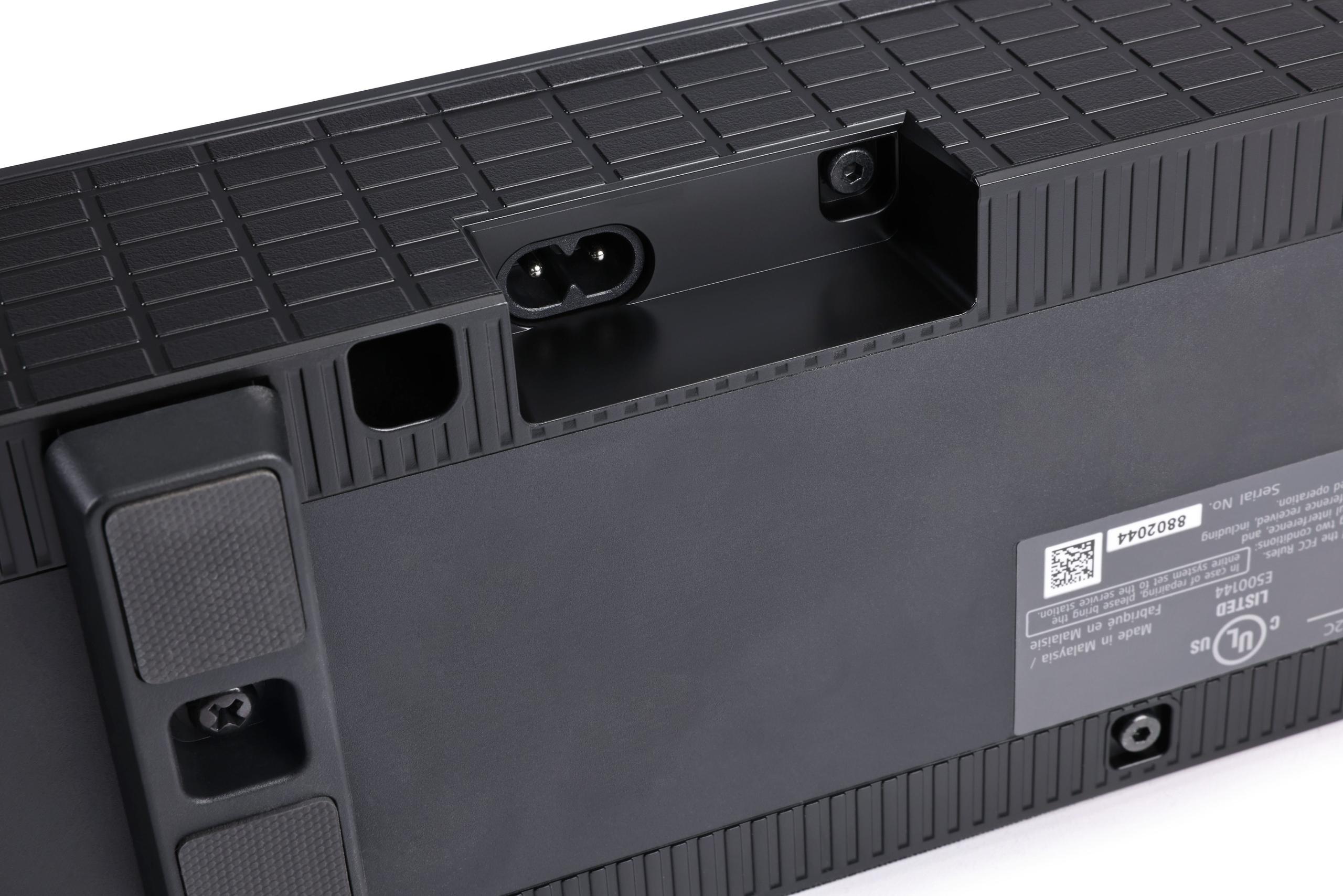
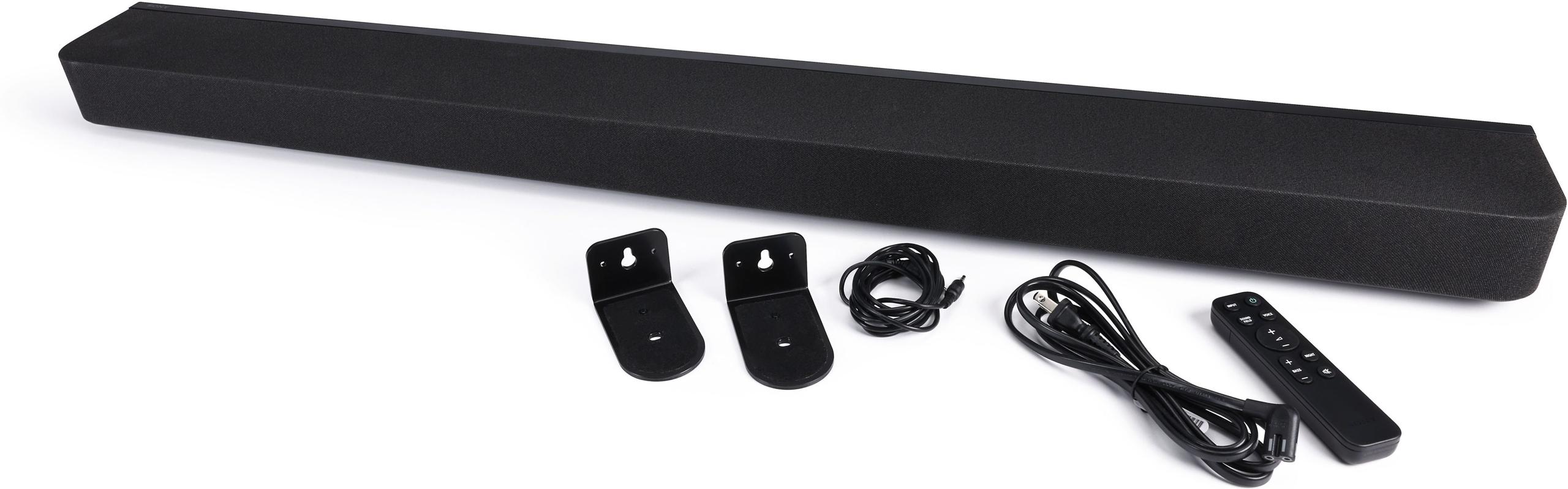
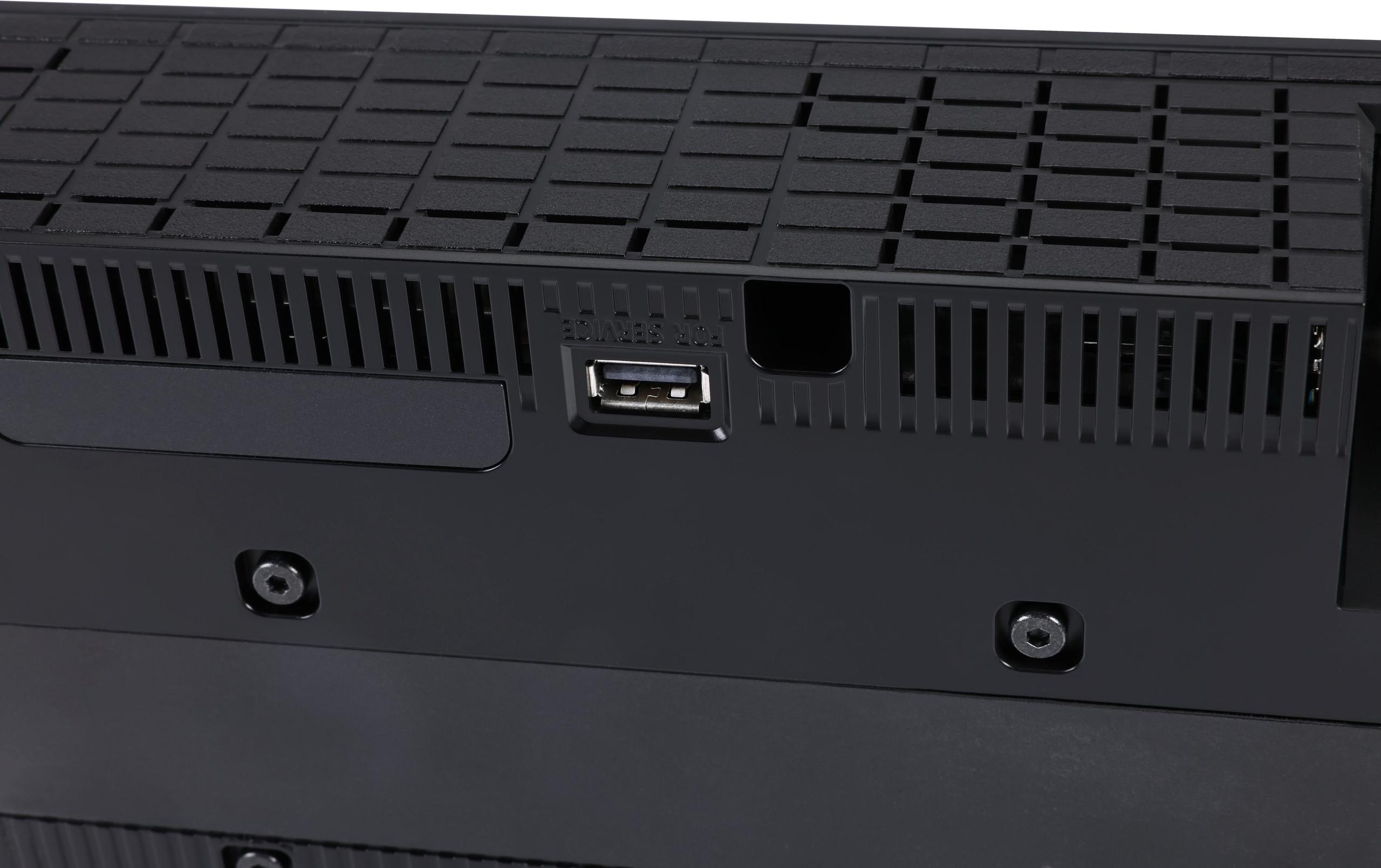

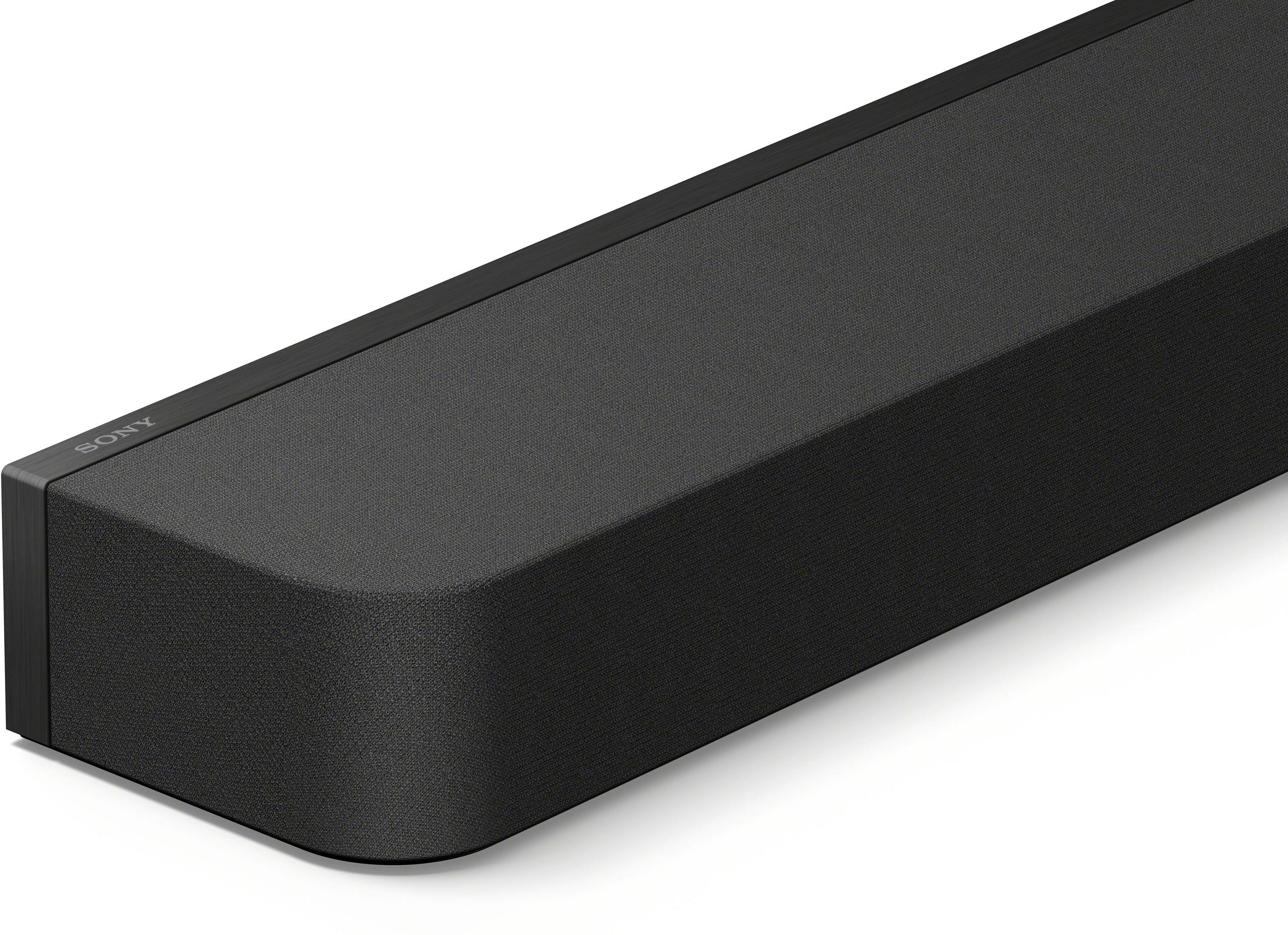

The world of soundbars has exploded in recent years, transforming from simple speaker upgrades to sophisticated home theater systems. If you're tired of straining to hear dialogue or missing the rumble of explosions in your favorite movies, a quality soundbar can revolutionize your viewing experience. Today we're comparing two compelling options that represent different philosophies in soundbar design: the premium Sony HT-A8000 BRAVIA Theater Bar 8 and the value-focused Klipsch Flexus Core 100.
Understanding what separates a good soundbar from a great one starts with knowing what to look for. The most critical factors include audio clarity across different frequencies, bass response that adds impact without overwhelming dialogue, connectivity options that work with your devices, and the ability to create an immersive soundscape that makes you feel like you're in the action rather than just watching it.
Before diving into our comparison, it's worth understanding how soundbars have evolved. Traditional TV speakers face physical limitations – they're tiny, rear-facing, and often buried inside the TV cabinet. Modern soundbars solve this by placing larger, forward-facing drivers in an optimal position below your screen.
The real magic happens with advanced processing technologies. Dolby Atmos, for instance, treats sound as objects that can be precisely placed anywhere in three-dimensional space, rather than just assigning audio to specific channels. This creates the sensation that a helicopter is truly flying overhead or that rain is falling all around you.
Virtual surround processing uses psychoacoustic principles (how our brains interpret sound) to trick your ears into perceiving sounds coming from behind or beside you, even when all the speakers are in front. It's like an audio optical illusion that works remarkably well when done right.
Both the Sony HT-A8000 and Klipsch Flexus Core 100 were released in 2024, representing the latest thinking in soundbar design. Since their launch, we've seen increased focus on wireless expandability and better integration with modern gaming systems, trends both products embrace but in different ways.
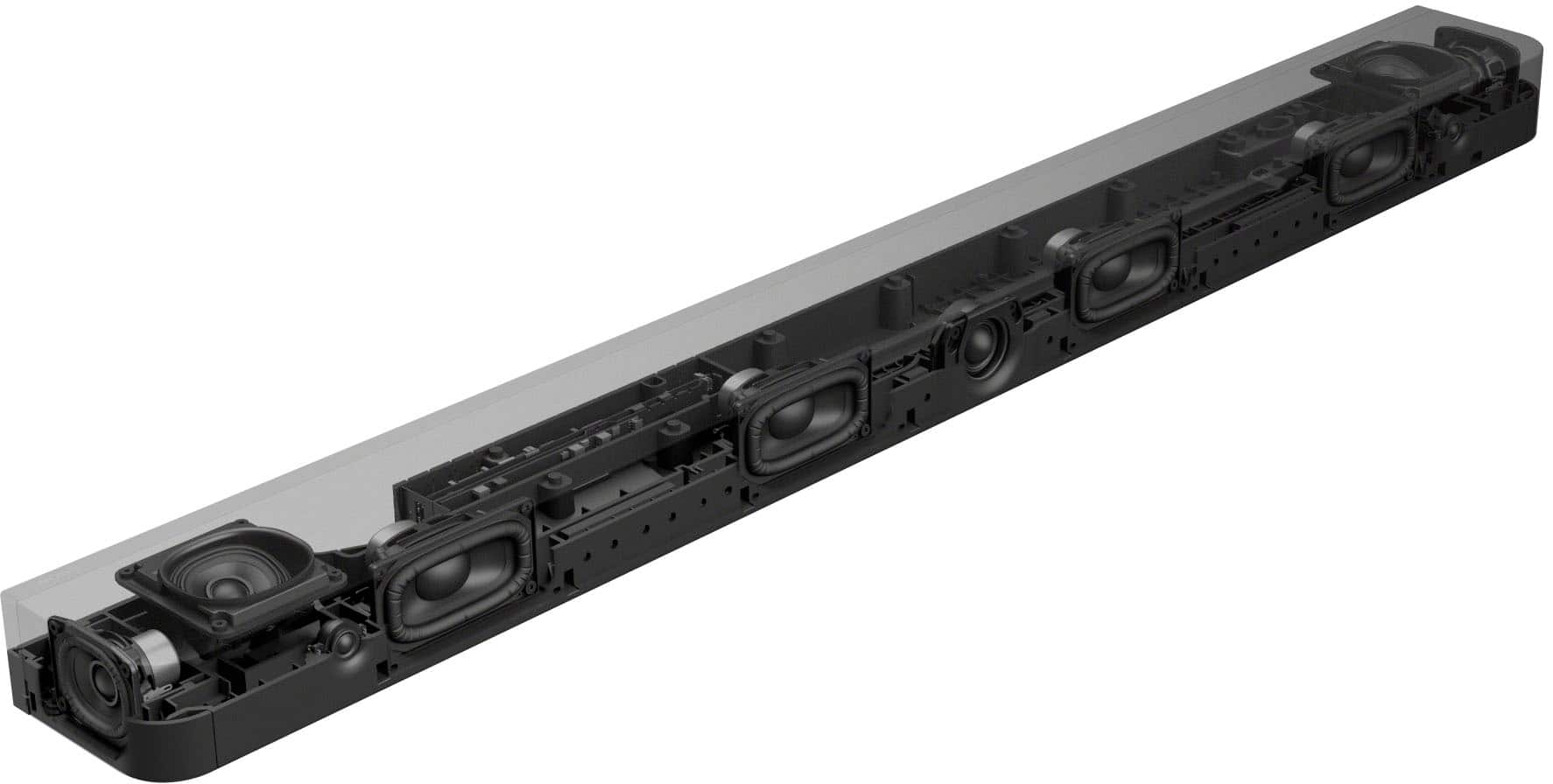
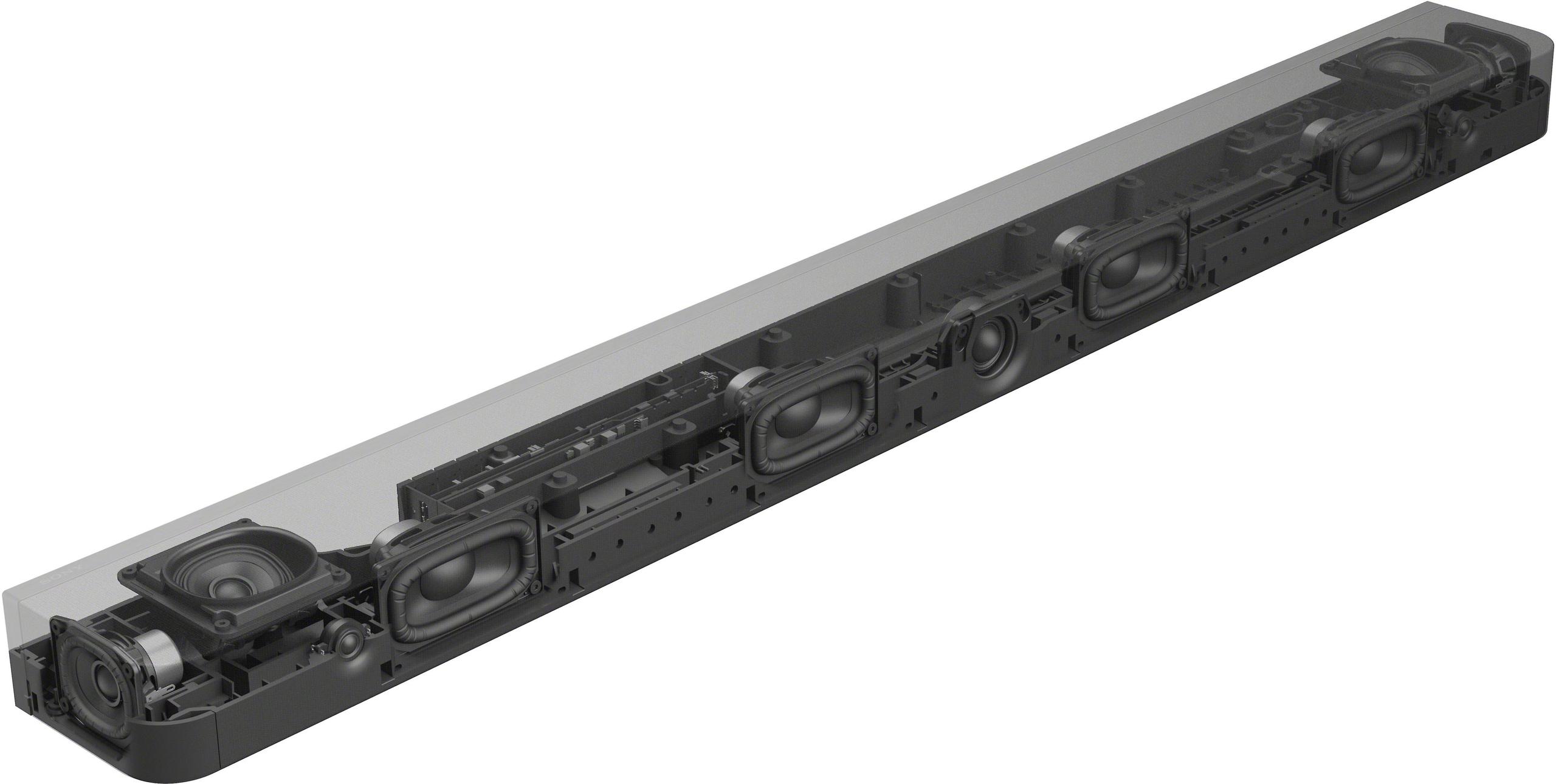
The Sony HT-A8000 takes a "more is more" approach with its 11-speaker array. This isn't just marketing fluff – those additional drivers serve specific purposes. The soundbar includes dedicated up-firing speakers that bounce audio off your ceiling to create height effects, side-firing speakers for width, and traditional forward-facing drivers for direct sound. Sony's 360 Spatial Sound Mapping technology analyzes your room and creates "phantom speakers" – virtual sound sources your brain perceives as coming from locations where no physical speakers exist.
In practice, this translates to a remarkably wide and tall soundstage. When watching action movies, explosions feel expansive rather than confined to the area around your TV. Dialogue appears to come directly from actors' mouths on screen, thanks to the soundbar's ability to create a phantom center channel that aligns with your TV's picture.
The Klipsch Flexus Core 100 takes a fundamentally different approach. Instead of trying to fill your entire room with surround sound, it focuses intensely on delivering exceptional front-stage audio with remarkable bass response. The dual 4-inch subwoofers built into the soundbar itself are genuinely impressive – they deliver the kind of low-frequency impact that typically requires a separate subwoofer box sitting on your floor.
Klipsch's signature horn-loaded tweeter technology, adapted from their legendary speakers, creates exceptionally efficient and dynamic sound reproduction. This means the Flexus Core 100 can play louder with less distortion than you'd expect from its modest size. The aluminum cone drivers resist breakup at higher volumes, maintaining clarity even when you're really cranking up the volume for an action sequence.
Based on user feedback and expert reviews, the sonic character of these soundbars differs significantly. The Sony HT-A8000 excels at creating an enveloping, theater-like experience where you're immersed in the soundscape. The Klipsch Flexus Core 100 delivers a more direct, punchy presentation that excels with music and dialogue-heavy content.
This is where these two soundbars show their different design philosophies most clearly. The Sony HT-A8000 includes quad woofers with unique rectangular shapes designed to maximize diaphragm area while minimizing distortion. However, several user reviews note that bass performance, while good, isn't exceptional for a soundbar at this price point. The emphasis seems to be on integration and balance rather than pure low-end impact.
The Klipsch Flexus Core 100, conversely, makes bass performance a primary selling point. Those dual 4-inch built-in subwoofers aren't just marketing speak – they deliver genuine low-frequency impact that rivals dedicated subwoofers. User reviews consistently praise the bass response, with many noting they don't feel the need for an additional subwoofer, which is remarkable for a soundbar under $500 at the time of writing.
For home theater use, this difference matters significantly. If you love action movies, the visceral impact of explosions, car chases, and dramatic music scores depends heavily on solid bass reproduction. The Klipsch Flexus Core 100 delivers this impact more convincingly as a standalone unit.
Both soundbars include specialized dialogue enhancement features, but they work differently. The Sony HT-A8000 features Voice Zoom 3, an AI-powered system that analyzes audio in real-time to identify and amplify human voices. This technology can recognize whispered dialogue in a quiet scene and boost it relative to background music or effects, ensuring you never miss important conversations.
The Klipsch Flexus Core 100 relies more on traditional acoustic design and dedicated voice modes. Klipsch's horn-loaded tweeters naturally emphasize the frequency range where human voices live, making dialogue sound clear and present without artificial processing.
From user reports, both approaches work well, but serve different needs. The Sony's AI processing excels with challenging content like action movies where dialogue competes with explosions and music. The Klipsch approach works particularly well with dramas and comedies where natural voice reproduction is paramount.
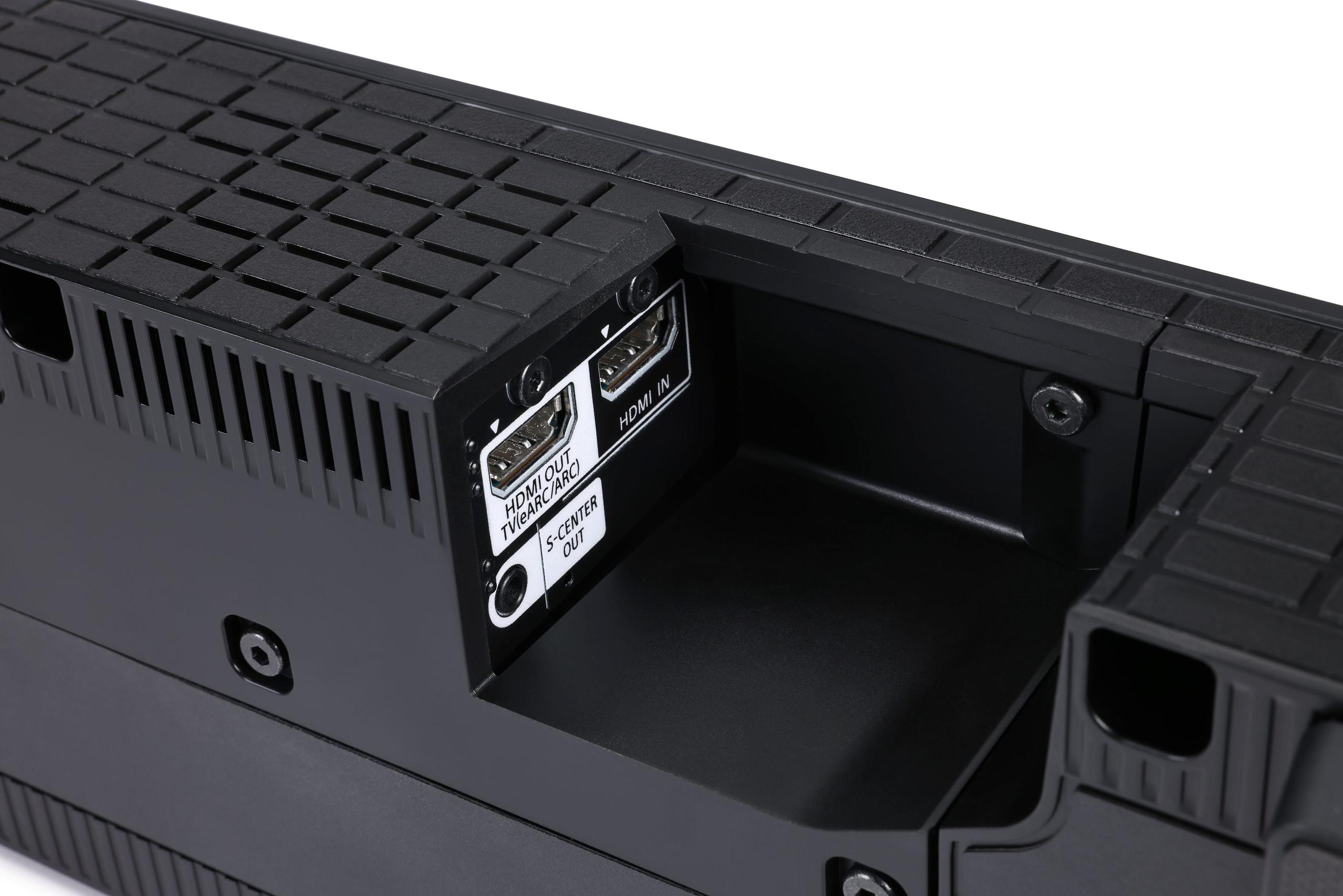
The Sony HT-A8000 includes full HDMI 2.1 support, which has become crucial for modern gaming and high-resolution content. This means it can pass through 4K content at 120 frames per second, support Variable Refresh Rate (VRR) for smoother gaming, and handle Auto Low Latency Mode (ALLM) to minimize input lag. For PlayStation 5 or Xbox Series X owners, these features ensure your soundbar doesn't become a bottleneck for your gaming experience.
The soundbar also supports eARC (Enhanced Audio Return Channel), which allows uncompressed, high-quality audio to flow from your TV back to the soundbar. This is essential for getting the full benefit from streaming services that offer Dolby Atmos soundtracks.
The Klipsch Flexus Core 100 includes standard HDMI ARC support, which handles most audio formats well but lacks the advanced gaming features and highest-bandwidth audio support. For most users, this isn't a significant limitation, but serious gamers or those planning to keep their soundbar for many years might appreciate the Sony's future-proofing.
Both soundbars support Bluetooth for wireless music streaming, but the Sony HT-A8000 goes further with Wi-Fi connectivity, Apple AirPlay 2, and Spotify Connect. These features allow higher-quality wireless streaming and integration with smart home ecosystems.
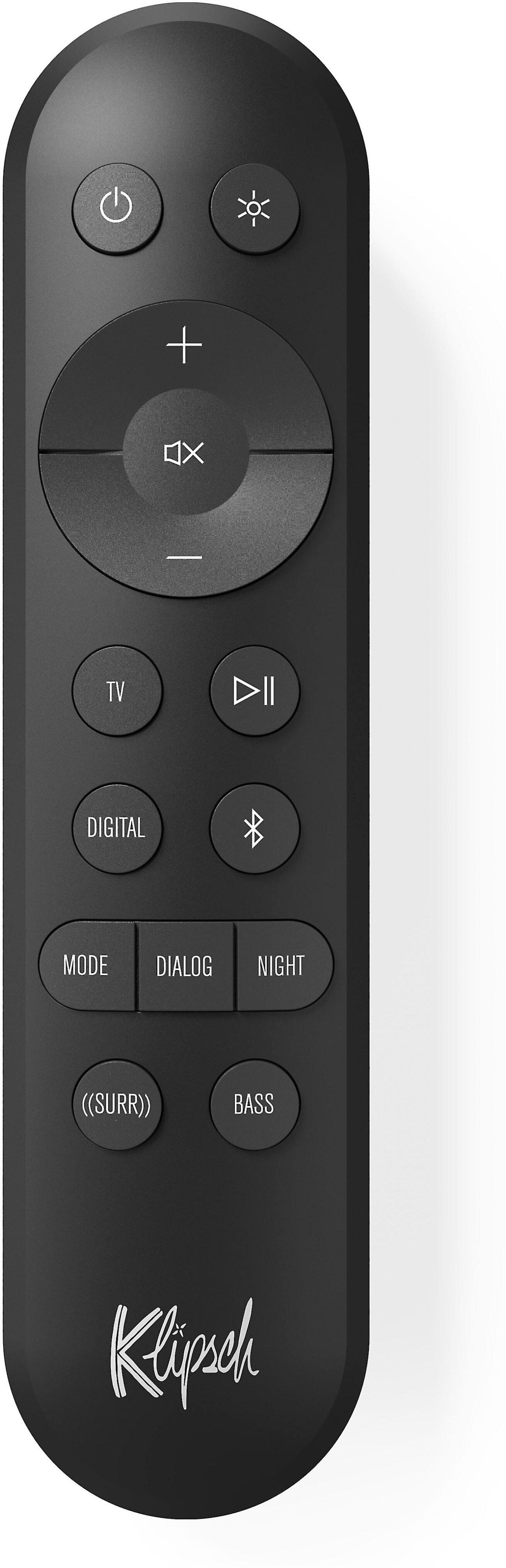
The Klipsch Flexus Core 100 keeps things simpler with Bluetooth and USB-C connectivity. The included Klipsch Connect Plus app provides EQ adjustment and setup assistance, but the feature set is more focused on essential functions rather than comprehensive smart home integration.
Both soundbars can be expanded into more comprehensive home theater systems, but they take different approaches. The Sony HT-A8000 can pair with Sony's SA-SW3 or SA-SW5 wireless subwoofers and SA-RS3R or SA-RS5 rear speakers. These components automatically pair when powered on, creating a seamless wireless surround system.
The Klipsch Flexus Core 100 uses Klipsch's proprietary Transport technology for expansion. You can add Flexus Surrounds and a Flexus Subwoofer to create a complete 5.1 system. The modular approach means you can start with just the soundbar and add components as your budget and needs evolve.
From a value perspective, the expansion costs differ significantly. Sony's wireless subwoofers typically cost as much as the Klipsch Flexus Core 100 soundbar itself, while Klipsch's expansion components are more moderately priced. This makes the Klipsch system more accessible for gradual upgrades.
The Sony HT-A8000 includes Sound Field Optimization, which automatically measures your room's acoustics and adjusts the soundbar's output accordingly. This technology uses test tones to understand how sound reflects off your walls, ceiling, and furniture, then optimizes the phantom speaker placement for your specific environment.
For Sony BRAVIA TV owners, there's an additional advantage: Acoustic Center Sync allows the soundbar to use your TV's speakers as a center channel, creating an even more cohesive soundstage. This integration represents a significant advantage if you're already invested in Sony's ecosystem.
The Klipsch Flexus Core 100 takes a more straightforward approach to room integration, relying on its inherently good dispersion characteristics and manual EQ adjustment through the app. While less automated, this approach gives you more direct control over the sound character.
At the time of writing, these soundbars occupy different price tiers, with the Sony HT-A8000 commanding roughly twice the price of the Klipsch Flexus Core 100. This price difference reflects their different target markets and feature sets.
The Sony HT-A8000 justifies its premium pricing through advanced processing technologies, comprehensive connectivity, and sophisticated room optimization features. For home theater enthusiasts who want the latest technology and don't mind paying for it, the investment makes sense.
The Klipsch Flexus Core 100 represents exceptional value in the mid-tier soundbar market. It delivers genuinely impressive audio performance at a price point that makes it accessible to a broader audience. The built-in bass response alone saves you from needing to purchase a separate subwoofer, which could easily add $200-400 to your total system cost.
Based on user reviews and expert evaluations, long-term satisfaction depends largely on your priorities and room setup. The Sony HT-A8000 excels in larger rooms where its spatial audio processing can truly shine. If you have a dedicated home theater space and primarily watch movies and TV shows, the immersive experience it creates justifies the premium.
The Klipsch Flexus Core 100 works exceptionally well in smaller to medium-sized rooms and shines with a broader variety of content. Music sounds more natural and engaging, while movies still get significant impact from the powerful built-in bass. For users who split their time between music and movies, or those who prefer a more direct, punchy sound signature, the Klipsch approach proves more satisfying.
You have a larger room (over 300 square feet) where spatial audio processing can work effectively. The advanced HDMI 2.1 features matter for your gaming setup or future-proofing concerns. You primarily watch movies and TV shows rather than listening to music. You own or plan to buy a Sony BRAVIA TV for optimal integration. Budget isn't the primary concern, and you want the most advanced processing technology available.
The Sony HT-A8000 excels as a centerpiece for a dedicated home theater setup. Its ability to create an immersive soundscape makes action movies, sci-fi epics, and nature documentaries truly engaging experiences.
Value and performance-per-dollar are primary concerns. You have a smaller to medium-sized room where direct sound projection works well. Music listening is important alongside movie watching. You appreciate the convenience of powerful built-in bass without needing floor space for a subwoofer. You prefer simpler setup and operation without extensive calibration procedures.
The Klipsch Flexus Core 100 serves as an excellent all-around audio upgrade that transforms your TV experience without requiring significant investment or complexity.
Both soundbars represent solid engineering and thoughtful design, but they serve different users and use cases. The Sony HT-A8000 pushes technological boundaries to create an immersive home theater experience that justifies its premium pricing for serious enthusiasts. The Klipsch Flexus Core 100 focuses on delivering exceptional sound quality and powerful bass at an accessible price point, making it the smarter choice for most buyers seeking dramatic audio improvement without flagship costs.
In the current soundbar market, the Klipsch Flexus Core 100 offers better value for the majority of users, while the Sony HT-A8000 provides the most advanced home theater experience for those willing to invest in cutting-edge technology. Your choice should ultimately depend on your room size, content preferences, budget constraints, and how much you value the latest audio processing innovations versus straightforward, powerful sound reproduction.
| Sony HT-A8000 BRAVIA Theater Bar 8 | Klipsch Flexus Core 100 |
|---|---|
| Channel Configuration - Determines immersive audio capabilities | |
| 5.0.2 channels with 11 speaker units | 2.1 channels with 4 speaker units |
| Audio Processing - Advanced formats for movie theater experience | |
| Dolby Atmos, DTS:X, 360 Spatial Sound Mapping | Dolby Atmos processing (decode only), no DTS:X |
| Built-in Bass Performance - Eliminates need for separate subwoofer | |
| Quad woofers with rectangular design | Dual 4" high-output subwoofers (exceptionally powerful) |
| HDMI Connectivity - Critical for gaming and 4K/8K content | |
| HDMI 2.1 with eARC, 4K/8K HDR, VRR, ALLM support | HDMI eARC only, standard 4K support |
| Room Calibration - Optimizes sound for your specific space | |
| Sound Field Optimization with automatic room analysis | Manual EQ adjustment via Klipsch Connect Plus app |
| Wireless Streaming - Music and multi-room capabilities | |
| Wi-Fi, AirPlay 2, Spotify Connect, Bluetooth 5.2 | Bluetooth only, USB-C input |
| Physical Dimensions - Fits different TV sizes and room layouts | |
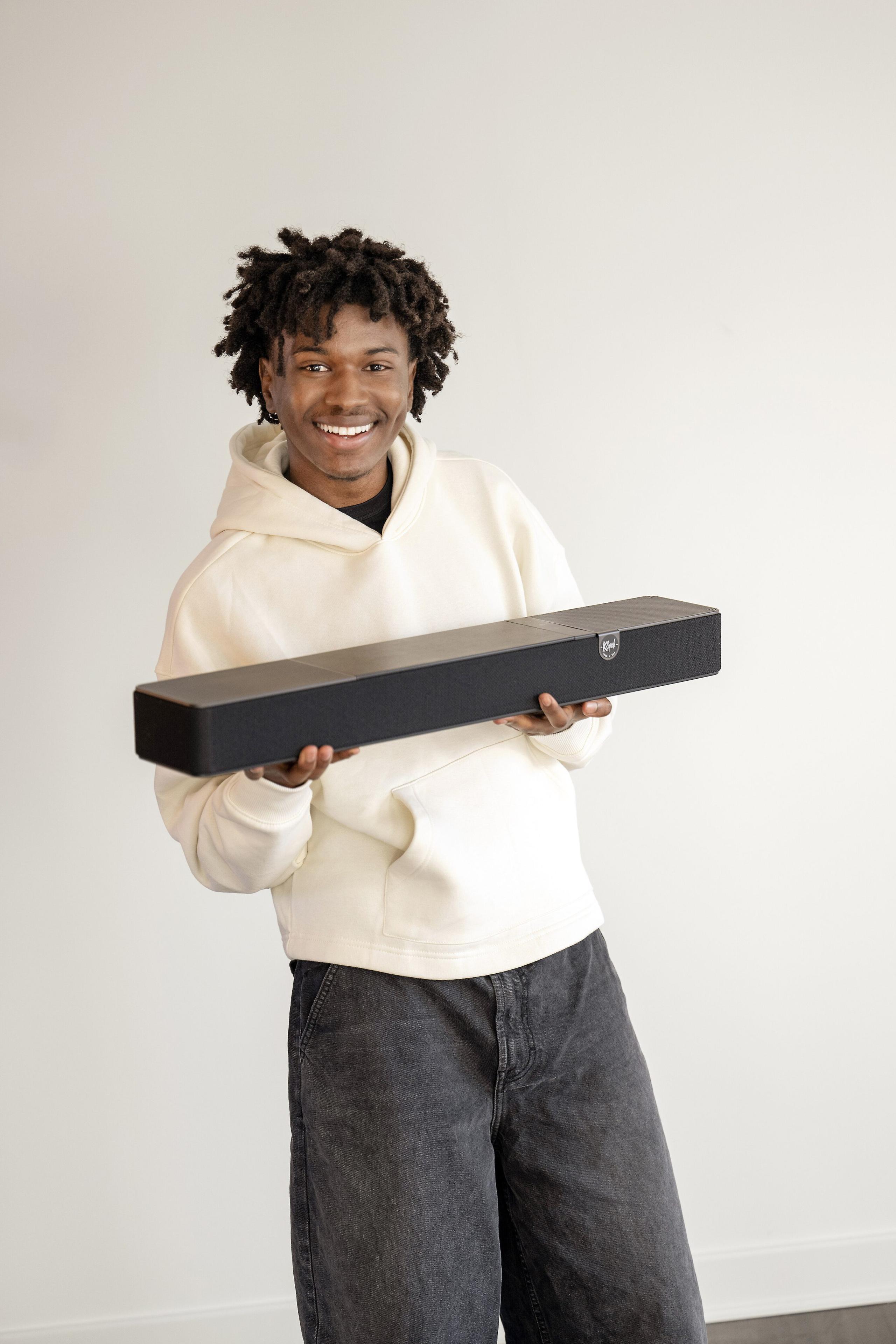
| 43.3" W x 2.6" H x 4.5" D (fits larger TVs 55"+) | 28" W x 3" H x 5" D (compact, fits smaller spaces) |
| Expandability Options - Building a complete surround system | |
| Sony wireless subwoofers SA-SW3/SW5, rear speakers SA-RS3R/RS5 | Klipsch Flexus Surrounds and Subwoofer via Transport technology |
| Power Output - Drives volume and dynamic range | |
| 60W total system power with S-Master HX amplification | 100W RMS with efficient horn-loaded drivers |
| TV Brand Integration - Enhanced features with matching TVs | |
| Acoustic Center Sync with Sony BRAVIA TVs | Universal compatibility, no brand-specific features |
| Target Use Case - Best suited for specific viewing habits | |
| Premium home theater, large rooms, movie enthusiasts | All-purpose upgrade, smaller rooms, music + movies |
The Klipsch Flexus Core 100 offers better value for most buyers, delivering exceptional sound quality and powerful built-in bass at roughly half the cost of the Sony HT-A8000 BRAVIA Theater Bar 8. However, the Sony HT-A8000 justifies its premium price with advanced features like 360 Spatial Sound Mapping, HDMI 2.1 support, and superior room calibration for those who want cutting-edge home theater technology.
The Klipsch Flexus Core 100 includes dual 4-inch built-in subwoofers that deliver impressive bass without needing an external sub, making it great for smaller spaces. The Sony HT-A8000 BRAVIA Theater Bar 8 has decent built-in bass but really shines when paired with Sony's optional wireless subwoofers (SA-SW3 or SA-SW5) for a complete home theater experience.
The Sony HT-A8000 BRAVIA Theater Bar 8 is superior for gaming thanks to its HDMI 2.1 support, offering 4K/120Hz passthrough, Variable Refresh Rate (VRR), and Auto Low Latency Mode (ALLM) - essential features for PlayStation 5 and Xbox Series X. The Klipsch Flexus Core 100 only supports standard HDMI ARC, which works fine for casual gaming but lacks advanced gaming features.
Both the Sony HT-A8000 and Klipsch Flexus Core 100 support Bluetooth for wireless music streaming. The Sony HT-A8000 goes further with Wi-Fi connectivity, Apple AirPlay 2, and Spotify Connect for higher-quality streaming, while the Klipsch Flexus Core 100 focuses on simple Bluetooth connectivity and USB-C input.
The Klipsch Flexus Core 100 is better suited for smaller rooms with its compact 28-inch width and direct sound projection that doesn't rely on wall reflections. The Sony HT-A8000 BRAVIA Theater Bar 8 needs more space for its 360 Spatial Sound Mapping technology to work effectively, making it better for medium to large rooms.
Both excel at dialogue clarity but use different approaches. The Sony HT-A8000 features AI-powered Voice Zoom 3 that automatically identifies and enhances human voices in complex soundtracks. The Klipsch Flexus Core 100 uses horn-loaded tweeters that naturally emphasize voice frequencies, providing clear dialogue without artificial processing.
Yes, both soundbars can be expanded. The Sony HT-A8000 BRAVIA Theater Bar 8 pairs with Sony's wireless subwoofers and rear speakers that automatically connect when powered on. The Klipsch Flexus Core 100 uses Klipsch's Transport technology to wirelessly connect Flexus Surrounds and Subwoofers, typically at more affordable expansion costs.
The Klipsch Flexus Core 100 generally performs better for music thanks to its natural, dynamic sound signature and powerful bass response that works well across different musical genres. The Sony HT-A8000 is optimized more for movies and TV content, though it still handles music well with its spatial processing technology.
The Klipsch Flexus Core 100 offers simpler setup with QR code app guidance and minimal configuration needed. The Sony HT-A8000 BRAVIA Theater Bar 8 includes more advanced features like automatic room calibration and Sound Field Optimization, which provide better results but require more initial setup time.
The Sony HT-A8000 BRAVIA Theater Bar 8 offers full Dolby Atmos support with dedicated up-firing speakers and advanced processing for true three-dimensional sound. The Klipsch Flexus Core 100 can decode Dolby Atmos but lacks the physical drivers to create height effects, relying on virtual processing instead.
The Klipsch Flexus Core 100 delivers more impactful bass as a standalone unit with its dual 4-inch subwoofers that rival dedicated subwoofers. The Sony HT-A8000 has good integrated bass with its quad woofers, but it's designed to work best when paired with Sony's optional wireless subwoofers for maximum low-frequency impact.
The Sony HT-A8000 BRAVIA Theater Bar 8 typically receives more frequent firmware updates that can add new features and improve performance over time, especially for Sony TV owners. The Klipsch Flexus Core 100 focuses more on reliable hardware performance with fewer software-dependent features, requiring less ongoing updates but offering fewer new capabilities post-purchase.
We've done our best to create useful and informative comparisons to help you decide what product to buy. Our research uses advanced automated methods to create this comparison and perfection is not possible - please contact us for corrections or questions. These are the sites we've researched in the creation of this article: consumerreports.org - skybygramophone.com - target.com - rtings.com - bestbuy.com - rubbermonkey.co.nz - shopatsc.com - audioadvice.com - sony.com - sony.com - sony.com - shop.cosmopolitan.com - store.sony.com.my - videoandaudiocenter.com - cnet.com - klipsch.com - klipsch.com - bestbuy.com - sweetwater.com - assets.onkyo-av.com - youtube.com - worldwidestereo.com - avnirvana.com - target.com

Privacy Policy
Terms and Conditions - Affiliate Policy
Home Security
© Copyright 2008-2026.
11816 Inwood Rd #1211, Dallas, TX 75244