







Choosing the right premium soundbar feels overwhelming when you're looking at flagship models that cost more than many people's entire entertainment budget. But the reality is that these high-end soundbars represent one of the smartest ways to dramatically upgrade your home theater experience without dealing with the complexity of traditional surround sound systems.
The two models we're examining today—the Sony HT-A8000 and the Sonos Arc Ultra—represent completely different philosophies in premium soundbar design. Understanding these differences will help you make the right choice for your specific situation and budget.
Before diving into these specific models, it's worth understanding what you're actually getting when you step up to premium soundbar territory. The main advantages include advanced spatial audio processing (technology that creates the illusion of sound coming from all around you), support for modern audio formats like Dolby Atmos (which adds height channels for overhead sound effects), and significantly more powerful amplification than budget alternatives.
The key performance metrics that matter most in this category are soundstage width (how spread out the audio feels), bass depth and control, dialogue clarity, and the effectiveness of height effects. Premium soundbars also typically offer better build quality, more connectivity options, and integration with smart home ecosystems.
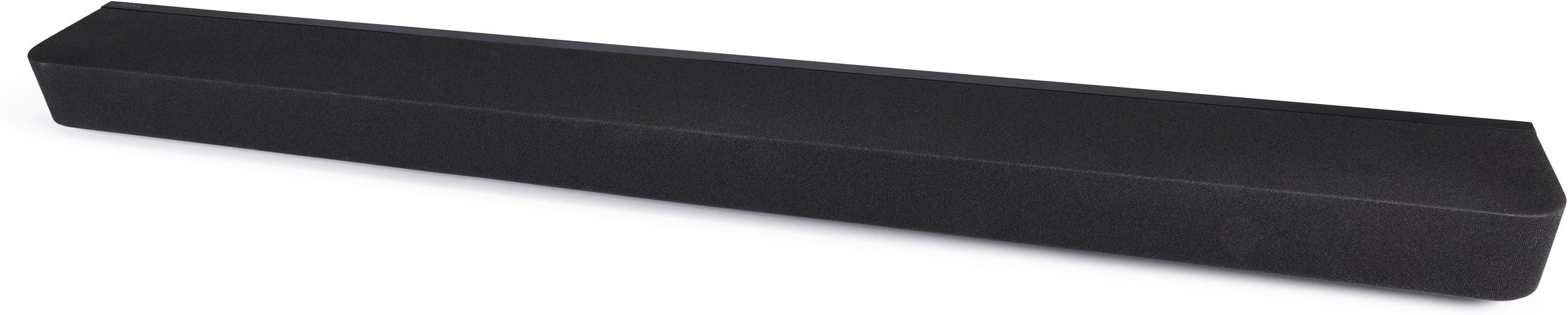
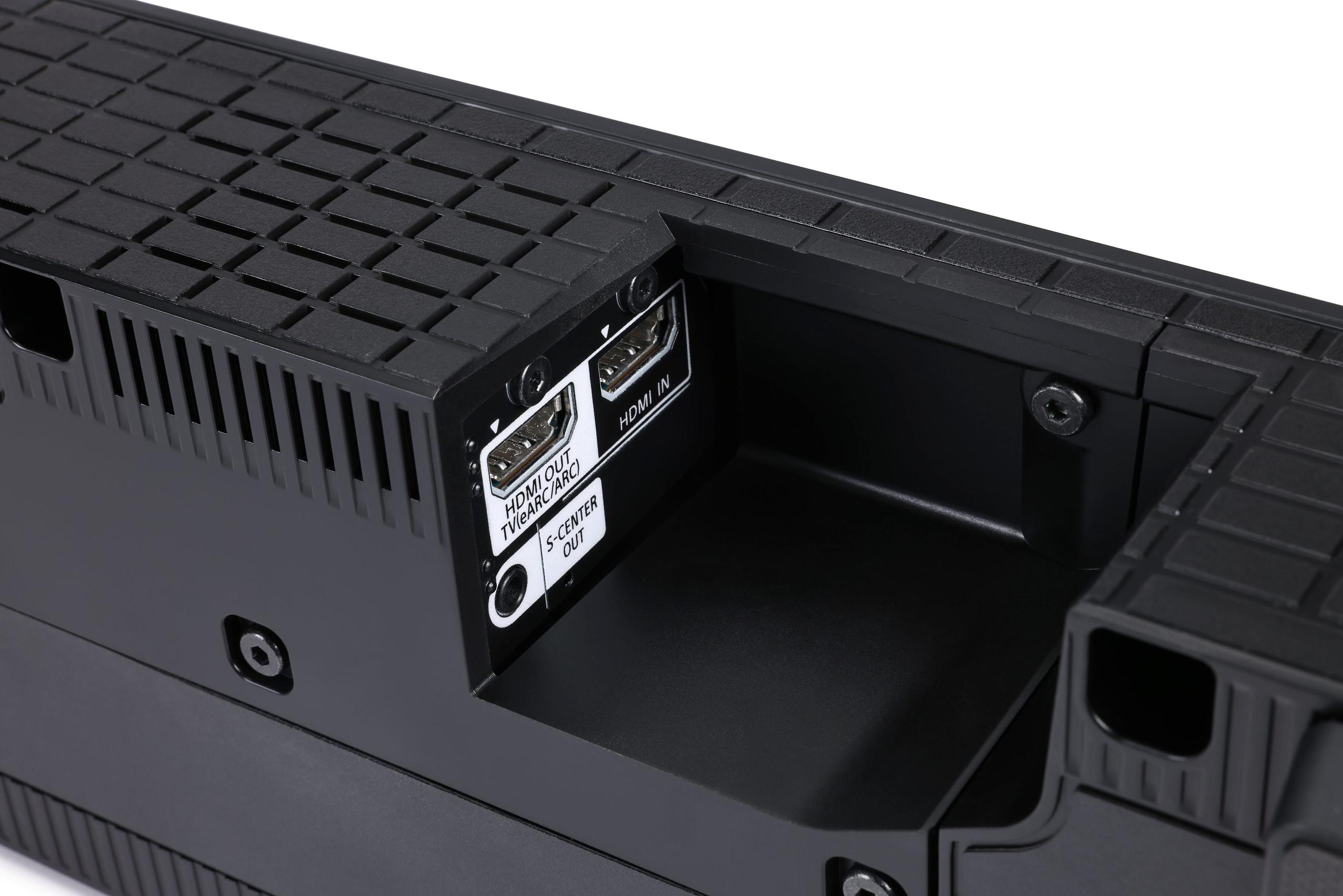
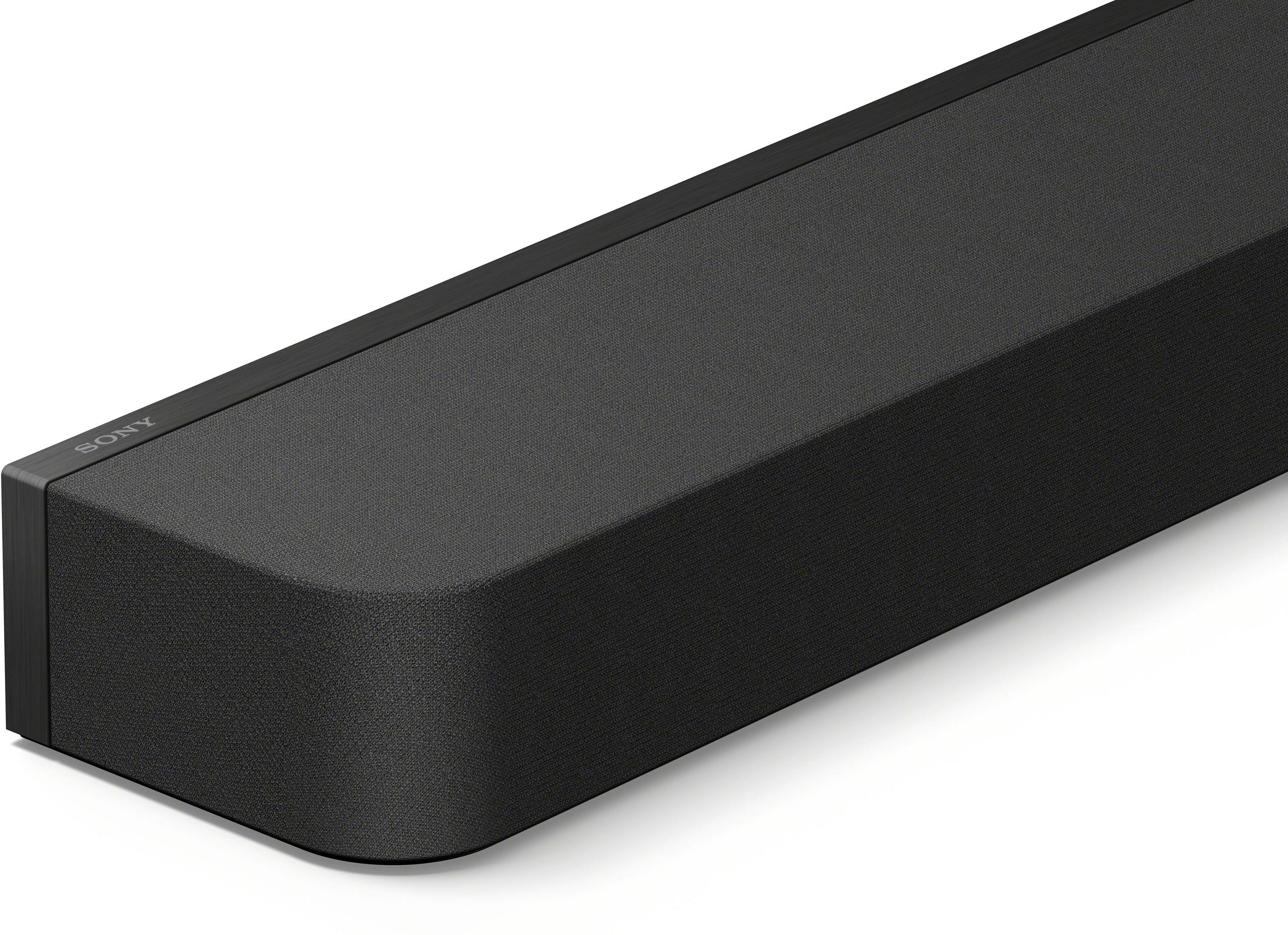
The Sony HT-A8000 launched in 2024 as part of Sony's BRAVIA Theater lineup, representing a more traditional approach to premium soundbar design. At the time of writing, it's positioned as a mid-to-upper premium option, typically costing several hundred dollars less than the most expensive flagship models.
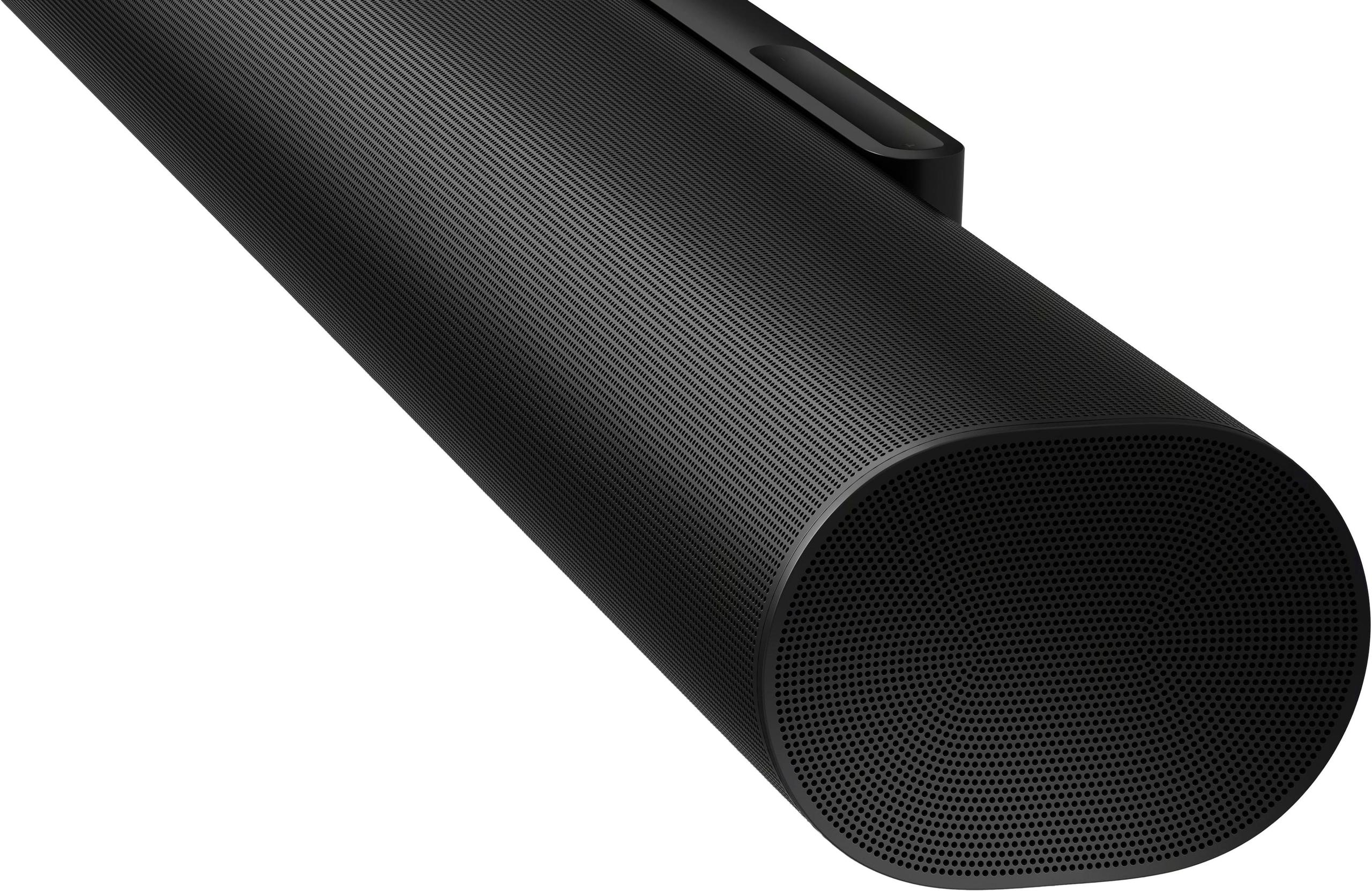
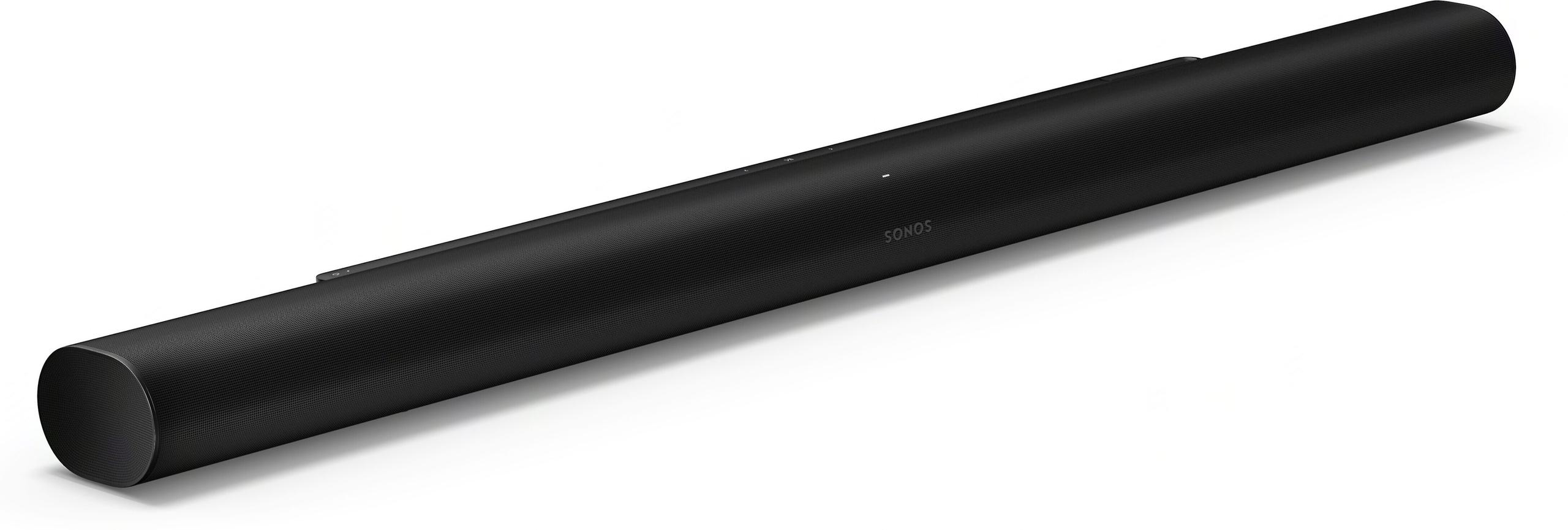
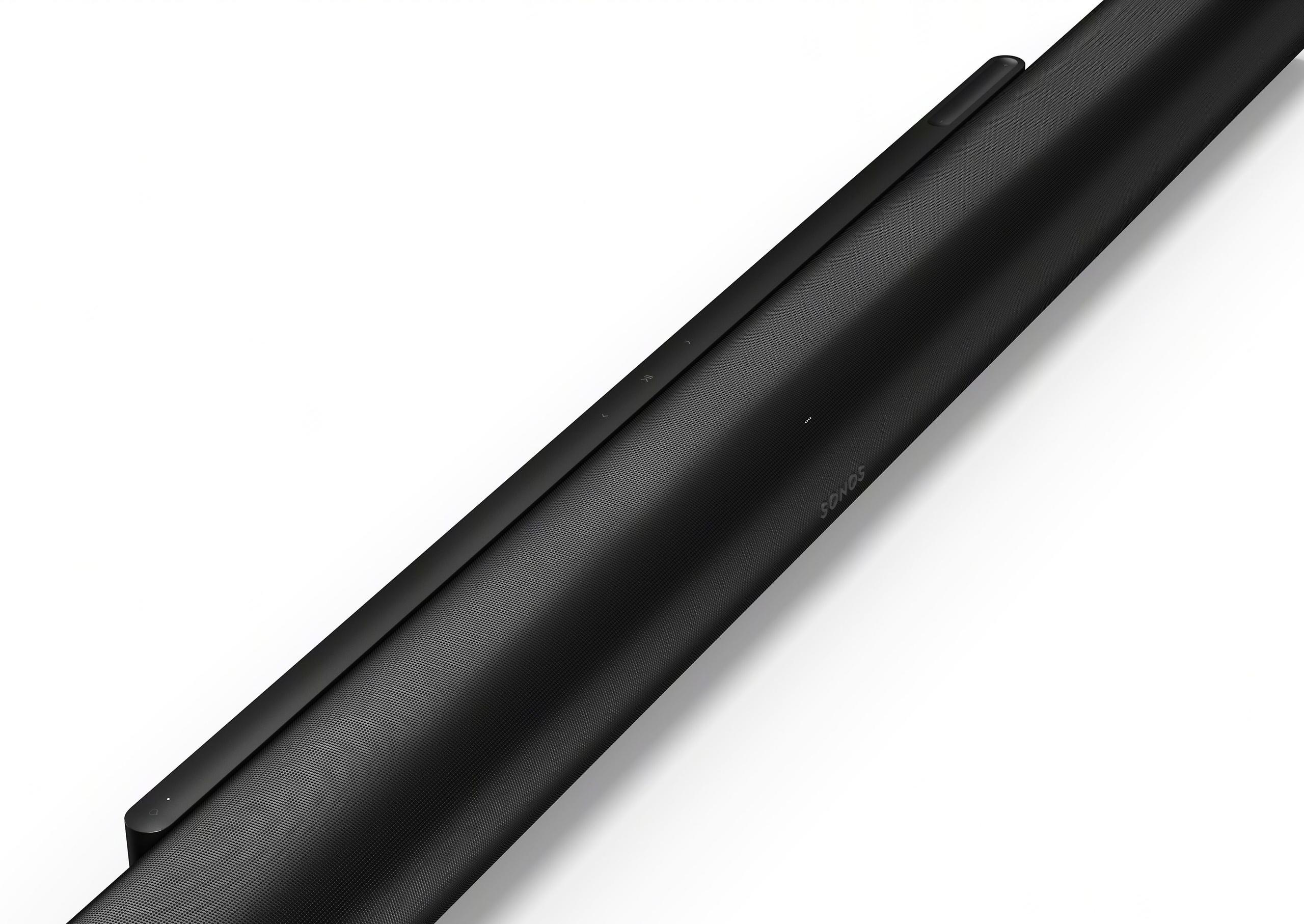
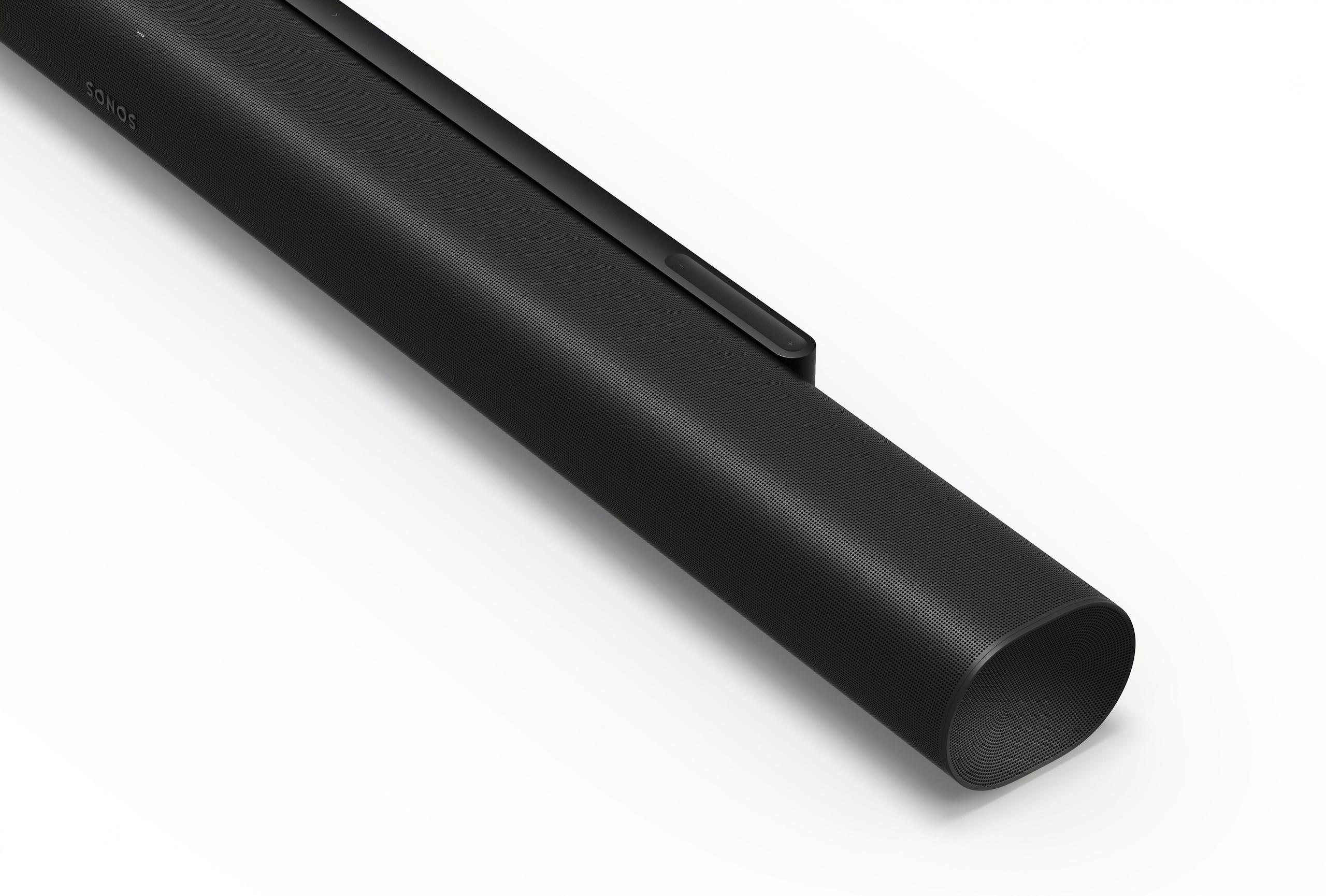
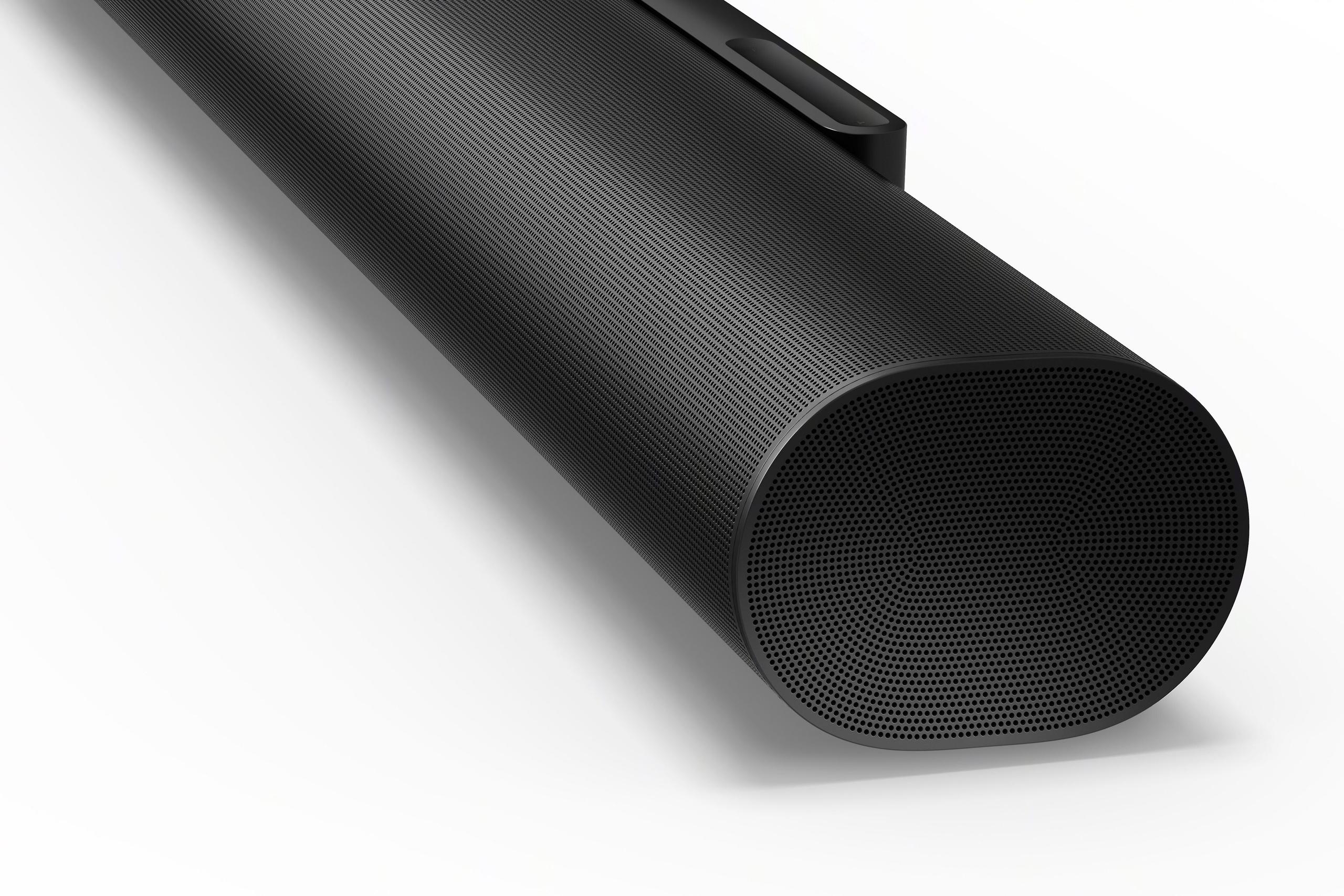
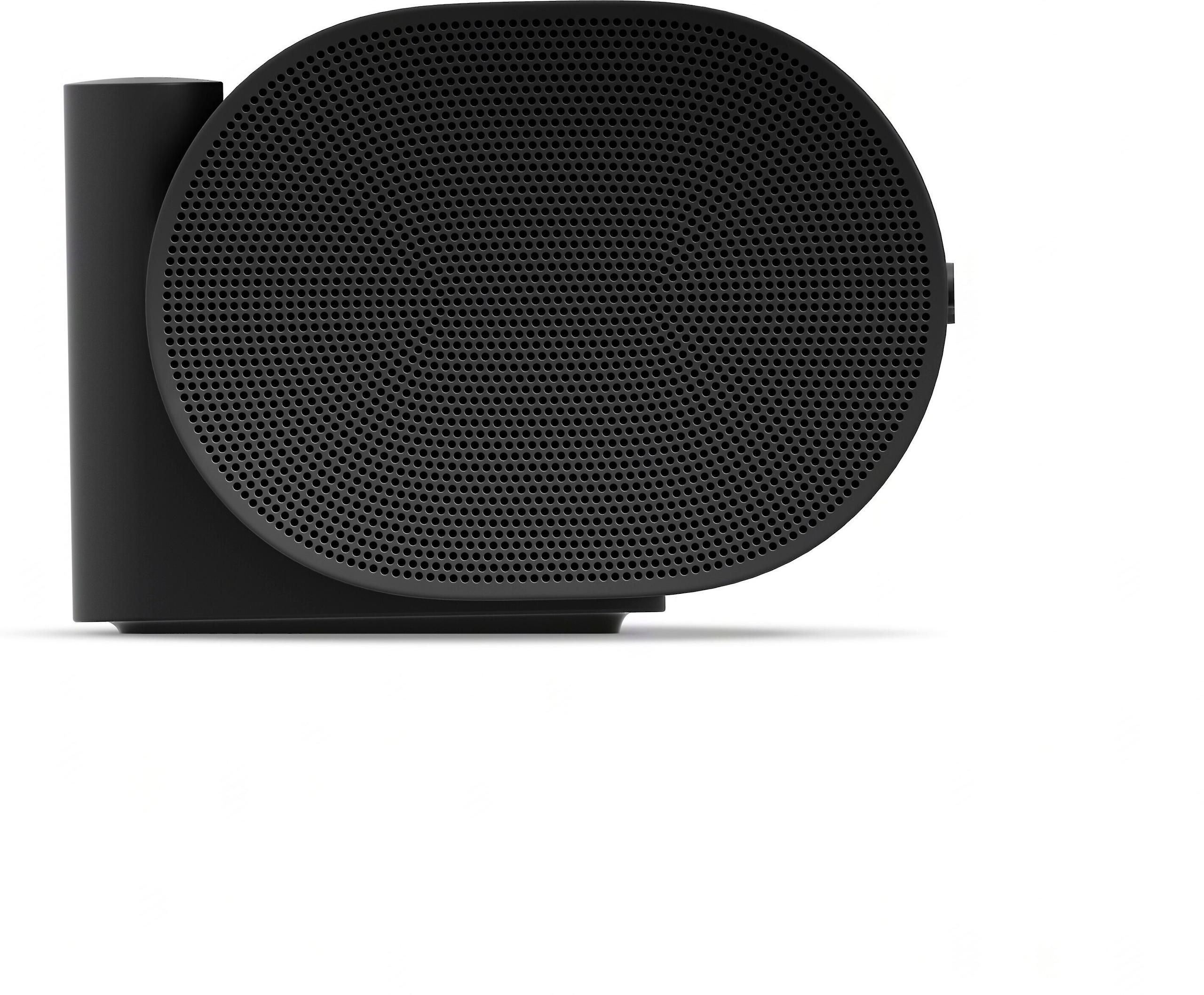
The Sonos Arc Ultra, which debuted in late 2024, takes a revolutionary approach with its Sound Motion technology—a breakthrough that fundamentally changes how compact speakers produce bass. It sits at the top of Sonos's soundbar lineup, with pricing that reflects its flagship status.
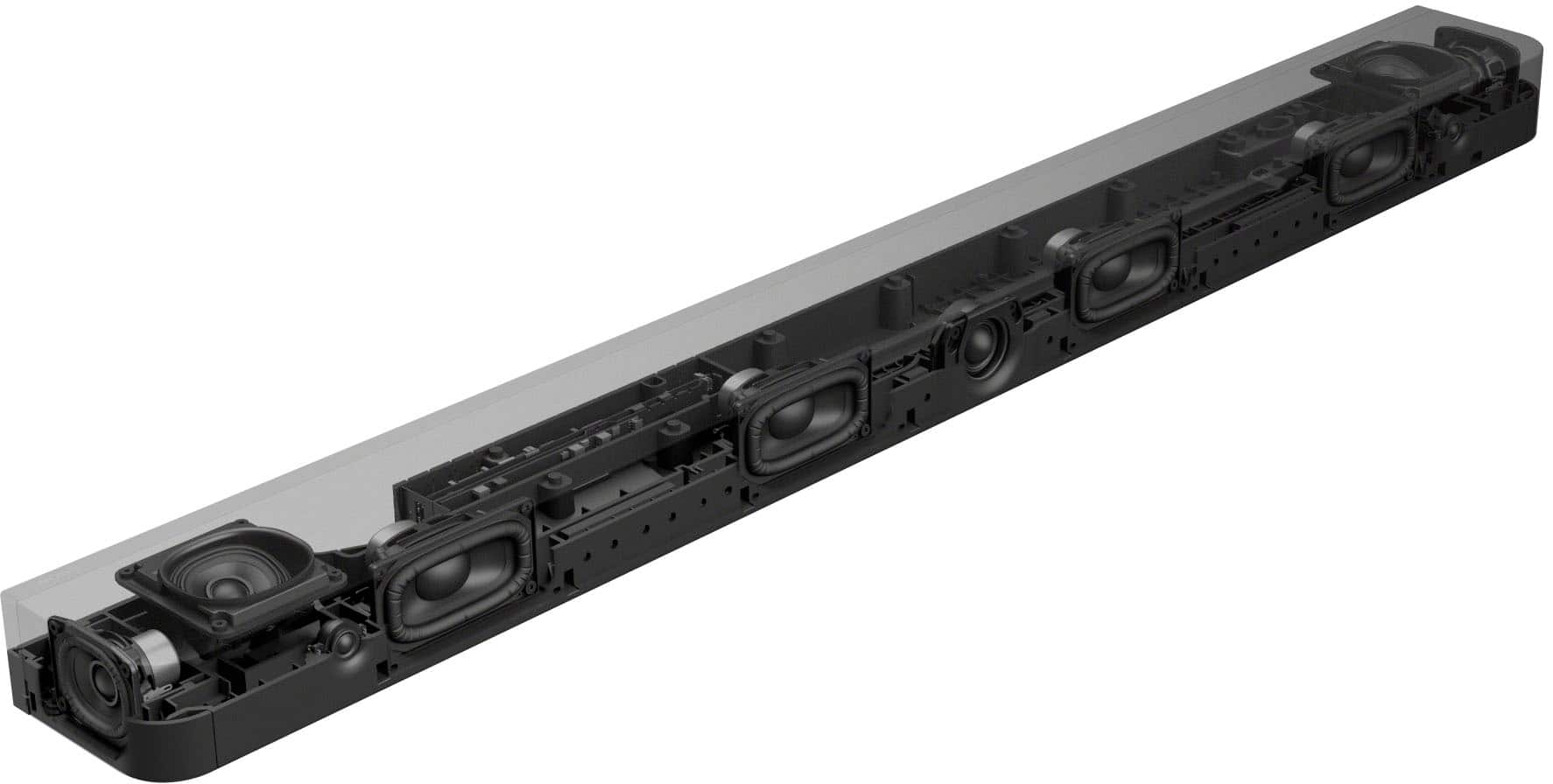
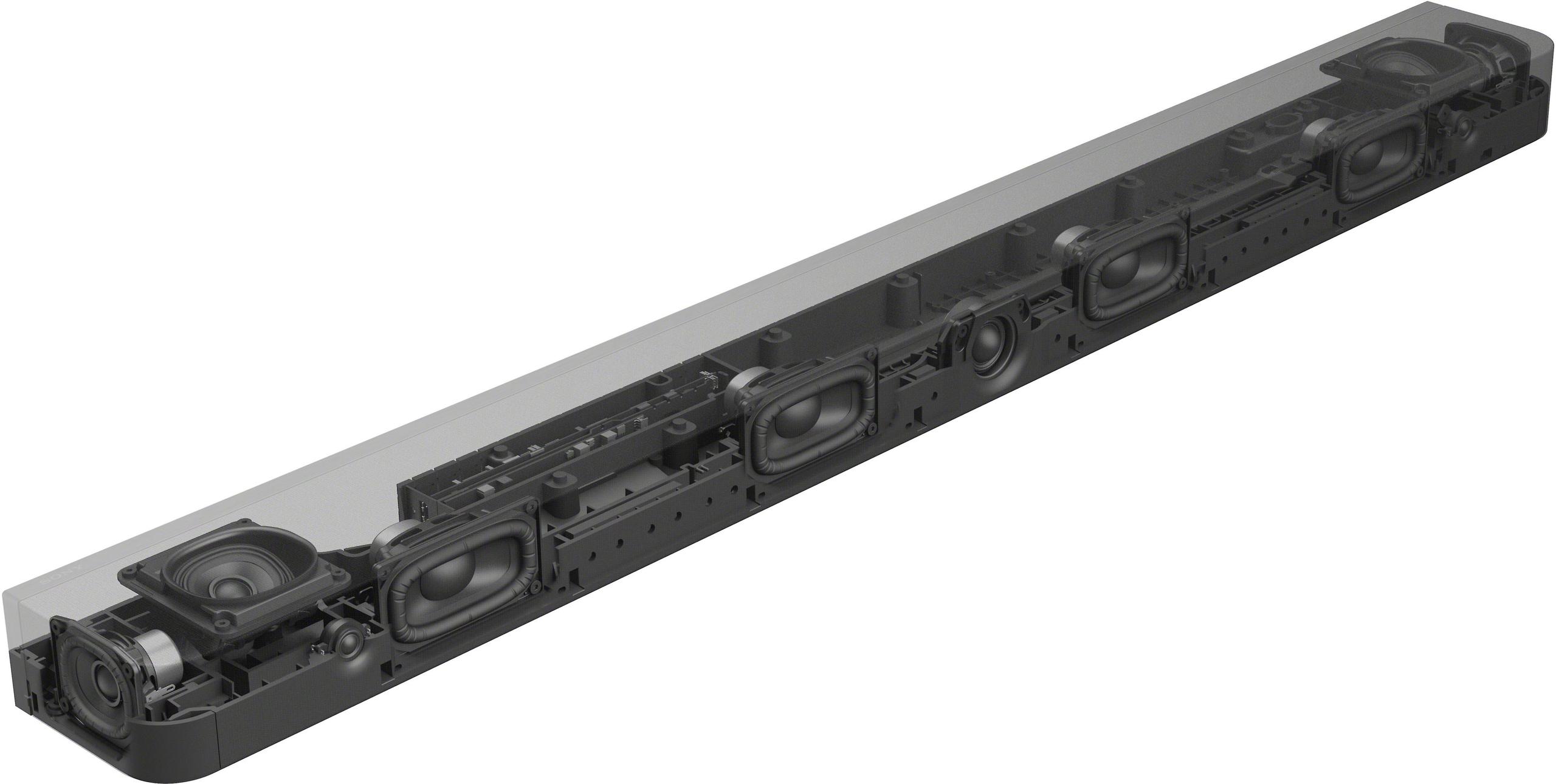
The most immediately noticeable difference between these soundbars lies in how they create spatial audio. The Sony HT-A8000 uses what Sony calls 360 Spatial Sound Mapping, which leverages 11 carefully positioned drivers to bounce sound off your room's walls and ceiling. This creates what many users describe as an exceptionally wide soundstage—meaning audio seems to come from far beyond the physical boundaries of the soundbar itself.
This approach particularly excels in larger rooms where the side-firing speakers have more wall space to work with. The phantom speaker technology (virtual speakers created through clever audio processing) fills gaps in the surround field, making it feel like you have speakers positioned around your room even though everything comes from a single bar.
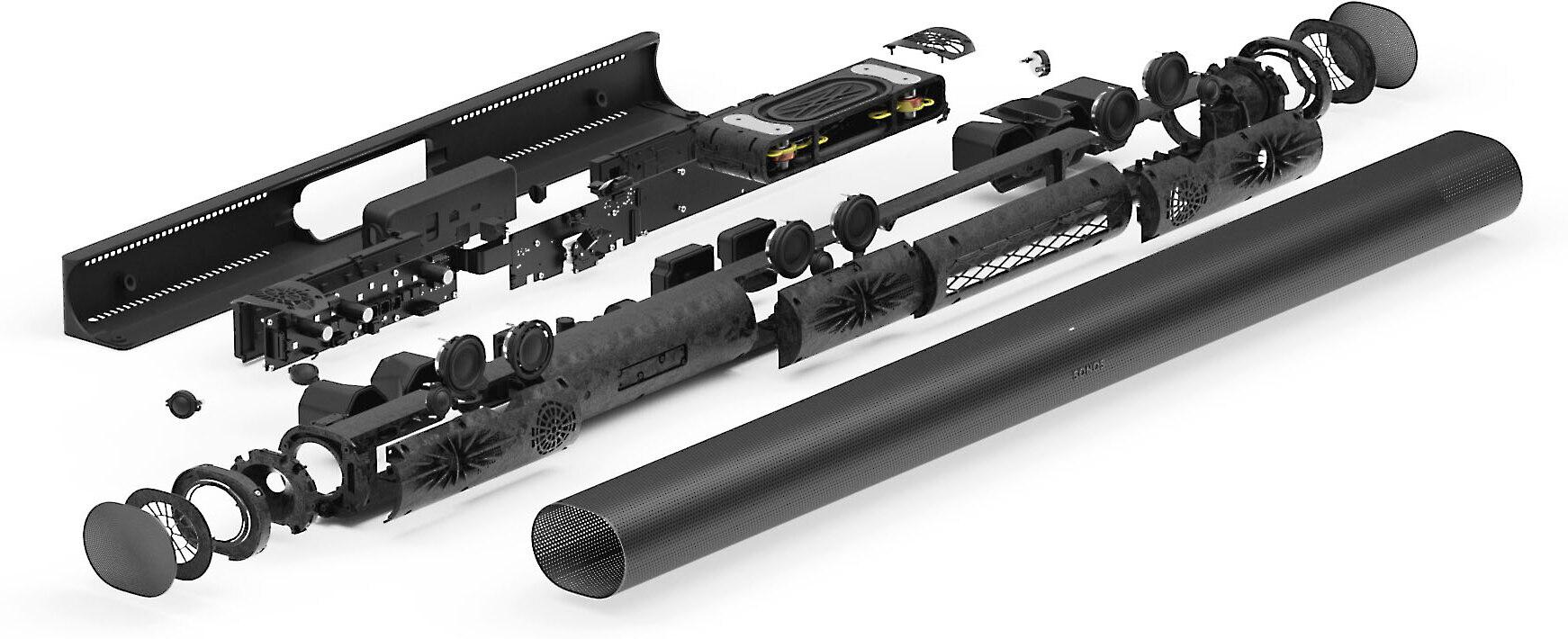
The Sonos Arc Ultra, on the other hand, uses a more focused approach with its 14-driver array configured in a 9.1.4 setup. This means nine ear-level channels, one subwoofer channel, and four height channels—significantly more discrete audio channels than most competitors. The result is more precise placement of individual audio elements, though with a somewhat narrower overall soundstage compared to Sony's room-filling approach.
From our research into user experiences, the Sony tends to impress people who want that "wow factor" of sound seeming to come from everywhere, while the Sonos appeals more to critical listeners who prefer accurate audio placement and cleaner separation between different sound elements.
Here's where things get really interesting. The Sonos Arc Ultra introduces Sound Motion technology, which represents perhaps the most significant advancement in compact speaker bass reproduction in recent years. Traditional soundbar woofers face a fundamental physics problem: to produce deep bass in a small enclosure, they need to move a lot of air, which requires large drivers that take up space and create mechanical vibrations.
Sound Motion solves this through what Sonos describes as a completely reimagined woofer design that produces deeper bass with virtually no mechanical vibration, allowing more drivers to fit in the same space. The practical result is that the Arc Ultra produces genuinely satisfying bass that doesn't immediately scream "you need a subwoofer" the way most soundbars do.
The Sony HT-A8000 takes a more traditional approach with quad woofers arranged in a conventional configuration. While these produce adequate bass for a standalone soundbar, Sony clearly designed this system with the expectation that most users would eventually add one of their wireless subwoofers (SA-SW3 or SA-SW5) for complete performance.
Based on user feedback, the Sonos delivers noticeably deeper and more controlled bass right out of the box, while the Sony requires the additional subwoofer investment to reach its full potential in this area.
Both soundbars support Dolby Atmos, but they implement it differently. The Sony HT-A8000 uses a 5.0.2 configuration—five main channels plus two height channels created by up-firing drivers that bounce sound off your ceiling. This setup works well for creating the sensation of overhead audio, particularly for helicopter flyovers and rain effects.
The Sonos Arc Ultra goes further with its 9.1.4 configuration, providing more discrete channels for both horizontal and vertical audio placement. This translates to more convincing height effects and better separation of complex audio tracks. The additional processing power also means better adaptation to rooms with different ceiling heights and acoustical properties.
User reviews consistently highlight that while both soundbars create impressive height effects, the Sonos Arc Ultra provides more precise overhead positioning, while the Sony creates a more enveloping overall atmosphere.
Clear dialogue reproduction often determines whether you love or merely tolerate a soundbar, especially if you frequently watch content with challenging accents or complex audio mixes. Both models excel here but through different technologies.
The Sony HT-A8000 features Voice Zoom 3, an AI-powered system that automatically recognizes human voices in the audio mix and can amplify or reduce their volume as needed. This proves particularly helpful for content where dialogue gets buried under music or sound effects.
The Sonos Arc Ultra takes a hardware-focused approach with dedicated center channel drivers specifically designed for vocal reproduction, combined with multi-level Speech Enhancement processing. Users report that this creates exceptionally clear dialogue without the artificial sound that sometimes comes with heavy processing.
Evaluating value in the premium soundbar market requires thinking beyond the initial purchase price. At the time of writing, the Sony HT-A8000 typically costs significantly less upfront than the Sonos Arc Ultra—often several hundred dollars less. This makes it attractive for budget-conscious buyers who want premium features.
However, the true comparison becomes more complex when you consider the total system cost. The Sony really benefits from adding a wireless subwoofer to reach its full potential, which adds several hundred dollars to the total investment. When properly configured with Sony's recommended subwoofer, the total system cost often approaches or exceeds the Arc Ultra's standalone price.
The Sonos Arc Ultra costs more initially but delivers a more complete experience without requiring additional purchases. Its Sound Motion technology provides bass performance that satisfies most users without needing a separate subwoofer, making it better value for those who prefer a single-purchase solution.
The ecosystem approach represents another fundamental difference between these products. The Sony HT-A8000 integrates deeply with Sony's BRAVIA TV lineup through features like Acoustic Center Sync, which allows the soundbar to use your compatible Sony TV as an additional center speaker. This creates remarkably coherent sound that appears to come directly from the screen.
However, Sony's smart home integration remains limited compared to more connected alternatives. You'll primarily interact with the soundbar through its included remote or your TV's interface.
The Sonos Arc Ultra represents the opposite approach—extensive smart home integration with built-in voice control for both Alexa and Google Assistant, comprehensive streaming service support, and seamless integration with existing Sonos multi-room systems. The Sonos app provides detailed control over EQ settings, room correction, and system configuration.
If you already own other Sonos products, the Arc Ultra becomes part of a larger whole-home audio system. If you're starting fresh, it opens the door to easy expansion throughout your house.
Room acoustics play a huge role in soundbar performance, and these models handle different spaces quite differently. The Sony HT-A8000 excels in larger rooms where its wide-dispersion approach has space to work. The side-firing speakers need adequate wall clearance to create their spatial effects, and the overall system benefits from rooms larger than about 300 square feet.
The Sonos Arc Ultra works better in medium-sized rooms where its more focused approach can shine without feeling constrained. Its superior bass performance also means it maintains impact at moderate listening levels, making it ideal for apartment living or situations where you can't always play content loudly.
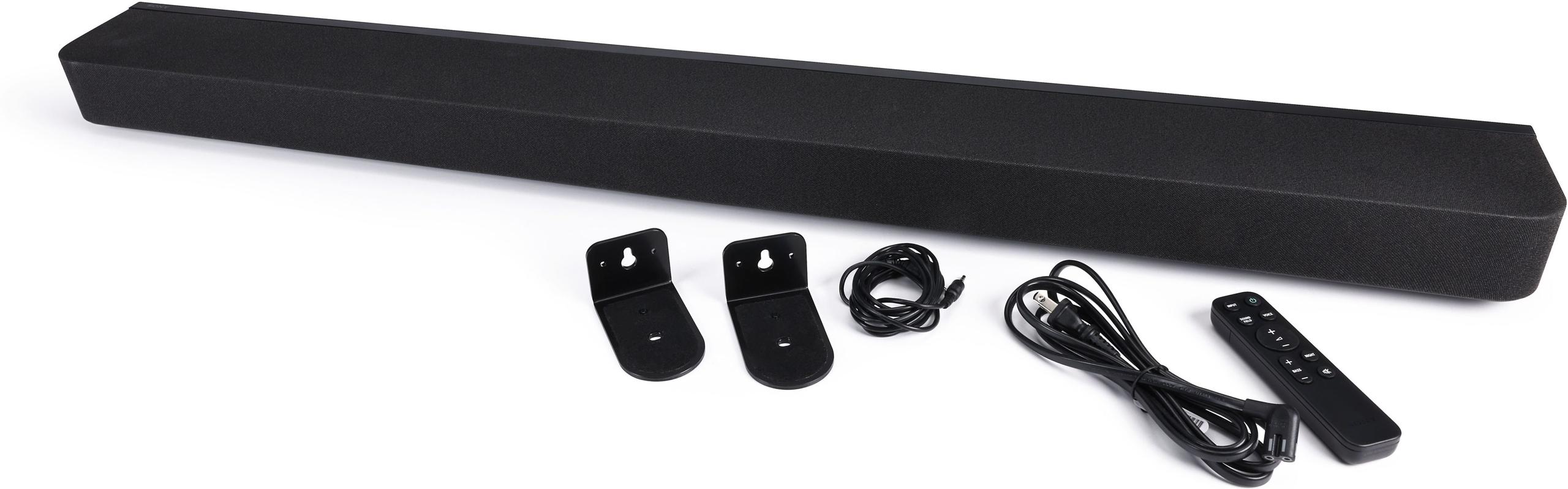
Both soundbars support wall mounting, though the Sony's slightly larger footprint requires more consideration for TV compatibility and wall space.
Format support tells an important story about these products' intended use cases. The Sony HT-A8000 supports a broader range of audio formats including DTS:X (a Dolby Atmos competitor), making it better suited for users with diverse media collections or physical disc libraries.
The Sonos Arc Ultra focuses primarily on Dolby formats while excluding DTS:X support—a decision that reflects Sonos's streaming-first philosophy. For most users who primarily consume content from Netflix, Disney+, and similar services, this limitation won't matter since these platforms primarily use Dolby formats.
Both soundbars support 4K and 8K HDR passthrough, ensuring they won't become bottlenecks in your video chain as display technology continues advancing.
The decision between these soundbars ultimately depends on your specific priorities and circumstances. Choose the Sony HT-A8000 if you have a larger room where its wide soundstage approach will impress, if you own or plan to buy Sony BRAVIA TVs for ecosystem benefits, or if you prefer lower upfront costs and don't mind adding components later for maximum performance.
The Sony HT-A8000 also makes sense if you have diverse audio format needs (including DTS:X content) or if you value the flexibility of building your system piece by piece. Its phantom speaker technology works particularly well for casual listening and creating that "wow factor" when friends visit.
Choose the Sonos Arc Ultra if you want the most complete standalone performance available, if bass depth matters more to you than soundstage width, or if smart home integration appeals to you. It's also the better choice for medium-sized rooms, apartment living, or situations where you prefer app-based control over traditional remotes.
The Sonos Arc Ultra particularly excels if you're already invested in or interested in building a Sonos ecosystem throughout your home. Its superior bass performance and balanced tonal signature also make it more versatile for music listening—something many soundbar buyers overlook but often appreciate later.
Both soundbars represent excellent choices in the premium category, but they serve different audiences. The Sony HT-A8000 offers an outstanding entry point into premium soundbar territory with impressive spatial effects and room-filling sound, though it reaches its full potential only with additional investment in subwoofer components.
The Sonos Arc Ultra costs more initially but delivers breakthrough bass performance and a more complete standalone experience. Its Sound Motion technology represents a genuine advancement in compact speaker design that makes it feel like a glimpse into the future of soundbar development.
For most buyers, the choice comes down to whether you prefer Sony's theatrical, room-filling approach at a lower entry price, or Sonos's more refined, complete-system approach with its premium pricing. Both will dramatically improve your home theater experience—they just take different paths to get there.
| Sony HT-A8000 BRAVIA Theater Bar 8 Soundbar | Sonos Arc Ultra Dolby Atmos Soundbar |
|---|---|
| Channel Configuration - Determines surround sound complexity and overhead effects | |
| 5.0.2 (11 drivers total) | 9.1.4 (14 drivers total) |
| Bass Performance - Critical for action movies and music without adding a subwoofer | |
| Traditional quad woofers, requires subwoofer for full impact | Revolutionary Sound Motion woofer provides deep bass standalone |
| Soundstage Width - How spread out audio feels across your room | |
| Exceptionally wide with 360 Spatial Sound Mapping | More focused but precise placement |
| Audio Format Support - Important for disc collections and diverse content | |
| Dolby Atmos, DTS:X, IMAX Enhanced, Dolby Digital | Dolby Atmos, Dolby Digital Plus, Dolby TrueHD (no DTS:X) |
| Smart Features - Affects daily usability and voice control | |
| Limited smart integration, traditional remote control | Built-in Alexa/Google Assistant, advanced app control |
| Room Size Optimization - Determines which spaces each excels in | |
| Best for larger rooms (300+ sq ft) with wall reflection space | Ideal for medium rooms, excellent at moderate volumes |
| TV Integration - How well it works with your existing setup | |
| Deep Sony BRAVIA TV integration, Acoustic Center Sync | Universal compatibility, Trueplay room correction |
| Expandability - Options for building a complete surround system | |
| Sony wireless subwoofers and rear speakers | Full Sonos ecosystem integration and multi-room audio |
| Dialogue Clarity Technology - Essential for clear speech in complex audio mixes | |
| Voice Zoom 3 AI-powered dialogue enhancement | Dedicated center drivers with 3-level Speech Enhancement |
| Physical Design - Size and mounting considerations | |
| 43.3" x 2.6" x 4.5", 10.4 lbs, wall mountable | 46.2" x 3.1" x 4.4", 12.7 lbs, wall mountable |
The Sonos Arc Ultra delivers significantly better bass performance without requiring an additional subwoofer, thanks to its breakthrough Sound Motion technology. The Sony HT-A8000 has decent bass from its quad woofers, but Sony clearly designed it expecting users to add a wireless subwoofer for optimal performance.
Yes, both the Sony HT-A8000 and Sonos Arc Ultra support Dolby Atmos for immersive overhead sound effects. However, the Sonos Arc Ultra offers a 9.1.4 configuration with more height channels compared to the Sony HT-A8000's 5.0.2 setup, providing more precise overhead audio placement.
The Sony HT-A8000 excels in larger rooms thanks to its 360 Spatial Sound Mapping technology and side-firing speakers that reflect sound off walls to create a wider soundstage. The Sonos Arc Ultra performs better in medium-sized rooms where its more focused audio approach can shine.
Both soundbars work with any TV that has HDMI ARC or eARC connectivity. However, the Sony HT-A8000 offers special integration features like Acoustic Center Sync when paired with compatible Sony BRAVIA TVs, while the Sonos Arc Ultra provides universal compatibility with advanced room correction.
Both excel at dialogue reproduction but use different approaches. The Sony HT-A8000 features Voice Zoom 3 AI-powered dialogue enhancement, while the Sonos Arc Ultra uses dedicated center channel drivers with multi-level Speech Enhancement. User reviews suggest both provide excellent voice clarity for movies and TV shows.
The Sonos Arc Ultra has built-in Amazon Alexa and Google Assistant support for hands-free voice control. The Sony HT-A8000 has limited smart features and primarily relies on traditional remote control, though it can integrate with Sony's smart TV voice features.
The Sony HT-A8000 typically costs less upfront, making it attractive for budget-conscious buyers. However, the Sonos Arc Ultra delivers more complete performance without requiring additional purchases, potentially offering better overall value despite its higher initial price.
Yes, both soundbars support expansion. The Sony HT-A8000 works with Sony's wireless subwoofers and rear speakers, while the Sonos Arc Ultra integrates seamlessly with the entire Sonos ecosystem for multi-room audio and additional components like the Sonos Sub.
The Sonos Arc Ultra generally performs better for music thanks to its more balanced frequency response and superior bass performance. The Sony HT-A8000 can sound excellent for music but really benefits from adding a subwoofer to reach its full musical potential.
Yes, both the Sony HT-A8000 and Sonos Arc Ultra support 4K HDR passthrough, with the Sony also supporting 8K HDR. Both ensure your video quality won't be compromised when connecting devices through the soundbar to your TV.
The Sony HT-A8000 supports more audio formats including DTS:X, IMAX Enhanced, and various Dolby formats. The Sonos Arc Ultra focuses primarily on Dolby formats and doesn't support DTS:X, which may matter if you have a large physical media collection.
The Sonos Arc Ultra offers easier setup through the Sonos app with guided room correction and extensive control options. The Sony HT-A8000 uses more traditional setup methods and remote control, though it integrates well with Sony TVs for simplified operation.
We've done our best to create useful and informative comparisons to help you decide what product to buy. Our research uses advanced automated methods to create this comparison and perfection is not possible - please contact us for corrections or questions. These are the sites we've researched in the creation of this article: consumerreports.org - skybygramophone.com - target.com - rtings.com - bestbuy.com - rubbermonkey.co.nz - shopatsc.com - audioadvice.com - sony.com - sony.com - sony.com - shop.cosmopolitan.com - store.sony.com.my - videoandaudiocenter.com - bestbuy.com - shopjetson.com - youtube.com - ign.com - crutchfield.com - dowtechnologies.com - sonos.com - appleinsider.com - pcrichard.com - clefdesol.com - sonos.com - businessinsider.com - audioadvice.com - en.community.sonos.com

Privacy Policy
Terms and Conditions - Affiliate Policy
Home Security
© Copyright 2008-2026.
11816 Inwood Rd #1211, Dallas, TX 75244